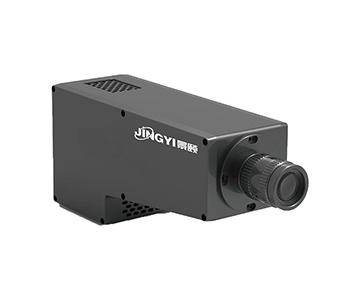
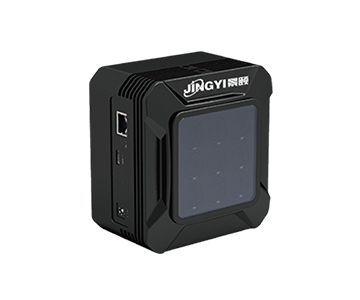
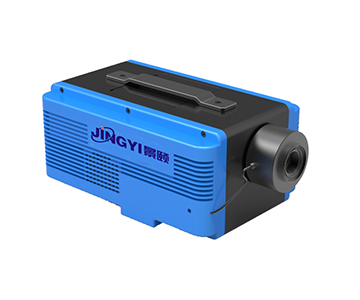
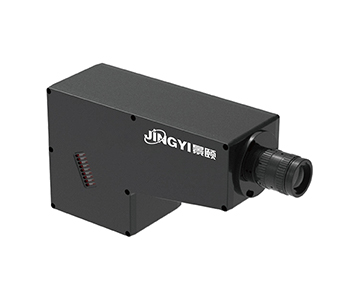
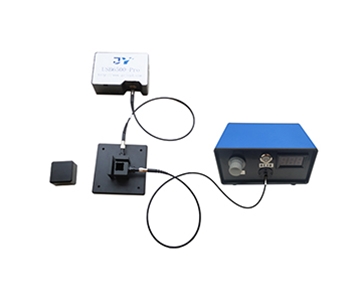
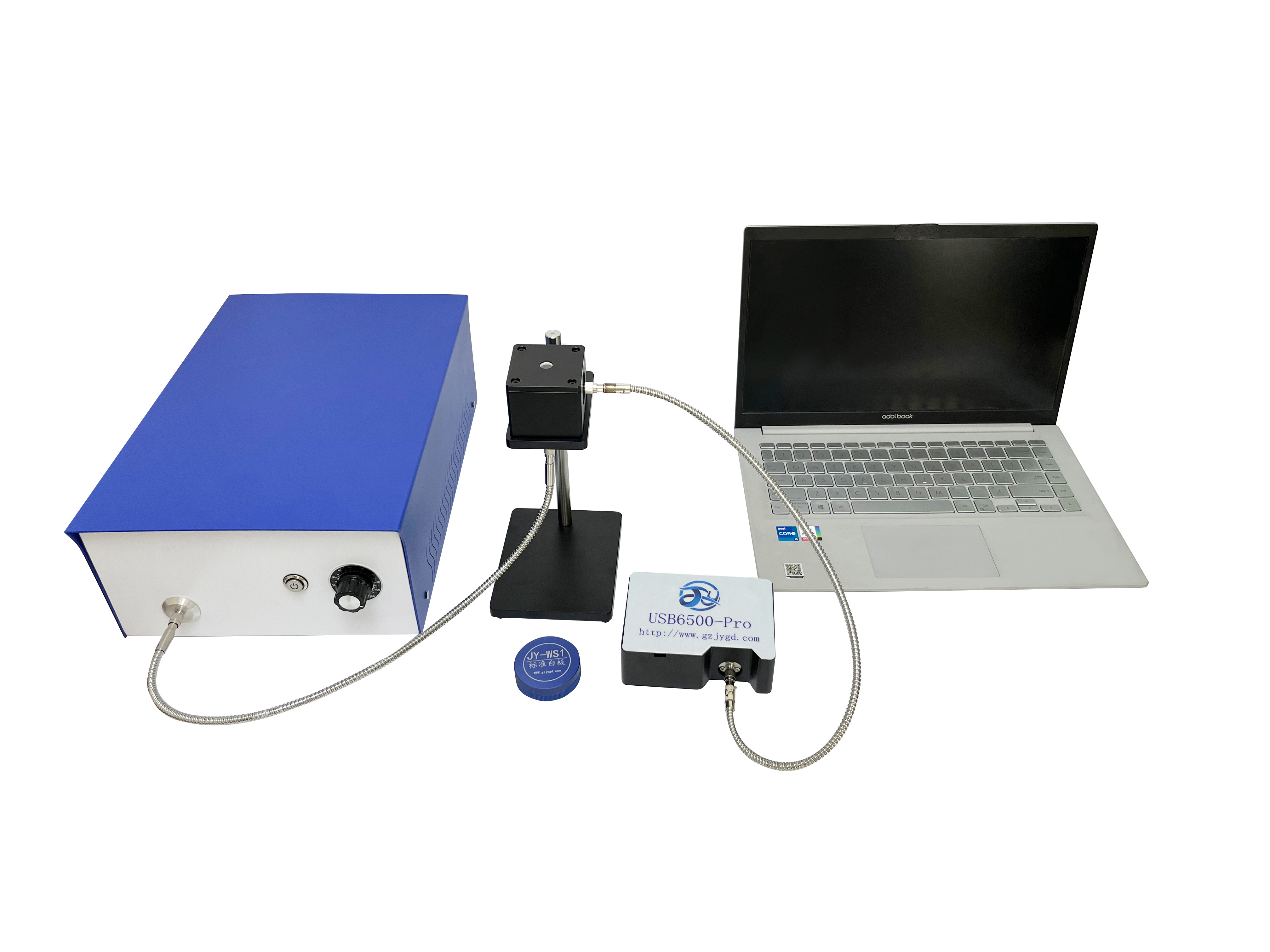
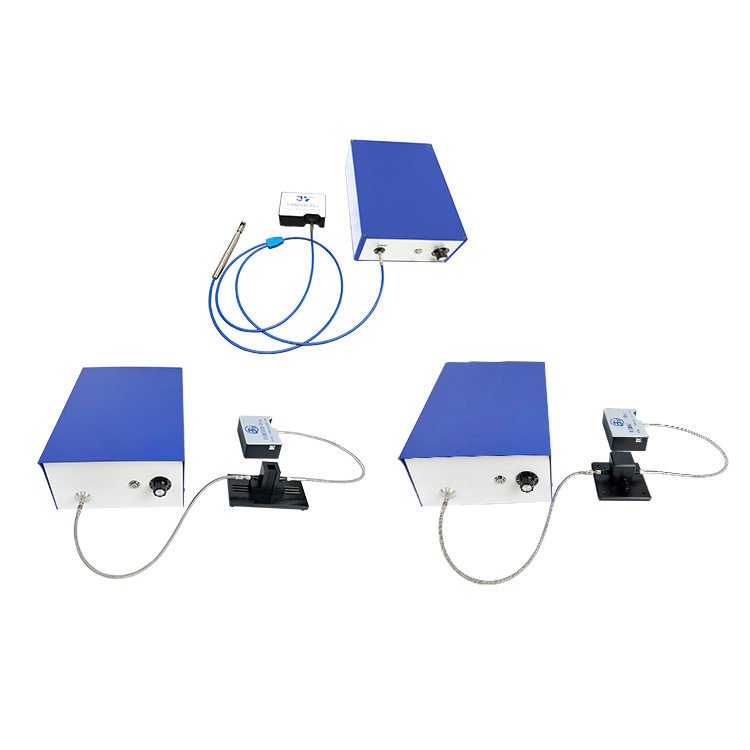
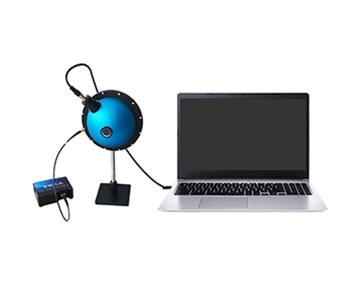
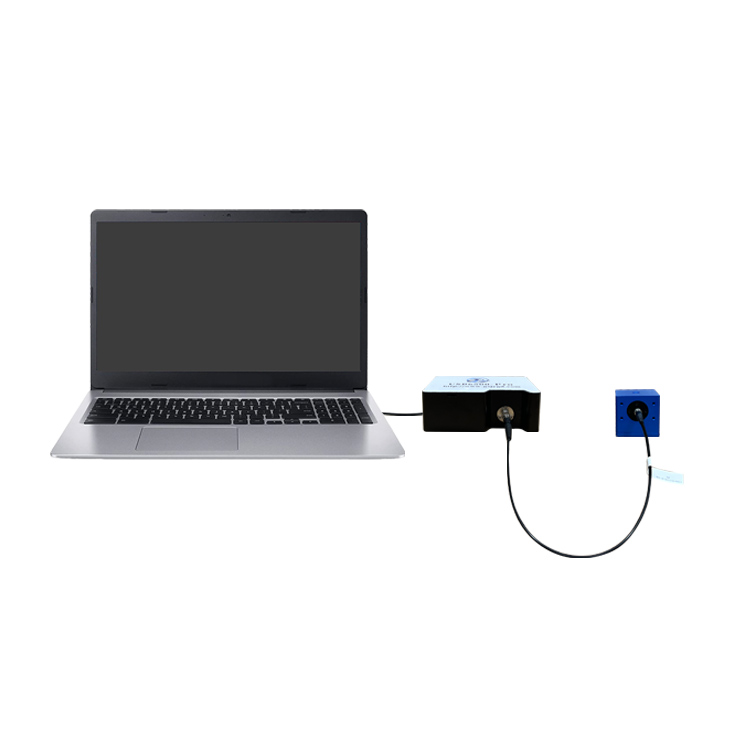
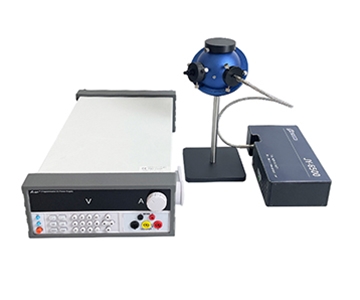
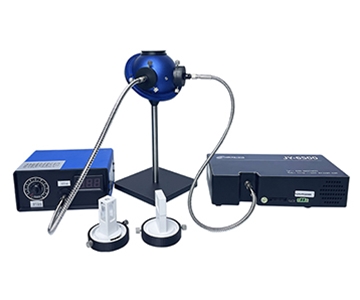
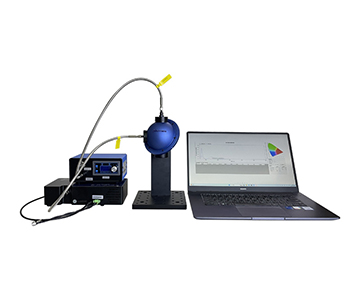
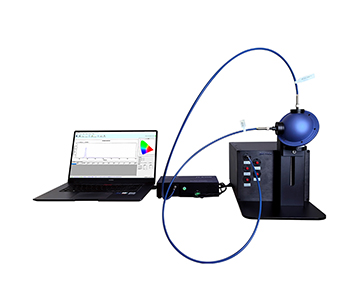
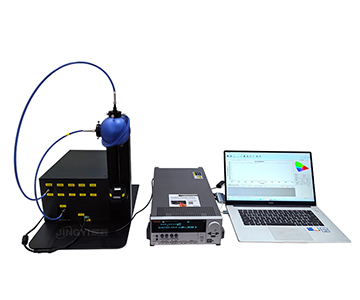
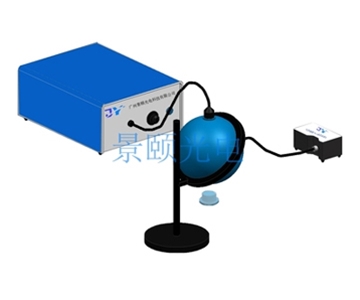
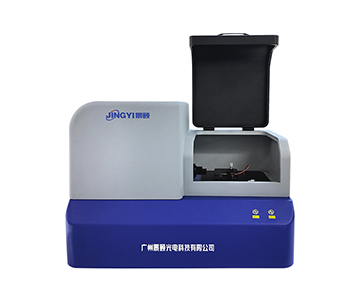
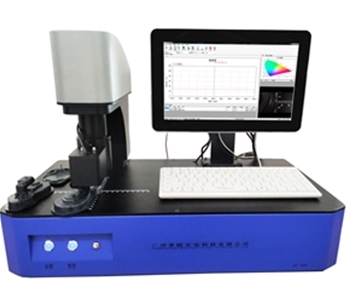
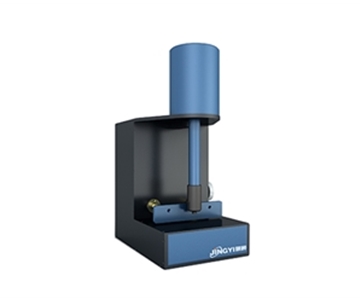
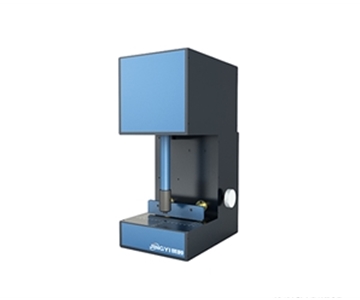
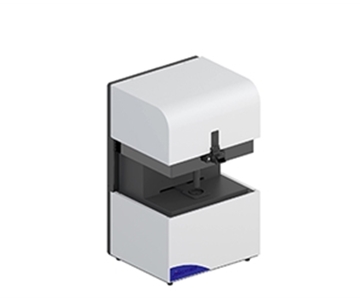
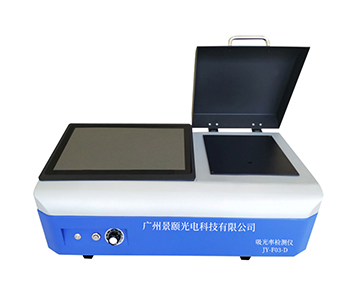
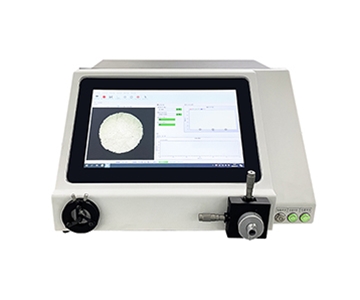
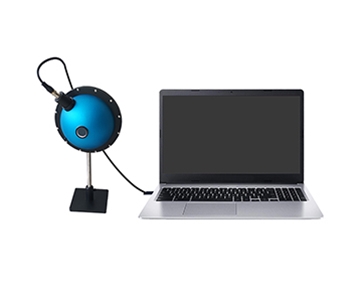
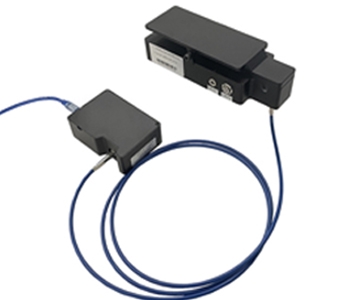
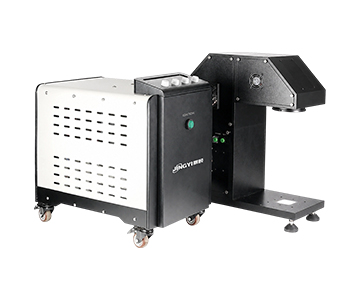
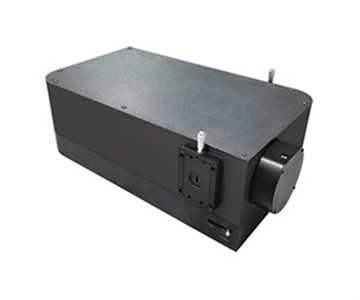
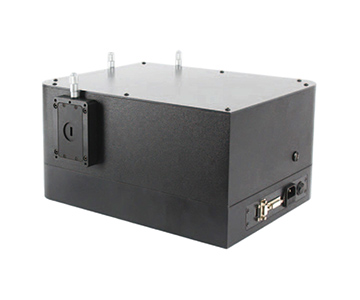
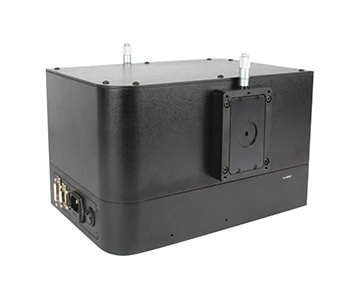
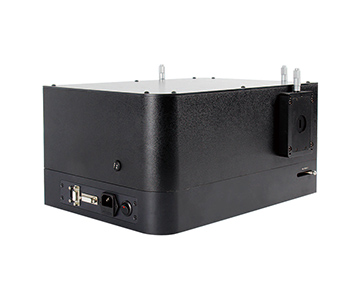
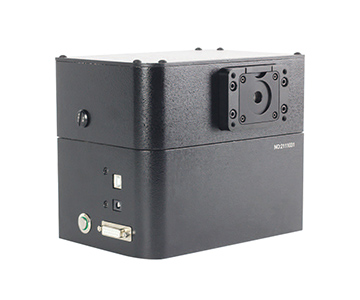
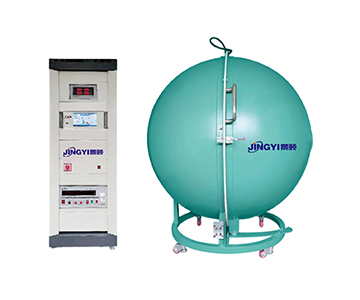
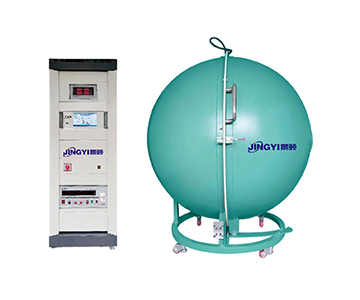
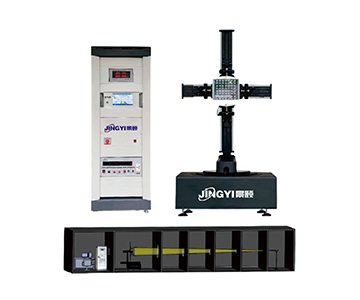
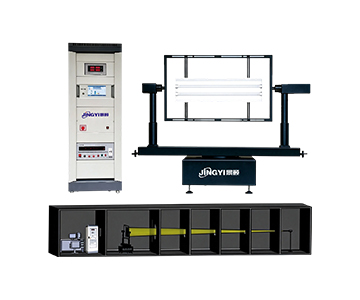
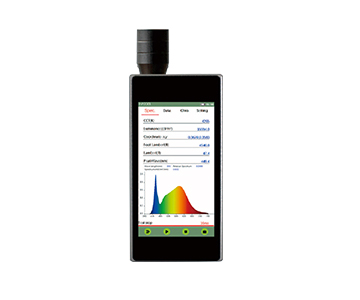
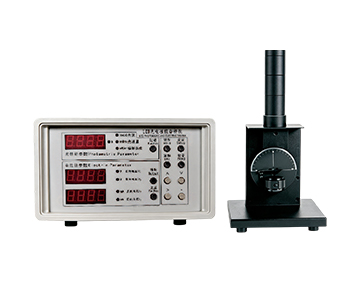
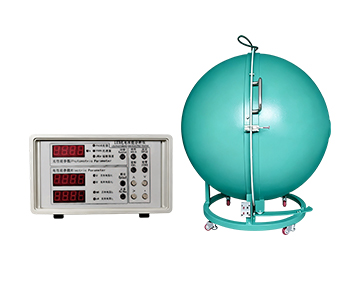
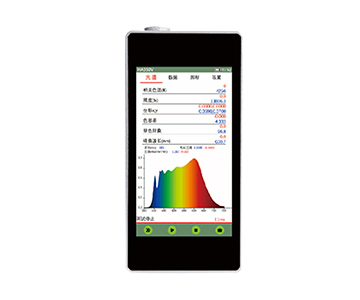
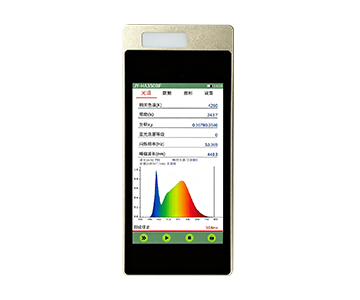
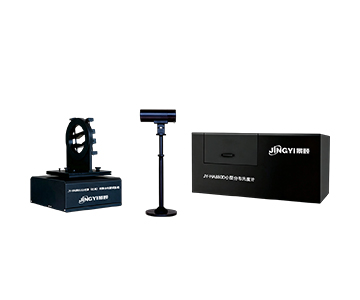
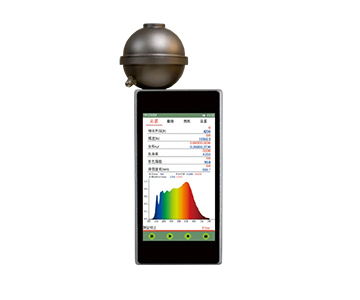
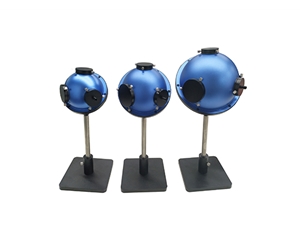
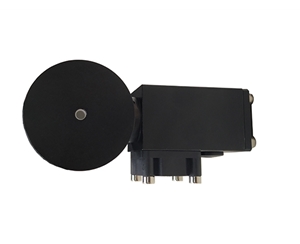
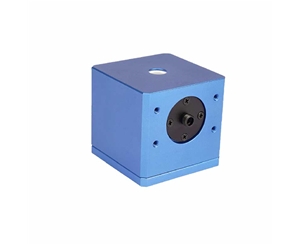
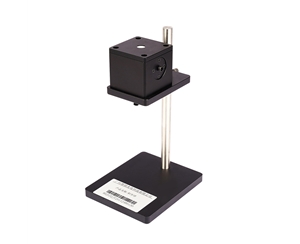
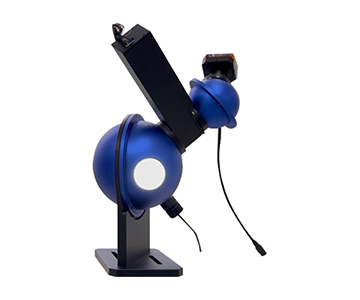
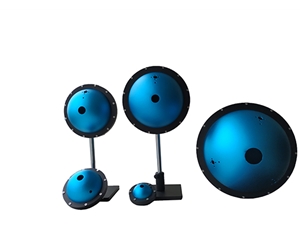
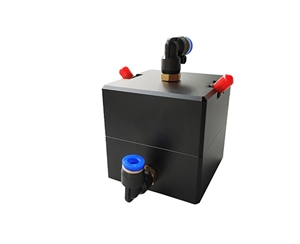
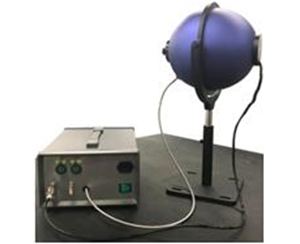
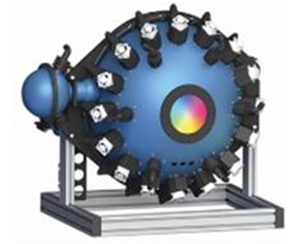
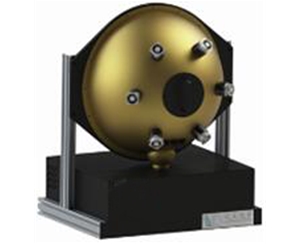
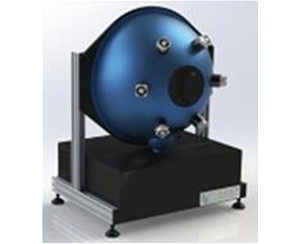
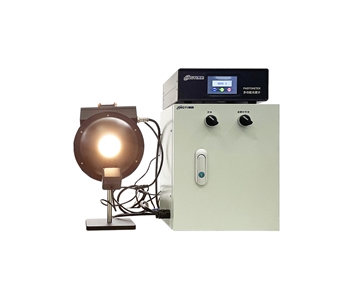
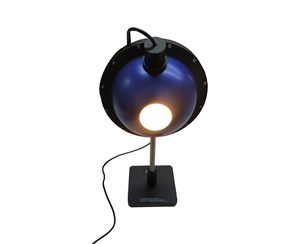
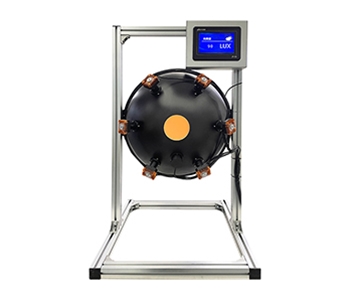
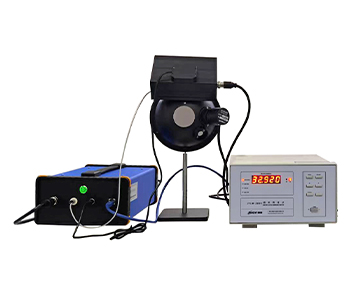
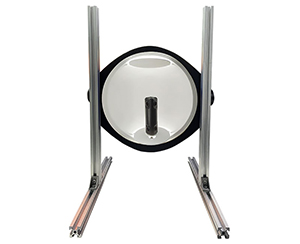
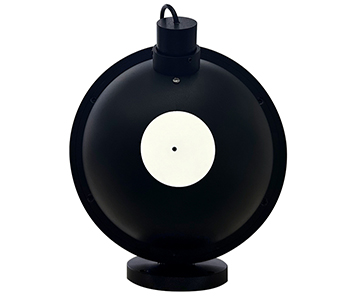
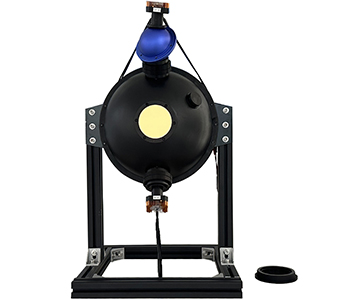
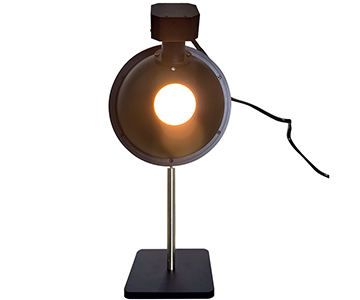
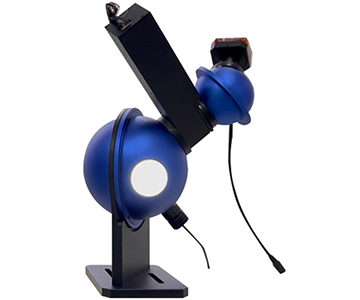
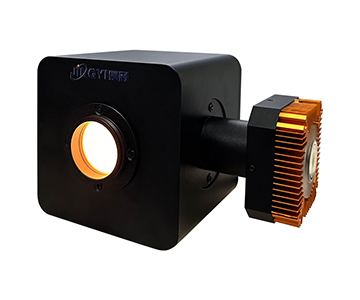
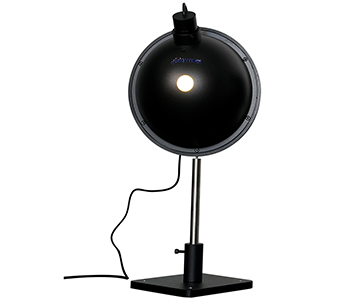
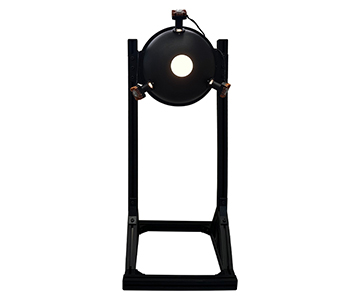
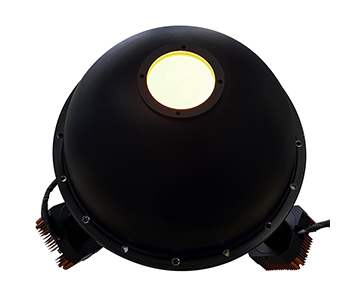
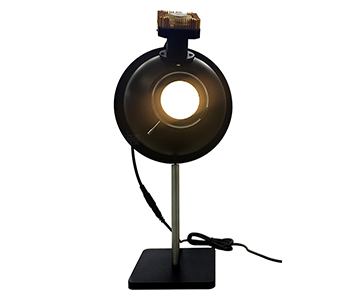
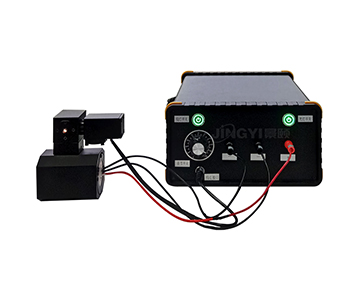
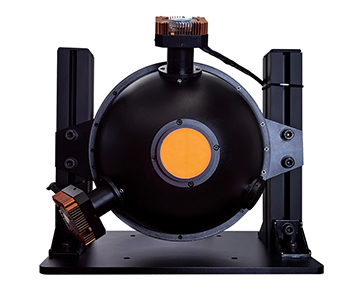
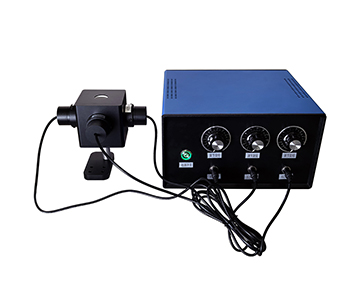
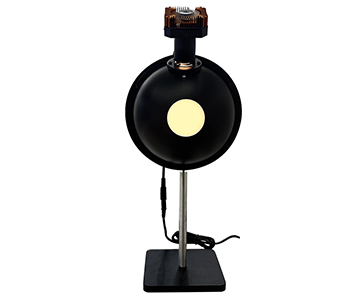
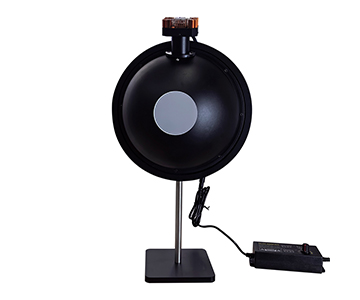
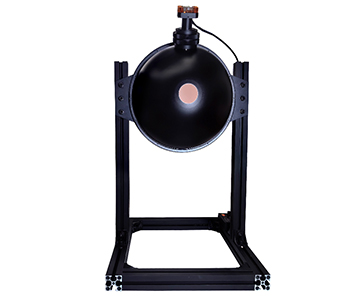
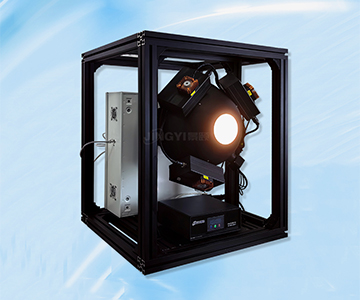
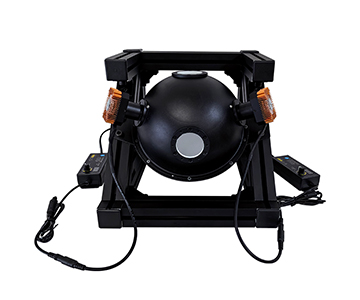
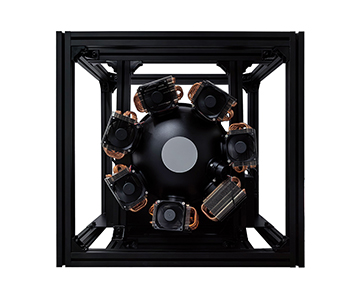
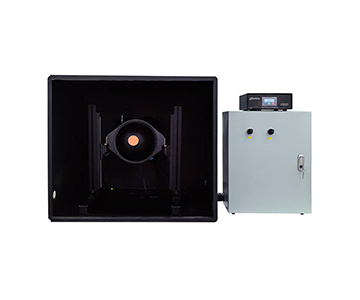
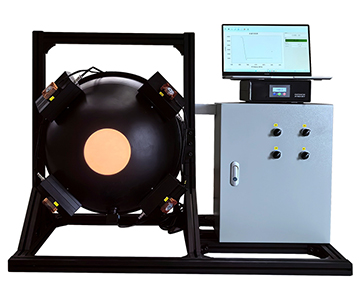
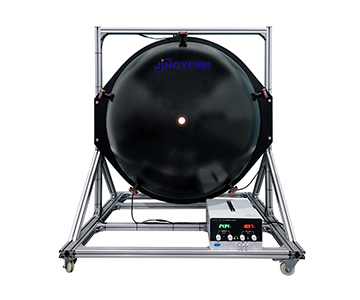
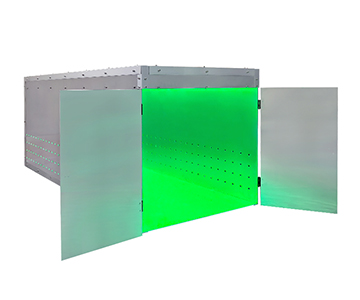
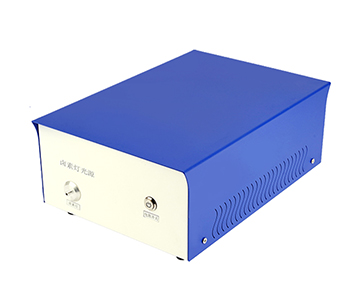
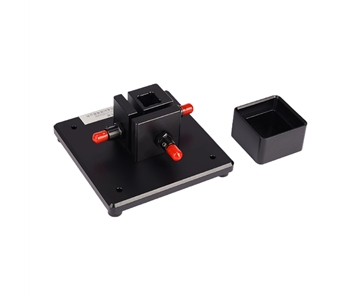
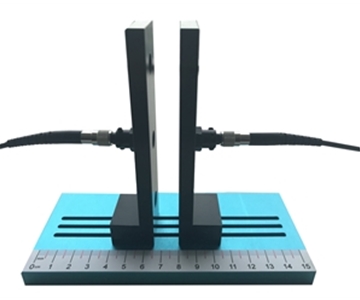
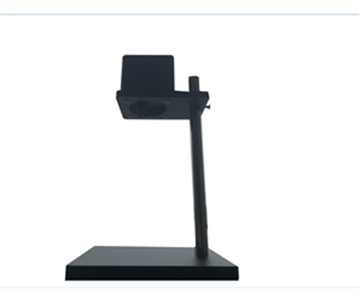
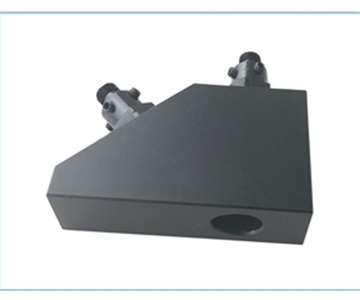
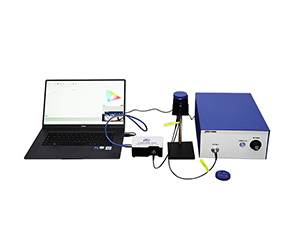
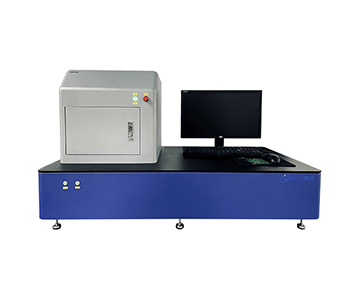
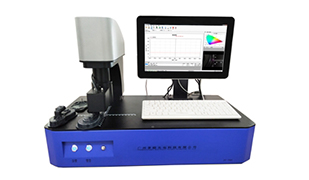
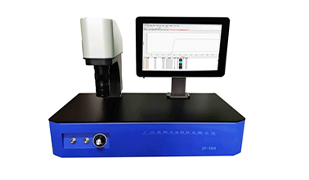
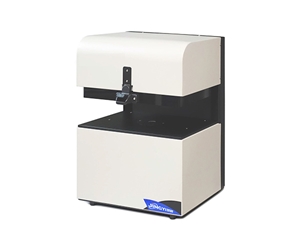
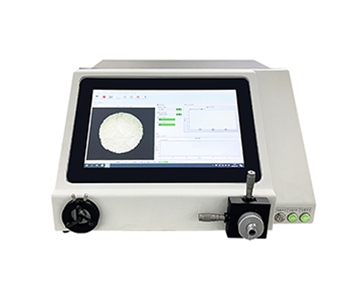
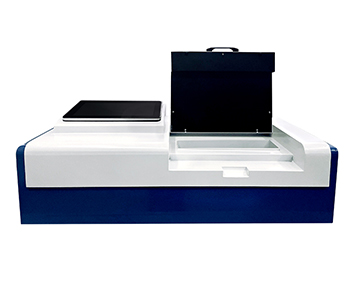
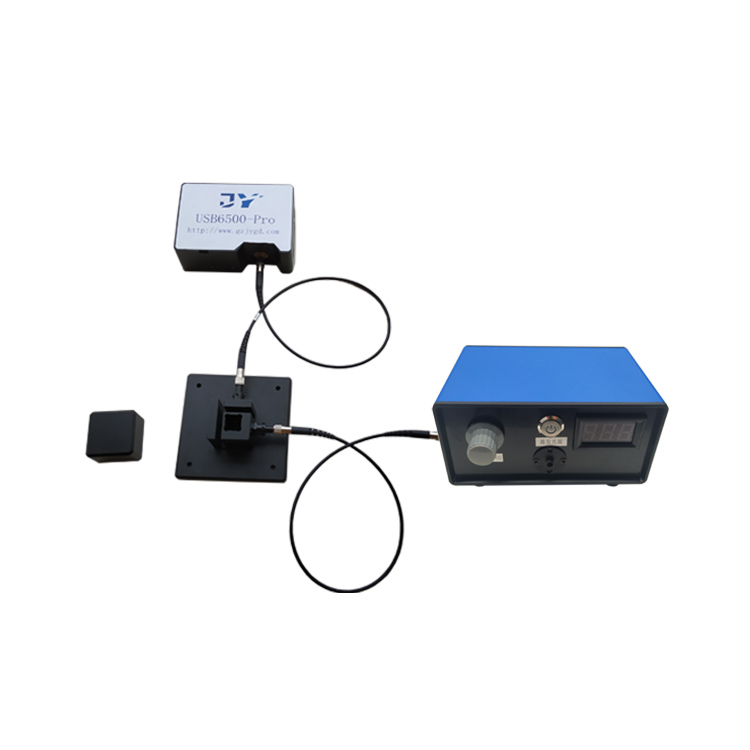
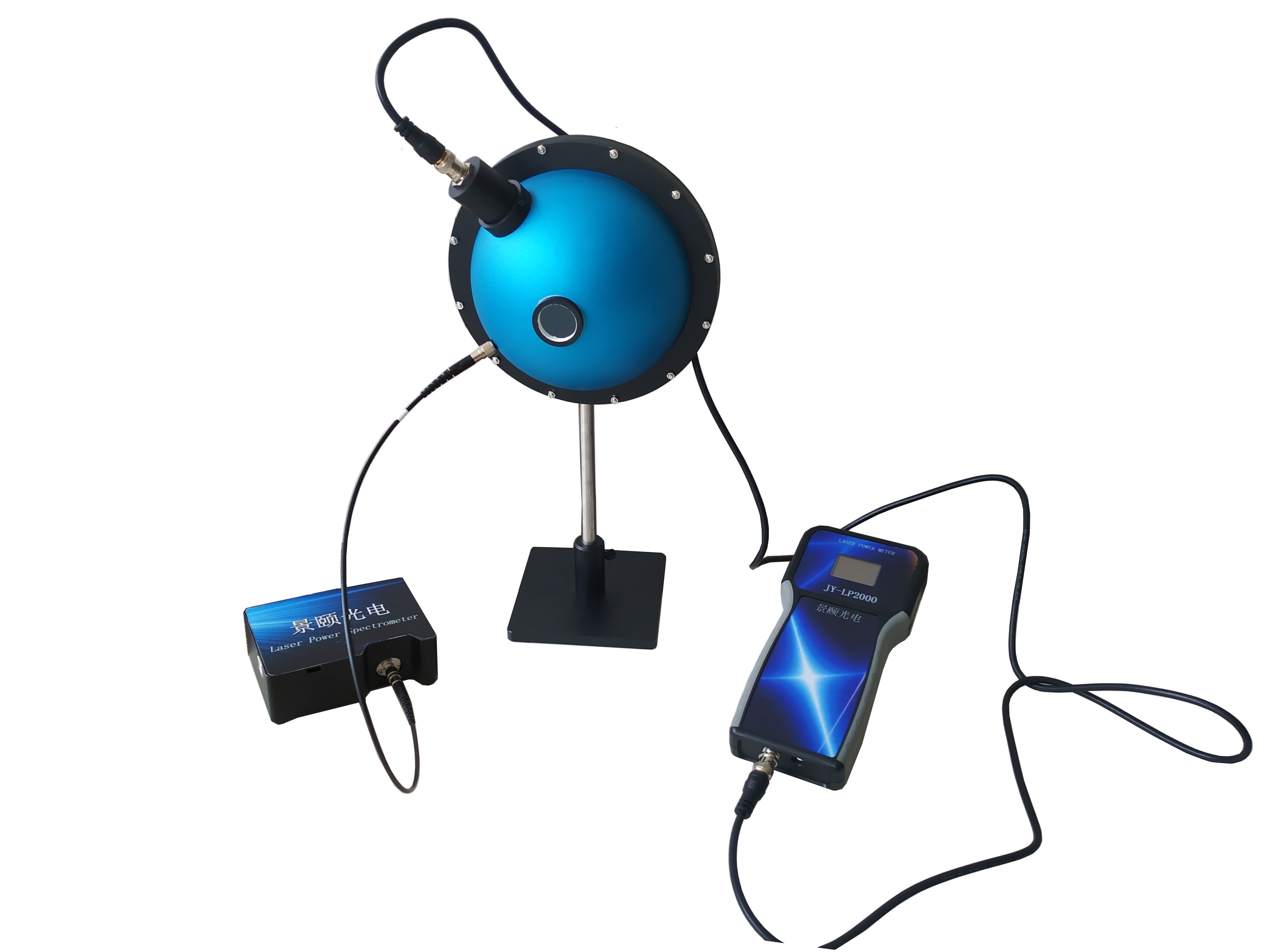
Integrating spheres remain the dominant solution for luminous flux and radiometric testing across semiconductor fabs, LED display lines, and lighting qualification labs. Yet the mean time to recovery (MTTR) after coating degradation, port damage, or reflectance drift varies dramatically between legacy import systems and newer
Market Reality: The Structural Gap Behind Penetration Numbers
The domestic spectroscopic instrument market reached approximately 4.78 billion CNY in 2025, with integrating spheres and associated modules accounting for roughly 12.3% of that total, per SEMI's latest annual report. Labsphere and Instrument Systems together hold 61.4% of the high-end segment. Domestic
That penetration follows an inverted pyramid. Incoming inspection stations already run 34.6% domestic hardware. Process monitoring drops to 11.2%. Core process control—where reflectance uniformity and Lambertian behavior directly determine yield—sits below 5.8%. The gap is not merely a technology lag. It reflects systematic deficits in traceability infrastructure, multi-tool consistency validation, and software ecosystem maturity.
| Dimension |
Import Mainstream |
Alternative Mainstream |
Source |
| Spectral range |
200–2500 nm |
200–2500 nm |
In-house validation docs |
| Reflectance |
99% ±0.5% |
99% (PTFE foam) |
In-house validation docs |
| Coating temperature limit |
300°C |
300°C (PTFE type) |
In-house validation docs |
| Minimum inner diameter |
10 mm |
10 mm |
In-house validation docs |
| Custom lead time |
4–6 weeks |
7 days (small batch) |
In-house validation docs |
| Fault response radius |
Cross-border logistics |
48 h domestic reach |
Industry survey |
The table above shows baseline spectral parity. What it does not capture is the long-term coating uniformity stability and batch-to-batch consistency control where measurable gaps persist. One wafer fab reported that annual maintenance on its import integrating spheres consumed 18% of original equipment cost. A domestic
Four Implementation Barriers: Parameter Matching Is Only the Start
Missing Traceability Infrastructure
Most import units ship with NIST-traceable reflectance calibration certificates. Only a minority of
Multi-Tool Consistency Deficits
Coating thickness variation between batches scatters photometric results. Import manufacturers use automated spray lines with inline spectral monitoring to hold batch CV below 0.8%. Economy-tier domestic products typically range from 2.3% to 3.1%. For LED display outgoing inspection—where consistency requirements are unforgiving—that delta translates into 20%–30% additional reinspection frequency on the line.
Software Ecosystem Lock-In
Import brands generally ship complete SDKs and automated test script libraries. Domestic
Service Radius and Spare Parts Inventory
Import service networks cluster in tier-one cities. Tier-two and tier-three response cycles routinely exceed 72 hours. Domestic manufacturers leverage local supply chains to complete standard spare-part replacement within 48 hours. Special custom items—such as 24K gold layer restoration on gold-plated spheres—still require factory return, typically 5–7 business days.
Phased Substitution Logic: From Periphery to Core
Stage 1: Incoming Inspection—Ready for Full Substitution
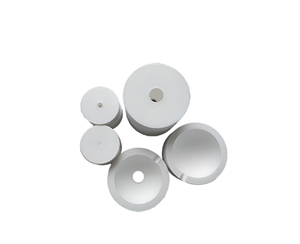
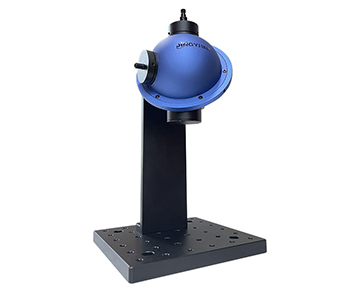
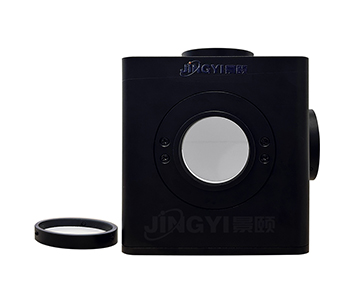
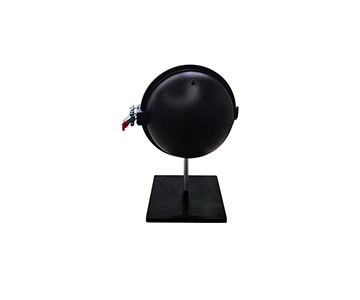
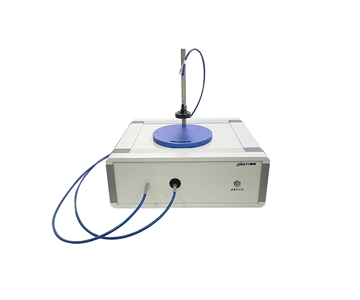
Incoming inspection demands less absolute precision. The priority is pass/fail discrimination. Domestic base-model integrating spheres (inner diameter 84–100 mm) cover 200–2500 nm at 99% reflectance with standard SMA905 ports, enabling direct replacement of comparable import units. Modular production supports diameters from 50 mm to 3000 mm, with small-batch custom orders delivering in 7 days.
Stage 2: Process Monitoring—Calibration Strategy Required
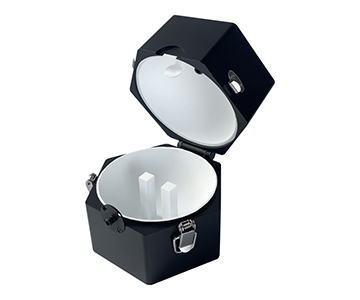
Process-monitoring spheres endure continuous production-line exposure, making coating aging rate the critical variable. PTFE yellows slightly under prolonged UV irradiation, degrading reflectance. A dual-sphere rotation strategy is advisable: the primary sphere goes out for quarterly calibration while the backup takes over. This shifts recovery time from "waiting for parts" to "instant switchover," cutting downtime losses by approximately 62%.
Stage 3: Core Process Control—Window Opens 2028–2030
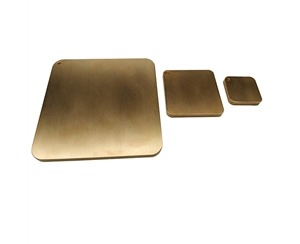
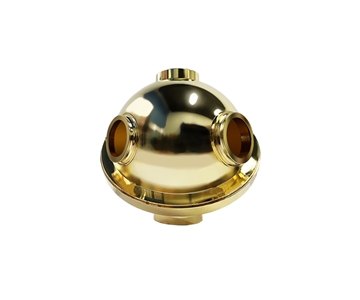
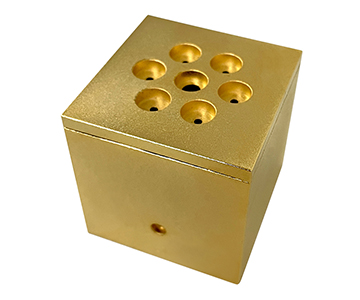
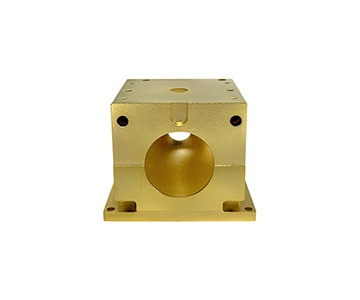
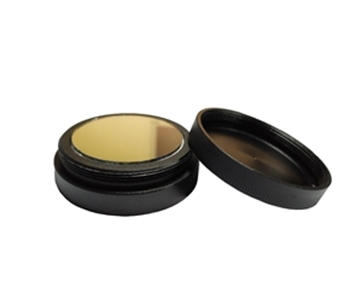
This stage demands the highest Lambertian uniformity and temperature-drift coefficients. Domestic gold-plated spheres (JY-DFIOS series) use oxygen-free copper substrates with 24K gold plating, achieving >94% reflectance and >99% port uniformity. They already satisfy infrared laser power measurement and CO₂ laser output characterization. Sub-micron thin-film interferometry remains 2–3 years behind.
Risk Assessment: Three Unavoidable Variables
Technical Discontinuity Risk
Upstream high-purity PTFE powder supply volatility would further erode batch consistency. Current domestic PTFE raw material exhibits approximately 15% wider particle-size distribution than import feedstock. That gap maps directly onto the micro-roughness of the sphere's interior surface.
Vendor Sustainability Risk
Optical metrology is a fragmented field. Fewer than ten firms exceed 100 million CNY annual revenue. Buyers should evaluate cash-flow he
Standard Evolution Risk
GB/T 47066-2026 and subsequent standards impose stricter test conditions and data-processing requirements. Early-generation domestic hardware may need firmware upgrades for full compliance. Confirm standard conformance during selection to preserve traceability chain integrity.
Three Forward Scenarios
Optimistic:Domestic penetration exceeds 35% before 2028, contingent on breakthroughs in automated spraying, inline monitoring, and software ecosystems, plus sustained downstream procurement from LED display and lighting sectors. Core process control could see first large-scale substitution during 2029–2030 if academic-industry collaboration accelerates.
Neutral:Penetration stabilizes between 22% and 28%. Domestic
Pessimistic:Penetration stalls below 18%. Unresolved upstream material bottlenecks, lagging standard iteration, or downstream investment contraction slow substitution. Smaller vendors face consolidation, and market share clusters toward the top tier.
Honest Limitations
Domestic integrating spheres approach import-level baseline spectral performance, but two constraints deserve unvarnished attention.
First, long-term stability data remains thin. Labsphere's PTFE-coated spheres carry over 20 years of field service records. Domestic equivalents lack comparable large-scale longitudinal datasets. Reflectance decay curves beyond five years still rely on laboratory accelerated-aging projections rather than real-process validation.
Second, extreme-environment boundaries are real. Documentation lists PTFE-type operating temperatures from 0–50°C (water-analysis models) to 300°C (standard models). In high-humidity, high-s
Frequently Asked Questions
Q1: Will test data continuity survive an import-to-
Data continuity depends on traceability chain handoff. Complete at least three parallel comparison rounds before replacement, document systematic bias values, and flag equipment-change nodes in subsequent reports. Selecting a vendor that participated in national standard drafting improves traceability integrity.
Q2: How does
PTFE coatings last 5–8 years under standard laboratory conditions—comparable to import benchmarks. Under high-power laser irradiation or intense UV exposure, schedule reflectance spot checks every 12–18 months instead of relying on fixed replacement intervals.
Q3: How is multi-tool consistency maintained?
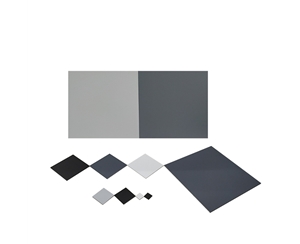
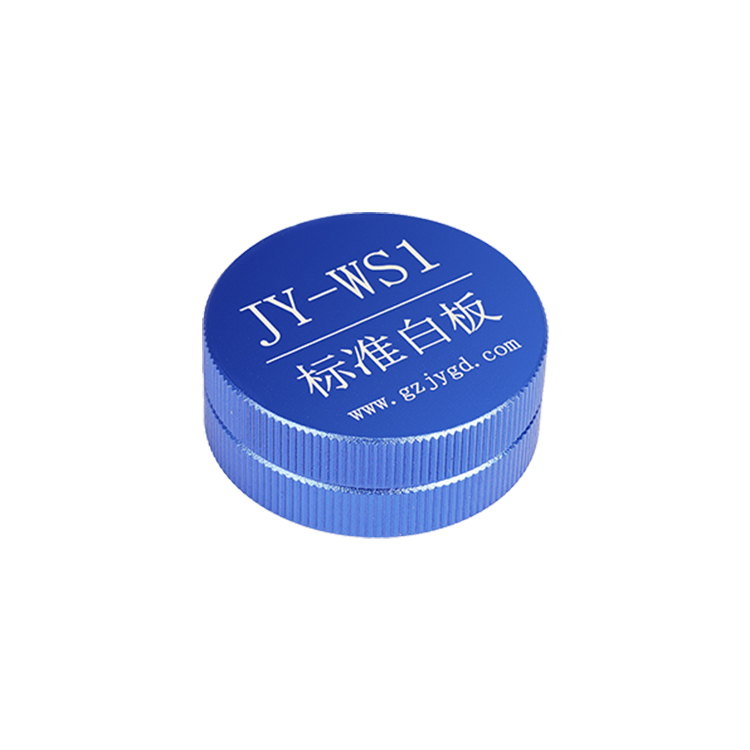
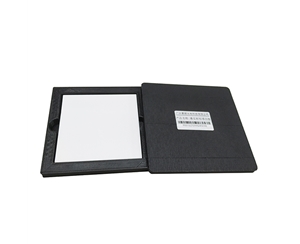
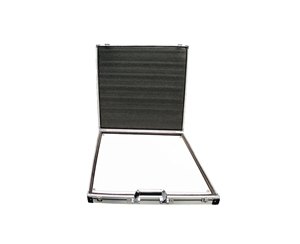
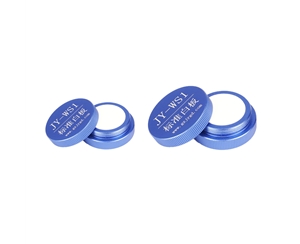
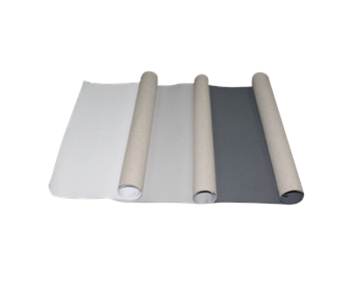
Require the vendor to provide coating uniformity test reports from the same production batch. Reserve 10%–15% of deployed units as calibration anchors, cross-checking regularly with standard white plaques to keep batch variation within acceptable bounds.
Q4: What substitution strategy fits different organization sizes?
Aggressive: single-product-line SMEs with clear test standards can swap the full line at once. Conservative: phase module-by-module, starting with non-critical stations. Pilot: large enterprises under strict data-compliance requirements should run 1–2 units in parallel for no fewer than six months before broader rollout.
Q5: How can I independently verify long-term reliability claims?
Request third-party test reports with emphasis on accelerated-aging data and real-process case histories. Build internal equipment logs tracking reflectance trends after each maintenance cycle, using your own data to validate vendor commitments.
Reference Information
Sources: SEMI 2025 Annual Report, Chinese Optical Society Technical White Paper, GB/T 47066-2026 Standard Text, In-House Product Validation Documents
Author: Cai Xiaodong, Senior Application Engineer, Jingyi Optoelectronics — 12 years in industrial precision measurement equipment
Conflict of Interest: Jingyi Optoelectronics manufactures integrating spheres and optical metrology accessories. This analysis draws on published specifications, independent lab data, and aggregated industry information. No third-party compensation was involved.
Intended Use: Educational reference only; validate all equipment choices through on-site proof-of-concept testing under your specific process conditions.
Updated: August 2026
For detailed specifications and application notes on integrating spheres, search "Jingyi Optoelectronics integrating sphere" or visit our technical library.