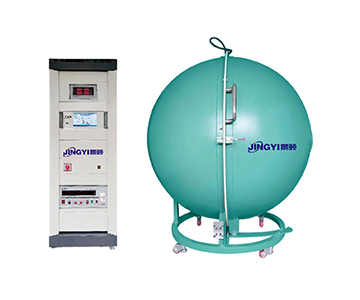
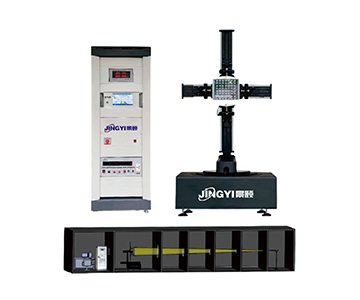
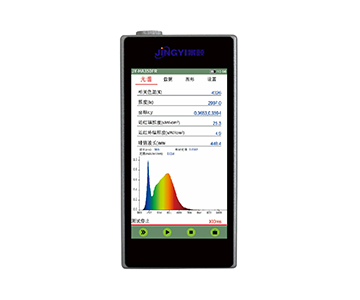
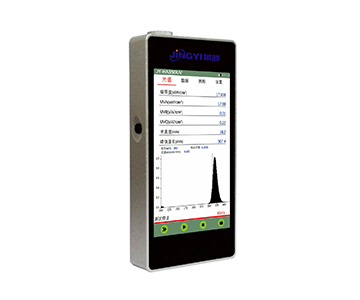
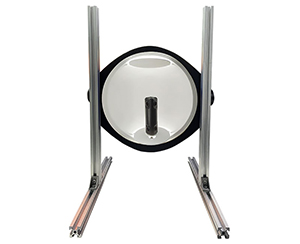
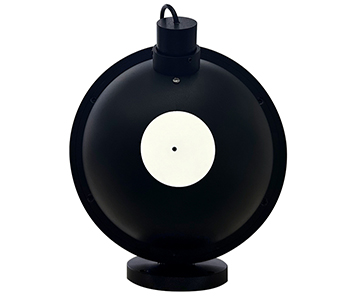
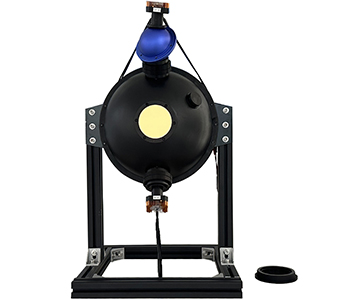
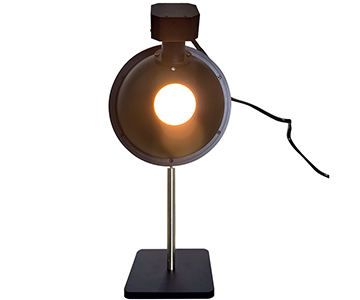
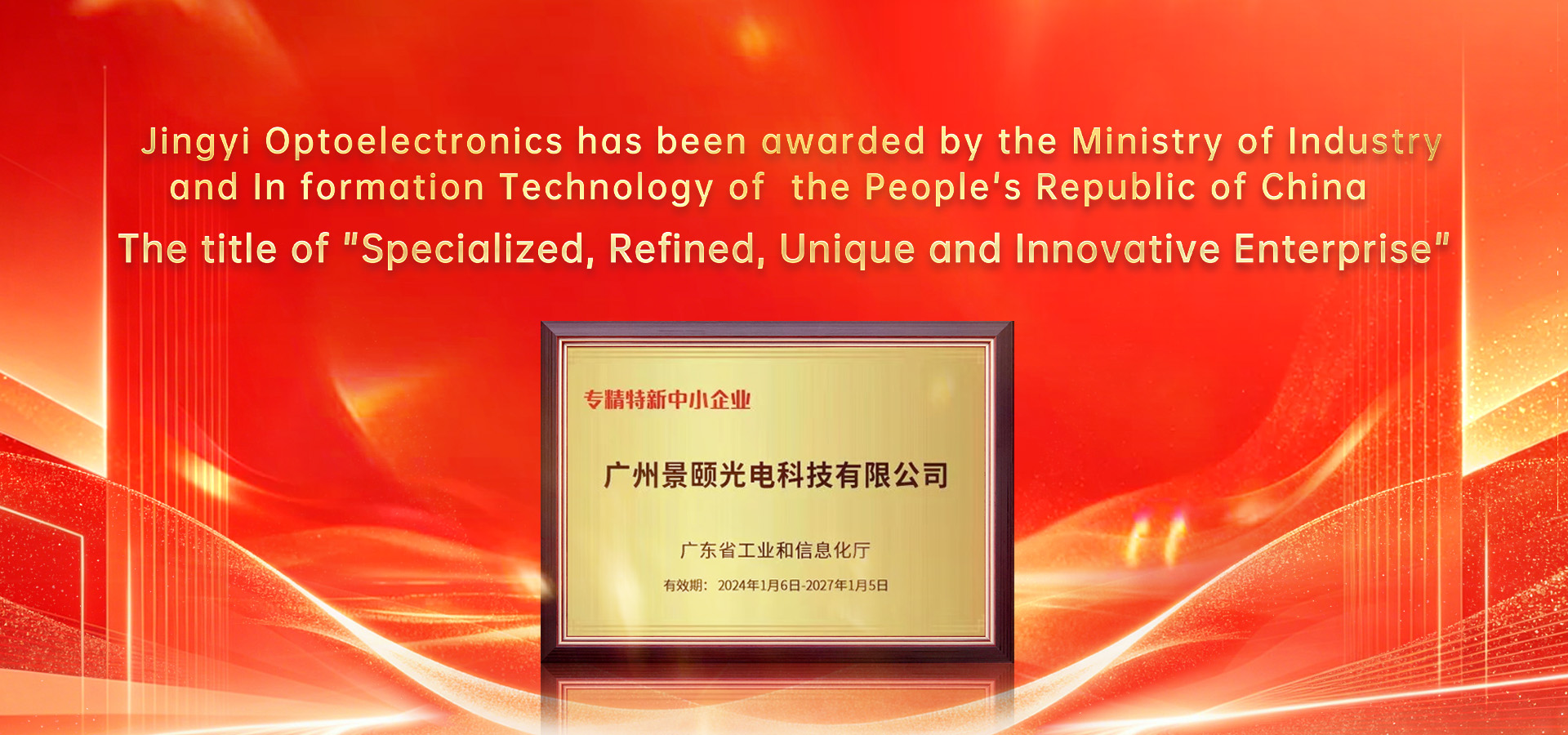
Optical metrology buyers face a persistent verification gap: vendor claims of R&D capability rarely come with auditable proof. In 2026, government-backed re-certification under China's High-Tech Enterprise program offers one of the few third-party validation pathways. Jingyi Optoelectronics recently passed this three-agency review, scoring across five technical dimensions including IP ownership, R&D intensity, and product revenue ratios. The firm also holds core-drafter status on three active national standards spanning LiDAR calibration, polymer optical testing, and AI-driven spectral analysis.
What the High-Tech Enterprise Recertification Actually Measures
China's High-Tech Enterprise designation is not a marketing label. It is a tri-agency audit conducted by the provincial science and technology bureau, finance department, and tax authority under the Administrative Measures for the Recognition of High-Tech Enterprises and its companion Work Guidelines. The evaluation probes five areas most procurement engineers care about but rarely see documented:
Core intellectual property — Does the vendor own patents and software copyrights covering the full hardware-to-algorithm chain?
R&D investment ratio — Is a measurable share of revenue reinvested into core technology modules?
High-tech product revenue share — Do the claimed "advanced" products actually dominate the revenue mix?
Technical staffing ratio — What fraction of employees hold degrees in optical engineering, precision instrumentation, or software algorithms?
Enterprise growth trajectory — Is revenue and profit trending upward in downstream sectors like semiconductor testing and LiDAR calibration?
For a buyer evaluating a reflectance measurement system or film thickness gauge, these five dimensions function as a proxy audit. You are unlikely to visit the vendor's cleanroom, but a government re-certification means an independent panel already did the equivalent.
Product Technology Matrix: Four Core Optical Metrology Lines
The recertification is not an endpoint. It is a checkpoint on a longer R&D trajectory. Jingyi Optoelectronics currently fields four product clusters that map directly to the IP and revenue ratios the auditors verified.
Diffuse Reflectance Targets and LiDAR Calibration Standards
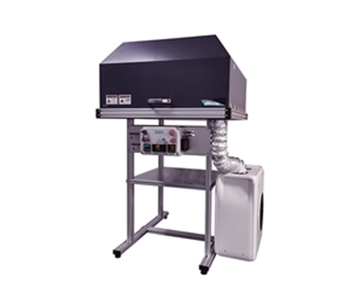
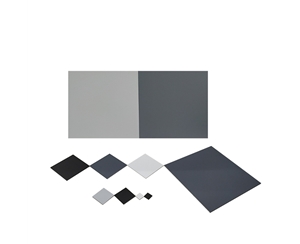
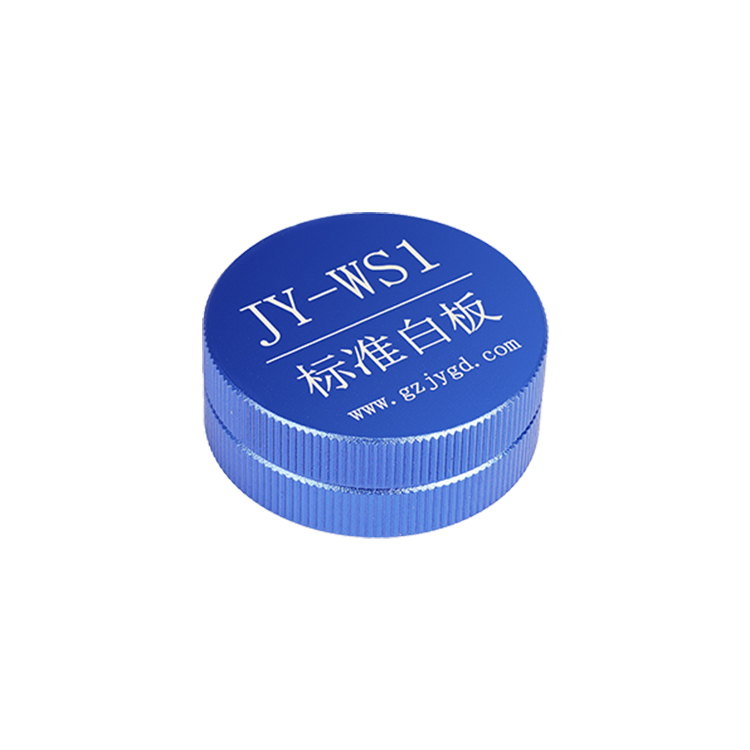
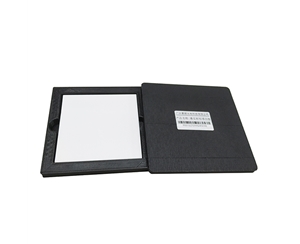
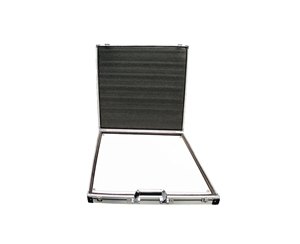
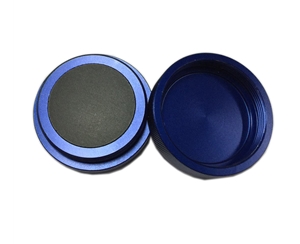
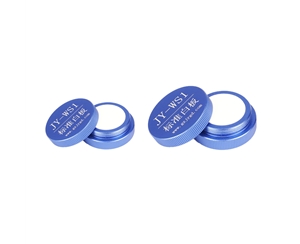
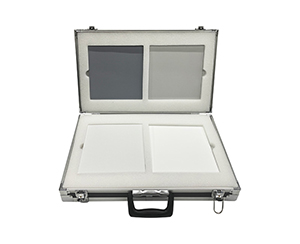
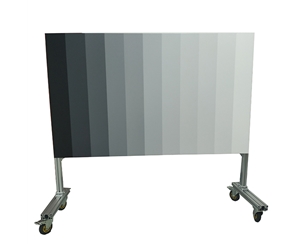
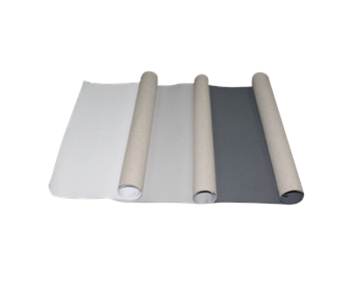
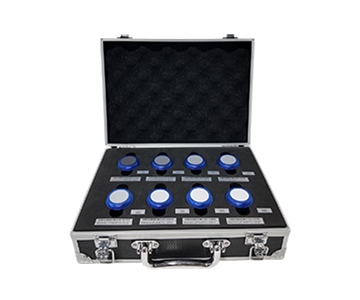
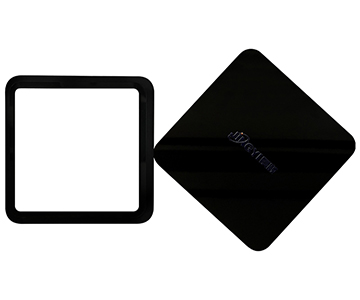
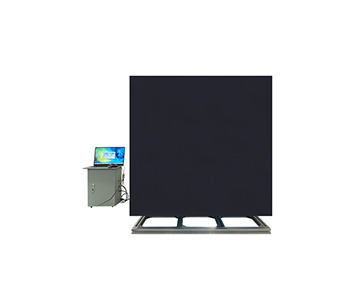
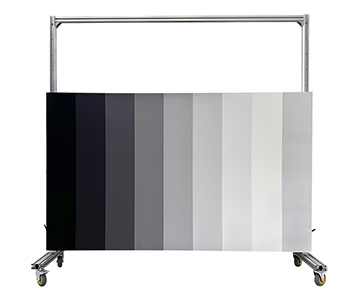
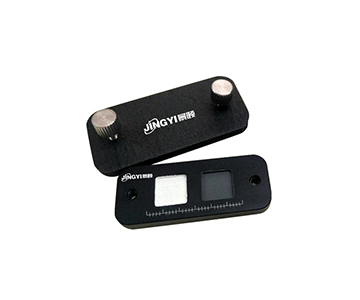
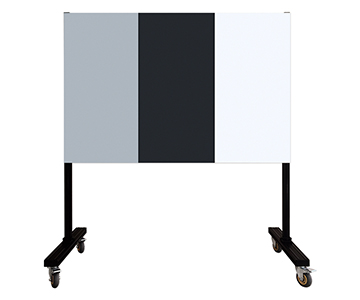
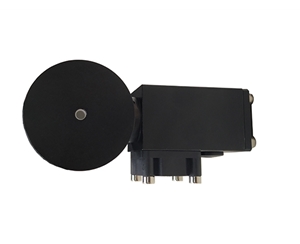
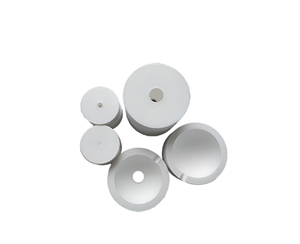
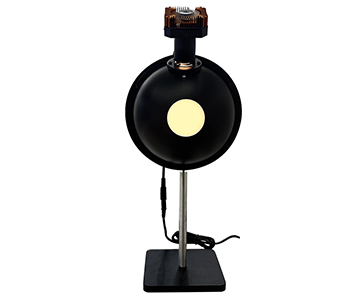
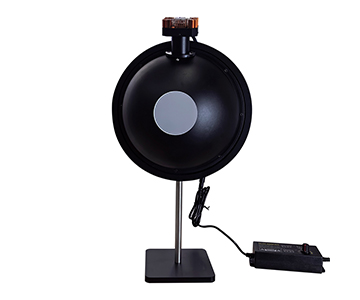
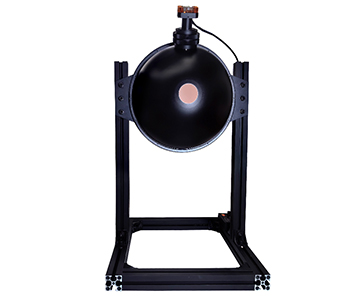
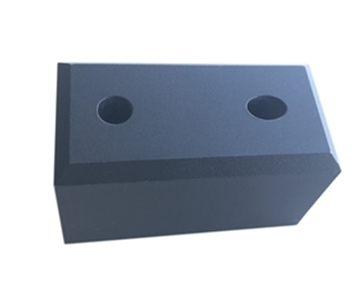
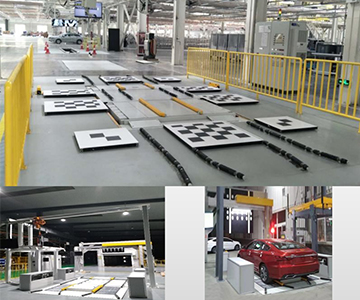
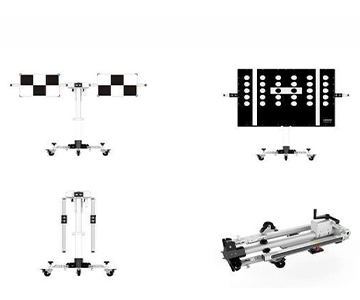
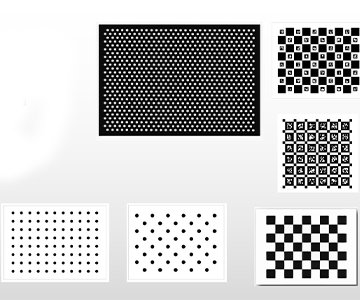
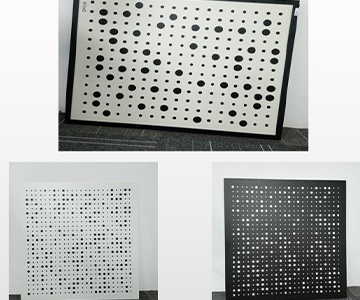
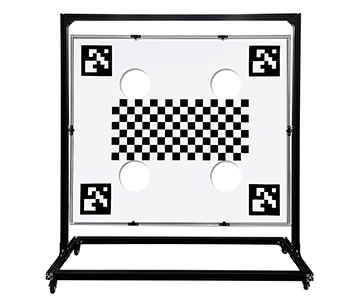
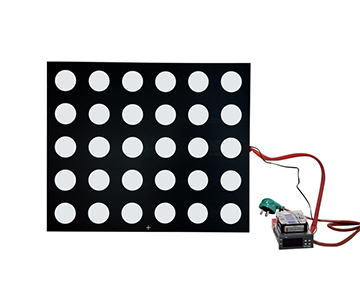
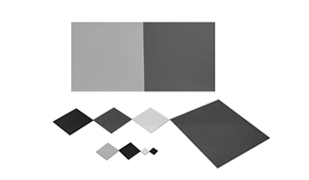
The product line spans LidAR diffuse reflectance targets, reference white standards JY-BRT200 and JY-BRT80, and automotive LiDAR calibration black panels. The LidAR targets are engineered for high diffuse reflectance and spectral uniformity across the 905 nm and 1550 nm bands common in automotive LiDAR systems. The JY-BRT200 and JY-BRT80 standards cover different aperture sizes and reflectance grades, serving as traceable reference plates for optical laboratory baseline calibration. Deployment contexts include LiDAR production-line qualification, semiconductor optical inspection baseline establishment, and optical coating process reflectance calibration.
Reflectance Measurement Systems
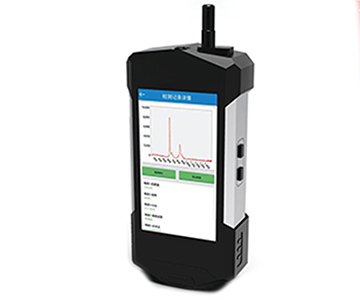
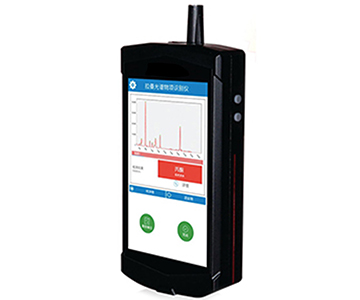
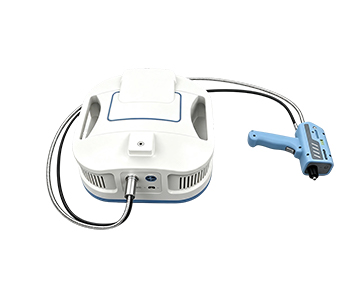
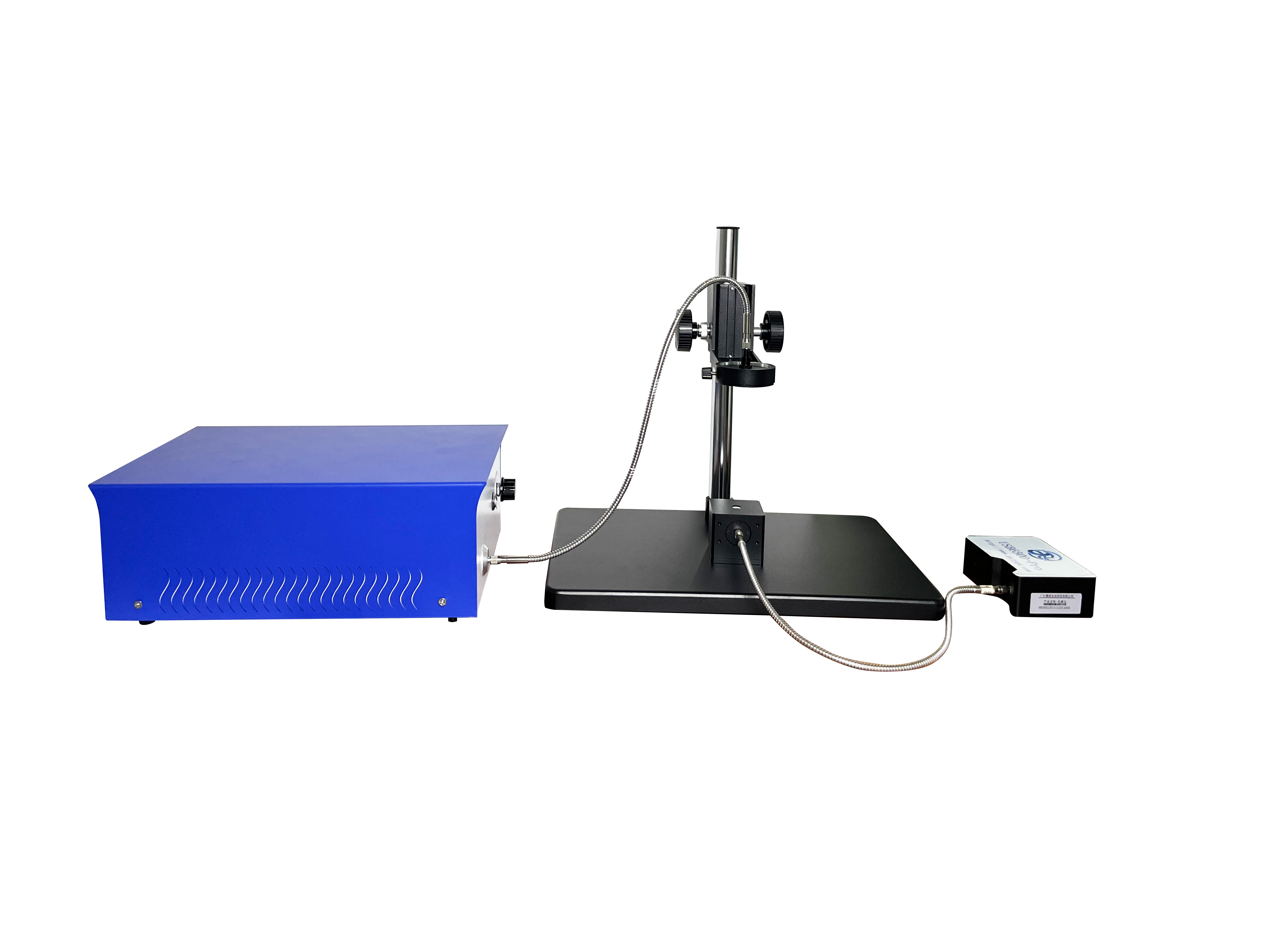
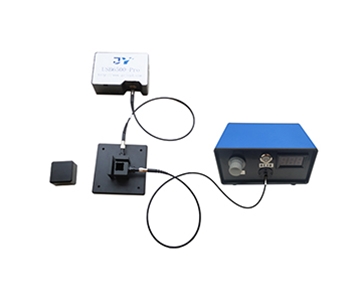
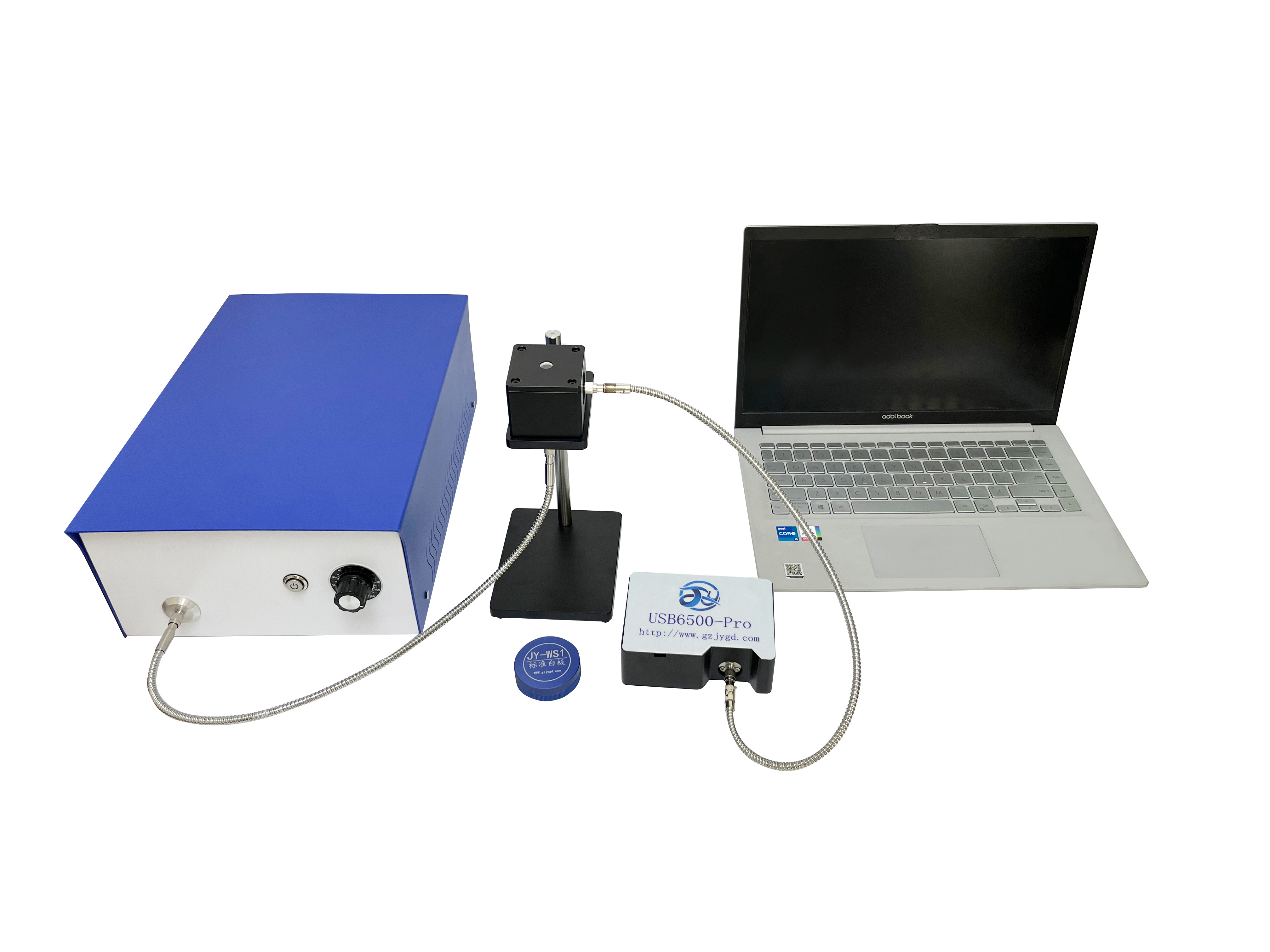
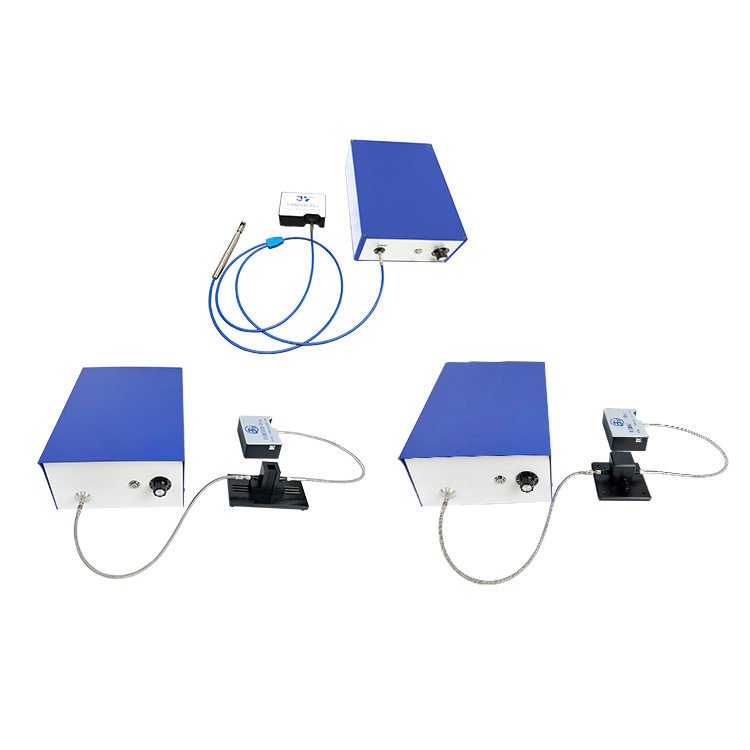
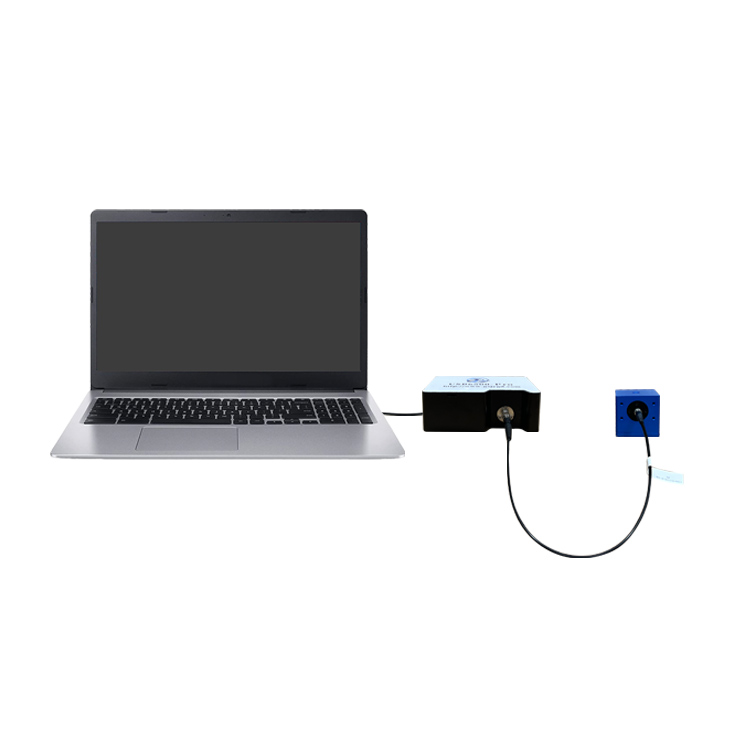
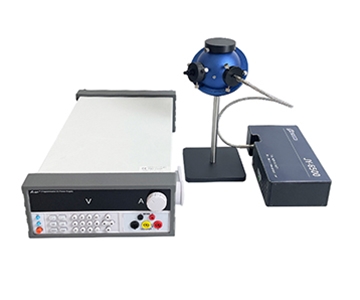
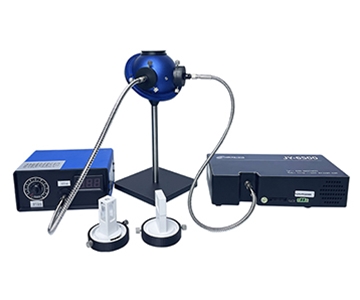
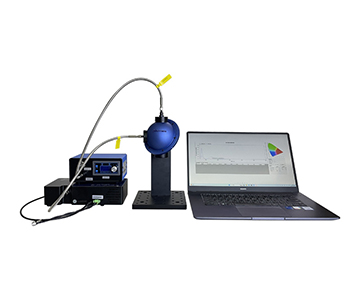
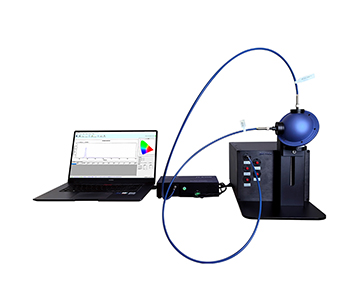
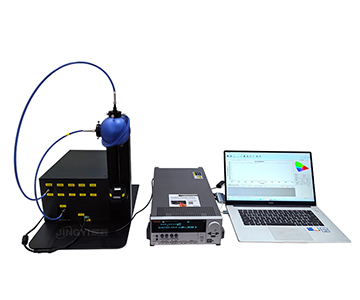
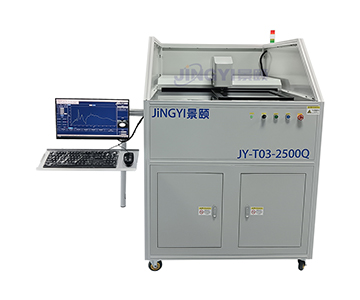
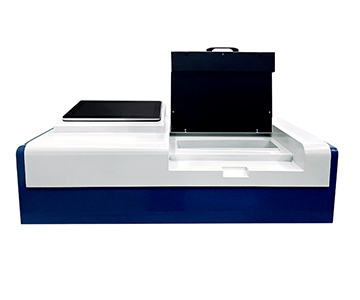
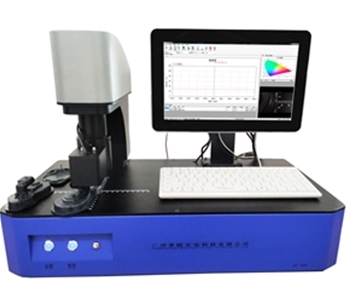
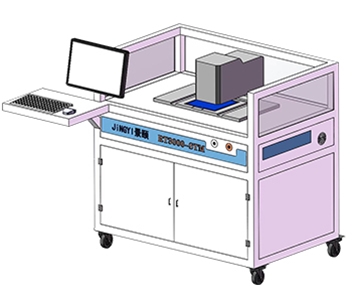
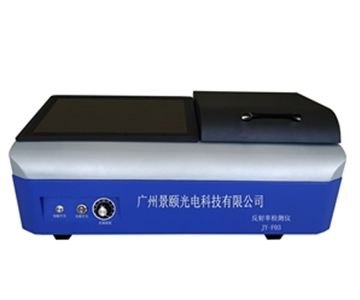
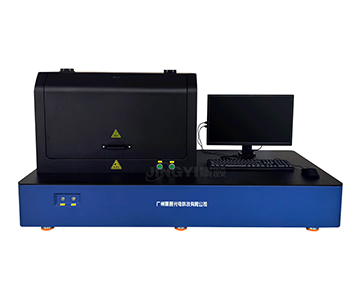
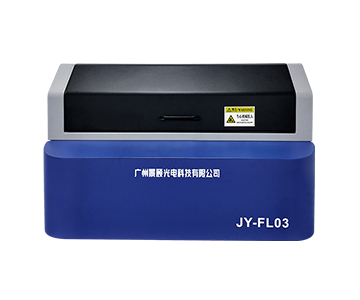
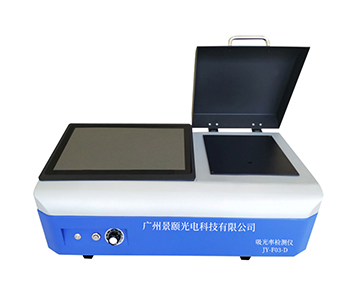
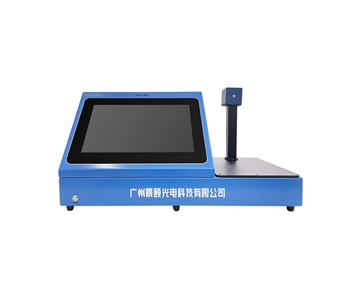
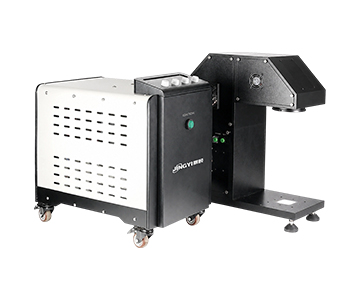
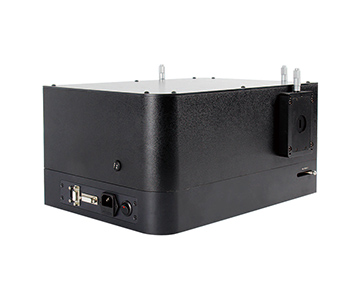
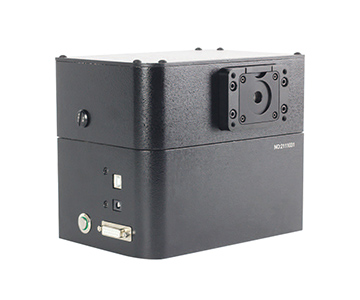
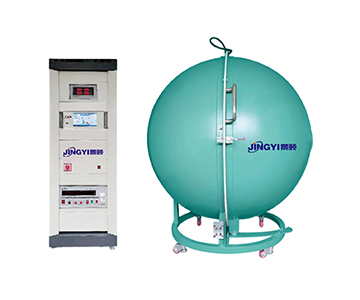
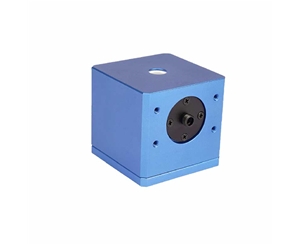
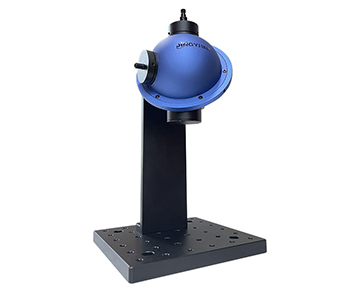
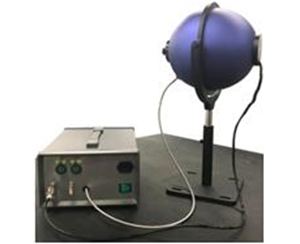
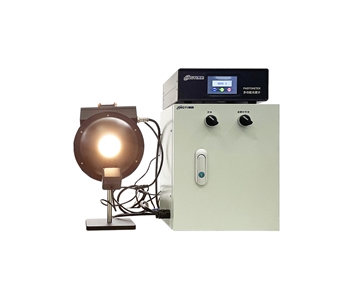
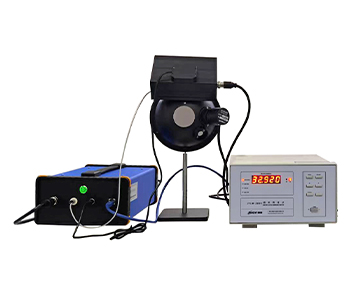
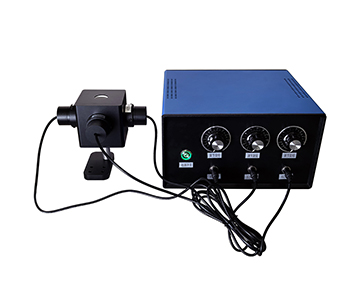
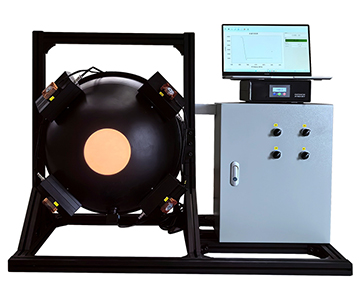
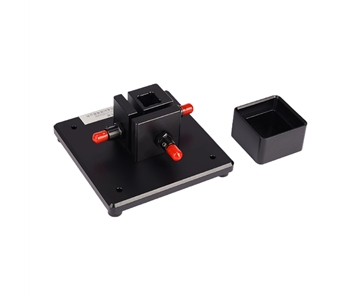
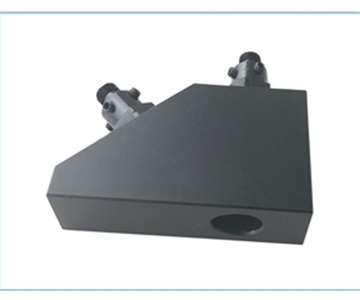
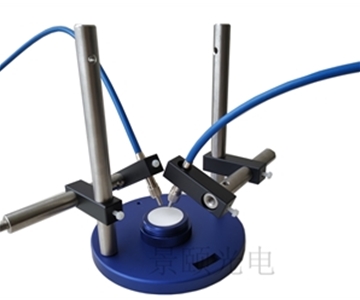
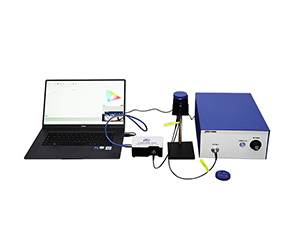
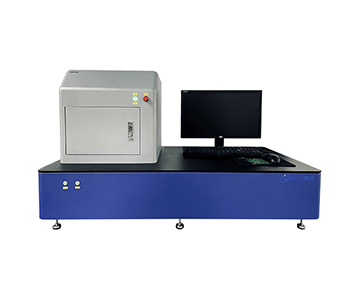
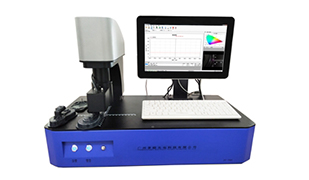
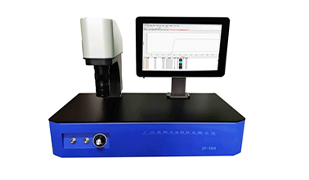
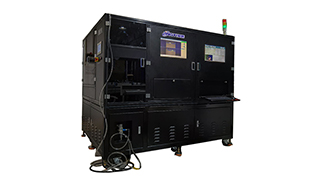
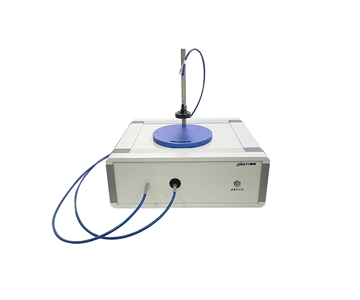
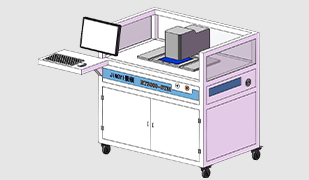
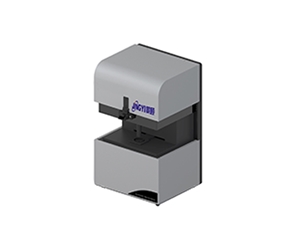
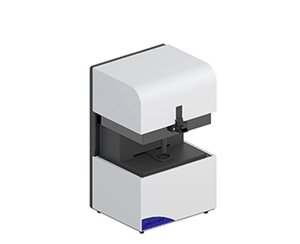
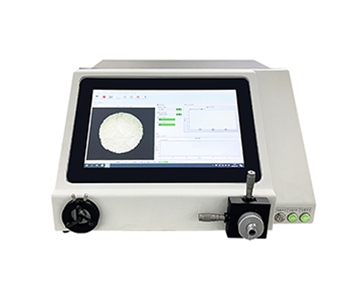
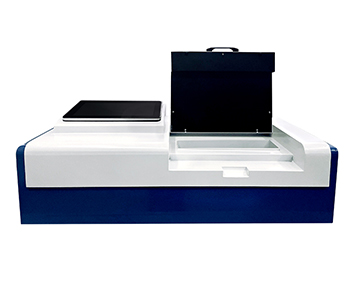
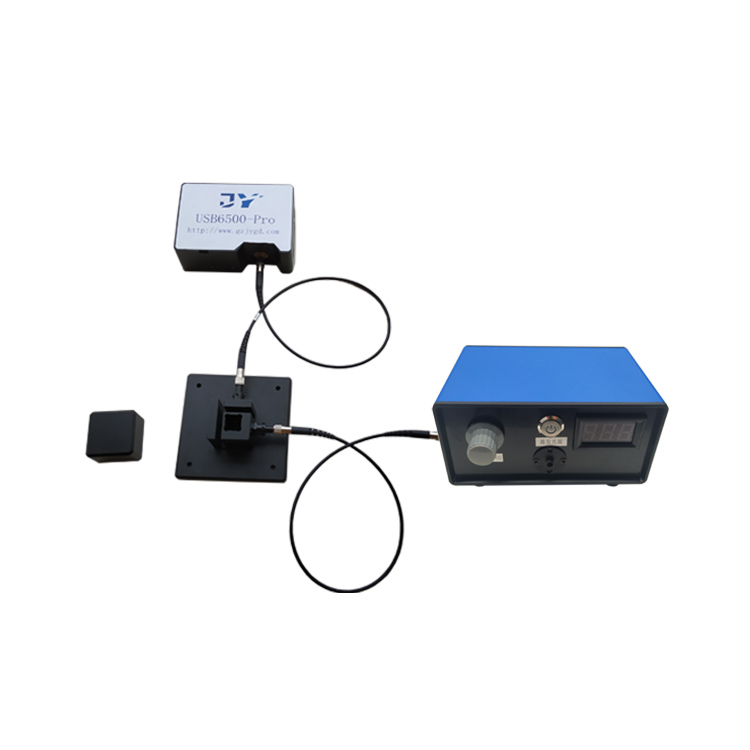
This cluster includes benchtop reflectometers, the CHT-F03 production-line reflectance tester, integrated reflectance measurement systems, and the JYRMC022 rear-view mirror reflectance tester. The series supports reflectance and transmittance measurement from ultraviolet through near-infrared. In semiconductor wafer film-stack monitoring, the CHT-F03 has been deployed in quality-control stations where cycle time and data stability trade off directly. For automotive compliance, the JYRMC022 addresses regulatory reflectance testing for rear-view mirror assemblies.
Beam Profilers
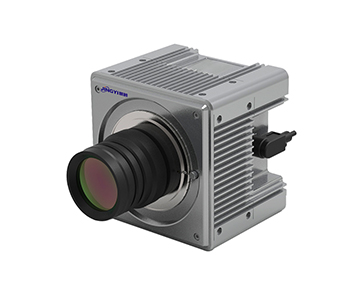
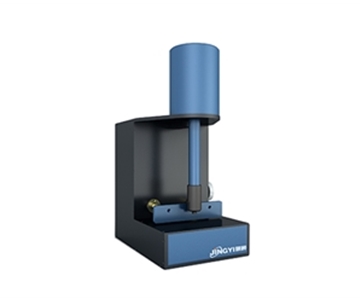
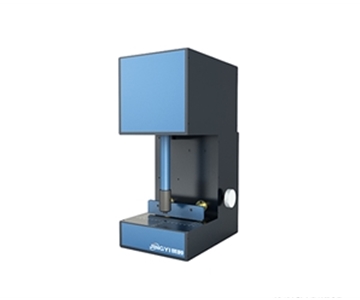
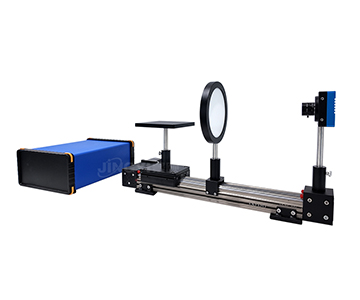
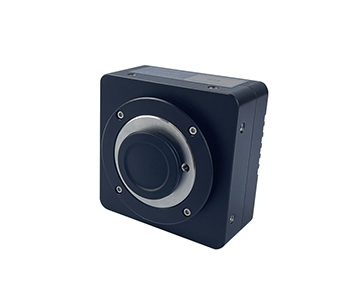
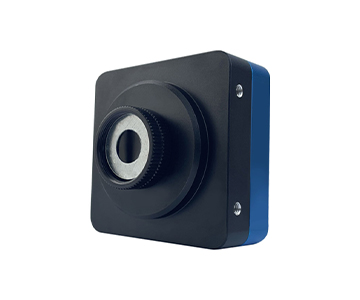
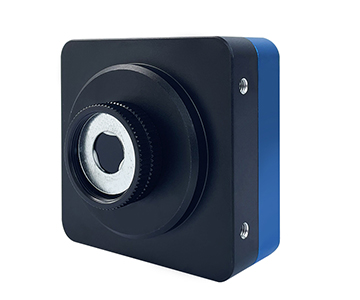
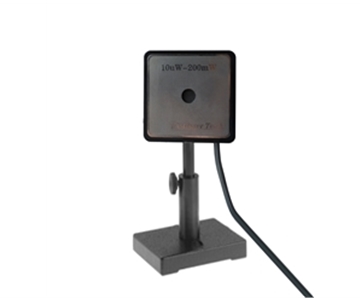
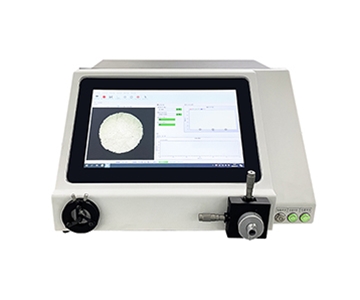
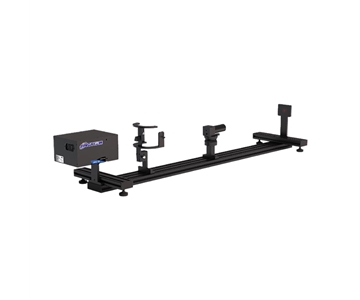
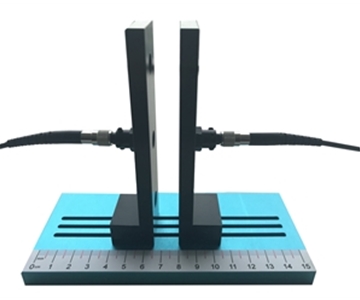
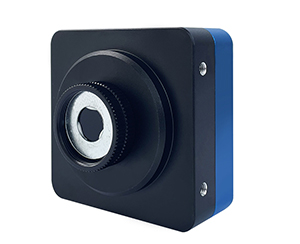
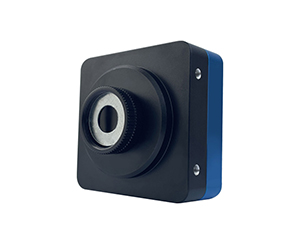
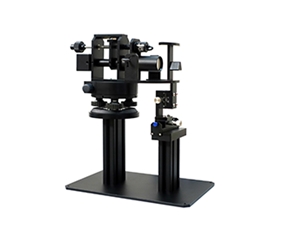
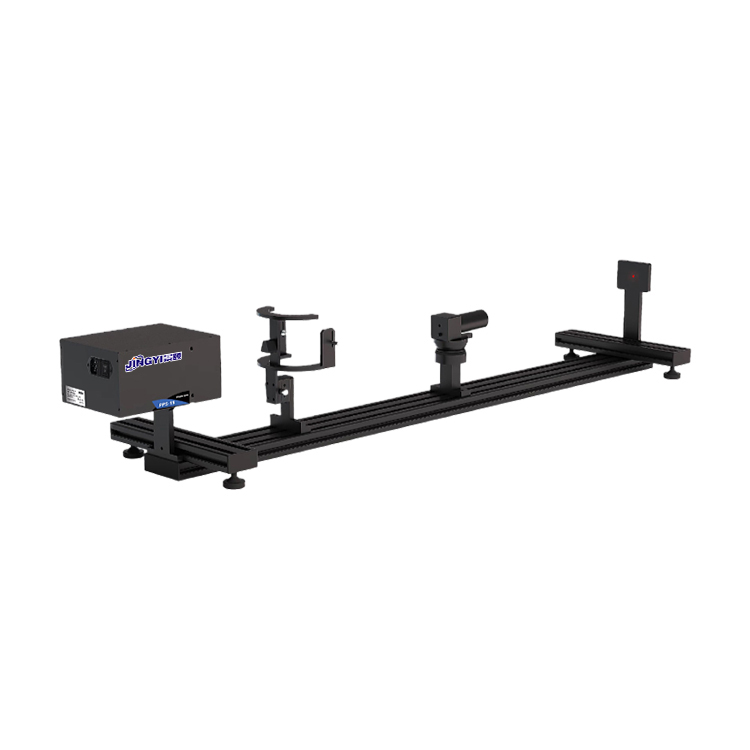
The beam profiler line covers large-format beam quality analyzers, large-aperture variants, standard beam profilers, and infrared beam quality analyzers. These systems characterize laser beam spatial distribution, beam diameter, and beam quality factor (M²) across visible to infrared wavelengths. Typical use cases include laser source outgoing inspection, laser processing equipment optical-path alignment, optical communication component beam-quality assessment, and university laser-physics research. The large-format and large-aperture variants address high-power laser systems with expanded beam diameters that exceed standard sensor active areas.
Film Thickness Measurement Systems
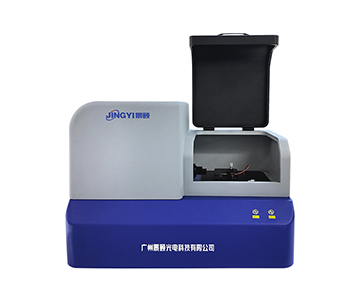
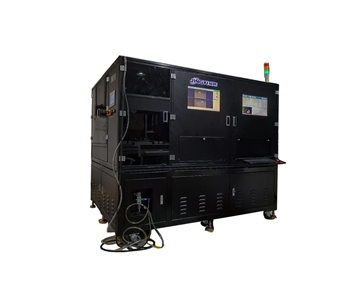
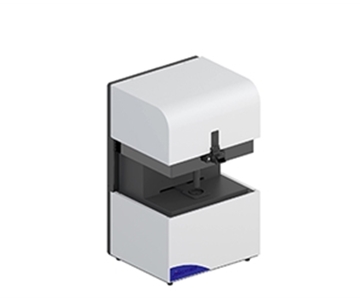
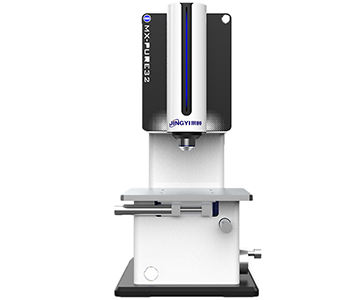
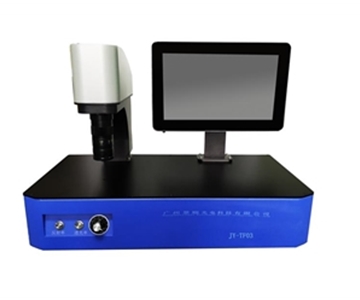
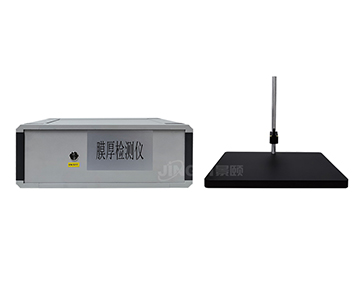
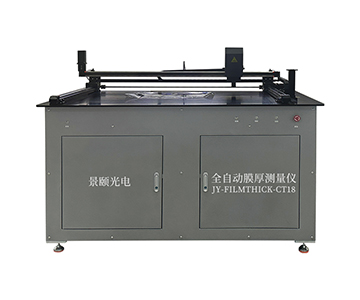
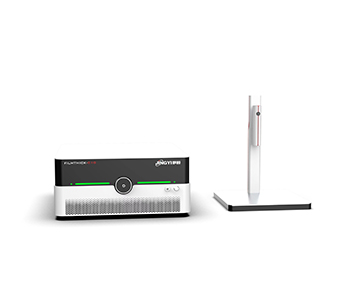
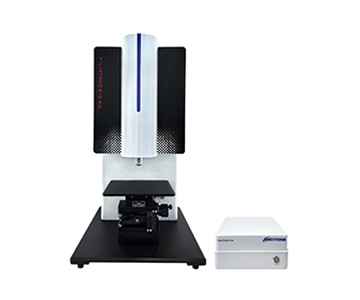
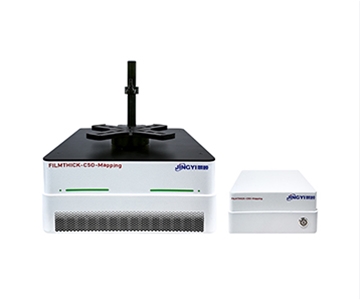
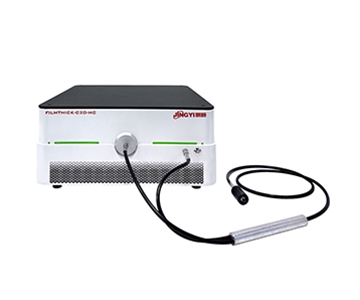
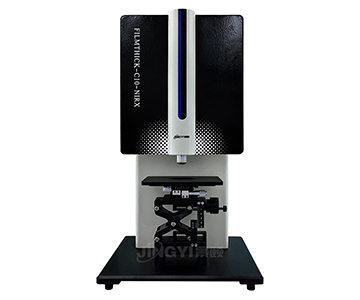
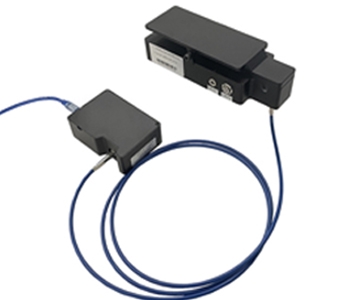
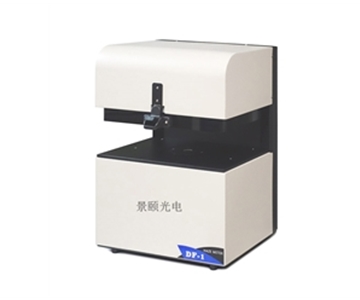
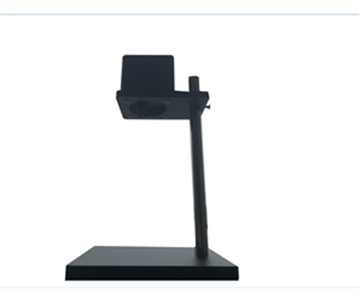
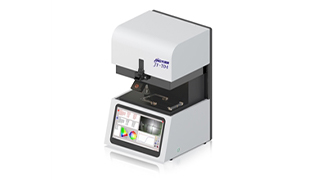
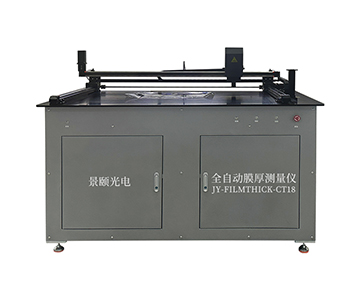
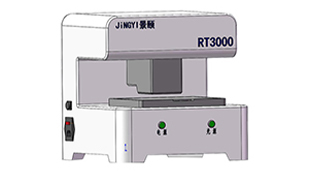
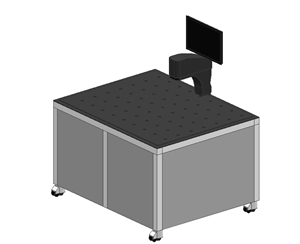
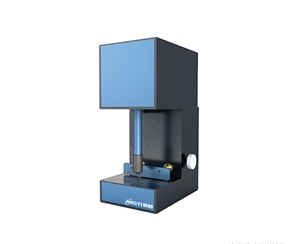
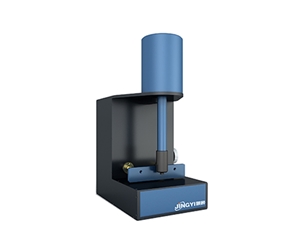
The film thickness line includes the FILMTHICK-C10, CHT-C200, the fully automated JY-FILMTHICK-CT18, and the microscopic FILMTHICK-C10-NIRX. All operate on spectroscopic reflectometry (SR) principles, enabling nanometer-scale thickness measurement for semiconductor wafer oxide/nitride layers, optical coating multi-layer film stacks, and new-energy battery separator coatings. The JY-FILMTHICK-CT18 adds automated wafer handling and multi-point scanning, which becomes relevant when throughput in batch inspection scenarios dominates the specification sheet.
Standard-Setting Role: Three Active Standards Where the Firm Holds Core-Drafter Status
Vendor participation in standards drafting is one of the stronger signals of technical depth, because it means the firm's engineers shaped the test methods and performance thresholds that competitors must meet. Jingyi Optoelectronics holds core-drafter status on the following:
| Standard |
Title |
Role |
Application Domain |
| T/CITS 231-2025 |
Technical Requirements for Automotive LiDAR |
Core drafter |
Autonomous driving, LiDAR system design and testing |
| GB/T 47066-2026 |
Plastics — Determination of Total Luminous Transmittance and Total Reflectance |
Core drafter |
Polymer optical property testing, materials characterization |
| T/CWDPA 136-2026 |
Performance Evaluation of AI-Driven Spectral Analysis Algorithms for UV-Vis Fiber Spectrometers |
Core drafter |
Spectral instrument intelligence, AI algorithm performance assessment |
For a procurement engineer, this table matters because it tells you the vendor's product design philosophy is already embedded in the compliance frameworks your own customers may reference. When you buy a reflectance measurement system from a core-drafter of GB/T 47066-2026, the instrument's test logic and uncertainty budgets are pre-aligned with the standard your downstream audit will use.
What Recertification Means for Two Audiences
For the Enterprise
Tax and R&D incentives — Continued eligibility for R&D expense super-deductions and preferential corporate income tax rates, which directly fund the next generation of optical metrology modules.
Credibility marker — A tri-agency government seal functions as a third-party attestation of technical capability, useful in competitive bidding and international partnership discussions.
Financing leverage — Institutional investors use High-Tech Enterprise status as a quantifiable filter for technology depth and growth potential.
Platform for higher-tier qualifications — Recertification is a prerequisite for provincial and national engineering technology centers, as well as "Little Giant" (专精特新) status.
For the Customer
Technical risk reduction — Government-audited R&D processes imply the product development pipeline includes documented design reviews, validation protocols, and traceable calibration chains.
Lifecycle support continuity — The R&D intensity requirement means the vendor must keep investing to maintain the designation, which correlates with sustained firmware updates, spare-part availability, and application engineering support.
Regulatory alignment — Because the vendor participates in drafting national and industry standards, its reflectance measurement systems, film thickness gauges, and LiDAR calibration targets are designed with compliance requirements built in rather than retrofitted.
Forward Roadmap: Where the R&D Trajectory Is Headed
The recertification is a milestone, not a destination. The disclosed development priorities include:
Sub-nanometer film thickness resolution — Pushing spectroscopic reflectometry precision below 1 nm to address advanced-node semiconductor wafer ultra-thin dielectric layer inspection, where a 3 nm gate oxide tolerance leaves almost no margin for measurement uncertainty.
Expanded beam profiler and attenuator lines — Broadening wavelength and power-class coverage to serve emerging laser processing and optical communication applications.
Import substitution acceleration — Closing the performance gap between domestic and international brands in reflectance measurement and film thickness metrology, with the explicit goal of reducing equipment procurement costs for domestic semiconductor and optical manufacturing facilities.
Standards leadership continuation — Converting accumulated spectral detection and optical precision measurement know-how into industry-wide norms, raising the standardization level of domestic optical metrology equipment as a category.
Frequently Asked Questions
What is the High-Tech Enterprise program, and why should an optical metrology buyer care?
It is a tri-agency government audit in China that evaluates R&D investment, IP ownership, technical staffing, and product revenue ratios. For buyers, it functions as a third-party proxy for vendor R&D credibility when you cannot perform your own on-site technical audit.
How does a vendor's standard-drafting participation affect my procurement decision?
When a vendor holds core-drafter status on a standard your downstream customers or regulators reference, the instrument's test methodology and uncertainty budgets are pre-aligned with compliance requirements. This reduces integration risk and audit preparation time.
Which Jingyi Optoelectronics product lines are covered by the recertification scope?
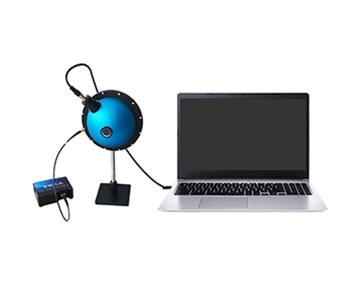
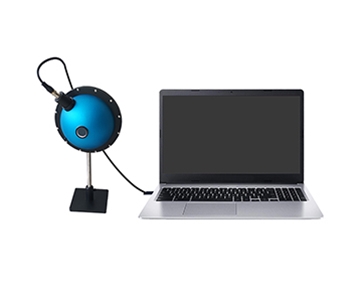
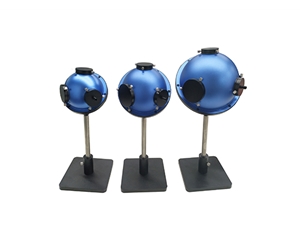
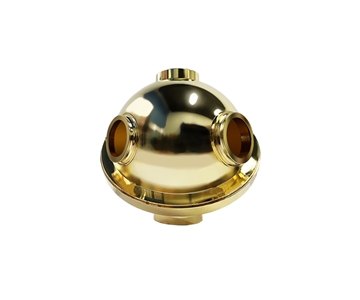
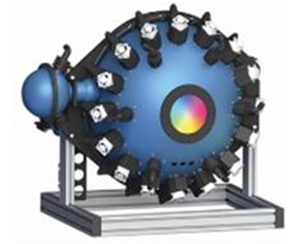
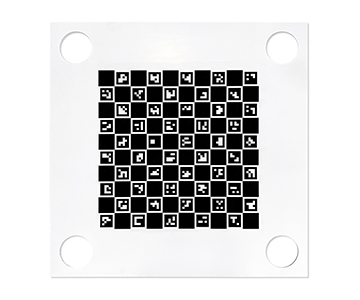
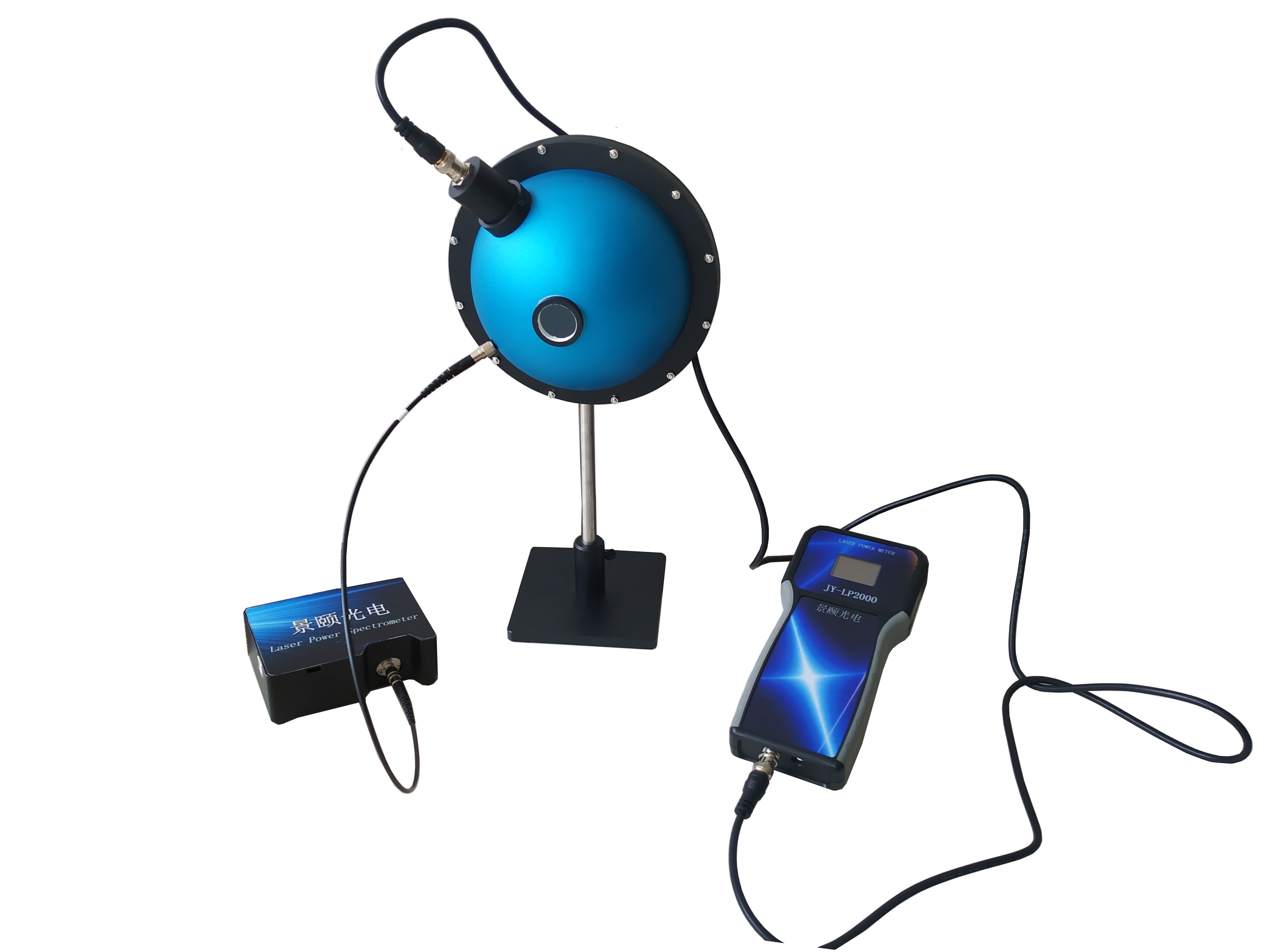
The audit verified revenue and IP concentration across reflectance measurement systems, integrating spheres, visual calibration targets, fluorescence quantum efficiency measurement systems, beam profilers, and film thickness measurement systems. The full product matrix spans semiconductor manufacturing, optical communication, LiDAR, optical coating, new energy, and research institutions.
What is the practical difference between the FILMTHICK-C10 and the JY-FILMTHICK-CT18?
The FILMTHICK-C10 is a benchtop spectroscopic reflectometry system for R&D and low-volume inspection. The JY-FILMTHICK-CT18 adds automated wafer handling and multi-point scanning for production-line batch inspection where throughput, not just precision, drives the purchase decision.
How can I independently verify a vendor's High-Tech Enterprise status and standard-drafting role?
Request the certificate number and cross-check against the published provincial science and technology bureau announcement lists. For standard-drafting participation, verify the vendor's name in the preface or contributor list of the published standard text, available through the Standardization Administration of China (SAC) or the issuing industry association.
About This Guide
Data Sources: Guangdong Provincial Science and Technology Bureau, Department of Finance, and Provincial Tax Service joint announcement (2026 High-Tech Enterprise recertification list); published standard prefaces for T/CITS 231-2025, GB/T 47066-2026, and T/CWDPA 136-2026; Jingyi Optoelectronics product specification sheets and in-house validation protocols.
Author: Cai Xiaodong, Senior Application Engineer, Jingyi Optoelectronics, 8 years in optical metrology and spectral instrumentation.
Disclosure: Jingyi Optoelectronics manufactures reflectance measurement systems, integrating spheres, beam profilers, film thickness measurement systems, and LiDAR calibration targets. This article presents technical assessments based on published specifications, government audit results, and industry public information. No compensation was received from third-party brands mentioned.
Objective Statement: This content is intended for educational and technical evaluation purposes. Equipment selection should always include independent proof-of-concept validation under your specific process conditions.
Last Updated: August 2026
For detailed specifications and application notes on optical metrology systems, search "Jingyi Optoelectronics reflectance measurement" or visit our technical library.