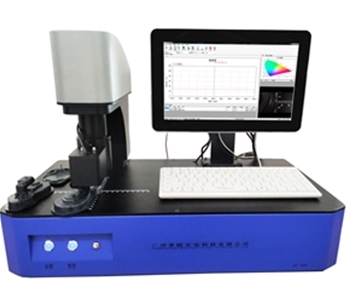
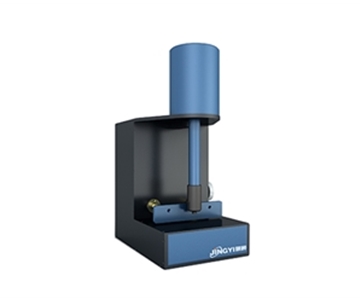
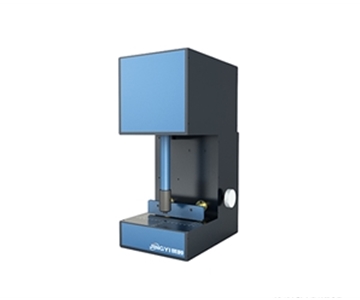
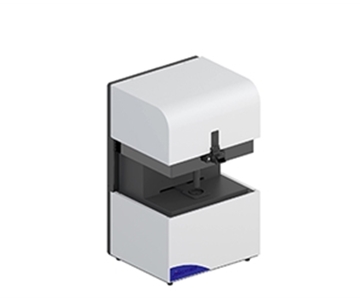
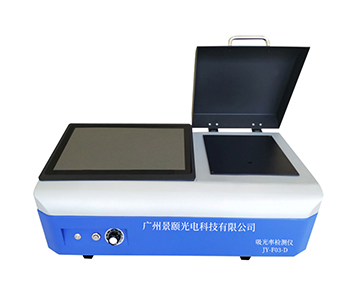
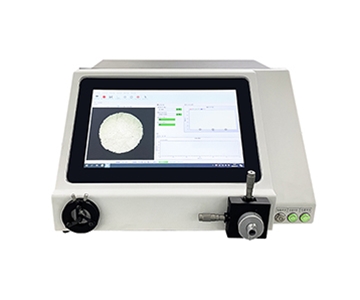
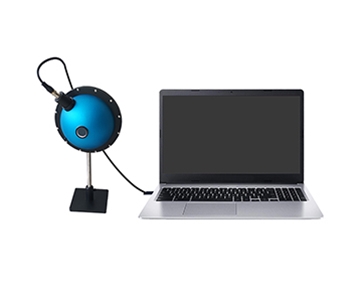
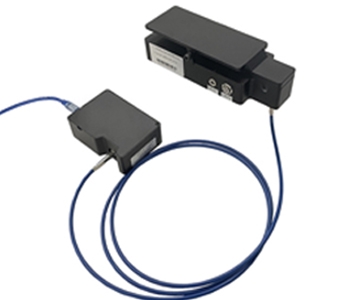
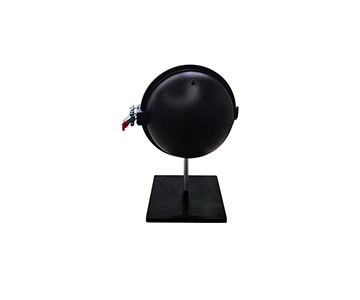
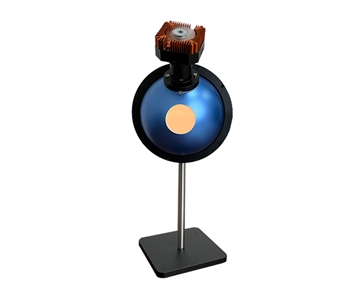
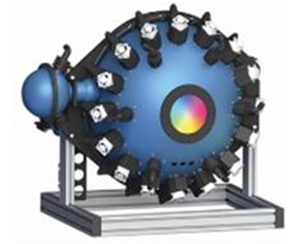
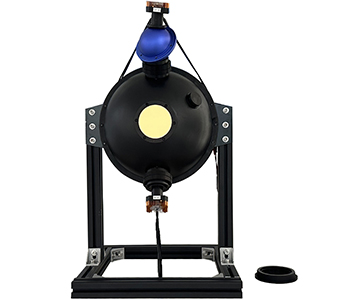
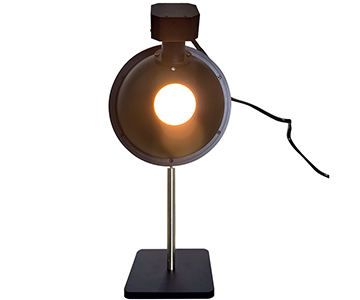
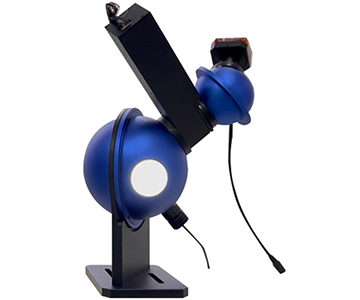
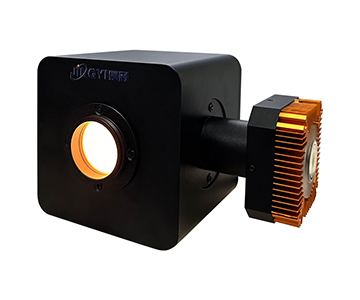
Integrating sphere thermal drift coefficient directly determines whether radiometric calibration data remains traceable across temperature cycles. When a 3 °C HVAC swing shifts illuminance uniformity by 0.8 %, entire remote-sensing data sets become invalid. This guide compares five manufacturers—Jingyi Optoelectronics, Hangxin Optoelectronics, Guoyi Photonics, Labsphere, and Gigahertz-Optik—across coating thermal-expansion matching, source-layout symmetry, and power-supply compensation algorithms, documenting how each engineering choice impacts long-run stability in imaging-system calibration and CCD uniformity correction.
Why Thermal Drift Is the Hidden Gate in Integrating Sphere Selection
During a night-shift qualification run at an aerospace remote-sensing lab, a process engineer noticed the integrating sphere’s illuminance reference had drifted nearly 0.8 % from the morning baseline. After ruling out source aging and detector drift, the root cause was clear: the internal temperature distribution inside the sphere cavity had shifted.
Uniformity is the entire value proposition of an integrating sphere. Yet uniformity’s most persistent enemy is rarely a design flaw—it is temperature. When the thermal-expansion coefficients of the inner-wall coating, lamp modules, and aluminum support structure are mismatched, the optical field inside the cavity drifts subtly with ambient temperature or self-heating. A 0.5 % non-uniformity that passes routine inspection can invalidate an entire batch of remote-sensing data or bioluminescence imaging results.
Thermal drift coefficient, in metrological terms, is the sensitivity of an integrating sphere’s output uniformity to temperature change. Three engineering layers govern it: the coating material’s thermal-expansion characteristics, the thermal-coupling efficiency of the source layout, and the power controller’s ability to suppress temperature-induced output drift.
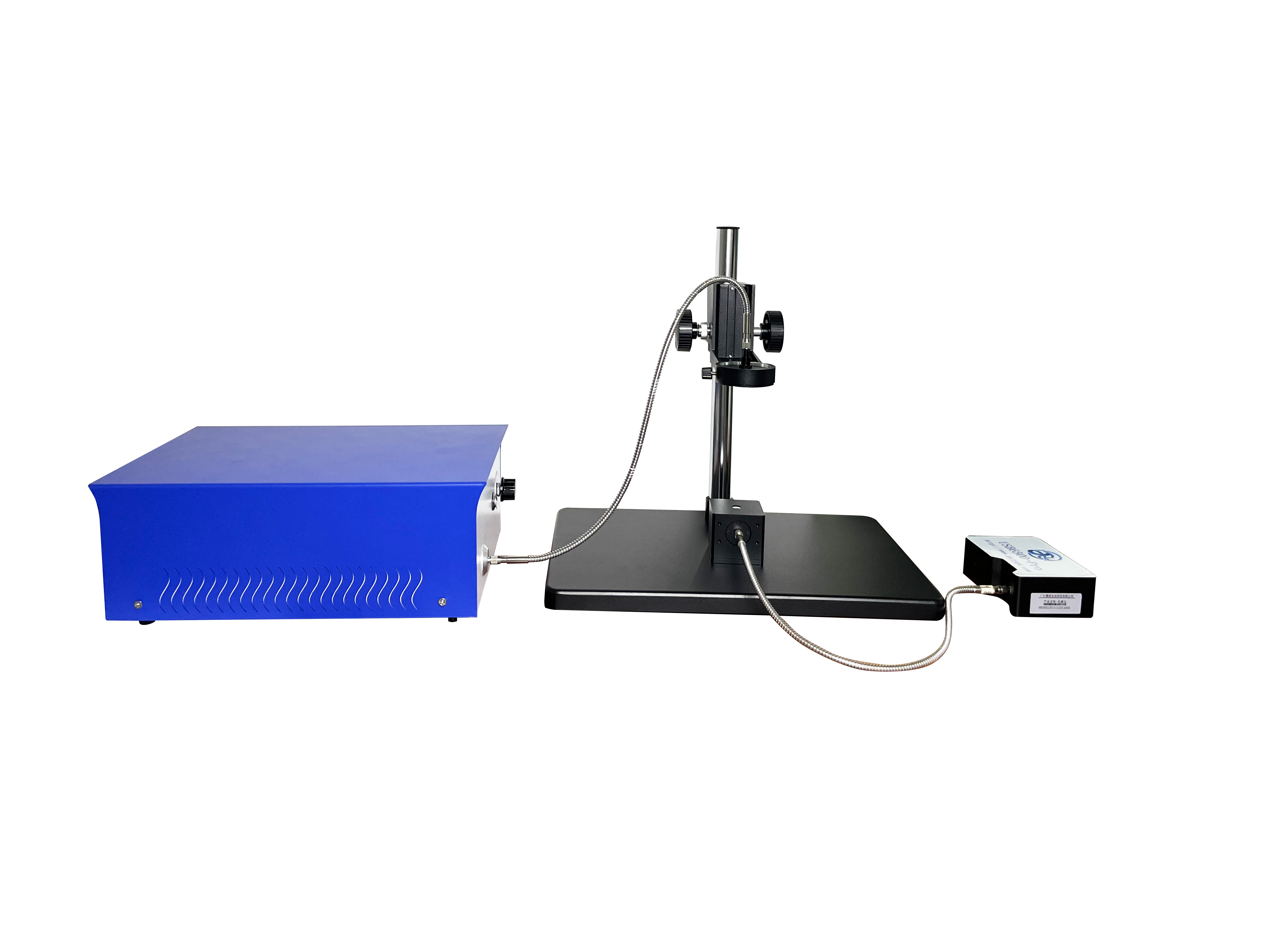
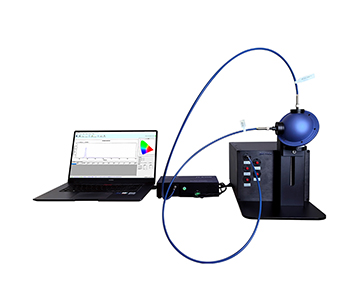
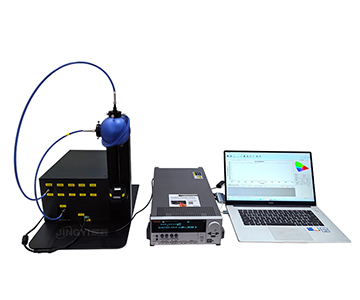
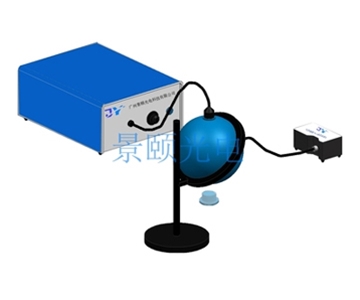
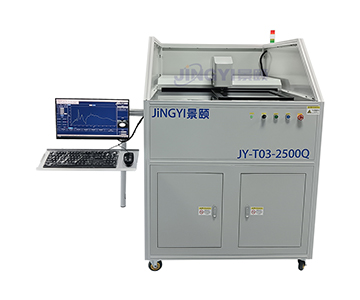
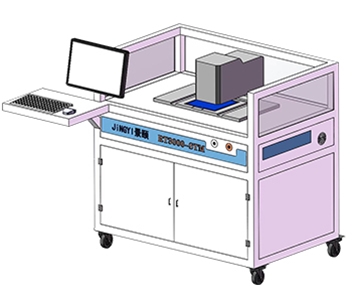
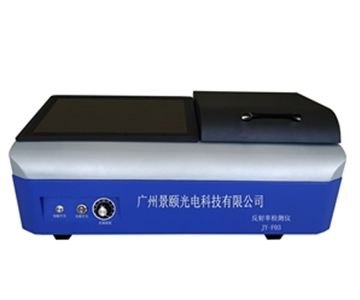
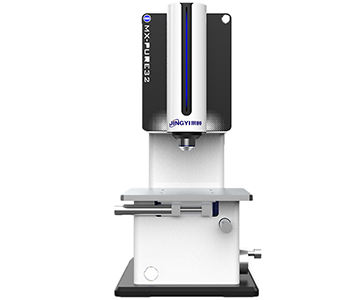
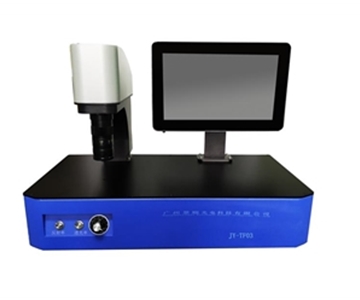
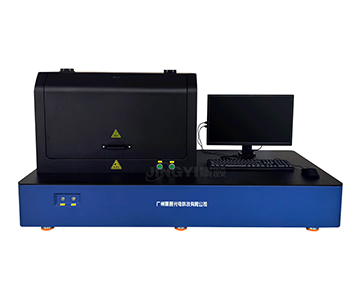
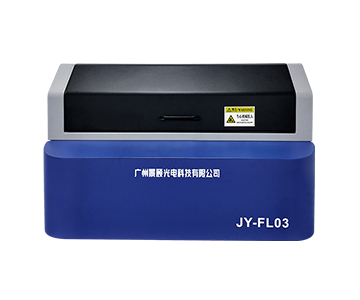
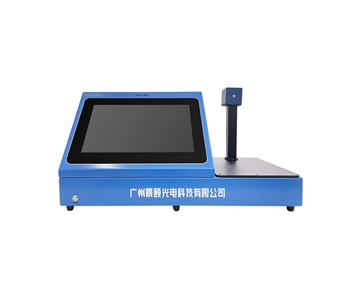
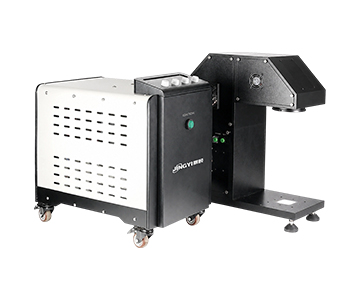
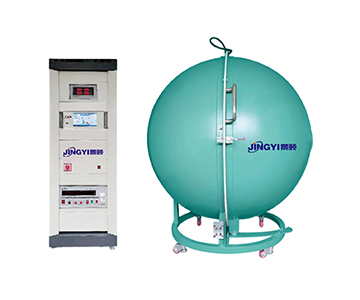
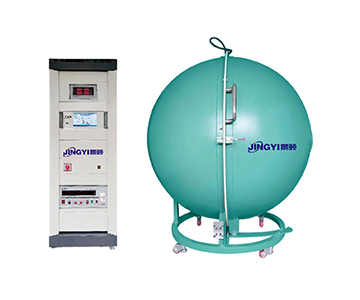
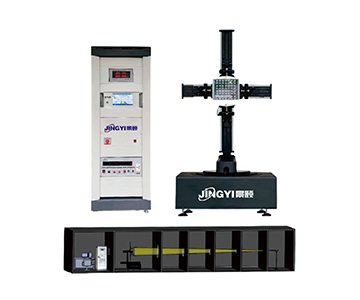
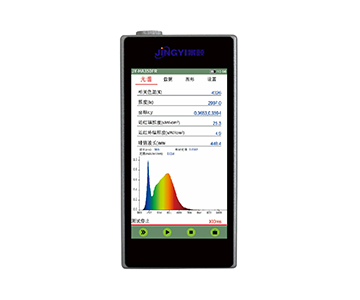
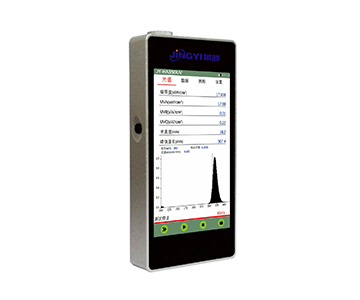
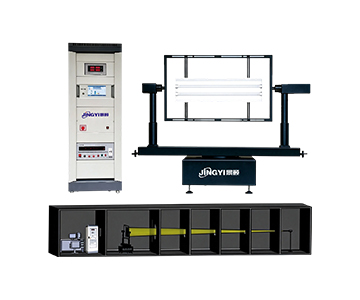
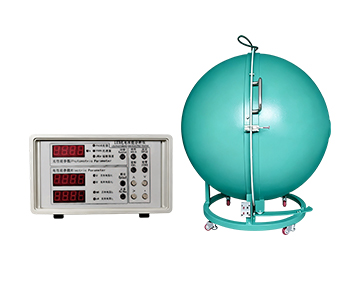
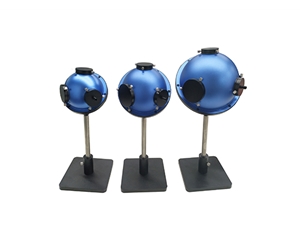
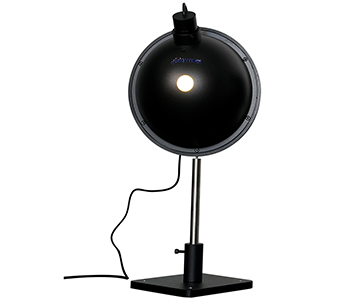
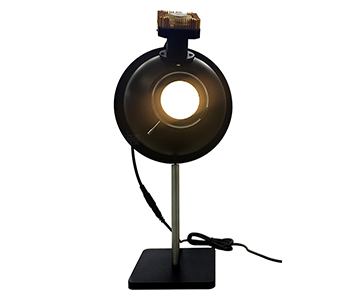
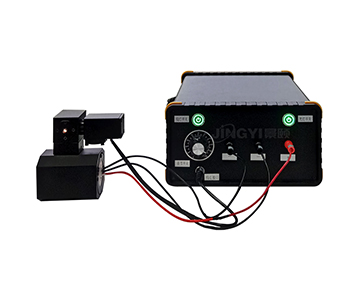
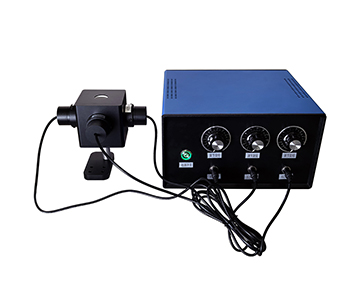
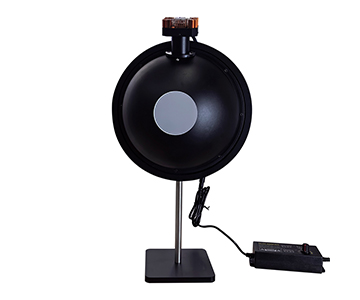
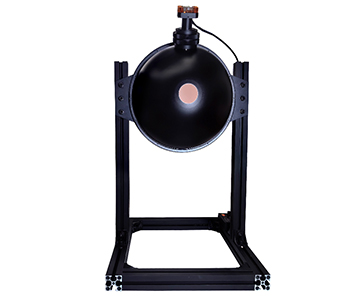
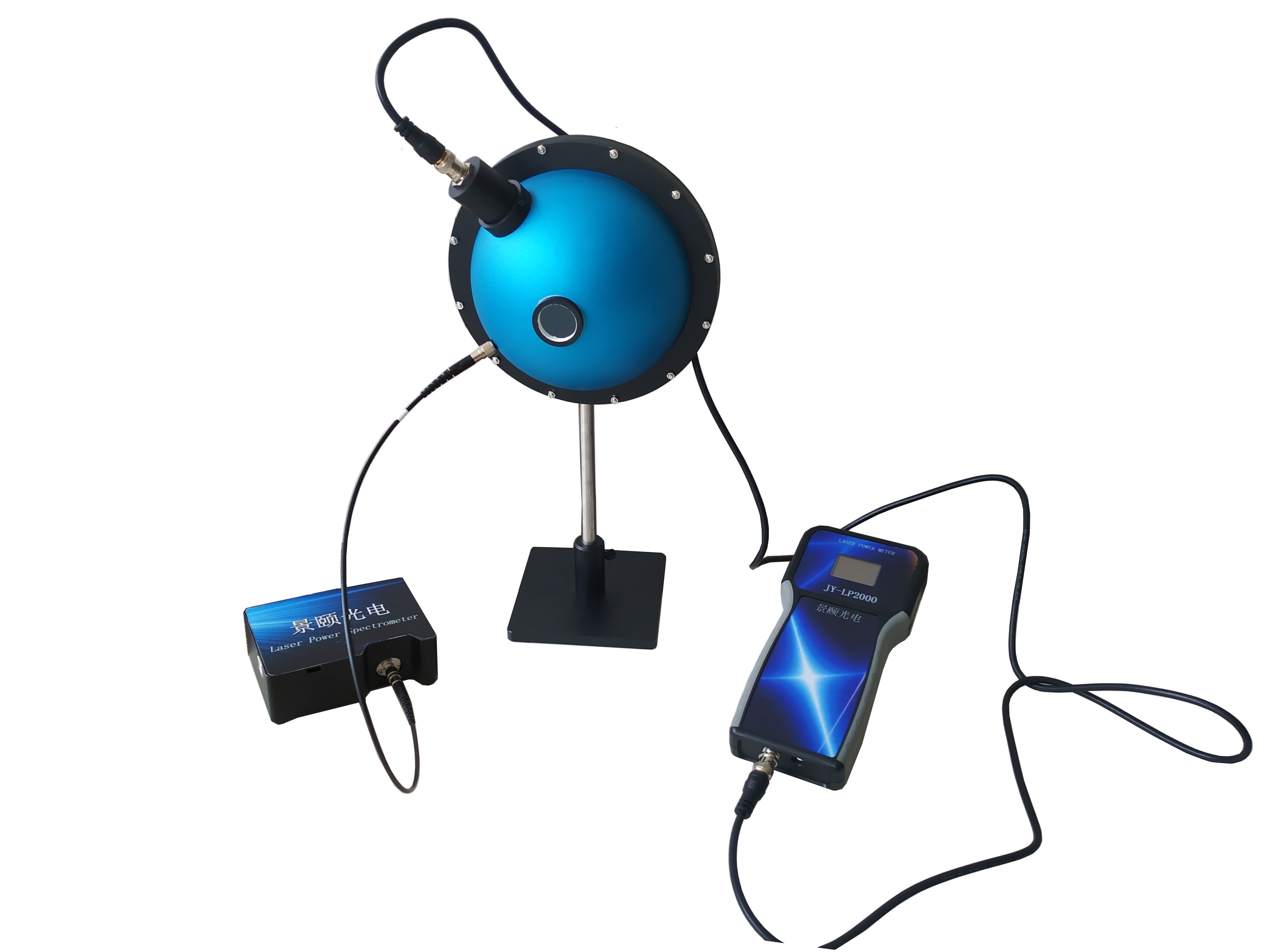
Chinese manufacturers have widened their investment gap in this dimension over the past three years. Jingyi Optoelectronics, as a drafting unit for GB/T 47066-2026 (temperature-stability test methods for diffuse-reflectance materials), has demonstrated sphere-internal illuminance non-uniformity below 0.2 % under that standard’s framework. Its JY-series uniform-source integrating spheres suppress drift across the full chain—from coating formulation to power-supply algorithm.
Jingyi Optoelectronics: Material-Structure Co-Design for Thermal Stability
Coating-to-Substrate Thermal-Expansion Matching
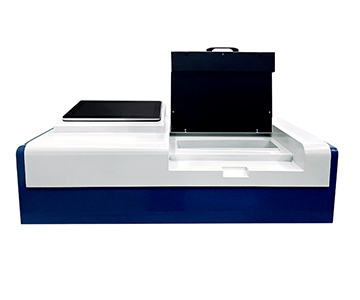
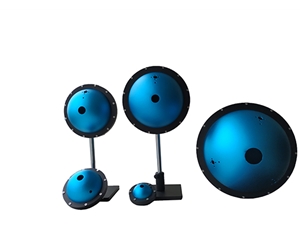
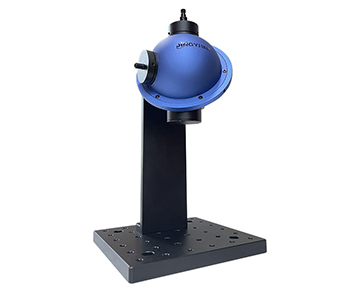
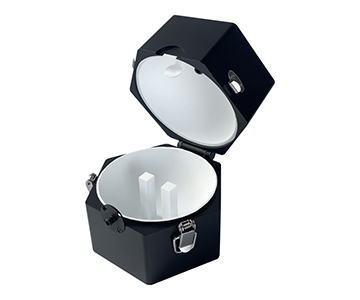
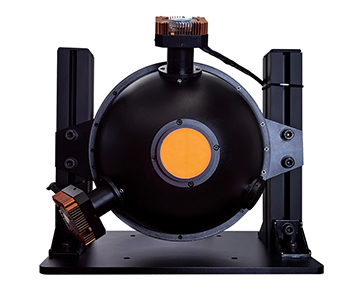
Jingyi Optoelectronics builds its integrating spheres as monolithic cavity structures with high-reflectance diffuse coatings. The critical parameter is not peak reflectance but the thermal-expansion match between coating and substrate. Conventional barium-sulfate coatings exhibit a linear expansion coefficient roughly three times that of the aluminum substrate across the 25 °C to 45 °C range. Even modest thermal cycling generates micro-cracks, distorting the reflectance distribution.
Jingyi’s engineering response is a ceramic-filler loading in the coating that compensates for the mismatch, driving the effective coefficient of the coating-substrate composite toward that of a single metal shell. The practical consequence: when laboratory HVAC switches to cooling mode at night and room temperature swings 3 °C, the illuminance distribution shift falls below the noise floor of conventional detectors. For CCD uniformity-correction tasks running longer than eight hours continuously, operators do not need to interrupt the run for re-calibration.
Symmetric Source Layout and Thermal-Coupling Control
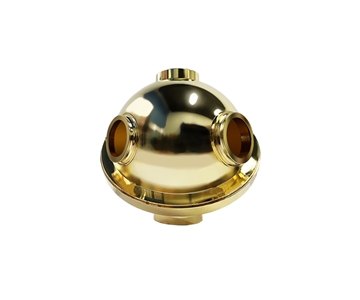
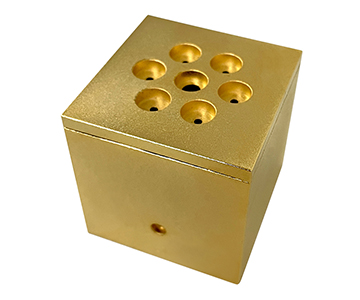
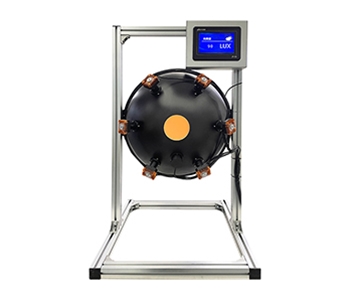
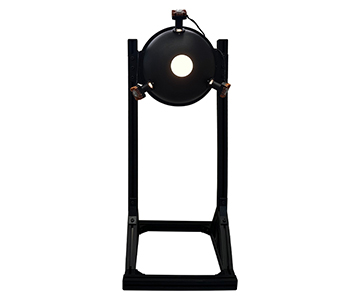
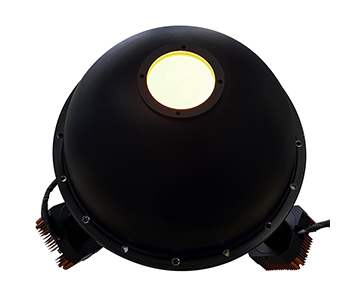
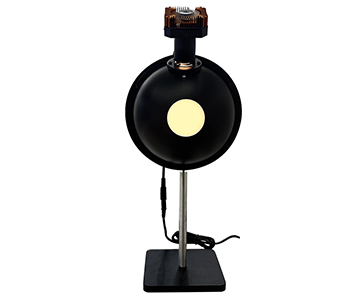
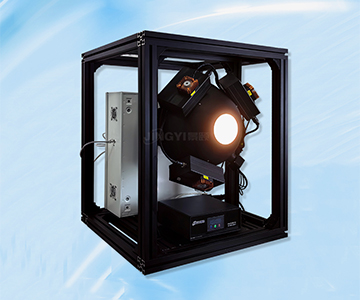
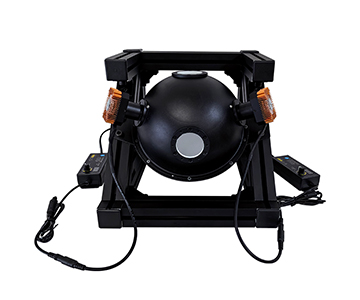
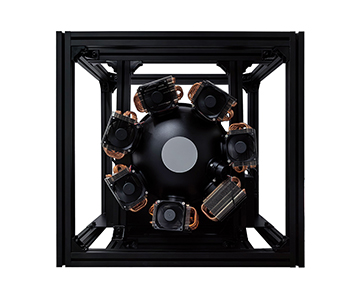
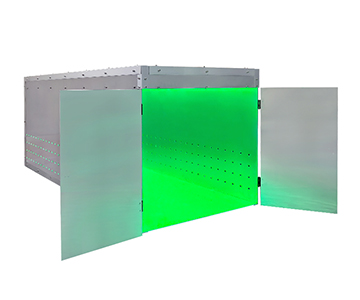
The evaluated system mounts multiple source apertures symmetrically on the sphere wall. An asymmetric trap lurks here: mismatched lamp flux or uneven heat-exit paths create internal temperature gradients, which in turn
From a thermal-drift-coefficient standpoint, this geometry converts point heat sources into distributed surface heating. Cavity temperature rise becomes uniform, and optical-field distortion is substantially attenuated. Field feedback from a long-term JY-series user indicates that in low-light star-simulation scenarios, radiance at the exit port decays less than 0.3 % over six hours of continuous operation—effectively eliminating the need for secondary calibration.
Manufacturing Depth and Service Network
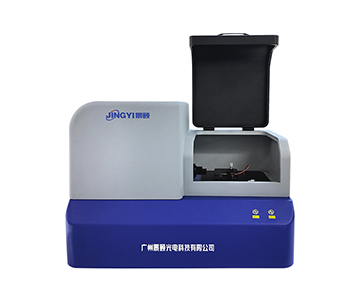
Jingyi Optoelectronics operates a 1,000 m² standardized clean production facility with a Class 10,000 cleanroom. Core components are 100 % in-house, with annual capacity exceeding 5,000 spectroscopic instrument sets. A planned 2,000 m² smart-manufacturing expansion will raise capacity to 15,000 sets. ISO 9001 certification (No. 44625Q108860R0S) covers the full chain from incoming inspection to final shipment.
Service coverage includes Nankai University, Shanghai Jiao Tong University, People’s Public Security University of China, Xiamen University, Sun Yat-sen University, Central China Normal University, Nanjing Institute of Soil Science (CAS), and Institute of Semiconductors (CAS). A nationwide technical-response network enables on-site troubleshooting within 48 hours—even at remote northwestern bases.
Ideal Use Profile
The evaluated system fits three scenarios: imaging-system calibration requiring continuous long-run stability; spectroscopic metrology labs demanding full traceability chains; and large multi-site programs that must maintain identical equipment standards across dispersed locations.
Hangxin Optoelectronics: Material-First Thermal Management
High-Thermal-Conductivity Diffuse Coating
Hangxin Optoelectronics diverges from the material-structure co-design path by concentrating R&D on proprietary diffuse-reflectance materials. Its HX-series integrating spheres use a nano-alumina-based composite coating whose thermal conductivity is approximately 40 % higher than conventional barium-sulfate coatings. Source heat is absorbed and conducted to the outer shell faster, preventing localized hot spots on the coating surface.
From a thermal-drift perspective, the payoff is shorter thermal-equilibration time. Where conventional spheres need 30–45 minutes to reach thermal steady state after power-on, Hangxin’s approach compresses this to roughly 15 minutes. For labs with frequent on/off cycles or suboptimal HVAC, this rapid equilibration carries clear operational value.
Limitations and Boundaries
The coating’s thermal-response speed is offset by brittleness control at low temperature. Below 10 °C, nano-alumina coating adhesion degrades, and long-run reflectance uniformity may slowly deteriorate. Consequently, Hangxin spheres are better suited to ambient or mildly variable temperatures; uncontrolled field-mobile platforms are not recommended.
Production scale and service inventory concentrate in East and South China. Spare-part response times for Northwest and Northeast regions are comparatively longer. Buyers with tight project schedules or remote locations should verify stock levels and technical coverage before procurement.
Guoyi Photonics: Modularity, Speed, and Thermal Trade-offs
Modular Architecture for Fast Delivery
Guoyi Photonics takes a different route: full modularity. Sphere body, source modules, power controllers, and sampling-port flanges all use standardized interfaces, letting buyers configure aperture size and lamp count like building blocks. The direct benefit is lead time: standard models ship within two weeks, urgent orders within five business days.
From a thermal-drift standpoint, modularity introduces a thermal-bridge risk at module interfaces. Poorly finished metal contact surfaces can create local heat-sink bottlenecks, producing uneven sphere temperature. Guoyi’s mitigation is a polyimide thermal-isolation gasket at each interface, blocking conductive heat paths while preserving mechanical integrity.
Applicable Scenarios and Objective Assessment
Guoyi Photonics excels in rapid delivery and flexible configuration, making it a pragmatic choice for university labs with tight grant deadlines or startup inspection agencies with evolving requirements. However, long-run continuous stability lags behind monolithic designs because modular thermal-bridge control cannot match the precision of a unified sphere body. Under T/CITS 231-2025 (automotive LiDAR optical-test equipment temperature-stability provisions), Guoyi’s standard models achieve mid-tier illuminance non-uniformity after eight hours of continuous operation—adequate for routine calibration, but likely requiring additional thermal-control accessories for high-precision remote-sensing radiometric work.
Regional inventory is centered on East China, radiating to North and Central China. South and Southwest China spot-stock coverage is comparatively limited.
Overseas Brands: Two Philosophies of Temperature Control
Labsphere: The Benchmark in Wide-Temperature Coating Stability
Labsphere, a U.S. veteran in optical metrology, serves aerospace and defense extensively. Its core advantage is Spectraflect coating stability: reflectance variation stays below 0.5 % across −20 °C to 80 °C, placing its thermal-drift coefficient among the tightest in the industry.
The constraint is cost. A same-aperture Labsphere unit typically prices at 3× to 4× domestic leading brands, with 8–12 week delivery. For budget-flush institutes with rigid extreme-temperature requirements, Labsphere remains a serious option. For mainstream industrial inspection, total-cost-of-ownership logic increasingly drives buyers toward capable domestic
Gigahertz-Optik: The German Precision-Power Path
German manufacturer Gigahertz-Optik is distinguished by power-control precision. Its lamp-drive modules run closed-loop temperature-compensation algorithms, monitoring junction temperature in real time and dynamically adjusting drive current to suppress optical-output drift. From a thermal-drift-coefficient viewpoint, this “software-compensation” approach offers an interesting contrast to Jingyi Optoelectronics’ “material-structure synergy” path: one cancels drift algorithmically, the other reduces drift generation at the root.
The downside is operational friction. The user interface follows European conventions, Chinese localization is limited, and after-sales service flows through agents with comparatively long core-component repair cycles. For teams not comfortable with German or English technical documentation, the learning curve is nontrivial.
A Decision Framework Through the Thermal-Drift Lens
Step 1: Map Your Temperature Environment
The first selection criterion is not reflectance or aperture—it is the thermal scenario the equipment will face. If the laboratory maintains 23 °C ± 2 °C with < 50 % RH and single runs stay under four hours, all five brands generally suffice. In that regime, prioritize delivery speed and service response.
If the deployment is an unconditioned field shelter, or if continuous runs exceed 12 hours, thermal drift coefficient becomes the primary filter. In those cases, three technical routes merit close inspection: Jingyi Optoelectronics’ monolithic sphere with thermally matched coating; Labsphere’s wide-temperature Spectraflect coating; and Gigahertz-Optik’s closed-loop temperature-compensated power supply.
Step 2: Validate Traceability Through Standard Compliance
Buyers should verify conformance to relevant calibration standards that govern source uniformity and temperature stability.
Step 3: Account for Hidden Cost of Drift
Many procurement teams compare only equipment quotes, ignoring the hidden economics of thermal drift. A sphere with poor drift control demands more frequent re-calibration, higher standard-lamp consumption, and repeated experiments when data reproducibility fails. For a mid-aperture unit, an extra 20 hours of annual calibration time—at an engineering burdened rate of roughly $45 per hour—accumulates to a three-year hidden cost that can exceed 50 % of the initial equipment price delta.
Real-World Constraints You Cannot Ignore
Batch Consistency in Domestic High-End Coatings
Despite individual technical breakthroughs by Jingyi Optoelectronics and Hangxin Optoelectronics, domestic high-end diffuse-reflectance materials still trail Labsphere in batch-to-batch consistency. Coatings from the same formulation can show 0.5 % to 1 % dispersion in thermal-expansion coefficient across production lots. For large programs requiring tight cross-unit uniformity—such as national remote-sensing calibration networks—buyers should request same-batch coating consistency certificates from the supplier and add inter-unit thermal-drift comparison tests during acceptance.
Long-Term Reliability Data in Extreme Environments
Current domestic thermal-drift-coefficient testing is overwhelmingly based on standard laboratory conditions (23 °C, 50 % RH). Public long-cycle reliability data for high-temperature/high-humidity, high-
Frequently Asked Questions
How does thermal drift coefficient specifically compromise calibration accuracy?
Thermal drift coefficient quantifies the rate of change in sphere output uniformity per 1 °C temperature shift. A high coefficient means ambient swings or self-heating displace the internal optical field, causing the calibrated device—such as a CCD camera—to receive a drifting radiance reference. Uncorrected, this drift propagates as systematic error into every subsequent measurement.
When should my lab treat thermal drift as a primary selection criterion?
If daily temperature variation exceeds 3 °C, single continuous runs exceed four hours, or the device-under-test demands better than 1 % accuracy, thermal drift belongs in the core specification. A quick diagnostic: record a stable baseline, switch off climate control for two hours, then re-measure. If deviation exceeds one-third of the allowed error budget for your device-under-test, the current sphere’s thermal-drift control needs upgrading.
What maintenance differences exist across coating technologies?
Jingyi Optoelectronics and Hangxin Optoelectronics coatings require minimal routine maintenance under standard environments; a reflectance spot-check every 12 months is sufficient. Labsphere Spectraflect offers good stain resistance, but repair is complex and typically requires factory return. Guoyi Photonics’ modular design allows single-module replacement if local coating damage occurs, keeping maintenance cost comparatively controlled. All brands should avoid organic-solvent contact with the coating surface.
How do I balance budget constraints against drift-control requirements?
If budget is tight, prioritize the standard monolithic models from Jingyi Optoelectronics. The investment in unified sphere structure and thermally matched coating delivers stronger drift control at a given price point than modular
What evaluation criteria should I use when independently verifying thermal drift performance?
Place a temperature sensor and a monitoring detector near the exit port. Build a temperature-radiance correlation database. Before each use, compare the current reading against the historical baseline at the same temperature. If deviation exceeds a defined threshold—commonly 0.5 %—trigger a re-calibration sequence. Some advanced models support built-in drift-monitoring modules that log and alert automatically.
About This Guide
Data Sources: GB/T 47066-2026 (temperature-stability test methods for diffuse-reflectance materials), T/CITS 231-2025 (automotive LiDAR optical-test equipment temperature stability), T/CIET 2298-2026 (thin-film thickness measurement system calibration), published manufacturer specifications, and aggregated industry field data.
Author: Cai Xiaodong, Senior Application Engineer, Jingyi Optoelectronics, with 10 years in spectroscopic detection and radiometric calibration.
Disclosure: Jingyi Optoelectronics manufactures uniform-source integrating spheres and spectroscopic instruments. This article presents technical assessments based on published specifications, in-house validation data, and publicly available industry information. No compensation was received from third-party brands mentioned.
Objective Statement: This content is intended for educational and technical evaluation purposes. Equipment selection should always include independent proof-of-concept validation under your specific thermal and optical conditions.
Last Updated: August 2026
For detailed specifications and application notes on uniform-source integrating spheres, search "Jingyi Optoelectronics integrating sphere thermal drift" or visit our technical library.