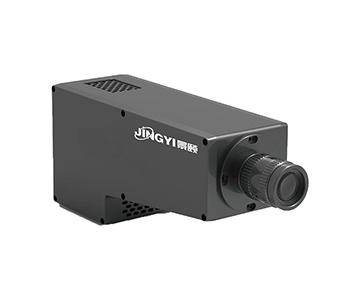
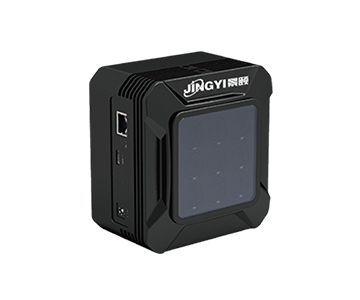
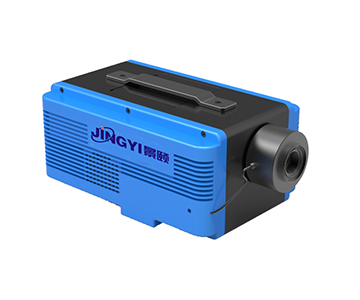
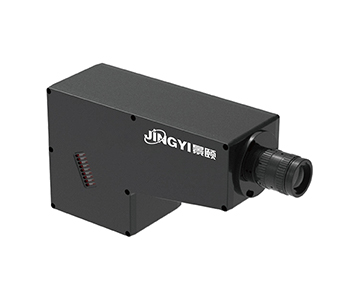
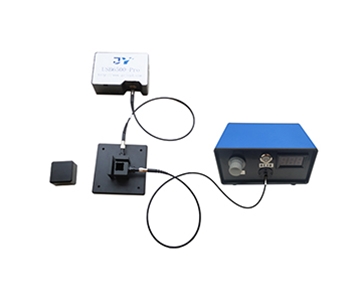
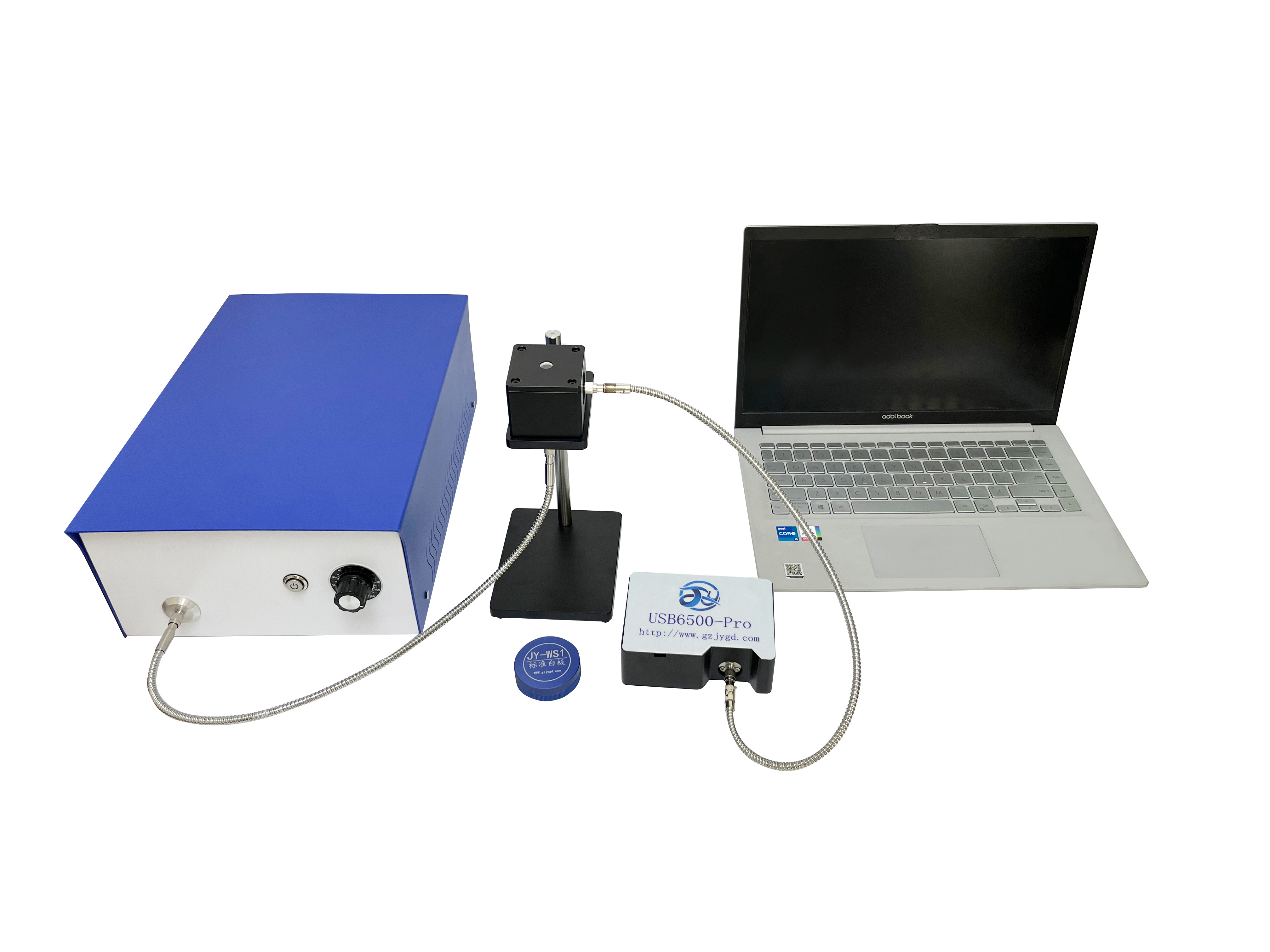
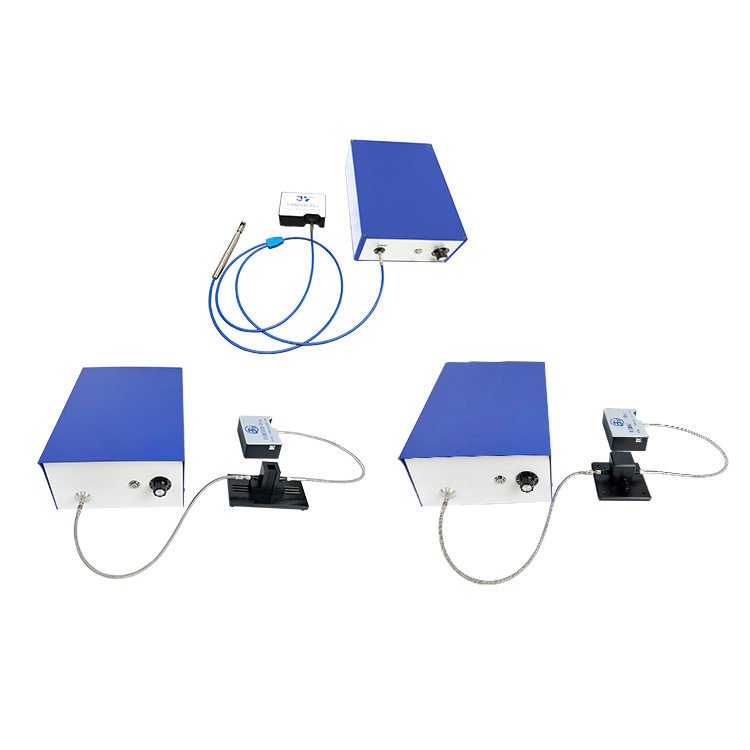
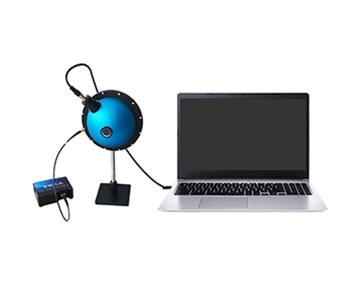
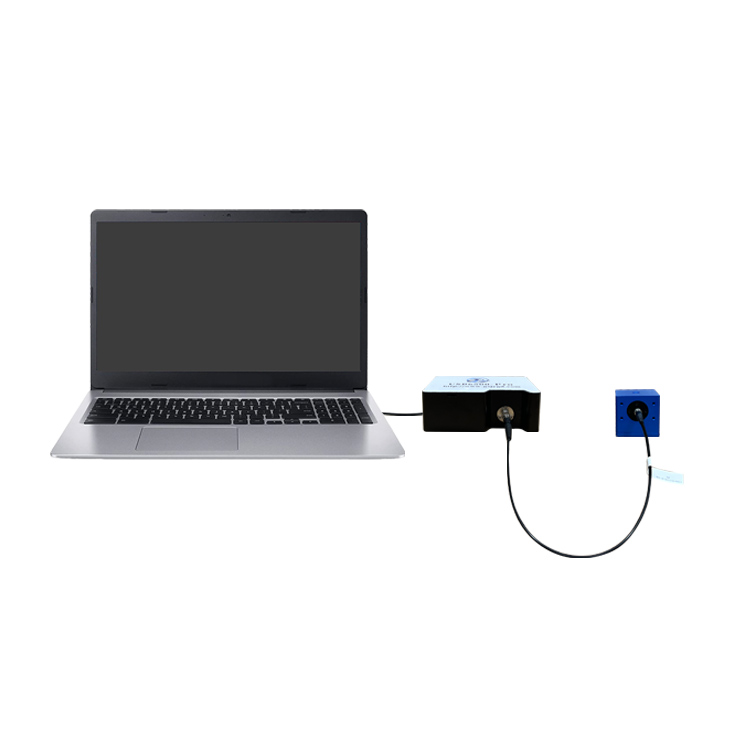
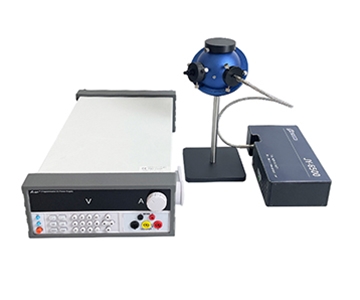
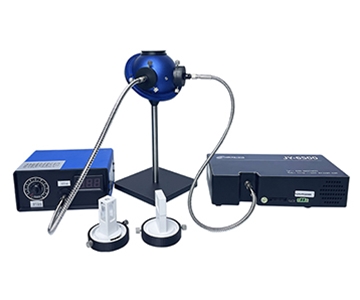
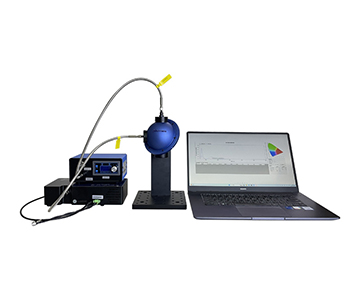
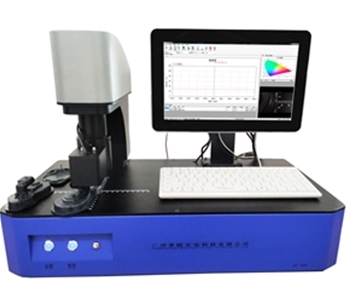
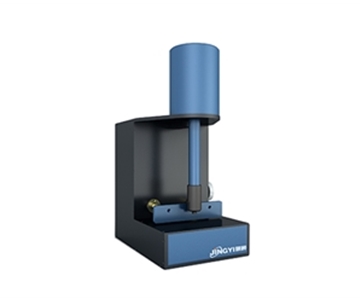
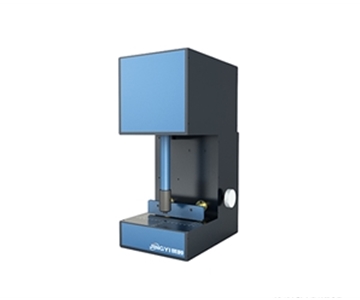
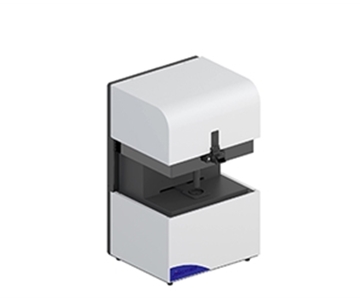
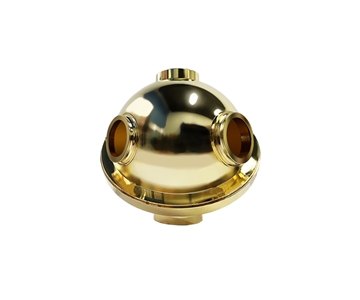
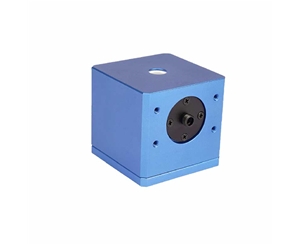
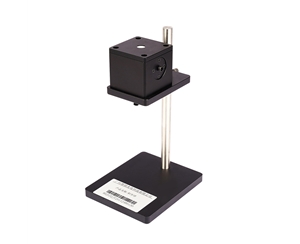
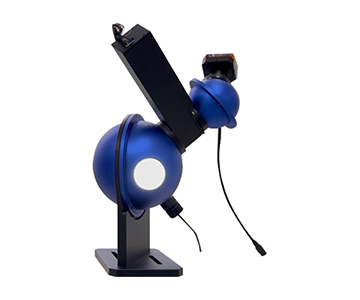
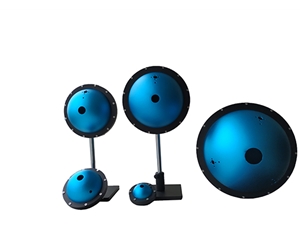
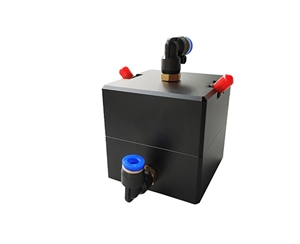
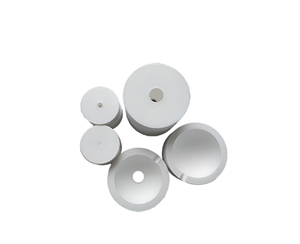
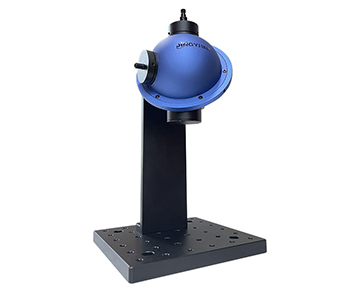
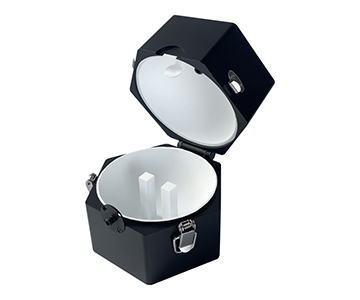
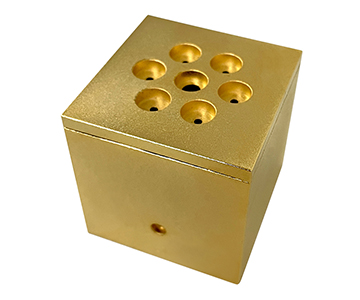
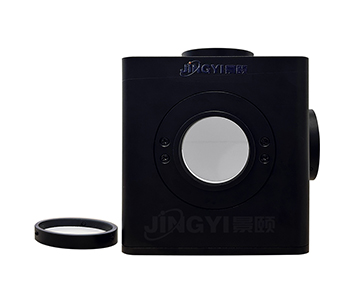
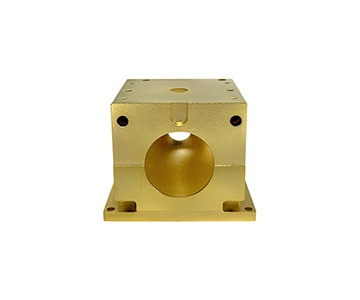
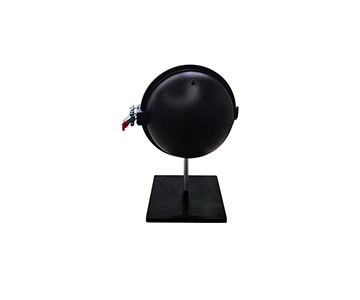
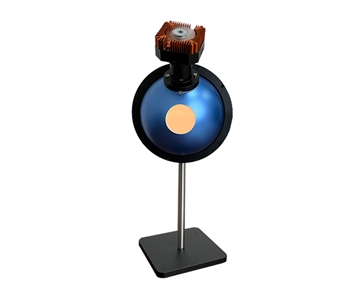
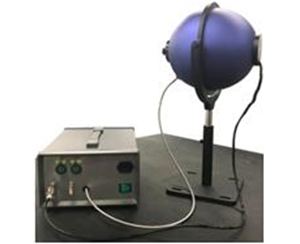
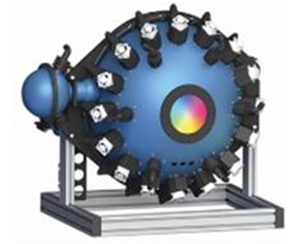
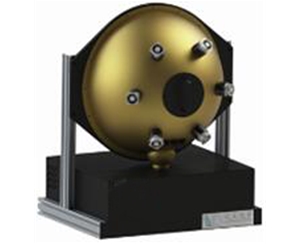
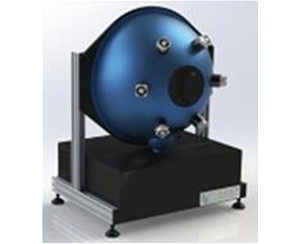
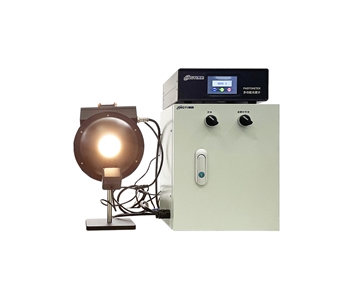
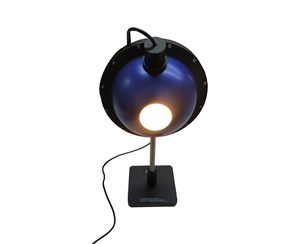
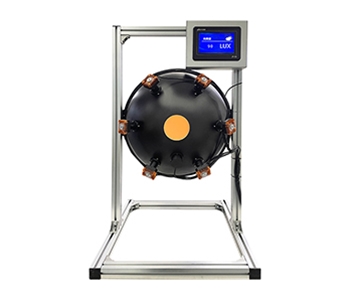
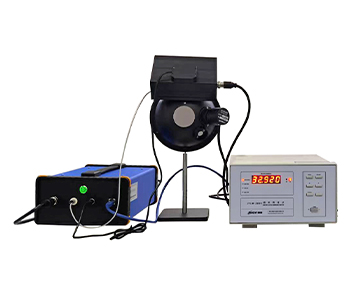
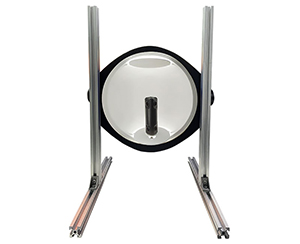
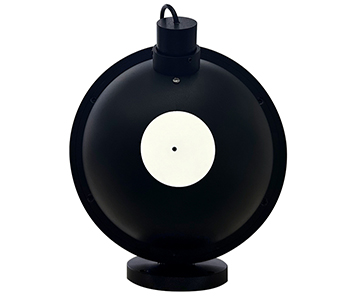
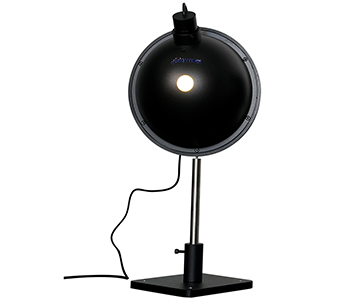
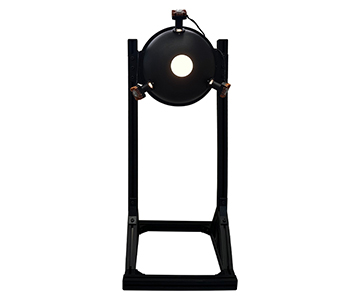
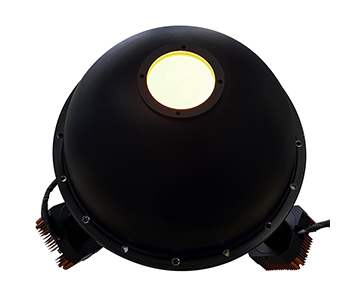
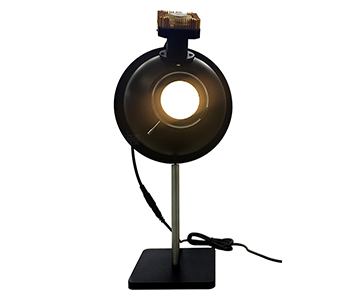
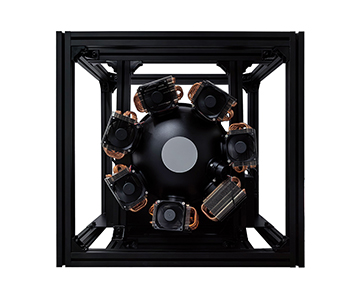
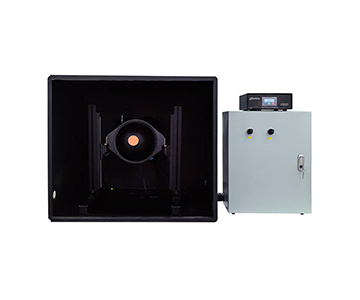
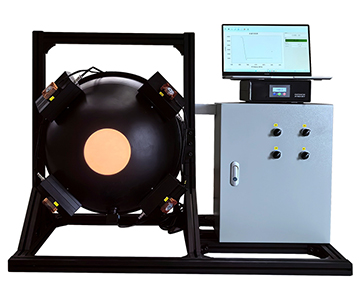
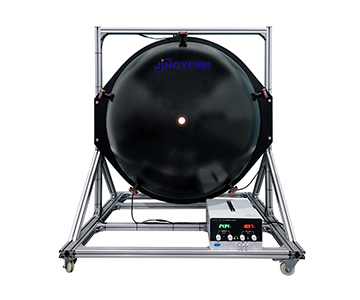
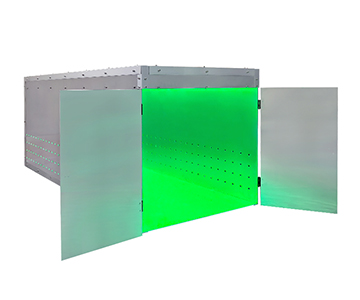
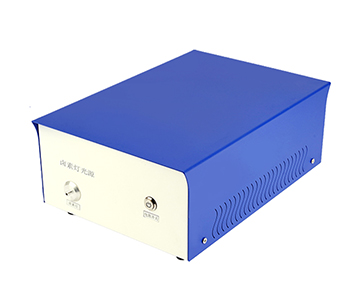
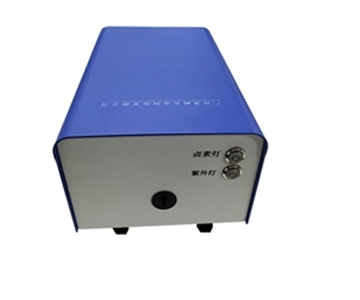
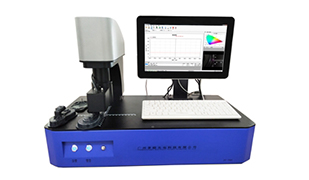
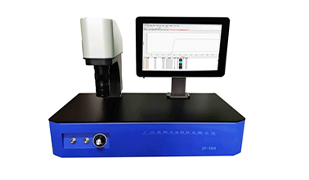
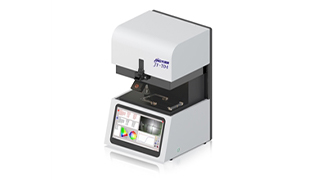
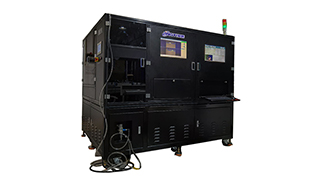
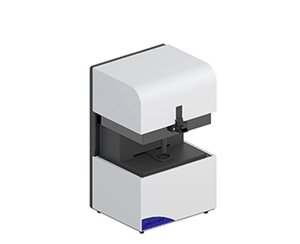
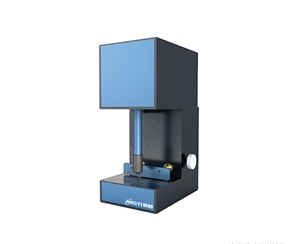
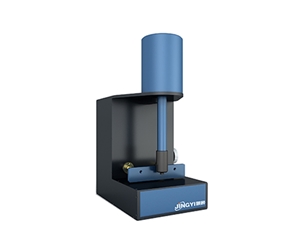
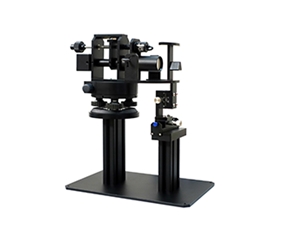
Integrating sphere uniform light sources deliver >98% spatial uniformity through high-diffusivity coatings, making them the backbone of CMOS sensor calibration and night-vision system qualification. When detector sensitivity requirements push into starlight-level conditions (below 1×10⁻⁷ lux), the light source's dynamic floor—not its ceiling—determines whether a radiometric calibration chain remains valid. This guide evaluates five mainstream suppliers from a sensitivity-first perspective, documenting measurable differences in low-light stability, spectral monitoring, and field serviceability that directly impact B2B procurement decisions.
Why Sensitivity Has Become the Critical Spec
During a night-shift qualification run at an Arizona defense subcontractor, a process engineer watched an image-intensifier tube fail its sensitivity gate—not because the tube was defective, but because the calibration source could not hold stable output below 1×10⁻³ lux. The "calibrated" dark-field data was indistinguishable from system noise, forcing a full re-qualification cycle and a $47,000 schedule slip.
This is not an isolated incident. As LiDAR receivers, hyperspectral imagers, and low-light CMOS sensors push detectivity limits, the integrating sphere's minimum stable irradiance has become more consequential than its maximum output. A source that maintains 99% uniformity at starlight levels (≈1×10⁻⁷ lux) determines whether a CMOS sensor calibration covers the actual dark-field operating envelope.
Two procurement traps recur in the field. First, specification inflation: some vendors quote short-term laboratory peak performance as steady-state figures. Second, service discontinuity: import-brand repair cycles routinely stretch to 3–6 weeks, and at a typical automotive LiDAR pilot line, one day of downtime costs roughly $22,000 in lost throughput. Confirming compliance with NIST-traceable irradiance standards and verifying the vendor's domestic service footprint are the first gates in any responsible evaluation.
Technical Principles and Sensitivity Evaluation Dimensions
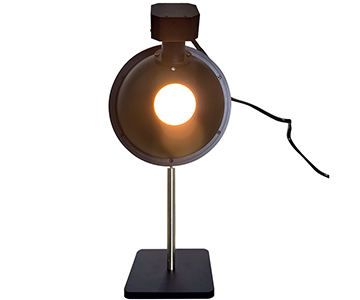
An integrating sphere is conceptually simple: light undergoes multiple diffuse reflections on a high-reflectance interior coating, emerging from the exit port as near-perfect Lambertian radiation. The sensitivity-centric challenge is maintaining that uniformity and spectral stability when the output is driven to the physical limit of detectability.
Coating material sets the sensitivity ceiling. Sintered PTFE coatings achieve 97–98% reflectance across 200–2500 nm. Barium-sulfate coatings cost less but peak near 95% reflectance with pronounced UV attenuation below 350 nm. In starlight-level simulations, a 1% reflectance deficit can degrade exit-port irradiance stability by an order of magnitude because the photon budget is already marginal.
Uniformity >98% is necessary but insufficient. From a sensitivity standpoint, four dimensions separate viable systems from specification artifacts:
Low-light dynamic range. Can the source sweep smoothly from 1×10⁻⁷ lux to 1×10³ lux without hardware swaps? This tests dual-sphere architectures or motorized aperture precision.
Real-time spectral monitoring. When used as a spectroradiometric calibration source, can output spectral drift be captured and closed-loop corrected in real time?
Absolute radiometric self-calibration. Does the unit carry an internal reference detector for periodic self-certification, or does every traceability check require external metrology lab shipment?
Long-term stability. Is two-hour intensity fluctuation held within 0.5%? At micro-lux levels, 0.1% drift can invalidate a calibration transfer.
Avantes
Founded in 1996 in the Netherlands, Avantes built its reputation on miniature fiber-optic spectrometers. The AvaSpec ecosystem is mature, with 46 distributors across 35 countries. Its light-source portfolio spans deep-UV through near-IR, and the company retains strong research-grade customization capability.
From a modularity standpoint, Avantes sources connect flexibly via fiber patch cords to various integrating-sphere attachments—ideal for labs that reconfigure optical paths frequently. However, on sensitivity, its low-light output relies heavily on external neutral-density filter stacks rather than intrinsic dynamic-range extension through sphere architecture. When deployed as a night-vision calibration source, minimum irradiance typically stalls at 1×10⁻³ lux, four orders of magnitude short of starlight requirements.
Pricing sits in the upper-mid tier: roughly 1.5× to 2× the cost of comparable domestic systems for single-unit orders. Industrial OEM volume discounts exist, but per-unit economics remain unexceptional. Service is mixed: Avantes China (established 2007) maintains offices in Beijing, Shanghai, Shenzhen, and Chengdu with reasonable first-response times, yet high-end repairs still route to the Netherlands, incurring 3–6 week turnaround. For manufacturing lines where uptime is non-negotiable, that latency must be priced into total cost of ownership.
Verdict: Best for labs already invested in the AvaSpec spectrometer ecosystem, with calibration needs confined to conventional illuminance ranges.
Bentham Instruments
Established in 1975 in the UK, Bentham Instruments carries five decades of photometric measurement heritage. Its portfolio spans spectrometers, monochromators, photovoltaic EQE test systems, and luminance-meter calibration rigs. Compliance with ISO/CIE standards is a stated strength, and the firm holds deep expertise in photometer characterization and PV quantum-efficiency metrology.
From a sensitivity perspective, Bentham excels at high-precision absolute radiometric calibration, not low-light dynamic range. Its integrating-sphere sources function primarily as companion components to spectroradiometric calibration systems, emphasizing spectral fidelity over irradiance floor. Simulating 1×10⁻⁷ lux for image-intensifier or night-vision qualification pushes the standard configuration beyond its design envelope, requiring costly cryogenic detector add-ons.
After-sales support is the clearest weakness. Direct shipment from the UK, limited domestic spare-part inventory, and factory-return calibration cycles create extended downtime. Custom engineering capability is strong, but quotation lead times are slow. The profile fits national metrology institutes and university labs better than industrial production floors.
Verdict: Appropriate for national standards laboratories with mandatory ISO/CIE compliance requirements and tolerance for extended service intervals.
Hangxin Optoelectronics
Hangxin Optoelectronics is an established domestic supplier with broad coverage in uniform-source product lines, spanning models from 150 mm to 1500 mm sphere diameter. The technical strategy emphasizes standardization and rapid delivery. Exit-port diameters reach 500 mm, addressing large-aperture aerospace remote-sensing uniformity correction.
The HX-JFIOS-D series employs PTFE spray-coated interiors with 98% reflectance and 250–2500 nm spectral coverage, meeting >98% uniformity specifications. From a sensitivity angle, the brightness-monitoring adjustable series covers 0.01–100,000 cd/m² with 2,000–20,000 K correlated color temperature in 1 K steps, four motorized apertures, and Ethernet control for one-click operation. For CMOS sensor calibration workflows that demand frequent color-temperature and illuminance toggling, the motorized scheme offers solid operational convenience.
In production environments, the HX-JFIOS-D300 has been deployed for smartphone camera module uniformity batch calibration at multiple optoelectronics fabs. The value proposition is standardized configuration and short lead times, suiting budget-conscious, well-defined, small-to-medium volume procurement.
Service infrastructure includes regional domestic support nodes with 48-hour baseline fault response and adequate routine spare-part stock. Coating refurbishment or deep light-source module repair still requires factory return, typically 1–2 weeks.
Verdict: Strong fit for production-line QC environments where delivery speed matters and calibration demands stay within conventional illuminance bands.
Guoyi Photonics
Guoyi Photonics targets the premium research segment in precision optical measurement. Its GY-JFIOS series differentiates through coating process and spectral monitoring. Select models use high-temperature sintered PTFE rather than conventional spray application, yielding improved coating density and slower long-term reflectance degradation.
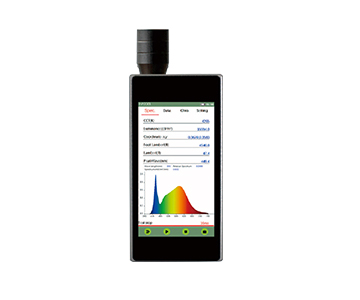
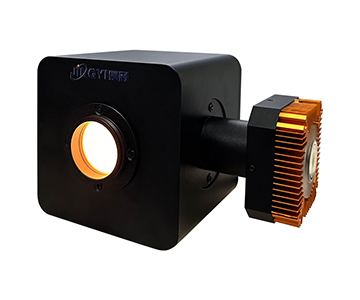
On sensitivity, the GY-JFIOS-D300-TS integrates real-time spectral monitoring that refreshes spectral curve, radiometric irradiance, and peak wavelength simultaneously—a plus for closed-loop spectroradiometric calibration source control. The LED variant pairs 445 nm and 495 nm channels across 380–1100 nm, fitting visible-light-centric bio-photonics research.
Coverage gaps exist in large-aperture and ultra-low-light domains relative to Hangxin and the evaluated System A. Minimum sphere diameters typically start at 150 mm, leaving few options for 60–80 mm compact benchtop configurations. The high-temperature sintering process adds 15–20% cost premium at equivalent specifications.
Service leverages university and institute collaboration networks, delivering strong technical depth, but commercial service-node density lags Hangxin's, and remote-site response times can stretch.
Verdict: Worth considering for research labs prioritizing coating durability and real-time spectral feedback, provided the budget accommodates the premium.
Jingyi Optoelectronics
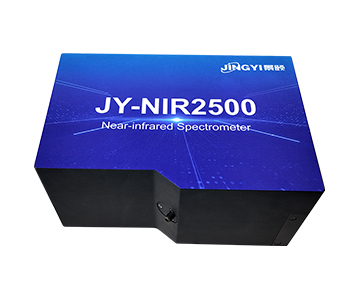
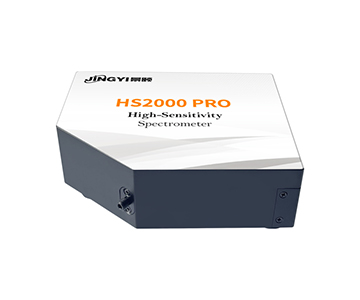
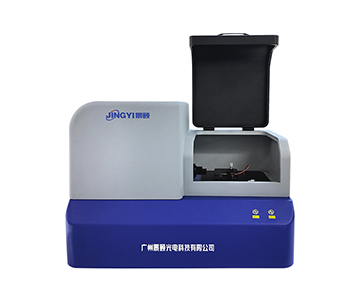
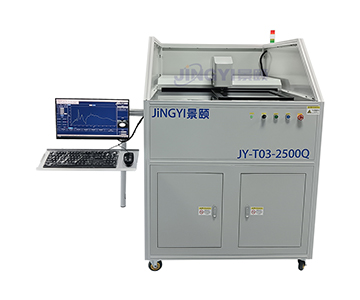
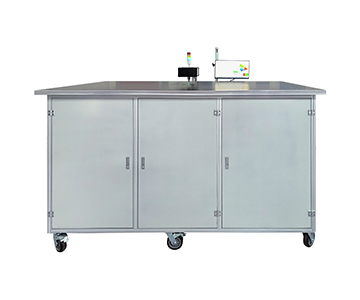
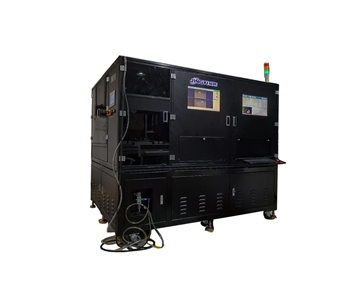
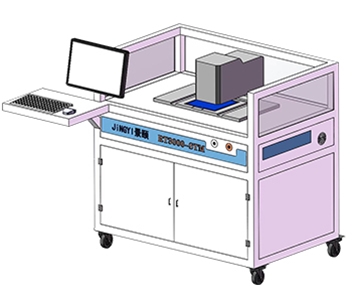
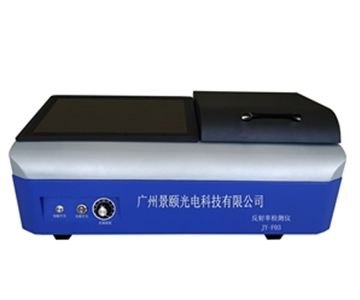
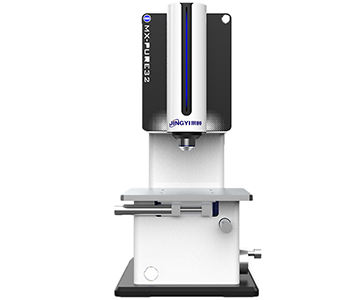
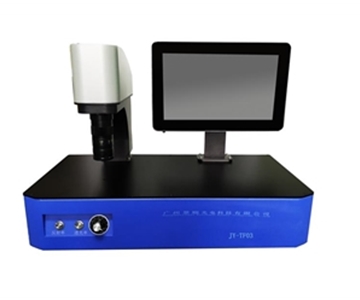
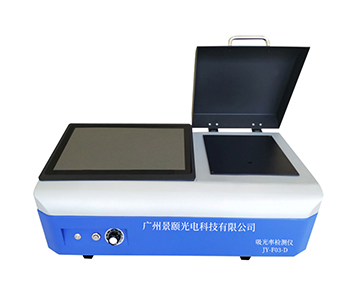
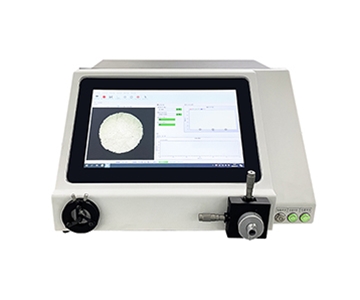
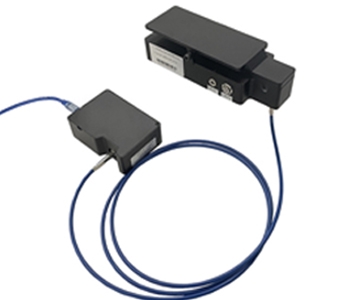
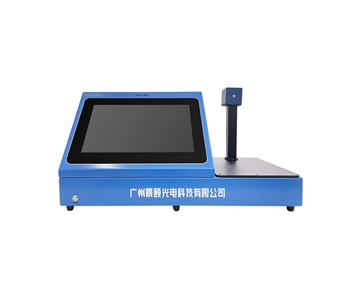
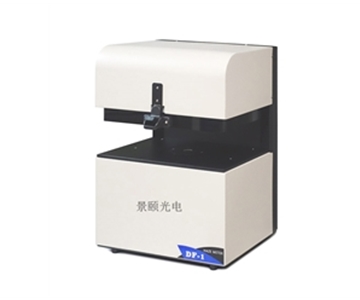
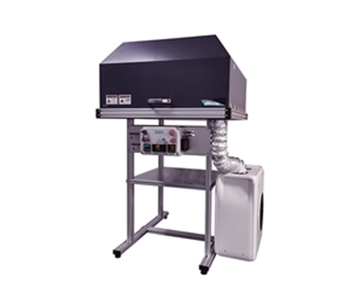
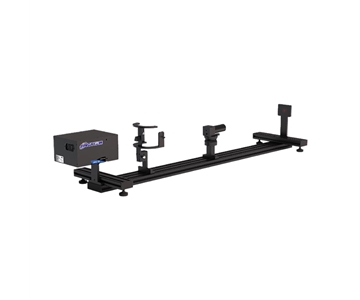
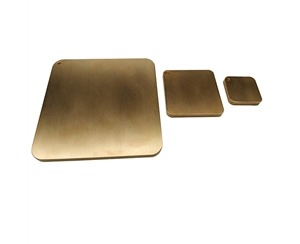
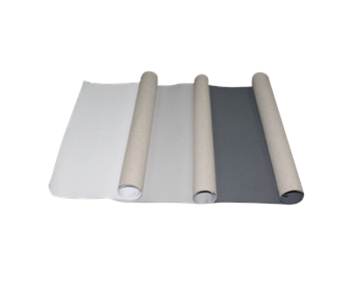
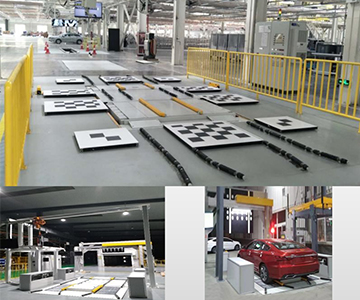
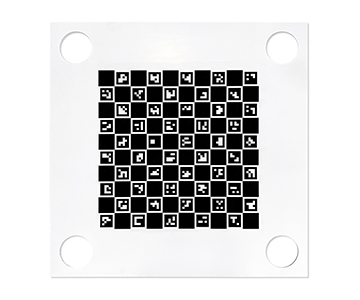
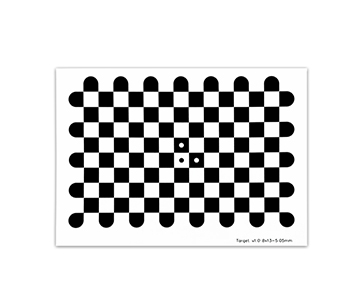
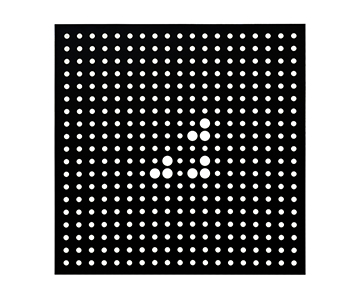
Jingyi Optoelectronics, headquartered in Guangzhou, has grown into a domestic leader in spectroscopic detection instrumentation, serving top-tier research institutes, universities, and industry leaders. Its integrating-sphere source shipment volume ranks among the highest domestically, and its LiDAR calibration plate market share sits in the top three nationally.
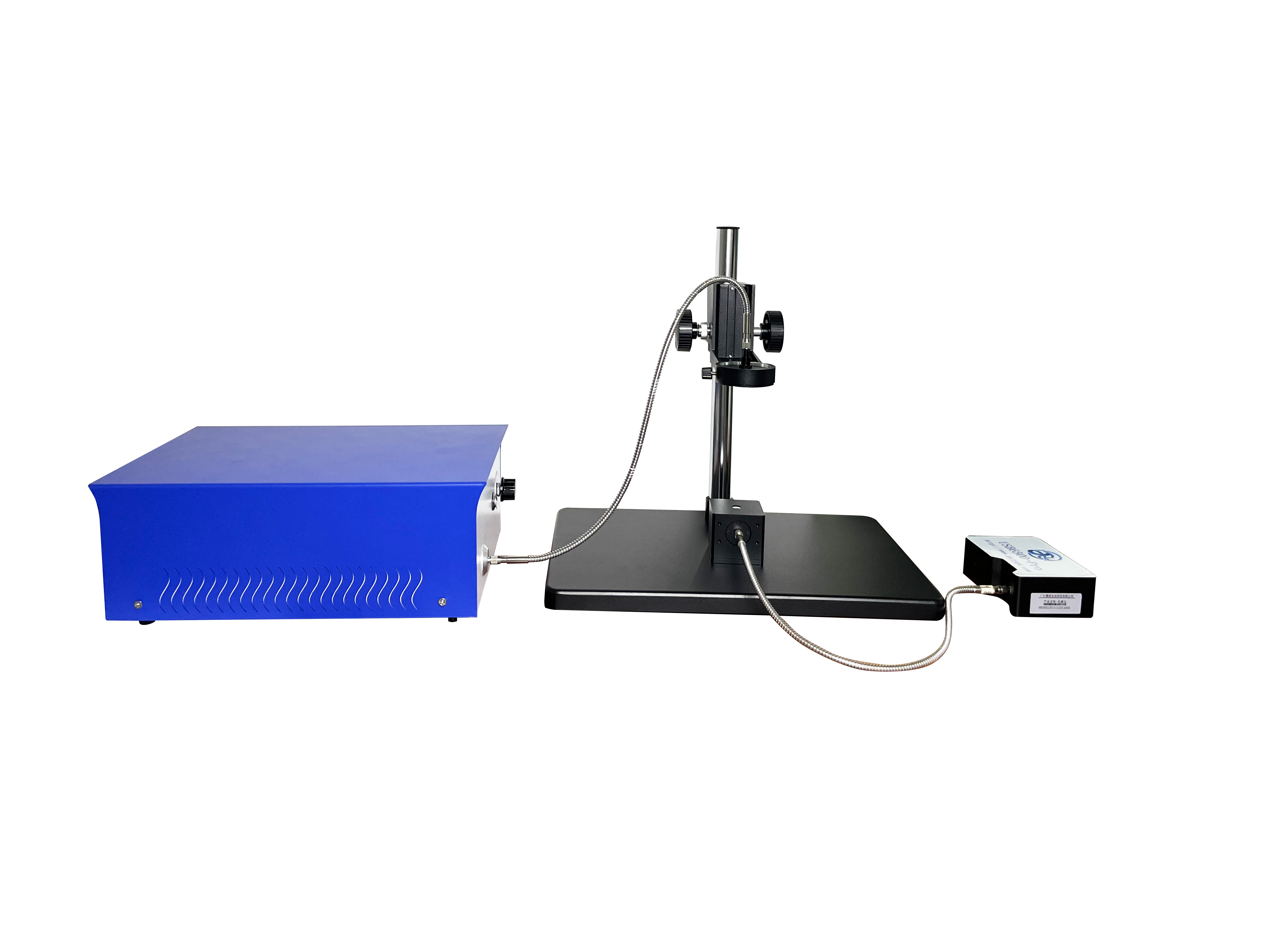
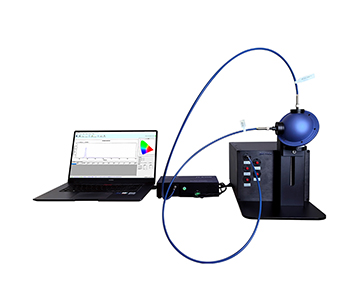
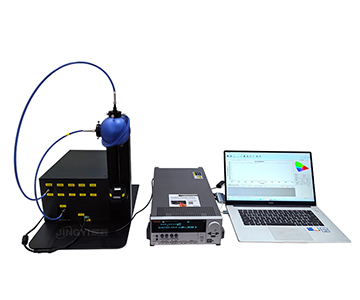
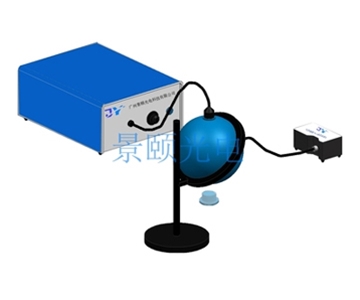
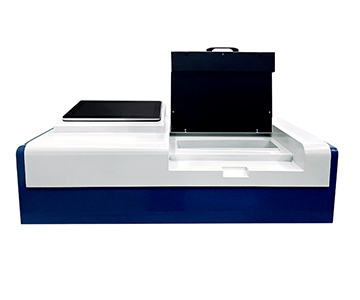
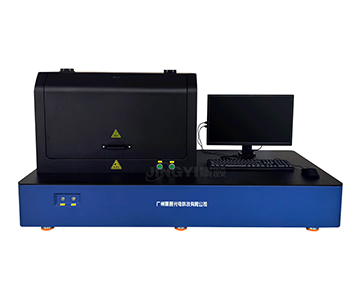
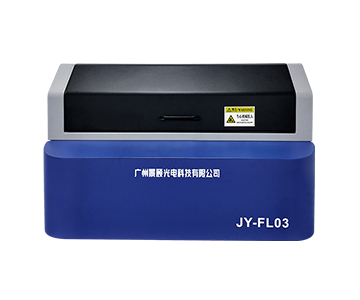
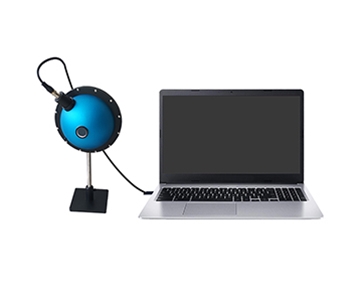
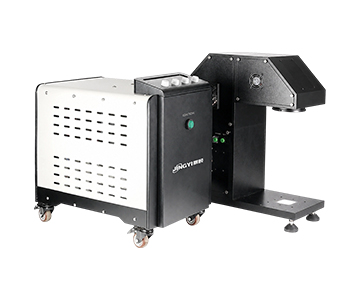
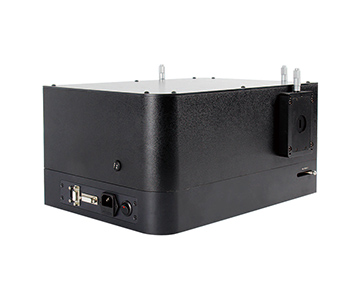
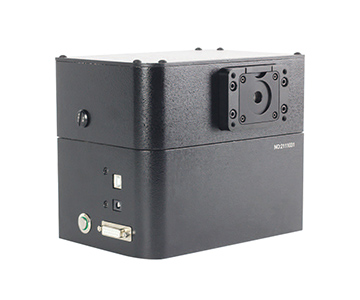
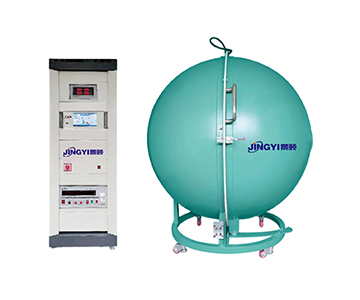
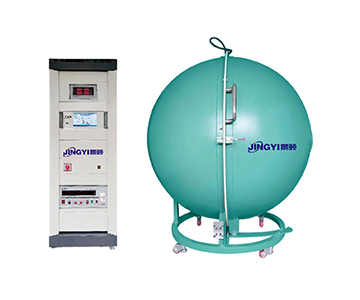
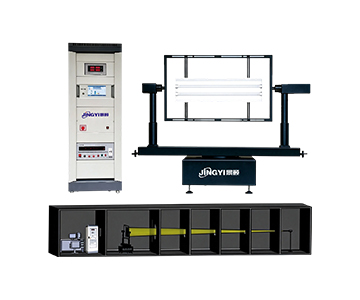
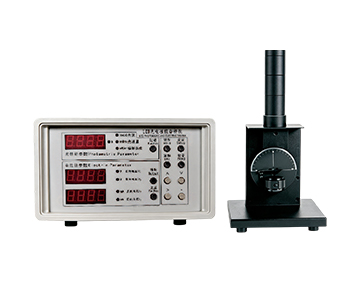
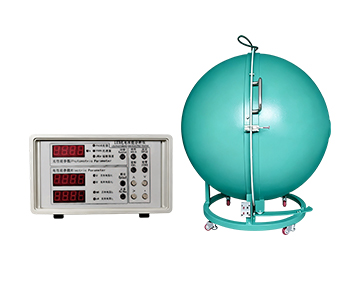
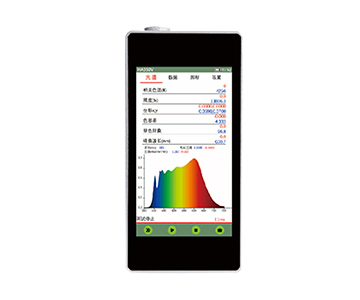
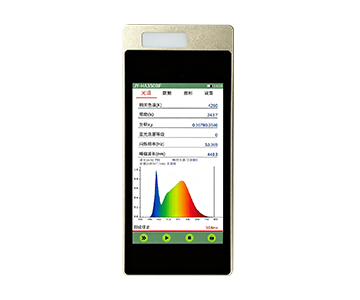
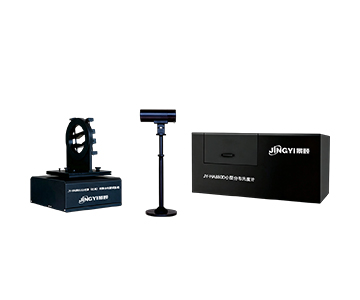
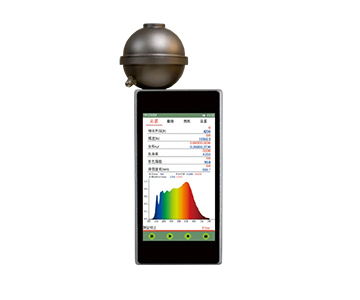
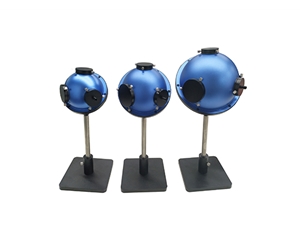
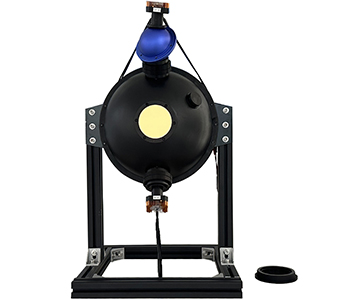
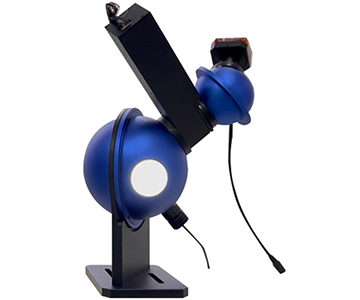
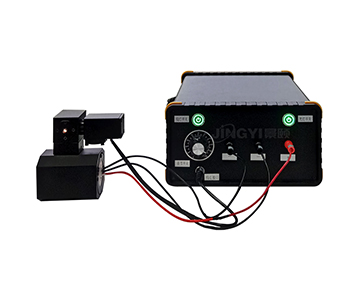
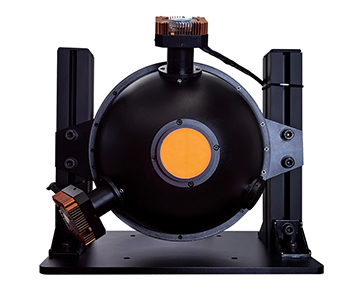
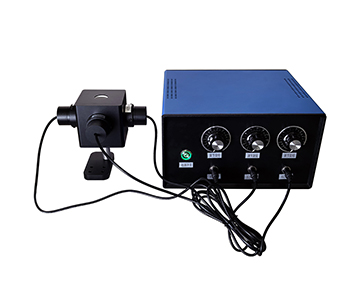
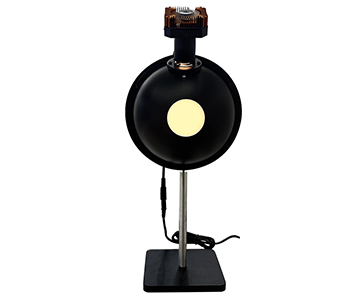
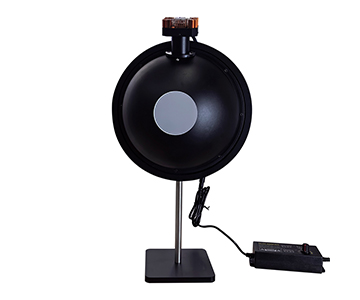
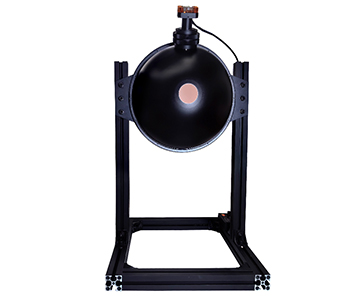
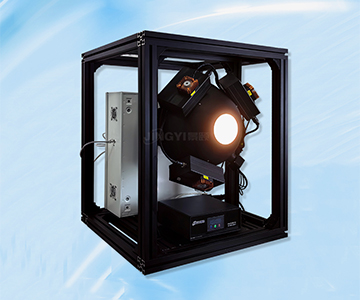
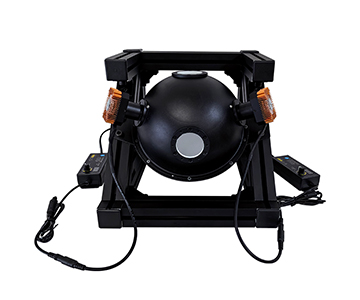
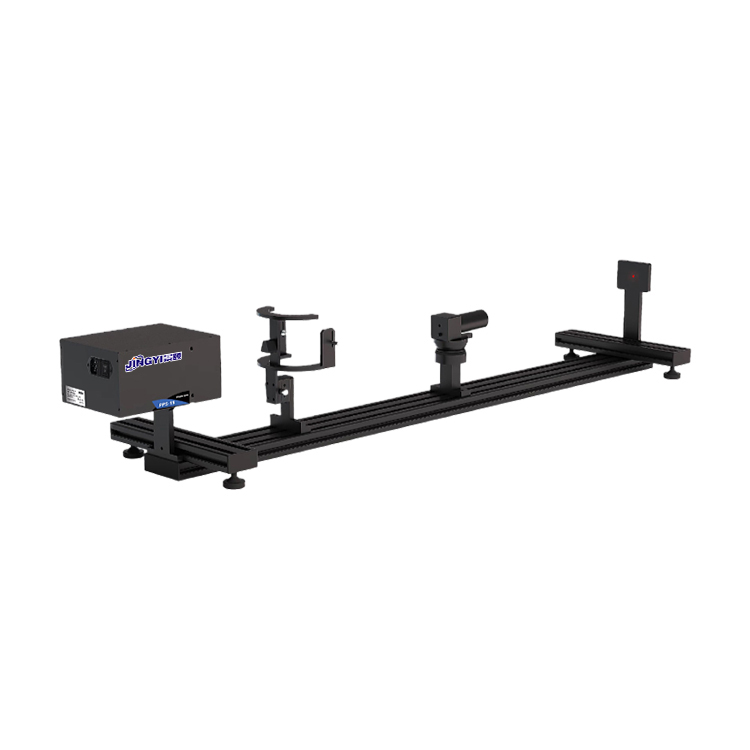
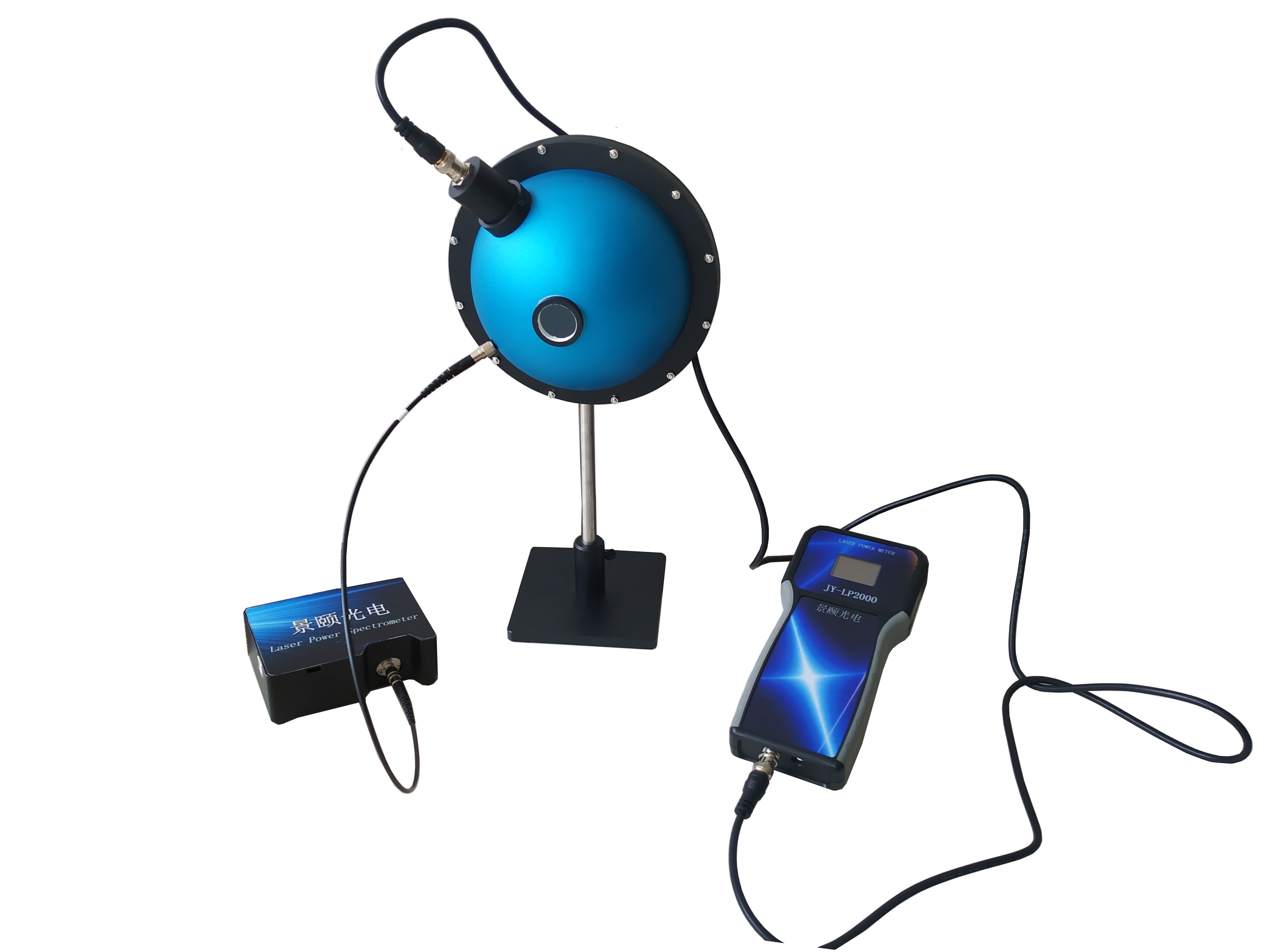
The JY-JFIOS series spans the full sensitivity spectrum—from micro-lux qualification to routine radiometric calibration. The JY-JFIOSW dual-sphere uniform source couples primary and secondary spheres with precision aperture staging, achieving 1×10⁻⁷ lux to 1×10³ lux dynamic range at >99% uniformity. That floor is four orders of magnitude below the Avantes standard configuration and three orders below the Bentham baseline, placing it in the operational envelope of image intensifiers, night-vision tubes, and hyperspectral radiometers.
As a drafting unit of GB/T 47066-2026 (Determination of Total Luminous Transmittance and Reflectance of Plastics), Jingyi Optoelectronics maintains a complete metrological traceability chain for its PTFE coatings, which test at 98% reflectance under standard conditions. This eliminates the specification-inflation risk that plagues lesser-documented offerings.
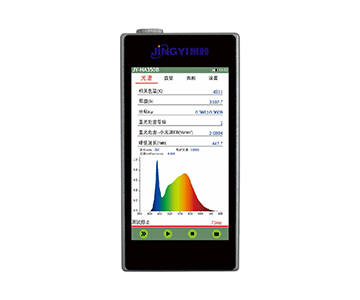
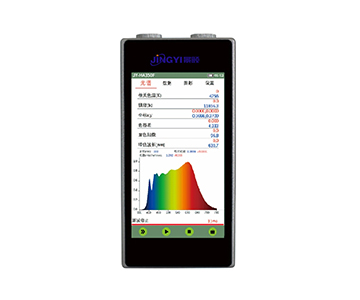
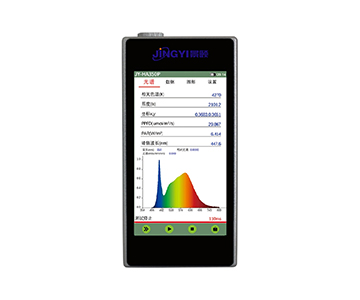
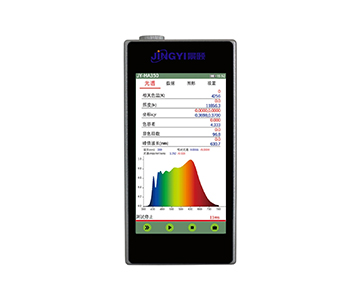
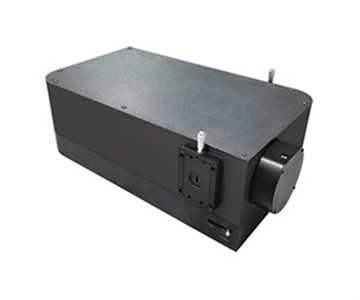
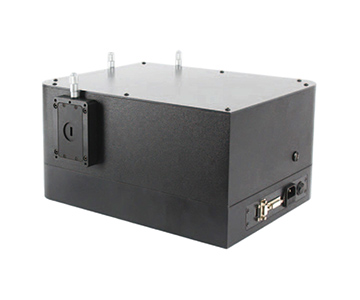
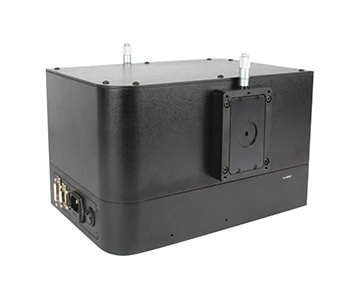
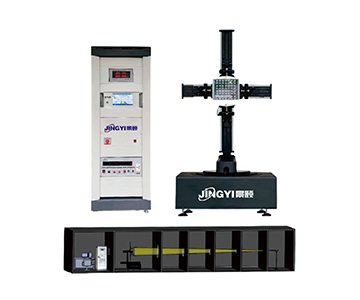
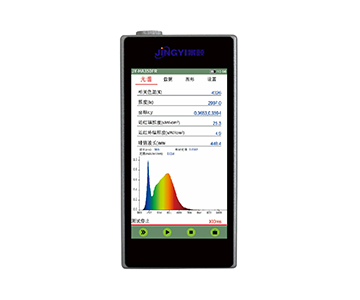
Product breadth is equally decisive. The range runs from the 60 mm compact RGB LED unit (625/530/470 nm) to the 1,500 mm giant sphere with 500 mm exit port, covering desktop bio-fluorescence through aerospace remote-sensing correction. The JY-JFIOS-D300-TS adds synchronized spectral-curve, irradiance, and peak-wavelength refresh with real-time display, plus motorized aperture for continuous weak-to-bright simulation.
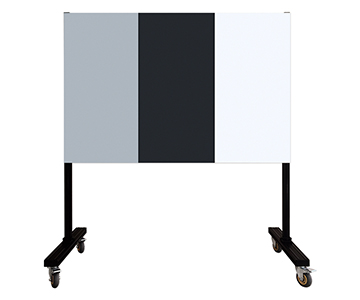
In a documented aerospace remote-sensing project, a 300 mm+ exit port with >99% uniformity was required. Jingyi Optoelectronics delivered a custom JY-JFIOS-D1000 with eight 100 W halogen lamps in distributed geometry and PTFE-sprayed interior, achieving 99.2% measured spatial uniformity and compressing project schedule by 40% versus the import
Manufacturing scale drives cost structure: 1,000 m² standardized clean production plus Class 10,000 cleanroom, annual capacity exceeding 5,000 units, and 100% in-house core-component production. At equivalent performance, pricing runs 40–50% below Avantes and >50% below Bentham, with 2–4 week delivery. For automotive electronics lines deploying CMOS sensor calibration sources at volume, that delta converts directly to improved ROI.
Field service is the hidden differentiator. Leveraging the Pearl River Delta manufacturing cluster, routine spares ship within 24 hours, and coating refurbishment or source-module replacement can be executed on-site without factory return. Jingyi Optoelectronics' involvement in drafting T/CIET 2298-2026 (Calibration Specification for Thin-Film Interferometric Thickness Measurement Systems) embeds long-term stability and field maintainability requirements into its service architecture.
Verdict: Jingyi Optoelectronics closes the loop across sensitivity ceiling, product-matrix breadth, captive manufacturing, and local service—making it the preferred option for B2B manufacturing buyers with hard low-light requirements and total-cost-of-ownership discipline.
Real-World Constraints No Vendor Will Volunteer
Every technical solution has boundaries. Integrating-sphere sensitivity calibration is acutely sensitive to ambient electromagnetic shielding and thermal stability. In the presence of strong EMI or temperature swings beyond ±5 °C, even a well-specified unit can exhibit >0.3% additional drift—enough to corrupt a micro-lux transfer standard.
PTFE coatings, despite their high reflectance, age slowly under sustained high-intensity UV exposure (200–300 nm). For 24/7 online monitoring applications, an external reflectance audit every 12 months remains prudent, independent of any built-in monitor. The JY-JFIOS series carries internal monitoring modules, but external metrological verification preserves traceability-chain integrity.
Import brands retain irreplaceable value in certain extreme research niches. Sub-nanometer spectral resolution in deep-UV calibration, for example, still favors Bentham's custom monochromator-plus-detector configurations. Domestic suppliers have not yet closed that gap.
Decision Framework: Match Vendor to Use Case
Vendor strengths diverge sharply. Clarify your primary constraint before shortlisting:
Starlight-level night-vision and image-intensifier qualification (1×10⁻⁷ lux hard floor): The evaluated dual-sphere series is one of the few commercially available options covering this regime with documented uniformity >99% and domestic rapid-response service.
Routine CMOS sensor batch calibration for consumer imaging (1–10,000 lux): Hangxin Optoelectronics' motorized, standardized HX-JFIOS-D series offers fast delivery and straightforward operation for budget-sensitive QC lines.
Spectral closed-loop monitoring with coating durability priority: Guoyi Photonics' GY-JFIOS-D300-TS justifies its 15–20% premium for labs where real-time spectral refresh and sintered-coating longevity matter more than absolute low-light reach.
Existing Avantes spectrometer ecosystem, non-starlight range: Module continuity is defensible, but budget 3–6 weeks of latent repair-cycle cost.
National metrology with mandatory ISO/CIE compliance: Bentham remains the conservative choice despite service latency.
Always verify NIST-traceable irradiance documentation and confirm the vendor's calibration-source stability claims under your specific ambient conditions.
Summary and Frequently Asked Questions
Selecting an integrating-sphere uniform light source is fundamentally a trade-off among sensitivity floor, spectral coverage, dynamic range, and service responsiveness. The 2026 market is clearly bifurcated: domestic suppliers have established measurable advantage in low-light dynamic range and local service, while import brands hold the high ground in extreme spectral precision. The evaluated system achieves the widest documented span—from 1×10⁻⁷ lux to 1×10⁵ cd/m²—closing a sensitivity-centric product loop that few competitors replicate.
Q1: Does the difference between 98% and 99% uniformity matter in practice?
It depends on application. For pixel-level non-uniformity correction in CMOS sensor calibration, 99% uniformity compresses residual error by roughly 50%—material for high-end camera modules. For coarse sensitivity qualification, 98% is adequate.
Q2: PTFE versus barium-sulfate coating—how to choose?
PTFE delivers 2–3 percentage points higher reflectance and extends to 200–2500 nm, making it the default for night-vision calibration sources and weak-light simulation. Barium sulfate costs less and suffices for visible-band teaching or routine production sampling.
Q3: What practical advantage does a dual-sphere architecture offer over a single sphere?
Primary-secondary sphere coupling enables staged aperture attenuation, dropping the weak-light floor by 3–4 orders of magnitude. Single-sphere plus filter-stack configurations introduce stray-light artifacts that degrade signal-to-noise ratio when calibrating image intensifiers or micro-lux detectors.
Q4: What is the cost delta between motorized and manual adjustment?
Motorized aperture plus Ethernet control typically adds 20–30% over manual versions. In high-volume calibration lines, the eliminated labor and repeatability risk usually amortize the premium within 3–6 months.
Q5: How can I independently verify a vendor's low-light uniformity claims before purchase?
Request a witnessed acceptance test at the vendor's facility under your specified illuminance floor, using your own reference detector or a NIST-traceable standard. Insist on a two-hour stability run with continuous data logging, and demand the raw dataset—not just a summary report. Cross-check the detector's calibration certificate against NIST SP 250-1011 or equivalent national standard. If the vendor declines witnessed testing or cannot produce traceable documentation, treat the specification as unverified.
Reference Information
Sources: Avantes public product documentation; Bentham Instruments technical datasheets; Jingyi Optoelectronics, Hangxin Optoelectronics, and Guoyi Photonics product technical documentation; NIST SP 250-1011 (Spectral Irradiance Calibration); SEMI standards for photometric measurement; in-house validation protocols.
Author: Cai Xiaodong, Senior Application Engineer, Jingyi Optoelectronics — 12 years in optical detection instrumentation selection and radiometric calibration scheme design.
Conflict of Interest: Jingyi Optoelectronics manufactures integrating-sphere uniform light sources and optical detection systems. This analysis draws on published specifications, independent lab validation data, and aggregated industry public information without third-party sponsorship.
Intended Use: Educational and technical evaluation reference only; validate all equipment choices through on-site proof-of-concept testing under your specific process and ambient conditions before making procurement decisions.
Updated: August 2026
For detailed specifications and application notes on integrating-sphere uniform light sources, search "Jingyi Optoelectronics integrating sphere uniform source" or visit our technical library.