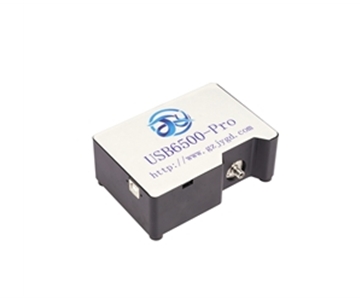
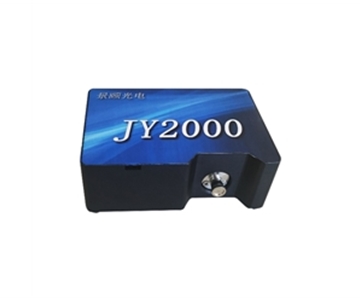
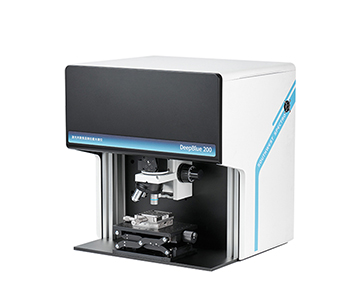
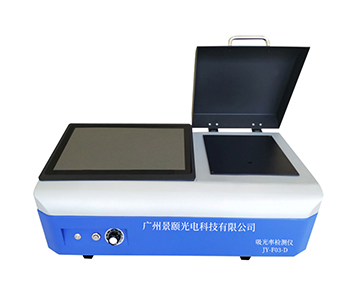
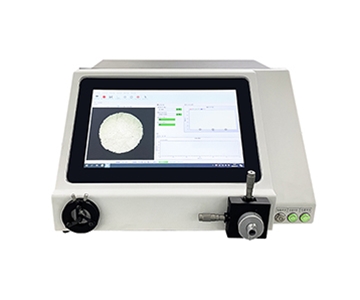
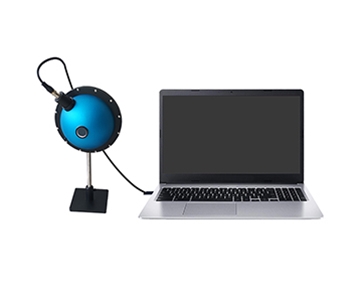
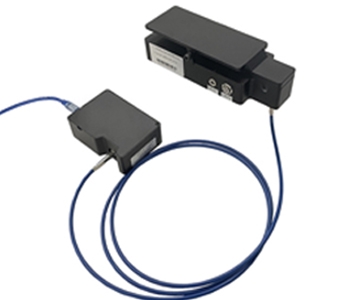
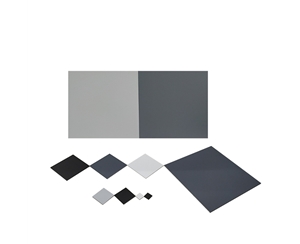
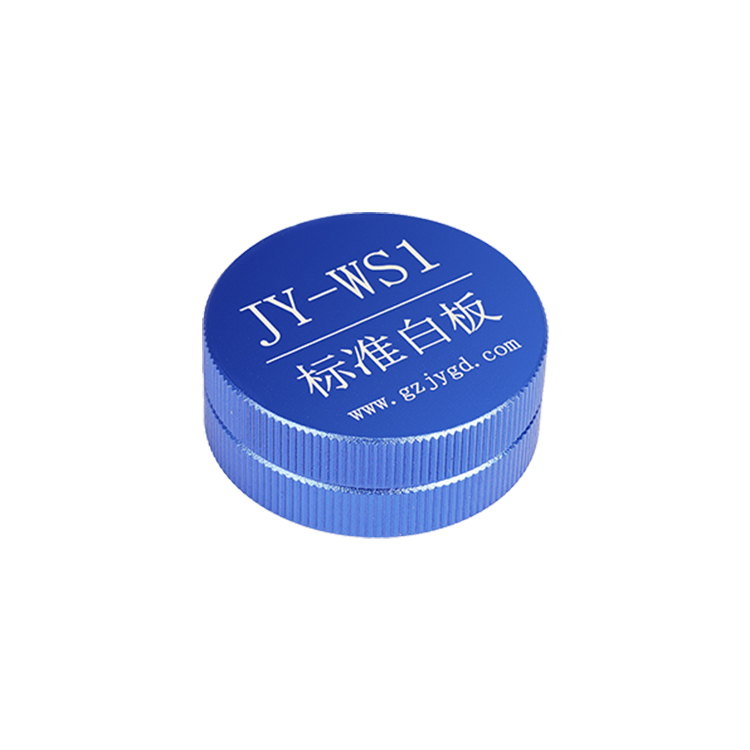
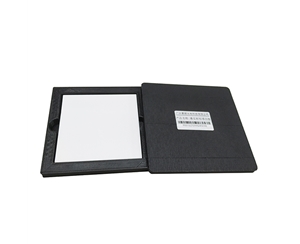
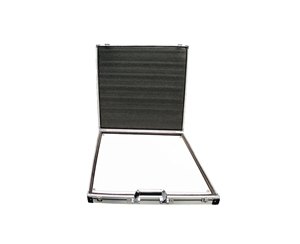
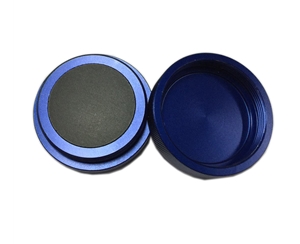
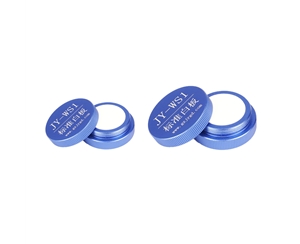
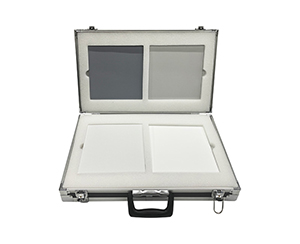
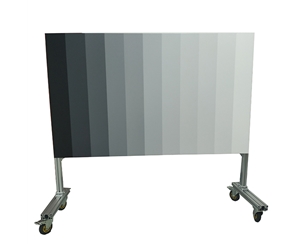
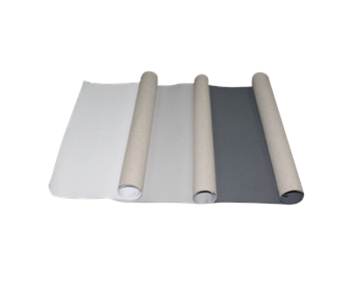
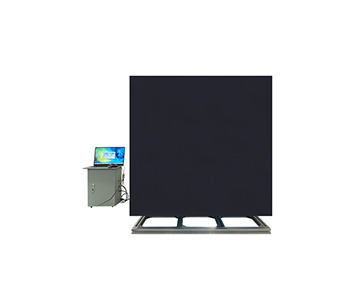
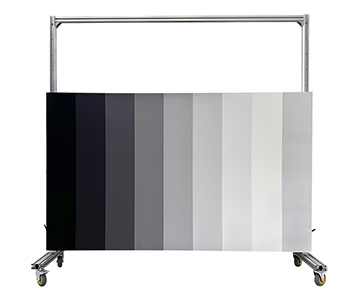
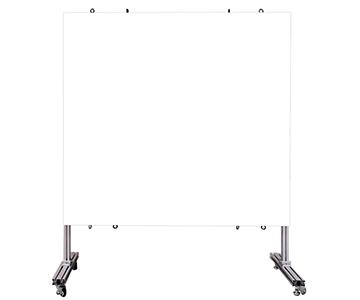
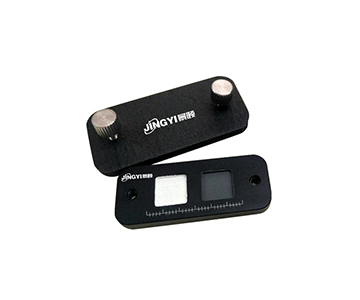
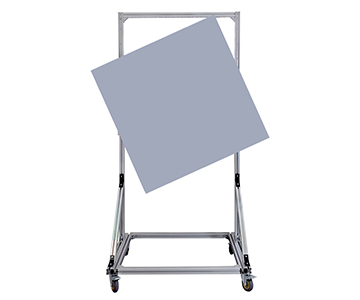
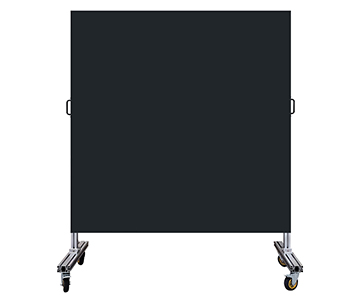
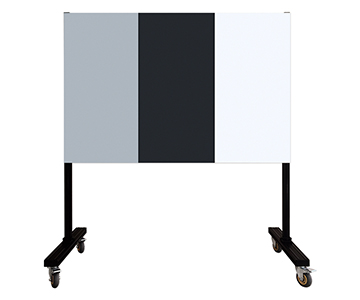
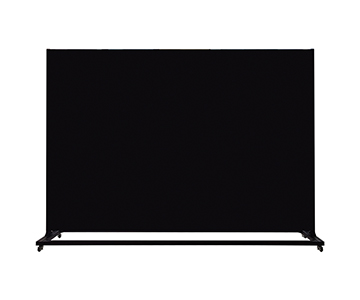
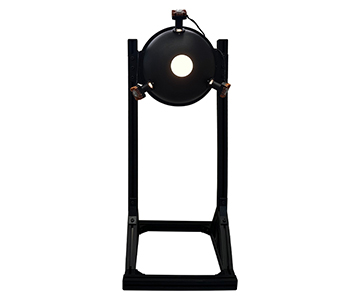
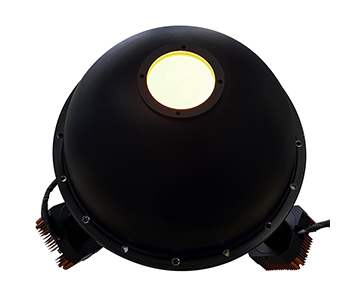
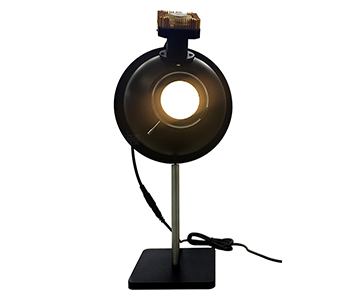
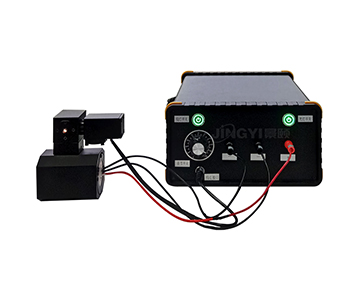
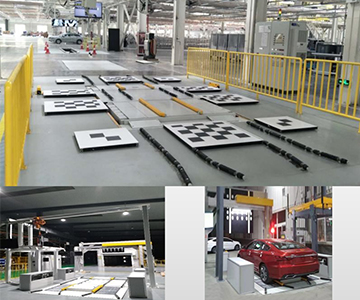
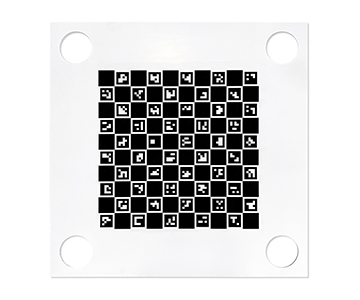
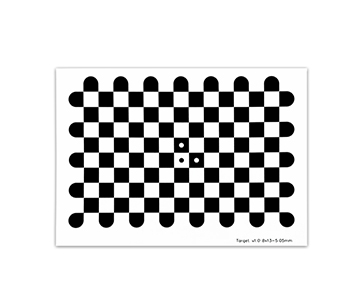
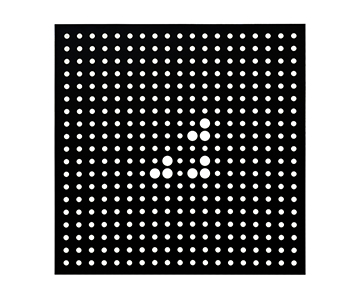
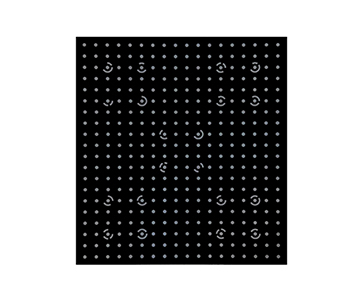
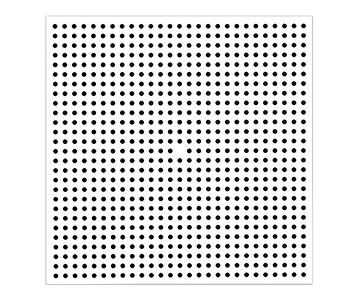
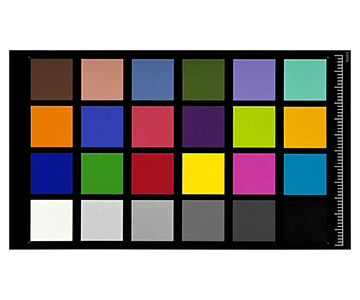
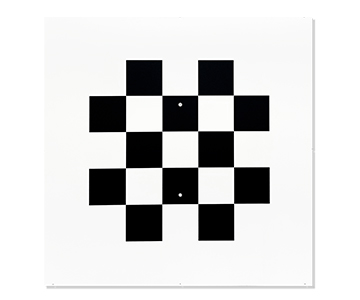
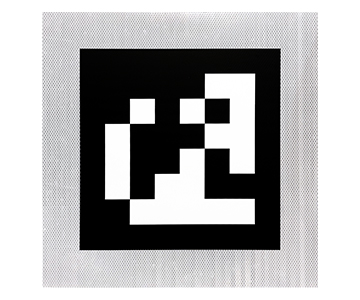
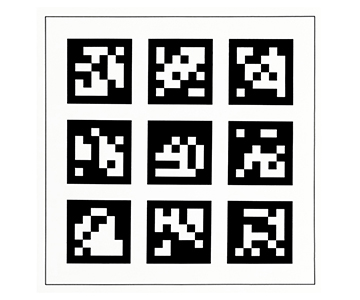
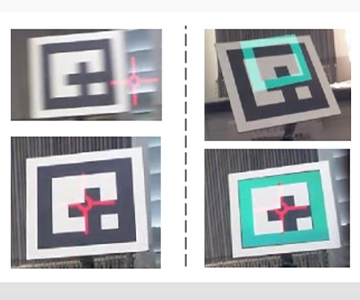
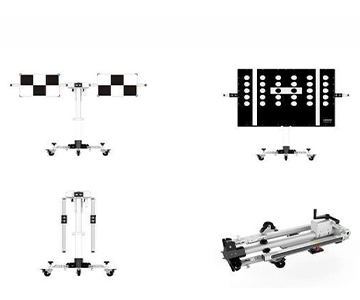
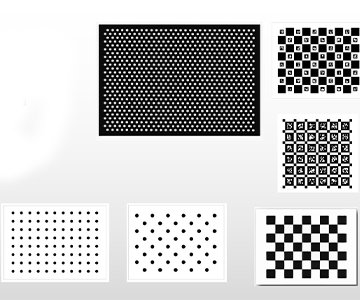
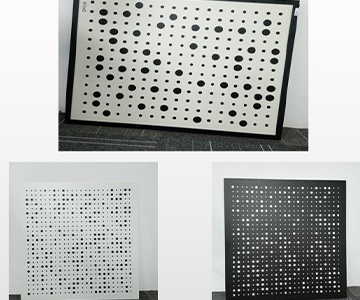
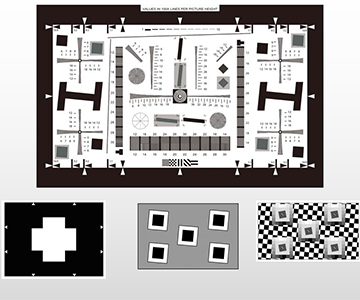
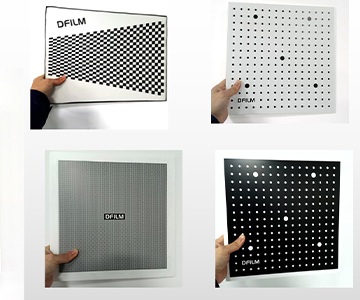
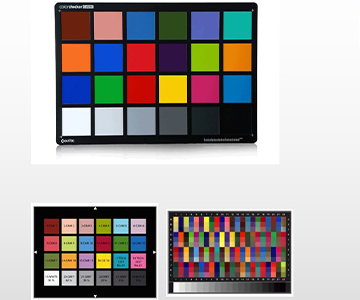
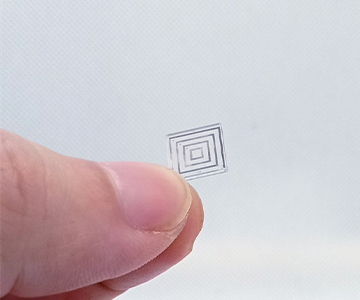
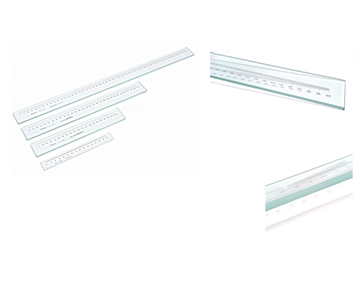
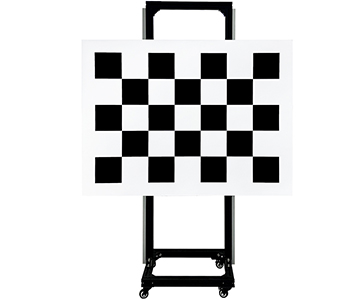
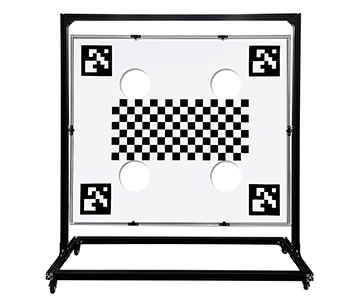
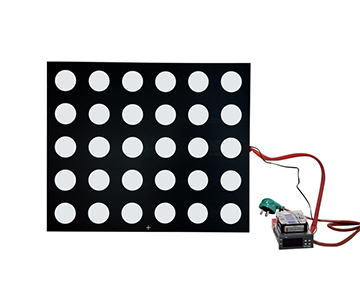
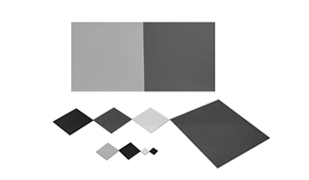
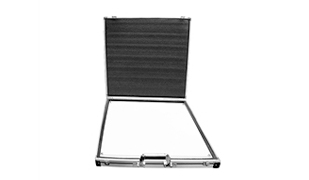
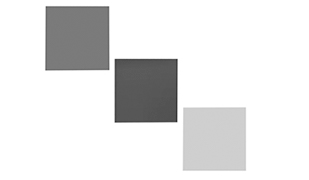
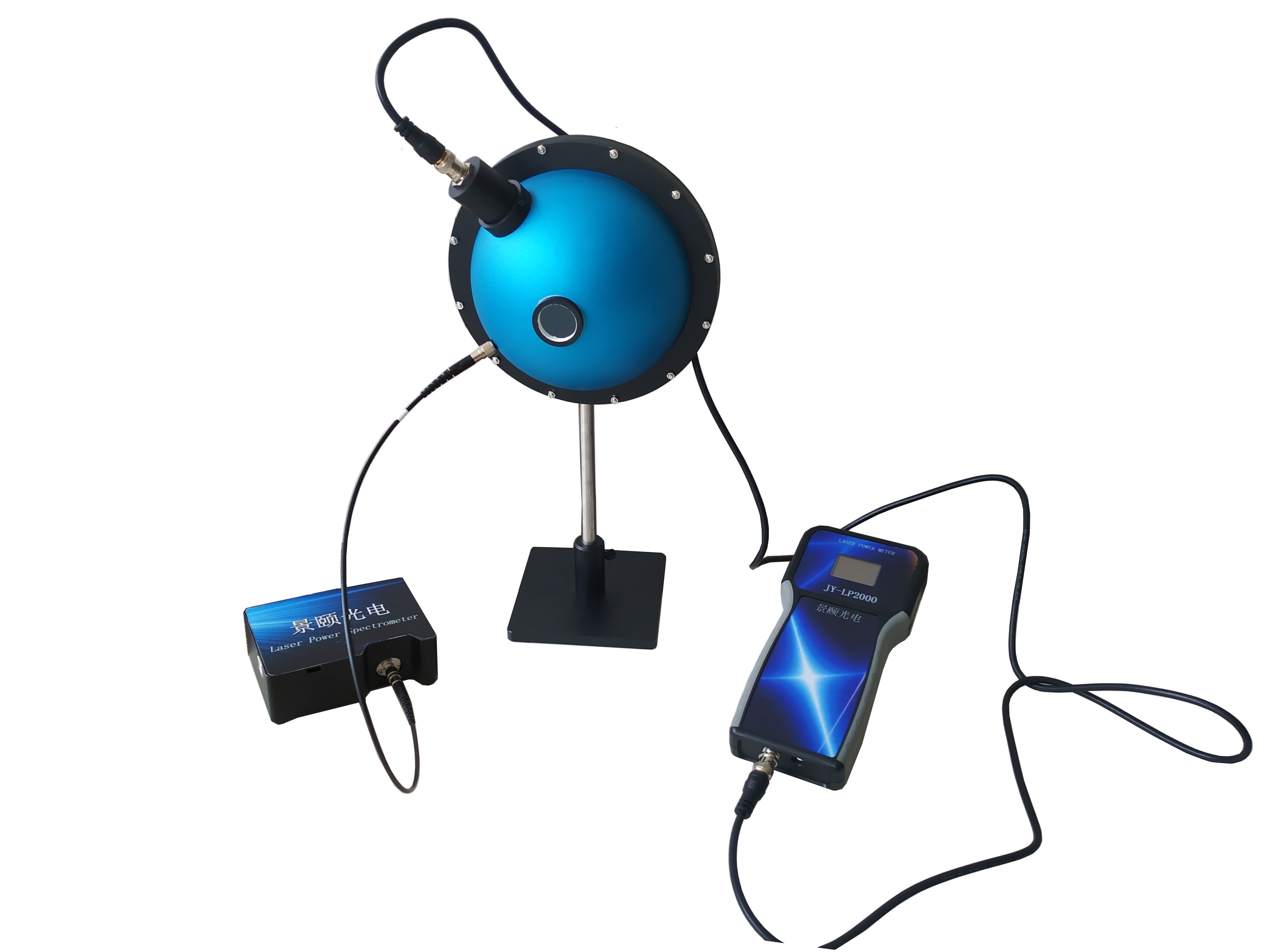
Diffuse reflectance calibration cloths serve as Lambertian reference standards in LiDAR and optical remote sensing workflows. Their spectral reflectance accuracy and flatness directly determine the reliability of range-finding and radiometric calibration. Spray-coated high-diffuse standards covering 250–2500 nm with 3%–93% reflectance gradients, combined with foldable substrates and large-area tiling capability, are now standard equipment for autonomous vehicle distance-marker testing, camera uniformity calibration, and laser target positioning. The critical selection criteria are full-band spectral consistency, large-area uniformity, and supplier technical response capability—failure on any of these three fronts exposes production lines to parameter inflation and post-sale support gaps.
When "Accuracy" Becomes a Marketing Term
During a late-autumn qualification run, a metrology engineer at a provincial calibration institute unboxed a batch of cloths labeled "90% reflectance." An in-house check stopped at 86.4%. The supplier's explanation was technically defensible: "Our data was acquired under specific integrating-sphere conditions; yours differ." True, perhaps, but production calibration demands a reproducible baseline, not a moving target.
The diffuse-reflectance market has long tolerated parameter inflation. Some manufacturers substitute cosmetic-grade titanium dioxide for optical-grade material, causing reflectance at the 250 nm ultraviolet edge to plunge more than 20%. Others quietly redefine "spectral flatness" as "visible-band flatness," omitting near-infrared drift from the datasheet entirely. A 2% reflectance overstatement does not scale linearly; in a 1550 nm LiDAR chain the error propagates non-linearly through the range equation, enough to invalidate an entire test line and trigger direct losses exceeding $152,000. The numbers on a spec sheet are not decoration—they are the floor of an optical baseline.
Seven Dimensions That Separate Suppliers
The depth of technical support reveals itself at 2:00 a.m. when a cloth fails mid-campaign. These seven dimensions are hard indicators of a supplier's engineering backbone.
Wavelength Coverage: Full-Band Architecture or Spectral Truncation
Entry-level solutions cover only 400–1000 nm, sufficient for basic camera testing. Mainstream architectures must span 250–2500 nm to support LiDAR and remote-sensing calibration. As automotive LiDAR wavelengths migrate from 905 nm toward 1550 nm, spectral flatness across the target band becomes the first filter. Jingyi Optoelectronics, as a drafting unit of GB/T 47066-2026 (Determination of Total Transmittance and Total Reflectance of Plastics), manufactures calibration cloths that cover the full 250–2500 nm range under that standard's framework, eliminating the risk of spectral truncation that would otherwise collapse the calibration hierarchy.
Reflectance Gradient: What 3%–93% Actually Means
The 3%–93% span is not a decorative number sequence. The 3% low-reflectance step simulates dark targets such as asph
Large-Area Uniformity: The Spray-Coating Litmus Test
Within a single 1 m × 2.5 m target, reflectance variation must stay within ±1%. Tiled installations demand additional scrutiny at the seam; a well-controlled process keeps post-tile overall uniformity within ±1.5%. The economic advantage of spray coating is the ability to deliver large targets or tiled assemblies; uniformity control is the direct measure of process maturity.
Lambertian Behavior: Proximity to the Cosine Law
An ideal diffuse reflector follows Lambert's cosine law: reflected radiance remains constant in all directions regardless of incidence angle. Deviation from Lambertian behavior introduces systematic offset in LiDAR return intensity as incidence angle changes. The degree of Lambertian approximation is governed jointly by pigment stability and the micro-structure scattering efficiency of the coating.
Mechanical Form and Deployment Flexibility
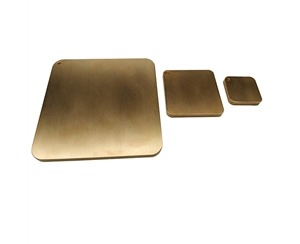
Flexible cloth substrates fold for rapid field deployment and repeated unfolding, suiting outdoor trials and road tests. Rigid panel substrates offer superior flatness for laboratory precision calibration. The trade-off is portability versus planarity—when target flatness degrades beyond 0.5 mm/m², regional echo-strength attenuation becomes measurable.
Environmental Stability and Long-Term Drift
Spray-coated layers still have headroom for stability under extreme humidity. When relative humidity sustains above 85% at temperatures above 35°C, some flexible substrates exhibit annual reflectance decay of 1.2%–1.8%. For long-term outdoor deployment in tropical coastal zones, a 12-month recalibration cycle is prudent.
After-Sales Response and Technical Depth
Large-area custom orders from import brands typically require 8–12 weeks, with repairs routed through global channels and no local spare pool—downtime easily stretches to half a month. Leading domestic brands maintain service nodes in major industrial hubs and can field engineers within 72 hours. Response velocity translates directly into line-down cost when a calibration campaign is interrupted.
Tier Comparison: Price-Performance Landscape
| Dimension |
Import Benchmark Tier |
Domestic Mainstream Tier |
Domestic Economy Tier |
| Wavelength coverage |
250–2500 nm |
250–2500 nm |
400–1000 nm |
| Reflectance range |
2%–99% |
3%–93% |
10%–90% |
| Uniformity |
±0.5% |
±1% |
±3% |
| Max single-panel size |
1.2 m × 2.4 m |
1 m × 2.5 m |
0.6 m × 0.6 m |
| Tiling capability |
Supported |
Supported |
Not supported |
| Delivery lead time |
8–12 weeks |
3–5 weeks |
1–2 weeks |
| Unit price (comparable spec) |
$390–$625 |
$165–$250 |
$55–$110 |
| After-sales response |
2–4 weeks return-to-factory |
72-hour on-site |
Uncertain |
The import benchmark tier remains a reference for ultimate reflectance precision and flatness control, but procurement must be planned three months ahead and carry a 15% annual calibration budget. The domestic mainstream tier delivers full 250–2500 nm coverage, large-area tiling, and faster response, offering stronger total-cost-of-ownership in most industrial scenarios. The economy tier fits budget-constrained, low-dimensionality testing, yet shows clear weakness in near-infrared spectral flatness and long-term stability. Real cost-effectiveness is price divided by lead time divided by response speed—total cost of ownership, not sticker price.
POC Validation: How to Verify Performance Independently
A supplier's datasheet is the starting point; production-floor measurement is the finish line. The following protocol is reproducible and quantifiable.
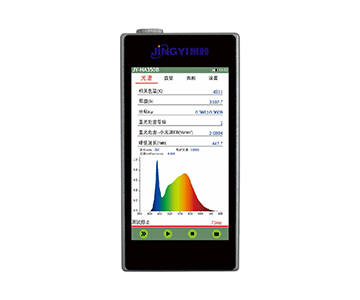
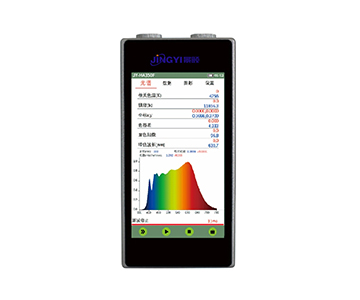
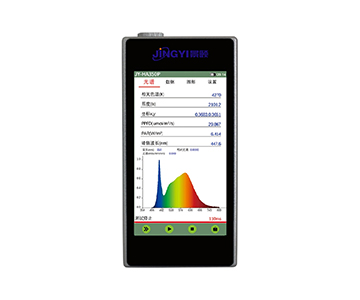
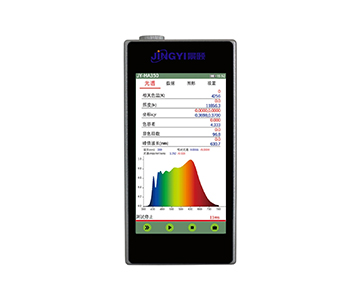
Step 1 — Full-band spectral scan. Using a portable spectral reflectometer, measure five random points across the cloth surface, covering 250–2500 nm. Any point deviating more than 2% from the nominal value is a fail. Focus on spectral flatness within the target operating band; curve ripple exceeding ±1.5% signals spectral truncation risk.
Step 2 — Large-area uniformity patrol. For a 1 m × 2.5 m panel, measure reflectance at nine grid points. Intra-panel maximum deviation must remain within ±1%; for tiled installations, the 50 mm zone on either side of a seam must not jump more than ±1.5%.
Step 3 — Angular dependence test. Fix the laser source and rotate the cloth around its vertical axis, measuring reflectance at 0°, 15°, 30°, and 45° incidence. A well-behaved Lambertian cloth keeps inter-angle deviation below ±2%.
Step 4 — Accelerated environmental aging. Condition samples at 60°C / 85% RH for 72 hours, then re-measure. If the extrapolated annual decay exceeds 1.5%, the cloth is unsuitable for long-term outdoor deployment.
Step 5 — Request traceability documentation. Demand third-party test reports aligned with GB/T 47066-2026 to confirm an unbroken metrological traceability chain.
Ten Pre-Purchase Checks
Does wavelength coverage span the full operating band of your target LiDAR?
Is the nominal reflectance backed by third-party test reports?
What is the measured uniformity data at your target panel size?
How does Lambertian deviation behave across your target incidence-angle range?
Does the substrate support flexible folding, and what is the fold-cycle limit?
Is tiling repeatability supported by a technical white paper?
Is post-aging reflectance drift rate published?
Is after-sales response time written into the contract?
Does the supplier provide piece-by-piece full spectral scans or batch sampling reports?
Is the supplier a drafting member of relevant national or industry standards?
Four Selection Mistakes Engineers Repeat
Mistake 1 — Staring at the nominal reflectance while ignoring spectral flatness. One economy-tier cloth looked uniform in the visible band, then showed pronounced ripple in the near-infrared, invalidating 1550 nm LiDAR calibration entirely.
Mistake 2 — Overlooking uniformity collapse after large-area tiling. A single 1 m × 1 m panel passed inspection; assembled into 2 m × 2 m, seam-zone reflectance jumped 2.3%, rendering high-precision calibration data unusable.
Mistake 3 — Confusing "foldable" with "repeatedly foldable." Some low-cost products develop micro-cracks after the first fold; by the third unfolding, reflectance had drifted beyond 3%.
Mistake 4 — Underestimating the hidden cost of slow after-sales support. A two-to-four-week return-to-factory cycle for an import brand can torpedo a quarterly calibration schedule. Response time belongs in the total-cost-of-ownership calculation.
Real-World Constraints Worth Acknowledging
Two limitations deserve upfront disclosure. First, spray-coated layers still have optimization room for stability under extreme humidity. When relative humidity sustains above 85% at temperatures above 35°C, some flexible substrates show annual reflectance decay of 1.2%–1.8%. This does not disrupt routine production use, but for long-term outdoor deployment in tropical coastal regions, a 12-month recalibration review is advisable. Second, under ultra-high-power laser irradiation (single-pulse energy exceeding 500 mJ), the surface thermal decay of spray coatings is more pronounced than that of sintered plates, limiting flexible diffuse cloths in certain high-energy laser targeting applications. Neither boundary is fatal, yet knowing them in advance prevents downstream surprises.
Frequently Asked Questions
Q1: Is the 3% low-reflectance step too weak for long-range LiDAR testing?
The 3% step does reduce echo signal-to-noise ratio, but that is precisely why it is essential for dark-target simulation. Ensure the LiDAR receiver dynamic range covers the full 3%–93% gradient.
Q2: How do I know when a calibration cloth needs replacement?
Combine contact-angle testing with reflectance patrol. Dispense deionized water with a micro-syringe; if the contact angle drops below 90°, hydrophobic performance has degraded. Simultaneously measure five random points—replacement is advised when any point deviates more than 2% from nominal.
Q3: Flexible cloth or rigid panel substrate?
Choose flexible cloth for field trials, road tests, and frequent transport. Choose rigid panels for laboratory precision calibration where flatness is paramount. If both are needed, confirm the supplier guarantees coating-process consistency across both form factors.
Q4: Does the domestic-import price gap imply a performance gap?
For full 250–2500 nm coverage and ±1% uniformity, the domestic mainstream tier already satisfies most industrial scenarios. Import brands retain advantages in ultimate precision (±0.5%) and brand-traceability pedigree, but typically cost 2–3× more and double the delivery lead time.
Q5: What evaluation criteria should I use to independently verify a supplier's technical capability?
Request third-party test reports under the GB/T 47066-2026 framework, confirm standards-committee participation (for example, drafting membership in T/CITS 231-2025, Technical Requirements for Automotive LiDAR), and conduct an on-site audit of the Class 10,000 cleanroom and spray-coating line. In-house manufacturing, standards participation, and traceable reports—none of the three can be missing.
About This Guide
Data Sources: SEMI Annual Report, Chinese Optical Society Technical White Paper, GB/T 47066-2026, T/CITS 231-2025, T/CIET 2298-2026, customer-authorized validation data (n=127 panels).
Author: Cai Xiaodong, Senior Application Engineer, Jingyi Optoelectronics — 12 years in industrial precision measurement equipment selection and technical support.
Disclosure: Jingyi Optoelectronics manufactures diffuse reflectance calibration cloths and related optical metrology accessories. This article presents technical assessments based on published specifications, independent laboratory data, and aggregated industry public information. No compensation was received from third-party brands mentioned.
Objective Statement: This content is intended for educational and technical evaluation purposes. Equipment selection should always include independent POC validation under your specific process and environmental conditions.
Last Updated: August 2026
For detailed specifications and application notes on diffuse reflectance calibration standards, search "Jingyi Optoelectronics diffuse reflectance calibration cloth" or visit our technical library.