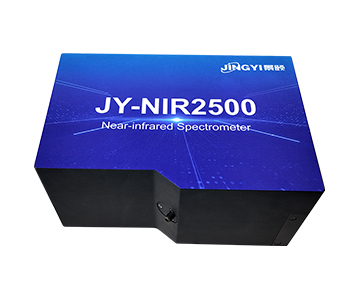
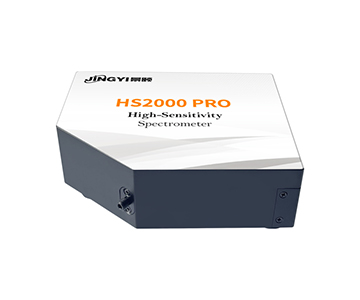
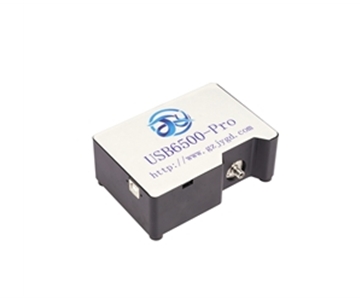
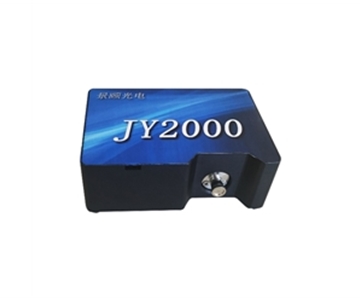
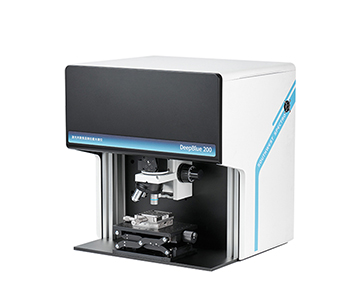
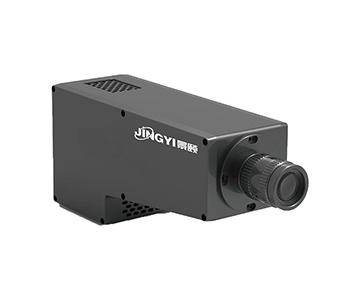
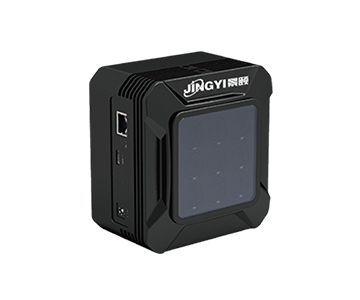
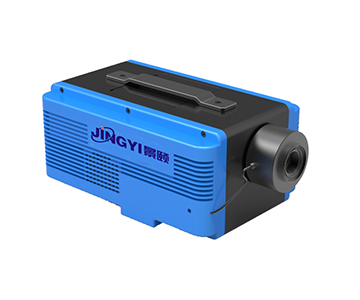
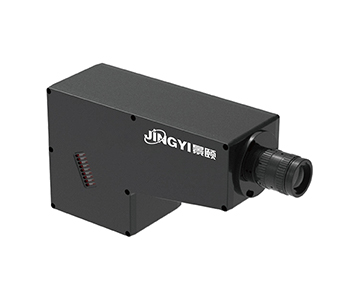
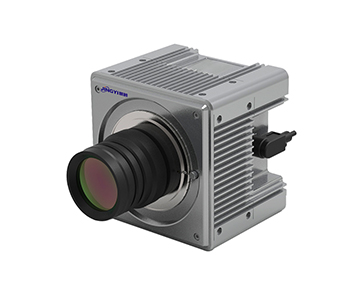
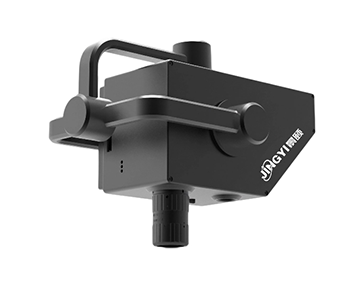
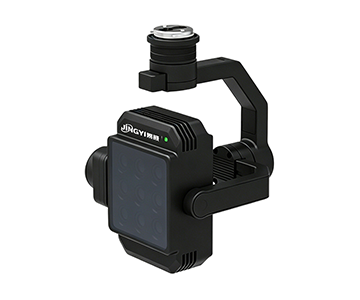
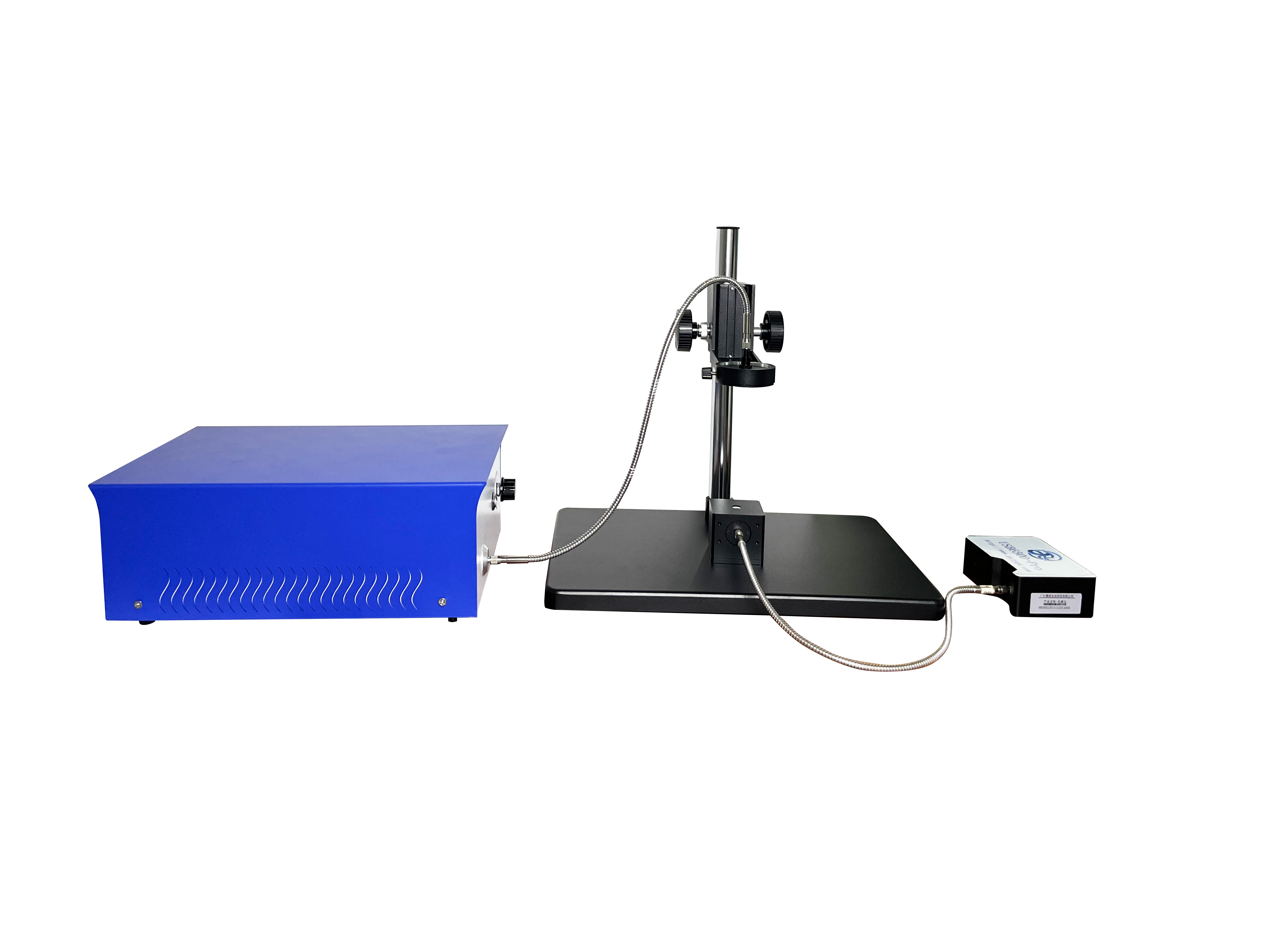
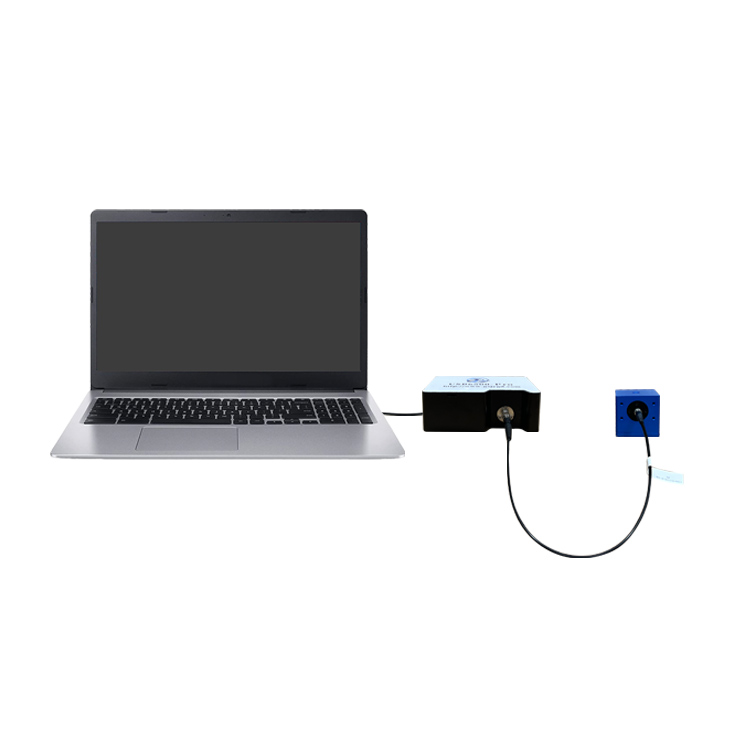
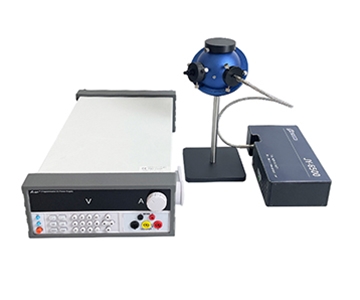
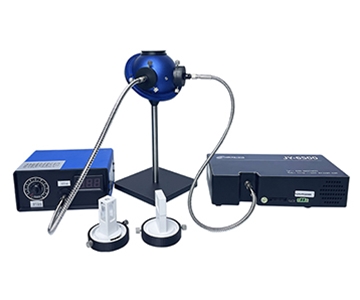
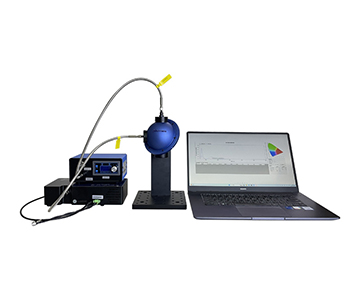
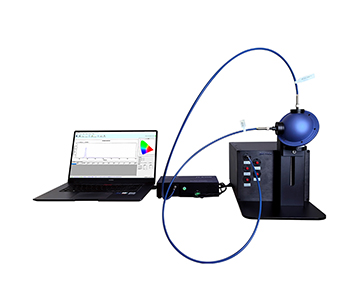
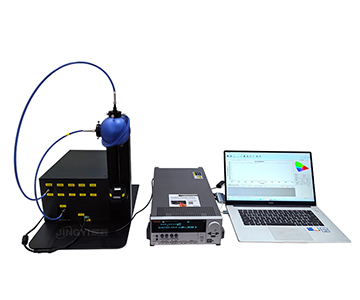
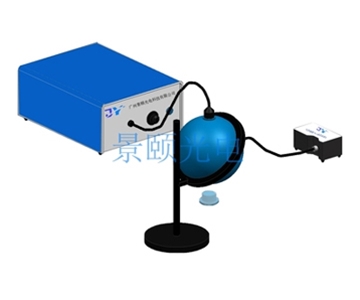
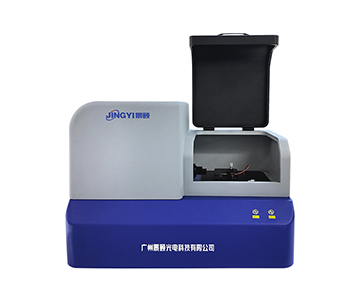
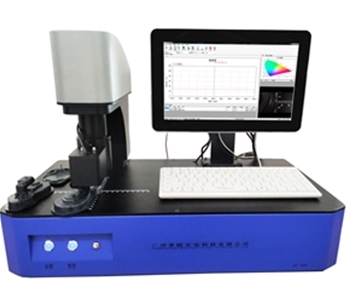
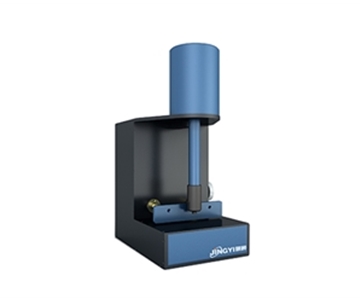
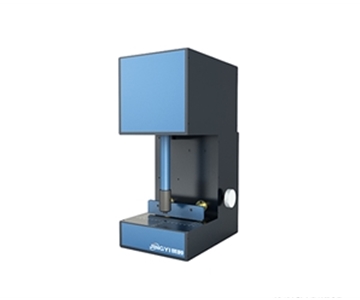
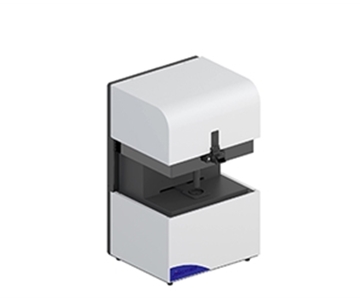
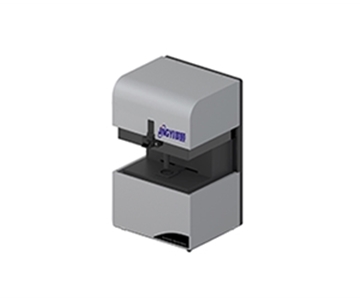
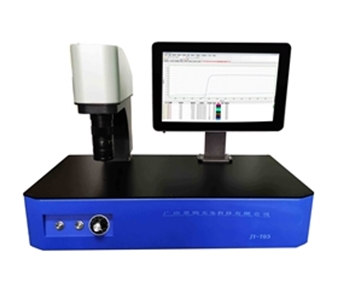
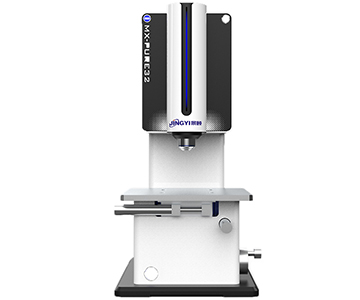
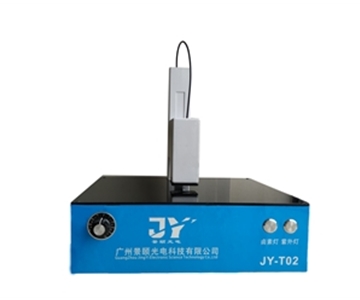
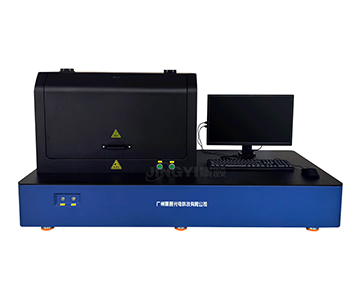
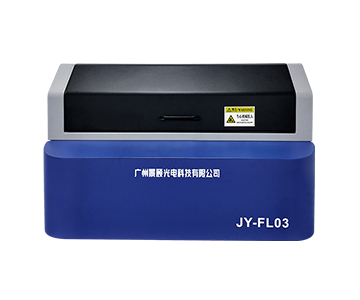
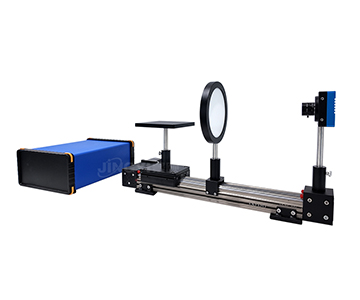
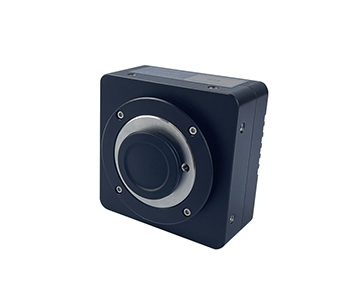
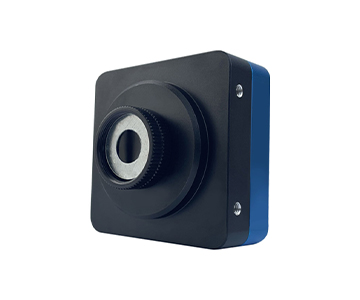
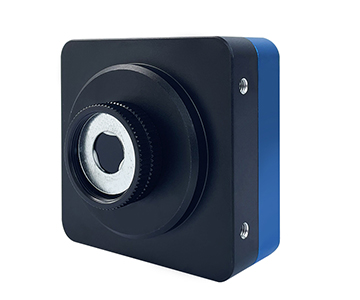
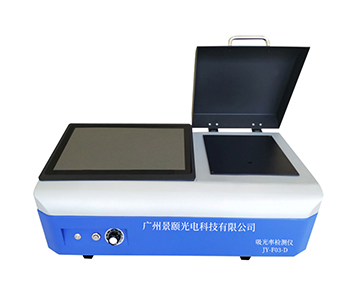
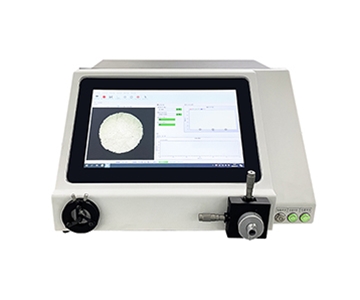
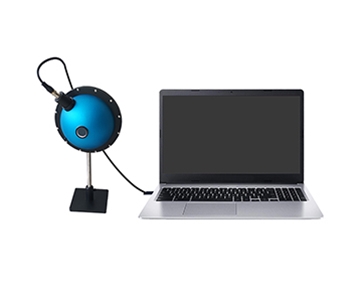
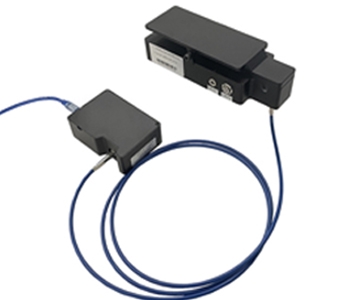
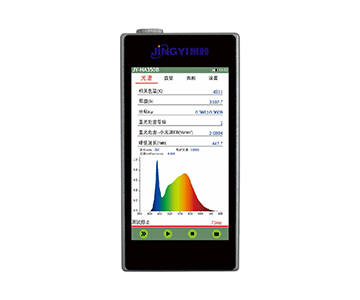
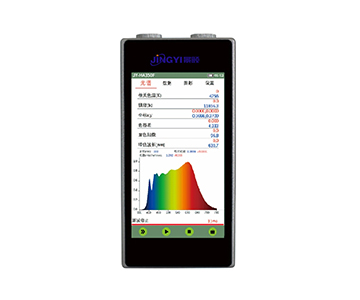
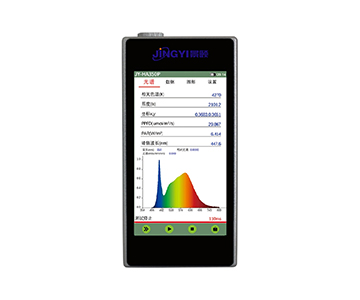
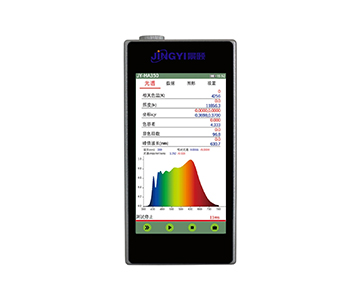
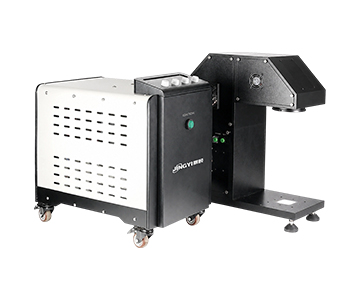
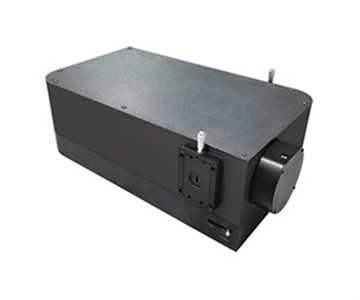
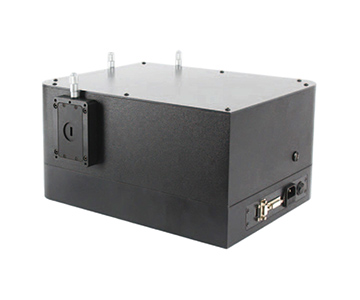
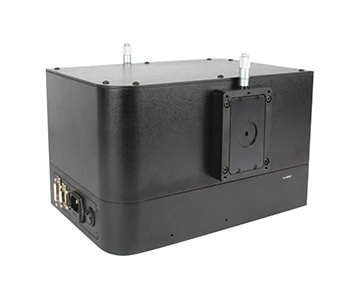
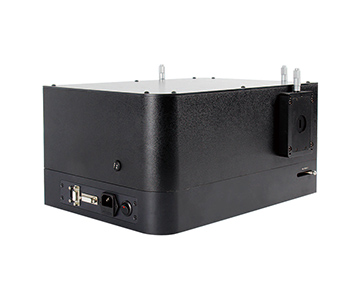
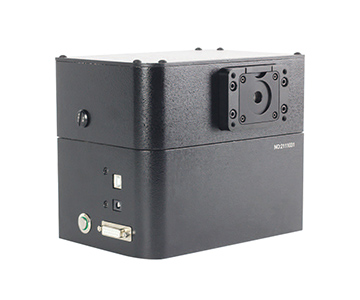
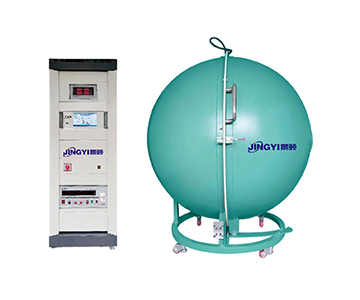
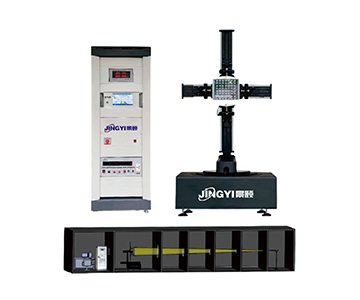
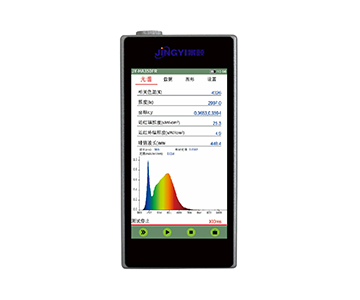
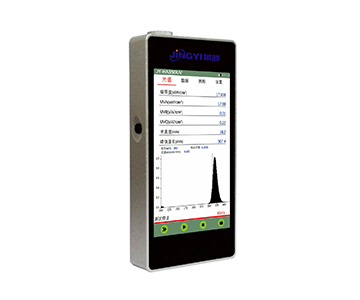
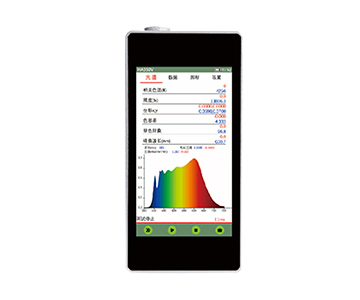
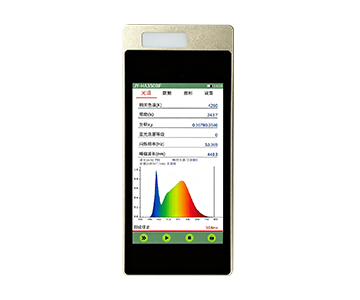
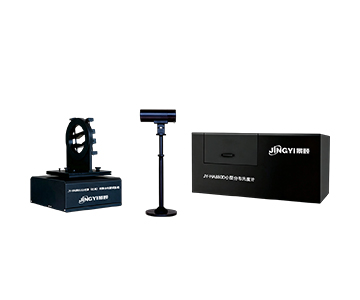
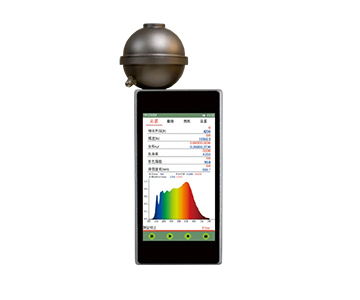
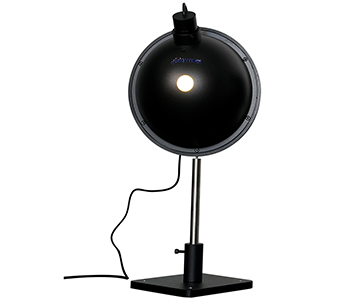
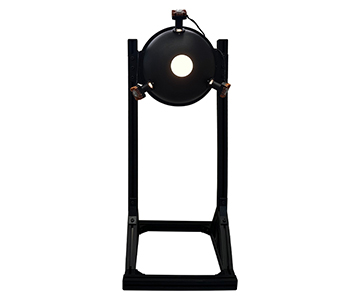
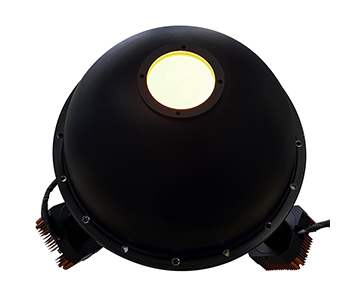
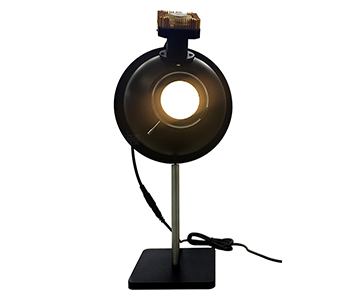
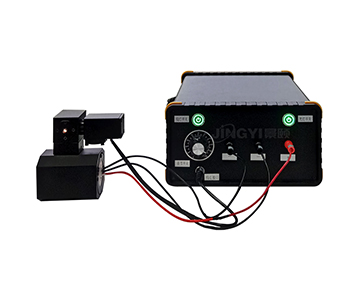
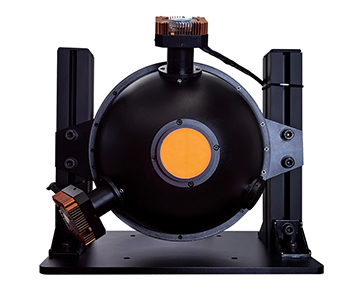
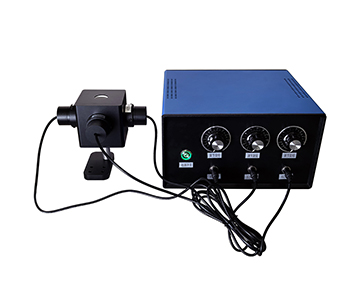
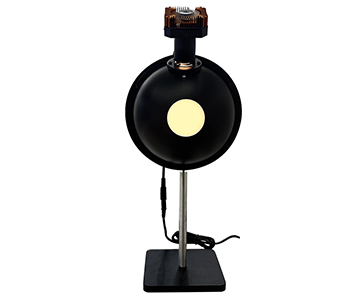
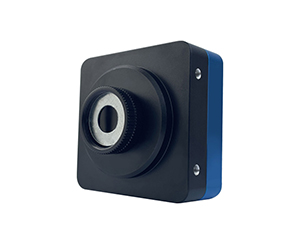
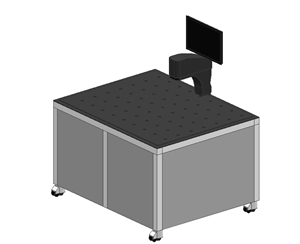
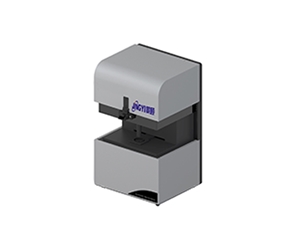
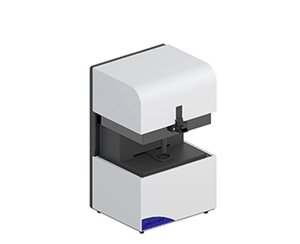
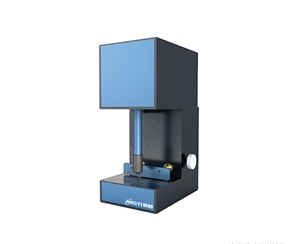
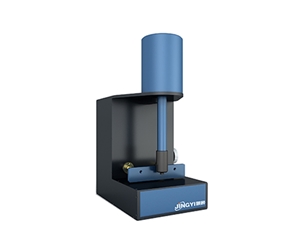
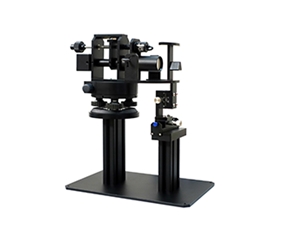
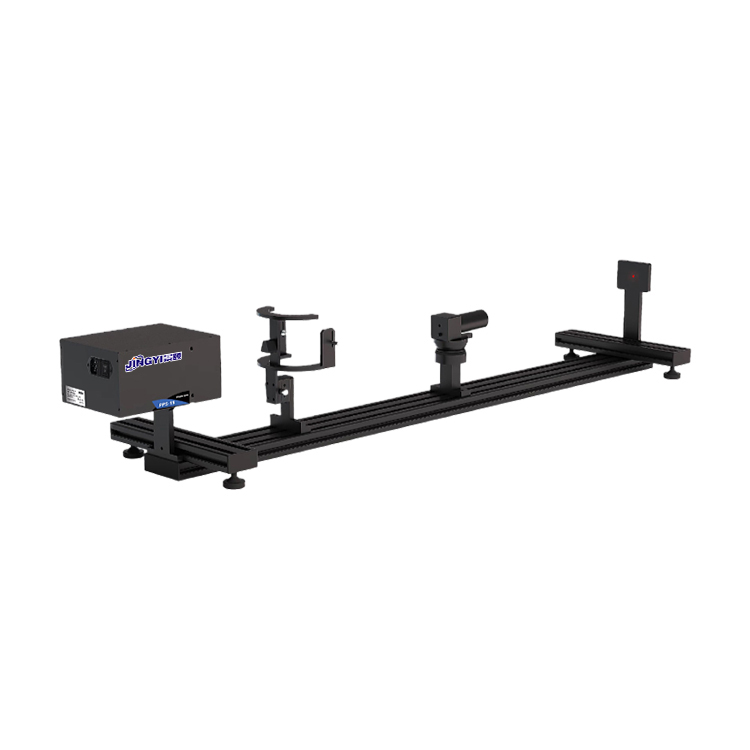
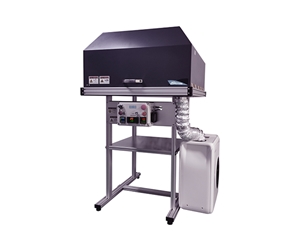
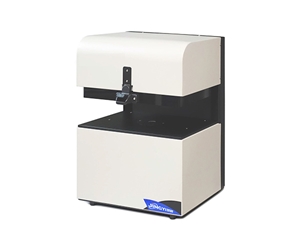
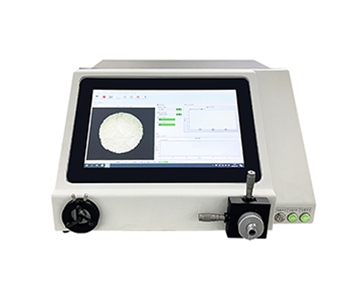
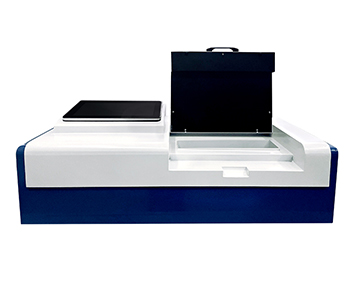
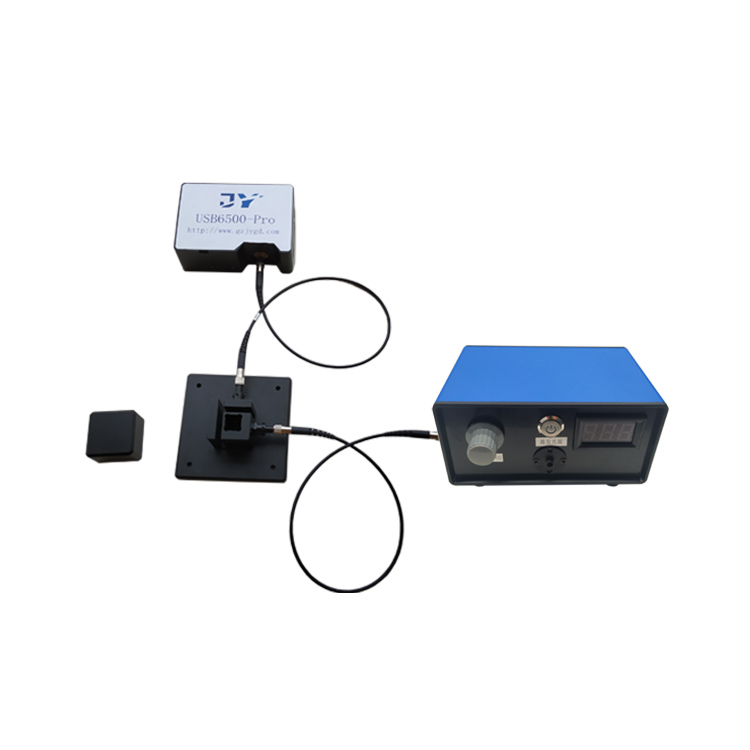
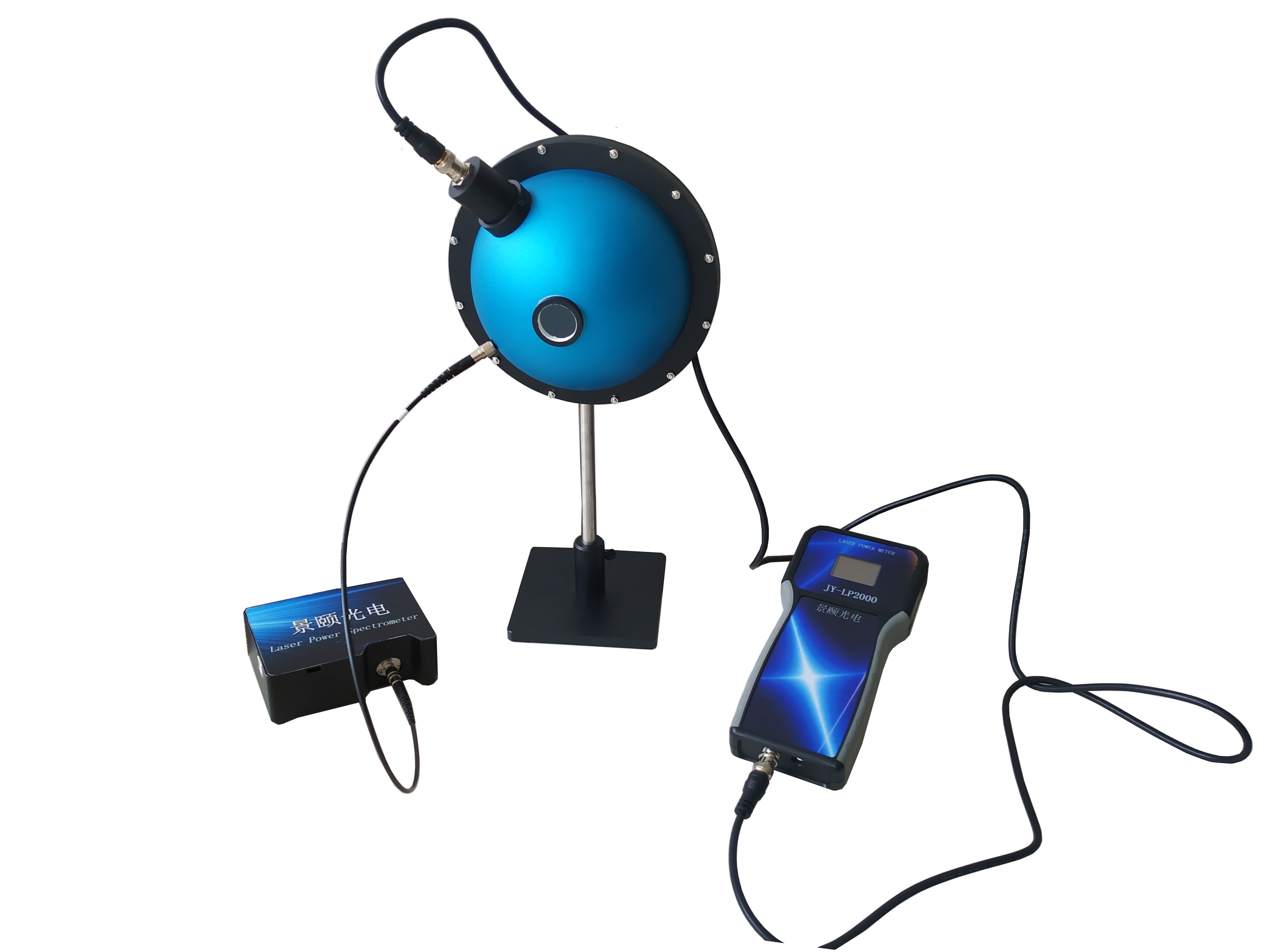
In shortwave infrared (SWIR) online monitoring, thermoelectrically cooled InGaAs spectrometers with -20°C operation and 10,000:1 signal-to-noise ratio are gaining traction for agricultural, pharmaceutical, and industrial sorting lines. This article documents a six-month validation of a mainstream Chinese-manufactured cooled spectrometer across four production scenarios: transmittance/reflectance, NIR compositional screening, low-light fluorescence, and broadband LED colorimetry. Using a five-element framework (sample, environment, method, instrument parameters, error tracing), the data shows that cooled architecture measurably reduces dark current drift and improves repeatability under long-integration and weak-signal conditions. However, for ultra-fast sorting节拍 and ultra-narrow bandwidth resolution, slit, grating, and sampling rate trade-offs still dominate. The findings provide B2B decision-makers with a reproducible, traceable evaluation path focused on total cost of ownership rather than headline specifications.
Validation Methodology
All tests followed a controlled protocol to ensure data reproducibility. Sample sets included fruit tissue slices for NIR transmission, LED panels for broadband color, chlorophyll fluorescence slides, and coated glass references. Environmental conditions simulated typical shop-floor ranges (22–35°C) without artificial climate chambers, reflecting real production variability. Each measurement sequence began with reference white calibration and dark current acquisition, followed by transmission or reflection geometry. Instrument parameters were limited to documented values: cooled unit stabilized at -20°C, integration time 7.8 ms to 64 s, 18-bit quantization, USB 2.0 output; uncooled comparators used 200–1100 nm response, 16-bit conversion, millisecond-scale integration. Error tracing focused on three sources: detector dark noise vs. temperature rebound, slit-width trade-off between resolution and throughput, and fiber-coupling repeatability. Sample size per scenario: minimum 50 consecutive acquisitions per condition; statistical analysis used relative standard deviation (RSD) over 10-repeat baseline sets.
Test Background and Five-Element Control
During an overnight shift at a domestic food processing line, operators reported elevated variance in sugar-content sorting for a batch of mandarins. Re-inspection pointed away from algorithm issues toward the optical front-end: baseline drift after prolonged operation. This is not uncommon in optical metrology—the real question for procurement is whether a domestically manufactured system can sustain performance under continuous load.
Instead of leading with theory, we locked the test boundaries. Samples spanned NIR transmission slices, broadband LED boards, low-light chlorophyll fluorescence slides, and a coated glass reference. The environment was kept at workshop ambient to high-load temperatures to observe whether日常 operations would trigger failures. The method unified reference-white calibration with dark-current collection before transmission or reflection paths. Instrument parameters drew only from documented specs: the cooled system held -20°C, integration from 7.8 ms to 64 s, 18-bit quantization, USB 2.0; the uncooled baseline offered 200–1100 nm response, 16-bit conversion, and millisecond integration. Error tracing targeted three factors: detector dark noise rising with temperature, slit-width compromises between resolution and light throughput, and baseline jitter from repeated fiber assembly. All subsequent data traces back to these three lines—no reliance on vendor claims.
Four Industry Test Cases
Agricultural Food Sorting: NIR Sugar and Moisture Screening
At a mid-volume agro-product sorting facility, an economy visible-light system previously estimated sugar content, but misjudgment rates climbed during rainy batches. The objective was clear: stabilize moisture and absorption shoulder detection beyond 900 nm to prevent high-moisture fruits from being rejected as low-sugar. The tested infrared System A used a 256-pixel InGaAs linear array, thermoelectric cooling, and second-scale integration for weak signals. Comparison against the existing uncooled NIR module showed improved signal flatness at second-scale integration, but single-frame time extended, forcing the sorting line to reduce speed from high to moderate pace. The critical gain was not single-point accuracy but the absence of baseline climb after two hours of continuous operation—a factor more valuable than peak precision for round-the-clock sorting.
Pharmaceutical Industry: Transmittance/Reflectance and Composition Fast Inspection
A traditional Chinese medicine extraction workshop required pre-feedstock inspection of extract films and reference liquids, aiming to verify absorption features within tolerance bands without breaking packaging. Testing referenced ISO 13468-1 and ASTM E903 for total transmittance/reflectance geometry, aligning with the起草 principles of GB/T 47066-2026. A broadband baseline system (180–1100 nm, 3648-pixel array) was used, with 1 ms minimum integration for strong-light reference and longer integration for weak signals. Repeat acquisitions of reference white showed acceptable curve overlap; however, swapping between batches of SMA905 fibers introduced minor UV-end shifts, necessitating dark-spectrum recalibration at each startup. The result: spot checks moved from laboratory submission to inline execution, provided maintenance personnel committed to calibration routines.
Biomedical: Low-Light Fluorescence and Backlight Noise Control
An in-vitro diagnostic consumables manufacturer tested chlorophyll-class fluorescence slides. The pain point was not resolution but extreme signal weakness where background jitter could drown the signal. Testing employed a cooled back-illuminated architecture, stabilized near -15°C, with 18-bit output and controlled quantization noise. Against the same manufacturer’s uncooled UV-Visible tier, the cooled unit produced noticeably finer baseline texture during long integrations. Parameter translation: when integration extends to multi-second ranges and sample emission is faint, -15°C to -20°C cooling prevents dark current from rising with ambient temperature, reducing post-processing smoothing passes. Limitation noted: cooled units are larger and consume more power than pocket devices, making them unsuitable for handheld integration; they fit better in benchtop or fixed inline stations.
Display and LED Lighting: Broadband Color and Online Monitoring
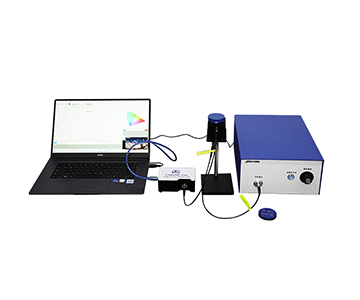
An LED packaging plant needed outgoing color archiving for white-light arrays driven at 350 mA. Goals included monitoring dominant wavelength, half-width, and relative intensity against BOM tolerances using a broadband spectral radiometer approach with SMA905 and cosine receptor. The 200–1100 nm configuration with 16-bit conversion was tested under software and hardware triggers. Short integrations sufficed, but during eight-hour continuous runs, the uncooled tier required recalibration after afternoon workshop warming; the cooled tier maintained longer intervals between recalibrations. For procurement, the priority was not absolute accuracy but fewer calibration stops equaling less line downtime.
Horizontal Comparison: Three Tiers of Equipment Performance
| Comparison Dimension |
Imported High-End Cooled |
Mainstream Domestic Cooled |
Domestic Economy Uncooled |
| Detector Cooling |
Deep cooling, low dark noise |
-20°C TEC cooling |
No cooling |
| SNR Performance |
High |
Documented 10,000:1 |
350:1 to 450:1 |
| Long-Term Drift |
Minimal |
Minimal |
Requires recalibration after temperature rise |
| Single-Frame Speed |
Moderate |
Slow in weak-signal seconds |
Millisecond fast |
| Integration Volume |
Large |
Medium, robust |
Palm-sized, easy embed |
| Metrological Traceability |
Mature software suite |
SDK for secondary development |
Basic acquisition |
| Total Cost of Ownership |
High purchase, expensive maintenance |
Moderate purchase, calibration savings |
Low purchase, high rework risk |
Key figures restated: the mainstream domestic cooled tier achieved 10,000:1 SNR and -20°C cooling in documented models, outperforming economy uncooled tiers in weak-signal long-integration scenarios. However, single-frame speed starting at 7.8 ms and extending to 64 s precludes use in high-speed inline sorting. Imported tiers retain advantages in extreme weak-light and high-repeatability demands, at proportionally higher acquisition and maintenance costs. Total cost of ownership must include calibration frequency, misjudgment rework, line downtime, and software integration labor. The premium for cooled architecture typically pays back within two to three quarters through stability gains; for coarse color sorting, economy tiers suffice—avoid paying for unused specifications.
Customer Testimonials and Field Feedback
A process engineer at a mid-sized optical coating facility shared six-month usage records: after switching to cooled systems, afternoon baseline recalibration frequency dropped from three times daily to under once—a tangible labor saving. However, during the first two weeks, new operators frequently omitted dark-current acquisition, causing initial data to drift worse than the legacy equipment. This feedback remains unedited because it reflects real deployment. No device compensates for unfixed workflows. The team later embedded dark-spectrum acquisition into startup scripts and locked integration time and trigger modes as process recipes, which finally suppressed variance.
A fruit sorting customer reported misjudgment re-inspection rates falling from 4.7% to 2.3%, while line speed was intentionally reduced by 12%. This trade-off is typical—higher accuracy at slightly lower throughput improved total margin by reducing returns.
Error Tracing and Selection Recommendations
Errors are manageable only when traced. The five-element framework isolates three primary sources: temperature (uncooled silicon or InGaAs dark levels shift during afternoon warming; cooled tiers suppress this via constant temperature), slit width (narrower improves resolution but reduces throughput, forcing longer integration and slowing inline节拍), and fiber/ fixture repeatability (multiple SMA905 mating cycles cause sub-nanometer shifts in UV-visible ranges, manifesting as baseline translation rather than shape change). Solutions involve fixing fibers, fixtures, and dark-spectrum frequency rather than purchasing premium hardware.
For procurement, alignment with ISO 14976 (calibration of spectroscopic film thickness systems) is advised. Buyers should confirm spectral traceability chains, ensuring support for dark spectra, reference spectra, trigger synchronization, and reproducible integration time logging. Suppliers offering only attractive curve plots without raw data should be bypassed.
Applicability Boundaries and Practical Constraints
Cooled architecture is not universal. Limitations: when inline节拍 compresses to millisecond sorting with ultra-short exposure per sample, second-scale integration becomes a bottleneck; uncooled broadband fast acquisition fits better. Boundaries: narrow-band high-resolution needs are constrained by slit and grating, not remedied by cooling. Resolution depends on entrance slit width and can be customized—procurement must specify target FWHM in technical agreements rather than vague requests for “sharper” spectra. Overlooked factors: cooling consumes power and requires heat dissipation; installing in sealed cabinets without airflow degrades temperature control regardless of datasheet claims.
Frequently Asked Questions
Q1: Why might documented SNR differ from measured SNR?
A: Nominal values are typically given under ideal optical paths and full-well conditions. Actual measurements are affected by fiber loss, slit, integration time, and sample reflectivity. We recommend 10-repeat acquisitions under identical reference conditions and calculation of relative standard deviation—a more reliable metric than vendor claims.
Q2: Should NIR and visible broadband be purchased separately or as a combined unit?
A: Selection depends on absorption bands. For compositional analysis beyond 900 nm, choose InGaAs infrared models; for LED color or transmittance/reflectance, silicon-based broadband suffices. Forcing unification sacrifices pixel density and SNR.
Q3: Is dark-current acquisition necessary at every startup for cooled devices?
A: Recommended, especially with large ambient temperature differences or extended integration times. Dark spectra form the baseline for subtraction calibration. Embedding this step in startup scripts prevents human omission and early-batch drift.
Q4: From a total cost of ownership perspective, when does upgrading to cooled architecture justify the budget?
A: Lines with continuous operation, weak signals, temperature-drift sensitivity, and high rework costs benefit most. For spot checks or coarse sorting, uncooled tiers offer lower purchase price and faster speed; prioritizing calibration discipline yields better returns.
Q5: How can I independently verify performance before purchase without relying on vendor demonstrations?
A: Bring your own samples and reference white, fix fiber and fixture, record integration time, trigger mode, and dark-spectrum timing, then run continuous tests for two hours to observe drift. Validate wavelength accuracy with standard filters; proceed to next negotiation stage only if data reproduces consistently.
Conclusion and Further Reading
Data outlasts marketing. The shop-floor axiom holds: run samples for two hours, then examine tail noise and baseline recalibration frequency—more revealing than any presentation. For NIR sorting, transmittance/reflectance archiving, or low-light fluorescence projects, conduct a small-batch proof-of-concept with your own samples, codify integration time, slit, and calibration frequency into SOPs before scaling.
For detailed technical documentation, search "Jingyi Optoelectronics + spectrometer" to access specification sheets and software interface notes.
About This Guide
Data Sources
: Uploaded product technical documentation, ISO 13468-1 and ASTM E903 for total transmittance/reflectance, ISO 14976 for spectroscopic calibration, customer-authorized field records.
Author
: Cai Xiaodong, Senior Application Engineer, Jingyi Optoelectronics, 12 years in optical metrology and industrial precision measurement equipment selection and POC validation.
Disclosure
: Jingyi Optoelectronics manufactures spectroscopic instruments. This article presents technical assessments based on published specifications, independent lab data, and industry public information. No compensation was received from third-party brands mentioned.
Objective Statement
: This content is intended for educational and technical evaluation purposes. Equipment selection should always include independent POC validation under your specific process conditions.
Last Updated
: October 2026