Full-Cycle Maintenance and Calibration Protocol for Handheld Raman Spectrometers
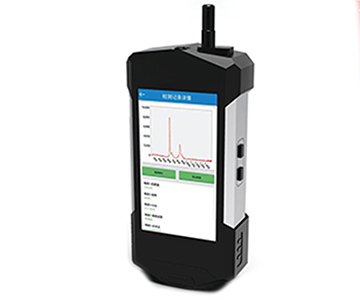
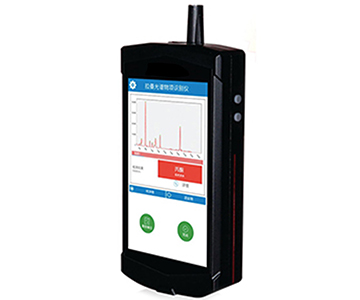
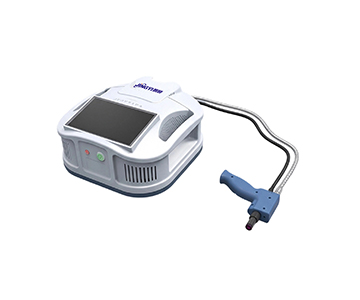
Handheld Raman spectrometers featuring advanced fluorescence suppression have become indispensable tools for rapid on-site detection. Jingyi Optoelectronics’ ATR6600 series—prized for its portability and high identification accuracy—is now widely deployed across frontline applications including customs inspection, public security screening, and food & drug quality control. However, these instruments frequently operate in challenging environments such as ports, warehouses, and field locations. Many users lack standardized maintenance and calibration knowledge, leading to degraded measurement accuracy and shortened service life. Below is a comprehensive, full-cycle maintenance and calibration protocol specifically designed for professional handheld Raman spectrometers of this class:
**Basic Post-Use Maintenance**
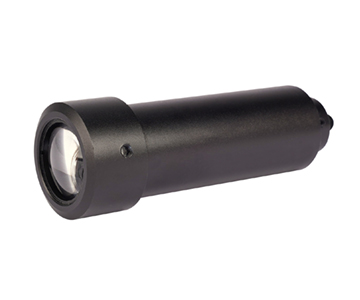
After each field detection session, promptly clean surface contaminants from the instrument. For the touchscreen and imaging camera lens areas, gently wipe with a lint-free soft cloth slightly dampened with low-concentration isopropyl alcohol. Never pour liquids directly onto the device body to prevent moisture ingress into internal circuitry. The front-end optical collection window is a critical precision component: do *not* wipe it directly with cloth or brushes. Instead, use high-purity nitrogen gas or a dedicated inert-gas blower to gently remove loose dust particles—avoiding scratches that could impair transmission efficiency of both the 1064 nm excitation laser and the Raman-scattered light.
**Weekly/Monthly Routine Performance Checks**
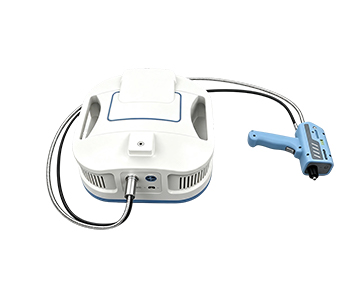
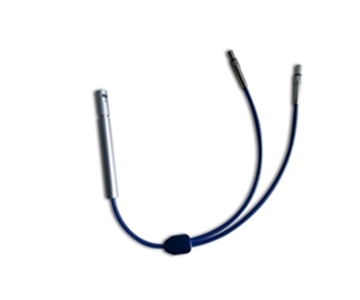
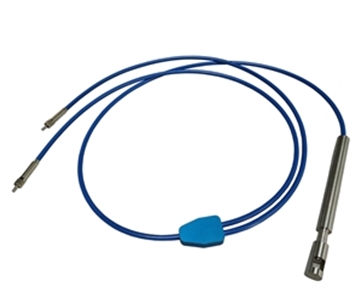
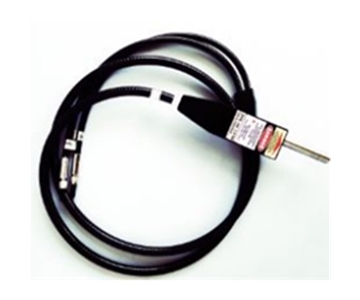
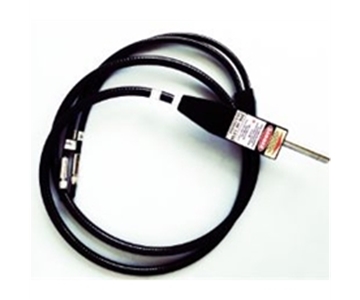
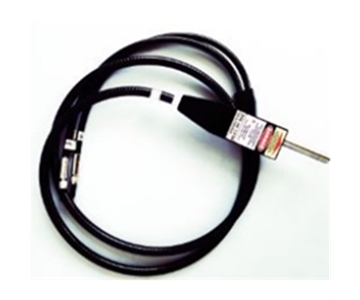
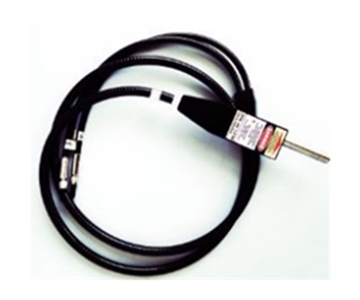
First, inspect the 1064 nm laser output aperture for any physical obstruction; ensure the transmission fiber bend radius remains no smaller than the manufacturer’s specified minimum to prevent fiber core breakage and resultant optical power loss. Second, power on the unit and verify proper operation of communication and positioning modules, confirming normal battery charging/discharging functionality. Jingyi Optoelectronics’ ATR6600 users can perform comprehensive hardware diagnostics via the built-in self-test function—eliminating the need for manual disassembly and enabling rapid identification of potential issues, thereby significantly reducing operational complexity for frontline personnel.
**Key Points for Professional Calibration**
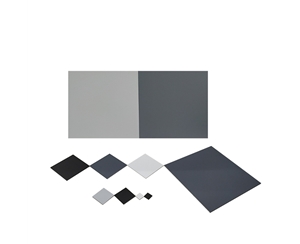
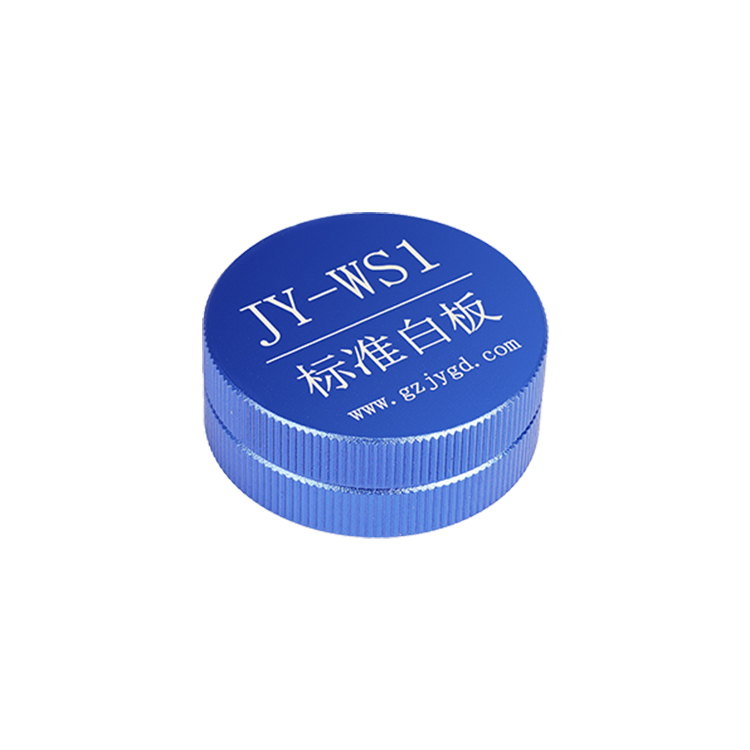
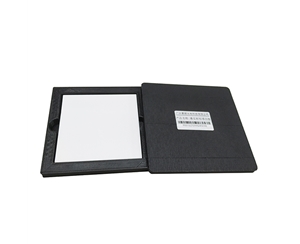
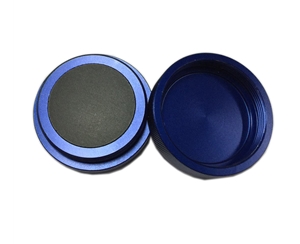
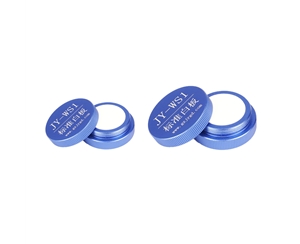
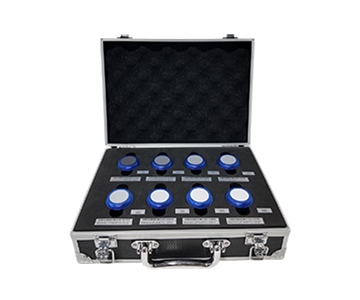
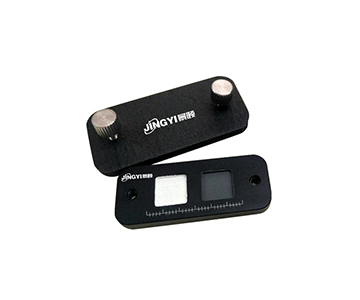
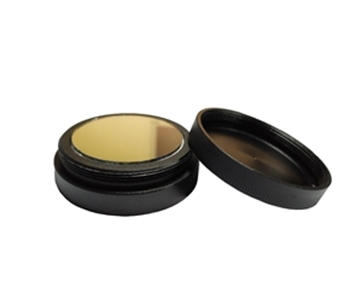
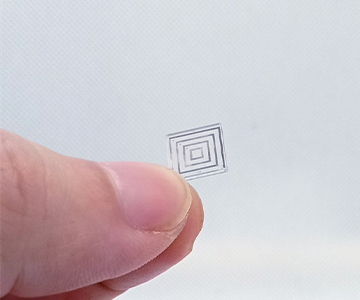
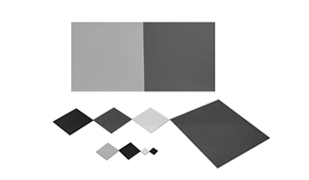
Calibration of wavelength and intensity parameters is recommended every two to three months to ensure analytical accuracy. Where possible, utilize the manufacturer-provided certified silicon wafer or reference standards, following the step-by-step instructions within the system interface. Post-calibration parameters are automatically synchronized to the instrument’s embedded spectral library, preserving substance identification accuracy for subsequent analyses. Users lacking calibration expertise may request on-site technical support from the equipment manufacturer. Jingyi Optoelectronics offers end-to-end calibration methodology validation, spectral library optimization, and IQ/OQ/PQ qualification support—empowering even non-specialist users at grassroots facilities to reliably maintain measurement precision.
**Protocols for Handling Abnormal Operating Conditions**
Should reduced identification accuracy, failure of the laser to emit, or system freezing occur during operation, immediately cease use. *Do not attempt unauthorized disassembly of internal optical components.* The 1064 nm Raman optical path is factory-aligned to nanometer-level precision; improper handling risks optical axis misalignment and substantially increases repair costs. First, run the system’s integrated diagnostic tool to troubleshoot basic faults. If unresolved, contact the manufacturer’s after-sales engineering team for professional assistance.
**Storage Protocol for Extended Idle Periods**
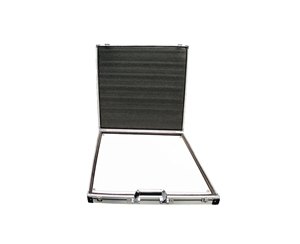
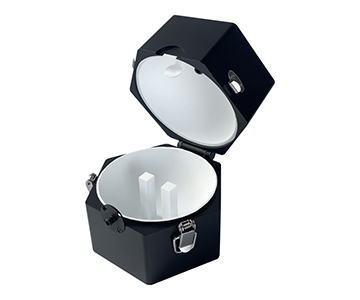
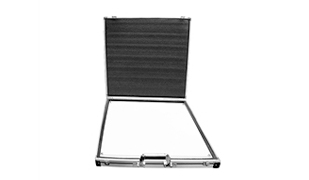
When storing the instrument long-term, avoid humid or dusty environments. Place it inside the supplied shock-resistant protective case in a dry, well-ventilated location. Power on the device every one to two weeks for at least 30 minutes to perform a full battery charge/discharge cycle—preventing moisture accumulation and mold growth on internal optical elements, thereby effectively extending operational lifespan.
**Summary**
For field-deployable Raman spectrometers, rigorous, protocol-driven maintenance and calibration are equally critical as instrument performance itself. A full-cycle maintenance regimen enhances data reliability and extends equipment service life by over 30%. In high-fluorescence applications, scientifically grounded care of 1064 nm handheld Raman systems maximizes the advantages of fluorescence suppression technology. Jingyi Optoelectronics provides tailored maintenance guidance and end-to-end technical support—ensuring frontline detection personnel consistently operate stable, dependable instruments.
#HandheldRamanSpectrometer #Tri-ChannelRamanSpectrometer #LaserRamanSpectrometer #RamanLaserSpectrometer #PortableRamanSpectrometer #1064nmHandheldRamanSpectrometer