Industry Pain Points in Optical Testing and the Role of Gold-Coated Integrating Spheres
The optical testing industry faces a persistent, widespread challenge: whether evaluating light source performance, calibrating camera imaging systems, or measuring spectral transmittance and reflectance, inconsistent incident light energy distribution and non-uniform incident angles invariably lead to significant measurement deviations—sometimes rendering test data meaningless. The gold-coated integrating sphere serves as the core optical component to resolve such issues, functioning as the “gold standard for photometric calibration” in optical testing.
How Gold-Coated Integrating Spheres Work
Many users mistakenly perceive gold-coated integrating spheres as merely hollow spheres with white-painted interiors. In reality, their operating principle is far more sophisticated: regardless of incident angle or energy distribution, incoming light entering the sphere undergoes dozens—or even hundreds—of randomized, diffuse reflections off the high-diffuse-reflectance coating on the inner wall. During this process, spatially concentrated and angularly diverse incident light is homogenized, ultimately generating a spatially uniform irradiance field across any location on the sphere’s inner surface. This homogenized light field can serve either as a stable reference light source for calibrating diverse optical instruments or as a platform for quantifying total luminous flux, spectral color temperature distribution, and electro-optical conversion efficiency.
Selecting the Right Gold-Coated Integrating Sphere
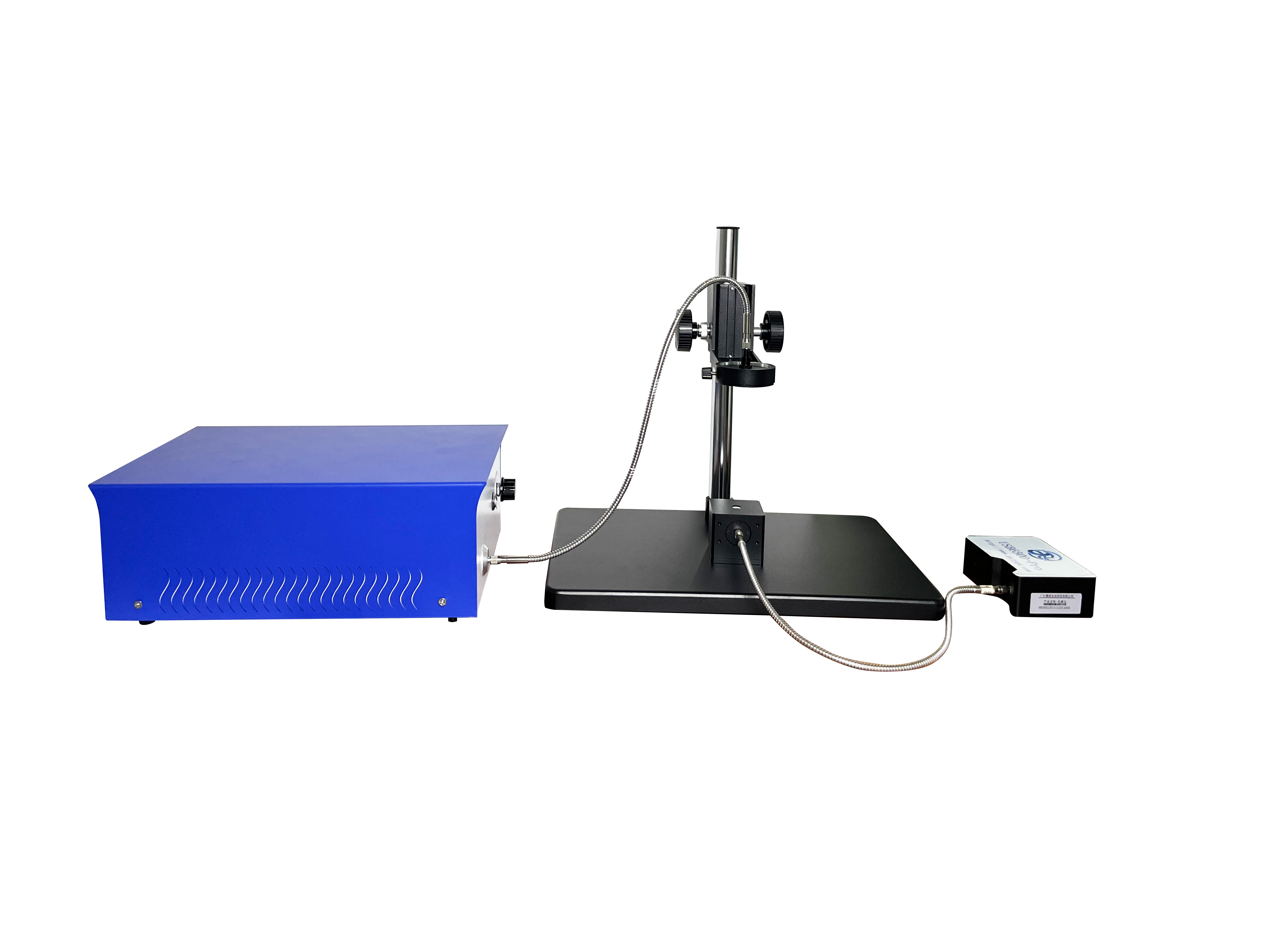
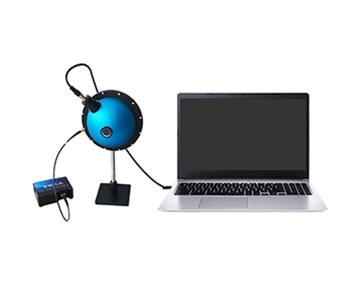
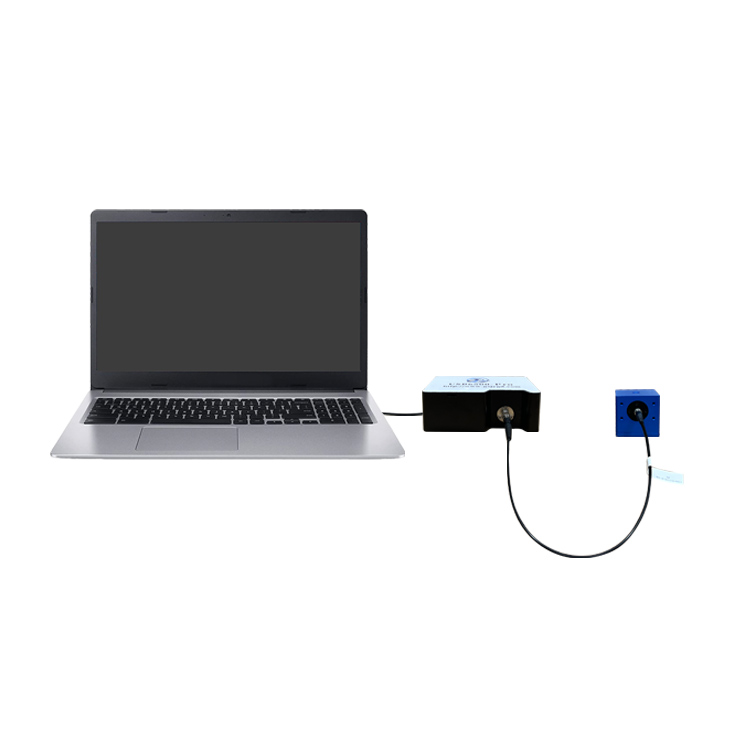
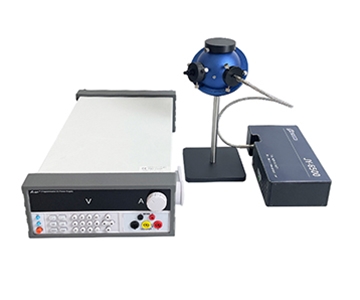
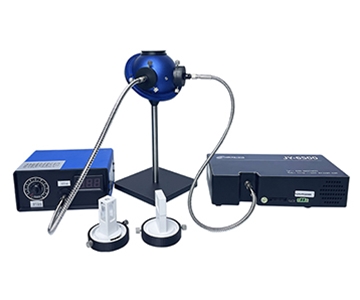
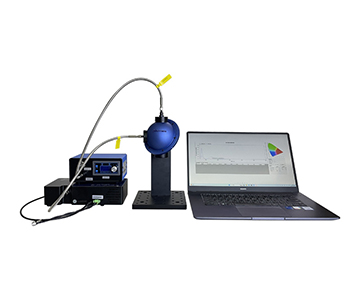
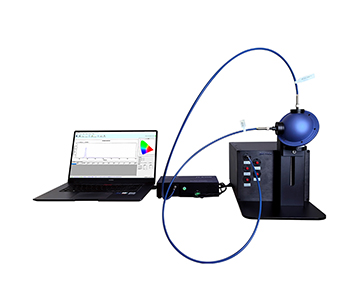
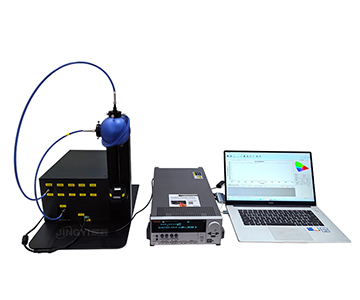
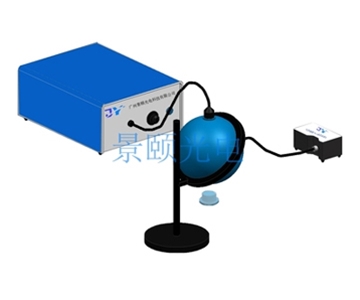
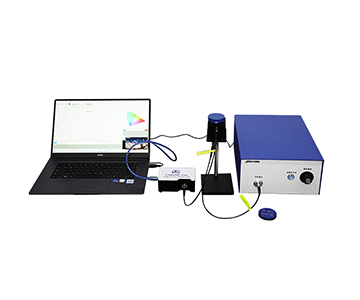
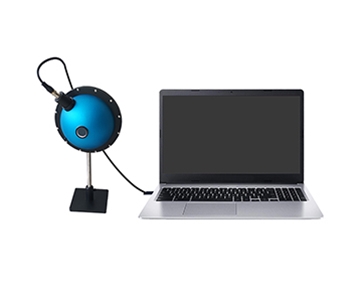
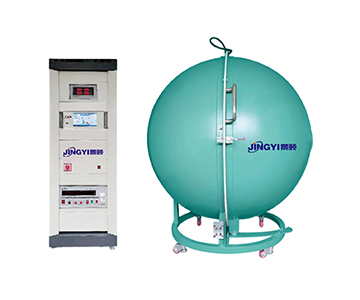
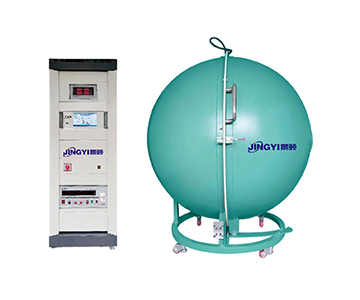
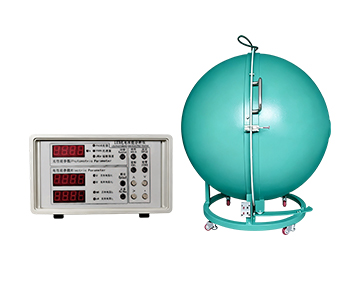
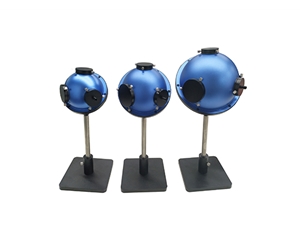
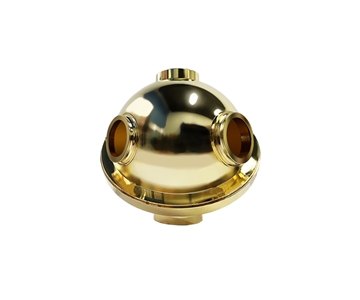
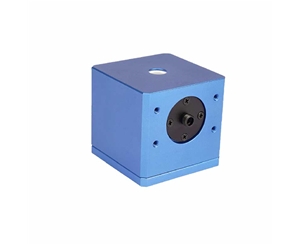
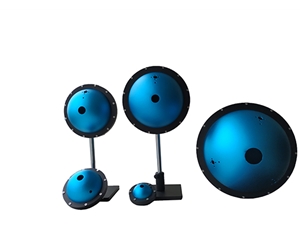
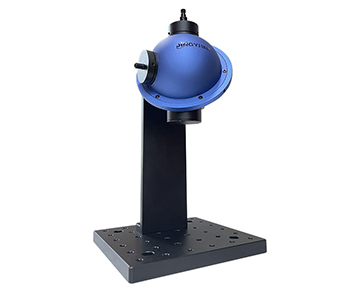
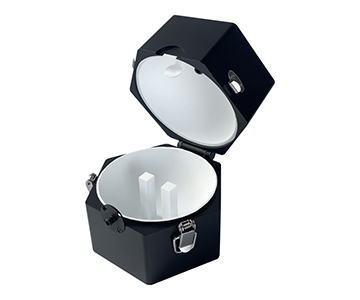
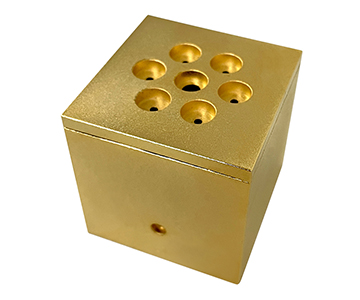
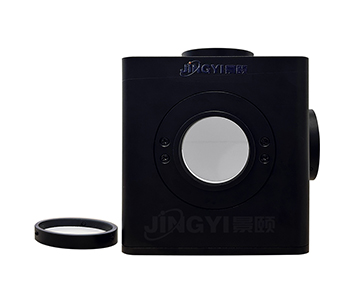
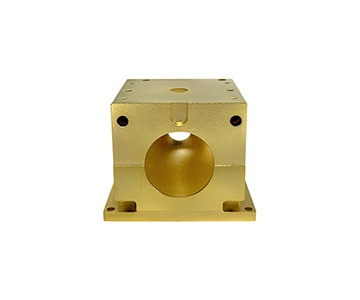
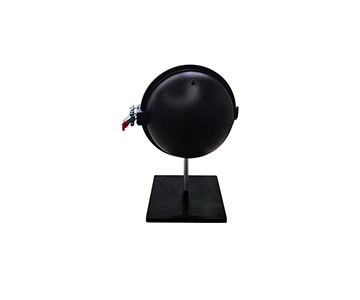
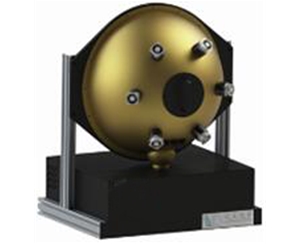
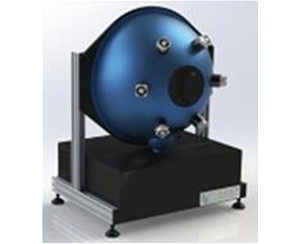
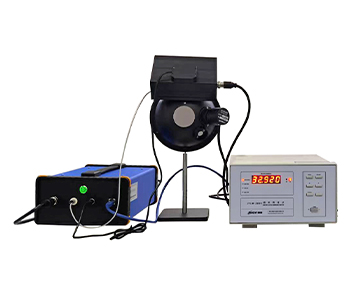
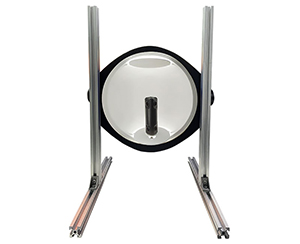
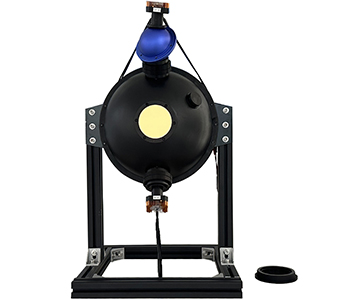
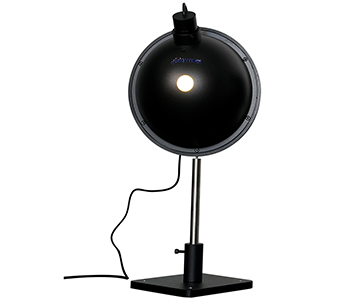
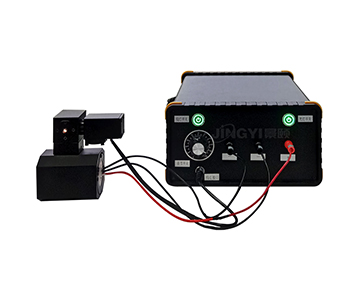
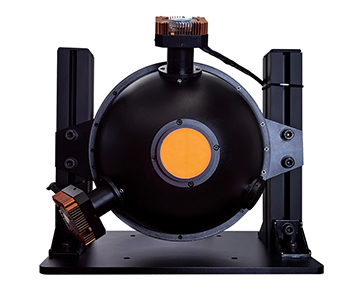
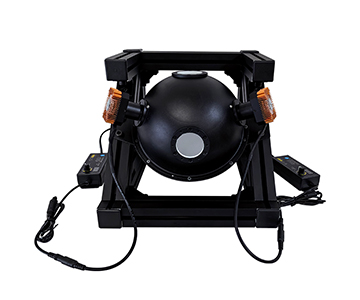
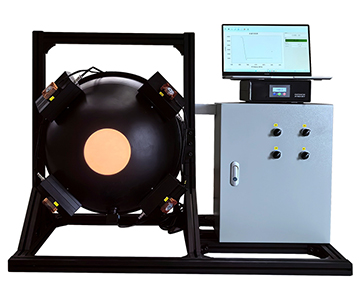
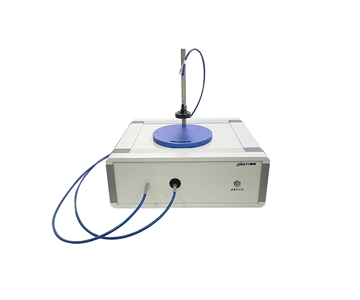
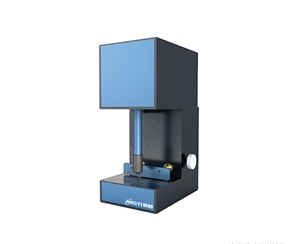
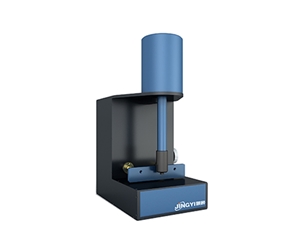
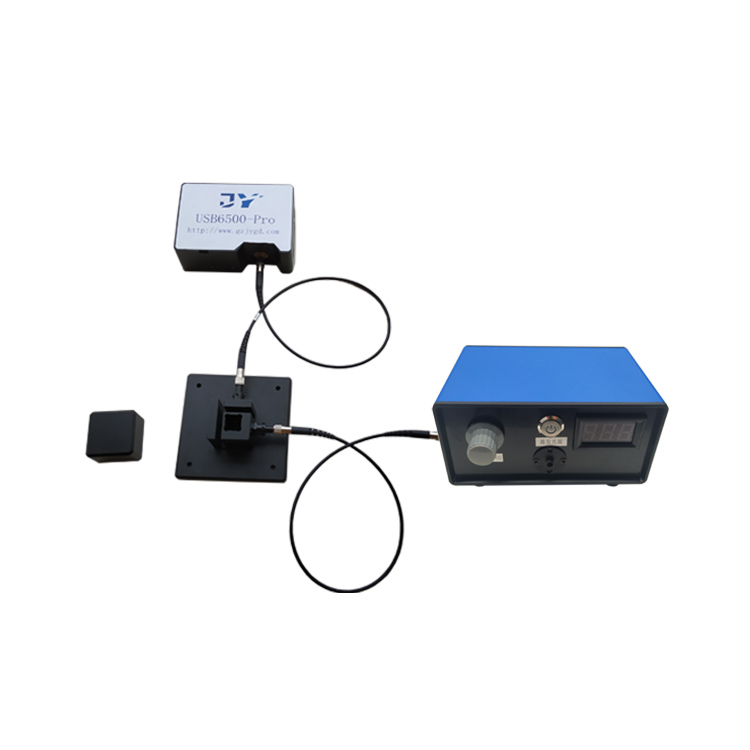
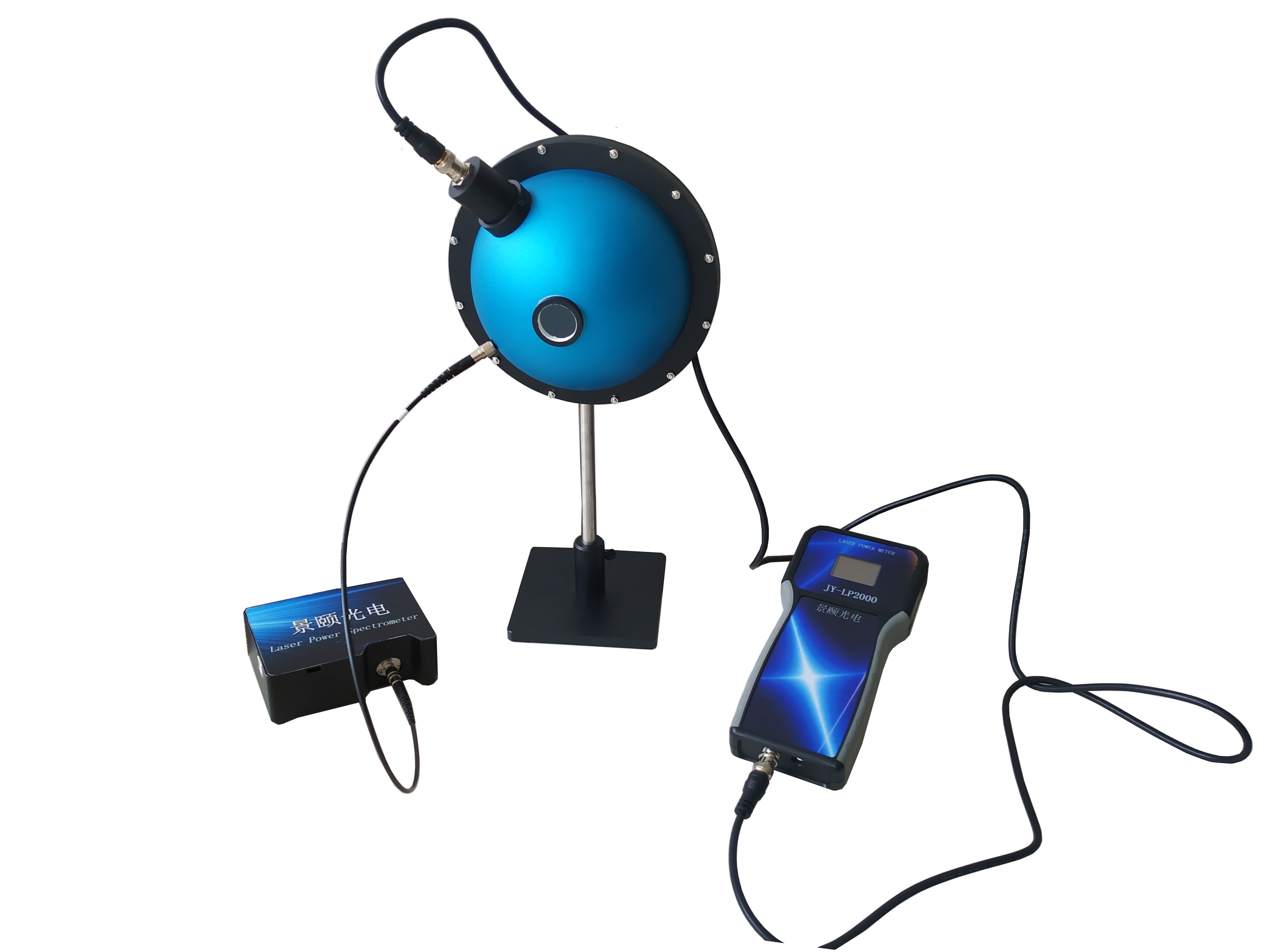
With numerous gold-coated integrating sphere models available on the market, many users struggle with selection. In practice, the optimal choice should be guided entirely by the intended application. For university laboratories and research institutes that frequently assemble custom spectral measurement setups—and do not require function-specific spheres—the JY-FOIS84 universal gold-coated integrating sphere from Jingyi Optoelectronics is specifically designed to meet such needs. It features standardized, general-purpose ports, enabling rapid accessory replacement based on current testing requirements. Whether generating uniform output illumination, measuring laser power and spectra, or characterizing material transmittance and reflectance, this versatile sphere supports all these functions. Moreover, it allows customization of port size and position. Its proprietary diffuse-reflection coating delivers exceptional stability and near-perfect isotropic scattering properties, with a diffuse reflectance significantly exceeding industry averages. Crucially, it resists yellowing and delamination over extended use—ensuring consistent, reliable measurement accuracy.
Application-Specific Matching of Gold-Coated Integrating Spheres
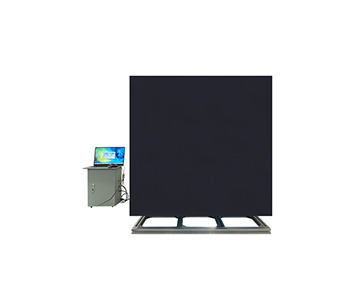
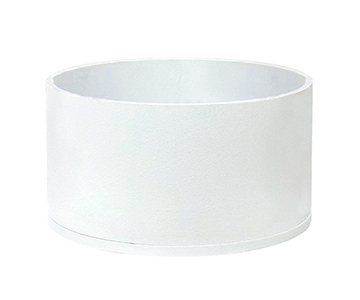
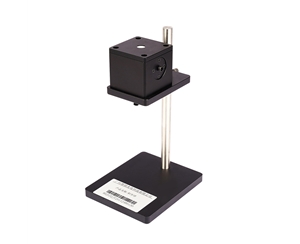
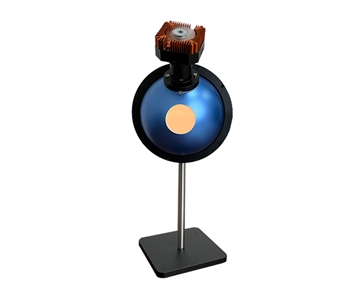
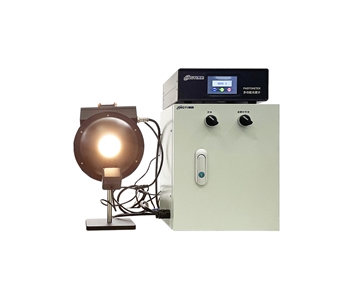
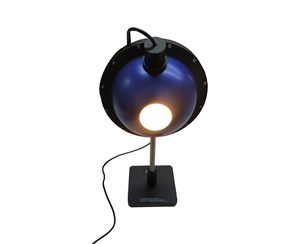
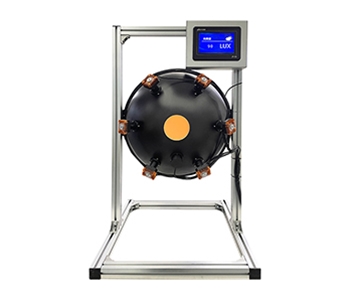
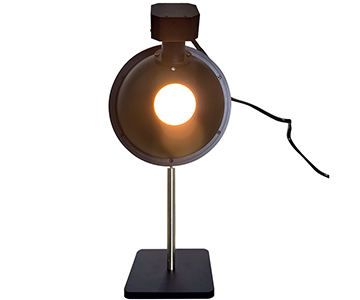
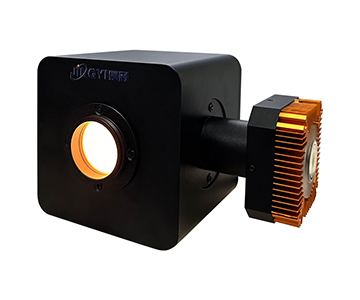
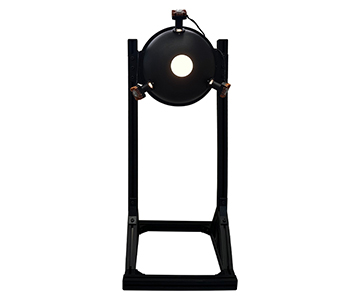
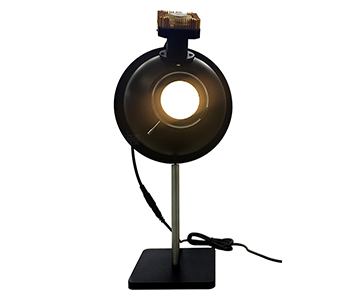
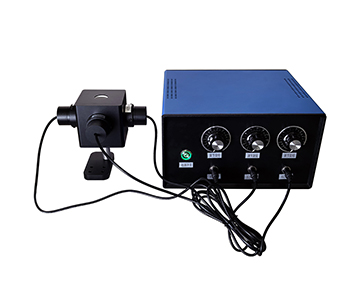
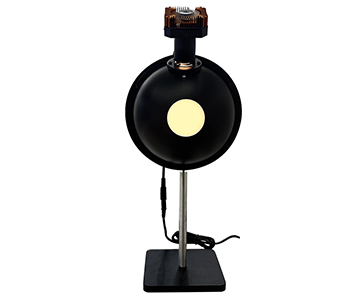
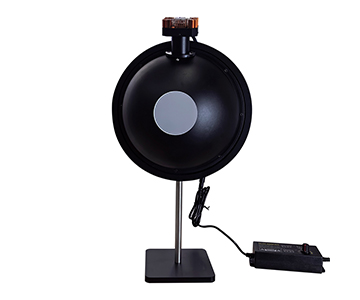
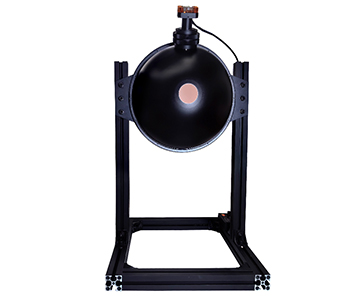
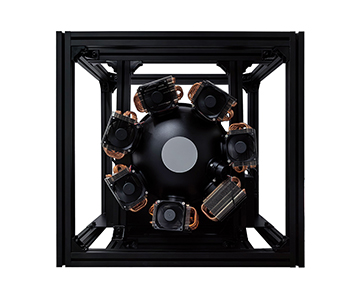
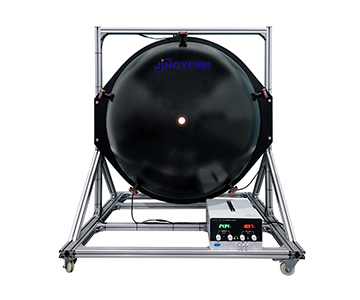
For industrial calibration and field metrology applications, purpose-built gold-coated integrating spheres are essential. For instance, when calibrating industrial cameras, security surveillance lenses, or remote-sensing sensors, LED-based gold-coated integrating spheres providing uniform, high-dynamic-range planar illumination are ideal. These sources offer fine-tuned control over brightness and correlated color temperature, conforming to international camera performance testing standards. They support flat-field correction, linearity testing, dark noise evaluation, and other critical calibration tasks. Field metrologists requiring portable operation may instead choose compact, high-brightness gold-coated integrating spheres. These feature monolithic PTFE-molded spherical bodies with reflectance exceeding 98%, compact structures for easy transport, and multi-dimensional adjustability—including light intensity, exit aperture diameter, and number of integrated light sources—to accommodate wide dynamic range calibration requirements. They are especially well suited for calibrating spectroradiometers, luminance meters, and various optical sensors.
Specialized Applications of Gold-Coated Integrating Spheres
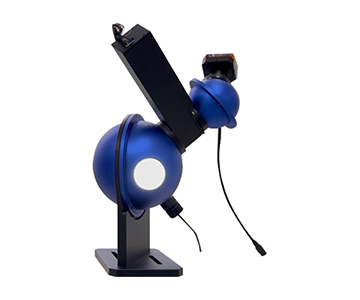
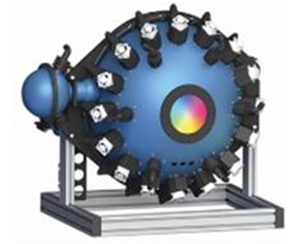
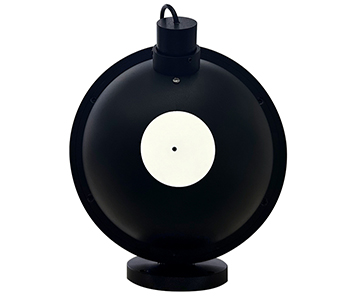
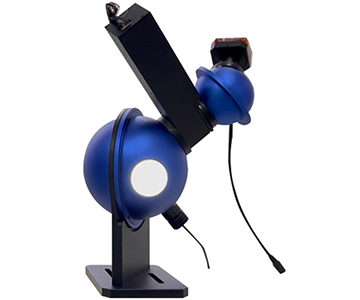
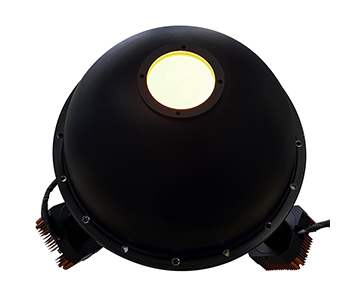
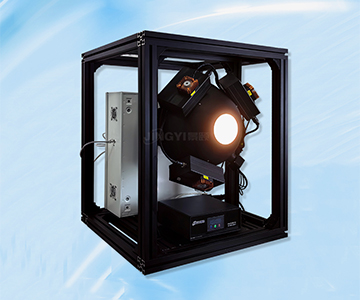
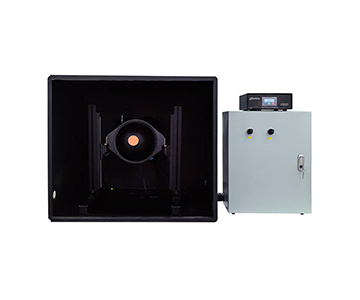
For low-light testing and extreme-environment detection, specialized gold-coated integrating spheres are available. Users conducting low-light imaging calibration, starfield scene simulation, or low-luminance optical experiments can select ultra-low-light gold-coated integrating spheres. Typically configured with primary–secondary dual-sphere architecture and equipped with wedge-shaped gradient apertures and sub-micron-precision stepping motors, these spheres enable highly accurate light-intensity adjustment while maintaining constant color temperature. Their stability, dynamic range, and intensity resolution far surpass those of conventional gold-coated integrating spheres. For spectral analysis or laser power measurements under high humidity, underwater, high-temperature, or acidic/alkaline corrosive conditions, hyperspectral-response gold-coated integrating spheres provide the solution. Their inner liners are formed via one-piece molding using modified PTFE powder, yielding thick, mechanically robust coatings that resist flaking. Across the broad 250–2300 nm spectral band, they achieve 94–99% reflectance, with output uniformity better than ±0.1% and thermal tolerance up to 200°C—fully meeting the demands of the most rigorous environmental testing.
Jingyi Optoelectronics’ Gold-Coated Integrating Sphere Products and Services
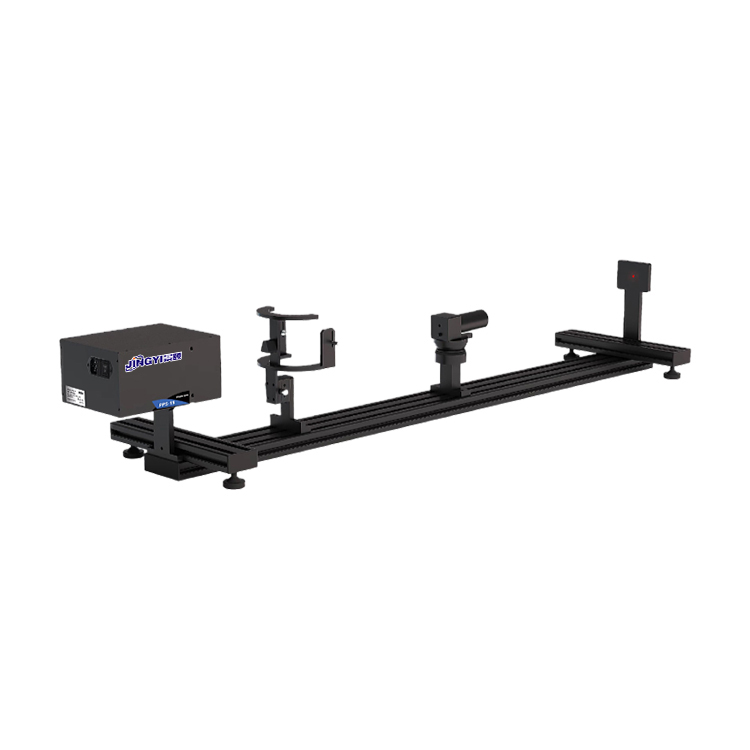
Jingyi Optoelectronics holds official certifications and maintains a factory shipment qualification rate of 99.8%. Its products feature PTFE-based high-reflectance coatings (average reflectance ≥99%), and offer comprehensive customization across dimensions and interface configurations. Full pre-sales and after-sales technical support is provided. Typical application areas include LED luminous flux testing, laser power measurement, display color calibration, and environmental monitoring—encompassing all high-precision optical metrology needs.
Customization Capabilities and Future Development at Jingyi Optoelectronics
Jingyi Optoelectronics has cultivated deep expertise in gold-coated integrating spheres over many years. Beyond its standardized product portfolio, the company offers fully customizable solutions—including total-absorption, haze-measurement, laser-power, and factory-calibrated gold-coated integrating spheres. Tailored solutions have also been developed for emerging application domains such as new-energy laser inspection, agricultural spectral analysis, and aerospace remote-sensing calibration. Looking ahead, as optical testing expands across broader industries, gold-coated integrating spheres will evolve toward miniaturization, intelligence, and deeper customization. When integrated with AI algorithms and IoT platforms, future generations will enable automatic calibration and real-time upload and analysis of test data—further lowering the barrier to entry for optical testing and significantly improving overall testing efficiency.
#GoldCoatedIntegratingSphere #DiffuseIntegratingSphere #UniversalIntegratingSphere #NIRIntegratingSphere #OpticalPowerIntegratingSphere #IntegratingSphere