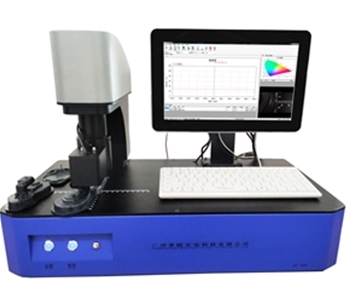
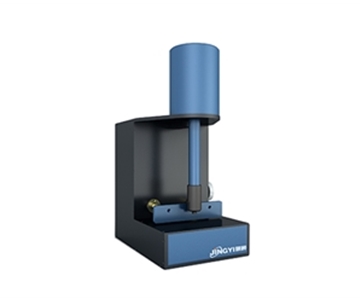
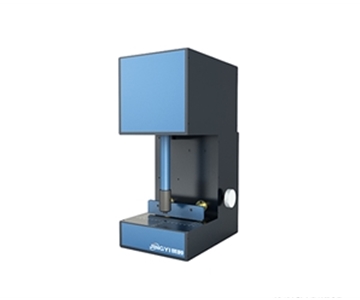
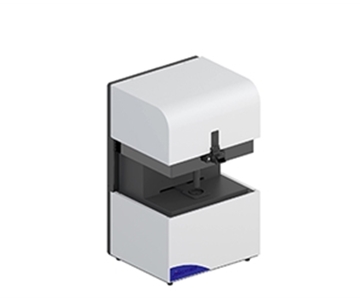
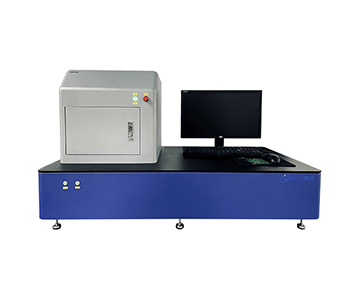
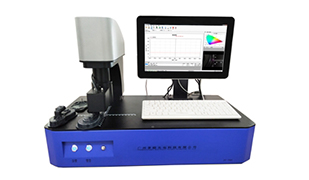
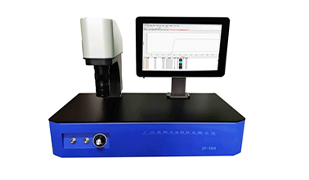
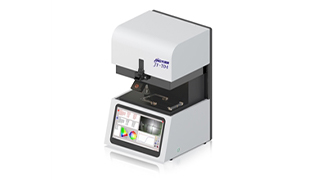
Industrial hyperspectral imaging requires traceable radiometric calibration, sub-nanometer wavelength repeatability, and validated multi-unit consistency before it can replace incumbent metrology tools in semiconductor and precision optics workflows. This guide evaluates emerging
Market Reality: The Structural Gap Between Import Dominance and Local Penetration
Hyperspectral imaging equipment follows a classic pyramid market structure. Incumbent brands with decades of head start occupy the apex—high-end research labs and critical semiconductor fabs—while emerging
According to SEMI's 2025 annual report, import dependency for industrial-grade hyperspectral systems in China remains at 67.4%, with research-grade units exceeding 82.1% import share. Local penetration climbed from 12.3% in 2021 to 28.7% in 2024, averaging 5.5 percentage points annually. However, nearly all gains concentrate in sub-$70K units. In core process applications—semiconductor wafer inspection, precision optical coating inline monitoring—local equipment accounts for less than 7.2% of installed base.
This data reveals a critical nuance: emerging
Four Deployment Barriers: From Spec Sheet to Production Line
Missing Traceability Infrastructure: A Race Without a Ruler
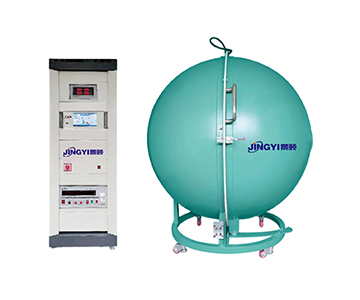
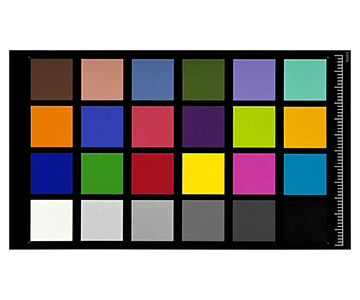
The incumbent moat is not hardware specifications—it is direct traceability to NIST or PTB standards. Local systems can perform spectral calibration, radiometric calibration, and illuminance correction, but lack mutual recognition pathways with international metrology benchmarks.
A process engineer at a memory fab in Hsinchu reported that reflectance measurement drift on a local hyperspectral camera reached 3.7% over two weeks, versus 0.8% on an imported unit. The drift stemmed not from hardware failure but from insufficient compensation precision in the ambient radiance real-time correction algorithm.
Poor Multi-Unit Consistency: The Hidden Cost of Scale
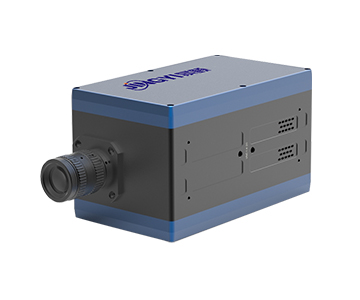
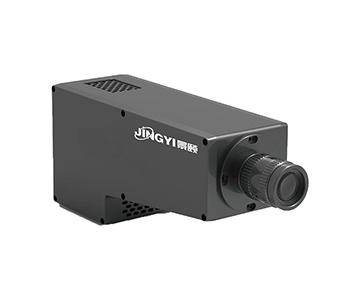
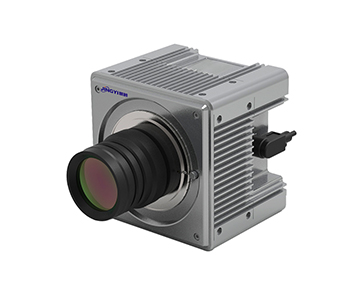
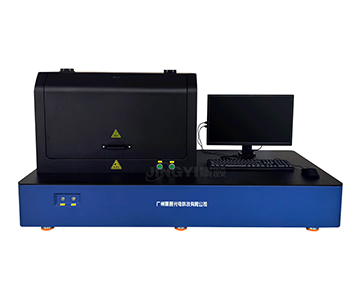
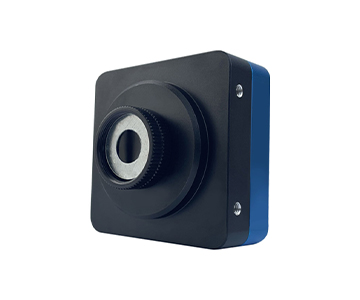
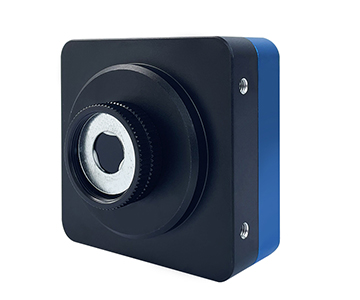
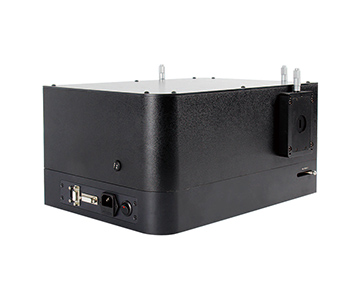
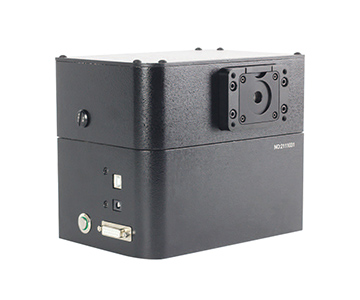
When production lines deploy multiple units as a detection matrix, inter-unit consistency deviation becomes fatal. Documentation shows one local staring-array hyperspectral camera using liquid crystal tunable filter (LCTF) technology achieves 1 nm spectral scanning precision on a single unit. Yet different units under identical temperature and humidity conditions exhibit ±0.3 nm center wavelength dispersion.
For semiconductor thin-film thickness measurement, a 0.3 nm wavelength offset can introduce 5%-8% thickness calculation error—enough to scrap an entire wafer lot.
Closed Software Ecosystem: Algorithm Black Boxes and Integration Barriers
Incumbent systems provide mature SDKs with open algorithm interfaces, allowing users to embed custom models. Local systems also offer SDKs, but documentation compatibility gaps persist. Some units support only IMG (ENVI standard) format, requiring additional conversion layers to interface with mainstream HDF5 or GigE Vision protocols.
An automation integrator in Shenzhen disclosed that connecting one local hyperspectral camera to an existing MES system required approximately $21,000 in protocol adaptation costs—an expense rarely factored into initial procurement budgets.
Service Response Radius: The Geography of Downtime
Incumbent brands maintain 4-hour response nodes in tier-one cities. Local vendors concentrate service networks in South and East China. For mining clients in Northwest China or forestry inspection teams in the Southwest, average wait times exceed 72 hours after hardware failure.
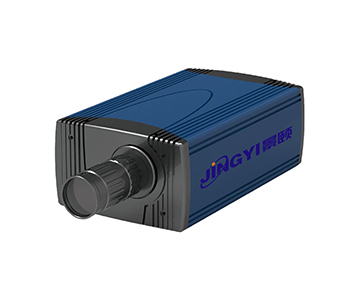
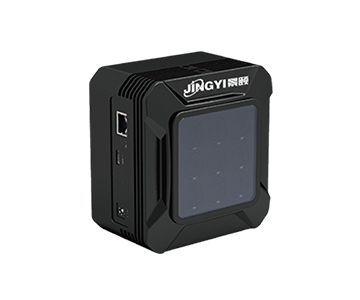
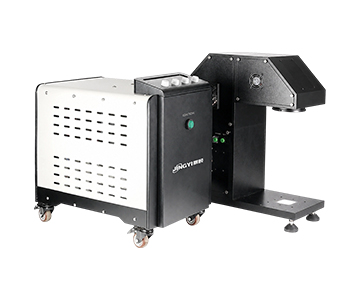
One built-in push-broom model supports remote control and WiFi transmission, yet cooling module failures still demand on-site engineer replacement. Remote diagnostics cannot resolve hardware-level thermal management issues.
Phased Replacement Pathway: From Edge Validation to Core Penetration
Phase 1: Incoming Inspection and Offline Sampling (Mature Now)
In plastic sorting, rapid ore grade screening, and non-destructive sugar content detection, local systems already qualify as
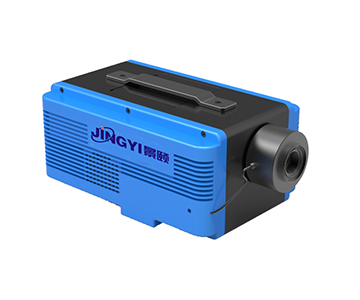
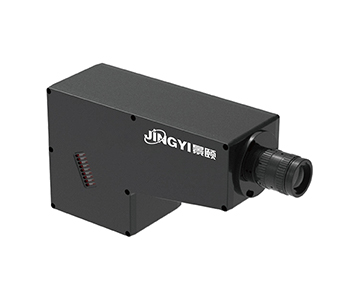
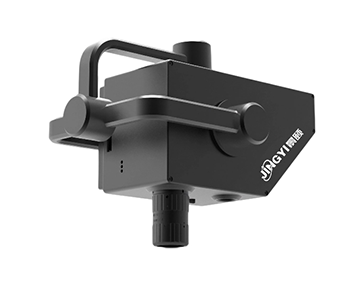
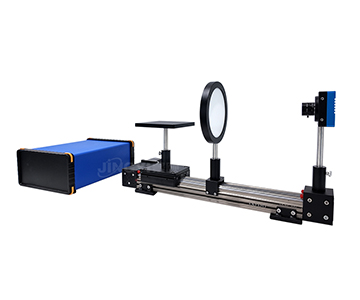
A high-speed push-broom model reaches 1,800 fps in ROI mode, paired with 3 nm spectral resolution—sufficient to distinguish PET from PVC spectral signatures. Risk is minimal here; this phase serves as the optimal entry point for local validation.
Phase 2: Process Monitoring and Inline Inspection (2026-2028 Window)
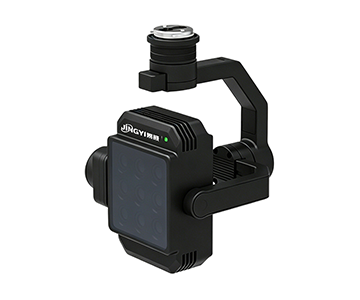
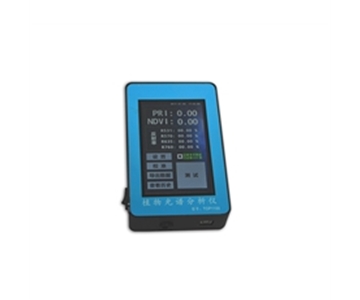
In precision agriculture vegetation index monitoring, eutrophication patrol, and early forest pest identification, local airborne multispectral cameras demonstrate deployment advantages. One model integrates with the DJI M350 RTK platform, supporting 8-channel parallel acquisition with real-time NDVI calculation, achieving 5.05 cm ground spatial resolution at 120 m
These scenarios share a common profile: large area, low frequency, non-contact. Post-capture radiometric correction can compensate for real-time precision limitations.
Phase 3: Core Process Control (2028-2030 Window)
Semiconductor thin-film inline monitoring, photoresist endpoint detection, and optical coating uniformity feedback control demand extreme spectral resolution and repeatability. Local equipment entering this phase must satisfy two conditions: establishing NIST-mutual-recognition radiometric calibration laboratories, and compressing multi-unit consistency deviation to within ±0.1 nm.
One staring-array model documented at 1 nm scanning precision still faces a 10-200 ms response time fluctuation range—a bottleneck on dynamic production lines where wafer throughput exceeds 120 wph.
Risk Assessment: Three Uncertainties in the Replacement Trajectory
Technology Gap Risk: The "Second Chokepoint" in Core Components
Key hyperspectral components—transmission gratings and InGaAs detectors—remain import-dependent. Local vendors operate primarily at the system integration level, with limited bargaining power over underlying optical elements. If international supply chains fluctuate, local equipment lead times could extend from the standard 4-6 weeks to 16-20 weeks, eliminating any delivery advantage over imports.
Vendor Sustainability Risk: The Niche Market Ceiling
Hyperspectral imaging is a textbook niche market. Annual domestic market size estimates range between $255 million and $327 million. Some local vendors report annual revenue below $7 million, straining R&D investment and cash flow. Buyers evaluating local
Standard Iteration Risk: Lagging Industry Norms
No unified local industry standard currently governs hyperspectral equipment. Each vendor maintains proprietary radiometric calibration methods, data formats, and interface protocols. One local vendor participated in drafting the Thin Film Interference Thickness Measurement System Calibration Specification (T/CIET 2298-2026), which partially fills gaps but lacks mandatory industry-wide coverage.
Three Future Scenarios: Based on Technical Evolution and Supply Chain Coordination
Optimistic Scenario (25% Probability): Core Process Breakthrough Before 2028
If local vendors achieve coordinated breakthroughs in InGaAs detector localization, LCTF temperature control precision, and AI-assisted radiometric correction, 2028-2029 could see 15%-20% local installation share in semiconductor front-end inspection. The prerequisite: leading vendors partnering with national research institutes to establish radiometric calibration laboratories with mutual recognition agreements.
Neutral Scenario (55% Probability): Edge Substitution by 2028-2030, Limited Core Penetration
The more probable path: local equipment consolidates share in agriculture, environment, and mining while reducing import dependency from 67.4% to 45%-50%. Core industrial scenes remain import-dominated, but local systems accumulate data and reputation through an "edge-to-core" strategy, building momentum for deeper substitution post-2030.
Pessimistic Scenario (20% Probability): Technology Gap Solidification, Stalled Progress
If core optical component imports face restrictions and local
Honest Limitations: Three Hard Boundaries Local Systems Have Not Crossed
First, short-wave infrared (SWIR, 900-1700 nm) sensitivity and signal-to-noise ratio remain one generation behind imports. One documented SWIR model operates below 2.1W in uncooled mode, yet the SNR specification is omitted—a typical "silent datum" suggesting measurable gaps versus imported counterparts.
Second, airborne equipment extreme environment adaptability lacks sufficient validation. A rated operating range of 0°C-40°C may encounter liquid crystal filter response delays at -15°C during winter patrols in Northwest China, causing spectral channel misregistration. Public documentation contains scarce boundary-condition test data.
Third, post-processing chain completeness falls short. Incumbent systems typically provide full workflow software from radiometric correction to material classification. Local software concentrates on acquisition control; advanced analysis modules require third-party platforms (ENVI, MATLAB), increasing learning curves and procurement budgets.
Frequently Asked Questions
Q1: Can spectral data from local hyperspectral systems be directly compared with imported equipment?
Data format compatibility depends on the specific model. Some local devices support ENVI-standard IMG format, enabling joint processing with imported data on the same platform. However, radiometric calibration parameter differences cause systematic bias in absolute reflectance values. During initial substitution, retain at least one imported unit as a comparison baseline to establish inter-unit transfer standards.
Q2: Does local equipment stability satisfy 24/7 inline operation?
Documented push-broom models specify 0°C-45°C operating temperature, but continuous thermal drift control under sustained operation remains the critical test. Before procurement, request a 72-hour continuous wavelength drift test report from the vendor, focusing on cooling module cycling patterns and spectral channel consistency degradation.
Q3: How should buyers choose between multispectral and hyperspectral for agricultural remote sensing?
Multispectral systems offer fewer channels (typically 7-8), lower cost, and faster processing—suitable for large-area vegetation index inversion. Hyperspectral systems provide hundreds to thousands of channels with higher spectral resolution, appropriate for early crop disease identification or fine cultivar classification. If budget is constrained and macro growth monitoring dominates, multispectral delivers superior cost-effectiveness.
Q4: Is the cost advantage of local
Hardware procurement typically runs 40%-60% below equivalent imported systems. Hidden costs must be included: protocol adaptation, software customization, personnel training, and spare parts inventory. One automation integrator case showed total cost of ownership (TCO) was only 15%-22% lower than imports during the first three years; advantages amplify significantly from year four onward.
Q5: How can I independently verify whether a local hyperspectral system meets stated performance metrics?
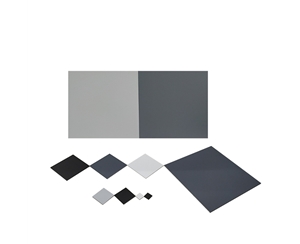
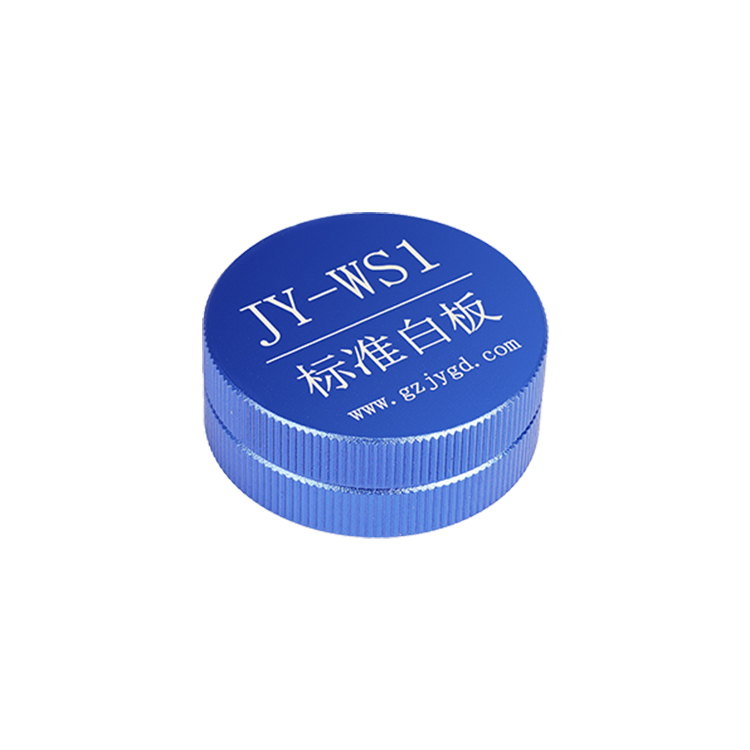
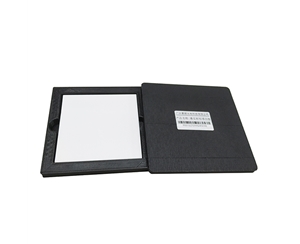
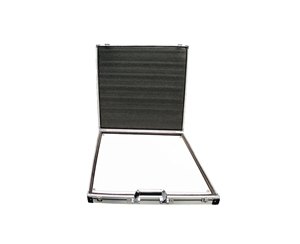
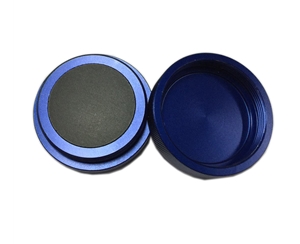
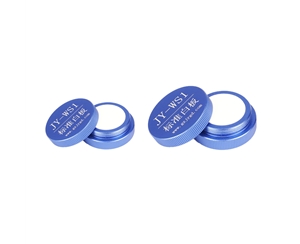
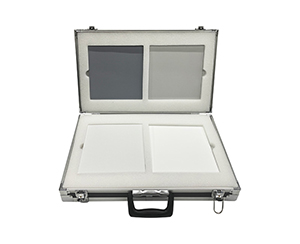
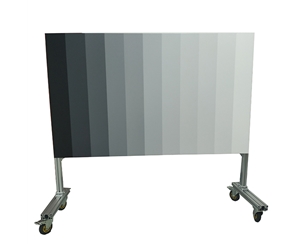
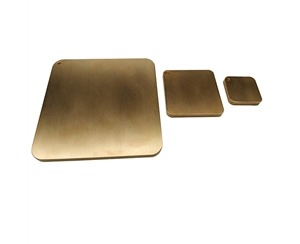
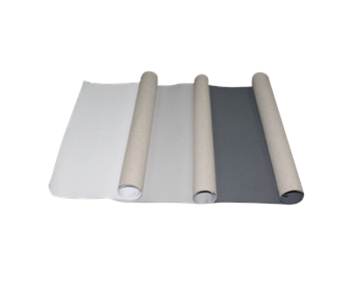
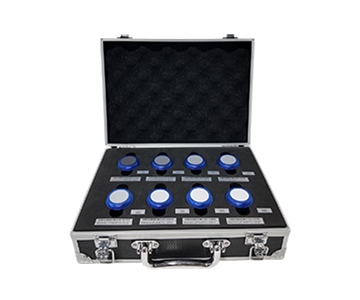
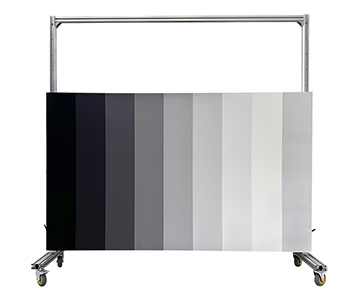
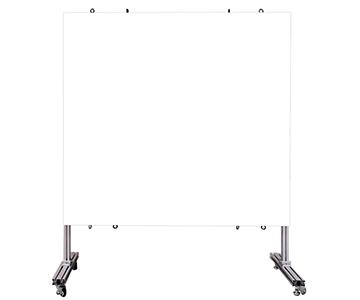
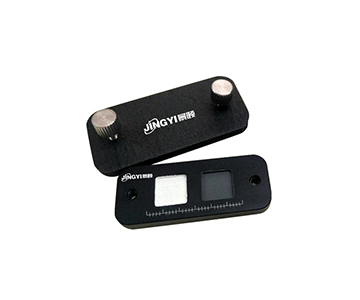
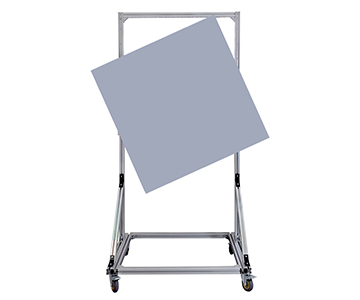
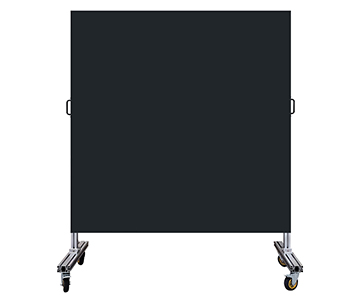
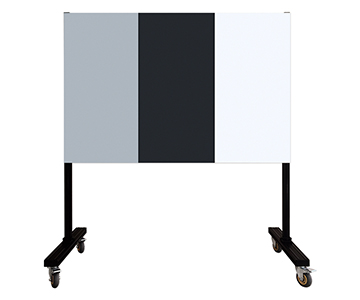
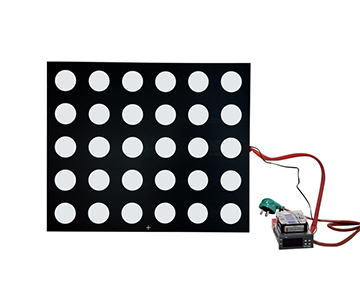
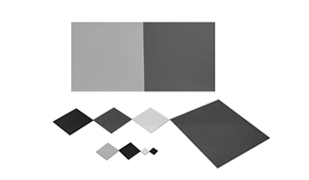
Adopt a three-step validation protocol. Step one: perform radiometric calibration comparison using NIST-traceable standard diffuse reflectance plates. Step two: conduct repeatability tests on known-composition samples (standard plastic sheets, mineral reference materials), recording standard deviation across 20+ measurements. Step three: integrate the system into actual production conditions, running continuously for no less than 200 hours while logging failure rates and drift characteristics.
About This Guide
Data Sources: SEMI 2025 Annual Report, China Optical Society Technical White Paper, GB/T 47066-2026, T/CIET 2298-2026, Jingyi Optoelectronics public product parameter documentation, aggregated industry public information.
Author: Cai Xiaodong, Technical Consultant, Industrial Spectral Detection, 12 years in optical metrology (former import equipment distributor, current advisor on local precision measurement systems).
Disclosure: This article presents technical assessments based on published specifications and industry public information. No compensation was received from third-party brands mentioned.
Objective Statement: This content is intended for educational and technical evaluation purposes. Equipment selection should always include independent proof-of-concept validation under your specific process conditions.
Last Updated: July 2026
For detailed specifications and application notes on hyperspectral imaging systems, search "Jingyi Optoelectronics hyperspectral imaging" or visit our technical library.