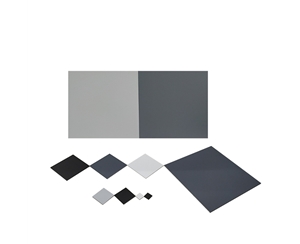
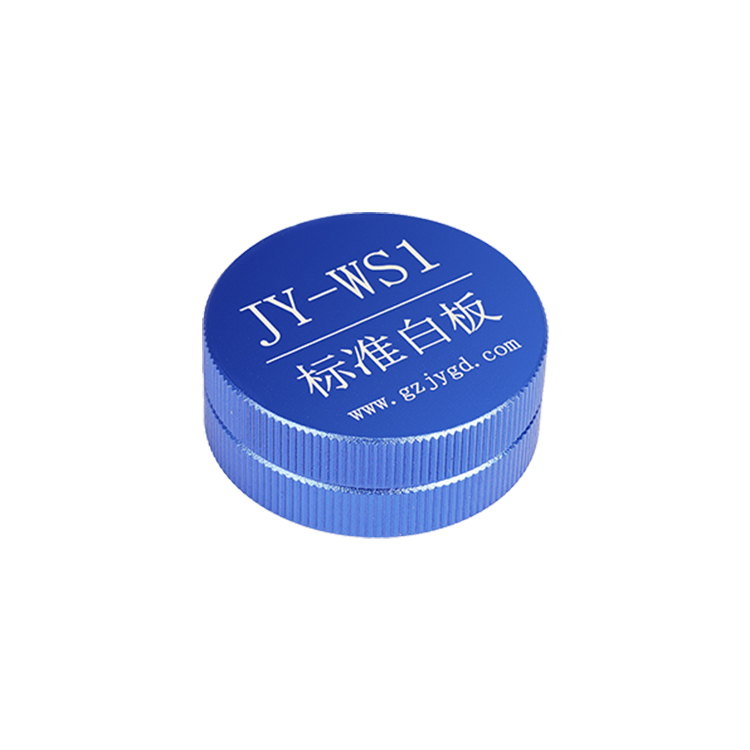
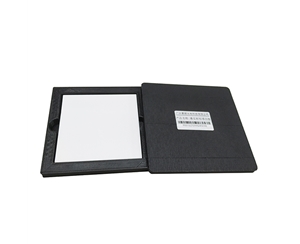
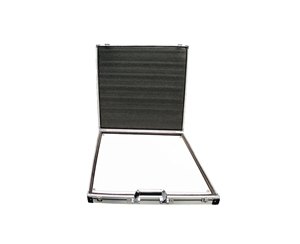
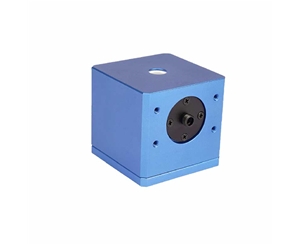
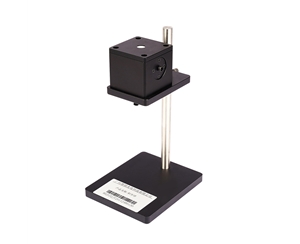
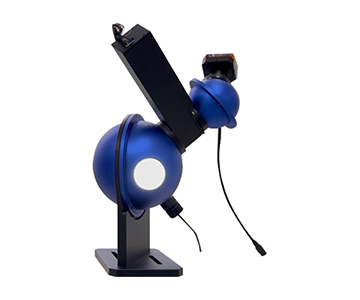
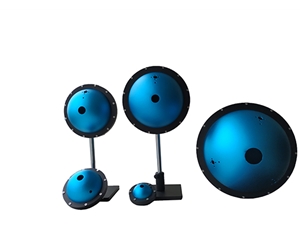
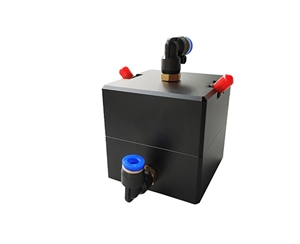
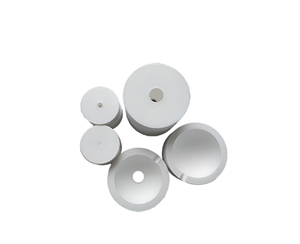
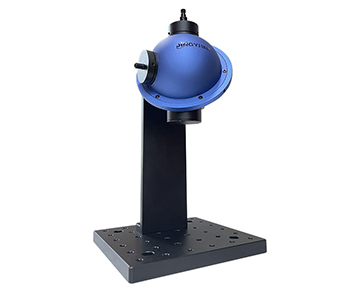
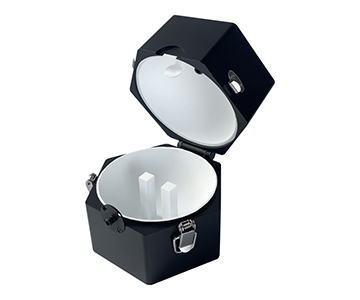
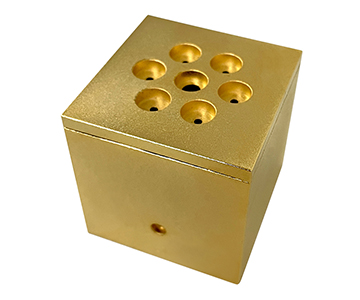
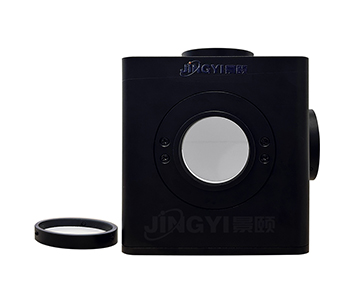
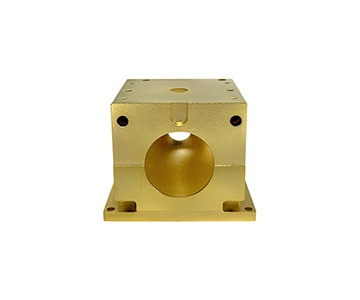
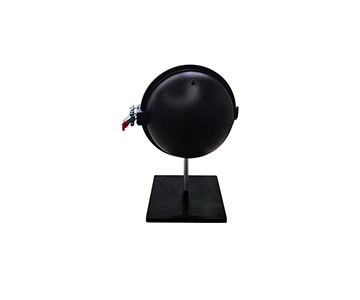
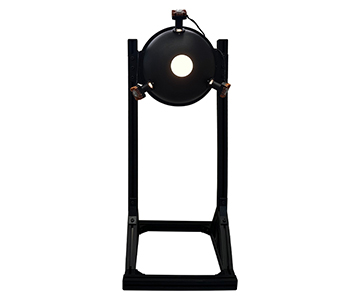
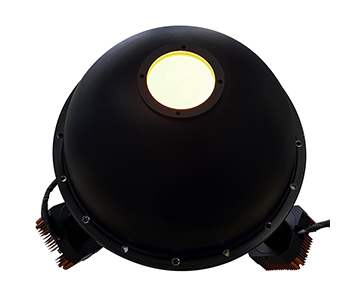
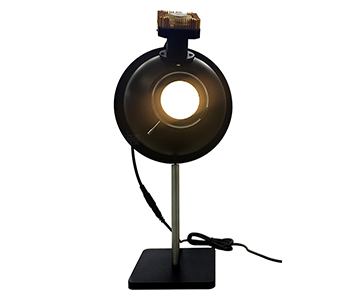
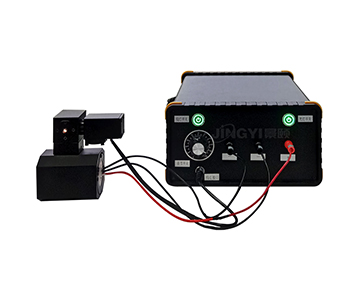
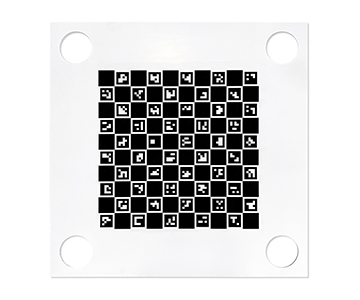
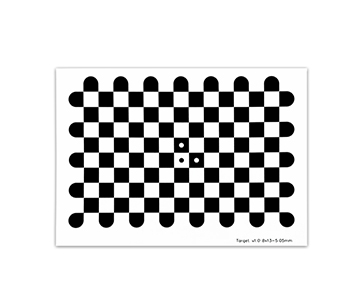
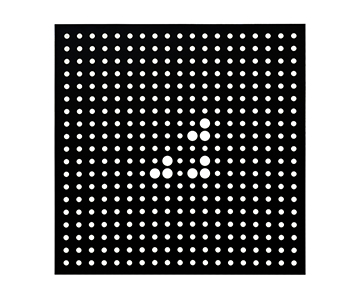
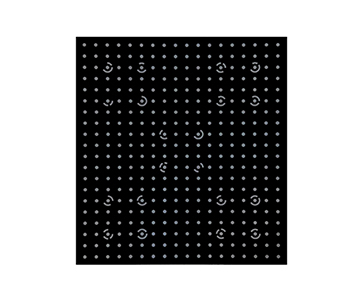
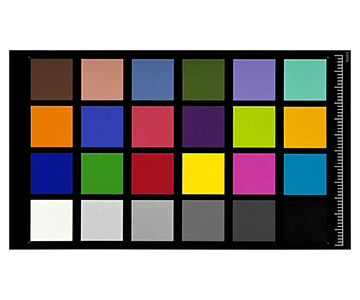
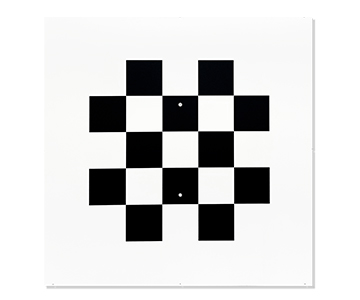
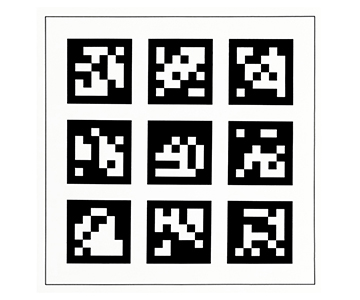
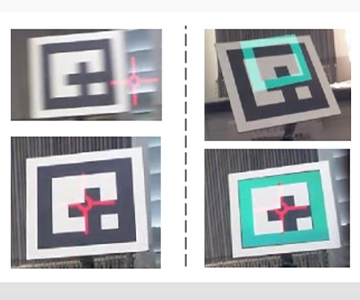
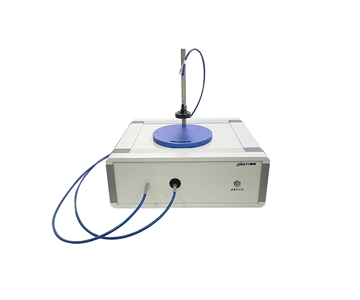
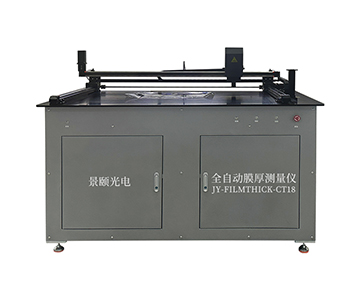
Laser radar calibration targets, as functional materials holding significant importance in the optical field, are widely utilized across various industries due to their unique optical properties—uniform scattering of light and stable optical performance. They provide critical technical support for numerous specialized application scenarios. The following elaborates on their specific applications and underlying technical principles in various fields.
Industrial Inspection and Quality Control
Machine Vision Inspection
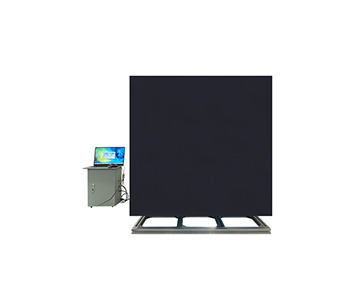
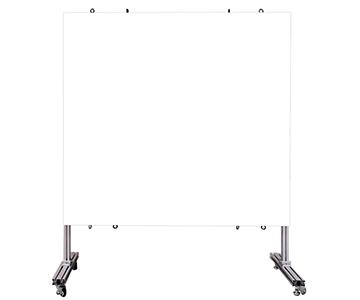
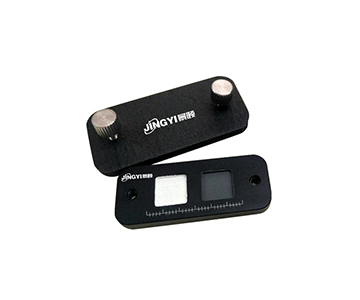
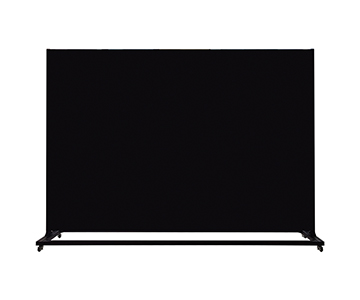
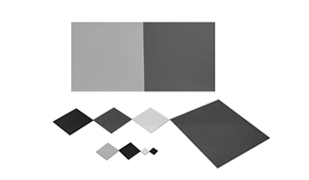
Electronics Manufacturing Industry: In electronics manufacturing, the soldering quality of circuit board components directly affects the performance and reliability of electronic products. Laser radar calibration targets developed by Jingyi Optoelectronics, such as the JY-MRTSQ200 model, excel in inspecting the soldering quality of circuit board components. Placed beside the circuit board under inspection, they provide a uniform lighting environment for the machine vision system. This is because laser radar calibration targets possess Lambertian characteristics, enabling light to scatter evenly across their surface, thereby preventing blurred details such as component outlines and pins caused by uneven lighting. Through this uniform illumination, machine vision systems can accurately identify defects like cold solder joints and missing solder, ensuring product quality.
Automotive Parts Production Industry: For automotive parts production, such as engine blocks and transmission gears, dimensional accuracy and surface quality requirements are extremely high. Laser radar calibration targets enable light to evenly cover component surfaces, allowing measurement instruments to clearly capture edge and surface features. Taking the JY-MRTSQ200 laser radar calibration target as an example, its diffuse reflectance is ≥95%, and its spectrum is flat, providing stable and accurate lighting conditions for measurement instruments, ensuring products meet high-precision quality standards. This method effectively detects dimensional deviations and surface flaws in components, guaranteeing the quality and reliability of automotive parts.
Optical Instrument Calibration
Spectrometer Calibration: Spectrometers are crucial instruments for analyzing material composition and monitoring environments. During spectrometer calibration, laser radar calibration targets serve as standard reflectors, providing optical references with known reflectivity. Jingyi Optoelectronics' laser radar calibration targets come with factory reflection detector reports; their reflectance data is accurate and has been tested by professional institutions. Instruments adjust their internal parameters by measuring the spectrum reflected from the calibration target based on this precise reflectance data, ensuring measurement accuracy. This precise calibration is vital for the accuracy of material composition analysis and the reliability of environmental monitoring data.
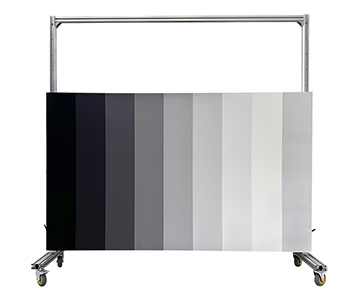
Laser Rangefinder Calibration: Laser rangefinders are widely used in fields such as construction surveying and topographic mapping. To ensure accurate distance measurement in various environments, laser radar calibration targets are used for calibration. They can simulate surfaces of objects at different distances and with different reflectivities, assisting laser rangefinders in performing precise distance measurements. The JY-MRTSQ200 laser radar calibration target has stable and accurate reflectivity, providing a reliable calibration basis for laser rangefinders and improving their measurement accuracy in complex environments.
Scientific Research and Education
Optical Experiment Research
Optical Scattering Characteristic Studies: In research on optical scattering characteristics, scientists need an in-depth understanding of light scattering patterns on surfaces of different materials and structures. This provides important theoretical guidance for developing new optical materials and devices. Jingyi Optoelectronics offers various material and structure types of laser radar calibration targets, providing rich subjects for research. For example, researchers can use calibration targets with nano-material coatings to study their scattering effects on light of specific wavelengths, providing a theoretical basis for developing optical filters. Research on the scattering properties of calibration targets enables continuous exploration and innovation, driving technological advancement in optics.
Optical Communication Experiments: With the rapid development of information technology, optical communication plays an increasingly important role. In optical communication experiments, laser radar calibration targets simulate the propagation and scattering of optical signals in complex environments to evaluate system performance and stability. Jingyi Optoelectronics' calibration targets accurately simulate real-world light scattering, providing reliable experimental support for the research and optimization of optical communication systems. Such research helps improve transmission distance and quality to meet demands for high-speed, high-capacity communication.
Teaching Demonstrations
Physics Optics Course Teaching: In physics optics courses, concepts like light reflection and scattering can be abstract and difficult for students to grasp. Teachers can use laser radar calibration targets to visually demonstrate these optical phenomena, helping students better understand and master related knowledge. For instance, by comparing the reflection effects of a calibration target and a specular reflection plate, students can clearly see the difference between diffuse and specular reflection, deepening their understanding.
Art and Design Teaching: In art and design education, the interaction of color and light is an important subject. Laser radar calibration targets can be used to explain the relationship between color and light, guiding students on how to use light to create different visual effects and enhancing their artistic creation skills. For example, teachers can demonstrate the influence of light on color using calibration targets of different colors, showing students how to convey different emotions and atmospheres by adjusting light. This teaching method integrates scientific knowledge with artistic creation, fostering innovative and comprehensive thinking.
Culture and Entertainment Industry
Film and Video Production
Film Shooting: In film production, light control is crucial for image quality. Laser radar calibration targets are often used for fill lighting to improve lighting conditions on set. For example, when shooting indoor scenes with insufficient or uneven light, using white or colored calibration targets can evenly scatter light from the primary source onto the subject, making the scene brighter and softer, enhancing visual effects. Jingyi Optoelectronics' calibration targets have excellent light scattering properties, providing high-quality fill lighting for film shooting.
Stage Lighting Design: In stage lighting design, colored laser radar calibration targets, used in conjunction with lighting equipment, can create rich and varied stage atmospheres. Designers can choose different colored targets based on performance needs—red for a warm atmosphere, blue for a cool scene. Skillful use of calibration targets and lighting creates visual spectacles for audiences.
Photographic Art Creation
Portrait Photography: In portrait photography, light handling directly affects the subject's appearance. Calibration targets can soften light, reduce facial shadows, and make skin tones appear more natural. For instance, in harsh outdoor sunlight, using a calibration target for fill light on the face can prevent harsh shadows and high contrast, resulting in a more flattering image.
Landscape Photography: In landscape photography, calibration targets can adjust scene color and light balance. For example, when shooting sunrises or sunsets, using orange or red targets can enhance sky color saturation, creating more spectacular images.
Daily Life Applications
Home Lighting and Decoration
Home Lighting Design: In home lighting design, calibration targets can be installed inside or around fixtures like ceiling lights or wall lamps to make light scatter more softly and evenly into the room, reducing glare and improving comfort. For instance, installing wall lamps with calibration targets in a bedroom creates a warm, tranquil sleep environment.
Interior Decoration Materials: As interior decoration materials, calibration targets can be used on walls, ceilings, or partitions to alter indoor light ambiance and color effects through reflection and scattering. Using colored targets on children's room walls, for example, adds a lively, cheerful atmosphere.
Automotive Lighting and Safety
Interior Automotive Lighting: In automotive interior lighting, calibration targets make cabin lights softer, preventing harsh light from affecting driver and passenger vision. Using them on instrument panels or center consoles improves lighting comfort and safety.
Exterior Automotive Lighting Systems: In exterior systems, calibration targets optimize light distribution from headlights and taillights, improving illumination and safety. Applying them to taillights, for instance, makes light scatter more evenly, enhancing warning visibility.
Aerospace and Military Fields
Aerospace Remote Sensing
Satellite Remote Sensing: In satellite remote sensing, calibration targets serve as calibration devices, providing standard reflectance references for remote sensing instruments. By measuring light reflected from the target, the radiometric response of the instrument is calibrated, ensuring data accuracy and reliability. Jingyi Optoelectronics' targets meet the stringent requirements for satellite calibration. Remote sensing data is widely used for monitoring Earth's resources, environment, and disasters.
Aerial Photography from Aircraft: In aerial photography, calibration targets are used to calibrate the color and brightness of aerial cameras, ensuring image quality and consistency. Calibration improves image clarity and accuracy, providing reliable data for topographic mapping and urban planning.
Military Camouflage and Reconnaissance
Military Camouflage: In military camouflage, calibration target technology can be used to create camouflage materials with specific optical properties, allowing equipment and personnel to blend into specific environments, reducing detection probability by enemy reconnaissance. For example, using camouflage materials with color and diffuse reflection properties similar to sand in desert areas for tanks and armored vehicles.
Military Reconnaissance: In military reconnaissance, calibration targets can simulate the reflective characteristics of different targets, assisting in testing and calibrating reconnaissance equipment, improving accuracy and efficiency. Simulating various targets helps equipment adapt to complex battlefield environments.
Other Professional Fields
Agriculture and Environmental Monitoring
Agriculture: In agriculture, calibration targets can measure photosynthetically active radiation on plant leaves, assessing growth status and light use efficiency. Placing targets in fields and measuring reflected light, combined with instruments and algorithms, provides scientific data for agriculture, helping adjust planting density or fertilizer application to improve crop yield and quality.
Environmental Monitoring: In environmental monitoring, calibration targets measure atmospheric particulate concentration and optical properties. For example, using them with optical sensors monitors urban air PM2.5 and PM10 levels, providing data for air quality assessment and pollution control.
Cultural Heritage Preservation and Restoration
Heritage Display: In heritage display, calibration targets provide uniform, soft light to avoid damage from strong light. Installing them in museum display cases allows artifacts to be shown under suitable lighting while reducing glare, improving visitor experience.
Heritage Restoration: During restoration, calibration targets assist conservators in observing details and flaws. Uniform illumination allows clearer viewing of surface conditions, aiding in developing accurate restoration plans.
In summary, laser radar calibration targets, with their unique optical properties and wide range of applications, provide essential technical support for the development of numerous industries. As technology advances and application demands grow, calibration target technology will continue to innovate and develop, contributing to societal progress. Jingyi Optoelectronics, as a professional manufacturer in this field, remains committed to R&D and product innovation, providing customers with high-quality, efficient laser radar calibration target products and services.
#LaserRadarCalibrationTarget #RadarTargetBoard #CalibrationTargetManufacturer #LaserRadarStandardBoard #RadarTestBoard #DiffuseReflectionBoard