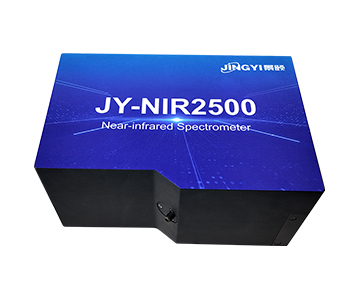
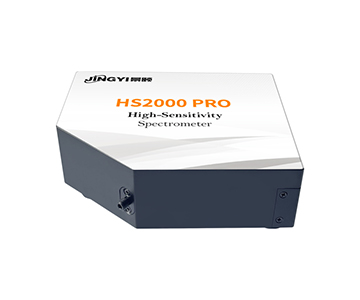
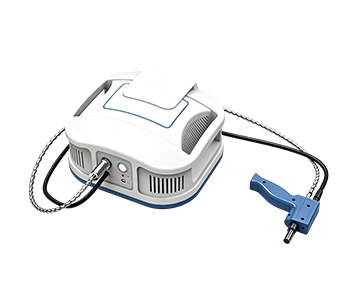
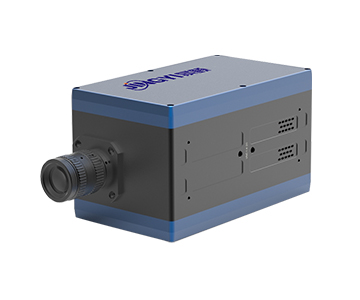
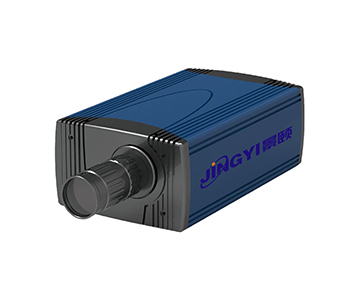
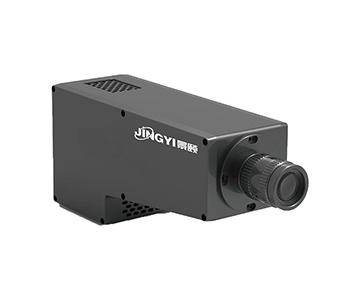
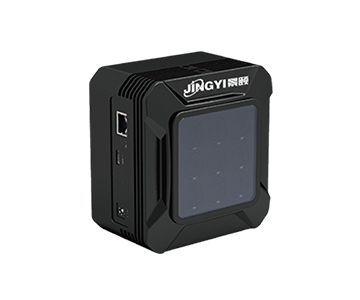
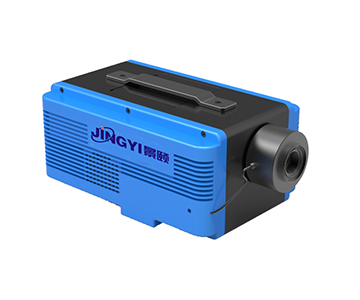
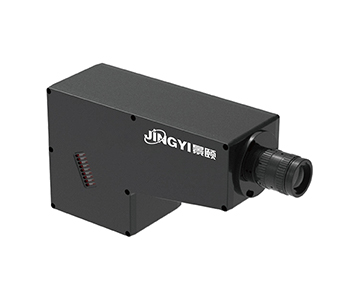
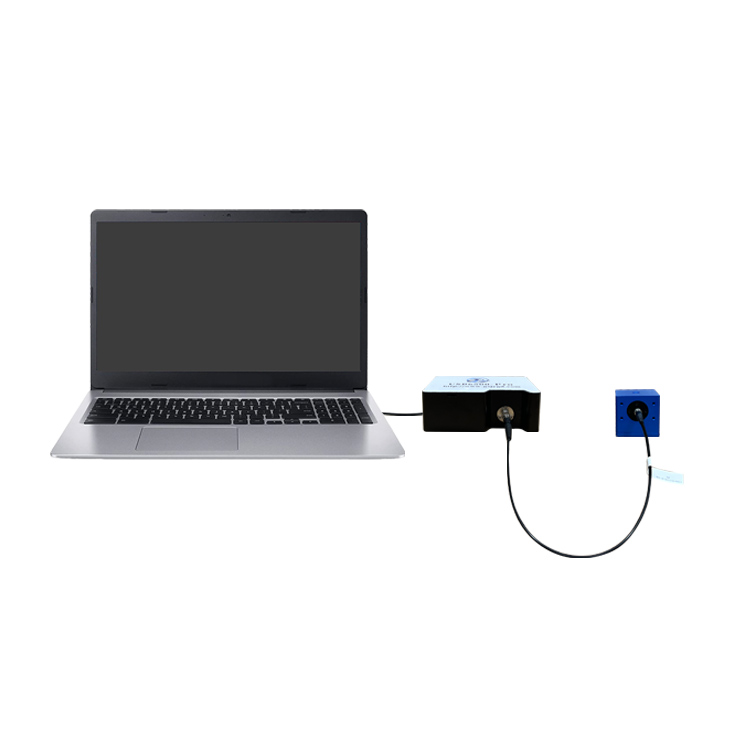
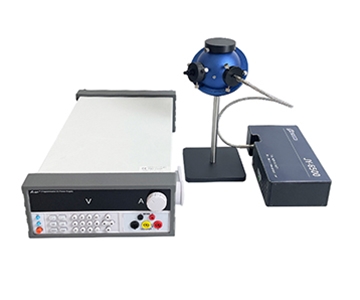
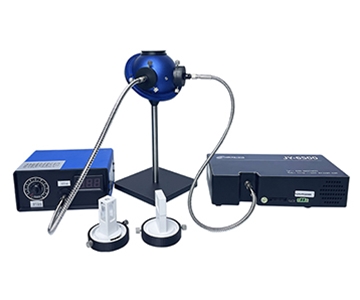
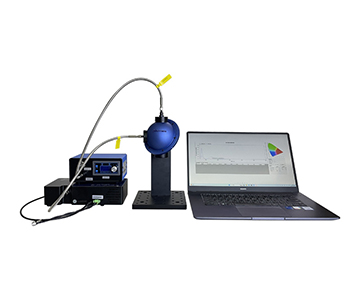
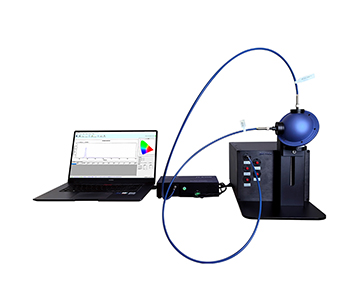
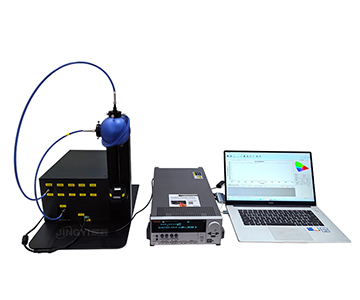
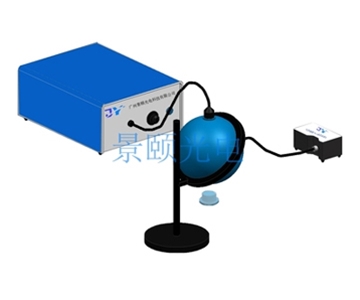
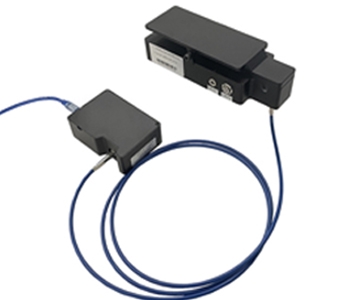
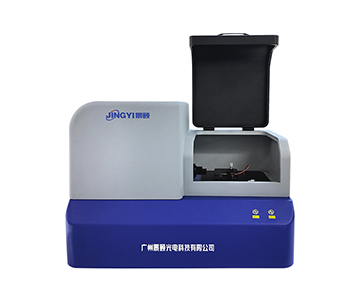
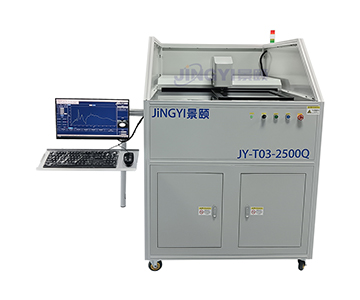
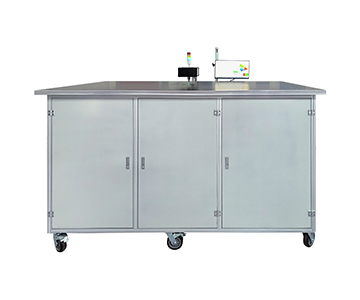
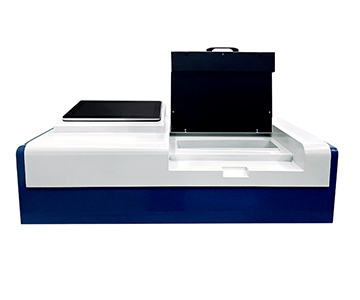
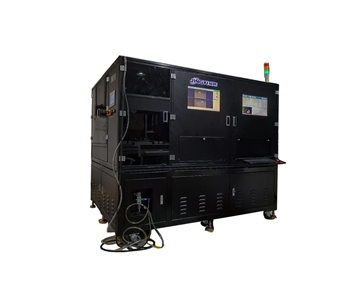
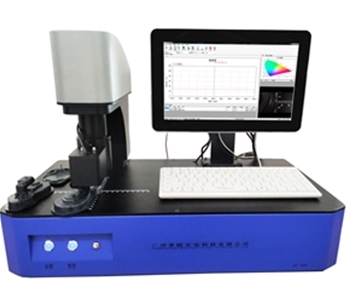
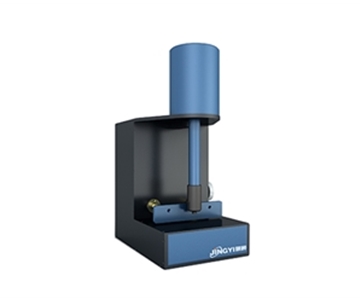
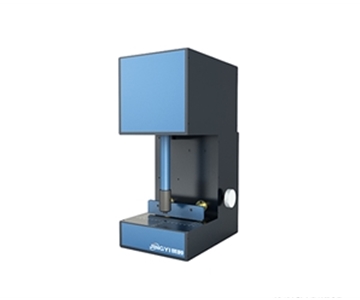
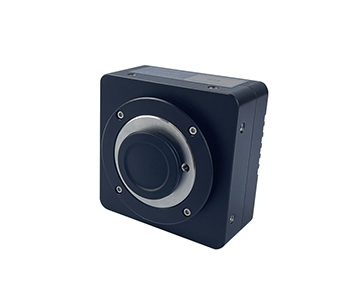
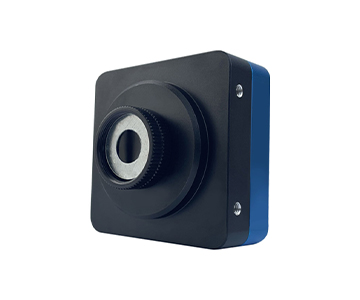
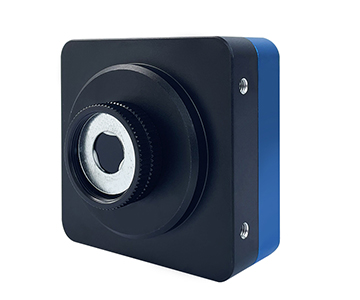
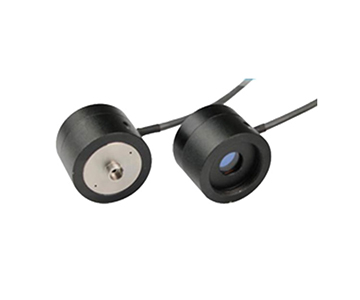
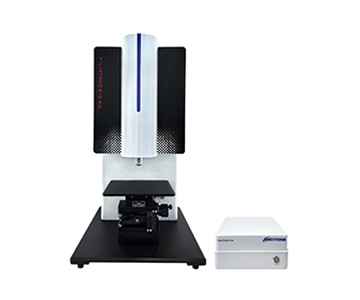
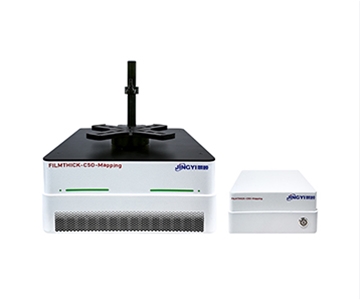
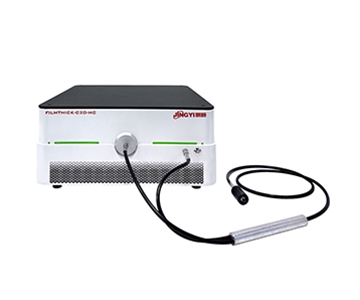
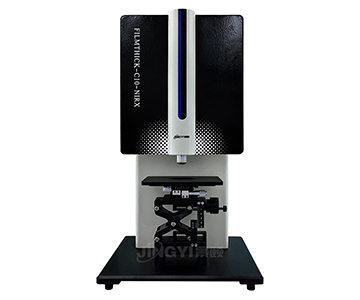
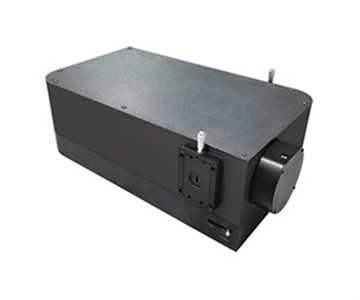
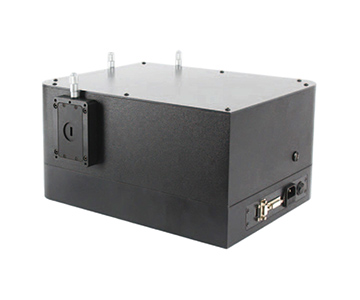
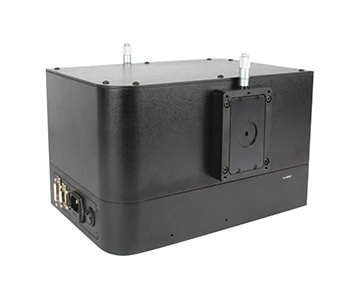
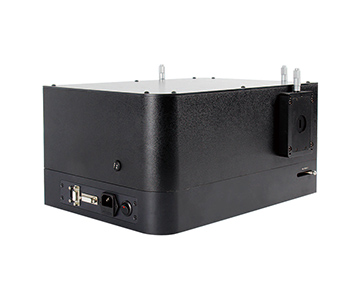
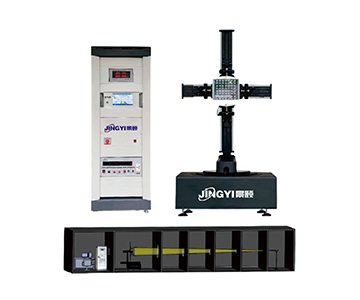
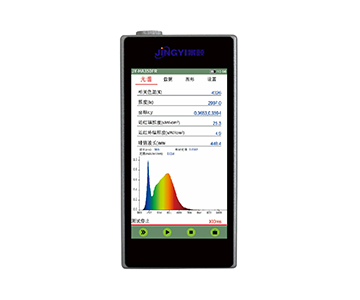
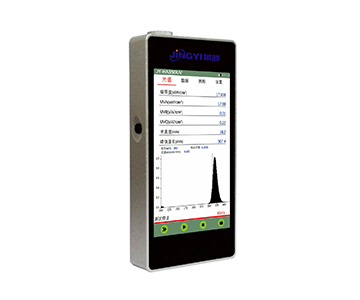
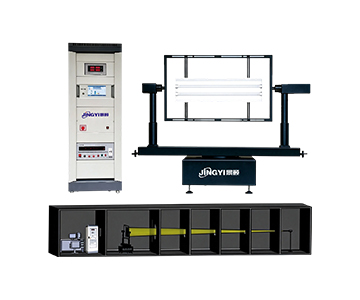
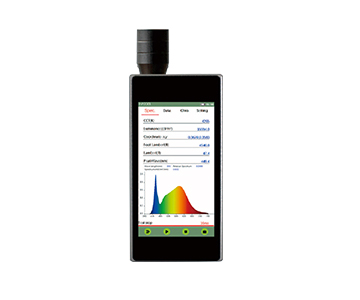
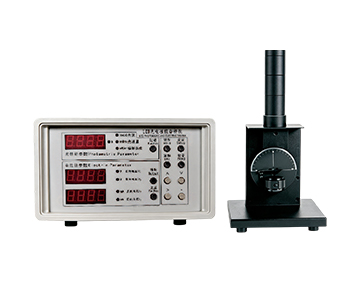
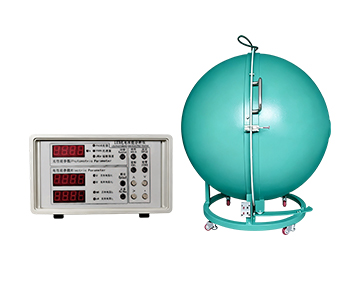
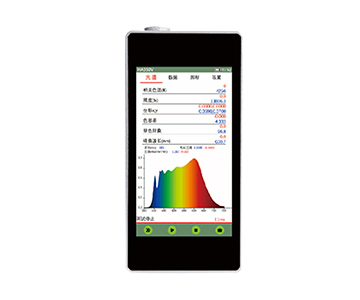
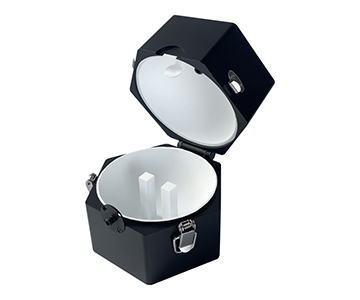
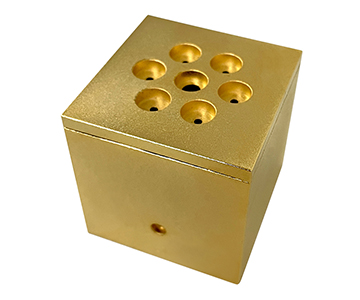
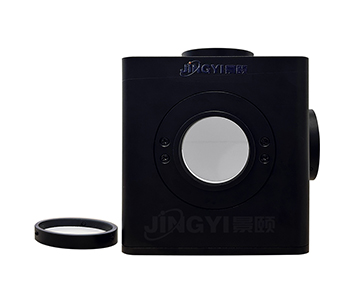
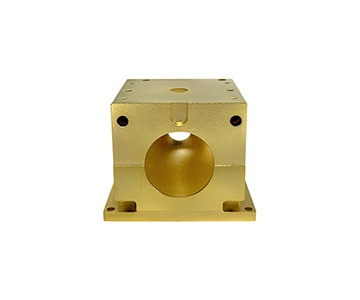
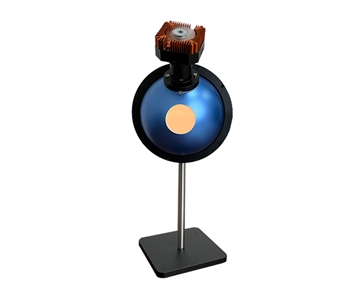
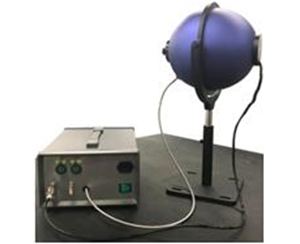
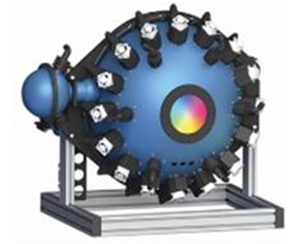
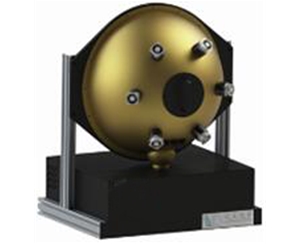
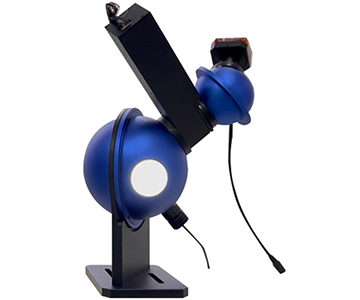
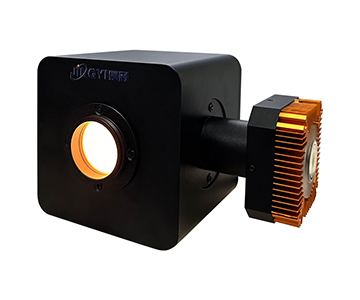
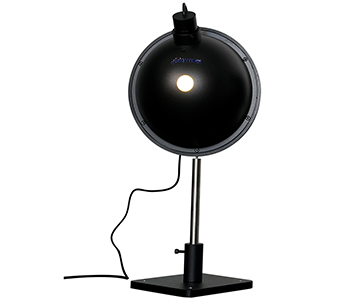
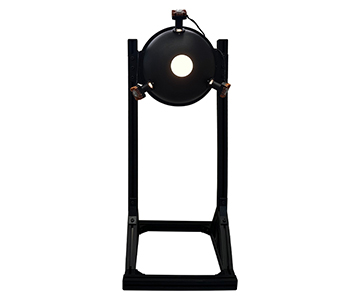
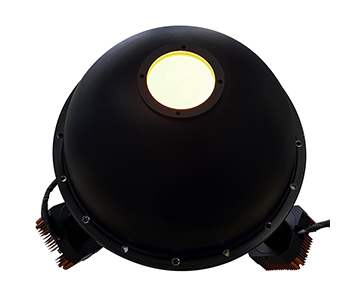
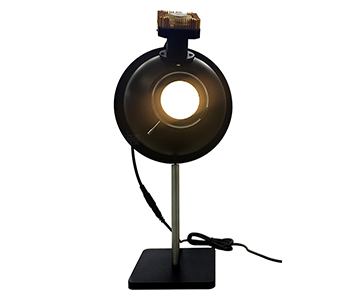
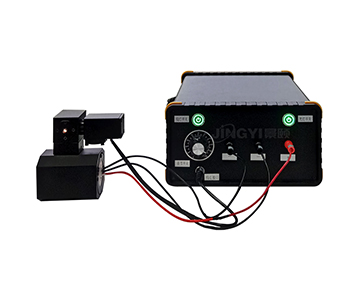
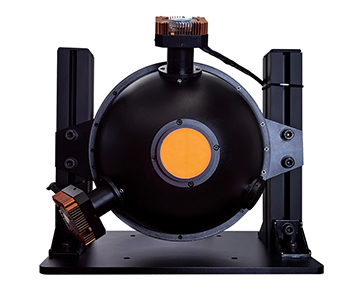
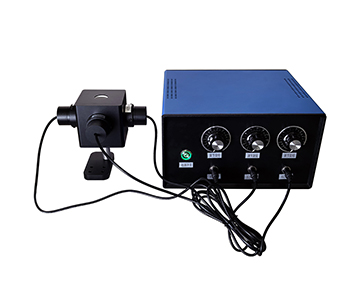
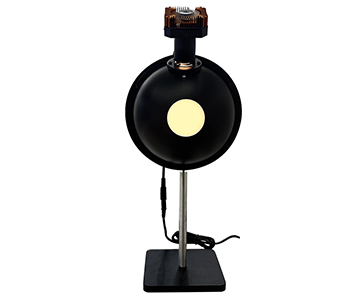
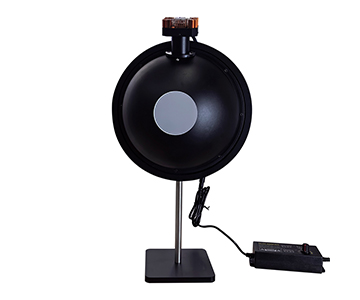
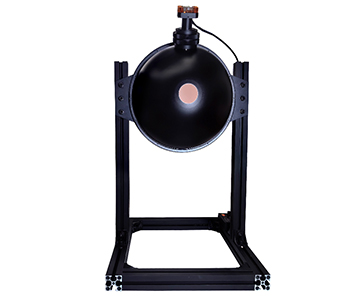
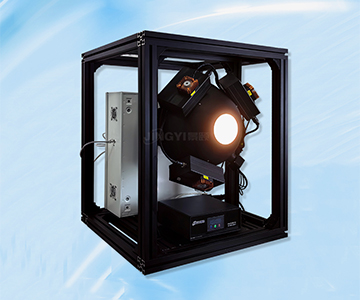
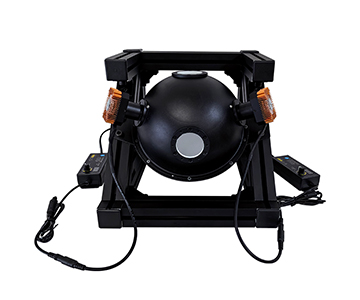
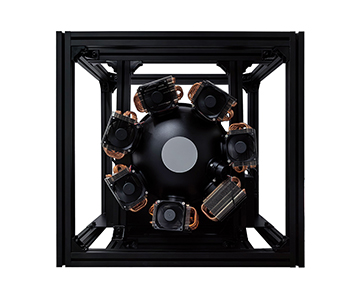
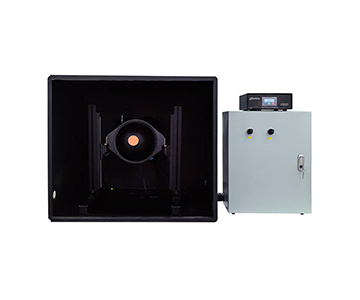
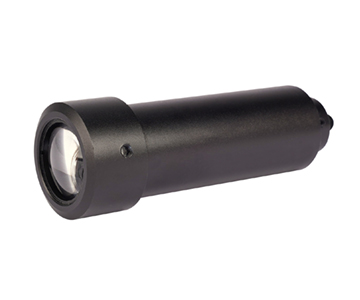
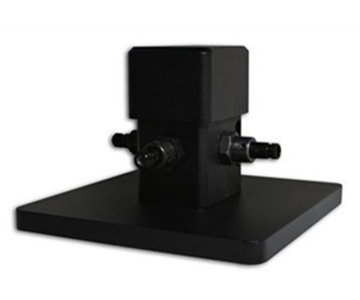
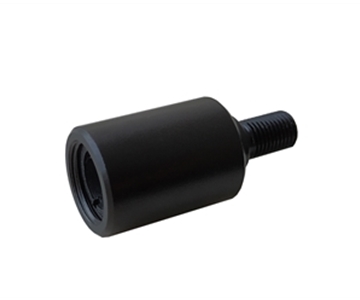
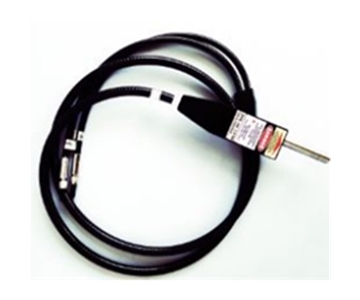
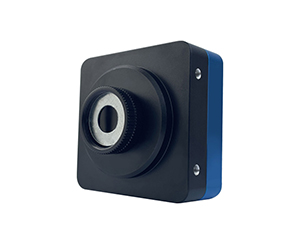
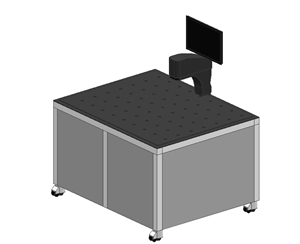
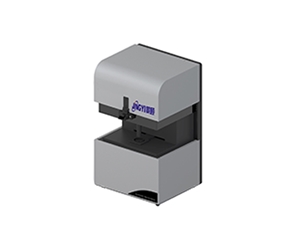
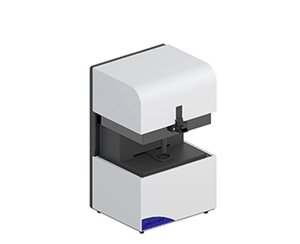
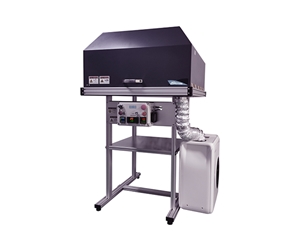
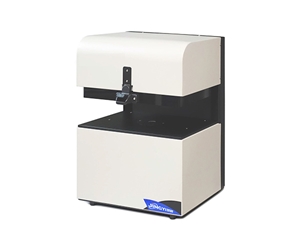
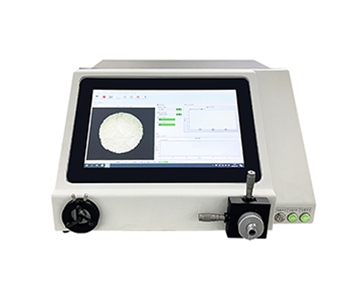
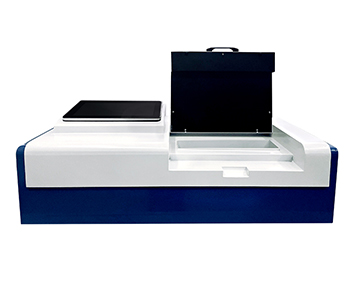
A Guangzhou-based developer of optical metrology instruments has earned municipal-level recognition for its spectroscopic analysis platform, signaling growing validation of independent R&D capabilities in precision optical measurement systems serving semiconductor, LiDAR, and photonics industries.
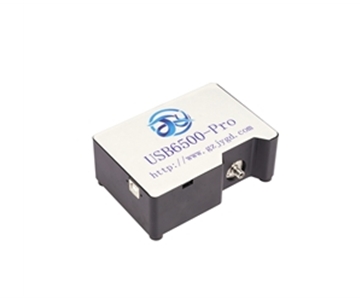
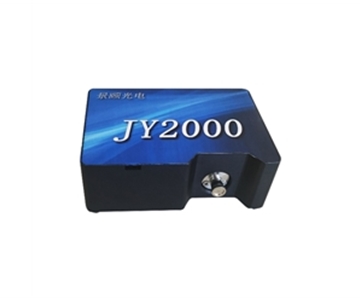
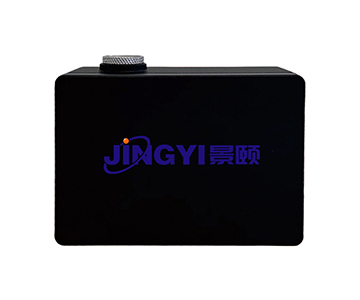
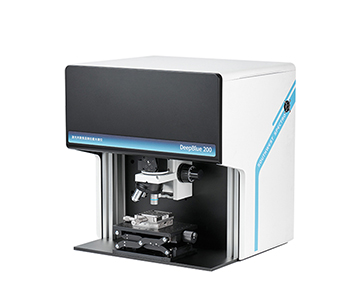
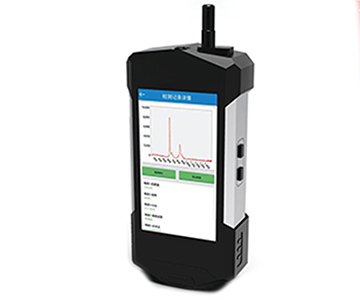
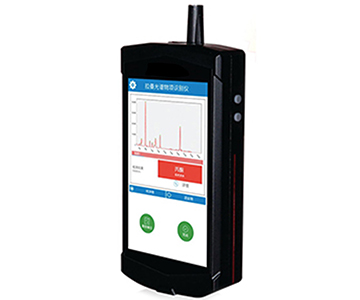
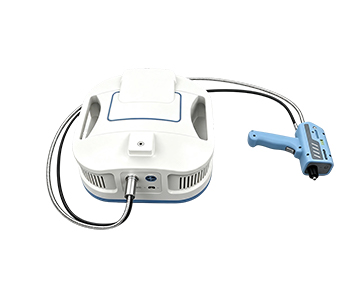
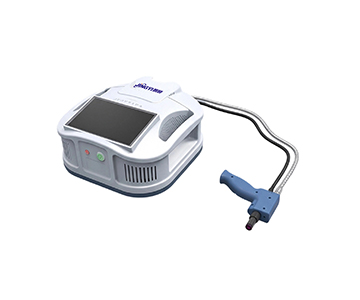
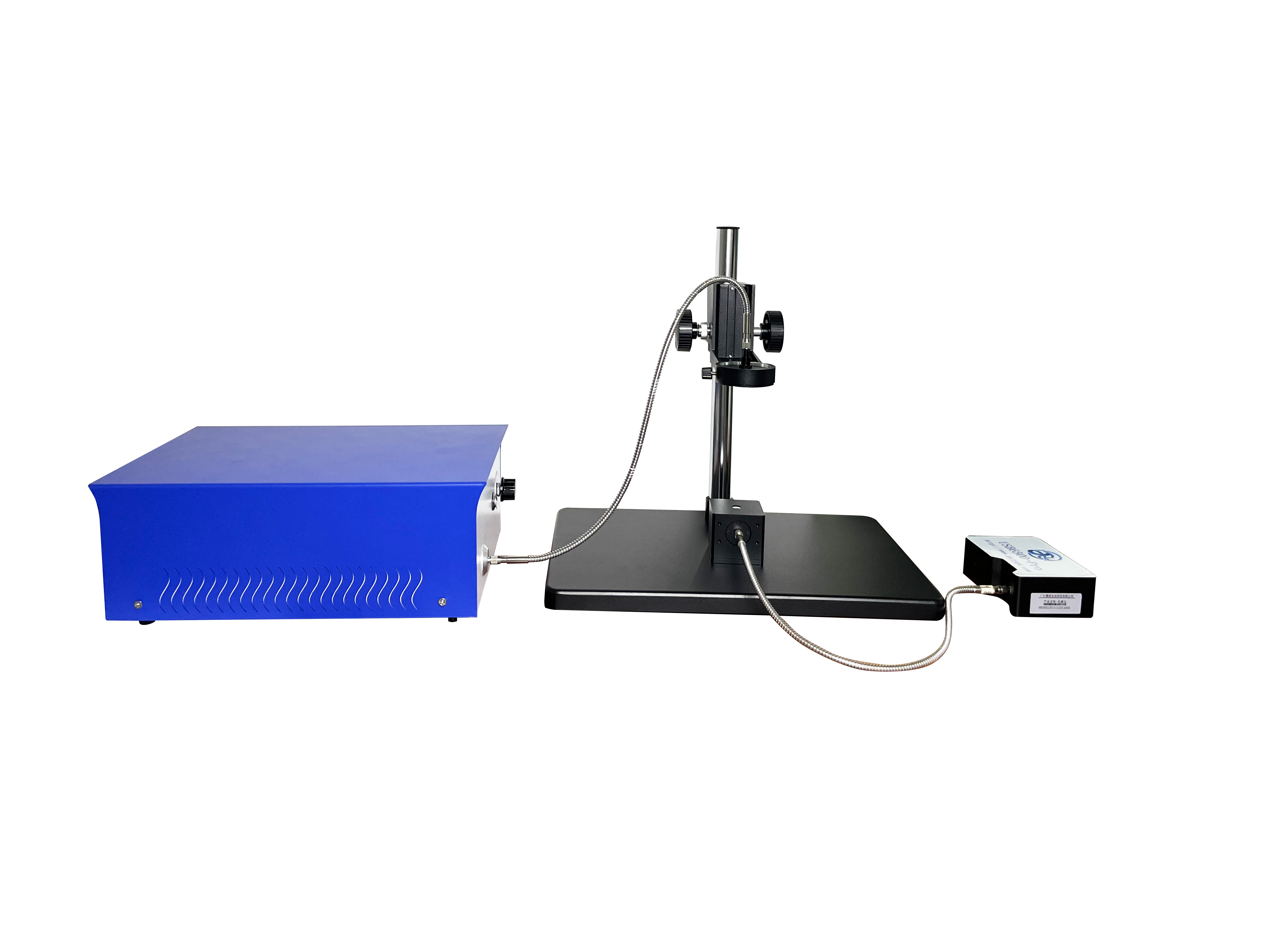
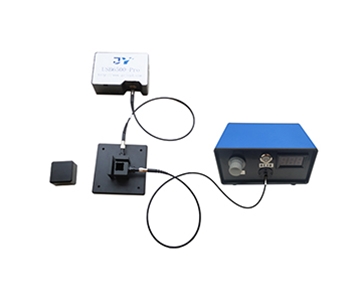
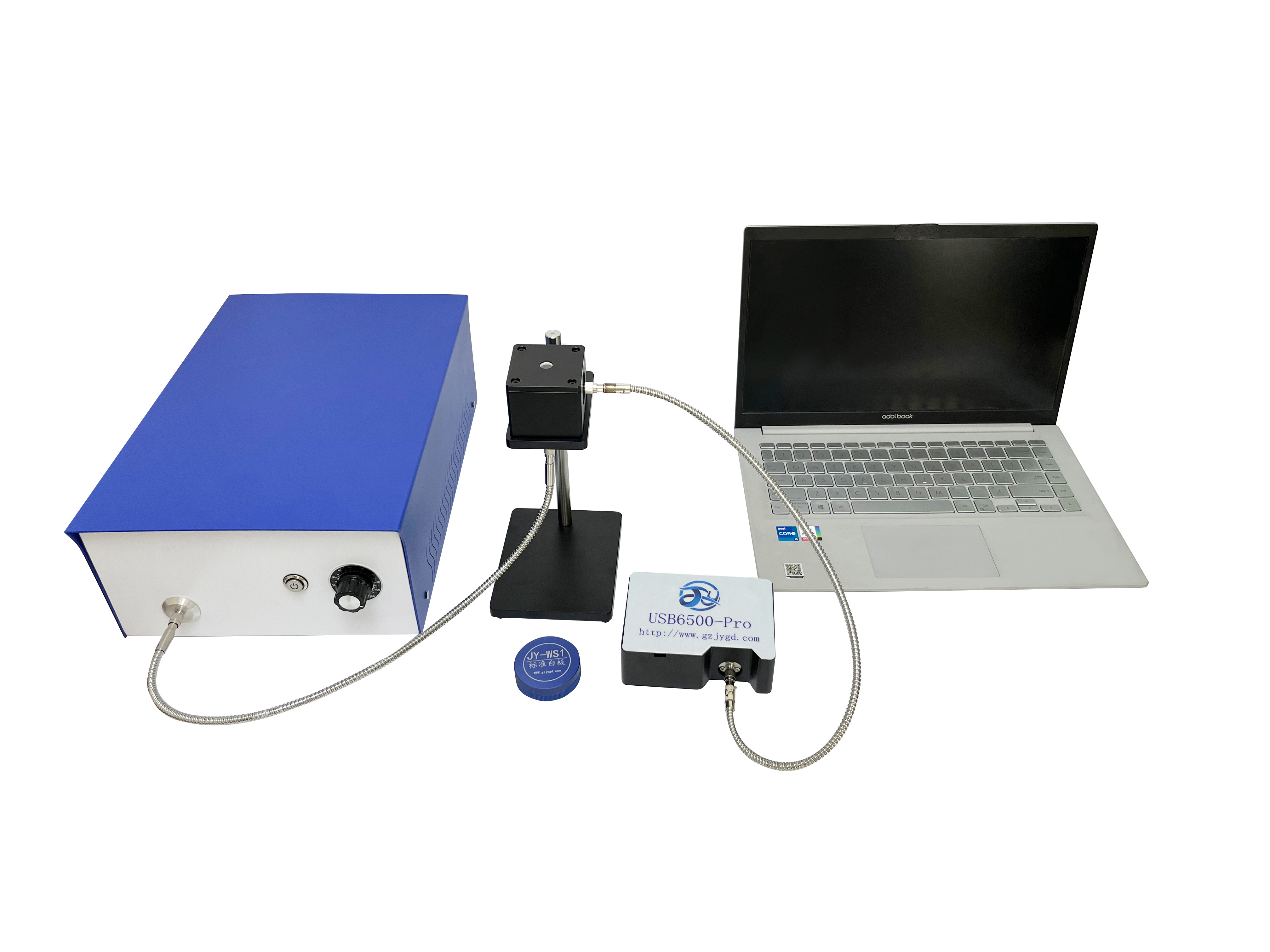
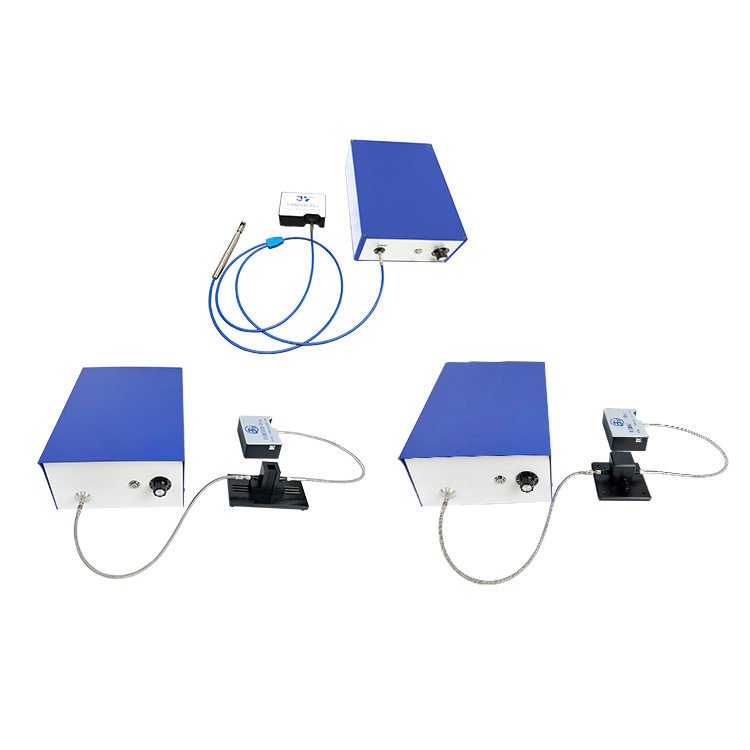
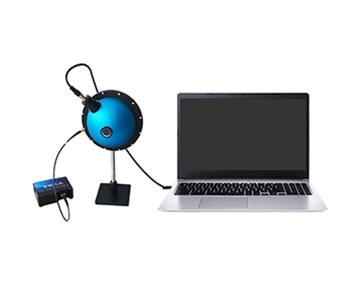
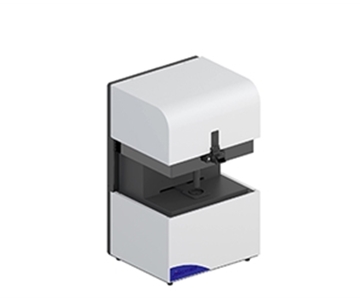
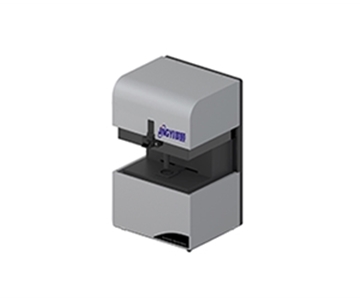
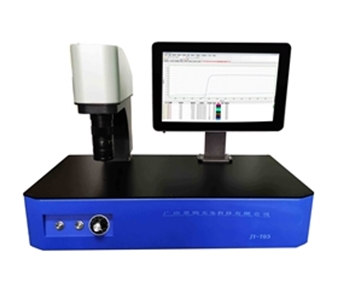
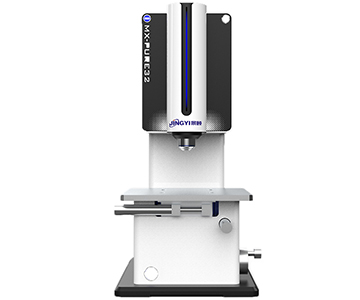
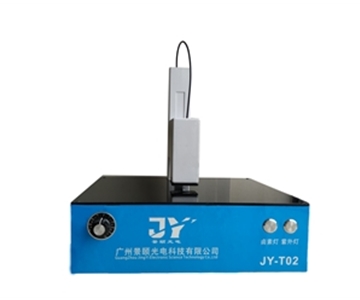
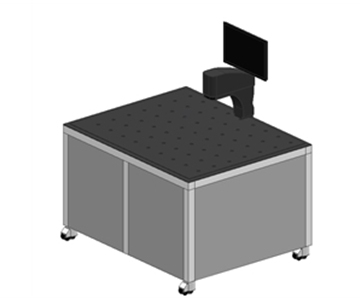
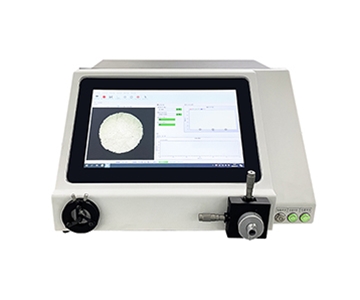
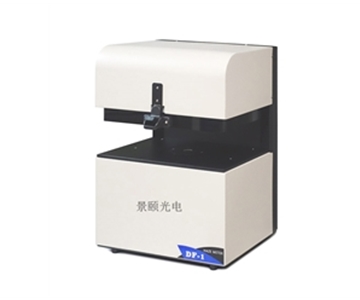
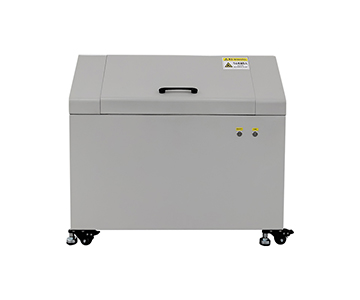
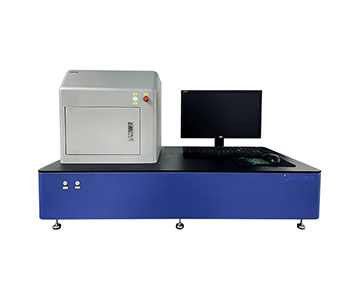
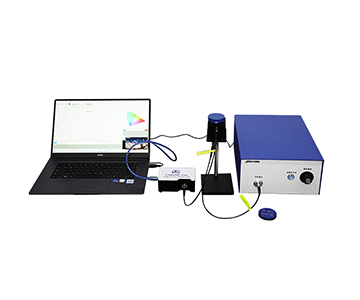
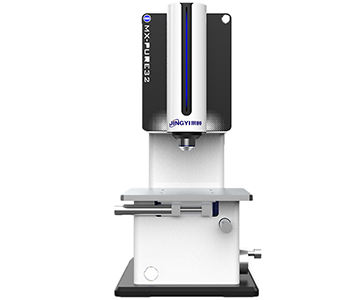
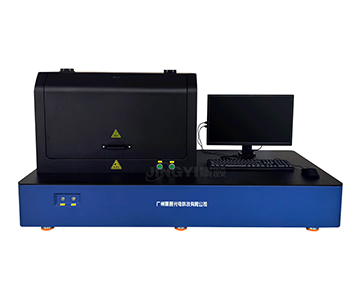
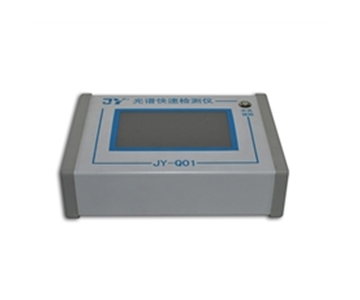
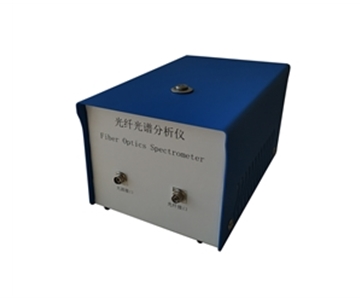
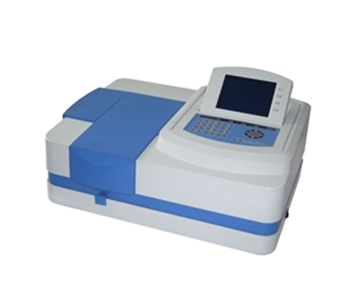
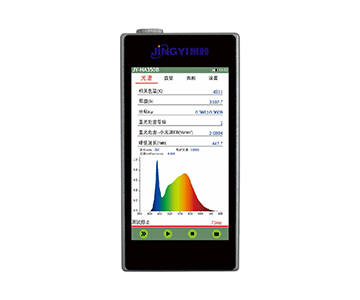
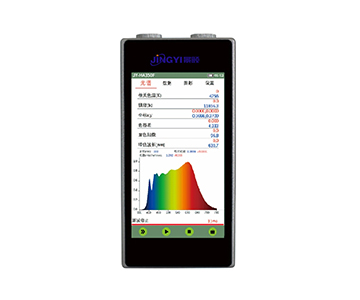
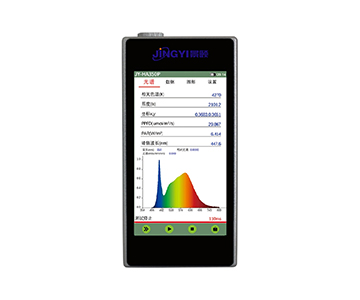
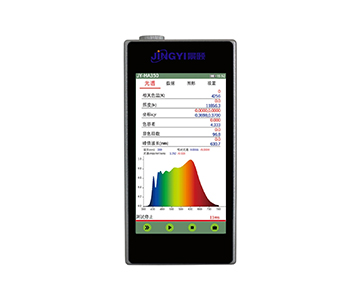
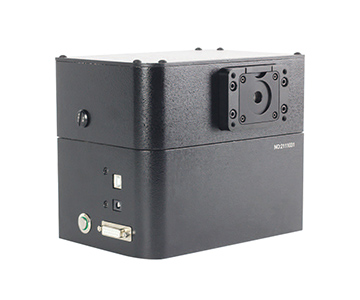
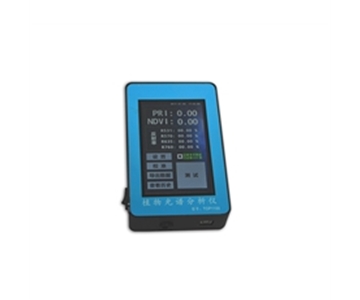
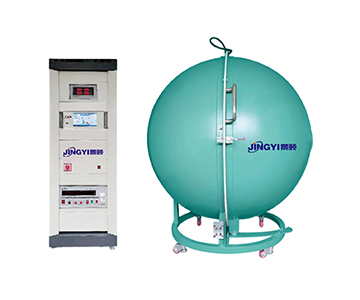
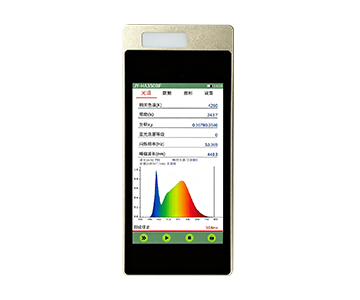
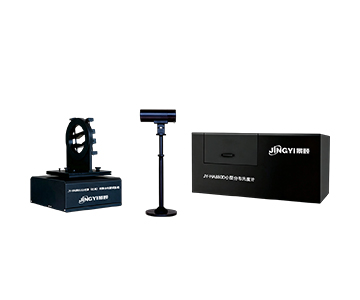
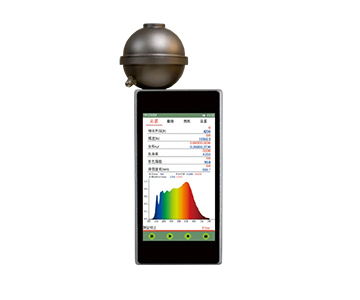
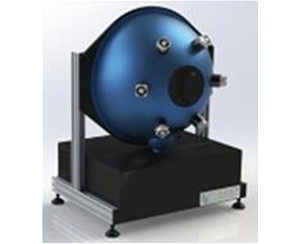
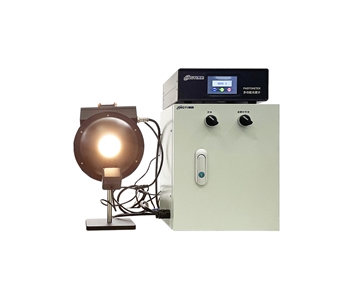
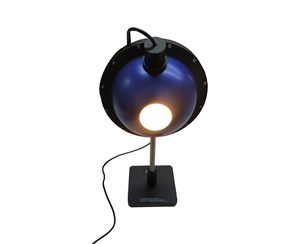
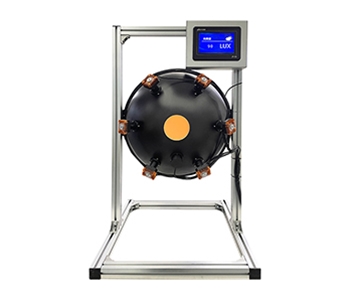
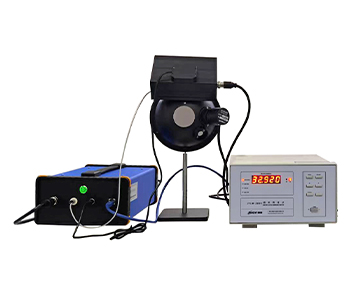
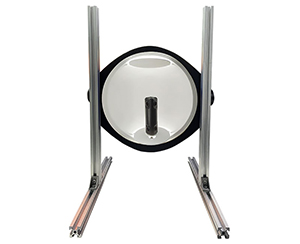
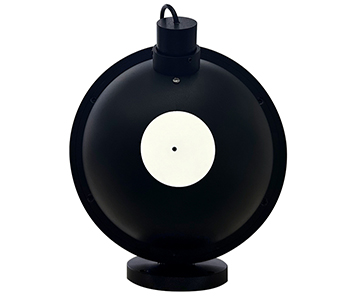
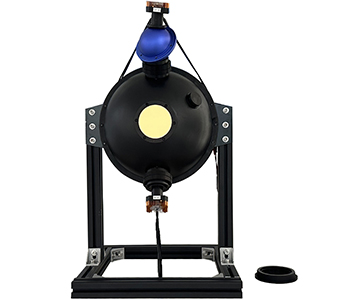
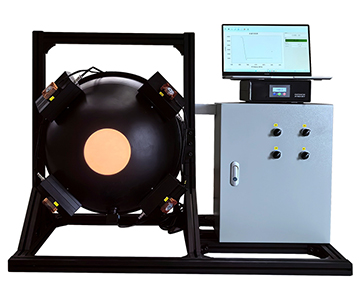
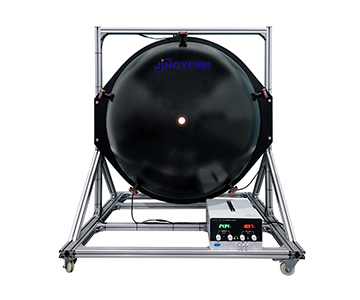
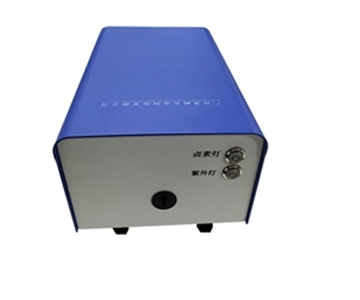
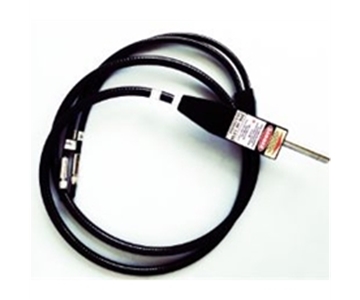
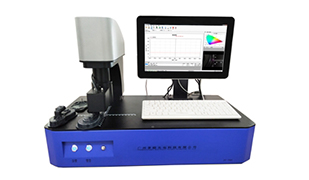
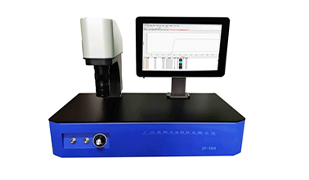
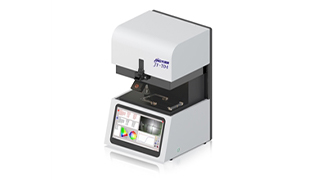
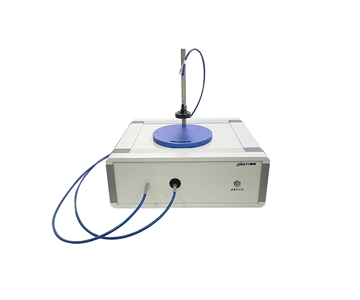
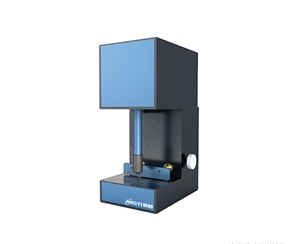
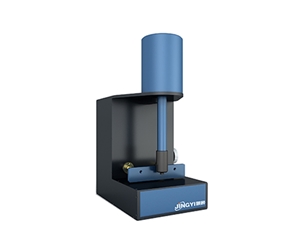
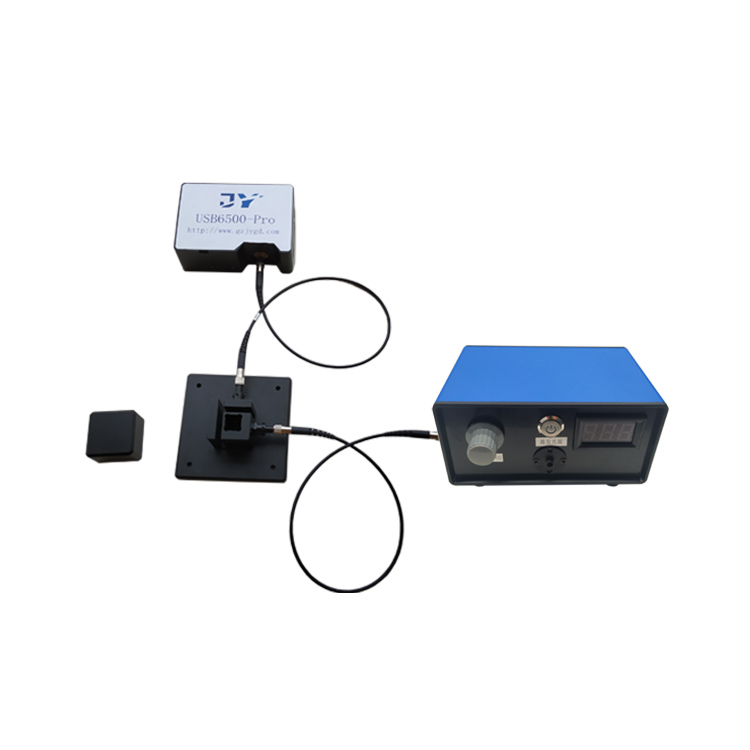
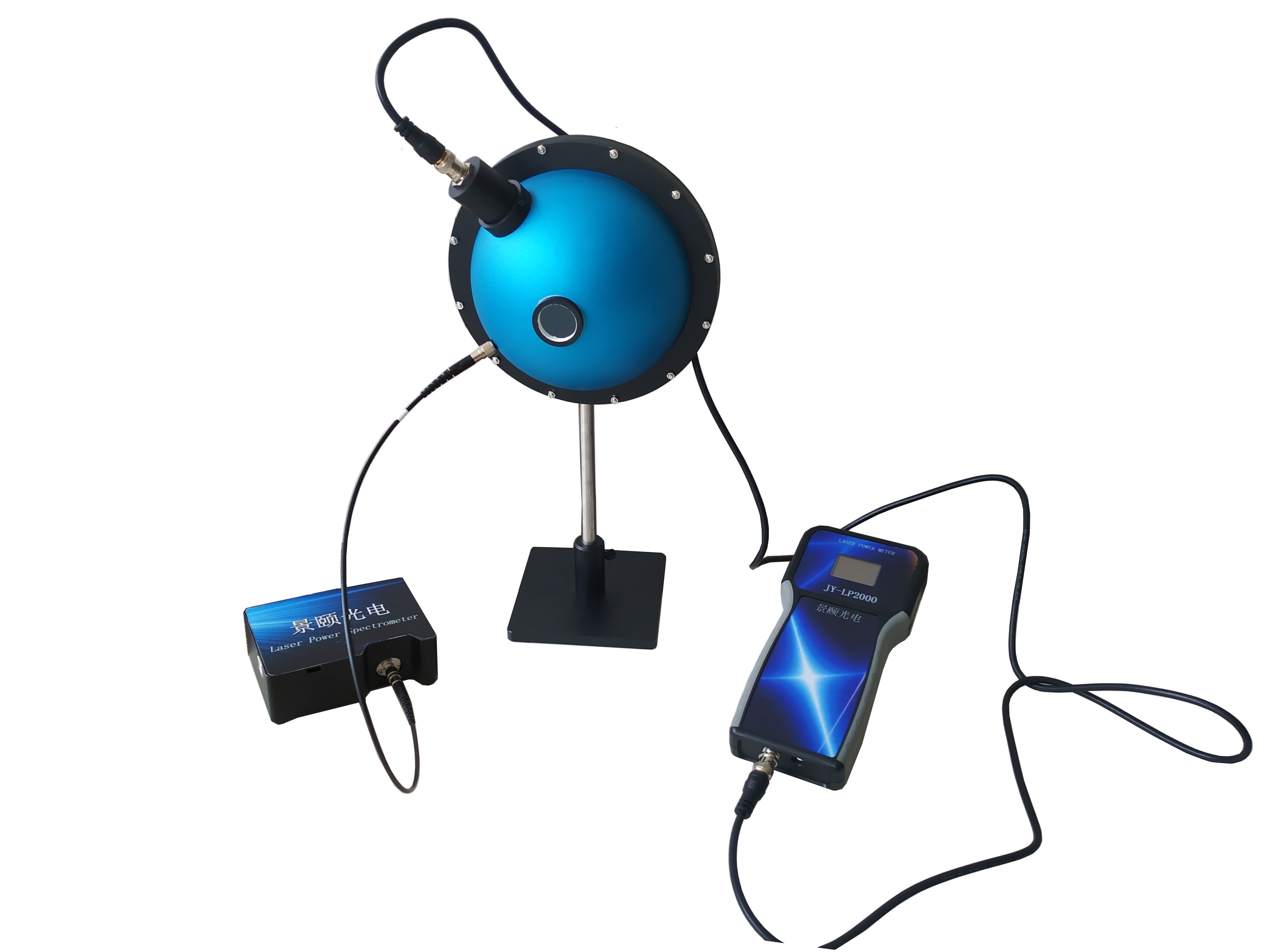
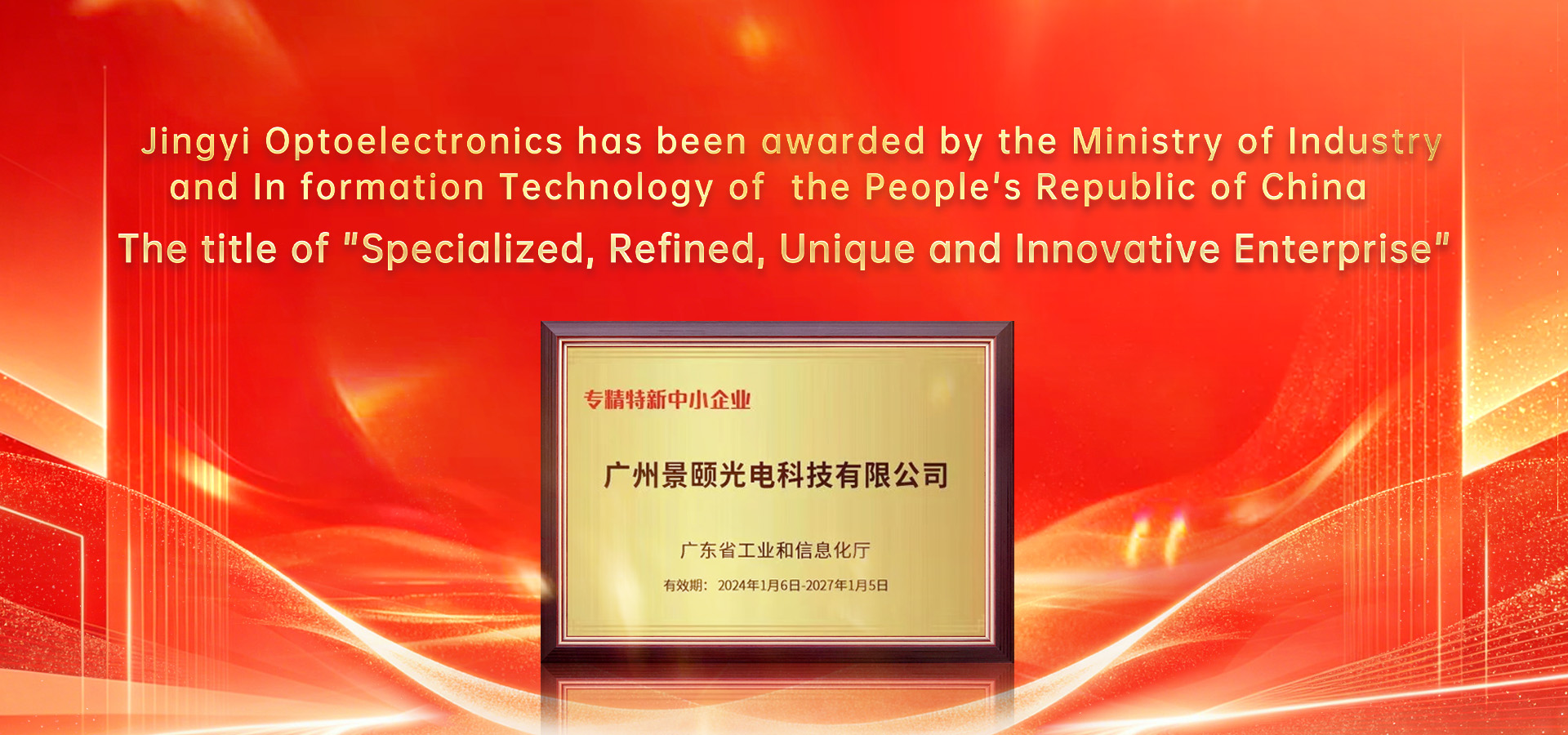
A high-precision spectrometer developed by Jingyi Optoelectronics has passed the technical review of the Guangzhou Municipal Science and Technology Innovation Commission, earning formal certification as a high-tech product. The evaluation assessed the instrument across multiple dimensions including proprietary intellectual property, R&D investment intensity, revenue composition from technology products, engineering team structure, and enterprise growth trajectory. For buyers evaluating optical metrology suppliers, this type of third-party technical validation provides a reference point beyond manufacturer specifications—particularly when sourcing equipment for processes where measurement uncertainty directly impacts yield.
What the Certification Evaluates
Municipal high-tech product certifications in China assess whether a product demonstrates independently developed core technology, sustained R&D commitment, and measurable market applicability. The review process examines patent portfolios, engineering team composition, and the ratio of technology-derived revenue to total sales.
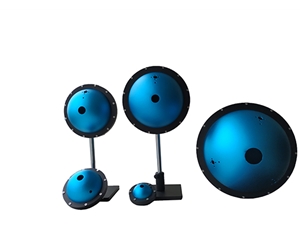
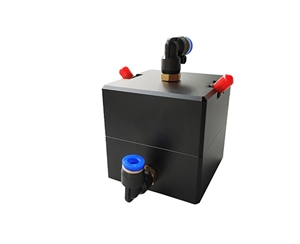
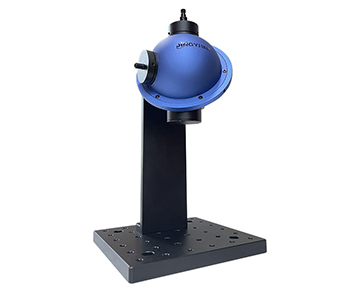
Jingyi Optoelectronics met the criteria across all evaluated dimensions. The company maintains proprietary IP covering spectroscopic analysis algorithms, precision optical system design, and LiDAR calibration methodologies. Its R&D team spans optical engineering, precision instrumentation, and electronic information technology disciplines. Technology products—including beam profilers, reflectometers, vision calibration targets, and diffuse reflectance standards—account for the majority of revenue, with applications concentrated in semiconductor manufacturing, optical communications, LiDAR, optical coating, and research institutions.
The certification does not replace ISO/IEC 17025 laboratory accreditation or NIST-traceable calibration certificates. However, it does indicate that the product's technical claims have undergone a structured review by an independent government technical panel, which reduces initial supplier screening risk for procurement teams unfamiliar with Chinese optical metrology vendors.
Core Technology Portfolio
Jingyi Optoelectronics operates across four technical segments in optical detection and precision measurement. The following overview describes each product line's measurement principle and typical deployment context, based on published technical specifications and standard application patterns.
Reflectometry Systems
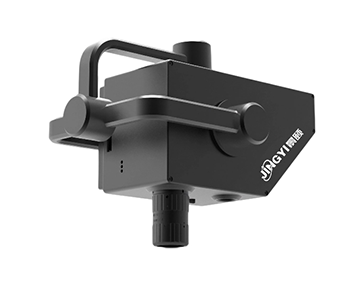
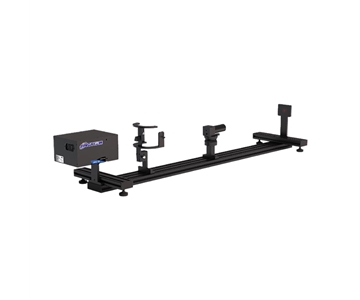
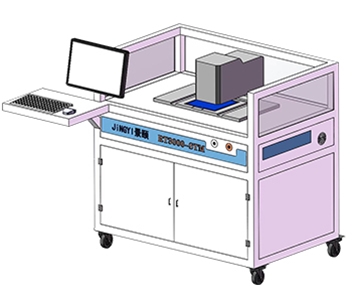
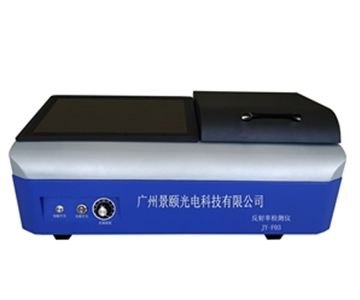
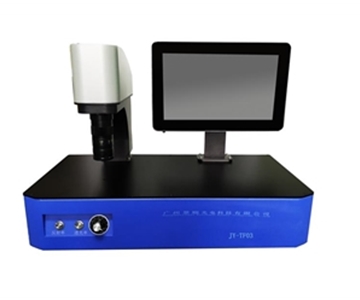
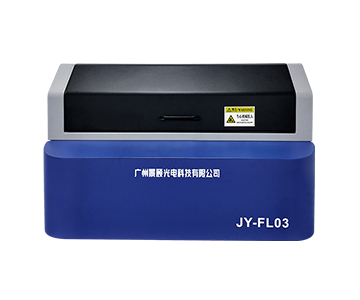
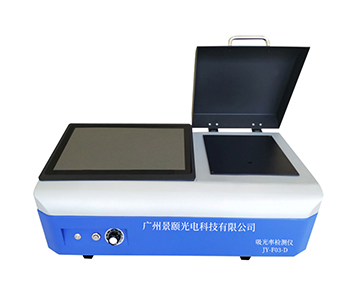
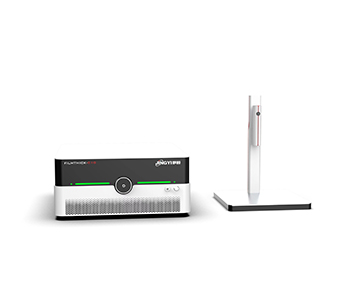
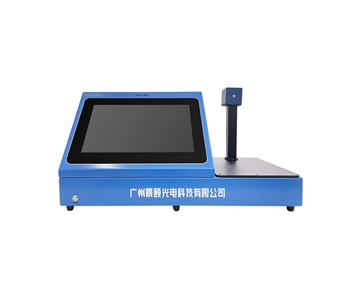
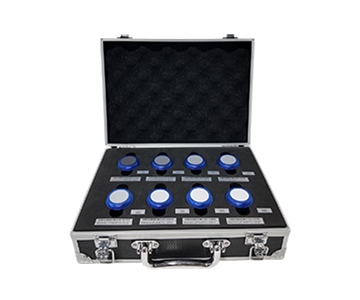
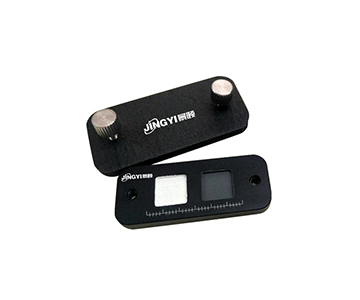
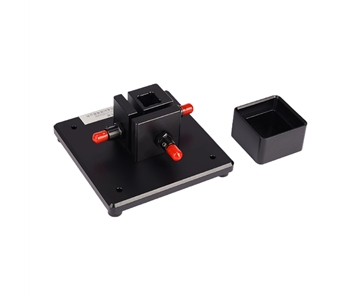
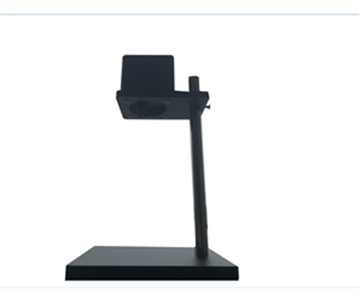
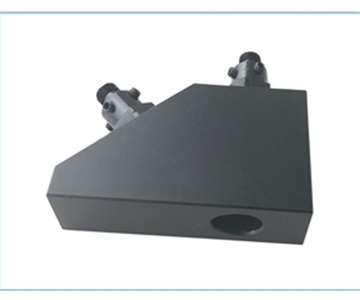
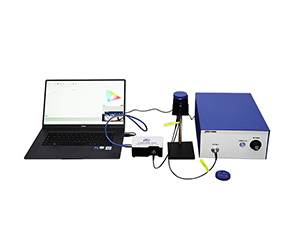
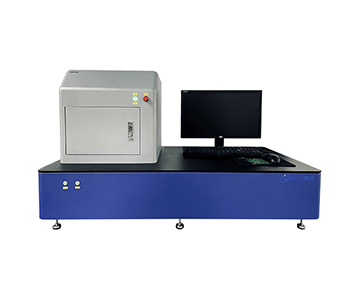
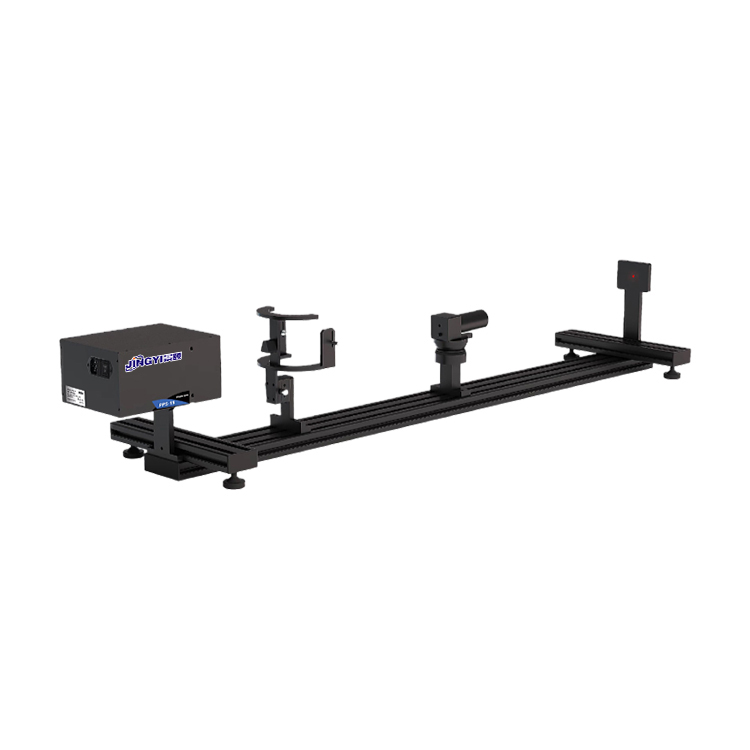
The reflectometry product line includes benchtop reflectometers, the CHT-F03 model, integrated reflectometry systems, and the JYRMC022 rear-view mirror reflectance tester. These systems quantify surface reflectance characteristics using high-sensitivity optical detection and signal processing architectures.
Typical applications include semiconductor wafer film stack reflectance monitoring at the deposition chamber exit, LiDAR optical window and mirror performance verification against design specifications, in-line optical coating process control, and compliance testing for automotive mirror reflectance per regulatory requirements. The data output supports material optical property characterization for both process development and production quality gates.
Vision Calibration Targets
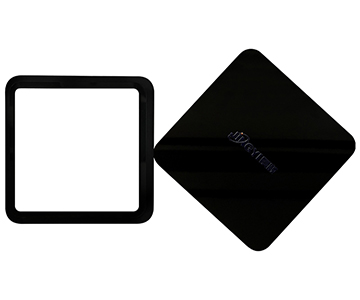
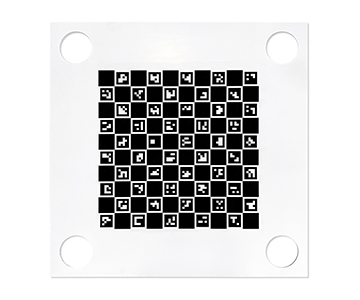
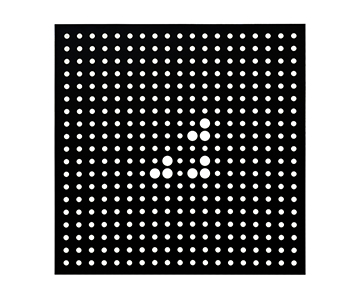
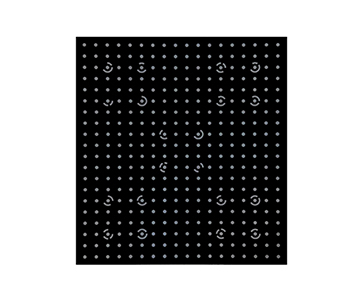
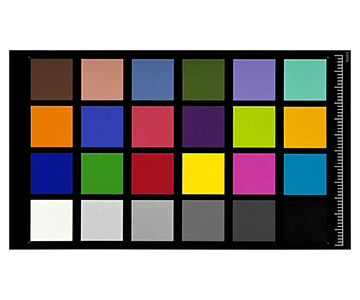
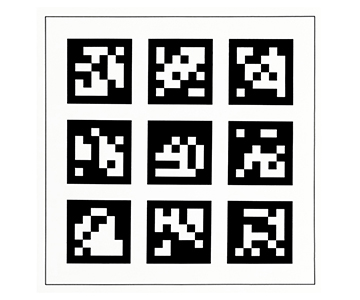
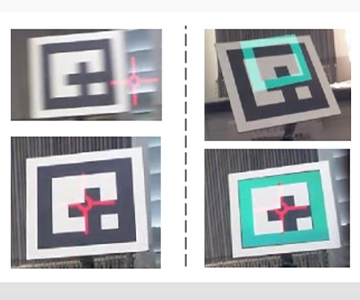
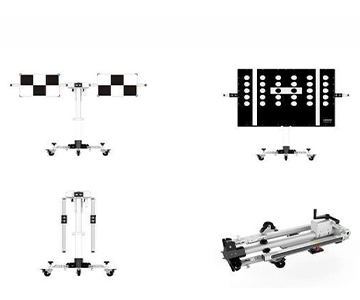
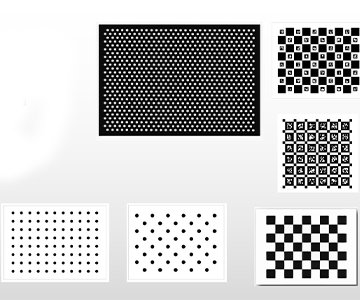
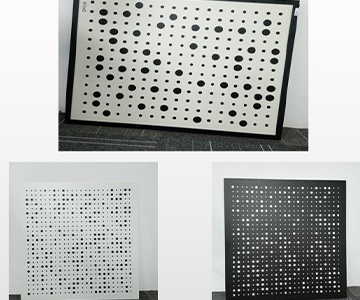
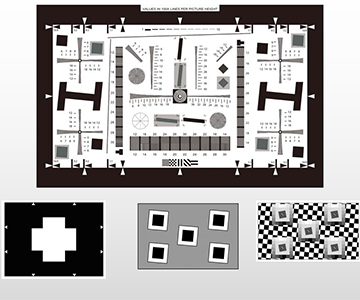
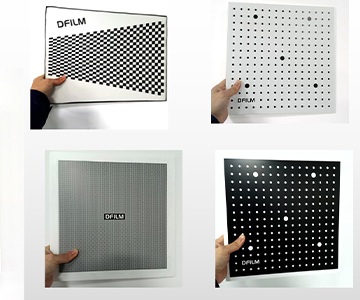
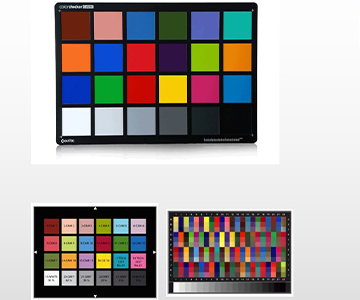
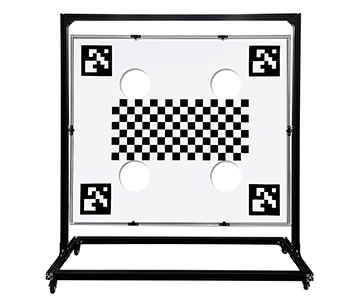
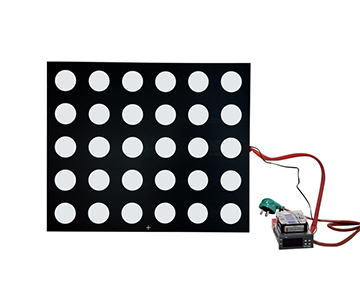
The calibration target portfolio includes 24-color chart test targets, ADAS correction calibration patterns, AR/VR calibration targets, and AVM (Around View Monitoring) calibration boards. These products provide standardized geometric and chromatic references for imaging system alignment.
Deployment contexts span autonomous driving perception system camera calibration (ADAS/AVM), AR/VR headset optical parameter alignment, industrial vision system distortion correction, and color reproduction testing for consumer and professional cameras. In machine vision supply chains, calibration targets function as traceable reference artifacts—measurement accuracy downstream depends on target precision upstream.
Beam Profilers
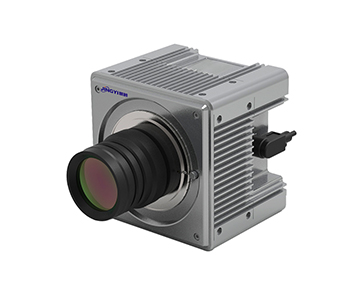
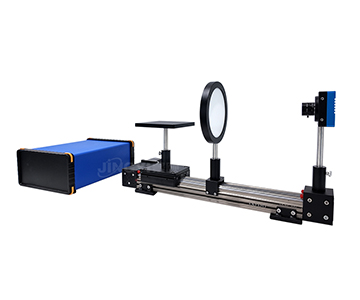
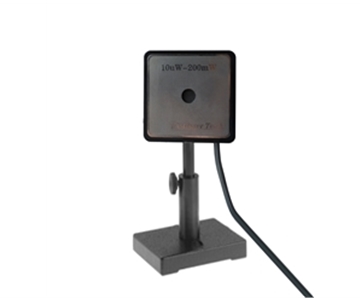
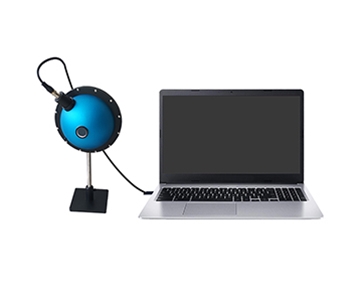
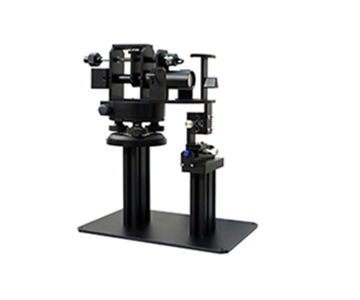
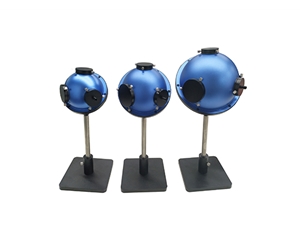
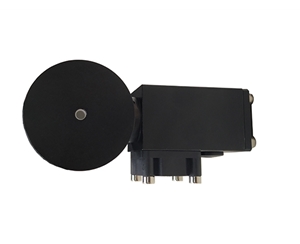
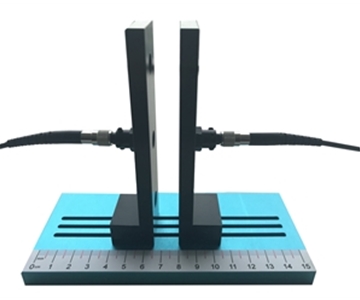
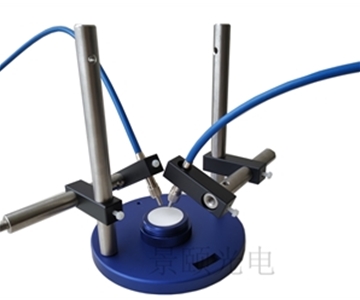
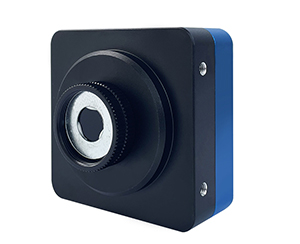
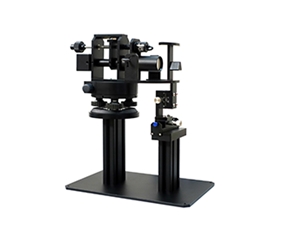
The beam profiler line includes large-format beam quality analyzers, large-aperture beam quality analyzers, standard beam quality analyzers, and infrared beam quality analyzers. These instruments capture laser beam spatial distributions using high-resolution image sensors and beam quality analysis algorithms, extracting parameters including beam waist diameter, divergence angle, and M² factor.
Application environments include semiconductor laser processing equipment beam quality monitoring, optical communication laser source performance testing, LiDAR transmitter module spot characteristic verification, optical coating laser source quality inspection, and university laser physics laboratories. For processes where beam quality variation causes material removal rate drift—such as wafer dicing or microvia drilling—real-time beam profiling prevents unscheduled process deviation.
Diffuse Reflectance Standards
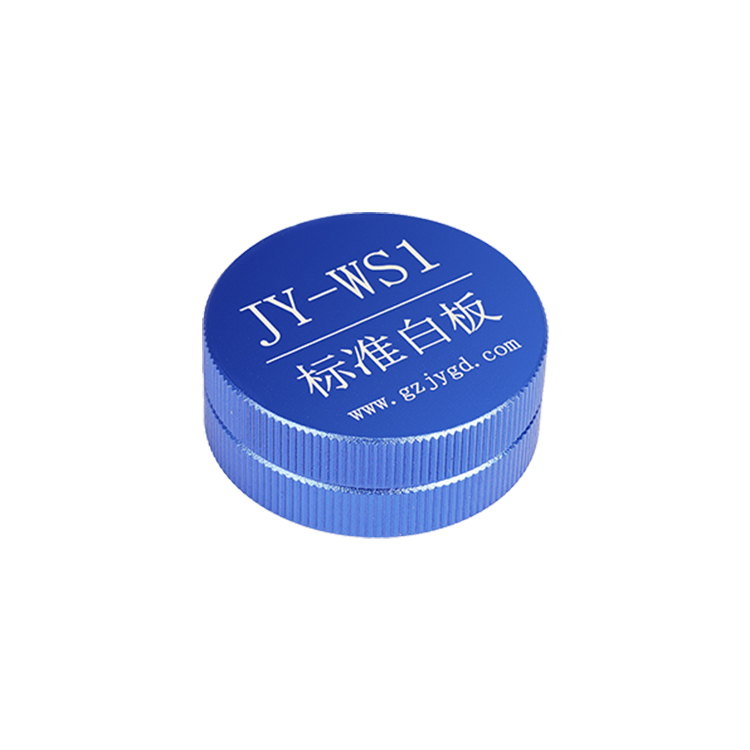
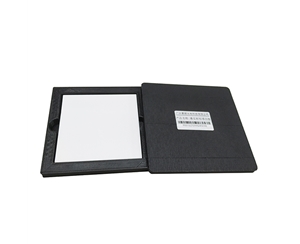
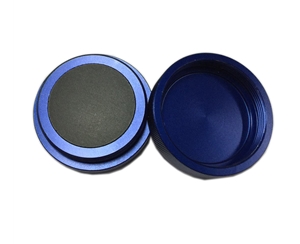
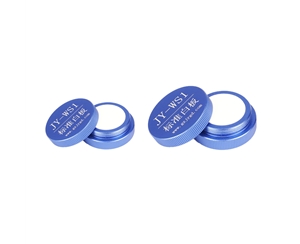
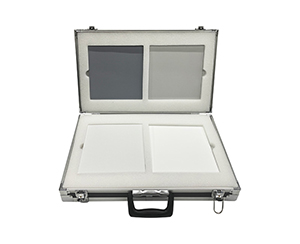
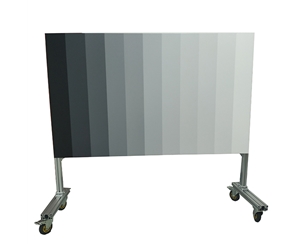
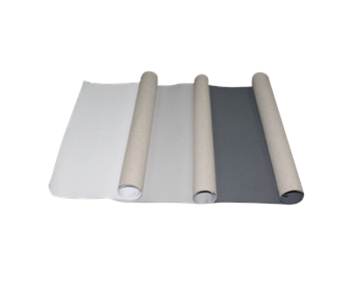
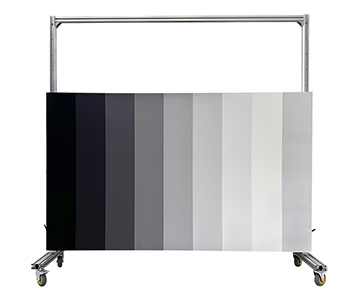
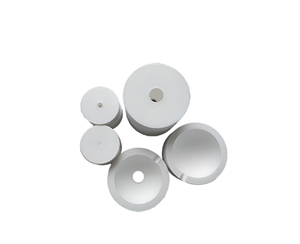
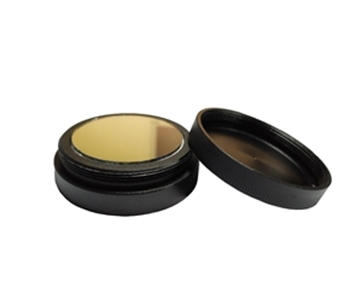
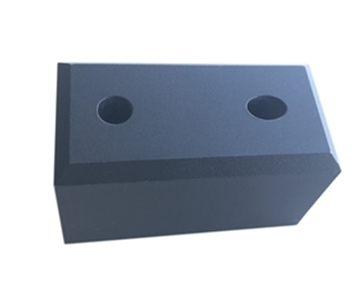
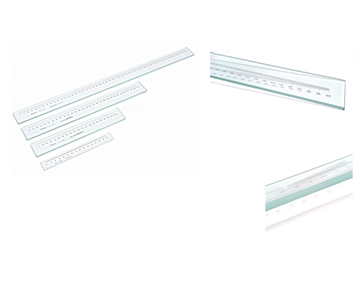
The reflectance standard product line includes LiDAR diffuse reflectance targets, standard white panels (models JY-BRT200 and JY-BRT80), and vehicle-mounted LiDAR calibration black panels. These products use high-uniformity diffuse reflective coating technology to provide stable, traceable reflectance benchmarks.
Primary use cases cover vehicle LiDAR factory calibration and road-test validation, optical instrument reflectance baseline calibration, UAV and surveying LiDAR performance verification, and optical coating process reference standards. In LiDAR range accuracy validation, the reflectance uniformity of the target directly affects the statistical distribution of measured distance values—non-uniform targets introduce systematic range errors that mimic sensor defects.
Standards Participation and Industry Contribution
Jingyi Optoelectronics serves as a core drafting unit for the following national and industry standards:
| Standard |
Title |
Role |
Application Domain |
| T/CAAMTB 133-2023 |
Technical Requirements for Vehicle-Mounted LiDAR |
Core drafting unit |
Autonomous driving perception systems, LiDAR R&D and testing |
| GB/T 42919.3-2023 |
Plastics—Determination of Total Luminous Transmittance and Reflectance |
Core drafting unit |
Optical material performance testing, plastics and film quality control |
| T/CPUMT AAAA-2024 |
Performance Evaluation of AI-Driven Spectral Analysis Algorithms for UV-Vis Fiber Spectrometers |
Core drafting unit |
Spectrometer intelligence, AI spectral analysis algorithm assessment |
Standards participation indicates technical maturity sufficient to influence industry-wide test methodologies and performance metrics. For equipment buyers, vendor involvement in standards committees provides a secondary indicator of engineering depth—companies with shallow R&D footprints rarely contribute to normative document development.
Implications for Equipment Buyers
Technical Risk Reduction
Third-party technical validation through a structured government review process provides evidence that the spectrometer's performance claims—wavelength accuracy, resolution, repeatability—have been examined against documented test data rather than resting solely on manufacturer datasheets. This does not eliminate the need for in-house qualification under your specific sample types and environmental conditions, but it narrows the initial vendor pool.
Sustained Engineering Support
Certification requirements include demonstrated ongoing R&D investment. For capital equipment with 7-10 year service lifecycles, supplier R&D continuity predicts availability of firmware updates, spare parts, and application support over the ownership period. A vendor with declining R&D intensity poses obsolescence risk even if the current hardware meets specifications.
Compliance Pathway Alignment
As a core drafting unit for GB/T and industry association standards, Jingyi Optoelectronics designs and tests products against the same normative frameworks that govern downstream customer compliance requirements. This alignment reduces the gap between instrument calibration certificates and the documentation needed for customer audits or regulatory submissions.
Future Technical Development Trajectory
Jingyi Optoelectronics has indicated the following R&D priorities, based on published corporate communications:
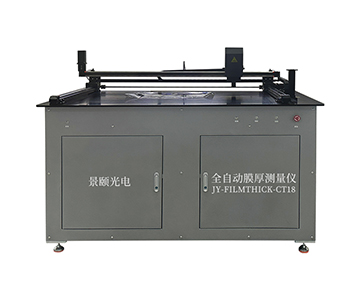
Sub-nanometer film thickness measurement: Extending interferometric and spectroscopic reflectometry capabilities into the sub-nanometer repeatability regime for advanced node semiconductor processes and atomic layer deposition (ALD) film stacks.
Ultrafast laser beam quality analysis: Developing measurement systems capable of characterizing femtosecond and picosecond pulse lasers used in precision micromachining and medical device manufacturing, where temporal beam structure affects processing quality.
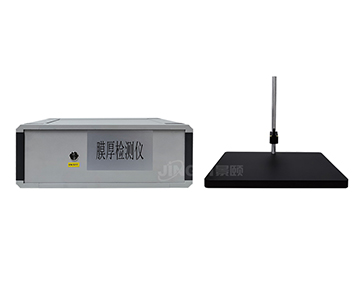
Product line expansion: Broadening the beam profiler, optical attenuator, and high-precision film thickness gauge portfolios to create a complete optical detection product matrix spanning source to detector.
Supply chain resilient metrology: Advancing domestic development of high-end spectrometers and precision optical measurement equipment to reduce dependency on imported instruments in semiconductor, optical communication, and LiDAR industries. From a global procurement perspective, this translates to emerging alternative suppliers in the metrology market with competitive total cost of ownership (TCO) profiles.
Standards leadership: Continued participation in national standards, industry standards, and association standards development to convert technical first-mover advantages into normative influence.
Frequently Asked Questions
What does a high-tech product certification verify about a spectrometer?
A municipal high-tech product certification confirms that the instrument has undergone independent technical review covering proprietary IP status, R&D investment documentation, engineering team qualifications, and market applicability evidence. It validates that performance claims are supported by structured test data reviewed by a technical panel. However, it does not replace ISO/IEC 17025 accreditation or site-specific qualification under your process conditions.
How does this certification differ from ISO/IEC 17025 laboratory accreditation?
High-tech product certification evaluates the product's design and claimed capabilities through document review and sample testing. ISO/IEC 17025 accreditation evaluates the manufacturer's laboratory management system, measurement traceability chains, and ongoing quality assurance processes. The two certifications are complementary: product certification addresses "does the design work?" while laboratory accreditation addresses "does the manufacturer consistently produce calibrated, traceable units?"
Which industries typically require spectroscopic reflectometry for film thickness measurement?
Semiconductor fabrication (gate oxides, interconnect dielectrics, photoresist), optical coating (anti-reflection films, filter stacks), flat panel display (ITO layers, alignment films), and photovoltaic cell manufacturing (anti-reflection coatings, transparent conductive oxides). In each case, non-destructive optical thickness measurement provides throughput advantages over contact profilometry or cross-sectional SEM.
What parameters should I verify during a spectrometer POC evaluation?
Request repeatability data on your actual film stack under your ambient temperature and vibration conditions. Verify wavelength calibration traceability (preferably to NIST or equivalent national metrology institute). Test edge exclusion behavior if measuring patterned wafers. Confirm software compatibility with your MES or SPC infrastructure. Evaluate measurement time per site against your takt time requirements.
How can I independently verify a supplier's claimed standards participation?
Check the published standards documents directly—GB/T standards are available through the Standardization Administration of China, and industry association standards through the issuing association. The drafting unit list in the foreword identifies participating organizations. Cross-reference the supplier's claimed participation against these official documents. For T/CAAMTB 133-2023 and GB/T 42919.3-2023, Jingyi Optoelectronics is listed as a core drafting unit in the published texts.
About This Guide
Data Sources: Guangzhou Municipal Science and Technology Innovation Commission public certification announcements, published GB/T and T/CAAMTB standard documents, Jingyi Optoelectronics published product specifications, and industry public information on optical metrology market structure.
Author: Technical Content Team, Jingyi Optoelectronics, specializing in spectroscopic measurement and optical precision instrumentation.
Disclosure: Jingyi Optoelectronics manufactures spectrometers, reflectometers, beam profilers, vision calibration targets, and diffuse reflectance standards. This article presents technical assessments based on published specifications, certification documentation, and industry public information. No compensation was received from third-party brands mentioned.
Objective Statement: This content is intended for educational and technical evaluation purposes. Equipment selection should always include independent POC validation under your specific process conditions, sample types, and environmental constraints.
Last Updated: July 2026
For detailed specifications and application notes on high-precision spectrometers and optical metrology systems, search "Jingyi Optoelectronics spectrometer" or visit our technical library.