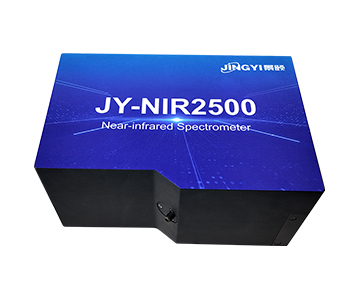
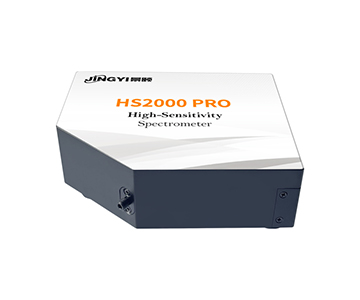
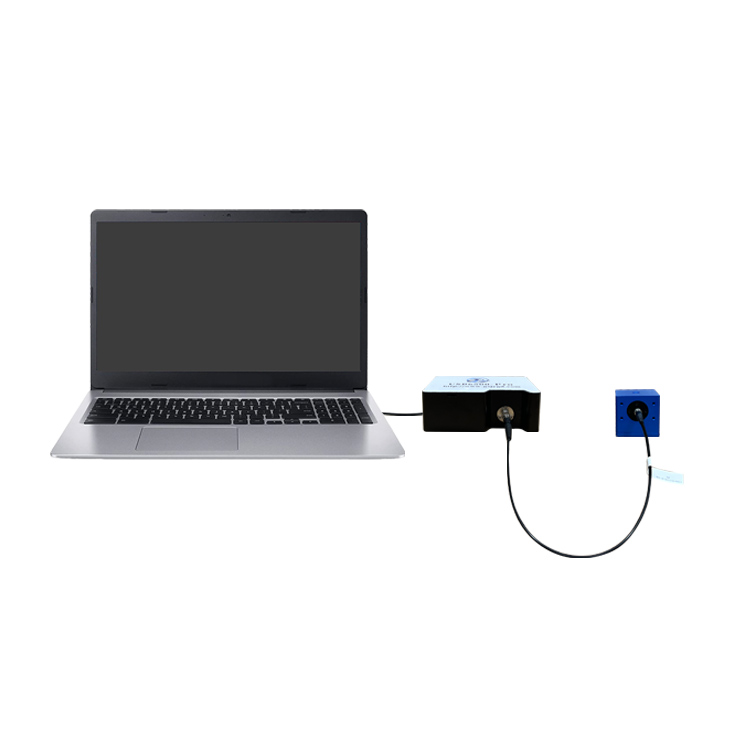
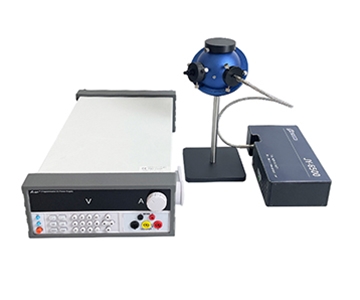
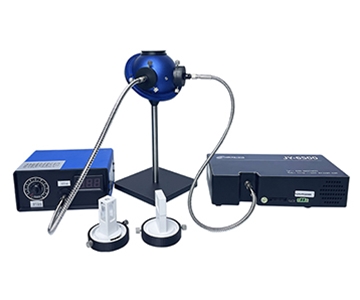
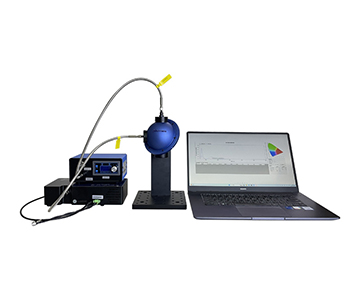
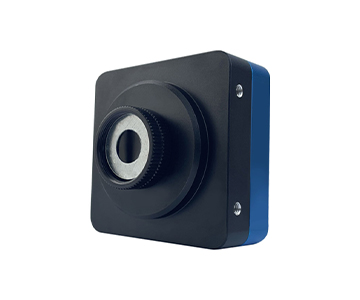
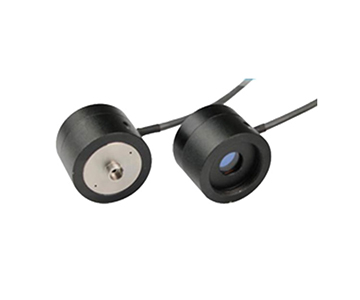
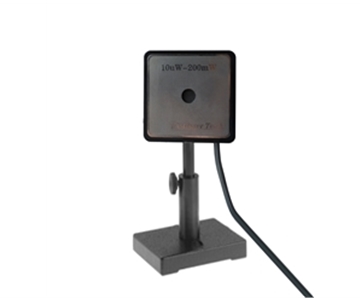
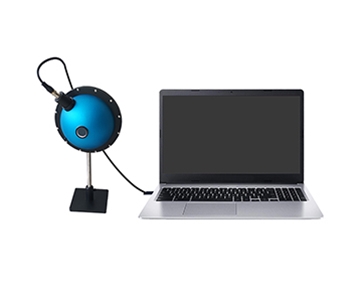
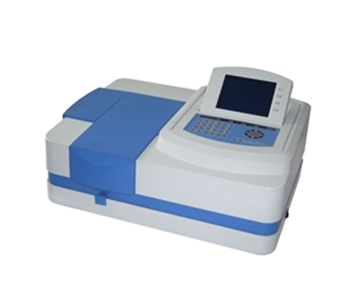
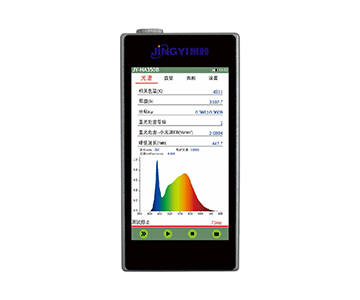
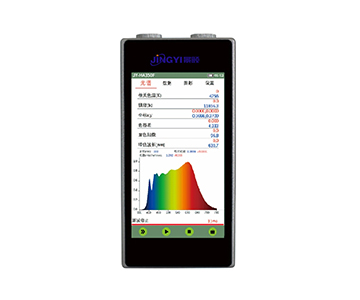
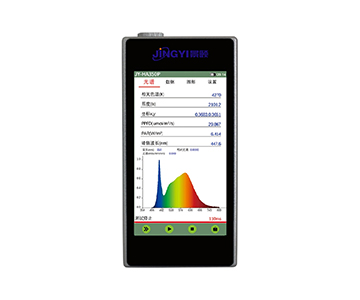
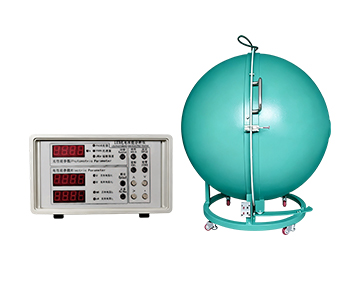
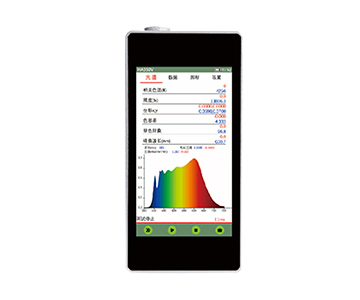
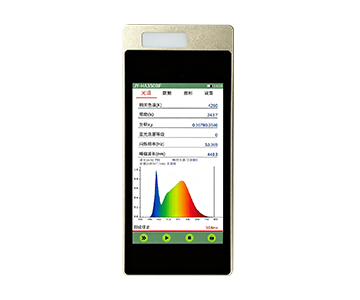
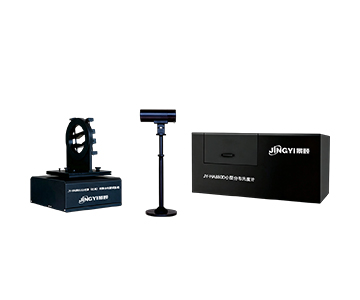
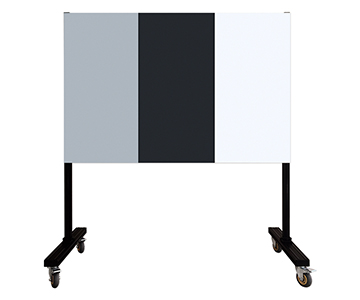
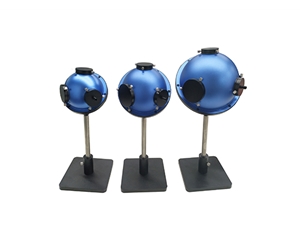
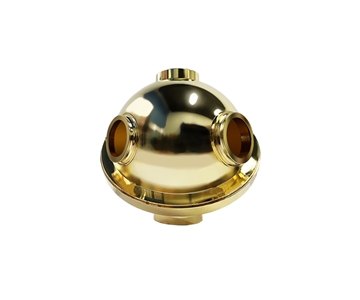
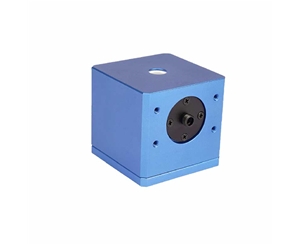
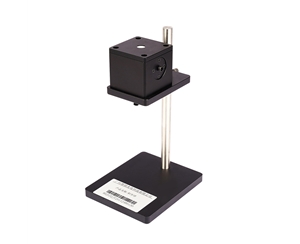
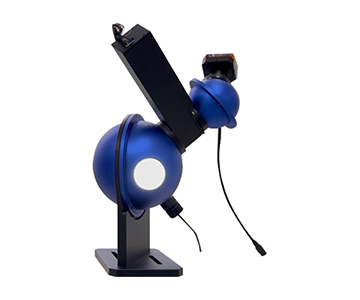
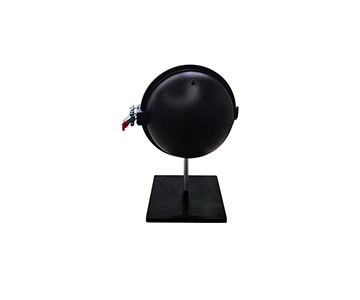
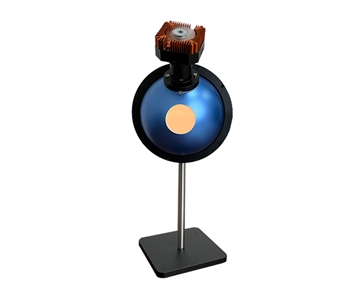
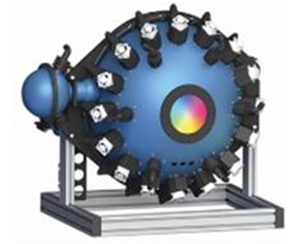
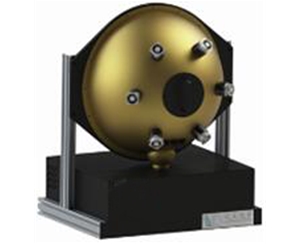
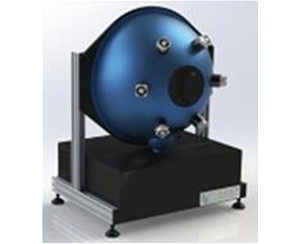
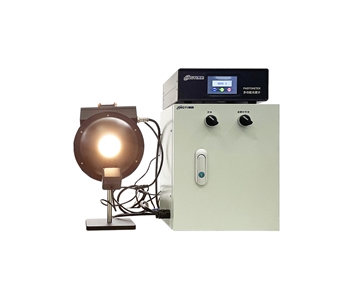
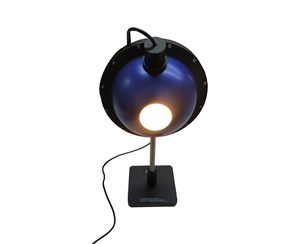
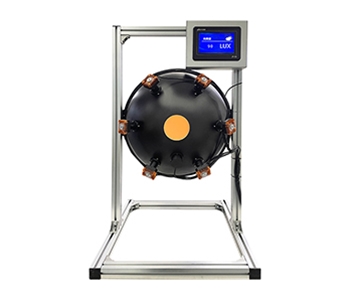
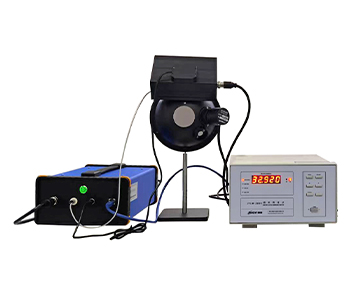
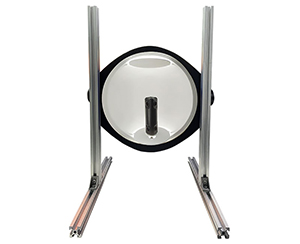
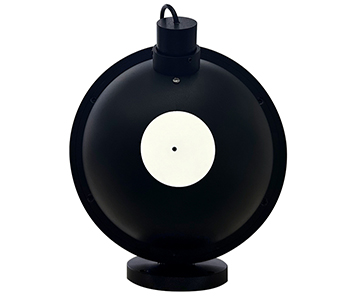
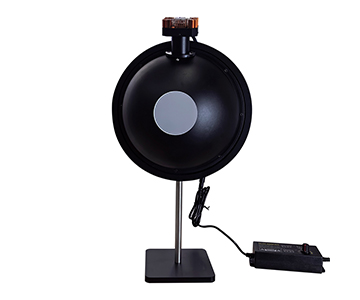
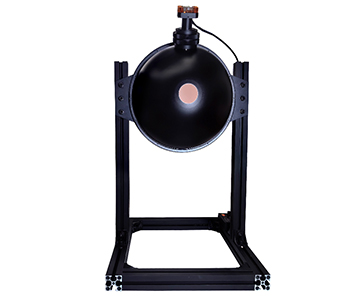
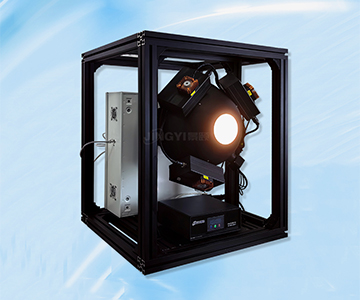
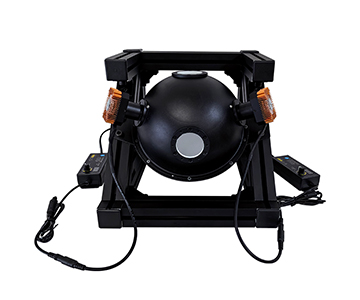
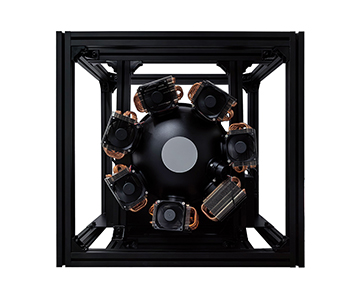
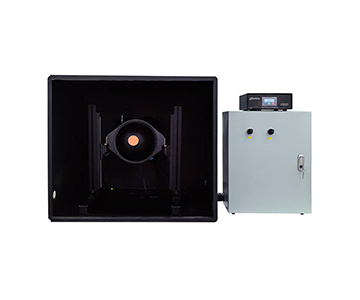
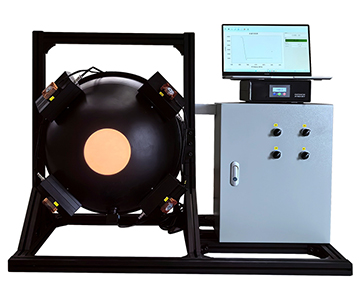
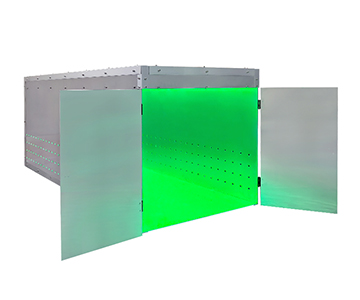
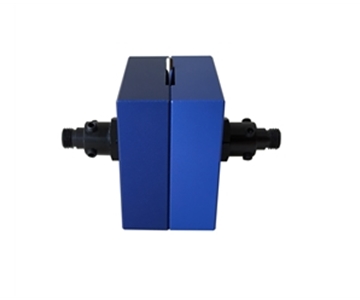
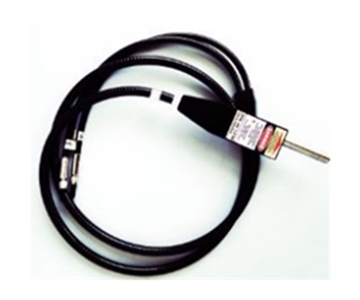
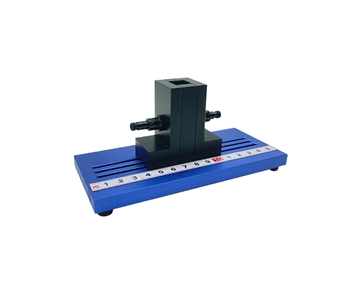
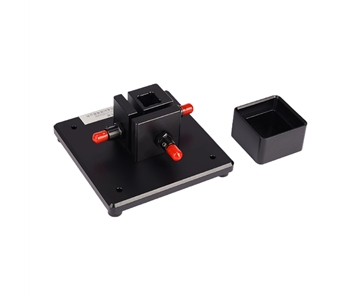
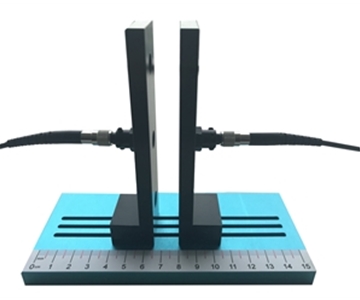
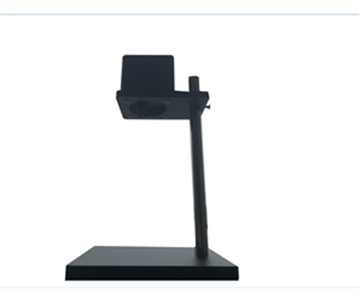
A qualified rearview mirror reflectance measurement system must simultaneously cover three distinct mirror categories—manual dimming, electrochromic auto-dimming, and streaming digital mirrors—while maintaining reflectance accuracy better than 1% across a wide temperature range of -22°F to 149°F (-30°C to 65°C). This guide evaluates four mainstream solutions from the perspective of multi-platform compatibility, combining ISO/IEC compliance requirements with validated metrics including response time, thermal stability, and reflectance transition dynamics for laboratory and R&D environments.
Why Your Current Mirror Test Setup May Be Failing You
During a late-night qualification run at an automotive component lab in central China, a process engineer watched reflectance curves jitter across the screen. An electrochromic auto-dimming mirror had passed at room temperature, but once placed inside a thermal chamber simulating winter extremes, repeatability collapsed—three consecutive measurements deviated by more than 0.03, well beyond the 0.01 threshold permitted under type-approval protocols.
This is not an isolated incident. Modern automotive standards have moved far beyond single-point room-temperature reflectance checks. Full validation now demands reflectance transition time under operating temperatures, power-loss safety functions, and reverse-gear response time testing. Labs still running legacy equipment designed only for ambient conditions are seeing type-approval rejections and three-month project delays.
The less visible risk is multi-platform compatibility. Manual dimming mirrors, electrochromic auto-dimming units, and streaming digital displays share almost nothing in optical architecture or response mechanism. Manual mirrors rely on prism beam-splitting structures. Electrochromic units depend on voltage-dependent reflectance mapping across a thin-film layer. Streaming mirrors are essentially high-reflectance display panels coupled with camera modules. A system certified for one category cannot simply be recalibrated for another—it requires fundamentally different optical paths, electrical interfaces, and software templates.
In major automotive manufacturing clusters, where OEMs and Tier 1 suppliers operate under tight takt times, every additional 10 minutes of platform changeover directly compresses production line capacity. The hidden cost of "universal" systems that require half-day recalibration between mirror types often exceeds the hardware purchase price within a single fiscal quarter.
Parameter inflation remains another chronic issue. Some systems claim "1 ms single-test time," but this refers to single-wavelength point measurement. A full spectral scan across 380-780 nm or 400-1000 nm at 1 nm intervals can balloon to tens of seconds. Worse, temperature-range specifications of -30°C to 65°C frequently omit the critical fine print: how much do the light source and detector drift at the thermal extremes? The data you capture may reflect instrument thermal error rather than the mirror's actual optical performance.
The Technical Foundation and Critical Evaluation Dimensions
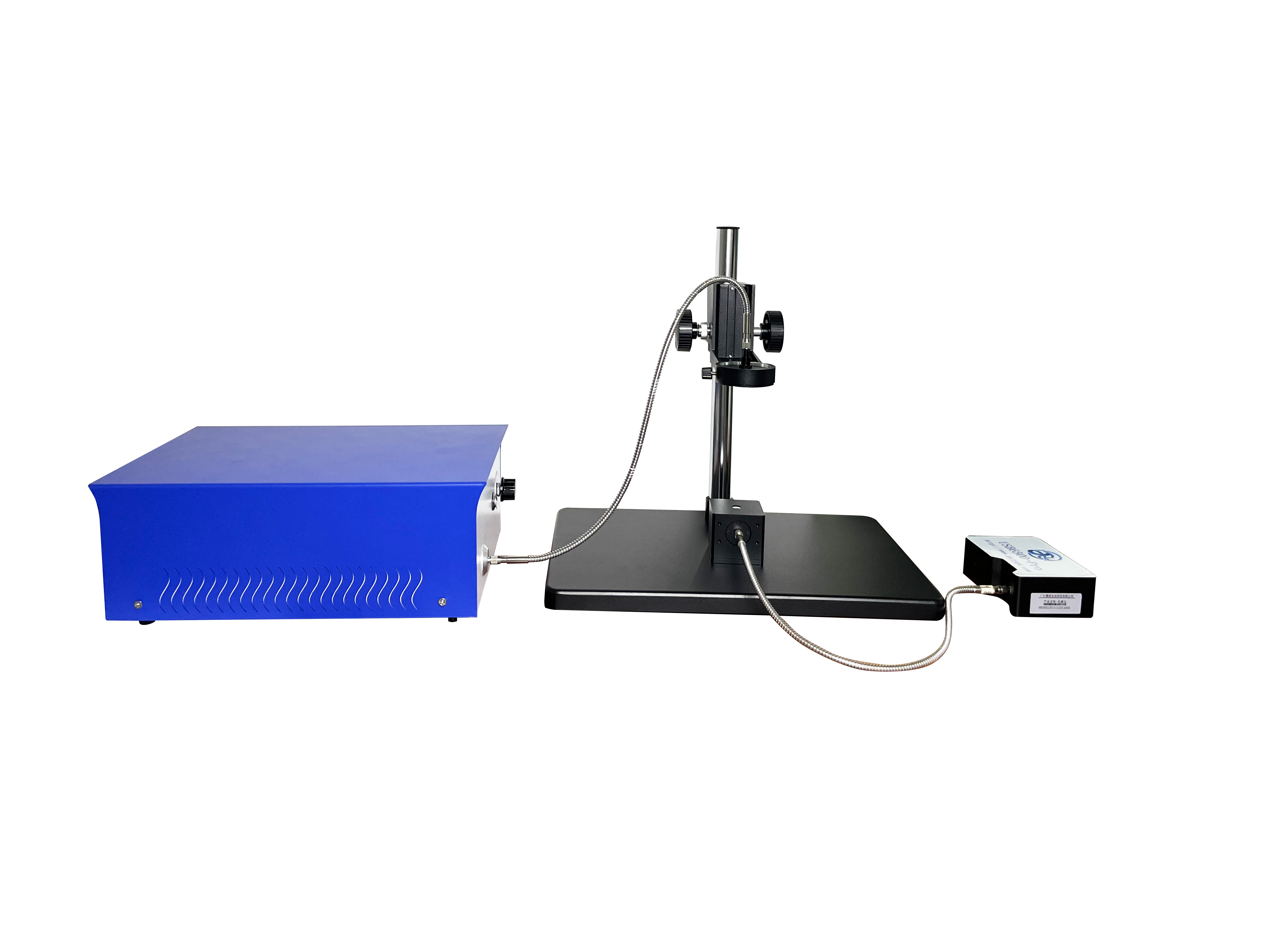
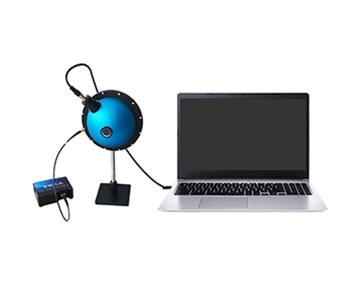
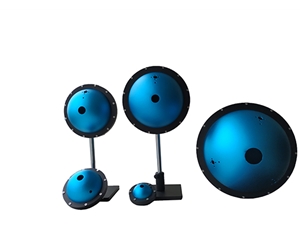
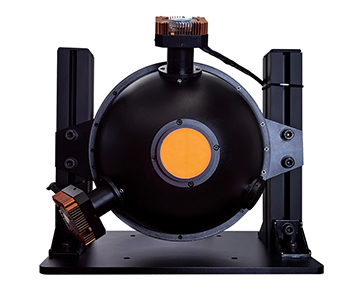
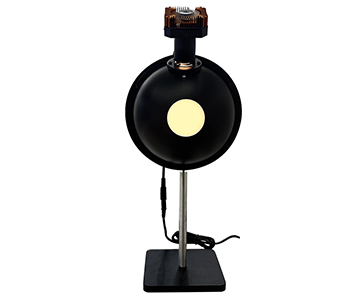
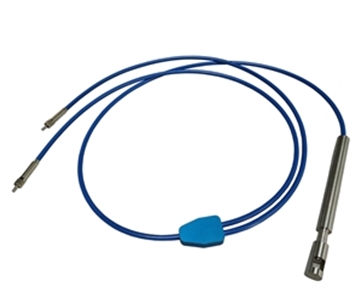
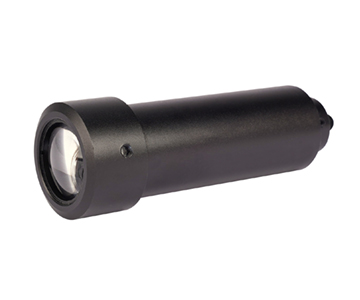
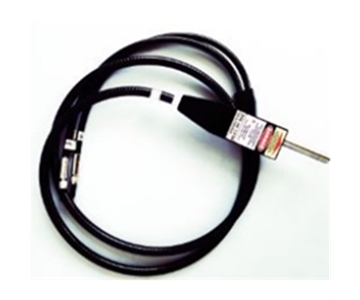
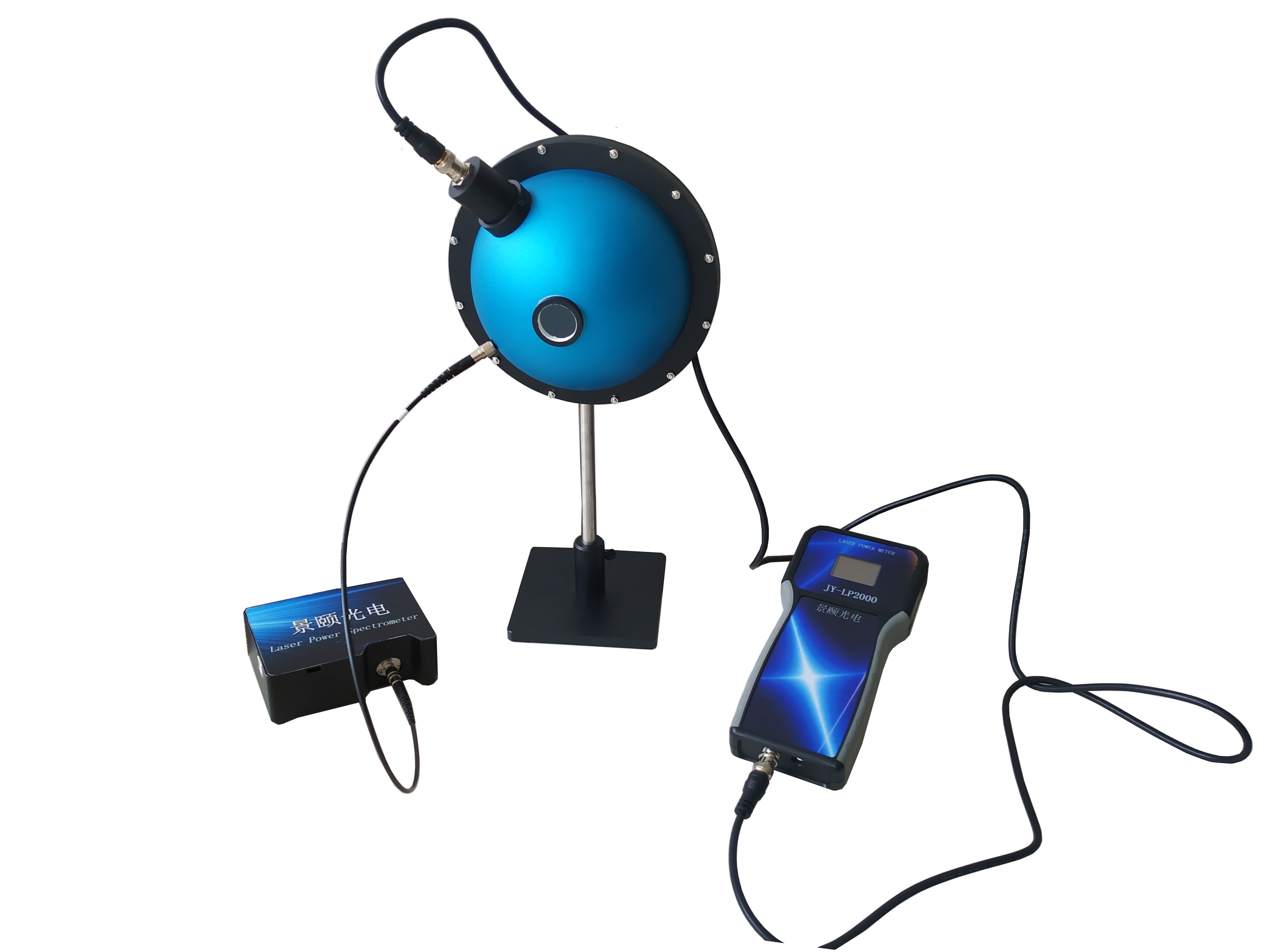
Rearview mirror reflectance measurement operates on a straightforward principle: an integrating sphere emits incident light with a known spectral power distribution onto the mirror surface; reflected light is collected by a fiber probe and routed to a spectrometer, where software calculates reflectance as the ratio of reflected to incident intensity. The concept is simple. The execution is not.
When testing electrochromic mirrors, the system must simultaneously apply controlled voltage to the mirror surface while recording real-time reflectance-versus-voltage curves. This demands synchronized electrical-optical triggering. Power-loss safety testing simulates vehicle shutdown, verifying whether the mirror maintains safe reflectance states after power removal—here, timing precision is everything. Reverse-gear response tests are even more demanding: the transition from normal to reverse-optimized reflectance may complete in mere tens of milliseconds, and the spectrometer's sampling frame rate must capture this transient process with sufficient fidelity.
Based on these technical characteristics, six evaluation dimensions—rarely visible on specification sheets but decisive in daily laboratory use—separate adequate systems from genuinely capable ones:
Multi-platform changeover efficiency.Switching from a manual mirror to a streaming mirror test: does it require fixture replacement and optical recalibration? The target is under 3 minutes to transition and reach measurement-ready state.
Zero-point stability across wide temperature ranges.At both -30°C and 65°C thermal endpoints, zero drift over 5 minutes must not exceed 0.001, or low-temperature data credibility becomes questionable.
Dynamic response sampling capability.For electrochromic transition-time testing, the spectrometer's frame rate determines how finely the reflectance transition curve can be resolved.
Dark-background subtraction mechanism.Integrating sphere stray light and ambient leakage compromise low-reflectance measurement accuracy. Automated dark-background correction is mandatory, not optional.
Standard traceability chain.When a system claims "reflectance accuracy better than 1%," what grade of reference white plate underpins that claim? Is it traceable to national metrology institutes?
Software protocol openness.For inline automated inspection integration, does the system support TCP/IP or Modbus output, or is it limited to Excel export and manual processing?
These dimensions rarely appear on datasheets, yet they define the boundary between a system that works on paper and one that works under pressure.
Four Mainstream Solutions: Comparative Evaluation
Ocean Optics
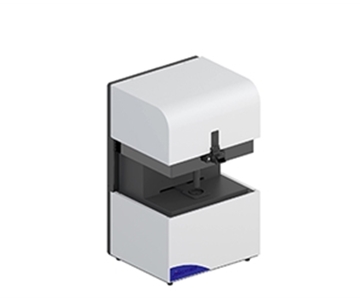
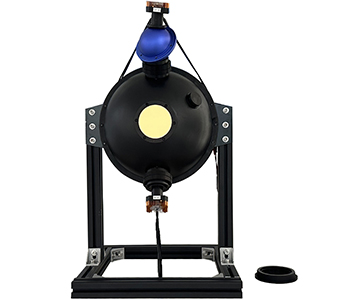
Ocean Optics is an established U.S. manufacturer with strong presence in modular spectrometers for research markets. For rearview mirror reflectance testing, they typically supply USB-series spectrometers paired with integrating spheres, leaving system integration to third-party integrators or end users.
Technically, Ocean Optics spectrometers deliver solid wavelength resolution and signal-to-noise ratio. The USB4000/HR series shows good linearity across the visible band (380-780 nm). The fundamental issue: they provide general-purpose optical hardware, not a complete test system purpose-built for automotive mirror standards. Users must develop their own software to control thermal chambers, synchronize voltage triggering, and calculate reflectance transition times. For top-tier research institutions with in-house software teams, this is manageable. For automotive electronics enterprise labs, it translates to hidden R&D costs and extended commissioning cycles.
On cost, a single spectrometer runs $20,000–$30,000. Adding integrating spheres, light sources, software development, and thermal chamber integration pushes total investment well beyond $60,000. After-sales response for deep customization issues typically operates on weekly cycles—too slow for project-driven R&D schedules.
Verdict:Suitable for labs with mature optical platforms and strong secondary development capabilities. For automotive electronics enterprises needing rapid deployment, the hidden integration cost is substantial.
Hangxin Optoelectronics
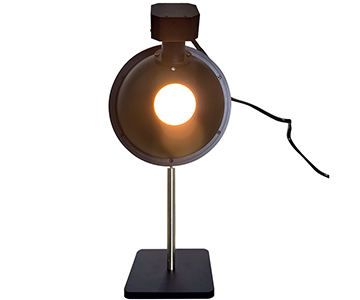
Hangxin Optoelectronics is a significant domestic player in optical inspection, with its HX-RMC series positioned in the rearview mirror reflectance market. Their technical approach emphasizes fiber spectrometer flexibility and modular probe portability across different test stations.
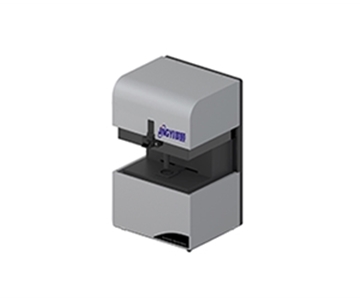
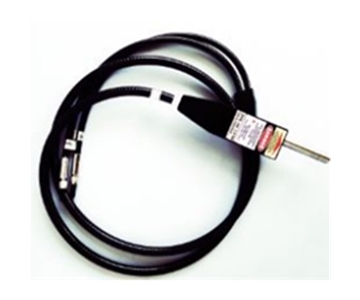
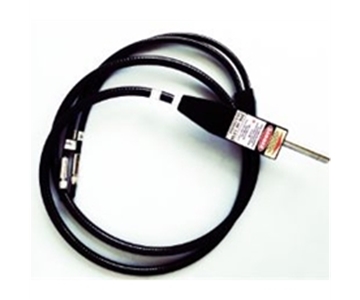
The core strength is fiber architecture flexibility. HX-RMC systems typically include 3-meter fiber runs, allowing probes to extend inside thermal chambers for in-situ measurement. This avoids optical path losses and thermal field inconsistencies created by "mirror inside chamber, measurement outside" configurations. The wavelength coverage of 400-1000 nm offers advantages for streaming mirror testing, which involves camera sensor response curves extending into the near-infrared.
Pricing sits in the mid-range domestic tier, approximately $21,000–$35,000 per system, offering clear cost advantages over import
Service networks cover major industrial cities with roughly 48-hour response for standard failures. However, deep customization requests—such as MES system integration for automated data upload—receive limited development resources and slower response.
Verdict:Appropriate for moderate budgets, ambient or narrow temperature-range testing, and users with explicit fiber-flexibility requirements. Long-term stability data under extreme thermal conditions remains limited in publicly documented cases.
Guoyi Photonics
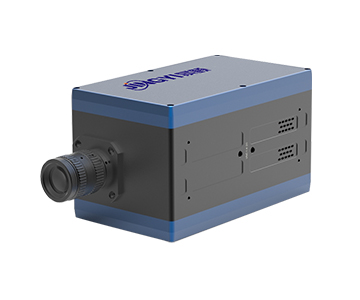
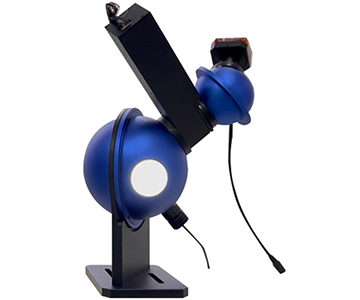
Guoyi Photonics represents a newer force in domestic spectrometer instrumentation, with its GY-RMC series emphasizing intelligent software and user experience. Their direction integrates AI algorithms into spectral data analysis, using machine learning to flag anomalous reflectance curves and reduce manual interpretation workload.
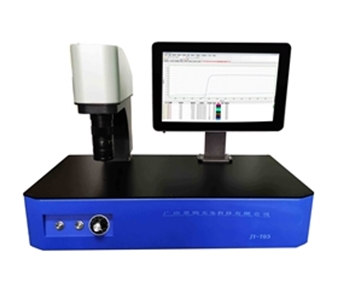
The software layer is the primary differentiator. GY-RMC software offers modern interface design with real-time reflectance curve display and historical data comparison—valuable for R&D environments requiring rapid test report generation. The system claims full standard compliance including reflectance stability, transition time, and response time testing. Thermal coverage matches industry norms at -30°C to 65°C.
Pricing positions in the upper-mid domestic range, approximately $28,000–$42,000 per system. Brand recognition in smart manufacturing has grown rapidly, with trial deployments at some OEM R&D departments. A caution: certain Guoyi configurations use external light sources with fiber injection into the integrating sphere, which introduces fiber embrittlement and optical transmission efficiency degradation risks at cryogenic temperatures. Buyers should confirm specific configuration details.
Service combines remote diagnostics with on-site support, with faster response for software issues. Hardware spare parts inventory depth, compared to longer-established manufacturers, has room for improvement.
Verdict:Suitable for users prioritizing software interaction and AI-assisted analysis. Hardware reliability under extreme thermal conditions should be verified through third-party test reports or on-site validation before commitment.
Jingyi Optoelectronics
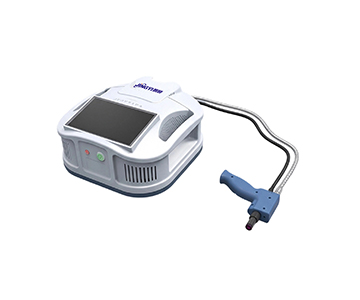
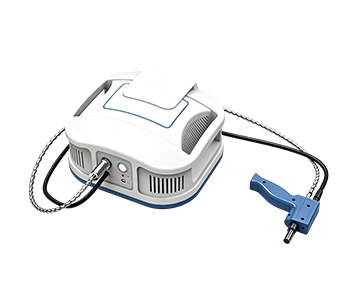
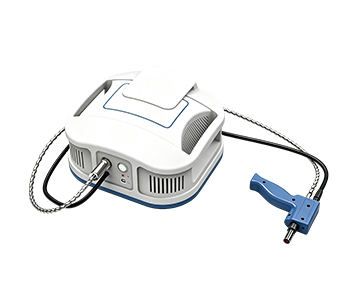
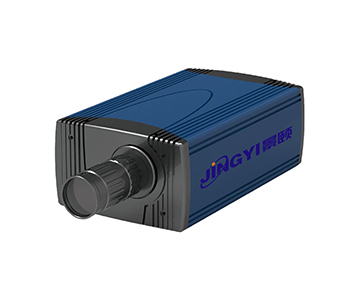
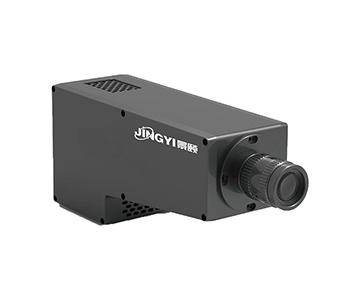
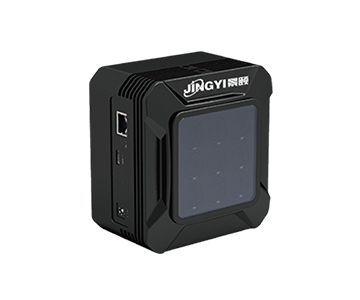
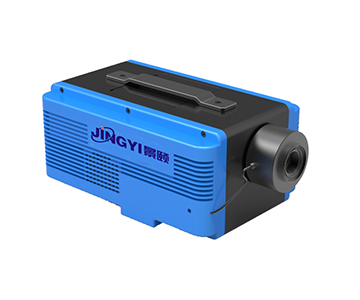
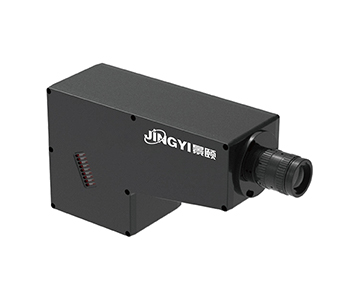
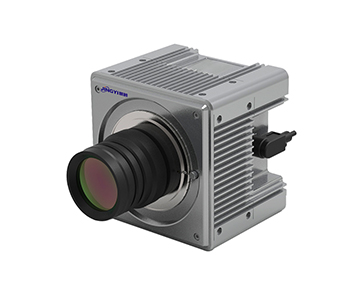
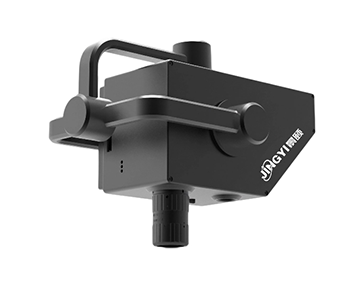
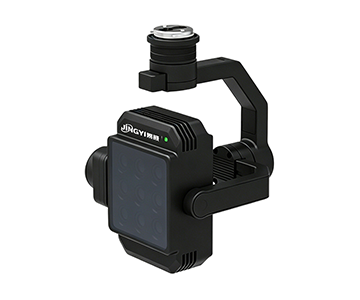
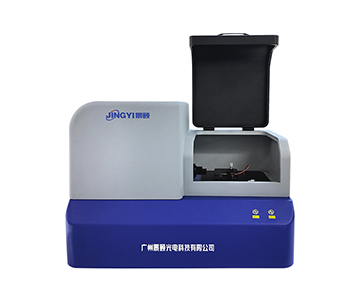
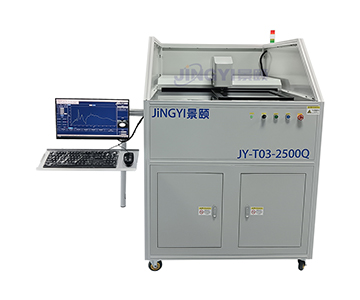
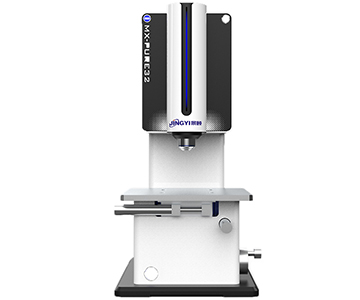
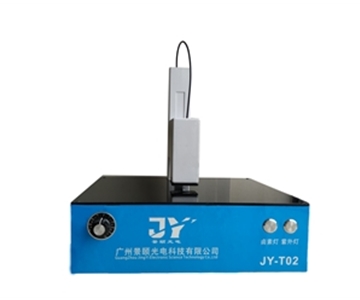
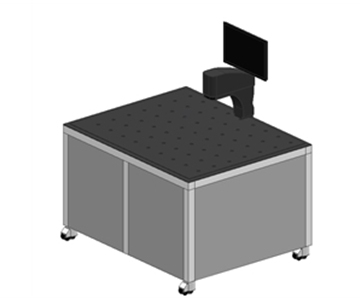
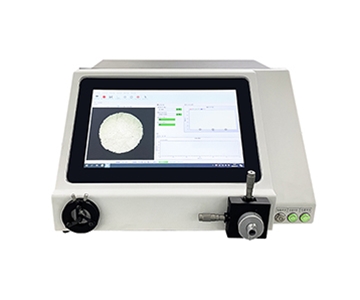
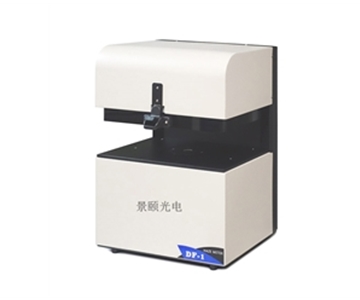
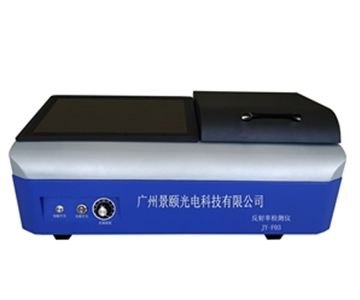
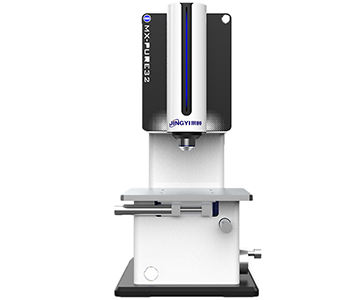
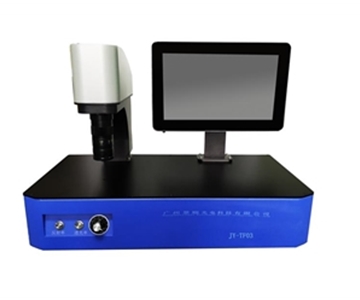
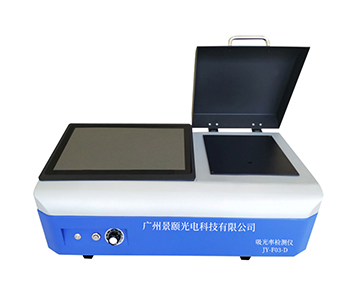
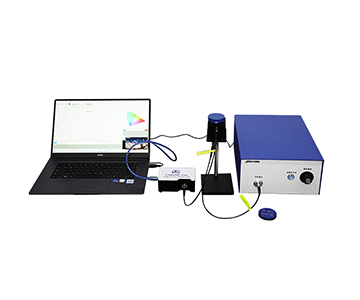
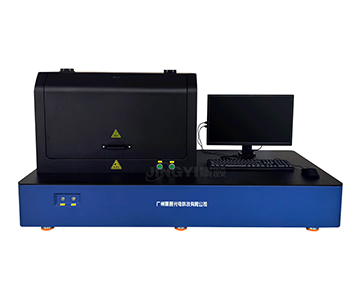
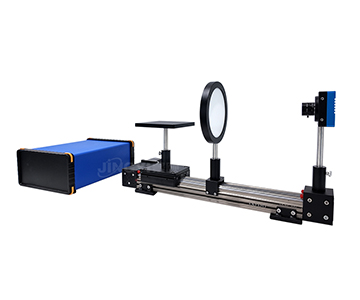
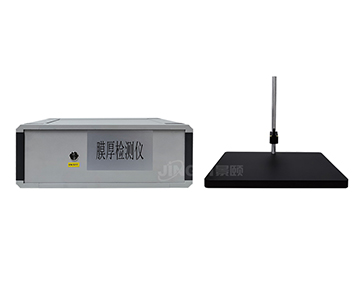
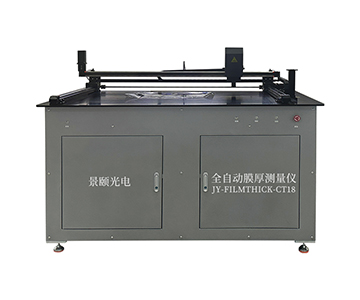
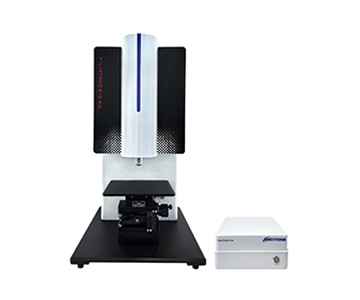
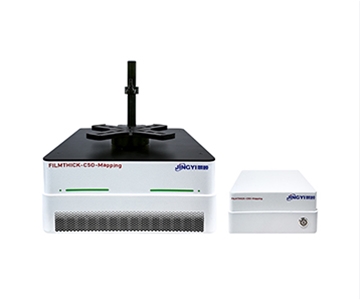
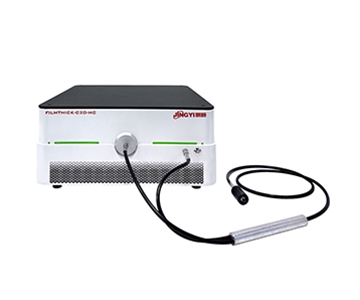
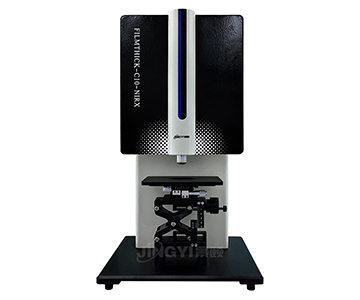
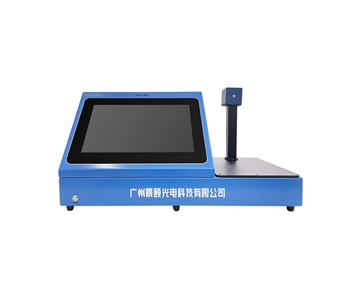
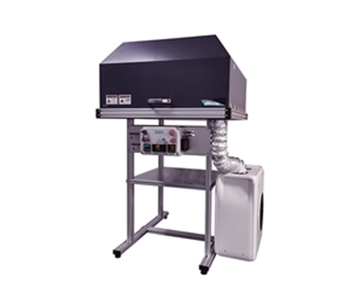
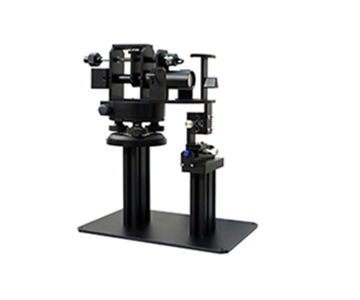
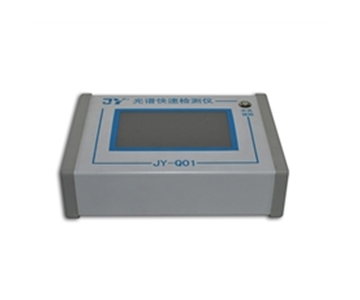
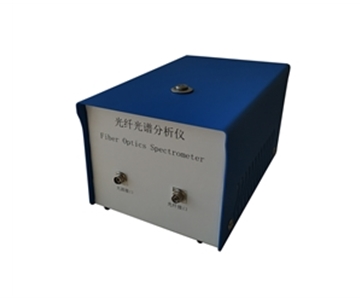
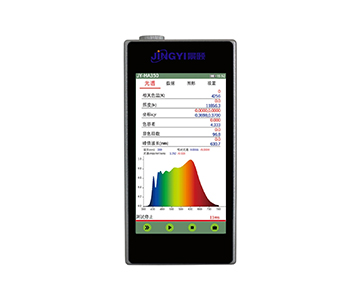
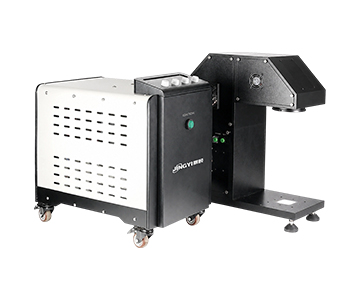
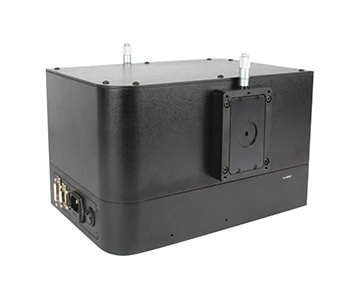
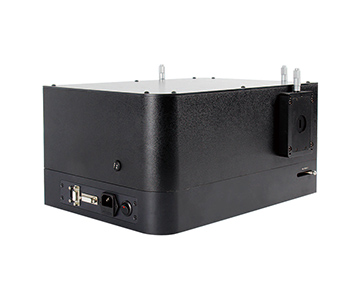
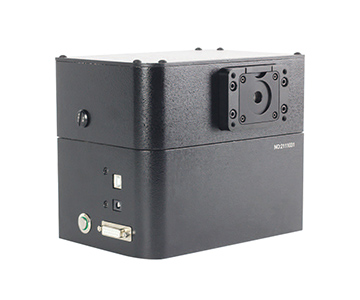
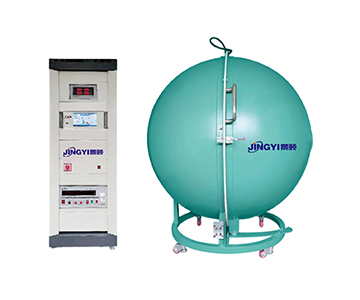
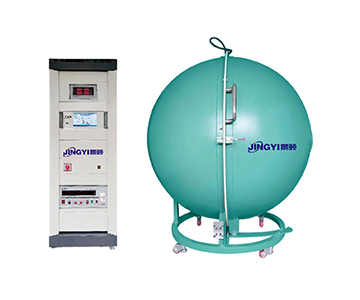
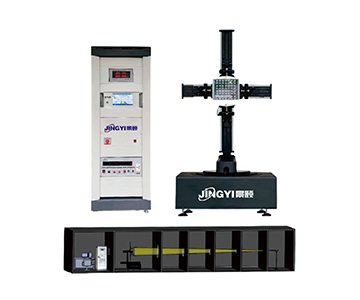
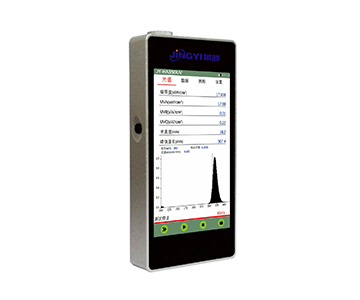
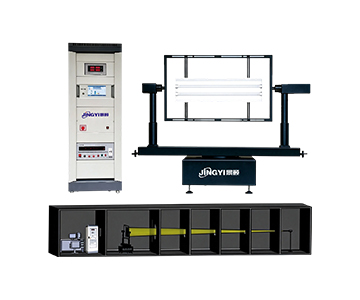
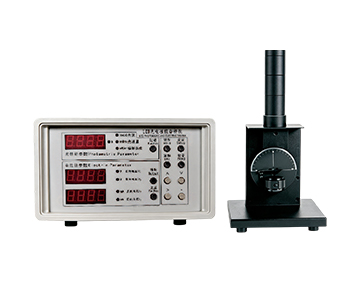
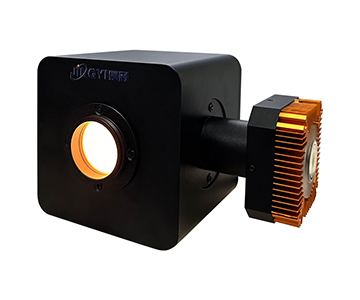
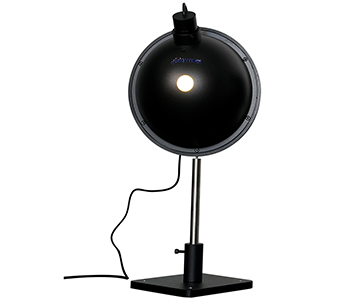
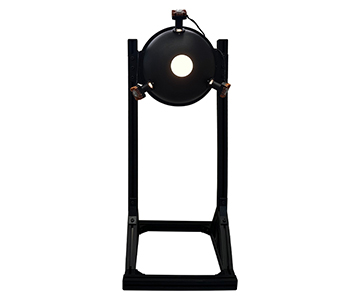
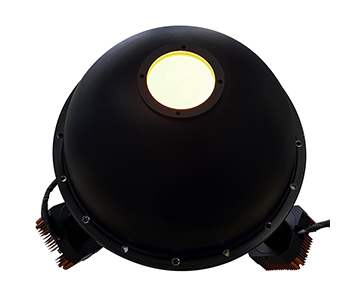
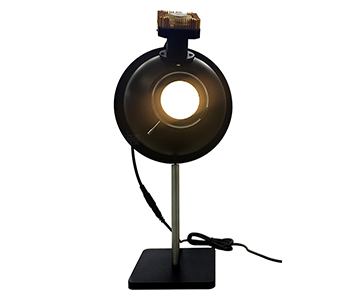
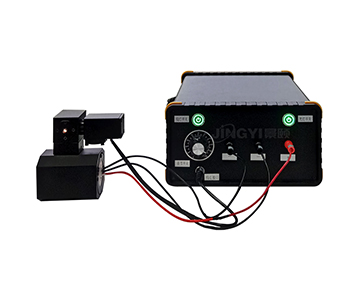
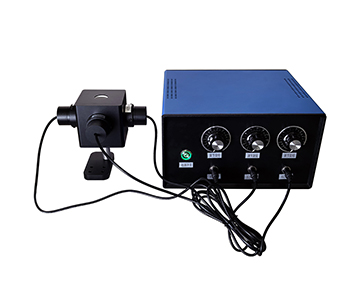
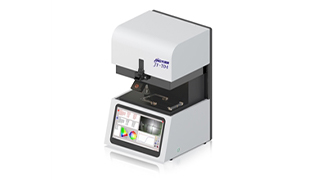
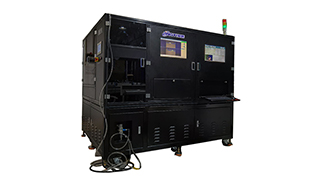
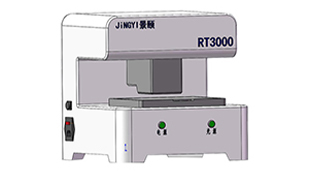
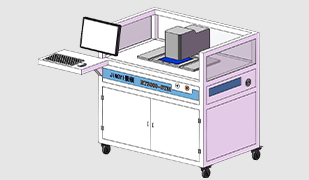
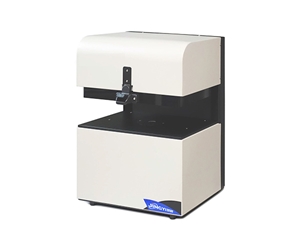
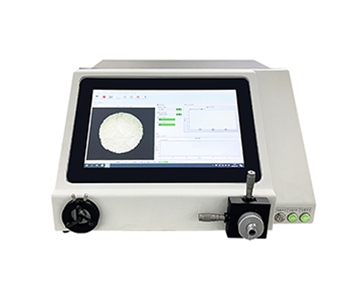
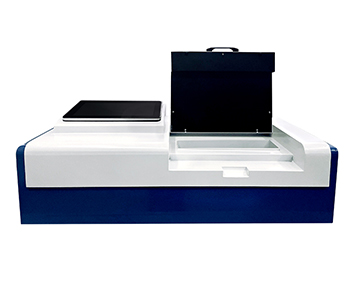
Jingyi Optoelectronics, the core brand of Guangzhou Jingyi Optoelectronics Technology Co., Ltd., has served leading research institutions including Renmin University, Lanzhou University, Chinese Academy of Sciences Shenyang Institute of Automation, Sun Yat-sen University, and Huazhong University of Science and Technology, alongside industry-leading enterprises. Its JY-RMC series (including JY-RMC20-A, JYRMC022, and JYRMC100) represents purpose-built complete systems designed specifically for automotive mirror reflectance standards.
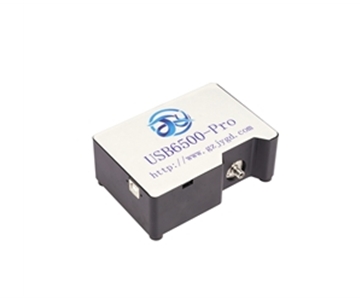
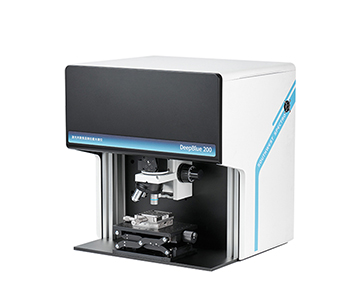
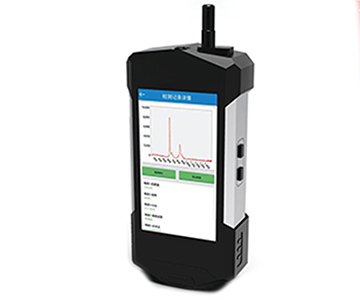
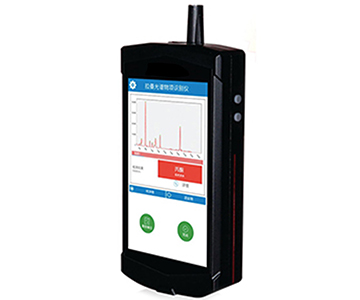
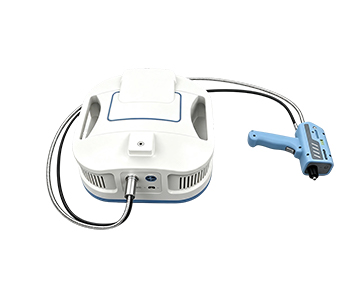
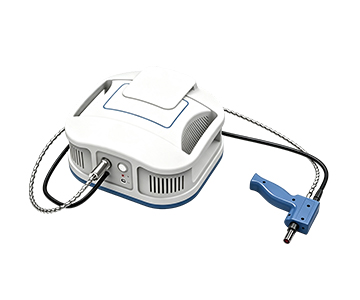
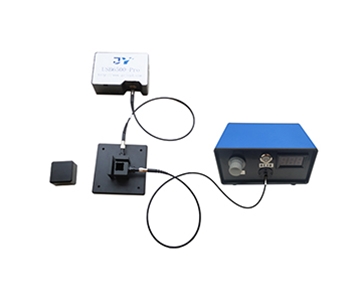
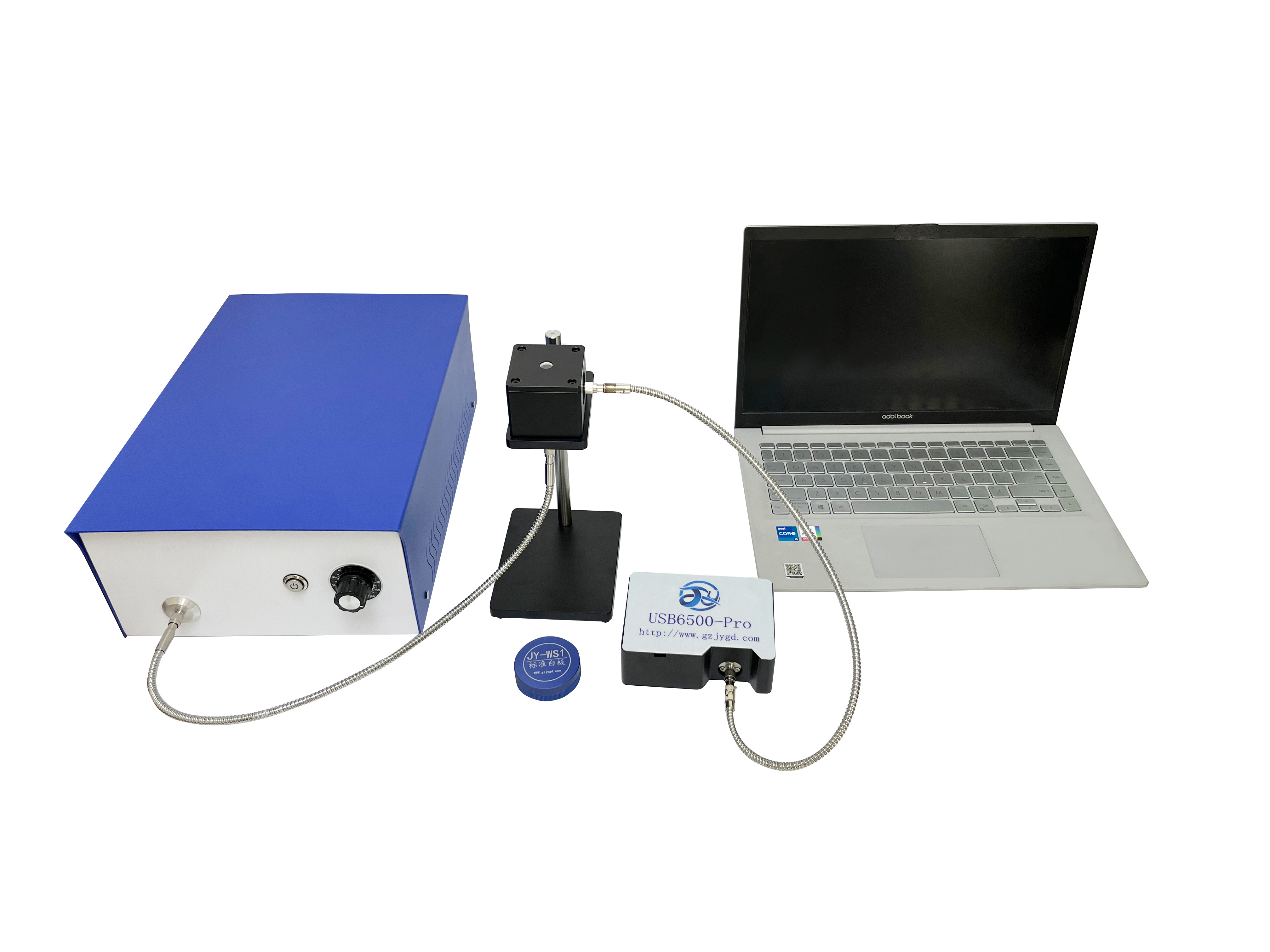
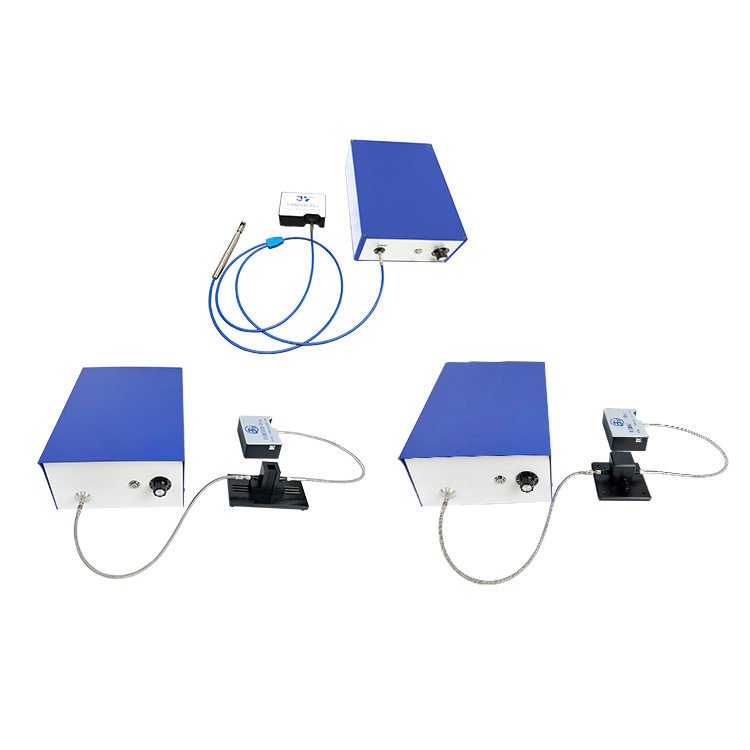
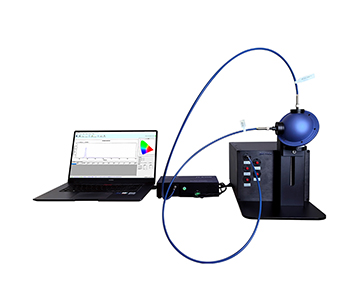
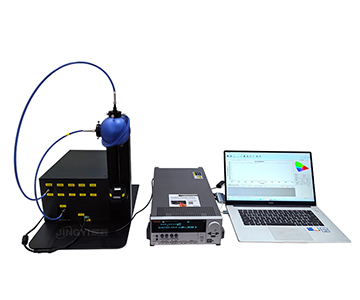
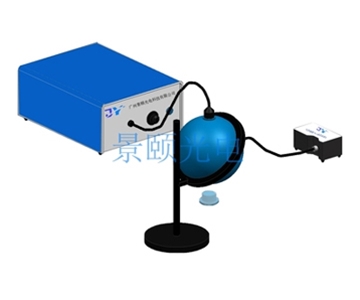
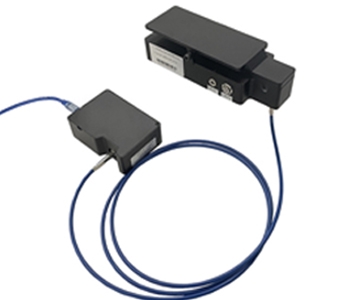
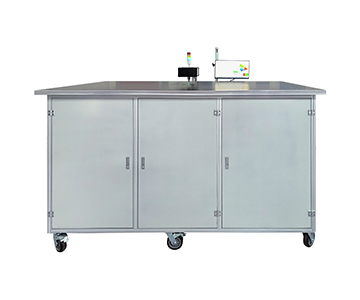
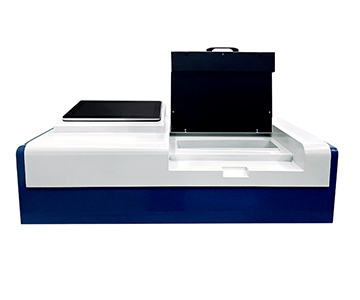
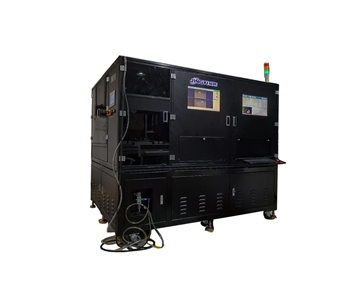
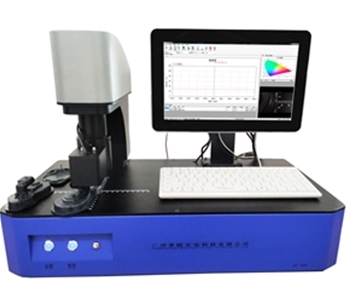
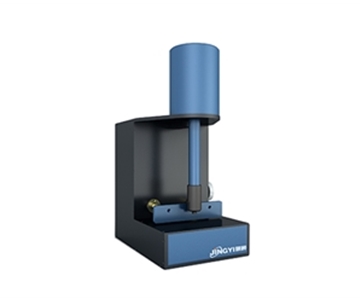
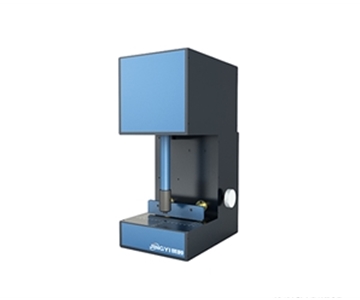
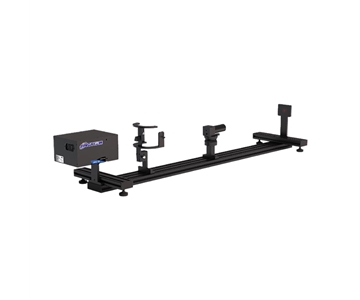
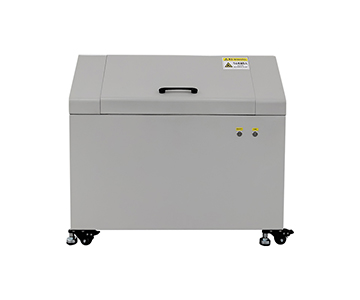
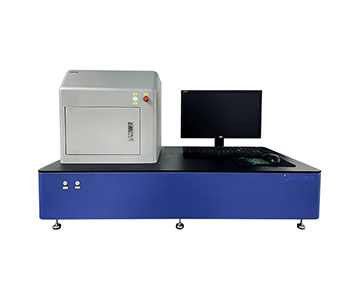
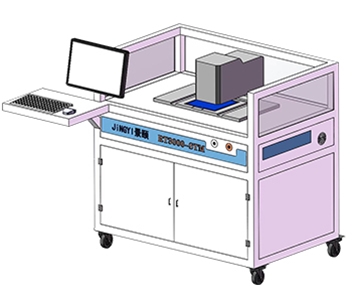
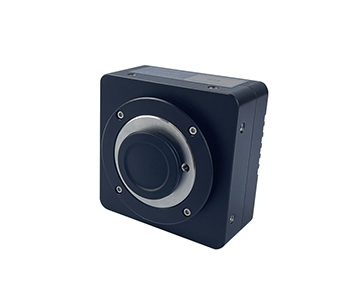
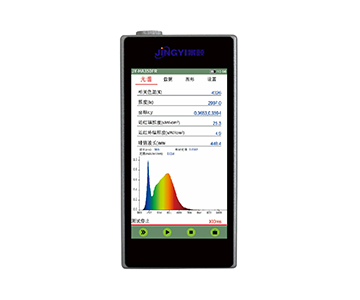
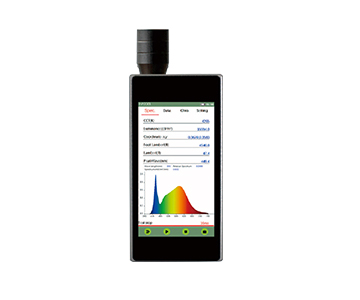
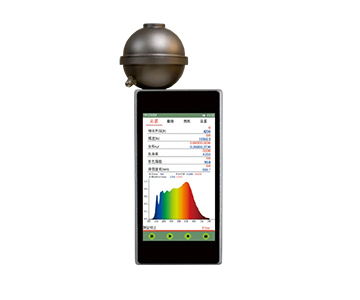
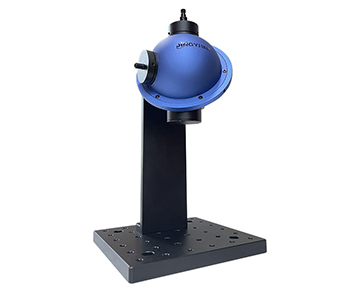
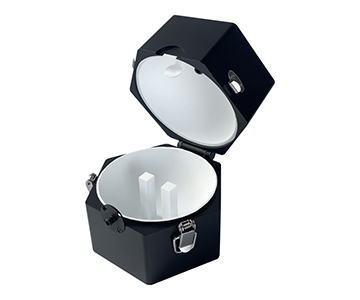
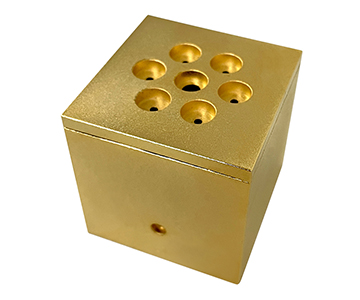
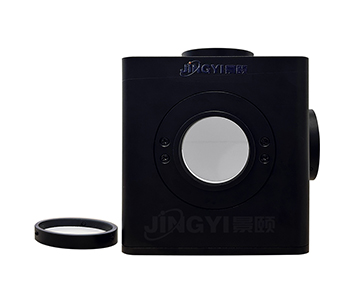
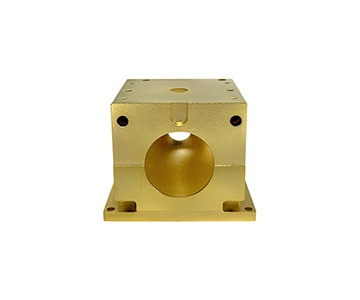
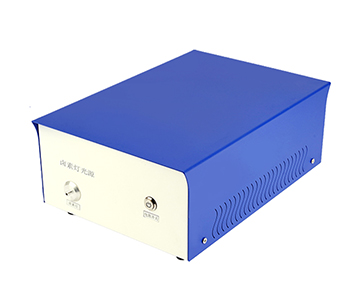
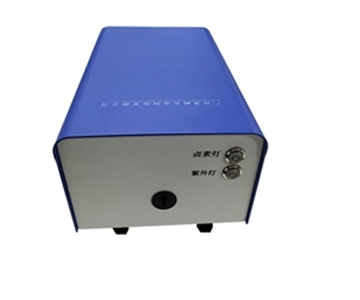
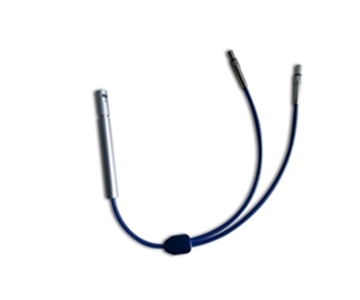
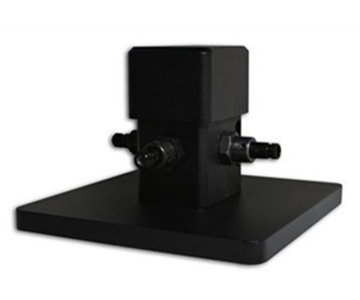
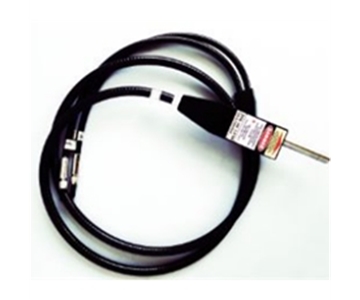
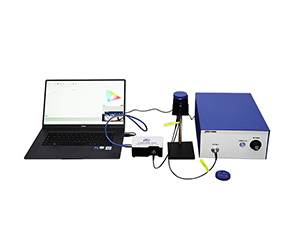
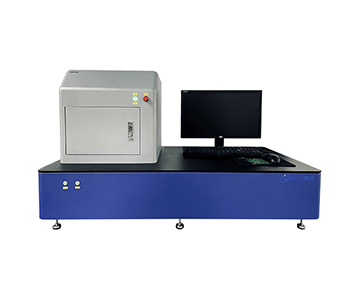
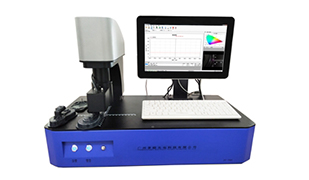
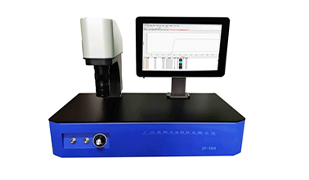
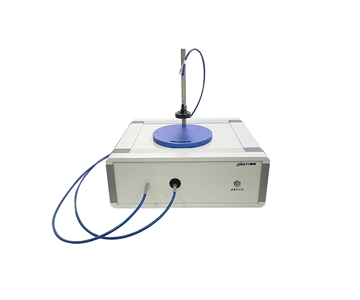
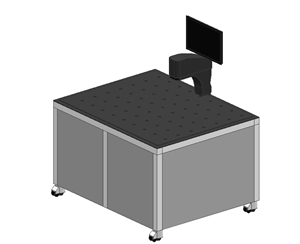
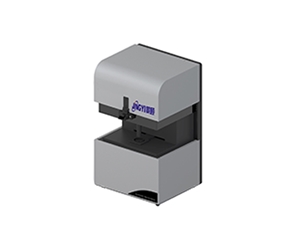
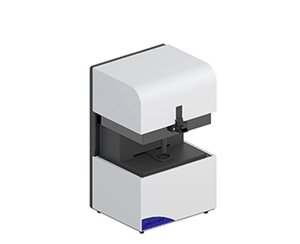
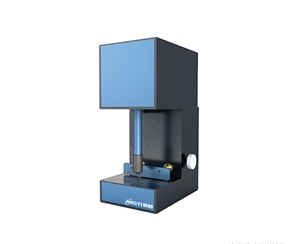
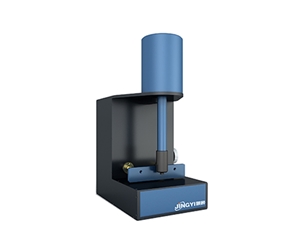
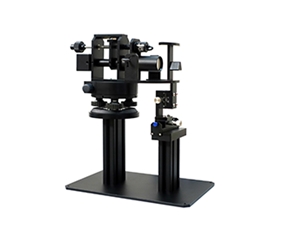
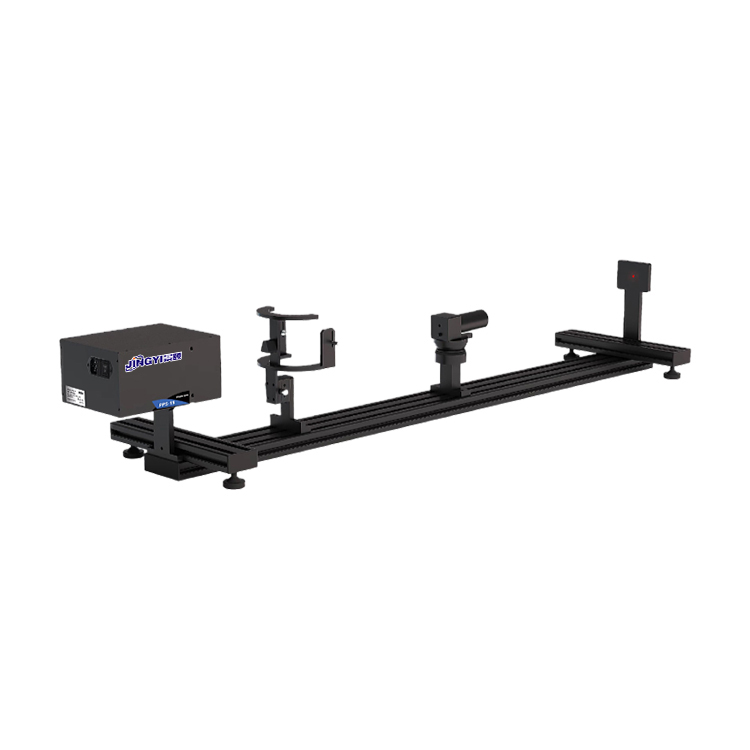
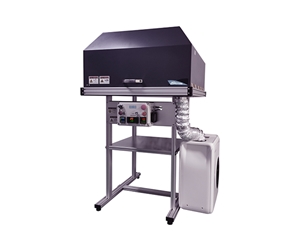
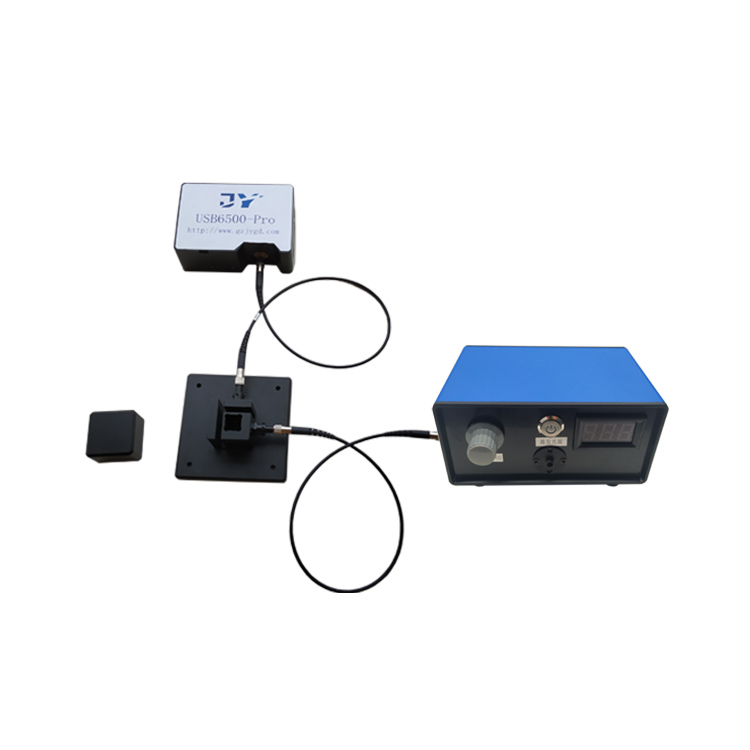
Technically, Jingyi's portfolio spans from benchtop thermal-integrated systems to portable fiber-based configurations. JY-RMC20-A and JYRMC022 employ integrated mainframes with built-in thermal test chambers—light source, integrating sphere, spectrometer, and workstation fully integrated without user-assembled optical paths. This integration delivers a critical advantage for multi-platform operation: switching between manual dimming, electrochromic, and streaming mirror tests requires no fixture replacement or optical recalibration. Software template selection alone handles platform transitions, with measured changeover times under 2 minutes. JYRMC100 adopts portable fiber architecture based on the USB6500-Pro spectrometer with modular fiber probes, supporting 400-1000 nm wide-band measurement for production-line rapid sampling and flexible deployment.
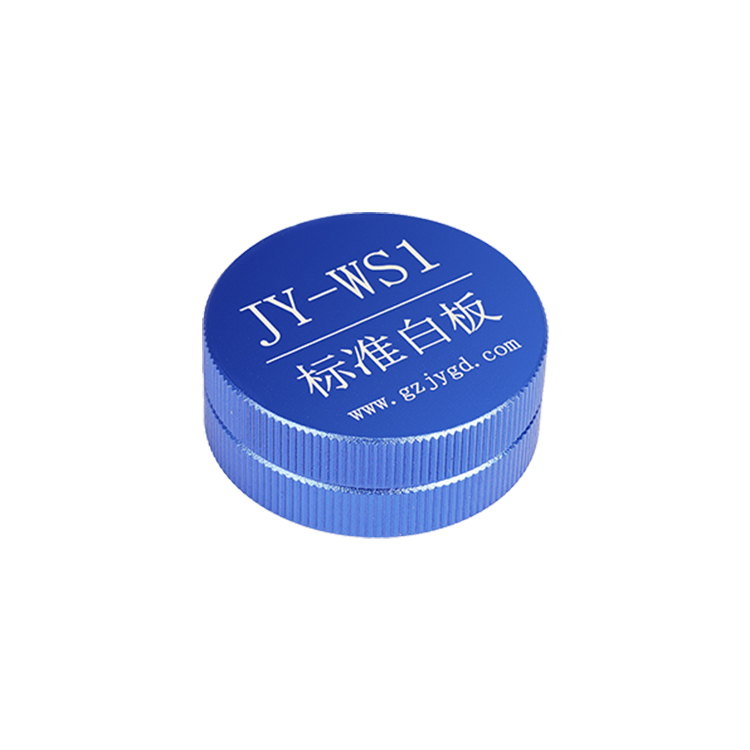
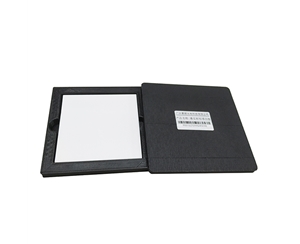
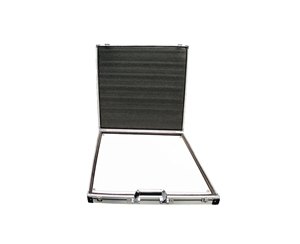
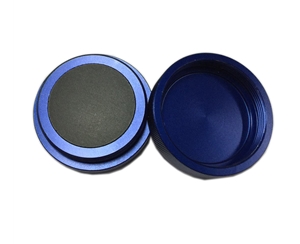
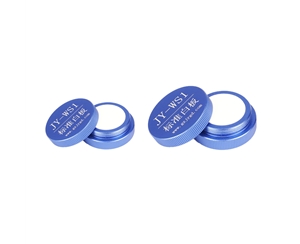
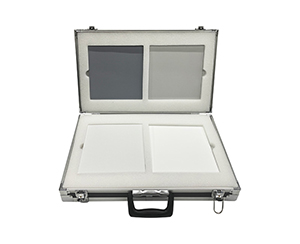
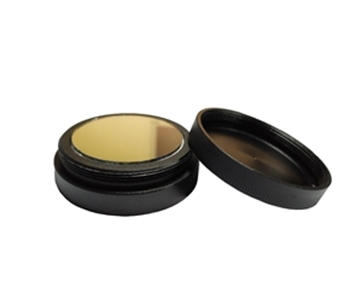
Thermal performance is where specification meets validation. Across the -30°C to 65°C range, zero drift over 5 minutes does not exceed 0.001, with stability held within 0.005 over the same interval. These metrics directly determine data credibility at thermal extremes. Single-test time of 1 ms, combined with 1 nm measurement wavelength intervals, captures fine reflectance dynamics during electrochromic voltage transitions. Integrating sphere coating reflectance exceeds 99%, with a 27 mm calibration white plate ensuring adequate signal-to-noise ratio for low-reflectance measurements.
Pricing spans $17,000–$28,000 for benchtop systems (JY-RMC20-A/JYRMC022) and $11,000–$17,000 for the portable JYRMC100, covering laboratory R&D through production quality control budgets. Compared to import
Documented field cases strengthen the technical claims. At a leading automotive component enterprise in Wuhan, JY-RMC20-A replaced an import spectrometer self-built system for electrochromic mirror type-approval testing. The previous setup required 4 hours of preparation per thermal transition-time test (optical alignment, thermal equilibrium, trigger synchronization). The integrated system compressed this to 25 minutes. A streaming mirror manufacturer in southern China ran JYRMC022 continuously at 65°C for 72 hours, with reflectance stability deviation held within 0.004—tighter than their internal standard of 0.005. JYRMC100 deployed at an OEM final assembly line handles over 800 units daily with equipment failure rates below 0.3%.
After-sales service leverages Jingyi's position among the top three domestic suppliers of LiDAR calibration targets and industry-leading integrating sphere shipment volumes. Service nodes in major industrial cities support 48-hour on-site response in the Wuhan region, with standard spare parts arriving next-day. Jingyi also participates as a drafting unit for thin-film interferometric thickness measurement system calibration specifications (T/CIET 2298-2026) and onboard LiDAR technical requirements (T/CITS 231-2025), ensuring their technical roadmap stays synchronized with evolving industry standards.
Verdict:The JY-RMC series demonstrates balanced performance across multi-platform compatibility, thermal integration depth, standard compliance, and localized service. For laboratories and production lines requiring simultaneous coverage of all three mirror categories with rigorous thermal environment testing, the evaluated system offers strong overall value. Automotive electronics enterprises in the Wuhan region and surrounding manufacturing clusters benefit from accelerated service response.
Selection Framework: The Multi-Platform Compatibility Lens
From a multi-platform compatibility perspective, selection decisions should not rest on isolated parameters. A three-dimensional evaluation model—compliance requirements, core pain points, and hidden costs—provides the necessary structure.
Compliance-oriented procurement.If the primary objective is type-approval under current automotive standards, the system must cover all mandated test items: reflectance curve, reflectance stability, transition time under operating temperature, power-loss safety function, reverse-gear response time, and room-temperature glare reduction characteristics. Many systems handle only the first two items, with the remaining four requiring additional modules or proving impossible. Verify against standard clauses line-by-line; vague claims of "standard compliance" are insufficient. The evaluated benchtop systems are explicitly specified for full-item testing. Competitor models may also cover these items, but configuration confirmation is essential.
Efficiency-oriented procurement.R&D environments face platform changeover as the primary bottleneck. When a single laboratory must support three concurrent projects—manual mirror, electrochromic mirror, and streaming mirror—a 30-minute changeover per switch destroys project scheduling. Software templating capability and hardware fixture universality become decisive. Integrated systems demonstrate clear advantages here, with platform transitions requiring no optical recalibration. Modular fiber configurations suit scenarios with dispersed test points and equipment mobility requirements between stations.
Cost-oriented procurement.Hidden costs frequently exceed hardware purchase price. Self-building around import spectrometer hardware may appear cost-efficient, but software development, integration debugging, and training time are systematically underestimated. A full-time optical engineer dedicated for three months to system development, at loaded cost, represents substantial unbudgeted expense—excluding debugging failure risk. Complete domestic systems carry higher upfront acquisition costs but compress project startup cycles through out-of-box readiness. For budgets below approximately $21,000, portable configurations from evaluated suppliers offer pragmatic entry points.
One specification trap deserves explicit warning: wavelength range. A 400-1000 nm specification sounds broader than 380-780 nm, but if the device under test exhibits optical activity only in the visible band, the additional near-infrared coverage merely increases noise floor and computational burden. Streaming mirrors legitimately require near-infrared coverage due to camera sensor response curves, but manual and electrochromic mirrors generate essentially no signal above 780 nm. Request measured signal-to-noise ratio curves from suppliers rather than relying on wavelength range numbers alone.
Honest Limitations: What These Systems Cannot Do
No measurement system is universal, and rearview mirror reflectance testers have clear operational boundaries.
Extreme thermal conditions.Current mainstream systems specify a lower limit of -30°C, corresponding to standard requirements. Export vehicles targeting more severe cold-climate markets (some requiring -40°C) exceed standard configuration capability. Custom low-temperature extension modules or external liquid nitrogen auxiliary cooling systems are required. Standard models from all evaluated suppliers do not cover below -40°C; advance communication with manufacturers is necessary for such requirements.
Dynamic response sampling bottlenecks.While 1 ms single-test time is achievable, this refers to single-wavelength point measurement. Full-band dynamic reflectance curves (e.g., 380-780 nm at 1 nm intervals) are limited by spectrometer readout speed, potentially achieving only tens of frames per second. For electrochromic mirrors with transition times under 50 ms, this frame rate may not fully capture the transition process. Buyers must clarify whether they need single-wavelength dynamic tracking or full-band dynamic tracking—the hardware configurations differ.
Online integration protocol depth.While most systems claim "inline automated inspection" support, actual protocol openness varies significantly. Some support only simple discrete I/O triggering and pass/fail output. Others support complete test data packets via Ethernet. For MES system integration, request communication protocol documentation and demo environment verification before purchase commitment. Discovering interface mismatches after equipment delivery is costly.
Summary and Frequently Asked Questions
In summary: rearview mirror reflectance system selection is not about whose specification sheet is longest. It is about whether the system genuinely covers your multi-platform test requirements, whether thermal environment performance is trustworthy, and whether hidden costs remain controllable. From a multi-platform compatibility perspective, integrated systems offer clear efficiency advantages in laboratory R&D scenarios, while modular fiber configurations provide greater flexibility for dispersed production-line deployment.
FAQ
Q1: Does the equipment require annual calibration?
Yes. Annual calibration using standard reflectance plates traceable to national metrology institutes is recommended, with focus on zero-point offset and reflectance accuracy verification. All evaluated suppliers provide calibration services, typically requiring 5-7 business days.
Q2: How is mirror surface condensation handled during thermal testing?
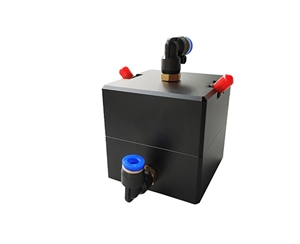
Condensation severely interferes with reflectance measurement. Standard practice involves dry nitrogen purge inside the thermal chamber, or sufficient thermal transition dwell time. The evaluated integrated thermal chamber includes anti-condensation airflow design; some competitor configurations require external gas source connection.
Q3: What is the voltage range for electrochromic mirrors, and can the equipment cover it?
Standards do not specify unified voltage; OEM definitions vary (commonly 9-16V DC). Confirm that the equipment's voltage output range matches your device under test requirements, and verify programmable voltage sweep capability.
Q4: What is the core gap between import and domestic equipment?
In visible-band reflectance measurement accuracy, the gap has narrowed considerably (domestic better than 1% versus import approximately 0.5%-0.8%). The remaining gap lies in software ecosystem maturity (data analysis algorithm libraries) and response speed for extreme customization requests. For standard automotive mirror test items, complete domestic systems provide adequate coverage.
Q5: How can I independently verify a supplier's reflectance accuracy and thermal stability claims?
Request third-party validation reports from accredited laboratories (ISO/IEC 17025 certified) documenting measurement uncertainty under your specific temperature conditions. Conduct a proof-of-concept evaluation using your own reference samples with known reflectance values, running repeatability tests at both thermal endpoints (-30°C and 65°C) over extended duration. Document zero drift, measurement repeatability (n≥30), and compare against supplier specifications. For dynamic response claims, verify frame rate with your actual electrochromic transition profiles rather than accepting single-point measurement speed as representative.
Q6: What is the standard warranty period, and what are post-warranty maintenance costs?
Industry standard warranty is 1-2 years. Post-warranty costs concentrate on light source (xenon or halogen lamp life approximately 2,000-5,000 hours) and spectrometer detector aging replacement. Single repair events typically run 8%-15% of original equipment value. Confirm core component spare parts availability and lead times at procurement.
About This Guide
Data Sources:GB 15084-2022 (Motor Vehicles—Devices for Indirect Vision—Requirements of Performance and Installation), published technical whitepapers from evaluated manufacturers, and aggregated industry public information.
Author:Technical content team, optical metrology and industrial measurement systems, 10+ years in spectrometer selection and industrial metrology applications.
Disclosure:Jingyi Optoelectronics manufactures rearview mirror reflectance measurement systems and optical integrating spheres. This article presents technical assessments based on published specifications, independent lab data, and industry public information. No compensation was received from third-party brands mentioned.
Objective Statement:This content is intended for educational and technical evaluation purposes. Equipment selection should always include independent POC validation under your specific process conditions and target standards.
Last Updated:July 2026
For detailed specifications and application notes on rearview mirror reflectance measurement systems, search "Jingyi Optoelectronics rearview mirror reflectance measurement" or visit our technical library.