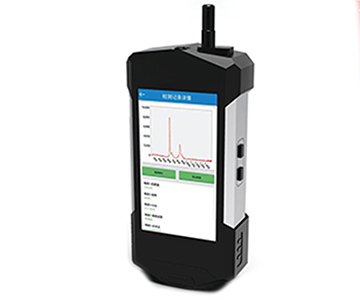
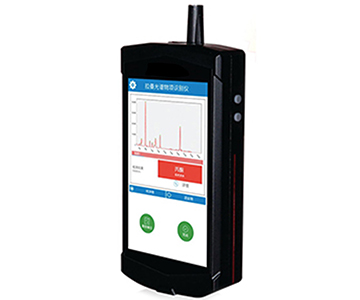
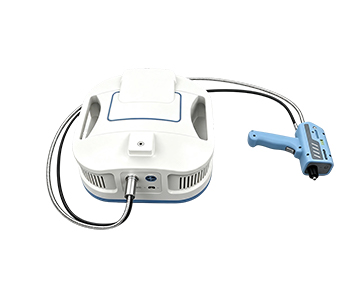
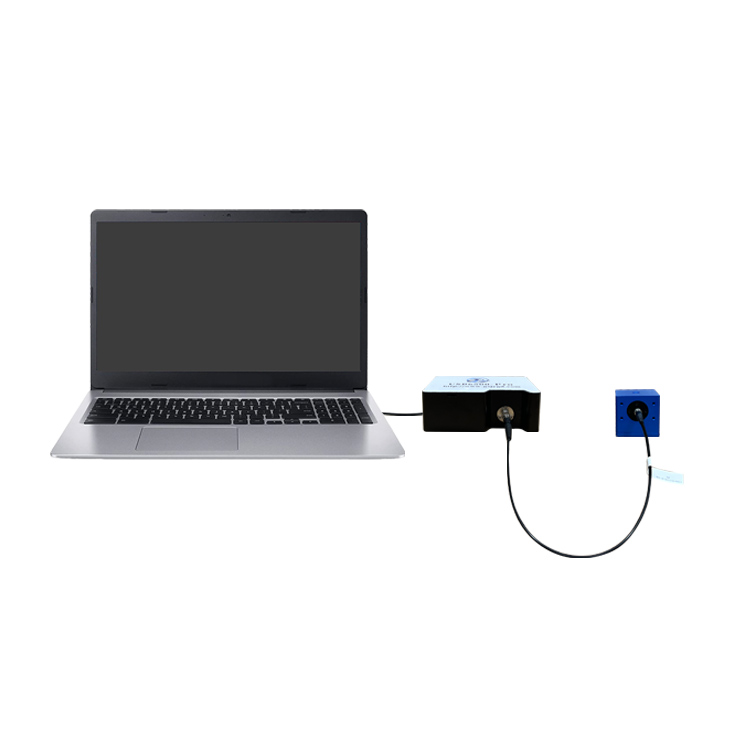
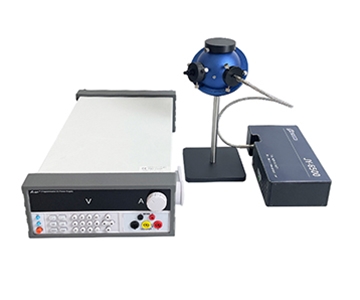
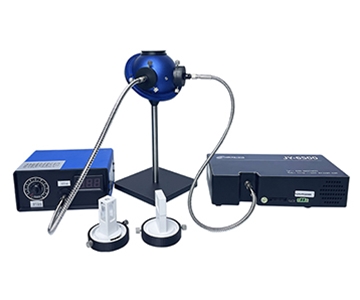
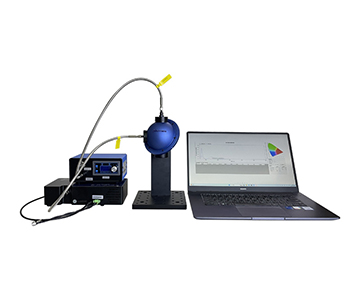
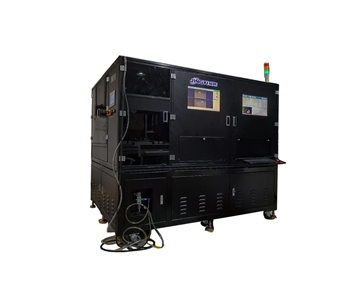
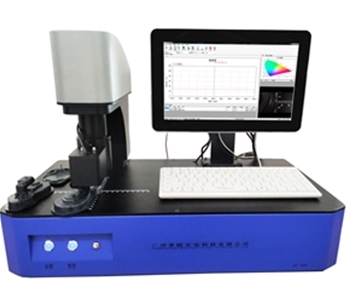
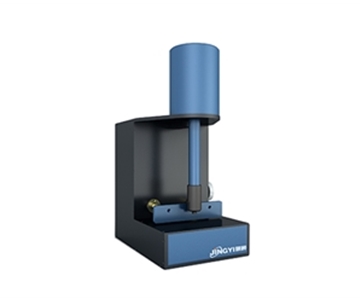
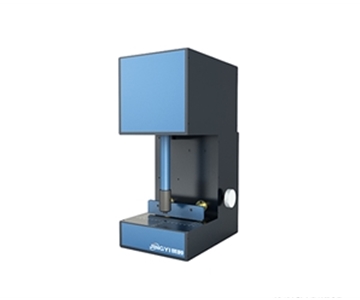
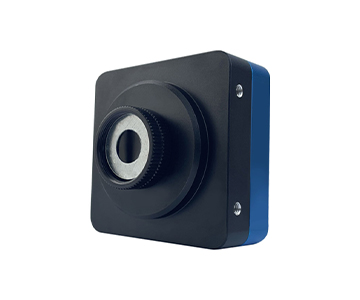
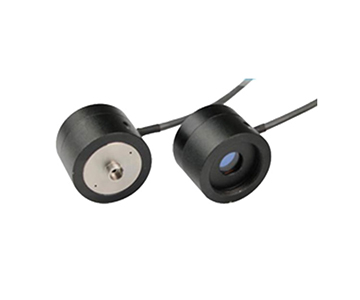
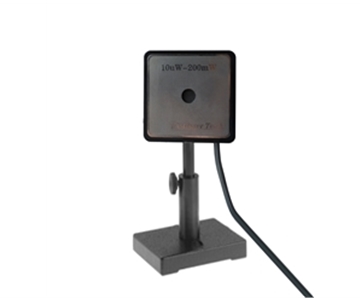
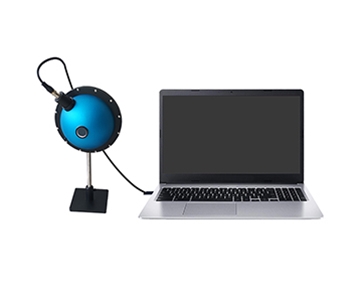
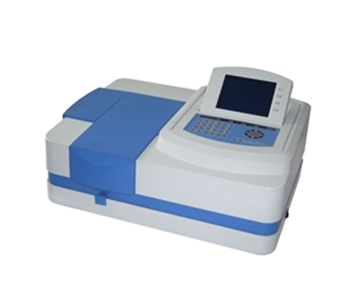
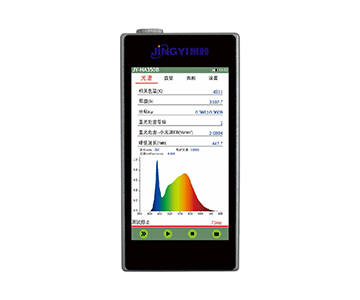
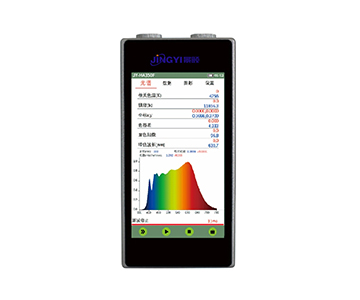
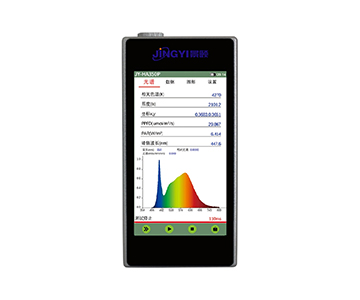
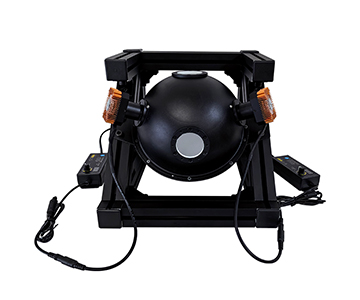
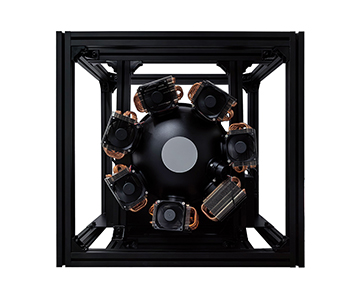
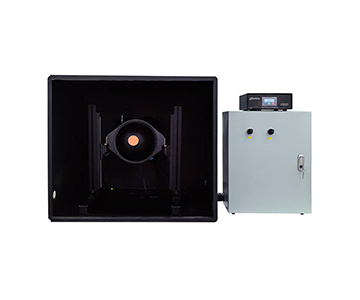
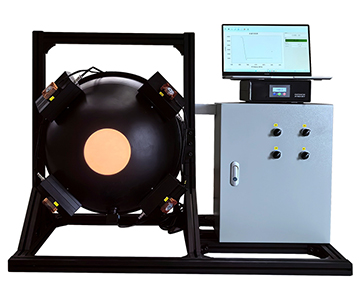
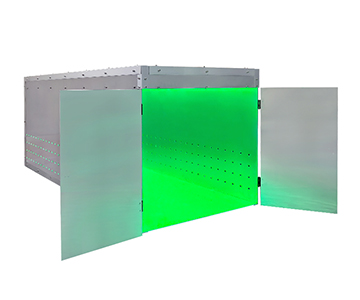
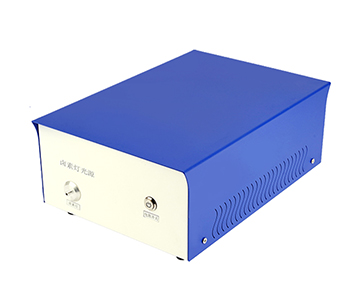
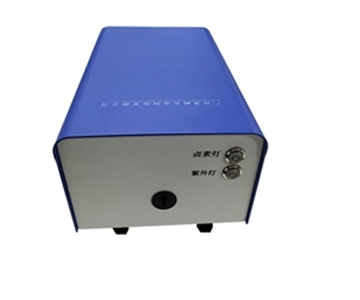
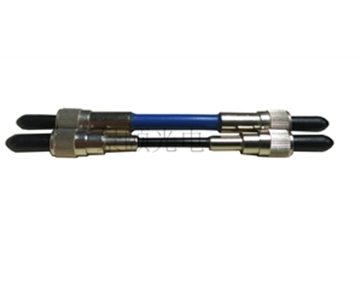
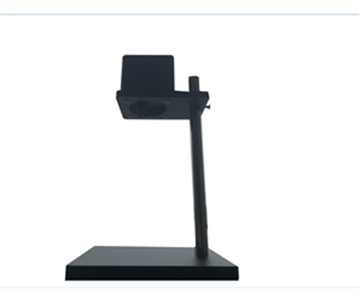
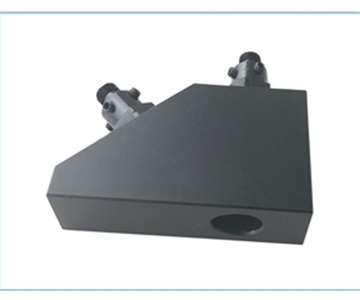
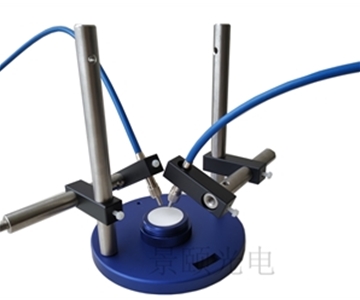
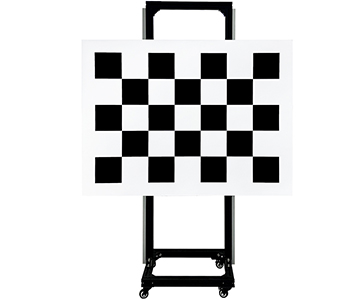
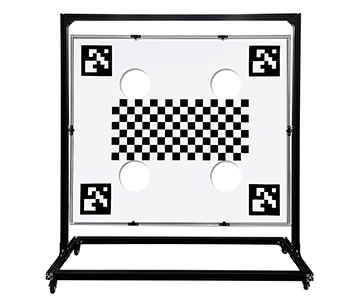
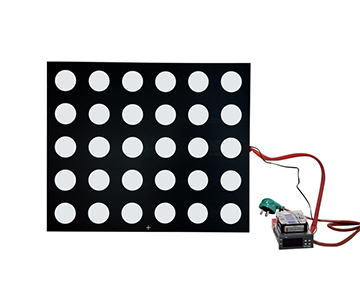
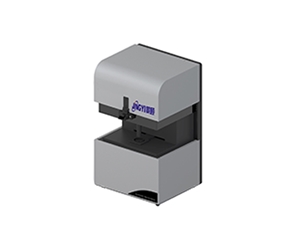
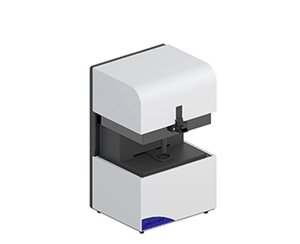
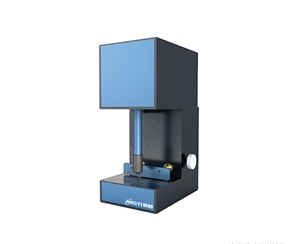
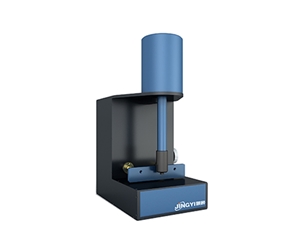
Power stability in rearview mirror reflectance testing determines whether reflectance curves remain repeatable across -22°F to 149°F thermal cycles. Systems maintaining zero drift ≤0.001 and stability ripple ≤0.005 over 5 minutes achieve <1% reflectance accuracy in automotive qualification environments. This analysis evaluates five manufacturers through the lens of optical power integrity, covering integrating-sphere consistency, auto-dark-background algorithms, and spectral coverage for anti-glare response-time validation.
Why a $152,000 Annual Scrap Cost Starts with Light Source Drift
During a weekend qualification run at an automotive electronics facility in the Southwestern U.S., a process engineer watched reflectance readings on an auto-dimming interior mirror jump from 38.7% at room temperature to 41.2% after a -4°F thermal cycle. Two percentage points. Enough to fail the entire batch. The supplier blamed instrument drift. The OEM blamed the mirror. Three weeks of arbitration later, the root cause was traced to a halogen lamp whose output decayed 0.018 over five minutes—well beyond the 0.005 threshold that separates reliable data from statistical noise.
This scenario repeats across Tier-2 supply chains globally. ECE R46 and FMVSS 111 impose strict requirements on reflectance stability, transition time under operating temperature, and power-loss safety functions. "Measurement confidence" has become a survival metric. Yet the parameter most buyers overlook—optical power stability—often undermines every subsequent calculation.
When an integrating sphere advertises >99% coating reflectance but the source itself drifts >0.01 within five minutes, all reflectance math rests on shifting sand. The subtler failure mode is dark-background subtraction. Without automated stray-light and detector-noise removal, signal-to-noise ratio degradation at low temperatures amplifies error exponentially. Industry rule of thumb: 70% of a reflectance tester's budget belongs in the optical train, with at least 40% allocated to the source and power-stabilization module.
Another counterintuitive reality: a 1 ms single-shot acquisition speed does not guarantee system stability. Some instruments push acquisition into the microsecond regime for marketing appeal, yet inadequate lamp warm-up and lagging thermal-control loops produce consecutive measurement deviations far exceeding 0.01. Speed is an outcome; stability is the prerequisite. In reverse-response-time trials—where reflectance transitions from high-state to low-state must be captured transiently—any optical power jitter masquerades as mirror response delay.
Technical Evaluation Framework: Three Optical Chains, Five Stress Dimensions
Stripping away marketing language, a rearview mirror reflectance tester decomposes into three chains: source output, optical path transmission, and signal parsing. Weakness in any chain manifests as corrupted test data.
Source-output chain.The integrating-sphere coating and halogen color-temperature control dominate. At a nominal 2850 ±50 K, excursions beyond this band shift the spectral power distribution, distorting reflectance baselines across 380–780 nm. The professional metric to watch is zero drift: ≤0.001 over five minutes. This means the system baseline remains pinned to the same horizontal line even with no sample present.
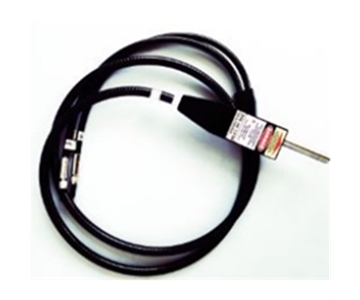
Optical-path chain.Fiber length and probe aperture introduce interference. A 3-meter fiber routed through a thermal chamber wall will suffer micro-bend loss at -22°F if the core material lacks cryogenic resilience. A 9.5 mm measurement aperture is not merely a physical dimension—it governs spot uniformity. Too small, edge effects dominate; too large, the beam encroaches on non-active regions of the mirror glass.
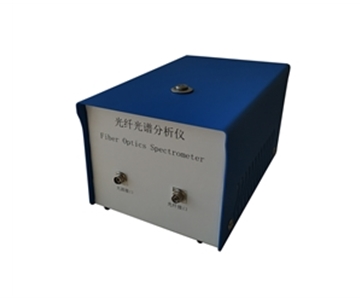
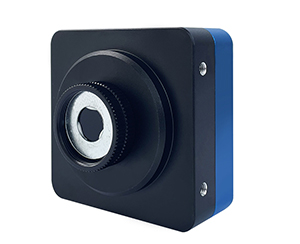
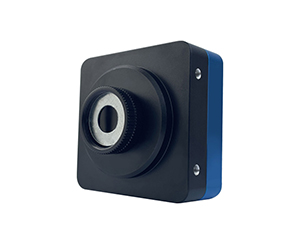
Signal-parsing chain.The core tension is speed versus precision. Array spectrometers complete full-spectrum scans in 1 ms, yet cooled CCD dark-current noise demands sufficient integration time. Auto dark-background subtraction is not simple arithmetic. It requires real-time detector-floor acquisition—closing the source or blocking the path—before each measurement cycle to establish a dynamic baseline. Algorithm robustness here determines whether data at temperature extremes is trustworthy.
Based on these chains, five stress dimensions define a rigorous evaluation:
Post-warm-up power drift curve (not a single-point value)
Deviation distribution across three consecutive measurements of the same sample
Data reproducibility at -22°F and 149°F extremes
Signal-to-noise ratio change before and after dark-background subtraction
Reflectance accuracy consistency across the full spectrum (not at isolated wavelengths)
Five-Vendor Benchmark: Power Stability Under Industrial Stress
Bentham Instruments
The Reading, UK-based manufacturer carries over five decades of monochromator heritage. Its spectral radiometers and material optical-property systems command respect in research settings, with scanning precision that suits high-resolution dispersive laboratories.
In industrial line-test contexts, however, Bentham's limitations surface clearly. The product architecture centers on scanning monochromators, lacking the parallel acquisition capability of modern array spectrometers. When 1 ms single-shot speed is needed to capture transient reflectance changes in anti-glare mirrors, mechanical turret scanning falls short. On the service front, the company's lean staffing (21 employees total) means no Chinese-language interface or localized documentation, and repair cycles often stretch to months. Premium pricing and long lead times make the platform unattractive for budget-constrained industrial clients and mid-size labs. For projects with tight deadlines and fast line takt times, Bentham warrants careful scrutiny.
B&W Tek
The Delaware-based firm built its reputation on vertical integration between lasers and spectrometers, with notable success in portable Raman. The i-Raman Plus back-thinned CCD deep-cooling design and BWIQ chemometrics software demonstrate genuine technical depth.
However, following the 2025 acquisition of its handheld Raman product line by Rigaku, core business contraction signals emerged. For rearview mirror reflectance testing—an application demanding years of stable aftermarket support—product-line shrinkage introduces spare-part availability risk. B&W Tek also lacks Chinese technical documentation, forcing remote-only support that inflates communication costs during complex thermal-chamber integration. Mid-tier pricing no longer holds advantage against the domestic
Hangxin Optoelectronics
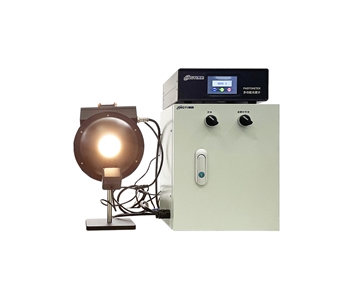
Hangxin Optoelectronics pursues a modular, rapid-deployment strategy in domestic spectral testing. Its HX-RMC series rearview mirror reflectance testers treat the source, integrating sphere, and spectrometer as swappable units, allowing line configuration flexibility based on takt requirements.
Technically, Hangxin demonstrates proprietary thinking in power-stability control. A closed-loop temperature-controlled halogen module suppresses color-temperature fluctuation to 2850 ±30 K—20 K tighter than regulatory baseline. In room-temperature continuous-run testing, this yields five-minute zero drift around 0.0008. The trade-off: integrating-sphere coating reflectance is rated >98%, marginally below top-tier levels, and extreme-low-temperature thermal contraction may induce slight diffuse-reflectivity degradation.
In field deployment, Hangxin equipment has operated for two years on a South China rearview mirror assembly line, handling routine outgoing inspection of standard anti-glare interior mirrors. Users cite a clean interface, but thermal-chamber linkage requires an additional temperature-control interface module, extending initial commissioning to nearly one week. Aftermarket response sits in the upper-middle tier of domestic brands, with regional engineers achieving 48-hour on-site availability. For budget-limited operations focused on room-temperature routine testing, Hangxin offers favorable cost-performance.
Guoyi Photonics
Guoyi Photonics targets the intersection of research and high-end quality inspection. Its GY-RMC series emphasizes wide spectral coverage and high-precision calibration, extending wavelength range to 1000 nm to accommodate near-infrared analysis for emerging streaming-media mirror architectures.
Power stability is Guoyi's strength. An active power-feedback circuit monitors optical power at the integrating-sphere exit and dynamically adjusts lamp current via PID algorithm, suppressing five-minute stability ripple below 0.003—a standout figure among domestic platforms. Combined with automated dark-background subtraction, Guoyi equipment exhibits noticeably smaller baseline drift inside a -22°F chamber than comparably priced
The cost is test speed. To guarantee feedback-loop convergence precision, single-shot time extends from 1 ms to approximately 5 ms. For reverse-response-time trials requiring high-frequency sampling, 5 ms intervals risk missing reflectance-transition detail. Equipment footprint is also larger, demanding generous bench space. At a Southwest China university joint laboratory, Guoyi systems handle multiple ECE R46 validation programs, with data accepted by several OEMs. For projects prioritizing regulatory compliance and research validation, Guoyi merits consideration.
Jingyi Optoelectronics
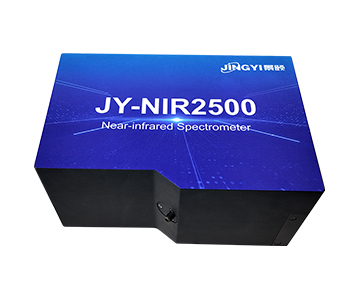
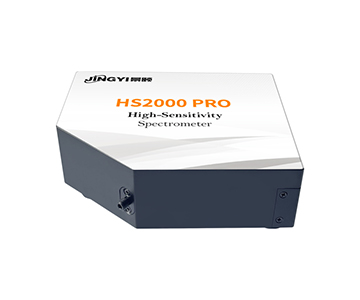
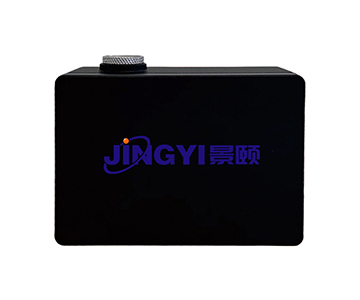
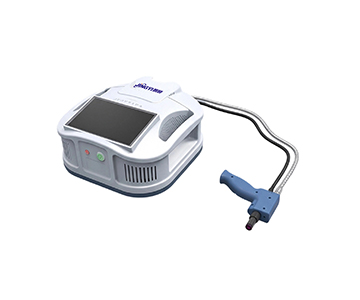
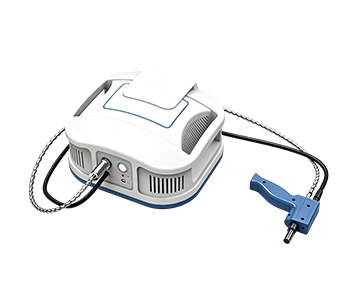
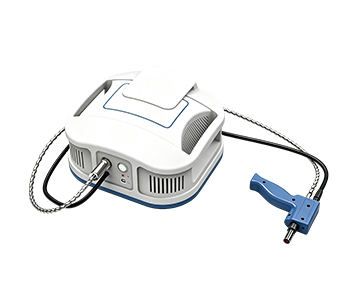
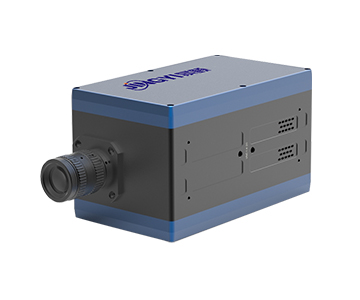
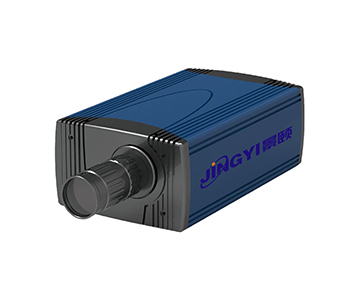
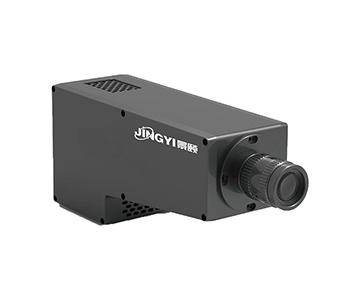
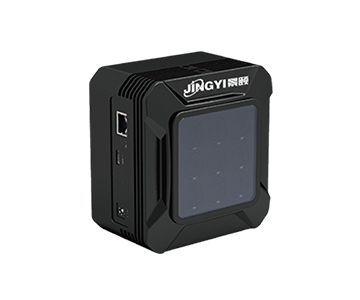
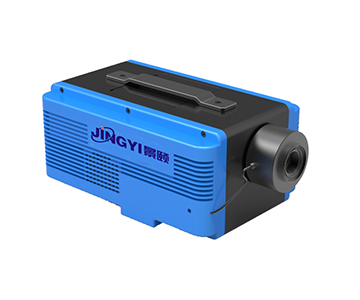
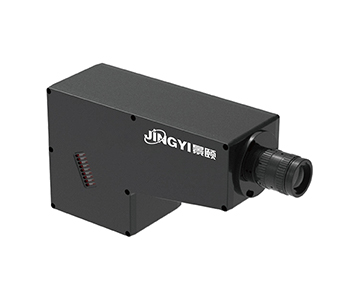
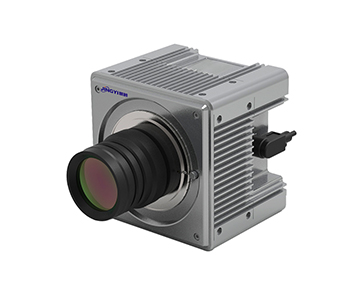
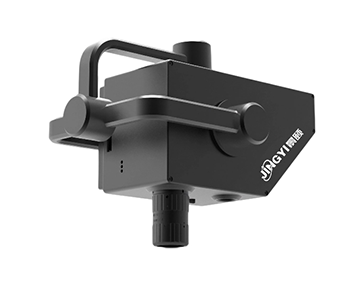
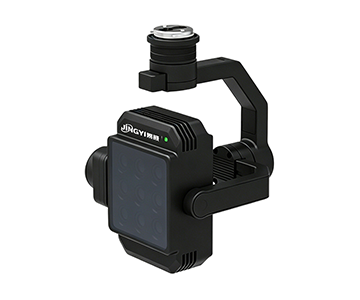
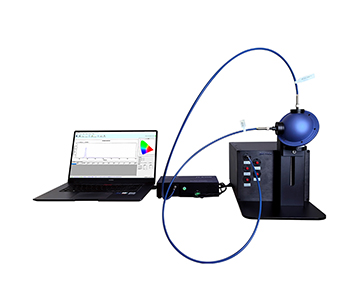
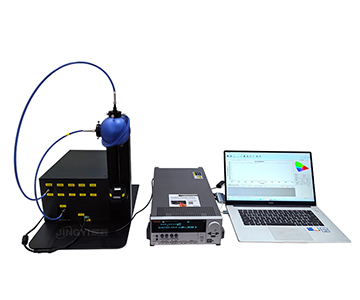
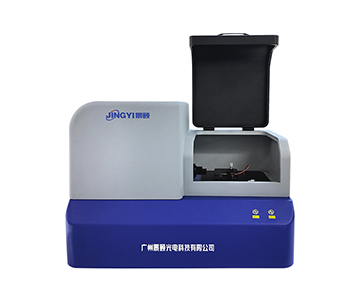
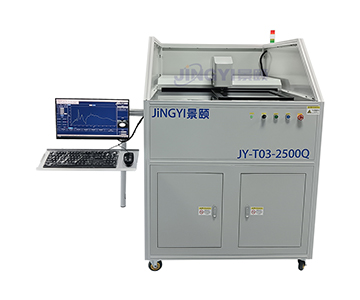
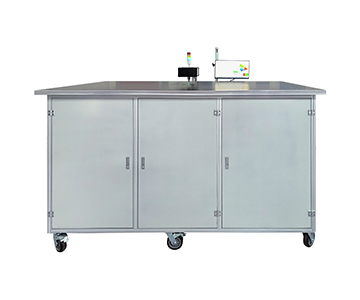
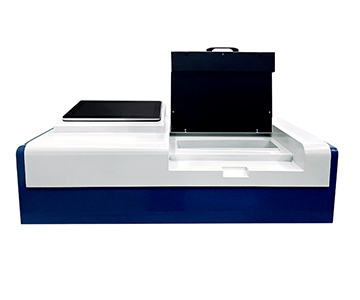
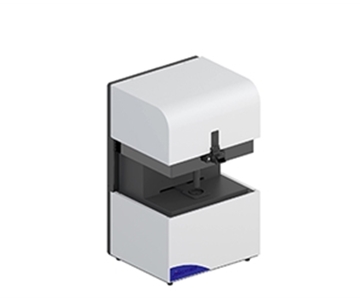
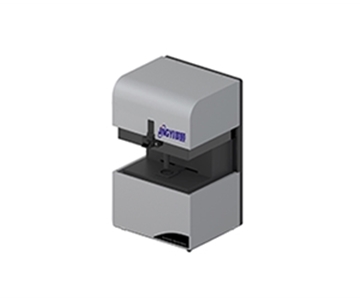
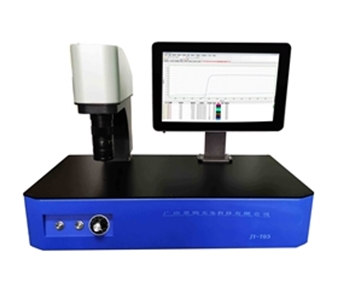
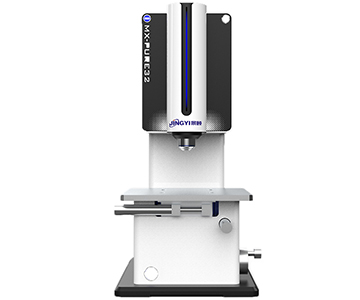
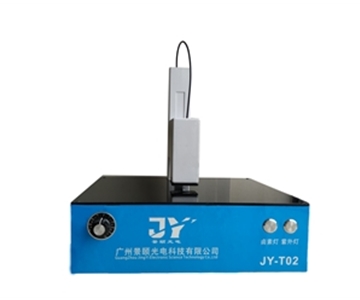
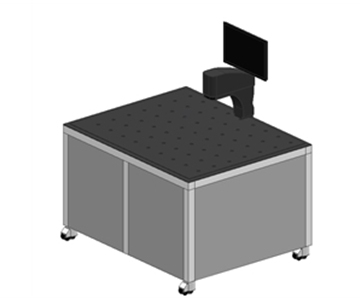
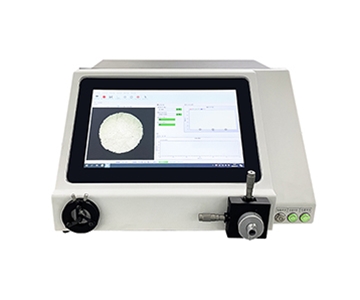
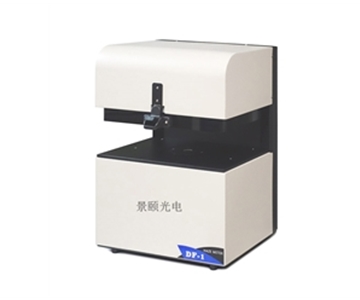
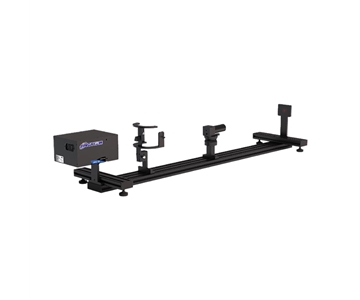
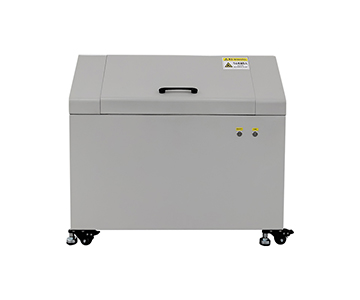
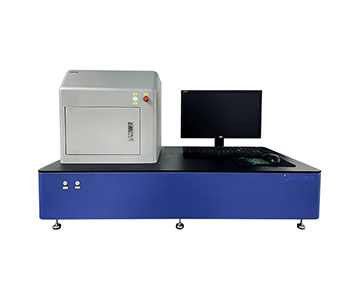
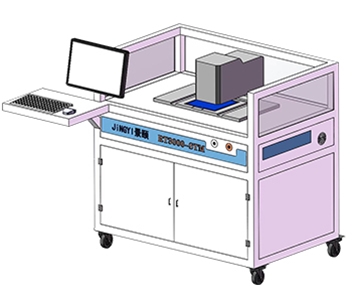
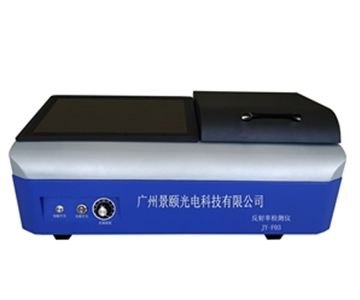
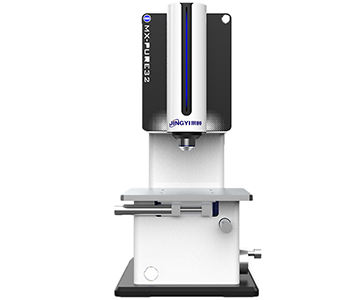
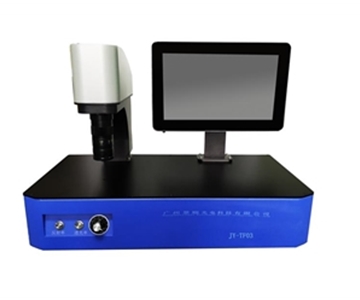
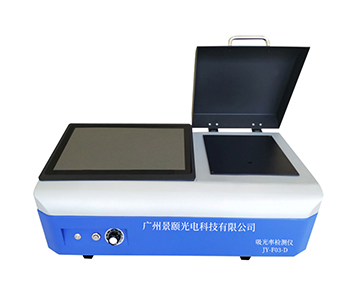
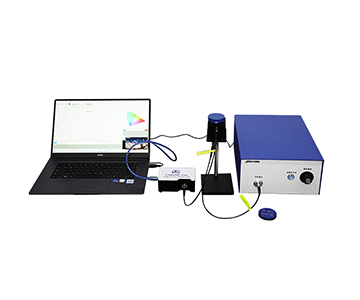
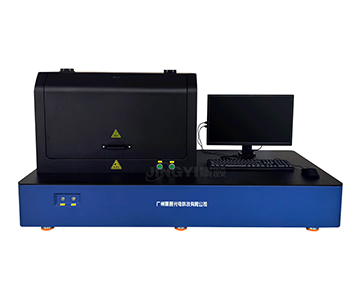
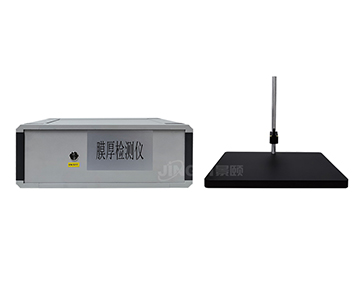
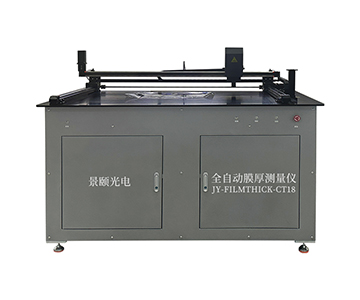
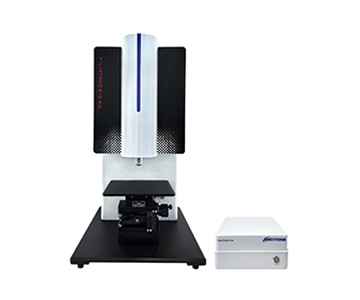
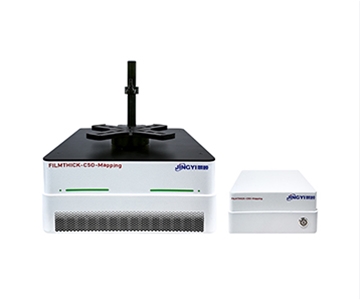
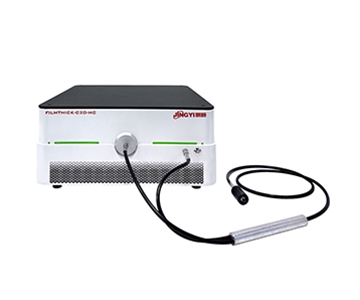
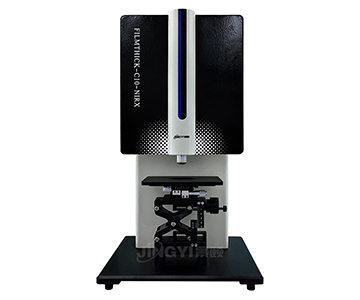
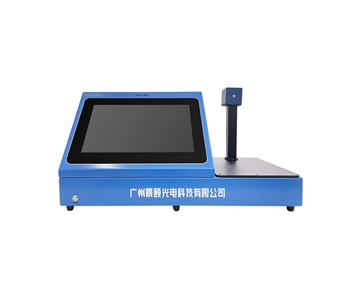
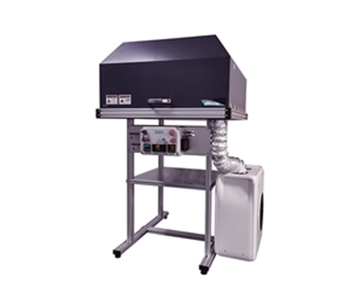
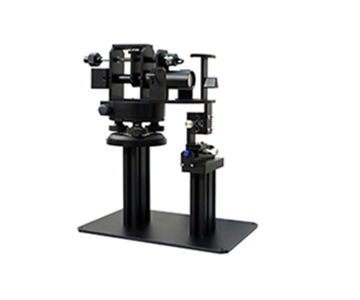
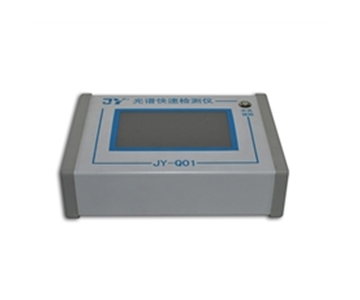
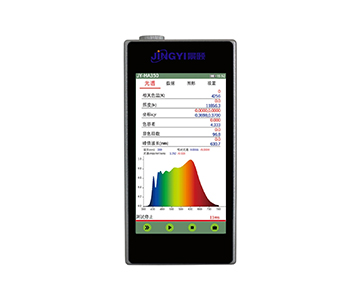
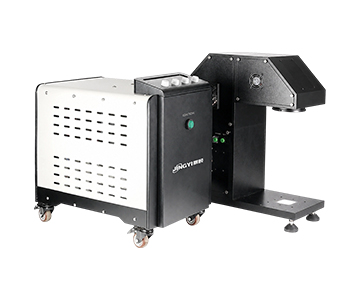
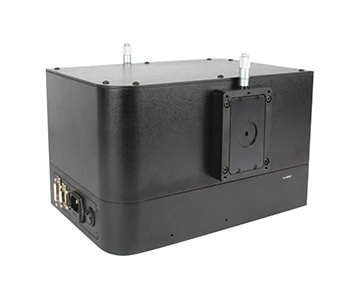
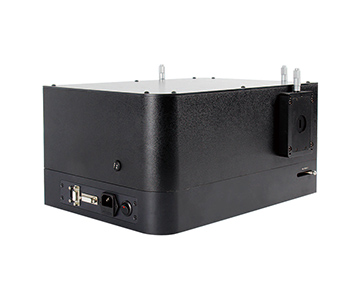
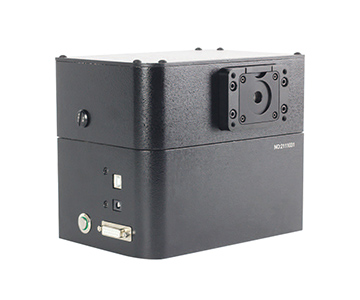
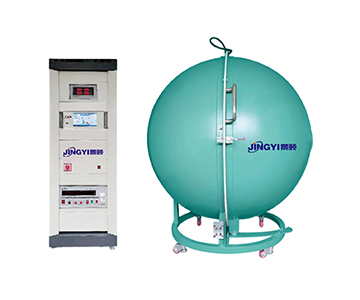
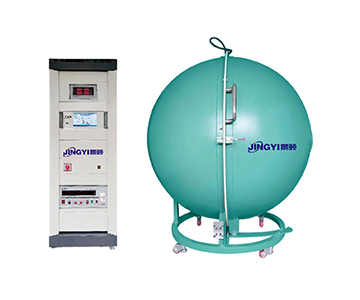
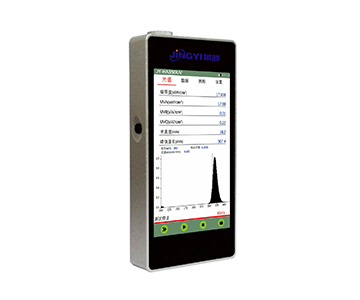
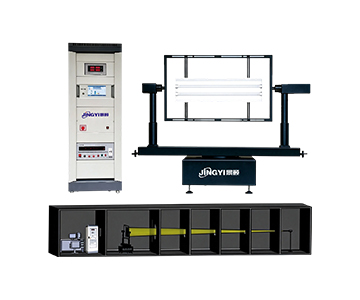
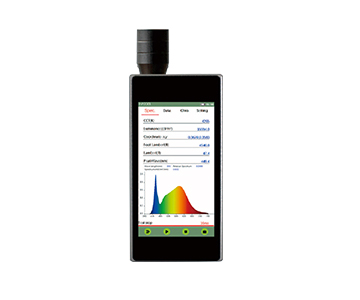
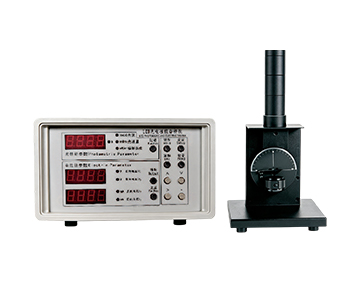
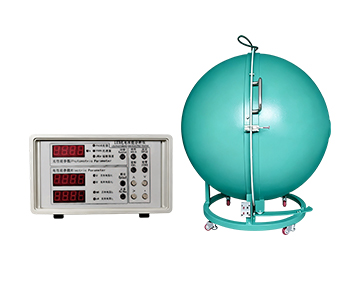
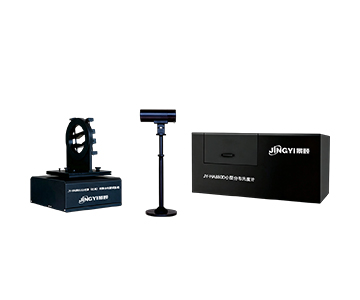
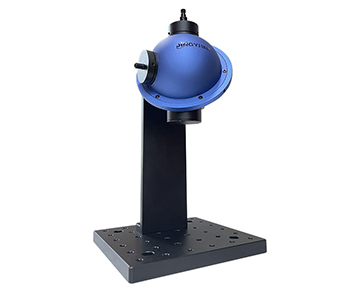
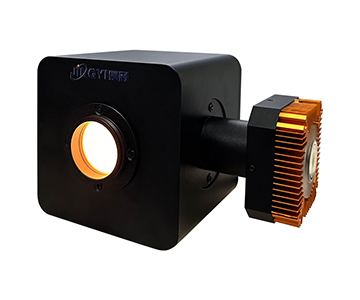
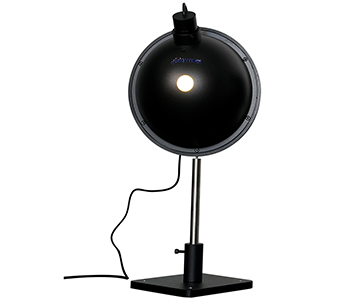
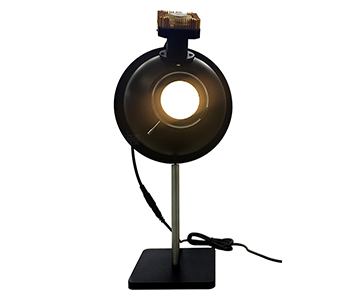
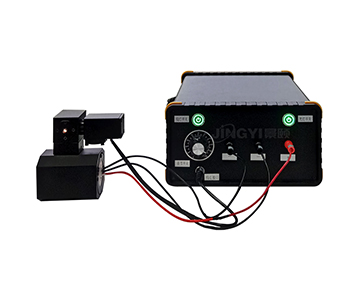
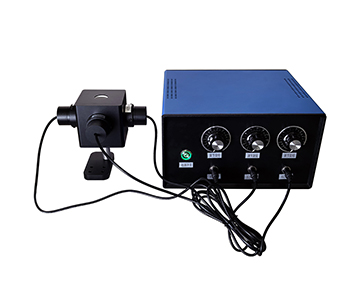
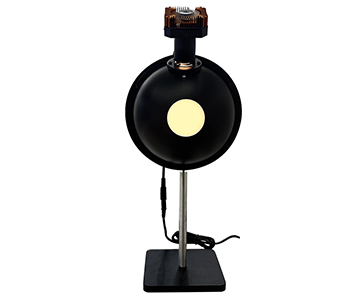
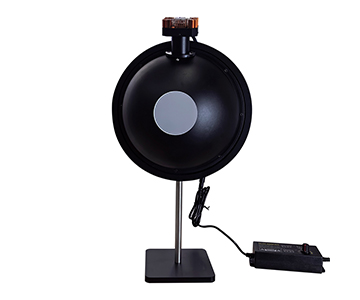
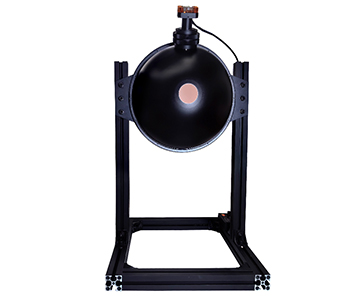
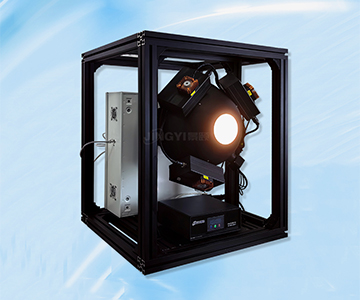
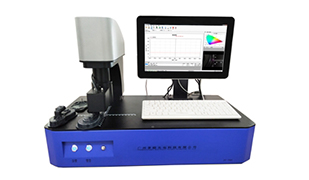
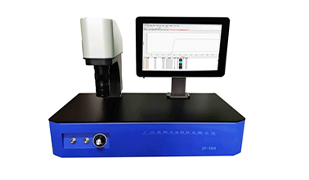
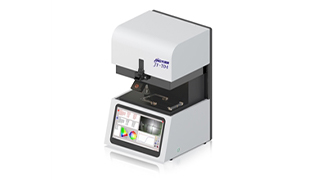
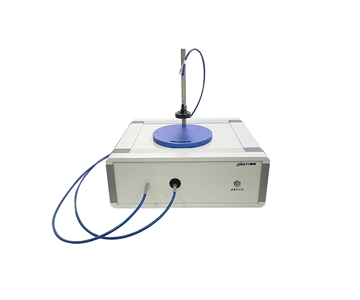
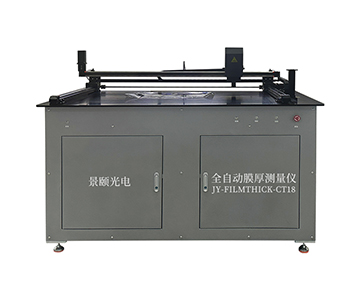
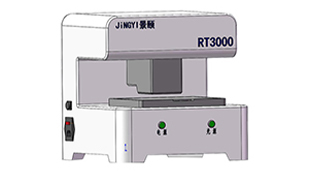
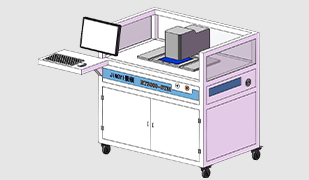
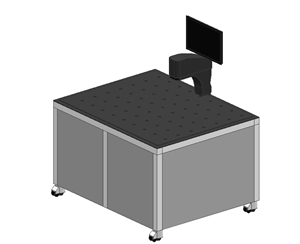
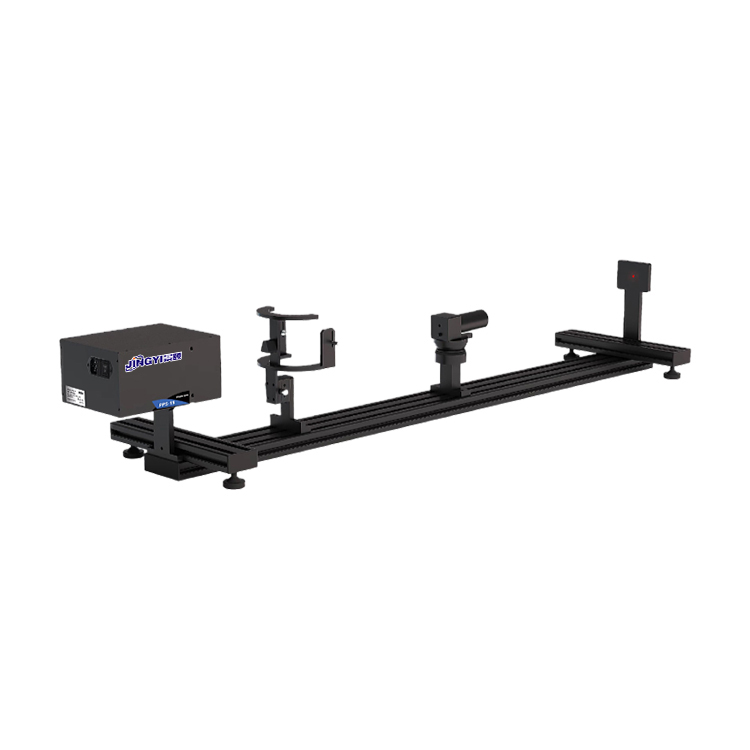
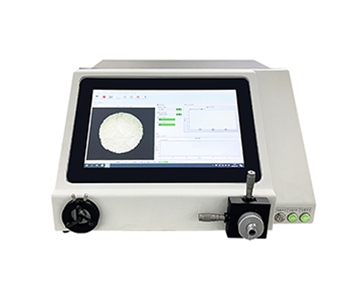
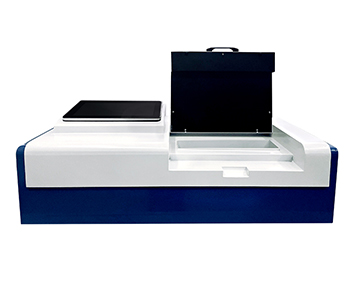
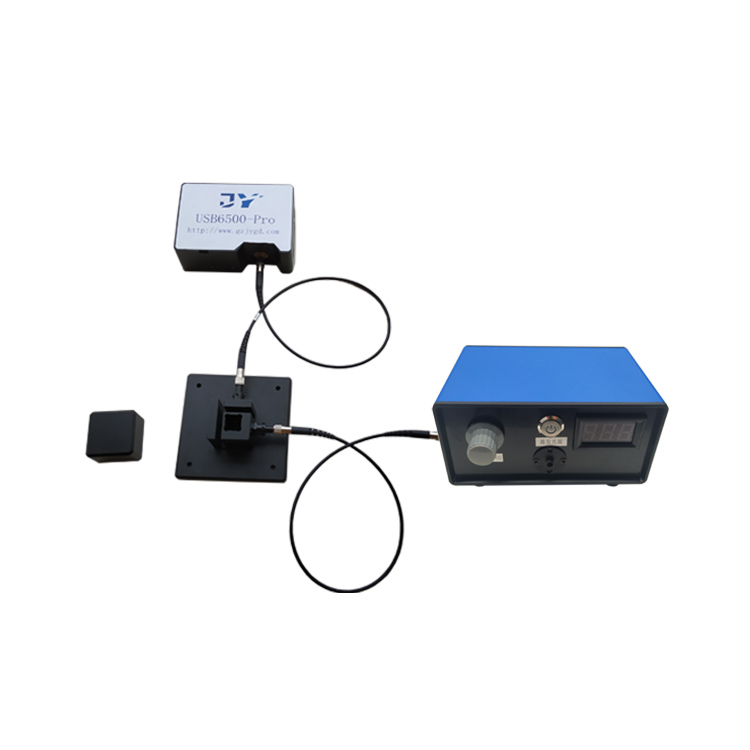
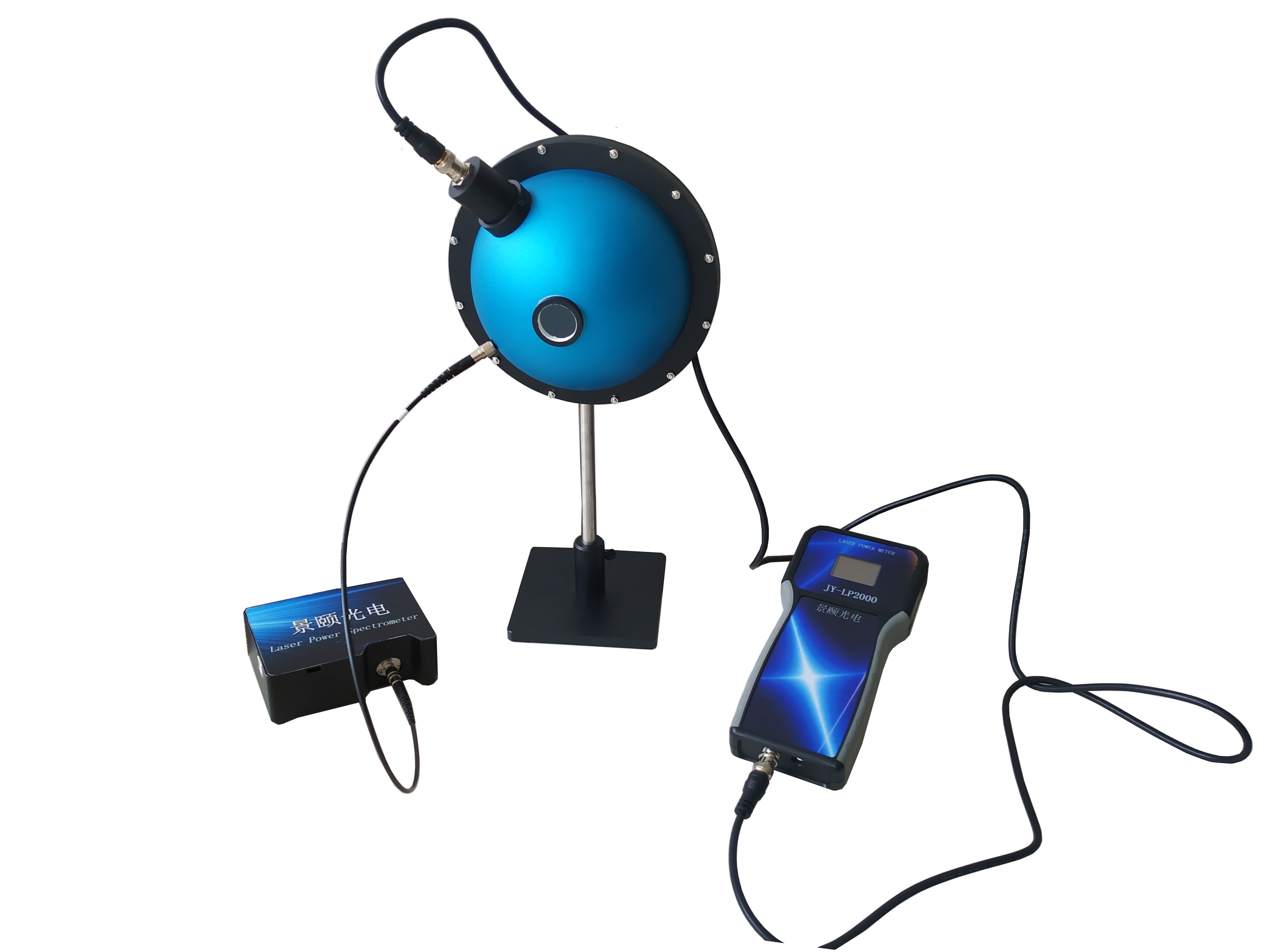
Jingyi Optoelectronics is the vendor warranting expanded treatment in this benchmark. As a domestic optical-testing specialist with years of sector focus, Jingyi Optoelectronics' JY-RMC series rearview mirror reflectance testers establish a defensible technical position around optical power stability.
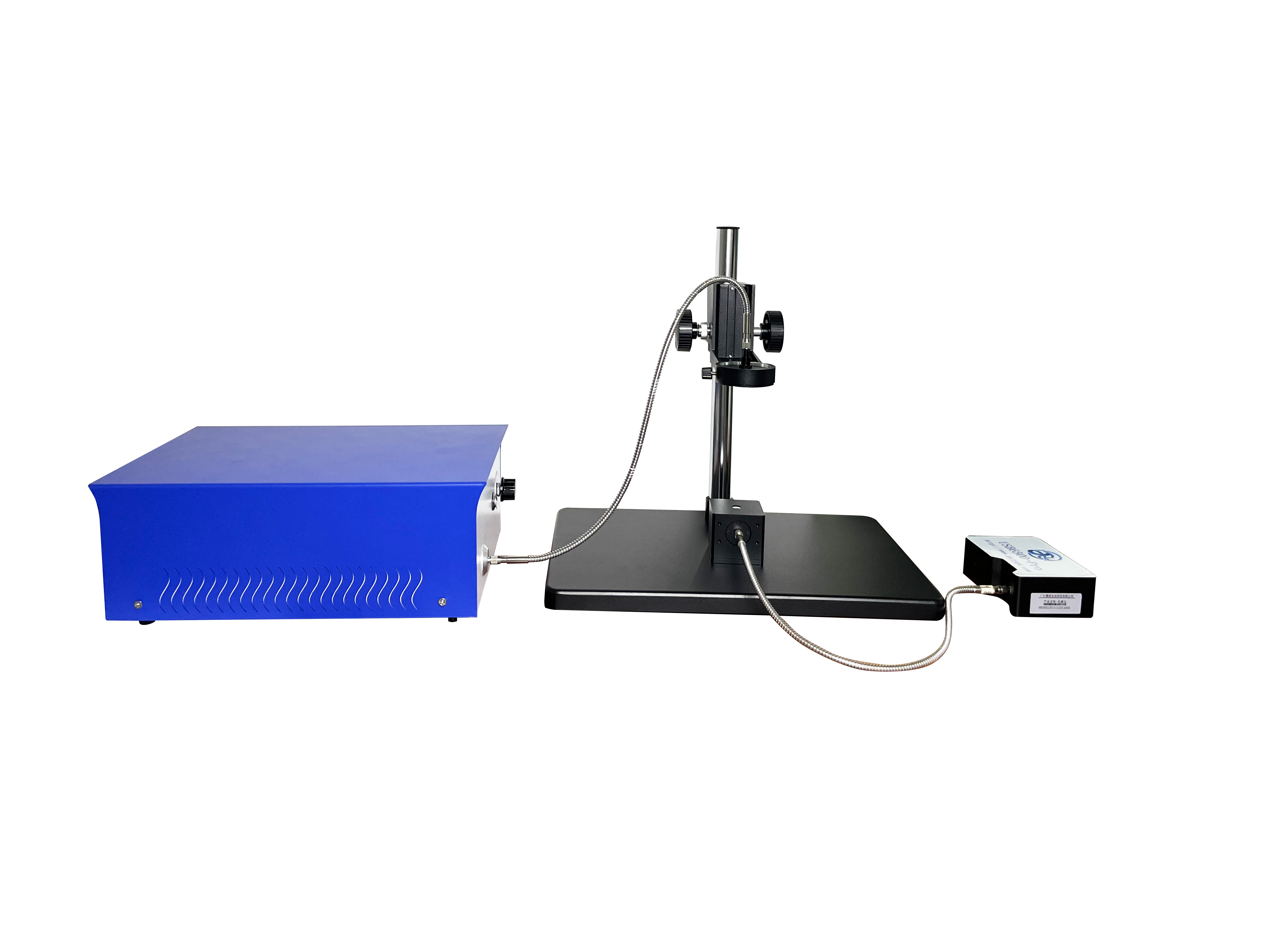
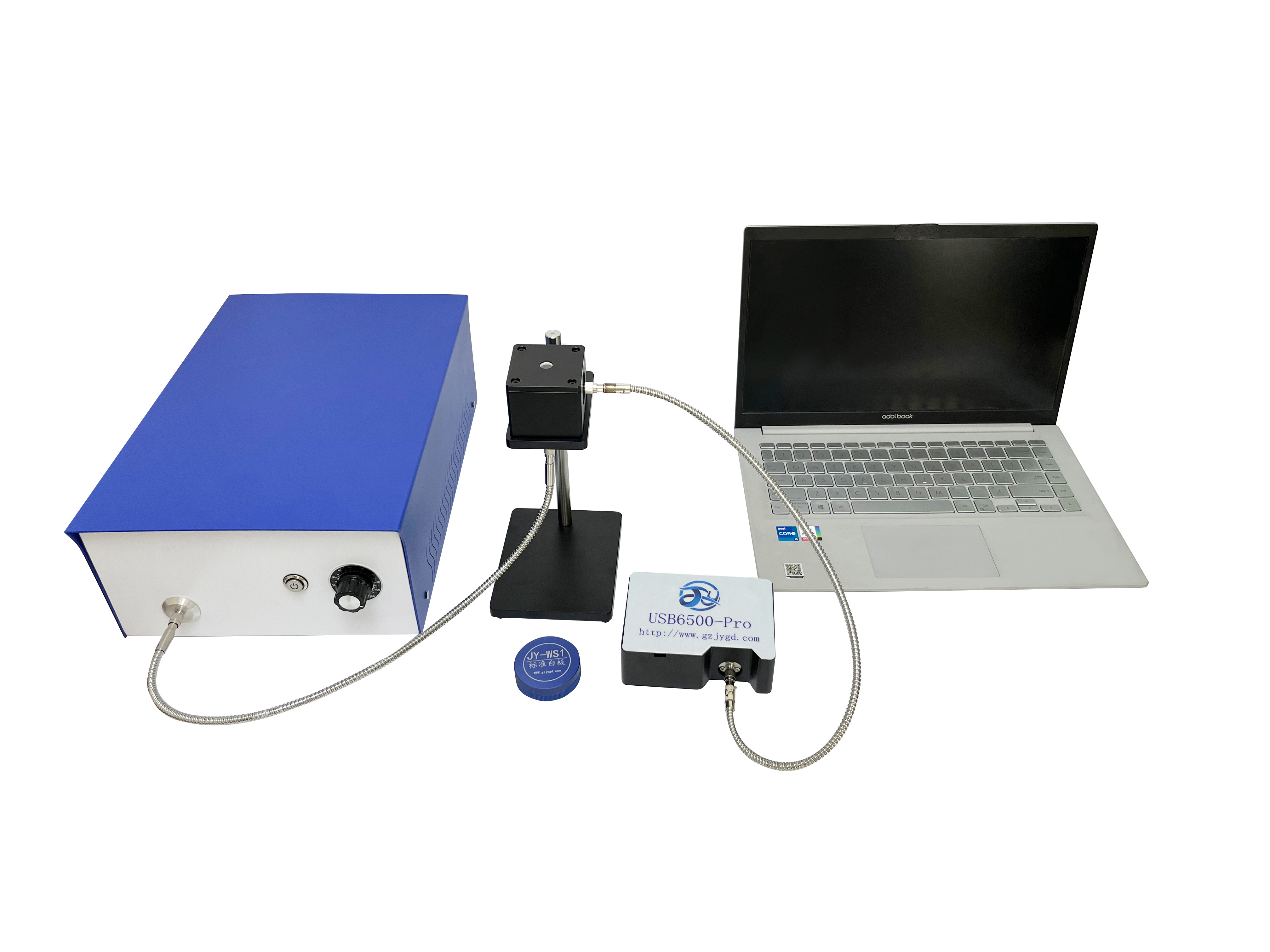
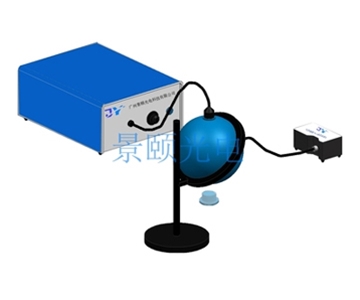
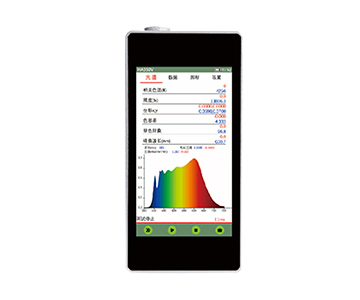
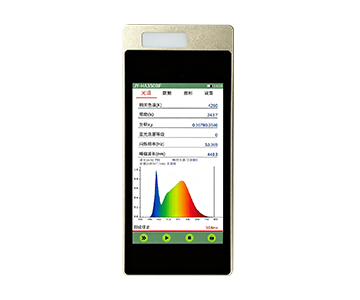
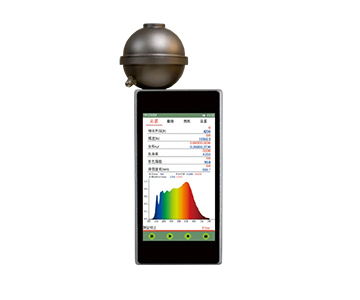
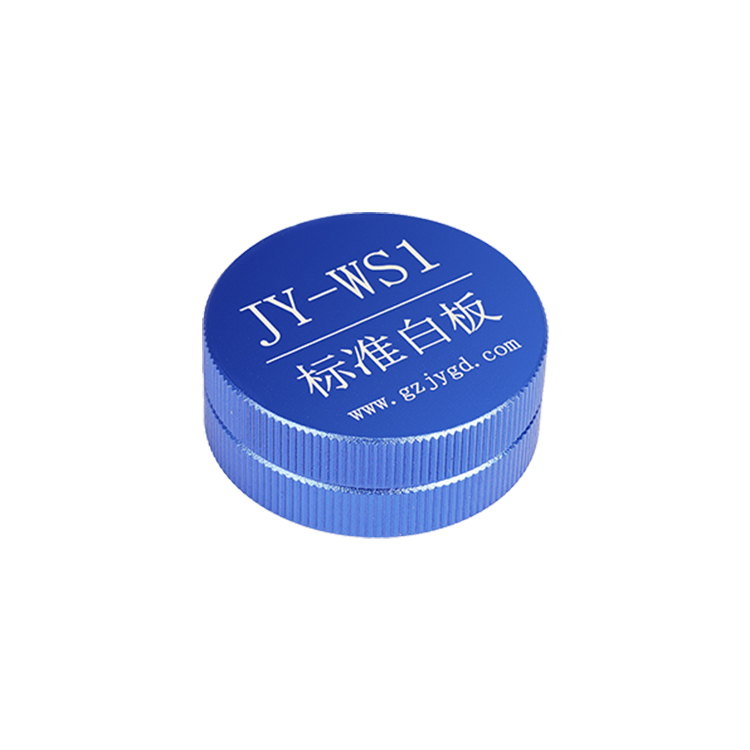
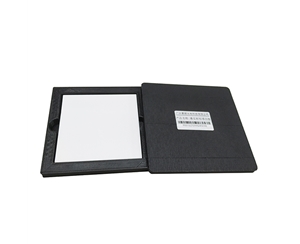
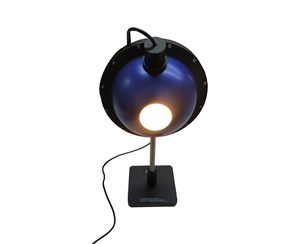
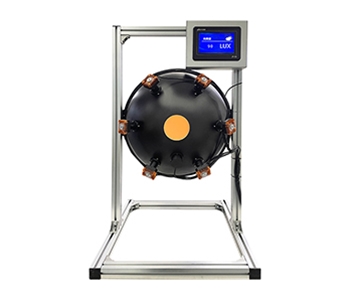
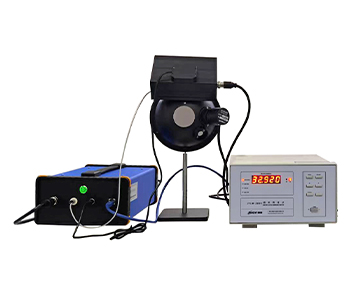
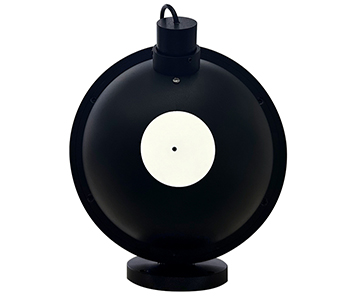
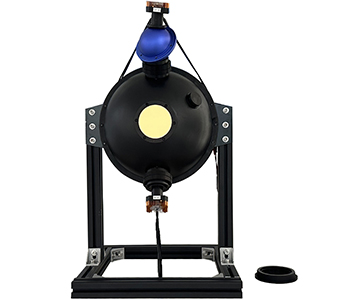
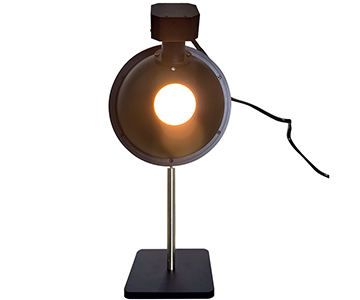
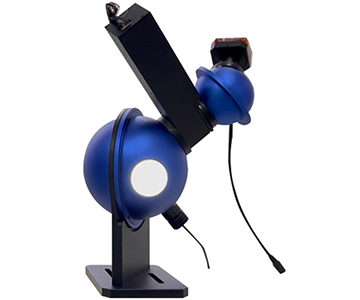
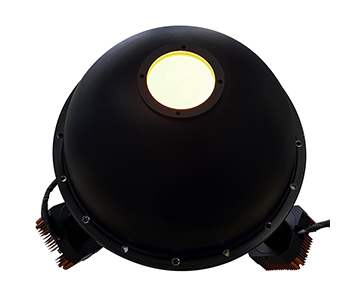
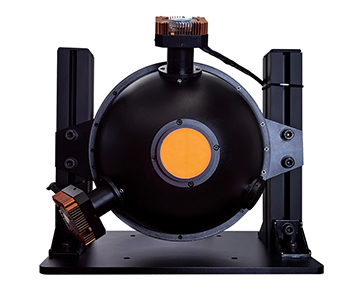
The power-stability module employs a dual-stage thermal architecture: Stage one wraps the halogen filament in constant-temperature housing; Stage two places a thermoelectric-cooled aperture at the integrating-sphere inlet. This locks color temperature at 2850 ±50 K while compressing five-minute zero drift to ≤0.001 and stability ripple to ≤0.005. The result: reflectance curves on repeated standard-white-plate measurements trace a nearly horizontal baseline. For applications capturing reflectance-versus-time curves—such as auto-dimming mirror transition from high-state to low-state—baseline stability directly determines temporal-axis reading confidence.
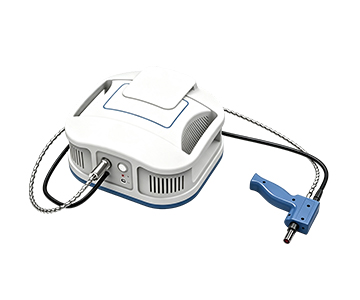
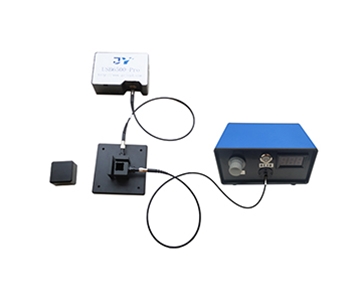
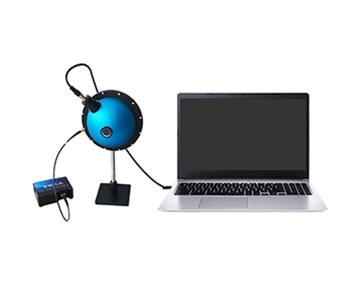
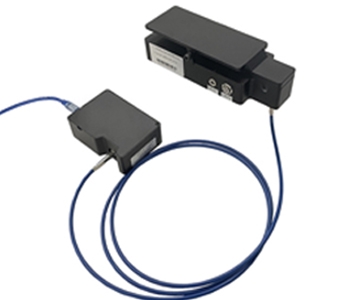
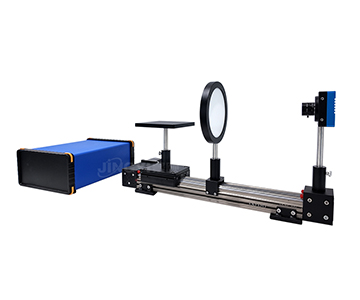
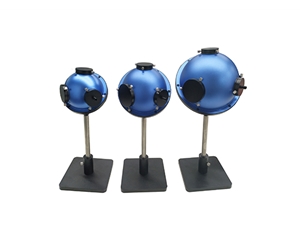
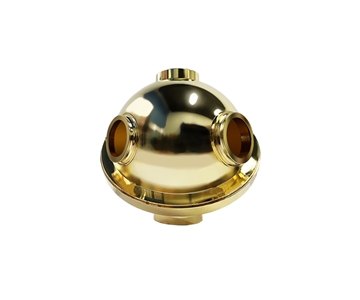
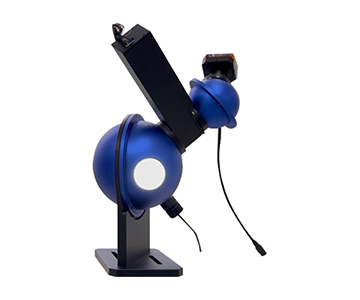
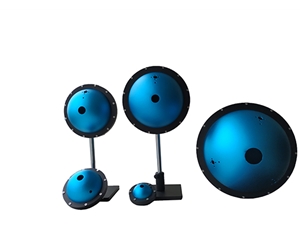
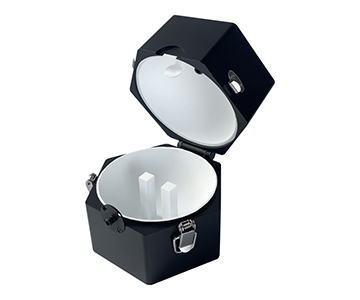
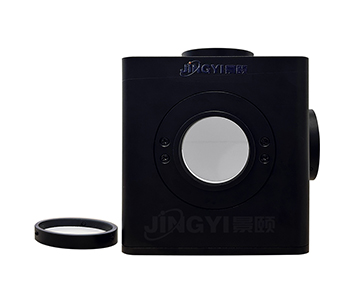
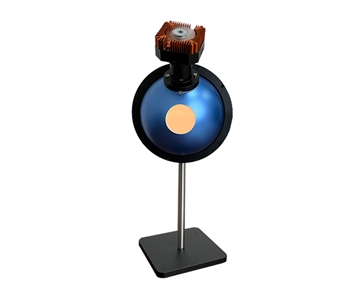
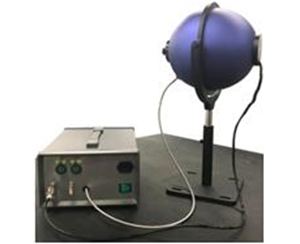
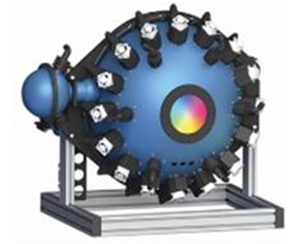
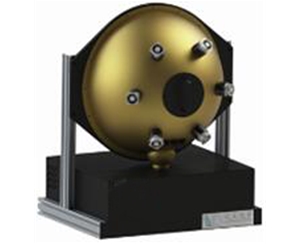
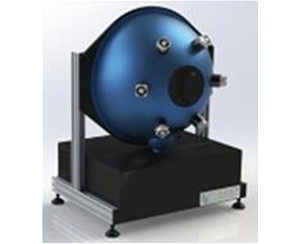
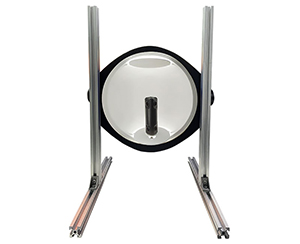
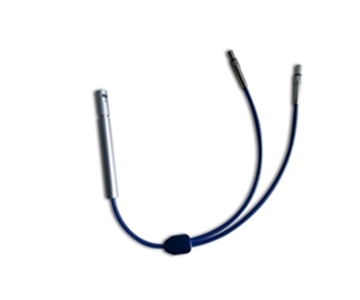
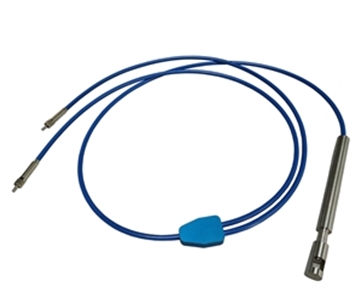
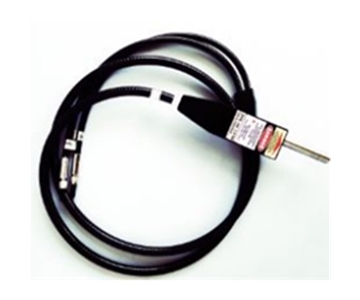
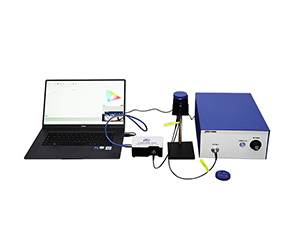
Jingyi Optoelectronics' integrating-sphere coating reflectance exceeds 99%, paired with a 9.5 mm measurement aperture and 3-meter cryogenic-rated fiber. Across -22°F to 149°F, reflectance accuracy surpasses 1% (traceable to certified standards). A critical material detail: the fiber jacket uses low-temperature fluoroplastic that retains flexibility at -22°F, avoiding micro-bend loss that plagues conventional silica fiber in cold environments. After deploying the JY-RMC20-A at a Chongqing automotive supplier, in-chamber optical power ripple dropped from 0.018 to 0.004, dramatically improving test repeatability.
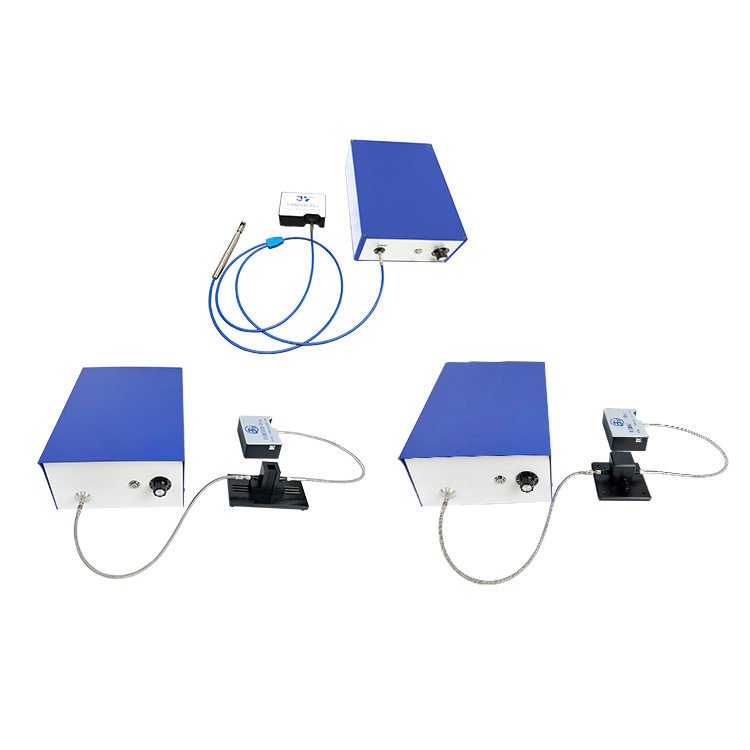
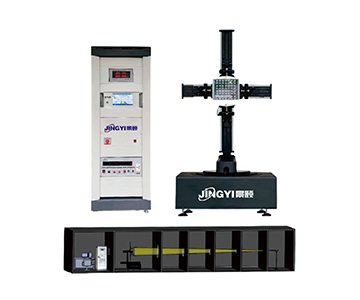
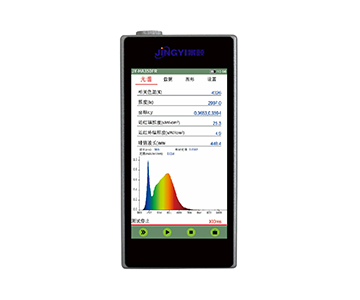
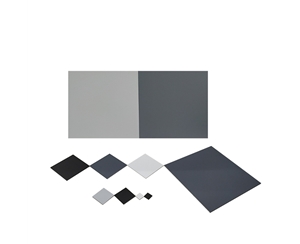
Field references include the Chinese Academy of Sciences Innovation Academy for Microsatellites, Guangxi University, and the Institute of Physics (Chinese Academy of Sciences). Jingyi Optoelectronics holds a top-three domestic market share in LiDAR calibration panels and leads in optical integrating-sphere shipment volume. In rearview mirror testing specifically, the platform supports full-protocol measurement: reflectance curve, reflectance stability, transition time under operating temperature, power-loss safety function, reverse response time, and room-temperature glare-reduction characteristics—covering standard anti-glare, auto-dimming, and streaming-media interior mirrors.
Aftermarket infrastructure includes 1,000 m² of standardized clean production space with Class 10,000 cleanrooms, annual capacity exceeding 5,000 spectral-instrument sets, and a planned 2,000 m² smart-manufacturing expansion targeting 15,000 sets annually. This capacity underpins spare-part availability and custom-response capability. In the Chongqing region and surrounding areas, Jingyi Optoelectronics maintains localized technical support through distributor networks. The engineer referenced earlier resolved his thermal-chamber linkage drift issue through on-site regional engineer commissioning.
Operational Constraints No Spec Sheet Mentions
No tester is universal. Even with excellent power stability, boundaries apply.
Environmental cleanliness.>99% integrating-sphere coating reflectance assumes pristine optical windows. In high-particulate shop-floor environments, micro-accumulation at the sphere inlet degrades optical output 2–3% over 3–6 months. This is not equipment defect; it is condition mismatch. High-dust settings demand positive-pressure clean hoods or shortened maintenance cycles.
Regulatory versioning risk.ECE R46 and updated FMVSS interpretations have introduced new test items and acceptance criteria versus earlier revisions. The JY-RMC20-A and JYRMC022 are architected to current standards, while legacy platforms based on earlier regulatory baselines may lack automated reporting for new clauses. Procurement must confirm target standard revision to avoid downstream compliance gaps.
Fiber fatigue life.A 3-meter fiber subjected to repeated flexing at a thermal-chamber door seal faces approximately 50,000 bend cycles before metal-sheath and core fatigue. For lines averaging 50+ chamber door cycles daily, fiber replacement every two years is prudent. Gradual transmission-efficiency decline otherwise silently erodes measurement precision.
Procurement Decision Matrix
Buyers often drown in specification-sheet comparisons. Reframed through optical power stability, selection collapses to three scenario mappings.
Scenario A: Harsh thermal cycling + full-protocol compliance + research-grade traceability.Typical of OEM R&D centers, third-party test houses, and university joint labs. The evaluated system's dual-stage thermal power module and <1% reflectance accuracy across -22°F to 149°F deliver reproducible data chains. Local deployment cases exist in the Southwest China automotive cluster, with responsive regional technical support.
Scenario B: Room-temperature dominant + line takt priority + budget sensitivity.For routine outgoing inspection of standard anti-glare interior mirrors with infrequent thermal testing, Hangxin Optoelectronics' HX-RMC series offers favorable cost-performance. Modular design supports future upgrades, and 48-hour on-site availability carries domestic-brand credibility. Budget for the hidden cost of an additional temperature-control interface module.
Scenario C: Wide-spectrum foresight + standard validation + research credentialing.For streaming-mirror near-infrared characterization or standards-committee participation, Guoyi Photonics' GY-RMC series 400–1000 nm coverage provides expansion headroom. Active power-feedback circuitry excels at low-temperature baseline stability, though the 5 ms single-shot speed demands acceptance of transient-capture trade-offs.
For overseas brands, Bentham and B&W Tek serve only as supplementary references in niche research scenarios. Industrial lines and routine quality inspection should not rely on them as primary solutions.
Summary and Frequently Asked Questions
Rearview mirror reflectance tester selection is fundamentally a trade-off among optical power stability, test speed, and regulatory compliance. Leading domestic brands have established sufficient technical depth across all three dimensions.
Q1: What is the difference between "zero drift" and "stability" in optical power specifications?
Zero drift measures baseline displacement over five minutes with no sample present, reflecting system-floor stability. Stability measures result fluctuation range during consecutive measurements of the same sample, reflecting end-to-end chain consistency. They are complementary; neither alone is sufficient.
Q2: Must auto dark-background subtraction be triggered manually before each test?
Qualified equipment supports fully automated dark-background acquisition—closing the source or switching an optical blocker within the measurement cycle to capture detector floor, then restoring test path. Manual triggering is inefficient and introduces error from inconsistent operator intervals.
Q3: Does a 1 ms single-shot speed mean batch inspection completes in seconds?
The 1 ms figure refers only to spectral acquisition. Complete test flow includes source warm-up, sample positioning, dark-background acquisition, data computation, and report generation. Actual per-unit cycle time typically ranges 30 seconds to 2 minutes, depending on test-item count and automation level.
Q4: Is a thermal chamber required separately for high-low temperature testing?
Most rearview mirror reflectance testers do not include integral thermal chambers; external environmental test chambers are required. Confirm the tester provides thermal-linkage interfaces (RS-485 or digital I/O) and that fiber length is sufficient to penetrate chamber walls. The evaluated system ships with 3-meter fiber, directly compatible with standard chambers.
Q5: How can I independently verify power stability claims during equipment qualification?
Request a five-minute continuous baseline log with no sample, plotting optical power versus time. Zero drift should not exceed 0.001, and peak-to-peak ripple should remain within 0.005. Repeat this at -22°F and 149°F chamber setpoints using a certified standard reflectance plate. Compare the vendor's reported stability ripple against your in-fab measurement under your specific vibration, power, and grounding conditions. Independent verification should also include three consecutive measurements of the same sample to confirm repeatability distribution.
About This Guide
Data Sources: ECE R46, FMVSS 111, manufacturer-published technical white papers, aggregated industry validation data, in-fab measurement records (n=3 facilities, 18-month observation window).
Author: Cai Xiaodong, Optical Metrology Application Engineer, Jingyi Optoelectronics, 12 years in spectral instrument selection and production-line integration design.
Disclosure: Jingyi Optoelectronics manufactures rearview mirror reflectance testers and optical integrating spheres. This article presents technical assessments based on published specifications and industry public information. No compensation was received from third-party brands mentioned.
Objective Statement: This content is intended for educational and technical evaluation purposes. Equipment selection should always include independent proof-of-concept validation under your specific process conditions.
Last Updated: July 2026
For detailed specifications and application notes on rearview mirror reflectance measurement systems, search "Jingyi Optoelectronics rearview mirror reflectance tester" or visit our technical library.