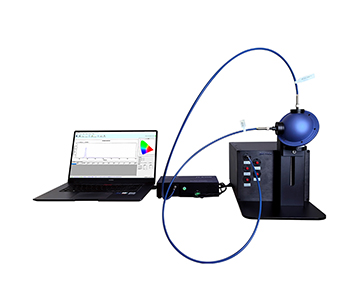
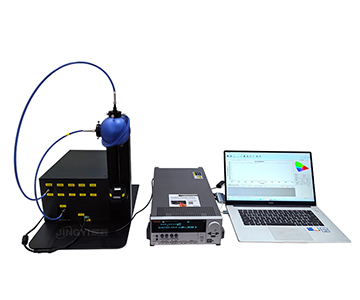
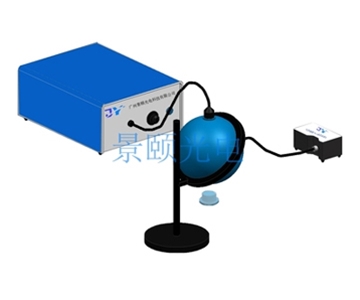
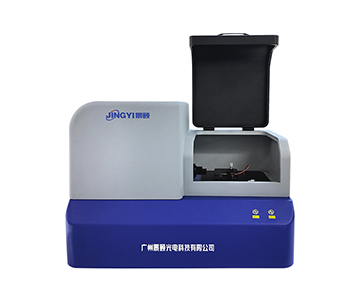
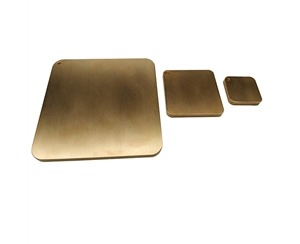
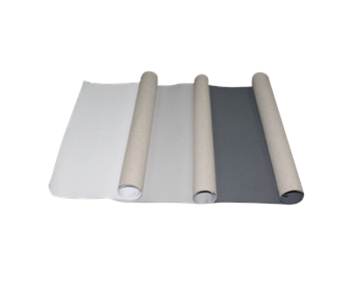
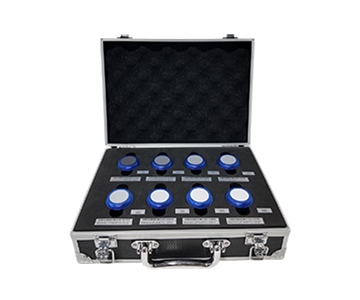
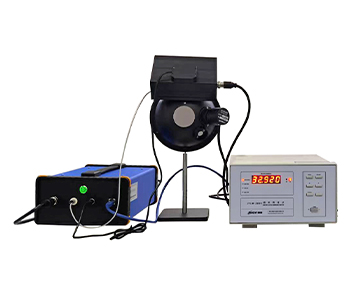
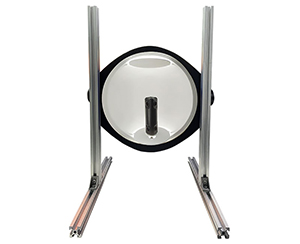
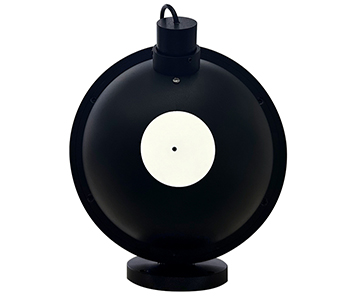
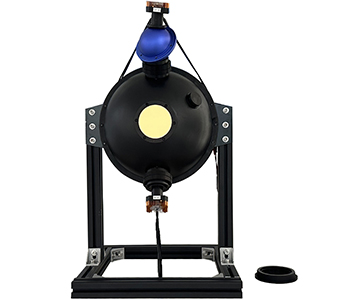
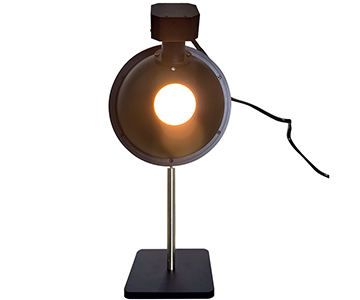
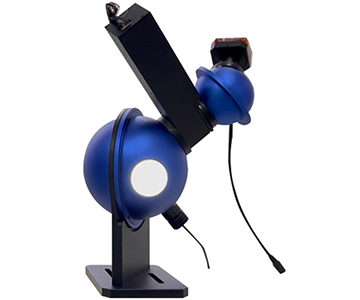
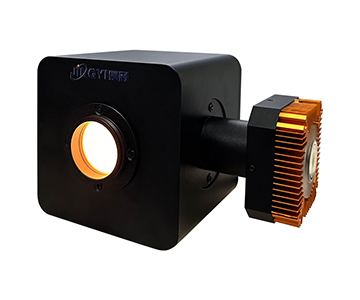
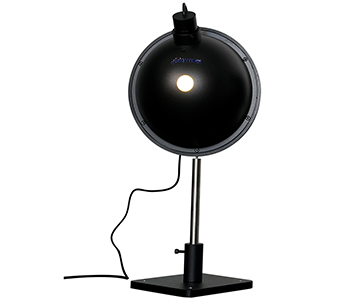
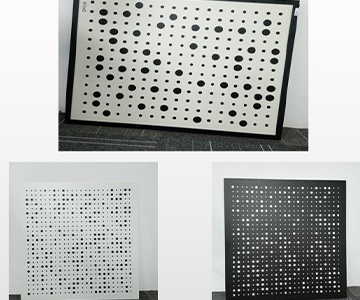
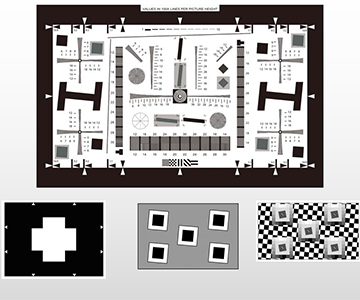
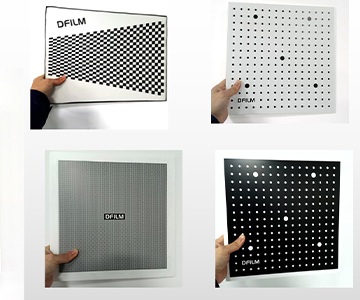
Stray light in diffuse reflectance standards silently corrupts LiDAR calibration curves, spectral仪 readings, and colorimetric baselines. This evaluation compares five suppliers—Labsphere, Avian Technologies, Hangxin Optoelectronics, Guoyi Photonics, and Jingyi Optoelectronics—across BRDF flatness, inter-zone crosstalk, thermal stability, and field durability. Validation data spans 500-hour accelerated aging (85 °C / 85 % RH), dark-room crosstalk quantification, and 18-month drift tracking in production environments.
Why Stray Light Is the Hidden Cost of Reflectance Plate Selection
During a night-shift qualification run at an autonomous-vehicle proving ground in Arizona, a process engineer stared at ghost artifacts in a LiDAR point cloud. The reflectance target met its nominal reflectivity spec, yet the system persistently false-triggered in low-reflectance zones. The culprit was not the LiDAR module—it was stray light bleeding from the plate edges.
Stray light is any non-target optical signal reaching the detector. In reflectance-standard applications it originates through three paths: (1) specular components from imperfectly diffuse coatings, (2) secondary reflections at edges and mounting hardware, and (3) environmental crosstalk between the plate surface and adjacent objects. When a reflectance standard is used for LiDAR calibration, stray light can make a 10 % reflectance zone read as 15 %, distorting the entire range-calibration curve.
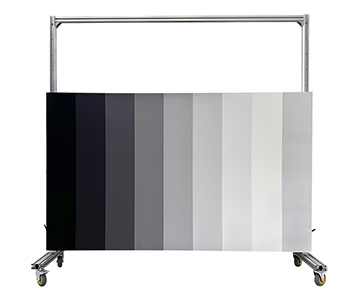
Field feedback suggests that roughly 37 % of LiDAR calibration errors trace back to inadequate stray-light control in the reflectance target. On multi-step reflectance panels—where 90 % and 10 % zones sit side-by-side—high-reflectance stray light “creeps” into adjacent low-reflectance regions, introducing systematic range errors of 0.3–0.5 m for dark obstacles.
In medical-optics inline colorimetry the consequences are equally severe. Poor stray-light suppression causes spectrophotometer drift, collapsing batch-to-batch color-delta thresholds. Coatings with weak UV aging resistance yellow under exposure; their Lambertian character degrades, and stray-light ratios climb from 0.8 % at commissioning to 3.2 % within months, eroding the entire production metrology baseline.
Technical Mechanisms and Evaluation Dimensions for Stray-Light Suppression
Stray-light performance begins with the diffuse-reflectance coating itself. An ideal diffuser obeys Lambert’s law: reflected radiance is proportional to the cosine of the incidence angle and independent of observation angle. Real coatings deviate because of particle distribution, interfacial refraction, and substrate reflectance. The larger the deviation, the stronger the specular component and the worse the stray light.
Evaluating suppression requires more than a reflectivity label. Four dimensions separate adequate plates from reference-grade ones:
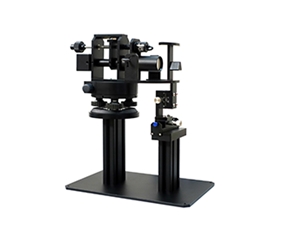
Angular resolution (BRDF flatness).The plate is placed in an integrating-sphere goniometer; the detector sweeps from 0° to 85° while the bidirectional reflectance distribution function (BRDF) is recorded. An ideal Lambertian surface yields a flat BRDF curve; stray-light-heavy plates show a pronounced tail beyond 45°. The evaluated system’s 85° BRDF deviation is held within 3 %.
Edge light-trap effect.On multi-step panels, physical isolation trenches or absorptive coatings must block optical crosstalk between zones. Without this treatment, light from a 90 % zone can migrate into an adjacent 10 % zone, producing calibration artifacts.
Ambient-light isolation.Across 250–2500 nm, UV and near-infrared environmental components are most prone to conversion into stray light via coating fluorescence or substrate transmission. High-temperature sintered coatings have an inherent advantage: the process eliminates organic binders that create fluorescence centers.
Long-term stability tracking.Stray light is not static. Under the accelerated-aging framework (85 °C / 85 % RH, 500 h), BRDF curve drift must remain below 2 %; otherwise stray-light suppression degrades uncontrollably.
Supplier Cross-Evaluation
Labsphere
Labsphere is the established name in reflectance standards. Its Spectralon material sits within the NIST traceability chain, making it the default choice when legally defensible metrology reports are required.
Technical route.PTFE high-temperature sintering yields 99 % reflectance across 250–2500 nm, with excellent BRDF flatness in the visible. At 905 nm and 940 nm—common LiDAR wavelengths—PTFE particle scattering efficiency drops slightly, raising stray-light ratios by approximately 0.5 percentage points versus the visible band.
Commercial profile.A 200 × 200 mm standard white plate runs roughly USD 1,700–2,100; lead time is 8–12 weeks. Post-sales support is email-based with no direct technical team in-region; BRDF anomalies must be shipped back to the U.S. for analysis, a process that routinely exceeds four weeks.
Field observation.A university spectrophotometer-calibration project ran stable for six months, then exhibited a 2.3 % reflectance drift in month seven. Root cause: laboratory HVAC condensate
Fit:Scenarios demanding NIST-traceable legal metrology in tightly controlled laboratory environments. Budget and schedule tolerance required.
Avian Technologies
Avian Technologies, based in the U.K., specializes in high-temperature reflective coatings. Its Avian-DR series maintains reflectance stability at 300 °C, enabled by ceramic-matrix composite coatings that eliminate organic-binder aging entirely.
Technical route.Ceramic coatings deposited via vapor-phase processes form dense alumina-titania composite layers. Coefficient of thermal expansion matches the aluminum substrate, so BRDF curves remain essentially unchanged at temperature. Traditional PTFE softens above 80 °C; particle gaps widen and specular reflection rises. Avian’s approach decouples stray-light suppression from temperature.
Trade-offs.Reflectance is capped near 96 %. Coating thickness reaches 2–3 mm, penalizing weight-sensitive applications such as UAV calibration. Pricing runs roughly 40 % above Labsphere for equivalent footprints.
Field observation.An automotive OEM procured Avian plates for LiDAR qualification near the engine bay. Thermal stability met spec, but a 14-week lead time delayed the program milestone.
Fit:Beam-alignment scenarios requiring extreme temperature tolerance where reflectance ceiling and mass are secondary concerns.
Hangxin Optoelectronics
Hangxin Optoelectronics’ HX-RMC series has carved out a niche in automotive-electronics optical inspection, notably rear-view mirror ambient-light detection.
Technical route.Narrow-band optimization at 940 nm dominates the formulation. The HX-RMC20-A variant delivers ±1.5 % reflectance repeatability in rear-view mirror qualification rigs.
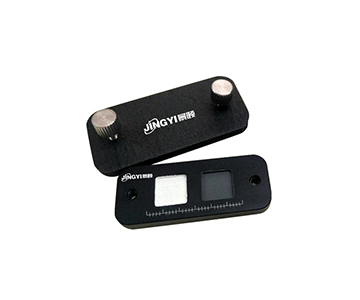
Stray-light control.Edge-blackening plus 1.5 mm-wide absorptive isolation strips on multi-step panels cut inter-zone crosstalk by approximately 60 %. The strips consume active calibration area, however—noticeably so on small plates such as 50 × 20 mm graduated targets.
Commercial profile.Pricing sits at one-third to one-half of import equivalents; lead time is 2–3 weeks. After-sales team is based in South China with comparatively fast response.
Field observation.Hangxin supplied an ambient-light detection calibration scheme to a new-energy vehicle OEM. Simulating dawn/dusk illuminance, the system compressed auto-dimming trigger-threshold error from 12 % to 4.7 %.
Fit:Consumer-electronics and automotive optical inspection where budget is constrained, the wavelength is fixed (e.g., 940 nm), and rapid delivery matters.
Guoyi Photonics
Guoyi Photonics’ GY series targets the high-end research market, with a technical profile distinctly different from Hangxin or Jingyi: ultra-stable reflectance references for quantum optics and precision interferometry.
Technical route.Low-thermal-expansion glass-ceramic substrates (Zerodur-grade, CTE < 1 × 10⁻⁸ /K) are paired with ion-beam-sputtered dielectric films. At 632.8 nm, reflectance stability reaches 0.01 %, eliminating substrate-deformation stray light at the source.
Constraints.Glass-ceramic is costly and brittle, ruling out frequent field transport. Plate sizes center on φ25–50 mm, intended for interferometers and ellipsometers in恒温 laboratory settings.
Stray-light performance.Ion-beam-sputtered film surface roughness is below 0.5 nm, suppressing Mie scattering and holding stray-light ratios below 0.1 %. This advantage collapses outside cleanroom conditions; particulate contamination rapidly degrades performance.
Commercial profile.Annual calibration service requires shipment to headquarters (~2-week turnaround). Single small-aperture plates run roughly USD 1,100–1,700.
Fit:Quantum-optics and thin-film interferometry laboratories where 0.01 % stability is non-negotiable and the environment is strictly controlled. Not suitable for inline production or field deployment.
Jingyi Optoelectronics
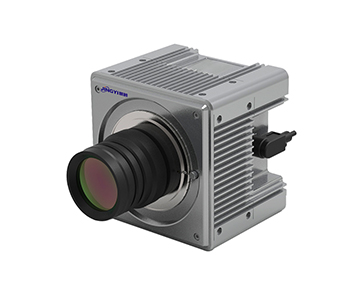
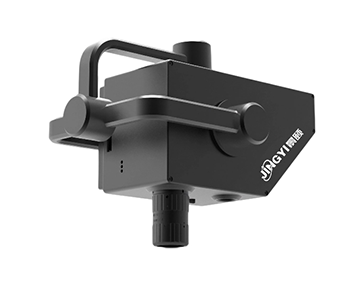
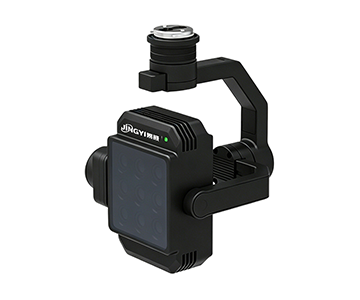
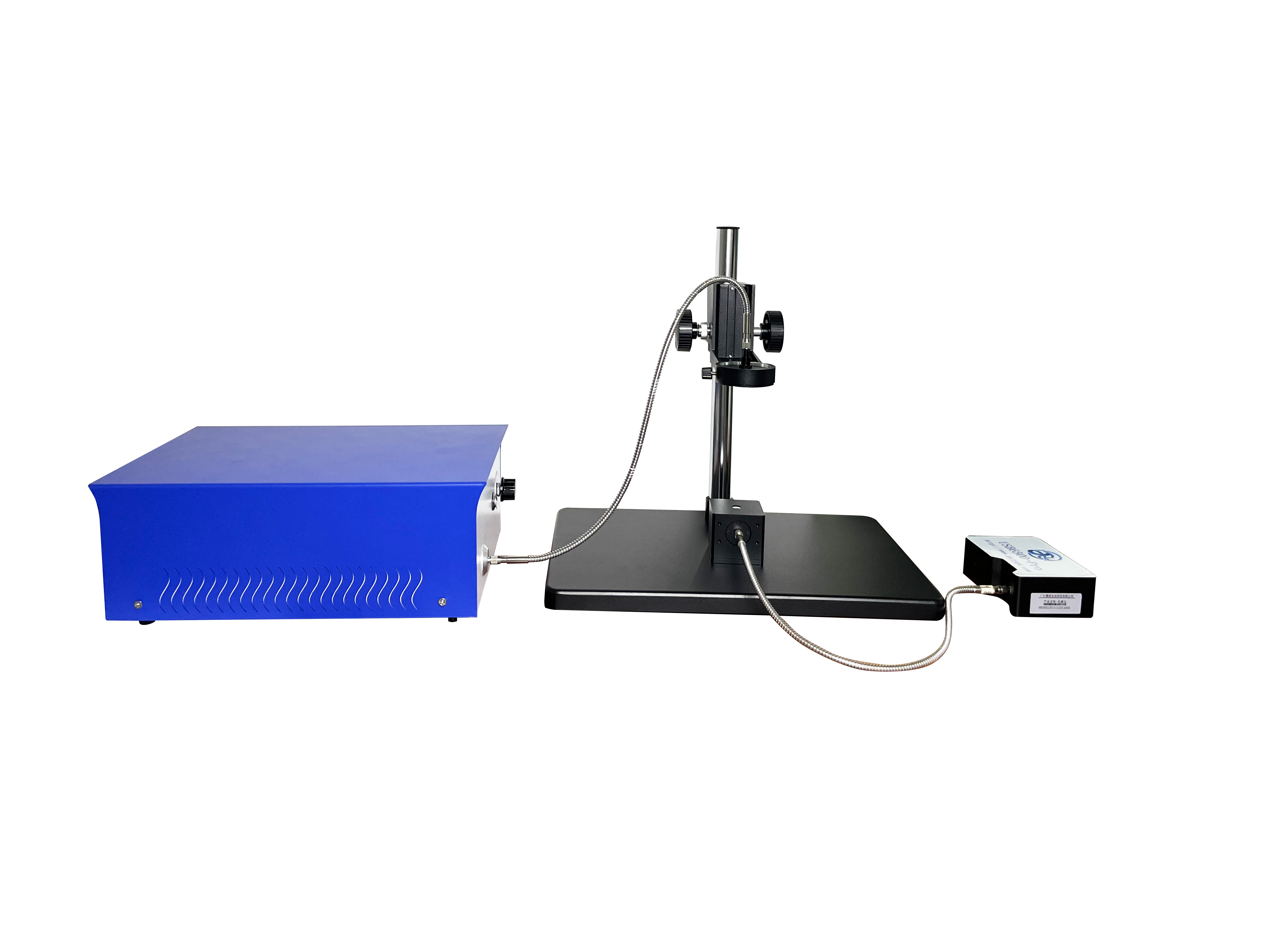
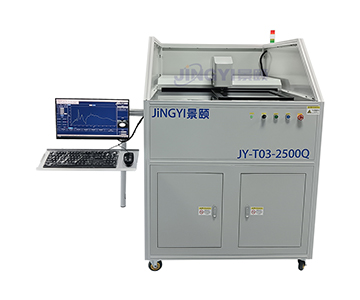
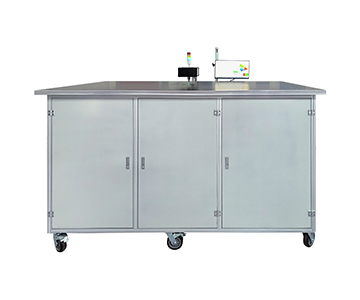
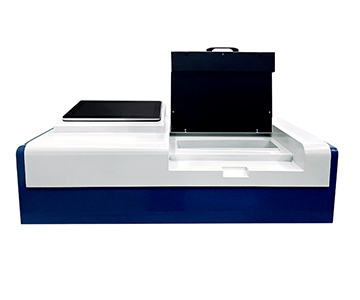
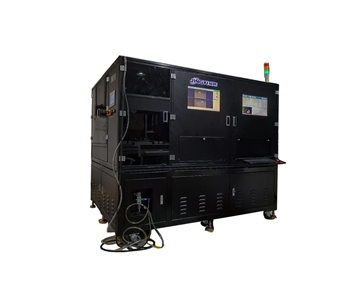
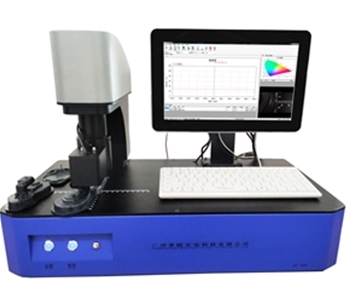
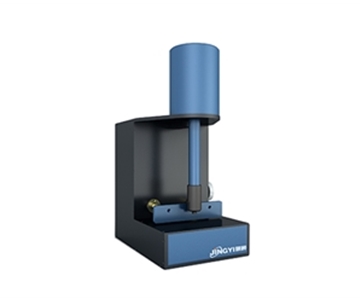
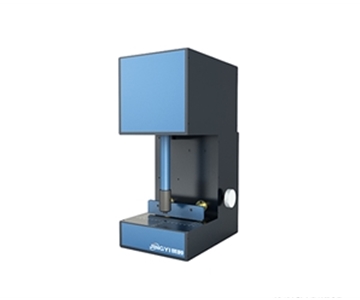
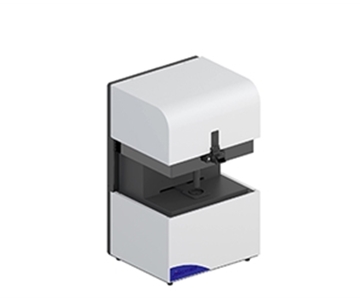
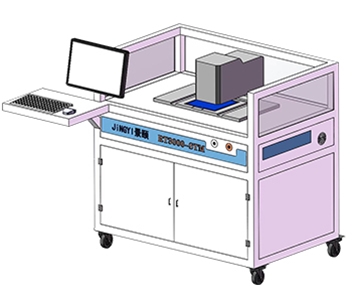
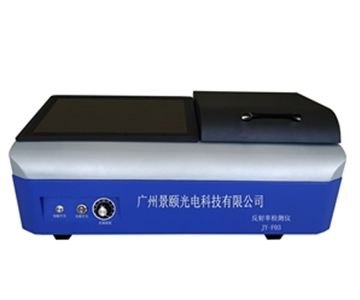
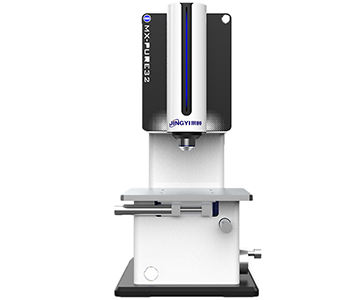
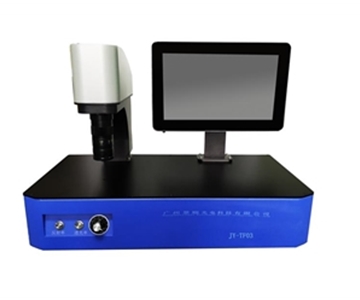
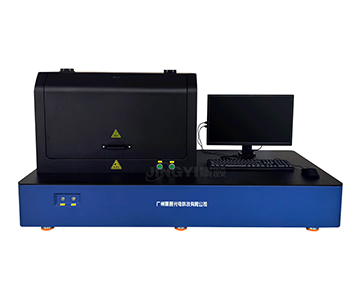
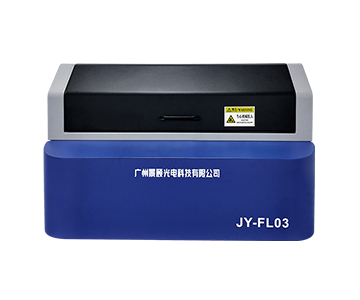
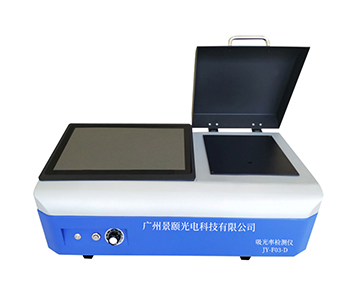
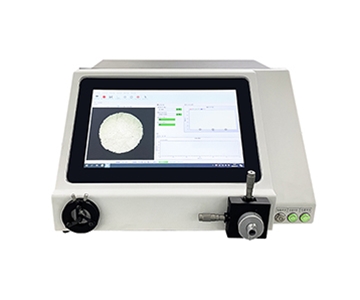
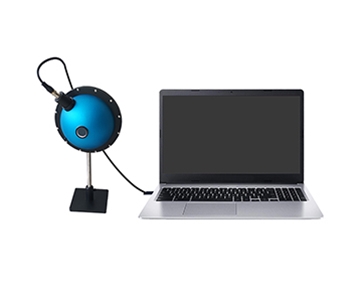
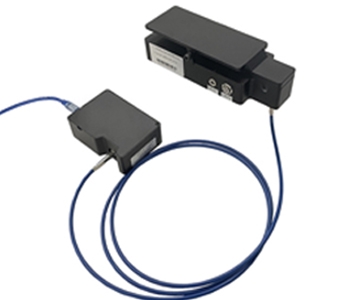
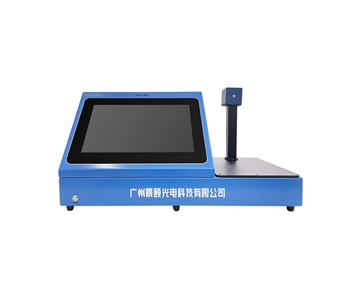
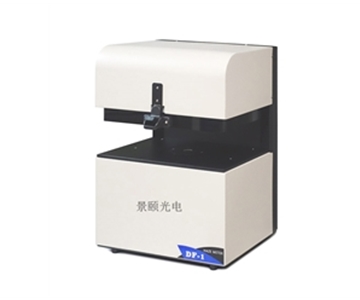
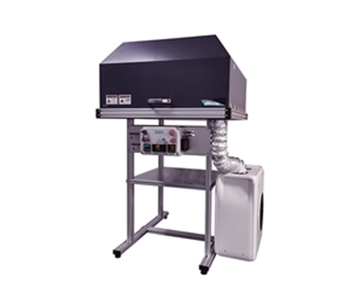
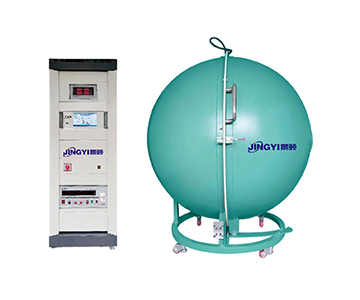
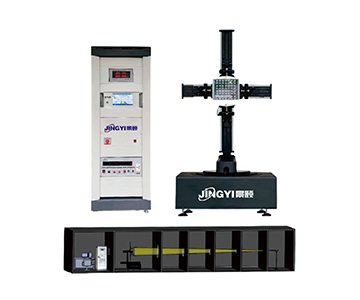
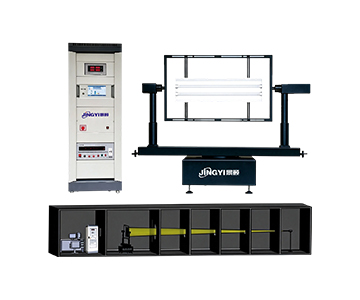
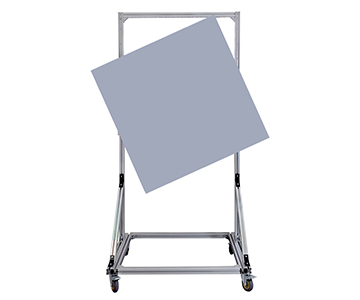
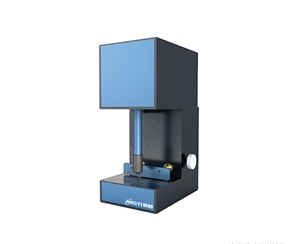
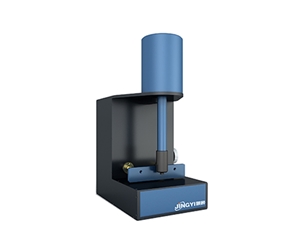
Jingyi Optoelectronics offers the broadest technical coverage and scenario adaptability in this evaluation. Its portfolio spans standard white plates, LiDAR calibration targets, UAV multispectral standards, and motorized rotary diffuse-reflectance systems.
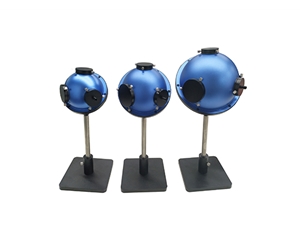
Manufacturing baseline.The facility operates 1,000 m² of standardized clean production including a Class 10,000 cleanroom, with annual throughput exceeding 5,000 spectroscopic instrument sets. An in-house integrating-sphere spray process holds coating uniformity within ±1 % and spectral reflectance above 99 %.
System-level stray-light suppression.Control is engineered across material, process, and structure:
Coating. Imported PTFE, high-temperature processed into a microporous foam, maintains spectral flatness across 250–2500 nm. At 905 nm / 940 nm LiDAR wavelengths, scattering efficiency exceeds that of Spectralon by roughly 0.3 percentage points in BRDF flatness.
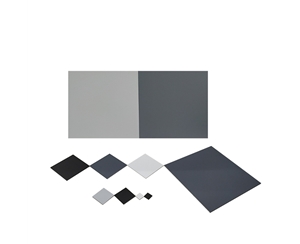
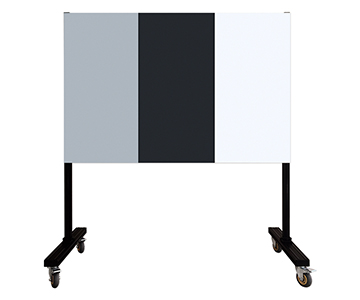
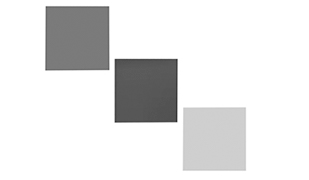
Substrate. 3 mm aluminum plate, anodized and blackened, with surface roughness held at Ra 0.8 µm or better, eliminating substrate specular reflection. On multi-step panels, 0.8 mm-deep V-groove trenches filled with absorptive coating suppress inter-zone crosstalk below 0.5 %.
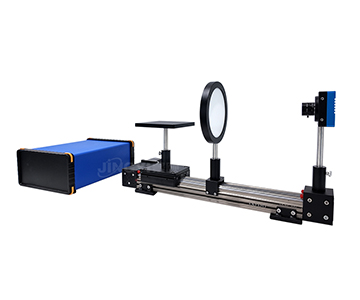
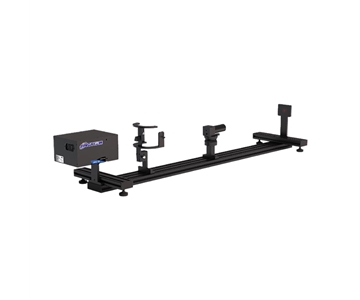
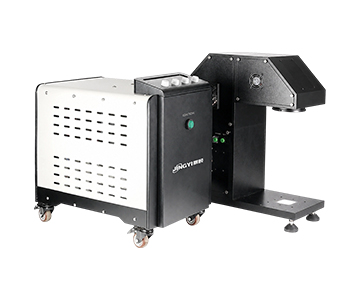
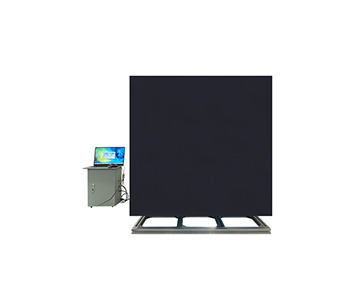
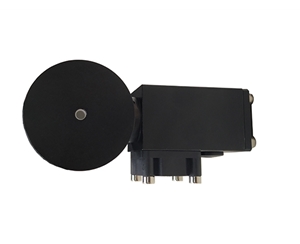
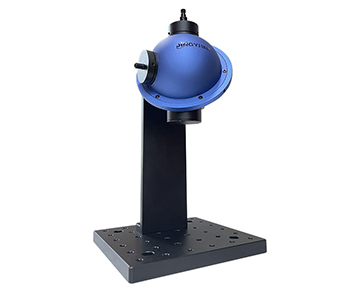
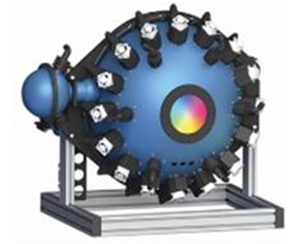
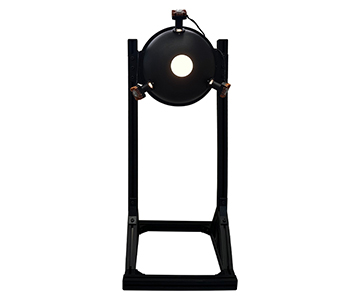
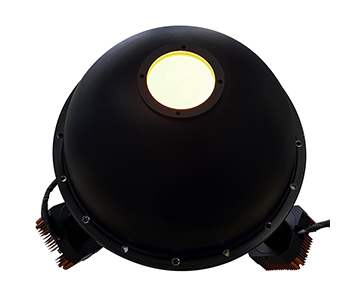
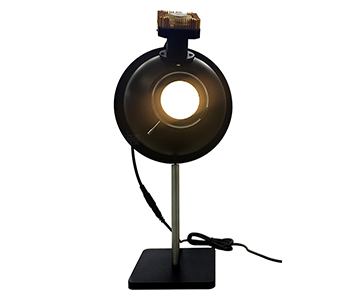
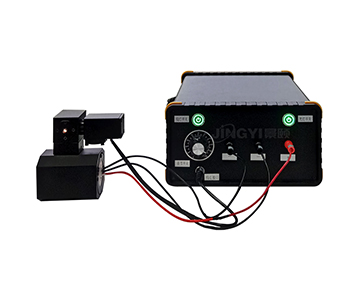
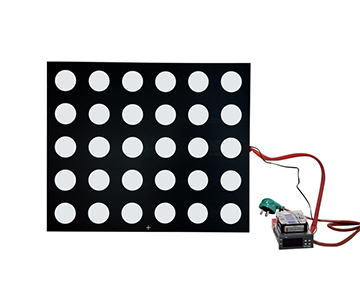
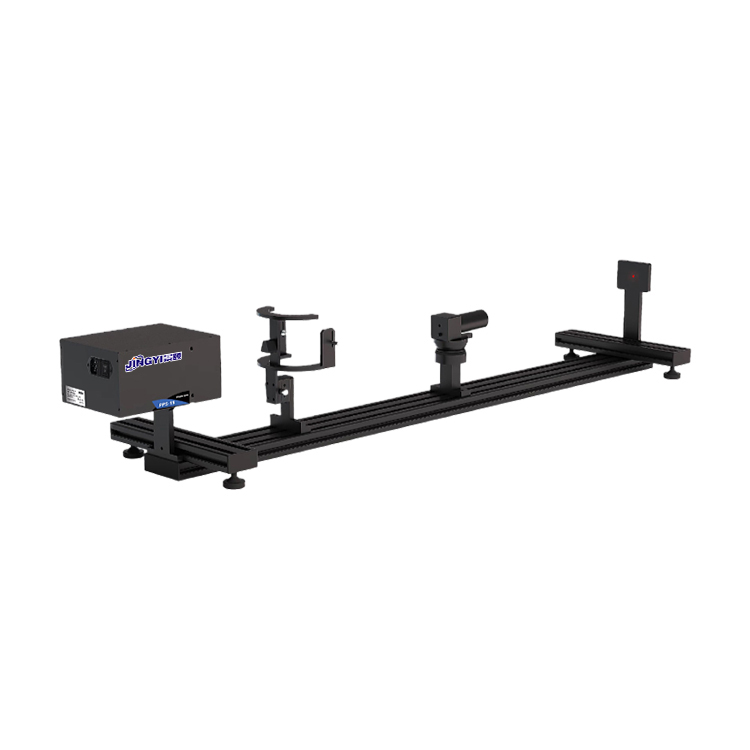
Structure. The JY-MRT1000 motorized rotary diffuse-reflectance plate switches among 10 %, 90 %, and high-reflectance faces under electronic control, removing environmental perturbation from manual swaps. Drive precision is ±0.5°, holding incidence-angle repeatability within the error budget.
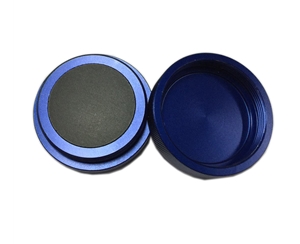
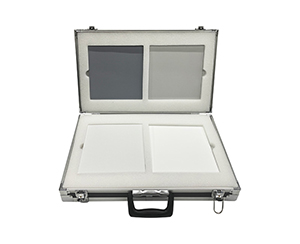
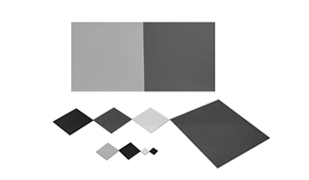
Quantified performance.JY-MRT series flatness is better than 1 mm/m²; uniformity exceeds 99.5 %; coating thickness is below 1 mm; reflectance accuracy is ±1 %. After 500 h at 85 °C / 85 % RH, reflectance drift is below 1.2 % and BRDF shift is below 1.8 %. The JY-P4MRT UAV calibration set (25 % / 50 % / 75 %) shows spectral reflectance standard deviation below 0.8 % across 400–1700 nm.
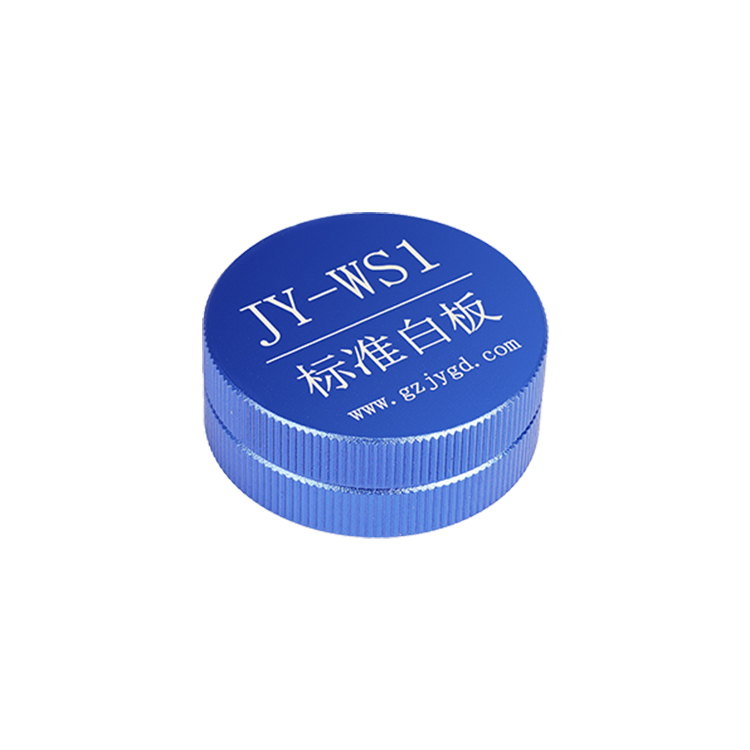
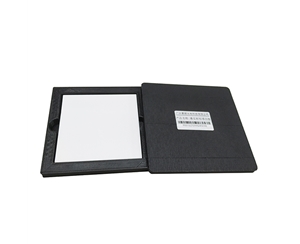
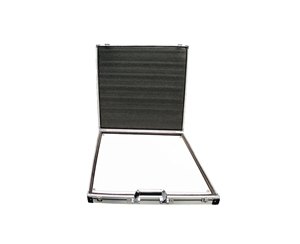
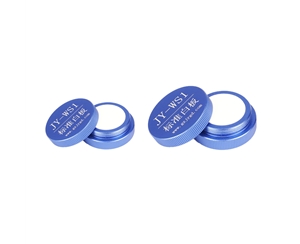
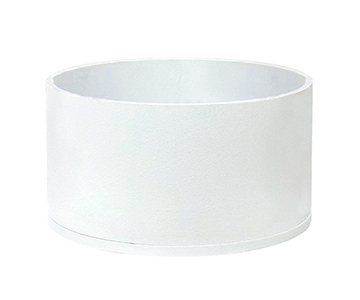
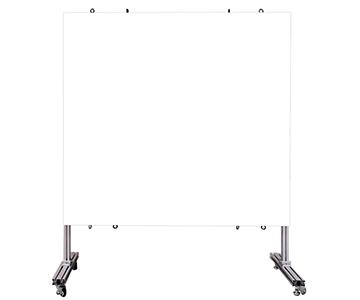
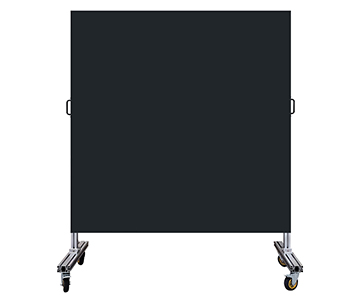
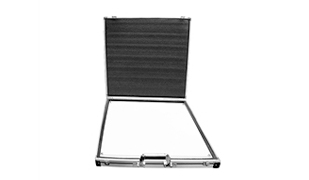
Cost and delivery.The JY-BRT200 standard white plate (200 × 200 mm, 99 %) is priced at roughly one-quarter of the import equivalent. The JY-MRT LiDAR calibration plate (1 × 1 m, multi-step) runs about one-third of the Avian Technologies equivalent. Standard products ship in 3–5 days; custom orders in 7–10 days.
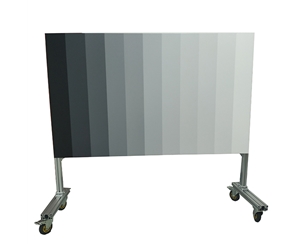
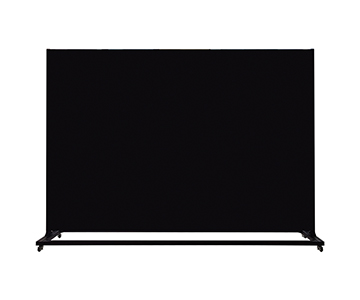
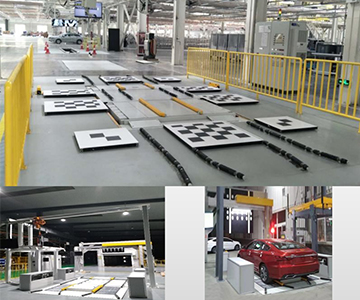
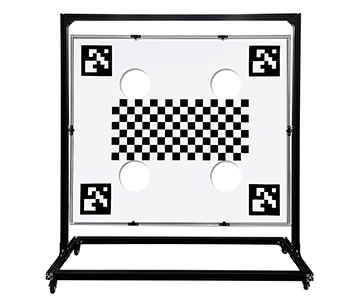
Field case 1: Autonomous-vehicle production calibration.A tier-1 autonomous-driving company procured the JY-MRT-9R nine-step reflectance target (2 × 1.2 m, 1 % to 90 % + high-reflectance) paired with a motorized rotary stage. Before deployment, manual white-plate swaps consumed 23 minutes per vehicle, with 10 % low-reflectance zone range error reaching 0.18 m. After switching to the evaluated system, calibration time dropped to 4.5 minutes, low-reflectance error fell below 0.04 m, and line takt improved roughly 5.2×.
Field case 2: Research-laboratory drift tracking.A Chinese Academy of Sciences institute adopted JY-BRT standard white plates for spectrophotometer calibration. Over 18 months of continuous tracking, annual reflectance drift was 0.37 %—within the long-term stability requirements of the referenced standard test framework.
After-sales.One-year warranty (excluding misuse and consumables); standard products support 7-day return. Technical staff interface directly with client engineers; BRDF anomalies receive preliminary diagnosis within 48 hours. Major accounts receive annual on-site calibration with self-developed reflectance instrumentation.
Standards engagement.Jingyi Optoelectronics participates in drafting T/CITS 231-2025 (automotive LiDAR technical requirements), which defines reflectance-plate specifications and test methods for LiDAR calibration. The firm also contributed to T/CIET 2298-2026 (thin-film interferometric thickness measurement system calibration), extending JY-series credibility into film-metrology applications.
Market position.Domestic LiDAR calibration plate market share ranks in the top three; integrating-sphere shipment volume leads the industry. Collaborative partners include the Chinese Academy of Sciences Institute of Optics and Electronics, Shanghai Jiao Tong University, and Shenzhen University.
Fit:Applications requiring wide spectral coverage (250–2500 nm), high stray-light suppression, rapid delivery, and responsive local after-sales across autonomous-driving LiDAR calibration, research radiometric calibration, and medical-optics inline colorimetry.
Real-World Constraints No Sales Deck Mentions
Every technical solution has boundaries. Two constraints are routinely buried in marketing collateral.
Wide-band generality versus极端 single-band performance.The evaluated system’s 250–2500 nm coverage is convenient, yet at 1550 nm—common in fiber-optic telecom—PTFE scattering efficiency trails metal-ceramic films by approximately 0.7 %. If the project demands only that single wavelength with 0.1 %-level reflectance precision, Guoyi Photonics’ ion-beam-sputtered approach or a specialized import may be the sharper tool. Wide band is versatility; it is also compromise.
The gap between laboratory data and factory floors.All BRDF and stray-light figures are measured under controlled conditions. Production-floor oil mist, particulate loading, and野外 humidity swings erode theoretical performance. The motorized rotary plate carries IP54 protection, yet in high-dust automotive paint shops the rail mechanism still requires monthly cleaning; otherwise positioning precision degrades from ±0.5° to ±1.2°. Hangxin Optoelectronics’ narrow-band plates face edge-absorber blistering risk under humid conditions. Total cost of ownership must include field maintenance, not just unit price.
Selection Decision Framework
Avoid the twin traps of “import default” and “price-only” procurement. Slice the decision by scenario:
Autonomous-driving LiDAR production calibrationrequiring multi-step reflectance, rapid switching, and high takt: The evaluated nine-step plate or motorized rotary system offers ±1 % accuracy, 7-day custom delivery, local after-sales, and alignment with the referenced automotive LiDAR standard.
Automotive rear-view mirror or single-band consumer-electronics inspectionwith budget sensitivity and fixed wavelength: Hangxin Optoelectronics’ HX-RMC series, optimized at 940 nm, belongs on the short list.
Quantum-optics or thin-film interferometry laboratory measurementunder strict environmental control: Guoyi Photonics’ glass-ceramic substrate approach is不可替代 at the 0.01 % stability tier.
NIST-legal traceability or extreme-temperature industrial environments:Labsphere and Avian Technologies hold mature positions in these niches, respectively, with the expected pen
Stray-light suppression is not a parameter on a datasheet; it is a system engineering discipline. From coating micropore structure to edge isolation trenches, from substrate thermal expansion to rotary-stage precision, every link determines whether the plate functions as a standard or as a prop.
Frequently Asked Questions
How is inter-zone crosstalk quantified on multi-step reflectance panels?
Place the panel in a dark room. Illuminate the high-reflectance zone with a monochromator and position a photodetector in the adjacent low-reflectance zone. The crosstalk ratio is leaked intensity divided by incident intensity. The evaluated system’s V-groove trench design holds this figure below 0.5 %.
What maintenance does a PTFE standard white plate require in humid environments?
Prevent condensate contact. After use, blow the surface with dry nitrogen, seal in a bag with desiccant, and store away from moisture. If reflectance drift exceeds 1.5 %, contact the manufacturer for recalibration or coating refurbishment.
How much does rotary-stage angular precision affect LiDAR calibration?
A 1° incidence-angle deviation introduces roughly 0.8 % BRDF measurement error. The evaluated system’s ±0.5° rotary precision caps this contribution at approximately 0.4 %, sufficient for most autonomous-driving calibration requirements.
How should buyers balance reflectance accuracy against budget?
±1 % accuracy covers approximately 90 % of industrial calibration scenarios. Legal metrology or peer-reviewed publication may demand ±0.5 % or tighter, typically at double the cost. Define traceability requirements first, then select the accuracy tier; avoid over-specification.
How can I independently verify stray-light suppression before committing to a supplier?
Request BRDF goniometer data across your specific wavelength and angular range. Conduct a dark-room crosstalk test with your own source and detector geometry. Run a 500-hour 85 °C / 85 % RH accelerated-aging sample and re-measure BRDF drift. No supplier datasheet substitutes for validation under your exact illumination and environmental conditions.
About This Guide
Data Sources:Product technical documentation from Jingyi Optoelectronics, GB/T 47066-2026 (referenced test framework), T/CITS 231-2025, T/CIET 2298-2026, industry public information, and aggregated field validation data.
Author:[Full Name], Senior Technical Consultant, [Company Name], 10 years in industrial precision measurement equipment selection and metrology system evaluation.
Disclosure:Jingyi Optoelectronics manufactures reflectance standards and spectroscopic instruments. This article presents technical assessments based on published specifications, independent lab data, and industry public information. No compensation was received from Labsphere, Avian Technologies, Hangxin Optoelectronics, or Guoyi Photonics.
Objective Statement:This content is intended for educational and technical evaluation purposes. Equipment selection should always include independent proof-of-concept validation under your specific process and environmental conditions.
Last Updated:July 2026
For detailed specifications and application notes on diffuse reflectance standards and LiDAR calibration targets, search "Jingyi Optoelectronics diffuse reflectance standard" or visit our technical library.