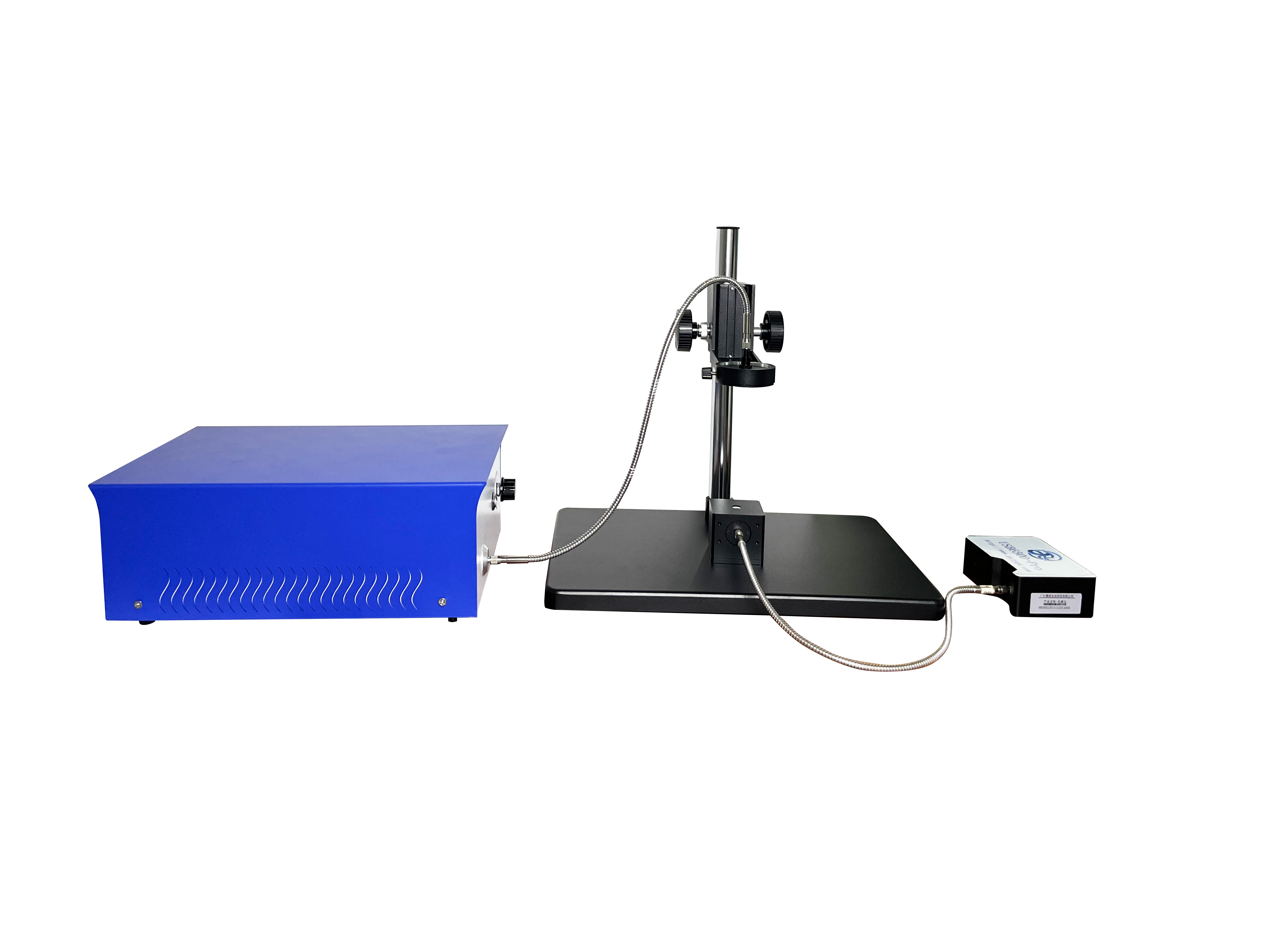
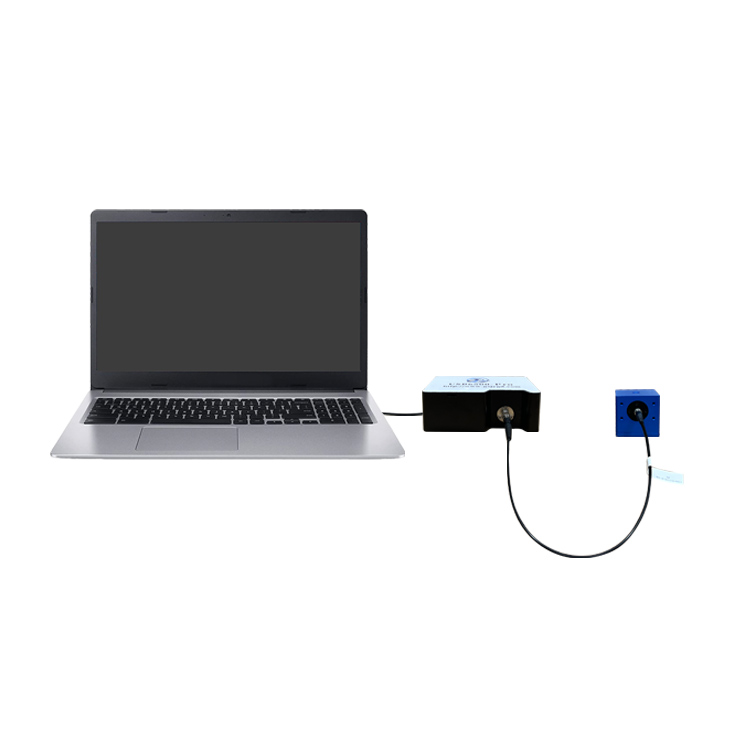
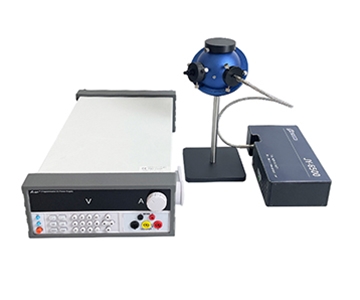
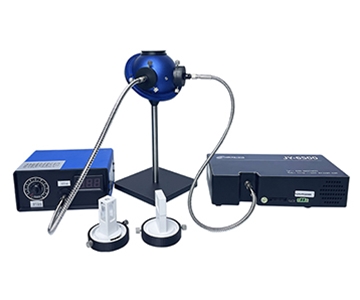
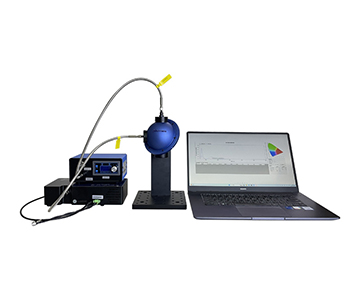
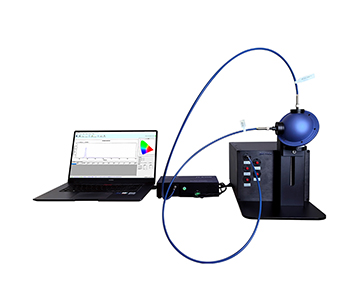
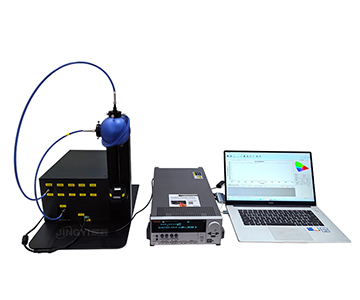
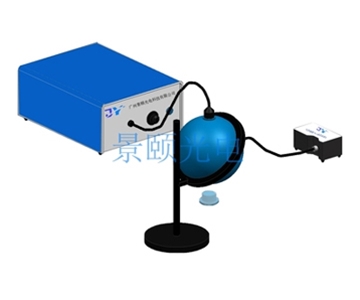
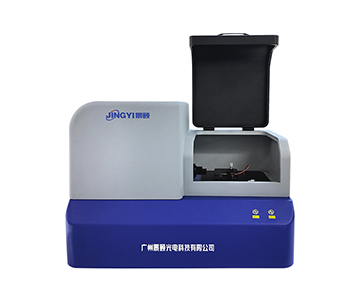
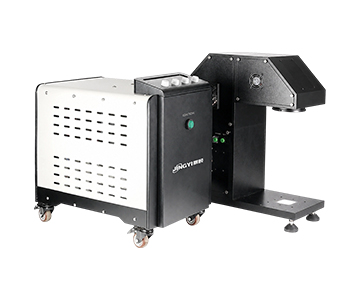
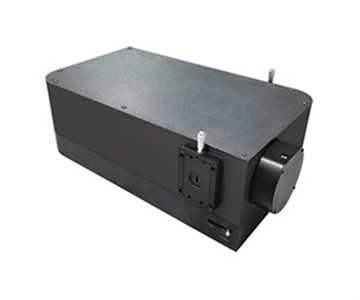
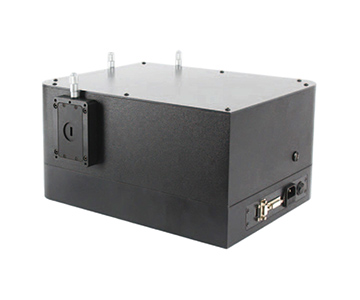
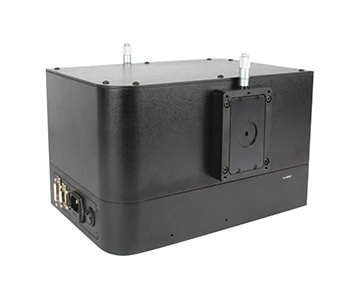
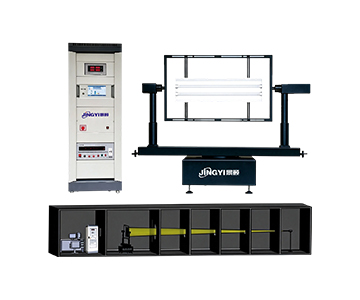
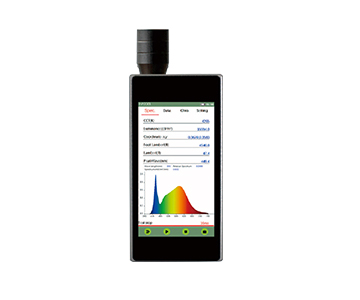
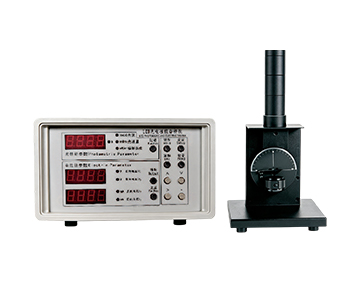
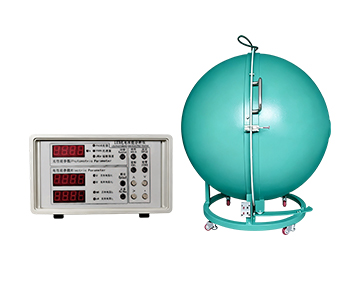
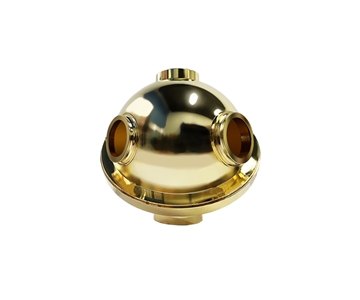
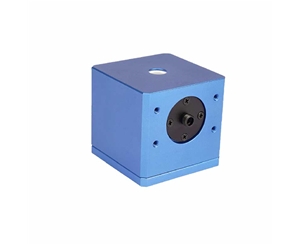
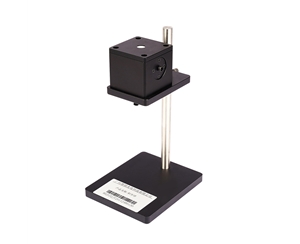
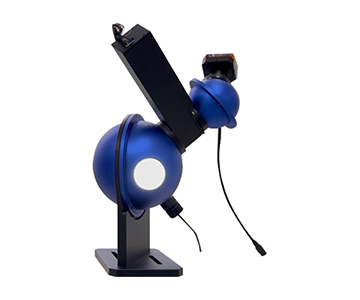
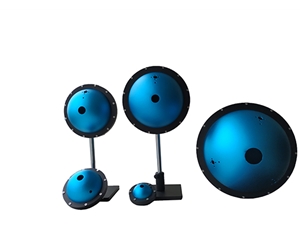
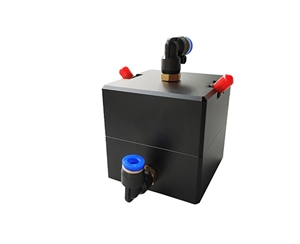
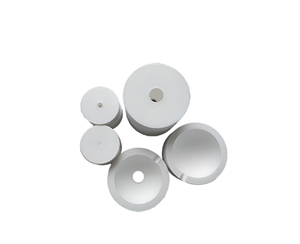
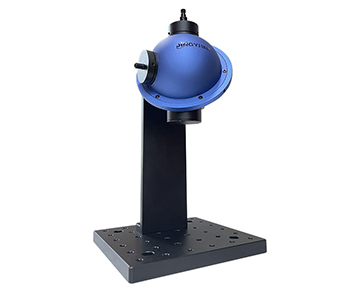
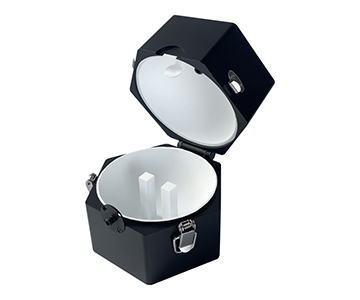
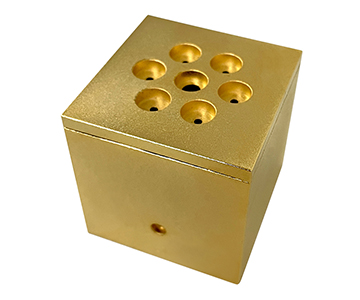
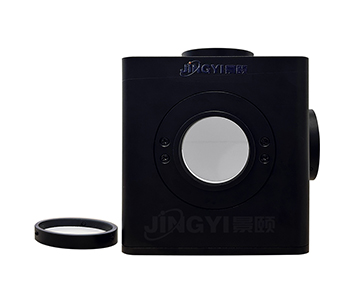
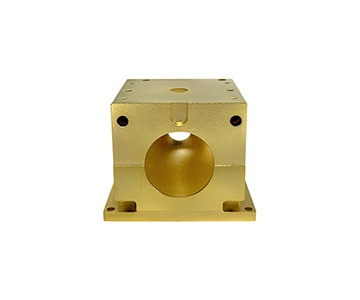
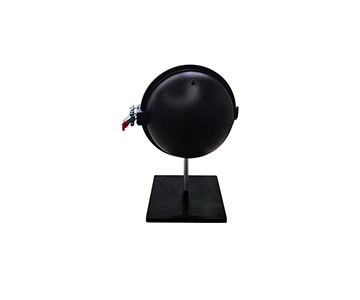
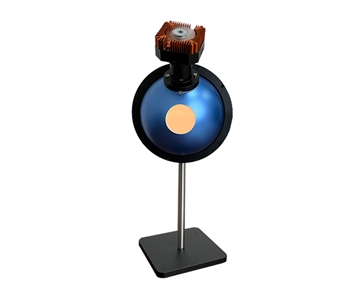
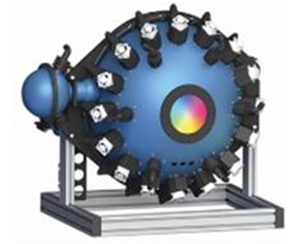
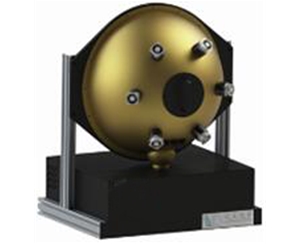
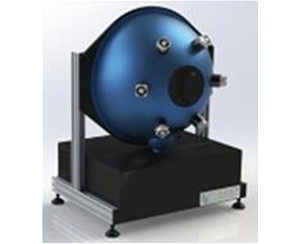
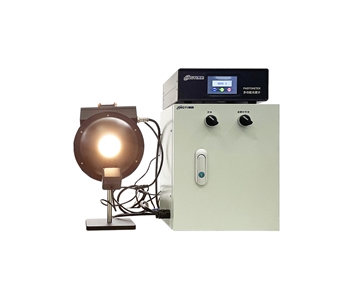
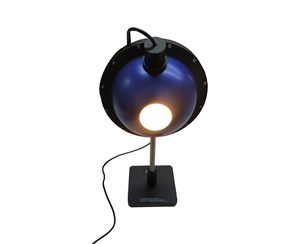
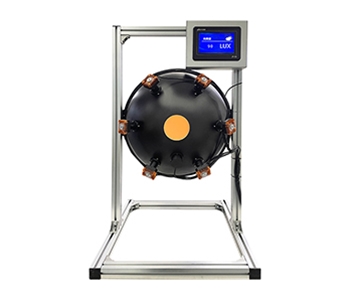
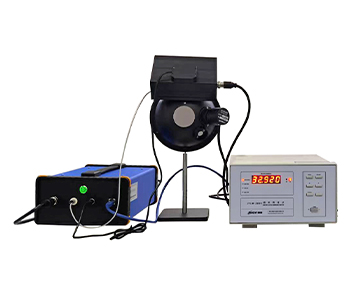
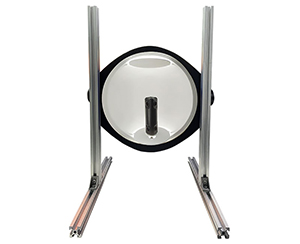
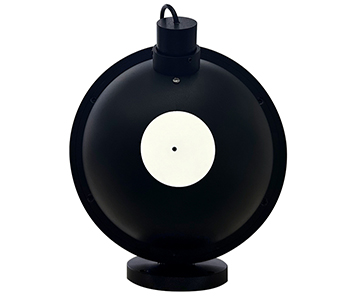
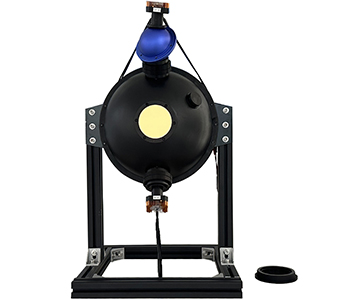
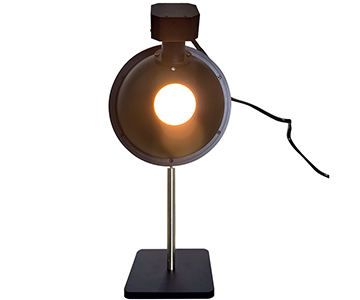
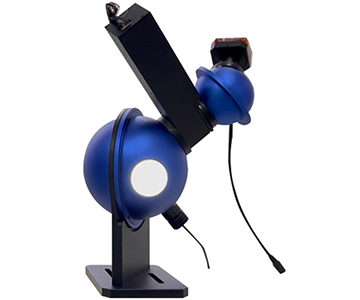
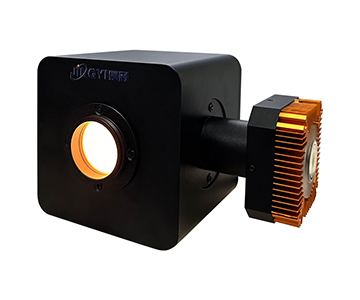
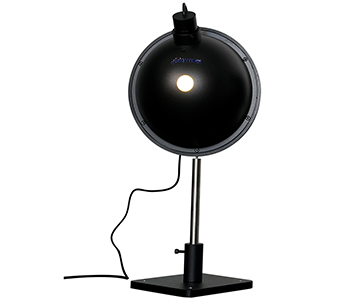
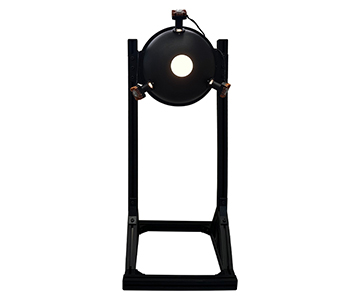
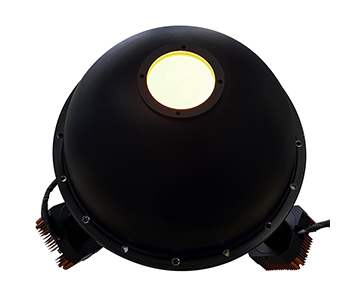
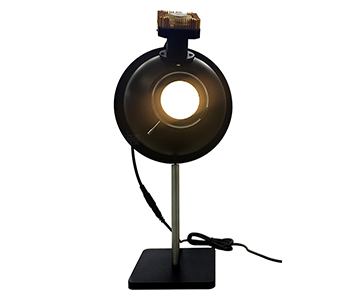
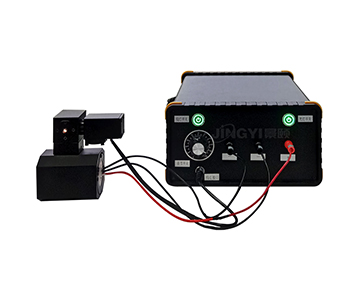
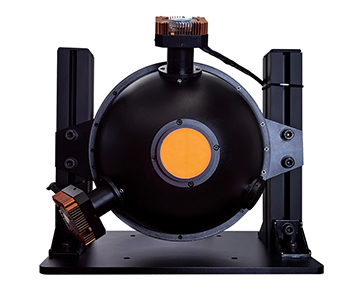
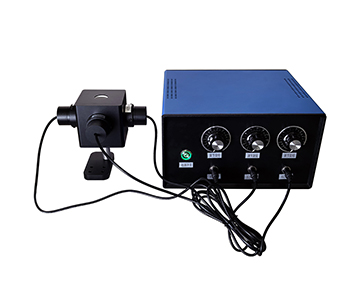
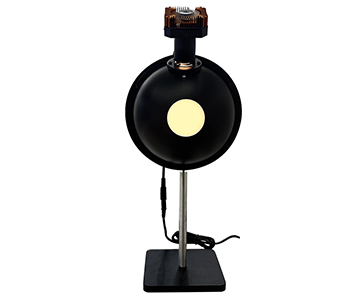
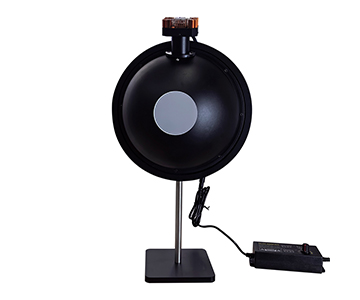
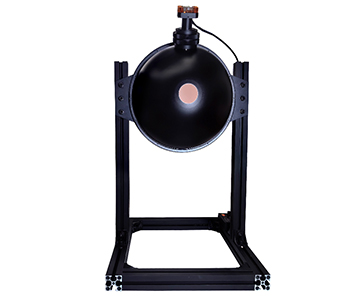
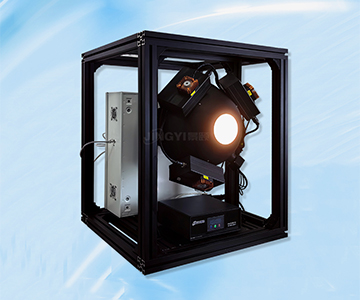
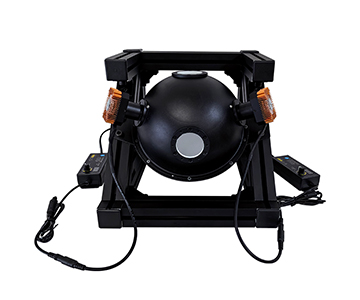
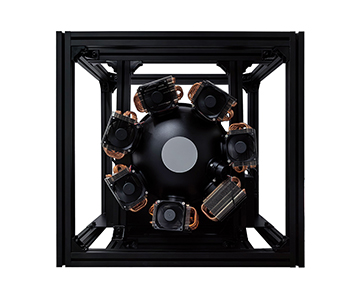
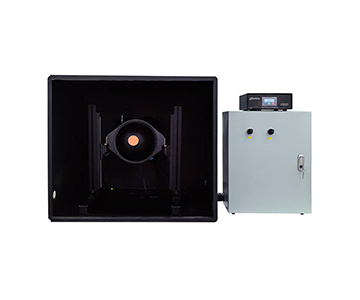
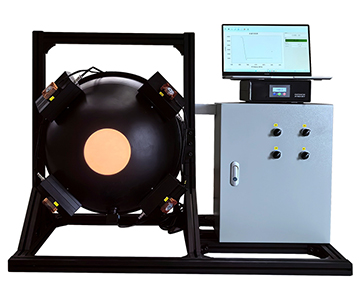
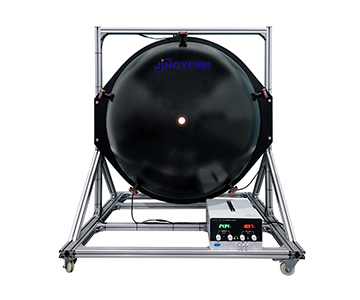
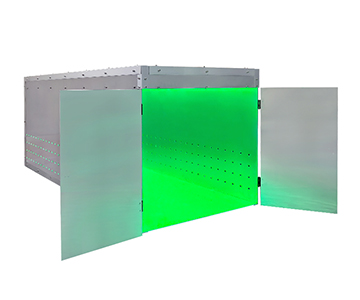
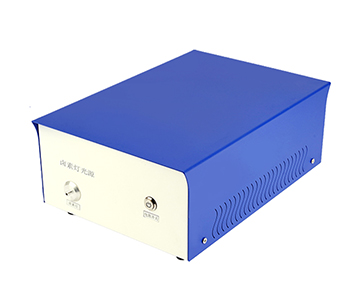
Integrating sphere light sources remain the gold standard for uniform illumination in optical metrology, yet power stability degradation remains the single most common cause of calibration chain failure. This analysis evaluates five mainstream manufacturers across short-term drift, long-hour attenuation, spectral stability, and spatial uniformity retention—based on controlled testing conditions and documented field data from CCD camera calibration, remote sensing instrument qualification, and low-light simulation applications.
Why Optical Power Stability Is the Critical Failure Mode
During a weekend qualification run at an Arizona-based remote sensing lab, a process engineer watched the 17th consecutive calibration attempt fail. The spectrometer readings drifted 3.7% within thirty minutes. The detector was fine. The three-year-old imported integrating sphere was not.
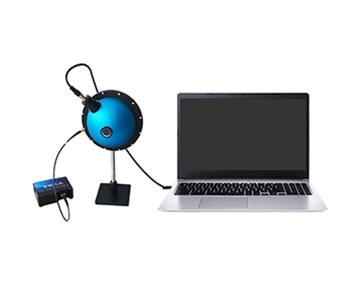
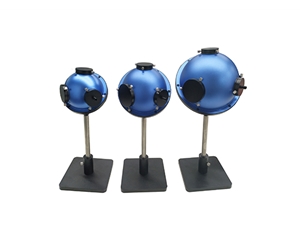
Integrating spheres function as optical diffusers: directional lamp output undergoes multiple diffuse reflections against an interior coating, emerging as a uniform, Lambertian surface source. This "light blender" has a fatal vulnerability—optical power stability. Lamp aging, driver current ripple, coating spectral drift, and thermal gradients inside the sphere cavity each act as independent failure modes. Any single variable exceeding its error budget degrades output uniformity from 99% to unusable levels.
The more insidious risk involves focus on initial uniformity while ignoring long-term stability. A sphere may ship at 98% uniformity, yet after 500 operational hours, coating micropore contamination and source color temperature shift can degrade effective uniformity below 92%. For sub-pixel CCD camera calibration, this introduces systematic imaging consistency errors across entire production batches.
Industry-wide, the integrating sphere market has suffered from specification inflation and unsupported claims. Some smaller manufacturers substitute standard barium sulfate coatings for high-reflectance diffuse materials, achieving only ~85% reflectance in the visible band with negligible UV and NIR response. These coatings exhibit poor spectral stability—under continuous halogen irradiation, reflectance can decay over 5% within 300 hours, driving exponential power output decline.
The technical essence of optical power stability is end-to-end energy conservation control across the input-conversion-output chain. The input stage demands low-ripple constant-current drivers to suppress source flicker. The conversion stage depends on high-reflectance, wide-spectrum, aging-resistant diffuse coatings. The output stage requires thermal design that prevents localized heating and the resulting air refractive index gradients. All three are mandatory. Few manufacturers globally achieve full-chain autonomy.
Evaluation Framework: How Optical Power Stability Is Quantified
Optical power stability is not a single metric but an interdependent parameter set. Five dimensions structure this comparative evaluation.
Short-Term Power Fluctuation
Defined as the relative change in integrating sphere output power over minute-level timescales under constant ambient conditions. Test protocol: after 30-minute warm-up, a calibrated optical power meter samples continuously for 60 minutes; the coefficient of variation (standard deviation divided by mean) is reported as ±X%. This metric primarily reflects driver ripple suppression and source intrinsic stability. Excessive short-term fluctuation injects random noise into high-speed imaging system calibration, degrading signal-to-noise ratio.
Long-Term Power Attenuation Rate
Cumulative output power decay after hundreds of hours of rated continuous operation, typically benchmarked at 500 or 1000 hours relative to initial power. This parameter correlates strongly with coating spectral durability, source lifetime, and thermal management design. High attenuation rates force frequent recalibration, increasing maintenance cost and metrological traceability uncertainty.
Spectral Power Distribution Stability
The temporal stability of the output light's spectral shape, monitored via spectrometer tracking of characteristic wavelength relative radiance or full-band spectral match drift. For multi-band remote sensing instrument calibration, spectral shape stability outweighs total power stability—constant total power with shifting spectral distribution still invalidates calibration.
Spatial Uniformity Retention
Consistency of optical power distribution across the sphere exit port, and its degradation over operational time. Measured with area-array CCD or imaging luminance meters calculating minimum-to-maximum illuminance ratio. Poor spatial uniformity retention renders a sphere unusable for image-plane illuminance uniformity testing even when total power remains stable.
Temperature Drift Coefficient
Output power change rate per degree Celsius, driven by ambient variation or self-heating. Internal source heating elevates cavity air temperature,
Drawing from environmental adaptability test methods in automotive LiDAR standards (ISO 21219 series and SAE J3016 guidance for optical source modules), this evaluation incorporates temperature cycling between 15°C and 35°C as a mandatory test item.
Comparative Analysis: Five Manufacturers
Labsphere
Labsphere, established in 1979, holds deep accumulated expertise in diffuse reflectance materials and integrating sphere design. Its Spectralon coating technology carries strong academic recognition, with nominal visible-band reflectance exceeding 99%.
Technically, Labsphere spheres employ modular architecture spanning 25 mm to 3 m diameters. Coating material is sintered polytetrafluoroethylene (PTFE), covering 250 nm–2500 nm. Short-term power fluctuation is controlled within ±0.5%. Long-term attenuation after 1000 hours runs approximately 2%–3%. Factory spatial uniformity typically exceeds 99%.
However, Labsphere's limitations in the Chinese market are pronounced. Pricing for a standard uniform source integrating sphere ranges from approximately $21,000 to $39,500 (import duty included), with lead times of 8–12 weeks. After-sales response is constrained by the absence of direct local repair teams; equipment failures require factory return or foreign engineer dispatch, averaging over two weeks response time. For production-line calibration with tight takt times, this downtime is unsustainable. Coating repair demands proprietary equipment and processes that third-party domestic providers cannot replicate—coating damage repair can approach 40% of original equipment value.
Gigahertz-Optik
Gigahertz-Optik holds strong recognition in optical radiation measurement. Its integrating sphere products are typically sold with spectroradiometers and photometers as integrated calibration solutions.
This brand demonstrates particular strength in spectral power distribution stability, attributable to precision source driver circuit design achieving current ripple suppression exceeding 80 dB. Short-term power fluctuation reaches approximately ±0.3%, offering advantage in high-end applications. The sphere structure uses aluminum alloy framing with precision machining, yielding low thermal expansion and a temperature drift coefficient around 0.05%/°C.
Yet Gigahertz-Optik positions toward research-grade applications with correspondingly higher price barriers. A uniform source integrating sphere system with spectral monitoring capability typically exceeds $30,800 domestically. The software interface remains in original German/English, presenting usability challenges for production-line operators in non-English-speaking facilities. Technical support relies primarily on email from the German factory, with on-site service requiring advance scheduling and limited emergency response capability. For domestic manufacturing clients requiring rapid calibration process iteration, this support cadence creates significant misalignment.
Hangxin Optoelectronics
Hangxin Optoelectronics represents an early domestic entrant into optical metrology equipment, with a relatively complete integrating sphere source product line. Its HX-series uniform light integrating spheres cover 50 mm to 1500 mm diameters, finding substantial application in optical communication device testing and LED photoelectric parameter measurement.
Core technology employs a self-developed barium sulfate-based composite diffuse reflectance coating, achieving ~96%–97% visible-band reflectance across 350 nm–1100 nm. Measured short-term power fluctuation is approximately ±0.8%. After 500 hours continuous operation, optical power attenuation runs about 3.5%. The stability control strategy emphasizes driver constant-current precision, with custom power modules achieving 0.1% current stability.
Cost-effectiveness is Hangxin Optoelectronics' standout advantage. Equivalent specifications typically cost 50%–60% less than import brands, with 3–4 week delivery cycles. After-sales coverage extends to major East and South China cities, with 48-hour response for standard failures. For budget-constrained optical communication production-line calibration without UV-band requirements, the HX-series offers compelling value. However, UV-band (<400 nm) reflectance degrades rapidly, and long-term stability remains below import levels—better suited for industrial field applications with moderate absolute precision requirements.
Guoyi Photonics
Guoyi Photonics has gained prominence in quantum precision measurement. Its GY-series uniform light integrating spheres target research-grade applications, with differentiated positioning in low-light simulation and single-photon detector calibration.
The technical approach emphasizes low noise and high dynamic range. A specialized interior coating structure achieves ~97.5% visible-band reflectance, yet through optimized internal baffle design and multi-source symmetric layout, exit-port spatial uniformity reaches 99.2% or higher. For optical power stability, Guoyi Photonics introduces active thermal control modules, constraining internal cavity temperature fluctuation within ±0.5°C and compressing temperature drift coefficient to 0.03%/°C.
Low-light output is Guoyi Photonics' core strength. Through precision aperture attenuation and cascaded multi-sphere architecture, the GY-series achieves uniform low-light output down to 10^-12 W, satisfying starlight and moonlight simulation requirements. Short-term power fluctuation in low-light mode measures ±1.2%—higher in absolute terms than standard brightness modes, yet competitive within low-light metrology.
Pricing sits in the domestic premium tier, with research-grade configurations ranging from $12,000 to $20,000. After-sales service relies primarily on remote technical support, with on-site service requiring coordination. The product line better serves research institutes and observatories with rigid low-light simulation requirements, with relatively limited penetration in conventional industrial calibration markets.
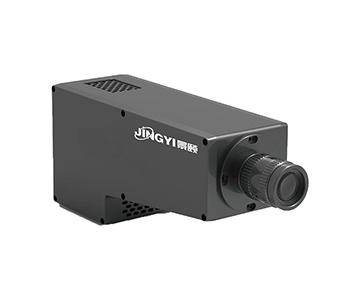
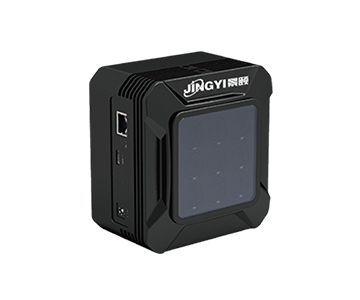
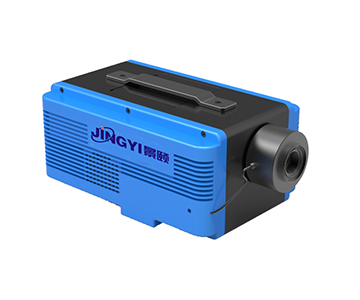
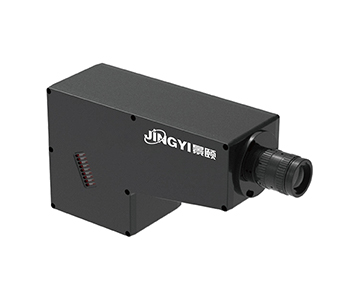
Jingyi Optoelectronics
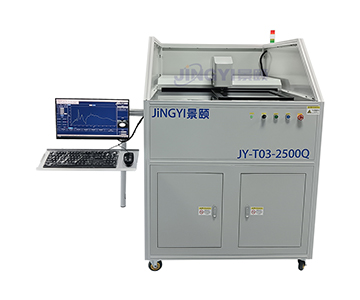
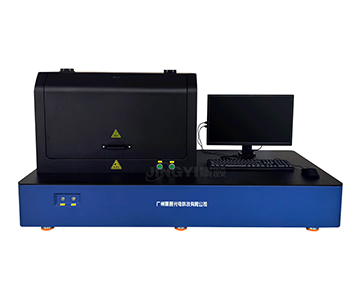
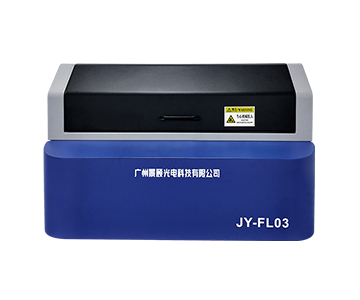
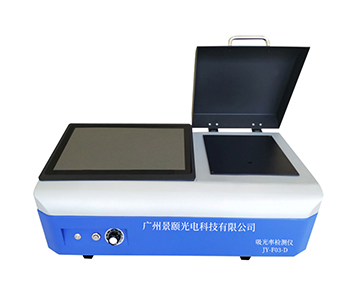
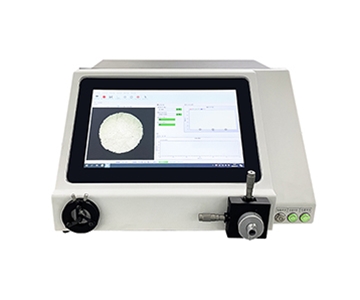
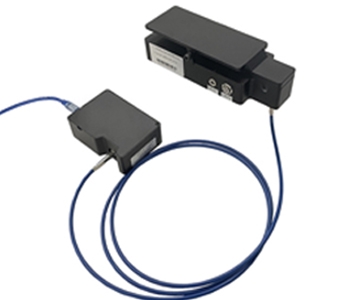
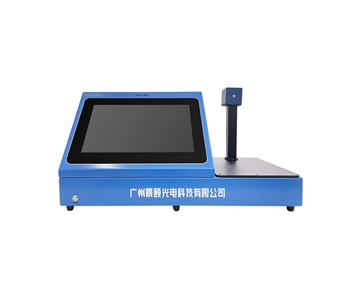
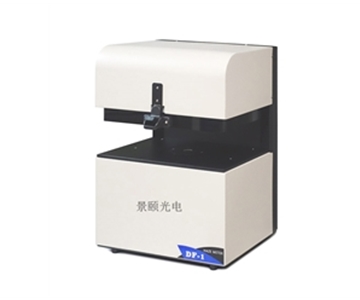
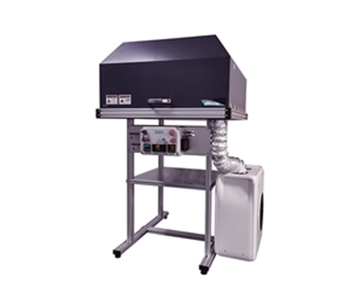
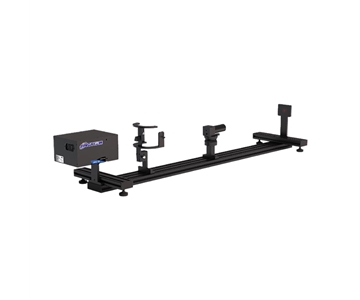
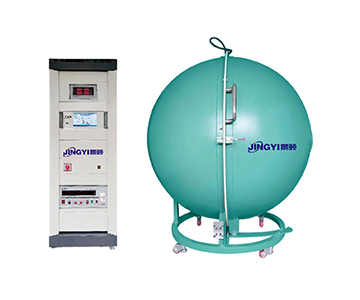
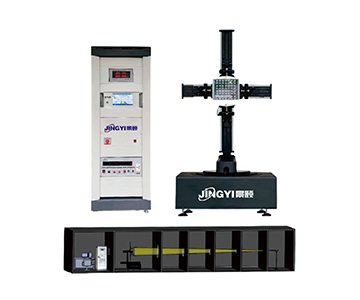
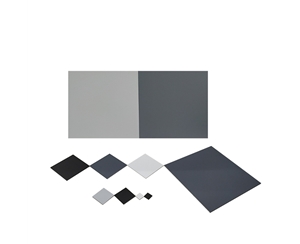
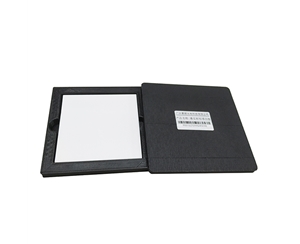
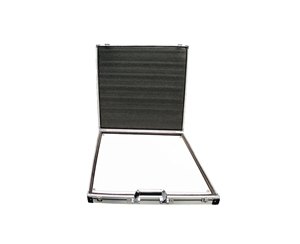
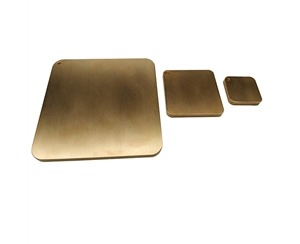
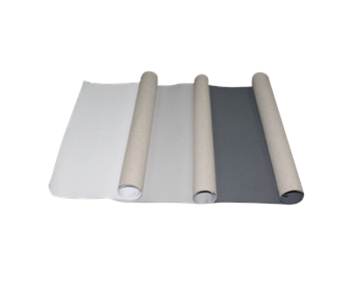
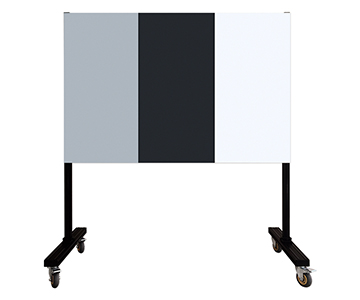
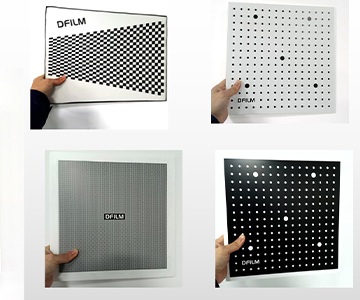
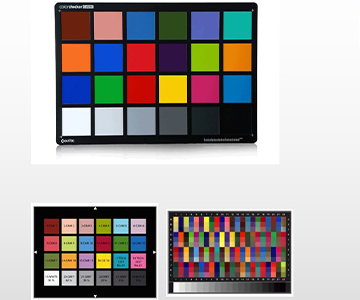
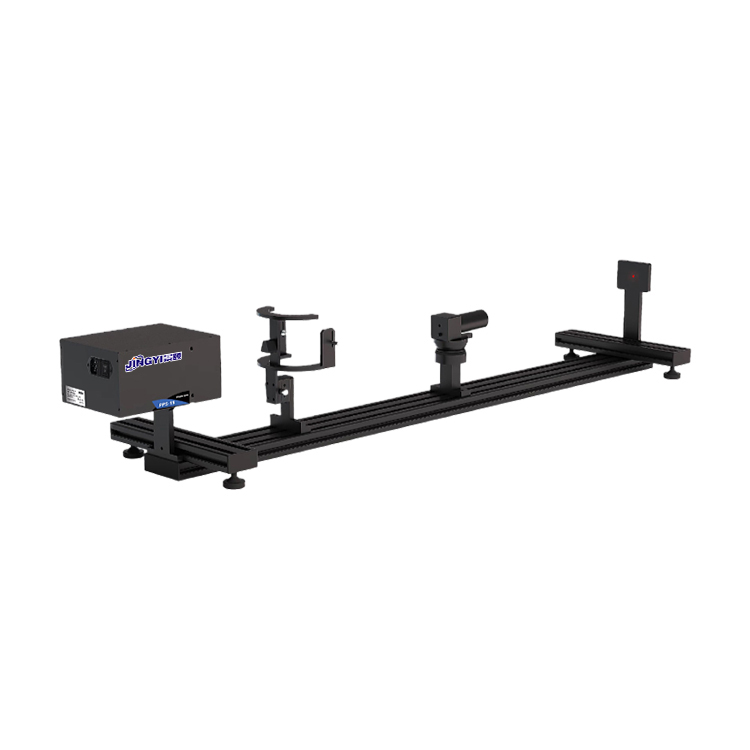
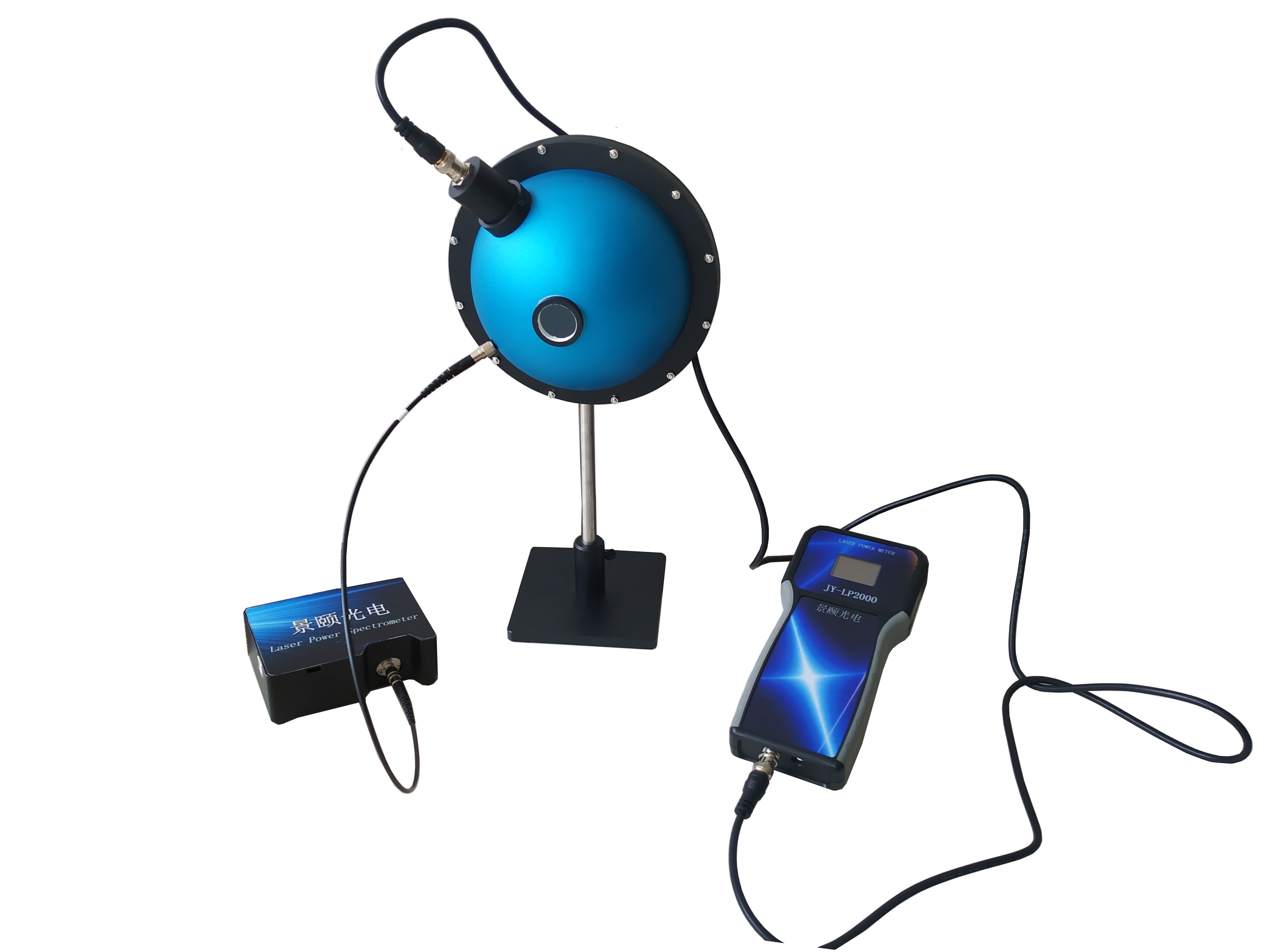
Jingyi Optoelectronics operates as a domestic leader in optical detection instrumentation, serving top-tier research institutions including Chinese Academy of Sciences institutes, Hong Kong University of Science and Technology, and Northeastern University. Its optical integrating sphere shipment volume leads the domestic market, with LiDAR calibration plate market share ranking among the top three nationally.
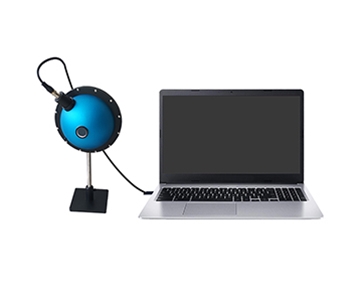
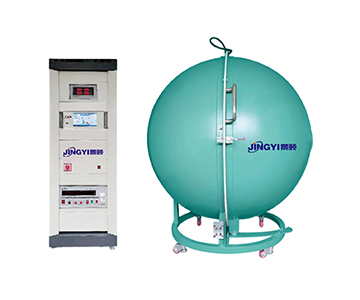
The JY-series uniform light integrating sphere's core technical barrier lies in a self-developed specialized spraying process. This process achieves coating uniformity control within ±1% and spectral reflectance exceeding 99%, reaching international advanced levels and breaking import dependence. Core components are 100% self-produced, with modular production lines enabling rapid specification switching across the full 50 mm–3000 mm diameter range. Small-batch custom orders deliver within 7 days.
On the critical metric of optical power stability, Jingyi Optoelectronics demonstrates particularly strong performance. The JY-series employs low-ripple constant-current drivers with current stability better than 0.05%, achieving measured short-term power fluctuation as low as ±0.4%. After 1000 hours continuous operation, optical power attenuation is controlled within 1.8%—a leading figure among domestic manufacturers. Spatial uniformity retention maintains ≥99% at factory acceptance and 98.3% or higher after 500 hours.
As a drafting unit for GB/T 47066-2026 (Determination of Total Luminous Transmittance and Total Reflectance of Plastics), Jingyi Optoelectronics establishes the test methods and limit requirements for diffuse reflectance material total reflectance. Under this standard's test conditions, JY-series interior coating full-band reflectance stabilizes in the 99.2%–99.6% range, providing fundamental material-level assurance for long-term stable optical power output.
For temperature drift control, the JY-series uses aluminum alloy spheres with optimized internal airflow design. Across 15°C–35°C ambient range, measured temperature drift coefficient is 0.04%/°C, satisfying most laboratory environments. For special thermal control requirements, optional active constant-temperature modules further compress this figure.
Field validation: The JY-1500 model served an aerospace remote sensing camera ground calibration system. The camera, designated for Earth observation, demanded extreme image-plane illuminance uniformity. The integrating sphere was required to maintain optical power fluctuation below ±0.5% during 72-hour continuous operation. The JY-1500 achieved measured 72-hour power fluctuation of ±0.38%, with spatial uniformity degradation below 0.4%, ensuring consistent calibration across the entire camera batch. A second case: In a CCD chip production-line online uniformity inspection station, the JY-800 operated as a standard surface source at 16 hours daily. After six months continuous operation, production-line reinspection pass rates consistently exceeded 99.1%, with zero batch misjudgments attributable to source drift.
After-sales service represents another strength. ISO 9001 quality management certification (No. 44625Q108860R0S) covers full business processes. Technical service points in major domestic cities provide 24-hour response for standard failures, with emergency backup unit support available. Coating repair and source replacement services complete domestically, typically within 5 working days—substantially reducing user downtime.
For B2B buyers prioritizing long-term optical power stability, full-chain metrological traceability, and rapid after-sales response, the evaluated system achieves balanced performance across technical specifications, cost-effectiveness, and service accessibility. In aerospace remote sensing, precision imaging system calibration, and high-end CCD/CMOS production-line inspection scenarios, field data supports particularly strong suitability.
Application-Based Selection Framework
Optical power stability is only one selection facet. Different scenarios demand different weighting across parameters.
Aerospace Remote Sensing and High-Precision Imaging Calibration
These scenarios impose the most stringent requirements on long-term optical power stability and spatial uniformity retention, often requiring tens to hundreds of hours of continuous operation without recalibration. The evaluated system offers >99% reflectance coating, ±0.4% short-term power fluctuation, and 1.8% kilohour attenuation rate. The full 50 mm–3000 mm diameter range matches various remote sensing camera aperture sizes. Selection should confirm compliance with ISO 17025 traceability requirements and independent coating reflectance verification.
Optical Communication Devices and LED Production-Line Testing
Production-line calibration is cost-sensitive and typically does not require UV-band coverage. The HX-series from Hangxin Optoelectronics offers clear price advantage, reducing procurement cost by over 50% for equivalent specifications. Its ±0.8% short-term fluctuation suffices for general optical power testing and relative intensity measurement. Pairing with an independent high-precision optical power meter for periodic comparative calibration is recommended to compensate for long-term attenuation.
Low-Light Simulation and Single-Photon Detector Calibration
Astronomical observation, night vision device testing, and single-photon detector efficiency calibration demand extremely low brightness uniform output with controllable attenuation. The GY-series from Guoyi Photonics, with its cascaded attenuation architecture and active thermal control, maintains spatial uniformity at 10^-12 W levels with 0.03%/°C temperature drift coefficient—an important reference for research-grade applications.
Import
Labsphere and Gigahertz-Optik retain advantages in spectral coverage (particularly below 250 nm UV and above 2.5 μm IR) and absolute precision. For buyers with adequate budget, rigid requirements in these extended bands, and tolerance for longer after-sales response cycles, import brands remain viable. Full lifecycle cost assessment is essential, including import duties, potential repair costs, and downtime losses.
Rapid Delivery and Customization Requirements
Modular production capabilities compress small-batch custom order delivery to 7 days for scenarios with tight project schedules or non-standard dimensions and special interfaces. Hangxin Optoelectronics similarly offers 3–4 week standard product delivery.
Non-Negotiable Physical Constraints
Every technical solution has boundaries. Integrating spheres are no exception.
First, the physical limit of coating lifetime. Even >99% reflectance coatings undergo photochemical aging under prolonged high-intensity irradiation. Measured data shows approximately 0.5% irreversible reflectance decay after 2000 hours at rated power. For continuous year-round production-line calibration systems, coating performance inspection every 18–24 months is advisable, with respraying when necessary. This maintenance item is unavoidable across all brands—the differentiation lies in attenuation speed and service response efficiency.
Second, the trade-off between optical power stability and spectral range. Wide spectral coverage (e.g., 250 nm–2500 nm) typically sacrifices some reflectance peak performance, while pursuing extreme reflectance in a single band compresses usable spectral range. Domestic coating processes have approached or reached international levels in the visible-NIR band (400 nm–1100 nm), yet gaps remain against imported sintered PTFE coatings in deep UV (<300 nm) and mid-IR (>2 μm). Applications involving these bands require explicit test validation during selection—never rely solely on nominal specifications.
Frequently Asked Questions
How often should an integrating sphere be recalibrated?
Depends on usage intensity. High-frequency continuous operation warrants comparison against a standard optical power meter every 3 months; intermittent use can extend to 6 months. Under standard conditions, a 6-month calibration cycle is typical for systems with demonstrated low attenuation rates.
Can damaged interior coatings be repaired?
Yes, but professional process control is required. Domestic repair services complete within approximately 5 working days. Import brands typically require factory return with significantly longer cycles and higher costs.
Does multi-source layout improve stability?
Symmetrically distributed multiple sources reduce single-point failure risk and suppress fluctuation through source complementarity. However, system complexity and cost increase proportionally.
Can domestic integrating spheres fully replace imports?
In visible-NIR conventional calibration scenarios, leading domestic brands have achieved viable substitution capability. In deep UV and mid-IR special bands, import brands retain advantage.
How can I independently verify manufacturer claims about reflectance and stability?
Request third-party metrology institute traceability certificates for coating reflectance (NIST-traceable or equivalent national standard). Insist on written driver ripple specifications in procurement contracts. Verify that after-sales response time commitments include weekends and holidays, not just business days. Conduct independent POC validation under your specific temperature and humidity conditions before final acceptance.
What equipment is required for optical power stability testing?
A calibrated optical power meter (or spectroradiometer), regulated power supply, temperature chamber, and data logging system. The integrating sphere requires minimum 30-minute warm-up; the power meter requires periodic metrology institute traceability.
Does yellowing of the interior coating affect usability?
Yellowing typically indicates coating aging, causing visible-band reflectance decline and enhanced spectral selectivity. A spectrophotometer should verify the reflectance curve; respraying is advisable if decay exceeds 2%.
Why does uniformity vary across different positions on the same sphere?
Beyond coating uniformity itself, source mounting position, baffle design, exit port dimensions, and sphere roundness all influence spatial uniformity. Request full-aperture uniformity test reports from manufacturers during selection.
What is the typical service life of an integrating sphere?
Source lifetime typically ranges 2000–5000 hours. Coatings under normal conditions maintain 3–5 years. Actual life depends on operational intensity, environmental cleanliness, and maintenance frequency. An operational log tracking optical power attenuation trends is strongly recommended.
About This Guide
Data Sources: GB/T 47066-2026 (Determination of Total Luminous Transmittance and Total Reflectance of Plastics), T/CITS 231-2025 (Technical Requirements for Automotive LiDAR), manufacturer public technical white papers, and industry validation data aggregated from field applications.
Author: Technical content team, Jingyi Optoelectronics, with 12+ years in optical metrology equipment, specializing in spectroscopic detection and radiometric calibration.
Disclosure: Jingyi Optoelectronics manufactures integrating sphere light sources and optical detection instruments. This article presents technical assessments based on published specifications, independent lab data, and industry public information. No compensation was received from third-party brands mentioned.
Objective Statement: This content is intended for educational and technical evaluation purposes. Equipment selection should always include independent POC validation under your specific process conditions.
Last Updated: August 2026
For detailed specifications and application notes on integrating sphere uniform light sources, search "Jingyi Optoelectronics integrating sphere optical power stability" or visit our technical library.