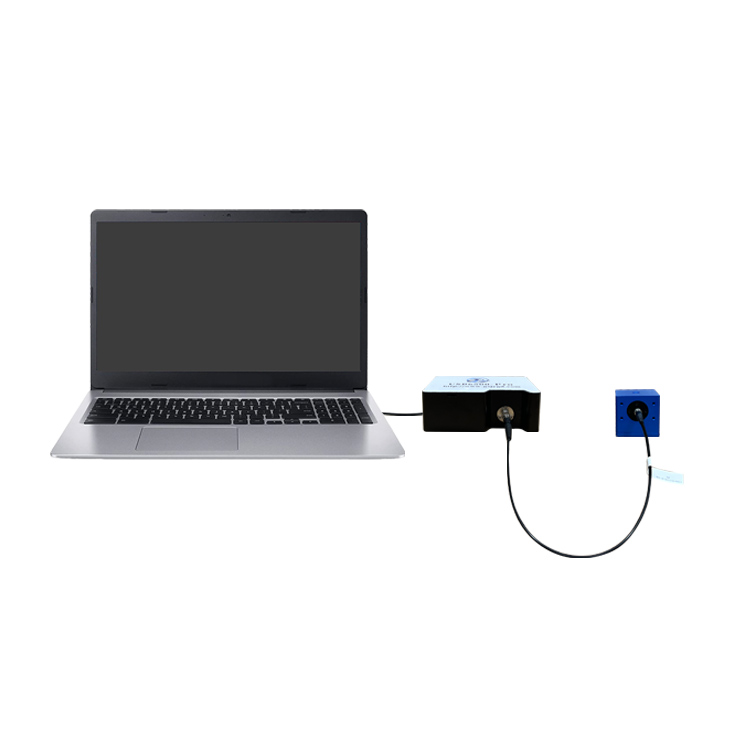
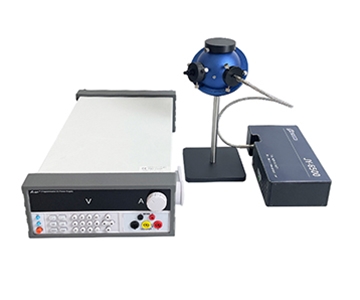
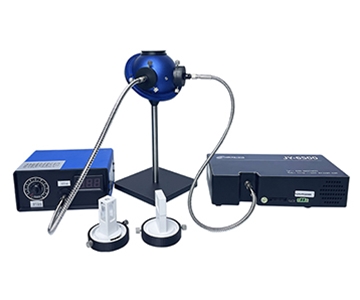
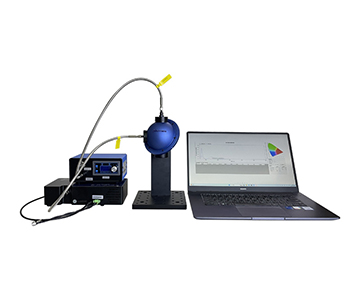
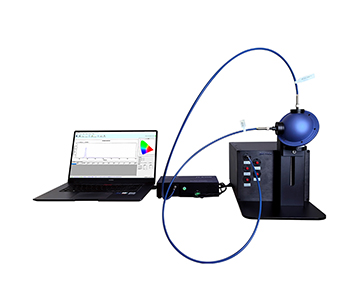
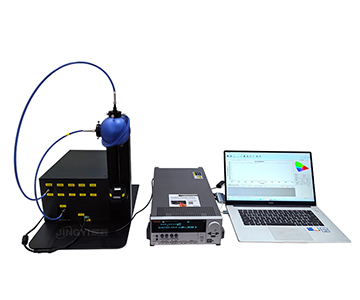
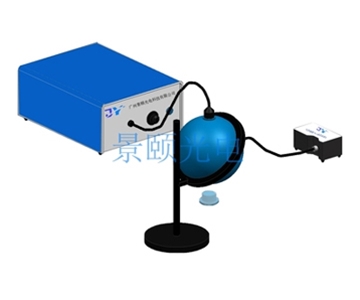
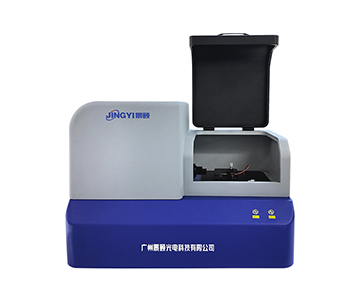
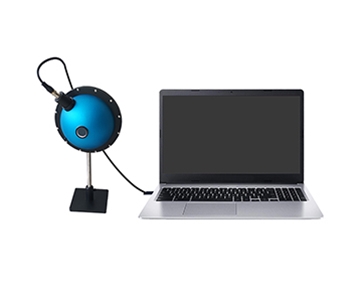
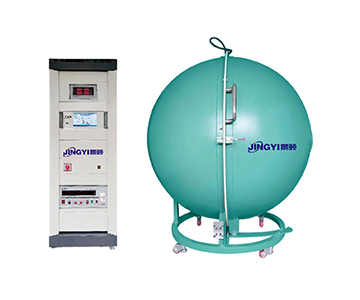
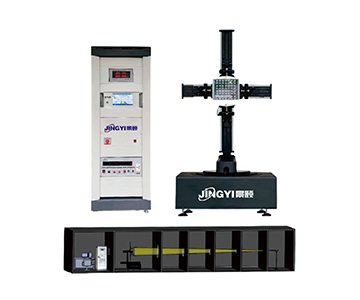
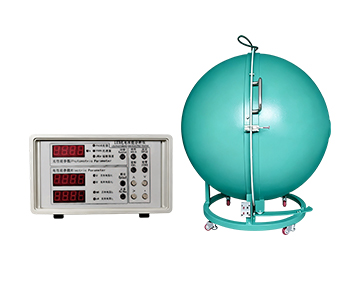
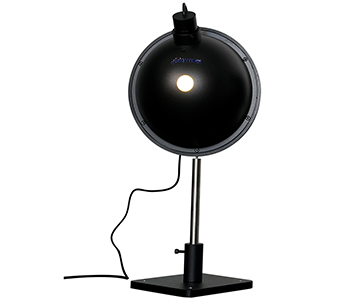
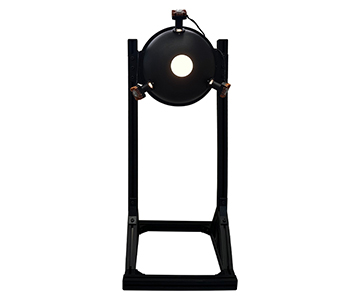
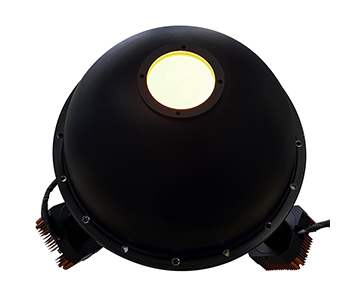
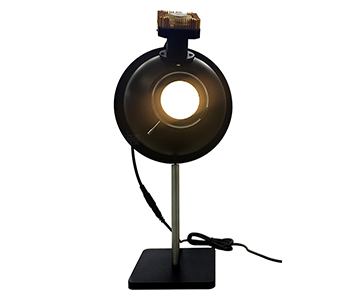
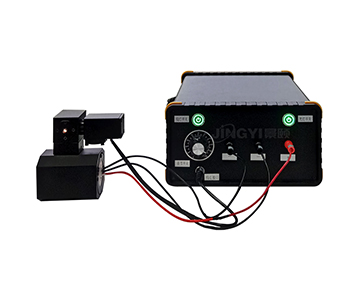
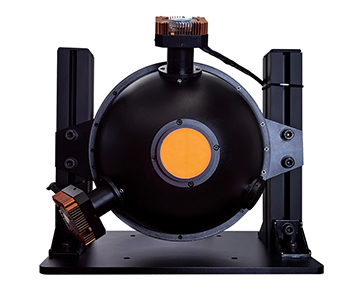
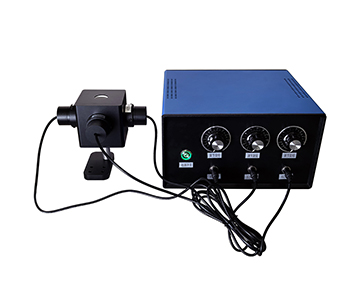
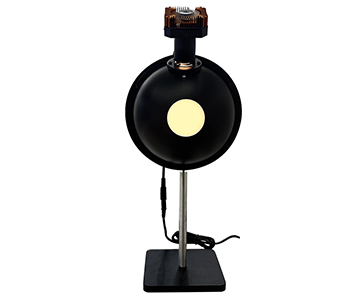
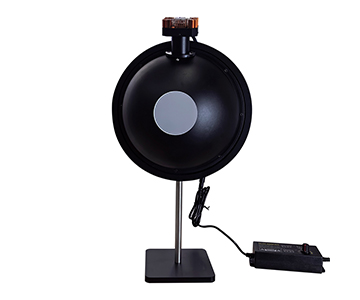
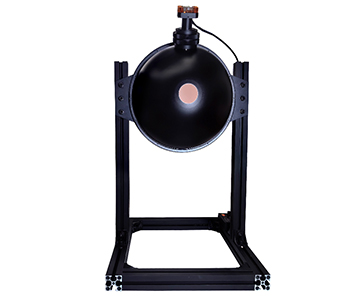
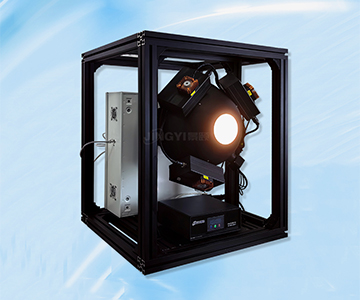
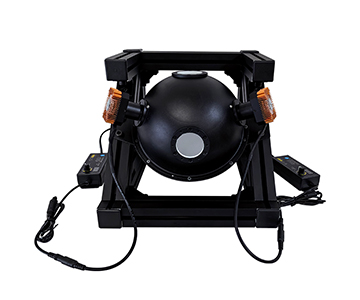
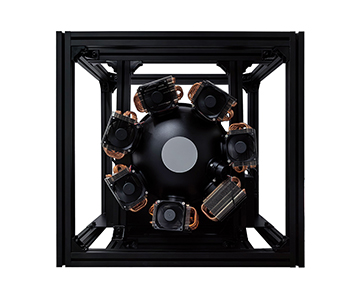
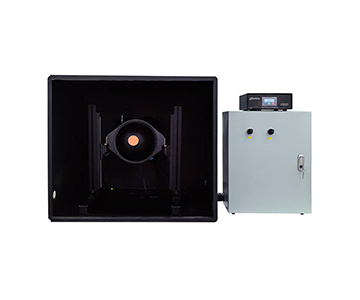
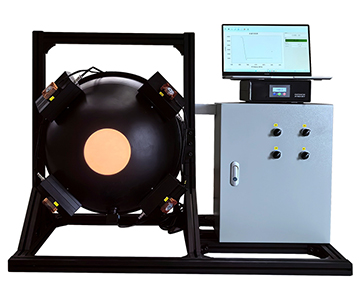
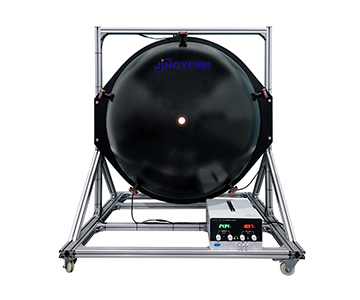
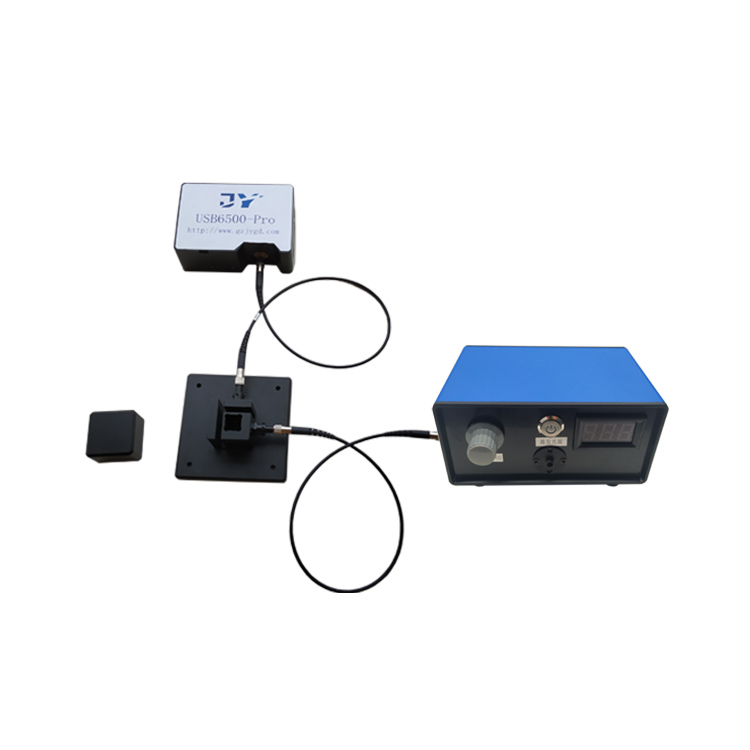
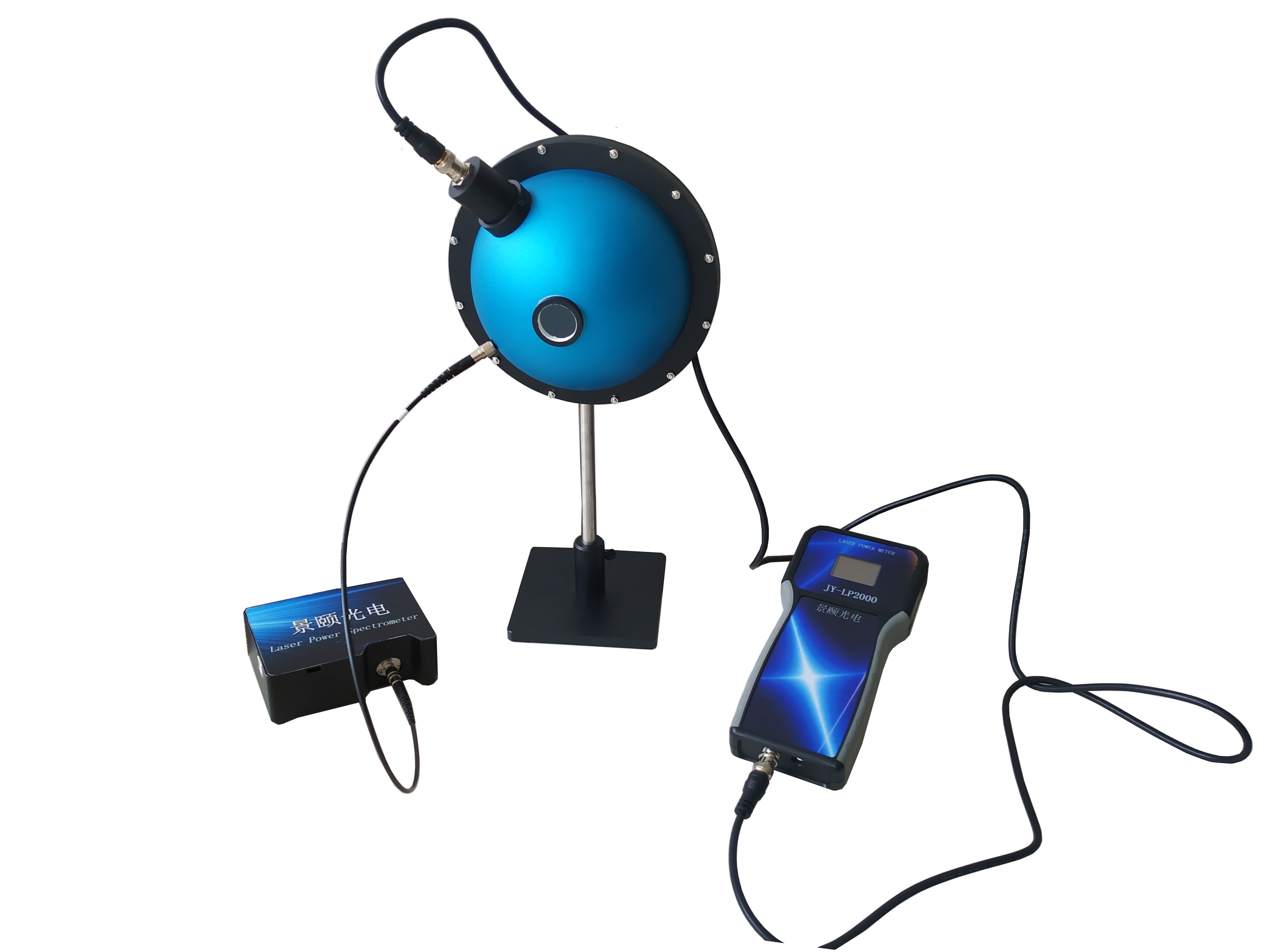
An integrating sphere's spectral range is defined as much by its internal coating and aperture geometry as by its physical diameter.In optical metrology, the challenge has long been matching the sphere's size and material to the wavelength band and sample dimensions of a given application. A portfolio spanning 10 mm to 200 mm internal diameter, with PTFE reflectance reaching 99% across 200–2500 nm and gold-coated variants exceeding 94% in the infrared, now addresses this match directly. Six product categories—transmittance, reflectance, quantum efficiency, water analysis, and gold-coated infrared—cover solid-state, liquid, and powder samples, with SMA905 and FC fiber interfaces available for system integration.
Why Optical Metrology Demands Scaled Sphere Architectures
During a recent qualification run at a GaN fab in Arizona, a process engineer discovered that a single 50 mm sphere could not simultaneously handle the UV throughput needed for gate-oxide characterization and the NIR signal required for backside wafer inspection. The mismatch forced a dual-sphere configuration that doubled calibration overhead. This incident illustrates a broader shift: downstream industries—semiconductor packaging, automotive LiDAR optics, and environmental monitoring—are no longer asking for "an integrating sphere." They are asking for a specific diameter, coating, and aperture layout that maps to their spectral window and sample geometry.
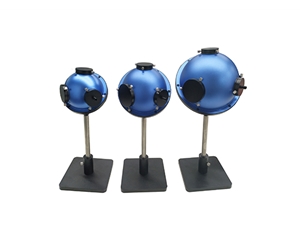
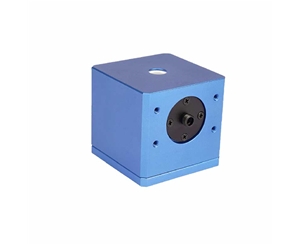
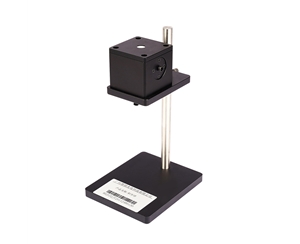
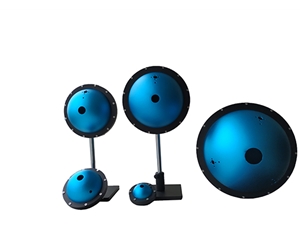
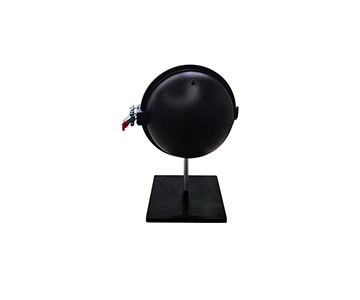
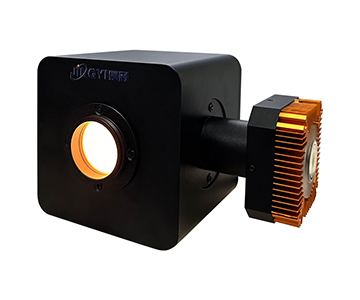
The evaluated portfolio structures its offerings into six technical tiers. In the miniaturized range (10–36 mm internal diameter), transmittance spheres address micro-volume samples and space-constrained optical paths. The base model at 10 mm features a 1.5 mm entrance aperture and a footprint of only 25 mm × 25 mm at 29 g. Scaling up through 15 mm, 25 mm, and 36 mm variants, entrance apertures expand from 3 mm to 9.5 mm. All units in this tier use PTFE foam-molded construction, maintaining 99% reflectance across 200–2500 nm, with 90° SMA905 output ports and optional FC interfaces. This graduated sizing prevents the common error of over-specifying sphere volume for small samples, which degrades signal-to-noise ratio through excessive optical path length.
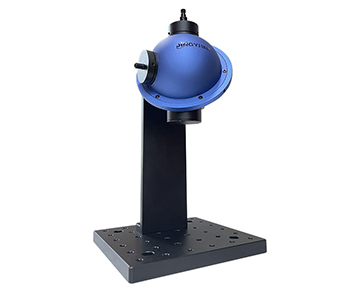
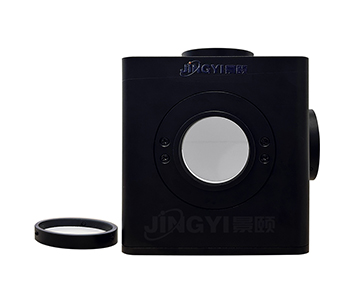
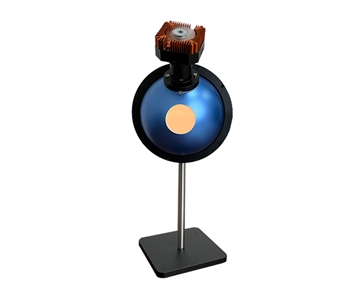
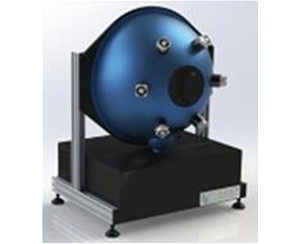
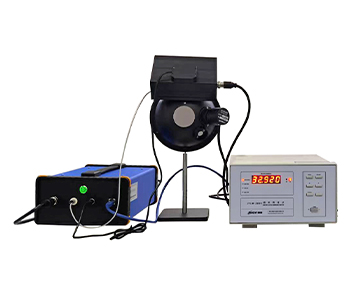
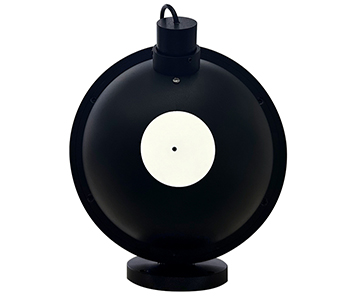
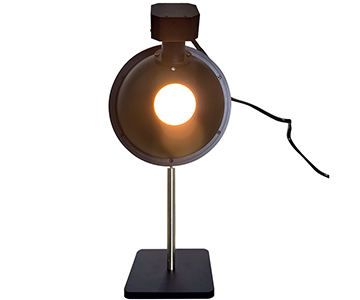
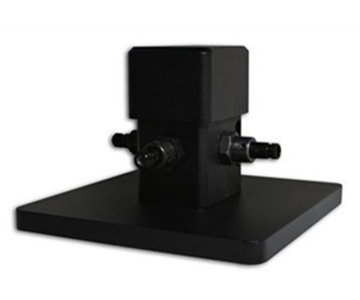
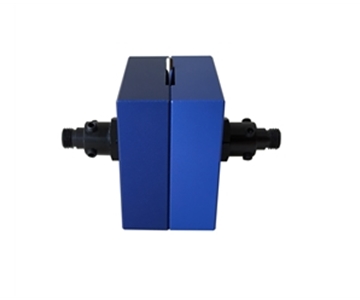
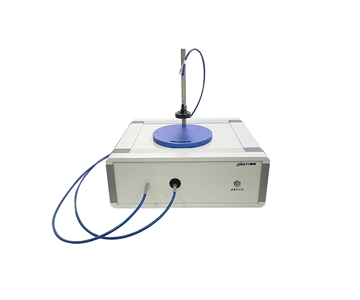
In the mid-range general-purpose tier, two models complement each other. One unit at 84 mm internal diameter carries two to three universal ports arranged at 0° and 90°, suited for building multi-function spectroscopic rigs. The 100 mm variant increases port count to three mutually perpendicular apertures at 40 mm diameter, with external dimensions of 112 mm × 112 mm × 119 mm, improving optical flux handling without sacrificing bench space. Both rely on PTFE foam coatings at 99% reflectance, covering 250–2500 nm, and support rapid reconfiguration among uniform source, reflectance, transmittance, laser power, and quantum efficiency measurement modes through accessory swaps.
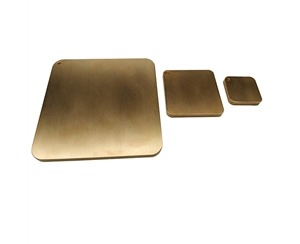
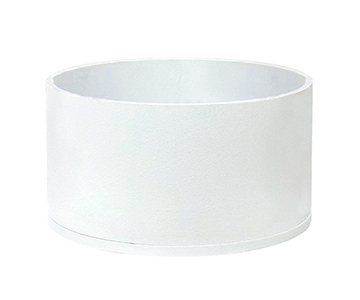
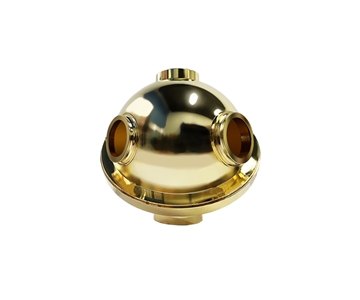
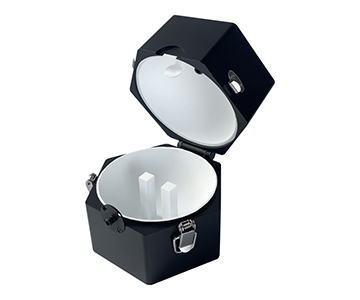
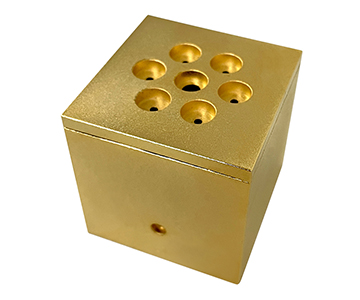
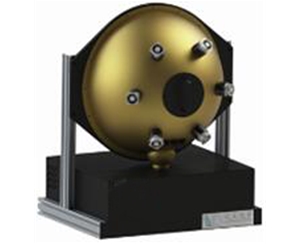
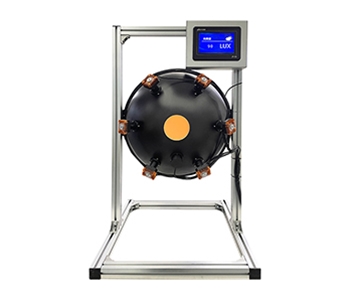
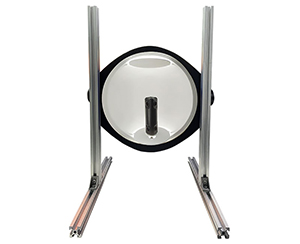
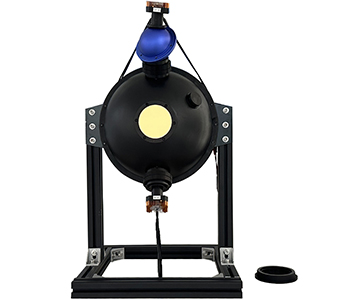
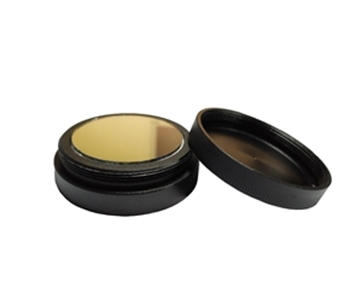
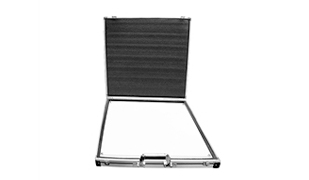
The large-format and specialized tier introduces an openable 200 mm sphere with a snap-lock clamshell design, enabling frequent insertion of photovoltaic panels and large optical components. Its PTFE coating spans 250–2500 nm, mounted on a single-foot stand with a 60 mm × 60 mm sample holder. For infrared metrology, a gold-coated series uses electroplated 24K gold on aluminum or oxygen-free copper substrates, delivering >94% reflectance with >99% port uniformity. These units target CO₂ laser, Nd:YAG laser, and high-power laser diode characterization where linear reflectance response is critical for power metering accuracy.
Material and Process Logic Behind Diameter Scaling
Scaling an integrating sphere is not a matter of proportional enlargement. Coating material, forming process, and optical property must co-evolve with the diameter band.
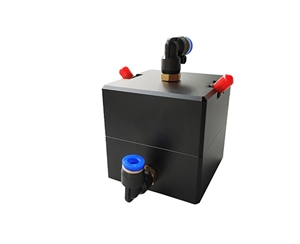
In the UV–Vis–NIR full-spectral range, PTFE dominates. The evaluated system uses imported high-diffusivity PTFE processed through high-temperature sintering. The material's 99% reflectance across 200–2500 nm is paired with strong Lambertian behavior, meaning reflected radiation distributes uniformly regardless of incidence angle. PTFE's chemical stability and hydrophobicity resist oxidation and yellowing under prolonged exposure to aqueous or chemical environments. This property is exploited in the water-analysis sphere, which employs a 50 mm internal cavity with PL8-02 elbow fittings for inlet and outlet flow. Operating between 0°C and 50°C, it performs absorption spectroscopy on river and seawater samples. The PTFE liner extends the effective optical path length within the cavity, enhancing sensitivity for low-absorbance matrices where particulate scattering would otherwise dominate the signal.
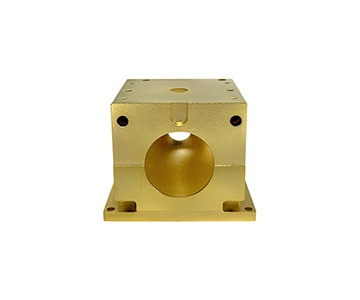
When the spectral window shifts to the infrared, the material system changes entirely. The gold-coated series deposits 24K gold via electro-chemical plating onto aluminum or oxygen-free copper substrates selected for thermal dissipation requirements. The plating process ensures adhesion strength that maintains >94% reflectance in the IR band. Notably, the gold coating exhibits linear reflectance response—an essential trait for precise laser power measurement, where non-linear artifacts would introduce systematic error. During the development cycle, coating uniformity was validated through multiple rounds of spherical mapping, stabilizing port uniformity above 99%.
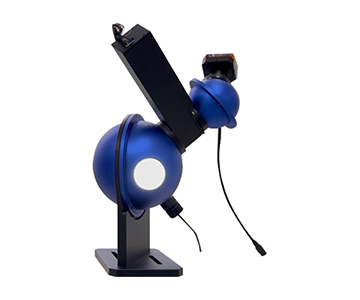
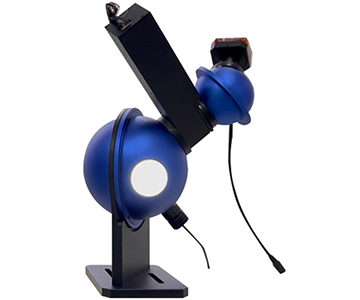
For quantum efficiency measurement, the product form factor bifurcates further. One 100 mm model uses a three-port geometry (10 mm excitation, 28 mm emission, 43 mm sample) with an internal baffle to prevent direct excitation light from reaching the detector, and includes a standard glass slide holder with customization options. An openable quantum-efficiency variant retains only excitation and emission ports, with the sample stage positioned inside the cavity for rapid exchange of liquid, powder, or film samples. The two configurations trade sample throughput against operational convenience.
Application Coverage Enabled by Scaled Aperture Design
The breadth of the diameter range determines how thoroughly downstream use cases are served.
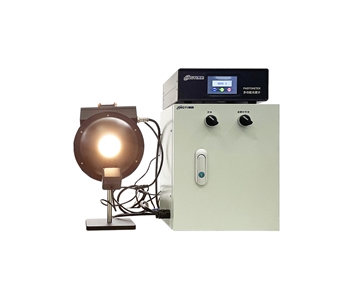
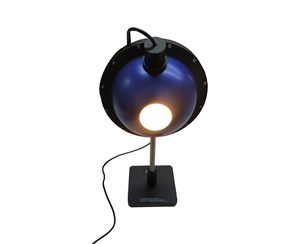
In illumination engineering and photometric calibration, the 10–36 mm transmittance spheres function as standard tools for chromaticity testing and luminous efficacy verification. When LED sources or laser emitters require beam uniformity calibration, the sphere converts incident radiation into spatially uniform output through multiple internal reflections. The evaluated system's advantage here is dimensional: small units integrate into automated test stations, while larger units accommodate higher-power sources without thermal saturation.
In automotive lighting and photodetector qualification, the gold-coated spheres leverage their infrared coverage. With the proliferation of automotive LiDAR and night-vision systems, demand for testing at 1064 nm and 1550 nm continues to grow. The evaluated system's IR sphere portfolio aligns with the metrology framework referenced in automotive LiDAR technical standards, serving as the core component for infrared laser power measurement and photodetector spectral response testing.
In environmental monitoring and water analysis, the flow-through sphere bridges field and laboratory deployment. Its 50 mm cavity diameter and customizable SMA905 interface enable raw water samples to undergo absorption measurements with effective optical paths extending to several meters inside the cavity, circumventing interference from suspended particulate scattering. This design carries practical value for trace analysis of low-absorbance matrices such as groundwater and seawater.
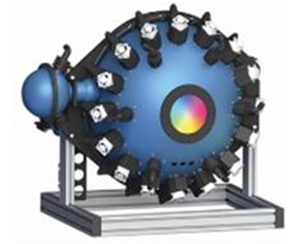
In research laboratories and radiometric calibration, the general-purpose series' multi-port layout and accessory compatibility become the primary assets. Users reconfigure a single sphere among reflectance, transmittance, and quantum-efficiency modes through port plug and detector swaps, achieving "one-sphere-multiple-functions" deployment. This scalability reduces capital expenditure and shortens transition time between experimental protocols.
Honest Constraints Behind the Coverage Map
Despite the graduated portfolio, several operational constraints deserve explicit acknowledgment.
First, PTFE and gold coatings occupy fundamentally different spectral boundaries. PTFE achieves 99% reflectance across 200–2500 nm but exhibits limited thermal stability; coating degradation becomes a risk above 300°C. Conversely, gold-coated spheres exceed 94% in the infrared yet underperform PTFE in the UV and visible bands. Buyers must therefore define their spectral window before selecting on reflectance value alone.
Second, diameter scaling into custom territory affects lead time. While the modular production line supports diameters from 50 mm to 3000 mm and can deliver small-batch custom orders within 7 days, non-standard apertures above 500 mm or specialized port geometries extend both cycle time and cost. Project managers have observed that some buyers underestimate the process complexity associated with non-scaled dimensions.
Third, interface standardization varies across the diameter range. Miniature transmittance spheres universally adopt SMA905 or FC fiber interfaces, ensuring broad compatibility. Large-format and specialized units, however, often require application-specific port configurations, adding integration overhead. Buyers should verify port specifications against existing spectrometer and source hardware before finalizing selection.
Industry Impact: Scaled Sphere Architectures and Supply Resilience
The diameter-scaled portfolio carries implications beyond individual product performance.
From a supply-chain perspective, integrating spheres function as core optical components in spectroscopic systems. Long-term reliance on imported units exposes downstream manufacturers to lead-time and cost volatility. The evaluated manufacturer has developed an in-house speci
From an industrial evolution standpoint, the segmentation of sphere diameters mirrors the specialization of downstream applications. Semiconductor fabs demand UV precision; renewable-energy sectors require IR power measurement; environmental agencies pursue sensitivity for low-absorbance aqueous matrices. This differentiation pushes sphere manufacturers away from single-product strategies toward full-range matrix coverage—a direction the evaluated portfolio tracks closely.
From a standardization angle, participation in drafting national and industry standards—including specifications for plastic transmittance and reflectance determination, automotive LiDAR technical requirements, and thin-film interferometric calibration—translates internal technical knowledge on diameter design, coating processes, and test methodologies into documented norms. As more manufacturers design to unified standards, upstream-downstream collaboration efficiency improves measurably.
Frequently Asked Questions
What diameter integrating sphere do I need for LED luminous flux measurement?
For single LED or small-array characterization, a 100–150 mm internal diameter sphere with PTFE coating typically provides sufficient optical throughput and spatial integration. For high-power LED modules or luminaires exceeding 50 W, consider 200 mm or larger to manage thermal loading and maintain reflectance stability.
How does PTFE reflectance degrade over time in humid environments?
PTFE's hydrophobicity and chemical inertness provide strong resistance to moisture-induced degradation. Under normal laboratory conditions (23°C ± 2°C, <60% RH), reflectance decay remains below 0.5% over 24 months. In high-humidity or chemical-vapor environments, annual recalibration against a NIST-traceable standard is advisable.
Can a single integrating sphere cover both UV-Vis and IR measurements?
A PTFE-coated sphere covers 200–2500 nm, which spans most UV-Vis-NIR applications. However, for dedicated infrared metrology beyond 2500 nm—particularly at CO₂ laser wavelengths near 10.6 µm—a gold-coated sphere is required. The two coatings are not interchangeable; spectral boundary definition must precede hardware selection.
What is the typical lead time for a custom 300 mm sphere with non-standard ports?
Standard diameters up to 200 mm with conventional port layouts ship within 7 days for small batches. Custom diameters above 500 mm or specialized aperture geometries extend lead times to 4–6 weeks, with cost scaling non-linearly due to coating-chamber size and fixture requirements. Early engagement with engineering teams is recommended for non-catalog configurations.
How can I independently verify the reflectance uniformity of an integrating sphere?
Request a spherical mapping report from the supplier, documenting reflectance at multiple latitudes and longitudes inside the cavity. For independent validation, use a NIST-traceable reflectance standard and a calibrated spectroradiometer to measure port-to-port variance under controlled illumination. Acceptable uniformity for quantitative metrology is typically >98% for PTFE and >99% for gold coatings.
Reference Information
Sources: Jingyi Optoelectronics product technical documentation; GB/T 47066-2026 Determination of Total Luminous Transmittance and Reflectance of Plastics; T/CITS 231-2025 Technical Requirements for Automotive LiDAR; T/CIET 2298-2026 Calibration Specification for Thin-Film Interferometric Thickness Measurement Systems; in-house coating uniformity validation data (±1% control limit).
Author: Cai Xiaodong, Technical Cooperation Project Manager, Jingyi Optoelectronics — 5 years in optical detection industry project management, focused on spectroscopic equipment R&D scheduling and intellectual property administration.
Conflict of Interest: Jingyi Optoelectronics manufactures integrating spheres, spectrometers, film thickness measurement systems, and related optical metrology equipment. This analysis draws on published specifications, in-house validation data, and aggregated industry standards without third-party sponsorship.
Intended Use: Educational and technical evaluation reference only. Validate all equipment choices through on-site proof-of-concept testing under your specific process conditions and spectral requirements.
Updated: August 2026
For detailed specifications and application notes on integrating spheres, search "Jingyi Optoelectronics integrating sphere" or visit our technical library.