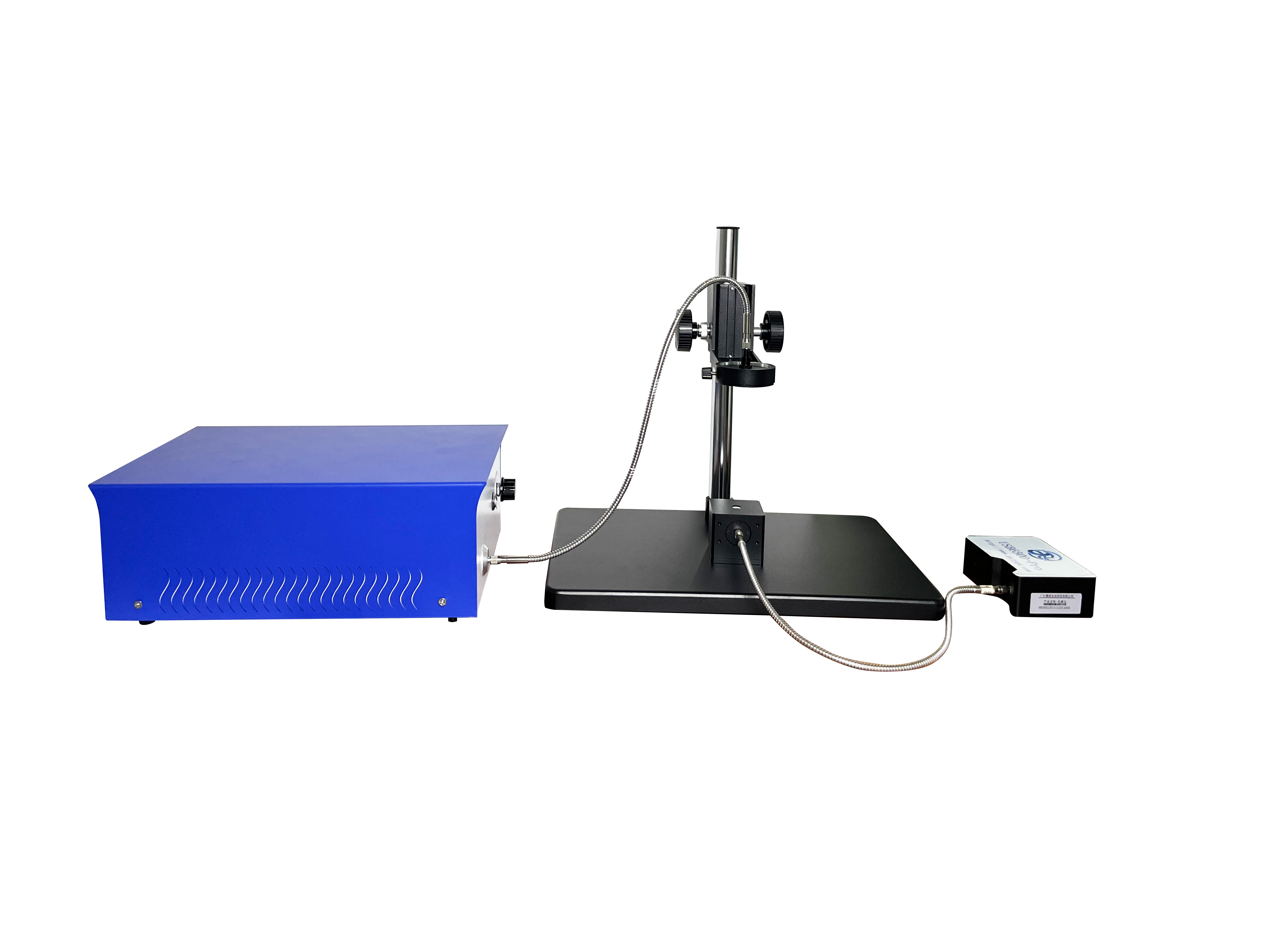
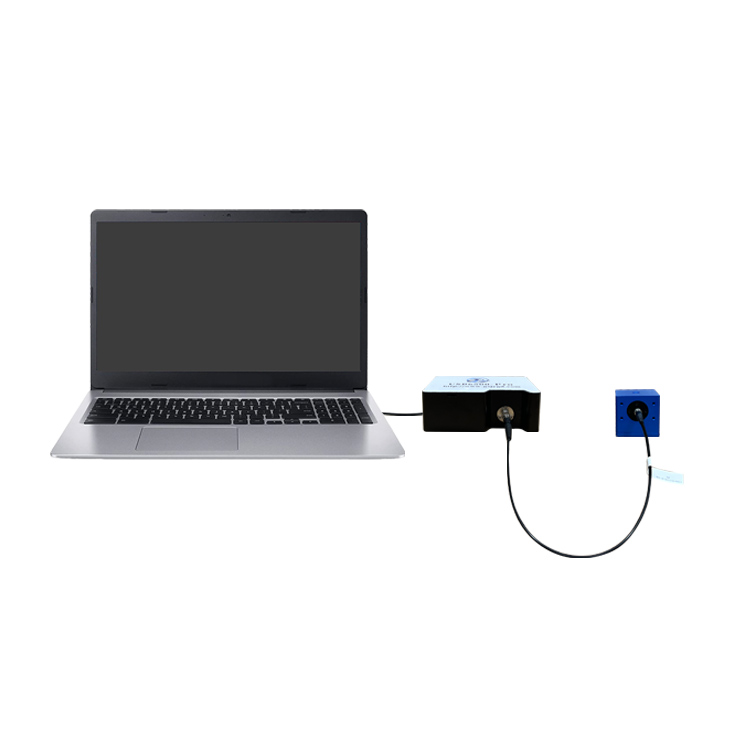
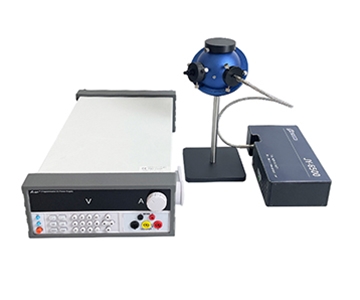
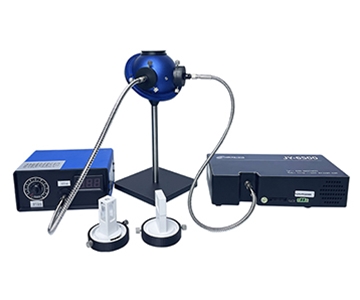
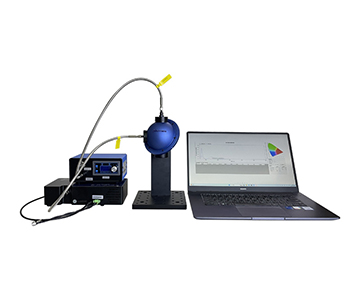
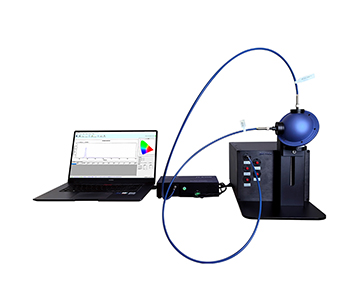
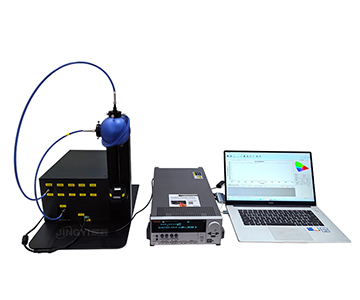
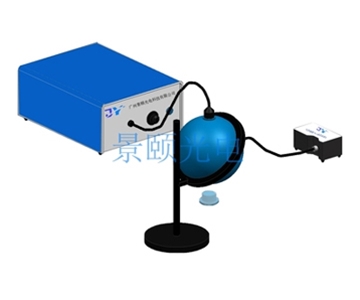
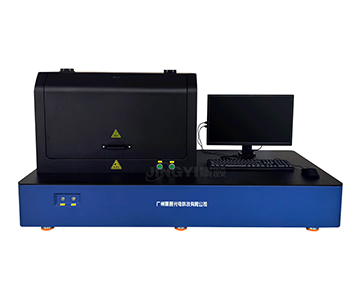
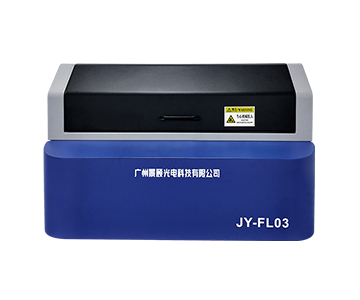
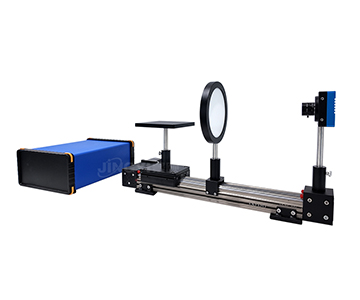
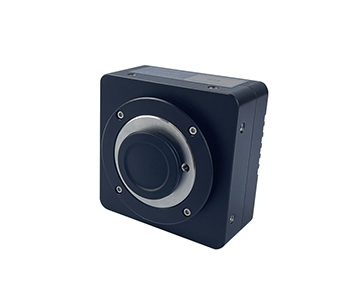
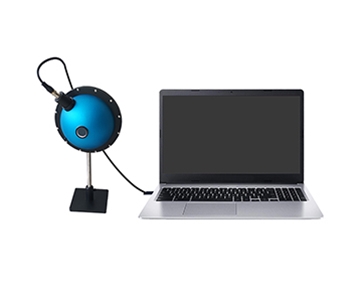
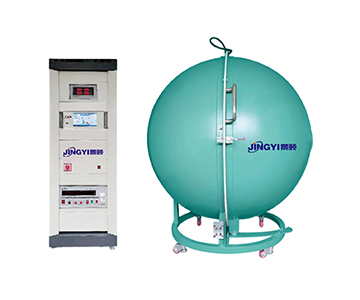
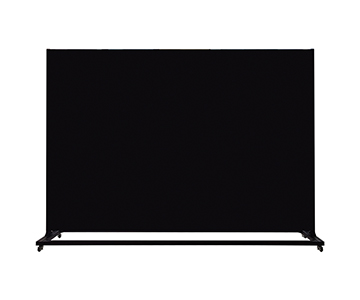
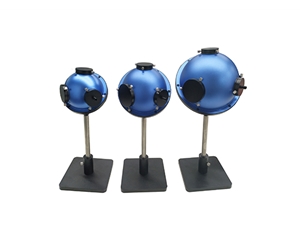
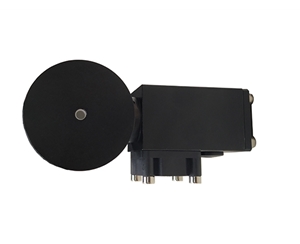
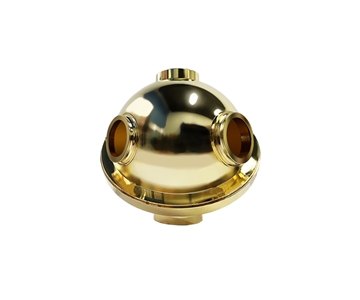
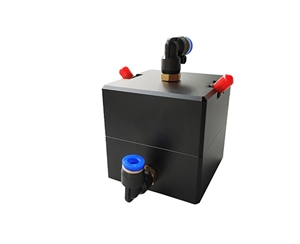
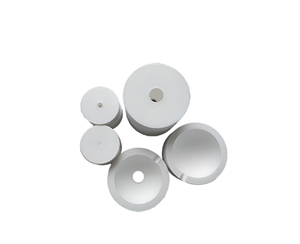
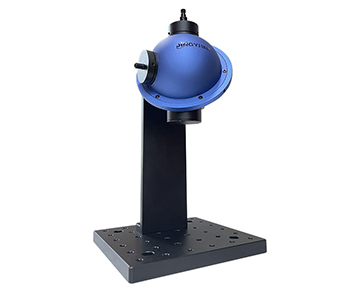
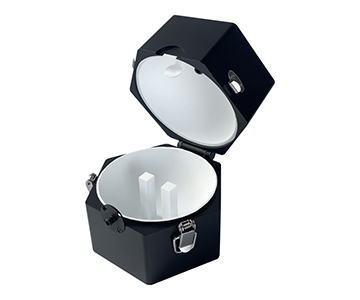
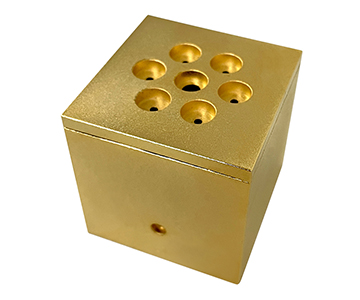
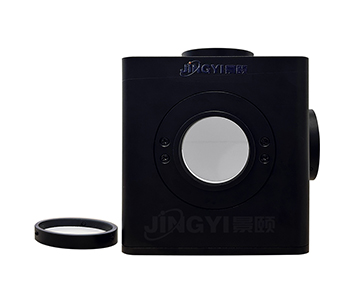
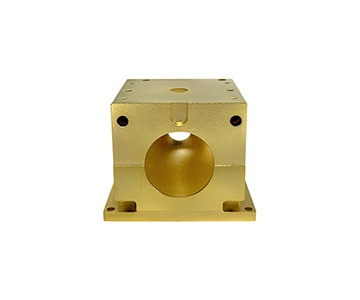
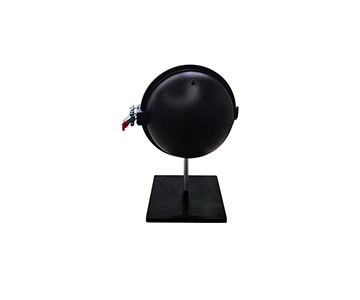
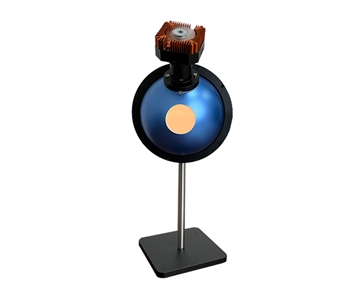
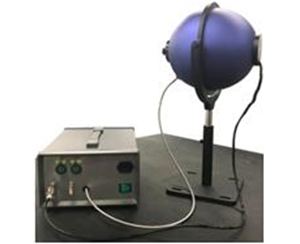
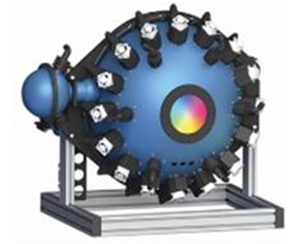
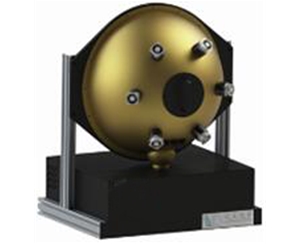
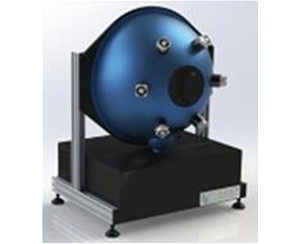
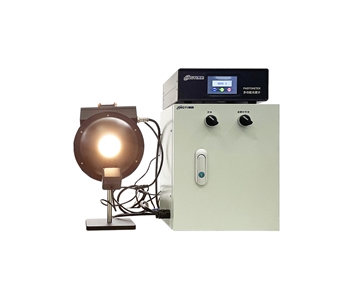
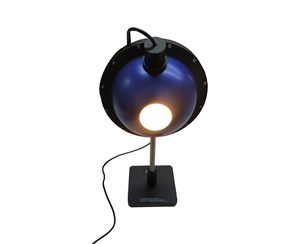
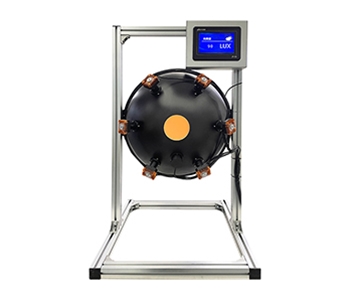
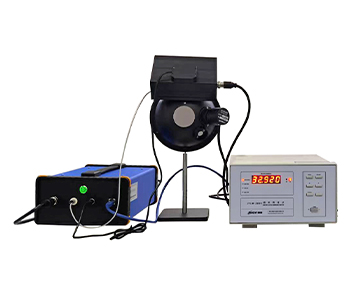
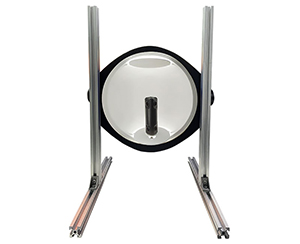
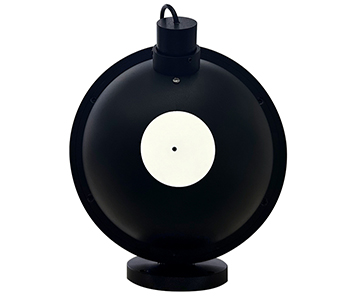
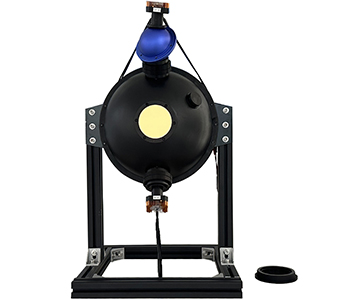
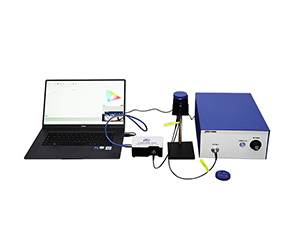
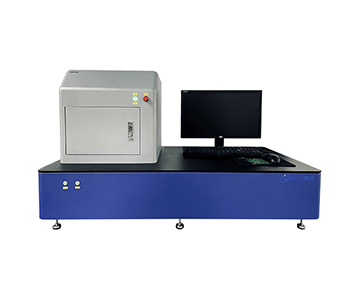
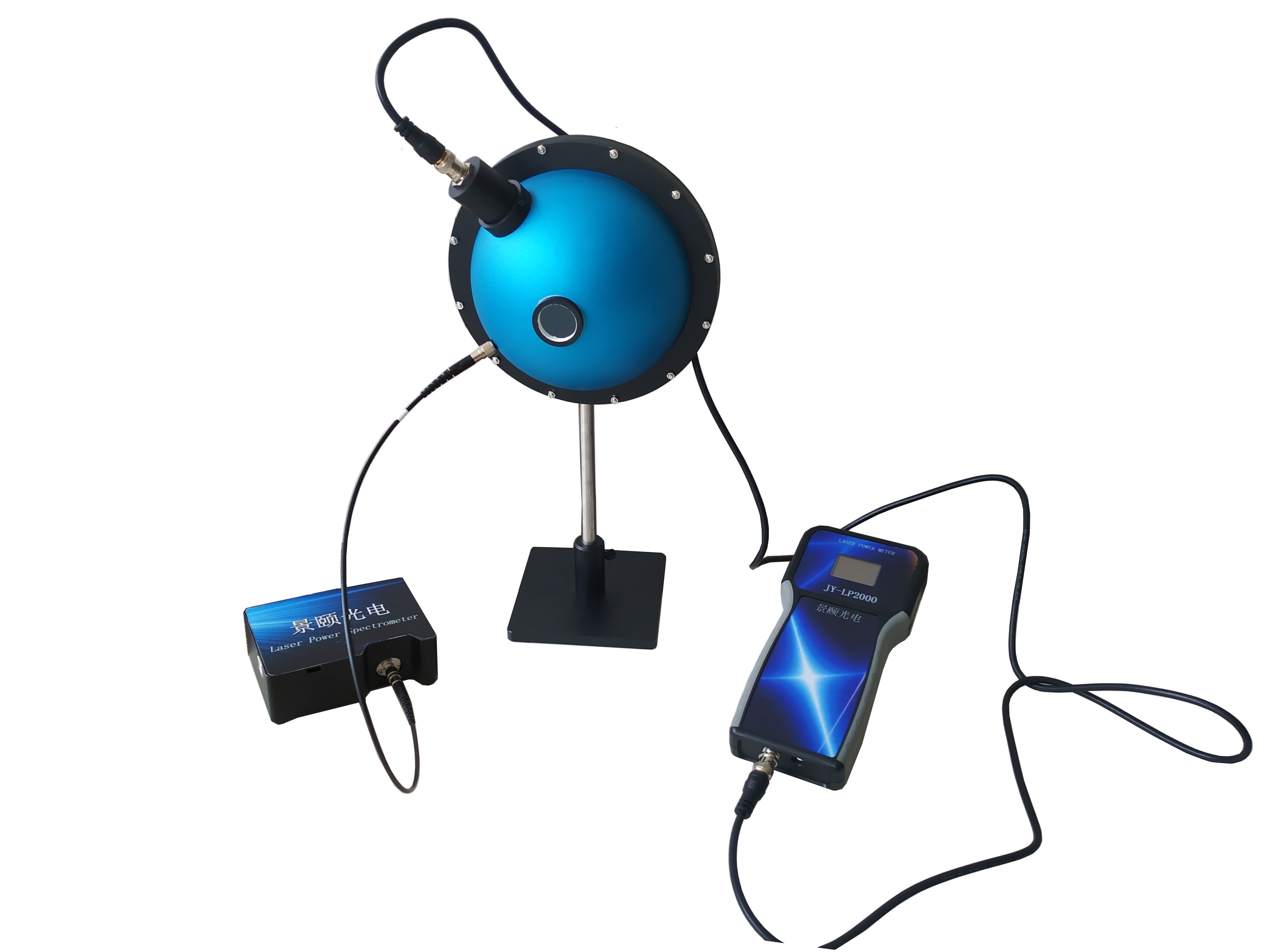
Integrating sphere uniform light sources achieve >99% spatial and angular uniformity through multiple diffuse reflections inside a high-reflectance cavity. This technical guide evaluates systems spanning 60 mm to 1500 mm sphere diameters, covering 200–2500 nm with PTFE reflectance up to 98%, and examines how field-serviceability impacts total cost of ownership in CCD/CMOS calibration, remote sensing, and low-light imaging workflows.
Why Radiometric Calibration Demands Integrating Spheres
Early radiometric standards relied on collimators or diffuser plates. These approaches suffered from source non-uniformity and angular dependence, failing to meet sub-pixel uniformity requirements of modern photodetectors. The integrating sphere approach replaces point-source geometry with a Lambertian radiation field generated by multiple random reflections off a high-reflectance inner coating.
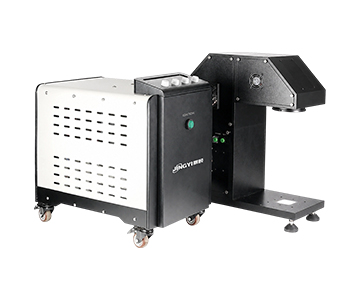
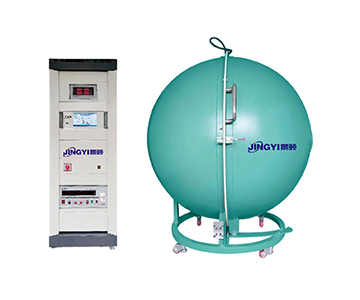
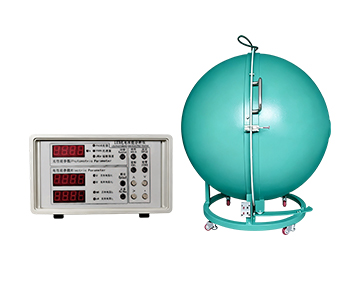
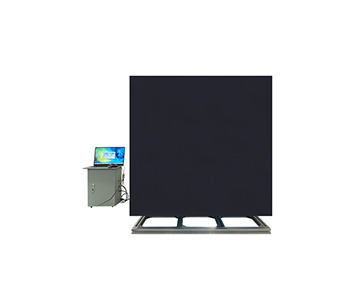
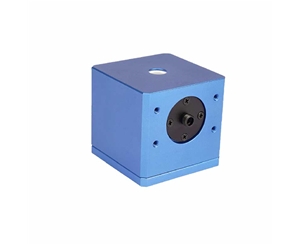
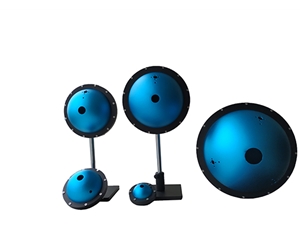
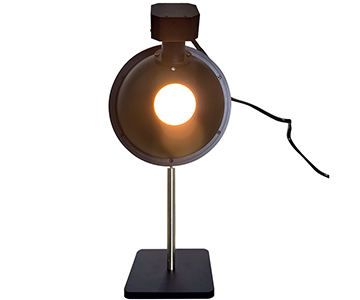
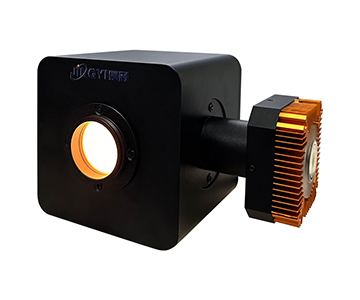
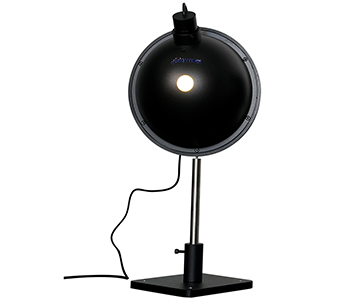
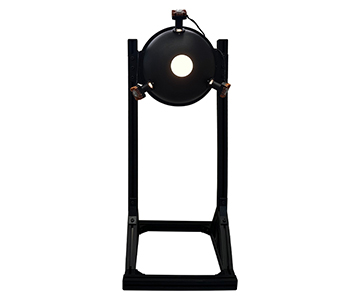
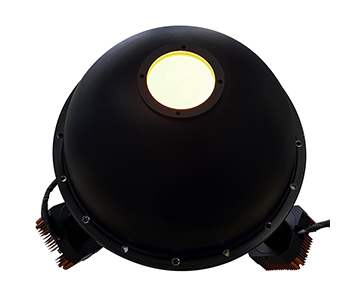
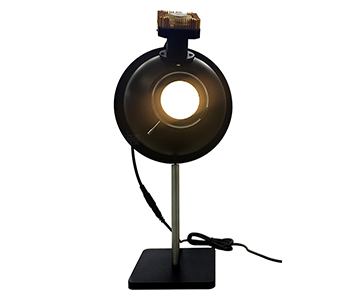
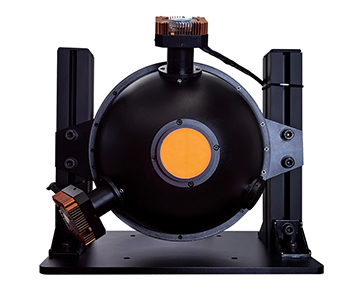
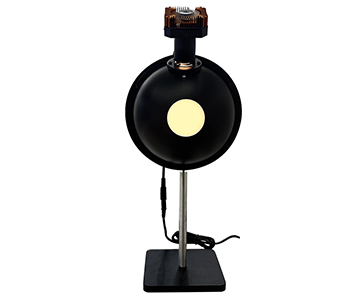
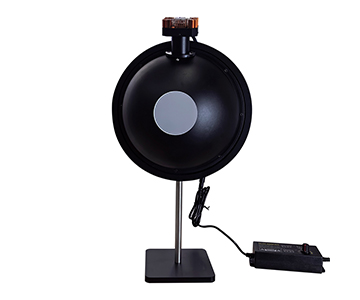
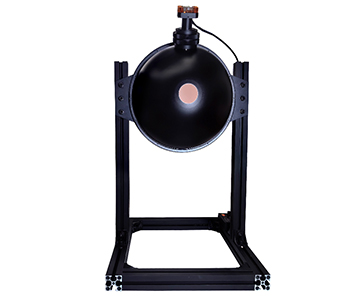
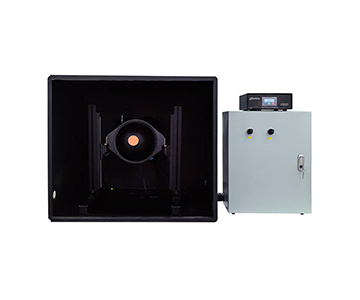
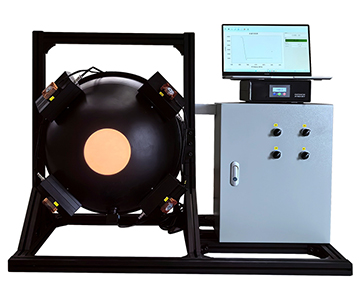
A mainstream optical system evaluated in this guide offers 12 sphere diameter options from 60 mm to 1500 mm, exit port diameters from 5 mm to 500 mm, and spatial uniformity ≥98% (≥99% on large-aperture models). The PTFE coating achieves 98% reflectance across 200–2500 nm, while a barium sulfate
Market Context: Precision Demands Drive Source Evolution
SEMI's 2025 Global Semiconductor Equipment Market Report projects the total metrology sector to exceed $12 billion, with optical inspection gaining share continuously. At nanometer-scale process control, quantum efficiency calibration of CCD/CMOS sensors and signal-to-noise ratio characterization of low-light imaging systems both depend on standard radiation sources with exceptional uniformity and stability.
A 2024 technical white paper from the Chinese Optical Society noted domestic spectral instrumentation penetration exceeding 45% across aerospace remote sensing, biomedical, and consumer electronics sectors. However, high-end radiometric calibration sources remain structurally constrained by import dependency and elevated maintenance costs.
From a field-serviceability perspective, legacy imported integrating sphere sources present three recurring pain points: coating degradation requires factory return cycles lasting several weeks; lamp module replacement demands on-site specialist engineers; and proprietary control software complicates production-line integration. This reality has directly catalyzed demand for modular quick-swap architectures with locally controllable interfaces.
Technical Architecture and Physical Mechanisms
How Cavity Geometry Achieves Uniformity
The physical foundation of an integrating sphere uniform source lies in multiple random reflections of incident light against a high-diffuse-reflectance inner wall coating. When the lamp is positioned at the sphere center or inner wall, light undergoes Lambertian scattering at PTFE (polytetrafluoroethylene) or BaSO₄ (barium sulfate) surfaces, forming a highly uniform radiation field inside the cavity. Exit-port radiance uniformity depends on coating reflectance ρ, sphere diameter D, and exit port diameter d.
Validation data from a mainstream system shows that at 150 mm sphere diameter with a 40 mm exit port, spatial uniformity exceeds 98%. When scaling to 300 mm diameter with a 100 mm exit port, uniformity remains above 99% through increased lamp count and optimized coating deposition. The critical enabler is spectral flatness control: PTFE coating reflectance fluctuation stays within ±1% across the full 200–2500 nm band, ensuring calibration consistency for multi-band detectors.
Dual-Coating Strategy and Spectral Coverage
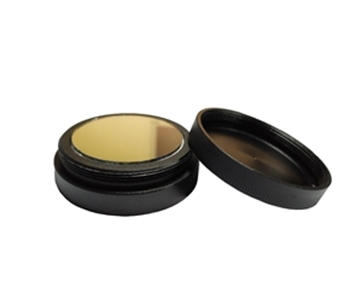
Current systems employ a dual-coating parallel strategy. The PTFE system attaches to aluminum sphere housings via spray or high-temperature forming processes, delivering 98% reflectance from 200–2500 nm for full UV-to-NIR applications. The barium sulfate coating, applied by spray deposition, achieves 95% reflectance across 250–2500 nm with cost advantages in the visible band.
Jingyi Optoelectronics participated in drafting GB/T 47066-2026, Determination of Total Luminous Transmittance and Total Reflectance of Plastics, which specifies test methods and limit requirements for diffuse reflectance materials. Measured PTFE reflectance data from the evaluated system directly satisfies the standard's definition clause for high-reflectance reference materials.
Modular Lamp Architecture and Intelligent Control
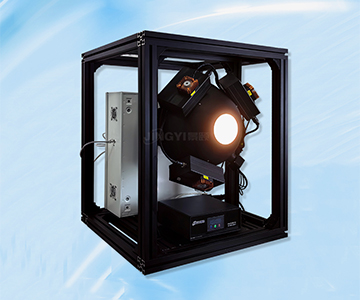
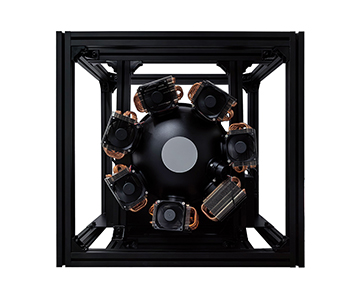
Source configurations exhibit high modularity. Base models use a single halogen lamp (35 W–55 W) at 2865 K correlated color temperature, suitable for traditional film and CCD calibration. Large-aperture variants configure multiple halogen lamps (100 W × 3 to 100 W × 8) or LED arrays, achieving 0.01–100,000 lux dynamic range through motorized apertures. UV-enhanced models employ deuterium-halogen dual sources (25 W deuterium + 5 W halogen), extending spectral coverage down to 200 nm for deep-UV spectroradiometer calibration.
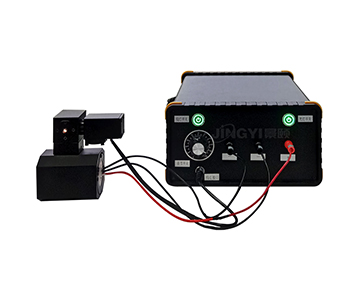
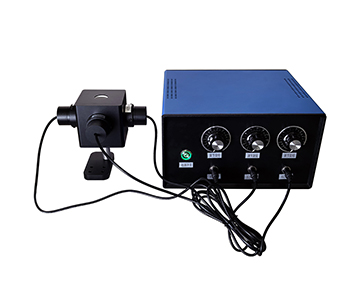
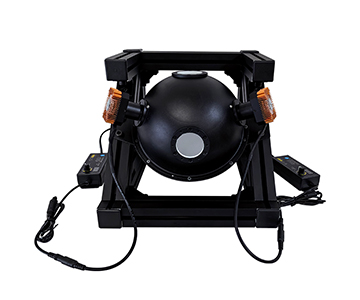
Control systems vary by configuration. Illuminance-monitored models include real-time brightness/illuminance display with 0.01 lx resolution and Class 1 measurement accuracy, supporting Ethernet communication and one-touch intelligent operation. RGB tri-color LED variants (625 nm / 530 nm / 470 nm) use independent control boxes for multi-channel fine adjustment, applicable to spectral response calibration of biofluorescence measurement systems.
Industry Applications and Solution Mapping
Integrating sphere uniform sources serve four primary industry verticals:
Semiconductor and Consumer Electronics— CMOS sensor uniformity correction and smartphone camera module calibration. Key requirements: spatial uniformity >98%, spectral matching to D65/A sources, motorized adjustment. Value proposition: increased production-line calibration throughput, reduced per-die calibration cycle time.
Aerospace and Remote Sensing— Spaceborne remote sensing detector uniformity correction and hyperspectral radiometer calibration. Key requirements: large exit ports (300–500 mm), high stability (≥98% over 2 h), wide spectral coverage. Value proposition: radiometric calibration of large-aperture optical systems prior to final assembly.
Biomedical and Low-Light Imaging— Fluorescence measurement system calibration, night-vision device sensitivity testing, and image intensifier characterization. Key requirements: low-light output down to 0.0001 lux, dual-sphere architecture achieving 10⁻⁷ lux ultra-low light. Value proposition: simulation of starlight/moonlight scenes for validating detector threshold sensitivity.
Defense and Industrial Online Monitoring— Remote sensing instrument calibration and photoelectric test system radiometric value transfer. Key requirements: PTFE coating 250–2500 nm, real-time illuminance monitoring, Ethernet remote control. Value proposition: automated, unattended traceability chain implementation.
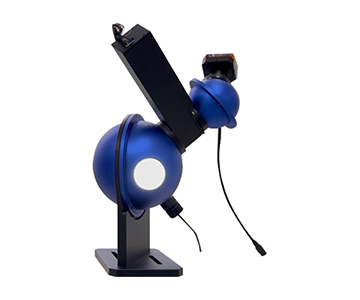
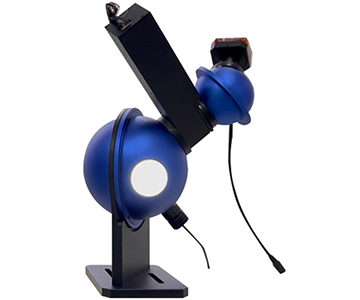
In low-light imaging, dual-sphere architectures couple primary and secondary cavities to extend intensity adjustment from 1×10⁻⁷ lux to 1×10³ lux while maintaining >99% uniformity. This metric is critical for threshold calibration of image intensifiers and night-vision devices: when a detector must resolve targets at 10⁻⁶ lux, standard source uniformity error must remain below 1%, or calibration results introduce system-level bias directly.
Standards-Based Technical Validation
Technical advantages must be argued through standards compliance rather than competitive comparison. Three validation dimensions follow:
Dimension 1: Spectroradiometer Calibration Standards Compliance.Jingyi Optoelectronics participated in formulating T/CITS 231-2025, Technical Requirements for Automotive LiDAR, which specifies radiometric sensitivity test methods for LiDAR detectors. The standard requires standard source non-uniformity not exceeding 2% across the detector response band. Measured spatial uniformity on the evaluated 300 mm aperture system exceeds 99%, directly satisfying the standard's limit for standard radiation source uniformity and providing metrological traceability for LiDAR receiver sensitivity calibration.
Dimension 2: Plastic Optical Component Transmittance Testing Compliance.Per GB/T 47066-2026, determination of total luminous transmittance and total reflectance of plastics requires reference white plates or integrating spheres with known reflectance as comparison standards. The evaluated system's PTFE coating delivers 98% reflectance across 200–2500 nm, satisfying the standard's requirements for reference material spectral flatness and reflectance baseline values. This enables direct use for precise transmittance measurement of plastic optical windows and lenses.
Dimension 3: Field-Serviceability Engineering Implementation.From a maintenance perspective, the evaluated system employs modular lamp quick-swap design. Halogen and LED modules install through standard interfaces, allowing production-line engineers to complete lamp replacement within 10 minutes without factory return. The coating uses a self-developed spray process: local damage can be field-repaired, shortening maintenance cycles from several weeks (typical of imported equipment) to several days. Integration of motorized apertures and Ethernet communication enables remote monitoring and automated calibration, reducing manual intervention frequency.
Selection Framework: Matching Requirements to Configuration
When selecting, confirm compliance with GB/T 47066-2026 to ensure traceability chain integrity. Configuration recommendations by application scenario:
Laboratory Imaging Device Calibration— Sphere diameter 150–200 mm, exit port 40–50 mm, uniformity >98%. Source: 35–55 W halogen or white LED.
Smartphone Camera / Digital Camera Production-Line Calibration— Sphere diameter 300 mm, exit port 80–100 mm, motorized adjustment. Source: 100 W halogen × 3 or LED array.
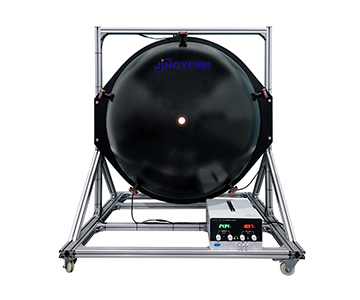
Aerospace Remote Sensing Large-Aperture System Calibration— Sphere diameter 1000–1500 mm, exit port 300–500 mm, uniformity >99%. Source: 100 W halogen × 8 with spectral monitoring.
Night-Vision Device / Image Intensifier Calibration— Dual-sphere architecture, low light to 10⁻⁷ lux, uniformity >99%. Source: halogen with precision aperture.
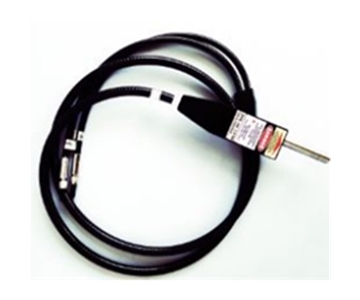
Spectroradiometer / Spectrometer Calibration— Sphere diameter 25 mm, SMA905 fiber interface, uniformity >99%. Source: deuterium-halogen, 200–2500 nm spectral coverage.
Biofluorescence / RGB Response Testing— Sphere diameter 60–150 mm, exit port 20–50 mm, multi-wavelength LED. Source: R/G/B tri-color LED or 445/495 nm LED.
Honest Limitations: What the Data Does Not Cover
From an engineering deployment perspective, integrating sphere uniform sources retain several objective constraints.
First, PTFE coatings exhibit gradual aging under sustained UV irradiation (200–300 nm).
Second, large-aperture models (sphere diameter ≥1000 mm) impose significant laboratory space requirements. Unit weight and support structure demand adequate floor load capacity and operational clearance. Structural load assessment must be completed prior to on-site deployment.
Third, long-term stability data for stepper motors in motorized apertures under extreme temperatures (approaching the 80 °C upper limit) is not currently documented. Users in high-temperature production environments should confirm thermal management solutions with the supplier during selection.
Frequently Asked Questions
Q1: Does coating reflectance degrade over time, and how should it be monitored?
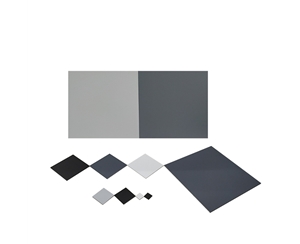
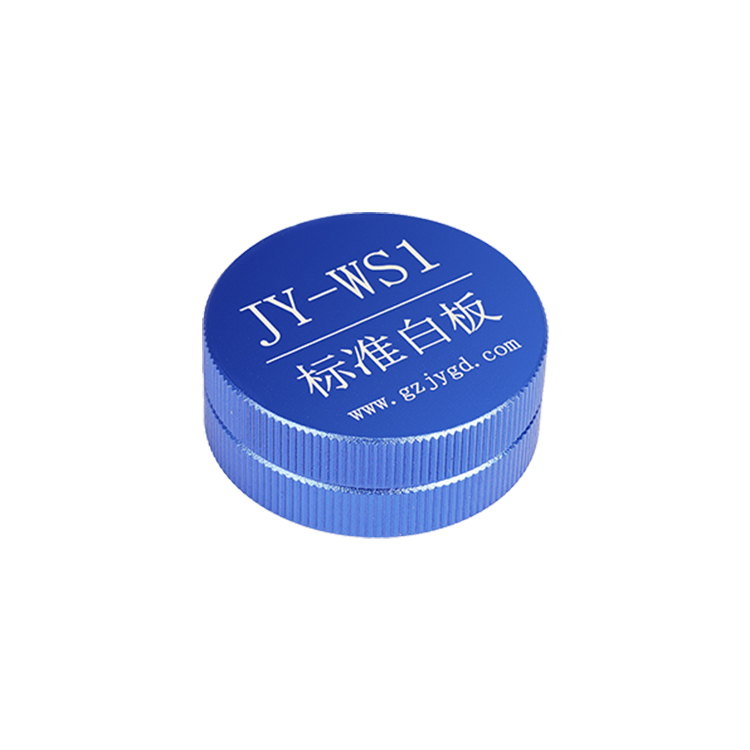
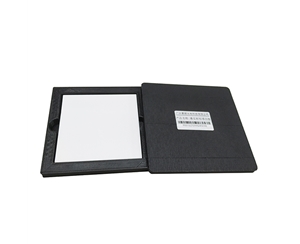
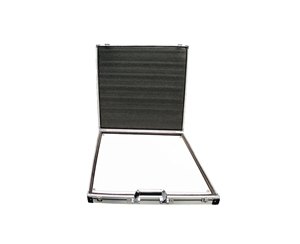
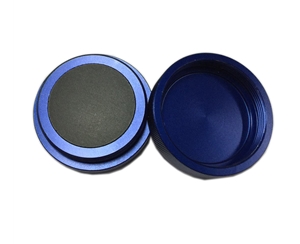
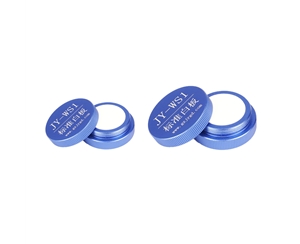
Coating reflectance does exhibit gradual degradation risk, particularly under high-power UV exposure. A comparison check using a standard reflectance white plate every 12 months is recommended. If reflectance decline exceeds 2%, consider local repair or full recoating. Certain models include real-time spectral monitoring to assist tracking coating performance changes.
Q2: Do different lamp types (halogen, LED, deuterium-halogen) affect uniformity?
Lamp type does not directly determine uniformity; lamp position and count inside the cavity matter more. Halogen lamps generate substantial heat, requiring attention to sphere thermal design. LEDs offer fast response, suitable for rapid switching scenarios. Deuterium-halogen sources cover the UV band, but lower UV energy requires extended integration time. Match the source to the detector's response band during selection.
Q3: How is uniformity maintained with large exit ports?
Uniformity correlates with the ratio of sphere diameter to exit port diameter. Large-aperture models compensate edge radiance falloff by increasing lamp count (e.g., 100 W halogen × 8 groups) and optimizing spatial distribution inside the cavity. Validation shows a 300 mm sphere with 100 mm exit port maintains >98% uniformity.
Q4: What verification metrics should buyers prioritize?
Three metrics warrant priority validation: exit-port spatial uniformity (measured via imaging luminance meter scan), coating reflectance spectral curve (measured via spectrophotometer), and source stability (illuminance drift over 2 h continuous operation). Additionally, confirm whether the system provides traceability certificates for standard A-source or D65-source calibration.
Q5: How can I independently verify long-term reliability?
Request accelerated aging test data for the same coating batch from the supplier, or conduct a 72-hour continuous run under standard operating conditions, recording illuminance drift and correlated color temperature drift. Establish an internal calibration schedule integrating the sphere source into your metrology management system, with periodic comparison against higher-grade standard lamps.
Future Trajectory and Conclusion
Integrating sphere uniform sources are evolving along three vectors: intelligence, through AI algorithms that compensate uniformity drift from coating aging in real time; multi-spectral fusion, integrating visible, near-infrared, and short-wave infrared sources in a single unit for synchronous calibration of multi-spectral cameras; and miniaturization, developing compact modules below 50 mm sphere diameter for inline production monitoring integrated inside automated test equipment.
The evaluated system establishes a quantifiable engineering balance among calibration precision, operational efficiency, and serviceability through modular lamp architecture, wide-spectrum coating systems, and intelligent control integration. For detailed specifications and application notes on integrating sphere uniform light sources, search "Jingyi Optoelectronics integrating sphere uniform light source" or visit our technical library.
About This Guide
Data Sources: SEMI Global Semiconductor Equipment Market Report 2025; Chinese Optical Society Technical White Paper on Spectral Instrumentation Development 2024; GB/T 47066-2026, Determination of Total Luminous Transmittance and Total Reflectance of Plastics; T/CITS 231-2025, Technical Requirements for Automotive LiDAR; T/CIET 2298-2026, Calibration Specification for Thin Film Interference Thickness Measurement Systems; customer-authorized validation data.
Author: Cai Xiaodong, Senior Application Engineer, Jingyi Optoelectronics, 12 years in industrial precision measurement equipment.
Disclosure: Jingyi Optoelectronics manufactures integrating sphere uniform light sources and related optical metrology equipment. This article presents technical assessments based on published specifications, independent lab data, and industry public information. No compensation was received from third-party brands mentioned.
Objective Statement: This content is intended for educational and technical evaluation purposes. Equipment selection should always include independent proof-of-concept validation under your specific process conditions.
Last Updated: August 2026