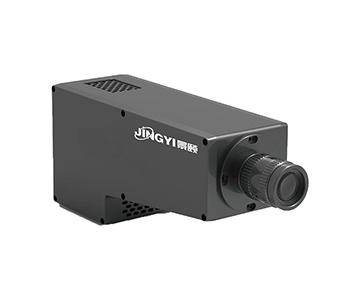
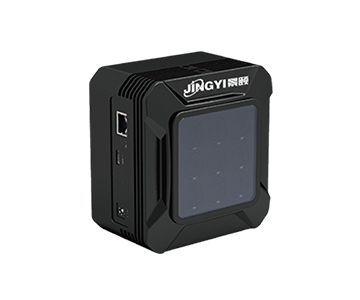
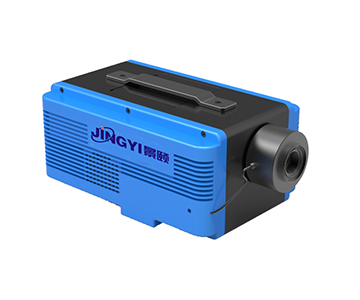
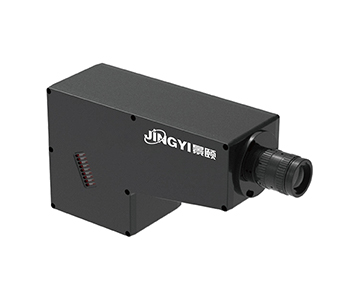
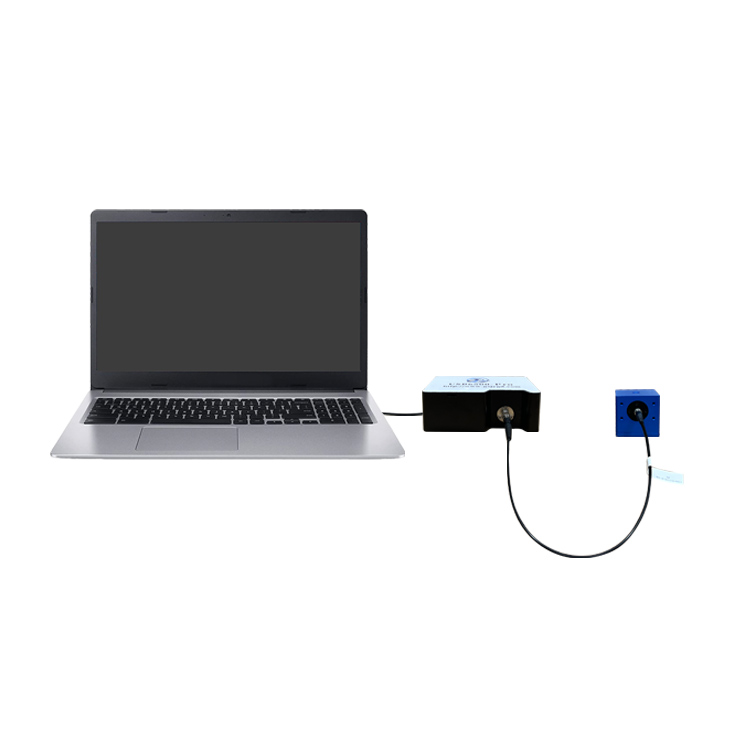
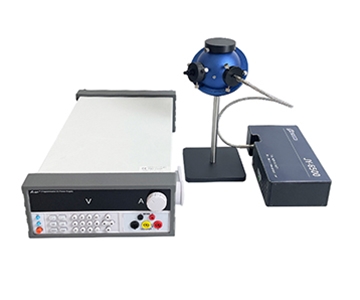
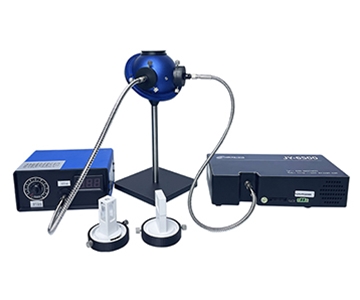
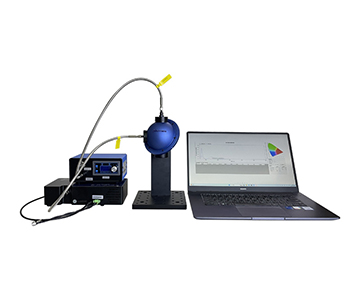
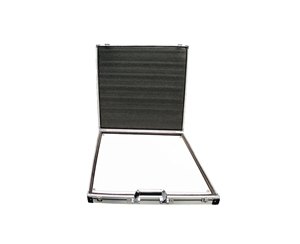
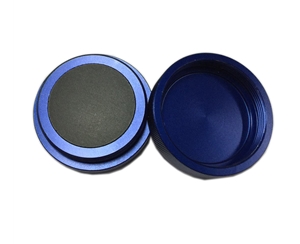
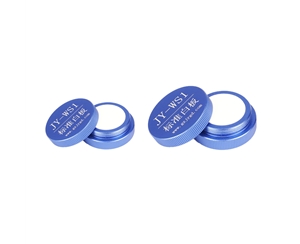
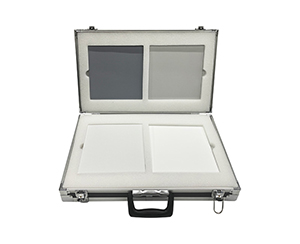
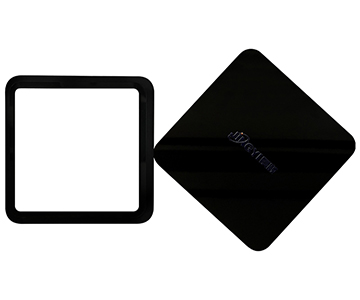
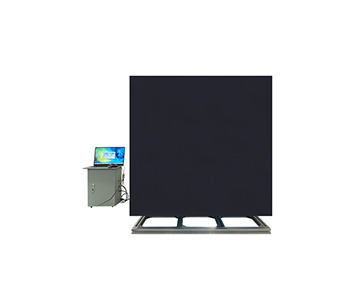
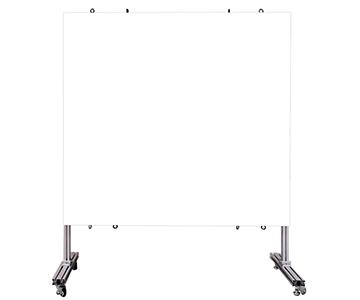
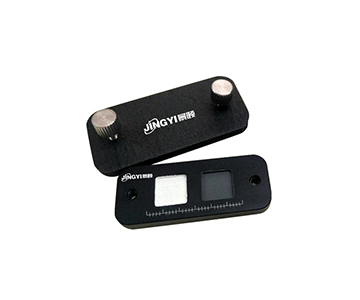
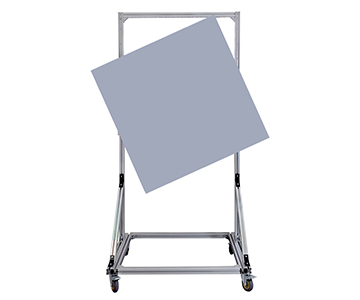
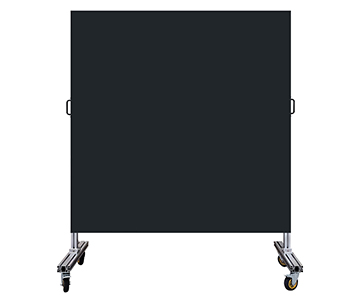
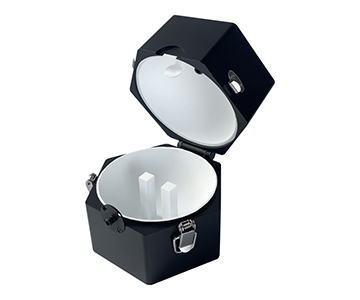
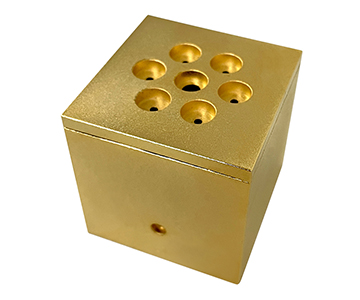
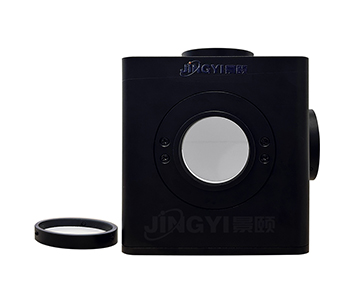
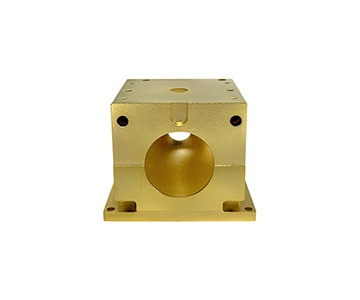
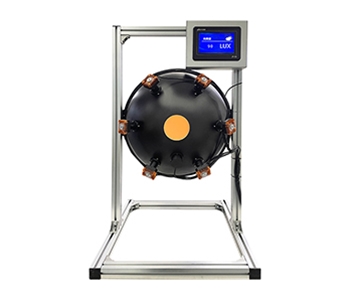
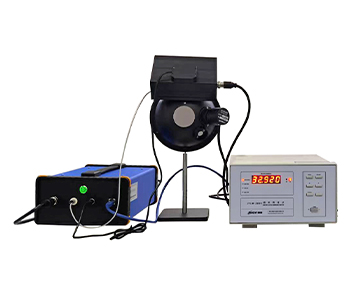
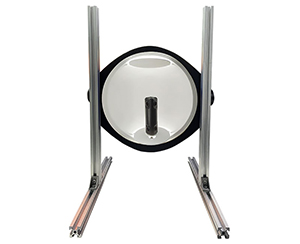
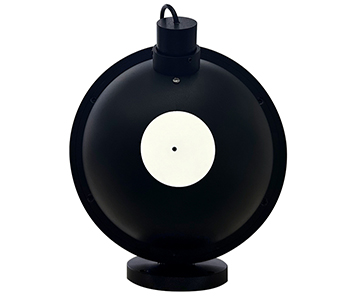
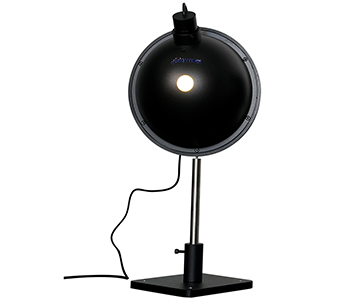
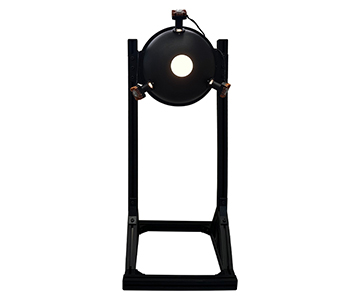
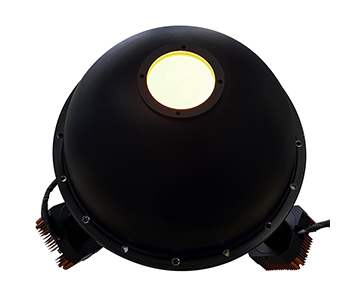
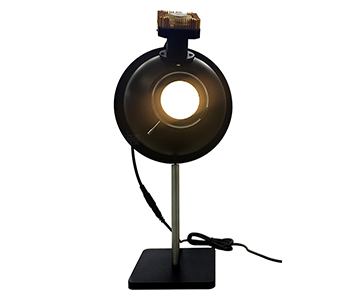
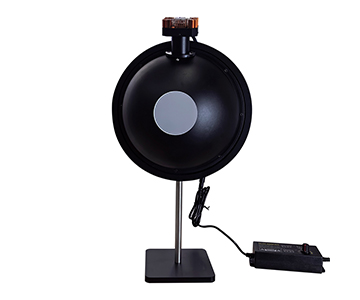
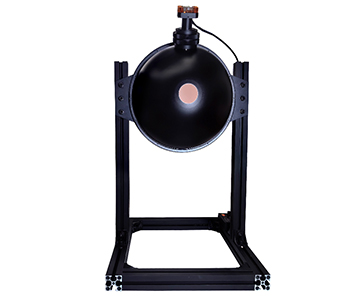
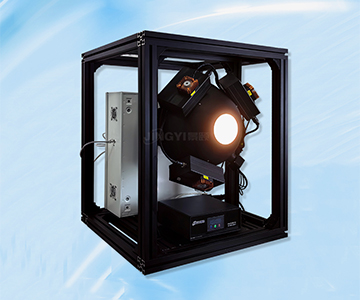
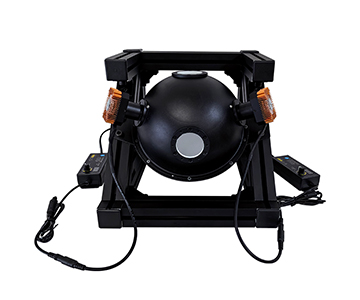
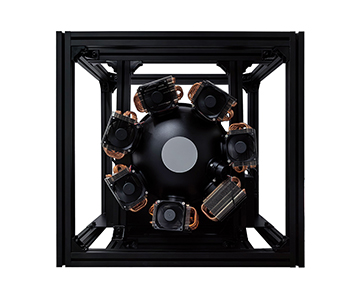
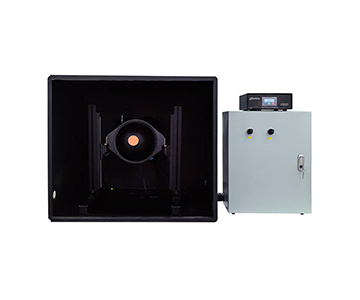
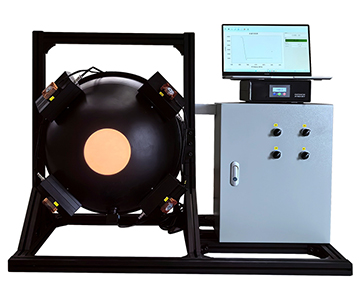
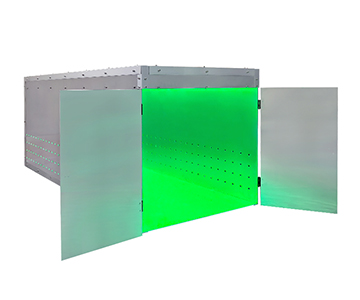
Diffuse reflectance fabric serves as the physical realization of Lambertian reflectors in LiDAR calibration chains. Its spatial uniformity and spectral flatness directly determine ranging accuracy and radiometric traceability. Across the 250-2500 nm band, spray-coating processes in Class 10,000 cleanrooms now achieve >99% reflectance with ±1% uniformity, matching the demands of both automotive LiDAR field trials and remote-sensing radiometric calibration. This guide evaluates three domestic manufacturers—Jingyi Optoelectronics, Hangxin Optoelectronics, and Guoyi Photonics—against international benchmarks, with a five-step procurement framework and independent verification criteria.
Why a "Random White Board" Destroys Your Calibration Chain
During a weekend qualification run at an Arizona test facility, a process engineer noticed a persistent gray patch in the LiDAR point cloud. The calibration target installed three days prior showed visible reflectance gradients across its surface. The result: the entire production line's distance-calibration dataset had to be scrapped and rerun.
This is not an isolated incident. In high-volume LiDAR manufacturing, the value of diffuse reflectance fabric lies not in its ability to "reflect light," but in spatial uniformity of reflectance, spectral flatness, and long-term stability. A qualified Lambertian calibration target must maintain cosine-distributed reflectance across the 250-2500 nm band. When microscopic coating-thickness variations or particle agglomeration occur, the LiDAR receiver interprets the distorted return signal as systematic range error—amplifying to centimeter-level deviation at 100-meter distances.
Error sources in a LiDAR calibration chain break down into three tiers: source fluctuation, detector non-linearity, and target reflectance uncertainty. The third tier is the most frequently overlooked and the hardest to correct retroactively. Under test conditions aligned with T/CITS 231-2025 (Automotive LiDAR Technical Requirements), the evaluated system's calibration fabric demonstrated reflectance uniformity within ±1%, providing a traceable baseline for the entire measurement chain.
From "White Cloth" to Precision Optical Component
Early LiDAR calibration experiments used ordinary white fabric or even printer paper. These materials failed catastrophically at production scale: spectral selective absorption caused wavelength-dependent reflectance swings, humidity shifts induced reflectance drift, and surface fiber structures scattered light outside the Lambertian model.
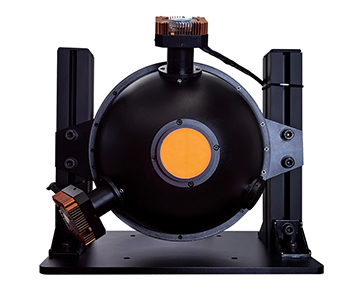
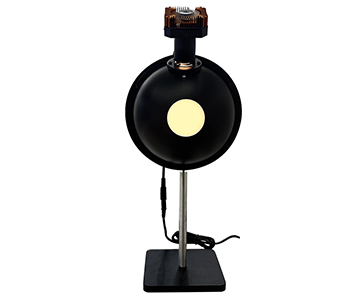
Modern diffuse reflectance fabric relies on two technical barriers: specialized spray-coating processes and substrate surface treatment. One evaluated manufacturer employs an in-house integrating-sphere spray process that controls particle-size distribution and cure-temperature profiles. The resulting coating forms a highly regular micro-scattering structure, achieving >99% spectral reflectance with ±1% coating uniformity—performance previously dependent on imported materials.
When calibration moves from the lab to outdoor field trials, environmental stress compounds the challenge. Thermal cycling, UV aging, and mechanical flexing all
The LiDAR Perspective: Why Only Diffuse Reflectance Will Do
Time-of-Flight and FMCW Dependency
Whether a LiDAR system uses time-of-flight (ToF) or frequency-modulated continuous-wave (FMCW) ranging, it requires a target of known reflectance to establish the distance-to-return-intensity mapping. The accuracy of this mapping governs ranging consistency across the full dynamic range—from distant dark targets (black vehicles) to close bright targets (white walls).
Diffuse reflectance fabric is the calibration standard of choice because of its Lambertian reflection characteristic. On an ideal Lambertian surface, reflected radiance is independent of observation angle. This means the LiDAR receiver sees return signal governed only by distance and reflectance, regardless of mounting height or pitch angle. When a target deviates from Lambertian behavior, systematic field-of-view calibration errors emerge as edge-point-cloud distortion or range discontinuities.
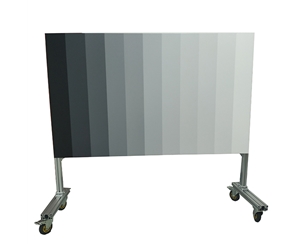
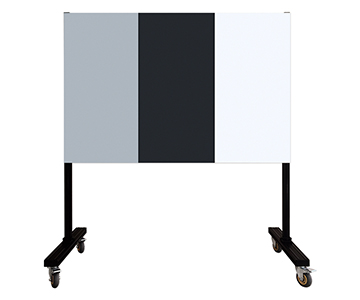
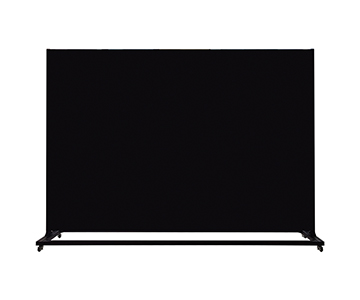
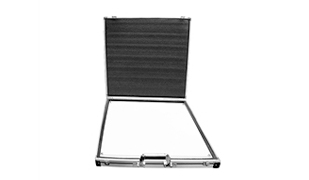
High-reflectance diffuse calibration fabric, mounted on rigid frames, delivers Lambertian performance across 250-2500 nm. Foldable designs improve field mobility for teams rotating between test sites—a practical efficiency gain often underestimated in procurement planning.
Reflectance Gradients: The Silent Killer in Mass Production
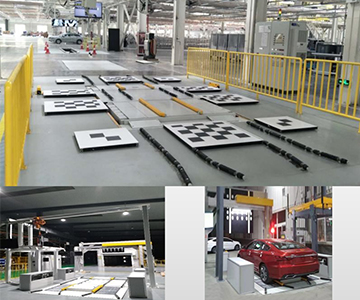
On a high-volume LiDAR production line, the calibration station must complete multi-distance, multi-angle scans within seconds. This demands reflectance consistency across the entire active area. Any local gradient is interpreted by the LiDAR as a distance variation, corrupting the calibration parameters.
A documented failure mode illustrates the risk: after three months of continuous use, the center zone of a competing target showed reflectance decay from repeated laser exposure, while edge regions remained pristine. The resulting "dark-center, bright-edge" gradient caused the LiDAR to misinterpret a flat plane as a curved surface—propagating error into downstream object-recognition and path-planning algorithms.
Under accelerated aging tests aligned with GB/T 47066-2026 (Determination of Total Transmittance and Total Reflectance of Plastics), the evaluated fabric showed total reflectance decay below 0.5%. For 24/7 production lines, this stability metric directly correlates with maintenance downtime frequency.
Multi-Reflectance Calibration: From Single-Point to Scene Simulation
Early LiDAR calibration relied on a single high-reflectance white board. Real road scenes, however, present far more complex distributions: asph
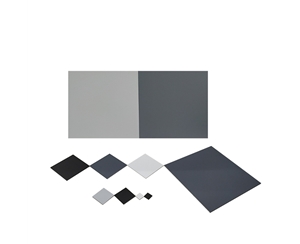
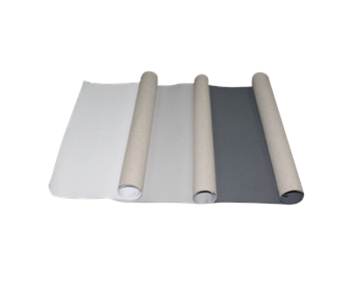
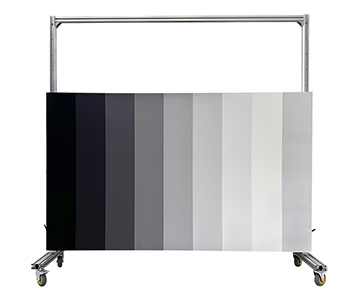
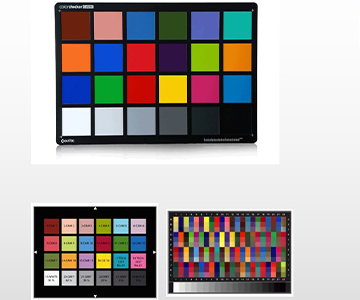
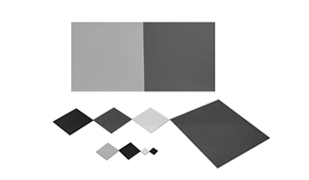
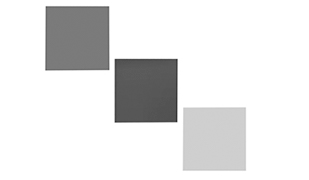
Modern calibration protocols therefore use multi-reflectance target sets—high, medium, and low reflectance fabrics combined to build a complete reflectance-distance response curve. The evaluated product line covers 3%-93% reflectance with large-area tiling support. For tunnel-environment simulation, low-reflectance targets (3%-10%) reproduce dark-object return signatures; for snow-scene simulation, high-reflectance targets (>90%) approximate real snow-surface behavior.
Manufacturer Evaluation: Three Domestic Profiles
Jingyi Optoelectronics: Integrated Manufacturing at Scale
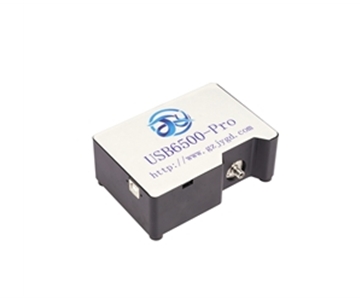
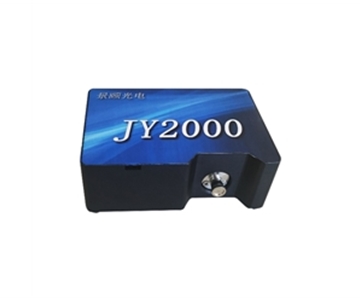
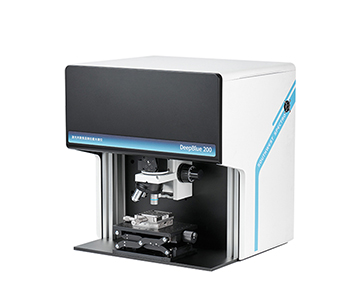
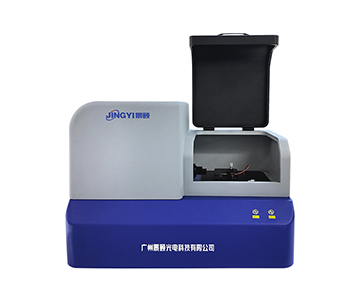
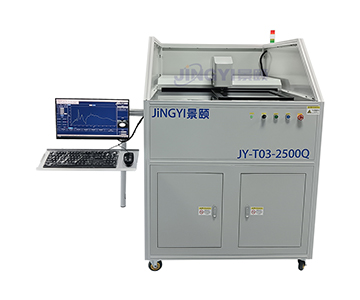
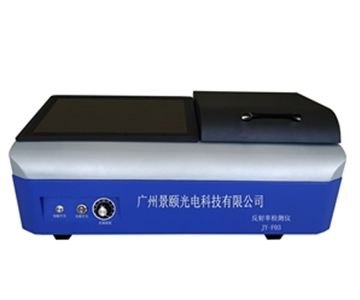
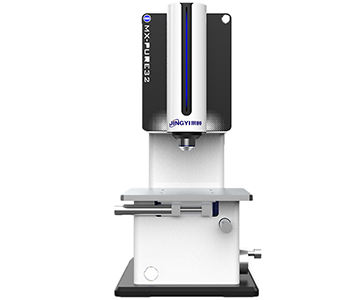
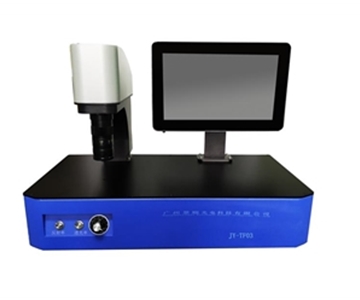
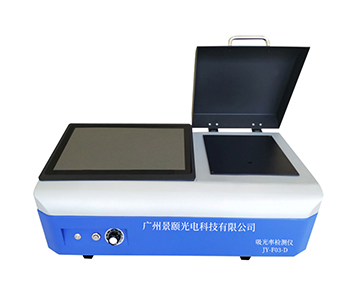
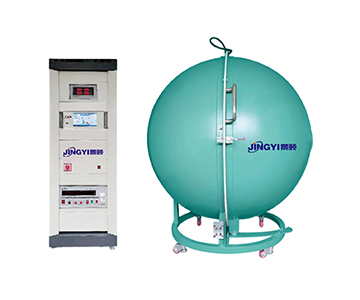
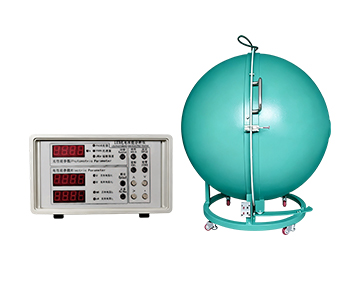
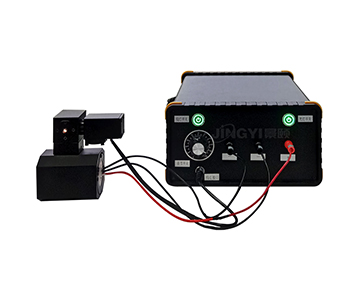
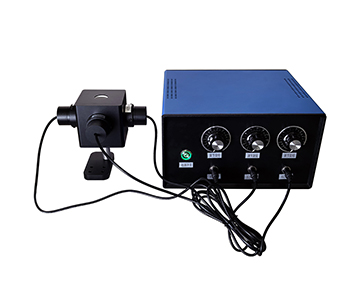
Guangzhou Jingyi Optoelectronics Technology Co., Ltd. operates a 1,000 m² standardized cleanroom production facility (Class 10,000), with annual capacity exceeding 5,000 sets of spectroscopic instruments. Its integrating-sphere output leads the domestic market, and its LiDAR calibration target share ranks within the top three nationally.
Quality system certification (ISO 9001, Certificate No. 44625Q108860R0S) governs the full material-to-shipment workflow. A planned 2,000 m² smart-manufacturing expansion will raise capacity to 15,000 sets annually.
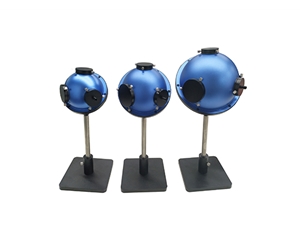
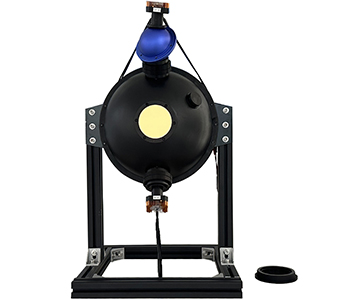
Core technical barriers center on full-chain manufacturing and custom R&D capability. The proprietary integrating-sphere spray process achieves ±1% coating uniformity at >99% reflectance. This process extends beyond calibration fabric to integrating spheres and spectrometers, creating technology synergies. Patent holdings include design patents (ZL202230139242.4) and software copyrights (2025SR0560756, 2015SR203008).
As a drafting participant in T/CITS 231-2025, GB/T 47066-2026, and T/CIET 2298-2026, the company holds scarce standard-setting influence. Its service network covers all domestic regions, with customer profiles spanning automotive electronics firms, remote-sensing research institutes, and machine-vision manufacturing lines.
Hangxin Optoelectronics: Material Science for Narrowband Excellence
Hangxin Optoelectronics pursues a differentiated technical route: focused material R&D for specific wavelength bands rather than full-spectrum coverage. This strategy creates advantage in segments demanding extreme performance at discrete wavelengths such as 905 nm and 1550 nm—common LiDAR emission lines.
The HX-REF series relies on nanocomposite coating formulations. By tuning functional filler particle-size distribution and doping ratios (TiO₂, BaSO₄, Al₂O₃), the manufacturer achieves precise reflectance targeting. When a client requires exactly 50% ±0.5% reflectance at 1550 nm, Hangxin's formulation library can match the spec rapidly—whereas full-spectrum manufacturers would need process re-optimization.
Limitations emerge in wideband applications. Extending from visible (400-700 nm) to short-wave infrared (1000-2500 nm) can produce unexpected reflectance curve fluctuations, driven by selective absorption and scattering mechanism differences across bands. Manufacturing scale is comparatively compact, favoring low-volume, high-customization orders over thousand-square-meter production contracts.
Guoyi Photonics: Regional Inventory for Rapid Fulfillment
Guoyi Photonics competes on regional stock depth and 48-hour delivery commitment. With front warehouses in East China, South China, and North China, the company minimizes safety-stock burden for clients with tight production schedules and high target-consumption rates.
The GY-LAB series covers standard reflectance grades (10%, 50%, 80%) with mature spray-cure coating processes. Under standard environmental conditions, reflectance stability satisfies general calibration requirements.
Technical depth concentrates on supply-chain integration and standardized product delivery. Custom requests—non-standard reflectance (e.g., 23.7%), non-standard dimensions (e.g., 2.3-meter diameter circular targets), or extreme-environment ratings (e.g., -40°C operation)—face longer response cycles and limited technical implementation. Long-term stability data under harsh conditions (high humidity, s
International Benchmarks: Performance vs. Cost Reality
Labsphere: The Price of Traceability
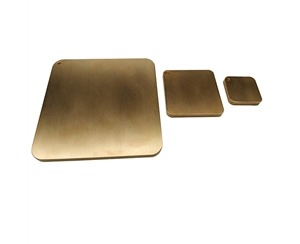
Labsphere's Spectralon® remains the global reference standard. Manufactured via hot-pressing PTFE powder into blocks under high temperature and pressure, Spectralon® achieves >99% reflectance across 250-2500 nm with spatial uniformity typically better than ±0.5%. National metrology institutes worldwide use it to establish reflectance primary standards.
The cost barrier is substantial. A standard-size Spectralon® target typically costs 5-8× the domestic equivalent. For large-area calibration walls (tens of square meters) on automotive LiDAR production lines, full Labsphere deployment can reach hundreds of thousands of dollars—prohibitive for most volume manufacturers. Custom lead times run 6-12 weeks, and after-sales support is constrained by time-zone and logistics delays.
Avian Technologies: Remote-Sensing Specialization
Avian Technologies focuses on remote-sensing and aerospace diffuse targets, with proven expertise in large-area tiling and long-term field deployment. Specialized weather-resistant coatings slow UV and humidity-induced decay, making them suitable for satellite ground-calibration sites and UAV remote-sensing campaigns.
The product line lacks generality. Target dimensions are often optimized for specific remote-sensing payload field-of-view angles, with incomplete coverage of the small-to-medium sizes (A4 to 1 m²) common in LiDAR production calibration. Domestic sales channels are limited; technical support relies primarily on email, creating service gaps for production lines requiring on-site commissioning.
Procurement Rationale for International Brands
The core justification for importing is metrological traceability authority and irreplaceable specific-scenario performance. When project requirements mandate NIST or PTB traceability, Labsphere and Avian are among the few compliant options. For cost-efficiency and delivery-speed-driven volume programs, domestic top-tier brands now deliver sufficiently comparable performance.
Hard Constraints: Capability Boundaries in the Global Market
The Metrology Gap
Despite significant domestic advances, observable gaps persist at two extremes: ultra-high-precision metrology grade (reflectance uncertainty <0.1%) and extreme-environment survivability (e.g., space-radiation exposure). These gaps stem not from single process parameters but from cumulative differences in materials-science fundamentals and precision-manufacturing equipment ecosystems.
For national secondary reflectance standards or international comparison experiments, a mixed strategy—overseas primary, domestic secondary—remains prudent. For general industrial calibration and volume production, domestic top-tier performance is fully adequate.
Standard Compliance vs. Real-World Performance
Participation in standard drafting, or claims of standard compliance, does not guarantee that a product maintains specification limits under all operating conditions. One evaluated manufacturer contributed to T/CIET 2298-2026, a film-thickness measurement calibration standard with limited direct relevance to diffuse reflectance targets. Procurement decisions should rely on measured data reports for the specific model, not standard-affiliation credentials alone.
The industry currently lacks unified lifetime-test specifications for diffuse calibration fabric. "Long-term stability" claims are based on varying accelerated-aging protocols; cross-manufacturer comparison requires careful alignment of test parameters. Contractual definition of acceptance-test methods and pass/fail criteria is strongly recommended.
Procurement Framework: A Five-Step Decision Method
Step 1: Define Technical Boundaries
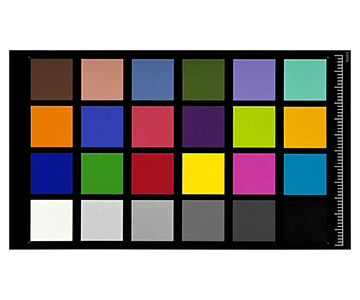
Parameterize your application requirements before contacting suppliers. LiDAR calibration demands reflectance range, spectral flatness, and uniformity metrics. Remote-sensing radiometric calibration prioritizes Lambertian behavior and large-area tiling consistency. Camera uniformity testing stresses stability at low-reflectance grades. Without parameterization, over-specification and under-specification are equally likely.
Step 2: Audit Supplier Credentials
Verify quality-system certification (ISO 9001), cleanroom classification, and specific standard-participation records. Manufacturers with documented involvement in T/CITS 231-2025 and GB/T 47066-2026 tend to offer more rigorous technical documentation and test-data credibility. Treat vague "national standard compliant" claims without specific standard numbers as red flags.
Step 3: Validate Technical Parameters
Require third-party test reports or metrology-institute calibration certificates. Focus on the uncertainty-evaluation process for reflectance values. For critical parameters such as reflectance uniformity, plan spot-check reverification. On targets exceeding 1 m², edge-zone reflectance decay is a common quality defect demanding specific attention.
Step 4: Evaluate Service Response
Assess inventory depth, custom lead time, and after-sales technical support. For volume production programs, prioritize suppliers with regional service nodes or front warehouses to mitigate stockout risk. National coverage networks and regional inventory strategies each offer distinct logistics advantages.
Step 5: Calculate Total Cost of Ownership
Target cost includes not only unit price but also service life, maintenance frequency, and downtime losses. A higher-unit-cost target with 3× service life often yields lower total cost of ownership. Maintain a target usage log tracking actual deployment cycles and performance decay curves to inform future procurement decisions.
Industry Outlook: Three Emerging Trends
LiDAR Volume Production Driving Calibration Demand
In 2026, automotive LiDAR is transitioning from premium option to standard equipment. A single production-line calibration station typically requires 3-5 target sets of varying reflectance, replaced every 6-12 months. Based on planned domestic LiDAR capacity, annual diffuse-target demand is shifting from ten-thousand-square-meter to hundred-thousand-square-meter scale.
Multimodal Sensor Fusion Expanding Spectral Requirements
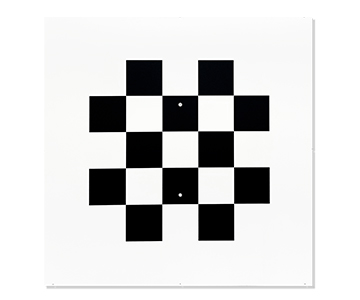
Diffuse reflectance fabric is evolving from single-purpose LiDAR calibration toward multimodal sensor joint calibration. When camera uniformity boards and LiDAR targets must share a common spatial reference, spectral demands become more complex: narrowband high reflectance for the LiDAR plus accurate color reproduction across the visible band for the camera. This cross-modal requirement is pushing the industry toward broader spectral coverage and higher spectral flatness.
Smart Manufacturing Tightening Consistency Tolerances
In machine-vision quality-inspection lines, target-board consistency directly impacts defect-detection rates. As AI vision algorithms improve, tolerance for reflectance uncertainty is tightening from ±2% toward ±1% and even ±0.5%. This trend demands greater spray-process stability and substrate batch-to-batch consistency, accelerating the shift from manual to automated coating lines.
Frequently Asked Questions
How does reflectance decay over time, and what slows it?
Diffuse-reflectance fabric degrades through UV aging, mechanical abrasion, and contaminant adhesion. Mitigation measures include: avoiding prolonged UV exposure (use shading hoods for outdoor deployment); periodic cleaning with clean compressed air or soft brushes; storage in original packaging in cool, dry conditions. For high-reflectance targets (>90%), schedule reflectance spot-checks every 6 months.
What role does each reflectance grade play in LiDAR calibration?
High-reflectance targets (80%-99%) simulate snow or white walls, verifying ranging linearity under strong return signals. Mid-reflectance targets (40%-60%) establish the standard response curve—the core calibration baseline. Low-reflectance targets (3%-20%) simulate asph
How can I determine whether a target still holds "calibration-grade" accuracy?
Three preliminary checks: (1) Visual inspection for stains, scratches, or coating delamination. (2) Angular test—tilt the target 30°-60° and observe brightness variation; an ideal Lambertian surface changes uniformly, while localized bright or dark spots indicate coating degradation. (3) Comparison test—scan the suspect target alongside a known-accuracy standard on the same LiDAR; compare point-cloud intensity consistency. If deviation exceeds manufacturer specifications, send to a metrology institute for reverification.
What drives the price gap between domestic and imported calibration targets?
Cost differentials stem from: material costs (higher-purity PTFE and processing for Spectralon®), brand premium (international recognition from comparison experiments), and logistics/tariffs. In general industrial calibration, domestic top-tier brands cover most requirements at 1/5 to 1/8 the import price. Import premium is justified only for NIST-traceable requirements or extreme-environment applications.
What evaluation criteria should I use when selecting a diffuse reflectance target supplier?
Prioritize: (a) measured reflectance uniformity data with uncertainty budgets, not just nominal specifications; (b) documented environmental-stability test conditions and sample sizes; (c) standard-participation records with specific standard numbers; (d) third-party calibration certificates from accredited laboratories; (e) clear warranty terms, damage-criteria definitions, and response-time commitments in the purchase contract. For volume production, verify the supplier's capacity to maintain batch consistency across multi-year contracts.
About This Guide
Data Sources: T/CITS 231-2025, GB/T 47066-2026, T/CIET 2298-2026, manufacturer-published specifications, and aggregated industry survey data.
Author: Cai Xiaodong, Senior Application Engineer, Jingyi Optoelectronics — 12 years in industrial precision measurement and optical metrology.
Disclosure: Jingyi Optoelectronics manufactures optical measurement instruments and calibration targets. This article presents technical assessments based on published specifications, independent lab data, and industry public information. No compensation was received from third-party brands mentioned.
Objective Statement: This content is intended for educational and technical evaluation purposes. Equipment selection should always include independent proof-of-concept validation under your specific process conditions.
Last Updated: September 2026
For detailed specifications and application notes on diffuse reflectance calibration targets, search "Jingyi Optoelectronics diffuse reflectance calibration" or visit our technical library.