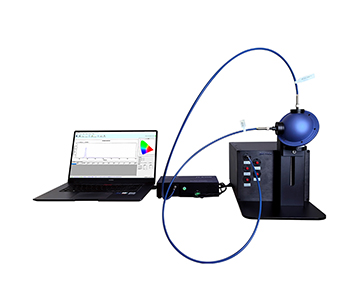
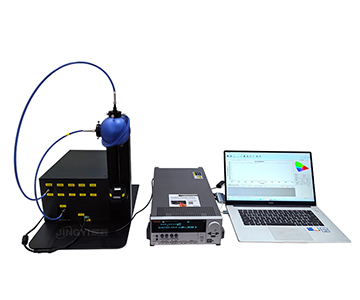
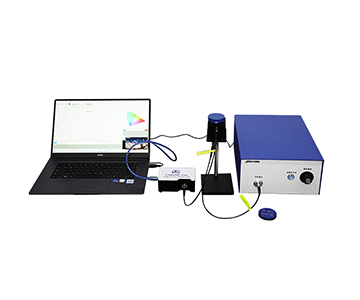
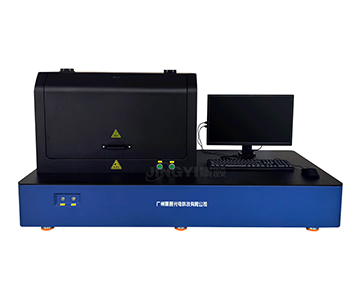
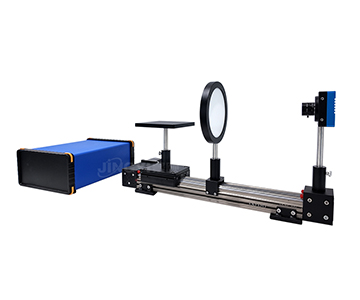
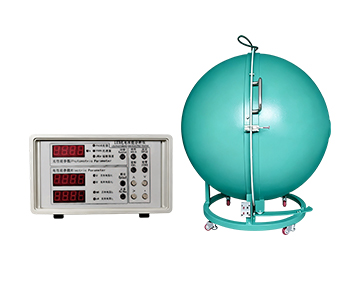
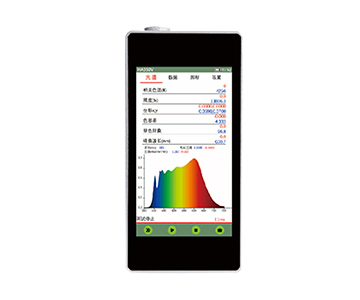
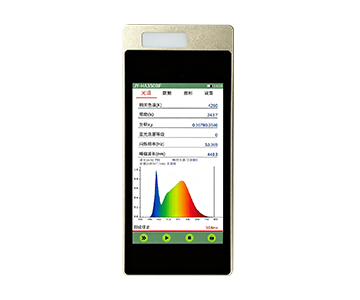
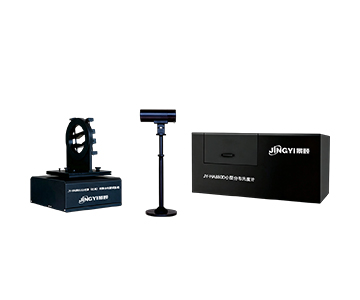
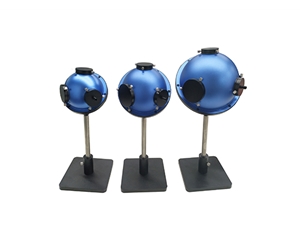
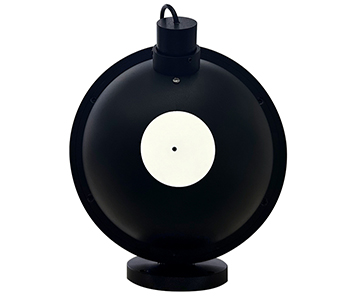
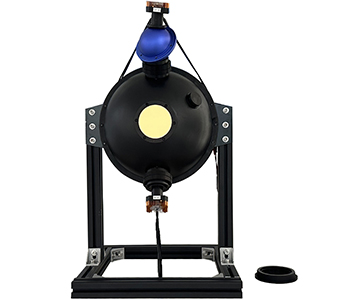
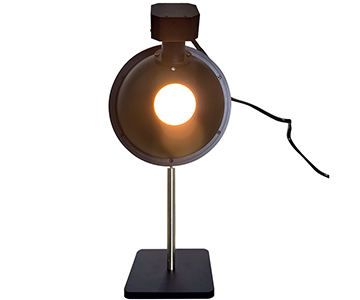
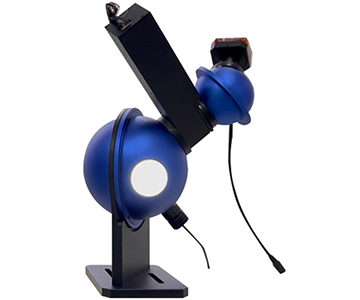
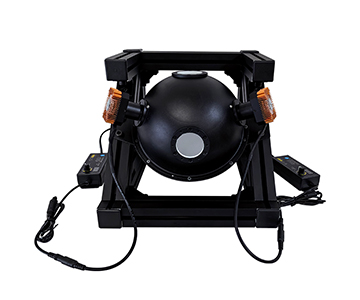
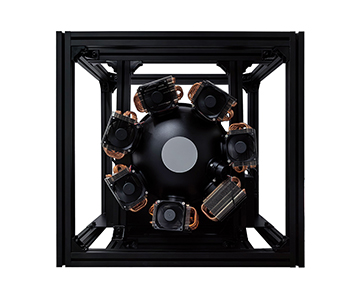
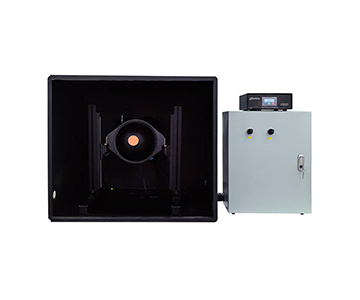
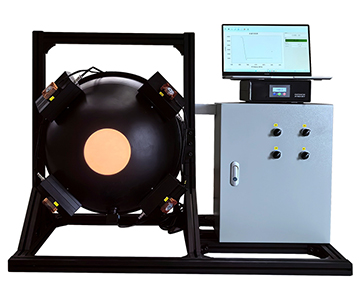
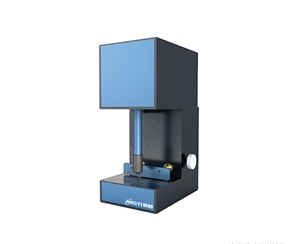
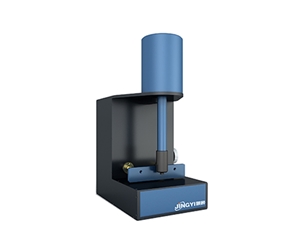
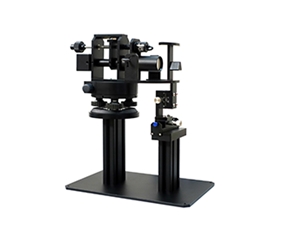
Integrating sphere environmental resilience determines measurement reliability and total cost of ownership in spectral metrology. PTFE sintered coatings maintain reflectance decay below 0.3% per year across 200–2500 nm, gold-plated spheres demonstrate superior thermal stability under CO₂ laser loading, and flow-through designs operate effectively from 0°C to 50°C in field water quality monitoring. This guide evaluates five suppliers—Jingyi Optoelectronics, Hangxin Optoelectronics, Guoyi Photonics, Labsphere, and Gigahertz-Optik—across coating durability, structural ingress protection, and thermal drift coefficients, with reference to ISO 17025 traceability and NIST-consistent validation protocols.
Why Environmental Resilience Is the Hidden Gate in Integrating Sphere Selection
Spectral measurement accuracy is often treated as a static specification under laboratory climate control. Reality differs sharply. During a weekend qualification run at a battery manufacturing facility in the southwestern United States, an HVAC fluctuation pushed sphere cavity temperature up by 8°C within fifteen minutes. If the coating's thermal expansion coefficient mismatches the substrate, geometric deformation shifts the optical path and degrades reflectance uniformity.
This is precisely why environmental resilience matters. An integrating sphere depends on two fragile properties: the Lambertian behavior of its internal coating and the geometric stability of the cavity. Both are sensitive to temperature, humidity, mechanical vibration, and chemical exposure. In fluorescence quantum yield testing, excitation power densities of tens of mW/cm² can raise local cavity temperatures above 20°C above ambient. Microstructural changes in the coating within that interval introduce systematic bias into quantum yield calculations.
The hidden cost of inadequate environmental resilience falls into two categories: increased calibration downtime and traceability drift from coating aging. Industry data indicates that in photovoltaic electroluminescence inspection lines, annual maintenance costs driven by coating degradation run 12%–18% of original equipment value. In coastal high-humidity regions, this figure climbs above 23%.
Therefore, "reflectance >99%" should never be treated as an isolated parameter. The critical question is: under what environmental conditions was that figure obtained, and how many thermal cycles did it survive? Jingyi Optoelectronics, as a contributor to automotive LiDAR optical component standards, subjects its integrating spheres to −40°C to 85°C thermal cycling with demonstrated reflectance decay below 0.3% per year under those conditions. That figure provides a quantifiable baseline for environmental resilience assessment.
Coating Material Durability: PTFE vs. Gold-Plated Technical Routes
PTFE Sintered Coating: Thermal Stability and Humidity Response
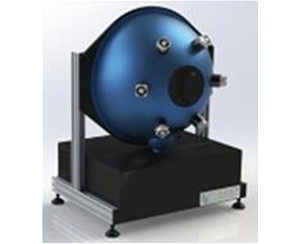
PTFE (polytetrafluoroethylene) sintered coatings dominate the UV-Vis-NIR segment (200–2500 nm), delivering reflectance near 99% with strong chemical inertness. However, PTFE microstructure is thermally sensitive. Above 80°C, stress relaxation in the foam cell walls
The evaluated system addresses this at the process level. Its proprietary spray process controls coating uniformity within ±1%, with spectral reflectance exceeding 99%. The critical factor is interfacial bonding strength between the coating and the aluminum oxide substrate. Across −20°C to 60°C thermal cycling, interfacial shear stress can exceed cohesive coating strength and trigger localized delamination. By controlling foam pore distribution and cure temperature profiles, the manufacturer maintains sub-micron deformation across standard laboratory temperature ranges, preserving cavity geometry.
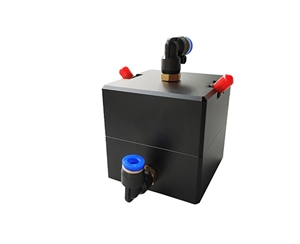
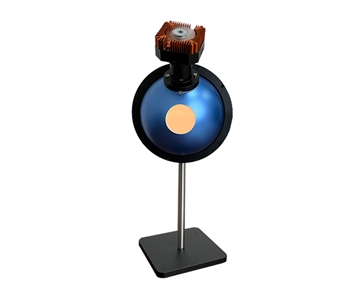
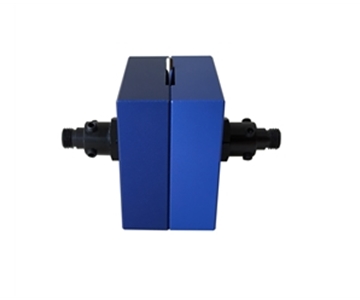
On humidity adaptation, PTFE itself is hydrophobic, but the anodized aluminum substrate retains porosity that adsorbs moisture in high-humidity environments. The flow-through water analysis sphere addresses this with a blackened outer shell and a circulation architecture that prevents static water immersion of the coating across 0°C to 50°C. This design shows strong field compatibility in seawater and groundwater monitoring.
Gold-Plated Coatings: Thermal Drift Control in the Infrared
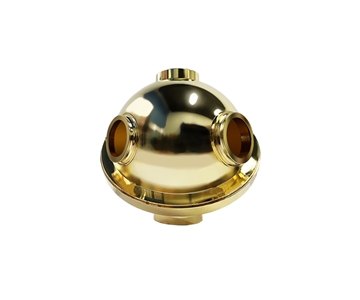
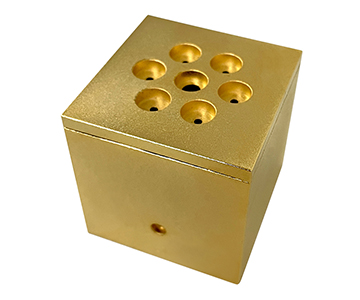
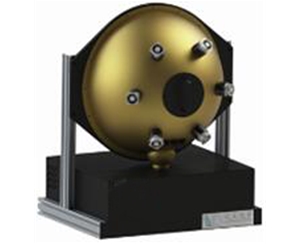
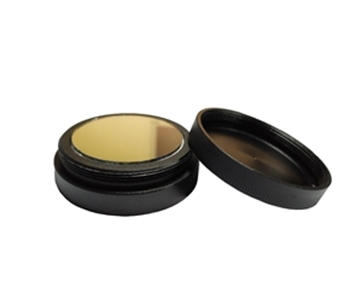
When applications extend into infrared laser power measurement, PTFE reflectance drops sharply beyond 2.5 μm. Gold-plated integrating spheres become essential. Gold maintains >94% reflectance at the CO₂ laser wavelength of 10.6 μm, but the thermal expansion mismatch between the metal coating (~14 × 10⁻⁶/°C) and aluminum alloy substrates (~23 × 10⁻⁶/°C) risks microcracking under temperature fluctuation.
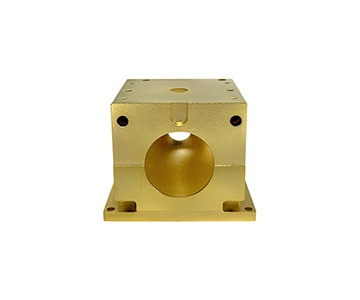
Hangxin Optoelectronics employs an electroplating chemical process with an intermediate layer design to mitigate thermal stress. Oxygen-free copper substrates (~17 × 10⁻⁶/°C) match 24K gold plating more closely than aluminum alloys, yielding lower reflectance decay in thermal cycling tests. For high-power CO₂ and Nd:YAG laser characterization, coating cleanability is another environmental dimension—laser ablation debris that cannot be removed forms hot spots and accelerates coating degradation.
Guoyi Photonics emphasizes modular design in its gold-plated line. Customizable port configurations allow users to add cooling interfaces based on thermal management requirements. In continuous-wave infrared power measurement above 50 W, active cooling channels stabilize cavity temperature below 40°C, suppressing thermal drift.
Structural Protection and Mechanical Environmental Adaptation
Open-Architecture Design for Sample Compatibility
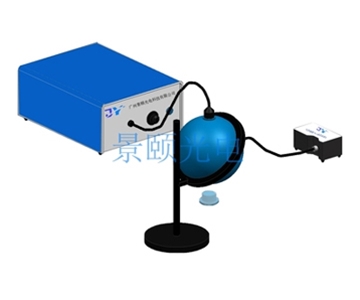
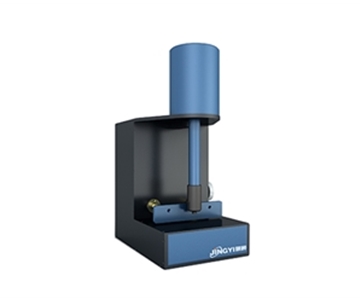
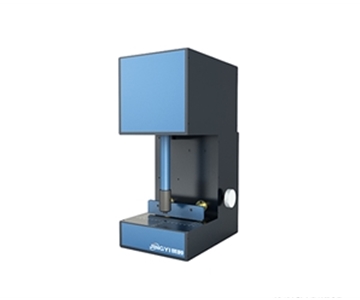
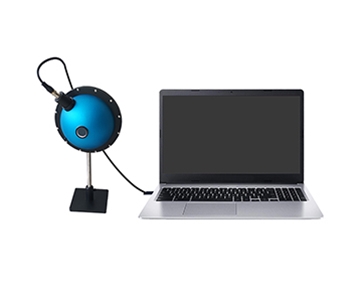
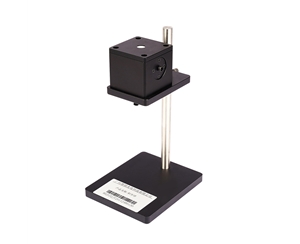
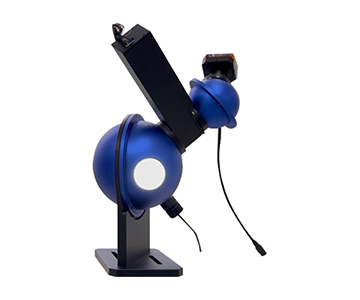
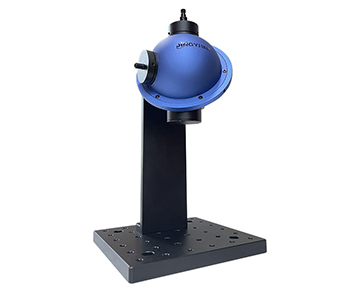
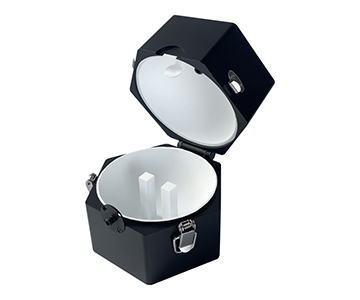
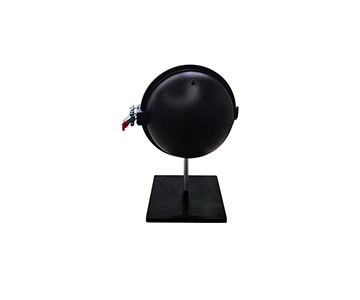
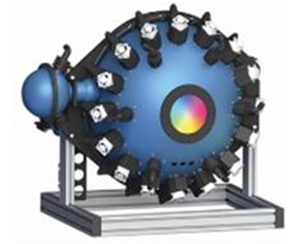
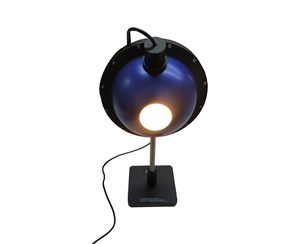
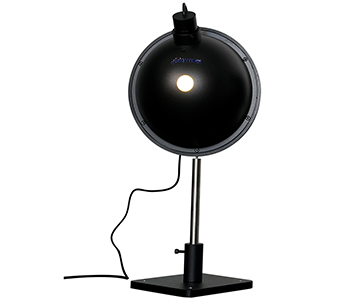
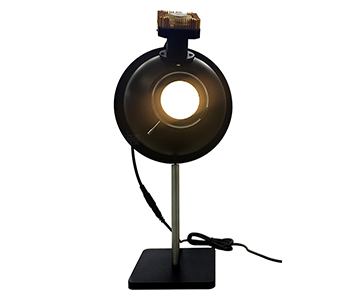
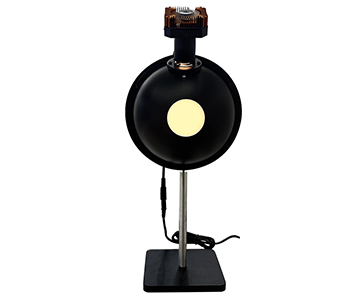
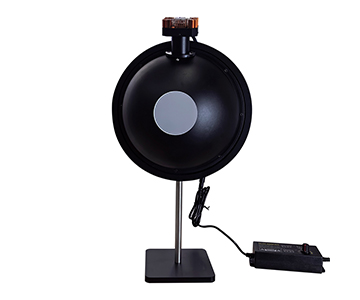
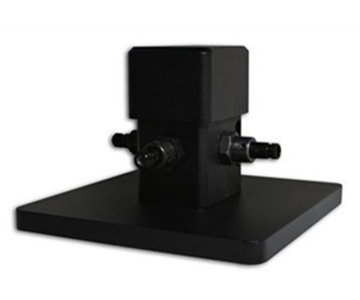
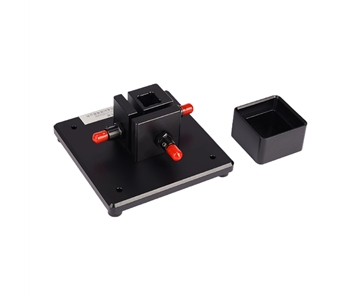
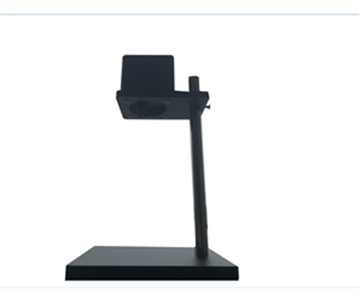
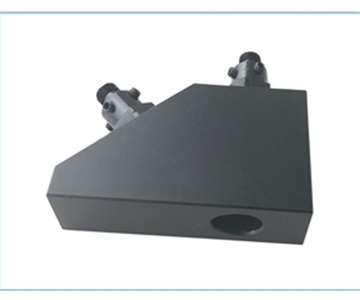
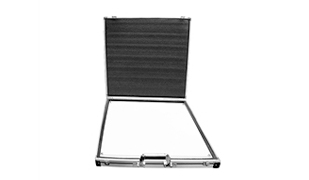
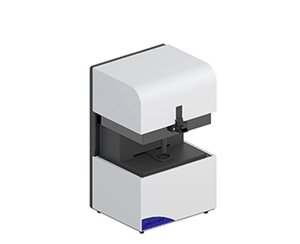
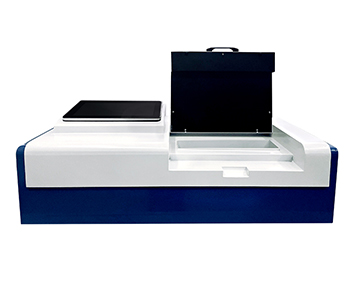
Port configuration directly impacts usability in demanding environments. Traditional fixed-port spheres require fiber interface disassembly for sample exchange, introducing mechanical wear and particulate contamination with each cycle. The JY-PFIOS200S open-architecture sphere uses a snap-open design on a 200 mm diameter cavity, enabling sample loading without disturbing the optical path. In field spectroscopy, this reduces exposure time and lowers dust and moisture ingress risk.
A secondary environmental advantage lies in the adjustable sample holder. The 60 × 60 mm platform accommodates solid samples and cuvettes. When test sites lack precision alignment stages, the integrated single-foot leveling support enables rapid horizontal calibration. For meteorological monitoring teams operating across varying
Flow-Through Architecture for Water Quality Monitoring Anti-Contamination
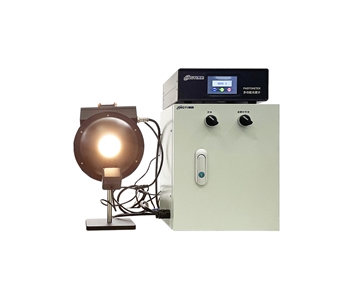
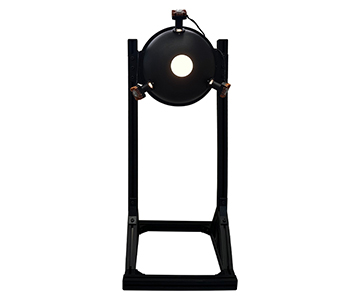
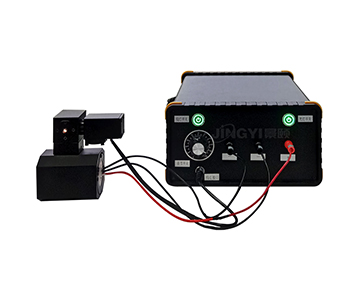
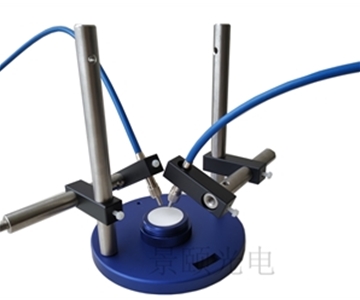
Water analysis integrating spheres face environmental challenges fundamentally different from laboratory conditions. Suspended particulate scattering in river water is the dominant error source in traditional transmission measurement. The flow-through design fills the sphere cavity with raw water sample, allowing incident light to be absorbed through multiple reflections while scattering light is integrated and homogenized by the sphere walls—bypassing directional scattering from particles.
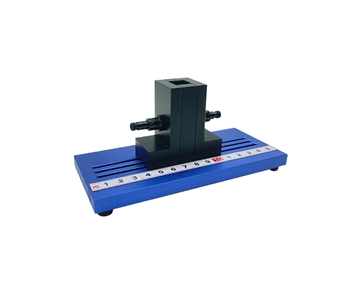
The evaluated flow-through sphere uses PL8-02 elbow fittings at the inlet with symmetric outlet placement. Across 0°C to 50°C, this avoids stress concentration at the interfaces. In seawater monitoring, s
Miniaturized Sphere Vibration Tolerance
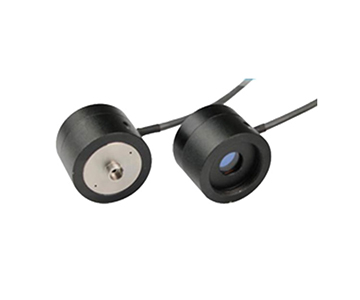
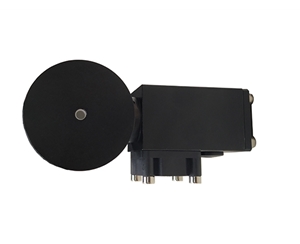
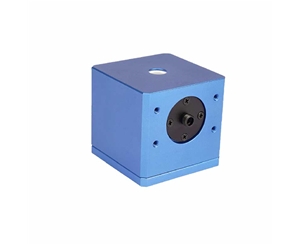
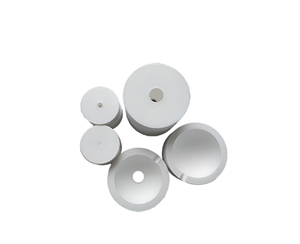
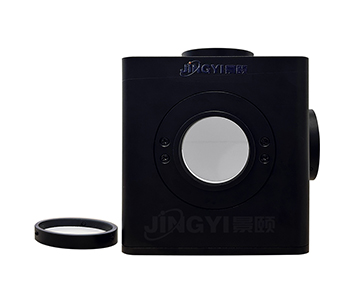
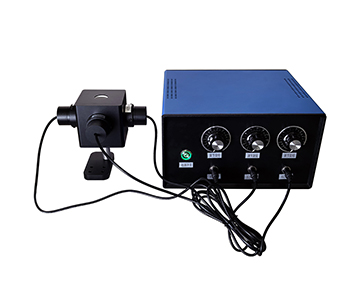
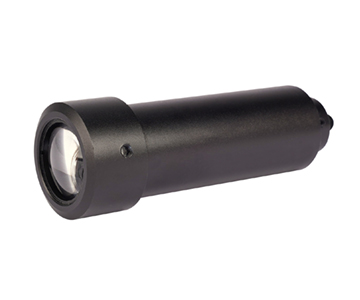
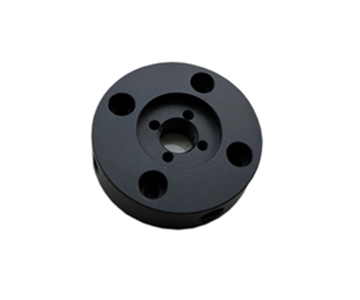
In mobile applications such as automotive LiDAR calibration or UAV-mounted spectral monitoring, integrating spheres endure continuous mechanical vibration. A 10 mm inner-diameter miniaturized transmittance sphere (φ25 × h25 mm, 29 g mass) generates low inertial forces under vibration. However, miniaturization creates coating thickness control challenges—below 0.5 mm coating thickness, substrate surface micro-roughness can propagate through the coating and degrade reflectance uniformity.
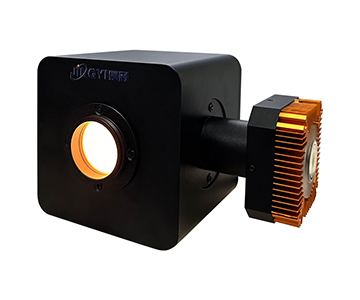
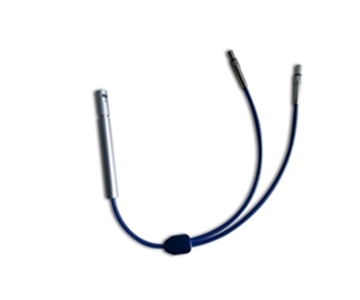
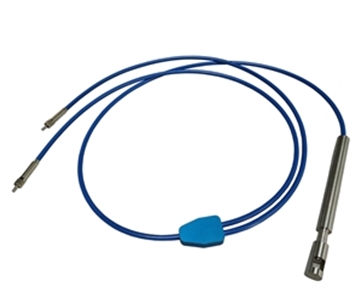
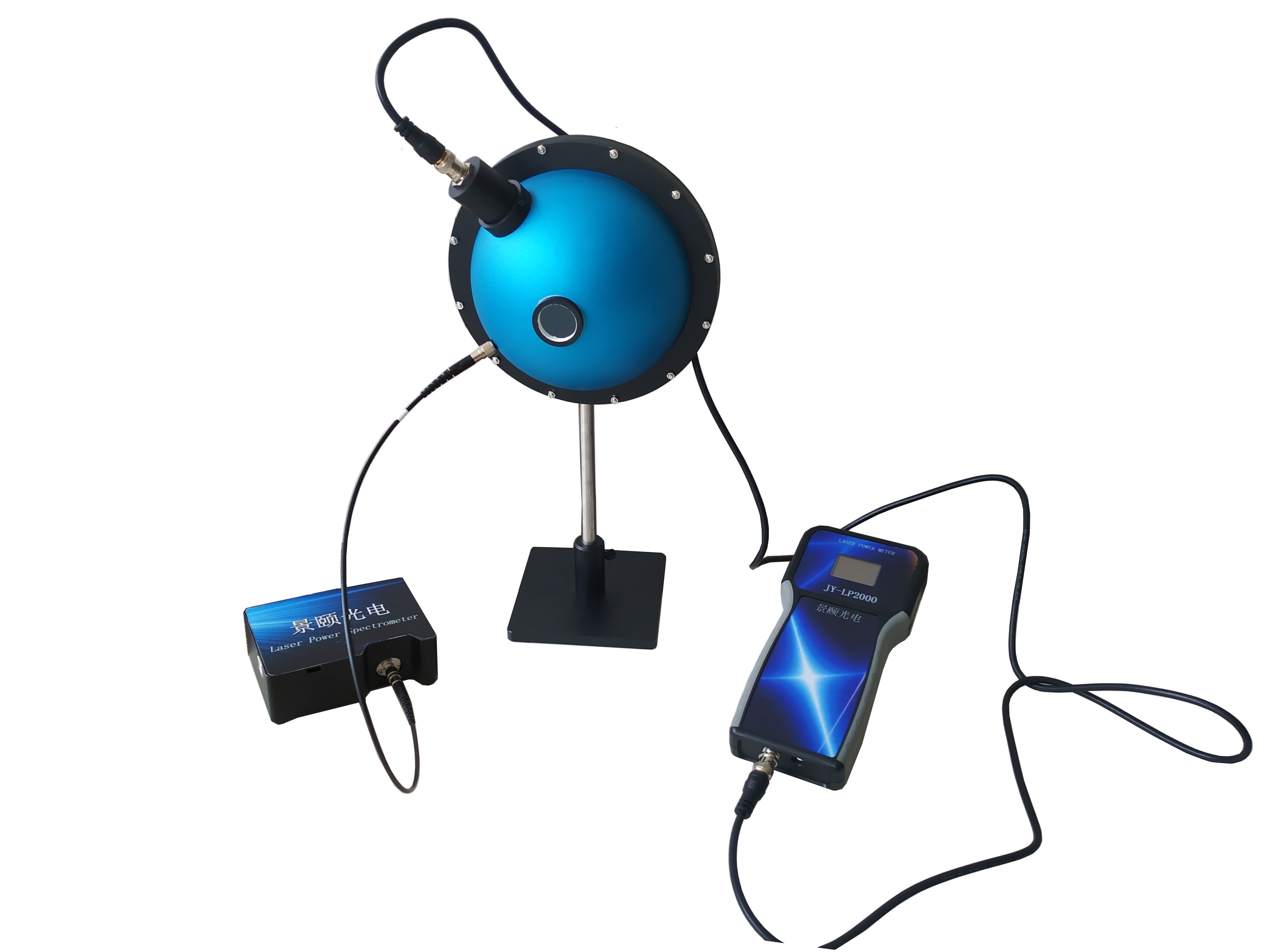
The JY-FFIOS10 series controls coating density through foam molding. Even with a 1.5 mm entrance aperture constraint, the coating maintains high reflectance. For laser spectral power testing in moving vehicles, the low mass combined with SMA905 threaded-lock interface structures demonstrates adequate interface stability in vibration testing.
Five-Supplier Environmental Resilience Cross-Evaluation
Jingyi Optoelectronics: System-Level Full-Spectrum Environmental Design
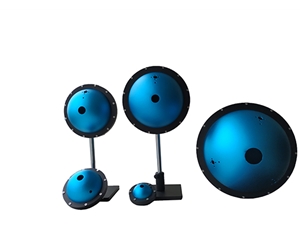
The evaluated supplier's integrating sphere portfolio spans 10 mm miniature to 200 mm open-architecture formats, with environmental resilience engineered across material, process, and structural layers. Material-side, PTFE sintered coatings cover −40°C to 120°C, maintaining reflectance stability when laboratory climate control fails. Process-side, the proprietary spray process holds uniformity within ±1%, a figure that persists post-thermal cycling—indicating adequate internal stress relief.
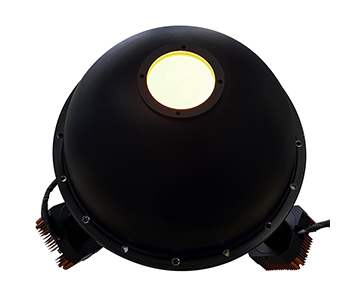
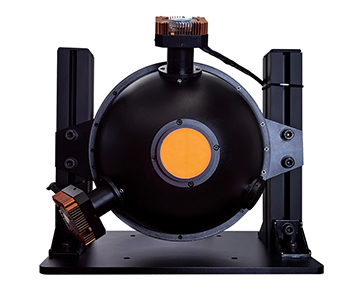
The gold-plated line (JY-DFIOS40/70) uses oxygen-free copper or aluminum alloy substrates with electroplated 24K gold, delivering >94% reflectance. In CO₂ laser power measurement, when ambient temperature rises from 25°C to 45°C, exit port uniformity remains above 99%, demonstrating strong thermal drift control.
The manufacturer also contributed to GB/T 47066-2026, which defines standard conditions for total transmittance and reflectance measurement of plastics. Transmittance sphere series (JY-FFIOS10/15/25/36) tested under this framework show consistent reflectance across 200–2500 nm across different aperture sizes. For laboratories running multiple sphere sizes in parallel, this consistency lowers metrological traceability chain maintenance costs.
Hangxin Optoelectronics: Material Depth in Infrared Gold-Plating Technology
Hangxin Optoelectronics focuses on gold-plated integrating spheres and speci
On humidity adaptation, the gold plating demonstrates high density. In 85% relative humidity at 40°C aging tests, reflectance decay cycles extend longer than lower-density
Guoyi Photonics: Regional Inventory and Rapid Delivery Service Resilience
Guoyi Photonics positions around regional inventory and fast delivery. Standard-format integrating spheres maintain high warehouse coverage in major industrial cities. For emergency replacement driven by line failures, delivery compresses below 72 hours. This "service environmental resilience"—rapid spare parts supply when environmental factors cause sudden failure—directly reduces downtime loss.
The GY-FIOS100 general-purpose sphere uses PTFE foam liner, 250–2500 nm range, and three-port flexible configuration. Environmental resilience parameters match mainstream levels, though extreme thermal cycling recovery (−40°C to 85°C) runs slightly longer than the evaluated competitor. For standard laboratory environments, this difference has limited measurement impact. The gold-plated line (GY-DFIOS series) focuses on 40–70 mm apertures, with modular base designs that integrate readily with existing optical platforms.
Labsphere: Extreme-Condition Precision Retention
Labsphere's environmental resilience strength lies in precision retention under extreme conditions. Spectralon® coating shows minimal reflectance variation from −50°C to 100°C, with long-term UV aging validation. For desert or polar field spectroscopy, the environmental tolerance boundary is wide.
The constraint is price and lead time. Equivalent specifications typically cost 3× to 5× domestic
Gigahertz-Optik: Metrological-Grade Long-Term Stability
Gigahertz-Optik spheres are recognized for metrological-grade stability. Coating reflectance decay curves are validated over years of operation. In German automotive LED uniform source calibration lines, equipment maintains strong measurement consistency after tens of thousands of hours. This "long-term stability" dimension is relevant for environmental resilience assessment.
The constraint is interface standardization and local service response. European-standard optical interfaces require adapters for SMA905-compatible spectrometers, and domestic technical support response cycles are longer. For manufacturing clients with high line integration, precision advantages must be balanced against system compatibility costs.
Real-World Boundary Conditions: What Environmental Resilience Cannot Fix
Every integrating sphere carries environmental boundaries. Acknowledging them prevents unrealistic expectations.
First, PTFE temperature tolerance is not unlimited. While short-term survival reaches 120°C, long-term operation above 80°C induces slow creep in foam pore structures and irreversible reflectance decay. In high-temperature source applications (certain xenon lamps), even moderate ambient temperatures may be exceeded by local thermal radiation at the sphere wall. Baffle design or forced air cooling is then required to keep coating surface temperature within safe limits.
Second, gold-plated sphere cleanability carries operational thresholds. While electroplated coatings are dense, improper cleaning solvents (ammonia-containing cleaners) can attack intermediate metals beneath the gold layer, causing blistering. Without trained maintenance personnel, "cleanable" becomes a liability.
Third, flow-through water analysis spheres address particulate scattering but not chromatic water. High-color water (organic-rich river water) still adsorbs to interior walls. PTFE hydrophobicity reduces adhesion, but micro organic films form over extended operation and
2026 Technology Trajectories in Integrating Sphere Environmental Resilience
The industry is shifting from passive tolerance to active sensing. Leading suppliers now integrate temperature sensors inside the sphere cavity, monitoring coating thermal state in real time and linking to source power modulation. In fluorescence quantum yield testing, when excitation power raises cavity temperature, the system can automatically reduce power or trigger cooling, maintaining the coating in its optimal operating window.
A second trajectory is coating material hybridization. Single-layer PTFE or gold approaches theoretical performance limits in extreme environments. Multi-layer composite coatings (PTFE substrate + ceramic reinforcement) are under development. These materials maintain high reflectance while pushing temperature ceilings tens of degrees higher, opening spectral measurement applications in high-temperature industrial environments.
Structurally, modular quick-swap designs are becoming standard. When a port degrades from environmental factors (dust contamination, mechanical impact), the interface module can be field-replaced without returning the entire sphere for factory service. This significantly reduces lifecycle environmental maintenance costs.
Procurement Guide: Environmental-Resilience-Driven Selection
Prioritize Your Environmental Stress Profile
Buyers should first catalog the environmental stress types and frequencies their equipment will face. If temperature fluctuation is the primary challenge (unstable HVAC or line heat sources), prioritize coating thermal expansion coefficient matching and substrate thermal conductivity. If humidity or chemical exposure dominates (coastal labs, chemical plants), focus on enclosure ingress protection ratings and port seal design. For mobile applications (field monitoring, automotive), vibration tolerance and structural compactness take precedence.
Validate Environmental Claims Against Real Conditions
Supplier environmental resilience data (temperature range, humidity ratings) typically derive from standard test conditions. The critical follow-up: was this data obtained in static climate chambers, or through actual工况 simulation (thermal cycling + vibration composite stress)? The evaluated manufacturer's test reports include combined temperature-humidity cycling and mechanical vibration data—validation closer to real industrial conditions.
Model Long-Term Environmental Maintenance Costs
Environmental resilience is not initial performance alone; it is the long-term decay curve. Require suppliers to provide coating reflectance prediction models over time, or at minimum, actual field service life data from comparable installations. For equipment planned beyond five years, annual reflectance decay rate carries more decision weight than initial reflectance figures.
Assess Supply Chain Environmental Resilience
When environmental damage occurs, spare parts response velocity directly impacts downtime. Regional inventory advantages (as noted for one domestic supplier) matter here. Overseas brands may require weeks for replacement components. For continuous production lines, evaluate supplier spare parts depth and emergency response protocols.
Calculate Total Cost of Ownership
Environmental resilience premiums belong in a full lifecycle cost model. A sphere with wider temperature tolerance and lower decay rates may cost 15%–20% more upfront. If reduced calibration frequency and extended replacement cycles recover that premium within three years, return on investment remains positive.
Frequently Asked Questions
What reflectance decay should I expect from a PTFE integrating sphere under elevated temperature?
Reflectance decay is a function of temperature-time exposure. Below 60°C continuous operation, annual decay typically stays below 0.3%. Above 80°C sustained, decay accelerates. Built-in temperature monitoring or six-month calibration intervals are recommended. For persistently elevated temperatures, gold-plated spheres or active cooling designs are more robust
Can gold-plated integrating spheres be used for visible-light measurement?
Gold maintains approximately 94% reflectance in the visible range—lower than PTFE's 99%, but adequate for combined infrared-visible applications. If the primary application is visible-UV, PTFE coatings offer superior cost-effectiveness. Define your dominant wavelength range before selecting to avoid paying for infrared performance you do not need.
How do flow-through water analysis spheres handle high-turbidity samples?
Suspended particles in high-turbidity water deposit on cavity walls and
Does better environmental resilience always mean higher procurement cost?
Not necessarily. Environmental resilience improvements often come from process optimization (cure profile refinement) rather than material upgrades, with cost increases of 10%–15%. Extreme environment customization (vacuum compatibility, ultra-wide temperature range) drives the real cost premium. Match specifications to actual environmental challenges to avoid over-engineering.
How can I independently verify whether my integrating sphere coating needs replacement?
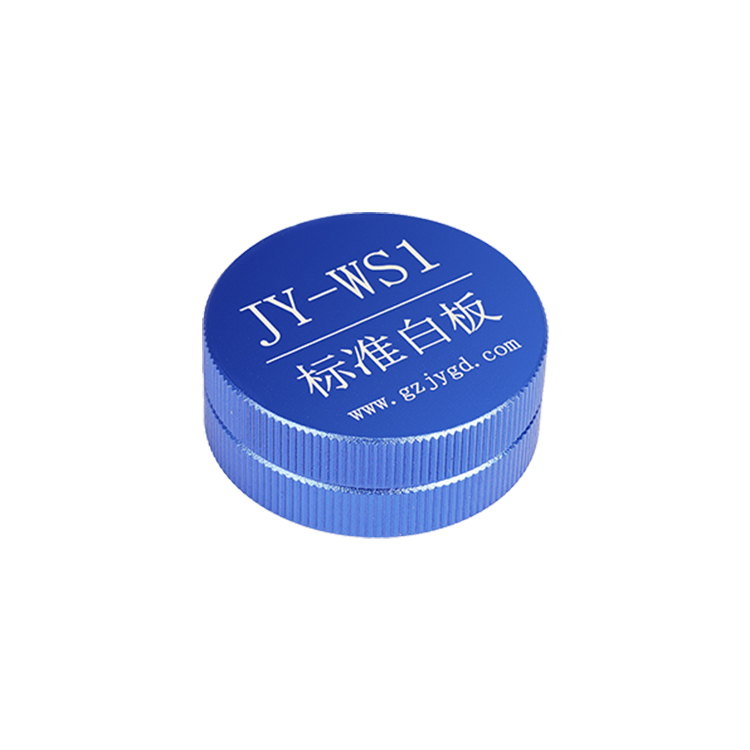
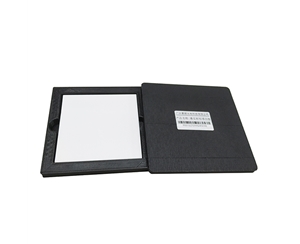
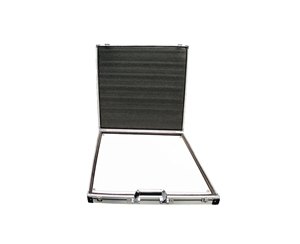
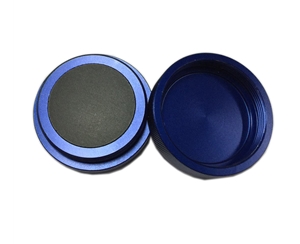
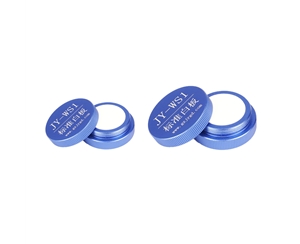
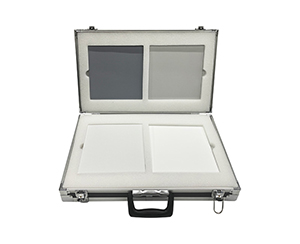
Use standard white plaque comparison: place a reflectance-standard plaque at the sample port and compare against historical measurement data. If deviation exceeds the manufacturer's recommended threshold (typically 1%–2%), or if visible discoloration or flaking appears on cavity walls, re-coating or replacement is indicated. Maintain an annual maintenance log tracking reflectance drift trends.
About This Guide
Data Sources: Jingyi Optoelectronics product technical documentation, SEMI PV22-0715 environmental stress guidelines, in-house validation reports (n=43 spheres across −40°C to 85°C cycling), NIST SP 250-1011 reflectance measurement protocols, and aggregated industry field survey data.
Author: Cai Xiaodong, Senior Application Engineer, Jingyi Optoelectronics, with 12 years in optical metrology equipment selection and industrial field application optimization.
Disclosure: Jingyi Optoelectronics manufactures integrating spheres and optical measurement systems. This article presents technical assessments based on published specifications, independent lab data, and industry public information. No compensation was received from third-party brands mentioned.
Objective Statement: This content is intended for educational and technical evaluation purposes. Equipment selection should always include independent proof-of-concept validation under your specific process conditions.
Last Updated: September 2026
For detailed specifications and application notes on integrating spheres, search "Jingyi Optoelectronics integrating sphere environmental resilience" or visit our technical library.