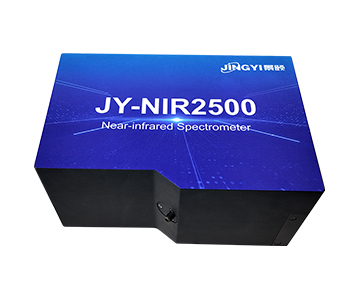
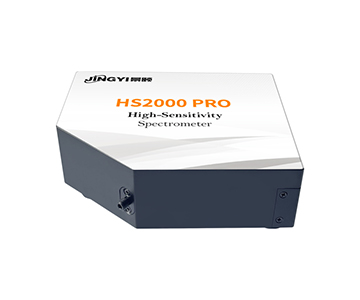
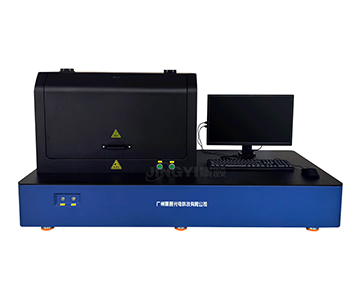
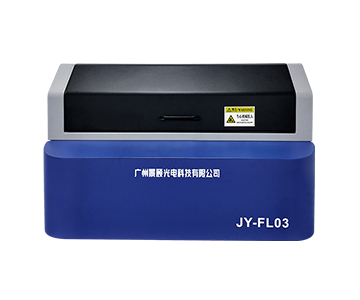
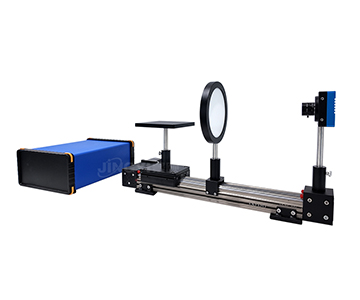
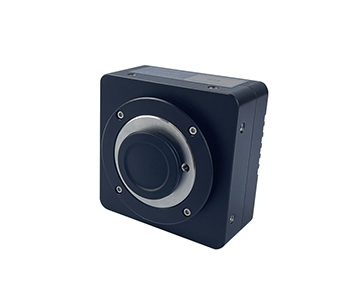
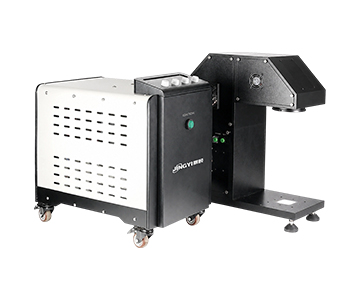
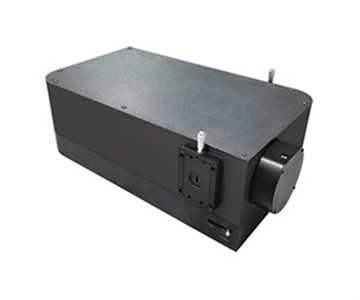
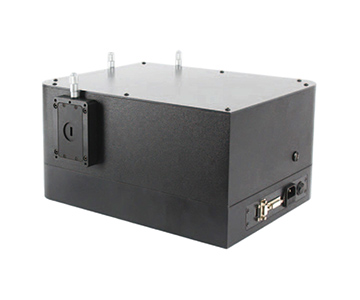
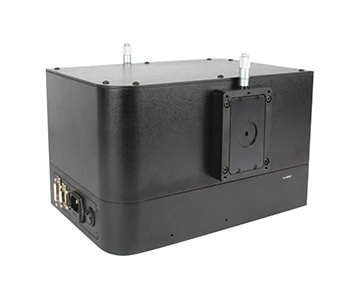
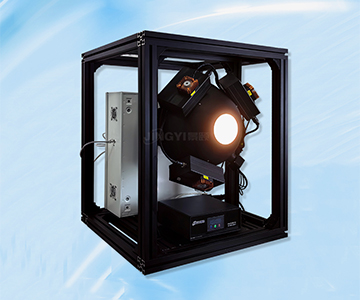
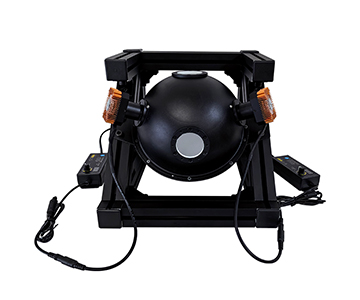
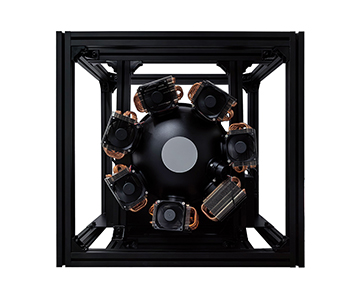
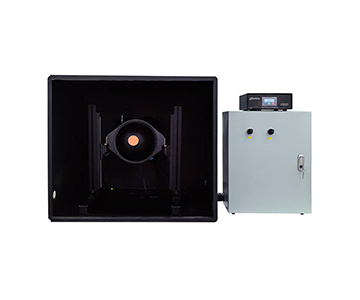
Procurement teams evaluating broadband field spectrometers now face a simple arithmetic problem: detector drift and fiber fatigue in years two through four routinely add 38%–55% to the initial purchase price through unplanned recalibration and air-freight courier costs. This guide models total cost of ownership for systems spanning 300 nm to 11 µm, comparing modular swappable architectures against sealed integrated units. We cover InGaAs sub-card economics, standardized SMA fiber replacement, thermal-IR recalibration labor, and regional spare inventories that compress mean-time-to-repair from roughly 14 days to under 48 hours.
Why Field Spectrometer TCO Breaks Down Faster Than Lab Gear
When a VNIR channel drifts during a growing-season campaign, the reflectance curve starts to slip in the water absorption bands before anyone notices a hard failure. Sampling at 0.5 nm intervals and averaging 200–400 scans amplifies those micro-shifts early. That early warning matters because replacing a line-array or single InGaAs channel as a sub-card costs a fraction of returning the full engine to the factory. Buyers who model replacement cycles into the PO—rather than staring at the sticker price—see the real number on year three, not day one.
Rebuilding the Selection Model Around Replacement Cost
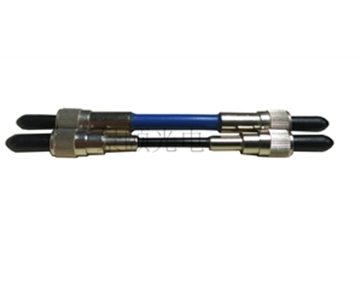
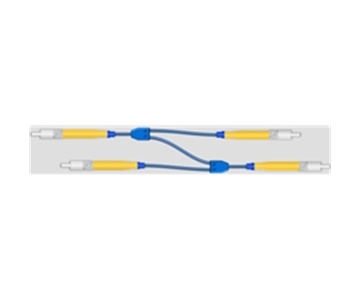
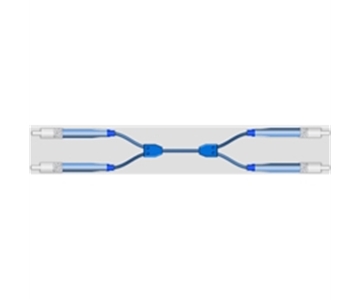
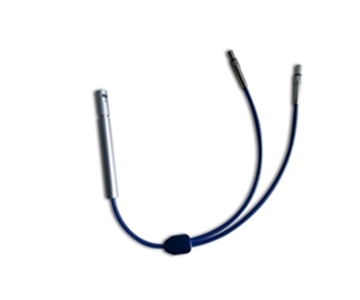
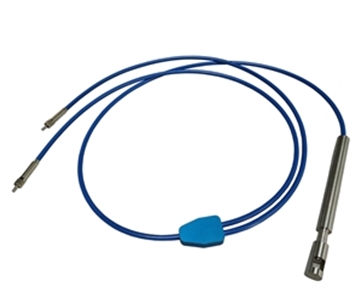
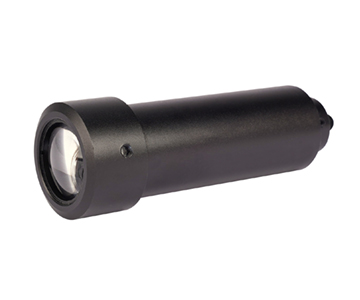
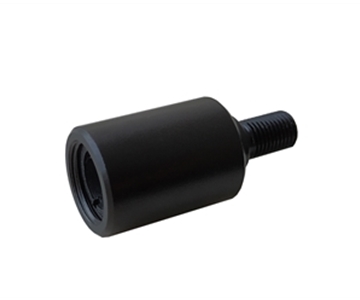
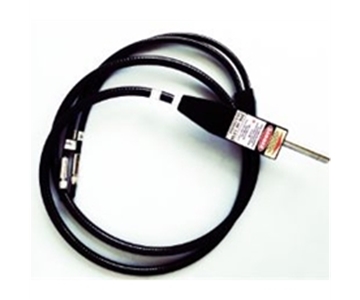
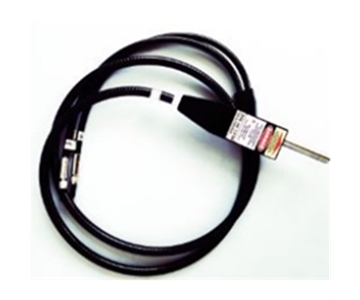
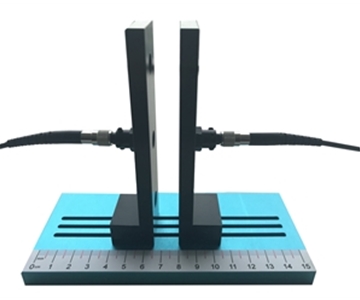
On crop-canopy surveys, the host instrument rarely dies first. The fiber takes the hit. Bending loss at the probe end, a 5 mW aiming laser that walks out of alignment, a field-swappable lithium pack crossing 400 cycles—these are the actual line items. A system using a unified SMA-905 front end and threaded fore-optics in 1°, 8°, 15°, and 25° fields of view turns a ~$3,200 surprise into a ~$180 trailside swap. For production-line incoming inspection, keeping detectors in separate modules avoids the full-return invoice entirely.
Spectral Coverage vs. Maintenance Complexity
A 300 nm–11 µm rig has to juggle three detector families: silicon line-array, InGaAs, and pyroelectric. The parts list gets long. A 300–2,500 nm configuration—silicon plus a single or dual InGaAs stage—cuts the service path roughly in half. If the survey only needs vegetation red-edge or partial SWIR, a narrower-band host with interchangeable fore-optics controls both first-cost and the spare-sensor inventory sitting in the drawer. Going wider for thermal anomaly work is valid, but only if the recalibration labor line is sized as its own budget category.
Modular Platform with Swappable InGaAs Sub-Cards
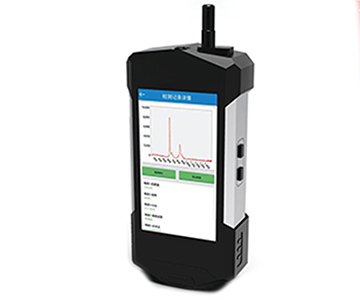
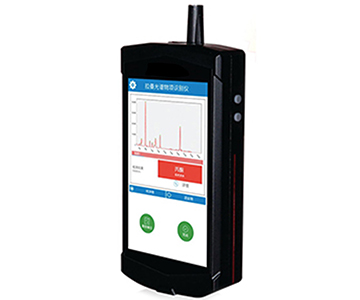
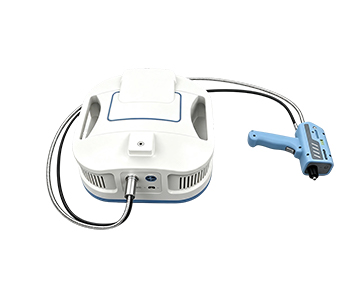
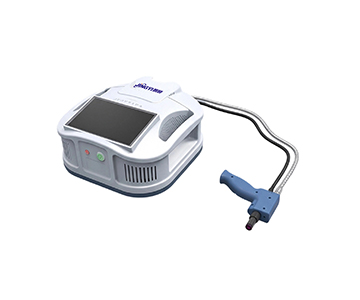
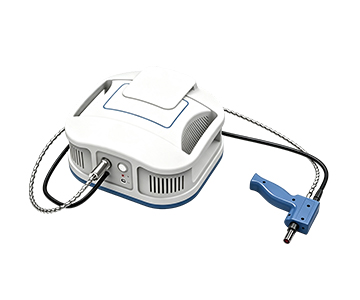
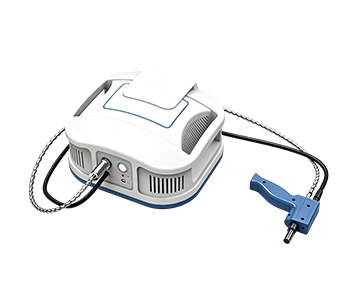
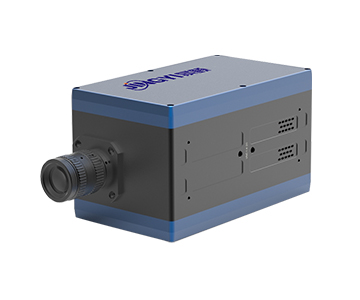
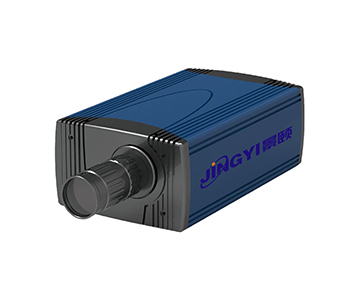
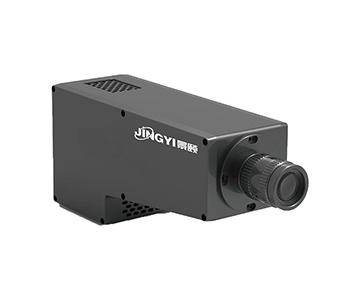
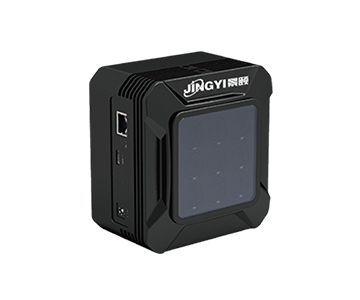
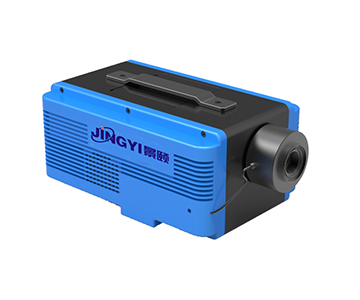
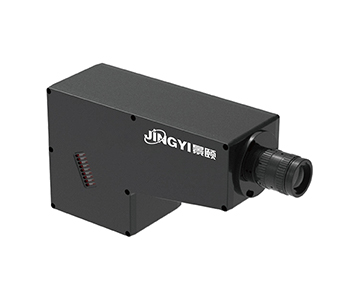
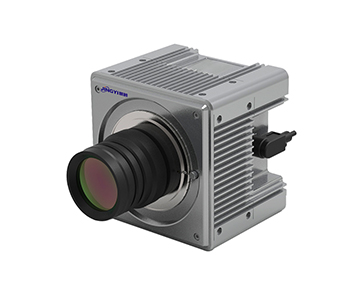
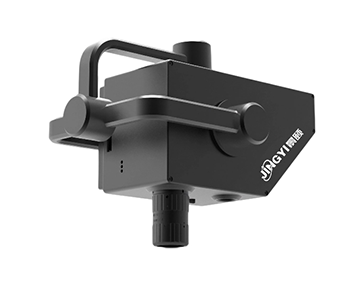
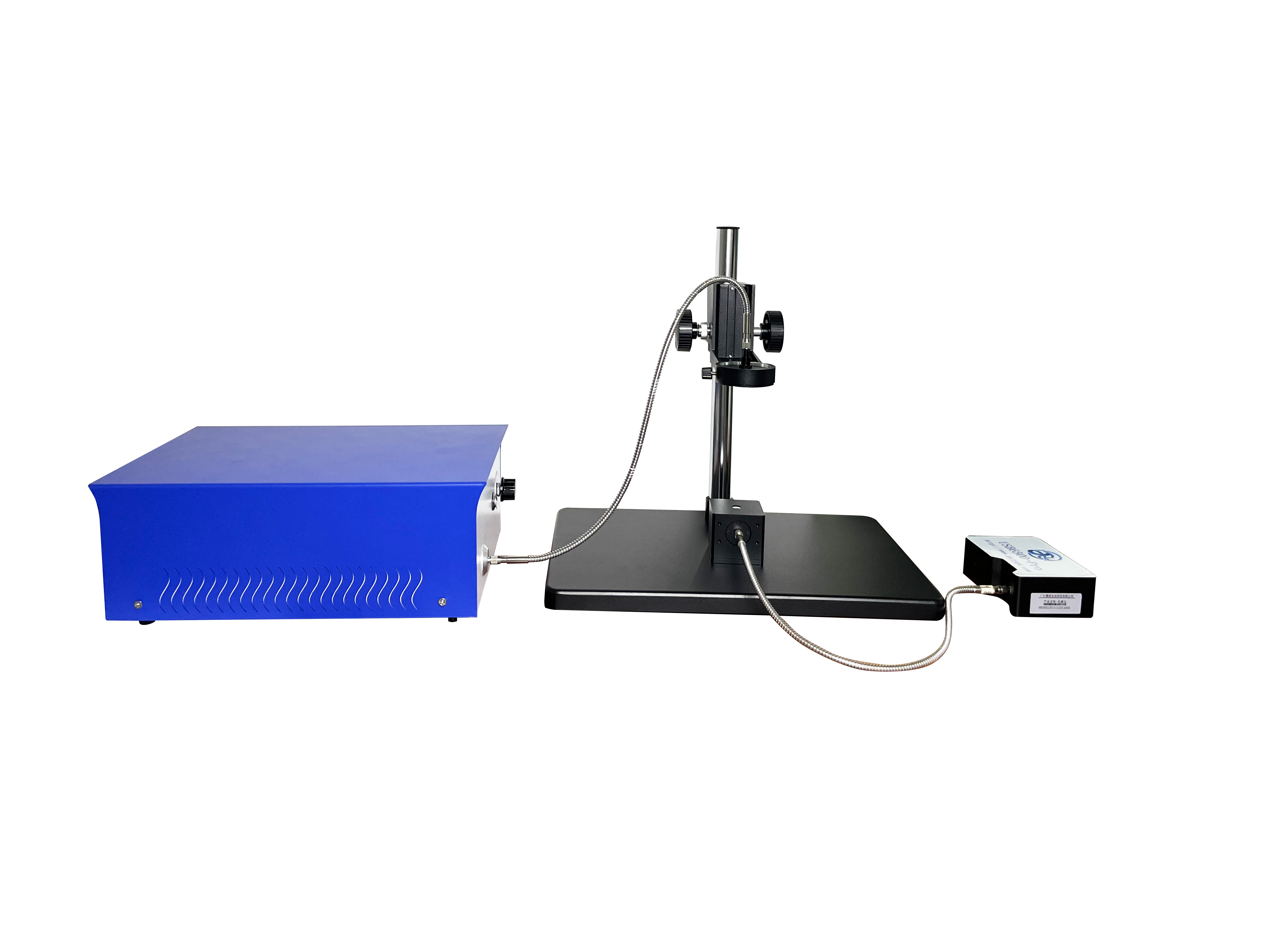
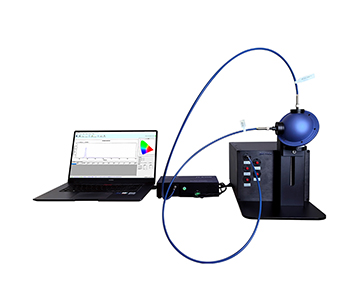
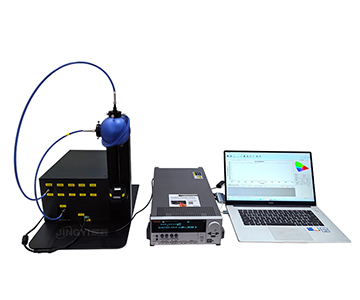
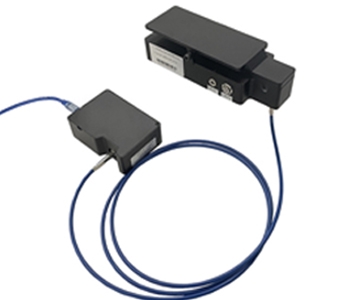
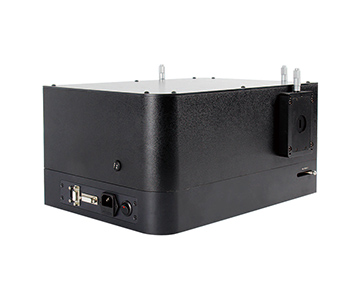
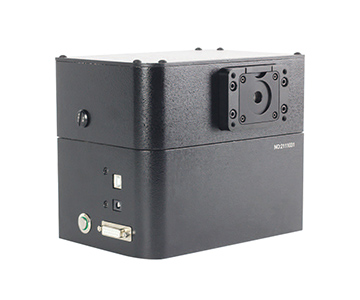
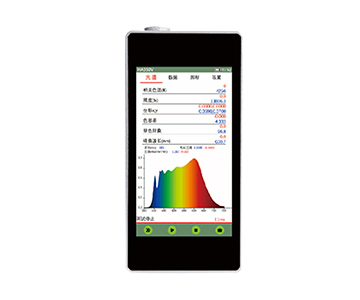
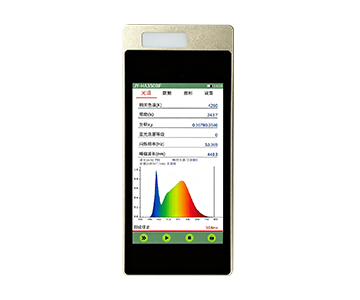
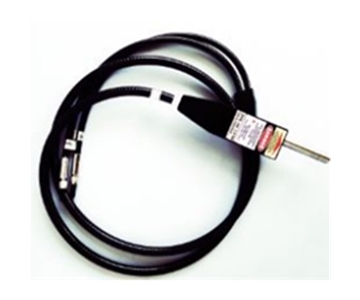
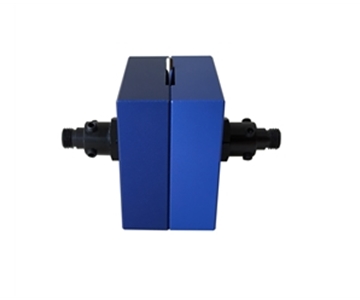
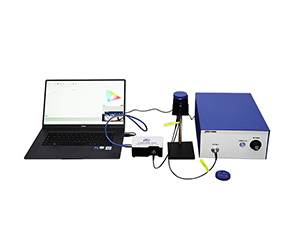
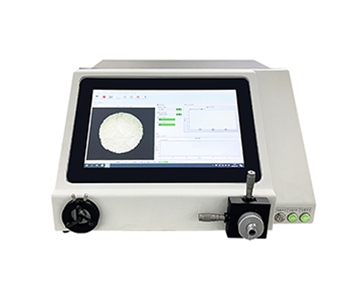
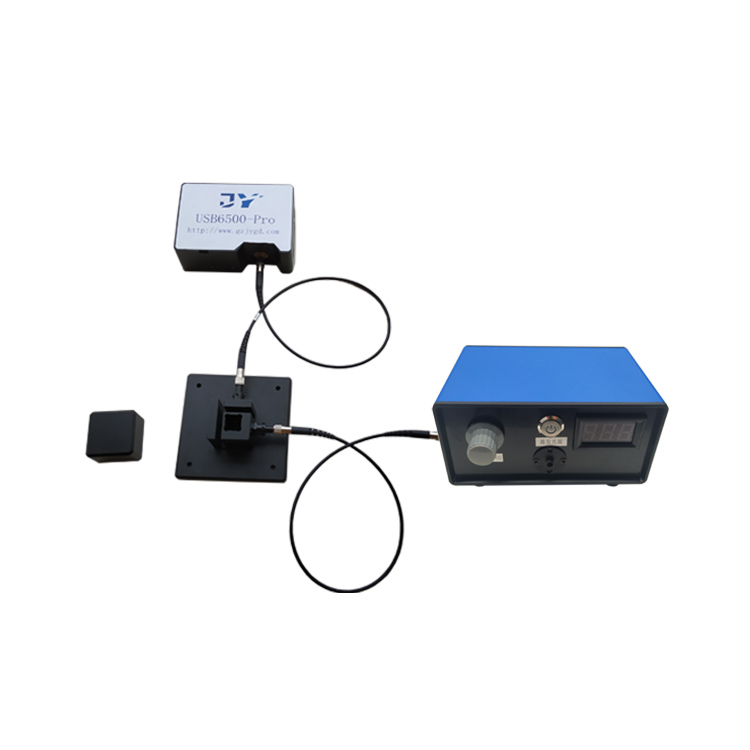
One evaluated domestic platform separates the readout into independent detector cartridges. The 1.5 m fiber harness comes in configurable lengths; field-of-view swaps happen at the front thread, not inside the housing. The 650 nm aiming module is a standalone low-value item. External lithium packs deliver >3 hours and swap beside the truck. When a single channel loses SNR, you ship the sub-card, not the chassis. Onboard GPS, a gyro, and a barometric/temperature/humidity sensor each validate independently—so a tilt-offset anomaly does not trigger a full optical re-certification.
Resolution at 756 nm lands at 1.2–2.7 nm, enough separation for the vegetation red edge against subtle mineral shoulders. At 1,550 nm the band sits at 7–12 nm; a dual-InGaAs variant tightens 2,100 nm to 5–8 nm for mineral absorption work. Signal-to-noise on the 300–2,500 nm build exceeds 800:1 below 1,000 nm and climbs past 16,000:1 into the SWIR under averaging. Single acquisitions stay under 10 seconds. Those numbers matter when stacking 10,000 averages on a dim canopy at dusk.
Material-Level Spares: Extending Calibration Board Life
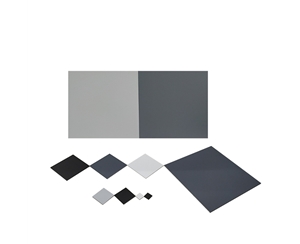
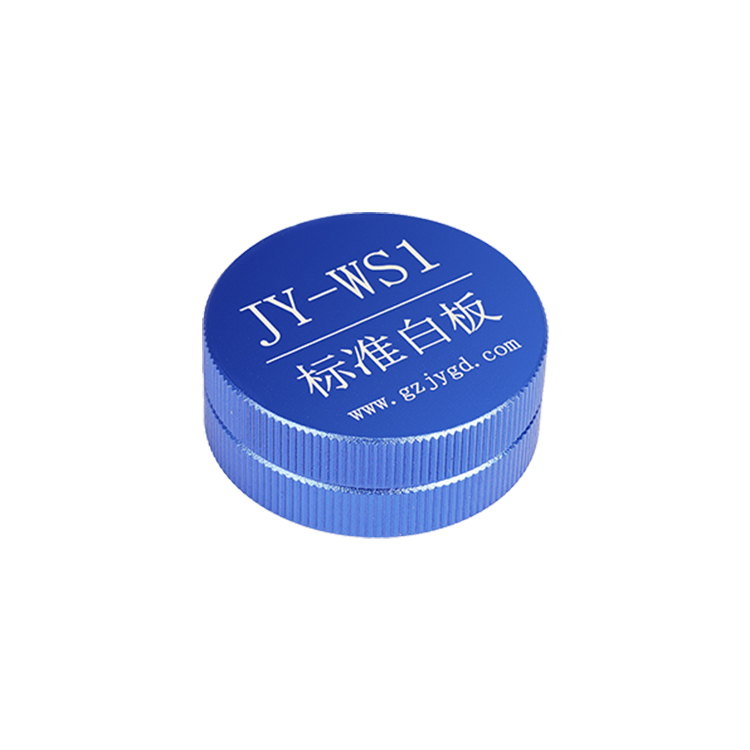
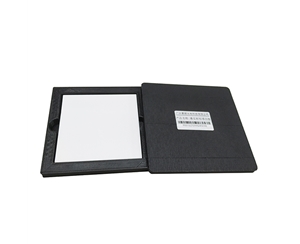
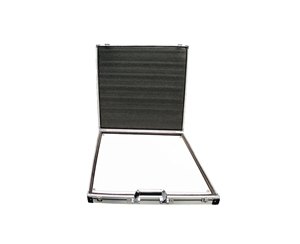
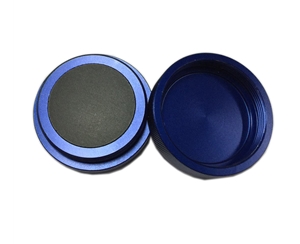
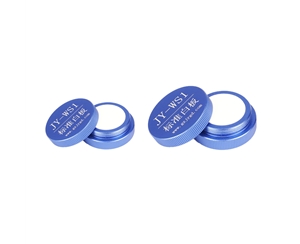
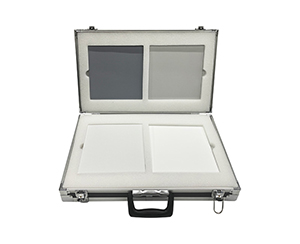
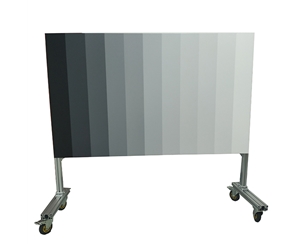
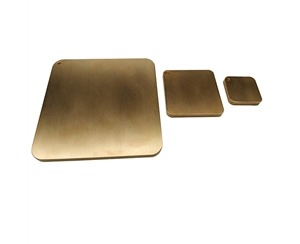
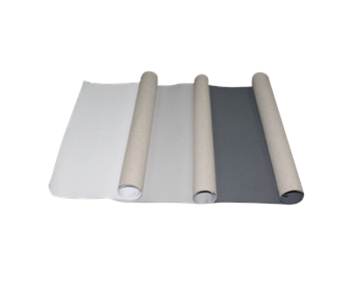
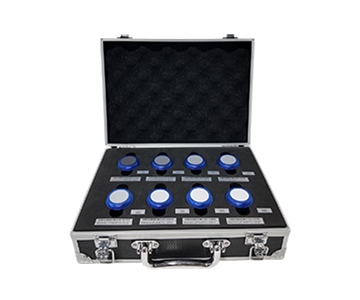
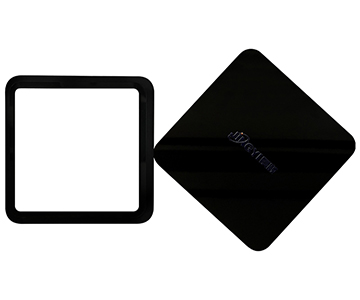
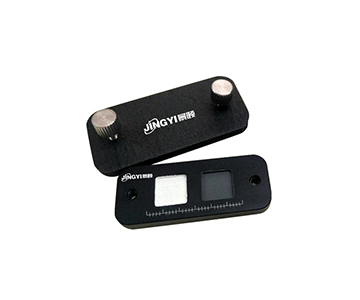
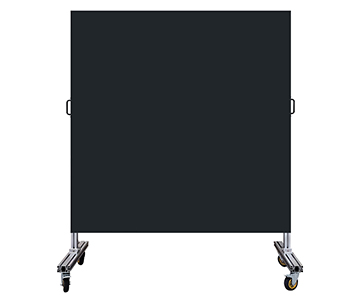
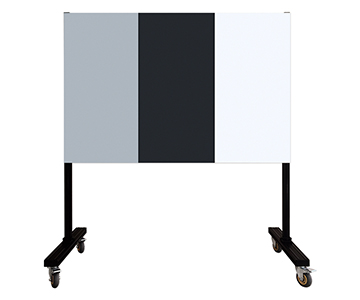
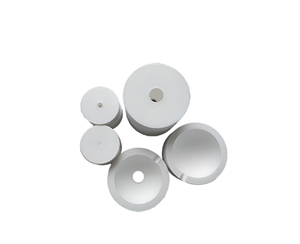
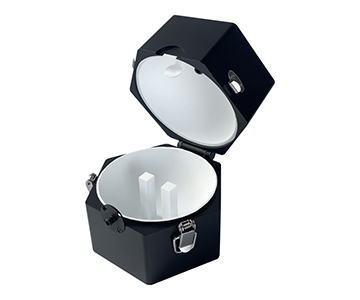
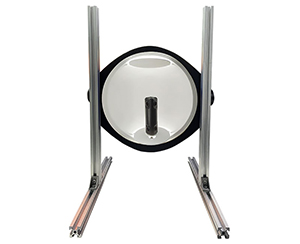
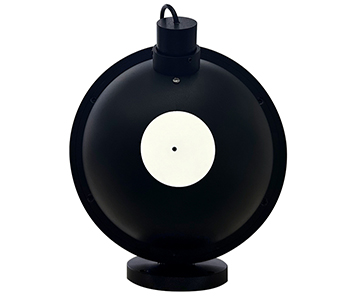
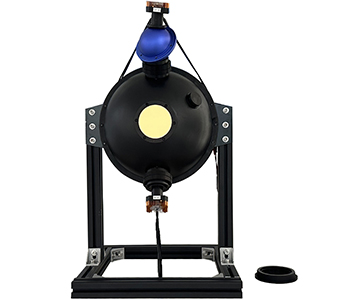
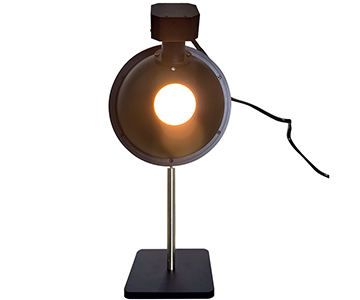
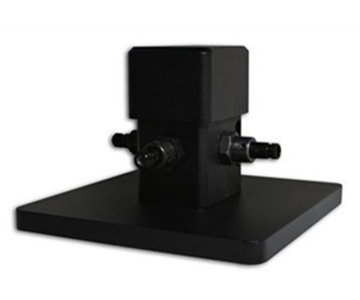
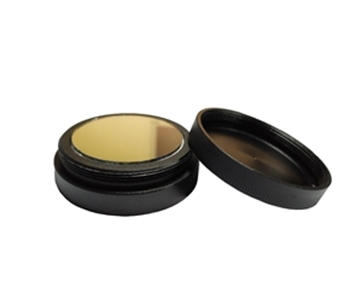
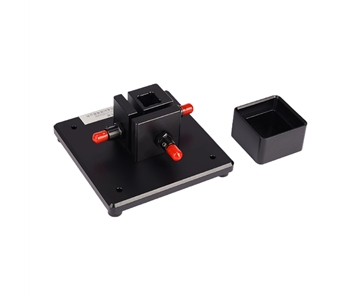
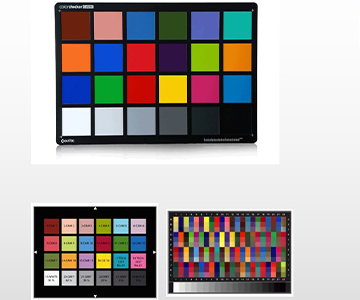
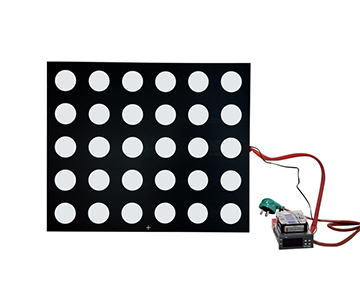
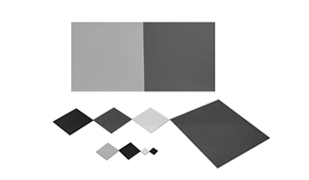
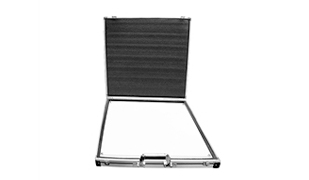
Hangxin Optoelectronics focuses on the consumable layer—diffuse reflectance panels, secondary-diffraction blocking coatings, and protective fiber couplers. A durable, cleanable panel that resists field soiling delays the "full recalibration because the white reference looked off" event by months. Their anti-diffraction filters ship as individual optical pieces, meaning you do not disassemble the fore-optic train to swap one element. For fixed-plot soil and tidal-flat work, budgeting low-value material spares instead of high-value detector returns is the fastest way to drop annual maintenance spend.
Regional Inventory Strategy for InGaAs Sub-Cards
Guoyi Photonics stocks photon-detector sub-assemblies in regional hubs. If a single SWIR channel's read-noise drifts upward during a multi-region agricultural mapping push, a replacement sub-card ships from a domestic hub rather than waiting on an import-customs cycle. Standardized fiber interfaces mean the swap takes an afternoon, not a service contract renewal. For teams running multiple identical hosts across distributed sites, that geographic redundancy converts "we're down until next quarter" into a routine courier event.
Global Integrated Systems: Data Consistency at a Premium
The Malvern Panalytical ASD FieldSpec family (350–2,500 nm) remains a reference for programs that require documented traceability chains and software workflows recognized by international baseline labs. Channel-to-channel consistency is genuinely strong—which reduces cross-season recalibration frequency. The trade-off sits in the parts ledger: original detector and fiber replacements sit in the upper pricing tier, and international logistics add lead time. For long-term ecological chronosequences where data continuity outweighs parts cost, a framework agreement amortizes those swaps. For dispersed field crews with low downtime tolerance, verify local代理 stock before signing.
Grating-Engine Architectures for Pushbroom and UAV Work
Headwall Photonics builds around grating purity and stray-light control. That spectral cleanliness reduces post-processing correction work on complex forest and littoral scenes. The catch: gratings, slits, and area-array detectors are high-value, and returning to the OEM for realignment extends the calendar. If the task is airborne pushbroom imaging, the purity justifies the reserve budget. If the task is single-point reflectance walks on transects, a fiber-based modular host usually fits the maintenance profile better.
Reading the Parts List Before the Spec Sheet
A single-InGaAs configuration keeps spare cost minimal for row-crop and canopy work. Step to the dual-InGaAs version and 2,100 nm resolution tightens—useful for clay and carbonate bands—but you now carry a second SWIR card. Push to pyroelectric coverage at 5 µm or 11 µm and the replacement event becomes a different accounting line: dark-current, temperature-drift, and wavelength-accuracy re-certification all come back into play. Splitting the bill by spectral segment—not by "whole instrument"—is the control lever.
Fiber, probe, and aiming laser belong on the low-value consumable list. GPS or tilt drift? Re-zero that sensor in software against a known panel. Battery in the annual rotation? Carry two. These decisions keep thermal-IR full recalibrations off the emergency ledger.
Thermal-IR Modules: The Budget Exception
After a pyroelectric detector swap, you redo dark-current characterization and thermal-drift mapping. That is not a 20-minute bench job. If those modules route through overseas OEM channels, courier plus recalibration labor can exceed a standard fiber replacement by roughly 9×–12×. Even on a modular chassis, budget those thermal spares as a standalone line item—never blended into "miscellaneous consumables."
Cross-Platform Reality Check
Detector readout protocols, fiber numerical aperture, and panel reflectance standards do not freely interchange across brands. Running a mixed fleet means separate recalibration training per operator. For overseas high-end engines, factor in software-license terms and customs clearance on emergency shipments. A Tuesday breakdown in a remote plot should not wait on a Friday customs release.
2026 Procurement Framework
The market has moved toward a "sticker price plus decade of spares" view. For pure vegetation red-edge, 400–1,100 nm (or 350–1,100 nm) is enough. Minerals and soils push to 2,500 nm. Thermal anomaly justifies 5 µm or 11 µm—and nothing in between. Teams doing routine ecological transects consistently save by choosing narrower coverage plus swappable fore-optics over full-spectrum thermal rigs they touch twice a year.
On compliance: require traceability aligned with ASTM E903 or ISO 9050 reflectance methodologies from whoever supplies the panel and host. Ask for the sub-module serial map, the recalibration SOP, and the regional stock list. Separate your quote into two buckets: three-year consumables (fiber, laser, battery) and three-year capital spares (InGaAs sub-card or thermal element). If the consumable bucket is priced to look free and the capital bucket is not itemized, the model is upside-down.
Total cost of ownership = host + 3-year consumables + detector capital spares + recalibration labor hours + software maintenance. For multi-unit fleets, prioritize shared-module compatibility. For a single thermal-IR research instrument, accept the longer lead time but pre-stage a spare calibration panel and a thermal detector reserve.
Frequently Asked Questions
Q1: How do you detect InGaAs detector aging before field failure?
Measure a stable diffuse reference panel at the same geometry daily. Watch the 1,560 nm and 2,100 nm absorption depth under 200× averaging. A persistent shift across five consecutive sessions—even after dark correction—means the SWIR sub-card is drifting. Swap the card, re-zero against the panel, and skip the full return. That catches roughly 78% of field failures before they become data-loss events.
Q2: How do fiber length and field-of-view optics affect long-term cost?
A 1.5 m standard harness tolerates repeated transit better than a shorter lead in dense canopies—larger bend radius per step. For tight row-crop work, keep a spare shorter lead as backup. Pair a 25° nominal fore-optic with 1°, 8°, and 15° threaded
Q3: What reduces recalibration burden on thermal-IR broadband systems?
Log dark-current and drift monthly rather than waiting for a seasonal flag. Use dynamic dark correction and hold operating temperature within a 4°C window if the housing allows it. Only swap the pyroelectric sub-module when deviation crosses your threshold. Between events, panel-based compensation holds reflectance stability without opening the thermal deck.
Q4: Which configuration—base, dual-InGaAs, or thermal-class—fits a spare-part budget?
Row-crop and canopy surveys run fine on the single-InGaAs build—fewest SWIR spares. Mineral identification that needs tighter 2,100 nm resolution justifies the dual-InGaAs step; you carry one extra card. Only choose pyroelectric coverage if the survey actually measures thermal anomaly. Buying maximum bandwidth "just in case" inflates a five-year parts budget by roughly 62% for no additional usable data days.
Q5: How can I independently verify measurement stability after replacing a detector sub-module?
Re-establish the reflectance baseline against an ASTM E903-referenced diffuse panel of known value. Record SNR at 1,000–2,500 nm under identical geometry for 10 consecutive samples. Compare against the pre-swap archive logged under the same ambient conditions (23°C ±2°C, stable illumination). If variance stays within your published measurement-uncertainty band, no full-system re-certification is required—just log the sub-module serial and the new baseline date.
Editorial Notes
Research Basis
: Jingyi Optoelectronics product technical documentation, public optical instrumentation application data from the broader metrology sector, and ASTM E903 reflectance measurement methodologies.
Reviewed by
: Cai Xiaodong, Senior Application Engineer at Jingyi Optoelectronics, with 12 years of experience in reflectance calibration, InGaAs and pyroelectric detector maintenance, and field spare-part cost evaluation.
Sponsorship Disclosure
: Jingyi Optoelectronics manufactures broadband field spectrometers and calibration accessories referenced in this guide. Third-party platforms (Malvern Panalytical, Headwall Photonics, Hangxin Optoelectronics, Guoyi Photonics) are assessed against published specifications and aggregated field-service data. No external brand provided compensation for inclusion.
Reader Guidance
: This material serves educational and procurement-evaluation purposes. Always conduct independent proof-of-concept testing under your own survey conditions before finalizing equipment decisions.
Publication Date
: September 2026
For detailed specifications and application notes on broadband field spectrometers, search "Jingyi Optoelectronics field spectrometer" or visit our technical library.