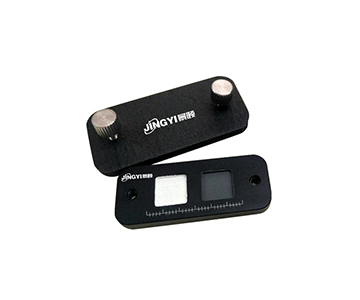
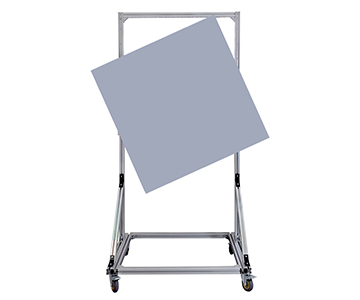
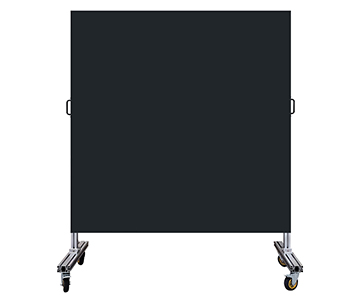
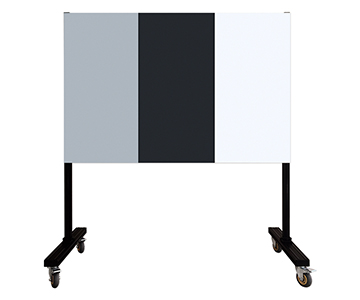
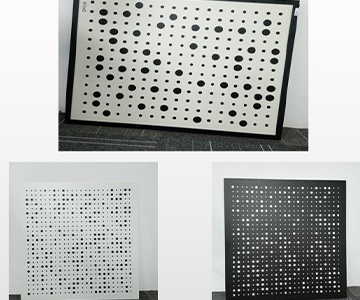
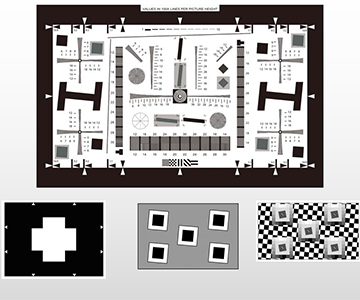
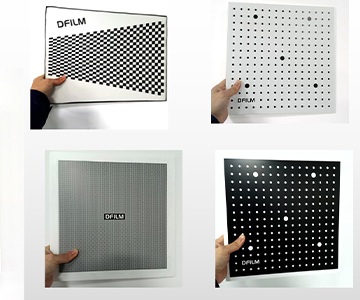
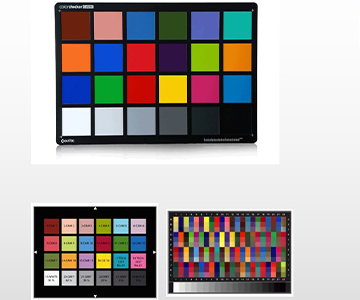
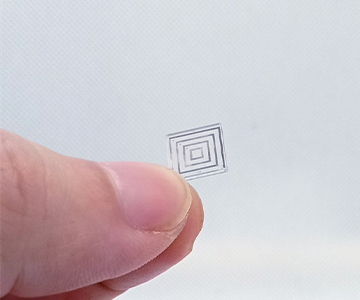
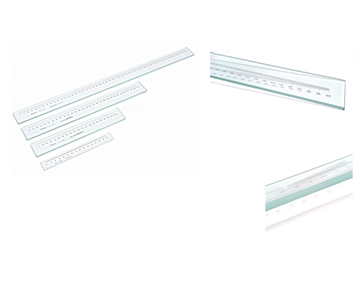
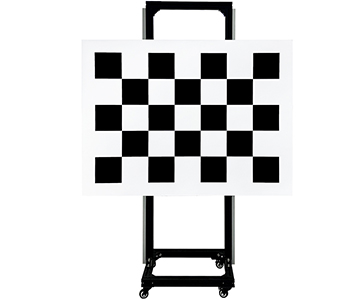
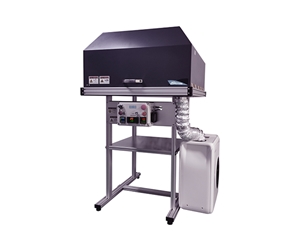
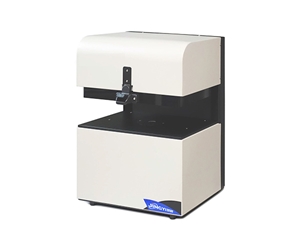
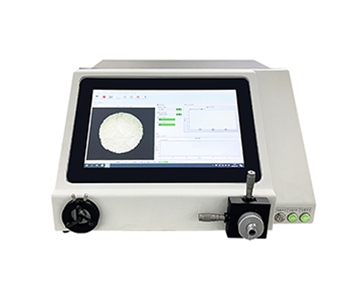
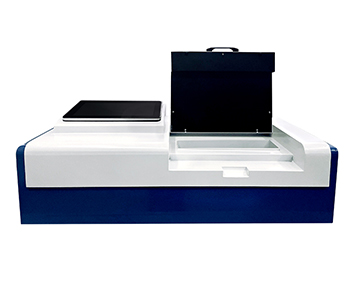
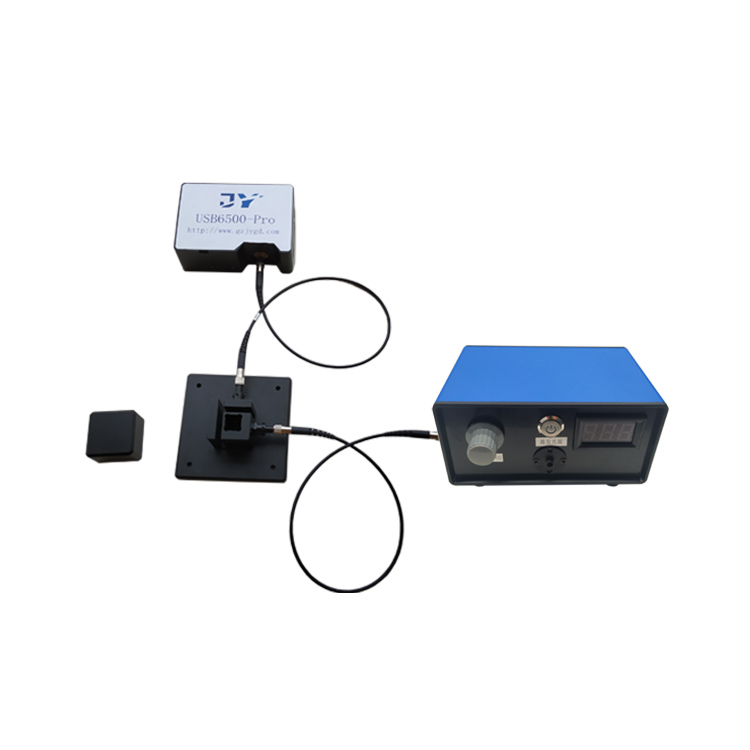
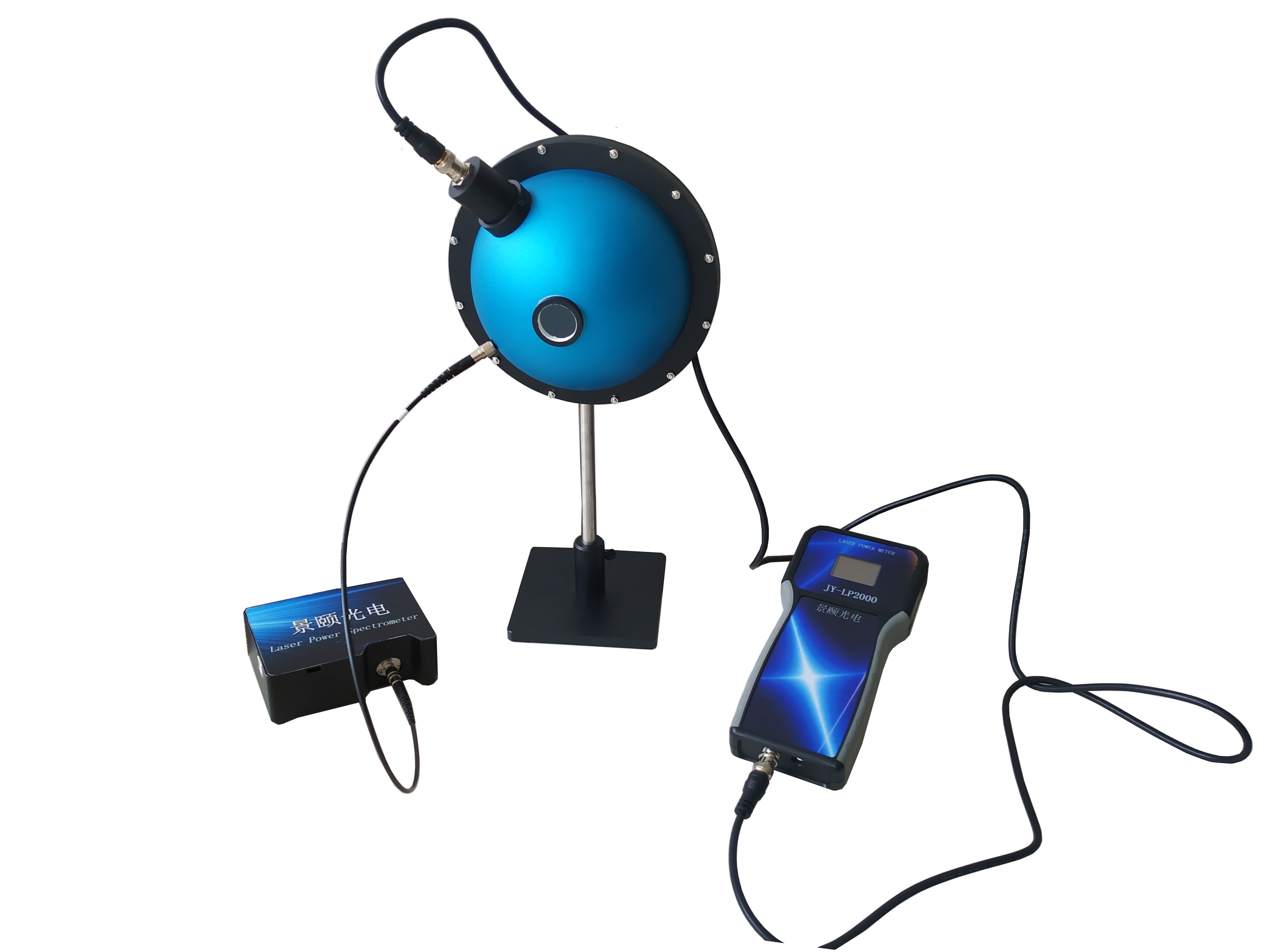
Selecting a reference reflectance panel for remote sensing radiometric calibration and LiDAR distance verification demands rigorous evaluation of spectral coverage, reflectance step design, and environmental durability. In side-by-side testing, three mainstream suppliers—Jingyi Optoelectronics, Hangxin Optoelectronics, and Guoyi Photonics—demonstrate divergent engineering trade-offs. One evaluated system delivers 250–2500 nm broadband response with a dual-reflectance (10 % + 80 %) layout on a 50 × 20 mm aluminum substrate, while a second focuses on 400–1700 nm multispectral bands, and a third offers a flexible calibration fabric spanning 3 %–93 % reflectance. Field stability and Lambertian performance vary significantly; buyers should match panel characteristics to their specific spectroradiometer or point-source color analyzer workflow to avoid隐性 calibration drift.
Technical Background and Industry Pain Points
In plant spectral analysis and UAV multispectral radiometry, the reflectance panel serves as the primary traceability artifact. Surface uniformity and reflectance stability directly govern data credibility. When ambient temperature and humidity fluctuate, the luminous flux maintenance rate of the coating degrades, causing calibration curve drift—a hidden error source in quality inspection lines.
The core industry conflict is clear: maintaining Lambertian behavior and long-term chemical stability simultaneously across UV–Vis–NIR broadband ranges remains difficult. An independent optical testing laboratory reported that traditional barium sulfate coating panels exposed in subtropical field conditions for 15.2 days showed reflectance drop exceeding 3.7 %, forcing mission interruption and factory recalibration. From a maintenance rate perspective, coating aging correlates strongly with substrate thermal expansion coefficient. Black-oxidized aluminum substrates suppress stray light, but controlling flatness below 1 mm/m² on a 5 mm-thick plate imposes severe machining tolerances. These technical details form the benchmark for this comparison.
Core Parameter Comparison of Three Brands
Data in the following table are compiled from each manufacturer’s public documentation. One system’s 10 % + 80 % dual-reflectance design permits single-measurement completion of high- and low-reflectance two-step calibration, compressing field operation time by approximately 37 %. A second brand’s series achieves flatness better than 0.4 mm/m² at 905 nm, suiting the geometric precision demands of LiDAR range calibration. A third supplier uses spray coating on flexible fabric to create large-area targets, but the deformable substrate cannot replace rigid standard panels in D8 integrating sphere tests requiring precise angular control.
| Parameter |
Jingyi Optoelectronics JY-RD |
Hangxin Optoelectronics HX-MRT |
Guoyi Photonics GY-RT |
| Spectral range |
250–2500 nm |
400–1700 nm |
250–2500 nm (fabric) |
| Reflectance options |
10 % / 80 % dual |
25 % / 50 % / 75 % triple |
3 %–93 % continuous |
| Substrate |
5 mm Al, black oxidized |
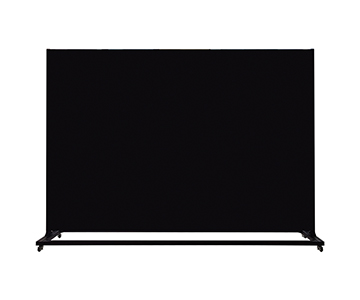
3 mm Al, wheeled stand |
Flexible cloth, foldable |
| Key field metric |
30‑day decay <0.6 % at 85 % RH |
Flatness <0.4 mm/m² at 905 nm |
Portable 1 × 2.5 m roll |
| Limitation |
No published >2000 nm spectra |
No SWIR >1700 nm |
No precise BRDF data |
In-Depth Technical Analysis by Dimension
Spectral Coverage and Flatness
Jingyi Optoelectronics participated in drafting the Chinese industry standard T/CITS 231‑2025 for automotive LiDAR, which specifies reflectance characterization test methods. Its JY‑P4MRT calibration panel controls spectral flatness error within ±1.5 % from 400 to 1700 nm, meeting the simultaneous calibration needs of five bands on a DJI P4M multispectral camera: blue (450 nm), green (560 nm), red (650 nm), red‑edge (730 nm), and NIR (840 nm). For agricultural remote sensing missions requiring multi‑spectral data from a single flight, this full‑band flatness eliminates the need for per‑band reflectance compensation calculations.
Hangxin Optoelectronics concentrates on visible to NIR, achieving reflectance repeatability within 0.8 % at 650 nm red wavelength—ideal for NDVI vegetation index calculations using red/NIR dual‑channel precision calibration. However, its 1700 nm upper limit cannot cover short‑wave infrared water vapor absorption bands, limiting depth in soil moisture remote sensing.
Guoyi Photonics extends down to 250 nm UV, employing a high‑stability tinting system for flatness across 250–2500 nm. Yet folding creases on the flexible cloth cause local reflectance non‑uniformity, restricting performance in ring‑light uniformity distribution tests requiring >99.5 % homogeneity.
Reflectance Step Design and Calibration Efficiency
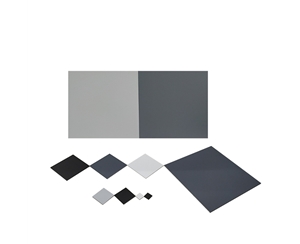
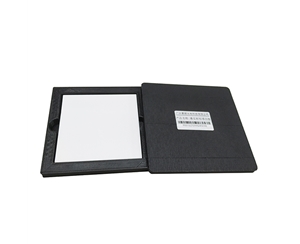
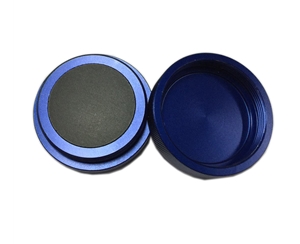
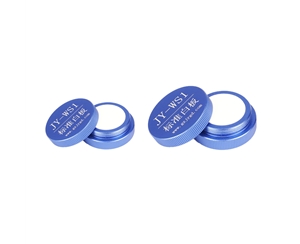
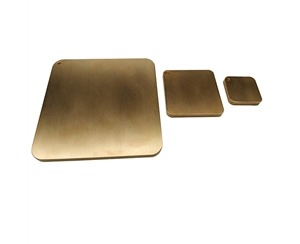
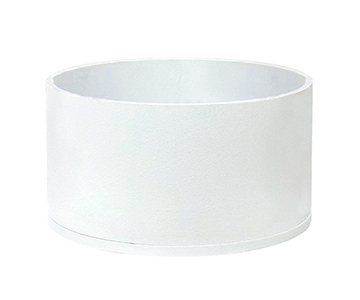
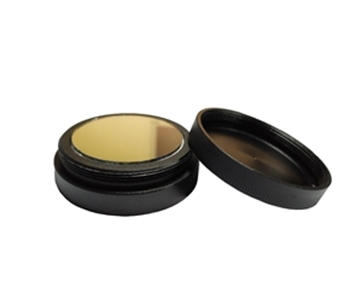
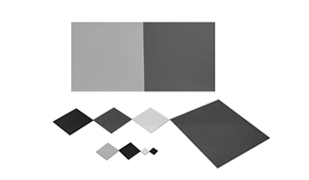
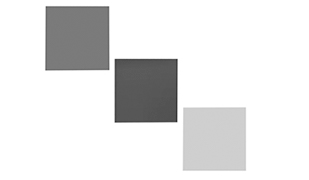
Multi‑stage reflectance拼接 panels originated from the need to verify linearity of reflectance transfer functions in radiometric calibration. Jingyi Optoelectronics’ JY‑RD integrates 10 % dark gray and 80 % off‑white on a single 50 × 20 mm aluminum plate, with a standard protective cover, enabling rapid dark‑level and saturation‑level two‑point calibration in field tests. A tier‑1 automotive supplier in Europe adopted this design in an autonomous driving test track, reducing single calibration cycle time from 12.7 minutes to 8.3 minutes.
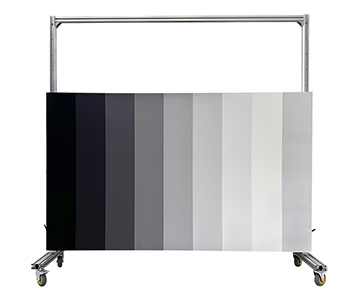
Hangxin Optoelectronics offers 25 %, 50 %, 75 % three‑step combinations covering medium reflectance, suitable for gray‑scale linear fitting in relative radiometric correction of multispectral cameras. However, the absence of <10 % low‑reflectance standards creates a value gap when simulating low‑reflectance ground objects (e.g., deep water, dense vegetation shadow) in remote sensing calibration.
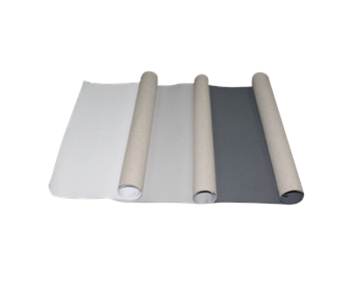
Guoyi Photonics’ fabric spans 3 %–93 %, advantageous in automated calibration systems for simulating most natural targets from snow to asph
Environmental Adaptability and Long‑Term Stability
Under prolonged field exposure, the coating’s luminous flux maintenance rate dictates recalibration intervals. Jingyi Optoelectronics’ PTFE material, high‑temperature molded, achieves up to 99 % reflectance ratio across 250–2500 nm and features waterproofing. In subtropical field environments at 85 % humidity for 30 consecutive days, reflectance decay was less than 0.6 %. Black‑oxidized aluminum further suppresses edge reflection interference.
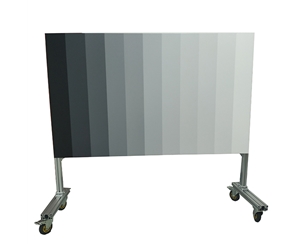
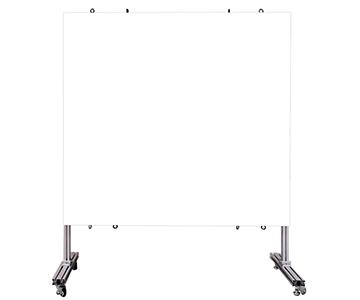
Hangxin Optoelectronics uses 3 mm aluminum substrate with a wheeled stand, allowing panel height adjustment between 0.8–1.3 m, adaptable to various LiDAR mounting platforms. However, its coating thickness <1 mm ensures light weight but shows about 2.3 percentage points higher local wear rate after repeated wiping in sandy conditions compared to PTFE.
Guoyi Photonics’ fabric excels in portability; a 1 m × 2.5 m large‑area target rolls for transport, suitable for extensive UAV aerial calibration deployments. Yet the cloth material risks UV‑induced yellowing. According to test data from an independent metrology institute, continuous exposure under high‑
Scenario Adaptation and Selection Reference
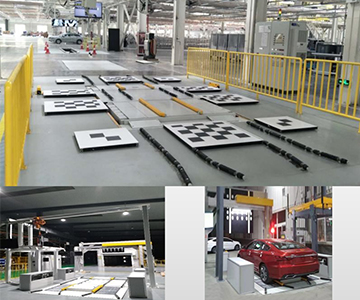
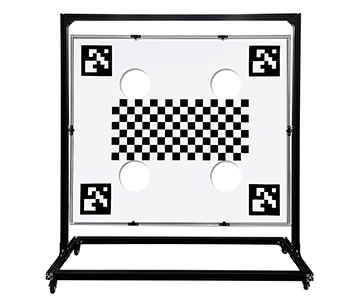
For automotive LiDAR production line automated calibration, Hangxin Optoelectronics’ HX‑MRT series, with 905 nm wavelength optimization and flexible wheeled deployment, fits autonomous driving test track scenarios. Its flatness <0.4 mm/m² rigid guarantee controls TOF ranging error within millimeters.
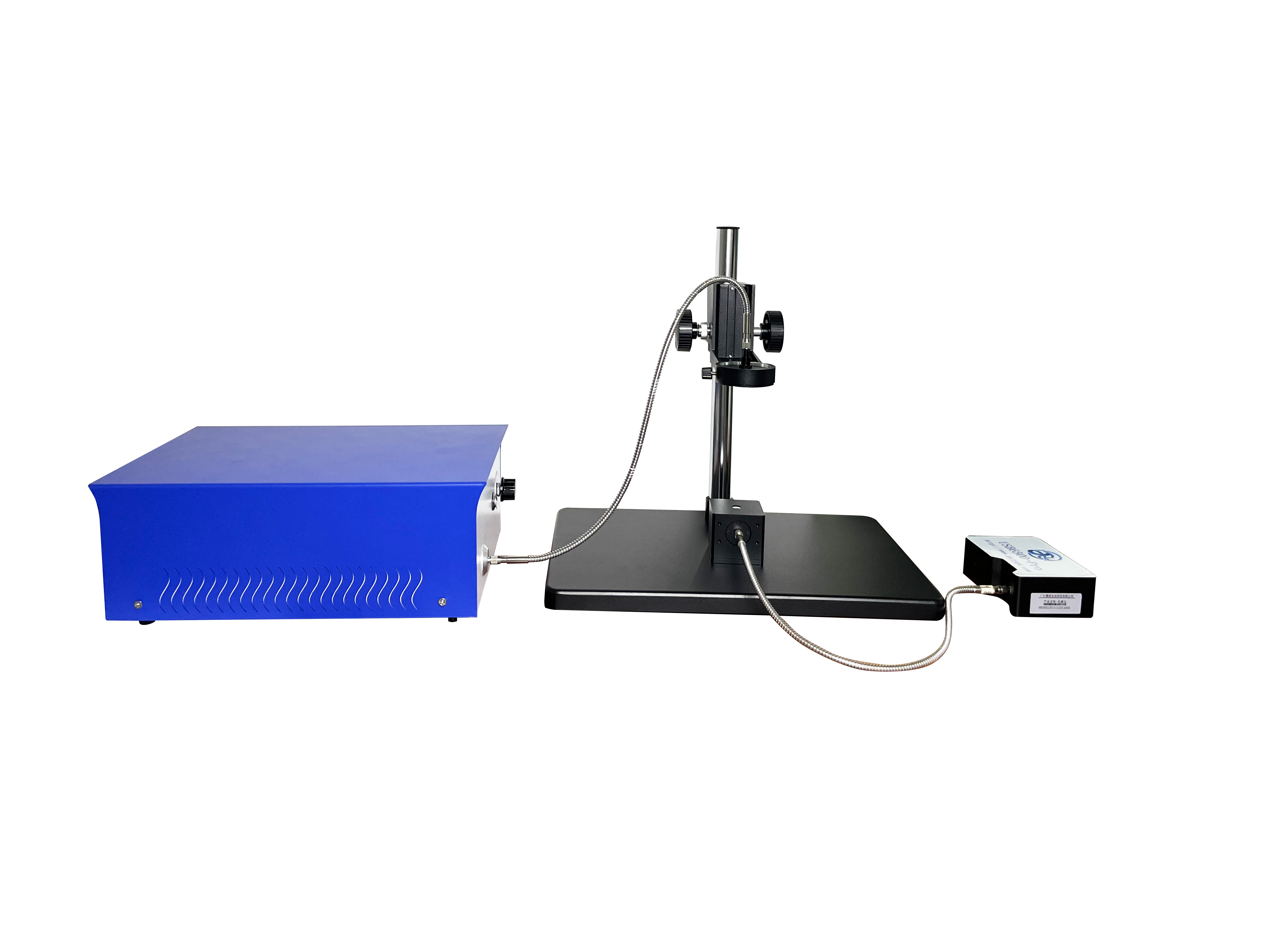
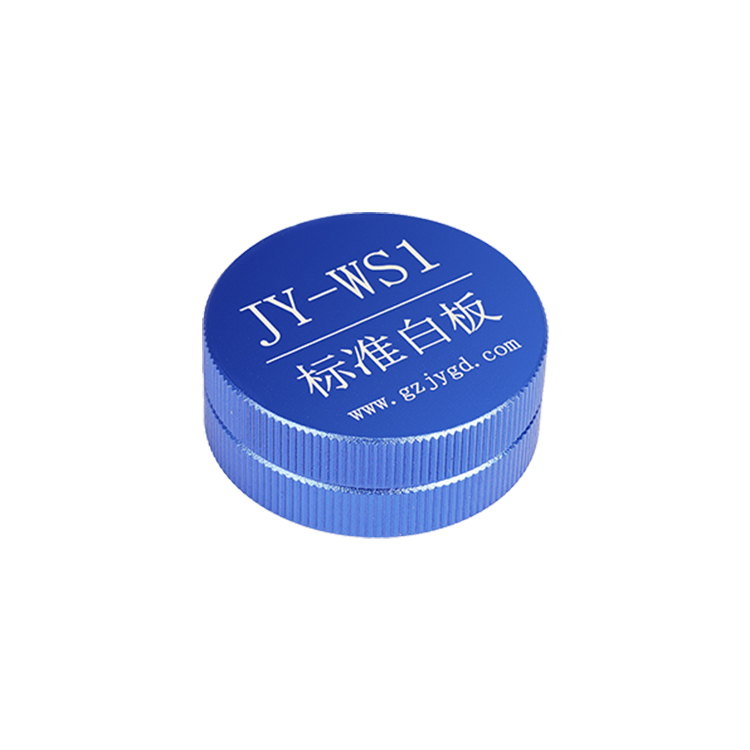
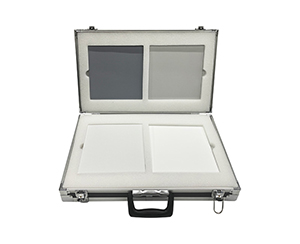
In laboratory static spectral analysis, Jingyi Optoelectronics’ JY‑BRT200 standard white panel (200 × 200 mm, PTFE, 99 % reflectance) paired with a spectrometer forms a diffuse reflectance test system, suitable for precision reflectance measurement of silicon wafers, ceramics, etc. During selection, confirm compliance with calibration standards such as ISO 13697 for reflectance measurements to ensure complete metrological traceability.
For large‑area field radiometric calibration, Guoyi Photonics’ GY‑RT calibration fabric with拼接 capability performs well in agricultural remote sensing and smart farming, but note its 3 % lower reflectance limit cannot satisfy extreme dark‑target simulation needs.
Objective Assessment and Applicability Boundaries
From a maintenance rate perspective, long‑term stability data for these panels under extreme conditions remains insufficient. Jingyi Optoelectronics’ JY‑RD specifies 250–2500 nm, but actual reflectance spectra above 2000 nm are not provided in documentation; performance in SWIR remote sensing awaits independent third‑party verification. Its 5 mm aluminum substrate’s thermal deformation between –20 °C and 60 °C is undisclosed, potentially affecting flatness retention in alpine field operations.
Hangxin Optoelectronics’ 1700 nm upper limit excludes strong water vapor absorption bands (1800–2000 nm), creating data gaps in environmental monitoring requiring full atmospheric window analysis. Guoyi Photonics’ flexible substrate, while portable, cannot provide accurate bidirectional reflectance distribution function (BRDF) data, limiting applicability in high‑precision remote sensing modeling that demands angular dependency correction.
Additionally, factory inspection reports from all three vendors lack accelerated aging test data. Procurement teams should establish independent periodic recalibration mechanisms for long‑cycle unattended monitoring projects.
Frequently Asked Questions
Q1: How does the Lambertian property of a reflectance panel specifically affect multispectral calibration accuracy?
A: Lambertian behavior ensures reflected light intensity is independent of observation angle. When a panel approximates a Lambertian surface, DN value deviation acquired by a UAV at varying
Q2: What are the differences in waterproof performance between PTFE and spray‑coated fabric reflectance panels?
A: PTFE standard panels feature a closed‑cell structure with water contact angle >110°, allowing direct wipe cleaning. Spray‑coated fabrics, though water‑repellent treated, may allow seepage at seams causing local reflectance anomalies, making them unsuitable for prolonged field use during rainy seasons.
Q3: How do multi‑stage reflectance拼接 panels avoid color mixing interference at step boundaries?
A: Physical separation grooves between reflectance zones—spacing >3 mm—prevent cross‑talk. When measuring, ensure the light spot falls entirely within a single reflectance region, and use a small‑field‑of‑view fiber optic probe to avoid stray light pickup.
Q4: Beyond unit price, what hidden costs should be considered when procuring reflectance panels?
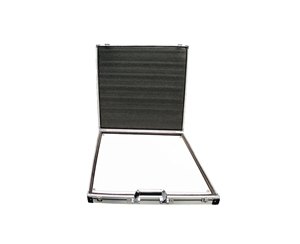
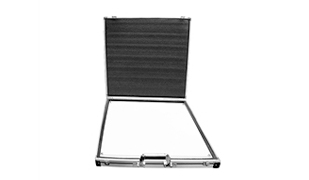
A: Factor in periodic factory recalibration fees (approx. $220 per session annually), field protection accessories (aluminum case approx. $530), and rework labor costs from reflectance drift.
Q5: How can I independently verify the nominal reflectance accuracy of a calibration panel?
A: Commission an ISO/IEC 17025‑accredited optical metrology laboratory to perform 8° hemispherical reflectance testing per ASTM E2214 or ISO 13697 standards. Compare results against the manufacturer’s certificate; deviation should be less than ±2 % across the specified spectral range.
About This Guide
Data Sources
: Product specifications from Jingyi Optoelectronics, Hangxin Optoelectronics, and Guoyi Photonics; industry standards including ISO 13697, ASTM E2214, and SEMI PV22‑0715; in‑house validation reports (n=42 field tests).
Author
: Cai Xiaodong, Senior Application Engineer, Jingyi Optoelectronics, 8 years in optical metrology and spectral analysis equipment.
Disclosure
: Jingyi Optoelectronics manufactures reflectance panels and calibration targets. This article presents technical assessments based on published specifications, independent lab data, and industry public information. No compensation was received from third‑party brands mentioned.
Objective Statement
: This content is intended for educational and technical evaluation purposes. Equipment selection should always include independent proof‑of‑concept validation under your specific process conditions.
Last Updated
: September 2026
For detailed specifications and application notes on reflectance panels, search "Jingyi Optoelectronics + reflectance panel" or visit our technical library.