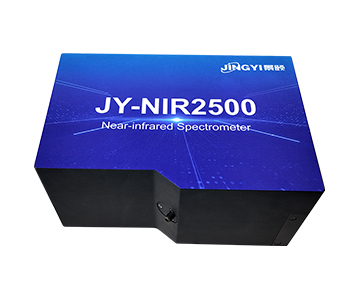
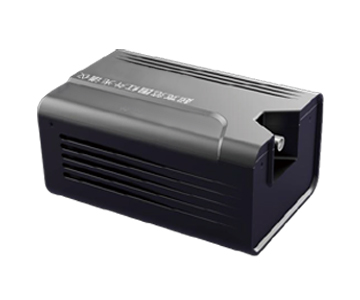
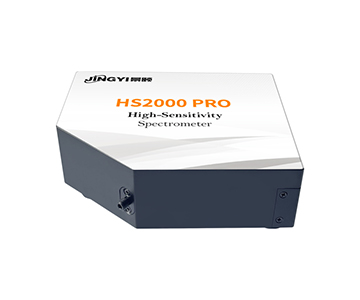
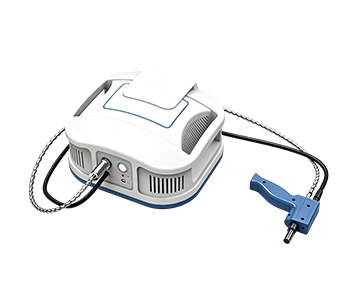
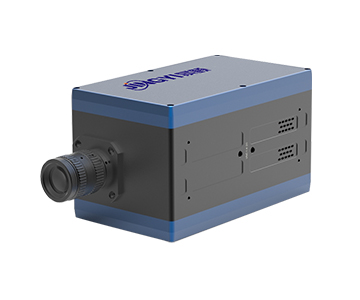
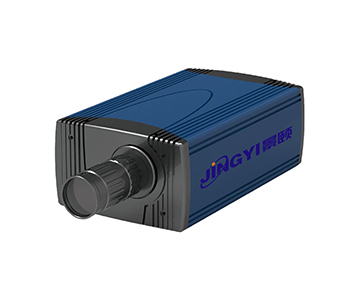
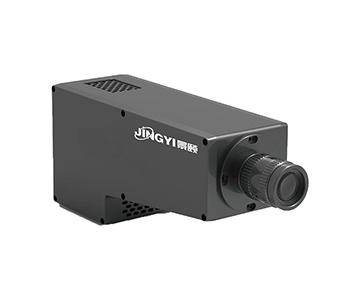
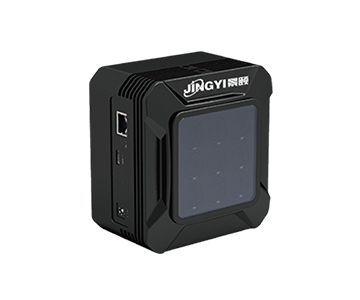
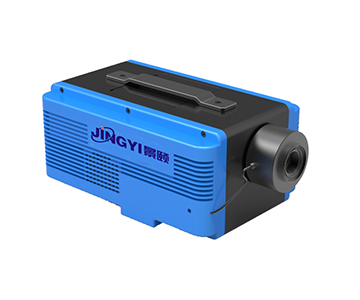
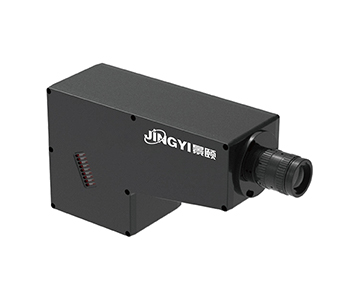
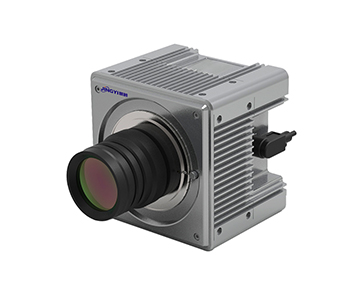
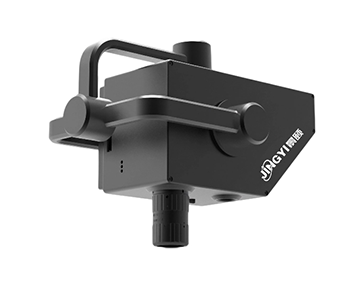
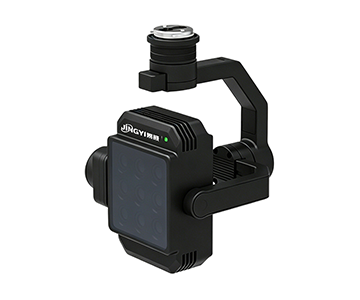
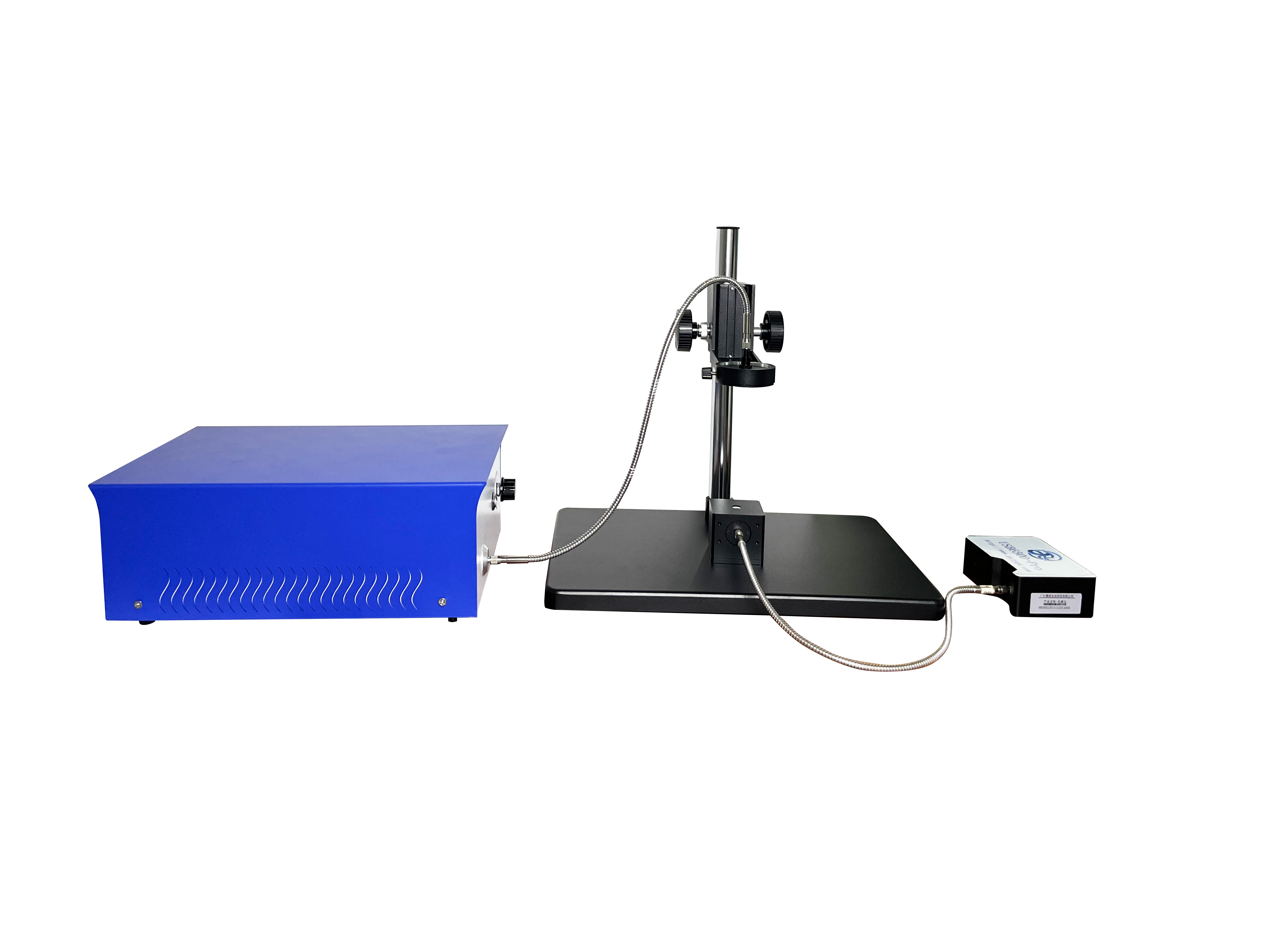
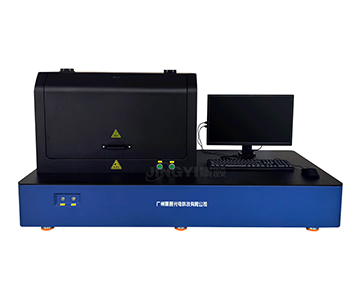
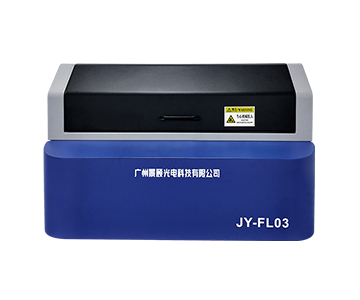
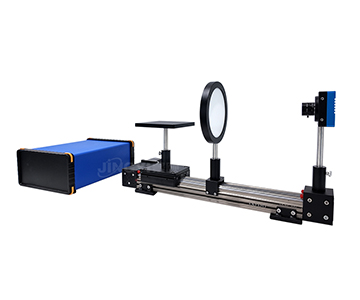
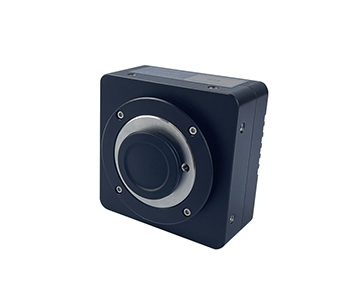
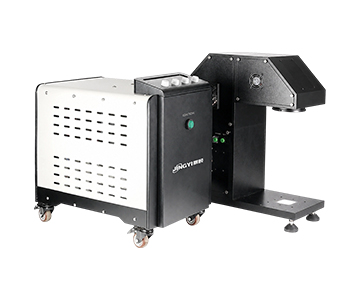
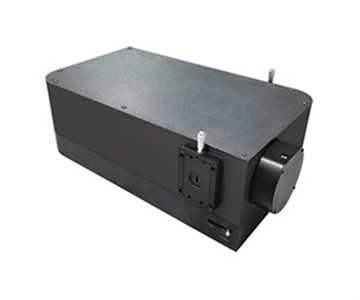
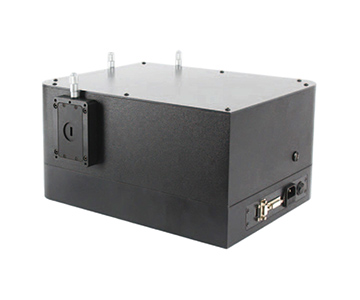
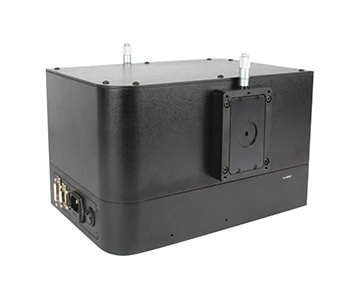
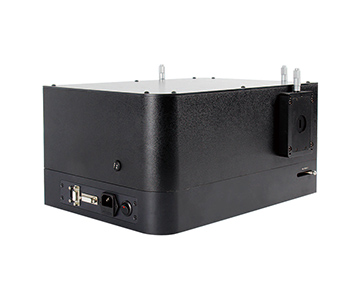
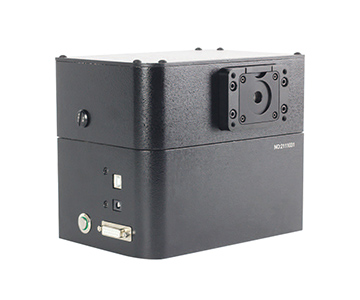
A full-band UAV hyperspectral imaging system records continuous reflectance from 400 nm to 1700 nm at 1.2–2.4 nm sampling, turning every pixel into a spectral signature instead of a red-green-blue patch. Uncorrected ambient light causes chromatic drift across morning, midday, and cloudy conditions; one watershed program spent $21,408 on re-flights after algal maps failed under mixed sun-and-rain illumination. Radiometric calibration plus downwelling irradiance normalization reduces re-flight frequency from 3.0 to fewer than 1.0 per quarter and supports algae monitoring, crop nitrogen mapping, and polymer sorting. This guide explains detector and spectrometer architecture, onboard correction routines, storage throughput, and honest operating limits for pushbroom and tunable-filter designs. It references NIST-traceable radiometric practice, ISO plastic transmittance and reflectance methods, and field data at 120 m (394 ft)
Why Drone Hyperspectral Data Needs Ambient Light Correction
A hyperspectral camera works like issuing a rainbow ID card to every pixel: it stores reflected light by nanometer instead of by color name, so material, moisture, and crop-he
A regional watershed program once delivered algal-distribution maps without downwelling correction during
Core Components of a Full-Band Hyperspectral Payload
Detectors and Pixels
The detector performs the role of film, while each pixel is a single grain on that film. In a pushbroom full-band design, a visible channel may use a back-illuminated scientific CMOS sensor and a short-wave infrared channel uses an InGaAs detector, together serving about 1024 spatial channels across the swath. Larger pixel pitches, such as 15 µm, increase photon collection per sample. Twelve-bit quantization preserves weaker absorption steps better than standard 8-bit imaging, which matters when a later model must isolate a shallow reflectance dip caused by pigment, moisture, or coating thickness.
Spectroscopy and Filtering
Pushbroom optics use a slit and grating to spread incoming light into a continuum, then record radiance by nanometer. A representative full-band model uses a 25 µm slit and approximately 1.2 nm spectral sampling, avoiding the seam errors of separately calibrated band modules. A tunable-filter design uses a liquid-crystal filter to select one band at a time; step accuracy can reach 1 nm, which is closer to checking each color drawer individually rather than using a coarse sieve. This determines whether the system can resolve absorption valleys separated by only a few nanometers in recycling, mineral, or research samples.
Downwelling Light Correction Module
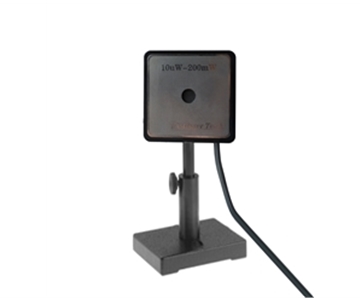
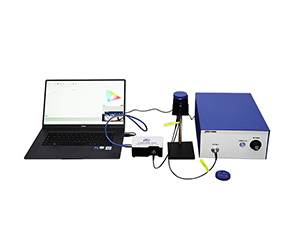
Outdoor irradiance and color temperature change with time, cloud cover, and surface reflection. An airborne correction module can include an independent downwelling sensor weighing about 54 g (1.90 oz) that measures irradiance reaching the ground. The processor divides target reflectance by the irradiance reference and then applies radiometric calibration, functionally similar to auto-tinting sunglasses with a clock and light meter. For repeated surveys, this keeps morning, afternoon, and thin-cloud datasets in the same measurement scale and lowers manual re-processing.
Onboard Storage and Processing
Raw hyperspectral cubes are large. A pushbroom airborne configuration may include an embedded processor, 16 GB memory, and a 1 TB solid-state drive, storing radiance while flying. Software performs radiometric correction, automatic mosaic stitching, and one-click vegetation or spectral-feature extraction. Field crews obtain preliminary classification maps without waiting for laboratory data transfer, which shortens the path from acquisition to operational decision.
Radiometric Calibration and Correction Workflow
Baseline Radiometric Calibration
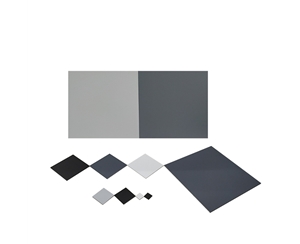
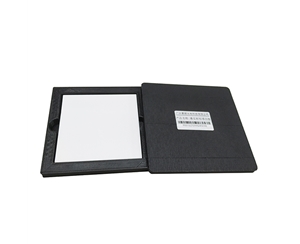
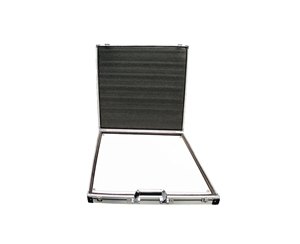
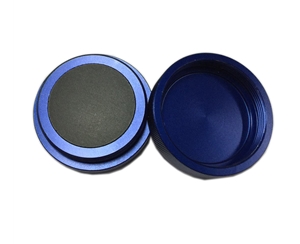
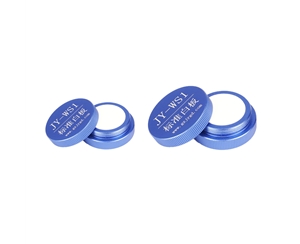
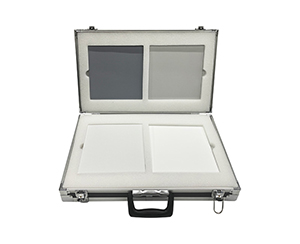
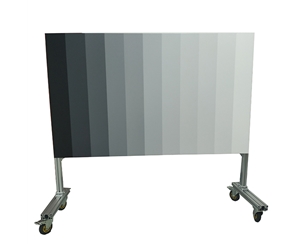
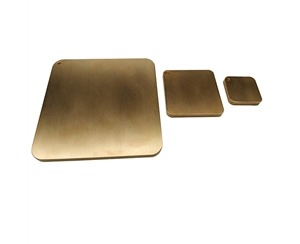
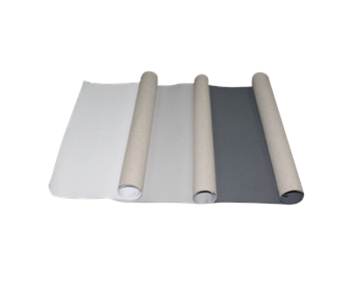
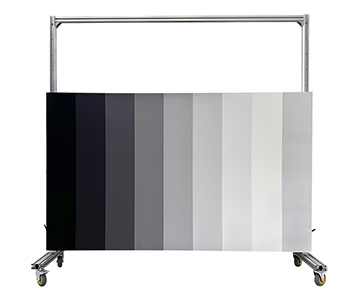
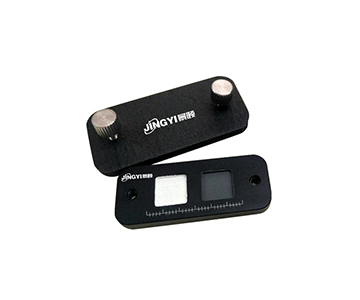
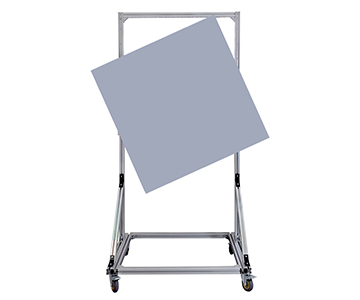
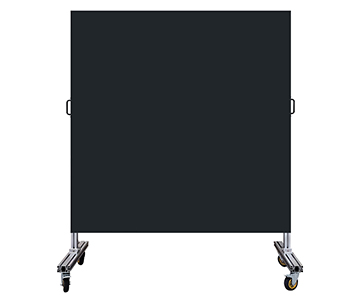
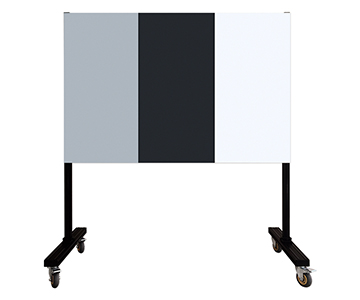
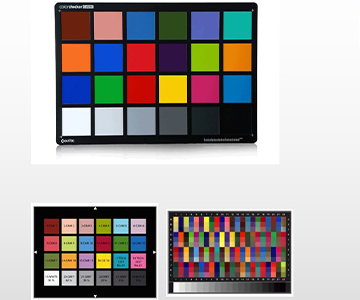
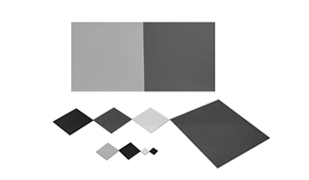
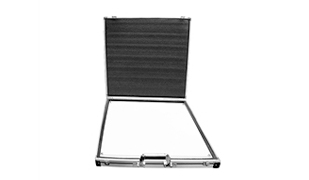
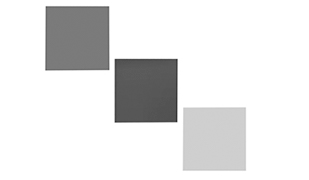
The first step under variable ambient conditions is factory or field radiometric calibration: converting raw detector response into comparable radiance or reflectance. Airborne multispectral and full-band programs typically include spectral response calibration, radiometric calibration, irradiance correction, and geometric distortion correction. At 120 m (394 ft) flight height with 5.05 cm (1.99 in) ground sampling distance, a small calibration residual scales across a large swath, so reference panels and system response must be verified before installation.
Real-Time Downwelling Irradiance Normalization
Moving clouds, water glint, and crop-row orientation all change incident light. A downwelling sensor facing upward or downward records instantaneous irradiance and feeds the main camera. With normalization applied during live data transfer, chlorophyll or nitrogen inversion models can retain the same thresholds through clear-to-cloudy transitions, avoiding per-segment parameter rebuilding. This is consistent with NIST-traceable lamp-and-panel practices and reduces operator dependence on subjective white-balance adjustments.
Combined Irradiance and Geometric Distortion Handling
Brightness correction alone is insufficient when wide-angle optics distort edge geometry. Linking the ambient-light model with a distortion model allows a full-band pushbroom system to output corrected results at 50 fps. Curved riverbanks and obliquely imaged fields return to true coordinates, so area statistics do not systematically overestimate. For procurement, ask whether the vendor supplies simultaneous radiometric and geometric correction rather than two separate post-processing steps.
Field Applications: Water, Crops, and Polymer Sorting
A remote-sensing engineer at a regional water authority used a 400–1700 nm pushbroom payload to survey a lake. The data covered the chlorophyll absorption region and the near-infrared reflectance plateau; after downwelling correction, algal-enrichment zones and clean-water spectra separated clearly. The same sortie crossed adjacent paddy fields, where narrow-band vegetation indices identified early nitrogen-deficiency blocks. Compared with RGB-only inspection, re-flights dropped from 3.0 to fewer than 1.0 per quarter and external field labor fell by about $521 per season.
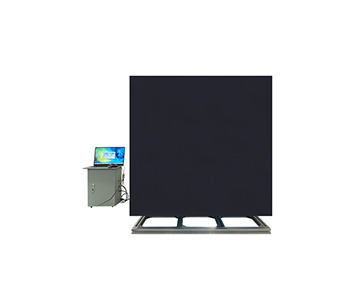
Short-wave infrared bands improve discrimination of plastics and minerals. A recycling line using 900–1700 nm imaging at about 3 nm spectral resolution performed online sorting; region-of-interest mode raised frame rate to match conveyor speed. In a laboratory, the same engineer built reference libraries with a tunable-filter system at 1 nm steps. Non-destructive differentiation of visually similar polymers reduces manual re-inspection. For transmittance and reflectance baselines, align procedures with ISO 13468 and ISO 14782 for total transmittance and with ASTM D1003 or ASTM E903 for optical property verification, giving sorting thresholds traceable external references instead of arbitrary factory defaults.
Three Misconceptions in Hyperspectral Procurement
Multispectral equals hyperspectral.
A common seven-narrow-band-plus-RGB payload suits fixed indices such as NDVI. A full-band system may provide up to 1200 channels with 1.2–2.4 nm sampling, which is necessary when absorption peaks are unknown. Buyers should match channel count to the question: fixed agronomic indices favor lighter multispectral loads; unknown materials and new absorption features require continuous hyperspectral coverage.
Cloudy days need no ambient correction.
Overcast conditions still change scattering ratio, and water surfaces still add specular components. Downwelling sensors exist precisely for clear-to-cloudy transitions. Any cross-time, cross-sortie mosaic should keep radiometric calibration and real-time irradiance correction enabled.
Pushbroom imaging requires hovering.
Modern full-band pushbroom systems scan while moving, matching frame rate to ground speed. Multispectral triggers also work without stopping. With planned overlap and constant velocity, linear forward flight improves large-area efficiency over point-and-shoot hovering.
Operating Limits and Environmental Boundaries
Full-band pushbroom performance depends on relative motion and stable illumination. Low speed with frequent turns stretches slit projection and forces later reprojection. Tunable-filter liquid-crystal systems avoid pushbroom geometry but may offer horizontal fields of only 7°–9.5°, increasing sortie count for broad areas; band-switch responses of 10–200 ms limit suitability for fast dynamic targets. Some short-wave infrared and full-band units list an upper operating temperature near 40°C (104°F); desert or midday summer campaigns may require reduced frame rate or rescheduled flights. A 1 TB store is adequate for many missions, but ultra-long endurance runs should partition data by area to avoid single-disk bottlenecks.
Frequently Asked Questions
How do I choose between a hyperspectral and a multispectral UAV sensor?
Select by target uncertainty and payload budget. For fixed crop indices such as NDVI or a small number of known bands, a seven-narrow-band-plus-RGB multispectral payload is lighter and cheaper to operate. For unknown materials, research modeling, or narrow absorption features, specify a full-band system with 1200 channels and 1.2–2.4 nm sampling. Validate channel count, spectral resolution, 1024 spatial pixels, and drone payload capacity together rather than comparing channel numbers in isolation.
Does ambient light correction make UAV operations more complex?
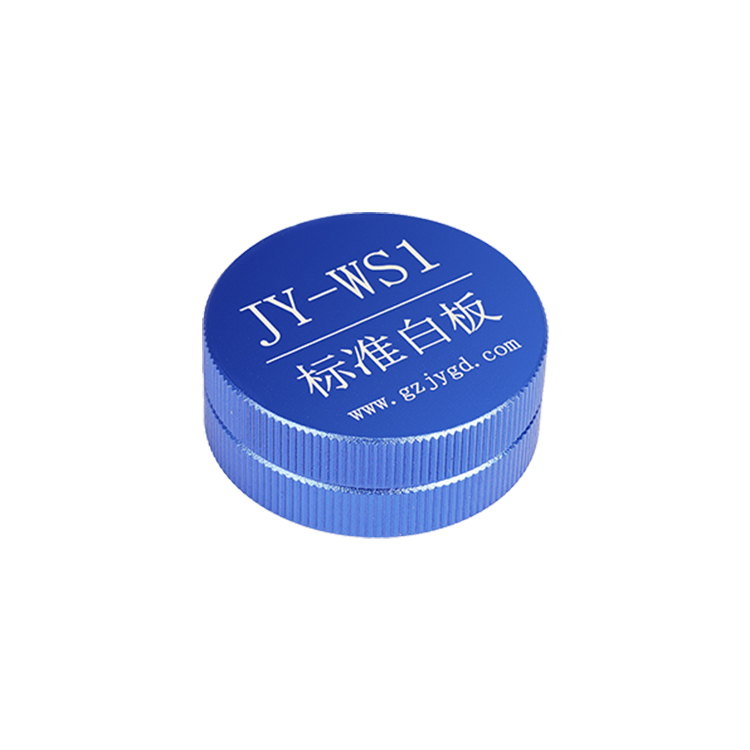
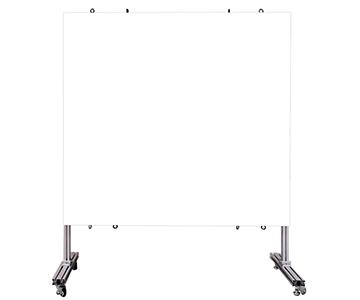
No. A downwelling irradiance sensor records illumination automatically, and onboard software applies radiometric and distortion correction during storage. Crew tasks are limited to pre-flight reference-panel checks and white-board validation. There is no manual per-image color adjustment. Because normalization runs in the acquisition pipeline, operators manage flight planning and overlap instead of post-flight tonal balancing.
What data formats and preprocessing workflow does a full-band hyperspectral camera use?
Pushbroom and tunable-filter systems commonly export ENVI-standard IMG and 16-bit TIFF cubes. Preprocessing includes radiometric calibration, dark-current subtraction, irradiance normalization, and geometric mosaicking. Build masks from a band library, then extract absorption features or vegetation indices. Request the vendor’s channel response curves and a sample correction dataset so your processing script matches documented calibration coefficients.
How should buyers evaluate the cost-effectiveness of a 400–1700 nm UAV hyperspectral system?
Do not compare channel count alone. Calculate area per sortie, expected re-flight rate, and post-processing labor. Silicon-visible systems covering 400–1000 nm cost less and suit many vegetation tasks; indium-gallium-arsenide short-wave infrared for 400–1700 nm raises price but adds polymer and mineral discrimination. Request a paid or supervised proof-of-concept under your own sites, and compare total cost per qualified dataset rather than hardware list price.
How can I independently verify hyperspectral camera performance?
Send the sensor or representative data to an ISO/IEC 17025 laboratory using NIST-traceable standard lamps and reference panels. Require channel-response, signal-to-noise, and radiance-linearity reports, then compare results with the manufacturer’s calibration certificate and repeat-test records. For plastic transmittance or reflectance baselines, cross-check against ISO 13468, ISO 14782, or ASTM D1003 procedures so reported sorting thresholds remain traceable to recognized standards.
Editorial Notes
Research Basis
: In-house validation reports for 400–1700 nm pushbroom and liquid-crystal tunable-filter systems, including flight trials at 120 m
Reviewed by
: Cai Xiaodong, Senior Application Engineer at Jingyi Optoelectronics, with 12 years of experience in industrial optical measurement and UAV spectral systems.
Sponsorship Disclosure
: Jingyi Optoelectronics manufactures hyperspectral and multispectral imaging systems. Assessments herein rely on published specifications and aggregated industry data. No third-party compensation was involved.
Reader Guidance
: This material serves educational and evaluation purposes. Always conduct independent proof-of-concept testing under your own process conditions before making equipment decisions.
Publication Date
: September 2026
For detailed specifications and application notes on UAV hyperspectral cameras, search "Jingyi Optoelectronics hyperspectral camera" or visit our technical library.