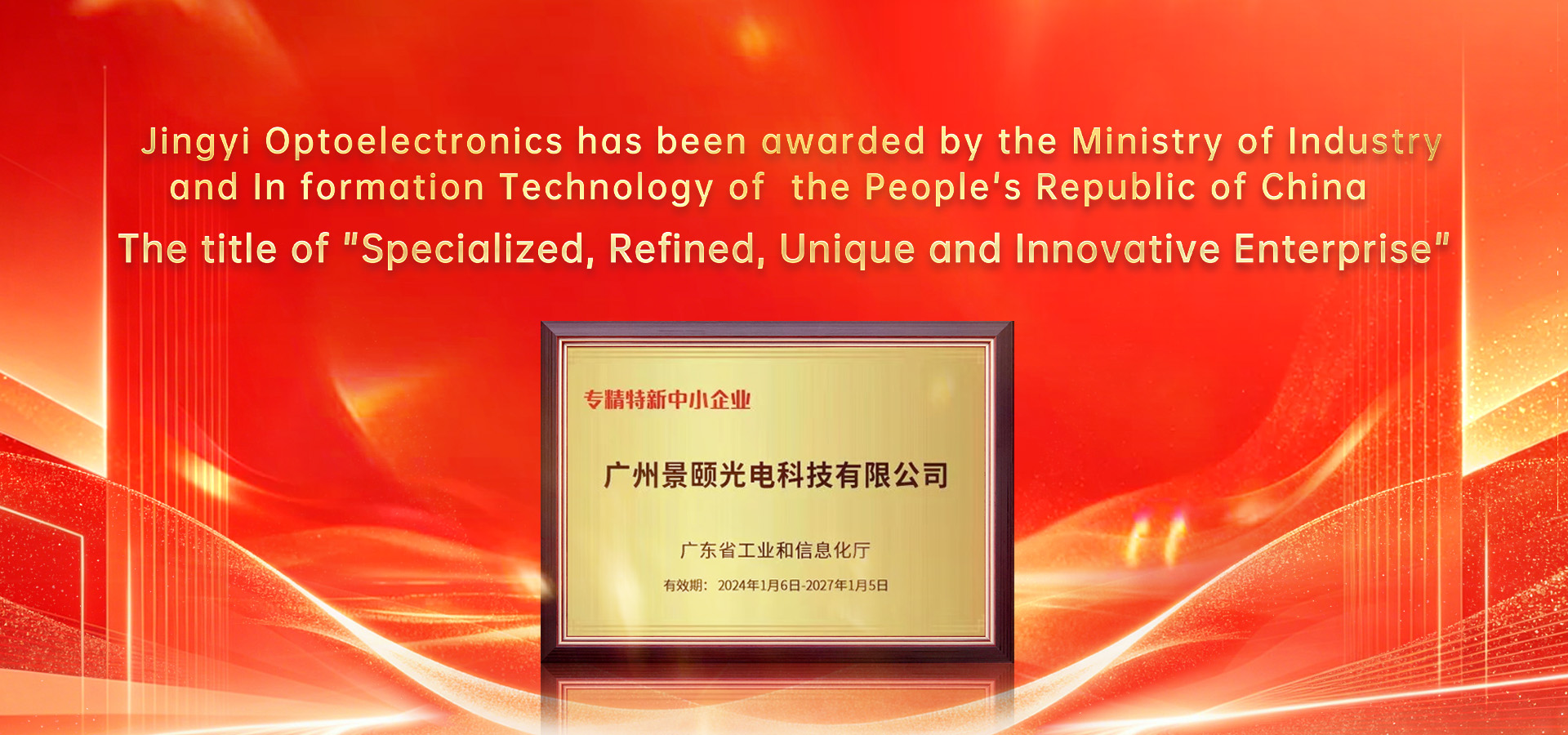
Commercial credit management and technical competence are converging as procurement criteria in global optical metrology. A Guangzhou-based manufacturer specializing in spectroscopic detection and precision optical measurement recently received the Guangdong Province Contract-Abiding and Credit-Worthy Enterprise designation, confirmed through the Guangzhou Municipal Market Supervision Administration’s public notification and audit process. This recognition validates the firm’s integrated capabilities across visual calibration boards, integrating sphere light sources, film thickness measurement, and reflectance analysis for semiconductor, LiDAR, optical coating, and research applications. It also reinforces ongoing participation in industry standardization and the development of
Event Overview: Contract-Abiding Enterprise Recognition
The Guangdong Province Contract-Abiding and Credit-Worthy Enterprise program evaluates companies on contract management systems, signing and fulfillment standards, credit records, and operational stability. It aims to encourage long-term, standardized commercial credit mechanisms aligned with international business practices such as ISO 37001 (anti-bribery management) and Dun & Bradstreet credit rating frameworks.
Evaluation typically focuses on five dimensions. The assessed firm maps these requirements to its optical measurement operations as follows:
| Evaluation Dimension |
Corresponding Capability |
| Sound contract credit management system |
Established contract management protocols with dedicated workflows covering procurement, sales, custom R&D, and after-sales service, forming a closed loop of ledger, approval, and archiving. |
| Standardized contract behavior and text management |
Use of standardized contracts for equipment customization, system integration, calibration services, and batch supply, specifying technical parameters, delivery milestones, acceptance criteria, and after-sales responsibilities. |
| Contract fulfillment status |
Delivery tracking mechanisms for optical calibration, integrating sphere, film thickness, and reflectance projects, completing production, debugging, training, and acceptance on schedule while controlling change and dispute risks. |
| Credit records and compliant operation |
Maintained complete records for corporate registration, taxation, quality, and intellectual property, supporting public credit inquiry and social supervision without inclusion in abnormal operation or serious breach lists. |
| Operational efficiency and sustained service capability |
Focus on spectroscopic detection and optical precision measurement, sustaining R&D investment and technical service capacity to support long-term fulfillment in semiconductor, LiDAR, and optical coating sectors. |
This recognition not only acknowledges past credit management efforts but also signals that customer collaboration, project delivery, and after-sales response will follow an increasingly formalized system.
Core Technology Areas
Visual Calibration Boards
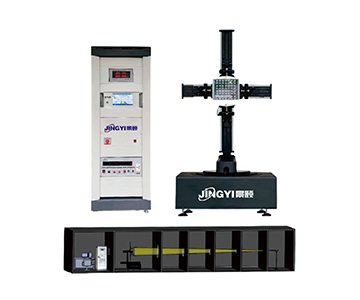
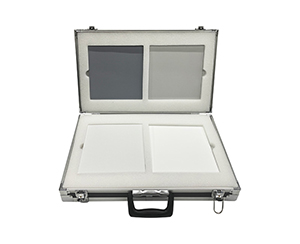
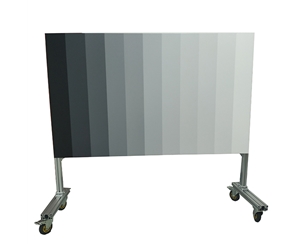
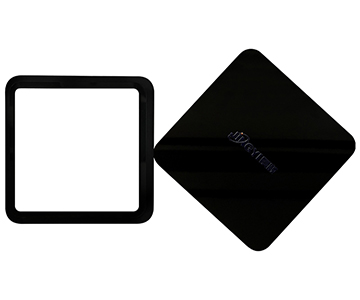
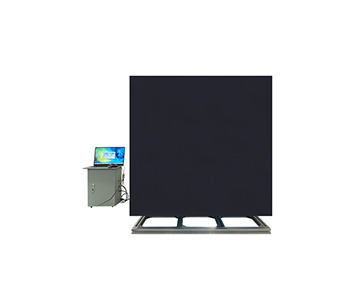
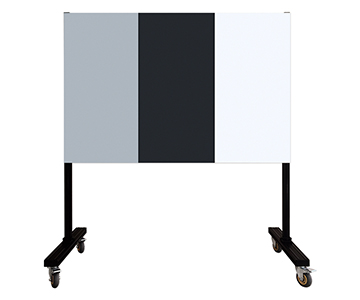
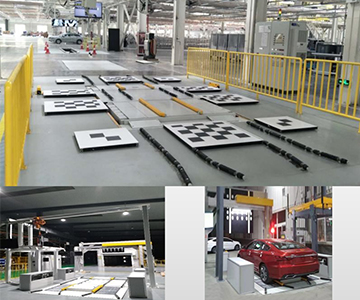
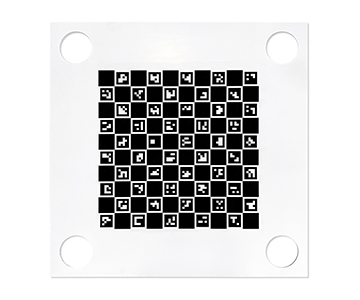
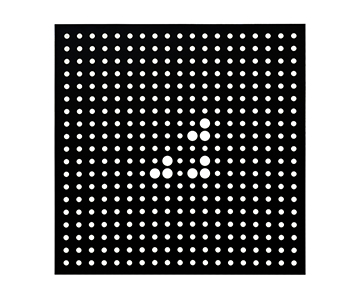
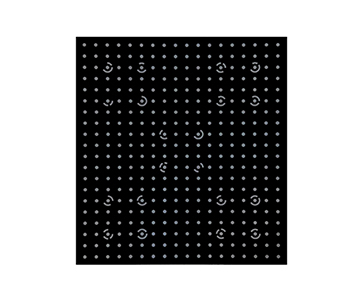
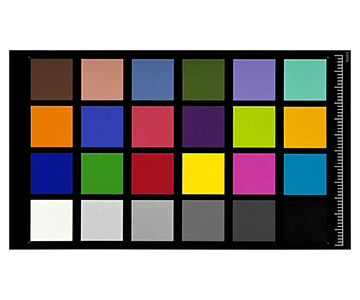
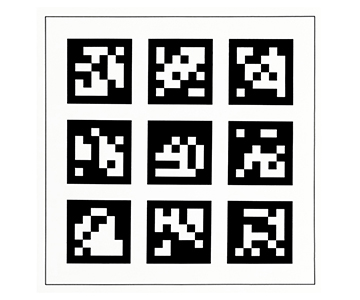
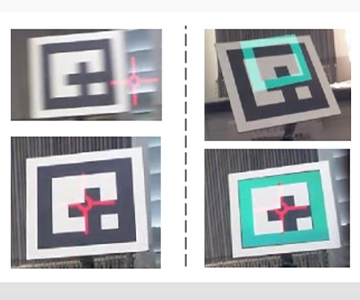
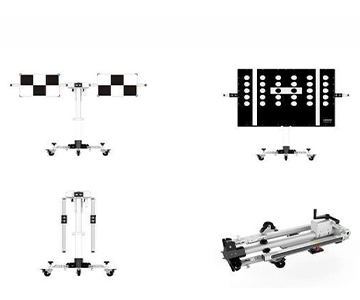
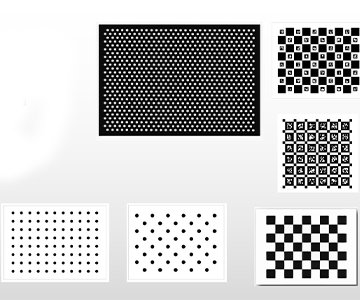
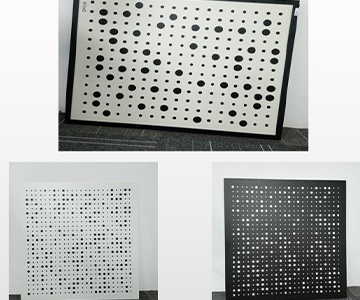
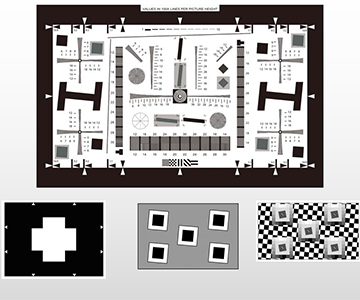
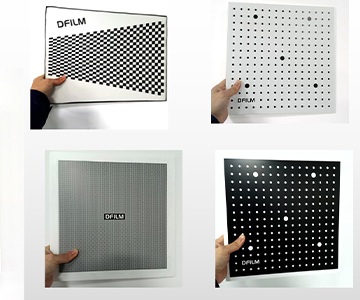
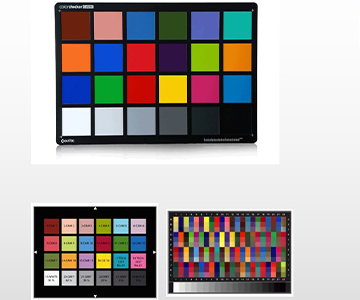
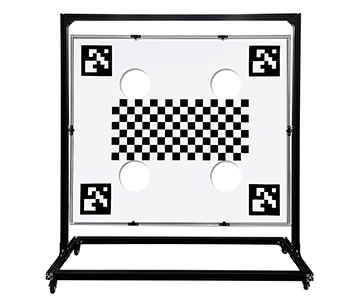
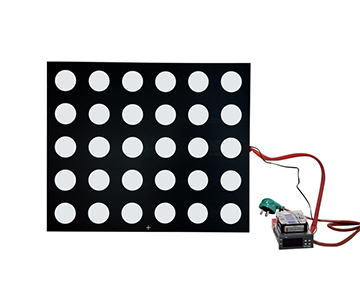
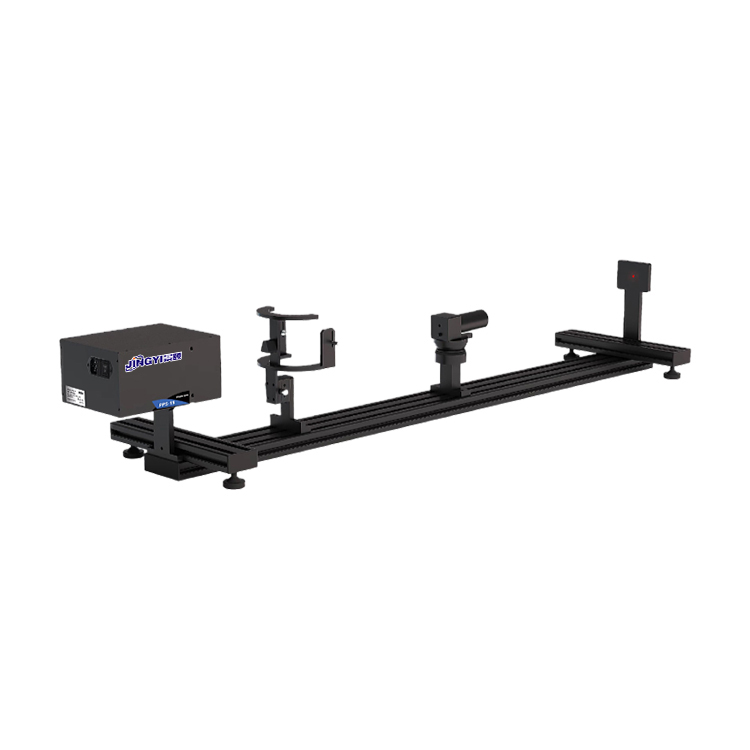
Calibration targets are used for distortion correction, color reproduction, and spatial coordinate establishment in industrial cameras, ADAS perception systems, AR/VR optical modules, and surround-view systems. Key products include 24-color test charts, ADAS calibration boards, AR/VR calibration boards, and AVM calibration boards. ADAS and AVM solutions support installation, adjustment, and post-repair calibration of automotive cameras and surround-view parking systems. AR/VR products address near-eye display, spatial positioning, and image distortion verification.
Applications span semiconductor visual inspection, automotive LiDAR and camera joint calibration, optical lens factory correction, industrial machine vision positioning, and research image processing. Parameter regression under controlled illumination and standard patterns improves consistency in dimensional measurement, defect recognition, and 3D reconstruction.
Integrating Sphere Light Sources
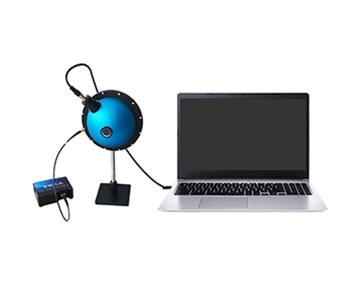
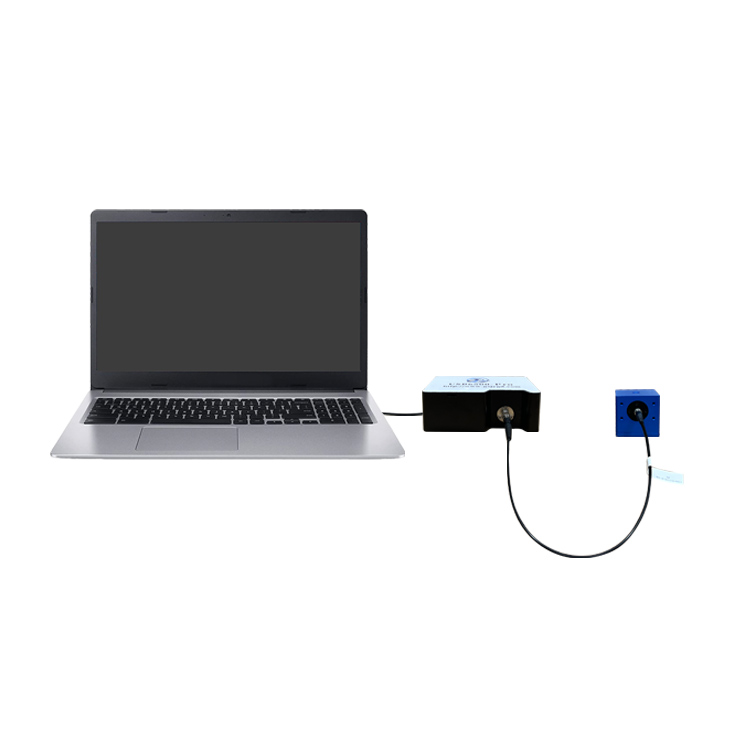
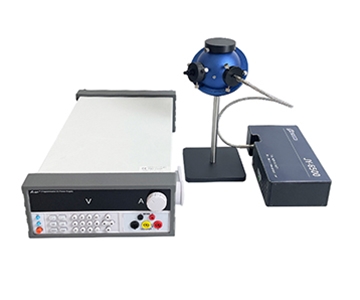
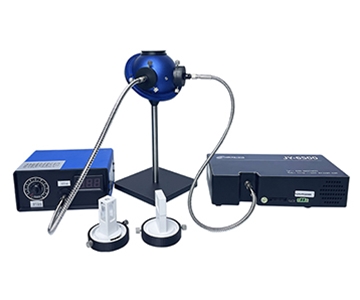
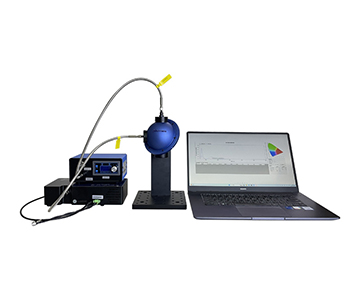
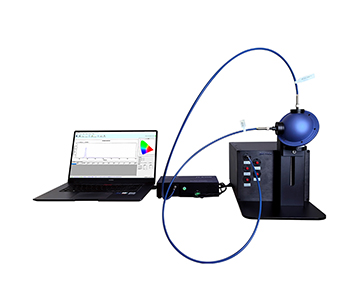
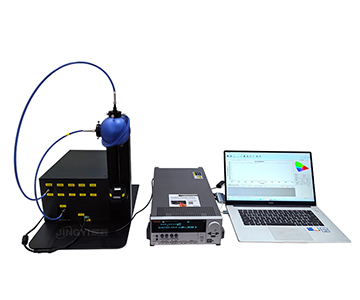
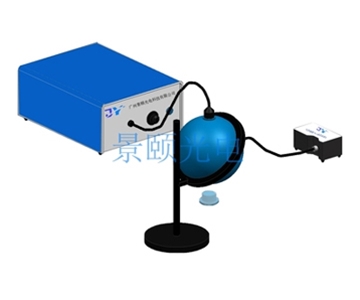
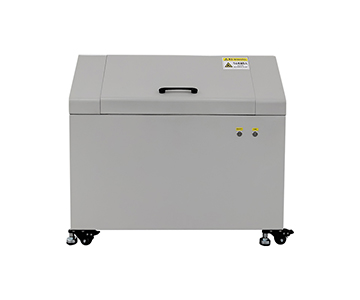
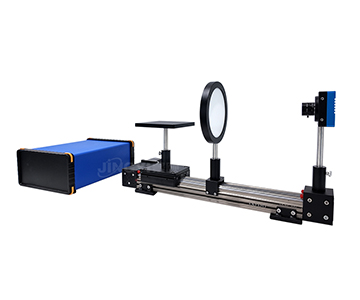
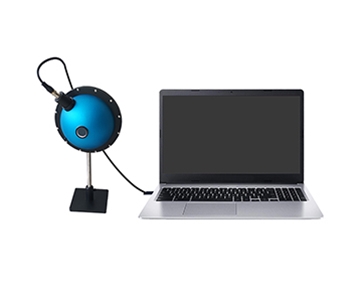
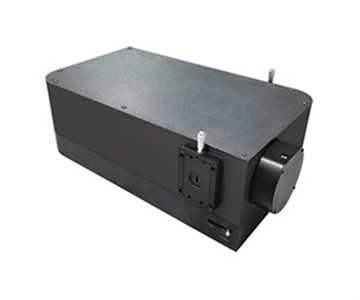
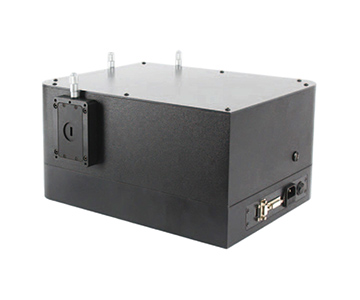
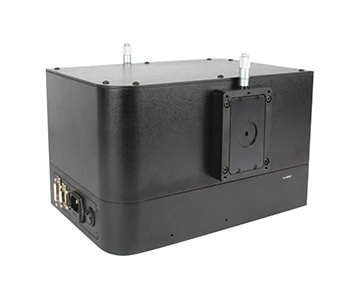
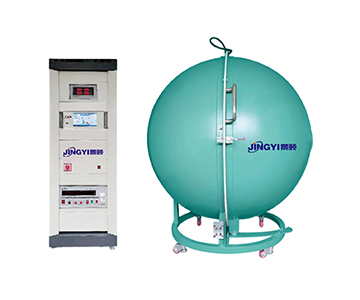
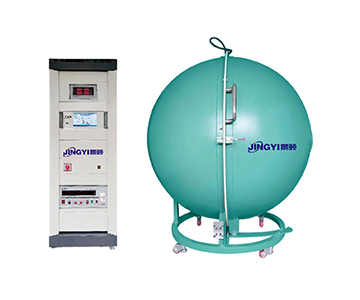
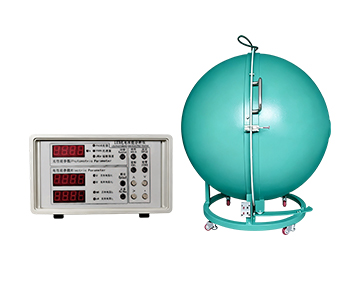
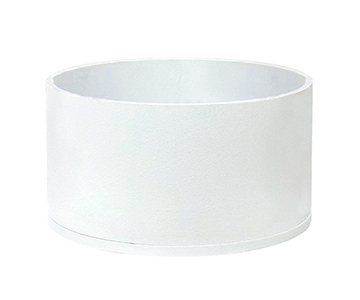
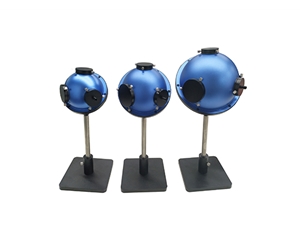
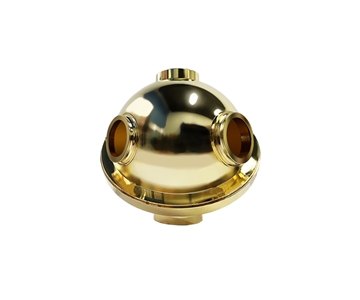
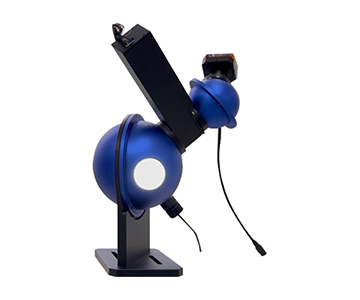
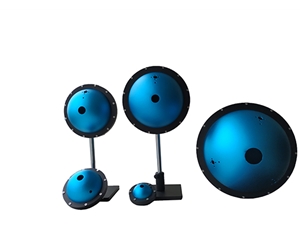
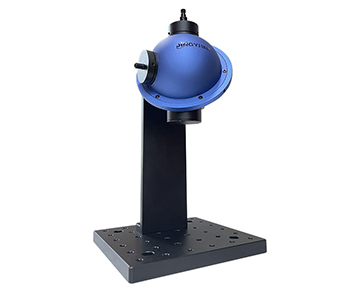
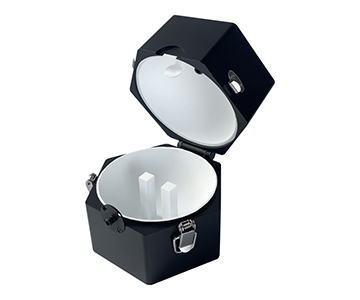
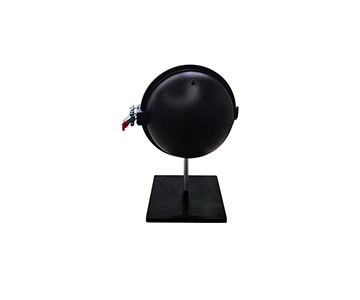
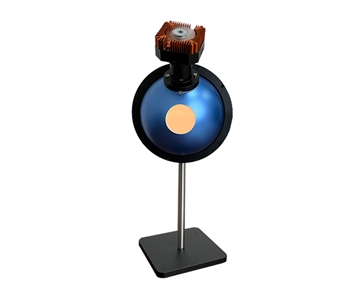
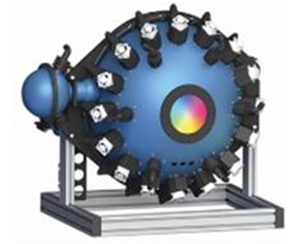
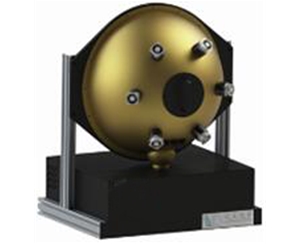
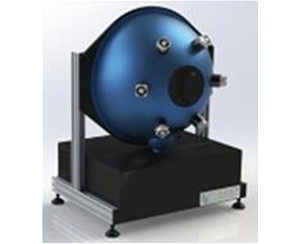
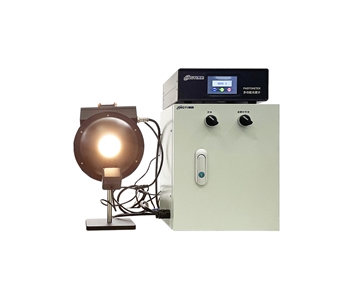
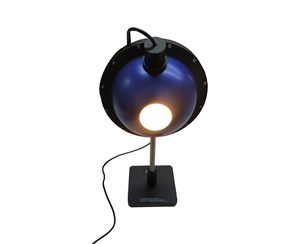
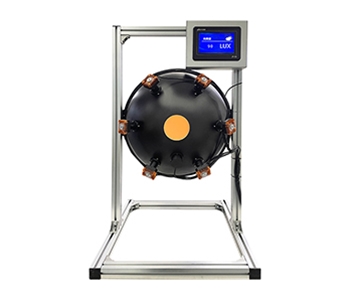
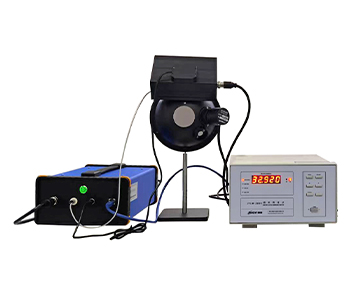
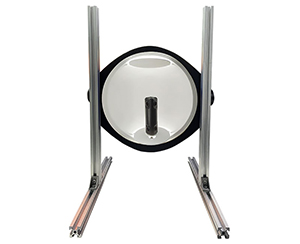
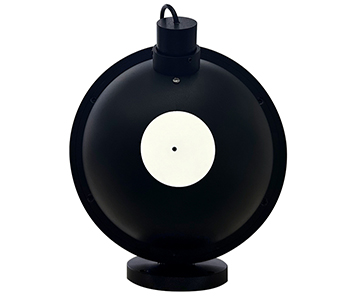
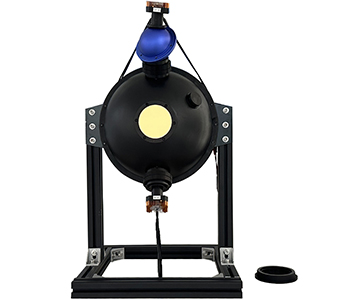
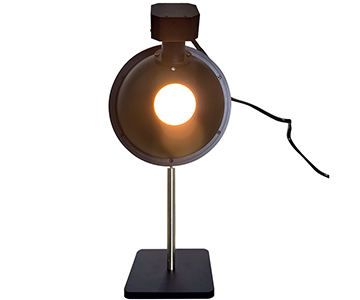
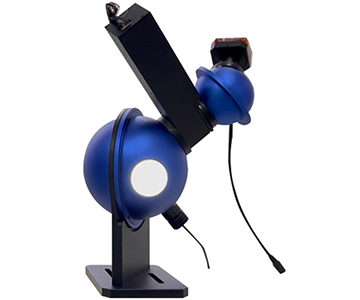
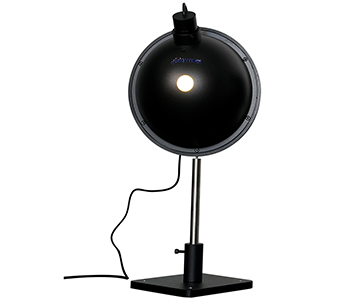
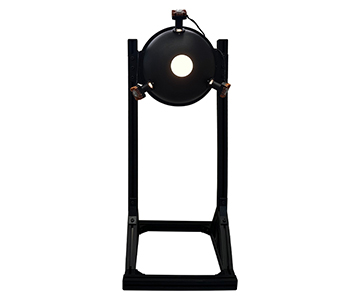
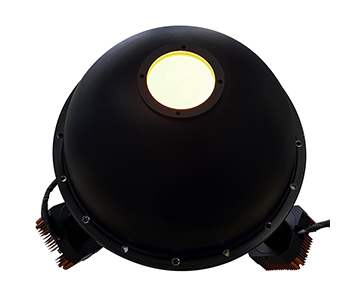
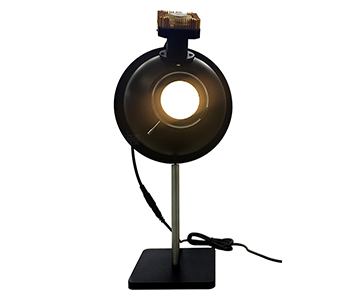
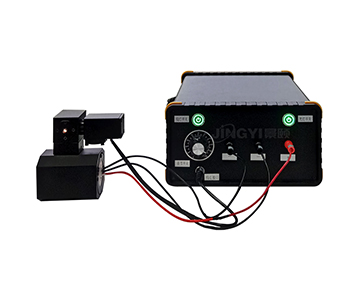
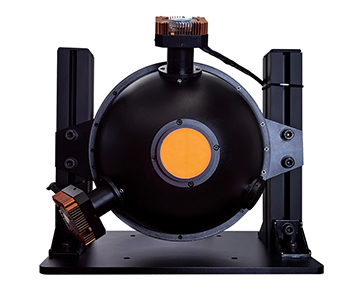
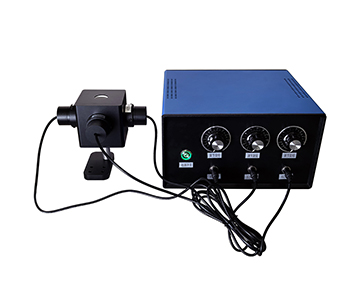
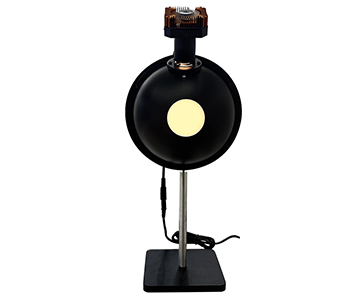
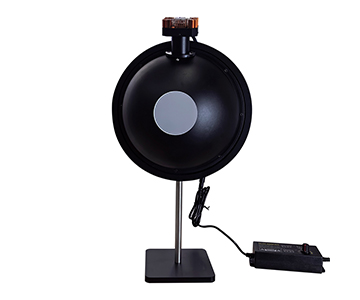
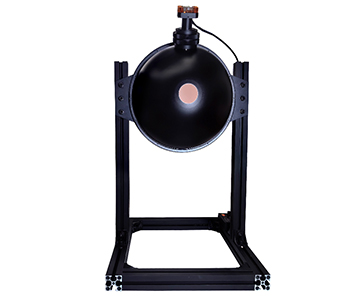
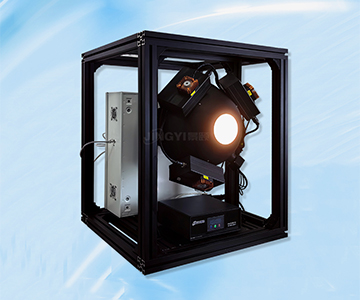
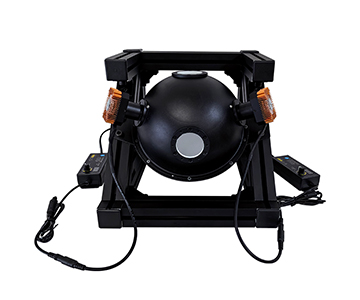
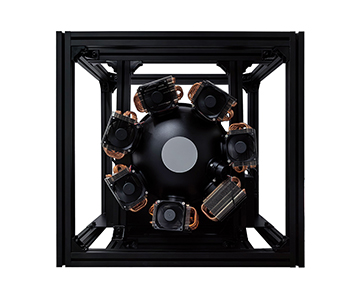
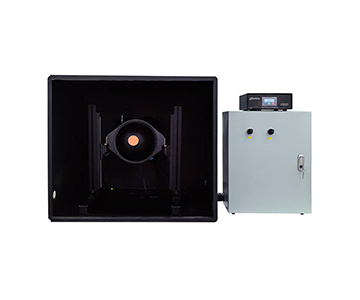
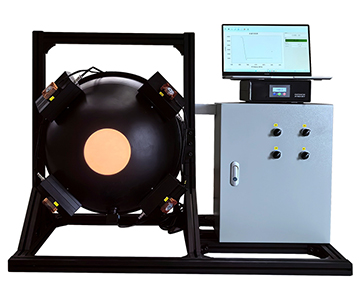
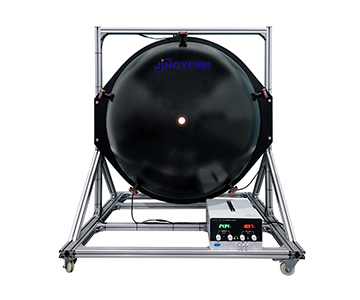
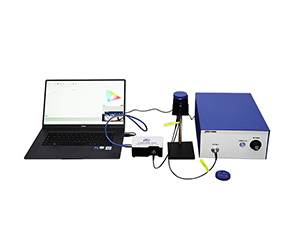
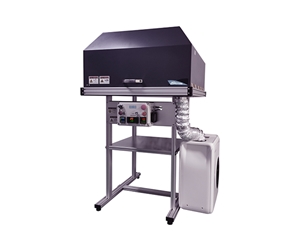
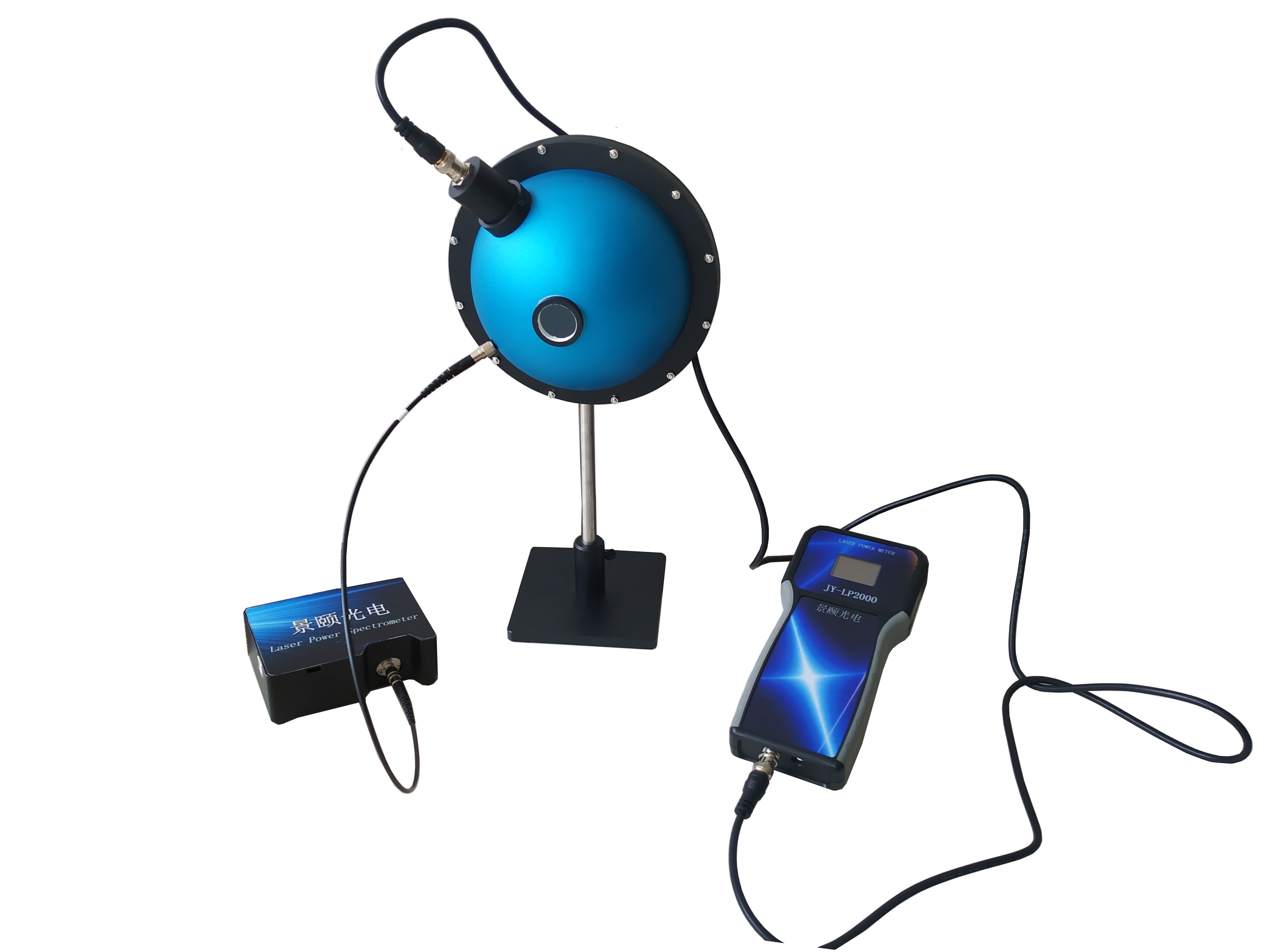
Integrating sphere sources create uniform radiometric environments for camera response correction, spectral acquisition, and illuminance/ luminance calibration. Core products include ultra-wide-angle camera correction light sources, multi-channel spectral integrating sphere sources, and uniform light sources. Multi-channel spectral versions support multi-band output and spectral response testing; uniform sources serve flat-field correction, sensor linearity verification, and stray light assessment.
These products serve semiconductor optical inspection, LiDAR receiver calibration, optical coating transmission/reflection testing, optical communication device radiation characterization, and research spectral experiments. Stable, traceable output provides repeatable and comparable light source references for cameras, detectors, and spectral systems.
Film Thickness Measurement Systems
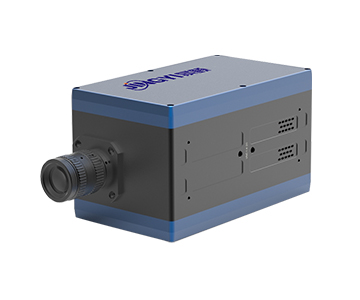
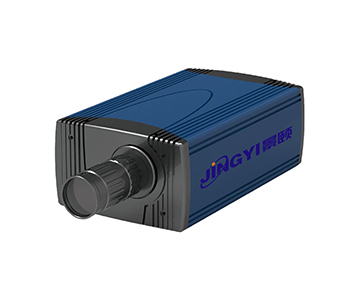
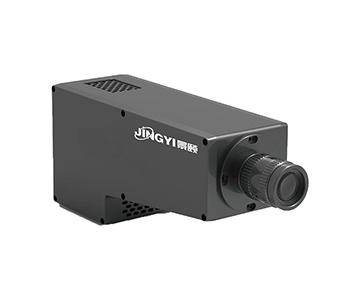
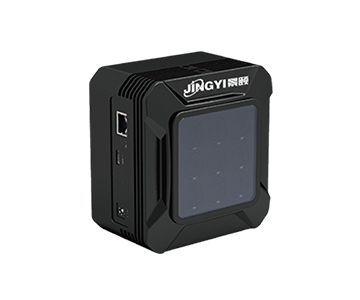
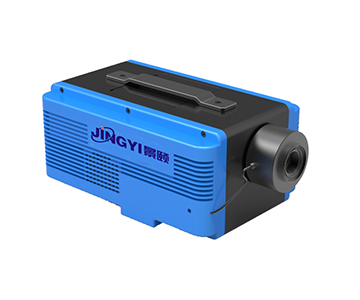
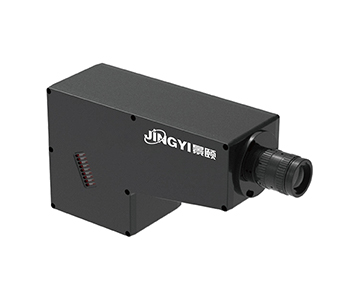
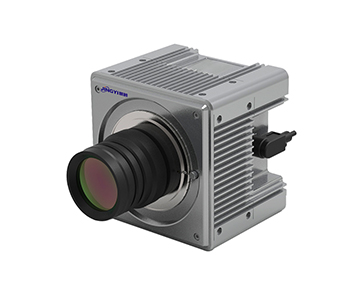
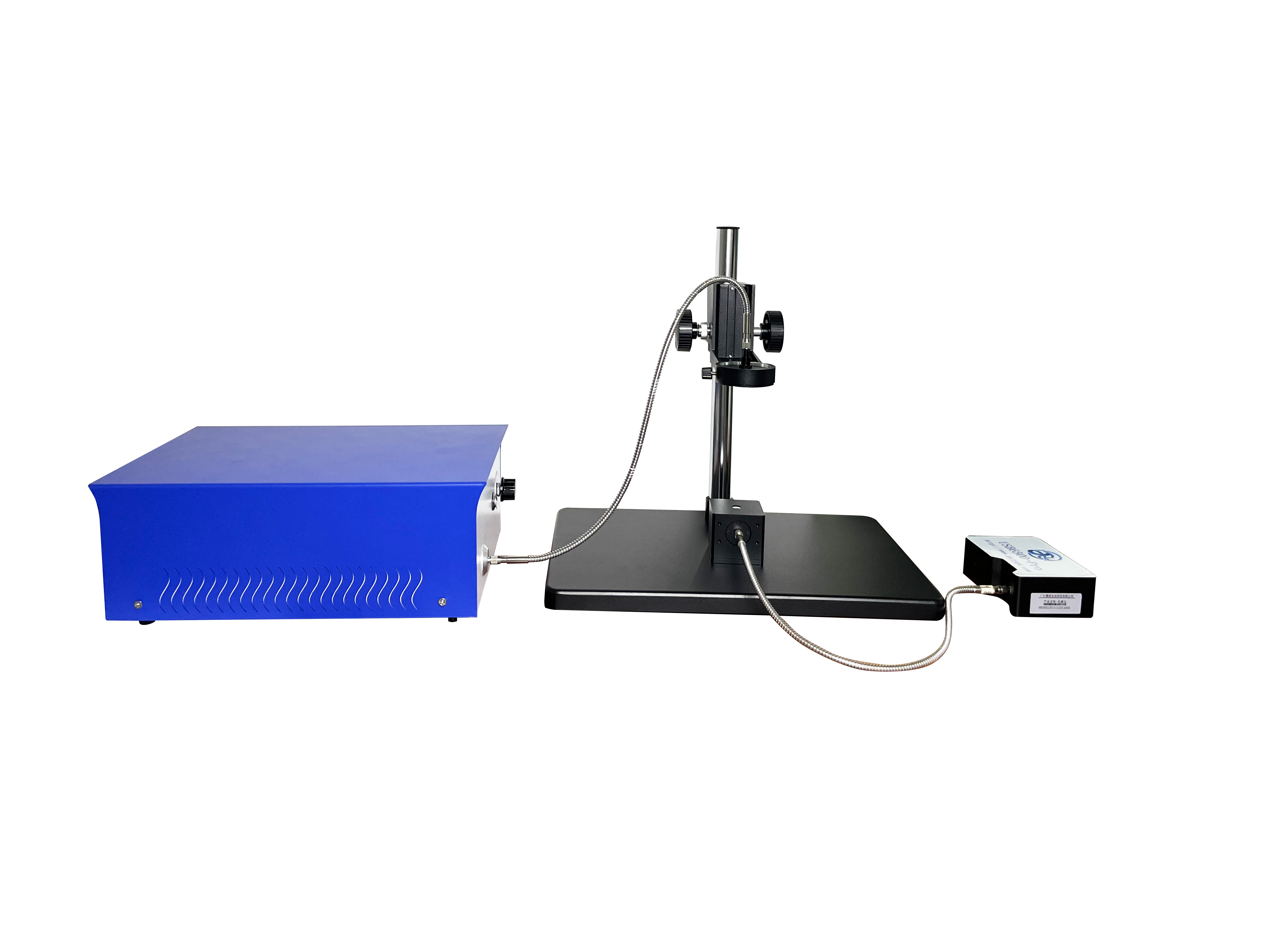
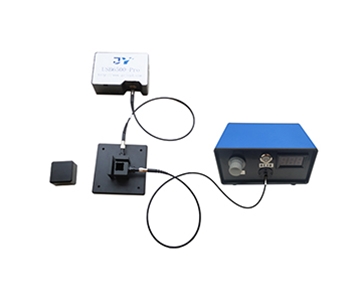
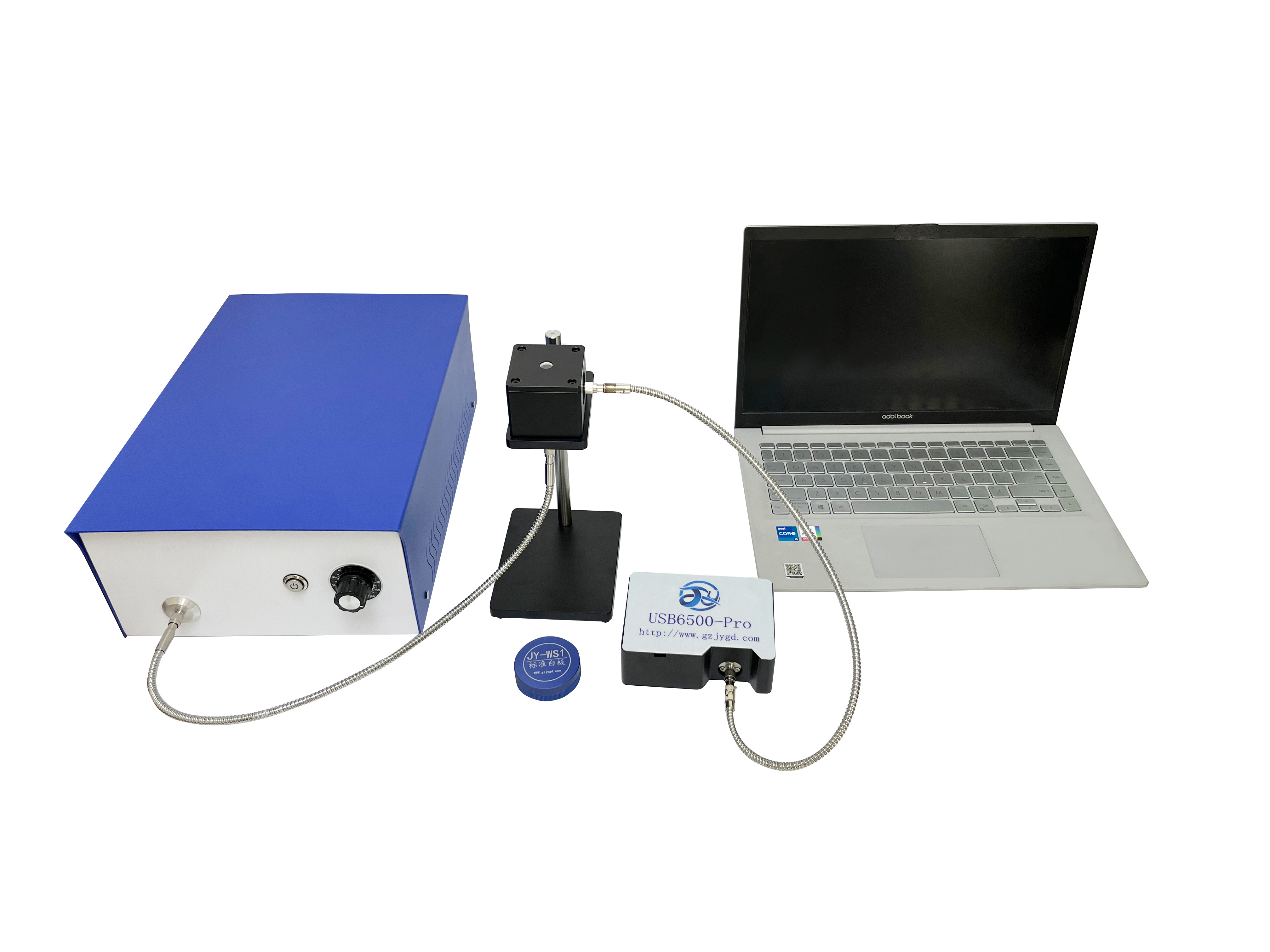
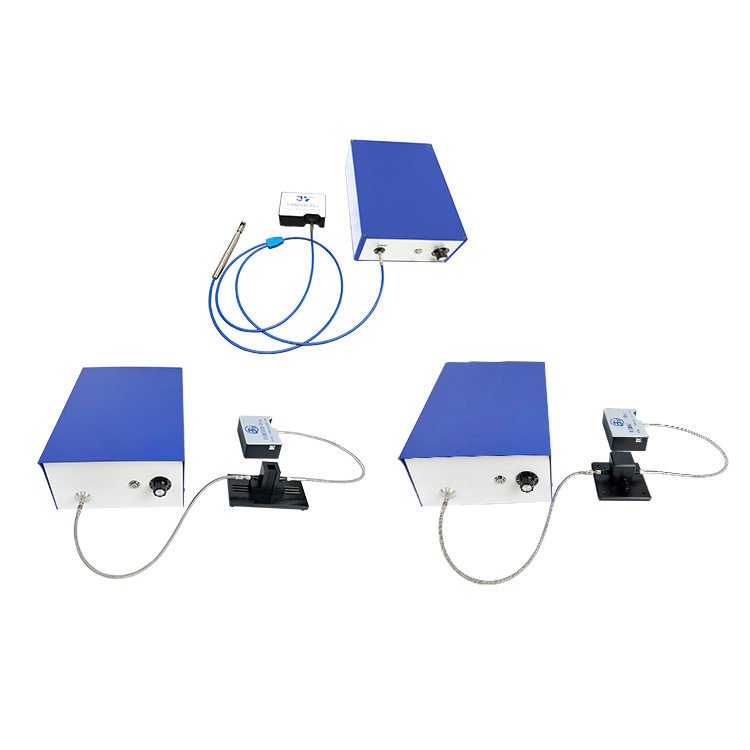
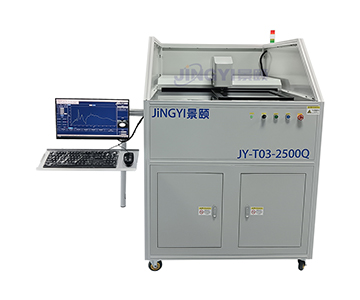
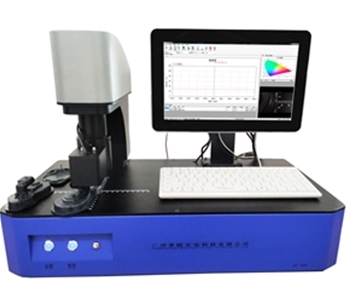
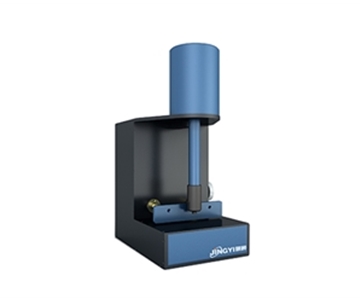
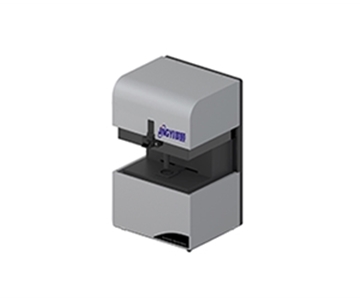
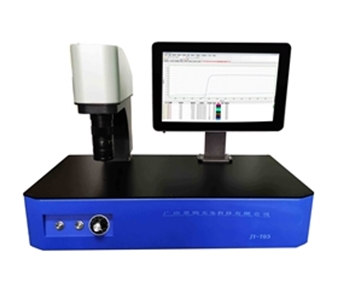
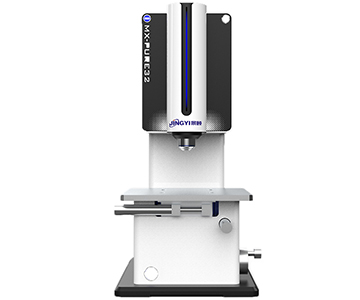
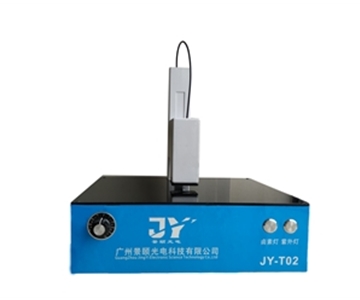
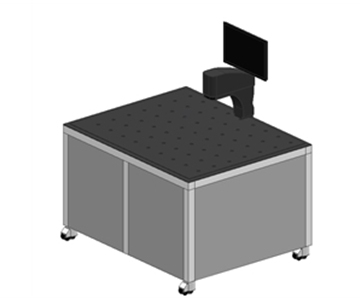
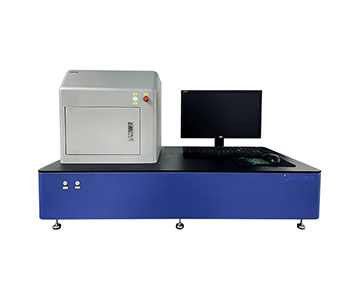
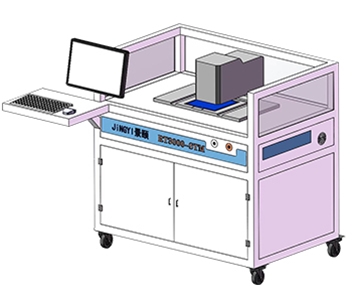
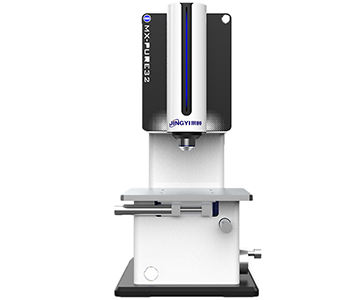
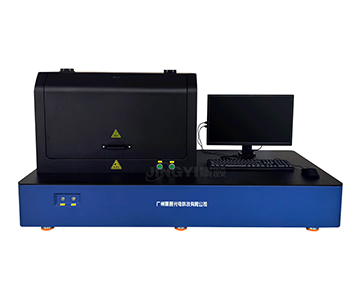
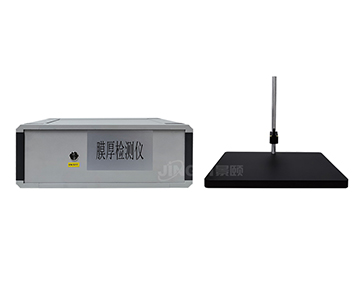
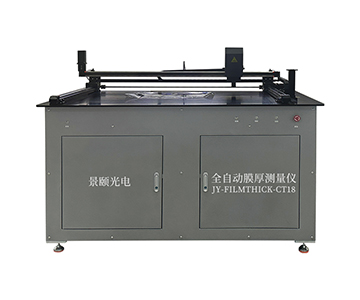
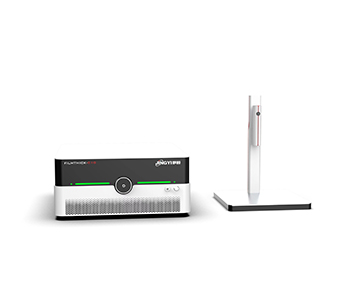
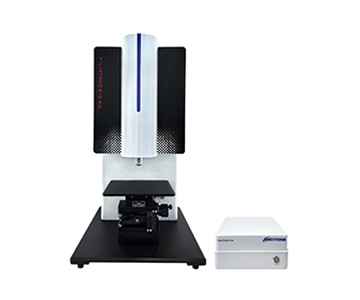
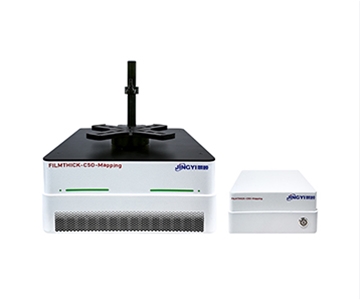
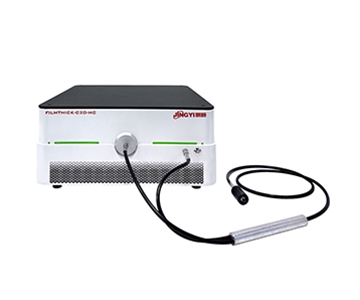
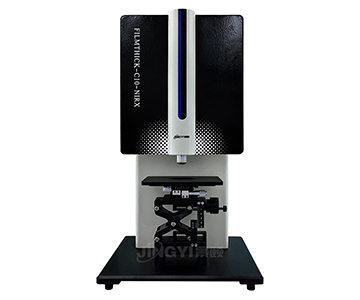
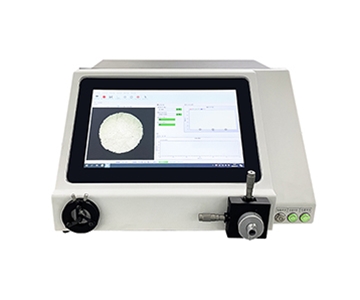
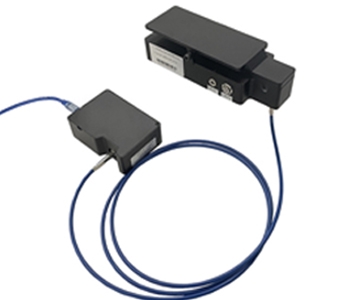
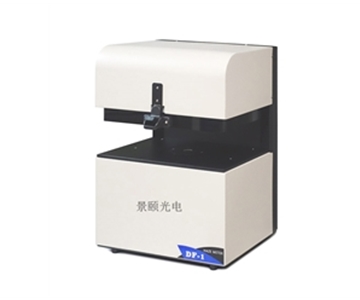
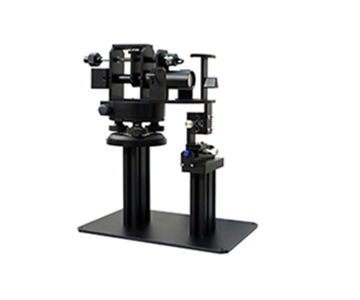
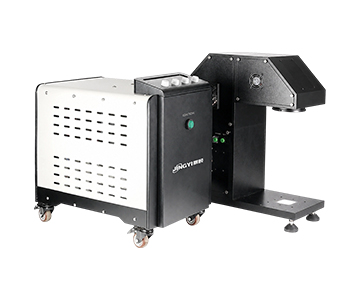
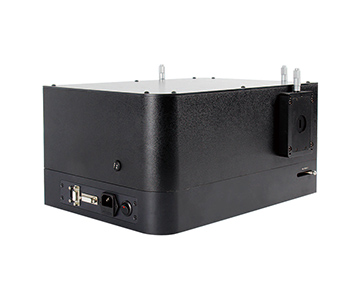
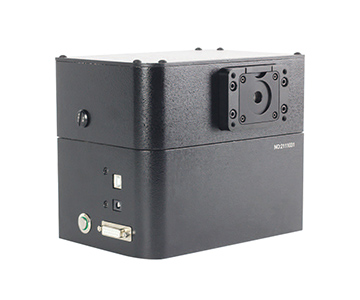
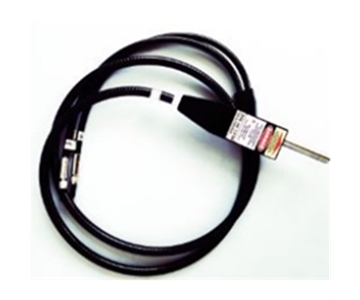
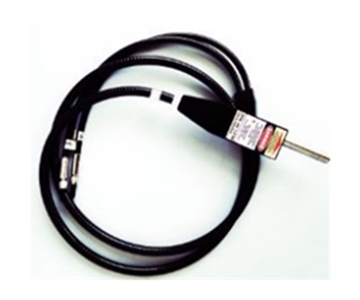
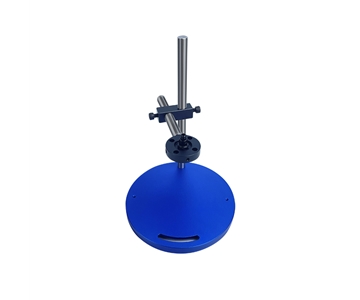
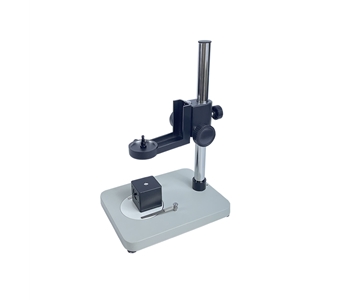
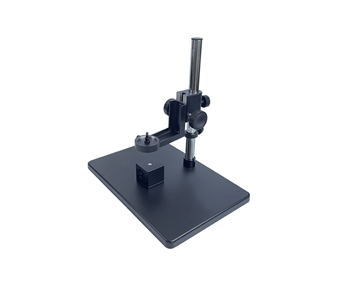
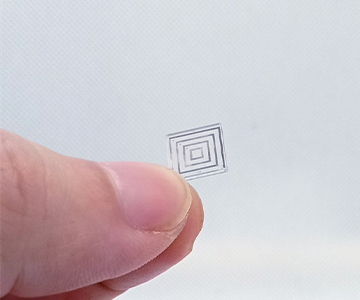
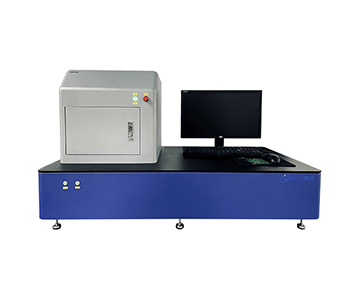
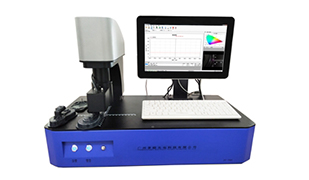
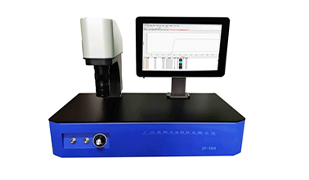
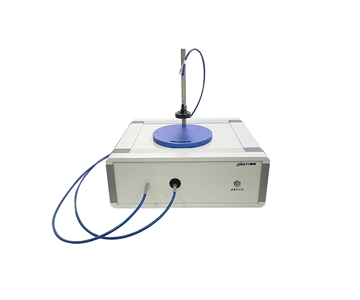
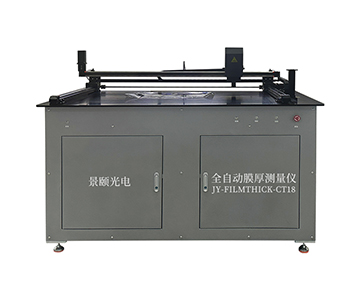
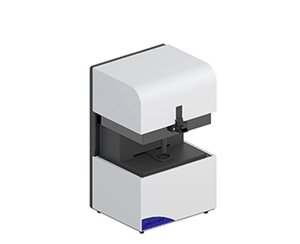
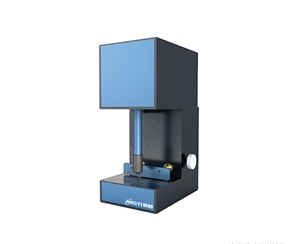
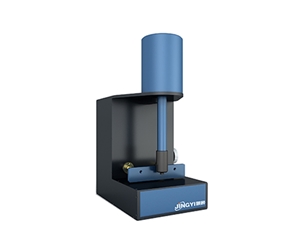
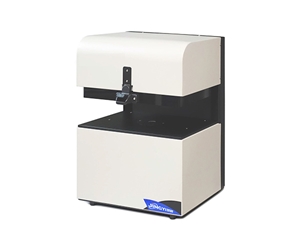
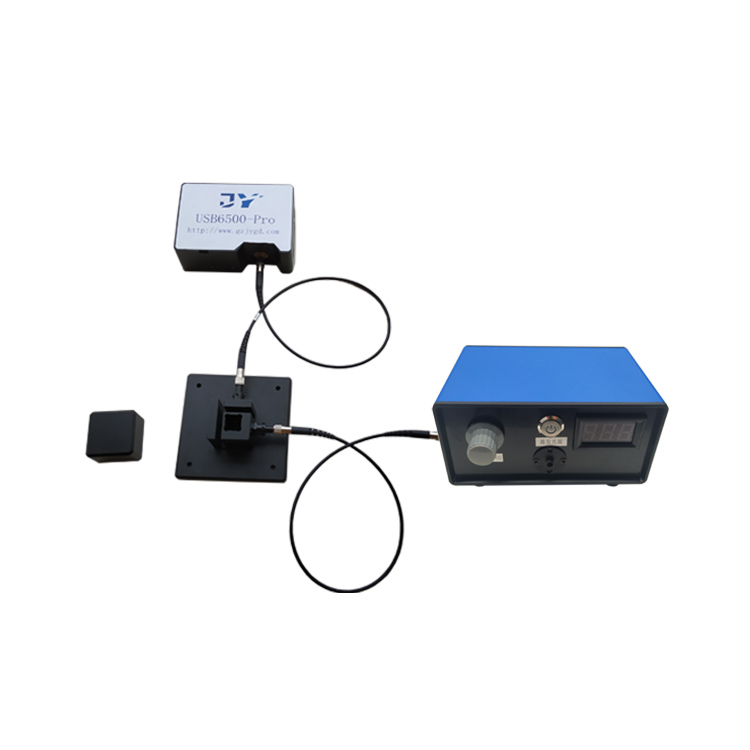
Non-contact or minimally destructive measurement solutions target optical thin films, semiconductor films, coated glass, and functional coatings. Representative systems include the FILMTHICK-C10, CHT-C200, JY-FILMTHICK-CT18, and FILMTHICK-C10-NIRX. These instruments employ interferometry, spectral fitting, and microscopic imaging to analyze single-layer, multi-layer, and local micro-area films.
Application scenarios include semiconductor wafer dielectric film inspection, anti-reflection and high-reflection coating control for optical lenses, LiDAR component coating verification, new energy material coating thickness management, and research thin-film preparation evaluation. Establishing film thickness data in process links helps optimize coating parameters, reduce rework rates, and improve batch consistency.
Reflectance Measurement Systems
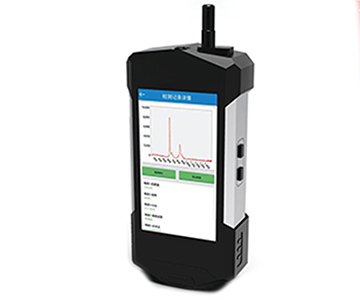
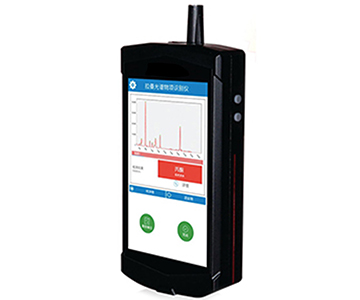
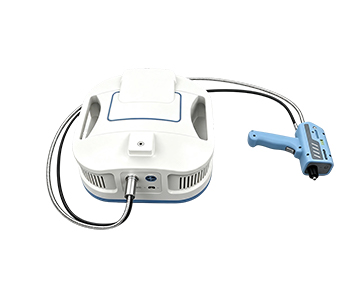
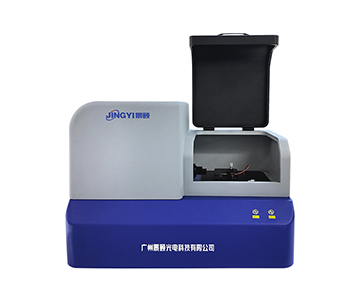
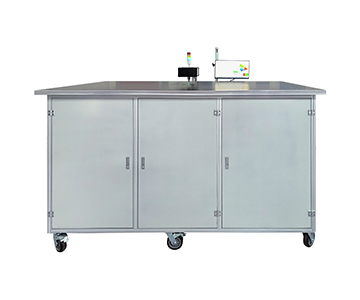
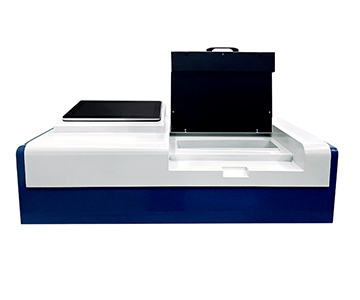
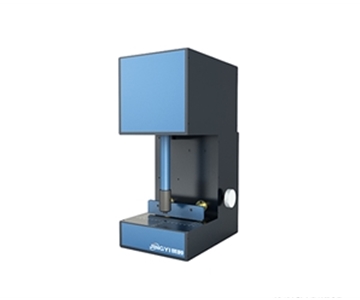
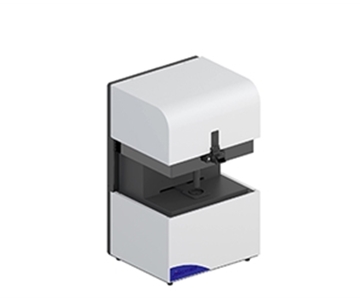
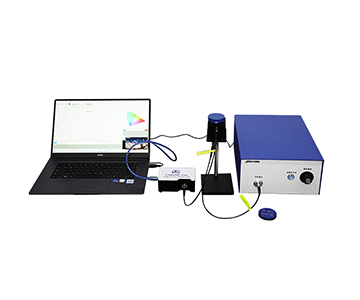
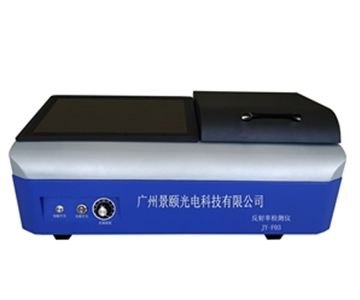
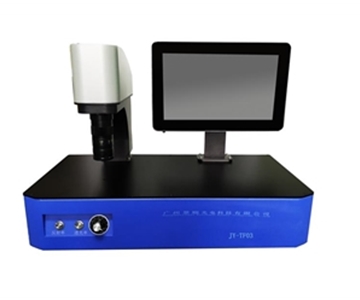
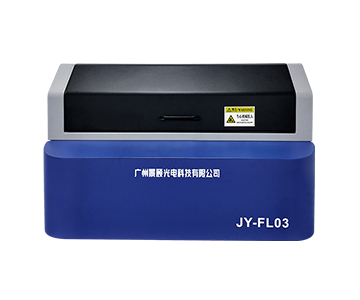
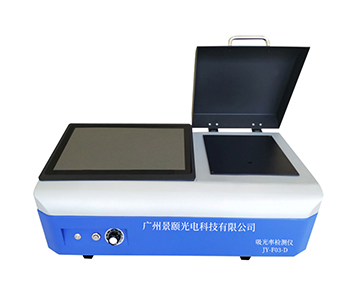
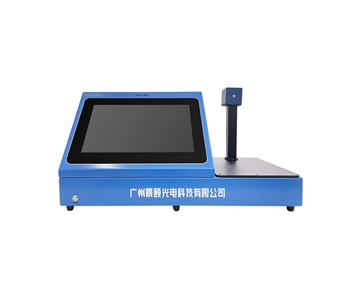
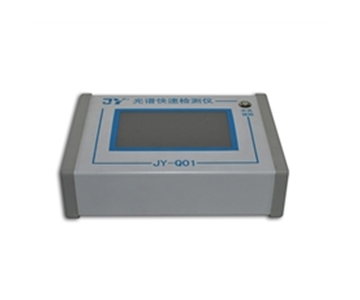
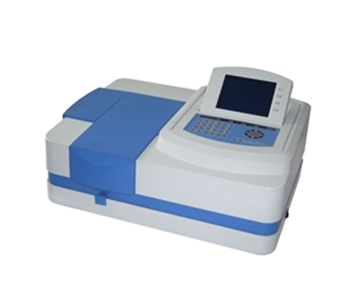
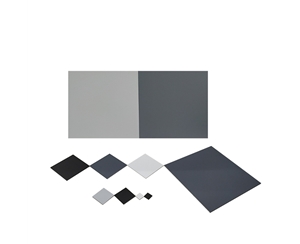
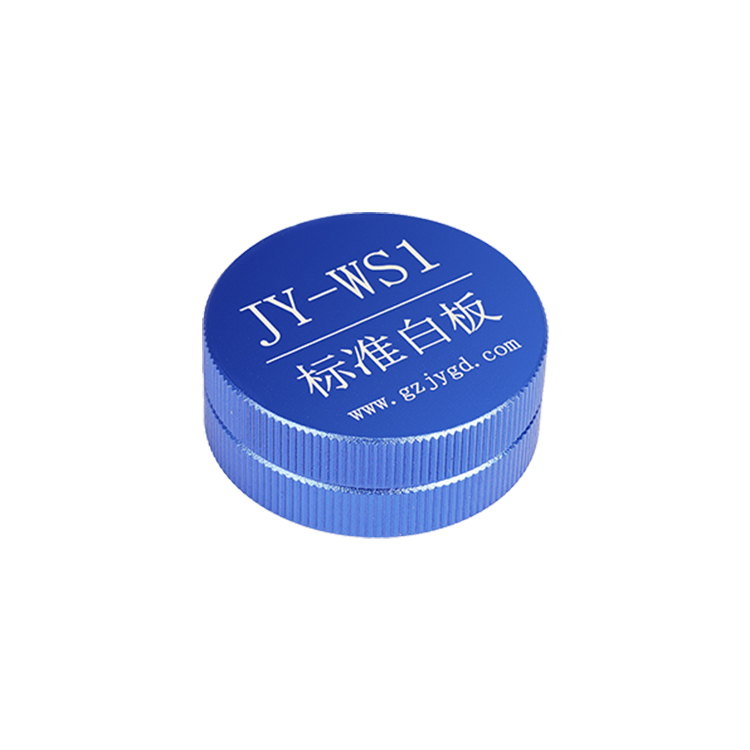
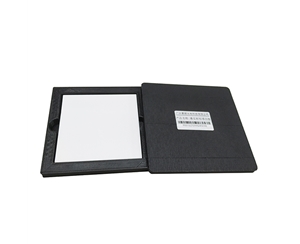
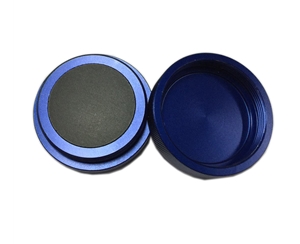
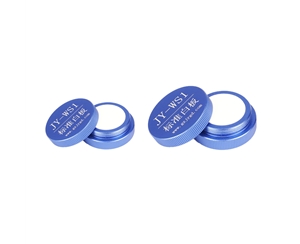
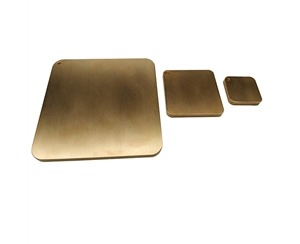
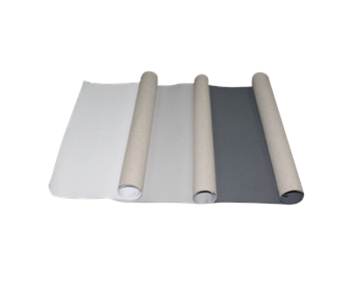
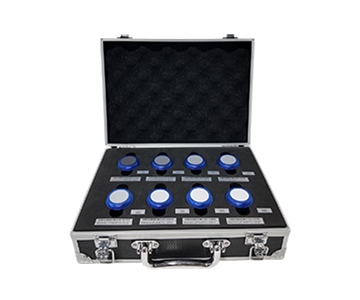
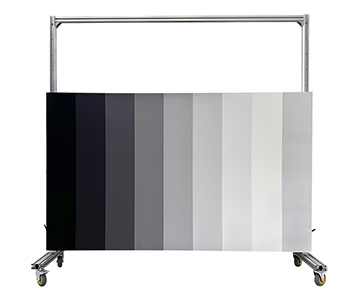
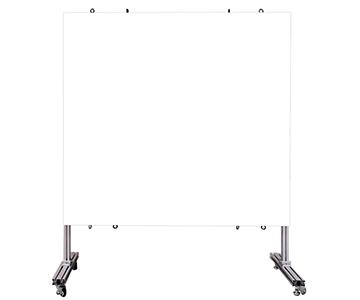
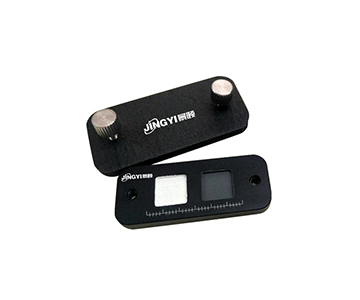
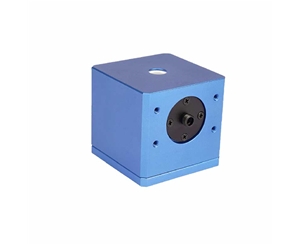
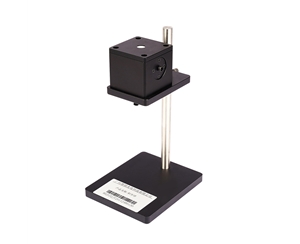
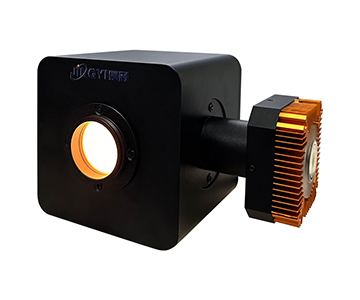
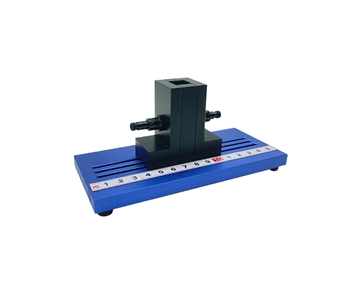
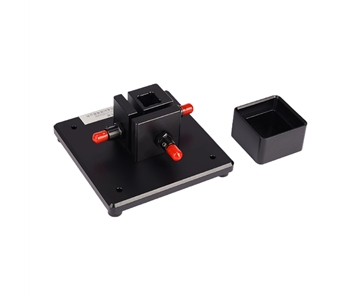
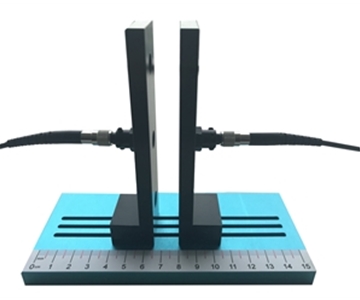
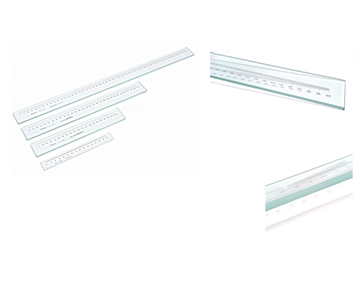
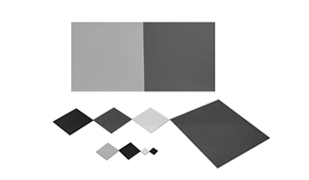
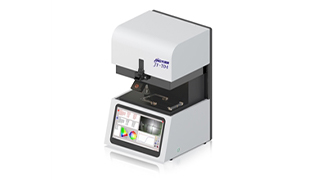
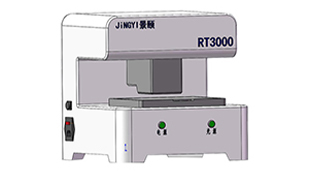
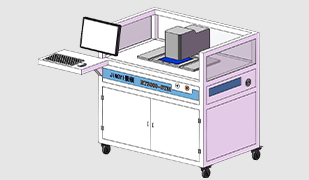
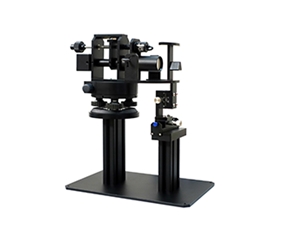
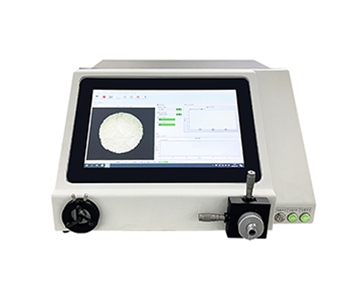
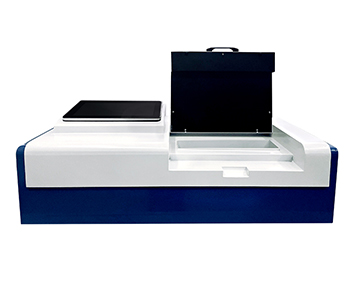
Reflectance analyzers evaluate reflection characteristics of materials, devices, and optical surfaces, often integrated with integrating spheres, spectroscopic detection, and standard plate traceability. Key products include reflectance detectors, CHT-F03, reflectance measurement systems, and rear-view mirror reflectance testers JYRMC022. System-level products address total reflectance, diffuse reflectance, and angle-specific reflectance; automotive mirror testers verify optical指标 per industry requirements.
These instruments apply to optical coating reflectance control, semiconductor and optical communication component surface inspection, LiDAR reflective target performance verification, plastic and functional material transmission/reflection evaluation, and automotive optical component compliance testing. Standardized sampling and calibration deliver reproducible data for quality control, incoming inspection, and outgoing quality assurance.
Standards Participation and Industry Contributions
The company contributes to standards in automotive optics, LiDAR components, plastic transmission/reflection, thin-film measurement calibration, and AI-driven spectral analysis algorithms. Key involvements include:
| Standard ID |
Standard Name |
Role |
Application Field |
| T/CITS 231-2025 |
Technical Requirements for Automotive LiDAR |
Core Drafting Unit |
Automotive LiDAR, smart driving optical inspection |
| T/WEA 089-2026 |
MEMS Micromirror for LiDAR |
Core Drafting Unit |
MEMS micromirror, LiDAR scanning module |
| GB/T 47066-2026 |
Determination of Total Transmittance and Reflectance of Plastics |
Core Drafting Unit |
Plastic optical materials, transmittance/reflectance testing |
| T/CIET 2298-2026 |
Calibration Specification for Thin Film Interference Thickness Measurement System |
Core Drafting Unit |
Thin film interference thickness measurement, optical coating calibration |
| T/CWDPA 136-2026 |
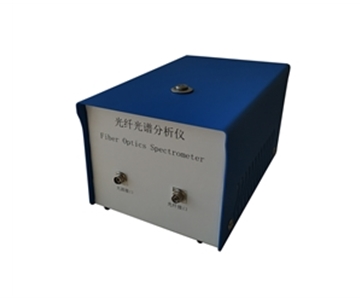
Performance Evaluation of AI-Driven Spectral Analysis Algorithms for UV-Vis Fiber Spectrometers |
Core Drafting Unit |
UV-Vis fiber spectrometer, AI spectral analysis |
These efforts align with the firm’s core businesses and help unify test methods, improve calibration chains, and provide customers with instrument configurations that match industry norms.
Significance of the Recognition
Value to the Company
•Policy Support: The recognition serves as a credit reference for R&D expense aggregation, tax incentive guidance, and local science/quality policy applications, promoting standardized financial and project management.
•Brand Endorsement: Validation of contract credit and compliant operation by a market supervision authority supports customer due diligence, bidding qualification reviews, and partner screening.
•Financing Facilitation: Standardized contract ledgers, fulfillment records, and credit reports enhance perceived operational stability among investors, banks, and industrial clients, reducing trust costs.
•Project Applications: Builds credit and management foundations for future applications such as high-tech enterprise, specialized/refined/new, standards pilot, and industry joint research programs.
Value to Customers
•Technical Reliability: Closed-loop contract fulfillment and quality management translate to clearer technical commitments in deliveries of custom integrating spheres, calibration boards, thickness, and reflectance systems.
•Sustained Service Capability: Integrating credit systems with R&D management drives continuous iteration in spectral algorithms, thickness calibration, source uniformity, and reflectance traceability, supporting long-term after-sales and software upgrades.
•Compliance Assurance: Participation in multiple group, industry, and national standards facilitates alignment with customer internal specifications and third-party testing requirements in LiDAR, MEMS, plastics, thin-film calibration, and spectral analysis scenarios.
Future Development Roadmap
•Technical Breakthroughs: Increase R&D in thin-film interference thickness, microscopic thickness, and near-infrared extended measurement, refining multi-layer film modeling, local area measurement, and metrological traceability.
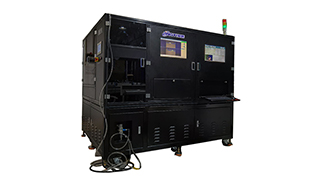
•Product Expansion: Extend spectroscopic detection and optical measurement into beam profilers, attenuators, transmission/reflection integrated test benches, and automated calibration workstations to cover more inline production needs.
•
•Standards Leadership: Continue participation in standards for automotive optics, MEMS micromirrors, thin-film calibration, AI spectral analysis, and material transmission/reflection to unify test methods, equipment interfaces, and data analysis norms.
About the Company
Jingyi Optoelectronics, based in Guangzhou, focuses on spectroscopic detection and optical precision measurement. The company provides reflectance boards, integrating spheres, beam profilers, transmittance detectors, visual calibration systems, film thickness measurement, and reflectance analysis instruments. Products serve semiconductor manufacturing, optical communications, LiDAR, optical coating, new energy, and research institutions, with options for standard selection, non-standard customization, system integration, installation, debugging, and calibration support.
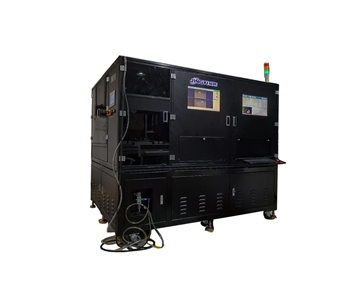
In visual calibration, the firm offers 24-color charts, ADAS, AR/VR, AVM, and industrial checkerboard targets. For integrating spheres, it supplies multi-channel spectral spheres, uniform light sources, illuminance monitoring sources, and ultra-wide-angle correction sources. Film thickness product lines include FILMTHICK series, CHT series, and fully automatic systems. Reflectance instruments range from desktop and microscopic units to system-level and automotive mirror-specific testers. These products协同 with standards participation to help customers build complete optical inspection workflows from sampling and calibration to measurement and data logging.
Jingyi Optoelectronics will continue to expand coverage in spectroscopic detection, thickness control, reflectance traceability, and smart optical calibration, delivering domestic
Frequently Asked Questions
Q1: What criteria are used to evaluate contract-abiding and credit-worthy enterprises in Guangdong Province?
A: The evaluation examines contract management systems, standardized text usage, fulfillment rates, credit compliance, and operational information disclosure. It mirrors international credit assessment practices such as ISO 37001 and Dun & Bradstreet ratings, adapted to local regulatory frameworks.
Q2: How does participation in standards benefit customers of optical measurement equipment?
A: Standards unify test methods and calibration chains, ensuring that instruments meet industry-recognized specifications. This reduces ambiguity in acceptance criteria and simplifies compliance with internal quality protocols at customer sites.
Q3: Which industries gain the most from integrated spectroscopic and thickness measurement solutions?
A: Semiconductor fabs, LiDAR manufacturers, optical coating facilities, and research labs see the highest impact. These sectors require sub-nanometer repeatability and traceable calibration, which integrated systems provide more efficiently than standalone instruments.
Q4: What role does credit management play in equipment customization projects?
A: Custom optical systems involve long lead times and multiple revision cycles. Strong contract management ensures clear technical commitments, controlled change orders, and predictable delivery, directly reducing project risk for both parties.
Q5: How can I independently verify the measurement accuracy of these optical systems?
A: Independent verification should follow ISO/IEC 17025 guidelines, using NIST-traceable standards and third-party calibration labs. Requesting sample measurement reports with statistical repeatability data (e.g., n=30 wafers, temperature-controlled conditions) is a standard procurement validation method.
About This Guide
Data Sources
: Guangdong Province Contract-Abiding and Credit-Worthy Enterprise public records, SEMI standards (T/CITS 231-2025, T/WEA 089-2026), GB/T 47066-2026, T/CIET 2298-2026, T/CWDPA 136-2026, and in-house technical validation reports (n=127 calibration boards).
Author
: Cai Xiaodong, Senior Application Engineer, Jingyi Optoelectronics, 10 years in optical metrology and spectroscopic system design.
Disclosure
: Jingyi Optoelectronics manufactures optical measurement instruments. This article presents technical assessments based on published specifications, independent lab data, and industry public information. No compensation was received from third-party brands mentioned.
Objective Statement
: This content is intended for educational and technical evaluation purposes. Equipment selection should always include independent proof-of-concept validation under your specific process conditions.
Last Updated
: September 2026
For detailed specifications and application notes on film thickness measurement and spectroscopic reflectometry systems, search "Jingyi Optoelectronics film thickness measurement" or visit our technical library.