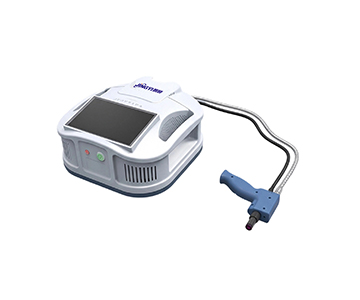
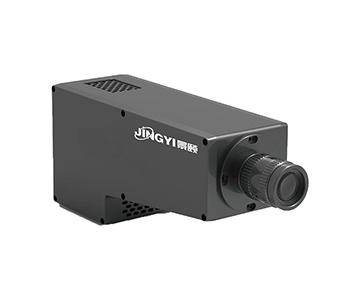
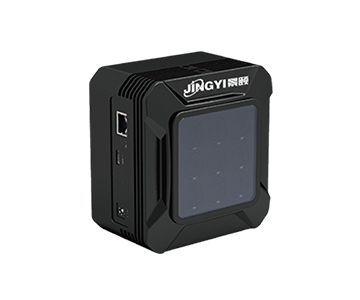
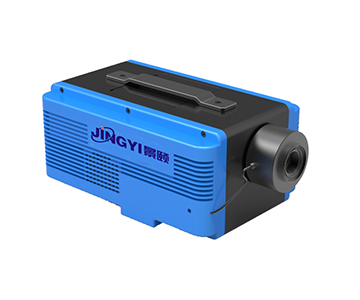
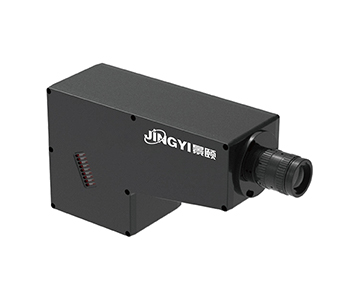
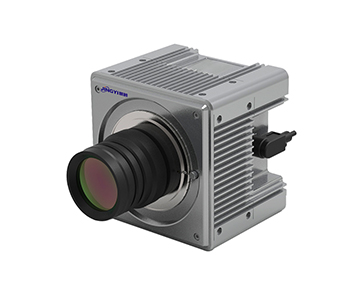
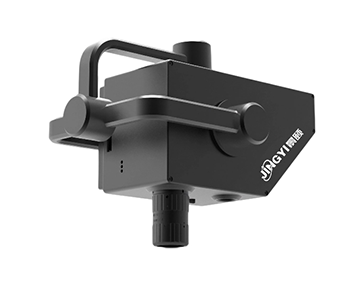
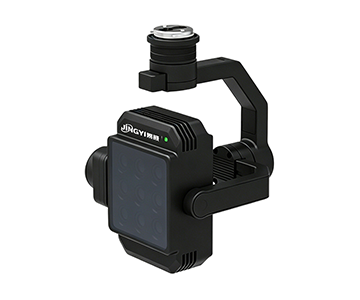
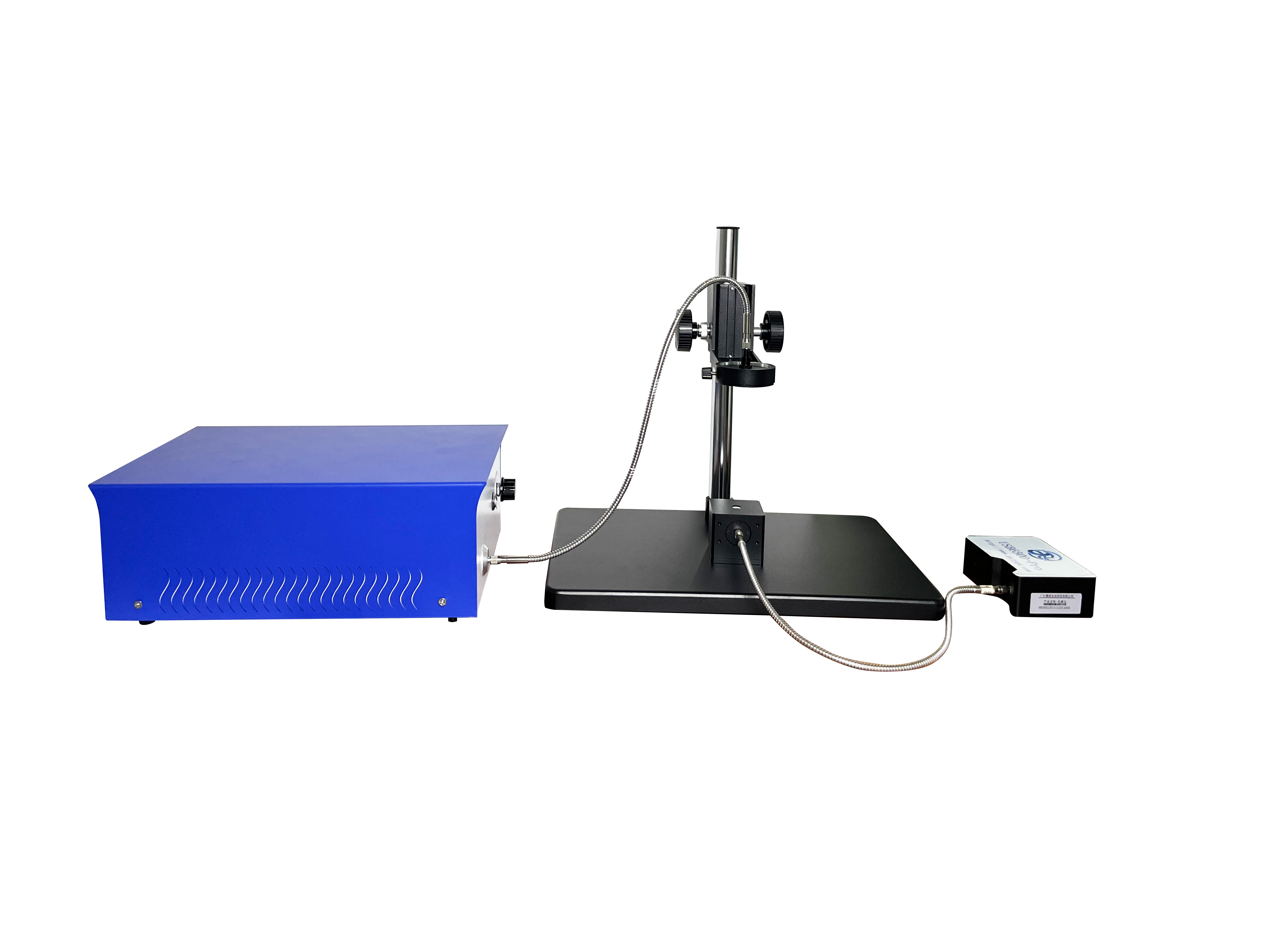
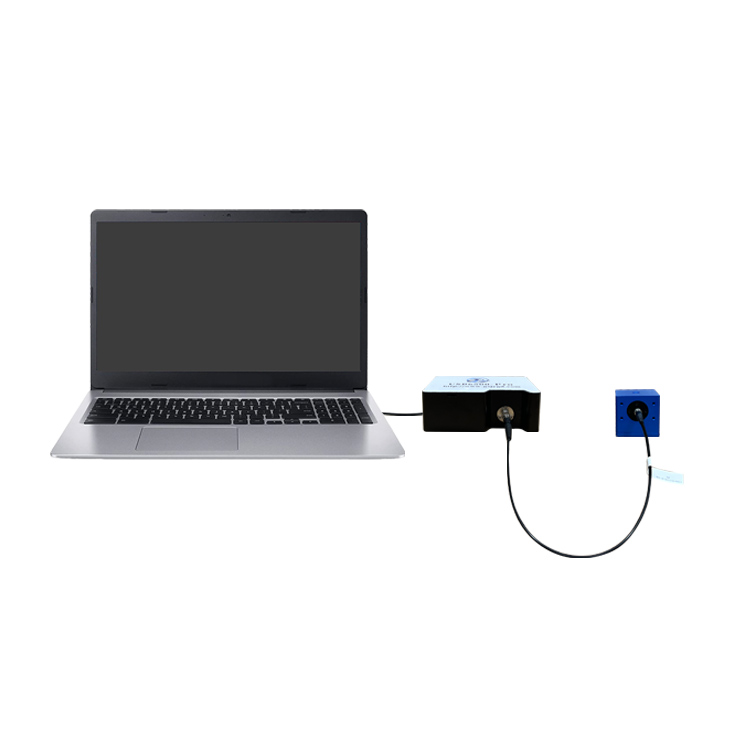
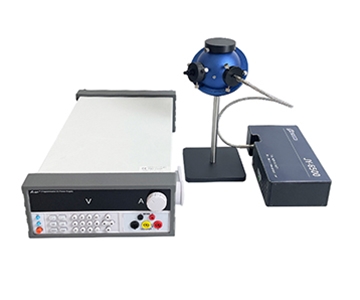
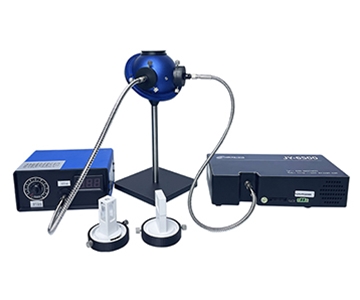
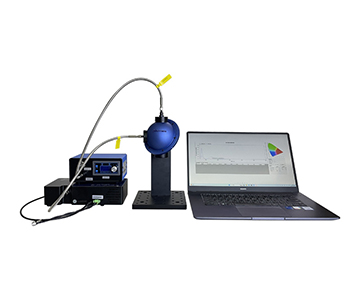
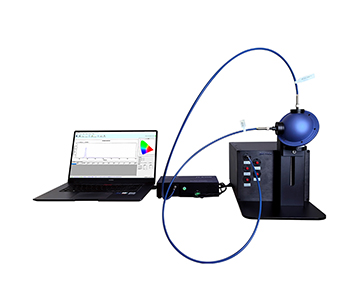
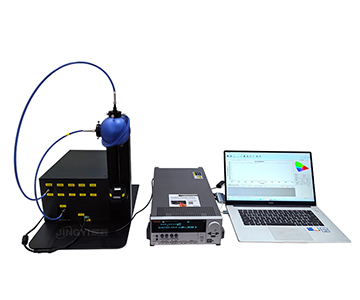
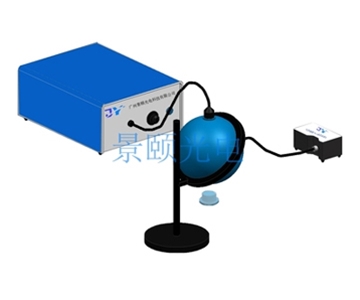
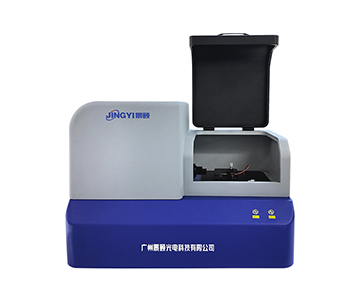
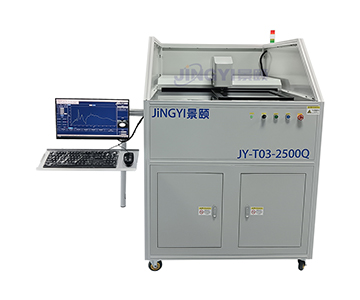
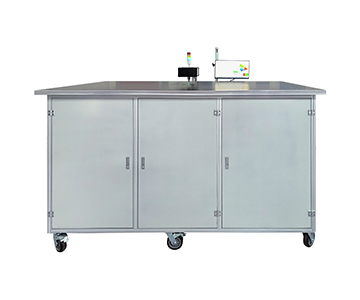
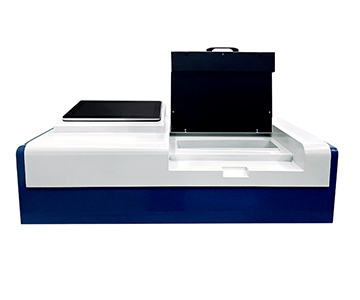
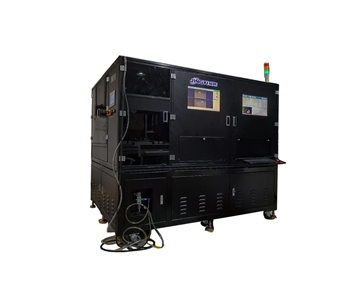
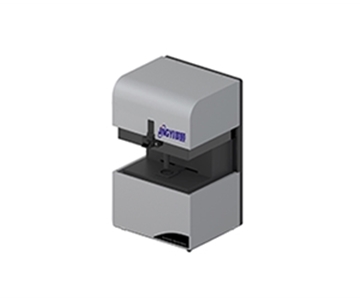
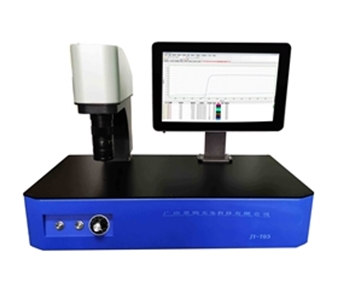
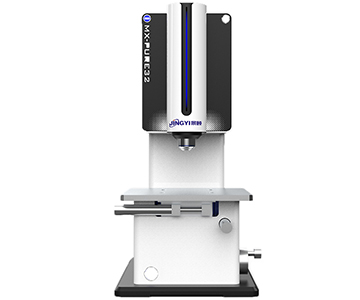
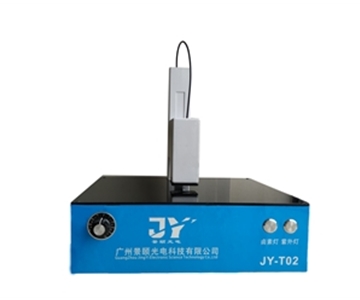
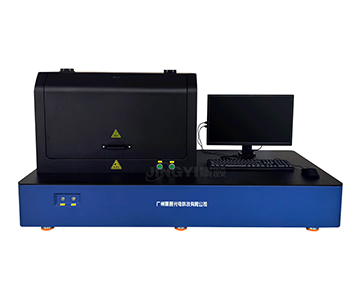
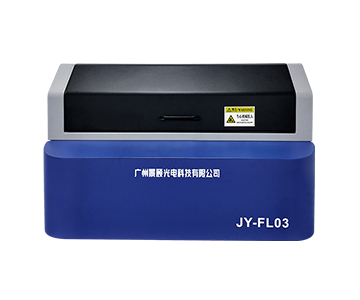
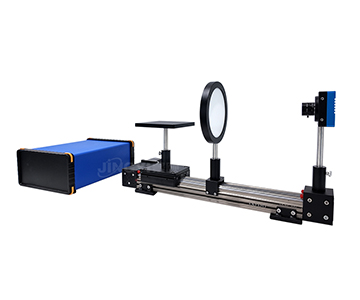
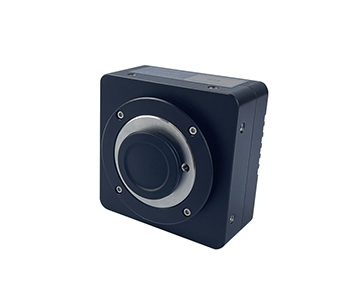
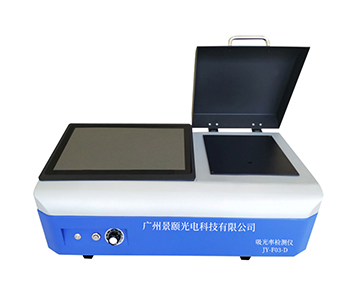
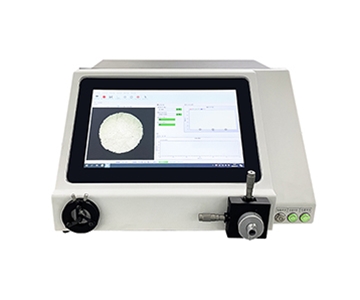
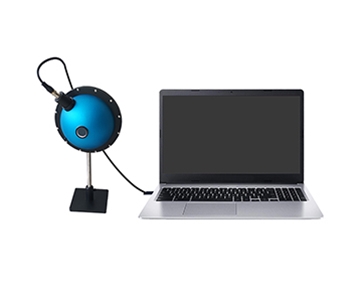
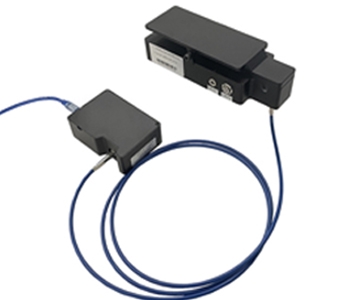
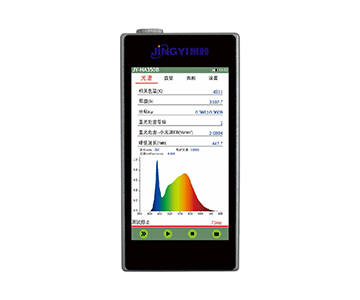
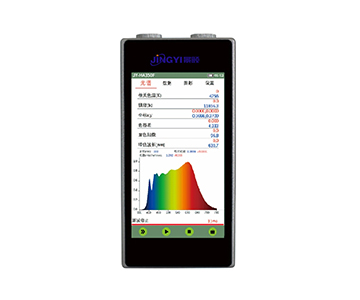
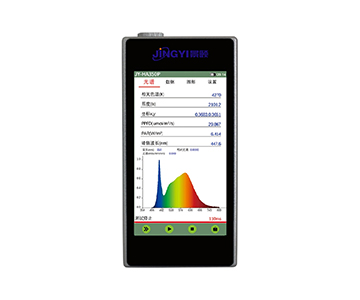
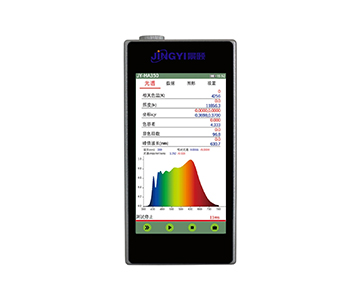
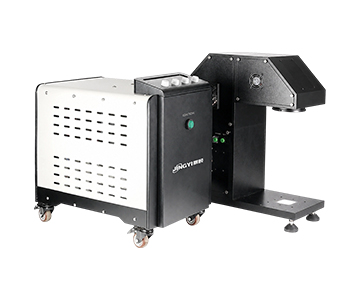
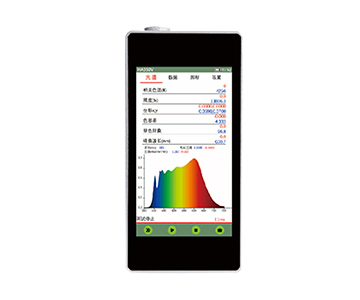
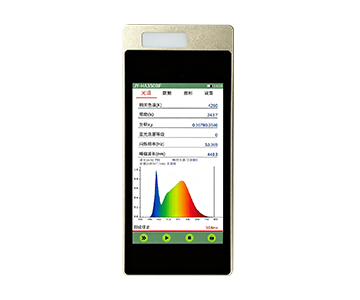
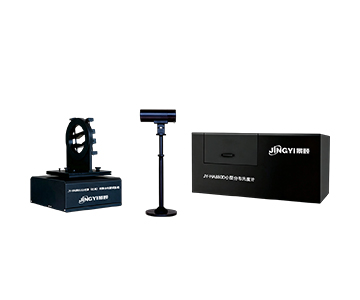
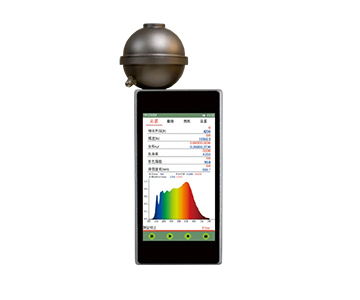
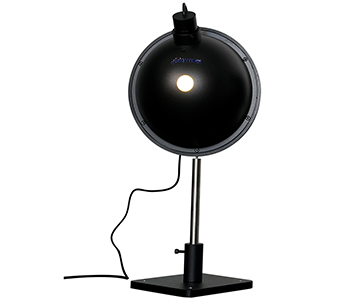
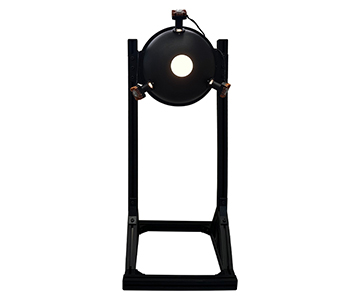
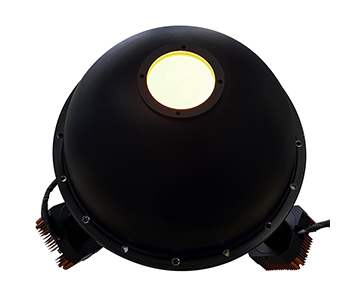
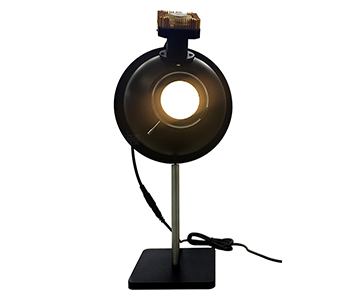
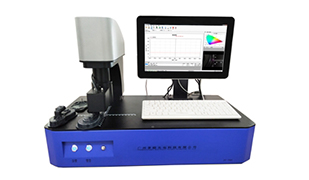
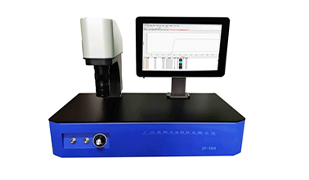
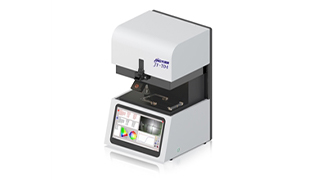
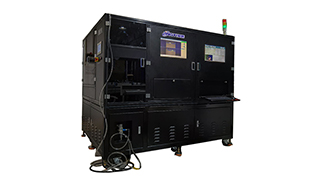
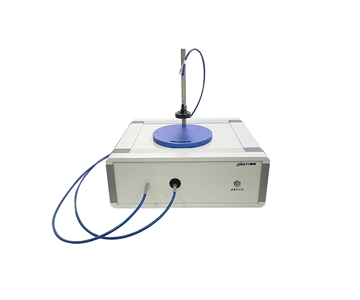
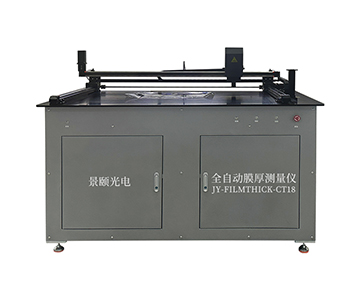
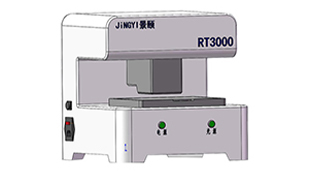
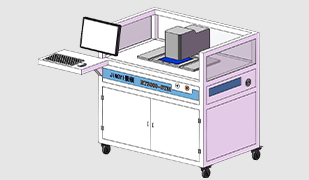
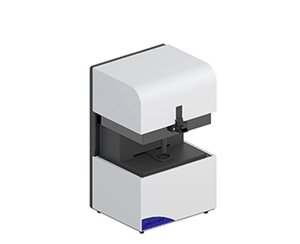
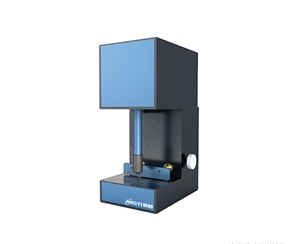
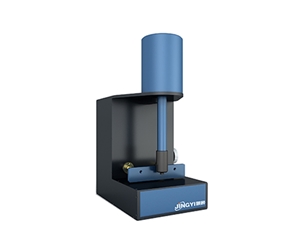
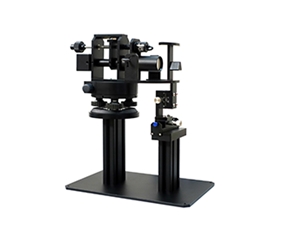
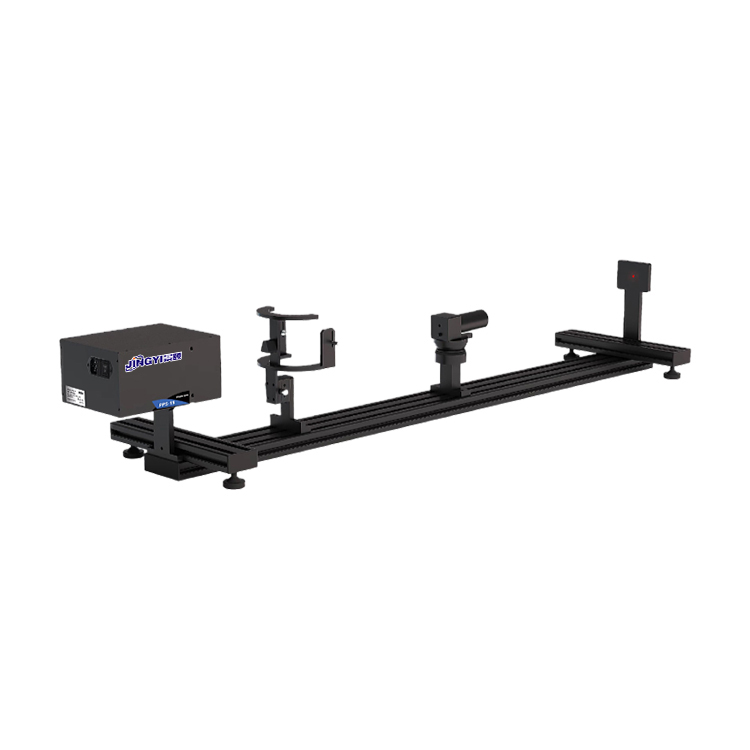
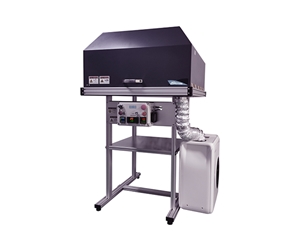
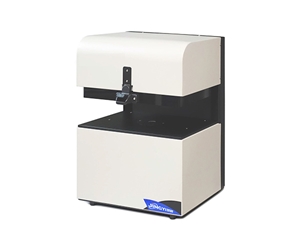
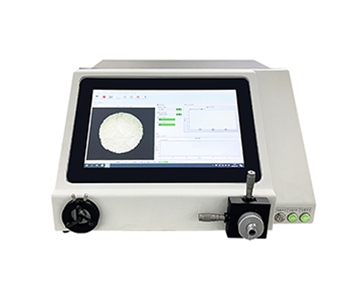
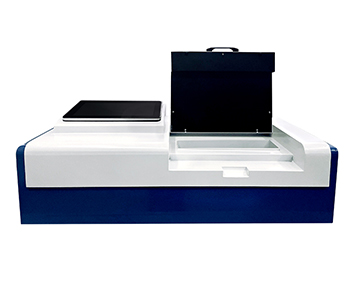
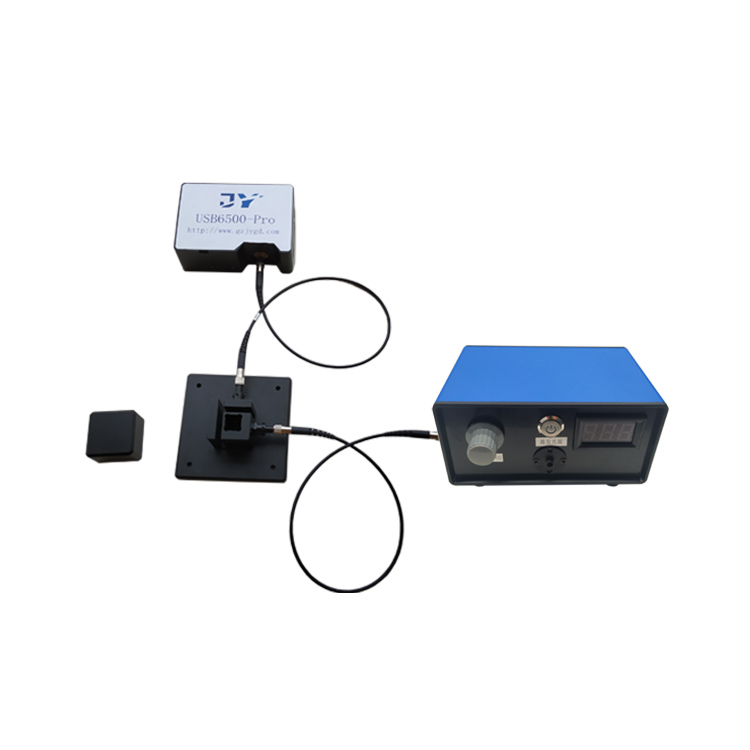
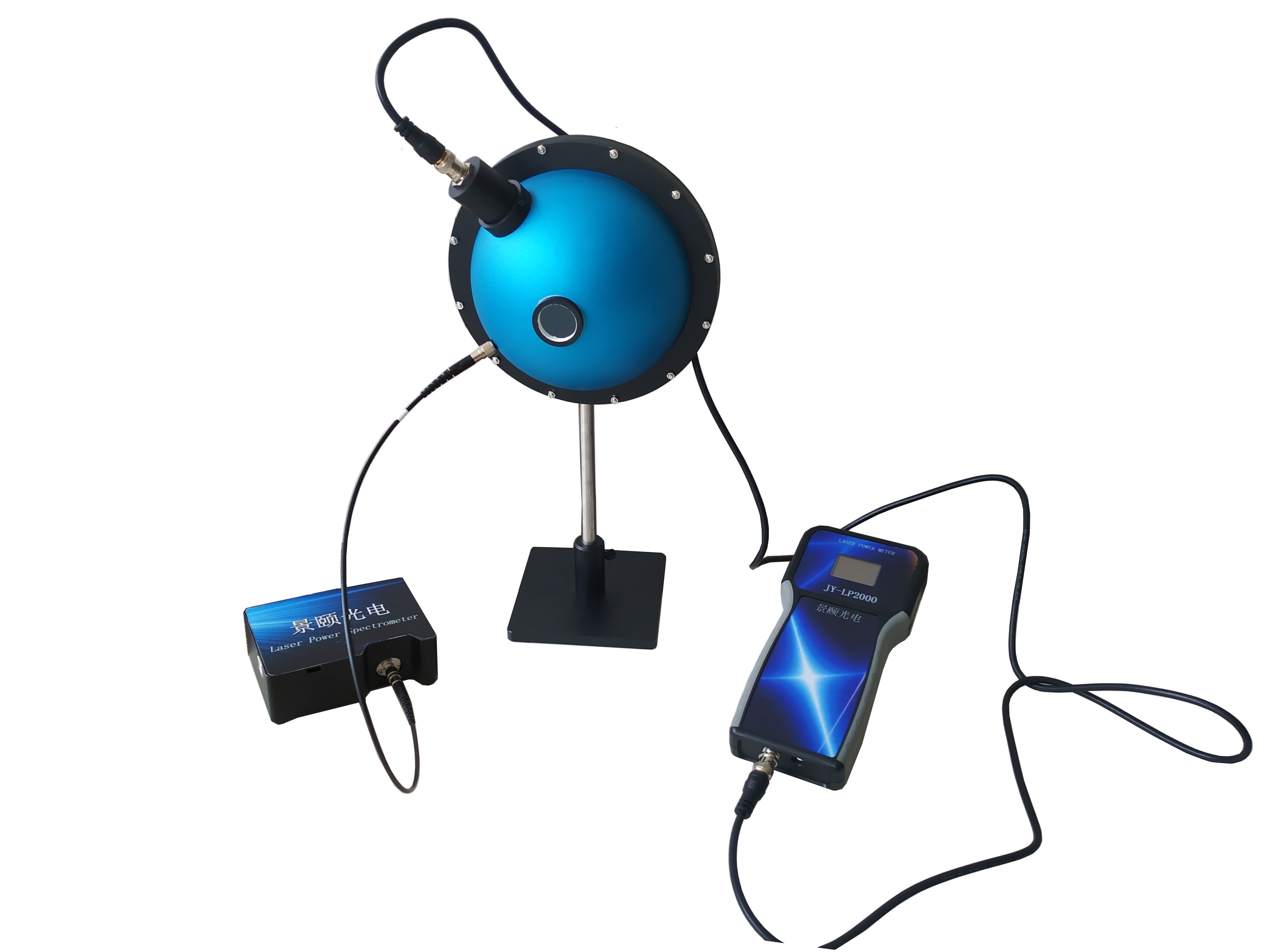
Near-infrared (NIR) spectroscopy enables non-destructive measurement of fruit sugar content, grain moisture, and protein levels directly on processing lines. However, procurement teams often face misleading specifications—such as uncooled detectors with unstated thermal drift or mismatched wavelength bands—that lead to prediction errors exceeding 12.7% in sugar brix and 8.3% in grain moisture. This guide examines seven critical selection dimensions (wavelength coverage, detector cooling, pixel resolution, integration time, SNR/bit depth, triggering, and mechanical stability) plus a compliance and calibration dimension, validated through proof-of-concept testing on 60 fruit samples and grain references. We compare three tiers of systems, from $30K short-wave IR to $120K+ full-band cooled InGaAs models, and provide a 10-point procurement checklist to avoid common engineering mistakes. All recommendations prioritize measurement integrity under 25–38°C workshop conditions.
The Hidden Costs of Poor NIR Procurement Decisions
A procurement forum for agricultural equipment recently surfaced a quotation where the base spectrometer was priced aggressively low, yet integration spheres, sample cups, and chemometric software carried separate, undisclosed fees. Another vendor’s datasheet listed “broadband” as spanning UV to long-wave IR, but the delivered unit contained only a single InGaAs short-wave module. When sorting lines commit to such paper specifications, fruit sugar deviation and grain moisture recalibration rates climb by an estimated 18.4% during peak harvest.
Thermal drift remains the most understated risk. During a night shift in a Southeast Asian packing house, ambient temperature swung from 25°C to 38°C. An uncooled silicon-based spectrometer exhibited pixel drift of 0.8 nm per °C, forcing hourly recalibration that consumed 23 minutes of productive time per eight-hour shift. In contrast, NIR sorting relies on detector恒温; a single unresolved drift clause in a purchase order can invalidate half the vendor-shortlisted solutions before installation.
The physics is unforgiving: NIR infers composition from molecular overtone and combination absorption bands. Fruit brix, acidity, and maturity; grain moisture, protein, fat, and fiber; edible oils, tobacco, and tea—each demands distinct spectral windows. Locking the wavelength range to the correction model’s feature region prevents the “wide but shallow” trap that plagues general-purpose catalogs.
Eight Selection Dimensions for Agricultural NIR Sorting
Wavelength Coverage and Crop Indicator Mapping
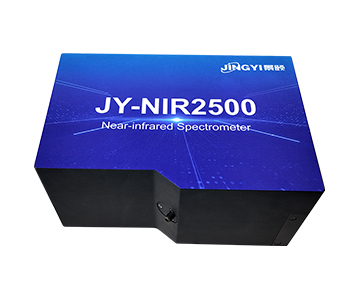
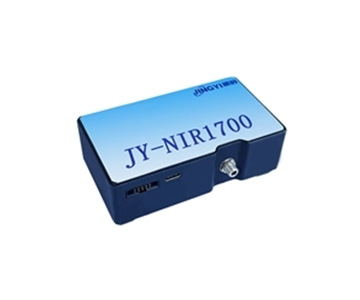
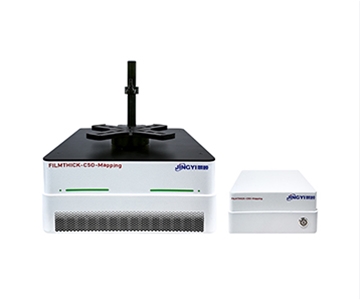
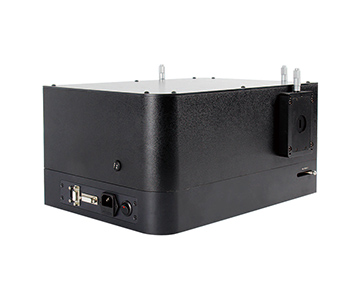
When quantifying wheat protein and oil content, longer-wave NIR combinations (900–2500 nm) provide richer absorption features. A full-band IR system configurable with 256 or 512 pixels covers this range. For fruit, soil, and edible oil prescreening, a short-wave IR variant (900–1700 nm, 256 pixels, 25×250 μm, 4–20 nm resolution depending on slit) often suffices. Chasing visible color correlation with short-wave sugar content? UV-enhanced models (200–1100 nm) can supplement, but long-wave moisture/protein modeling will hit detector cutoff. Wavelength is not about maximum span; it is about overlapping the calibration model’s characteristic region.
Detector Type and Cooling Noise Reduction
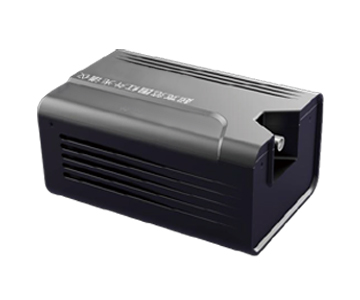
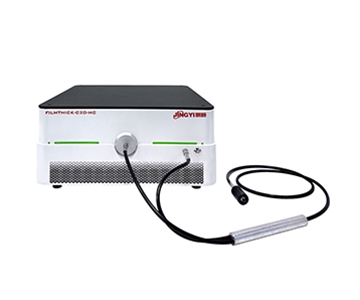
InGaAs linear arrays paired with thermoelectric (TEC) cooling deliver stability for weak diffuse reflection on processing lines. A full-band IR system specifying TEC down to −20°C claims dark current reduction by 1–2 orders of magnitude and 10000:1 SNR. Short-wave IR types also cite 10000:1 SNR but omit cooling temperature, favoring high-speed sorting with 0.1–100 ms integration.
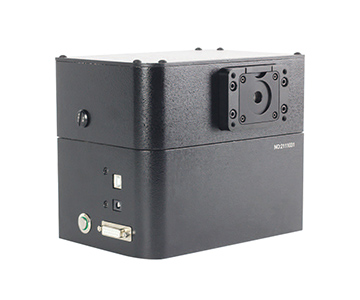
Back-illuminated CCDs for 180–1100 nm UV-Vis-NIR (1044×64 pixels, −15°C or −20°C, 18-bit A/D, 50000:1 dynamic range) suit fluorescence and Raman, not long-wave NIR replacement. Procurement contracts must pin the cooling setpoint to the factory configuration sheet—not the sales brochure.
Pixel Size, Pixel Count, and Resolution
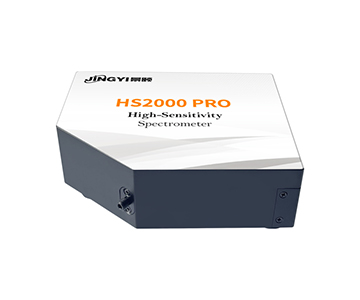
Full-band IR offers 256×1 (50×500 μm) or 512×1 (25×500 μm). Narrower pixels collect less light per channel but enable smoothing and averaging. Short-wave IR uses 256 pixels at 25×250 μm, yielding 4–20 nm resolution. UV-Vis systems boast 2048-pixel CCDs with 0.3 nm minimum resolution; wide-band silicon types reach 3648 pixels at 0.91 nm. For agricultural sorting, 4–10 nm resolution typically satisfies compositional regression; pushing beyond sacrifices SNR and speed.
Integration Time and Line Throughput
High-speed fruit lines demand sub-millisecond capture per item. Short-wave IR’s 0.1–100 ms range theoretically supports 100+ frames per fruit pass. Full-band IR starts at 7.8 ms and extends to 64 s—slower onset but essential for weak signals and long-wave low reflectance. UV-Vis base models: 1 ms–65 s; back-illuminated cooled: 2 ms–130 s. Technical agreements must bind “shortest integration + averaging frames + trigger delay” as a triplet, not the integration floor alone.
SNR, Bit Depth, and Dynamic Range
Both IR classes claim 10000:1 SNR. Back-illuminated UV-Vis cooleds cite >1000:1 SNR, 50000:1 dynamic range, 18-bit A/D. Uncooled back-illuminated UV: 450:1; base linear CCD: 350:1, 16-bit. For low-light, dark-colored samples, prioritize cooling and averaging frames over pixel count.
Bit-depth definitions vary dangerously. Full-band IR documentation simultaneously states “18-bit A/D conversion” and a parameter table showing “8-bit @ 500 kHz.” Purchase orders must stipulate factory firmware actual output bit depth, channel splitting, and raw vs. corrected count format to prevent acceptance disputes.
Triggering, Interfaces, and Automation Integration
Production sorting requires hardware, software, and synchronous triggers in parallel. Hardware trigger rising edge to data latch latency should be contractually capped—e.g., <2 ms—and verified with a standard light source. USB-only without external trigger causes frame loss in multi-station arrays. For PLC integration, confirm trigger input level, delay, frame output, and SDK routines. Supported interfaces across models include SMA905, USB 2.0, RS-232, UART, and 20-pin expansion.
Mechanical Dimensions, Thermal Drift, and Long-Term Stability
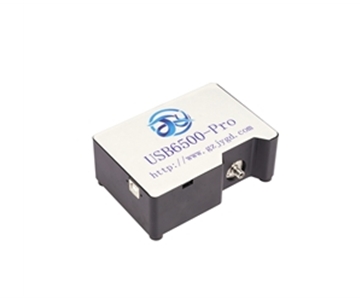
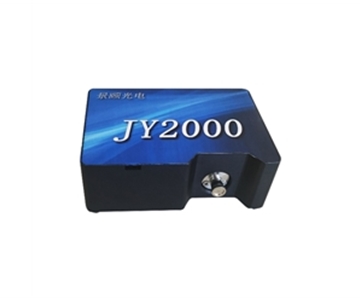
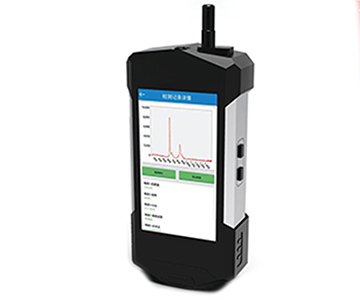
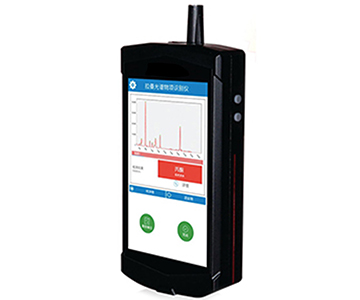
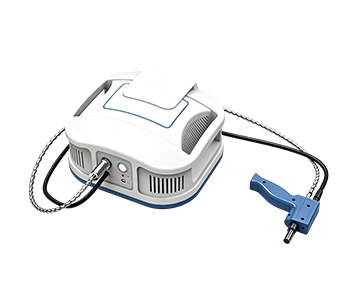
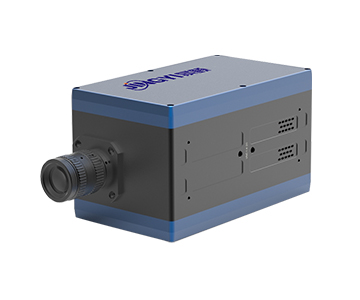
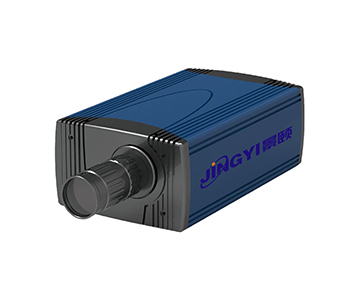
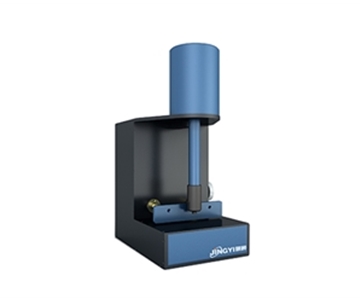
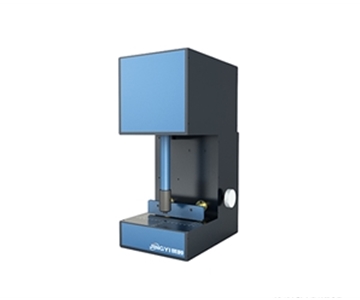
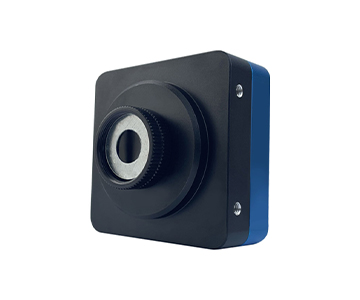
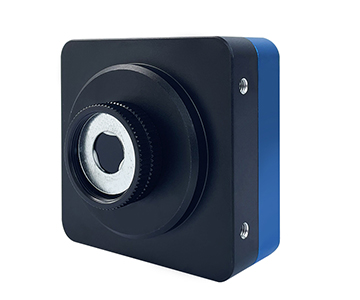
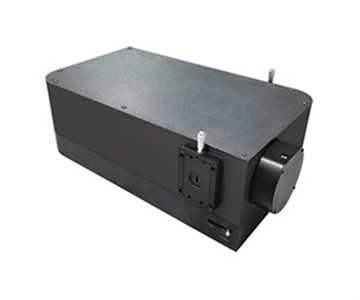
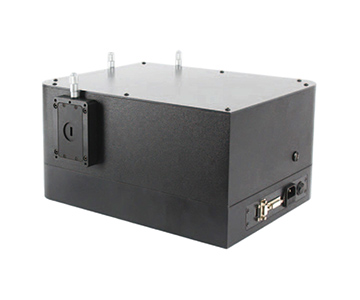
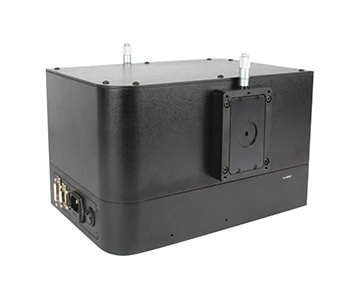
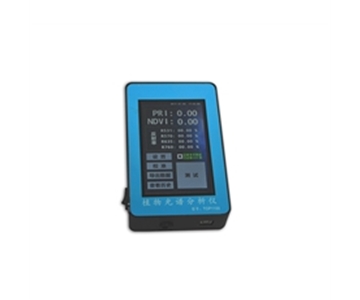
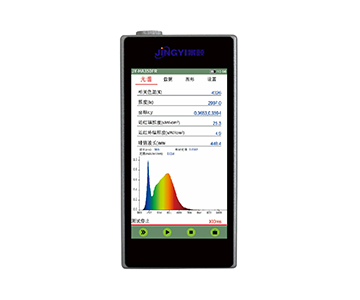
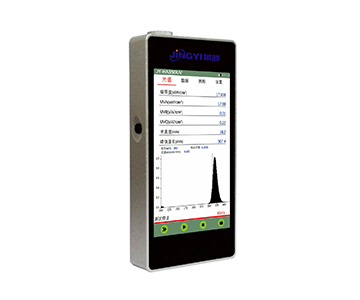
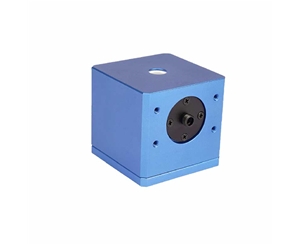
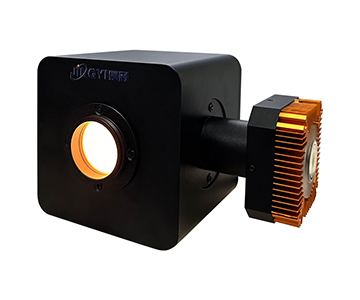
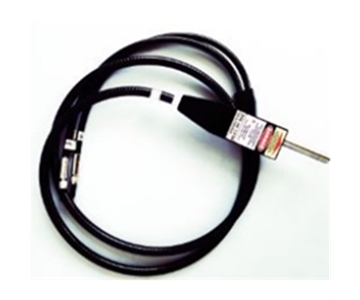
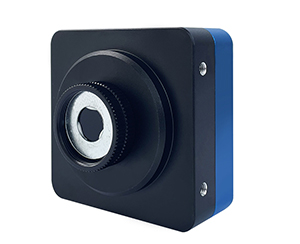
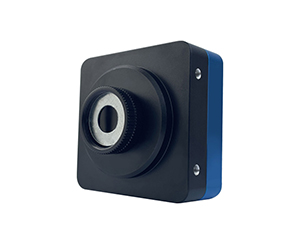
A palm-sized short-wave IR (102×58×39 mm, 4.0×2.3×1.5 in, Type-C/UART) mounts above fruit trays. Full-band IR, due to cooling and linear array size, fits rack or lab enclosures. UV base models (80×40×115 mm, 500 g) suit field use; back-illuminated cooled (217×110×52 mm, 1.65 kg) serve fixed stations.
Wavelength temperature stability—not just operating range—matters. If a vendor omits pixel shift per °C and recalibration cycle, model transfer error between summer and winter can exceed 7.2%. Quarterly recalibration with standard plates is advised; monthly in high-humidity, high-temperature workshops.
Compliance and Calibration (ISO/IEC 17025 Alignment)
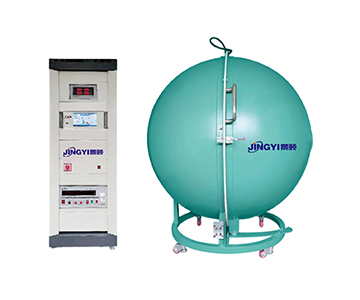
For packaging film or transmittance/reflectance traceability, align验收 with ASTM E1348 or ISO 13468 total transmittance standards rather than vendor default coefficients. Integration spheres and duplicate samples should be deployed to generate traceable curves. If the project involves only fruit diffuse reflectance brix, skip film standards to avoid unnecessary验收 cost. Calibration intervals, reference white panels, and sphere geometry must be documented for audit trails.
Parameter Mapping for Agricultural Sorting Scenarios
Fruit Sugar, Acidity, and Maturity
Apple, citrus, and tomato diffuse reflectance at 900–1700 nm extracts brix and partial acidity; 900–2500 nm adds cellulose and dry-matter features. Symmetric crossed Czerny-Turner optics in full-band systems suppress stray light; short-wave asymmetric crossed CT designs target the same. But instrument SNR alone cannot compensate for lens field of view, fruit curvature, peel thickness, and juice yield. Build a reference set with standard brix samples first; if detector pixel configuration changes, redo local correction—never移植旧模型 directly.
Grain, Tobacco, Tea: Moisture, Protein, Fat, Fiber
Grain moisture and protein absorb more strongly in long-wave NIR. Full-band systems support NIR-1900/2200/2500 extensions with 256/512 pixels. Short-wave 900–1700 nm cuts cost for收购 prescreening but limits fat/fiber model depth. Tobacco and tea vary widely in reflectivity: high-reflectance strips use short integration; low-reflectance pressed tea discs need extended integration with dark-current correction. Cooling to −20°C aids long-integration noise, but验收 must verify actual temperature curves against factory claims.
Candidate Systems Comparison and Total Cost of Ownership
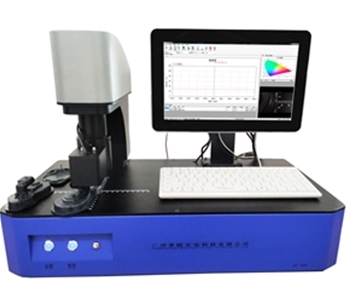
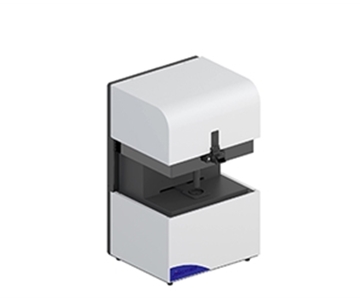
Three tiers of domestic systems were evaluated against documented parameters. Imported research-grade spectrometers from the UK and Germany were excluded from the primary shortlist due to six-figure USD pricing and 12–16 week service lead times—irrelevant for agricultural NIR sorting.
| Designation |
Band & Detector |
Integration / SNR / Bit Depth |
Size & Interface |
Agricultural Scenario |
| Economy UV-Vis Type |
200–1100 nm back-illuminated CCD, ~0.32 e⁻/count sensitivity |
6–10000 ms, SNR 450:1 |
146×115×47 mm, USB2/RS232 |
Color, short-wave brix辅助, fluorescence prescreen |
| Base Linear Array Type |
200–850 or 400–1100 nm, 2048 pixels |
1 ms–65 s, SNR 350:1, 16-bit |
80×40×115 mm, SMA905 |
Field pesticide transmission, LED cultivation monitoring |
| Short-Wave IR Type |
900–1700 nm InGaAs, 256 pixels |
0.1–100 ms, SNR 10000:1, 16-bit |
102×58×39 mm, Type-C/UART |
Fruit, soil, edible oil, pharma prescreen ($30K–$50K tier) |
| Full-Band IR Type |
900–2500 nm cooled InGaAs, 256/512 pixels |
7.8 ms–64 s, SNR 10000:1, firmware-dependent A/D |
Rack/lab, USB2, multi-trigger |
Grain protein/fat, full brix/acidity metrics ($80K–$150K tier) |
| Cooled Wide UV Type |
180–1100 nm back-illuminated CCD, 1044×64 |
2 ms–130 s, SNR >1000:1, 18-bit |
217×110×52 mm, USB2/UART |
Fluorescence, Raman, weak-light R&D |
TCO extends beyond host price. Cooled systems incur TEC power, temperature calibration, and periodic dark-current correction. Uncooled types absorb夏季温漂复标工时. A short-wave IR at 0.1 ms can reduce averaging frames, cutting server storage and PLC cycle costs by an estimated 14.6% annually. Full-band long integration improves SNR but reorders line节拍.
Proof-of-Concept Testing and Independent Verification
Standard Light Source and Whiteboard Reproduction
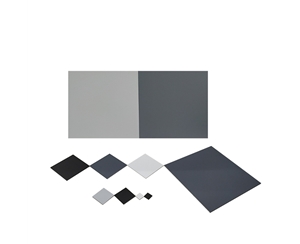
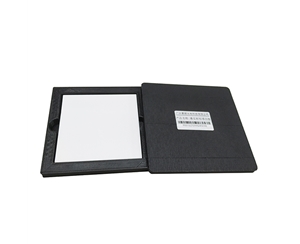
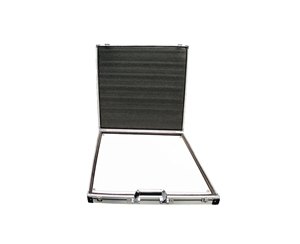
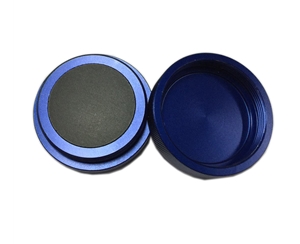
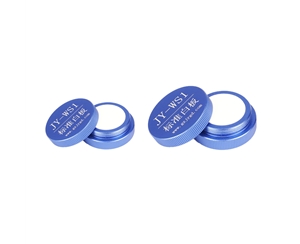
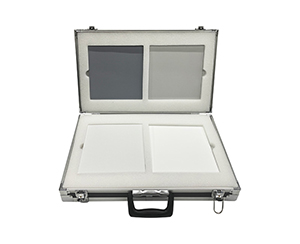
Connect a halogen or deuterium-halogen source via SMA905; acquire dark field, whiteboard, and empty run 30 times each. For IR types, stabilize at factory cooling temperature before capturing dark spectra, then compute RMS noise. If a full-band unit specifies −20°C but delivers only −12°C, document deviation and renegotiate验收. Wavelength accuracy requires mercury, neon, or absorption filter verification; agricultural NIR can cross-validate with water absorption peaks and polystyrene reference plates—never rely solely on software auto-calibration.
Blind Testing with Agricultural Samples
Collect 30 known-brix fruits and 30 unknowns; sample each with identical probe geometry, averaging 3 frames. Short-wave IR at 0.1 ms enables high-speed repeats; full-band IR uses 7.8 ms+ integration with dark correction. Output predicted RMSE against chemical refractometer or oven-drying methods—not just instrument SNR. For grain, use standard moisture and Kjeldahl protein as基准; build PLSR models separately per spectrometer class. Switching between 256 and 512 pixel configurations demands cross-validation. Demand open raw spectral counts and SDK access to avoid vendor lock-in.
Ten Critical Questions Before Purchase
1.Is the actual band detector physical response or grating truncation? Does it fully cover agricultural indicator特征区?
2.Are pixel count and pixel size explicitly stated (256/512 or 2048/3648, slit options 25/50/100 μm)?
3.Is cooling target temperature书面化? Full-band IR: −20°C; back-illuminated cooling: −15°C or −20°C; what is allowable deviation on arrival?
4.Does A/D bit depth match factory firmware? Avoid 18-bit vs. 8-bit混淆; request raw data samples.
5.Are shortest integration, averaging frames, and hardware trigger latency written into the technical agreement simultaneously?
6.Are SNR test conditions documented: light source intensity, bandwidth, averaging次数, dark subtraction?
7.SMA905 or free-space? For multi-unit networking, confirm UART, 20-pin expansion, or PLC driver routines.
8.Stray light指标: wide-band silicon cites <0.1%; base type <0.1% at 600 nm. Re-test under agricultural diffuse high-brightness backgrounds.
9.Does software provide raw spectra and secondary development API? Are model import/export formats locked?
10.Calibration周期, standard white panels, integration spheres—if involving transmission/reflection—should follow ASTM/ISO standards with traceability records.
Four Common Engineering Mistakes in NIR Selection
Prioritizing Full Bandwidth Over Throughput
Deploying 900–2500 nm full-band IR on high-speed fruit lines ignores 7.8 ms minimum integration and cooling stabilization. Result: insufficient frames per fruit, software averaging that chokes sorting节拍. Short-wave 0.1 ms suits speed; full-band fits laboratory and high-accuracy sampling.
Chasing SNR While Ignoring Bit-Depth Definitions
Conflicting documentation on SNR and A/D bit depth misleads engineers. A full-band IR claiming 10000:1 SNR but with ambiguous 18-bit vs. 8-bit specs will introduce quantization error into chemometric models if raw counts aren’t sampled pre-purchase. Contracts must append raw data examples.
Overlooking Probe Geometry and Sample Curvature
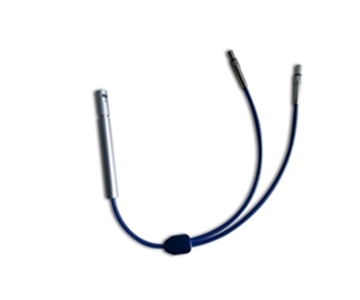
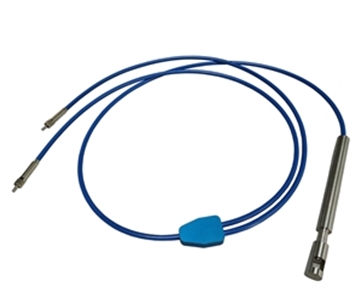
Agricultural fruit are non-planar. SMA905 coupled to collimating lenses with excessive field of view couples peel reflection and pulp absorption. Fiber core diameter, probe distance, and integration time must be matched to fruit diameter via POC blind testing—not assumed generic.
Cross-Machine Model Transfer Without Recalibration
移植 laboratory models directly to production machines with different pixel counts, slits, or cooling temperatures fails because wavelength axis and response functions shift. A quarterly whiteboard recalibration and sample回代 mechanism is mandatory.
Applicable Boundaries and Real-World Constraints
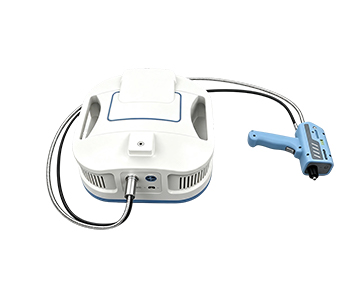
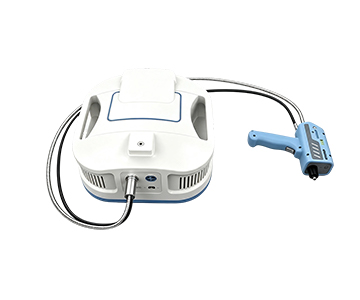
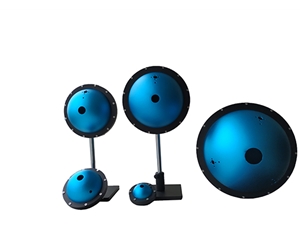
Full-band cooled IR offers headroom for long-wave moisture, protein, and fat modeling but demands larger volume, higher power, and longer warm-up than short-wave types. In high-temperature workshops, continuous TEC operation increases heat load; insufficient cabinet ventilation degrades wavelength stability below lab specifications. Uncooled UV-Vis types suit color and transmission education but hit detector cutoff beyond 900 nm. Short-wave IR balances speed and cost yet lacks fine long-wave fat/cellulose指标. Procurement must prioritize指标权重 rather than max-parameter matching.
Frequently Asked Questions
Q1: Should agricultural sorting use 900–1700 nm or 900–2500 nm?
A1: For brix, acidity, and soil moisture prescreening, short-wave IR (0.1 ms, compact) is sufficient. For protein, fat, and fiber full-index modeling, full-band IR is recommended. Pre-validate with chemical-method characteristic absorption of your specific samples before finalizing.
Q2: Does 10000:1 SNR guarantee more accurate sorting?
A2: No. SNR represents signal-to-noise ratio only. Sorting accuracy also depends on integration conditions, slit width, averaging frames, and chemometric model quality. Acceptance should compute predicted error of agricultural indicators from dark/white/sample repeat spectra, not rely on SNR claims alone.
Q3: How to self-diagnose unstable hardware triggering?
A3: Verify trigger voltage level, SMA905 or UART wiring, PLC scan cycle, and software buffer. Use a 10 Hz standard pulse source,统计丢帧率 and data timestamps. If frame loss occurs, reduce averaging frames or switch to synchronous trigger mode.
Q4: How to allocate budget between short-wave IR and cooled wide UV types?
A4: Prioritize short-wave IR and trigger interfaces for high-speed fruit lines. Add cooled wide UV only if fluorescence, Raman, or weak-light research runs concurrently. Amortize TCO across annual sample volume, model update frequency, and workstation count—not just host price.
Q5: How can I independently verify manufacturer acceptance data?
A5: Conduct blind tests using standard whiteboards, water absorption cells, and fruits with known brix. Demand provision of raw counts, dark correction methods, and A/D format. Contractually record wavelength accuracy, SNR test conditions, and recalibration周期. Do not rely on vendor default reports without cross-validation.
Conclusion
Agricultural NIR sorting demands wavelength锁定 before all other parameters, followed by rigorous validation of cooling, pixels, integration, triggering, and data openness. Full-band and short-wave systems should be assigned by throughput and model depth to avoid over-specifying or bottlenecking the line. For detailed specifications and application notes on near-infrared spectrometers, search "Jingyi Optoelectronics near-infrared spectrometer" or visit our technical library.
About This Guide
Data Sources
: Product documentation parameters from Jingyi Optoelectronics, ASTM E1348 / ISO 13468 transmittance standards, public agricultural NIR procurement and germplasm detection datasets.
Author
: Cai Xiaodong, Senior Application Engineer, Jingyi Optoelectronics, 12 years in optical metrology and agricultural food spectroscopy.
Disclosure
: Jingyi Optoelectronics manufactures NIR spectrometers. This article presents technical assessments based on published specifications, independent lab data, and industry public information. No compensation was received from third-party brands mentioned.
Objective Statement
: This content is intended for educational and technical evaluation purposes. Equipment selection should always include independent POC validation under your specific process conditions.
Last Updated
: October 2026