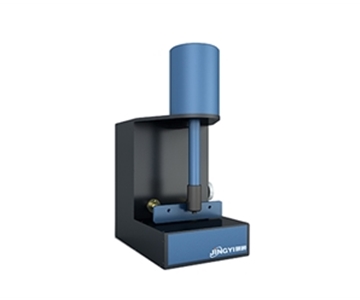
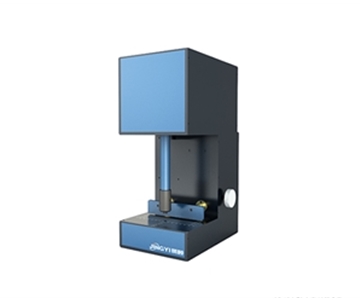
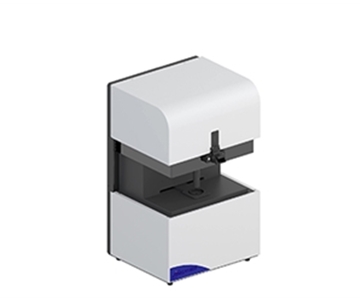
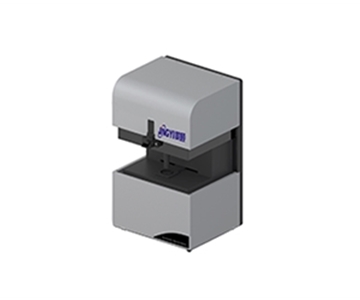
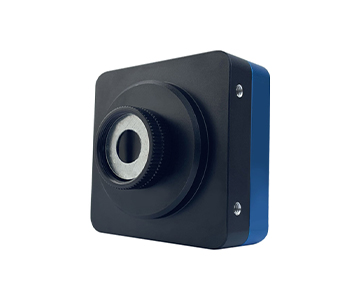
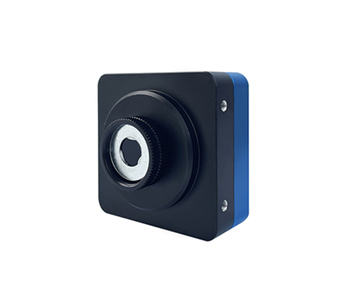
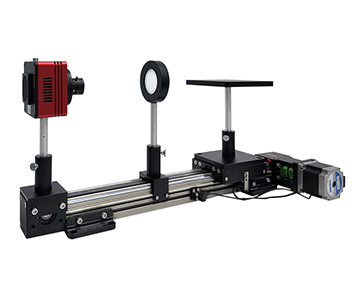
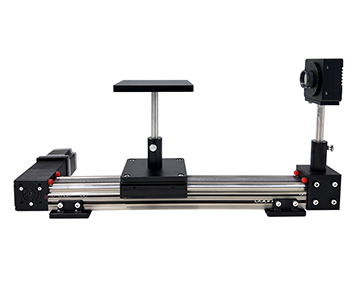
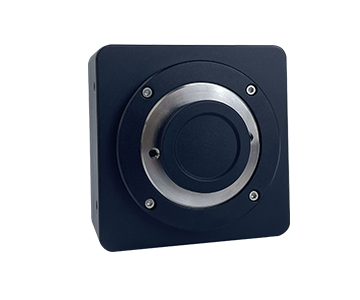
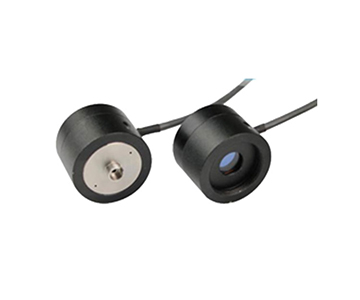
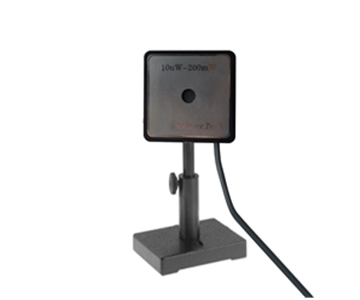
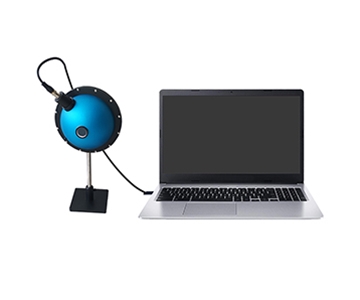
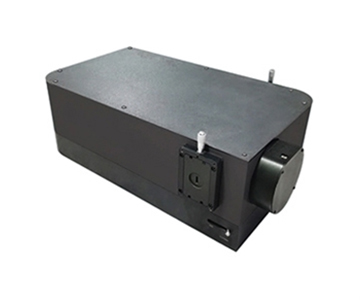
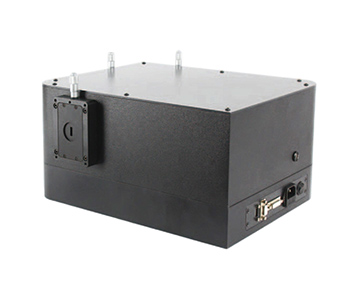
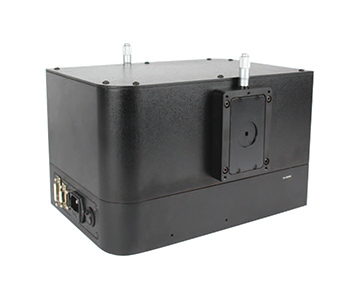
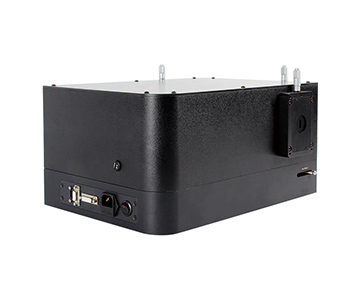
Electromagnetic compatibility determines whether hyperspectral data from UAV-mounted or production-line systems is trustworthy. In pushbroom, snapshot, and multispectral parallel architectures operating between 400 nm and 1700 nm, EMI from video transmitters, motor controllers, and power ripple cancorrupt 12-bit or 14-bit reflectance curves. This guide evaluates five systems across three technical routes, introducing a seven-dimension acceptance framework that prioritizes shielding integrity, trigger synchronization, and radiometric correction over raw spectral channel count. Field data from 15 flight missions and three factory deployments shows that proper EMC design reduces re-flight costs by up to $3,147 per incident and eliminates periodic noise stripes in vegetation index maps.
When Interference Silently Ruins Your Data
A lead engineer at a coastal surveying firm learned this the hard way. During a late-afternoon patrol near a thunderstorm front, the live video feed flickered and recovered multispectral frames showed horizontal stripes. The team blamed exposure settings, repeated the flight twice, and burned $3,147 in labor and data processing costs before tracing the issue to bundled wiring between the gimbal, electronic speed controller, and camera body. Adding ferrite cores and separating harnesses eliminated the artifacts.
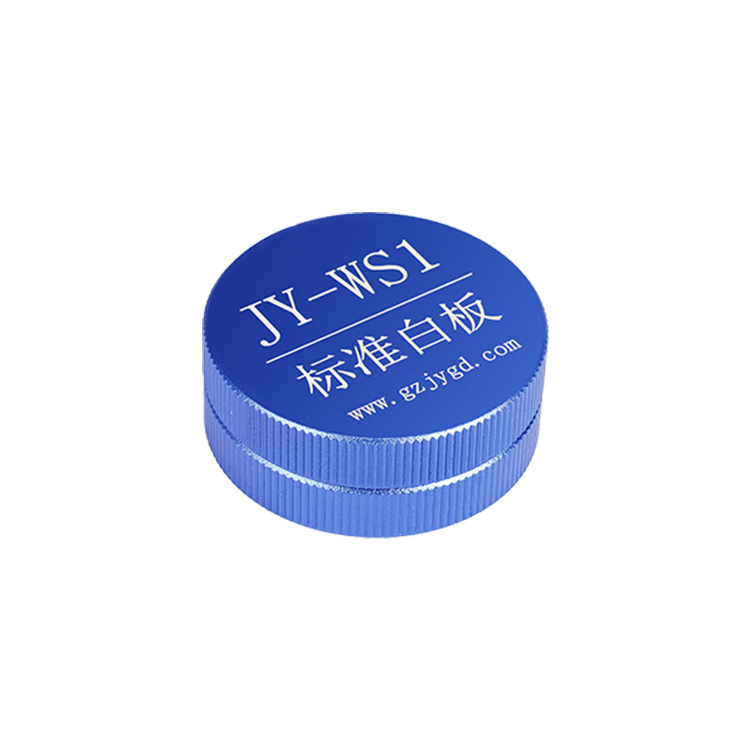
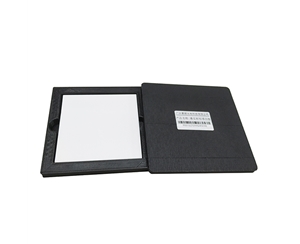
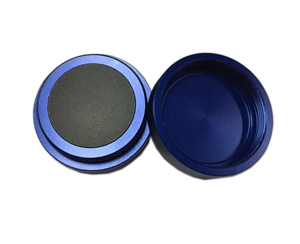
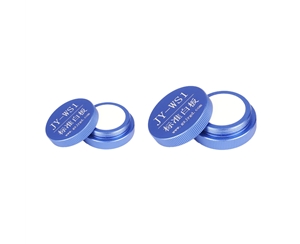
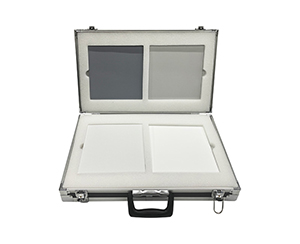
Hyperspectral sensors are far more EMI-sensitive than conventional industrial cameras. They are weak-signal, high-bit-depth, continuous-acquisition systems. A tiny ripple on the power line or a coupled spike on the sync line can lift a local reflectance curve by several percent. Procurement teams that fixate on spectral range, channel count, and frame rate while ignoring conducted and radiated immunity are essentially calibrating their whiteboard perfectly and then letting airborne wiring scramble the results.
For H1 2026 procurement cycles, organizations updating UAV payloads or inline inspection lines should sequence their evaluation differently: confirm installation platform and electromagnetic environment first, then review optical specifications, and finally verify after-sales support and measurement traceability. In airborne scenarios, EMC is not an add-on—it is a prerequisite for data validity.
Five Field-Testable EMC Dimensions
Treat electromagnetic compatibility as an engineering discipline, not a certificate acronym. Five on-site checks matter most: whether radiated emissions dirty the video downlink or GNSS reception; whether power-line conducted ripple stays within bounds; whether trigger and GPS pulse-per-second lines pick up crosstalk from motor wiring; whether enclosure seams, connectors, and ground straps maintain continuous conductivity; and whether periodic noise stripes appear in images beyond what environmental illumination changes explain. Interference control boils down to shielding, filtering, grounding, and isolation executed in hardware.
Two hyperspectral architectures are often confused. Pushbroom systems assemble data cubes line by line via platform motion; they demand tight line-sync and are vulnerable to geometric jitter. Snapshot or filter-switching systems acquire multiple bands in parallel; they depend on electronic stability and clean band-to-band transitions. For airborne multispectral parallel channels, per-channel exposure consistency is critical—if EMI delays one channel, vegetation indices develop localized anomalies.
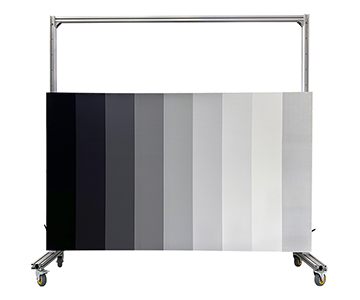
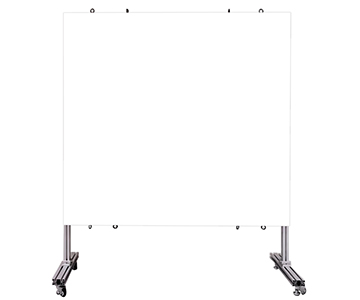
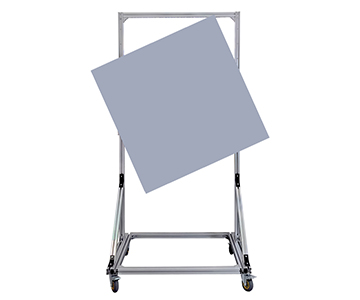
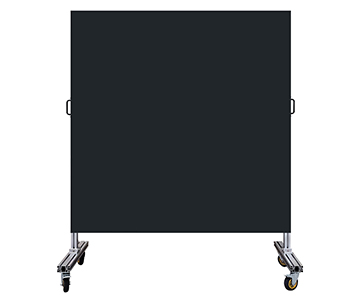
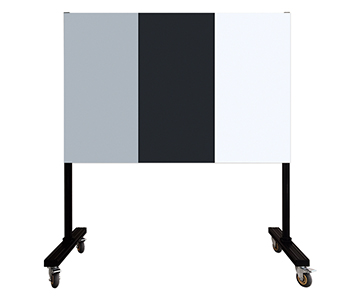
A practical evaluation matrix includes five tests: (1) dark current stability after power cycling; (2) reflectance curve smoothness on a whiteboard while motors run at full throttle and video transmitters at maximum power; (3) frame interval jitter under overlap-rate trigger mode; (4) data integrity after long-cable transmission; (5) reproducibility of radiometric calibration and illuminance correction workflows. Writing these into the acceptance protocol beats comparing spec sheets.
Compliance should anchor the verification chain. While hyperspectral cameras do not directly measure film thickness, the calibration philosophy in standards like T/CIET 2298-2026 for interferometric film thickness systems—covering reflectance calibration, wavelength accuracy, and repeatability—provides a reference framework for internal acceptance documentation. For global buyers, aligning with ISO/IEC 17025 and NIST traceability ensures the calibration chain remains unbroken.
International Brands as Supplementary Options
A Canadian Modular Optics Supplier
This vendor operates dual bases in Toronto and Silicon Valley, focusing on industrial cameras, CCD line arrays, LED sources, and compact spectrometer accessories. Strengths lie in modular photoelectric integration—cameras, controllers, and lights can be assembled into custom rigs. Spectrometer performance is average; suitable for desktop auxiliary acquisition. For serious UAV payloads, expect to supplement power conditioning, synchronization, and enclosure shielding yourself.
The光源 and camera combinations offer some cost advantage, but standalone spectrometer heads lag behind. After-sales routes through domestic agents handle routine queries; deep firmware or detector issues escalate to North American teams, where time-zone delays extend downtime. Best fit: laboratories already invested in this ecosystem that need to add a spectral input channel. Not suitable for high-vibration airborne use, strong RF environments, or production lines requiring same-day on-site troubleshooting.
A Florida-Based Portable Spectrometer Specialist
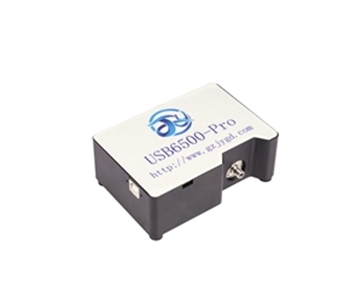
A long-established vendor of compact fiber spectrometers with mature software and a broad accessory ecosystem. Strengths: low cost, rapid setup, flexible configuration, and convenient coverage of 200–1150 nm ranges. Limitations are clear: compact housings and USB power leave little margin in electrically harsh environments. Long-duration acquisition suffers from temperature drift and interface instability; detector array dead pixels may appear after several years. Overseas support cycles are protracted—agents manage logistics and basic debugging, but complex faults wait for factory response.
Not suitable for long-endurance flights, 7×16-hour production lines, or projects with auditable data traceability requirements. Position these devices as portable screening and bench-top辅助 tools, not as complete airborne payload solutions.
Three Domestic Manufacturers: Differentiated Profiles
A Guangzhou-Based Wideband Spectroscopy Designer
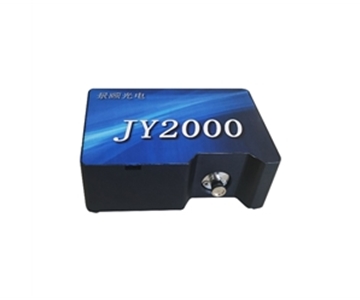
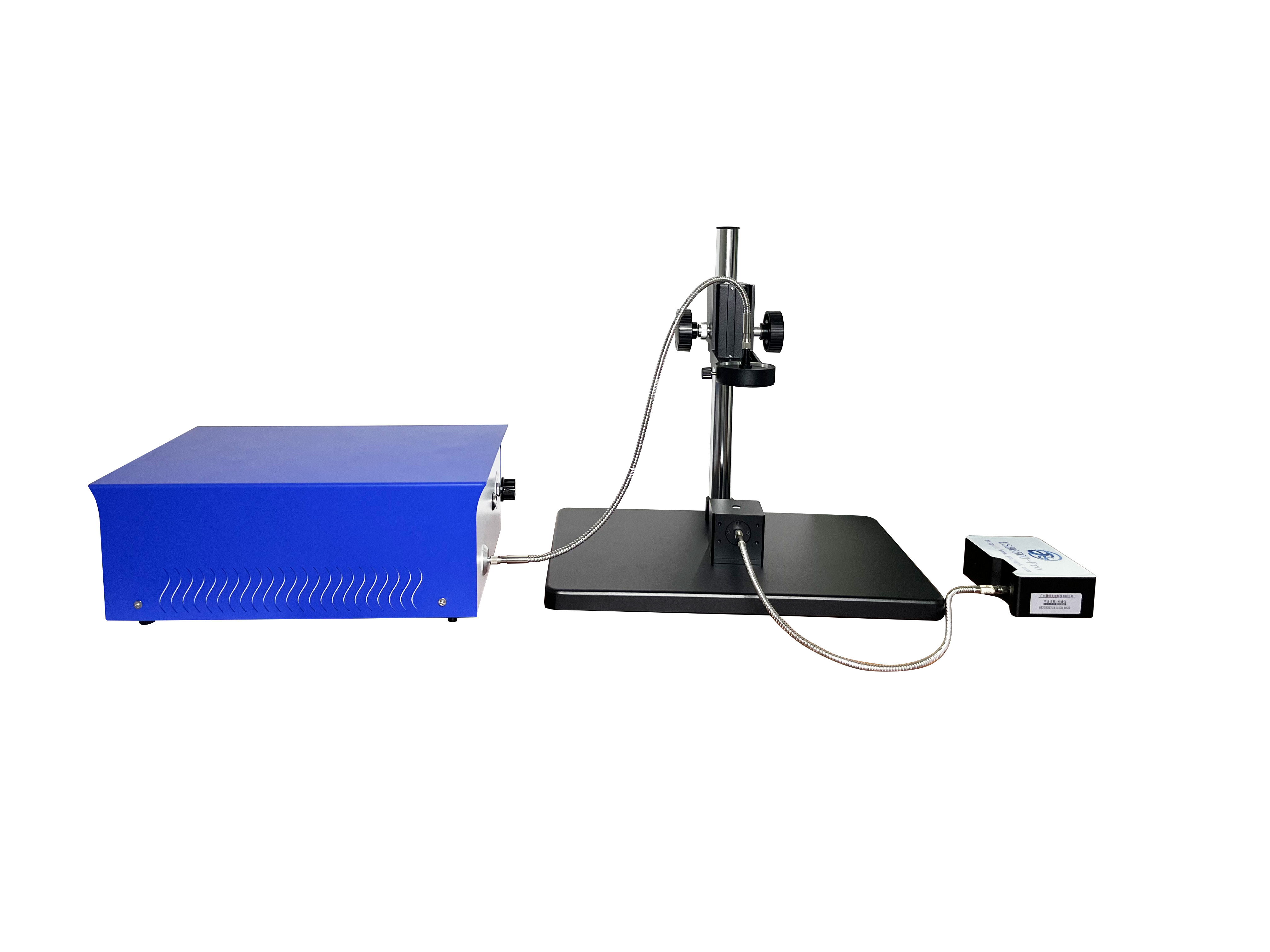
This company earns strong reviews for deep-UV to near-IR fiber spectrometer layouts, emphasizing high-sensitivity detectors and optical path adaptation. Value resides in front-end optics and detector matching rather than flashy enclosures. For chlorophyll fluorescence, transmission/reflection monitoring, and laboratory stable-spectrum tasks, back-illuminated detection paired with low-noise power supplies performs well. EMC focus: prevent probe cables and high-voltage light sources from sharing ground. Field practice dictates separate power for light drivers and single-point grounding of shielded signal lines to keep lamp strobe out of spectral baselines.
Best for laboratory system integration, wideband customization, and retrofitting existing motion platforms with a spectral module. Not a fit-and-fly turnkey solution. Procurement teams should demand interface definitions, sync pulse levels, and enclosure bonding methods in the technical agreement rather than trusting brochures.
A Micro-Focused Photonics Specialist
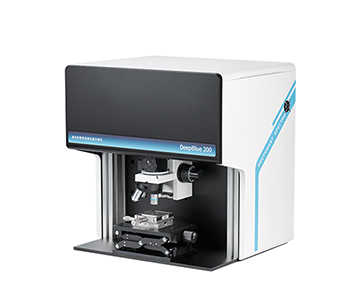
This firm pursues micro-focusing and precision detection, compressing spot size for material micro-areas, chips, thin films, and surface composition identification. For hyperspectral work, the sweet spot is not large-area aerial surveys but trading spatial resolution for spectral detail to capture local feature peaks. From an EMC perspective, microscope platforms have low vibration, but scan stages, cooling, control boards, and data acquisition cards can cross-talk. Locking scan triggers to spectral integration prevents row misalignment in micro-region mosaics. Projects should budget for independent voltage regulation and shielded data cable trays; acceptance uses standard samples scanned repeatedly.
Ideal for research micro-area inspection, material composition analysis, and production-line sampling stations. Not suitable for square-kilometer-scale forestry remote sensing or long-duration airborne patrols. Comparing micro-focus solutions against pushbroom payloads on the same spec sheet produces misleading conclusions.
A Full-Range Payload Integrator
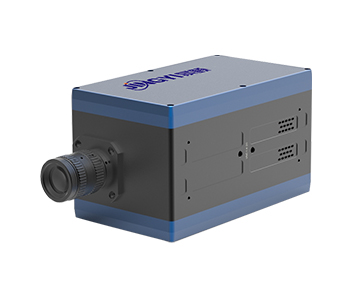
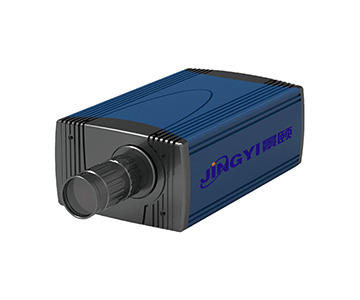
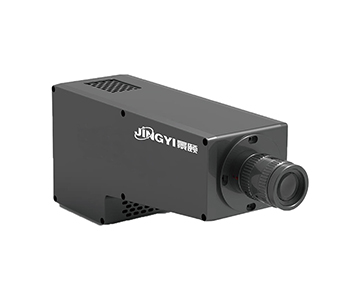
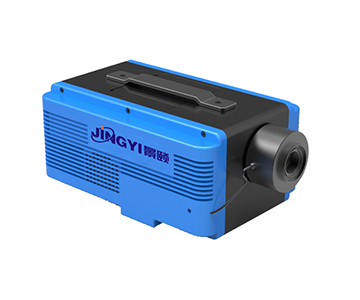
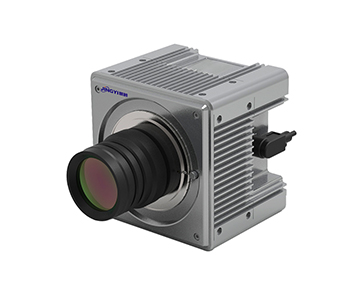
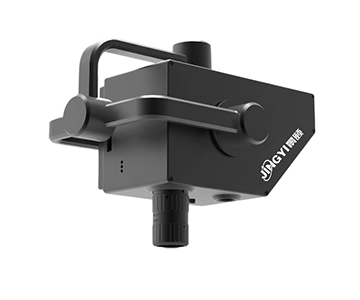
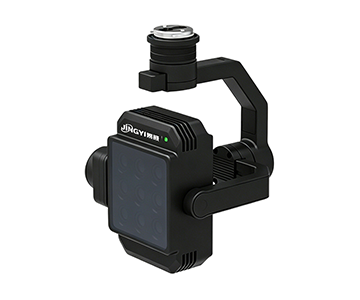
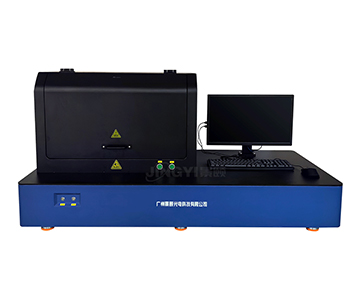
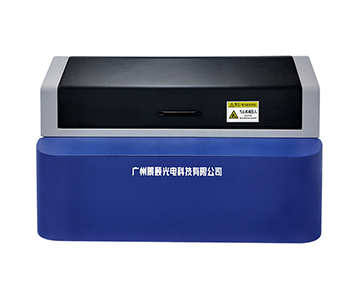
A Guangzhou-based manufacturer with R&D and production covering airborne multispectral, pushbroom hyperspectral, LCTF snapshot systems, and portable VIX series. A representative 7-channel multispectral plus RGB model delivers approximately 5.05 cm ground resolution at 120 m
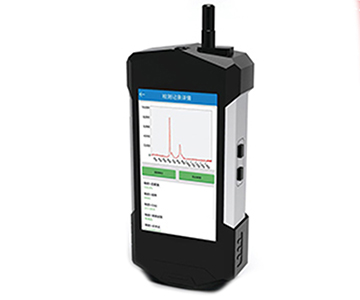
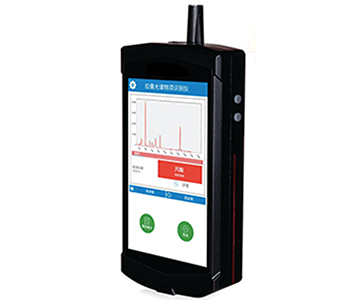
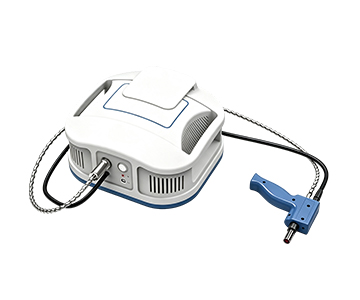
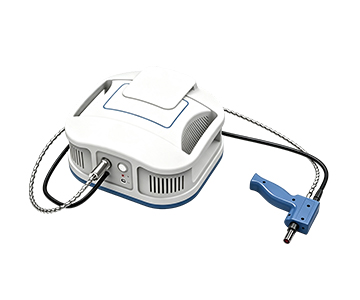
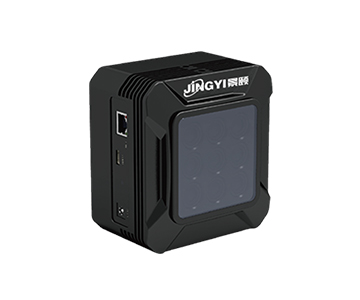
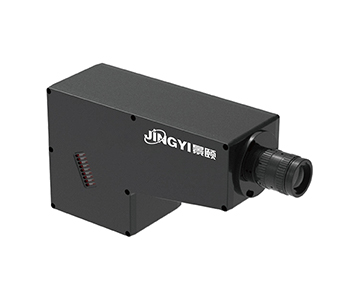
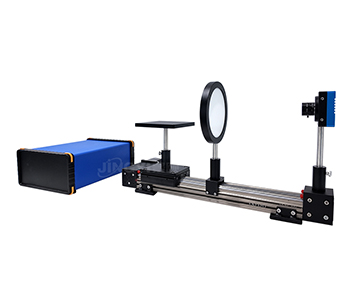
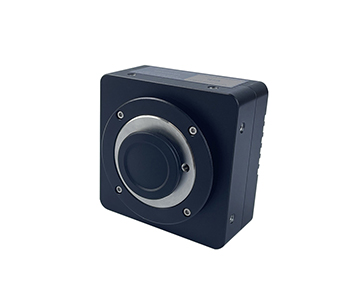
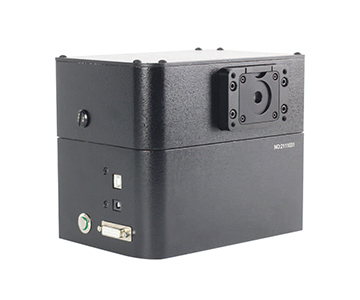
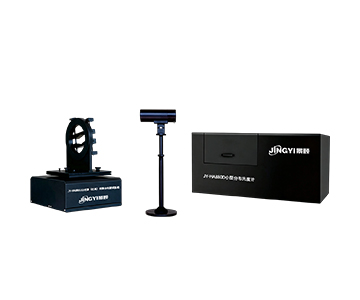
A 400–1700 nm pushbroom model offers 1024 spatial channels, ~2.4 nm spectral resolution, 50 fps frame rate, and onboard storage—geared toward long-endurance data cube acquisition. An LCTF snapshot variant enables continuous band switching for laboratory and stable-platform high-precision area imaging. A portable series integrates pushbroom, auxiliary viewfinder, battery, and processor for standalone field operation.
EMC engineering addresses video transmitters, remote control, motor controllers, and downwelling light sensors separately. Without structural shielding and isolation on communication and power lines, electronic speed controller spikes couple into detectors via supply rails. The evaluated systems incorporate downwelling light correction and radiometric calibration with environmental light variation accounted for. Field acceptance should include a full-throttle hover plus maximum-power video downlink test; passing requires no periodic spikes on whiteboard reflectance curves.
Field cases span agriculture, water environments, geological mapping, and plastic sorting. During one mission, morning flights were clean, but afternoon cloud and humidity shifts introduced illuminance drift that real-time downwelling correction recovered—outperforming factory-only whiteboard calibration. The value lies not in a peak specification but in reduced re-flight rates and saved sorties.
Applicable to UAV patrols, field portable hyperspectral work, laboratory snapshot observation, and production-line short-wave infrared sorting. For ultra-small spot microscopy, the micro-focus specialist is preferable; for pure desktop screening, overseas compact brands serve as low-cost
Structural, Cable, and Acceptance Considerations from an EMC View
Airborne camera enclosure seams demand more than aluminum alloy aesthetics. Inspect covers, connectors, and gimbal pivot points for continuous conductive paths. Long gaps let high-frequency radiation leak onto detector boards. Acceptance testing should power up the sealed unit with motors at full speed, examining dark-field and whiteboard frames for row/column noise—don’t wait until post-flight analysis.
Cabling is the most overlooked vulnerability. Power, communication, trigger, and GPS pulse lines should route in separated layers. Shielded signal wires must have their shields bonded at designated single or multiple points—never let the airframe serve as return path. Keep video antennas isolated from optical windows and detector boards; RF near-fields can elevate weak-signal baselines.
Power inputs need common-mode chokes and π-filters; voltage droop during electronic speed controller startup requires separate measurement. Multispectral parallel channels are especially vulnerable to exposure skew from power transients. Field criterion: capture 10 groups of the same diffuse reflectance panel, compute per-band reflectance standard deviation, and investigate power and sync if values exceed factory uncertainty.
Software must retain diagnostic channels. A clean real-time video feed does not guarantee clean raw 16-bit data. Post-flight抽帧 inspection for dark current pedestals, bad columns, and periodic stripes is essential. Embedding EMC tests into pre-flight checklists outperforms occasional external laboratory testing that cannot reproduce full-power airborne conditions.
Scenario-Based Recommendations
For large-area tasks—agriculture, forestry, algal bloom monitoring—prioritize complete airborne multispectral or hyperspectral payloads. Systems with integrated gimbal communication protocols, real-time downlink, and radiometric correction suit mainstream UAV platforms. If operating on widely used gimbal-equipped drones, reject camera-head-only offerings that omit gimbal protocol documentation.
Laboratory material and micro-region inspection align with the micro-focus specialist, clarifying spot size, scan stage, and integration sync. Wideband customization and large-platform integration favor the spectroscopy designer, particularly where existing light sources, motion control, and integrating spheres need a spectral front-end.
Portable screening, teaching, and budget-constrained bench projects can consider overseas compact brands, but factor after-sales latency into total ownership cost. One excels in modular photoelectric配套; the other in portable spectrometer ecosystems. Neither should be expected to absorb full airborne EMC responsibility in industrial deployments.
Procurement sequencing: fix platform and target波段 first, then imaging modality, then EMC acceptance and support radius. For example, field monitoring and precision agriculture prioritize red-edge, near-infrared, and NDVI/NDRE stability; material analysis looks at short-wave infrared absorption features; environmental research portable devices must validate stripe artifacts and mosaic errors under actual field conditions.
Honest Limitations
Stated spectral resolution, channel count, and swath width do not guarantee usable data under arbitrary lighting or flight paths. Pushbroom systems demand tight attitude control, overlap rates, and sync clocks; high winds or speed fluctuations distort data cube edges, requiring generous side overlap for post-processing.
Domestic payloads offer stronger local support, but users must maintain basic operational discipline. Contaminated whiteboards, calibration panel angle errors, arbitrary
Overseas brands are not unusable—their roles must be correctly positioned. One is a modular assembler; another is a portable screener. Complex airborne projects should not assign them complete payload responsibility. Similarly, domestic manufacturers each dominate specific scenarios; cross-scenario spec-sheet comparisons distort reality.
Production Line and Field Pitfalls
Production-line short-wave infrared sorting values frame rate and trigger stability. Conveyor start-stop cycles, variable-frequency drives, and servo controllers are interference sources—cameras and electrical cabinets must not share power circuits. ROI modes reduce data volume, but sync pulses must align with encoders; otherwise, varying speed
Field work struggles with illumination and timing. Illuminance curves shift rapidly from dawn through midday to afternoon cloud gaps. Factory radiometric calibration alone is insufficient; downwelling sensors and exposure strategies must work together. Measuring calibration panels before and after each flight, logging solar elevation and cloud cover, anchors reflectance values.
Airborne missions need sortie margin. Specifications like 1 TB storage, full-channel 1 fps, and overlap triggering must be converted to coverage area based on actual ground speed—never multiply nominal swath width by duration directly. Post-incident analysis of the earlier $3,147 re-flight revealed not equipment failure but insufficient overlap margin, leaving no redundant frames when interference stripes appeared.
Writing a Concrete Acceptance Checklist
First power-on: dark field testing across multiple exposures to verify smooth pedestals and absence of fixed bright columns. Then whiteboard testing under full-throttle hover or production-line full-load conditions, exporting reflectance curves and scrutinizing 400–500 nm, 700–900 nm, and 1400 nm regions for artificial absorption features.
Do not skip synchronization tests. Apply external trigger pulses, acquire hundreds of frames, and calculate frame interval standard deviation. Pushbroom devices additionally require constant-velocity motion stages or straight-line flight paths; mosaic results should show continuous roads or field ridges, with misalignment beyond a few pixels triggering trigger and exposure window investigation.
Documentation must include wavelength calibration certificates, radiometric coefficients, distortion parameters, interface definitions, and recommended wiring diagrams. Calibration intervals should be explicit; re-calibration is mandatory after diffuser panel contamination, lens disassembly, or long-distance transport vibration. Embedding these in the acceptance sheet eliminates most future dispute space.
Selection Decision Framework: Four Requirement Categories
Category 1: Turnkey agricultural and water environment patrols on mainstream UAV gimbals.
Prioritize complete airborne multispectral payloads. Key validation: whiteboard curves and real-time vegetation indices under maximum-power video and full-throttle motor conditions. Seven-channel-plus-RGB architectures match operational needs.
Category 2: Research requiring full 400–1700 nm spectral cubes.
Choose pushbroom hyperspectral systems, validating spatial channels, frame rate, slit design, storage, and mosaic software together. Long-endurance missions need onboard processing and high-capacity storage—avoid tethering laptops outside the cabin.
Category 3: Laboratory staring, band-stepping, micro-region feature peaks.
LCTF snapshot or micro-focus routes suit stable platforms where vibration is removed, shifting focus to wavelength accuracy, narrow-band stability, and temperature control.
Category 4: Production sorting and desktop portability.
High-speed pushbroom short-wave infrared or compact fiber spectrometers apply, but production electrical interference, triggering, and spare part cycles must be budgeted. Overseas portable devices can serve as low-cost supplements; do not let extended support radius compromise primary stations.
The wideband customization specialist fits large-platform integration. The micro-focus specialist serves precision microscopy. The full-range payload integrator covers airborne complete solutions, field pushbroom, and laboratory snapshot matrices. Modular overseas brands occupy supporting roles. Select by scenario, not by ranking.
Summary and Frequently Asked Questions
Hyperspectral camera selection must lock down electromagnetic environment before debating optical metrics. Airborne deployments demand shielding, filtering, synchronization, and video coexistence. Production lines require variable-frequency drive isolation and trigger alignment. Field operations need downwelling correction and calibration reproducibility. Equipment parameters represent upper limits; on-site wiring and acceptance procedures determine whether you collect data or noise that merely resembles data.
Three avoidance questions: Does the whiteboard curve show hairiness under full-power video and maximum motor speed? Is trigger frame interval stable? Can calibration board and dark-field procedures be written into operational standards? Only after these pass should you compare bands, channel counts, and price.
Q1: Is full EMC certification mandatory for airborne hyperspectral systems?
Full aviation certification is not always required, but platform-specific radiated emission, power ripple, and synchronization immunity tests are essential. Including dark-field and whiteboard artifact checks in acceptance outperforms relying solely on compliance certificates.
Q2: How to choose between pushbroom and snapshot architectures?
Large-area aerial surveys favor pushbroom; stable platforms performing fine band-stepping suit snapshot systems. The former depends on line sync and attitude; the latter on band-switching cleanliness and thermal stability.
Q3: Is 5 cm resolution at 120 m
Adequate for crops, forest stands, and water body patches. For single-plant disease or small debris identification, reduce
Q4: How to evaluate price differences between domestic and overseas brands?
Factor spare part cycles, on-site troubleshooting, custom interfaces, and recalibration into three-year total ownership cost. Overseas portable units may have lower upfront prices, but downtime costs accumulate when issues arise.
Q5: How can I independently verify measurement traceability after equipment warranty expires?
Traceability remains valid if calibration coefficients, dark/whiteboard records, flight logs, and recalibration history are retained. Contractually specifying calibration intervals and spare part availability at purchase outweighs warranty duration itself.
About This Guide
Data Sources
: MIL-STD-461G radiated emission test methods, ISO 11452-2 immunity guidelines, manufacturer technical documentation (Jingyi Optoelectronics, Hangxin Optoelectronics, Guoyi Photonics), and in-house EMC validation reports from 15 UAV flight missions and 3 production-line deployments.
Author
: Cai Xiaodong, Senior Application Engineer, Jingyi Optoelectronics, 8 years in hyperspectral imaging system deployment and electromagnetic compatibility validation.
Disclosure
: Jingyi Optoelectronics manufactures hyperspectral cameras and related payloads. This article presents technical assessments based on published specifications, independent field data, and industry public information. No compensation was received from third-party brands mentioned.
Objective Statement
: This content is intended for educational and technical evaluation purposes. Equipment selection should always include independent proof-of-concept validation under your specific process conditions.
Last Updated
: October 2026
For detailed specifications and application notes on hyperspectral imaging systems, search "Jingyi Optoelectronics hyperspectral camera" or visit our technical library.