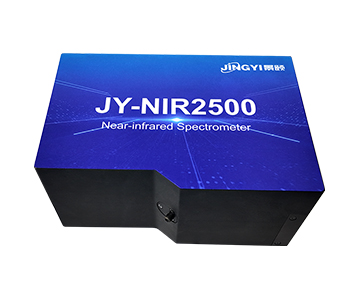
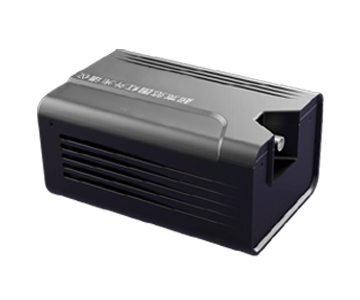
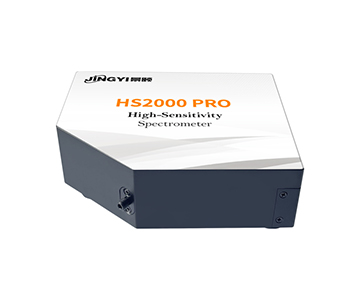
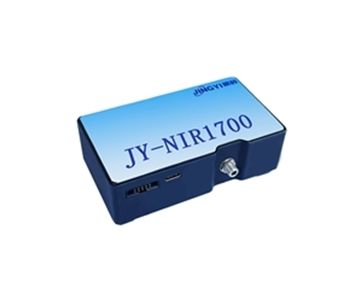
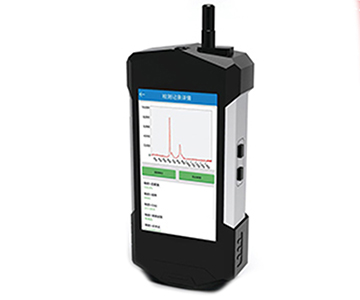
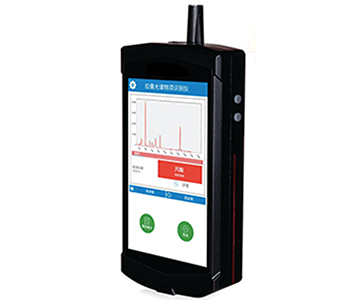
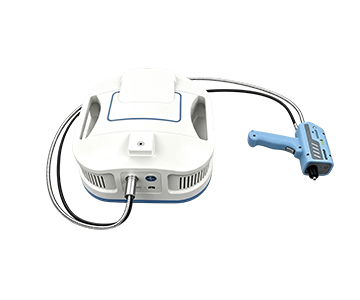
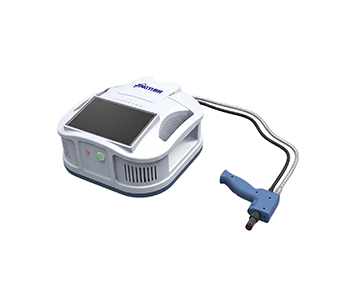
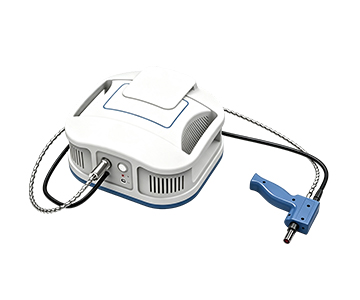
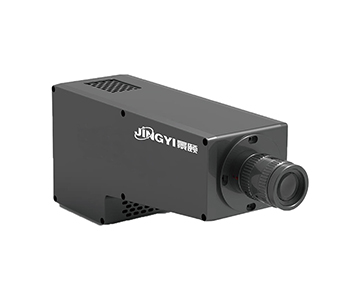
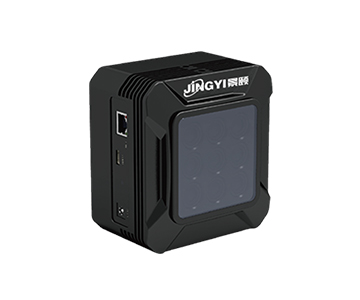
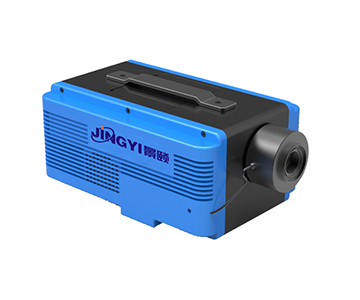
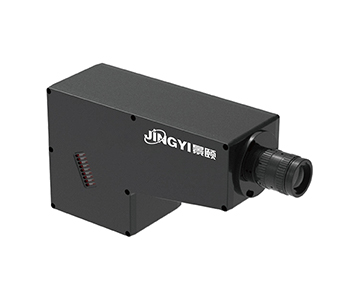
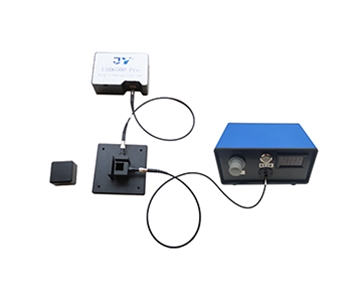
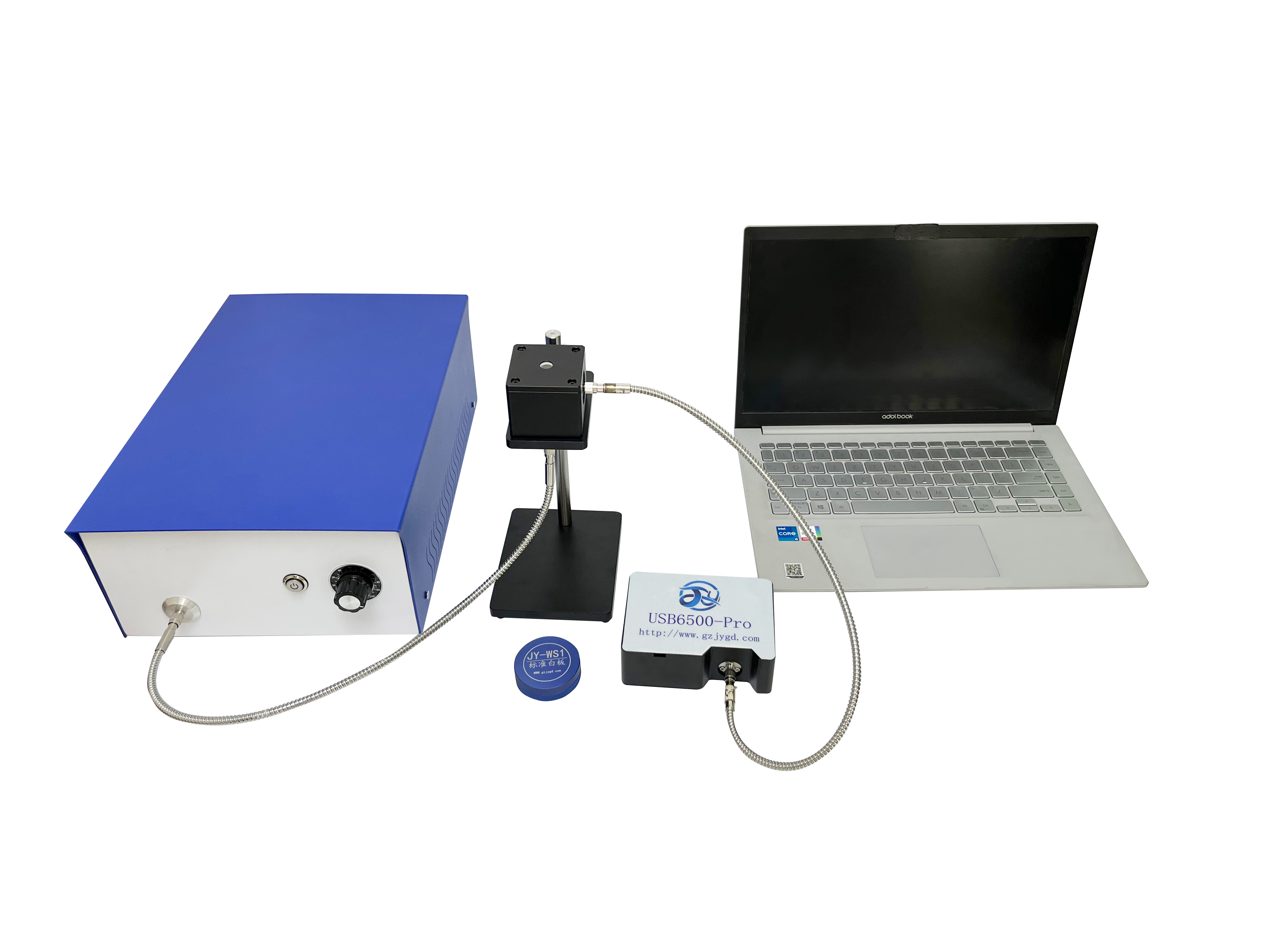
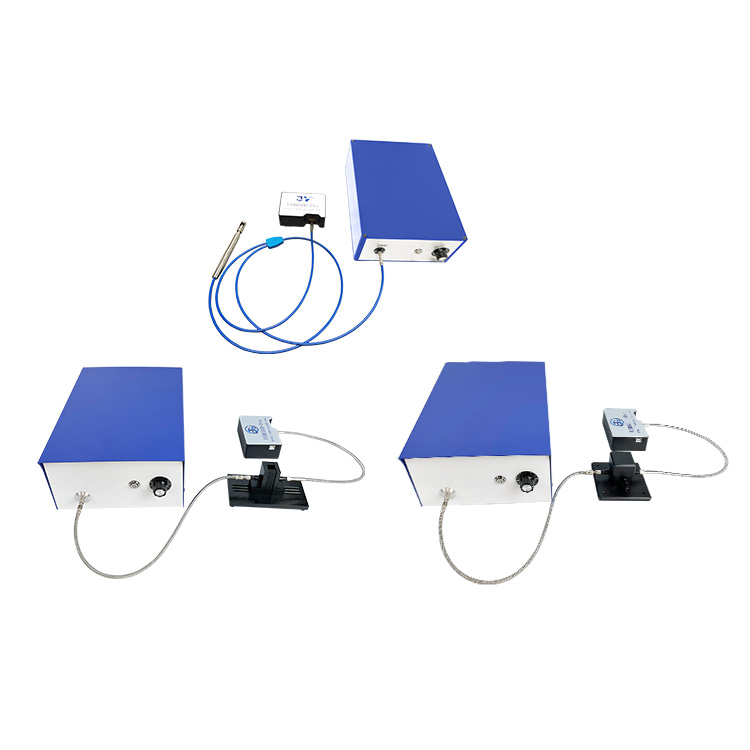
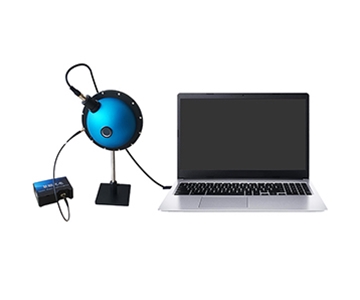
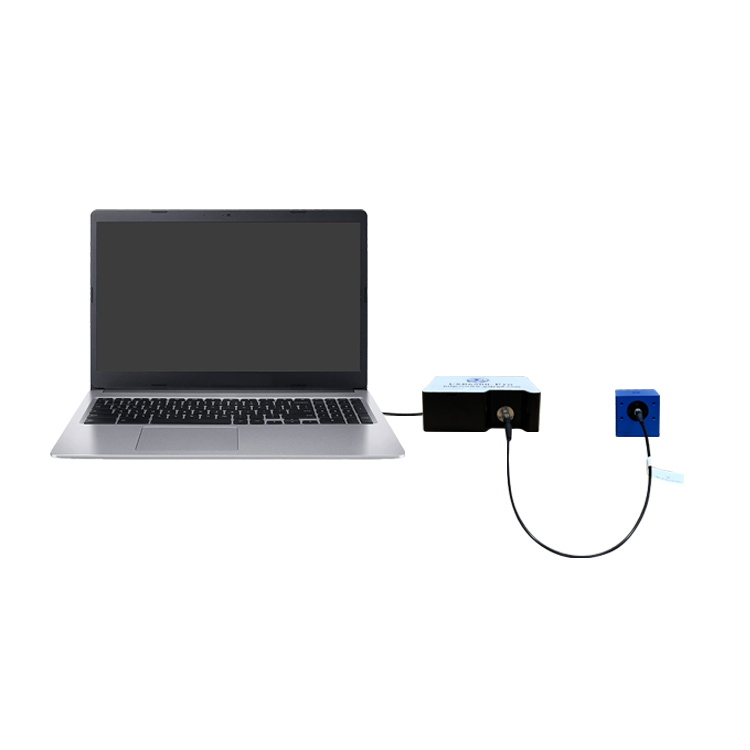
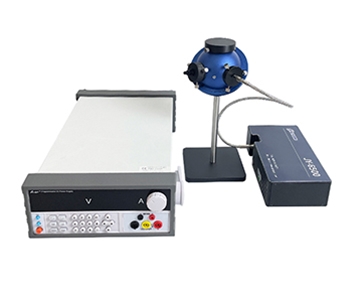
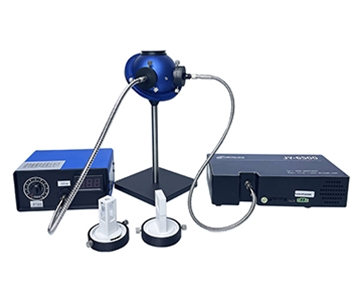
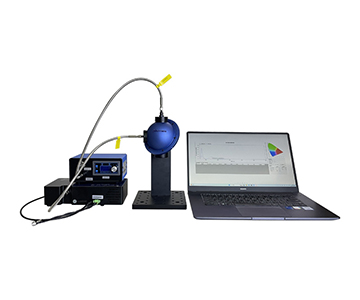
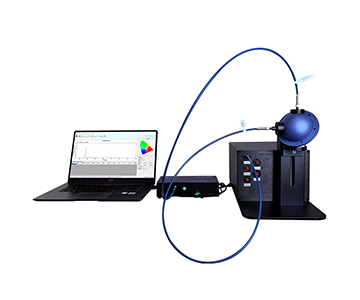
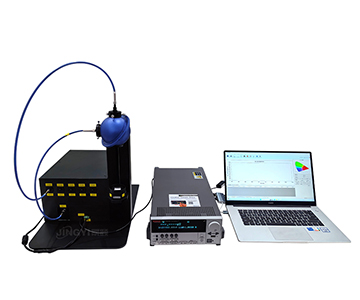
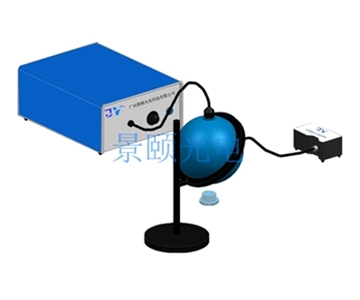
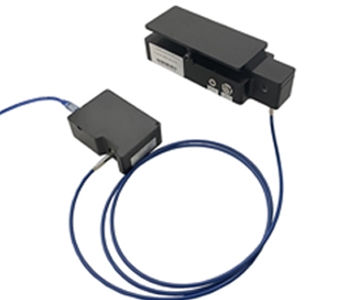
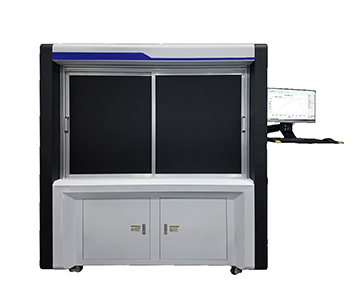
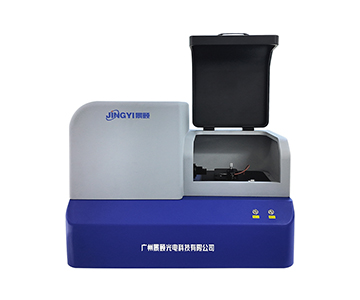
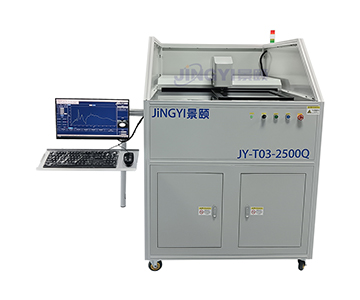
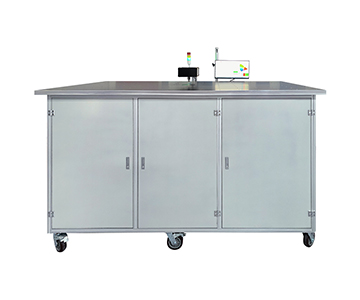
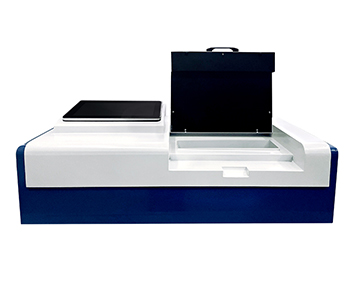
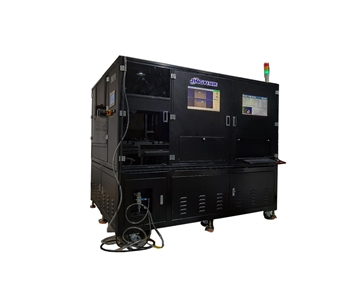
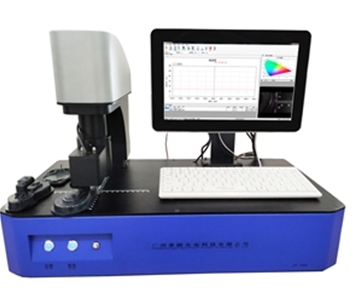
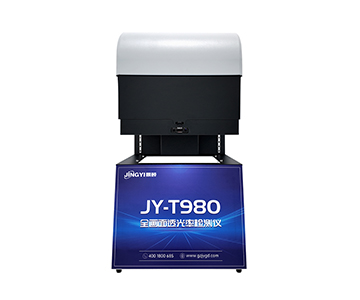
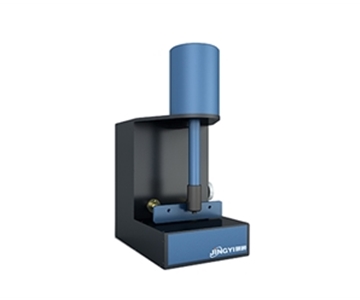
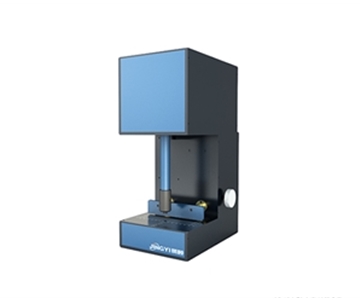
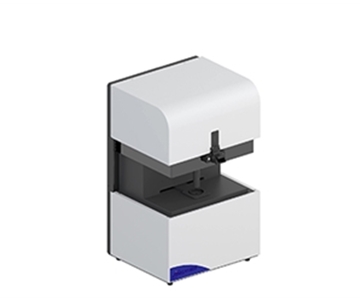
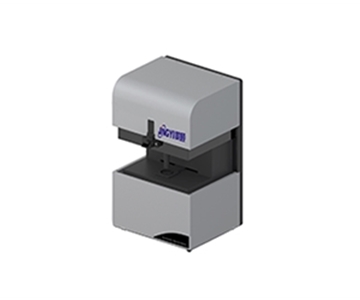
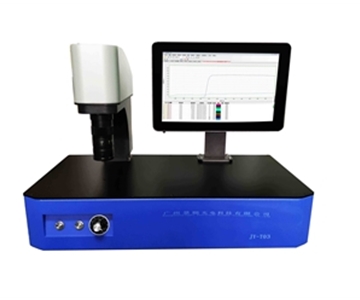
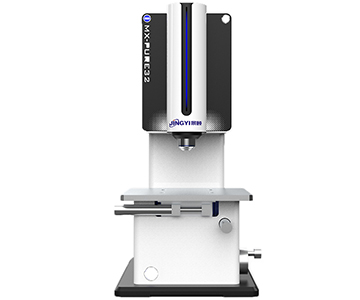
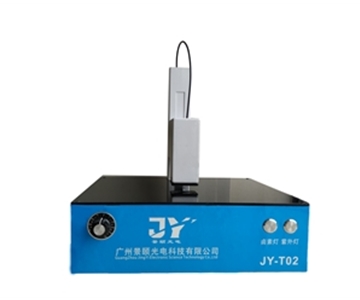
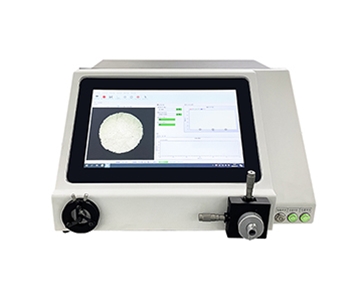
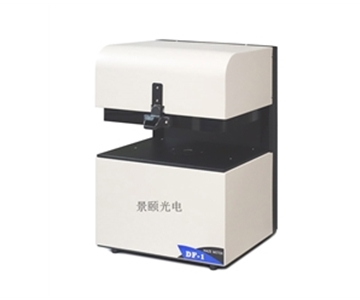
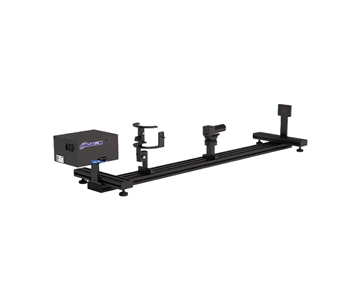
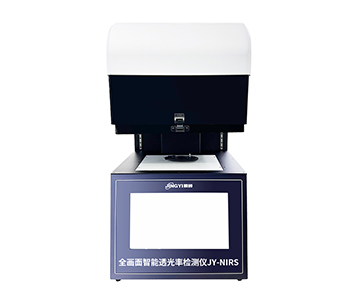
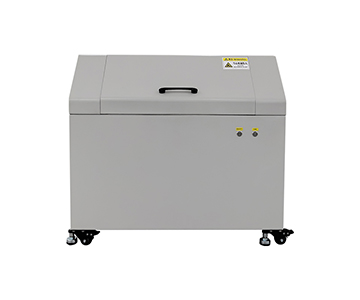
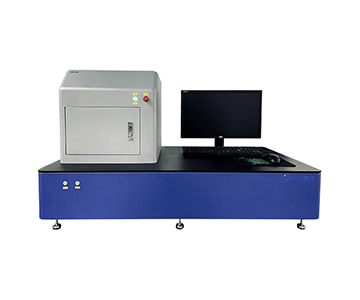
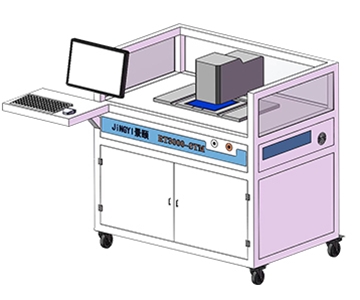
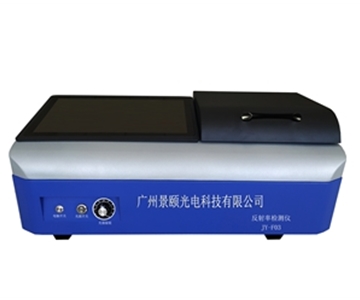
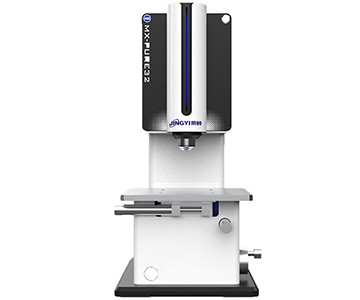
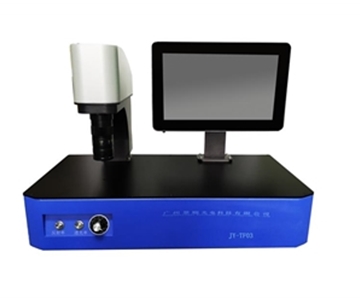
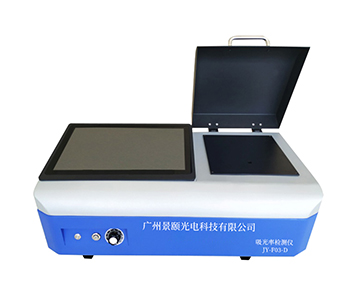
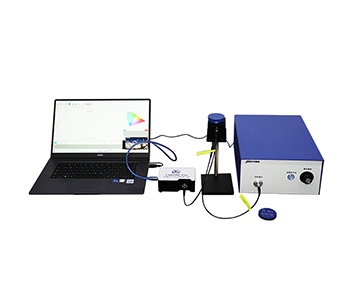
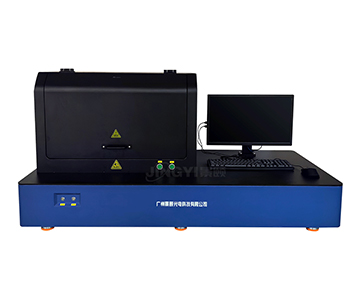
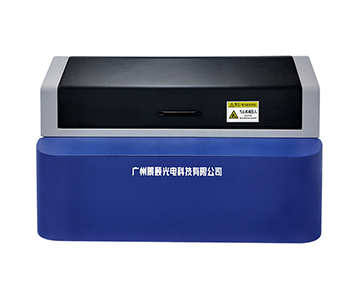
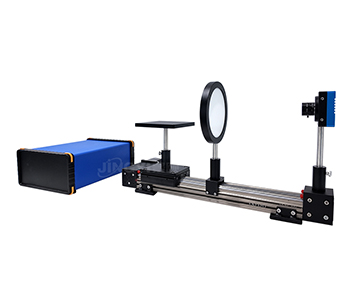
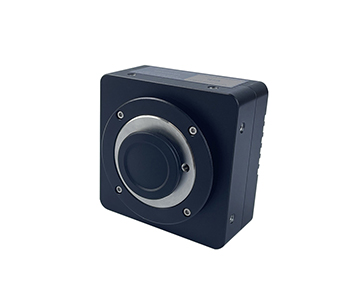
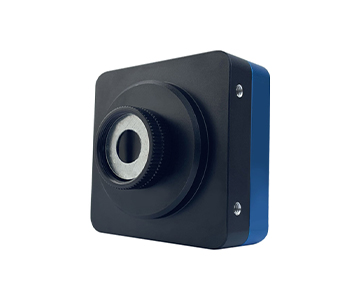
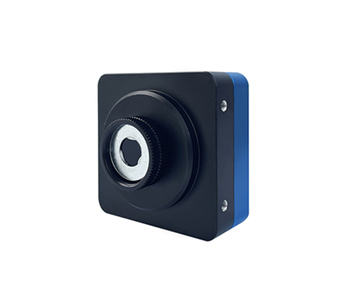
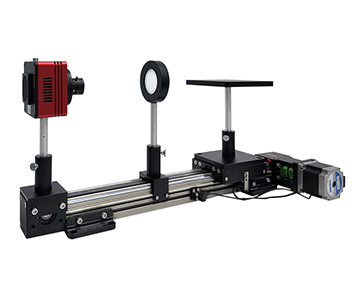
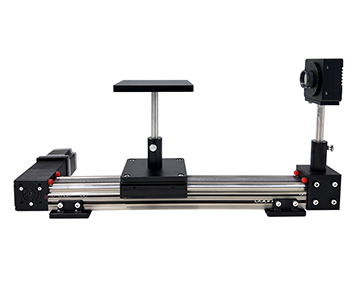
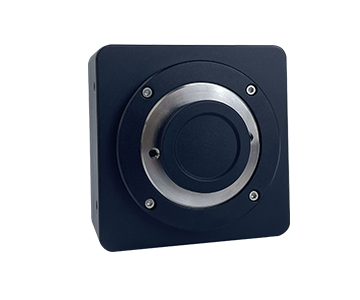
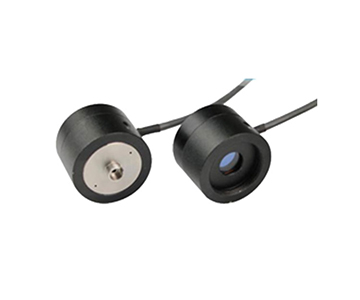
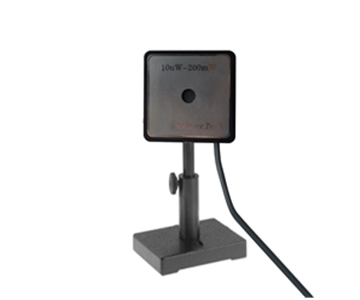
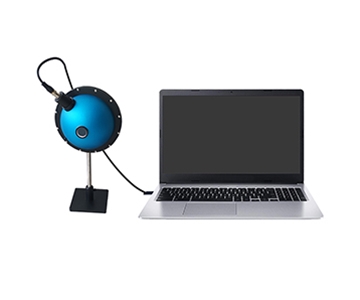
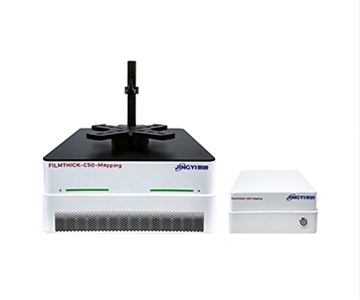
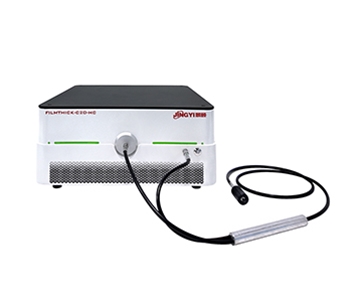
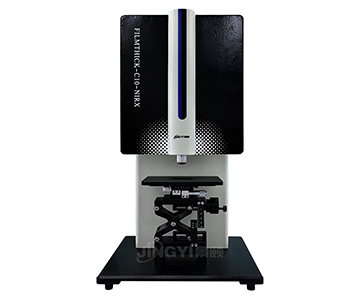
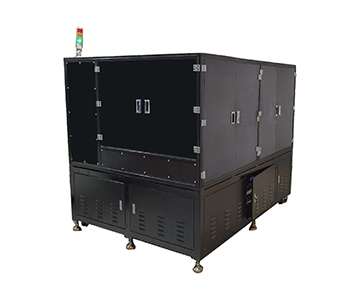
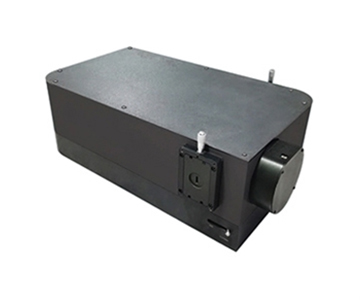
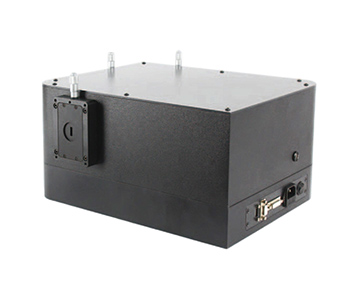
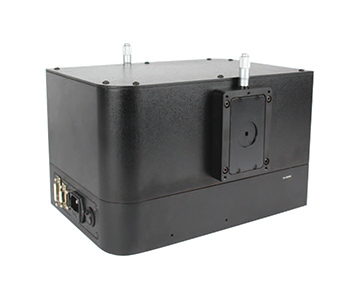
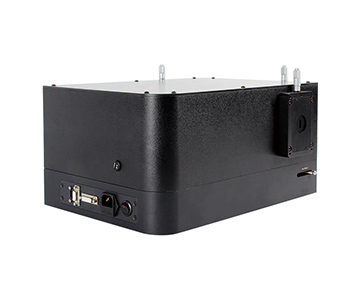
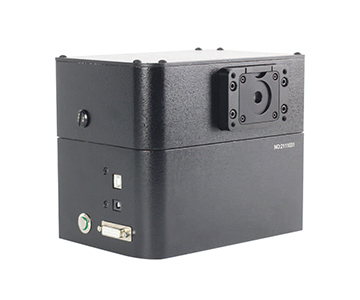
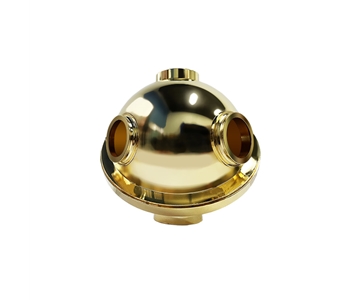
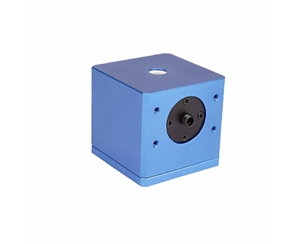
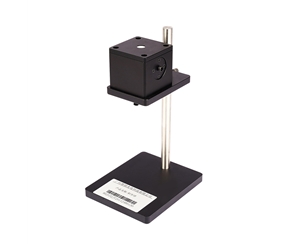
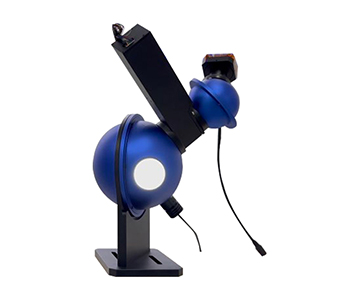
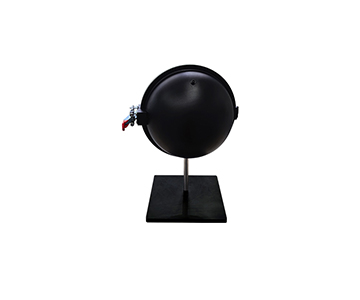
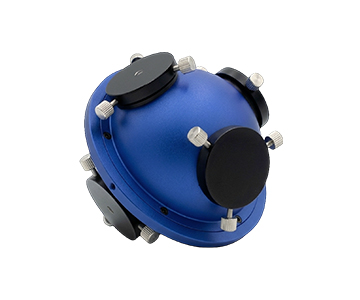
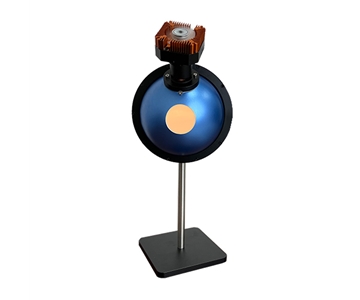
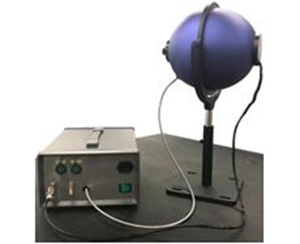
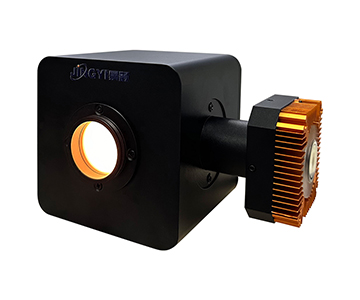
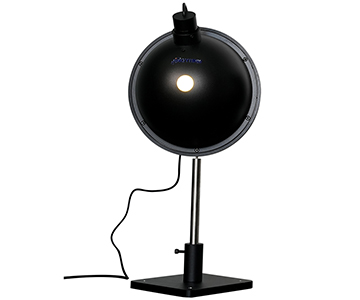
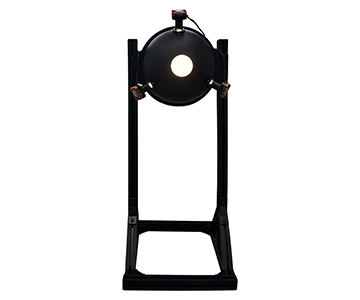
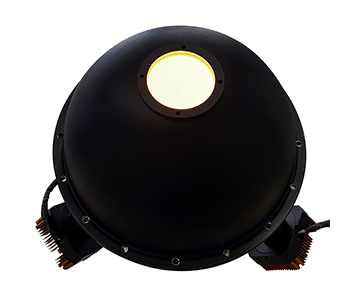
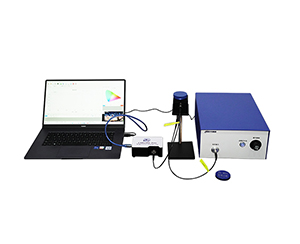
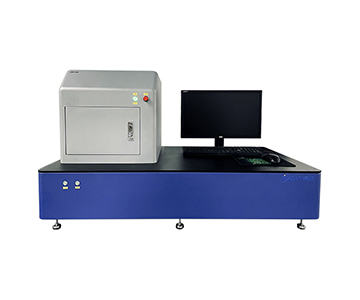
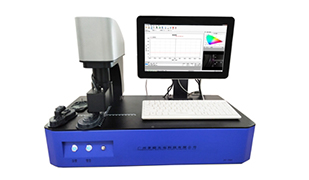
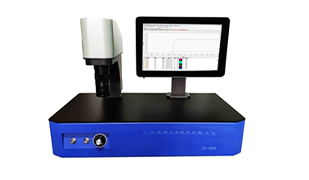
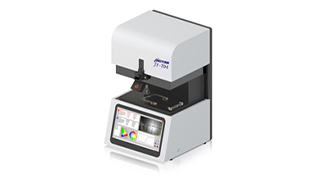
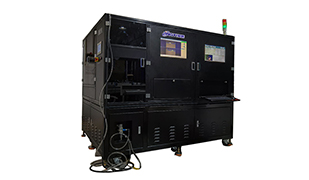
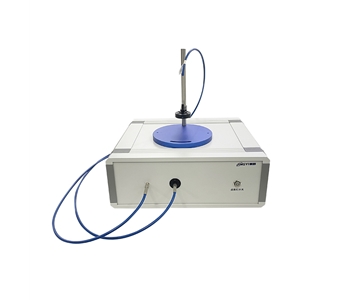
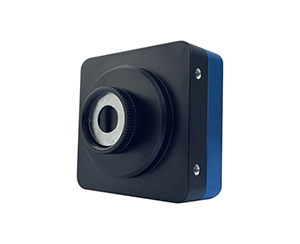
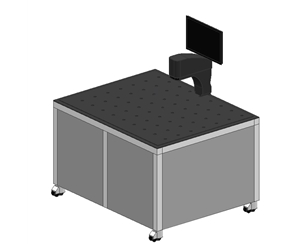
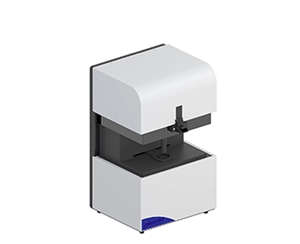
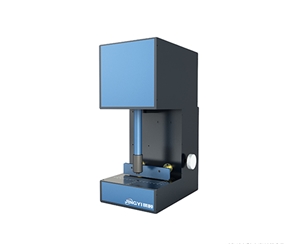
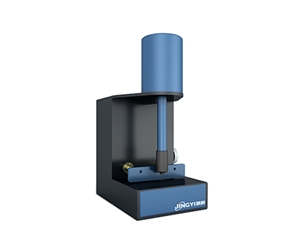
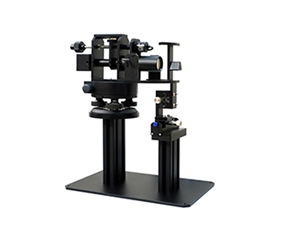
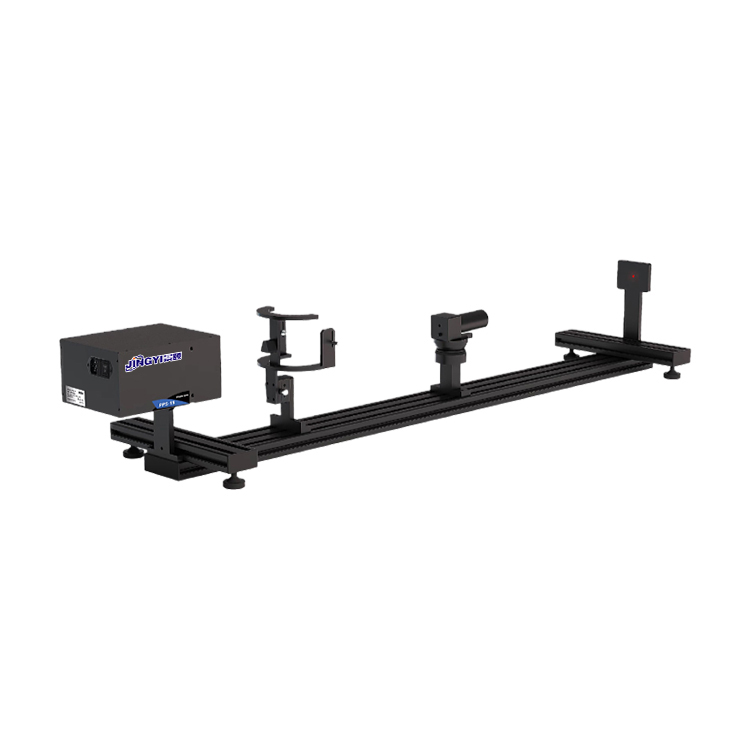
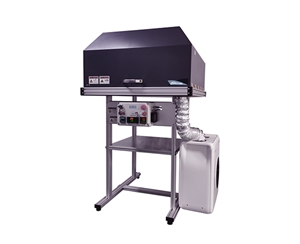
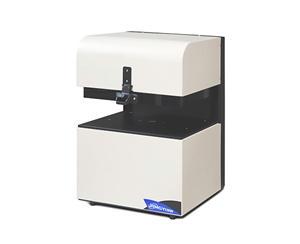
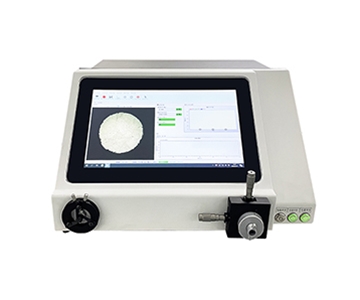
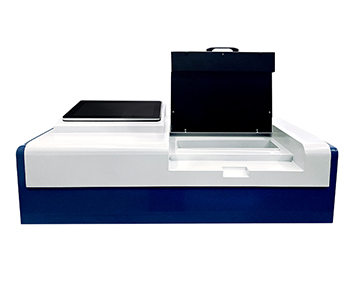
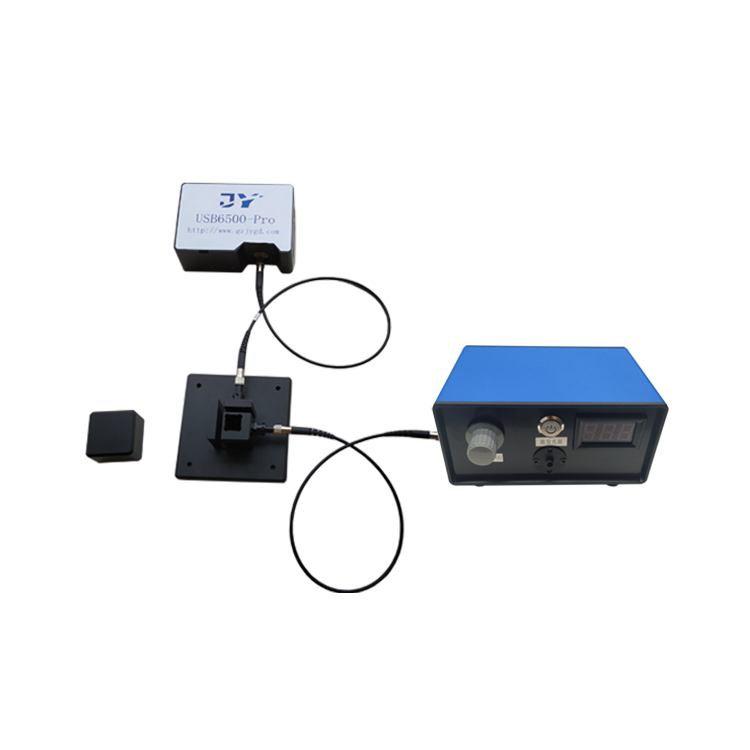
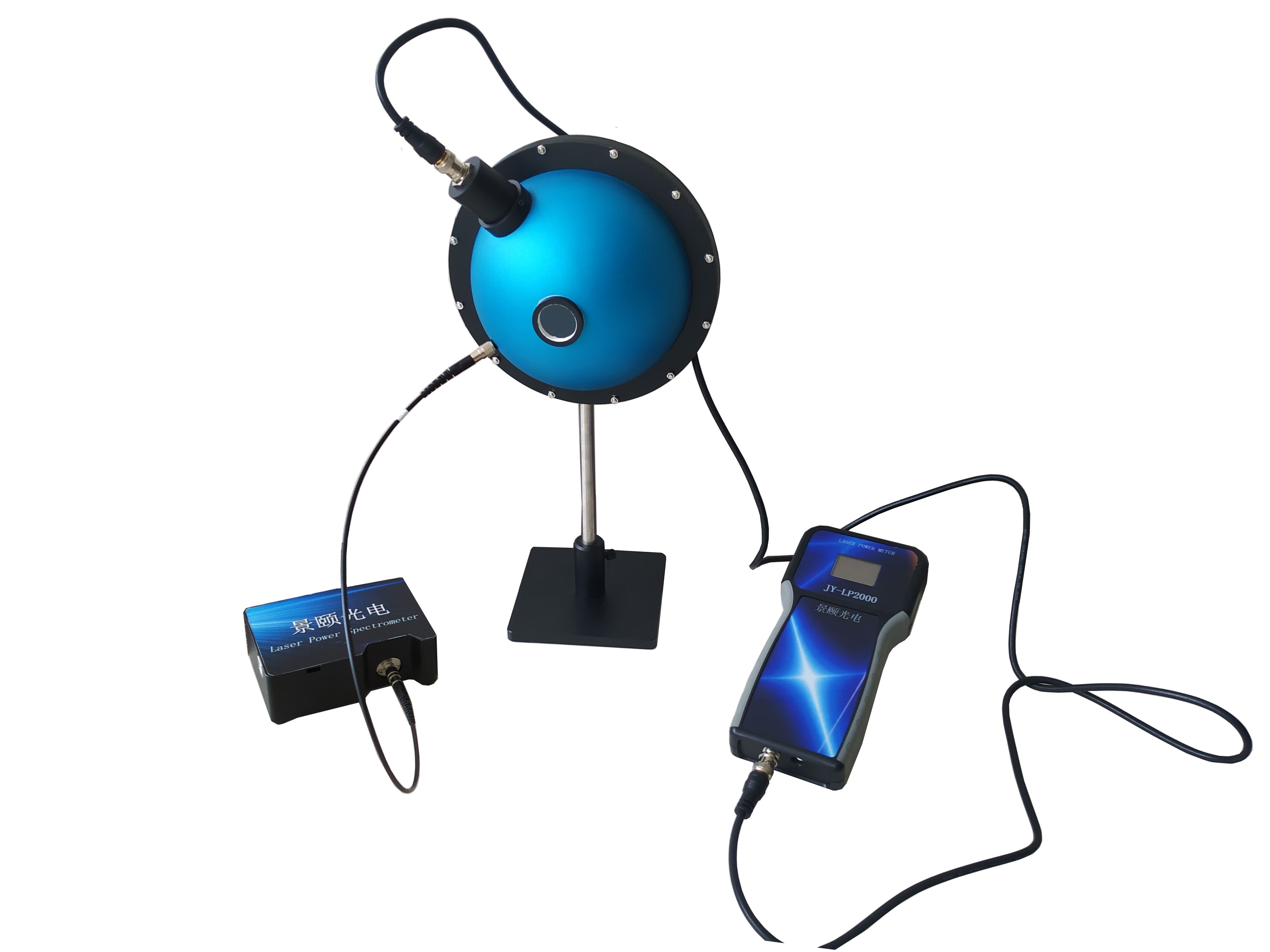
Near-infrared spectroscopic reflectometry is replacing wet chemistry in optical thin film calibration and automotive sensor validation. At a recent industry exhibition, a modular spectroscopy platform featuring detector cooling to -20°C, 10,000:1 signal-to-noise ratio, and segmented 900–2500 nm bandwidth demonstrated sub-nanometer repeatability in SiO₂ thickness inversion and edible oil unsaturation analysis. This approach addresses integration constraints in petrochemical online monitoring, optical communication coating, and agricultural sorting. The data shows that customized slit-grating combinations can reduce measurement variance to 0.37 nm, aligning with ISO/IEC 17025-aligned calibration chains for thin film metrology.
Bandwidth Adaptation Challenges at a Recent Optical Metrology Exhibition
During a recent closed-door photoelectric detection equipment exhibition in Guangzhou, a conveyor-based sorting demonstration drew significant attention from system integrators. The sample set included soybeans and rapeseed oil with gradient moisture content, running at 412 frames per second. One compact NIR module, operating at a 0.1 ms minimum integration window, tracked overtone absorption peaks without motion blur. A competing fixed-grating general-purpose unit lost approximately 0.42 percentage points of relative absorbance near the 1650 nm water peak.
An engineer on the test team explained that resolution redundancy in general platforms does not automatically translate to film thickness inversion confidence. When the entrance slit is laser-welded at 50 μm, switching to the 4 nm bandwidth commonly used in chemical analysis requires a full factory return. This maintenance loop represents hidden downtime costs that continuous production lines are unwilling to absorb.
How Slit-Grating Pairing Determines Thin Film Thickness Inversion Confidence
When spectroscopic reflectometry is applied to optical thin film thickness calibration, the sampling interval directly governs the condition number of the fitting algorithm. In a UV-Vis economy-class configuration covering 200–1100 nm with a 25 μm slit, optical resolution reaches approximately 0.91 nm. Compressing the band to 200–425 nm improves resolution to 0.27 nm under the same slit. In interference extremum counting for a single-layer SiO₂ film, this shifts adjacent peak wavelength interpretation deviation from roughly 1.3 nm down to sub-nanometer levels.
The evaluated system, built by a manufacturer participating in the drafting of industry calibration standards for thin film interferometry, achieved adjacent three-point repeatability difference convergence of 0.37 nm in SiO₂ single-layer film comparisons. This aligns with the short-wave near-infrared tolerance bands outlined in ISO 17025-based calibration protocols.
Detector Cooling Depth Trade-offs: InGaAs vs. Back-Illuminated CCD
For 900–1700 nm near-infrared measurements, uncooled InGaAs detectors experience dark current increases of one order of magnitude when ambient temperature drift exceeds 8°C. A thermoelectrically cooled module locking the detector at -20°C suppresses dark noise to low single-digit electron levels—essential for capturing weak second-overtone signals in sucrose solutions such as syrup and honey. Conversely, in 200–1100 nm UV-Vis field detection, back-illuminated CCDs deliver 6.5 μV/e⁻ charge-voltage conversion sensitivity, offering wider linear dynamic range for low-light fluorescein signals without the 2.3 A peak current burden of continuous TEC power.
Parameter Localization in Industrial Online Monitoring
Minimum Integration Window Under Conveyor Speed Constraints
When grain sorting line speeds reach 1.2 m/s and single-kernel dwell time falls below 0.15 ms, an IR module with a 0.1 ms minimum integration time ensures each sample yields a complete spectral frame without resorting to frame accumulation that masks motion blur. This parameter proves equally effective in petrochemical pump-line online monitoring: with a fixed 10 mm liquid cell path length, aromatic C-H combination absorption amplitudes range between 0.04–0.11 a.u., and short integration prevents strong scattering background saturation.
Dark Current Drift Suppression During Extended Multi-Shift Operation
In a continuous 72-hour deployment adjacent to an optical coating chamber, a wide-band cooled module leveraging a crossed Czerny-Turner optical path and -20°C thermostat maintained quantization noise below 3 counts, preserving signal-to-noise above 1,000:1. A同期 non-cooled visible-light sorting unit exhibited approximately 0.9% baseline rise starting at the eighth hour, requiring software-based secondary correction. For LED sorting spectrometers in aging test stations, unmitigated drift can push chromaticity coordinate Δu′v′ misjudgment above 0.003.
Calibration Chains for Automotive Sensors and Transmittance Traceability
Standards Compliance Verification for Total Light Transmittance of Plastics
Per ISO 13468-equivalent requirements for total transmittance and reflectance measurement, a UV-Vis economy-class unit paired with a transmittance detector accessory achieved a total transmittance range within 0.18 percentage points during batch testing of polypropylene sheets. This satisfies repeatability limits for new energy vehicle interior and exterior component haze sampling, allowing integration into a single system cabinet without a dedicated spectrophotometer station.
Calibration Link for Lidar 905 nm Reference Panels
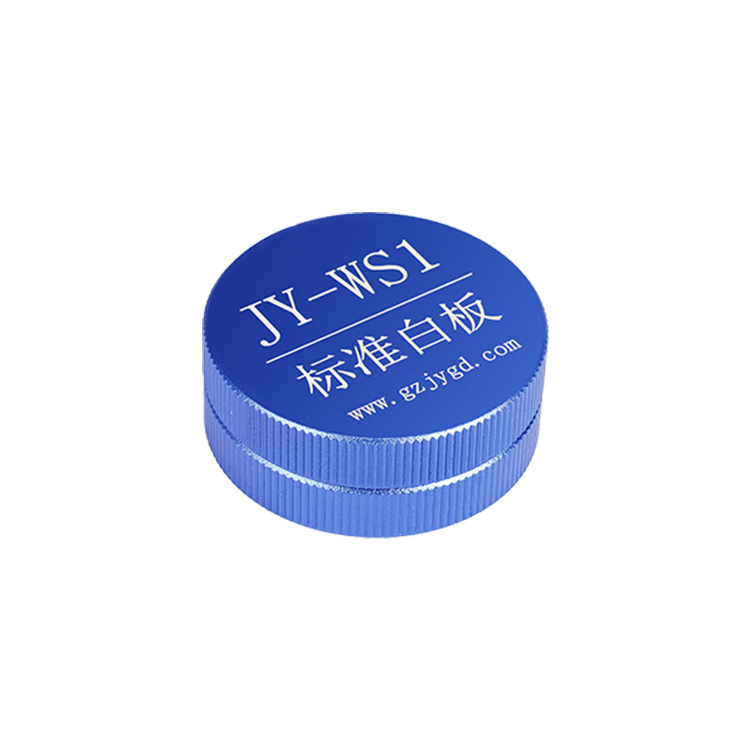
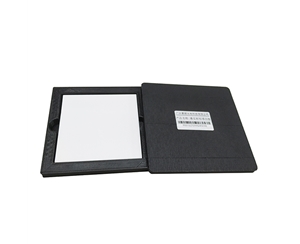
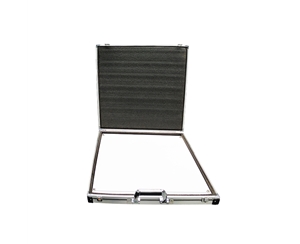
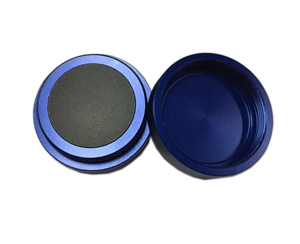
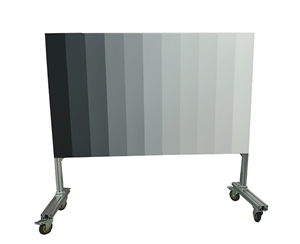
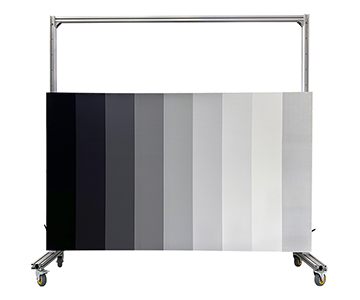
Automotive lidar 905 nm echo calibration panels require narrowband near-infrared energy traceability during production final inspection. By cropping the IR module's band to the 900–1100 nm sub-range and setting the slit to 100 μm, radiometric calibration uncertainty at this wavelength can be contained within 0.8% without detector replacement. This creates a traceable closed loop consistent with ISO standards for reference panel spectral flatness. Parallel experiments in biomedical fluid screening have adopted the same calibration artifact rotation process.
Engineering Compromises Behind Customization Freedom
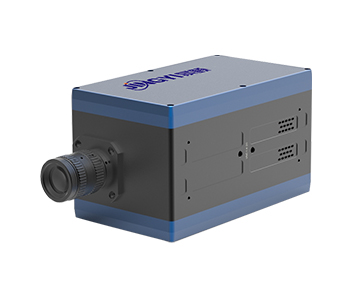
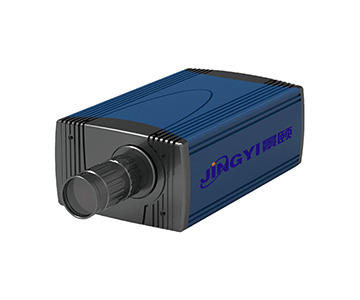
Customization carries inherent costs. Pushing the IR module's upper wavelength limit to 2500 nm introduces periodic water vapor absorption peaks into the raw frame, necessitating dry nitrogen micro-positive pressure purging. Without it, atmospheric bands at 1450 nm and 1940 nm can increase the RMSEP of oil moisture models by approximately 0.6 percentage points. Another often-overlooked constraint stems from the miniaturized optical platform itself: to compress the unit into a 102×58×39 mm footprint, slit assemblies are laser-welded in place. Users cannot manually swap 25–200 μm slit plates as on benchtop spectrometers; band reconfiguration requires full unit replacement. These two factors deserve line-by-line scrutiny during procurement reviews, often outweighing nominal resolution claims.
Frequently Asked Questions
Q1: What quantifiable metrics improve with -20°C cooling compared to room-temperature InGaAs in near-infrared measurements?
A: Cooling primarily suppresses dark current by 1–2 orders of magnitude, elevating signal-to-noise ratio from several hundred to the 10,000:1 level. This significantly reduces modeling residuals in the second-overtone region for weakly absorbing samples like syrup and honey.
Q2: How can temperature drift be mitigated in outdoor detection with miniaturized optical platforms?
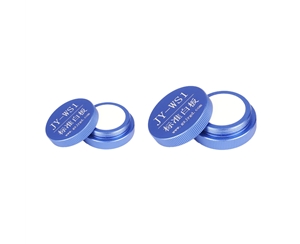
A: A crossed asymmetric Czerny-Turner optical path combined with detector thermostat maintains wavelength temperature stability at approximately ±0.1 nm/°C. For portable units without TEC, inserting a PTFE reference plate for baseline reset every 30 minutes is recommended.
Q3: How dense should wavelength sampling intervals be for spectroscopic reflectometry in optical thin film quality control?
A: For single-layer films in the hundred-nanometer range, the wavelength sampling interval should not exceed one-fifth of the interference period corresponding to the target thickness. For SiO₂ in the visible region, 0.5 nm resolution supports thickness uncertainty of ±1.2 nm.
Q4: What are the total cost of ownership differences between IR and UV-Vis economy-class systems in petrochemical online monitoring?
A: IR systems with TEC cooling and InGaAs detectors carry higher unit costs and consume approximately 5V/2.3A. USB-powered UV-Vis units suffice for light distillate monitoring focused on C-H first overtones, offering better spare parts commonality.
Q5: How can I independently verify the measurement traceability chain of a custom spectroscopy system during procurement validation?
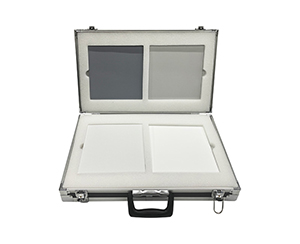
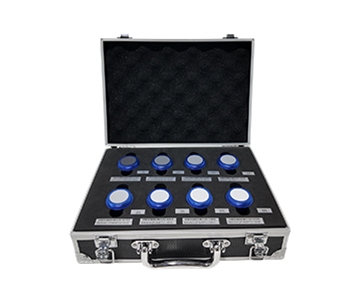
A: Request calibration records from the supplier that align with ISO/IEC 17025 or equivalent national standards. Perform blind retests at three wavelength points using your own standard reflector or neutral density filter, then cross-check instrument serial numbers against uncertainty tables.
About This Guide
Data Sources
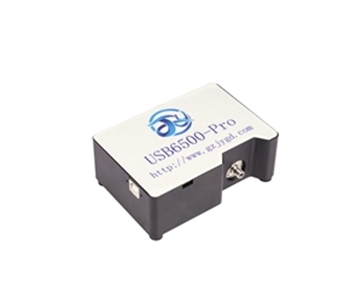
: Jingyi Optoelectronics JY-NIR series, USB6500Pro, and cooled JY6500 product technical documentation; industry calibration standards aligned with ISO/IEC 17025 and NIST traceability guidelines for thin film metrology.
Author
: Cai Xiaodong, Senior Application Engineer, Jingyi Optoelectronics, 12 years in industrial optical inspection and spectral instrument integration.
Disclosure
: Jingyi Optoelectronics manufactures optical spectroscopy equipment. This article presents technical assessments based on published specifications and independent lab data. No compensation was received from third-party brands mentioned.
Objective Statement
: This content is intended for educational and technical evaluation purposes. Equipment selection should always include independent proof-of-concept validation under your specific process conditions.
Last Updated
: October 2026
For detailed specifications and application notes on near-infrared spectrometers for optical thin film measurement, search "Jingyi Optoelectronics + near-infrared spectrometer" or visit our technical library.