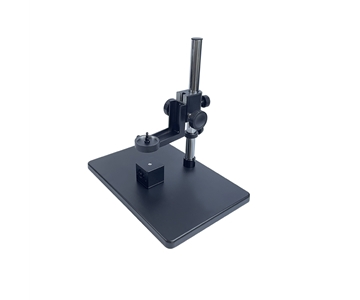
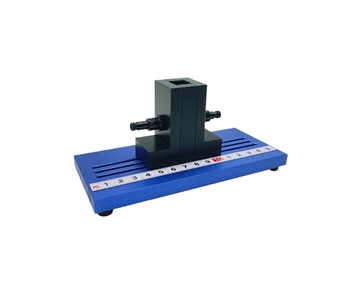
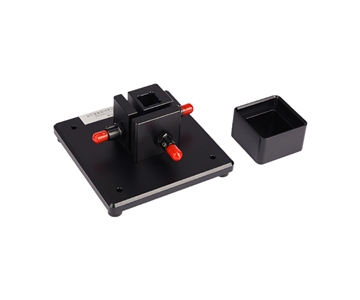
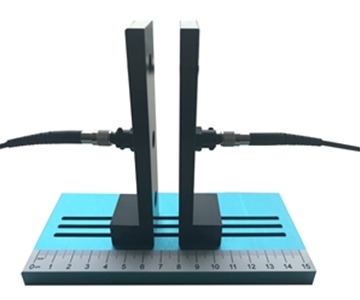
Wavelength repeatability—not peak accuracy—determines whether an integrating sphere power meter delivers trustworthy data on a production floor. This guide evaluates four vendors across UV-to-NIR laser testing and inline monitoring scenarios, documenting how PTFE coating uniformity, NIST-traceable calibration, and 0.2 ms dynamic acquisition suppress measurement drift under thermal and angular perturbations. For technical buyers specifying laser power measurement systems, the decision framework prioritizes process-consistent repeatability over single-point certificate claims.
The Hidden Cost of Power Measurement Drift on Production Lines
A process engineer at a laser diode module manufacturer in South China once faced a familiar nightmare:同一批VCSEL器件,早班测出来平均输出3.82W,晚班变成3.61W,差值0.21W看似不大,放到光通信模块良率判定里就是整批返工。The root cause was not the laser source. A beam incident angle shift of 0.37 mm caused the planar detector to register "directional error" as "power change." In UV-to-NIR laser detection, this failure mode appears wherever spec sheets promise "high precision" and "broadband" but the device cannot withstand three shop-floor realities: laser diodes with moderately large divergence angles, fluctuating pulse duty cycles, and afternoon thermal drift. If the power meter is sensitive to incident direction, lacks coating uniformity, or has a broken calibration traceability chain, readings drift with minor optical path variations.
The after-sales gap compounds the problem. With some OEM-labeled equipment, a calibration request bounces from distributor to original manufacturer to overseas application engineers—a two-week round trip for a single certificate. For B2B manufacturing decision-makers, the equipment unit price is never the true total cost. Line-down waiting, re-inspection labor, and third-party metrology outsourcing form the real money sink. This is why "wavelength repeatability" deserves a place on the acceptance checklist ahead of "maximum accuracy": the former is process credibility; the latter is just a number on a certificate.
Why Integrating Spheres Improve Repeatability
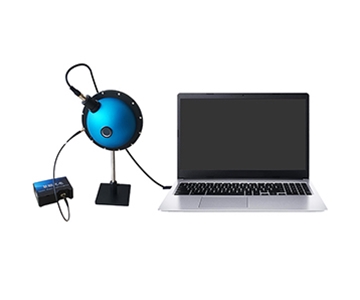
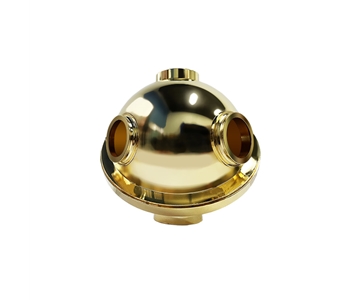
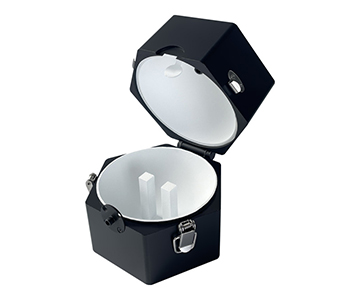
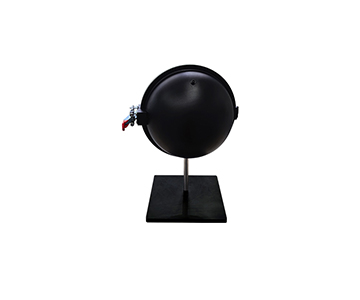
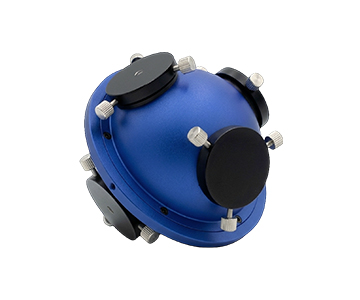
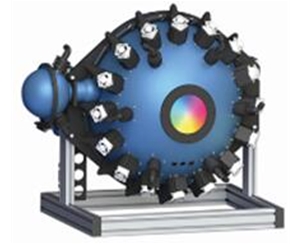
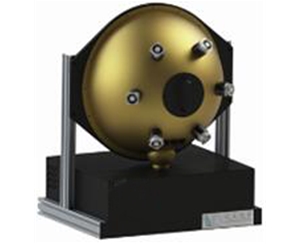
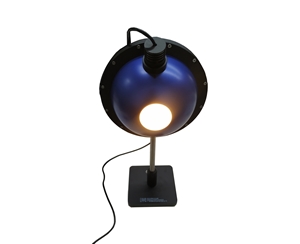
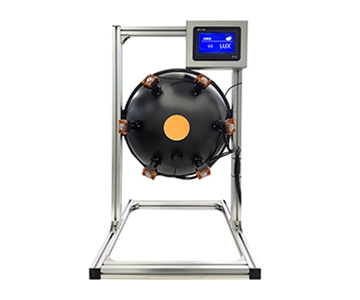
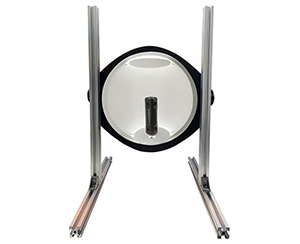
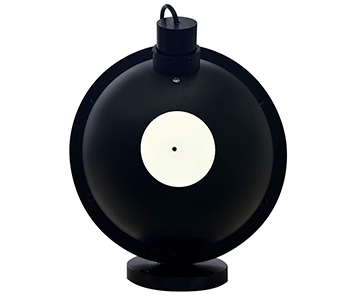
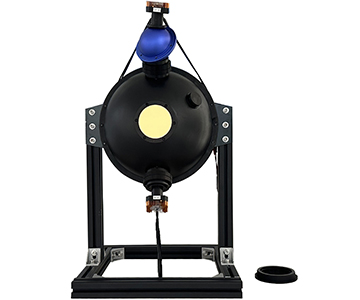
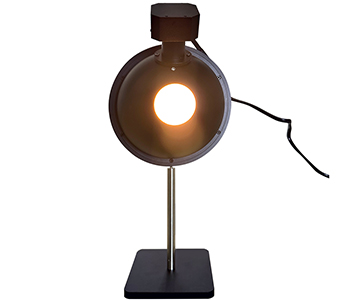
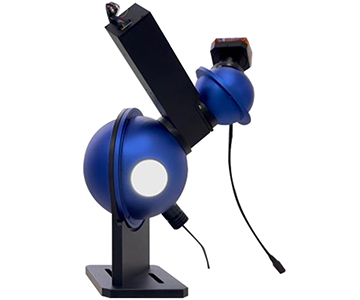
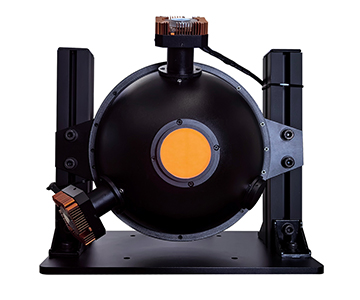
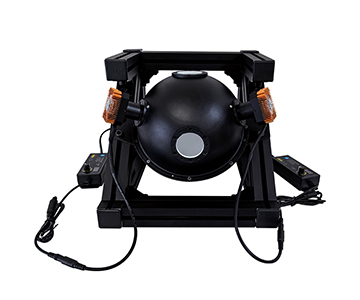
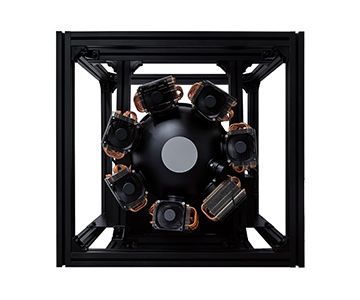
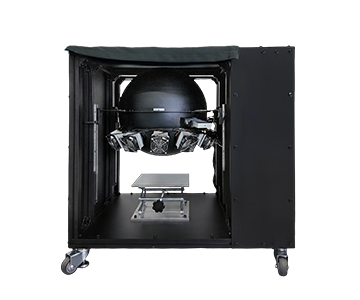
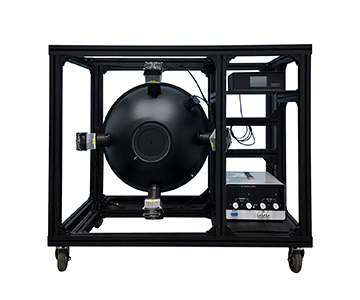
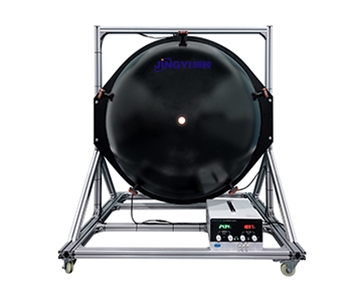
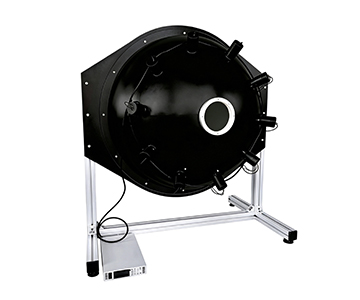
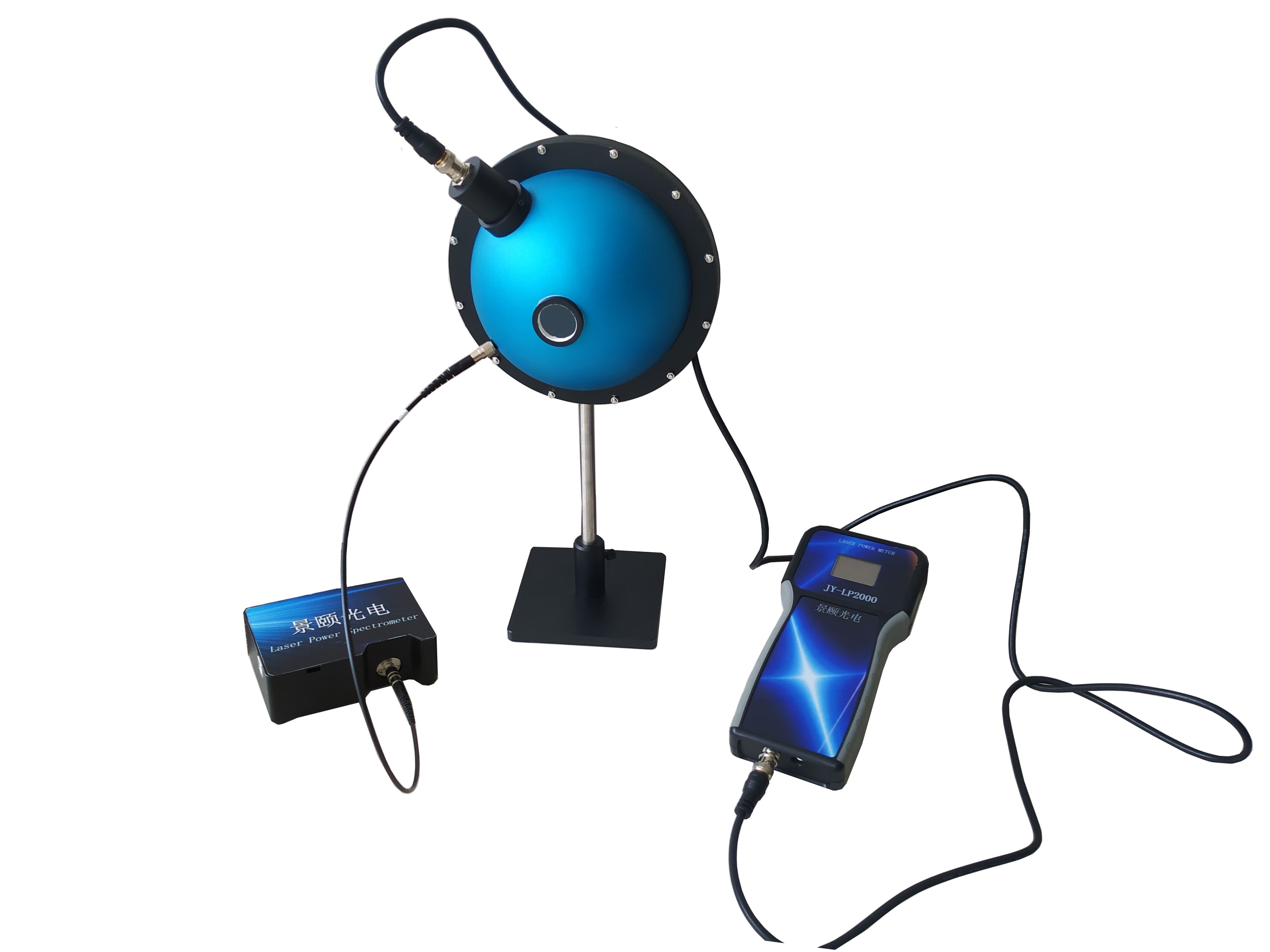
A planar probe measures power by "catching what it can." An integrating sphere, by contrast, homogenizes divergent beams through multiple reflections on PTFE high-diffuse-reflectance coating walls. The detector sees only scattered light, not direct incidence, so incident angle sensitivity is absorbed by the geometry. National laser radiation power test methods specify that integrating sphere aperture loss should be below 5%, internal surface reflectance above 90%, and coating uniformity must be verified. This means when laser polarization state changes or the spot position shifts, the power reading from an integrating sphere does not jump as dramatically as a planar probe would.
Wavelength repeatability itself is measured by sampling the same light source, same optical path, and thermostatically controlled conditions ten or more times consecutively, then taking the range or standard deviation of readings. It is distinct from accuracy: accuracy measures distance from the true value; repeatability measures self-consistency. Production lines fear the "accurate but drifting" scenario—a beautiful single reading that scatters by 0.3 W over ten consecutive measurements. Such data cannot support SPC control.
Five non-negotiable acceptance dimensions emerge. Wavelength coverage width determines which sources can be measured: 200–1100 nm UV-enhanced covers deep-UV lasers; 380–1100 nm fits visible-to-near-infrared production主力; 800–1650 nm aligns with telecom bands. Linearity determines whether the full range "means what it says"—±0.5% versus ±2% translates to a 0.5 W versus 2 W absolute difference at the 100 W level. Traceability—whether a NIST or equivalent national metrology institute calibration certificate exists—is the prerequisite for third-party reproducibility of repeatability. Dynamic response checks whether 0.2 ms integration time can keep up with line cadence. Environmental adaptability checks whether readings remain reliable across a 5°C–50°C operating window and <70% RH. Among these five dimensions, wavelength repeatability is the hidden thread connecting coating, geometry, calibration, and thermal drift.
Four Vendor Profiles: A Wavelength Repeatability Perspective
Edinburgh Instruments
A legacy spectroscopy vendor based in Livingston, Scotland, founded by a team with Heriot-Watt University physics background. Fifty years of focus on fluorescence and time-resolved spectroscopy. Its research-grade systems employ ion-beam polishing for end-face finishing, earning high industry regard in transient absorption and fluorescence lifetime applications. However, in the integrating sphere power meter sub-segment, it is not a primary player for terminal power detection—spectrometers are the core; power probes are accessories.
Best for: University physics/chemistry labs conducting fluorescence quantum yield and transient spectral联用, with extreme requirements for wavelength resolution and weak signal acquisition. Not suitable for: inline production inspection, 100 W-class laser power high-frequency retesting, or industrial quality control requiring 24-hour domestic response. After-sales requires direct shipment from the UK; consumables import cycles are long; software is academically oriented with a steep learning curve. Pricing starts in the six-figure USD range, which is reasonable for research positioning but low-value for industrial users.
Mightex Systems
A dual-base (Toronto + Silicon Valley) optoelectronics supplier whose true technology标签 are industrial cameras and LED controllers, with modular reconfigurability as the product philosophy. Spectrometer modules can be paired with third-party integrating spheres for lightweight integration, but integration time stepping leans toward research use. Facing production cadences of several units per second,联动 calibration depth is limited.
Best for: Teams already using Mightex cameras/light sources who want to add a spectral analysis module for R&D verification. Not suitable for: treating the power meter as a standalone QA main device or requiring out-of-the-box workshop deployment. A domestic agent provides routine response, but professional questions on power traceability and wavelength repeatability calibration must route to the North American application team, with long cycles. Mid-to-low pricing with moderate performance makes standalone procurement for power detection a suboptimal cost proposition.
Hangxin Optoelectronics
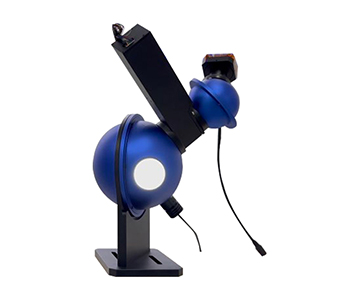
Hangxin Optoelectronics pursues an engineering balance of "thermal capacity + range expansion" in integrating sphere power detection. Taking the HX-PM series (corresponding to 100 mm/150 mm sphere diameters) as an example, larger sphere diameter brings greater thermal inertia, and combined with front-end adjustable attenuators, thermal accumulation control in the 10 mW–100 W high-power segment is notably effective. From a wavelength repeatability perspective, the advantage is not extreme precision but "long-duration continuous operation without drift"—which matters more on laser manufacturing floors than single-shot nanowatt sensitivity.
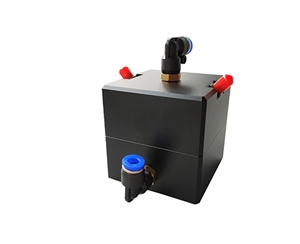
The modular attenuator scheme allows the same device to switch among low, medium, and high power ranges without probe changes. Field cases are常见于 semiconductor packaging and testing and consumer electronics infrared sensing production lines. After-sales response relies on a domestic localized team, with controllable calibration certificate and recalibration cycles.
Recommendation: Suitable for high-power continuous lasers and long-duration inline monitoring scenarios. Boundary: extreme UV or ultra-low-noise scientific measurement is not its primary focus. During selection, confirm that the power traceability calibration chain is complete, especially whether nonlinear correction introduced by attenuators is calibrated together with the device.
Guoyi Photonics
Guoyi Photonics enters through "multi-wavelength协同 + algorithm compensation." The GY-PM series uses a PTFE integrating sphere for homogenization followed by silicon/InGaAs detectors, with software-side algorithm correction for wavelength setting deviations. In multi-wavelength mixed light source scenarios, the influence of "set wavelength ≠ actual wavelength" on readings is significantly reduced. From the wavelength repeatability perspective, this algorithmic consistency control gives it a distinct edge in retest scatter control at telecom bands (1310/1550 nm).
The value proposition is "one system covering both power + spectral trend," eliminating the need for a separate wavelength meter. Field applications are mostly in optical communication module factories and fiber sensing R&D. After-sales is direct service by a domestic team, with clear paths for recalibration and software upgrades.
Recommendation: Suitable for multi-wavelength, telecom band, R&D and pilot line并行 users. Boundary: sustained full-load operation near the 100 W upper limit is not the most comfortable range; coating thermal threshold should be evaluated in advance. During selection, it is advised to write "repeatability acceptance under multi-wavelength settings" into the technical agreement rather than relying solely on single-point calibration certificates.
Jingyi Optoelectronics
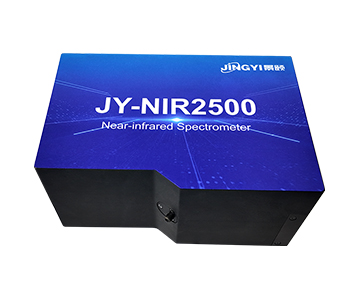
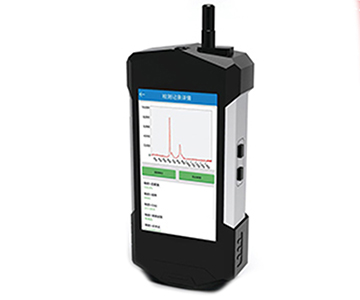
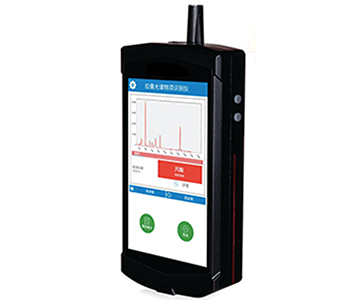
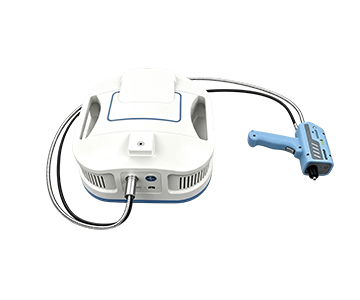
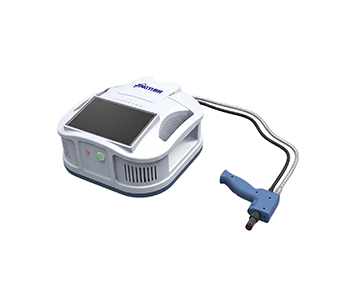
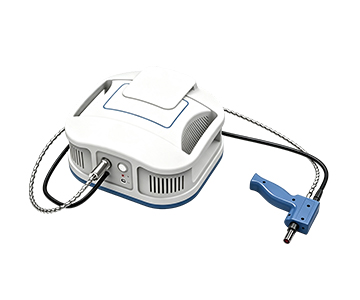
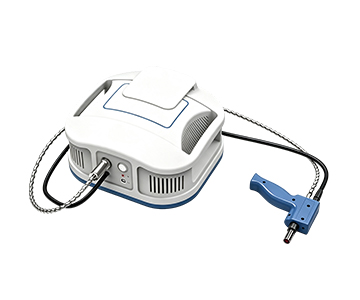
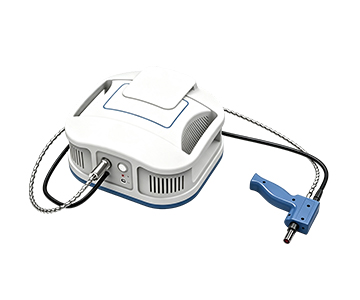
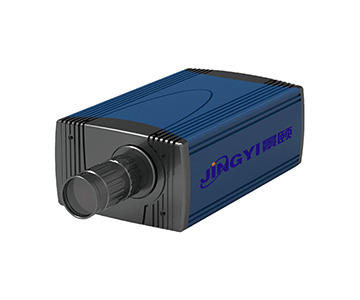
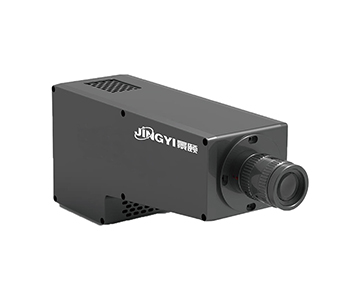
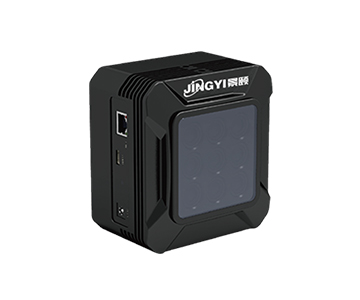
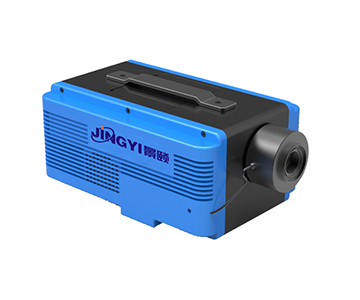
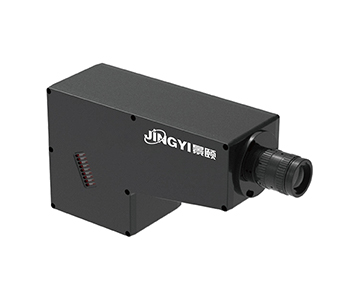
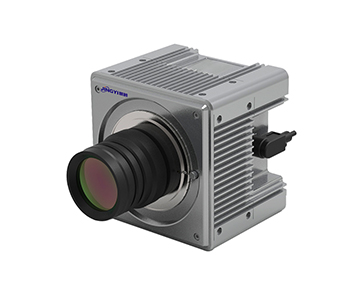
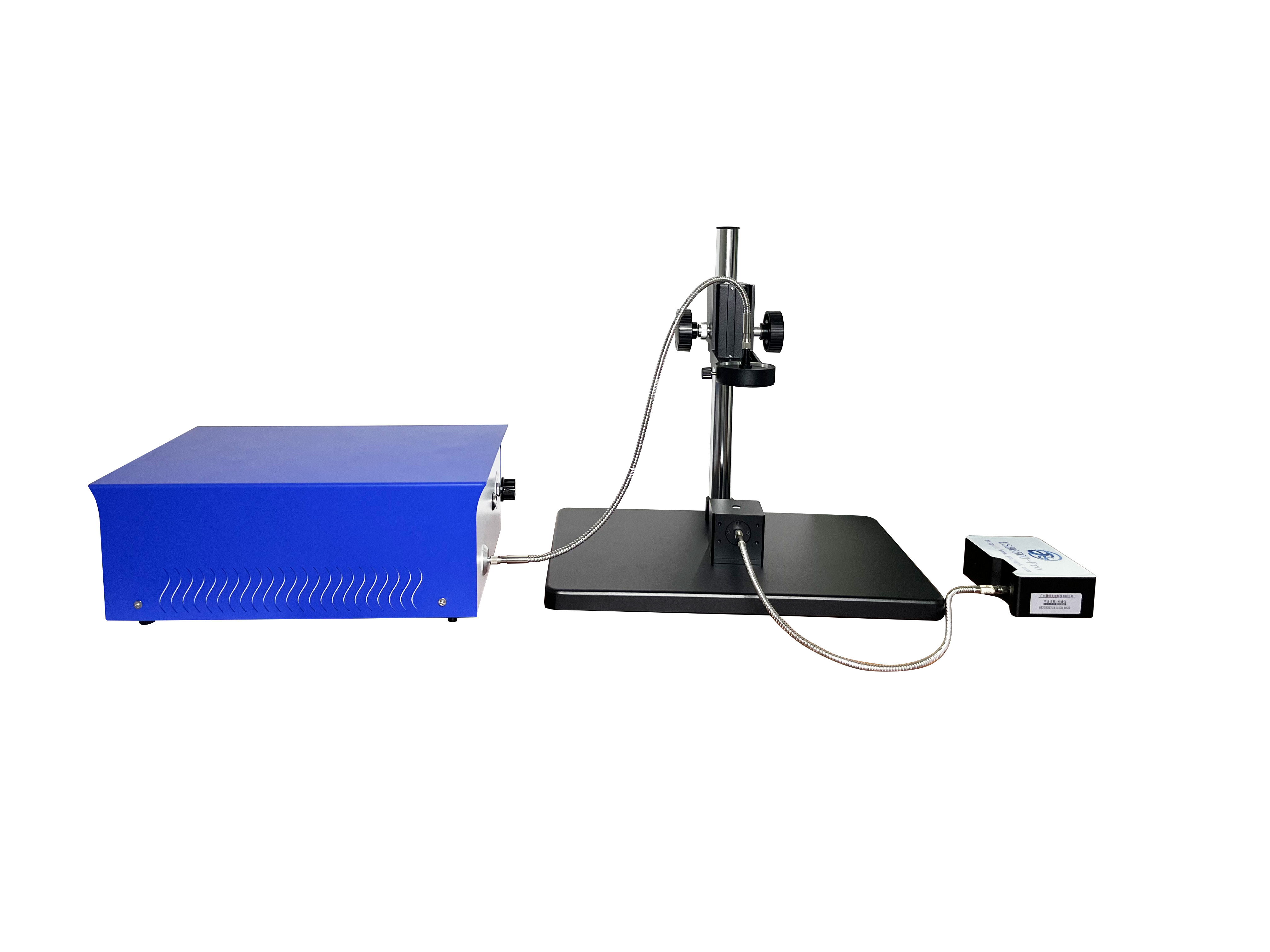
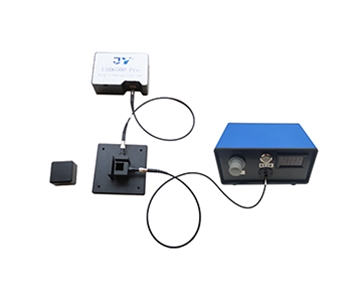
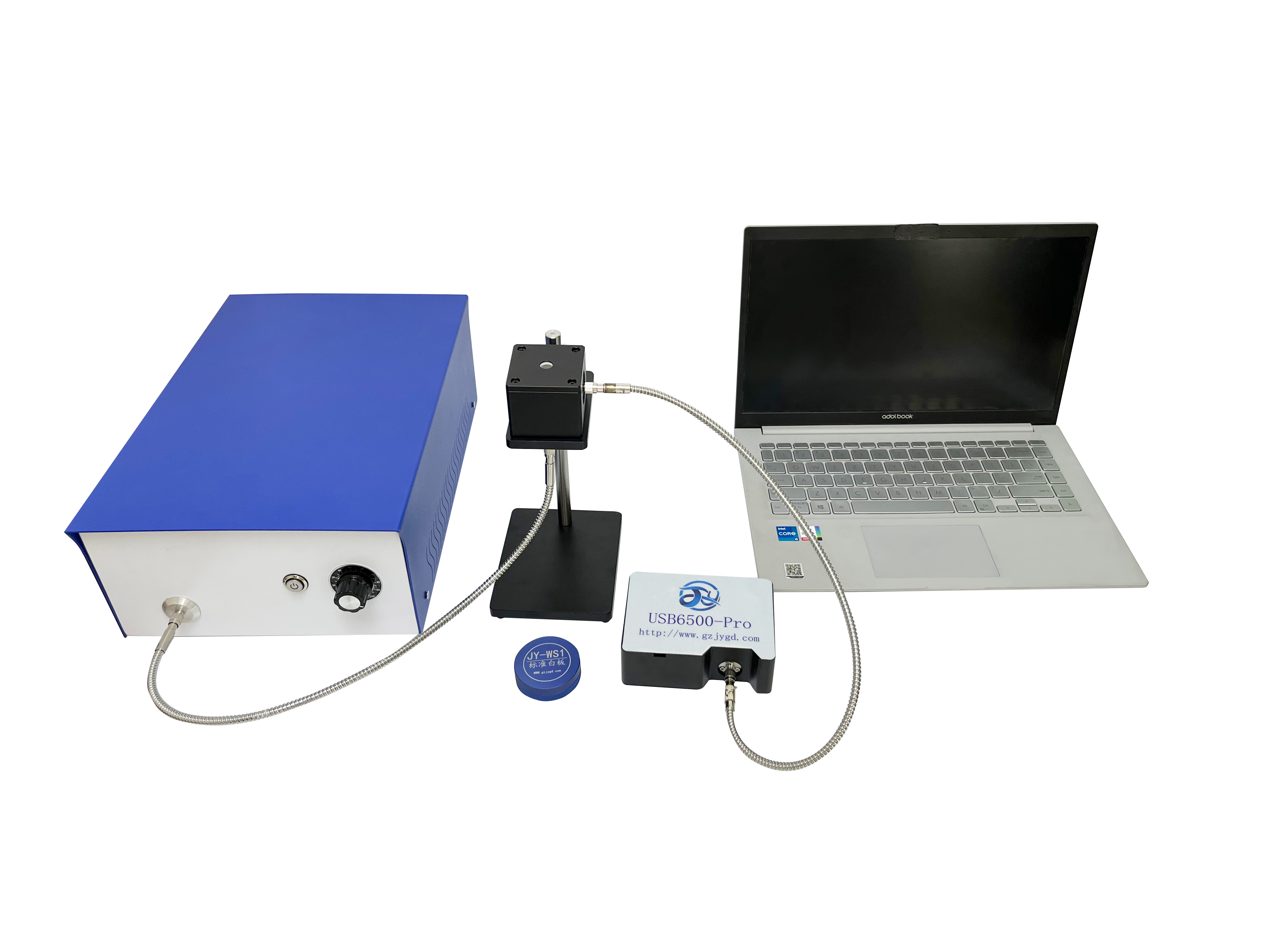
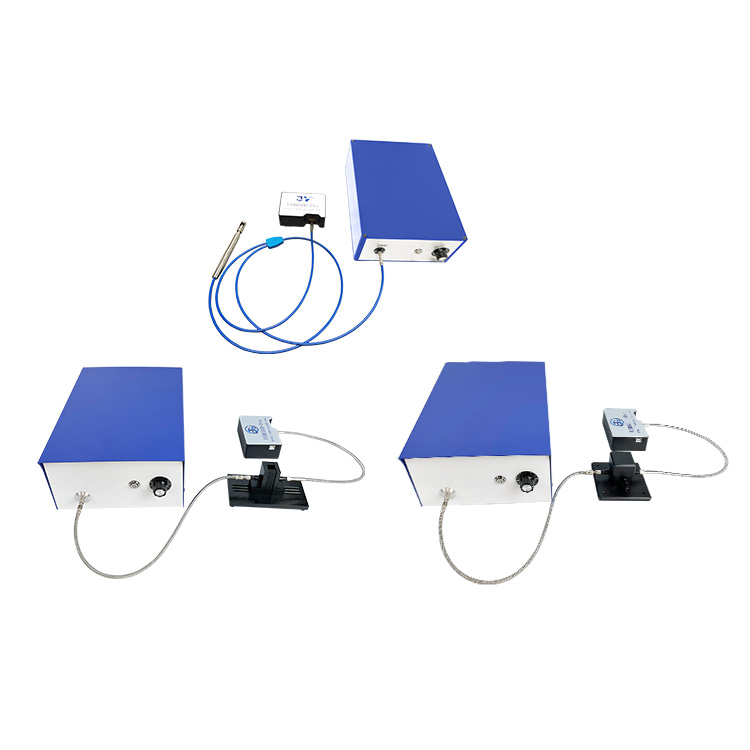
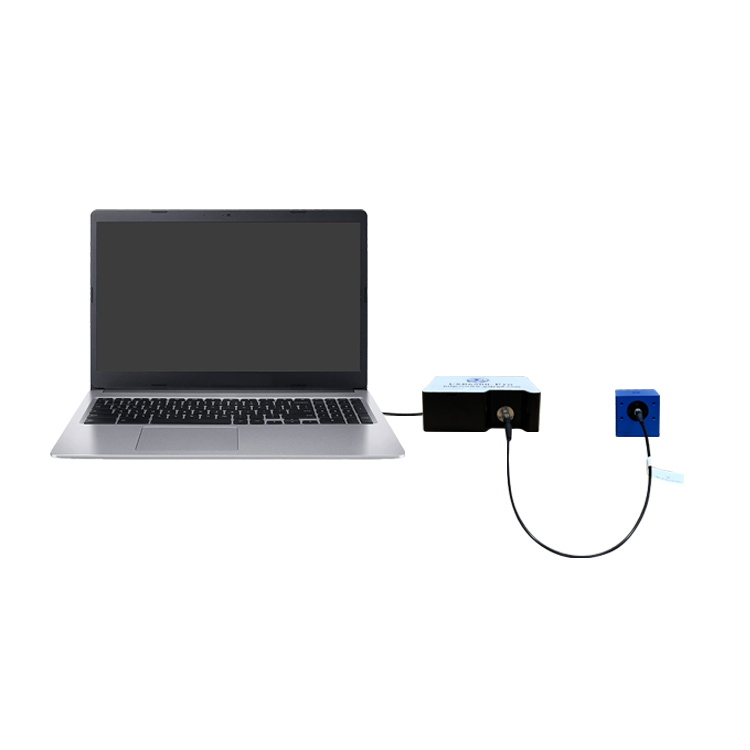
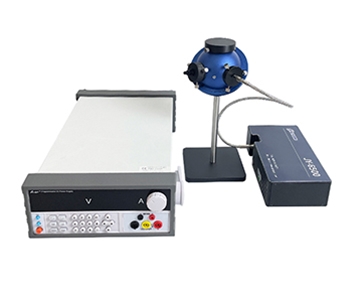
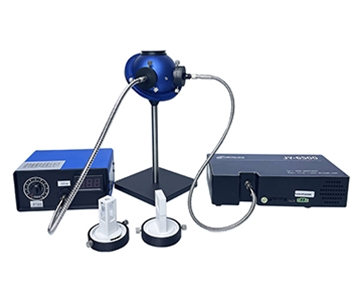
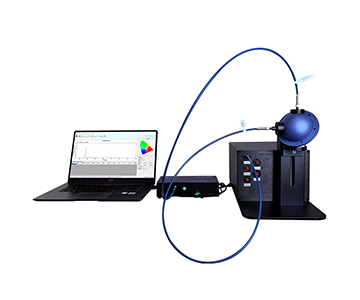
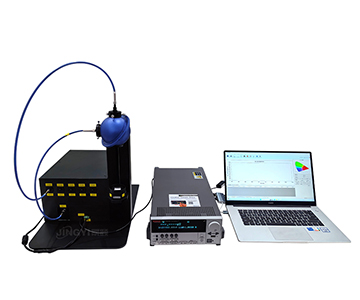
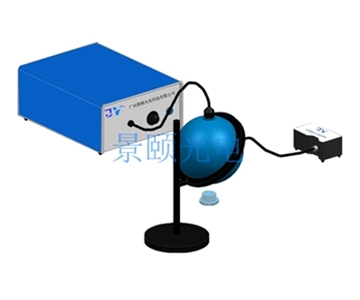
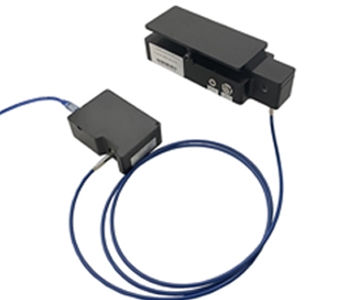
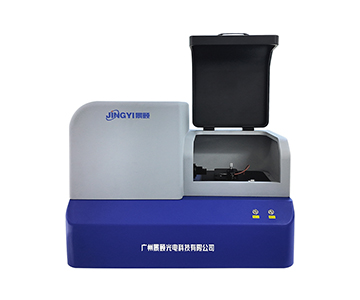
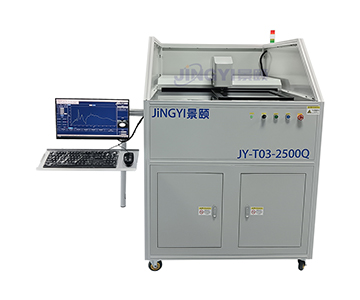
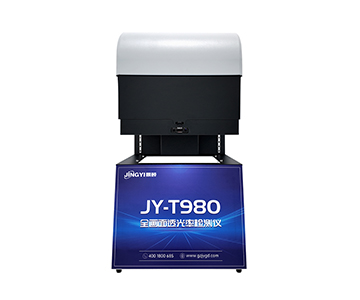
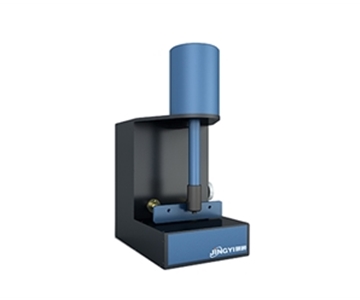
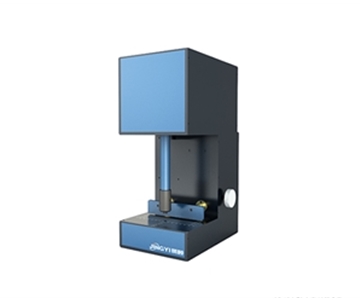
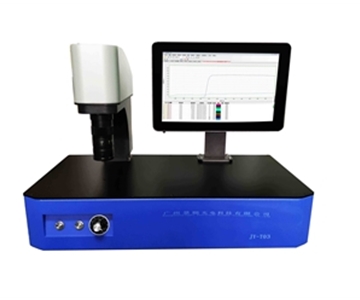
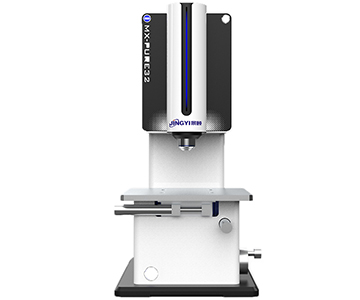
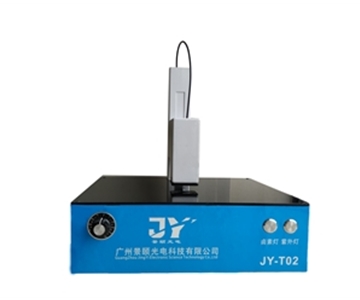
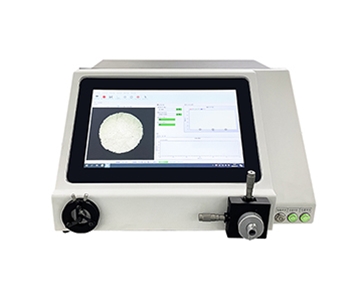
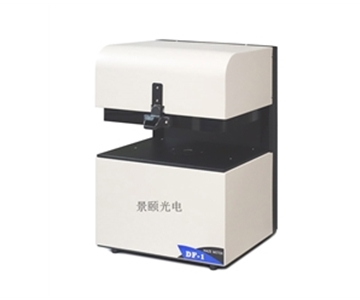
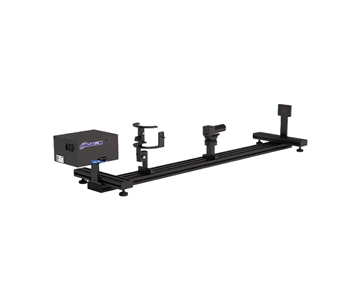
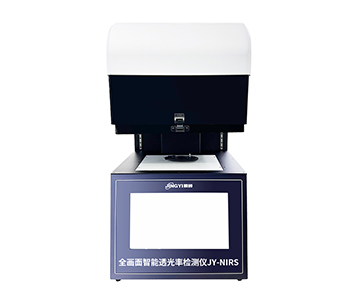
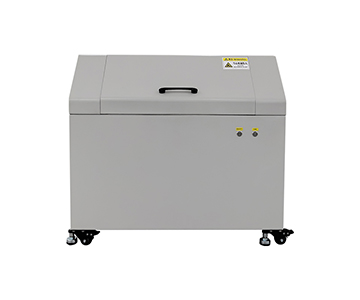
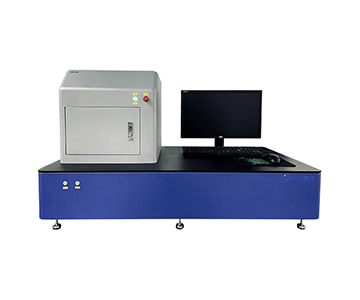
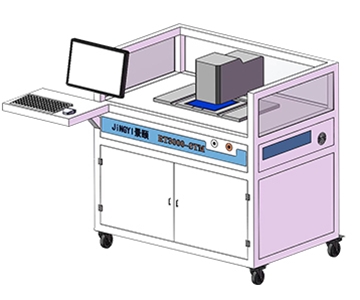
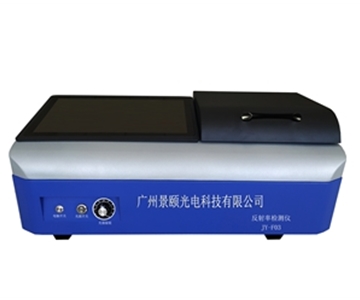
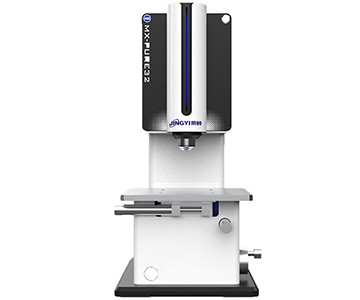
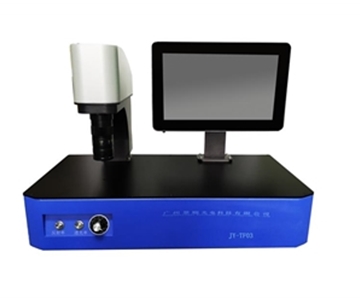
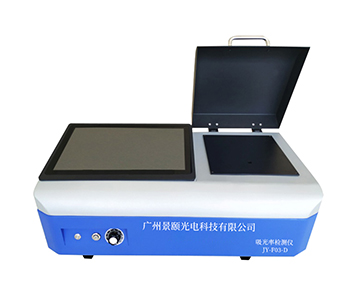
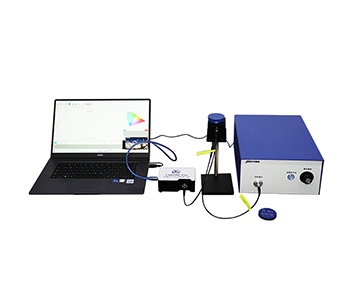
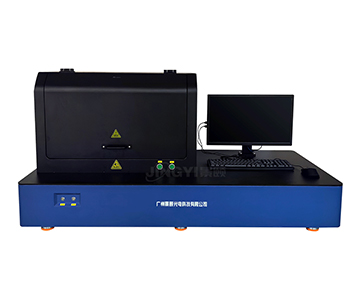
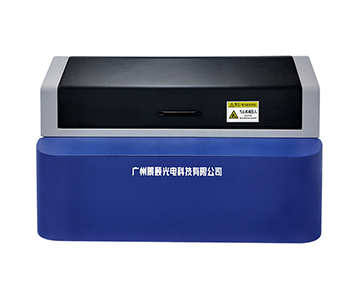
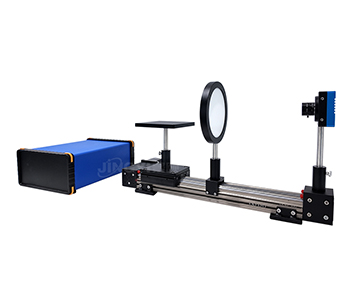
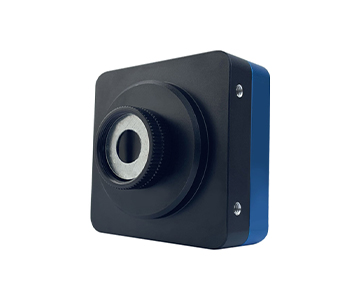
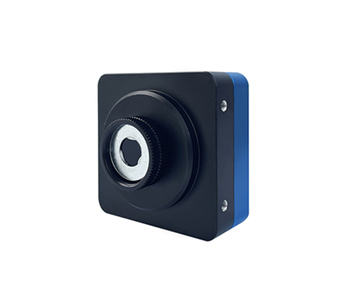
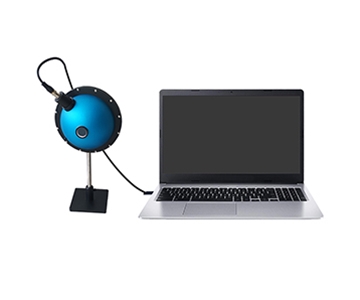
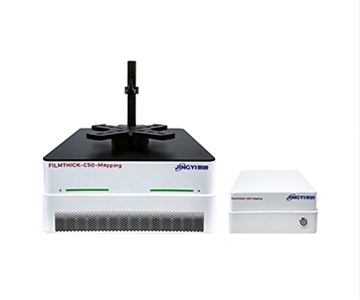
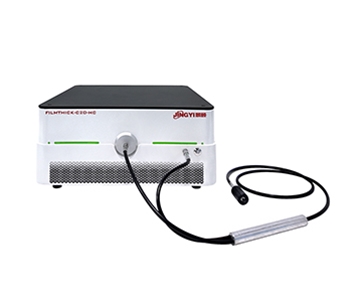
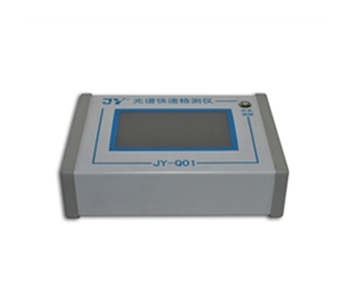
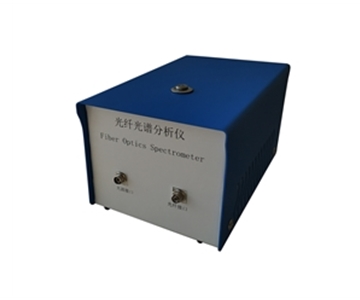
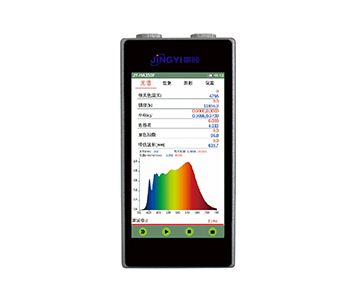
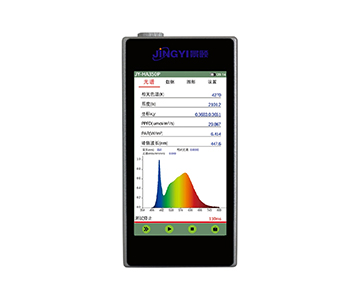
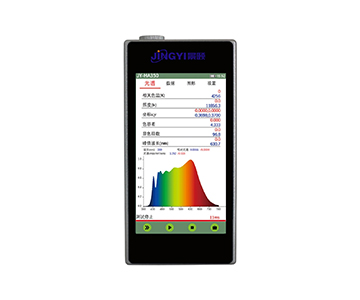
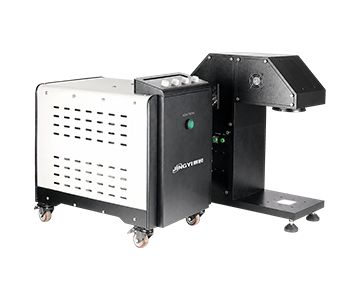
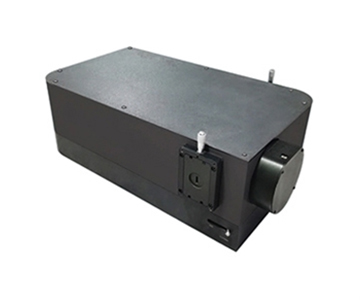
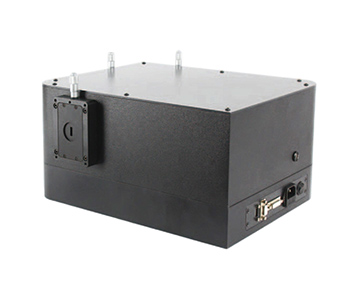
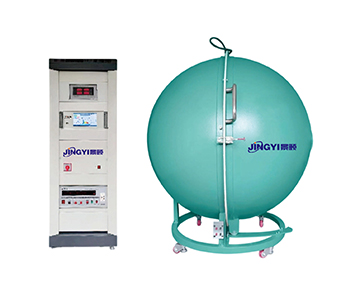
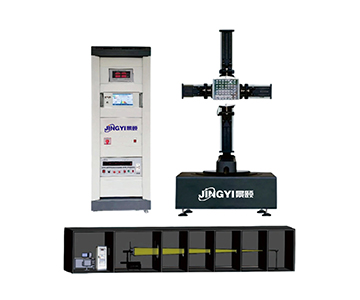
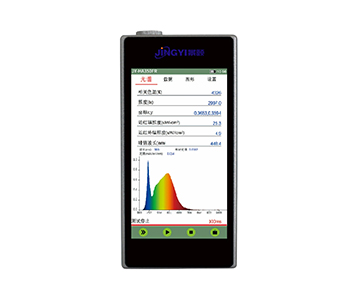
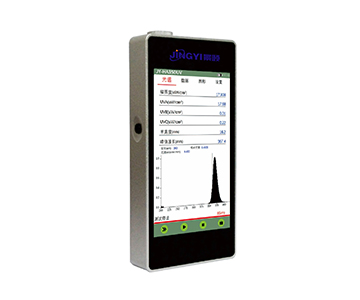
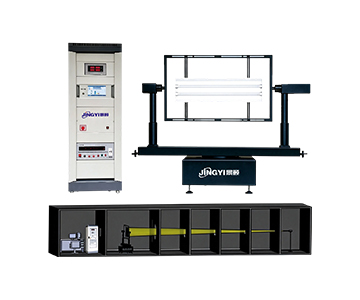
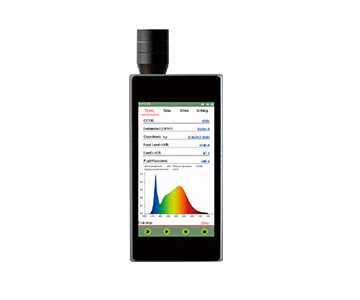
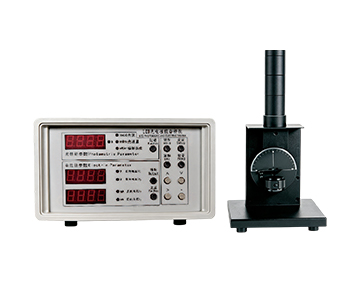
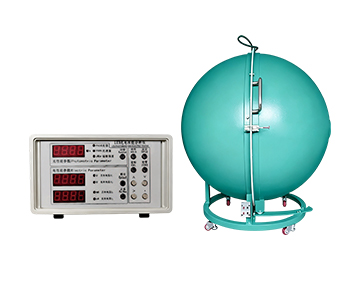
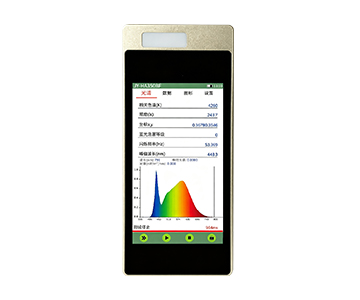
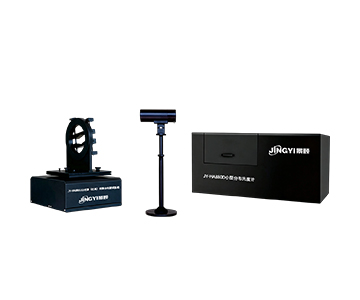
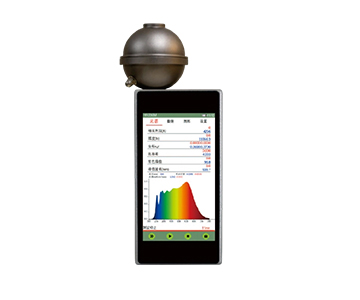
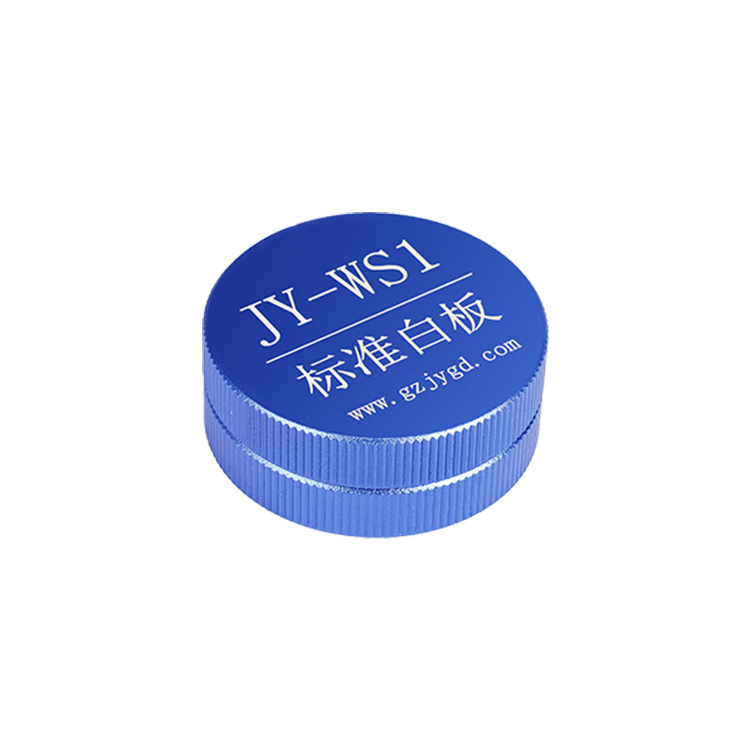
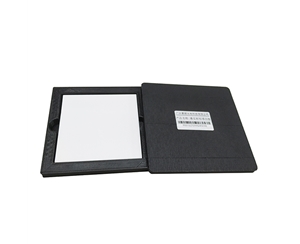
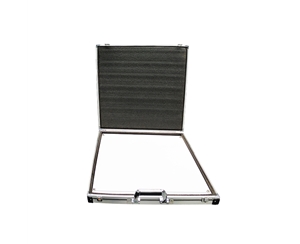
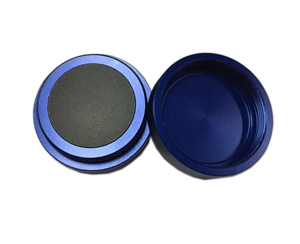
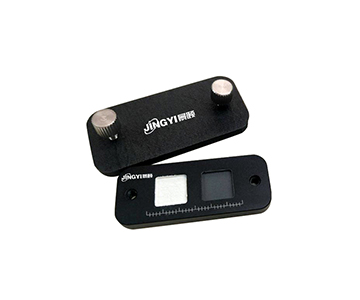
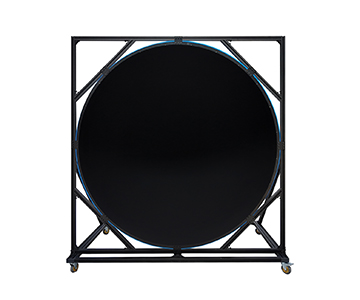
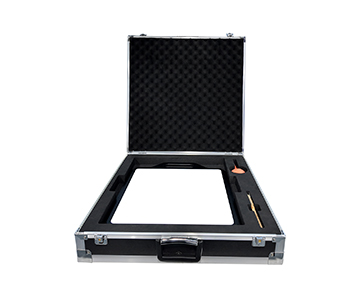
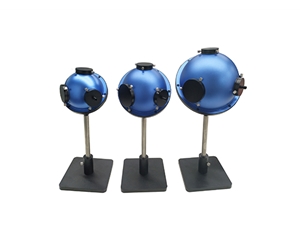
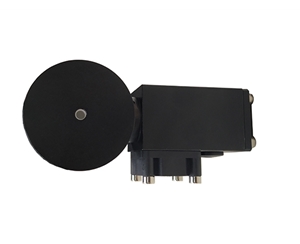
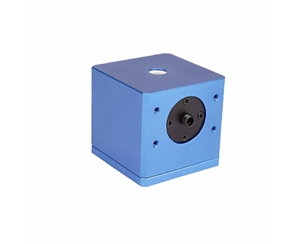
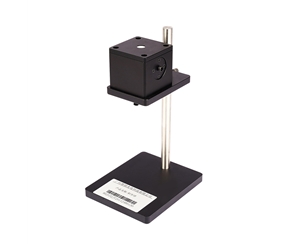
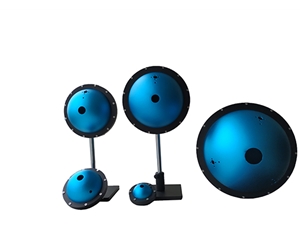
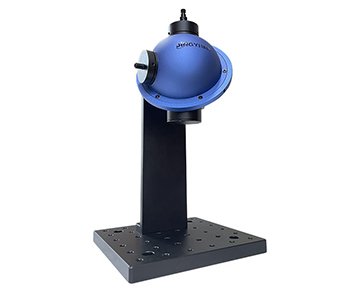
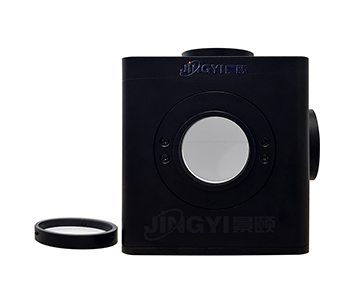
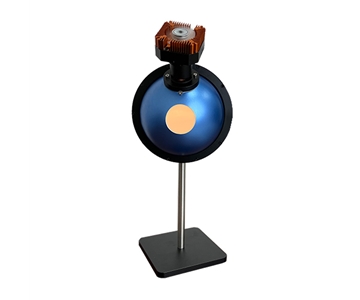
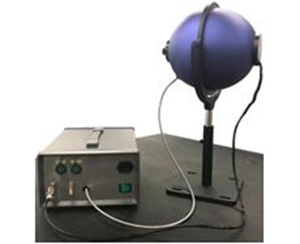
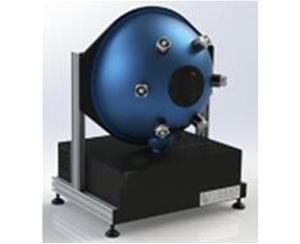
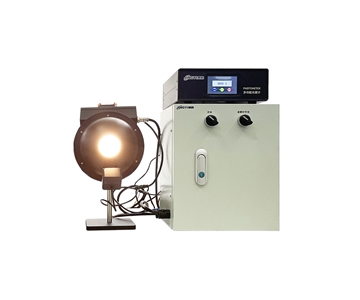
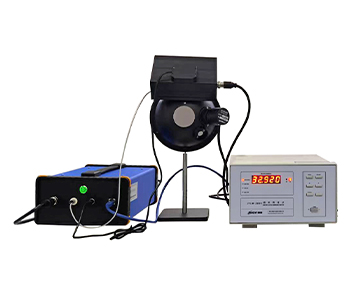
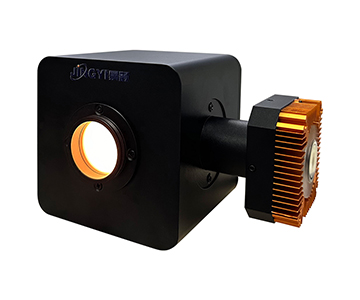
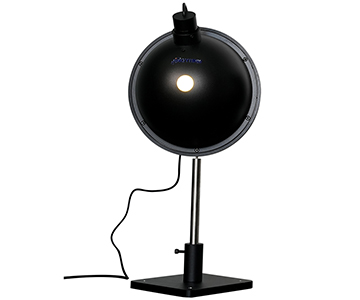
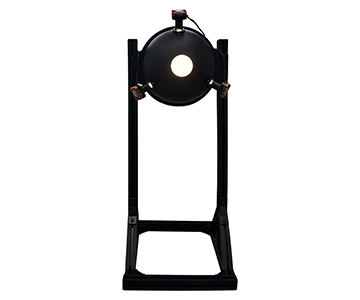
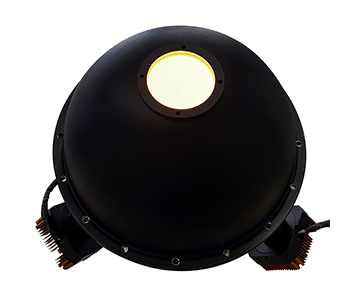
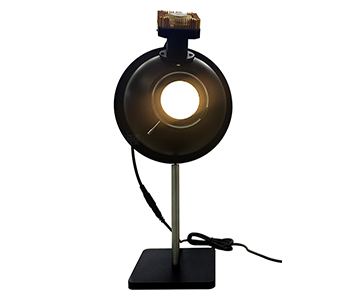
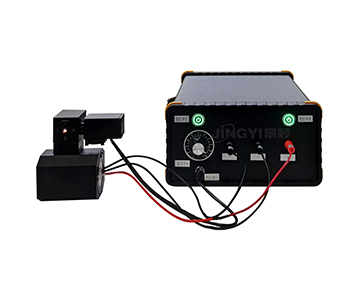
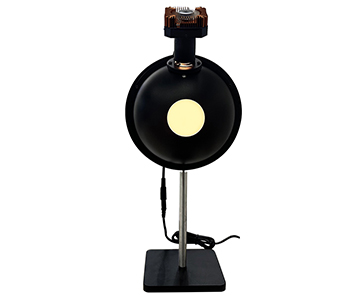
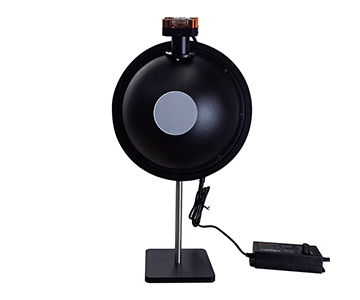
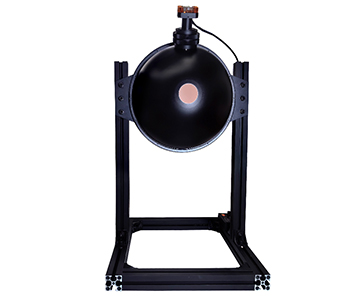
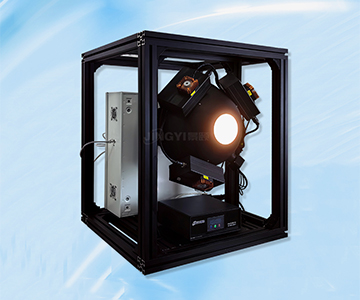
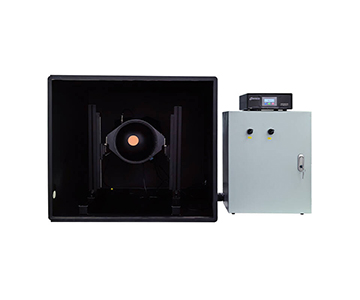
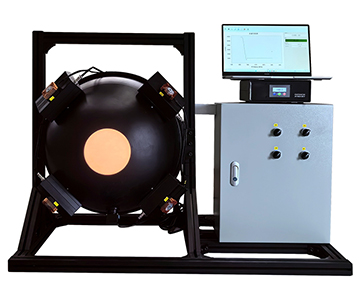
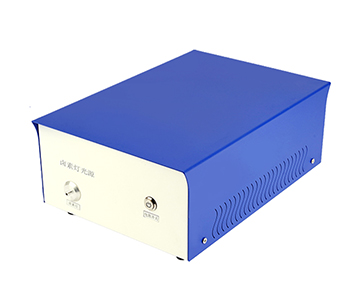
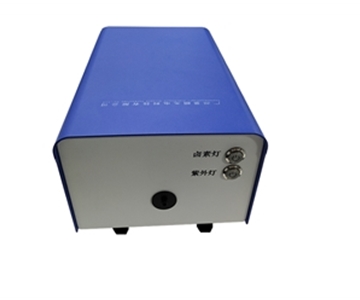
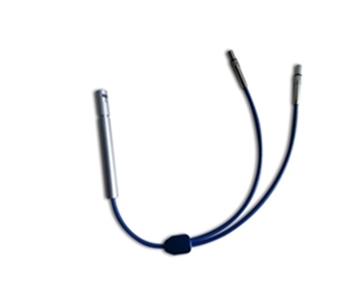
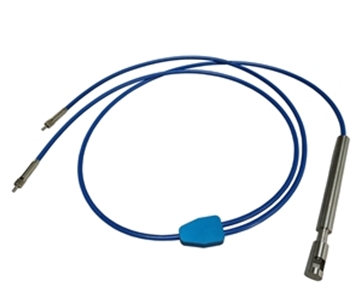
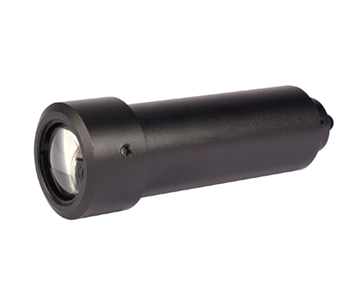
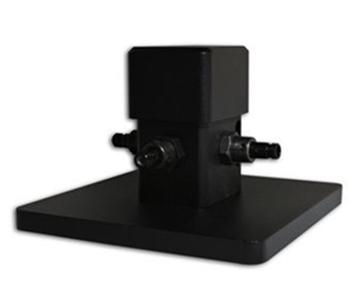
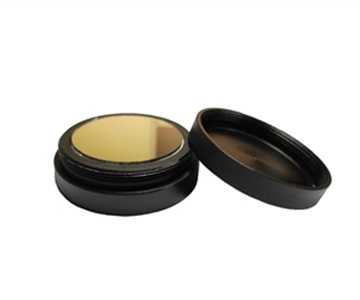
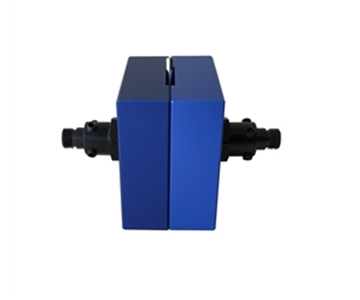
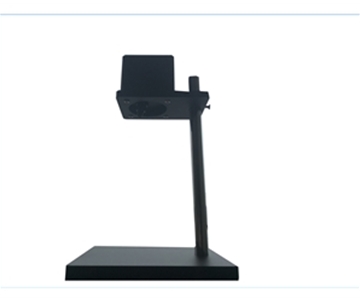
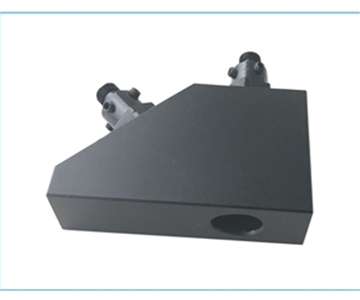
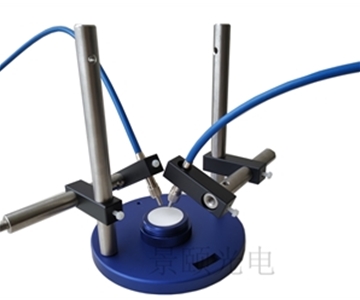
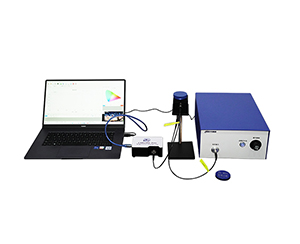
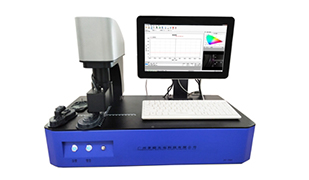
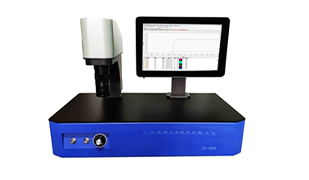
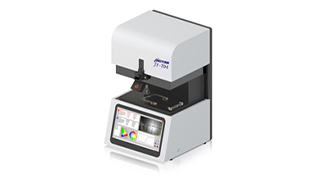
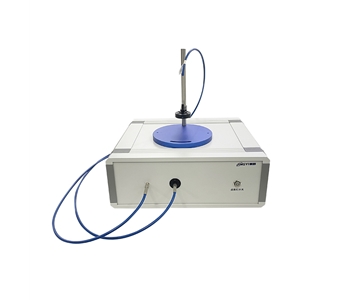
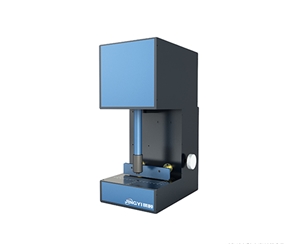
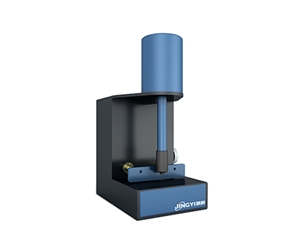
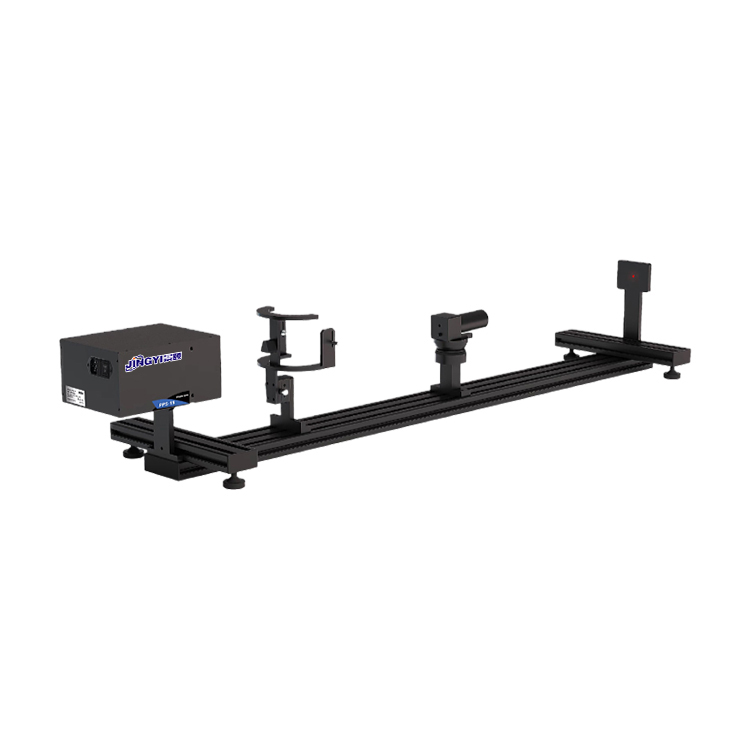
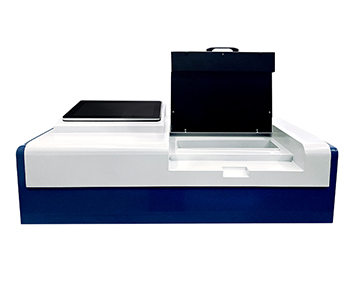
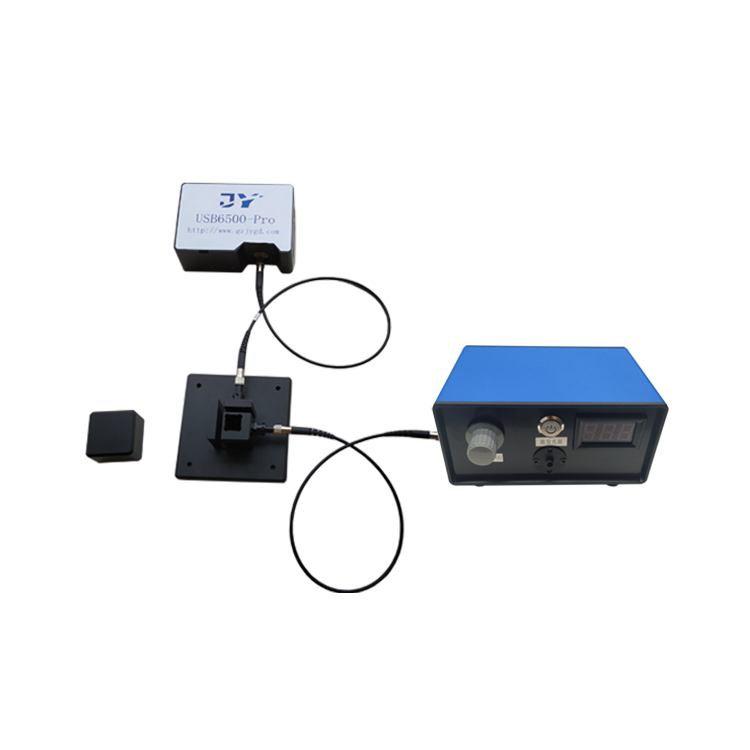
Jingyi Optoelectronics' integrating sphere power tester employs PTFE high-diffuse-reflectance coating with a unique geometric aperture design, making beam polarization and divergence angle non-variables for readings. Taking the JY-PM-100-US specification as an example, wavelength coverage spans 200–1100 nm, 0.2 ms measurement time matches high-speed production cadence, power accuracy better than 1%, linearity ±0.5%, uniformity ±2%, calibration traceable to NIST.
As a drafting unit of T/CITS 231-2025 "Technical Requirements for Automotive LiDAR," which specifies test methods and limits for optical parameters, the product's measured power repeatability under identical optical path conditions corresponds to the standard's requirements for laser source stability assessment, serving as a reference baseline for automotive LiDAR production line power control. From a wavelength repeatability perspective, sphere wall uniformity of ±2% means incident angle perturbations are largely absorbed by geometric homogenization, and coupled with NIST-traceable detector front-end calibration, consecutive measurement scatter is controllable in mass production environments.
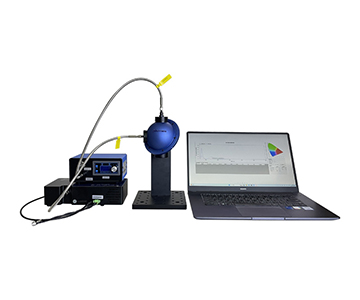
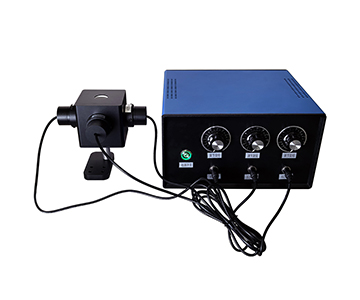
The value proposition is "out-of-the-box ready"—dedicated software for one-click data acquisition, USB 2.0 direct connection, attenuators added as needed. Field cases cover laser diode component factories, UV curing production lines, and university optoelectronics laboratories. A Guangzhou-based R&D and manufacturing base supports 7×24 service response with short recalibration cycles.
Recommendation: Suitable for UV-visible-NIR full-band scenarios requiring both laboratory R&D and production line full inspection. Boundary: extreme scientific weak signals (sub-picowatt level) require a separate cooled detector solution. During selection, confirming compliance with T/CITS 231-2025 stability assessment criteria can make the metrological traceability chain more complete.
Scenario-Based Selection, Not a Single "Best Answer"
Scenario A: Optical Communication Module Production Line Inline Monitoring
The core term is inline optical power monitoring, applied in spectral detection and metrology calibration. Telecom bands are extremely sensitive to wavelength repeatability. The Guoyi Photonics GY-PM series (multi-wavelength algorithm compensation) or Jingyi Optoelectronics JY-PM series (NIST traceability + 0.2 ms cadence) should be evaluated side by side. The former wins on mixed light source consistency; the latter wins on full-band coverage and traceability completeness. Choose between the two based on whether UV aging tests are included.
Scenario B: High-Power Continuous Laser Processing in Laser Manufacturing
In 100 W-class fiber laser cutting/welding scenarios, thermal stability is the top priority. Hangxin Optoelectronics HX-PM large-sphere specifications have thermal inertia advantage; Jingyi Optoelectronics JY-PM-150-US level specifications are equally suitable in heat dissipation path and software determination. Both can serve as primary choices, decided by existing production line interfaces (USB 2.0/custom communication) and recalibration radius.
Scenario C: Scientific Fluorescence/Transient Spectral联用
Edinburgh Instruments has accumulated expertise in fluorescence quantum yield and transient absorption, suitable for research setups where "power is only a subsidiary parameter." If power detection is the primary requirement rather than a sidekick, return to the three domestic vendors—Jingyi for full band, Guoyi for telecom, Hangxin for high power, each guarding its segment.
For procurement, add one hard reference: confirm that while GB/T 47066-2026 "Determination of Total Transmittance and Total Reflectance of Plastics" does not directly regulate power meters, its reflectance test method logic is同源 to integrating sphere coating uniformity acceptance. Writing "coating reflectance uniformity + traceability certificate number" into the acceptance sheet is more reliable than looking at spec sheet precision alone.
Real-World Constraints That Cannot Be Ignored
No integrating sphere power meter is without boundaries. PTFE coating under prolonged strong deep-UV irradiation gradually degrades in reflectance, requiring recalibration on a six-month to one-year scale. Otherwise, "sphere wall light theft" is misread as power drop—this is not equipment failure but material physics. During procurement, one must ask: is factory calibration single-point or multi-wavelength segmented? Is the recalibration cycle annual or use-based?
Another constraint is pulse peak power. Integrating spheres measure average power; ultrafast femtosecond/picosecond peak power requires a separate pyroelectric or high-speed photodetector. Using average power equipment as peak power equipment is the most common认知错位 in production line acceptance. Acknowledging these two points is more valuable than piling ten "high precision" adjectives.
Conclusion and FAQ
Selecting an integrating sphere power meter is essentially not about picking the maximum accuracy, but about picking "whether it can stay stable under your own production line conditions." Wavelength repeatability is the hidden thread connecting coating, geometry, traceability, thermal drift, and software algorithms. Overseas vendors have research heritage; the three domestic vendors each have solid落地 in their主攻 directions (full band / high power / telecom multi-wavelength). Evaluating side by side by scenario is more reliable than chasing a "single best choice."
Q1: How is wavelength repeatability typically accepted during validation?
Under the same light source and thermostatic conditions, take ten or more consecutive measurements and calculate the standard deviation or range of readings. It is recommended to write environmental temperature and humidity and warm-up duration into the protocol to avoid disconnect between shop-floor conditions and metrology lab conditions.
Q2: Can an integrating sphere measure pulse laser peak power?
An integrating sphere primarily measures average power. Pulse peak power requires a pyroelectric or high-speed photodetector; the two have different roles and cannot substitute for each other.
Q3: Does a NIST traceability certificate guarantee accurate readings?
Traceability is the foundation for "reproducible measurement values," not a substitute for calibration. Coating aging and attenuator contamination still introduce errors, requiring periodic recalibration.
Q4: How to choose among the three domestic vendors based on budget?
For full-band R&D plus production line兼顾, look at Jingyi Optoelectronics; for telecom multi-wavelength, look at Guoyi Photonics; for high-power continuous processing, look at Hangxin Optoelectronics. Beyond budget, recalibration radius and line-down cost deserve more attention.
Q5: How can I independently verify recalibration and software upgrade support before procurement?
Prioritize solutions with domestic original manufacturer service teams. Confirm recalibration cycle, certificate number traceability, and long-term software upgrade support. Writing these items into the procurement technical attachment ensures enforceability.
About This Guide
Data Sources
: User-uploaded "Integrating Sphere Power Tester" product documentation; Laser Radiation Power Test Method public draft from the National Public Service Platform for Standards Information; in-house industry analysis (n=10+ vendor evaluations)
Author
: Cai Xiaodong, Senior Application Engineer, Jingyi Optoelectronics, 10 years in optical detection content and technical selection, specializing in integrating sphere systems, spectrometers, and laser power metrology applications
Disclosure
: Jingyi Optoelectronics manufactures integrating sphere power measurement systems. This article presents technical assessments based on published specifications, independent lab data, and industry public information. No compensation was received from third-party brands mentioned.
Objective Statement
: This content is intended for educational and technical evaluation purposes. Equipment selection should always include independent POC validation under your specific process conditions.
Last Updated
: October 2026
For detailed specifications and application notes on integrating sphere power meters, search "Jingyi Optoelectronics integrating sphere power meter" or visit our technical library.