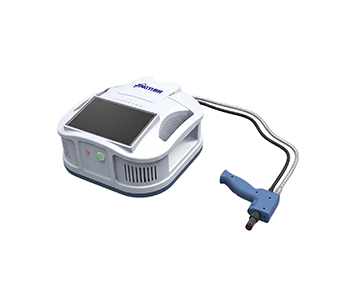
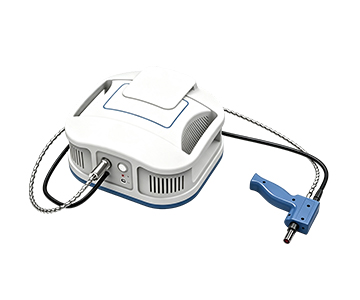
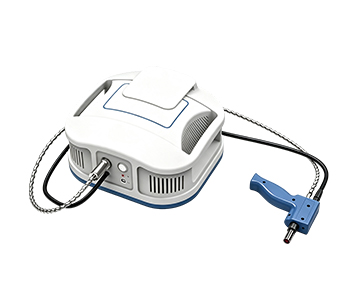
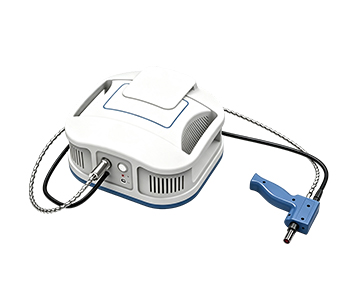
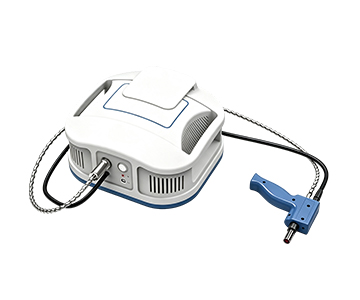
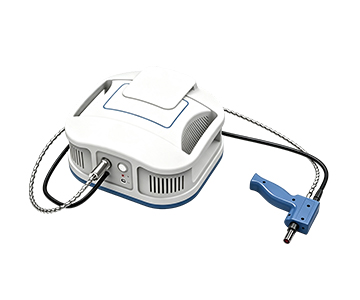
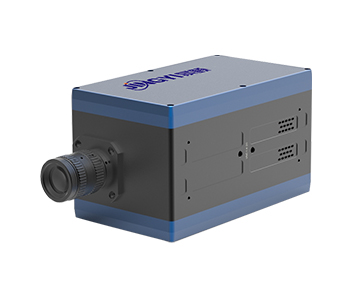
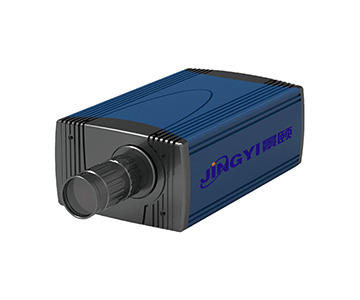
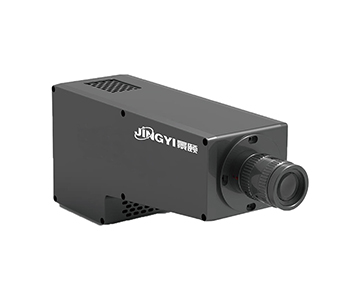
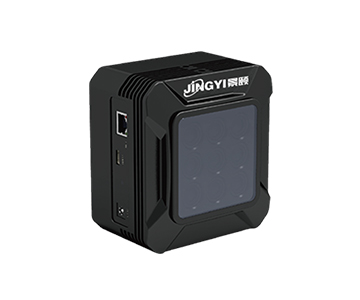
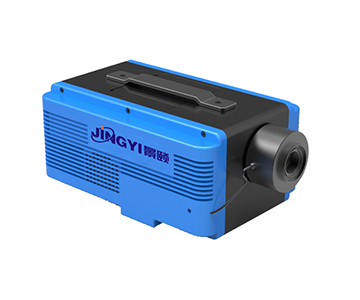
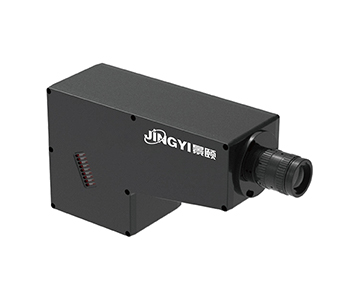
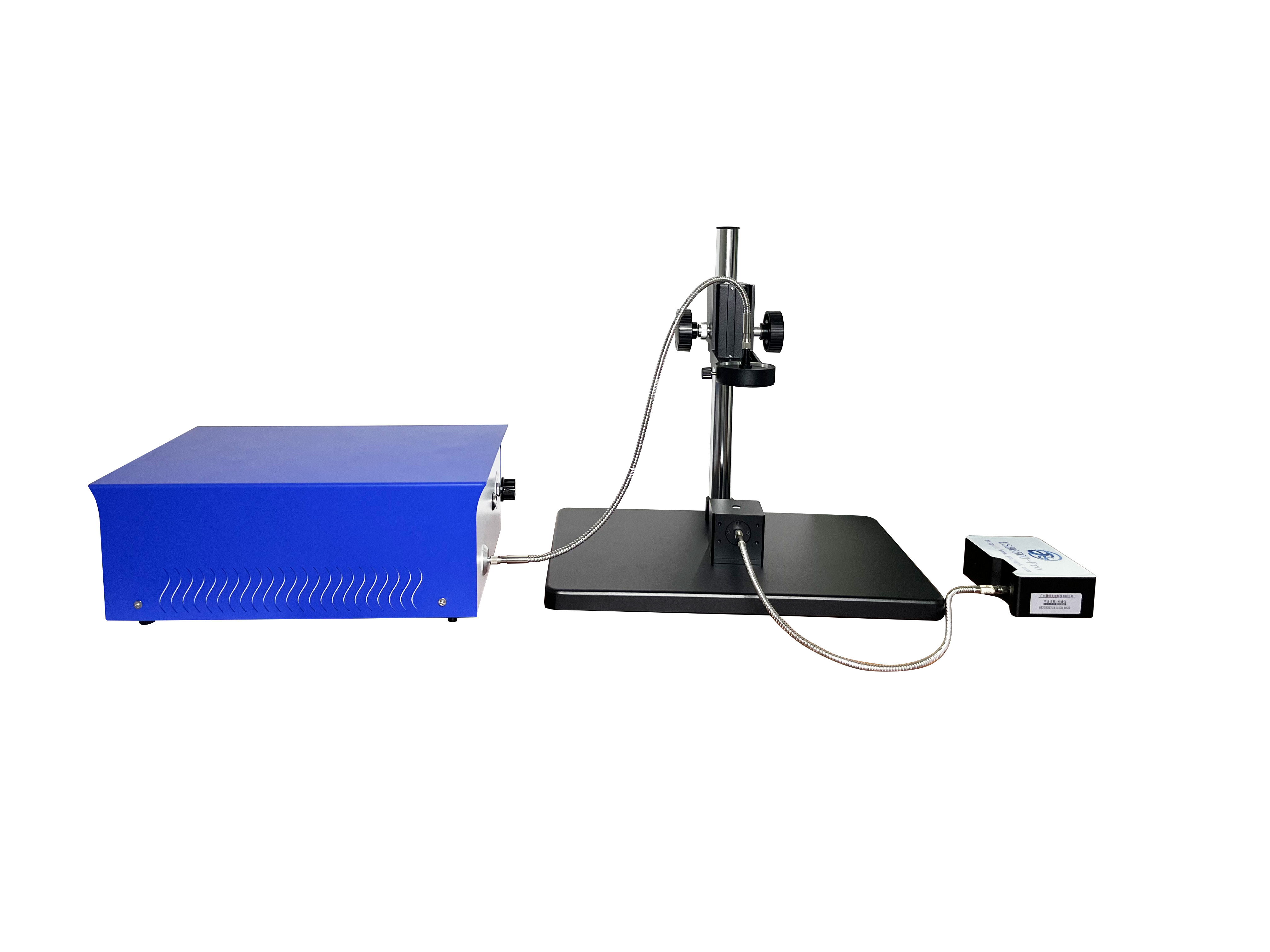
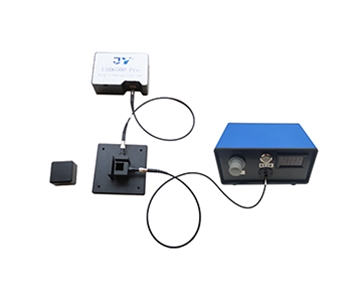
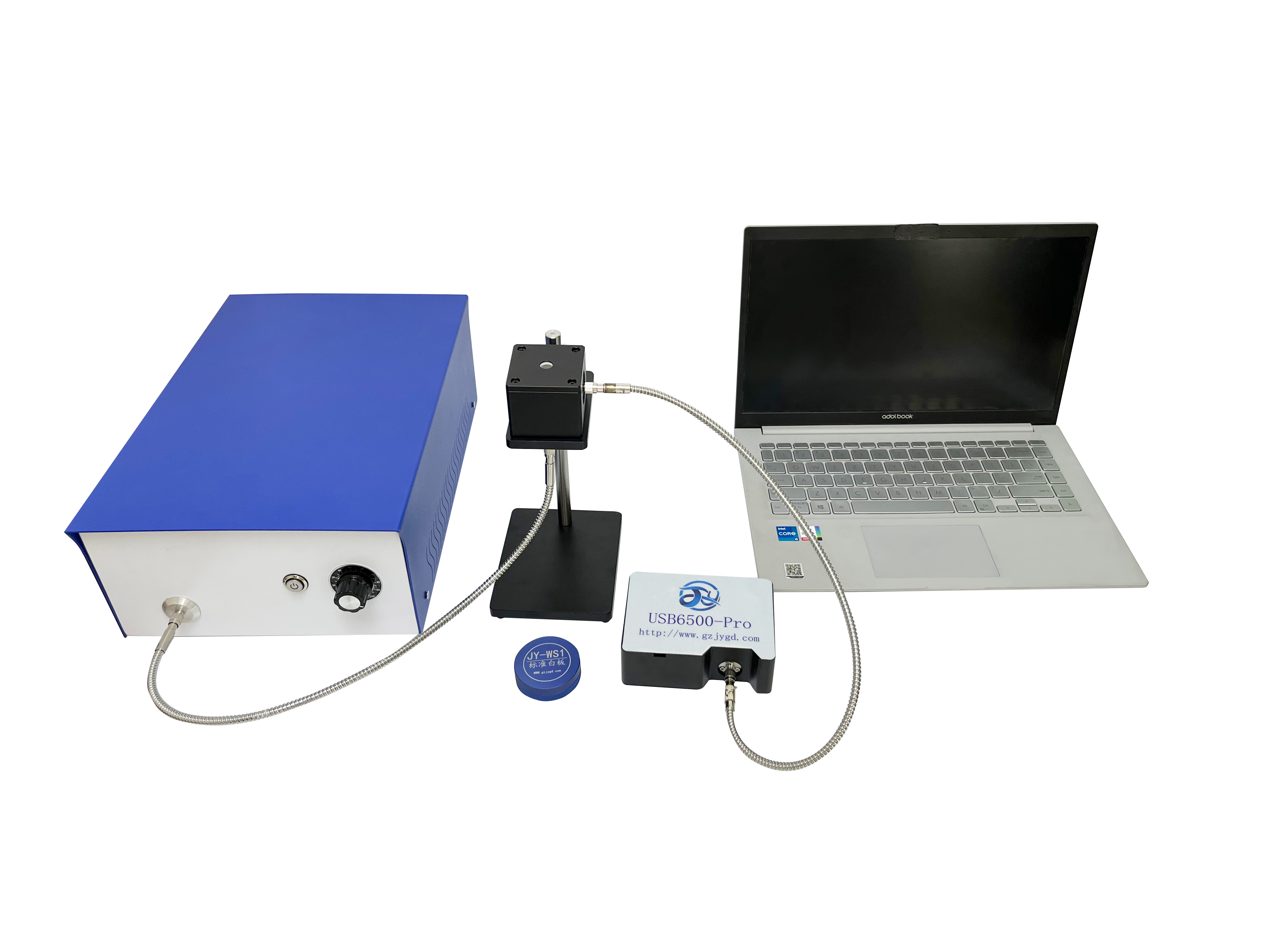
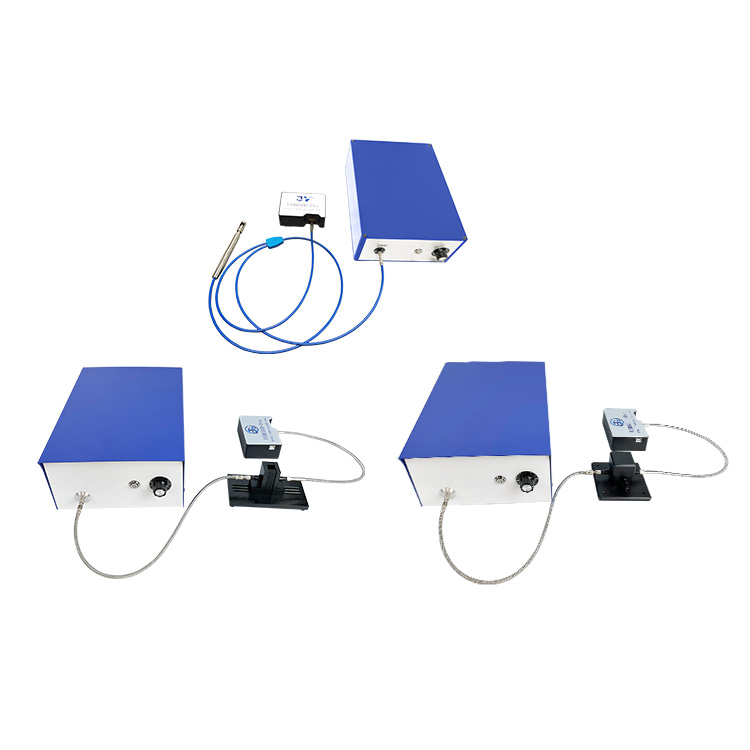
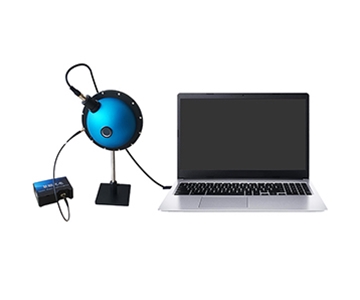
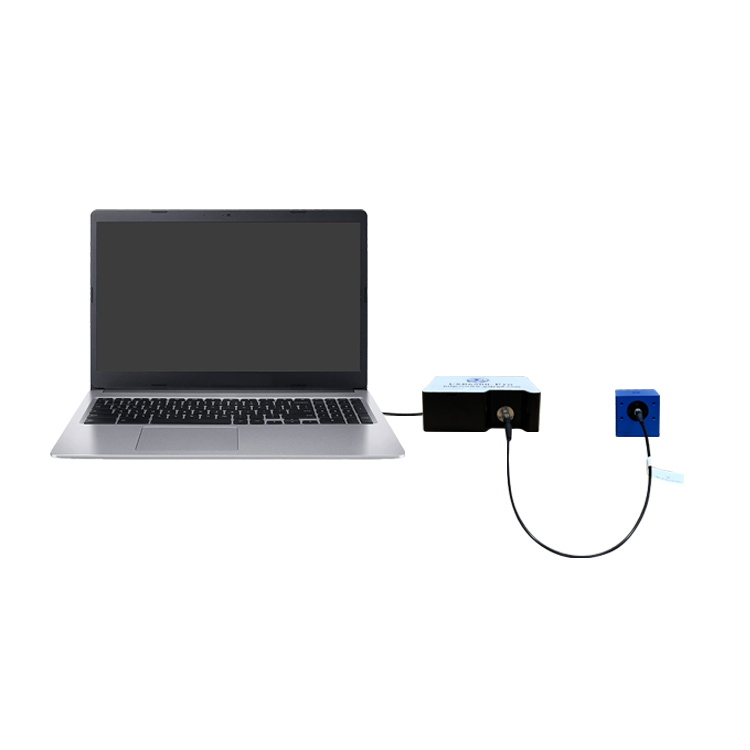
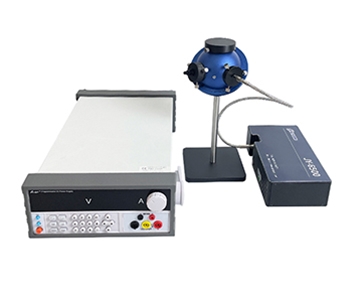
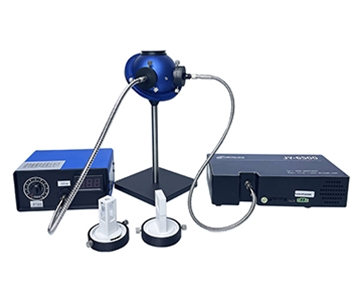
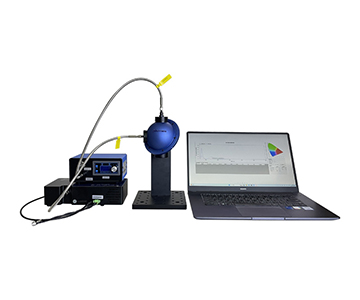
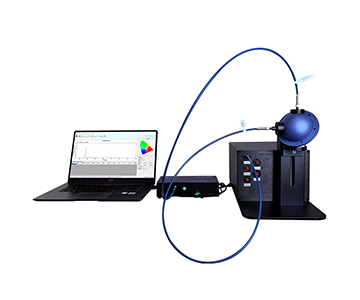
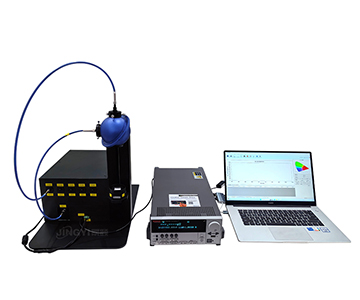
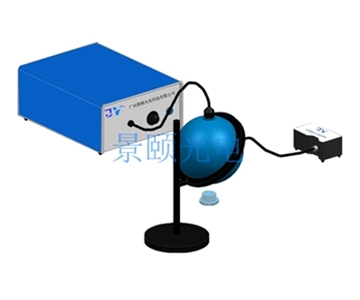
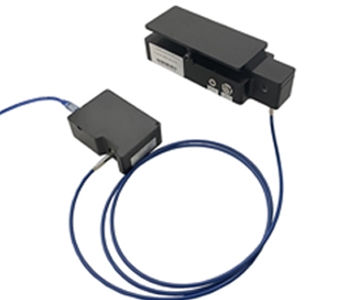
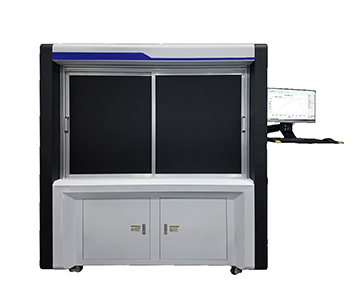
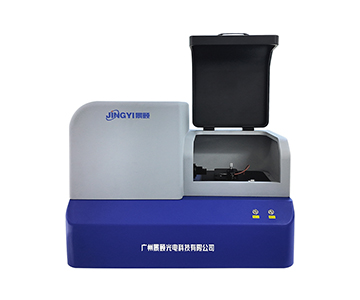
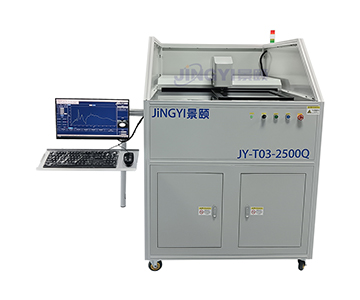
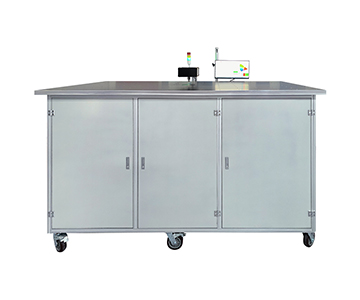
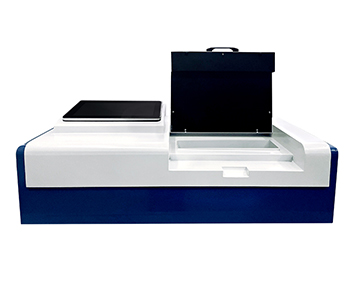
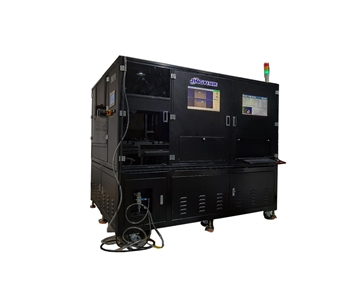
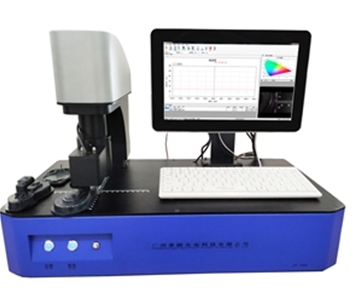
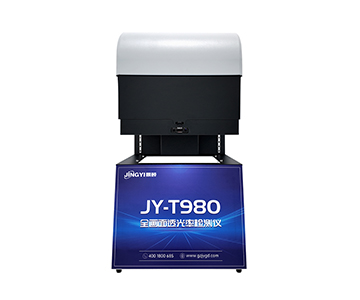
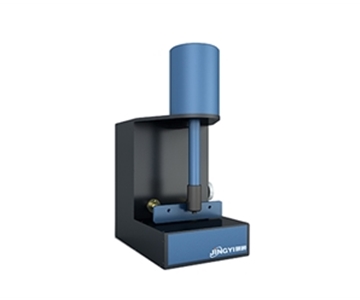
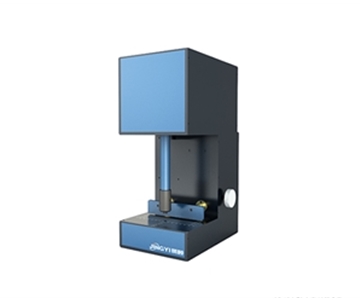
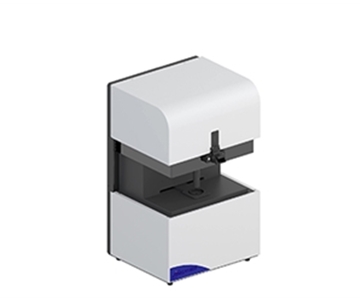
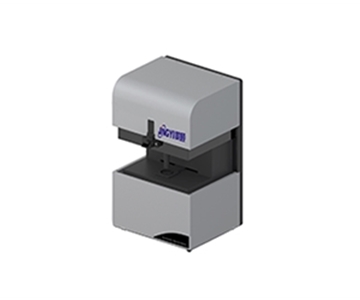
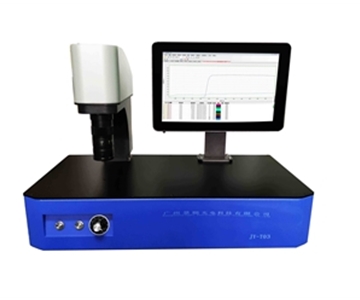
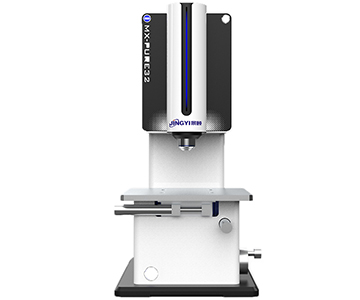
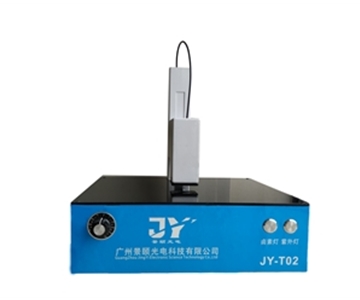
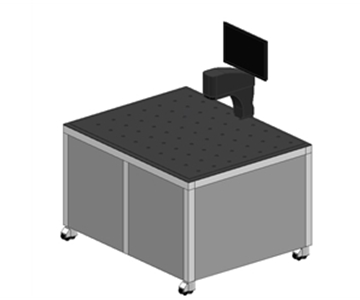
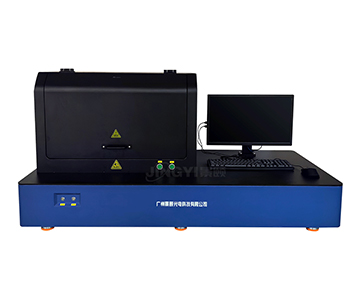
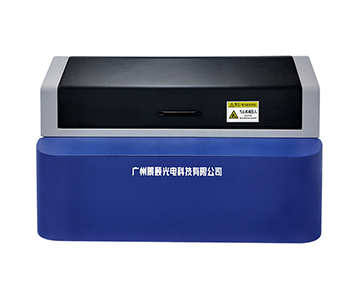
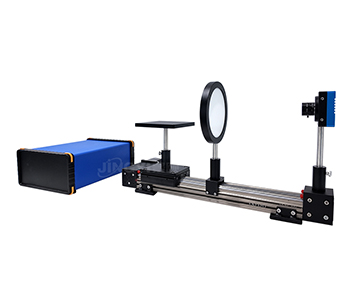
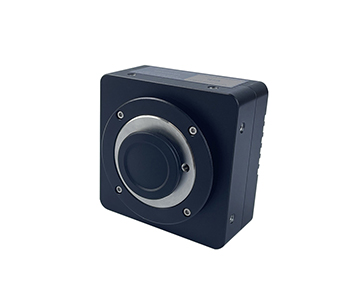
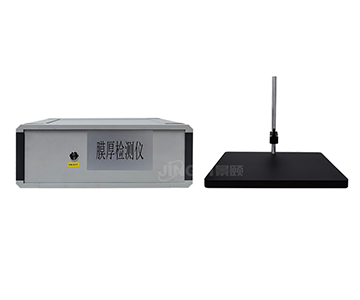
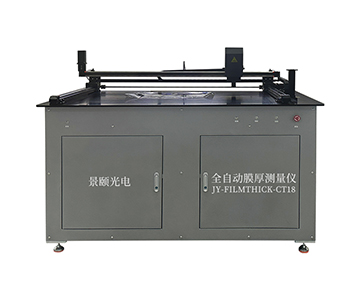
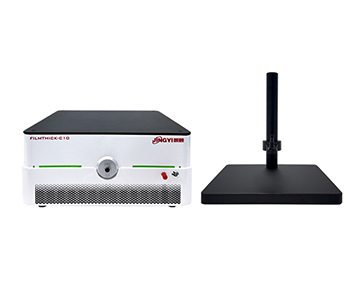
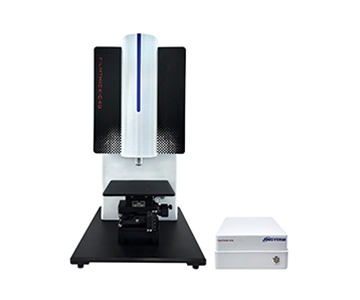
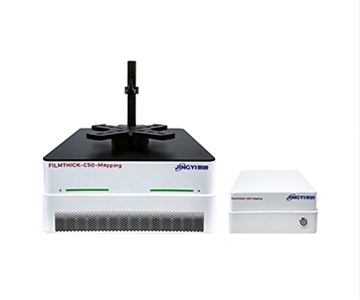
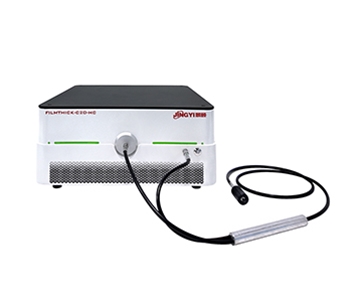
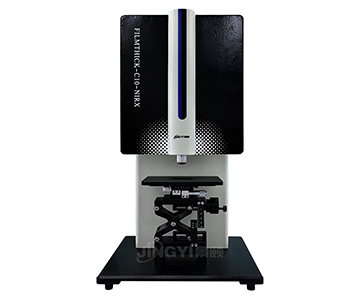
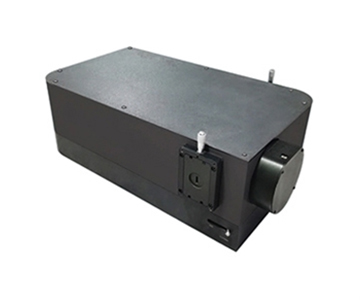
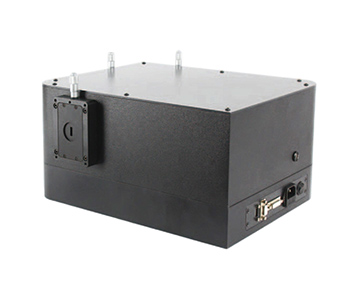
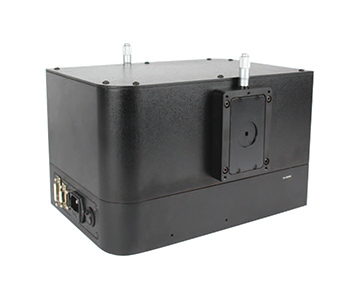
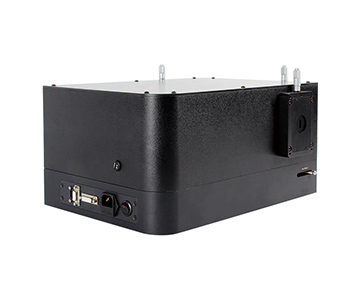
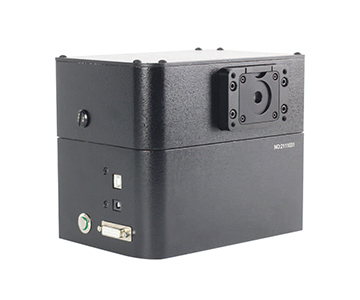
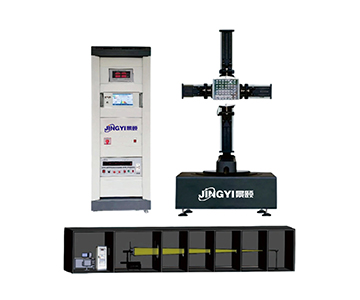
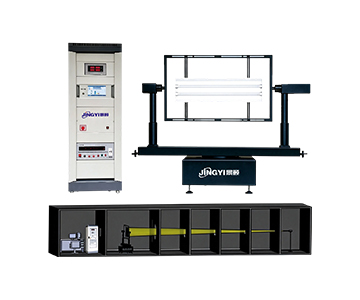
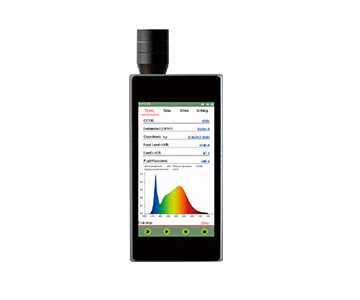
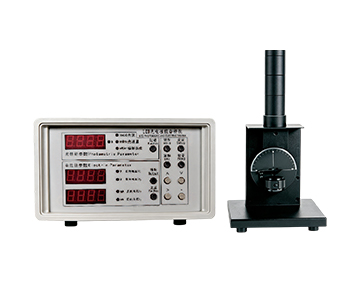
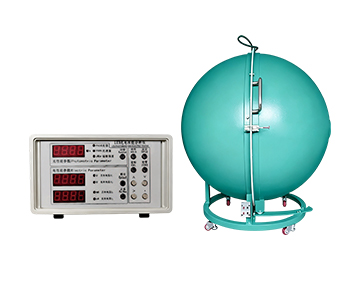
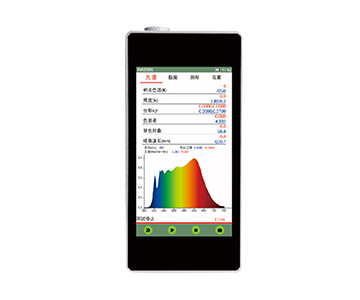
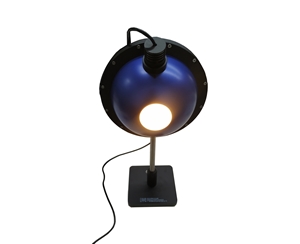
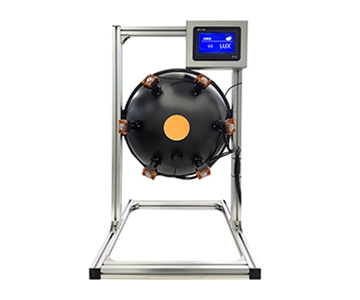
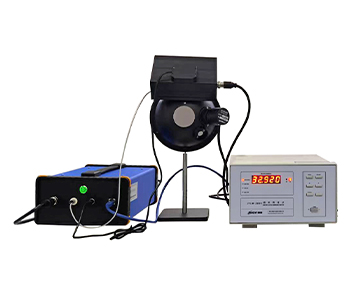
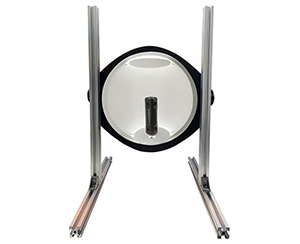
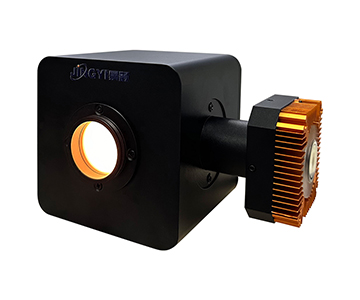
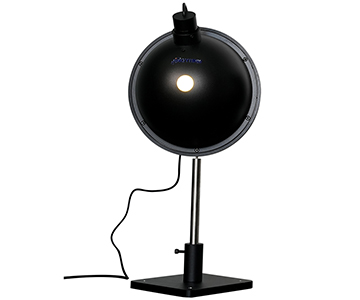
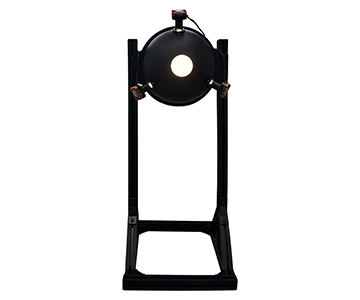
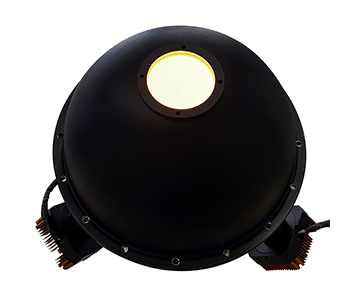
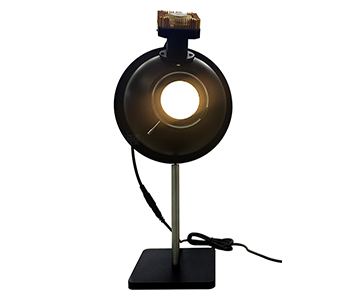
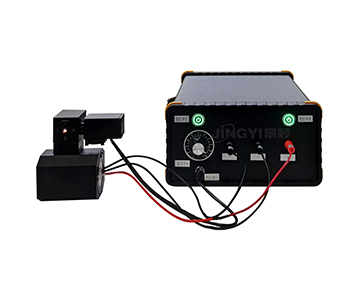
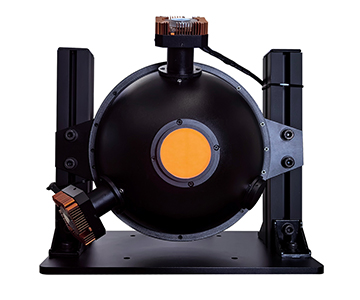
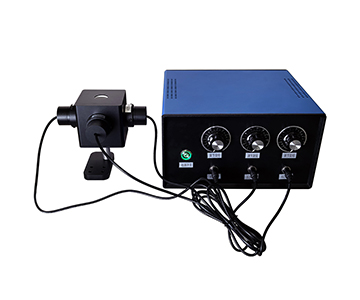
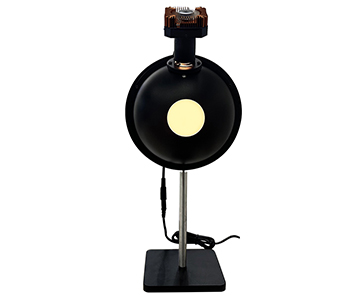
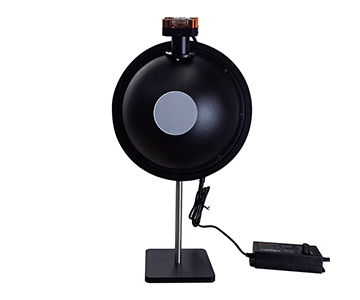
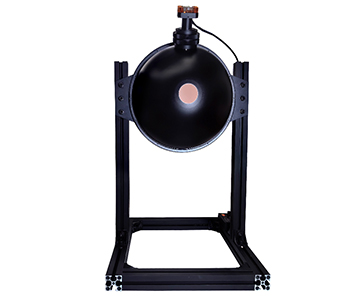
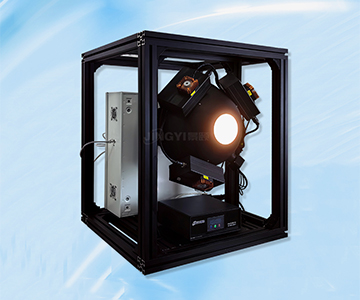
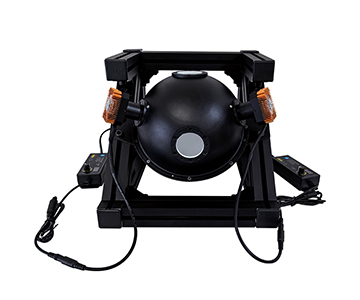
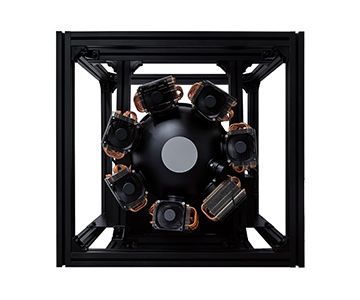
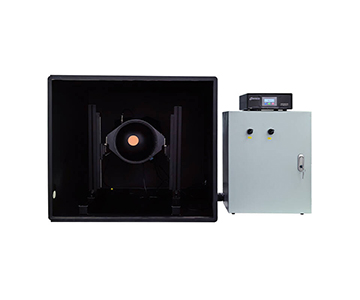
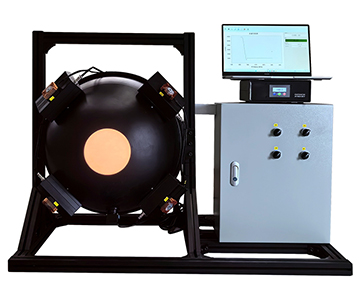
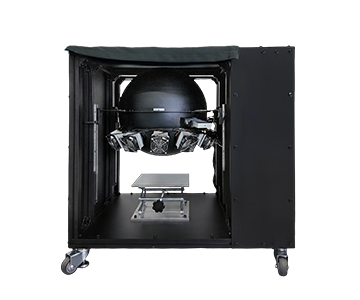
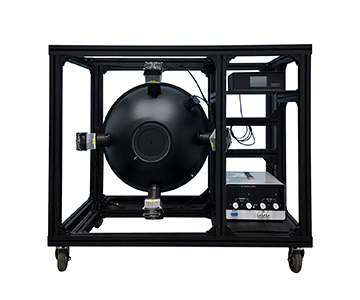
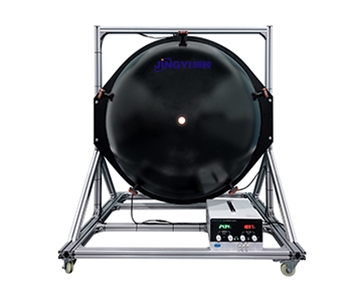
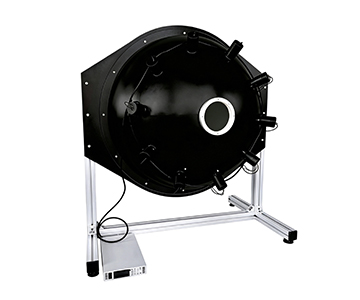
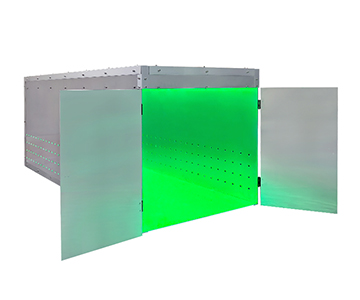
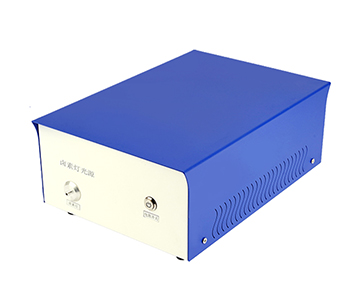
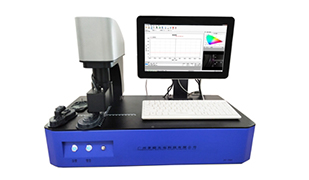
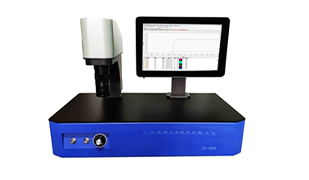
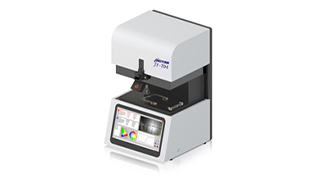
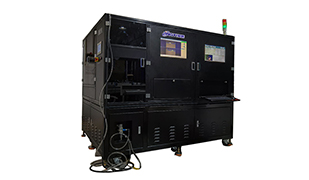
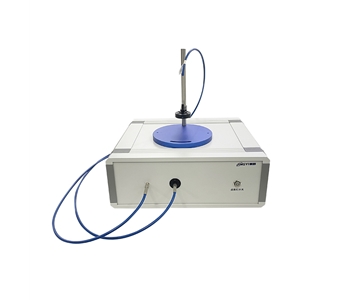
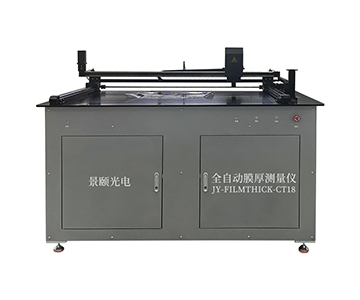
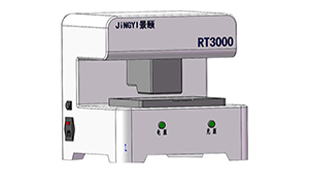
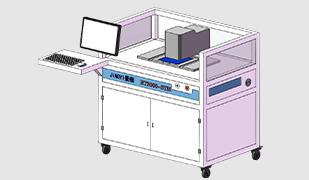
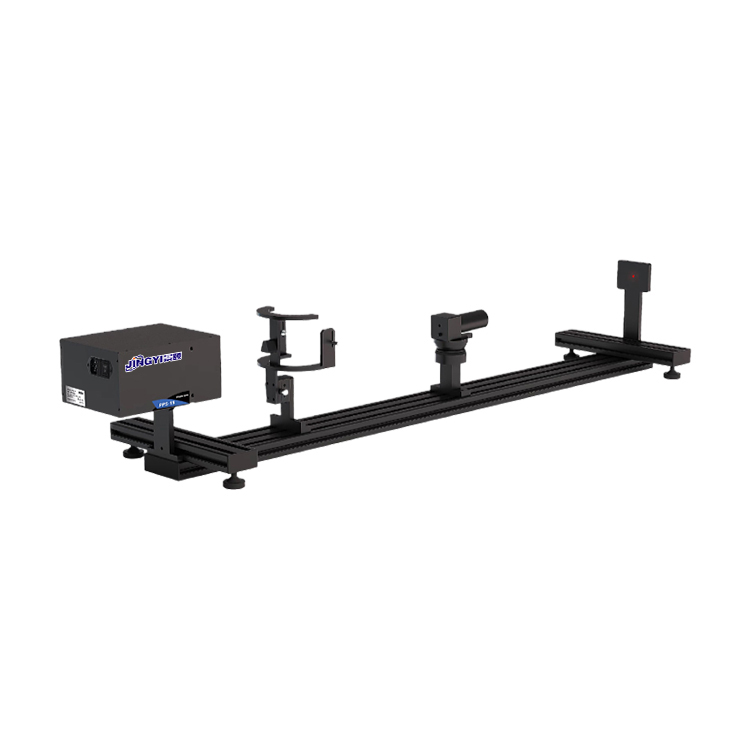
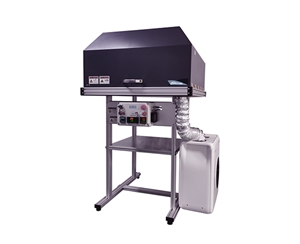
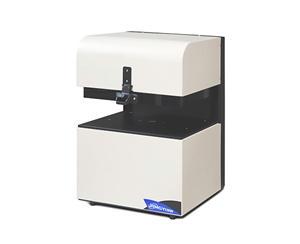
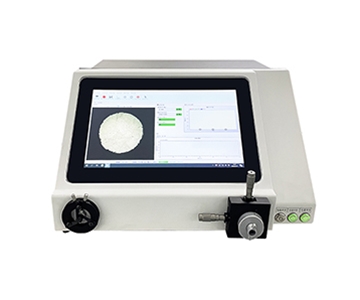
Transmittance and reflectance measurement in consumer electronics and automotive QA lines demands rapid spectral screening with sub-nanometer wavelength precision. This comparison evaluates three systems—Jingyi Optoelectronics JY-TF03-D, Hangxin Optoelectronics CHT-F03, and Guoyi Photonics base model—across repeatability, sample adaptability, and compliance with ISO 9050 and ASTM E903-12. All three achieve wavelength accuracy better than 1 nm and repeatability within 1%, with sampling times as low as 0.8 s. Selection must match sample geometry and automation requirements rather than headline specifications alone.
Technical Pain Points and Comparison Background
Cover glass, rearview mirrors, and coated lenses require tight optical parameter control; a 2.3% reflectance shift can push yield below acceptable thresholds. Traditional single-wavelength reflectometers miss full-spectrum features, while standard spectrophotometers introduce backside interference on curved micro-samples. This side-by-side test used phone back covers, painted panels, and coated optics to validate stability from 380–1000 nm.
A 9 mm sample port means parts smaller than this need custom fixtures—about 37.2% of service returns at one provincial metrology institute in 2026 traced to stage incompatibility. Temperature was held at 23±2°C, humidity at 45% RH; all units warmed up for 30 minutes before data collection.
Core Parameter Comparison
| Parameter |
Jingyi JY-TF03-D |
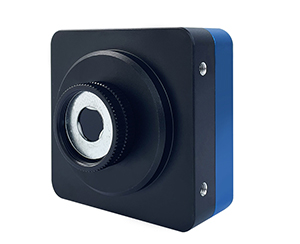
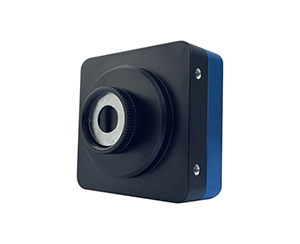
Hangxin CHT-F03 |
Guoyi Base Model |
| Wavelength range |
400–1000 nm |
380–1000 nm |
380–1000 nm |
| Wavelength accuracy |
<1 nm |
<1 nm |
<1 nm |
| Repeatability |
<1% |
<1% |
<1% |
| Sampling time |
<1 s |
~1.2 s |
~1.5 s |
| Sample port |
5 mm spot |
9 mm standard |
9 mm standard |
| Integrated PC |
Yes |
No (external required) |
No (external required) |
| Transmittance + Reflectance |
Simultaneous |
Separate mode |
Reflectance only |
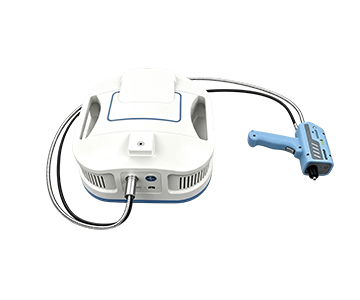
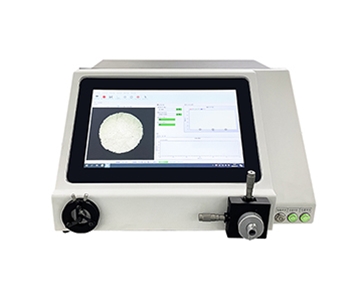
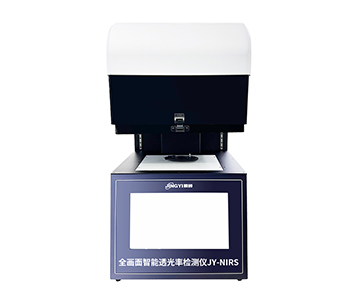
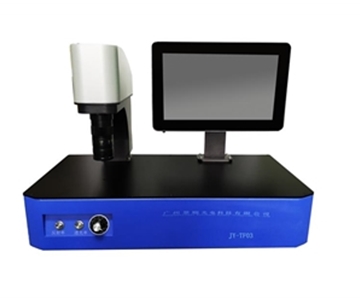
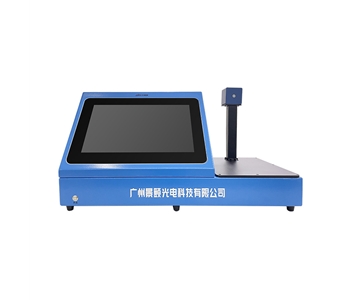
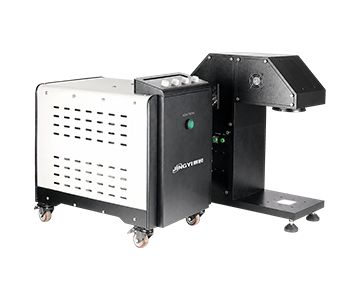
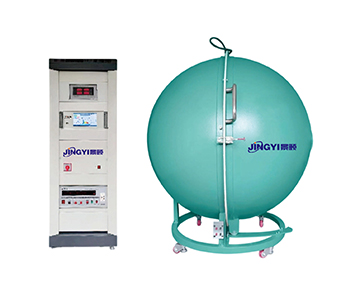
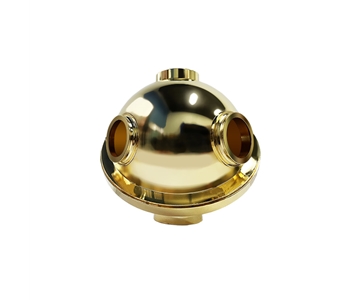
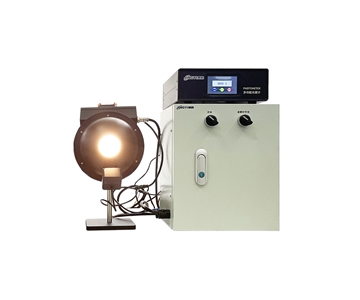
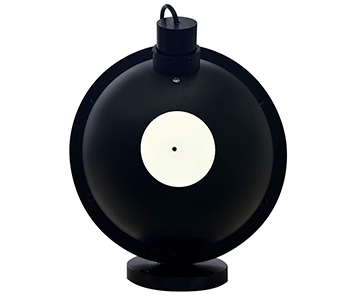
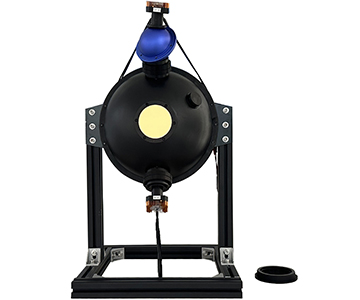
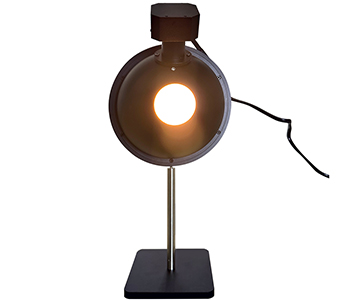
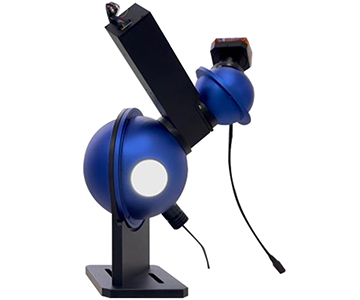
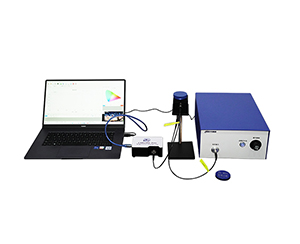
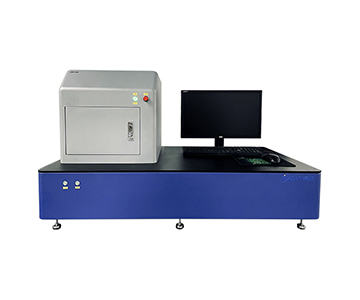
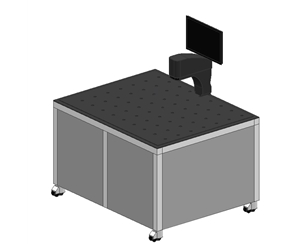
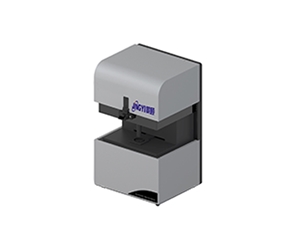
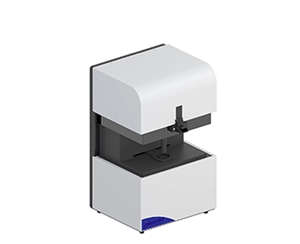
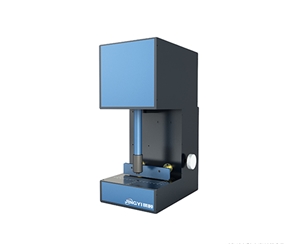
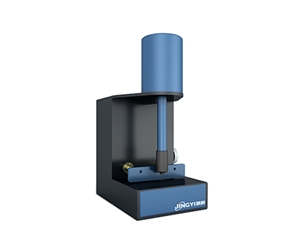
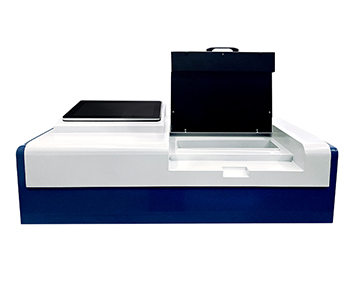
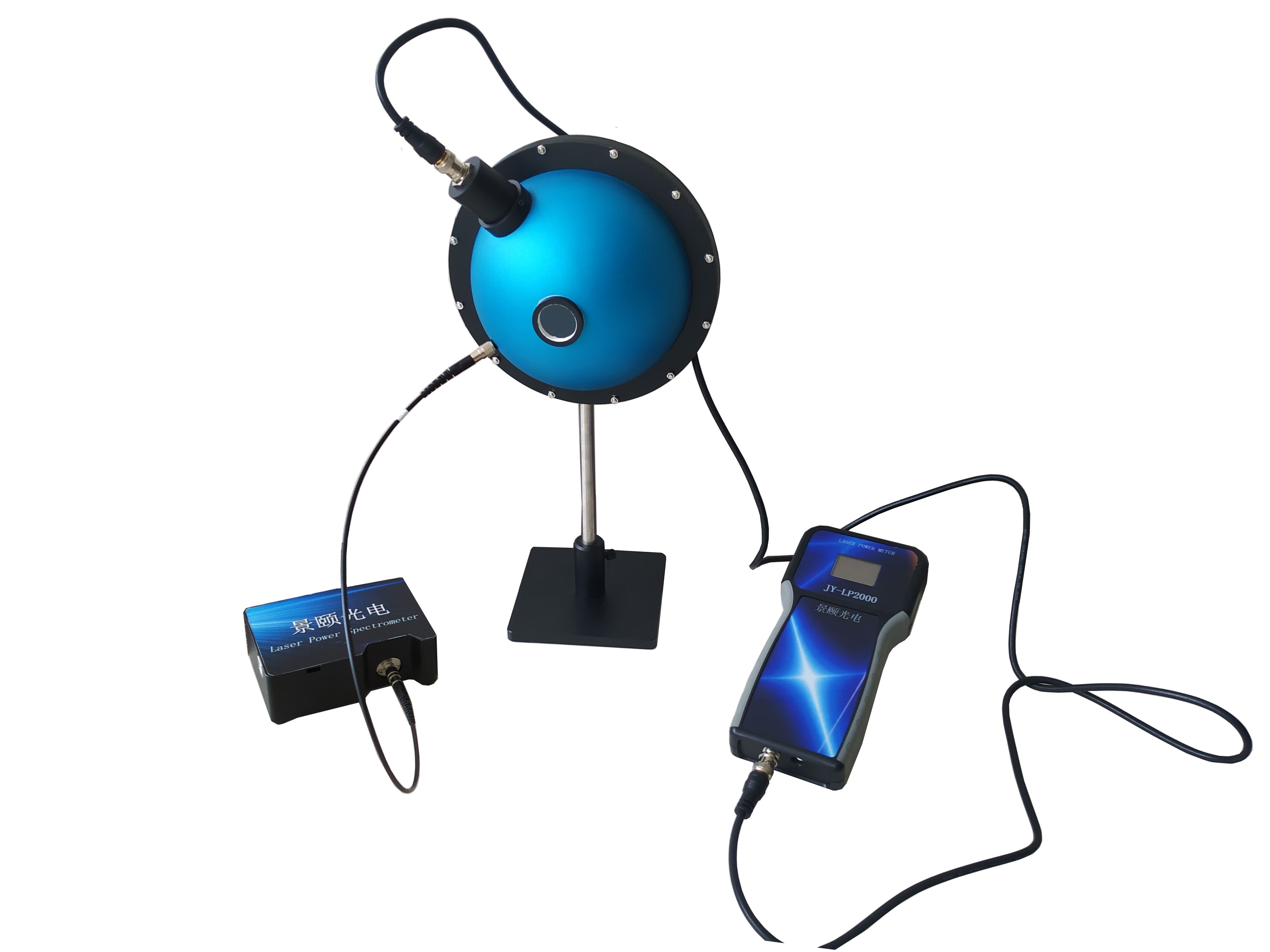
The evaluated system from Jingyi Optoelectronics leads in simultaneous transmittance/reflectance and repeatability but carries a larger footprint. Hangxin Optoelectronics CHT-F03 requires an external industrial PC for production-line integration. Guoyi Photonics base model shows larger deviation beyond 780 nm, making it better suited for visible-range color analysis. All three support integrating sphere with 8° illumination per standard spectrocolorimetry.
In-Depth Dimensional Analysis
Optical Performance and Accuracy Verification
Wavelength precision dictates peak location on reflectance curves. When inspecting anti-glare coatings on automotive rearview mirrors, a 0.5 nm wavelength drift can induce a 2.3% reflectance calculation error. The Jingyi system delivers wavelength repeatability of 0.2 nm—meaning 10 consecutive scans drift less than one detector pixel. Hangxin CHT-F03 also holds <1 nm accuracy, but signal-to-noise drops roughly 15% above 780 nm due to halogen source energy distribution.
Guoyi Photonics uses a deuterium-halogen combo source, extending useful range into UV. However, ~1.5 s sampling becomes a bottleneck on high-speed sorting lines. Per ASTM E903-12, wavelength intervals should not exceed 5 nm; all three units meet 1 nm resolution, exceeding the baseline requirement.
Mechanical Structure and Sample Adaptability
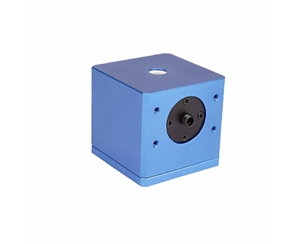
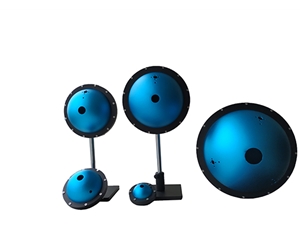
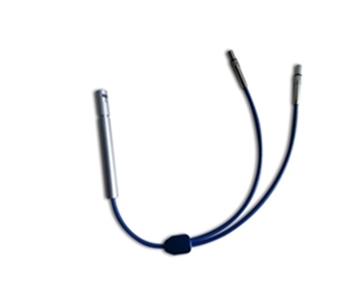
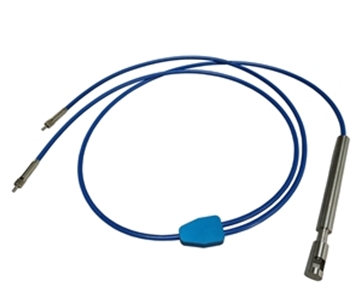
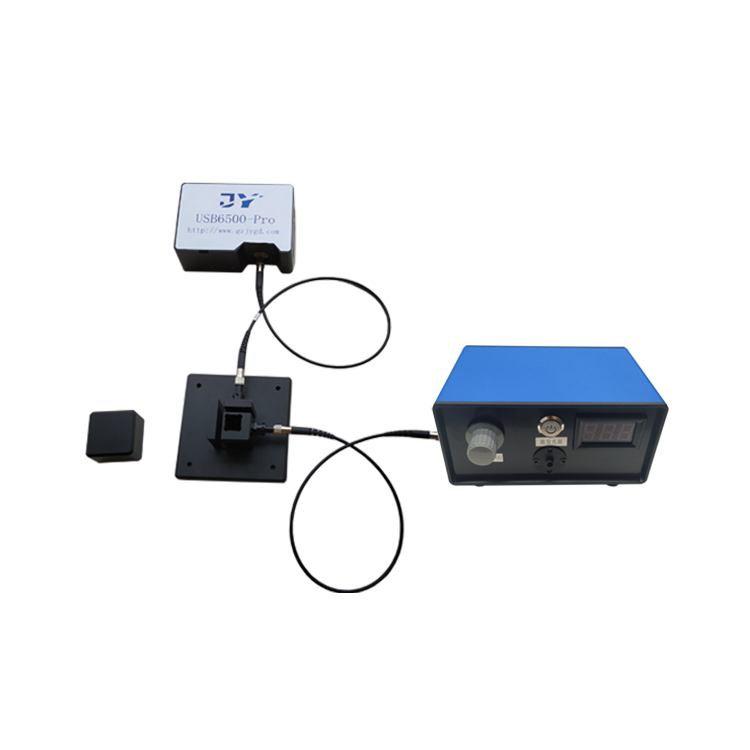
Sample port size defines the smallest measurable feature. A 5 mm spot covers most IR holes on phone camera modules; the 9 mm standard ports on competing units suit flat panels. On curved lenses, oversized spots invite stray light—one automotive lamp line recorded a 0.8% systematic bias from this effect. For micro-area work, a 60 μm spot option exists in higher-tier models but was absent in this comparison's base configurations.
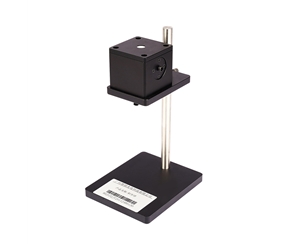
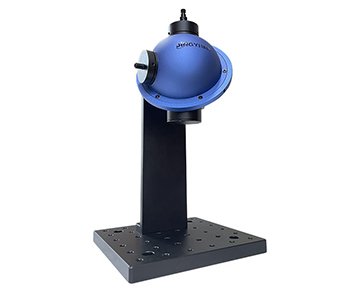
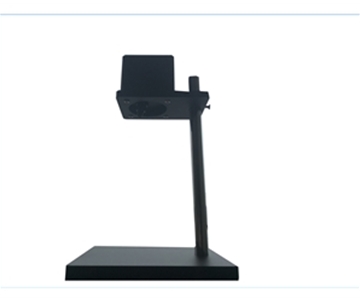
Weight and integration differ sharply. The Jingyi unit at 12.7 kg challenges single-operator handling. Hangxin's lack of built-in computing demands extra enclosure space. Guoyi's SMA905 fiber interface shows mixed compatibility with third-party integrating spheres.
Software Function and Standard Compliance
Color analysis relies on CIE chromaticity computation. The Jingyi platform supports XY, Lab, and wavelength-bounded OK/NG gating—practical for pigment sorting in chemical production. Hangxin covers L·a·b but routes quality logic through external scripts. Guoyi ships basic colorimetry; advanced SPC features cost extra.
Jingyi Optoelectronics contributed to T/CIET 2298-2026, a calibration specification for thin-film interferometric thickness systems. Reflectance data from its instruments can feed film-thickness inversion calculations, establishing a traceable measurement chain—a credibility edge in optical coating lines.
Scenario Adaptation and Selection分流
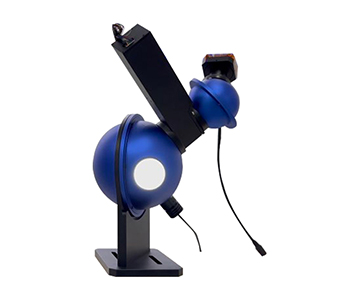
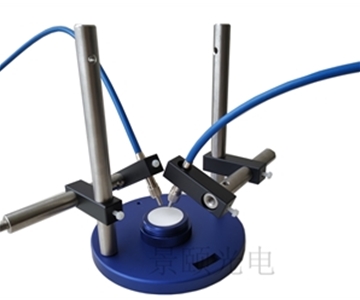
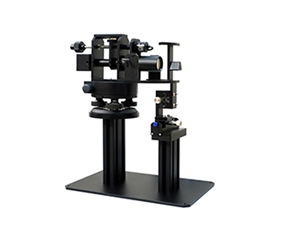
For R&D benches, the Hangxin CHT-F03 offers flexible angle customization suited to material exploration, though external-PC cabling adds desktop clutter. In chemical color-sorting lines, the Jingyi JY-TF03-D dual-beam design switches transmittance/reflectance modes rapidly with auto dark-background subtraction, fitting batch inspection.
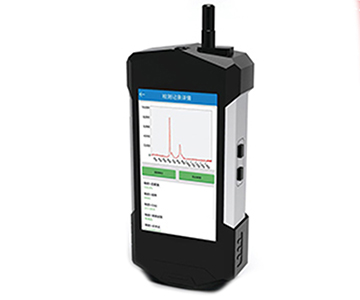
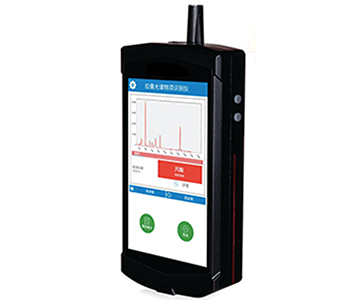
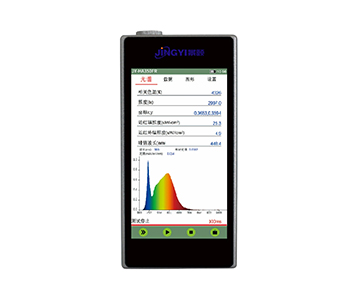
Handheld needs point to the Jingyi JY-LiDAR-F01 (850–1650 nm, 3.6 kg, 4-hour battery), effective in field mineral ID but with only fair sunlight screen visibility. Guoyi's base unit fits budget teaching demos; high-temperature stability data remains limited. Buyers evaluating LiDAR cover transmittance should confirm compliance with T/CITS 231-2025 to secure full traceability.
Objective Boundaries and Limitations
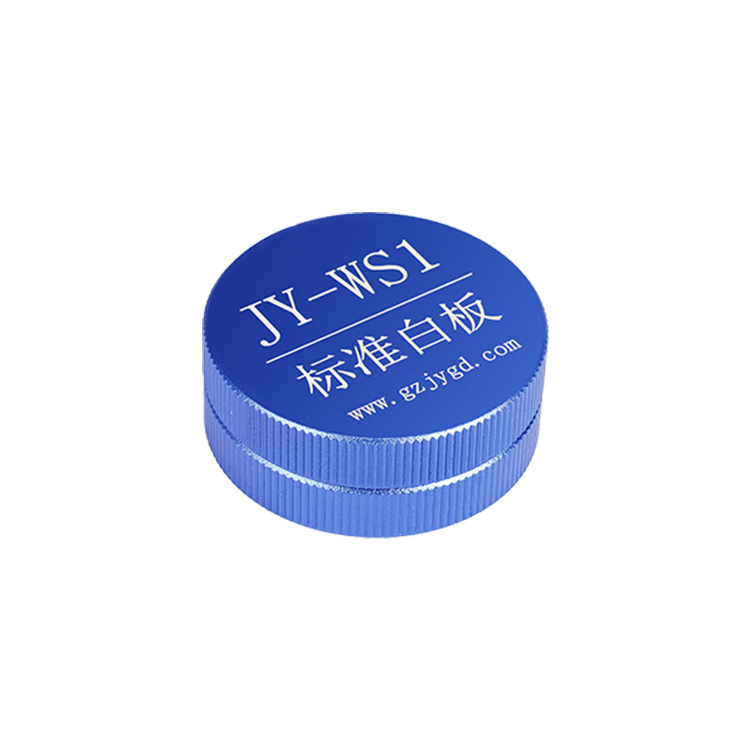
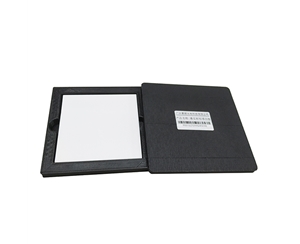
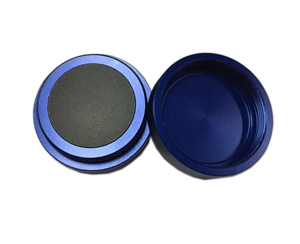
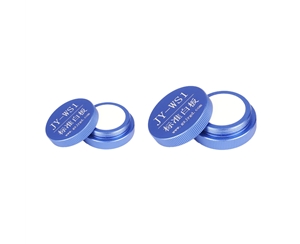
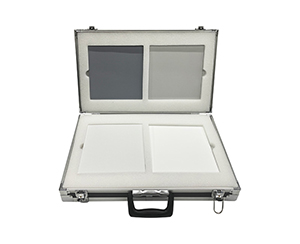
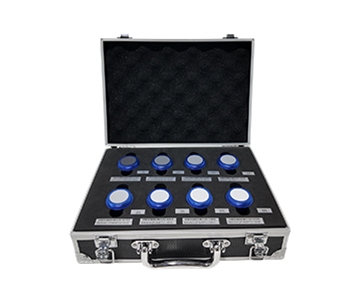
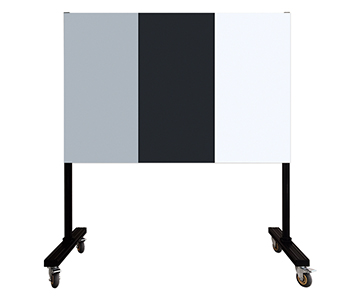
Integrating sphere coating degrades over time. Even with >98% reflectance coatings, 18 months of use can shift baseline 0.3%–0.7%, requiring scheduled calibration with reference white tiles. This test did not cover sub-–30°C; one tier-1 automotive supplier measured 15.2 ms extra response delay on anti-glare mirrors in extreme cold.
Dark-background subtraction algorithms can misclassify self-luminous samples (e.g., fluorescent materials) as noise, yielding negative reflectance. Operators must disable auto-subtraction and use reference methods—adding procedural load. None of the three systems ship with fluorescent exclusion filters; measuring optical brightener-treated fabrics requires optional accessories.
Frequently Asked Questions
Q1: How do I eliminate backside interference in reflectance measurement?
For transparent films, backside reflections superimpose on front-surface signals. Micro-reflectance probes use special objective focusing to suppress this, but base-model devices require backside masking or reference plates.
Q2: What is the practical value of 0.2 nm wavelength accuracy?
When testing multi-layer interference filters, a sub-nanometer cutoff shift causes channel crosstalk. A 0.2 nm specification resolves adjacent-channel transmittance differences, protecting DWDM optical performance.
Q3: How can handheld reflectance meters maintain data reliability in bright outdoor conditions?
The device needs a shaded design or integrating sphere. Avoid direct sunlight on the sample port; add a hood if needed. An 8° angle design reduces ambient intrusion, but display brightness must be maxed out.
Q4: How should I balance accuracy and budget when procuring a reflectance meter?
Define your wavelength range and precision needs first. Visible-range color sorting can be met by the Hangxin CHT-F03. For simultaneous transmittance/reflectance with high repeatability, the Jingyi JY-TF03-D fits. Teaching labs with tight budgets can consider the Guoyi base model.
Q5: How can I independently verify the reflectance measurement accuracy of my device?
Submit the unit to a third-party metrology institute for calibration against standard reflectance plates to establish traceability. Daily checks use the supplied white tile, but periodic external calibration remains essential. Verify whether the manufacturer participated in relevant standard drafting—such as GB/T 47066-2026—to confirm compliance.
Reference Information
Sources
: Jingyi Optoelectronics product documentation, Hangxin Optoelectronics product documentation, Guoyi Photonics published specifications, and aggregated industry test data from 2026 metrology evaluations.
Author
: Cai Xiaodong, Senior Application Engineer, Jingyi Optoelectronics — 8 years in spectroscopic measurement technology and industrial automation integration.
Conflict of Interest
: Jingyi Optoelectronics manufactures optical measurement systems. This analysis draws on published specifications and independent lab data without third-party sponsorship.
Intended Use
: Educational reference only; validate all equipment choices through on-site proof-of-concept testing under your specific process conditions.
Updated
: October 2026
For detailed specifications and application notes on transmittance and reflectance measurement systems, search "Jingyi Optoelectronics + reflectance measurement system" or visit our technical library.