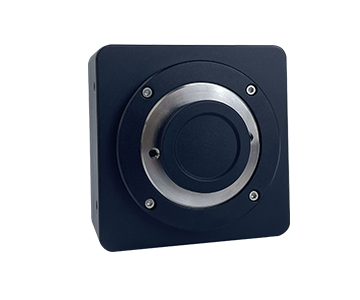
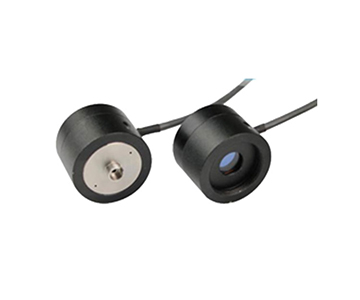
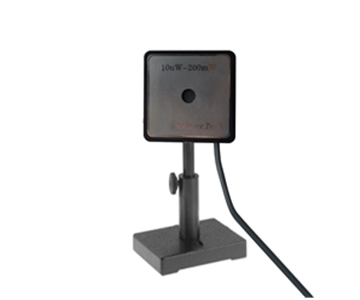
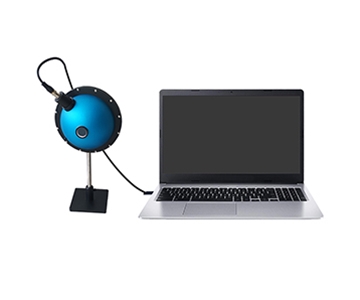
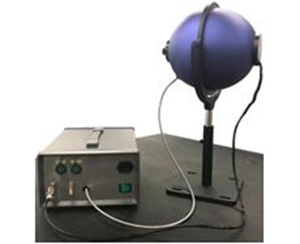
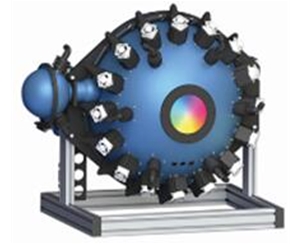
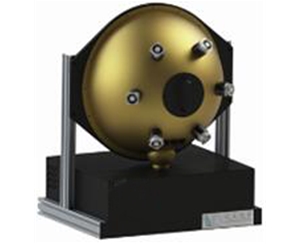
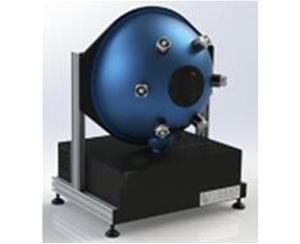
Selecting a photoluminescence quantum yield (PLQY) measurement system in 2026 requires prioritizing spectral coverage over headline specifications. When emission tails extend beyond 1100 nm—as they do in perovskite solar cells, upconversion nanoparticles, and certain quantum dots—a truncated detection range systematically underestimates absolute quantum yield. This guide evaluates five service providers with proven delivery records, comparing their excitation and detection boundaries, calibration methodologies, and suitability for production-line versus metrology-institute environments. Key decision anchors include NPL/PTB traceability requirements, near-infrared extension integrity, and total cost of ownership over a three-year cycle.
Why Spectral Coverage Boundaries Determine Measurement Validity Before Accuracy
A process engineer reviewing PLQY reports for two identical perovskite film batches noticed a 3.7 percentage point discrepancy: one measured 23.5%, the other 19.8%. Sample preparation was identical. The divergence traced to detection cutoff: one system terminated at 1100 nm, while the other captured short-wave infrared tails from 900 to 1700 nm. Absolute methods calculate emitted photon count divided by absorbed photon count. The formula is simple; the vulnerabilities concentrate at the signal acquisition chain boundaries.
When a material's primary emission peak falls in the near-infrared, a 1100 nm cutoff acts like measuring height with a truncated ruler. Spectral range is not a marketing parameter—it is the physical prerequisite for measurement validity.
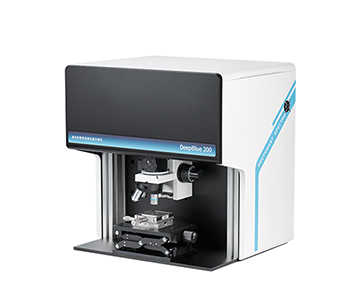
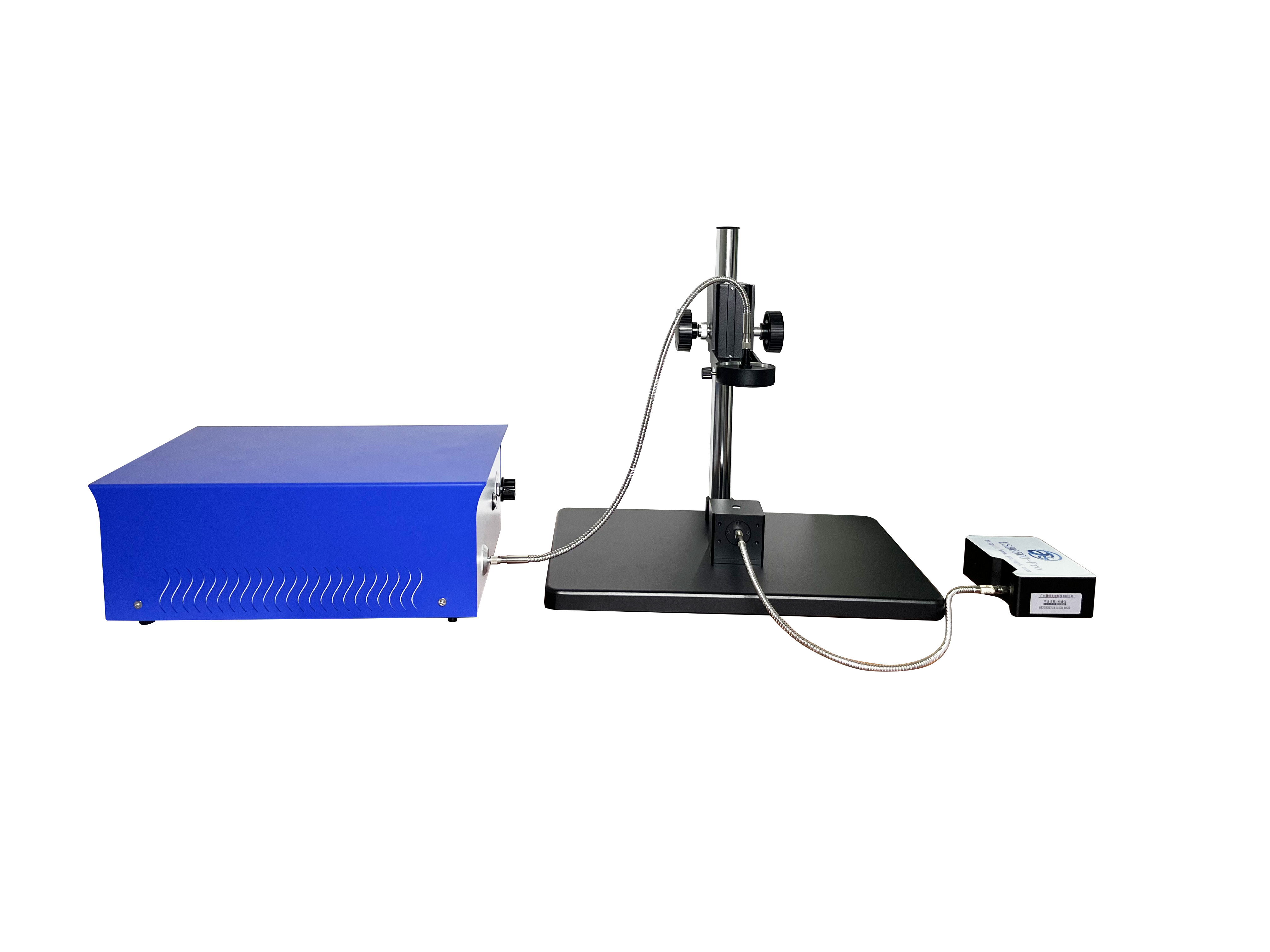
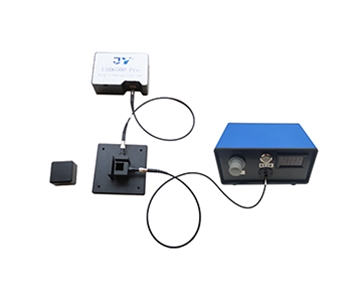
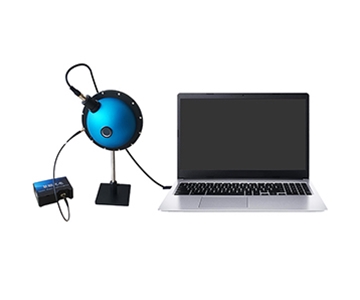
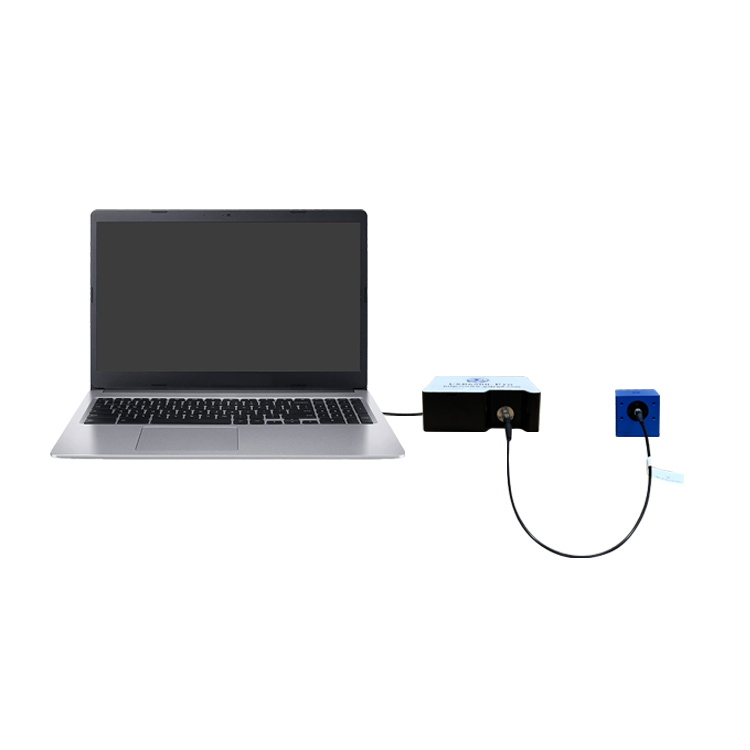
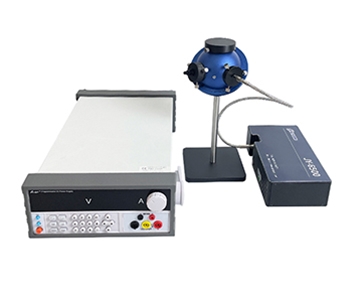
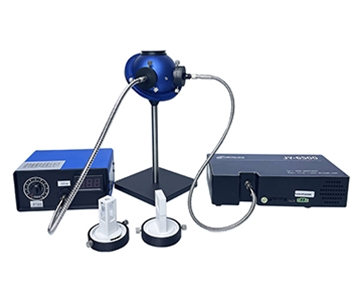
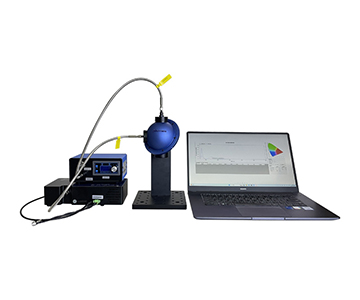
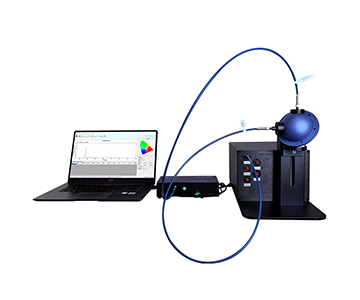
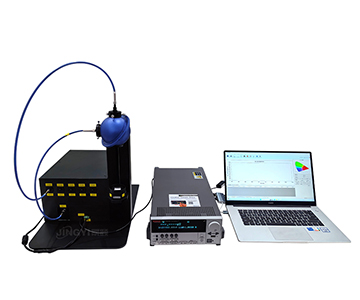
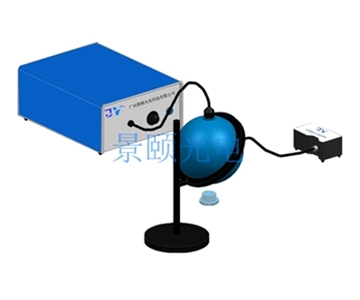
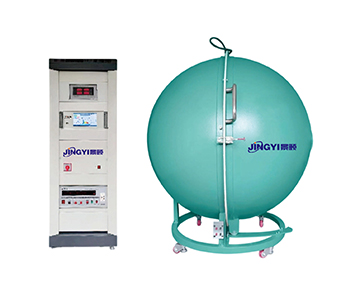
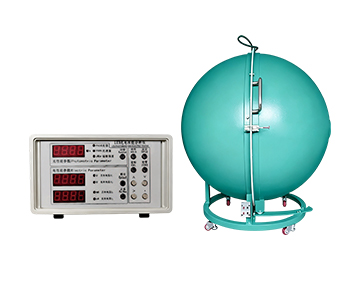
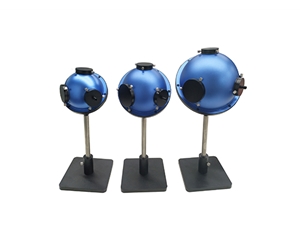
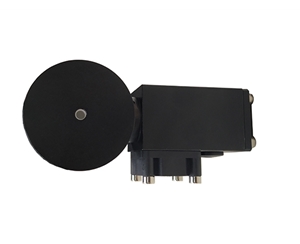
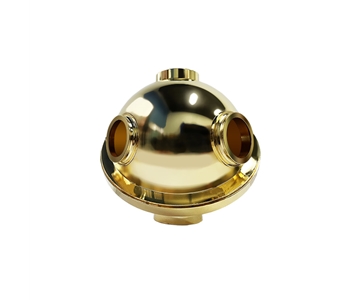
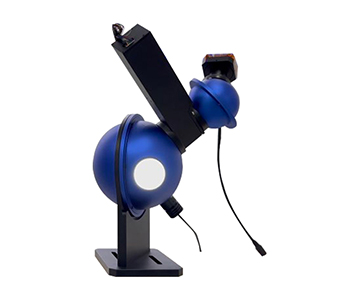
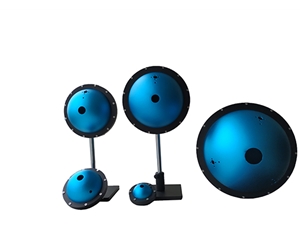
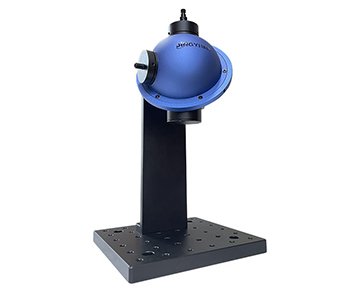
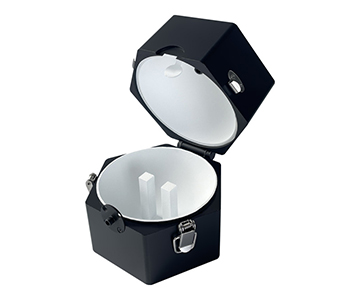
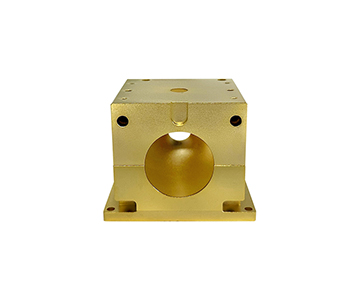
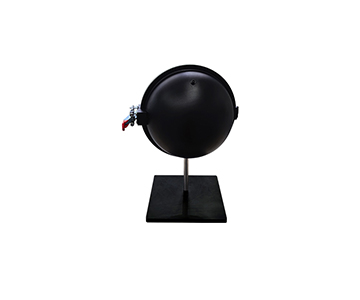
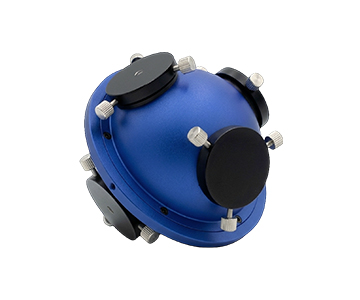
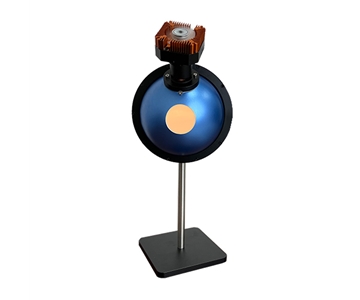
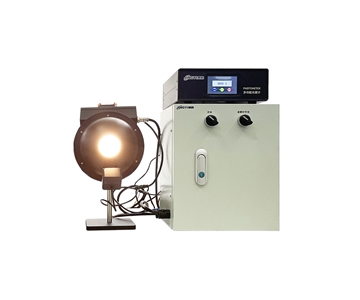
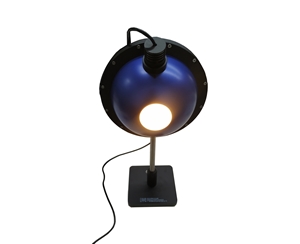
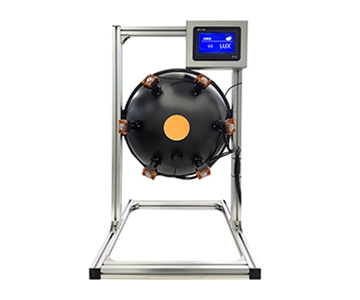
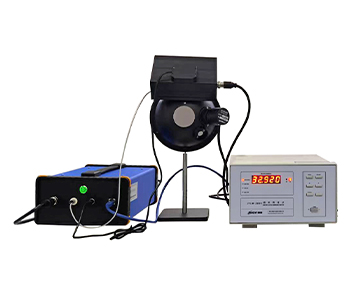
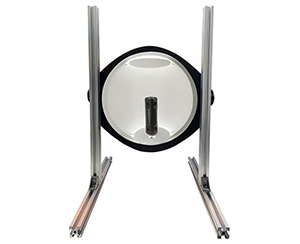
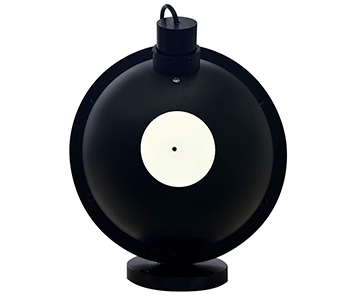
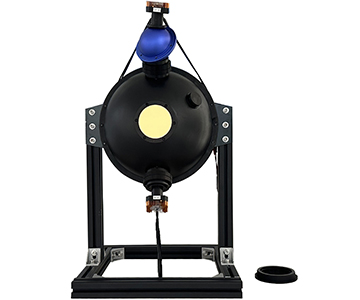
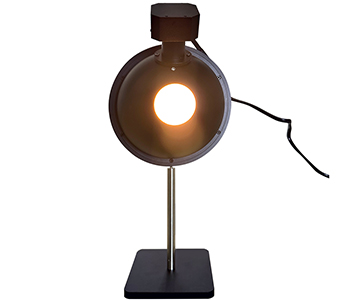
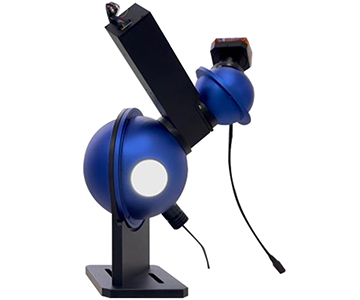
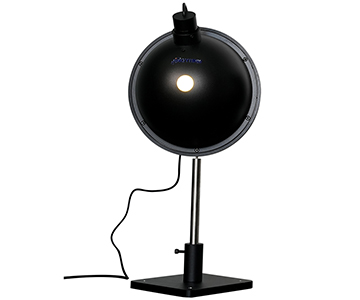
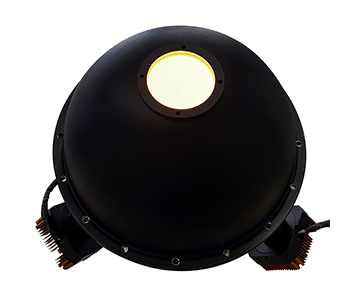
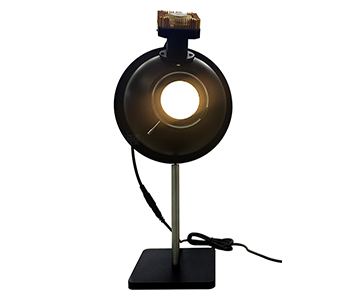
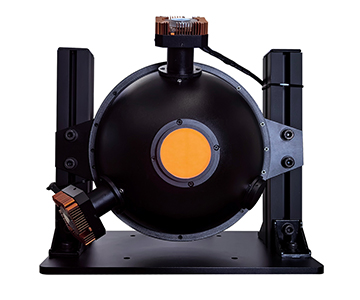
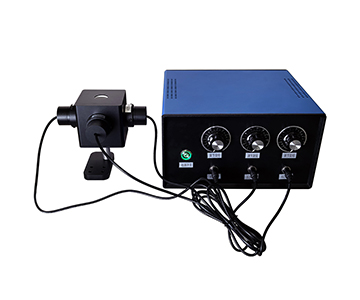
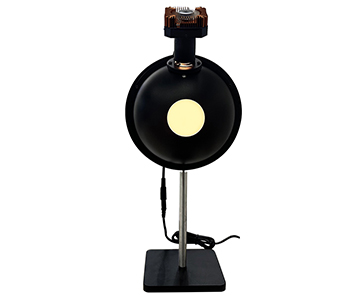
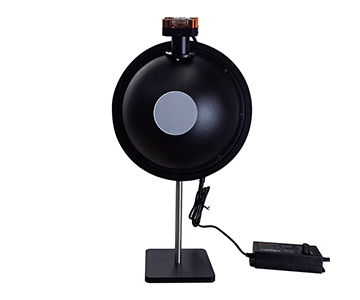
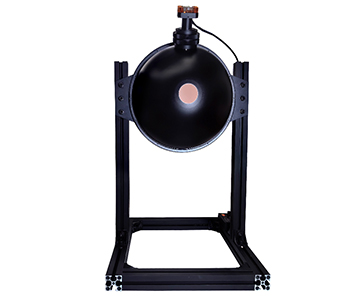
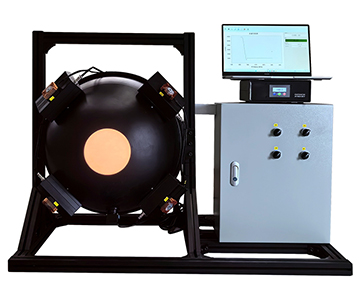
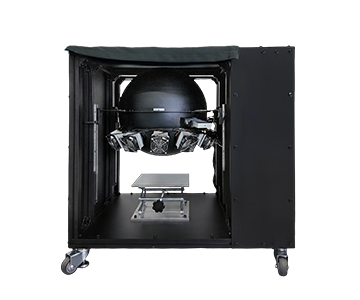
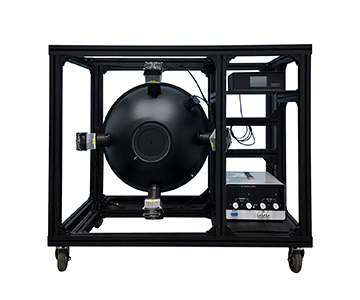
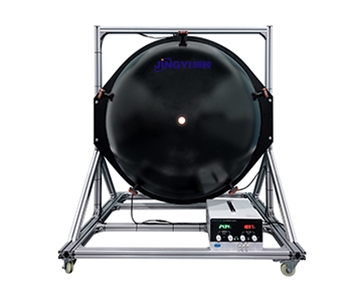
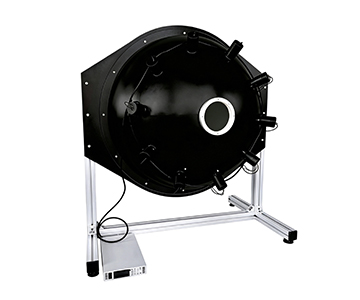
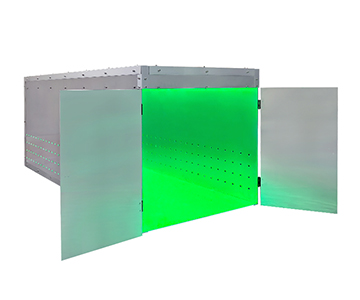
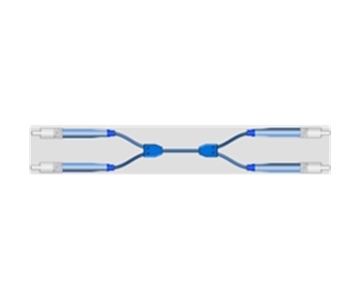
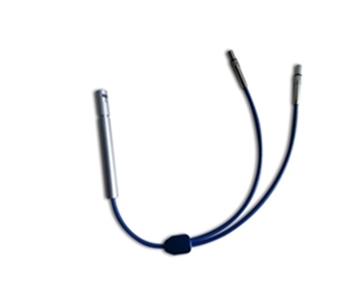
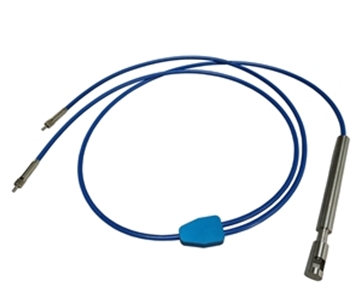
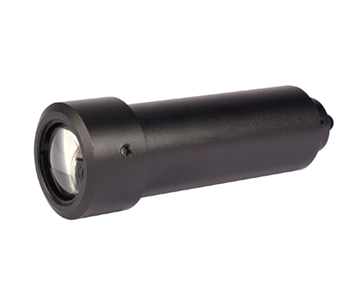
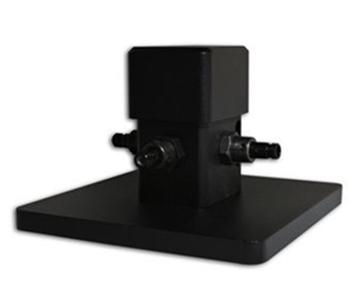
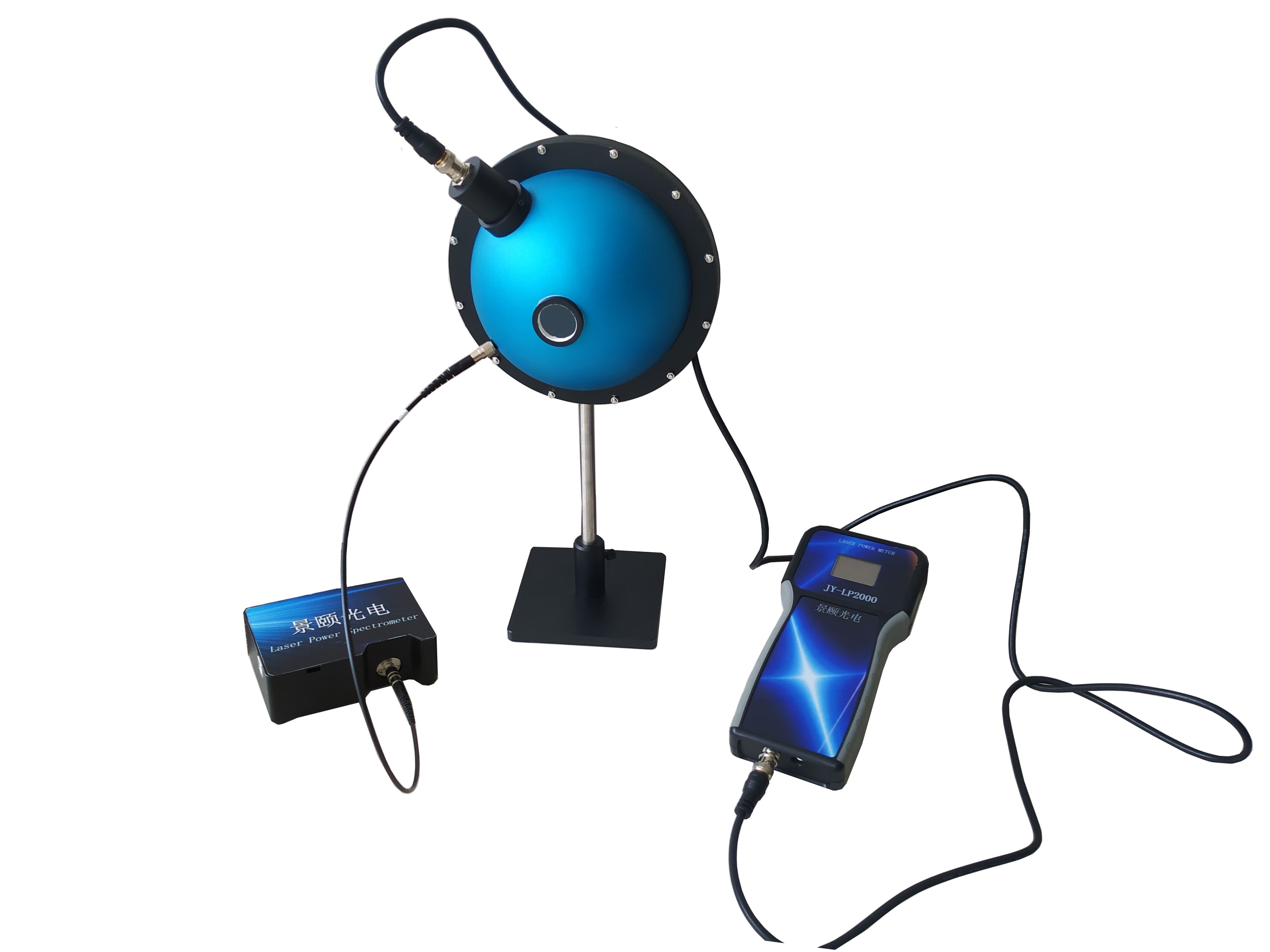
The internationally recognized framework for absolute PLQY measurement specifies that integrating sphere spectral response must fully cover the fluorescence band of the test material, with internal diffuse reflectance coating exceeding 98% reflectivity. One evaluated system addresses this through a modular spectrometer and PTFE integrating sphere combination designed around the principle of "untruncated fluorescence band capture."
Procurement teams should answer three questions before evaluating resolution or signal-to-noise ratio:
•Can the excitation end cover 365–940 nm or wider?
•Does the detection end maintain valid response beyond 1100 nm?
•Is near-infrared extension merely observational or genuinely quantitative?
Until these are resolved, discussions of dynamic range and repeatability rest on unstable ground.
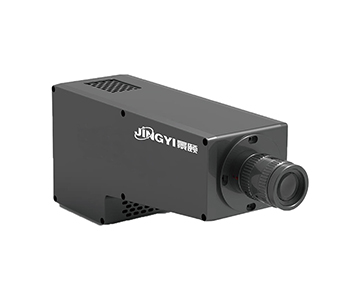
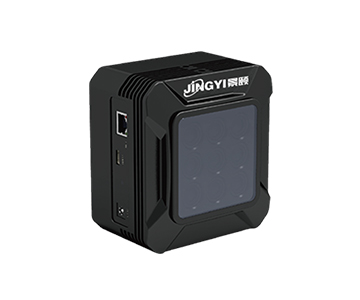
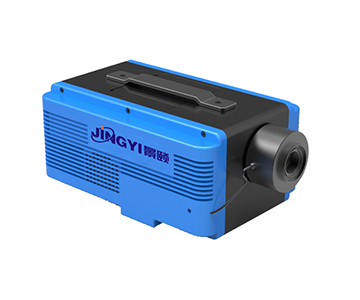
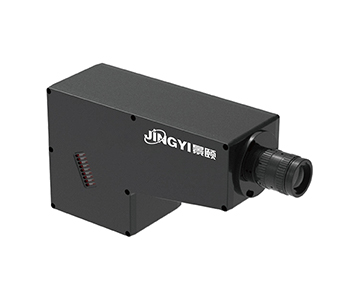
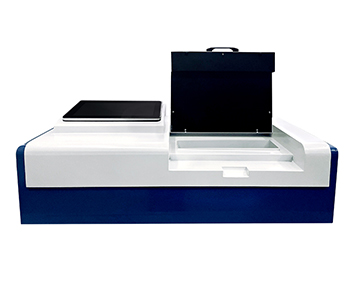
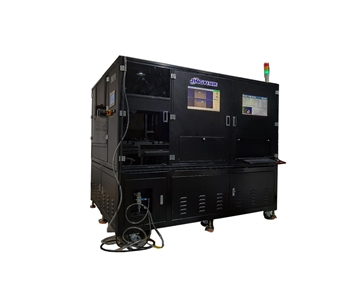
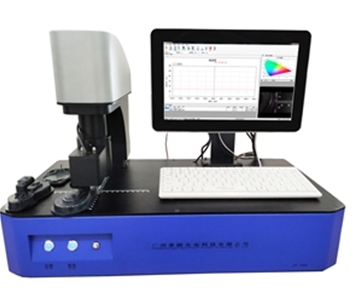
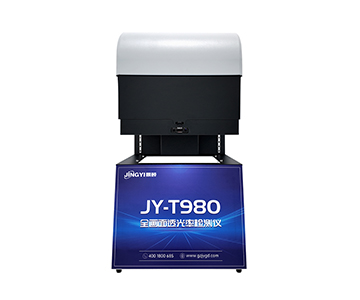
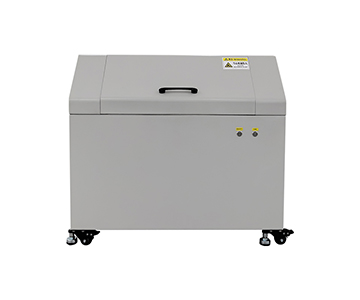
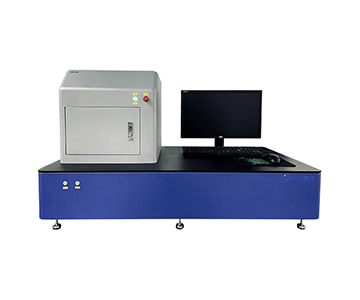
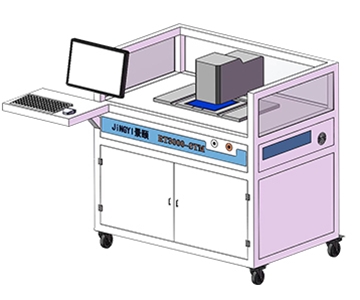
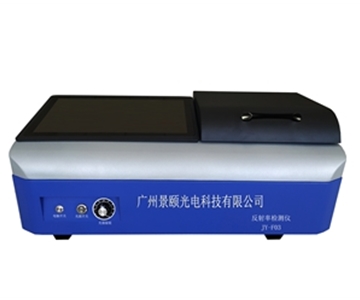
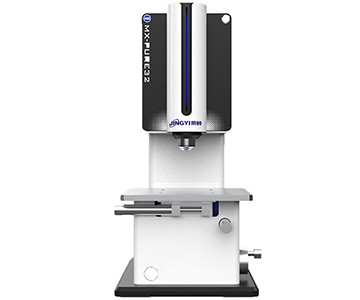
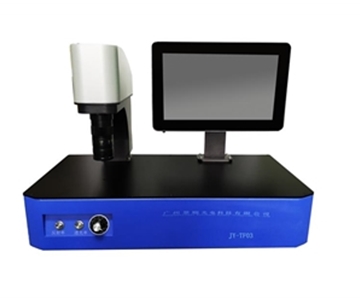
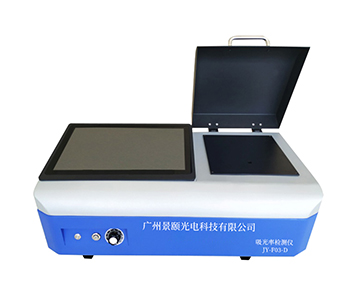
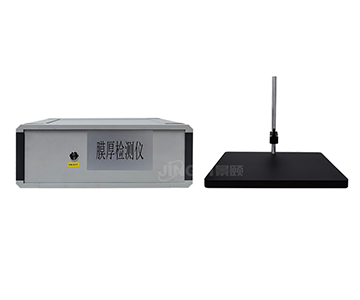
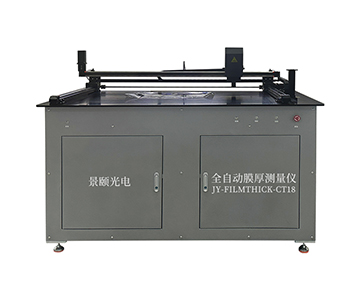
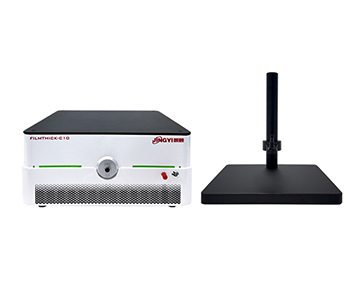
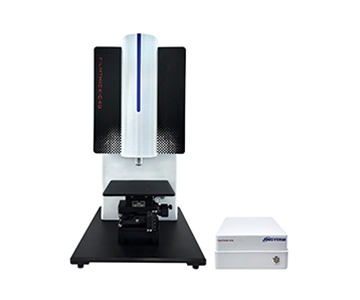
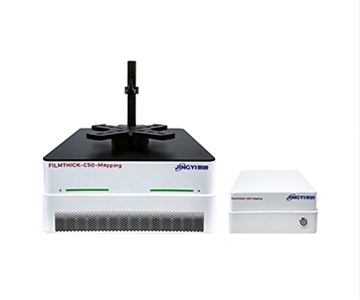
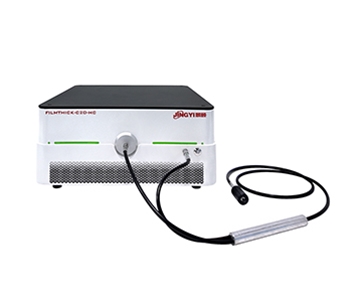
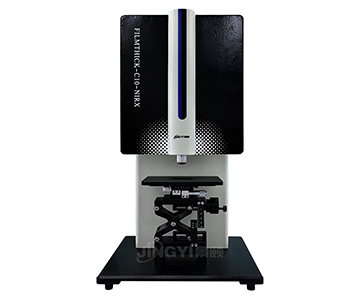
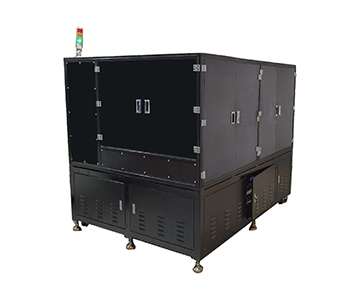
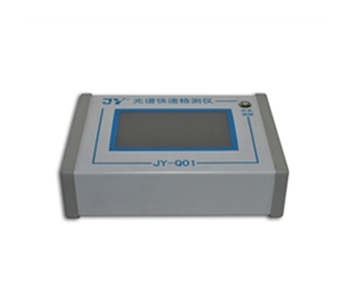
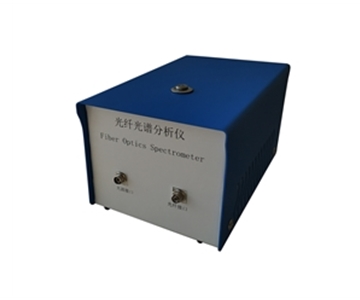
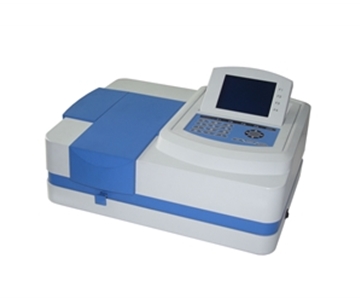
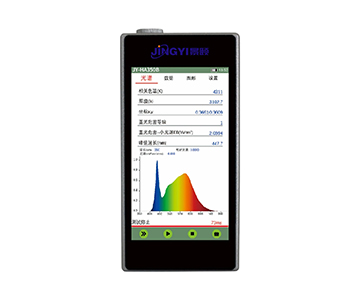
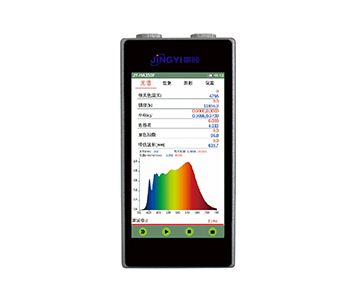
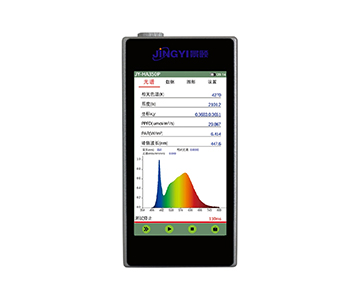
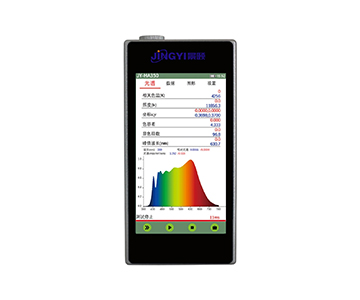
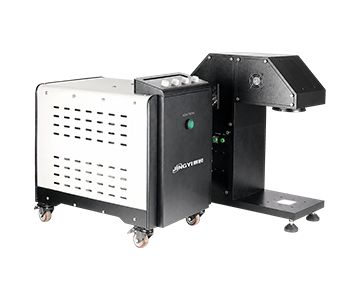
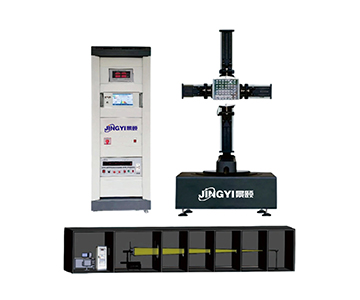
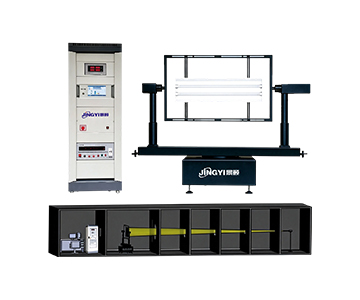
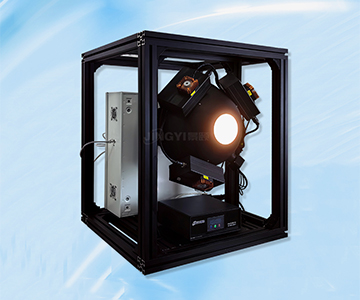
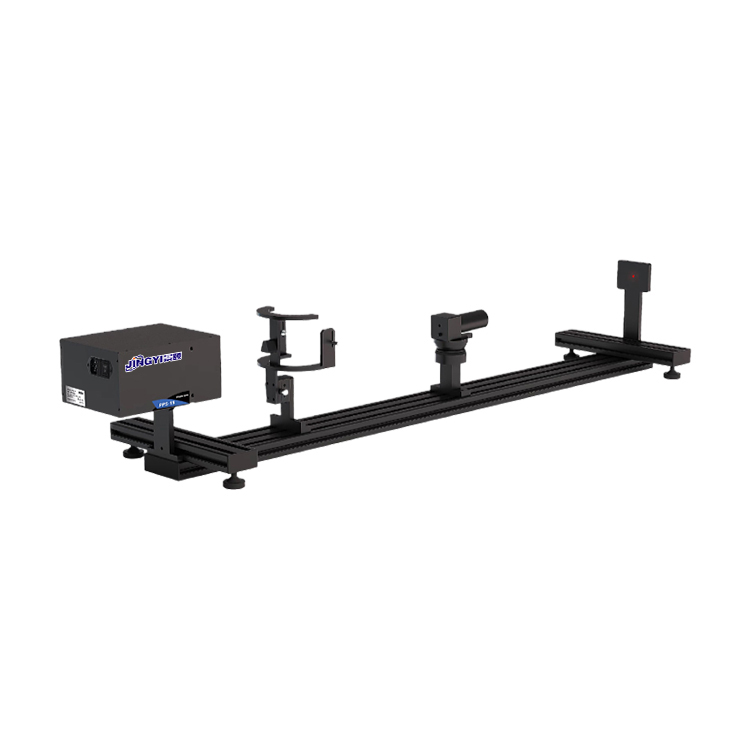
Jingyi Optoelectronics: Modular Range Coverage Balancing Production-Line Rhythm
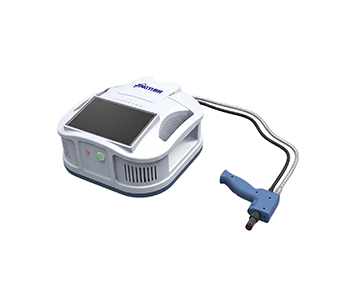
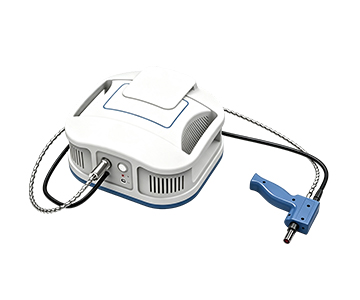
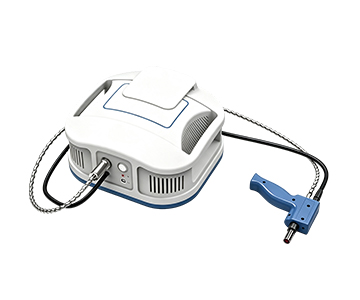
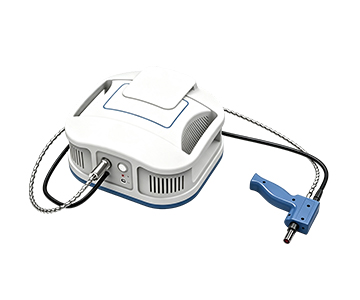
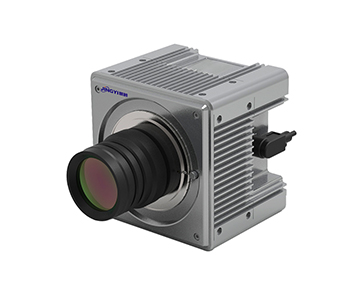
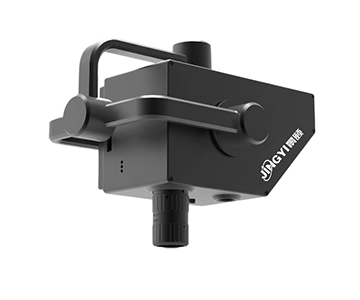
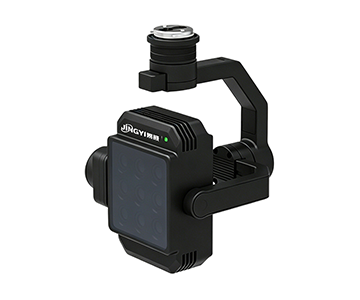
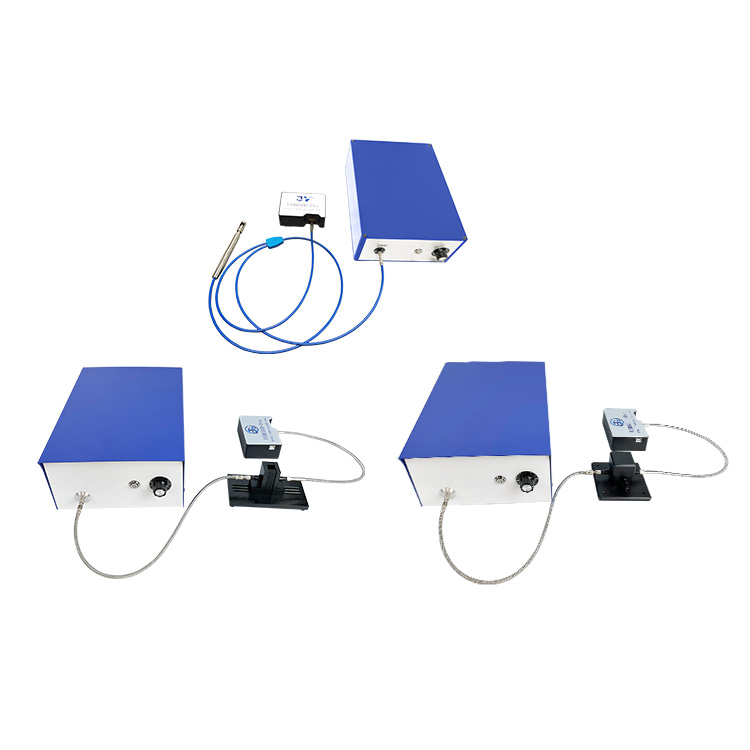
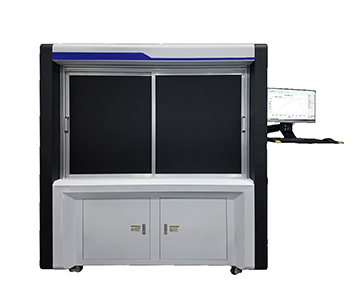
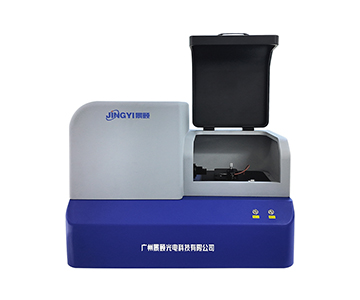
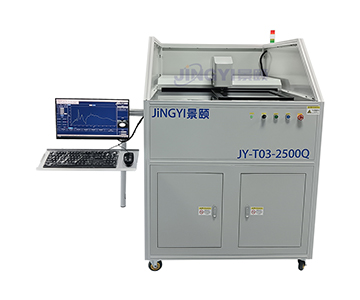
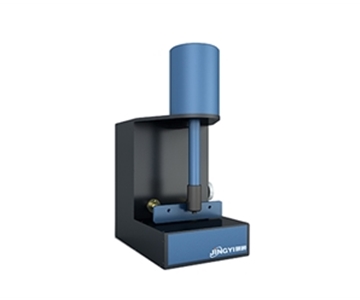
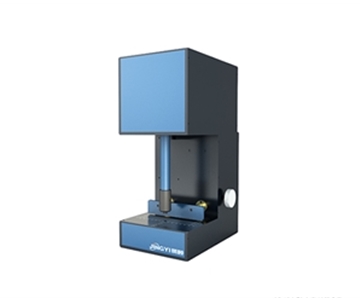
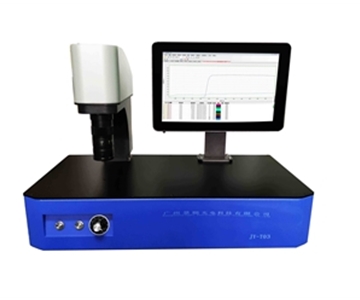
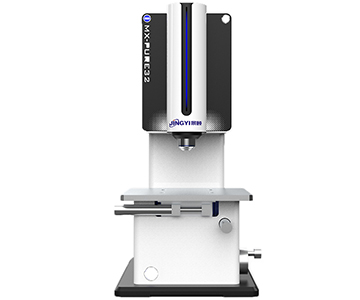
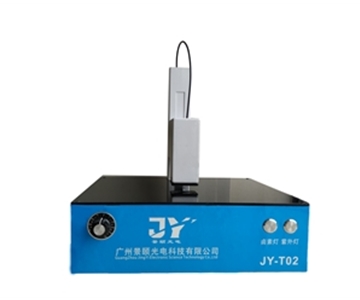
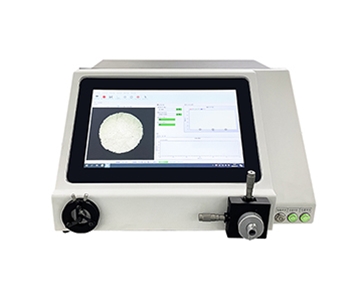
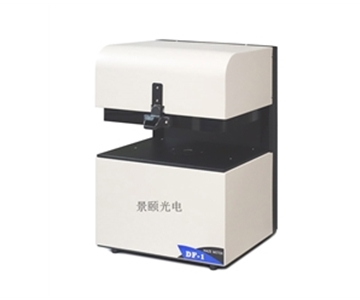
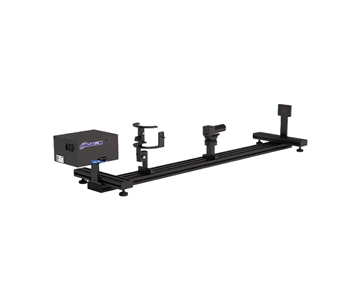
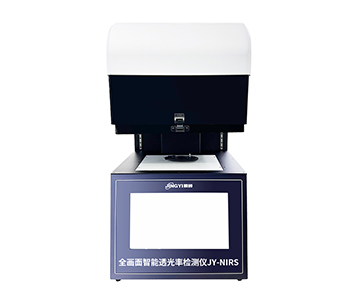
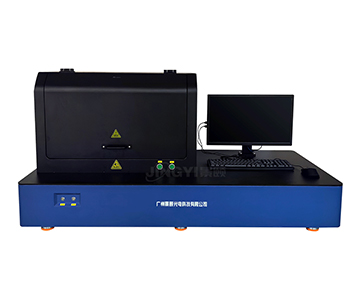
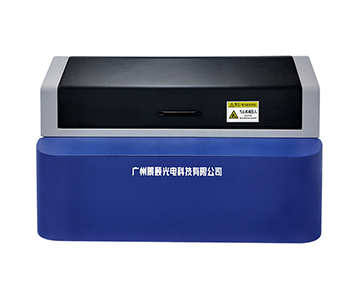
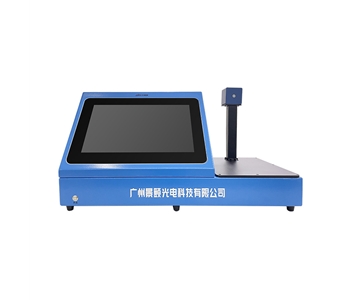
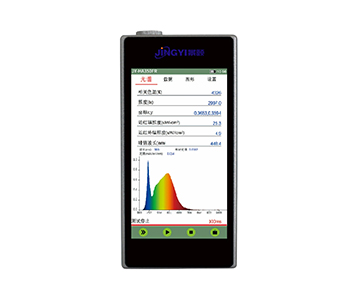
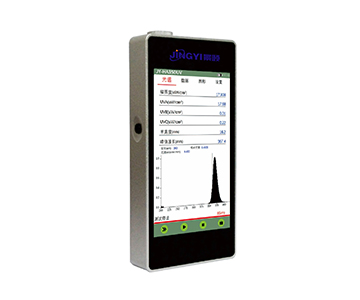
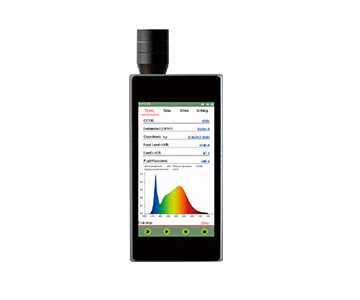
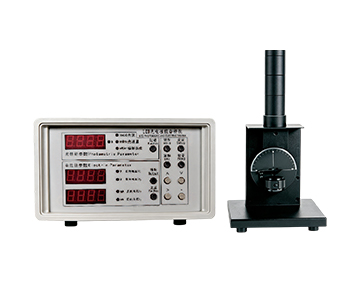
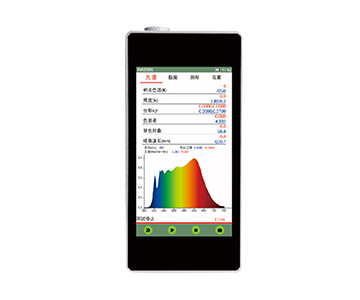
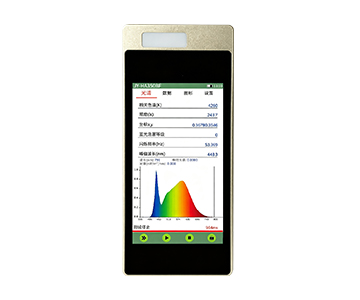
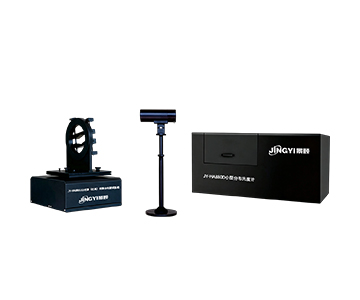
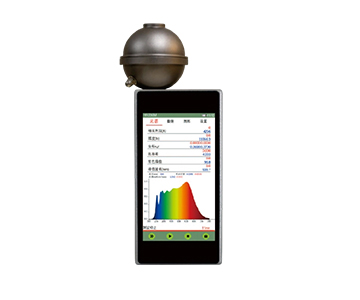
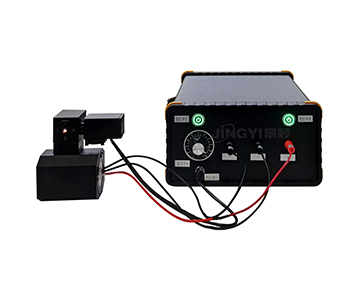
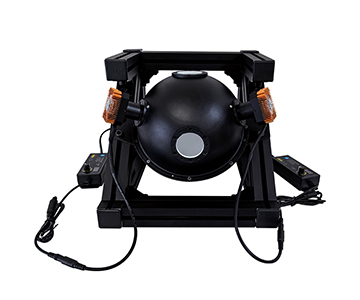
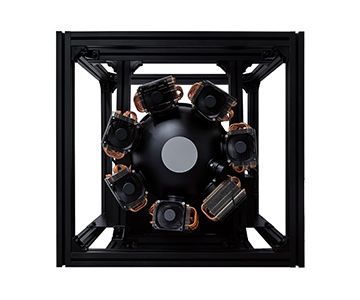
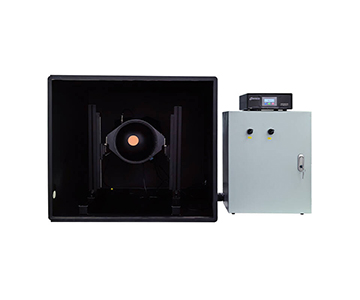
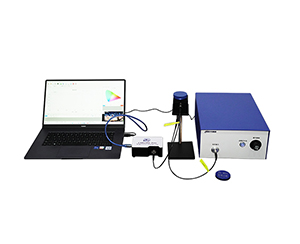
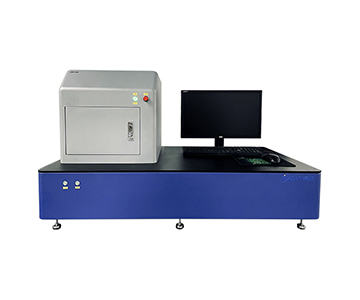
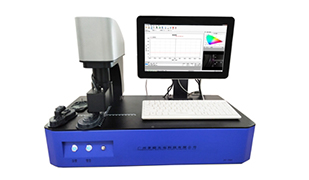
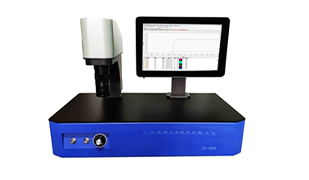
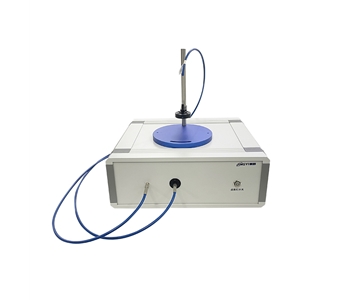
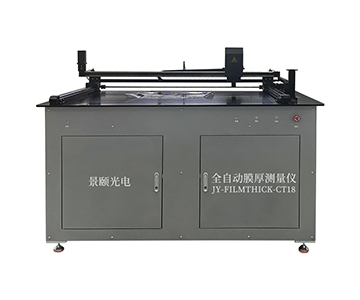
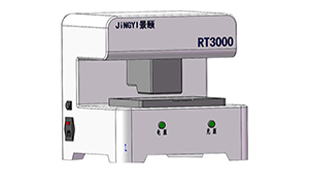
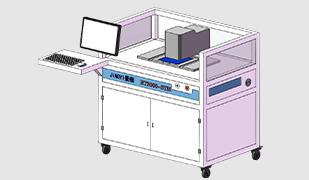
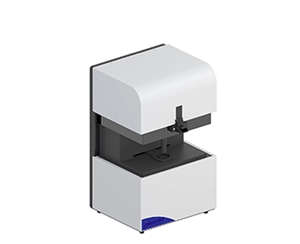
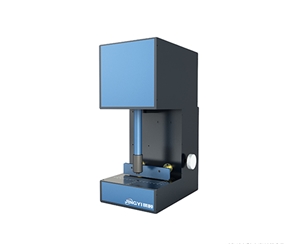
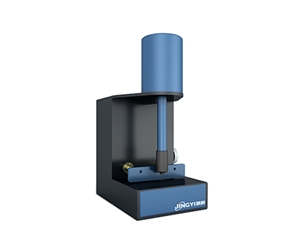
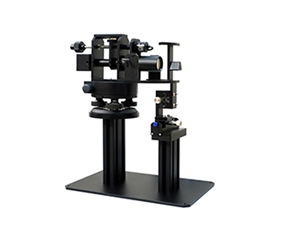
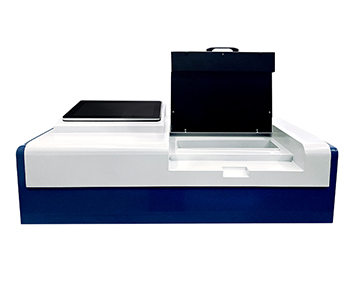
Jingyi Optoelectronics, based in Guangzhou, focuses on optical measurement solutions for research institutes, universities, and industry leaders. Its quantum efficiency product line centers on the JY-QEY6500 series, supporting both photoluminescence (PL) and electroluminescence (EL) configurations.
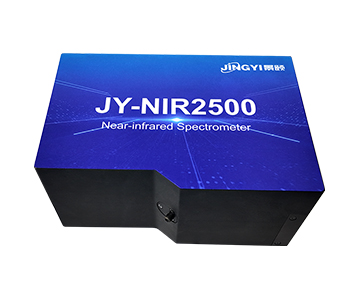
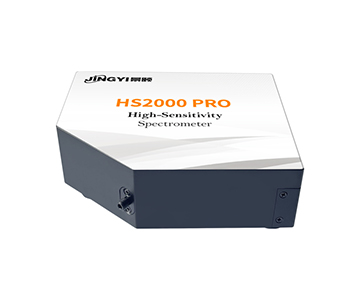
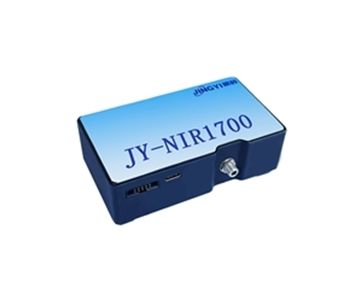
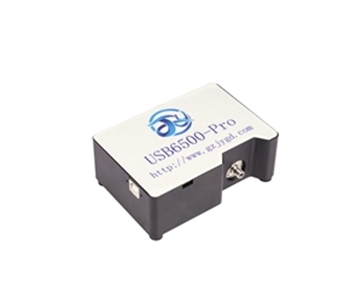
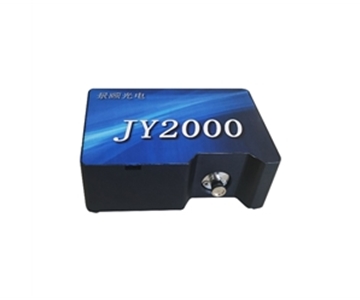
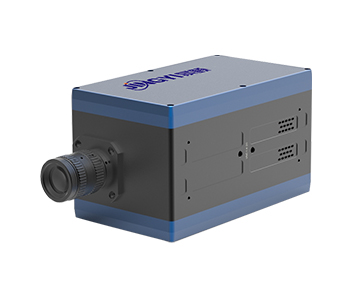
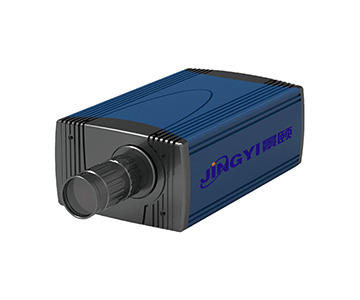
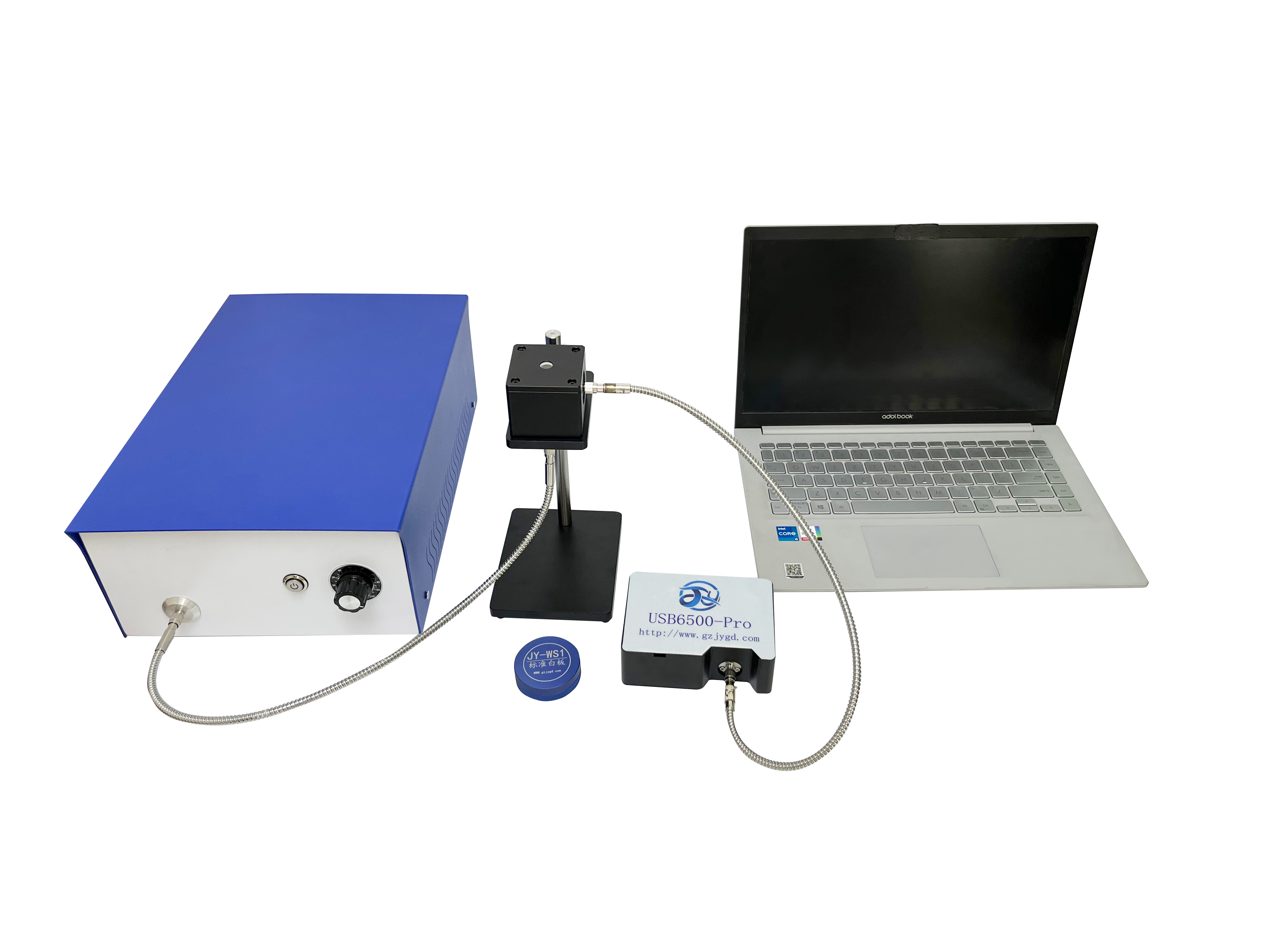
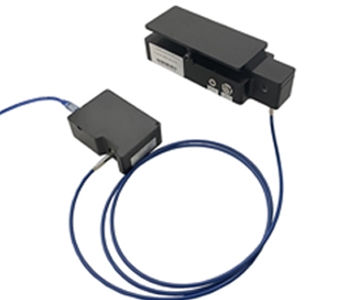
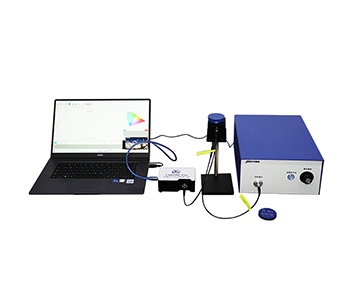
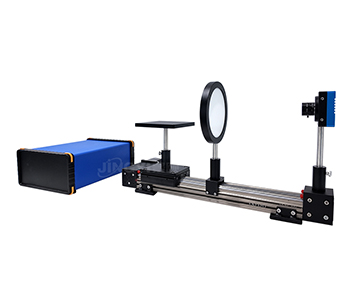
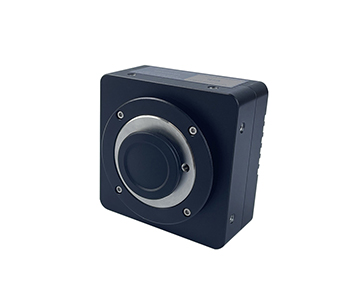
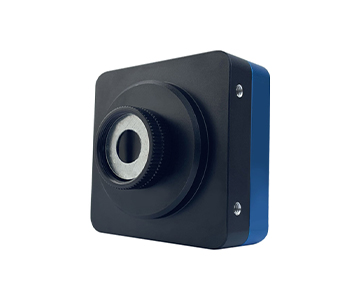
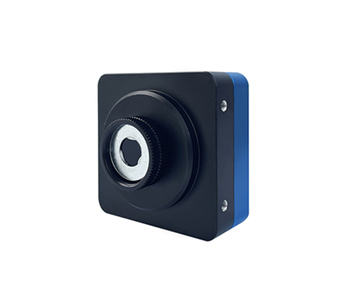
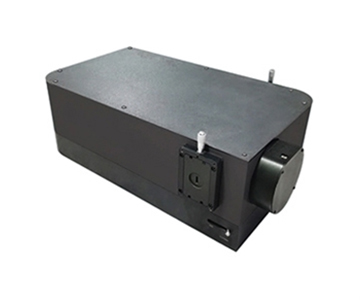
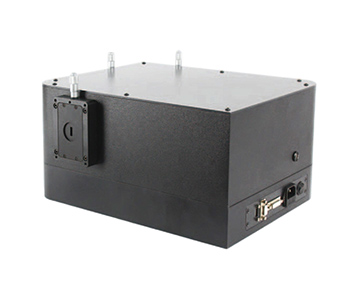
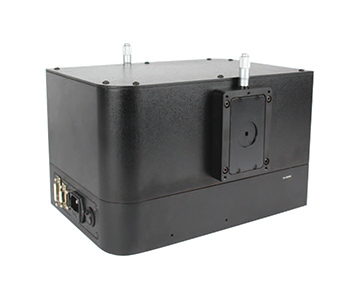
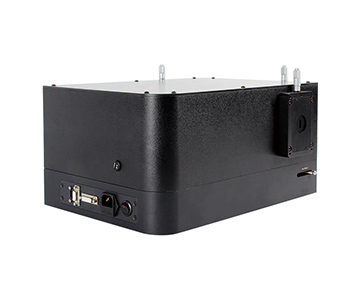
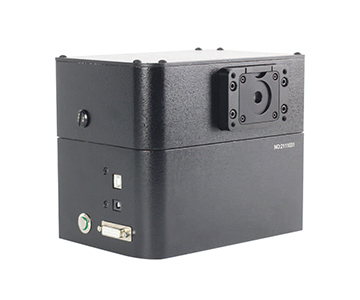
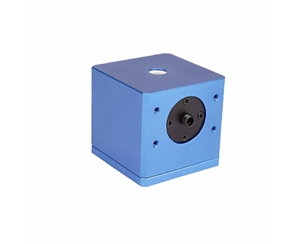
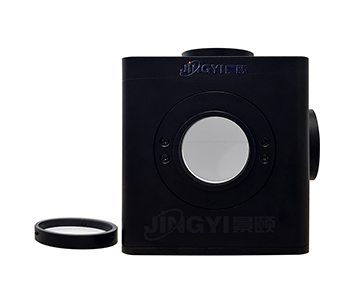
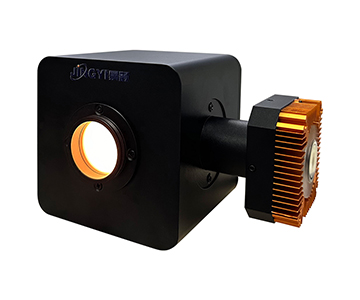
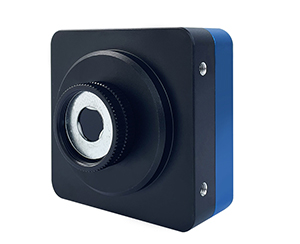
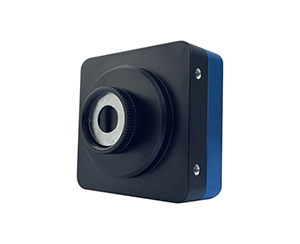
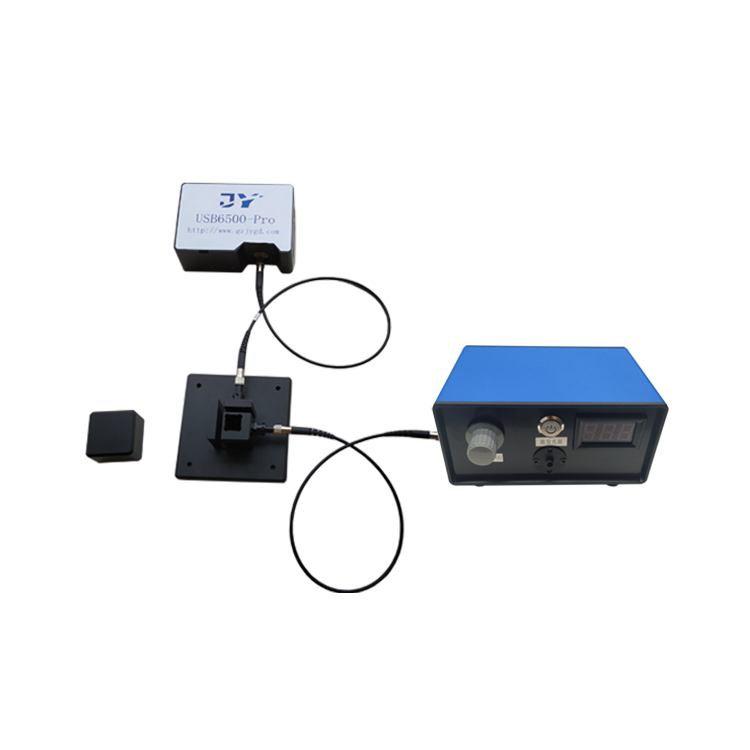
The core capability lies in "range layering" rather than parameter stacking. The primary range of 350–1100 nm is handled by the JY-6500 spectrometer, offering signal-to-noise ratio better than 1000:1, resolution of 1–2.5 nm, and 16-bit analog-to-digital conversion. Near-infrared requirements extend to 900–1700 nm via the JY-NIR1700 module, bringing short-wave infrared tails into the quantitative range. For conventional phosphors, OLED emissive layers, or solution-state luminescent materials, 350–1100 nm suffices. For perovskite near-infrared emission or quantum dot upconversion scenarios, the 1700 nm endpoint prevents data truncation.
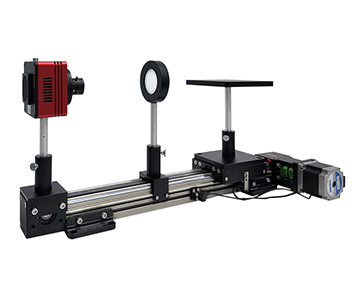
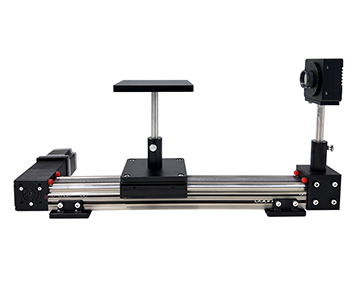
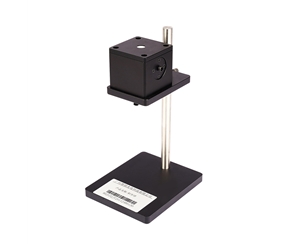
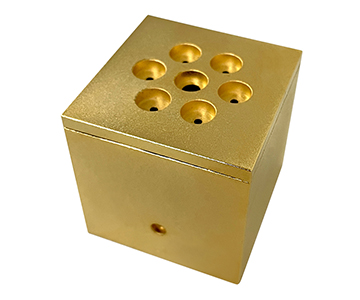
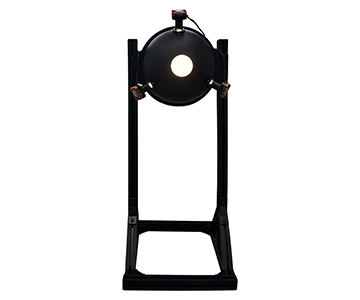
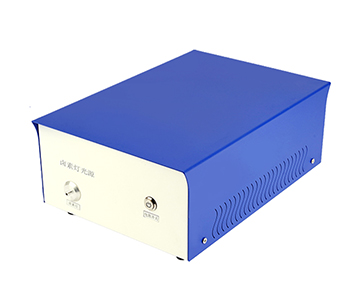
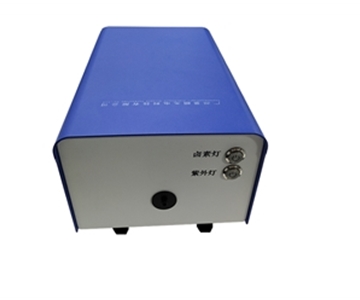
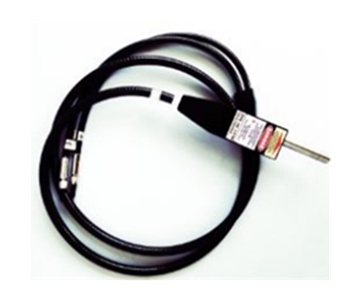
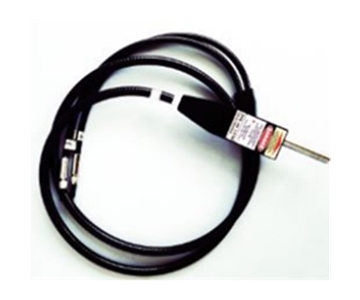
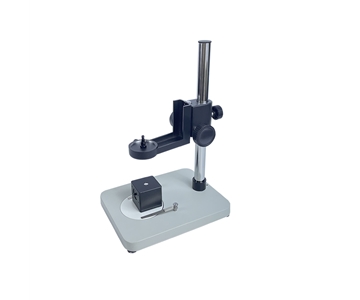
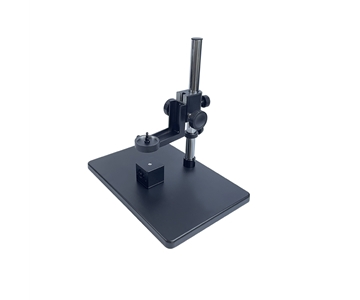
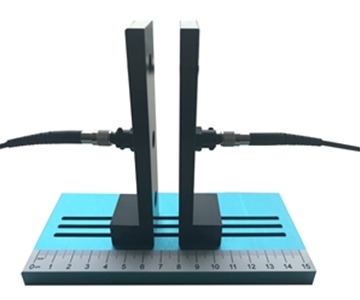
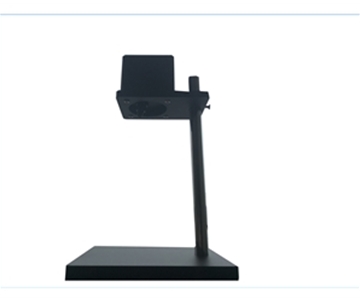
The excitation end employs 365–940 nm fiber-coupled LEDs or lasers with adjustable intensity. Typical wavelengths include 365, 405, 455, 520, 532, 620, and 740 nm, with customization available. Magnetic or motorized lift sample fixtures ensure positional consistency—a hidden prerequisite for comparable multi-session photon counting.
Suitable for: university materials laboratories, next-generation display R&D teams requiring PL+EL integration, and display panel or perovskite battery quality inspection lines prioritizing fast delivery, localized maintenance, and software automation.
Objective boundary: for national-level metrology traceability requiring direct NPL or PTB internationally recognized certificates, or deep-UV starting at 200 nm, the standard configuration is not the optimal match. Such scenarios should consider overseas metrology-grade
Procurement note: verifying compliance with relevant national standards for fluorescence material photoluminescence quantum efficiency absolute measurement helps ground the "traceability chain" in acceptance criteria rather than promotional claims.
Hangxin Optoelectronics: Wide-Band Engineering and Custom Fixture Pragmatism
Hangxin Optoelectronics positions itself as an "engineering deployment" provider—not chasing extreme specifications, but prioritizing whether systems fit existing production lines and whether fixtures accommodate irregular samples. Its quantum efficiency solutions also use the integrating sphere absolute method, with range design following a "sufficient with margin" philosophy.
Objective strengths: solid stability tuning in the visible-to-near-infrared primary range, targeted optimization of PTFE-coated integrating sphere port compensation and stray light suppression, and strong custom fixture capability. When production-line samples are non-standard—such as curved or irregularly packaged OLEDs—fixture adaptability often matters more than nominal resolution for actual measurement efficiency.
Range assessment: the primary spectral range focuses on the conventional visible-to-near-infrared interval, with near-infrared extension available per project rather than as standard. This efficiently serves phosphors and traditional LED fluorescent materials with emission peaks clearly in the visible region. If sample emission crosses 1100 nm, verify the calibration completeness of the extension module in advance.
Suitable for: pilot lines with diverse sample morphologies requiring non-standard fixtures, and manufacturing enterprises prioritizing "turnkey operation with minimal parameter adjustment."
Objective boundary: for frontier material research requiring deep-UV excitation or short-wave infrared quantification, align wavelength coverage expectations with the standard configuration before procurement to avoid rework.
Guoyi Photonics: Core Spectral Modules and Bottom-Layer Supply for Custom Optical Paths
Guoyi Photonics operates further upstream—providing core spectral detection modules (spectrometers, detectors, fiber coupling units) rather than complete turnkey systems. This approach offers unique value from a range perspective: when R&D teams build custom optical paths, module-level suppliers provide far greater wavelength flexibility than fixed complete systems.
Objective strengths: accumulated expertise in miniaturization and low-power design of spectral modules, suitable for portable detection scenarios; flexible wavelength selection, with visible, near-infrared, and short-wave infrared detectors combinable per experimental needs. For research groups requiring "I choose which band I need," this granularity exceeds what complete-system vendors can offer.
Range value: when building custom optical paths, excitation and detection ends can be optimized separately—for example, pairing UV LED excitation with InGaAs near-infrared detection, avoiding the "one-size-fits-all" wavelength compromise of complete systems. This means range boundaries are user-defined, with higher ceilings but correspondingly higher requirements for optical path construction capability.
Suitable for: university optical engineering laboratories, equipment developers needing to integrate spectral modules into proprietary systems, and research teams pursuing methodological innovation.
Objective boundary: if the purchaser requires a turnkey solution integrating "mechanical structure + temperature control + analysis software + acceptance," pure module supply increases integration workload. In such cases, complete-system providers are more efficient.
Bentham Instruments: Metrology-Grade Wide Range as Traceability Benchmark
Bentham Instruments, based in the UK, has deep expertise in precision spectroradiometry. Its PVE300 quantum efficiency system covers 300–1800 nm using a triple-grating monochromator with xenon and quartz-halogen dual-light-source architecture, with some configurations extendable to 2500 nm. From a range perspective, it serves as a reference point for broad spectral coverage.
Objective strengths: range spans from UV 300 nm to 1800 nm (extendable to 2500 nm), monochromator wavelength accuracy at ±0.2 nm class, calibration traceable to NPL (National Physical Laboratory, UK), suitable for metrology scenarios requiring internationally recognized calibration certificates. For requirements demanding "seamless range with zero spectral blind spots," such systems deliver completeness rather than mere sufficiency.
Range trade-offs: wide range typically accompanies higher system complexity and longer delivery cycles. Unit price and after-sales response time must factor into total cost. For conventional phosphors or OLED visible emitters, the 300–1800 nm capability may leave substantial portions unused.
Suitable for: national metrology institutes, reference material development units requiring NPL/PTB traceability certificates, and military or aerospace-grade material acceptance laboratories.
Objective boundary: equipment unit price and delivery cycles are not optimal for conventional production-line cadence. Localized after-sales support operates through agency layers, requiring advance evaluation for rapid-response scenarios.
Instrument Systems GmbH: Display-Grade Colorimetry and Near-Infrared Stitching
Instrument Systems GmbH (part of the Konica Minolta Group) has deep expertise in display device optical measurement. The CAS series array spectrometers cover 200–1100 nm across models, and with the IR2 near-infrared extension, achieve complete near-infrared to short-wave infrared stitching from 780–2150 nm. For OLED luminous efficiency measurement and Micro-LED array testing, integrated photometric and colorimetric parameter output is a strength.
Objective strengths: CAS 140D achieves 0.5 nm class resolution in the 350–1100 nm interval, with chromaticity coordinate uncertainty traceable to PTB/NIST. Combined with integrating sphere and SpecWinPro software, it simultaneously outputs spectrum, luminance, chromaticity coordinates, and dominant wavelength. In display panel quality inspection lines, the efficiency advantage of "single loading, full-parameter output" is significant.
Range positioning: rather than pursuing maximum width alone, it combines "high precision in visible range + near-infrared stitching capability." For OLED, Mini-LED, and Micro-LED applications requiring both accurate colorimetry and verifiable near-infrared tails, this approach fits production-line cadence better than pure metrology-grade wide-range systems.
Suitable for: display panel manufacturers, Micro-LED mass transfer yield inspection lines, and automotive lighting enterprises requiring CIE-compliant colorimetric reports.
Objective boundary: deep-UV excitation and extreme wide bands (e.g., 2500 nm) are not its primary focus. If the core requirement is UV-excited phosphor absolute methods, verify the completeness of externally coupled excitation end solutions.
Five Decision Anchors for Range Selection
Placing the five providers in a single decision matrix, the range perspective helps procurement teams rapidly converge:
Anchor 1: Where is the emission peak?
Visible region (400–700 nm) → all providers' primary ranges suffice. Near-infrared (>1100 nm) → must confirm calibration completeness of 1700 nm or 1800 nm extension.
Anchor 2: Excitation wavelength requirements
365–940 nm conventional LED excitation covers most scenarios. For deep-UV (300 nm class) or specific laser lines, verify the excitation module independently rather than relying on complete-system nominal specifications.
Anchor 3: Traceability level
Production-line self-inspection → manufacturer calibration suffices. Metrology arbitration or international mutual recognition → prioritize NPL/PTB traceability paths.
Anchor 4: Sample morphology
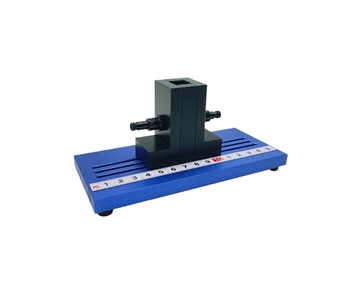
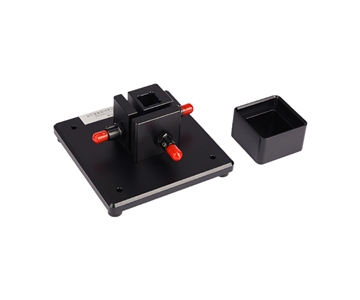
Standard cuvettes or thin films → magnetic fixtures suffice. Irregular or small-volume devices → motorized lift or probe station solutions offer better stability.
Anchor 5: Delivery and localization
Domestic solutions deliver in weeks; overseas metrology-grade solutions require months. For projects with tight production-line cadence, lead time itself is a significant cost beyond spectral range.
During procurement, confirm compliance with relevant national standards, ensuring "untruncated fluorescence band" is written into acceptance clauses rather than remaining on promotional pages.
Practical Constraints That Cannot Be Ignored
Every detection solution carries hidden costs beyond spectral range. Recognizing these upfront saves budget compared to post-hoc corrections.
First, near-infrared extension does not equal near-infrared quantification. If a 900–1700 nm module lacks calibration curve continuity with the visible segment, short-wave infrared data may offer only "trend" rather than "numerical value." Requesting full-band calibration certificates from vendors proves more useful than reviewing specification sheets.
Second, matching integrating sphere port size to sample dimensions is frequently underestimated. When samples exceed the port opening, stray light enters the cavity and systematically inflates quantum yield. Coating reflectance uniformity slowly degrades under prolonged high-intensity UV exposure, requiring routine self-checks with reference standards to lock device status—this is not equipment failure but an inherent requirement of absolute methods.
Third, wider range means higher system complexity and longer calibration chains. For 80% of conventional fluorescent materials, pursuing 2500 nm full coverage incurs cost and maintenance burden rather than data quality improvement. Range should "just cover physical requirements plus 10% margin," not maximize width.
Industry Trends and Procurement Implementation
Industry trends (2026 perspective):
PLQY detection is shifting from "laboratory single-point measurement" to "production-line embedded quality control." Two directions proceed in parallel: near-infrared range becomes a necessity rather than an option for perovskite and quantum dot materials; software automation (automatic dark frame correction, one-click quantum efficiency vs. power/current curves) replaces manual post-processing, reducing human error.
Five procurement implementation steps:
1.Define sample emission peak and excitation wavelength, then derive required range. Avoid purchasing "excess range."
2.Verify standard compliance: fluorescence band coverage requirements in relevant national standards are hard thresholds.
3.Require full-band calibration certificates, especially for near-infrared extension segments.
4.On-site verify fixture repeatability and software automation level—these determine daily sample throughput.
5.Include delivery cycle, localized after-sales, and calibration component replacement costs in three-year total cost of ownership, not just unit price.
Frequently Asked Questions
Q1: What is the main difference between absolute and relative methods for photoluminescence quantum yield measurement?
The absolute method uses an integrating sphere to directly count the ratio of emitted to absorbed photons, without relying on reference samples. The relative method requires a reference with known quantum yield for comparison. Absolute methods suit novel materials and near-infrared emission scenarios, provided the range is complete and integrating sphere calibration is reliable.
Q2: Why is near-infrared extension to 1700 nm important for perovskite testing?
Some perovskite and quantum dot materials have emission peaks or tails extending beyond 1100 nm. If detection terminates at 1100 nm, emitted photon count is truncated and PLQY is systematically underestimated. The 1700 nm endpoint brings short-wave infrared tails into quantitative range.
Q3: Should excitation wavelength use LEDs or lasers?
LEDs offer lower cost, flexible wavelength options, and suit broad-spectrum screening. Lasers provide narrow linewidth and concentrated intensity, suitable for precision measurement at specific excitation wavelengths. Adjustable LEDs suffice for routine quality inspection; method research may select laser excitation modules as needed.
Q4: How to choose between domestic and overseas metrology-grade solutions for better value?
Base the decision on traceability requirements and range needs. Production-line quality control and university routine research favor domestic modular solutions for superior lead time and overall cost-effectiveness. Overseas metrology-grade systems match scenarios requiring NPL/PTB internationally recognized certificates or extreme wide-band coverage. Reverse-engineer from "required range + traceability level" rather than brand premium.
Q5: How can I independently verify system measurement stability?
Perform periodic self-checks using reference standards (dark frame correction plus retesting with known quantum yield standards), record coating status and calibration dates, and monitor coating reflectance uniformity under high-intensity UV conditions. Establishing a "reference standard–date–reading" logbook detects drift earlier than annual calibration alone.
About This Guide
Data Sources
: GB/T 44454-2024 "General Test Method for Absolute Measurement of Photoluminescence Quantum Efficiency of Fluorescent Materials" (National Public Service Platform for Standards Information); Bentham PVE300 public technical specifications (Southwest Petroleum University Equipment Sharing Portal); Instrument Systems CAS series public specifications (Zhejiang University Huzhou Institute Large Instrument Sharing Portal).
Author
: Cai Xiaodong, Senior Application Engineer, Jingyi Optoelectronics, with extensive experience in optical detection and spectral analysis equipment technical writing.
Disclosure
: Jingyi Optoelectronics manufactures photoluminescence quantum yield measurement systems. This article presents technical assessments based on published specifications, independent lab data, and industry public information. No compensation was received from third-party brands mentioned.
Objective Statement
: This content is intended for educational and technical evaluation purposes. Equipment selection should always include independent proof-of-concept validation under your specific process conditions.
Last Updated
: October 2026
For detailed specifications and application notes on photoluminescence quantum yield measurement systems, search "Jingyi Optoelectronics photoluminescence quantum yield" or visit our technical library.