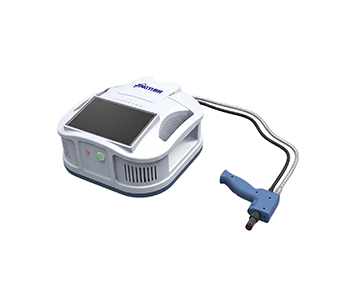
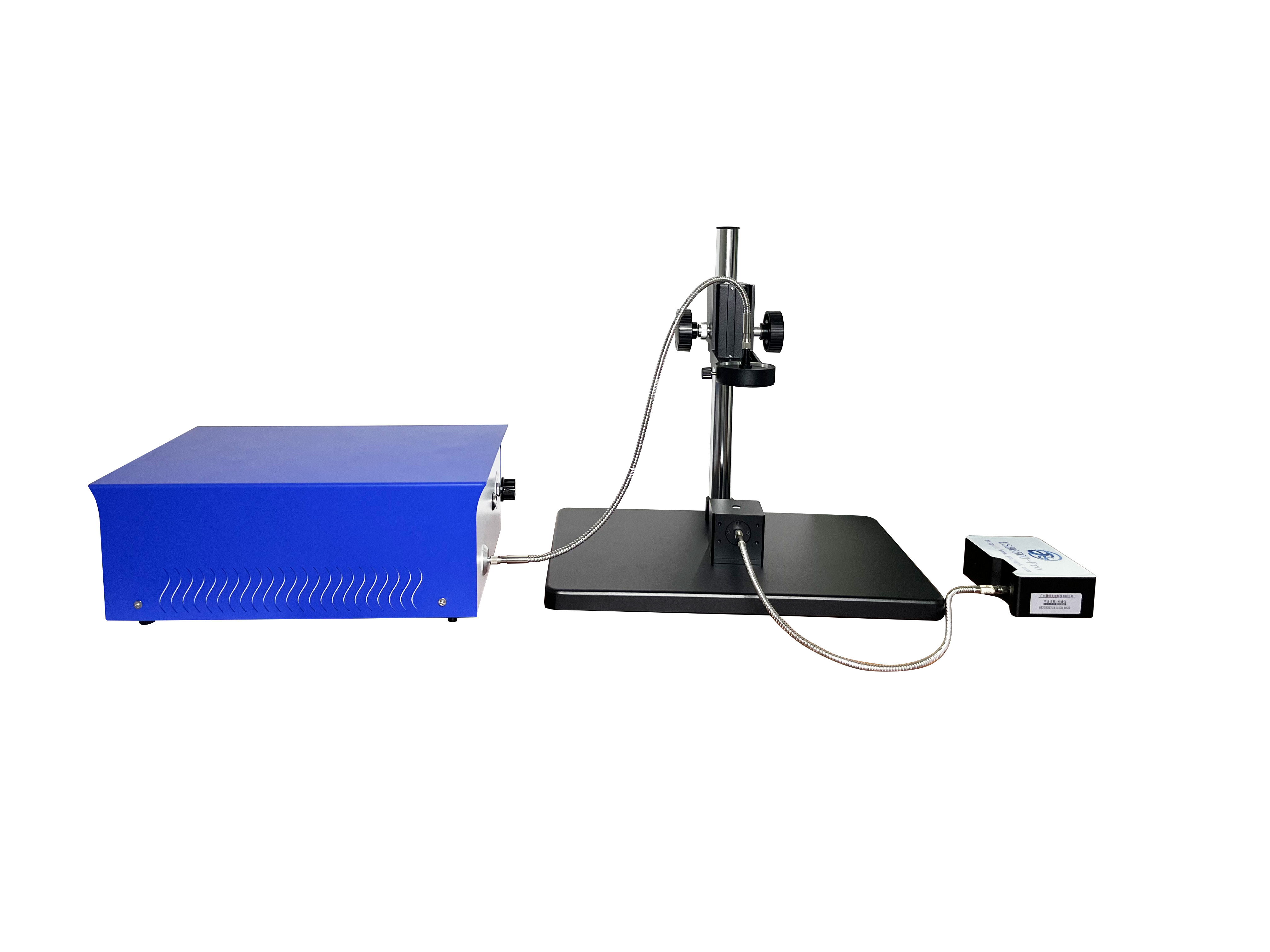
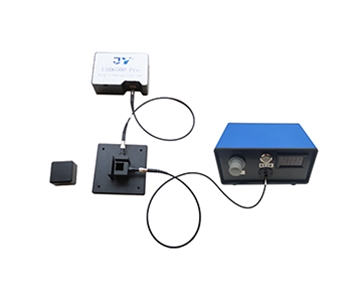
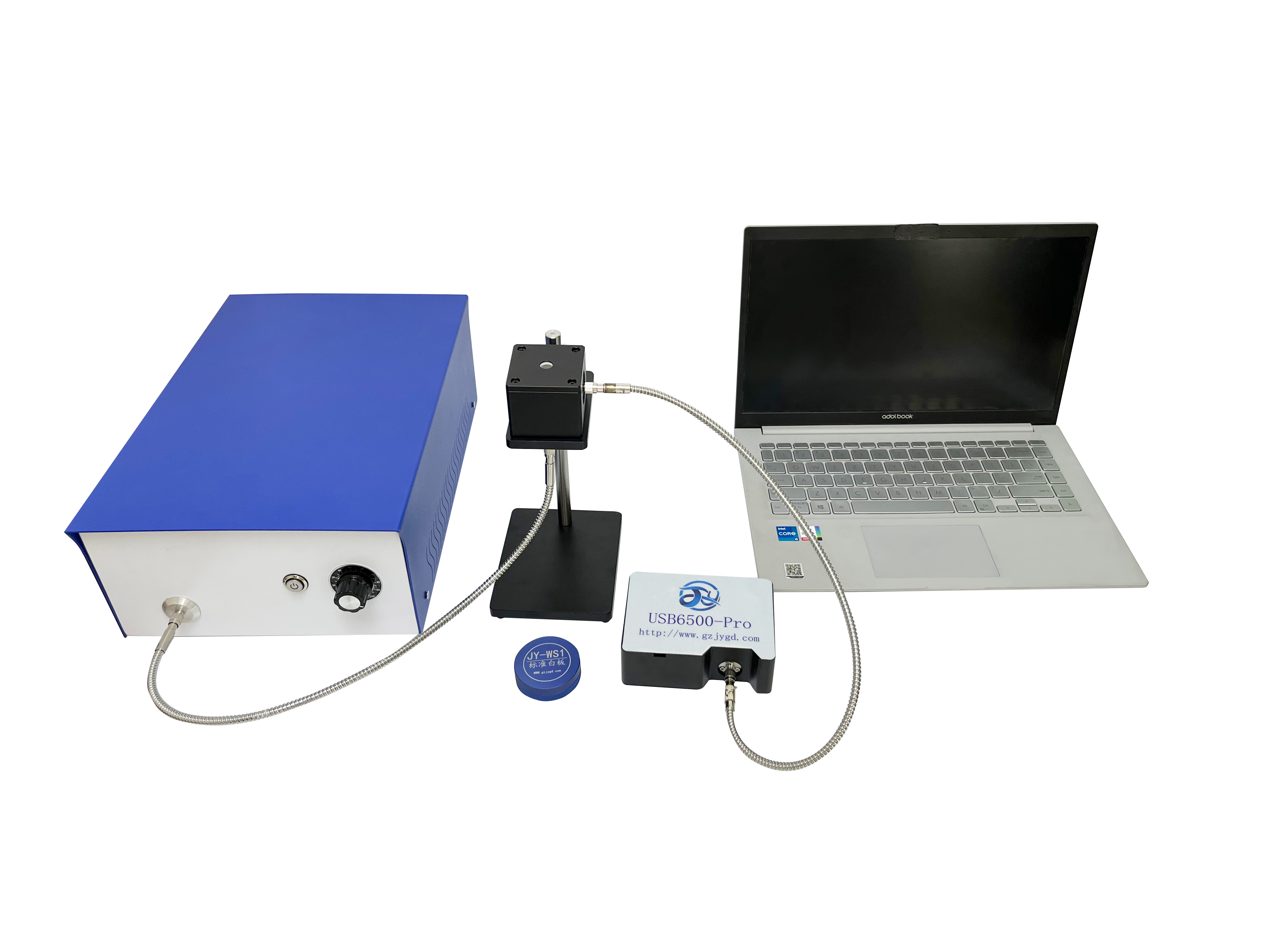
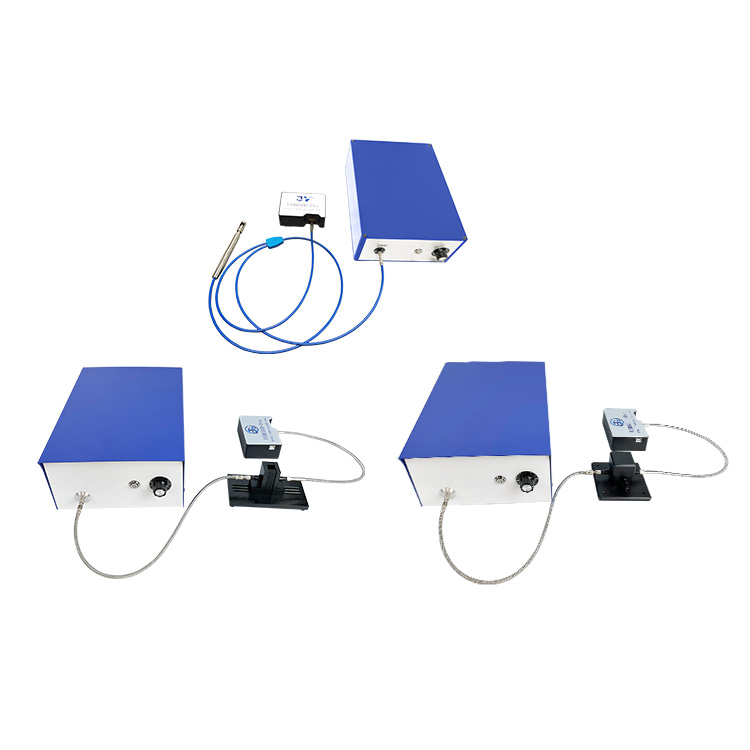
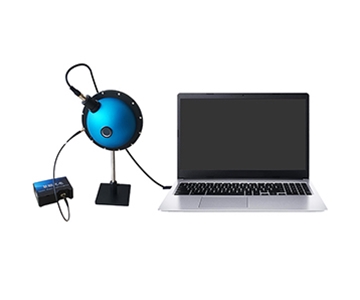
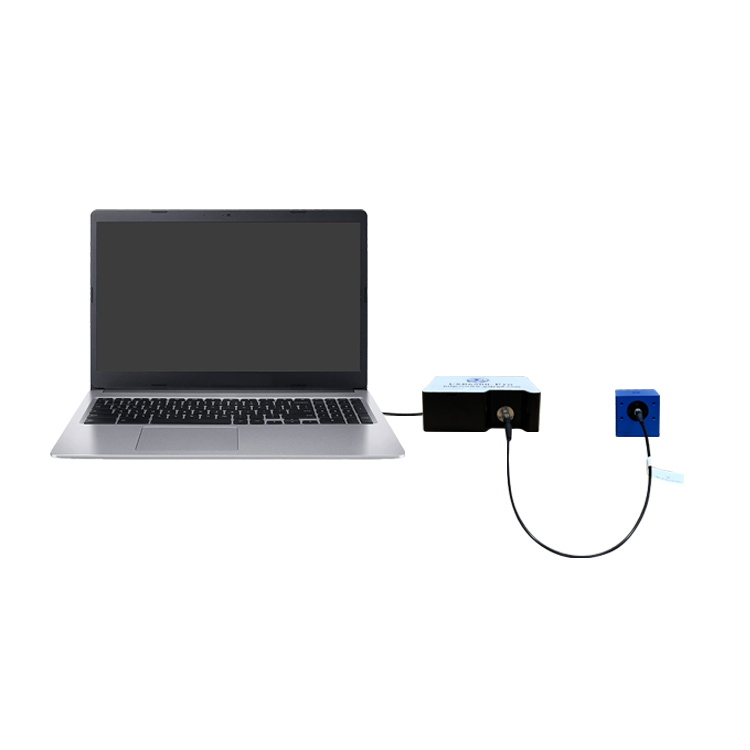
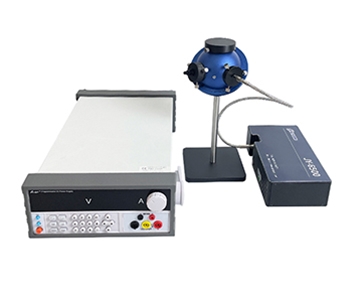
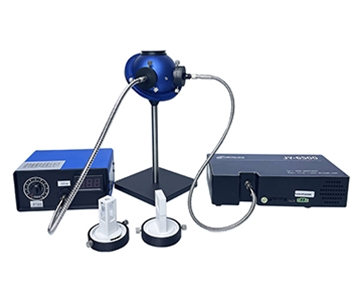
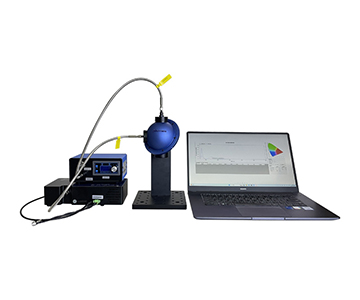
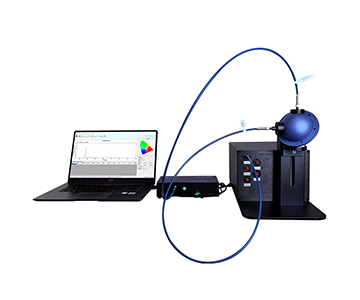
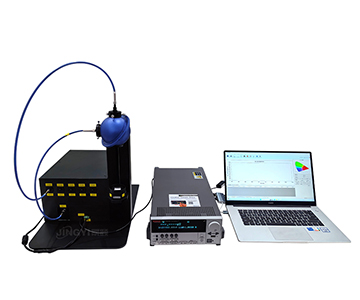
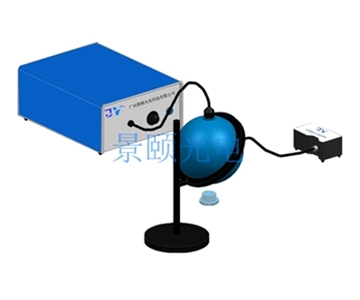
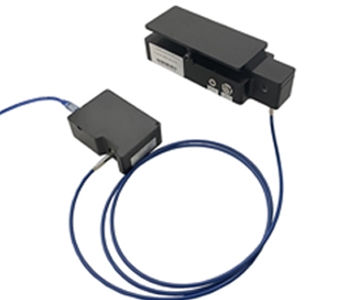
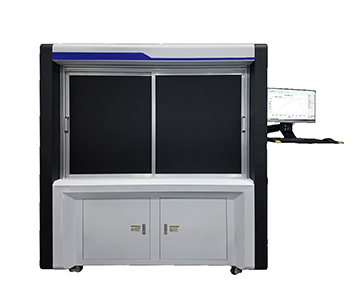
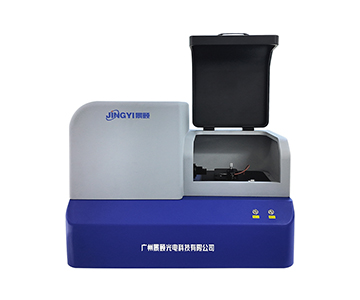
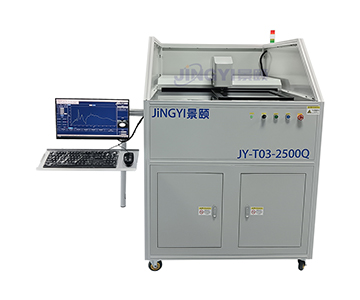
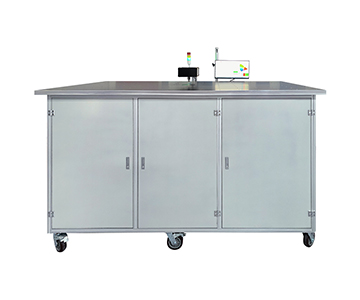
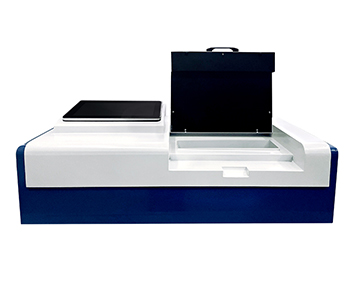
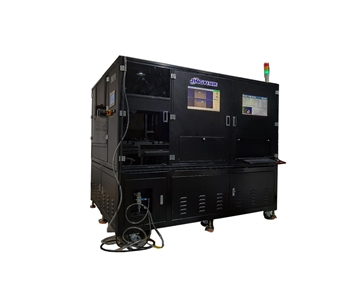
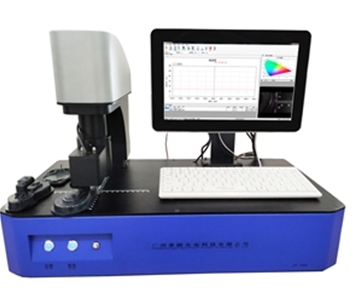
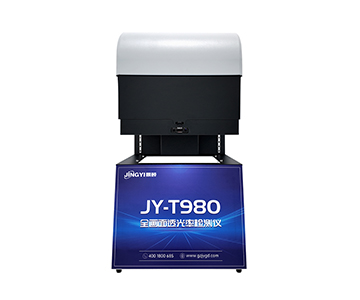
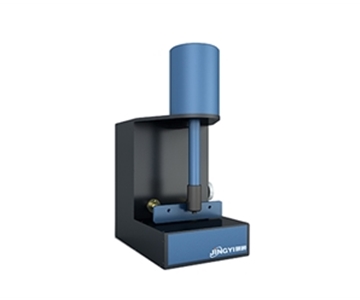
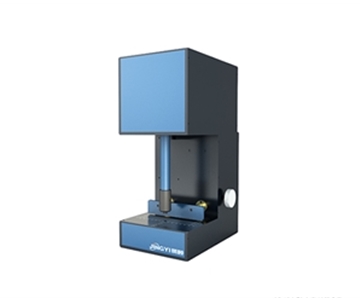
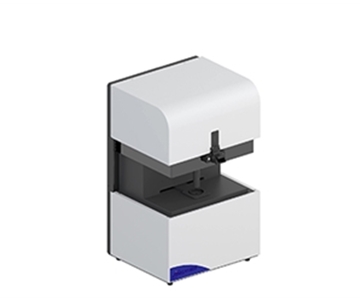
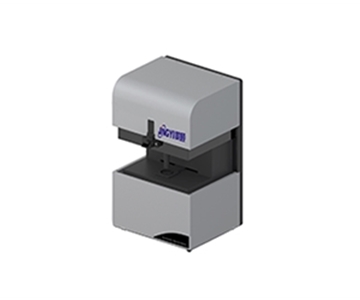
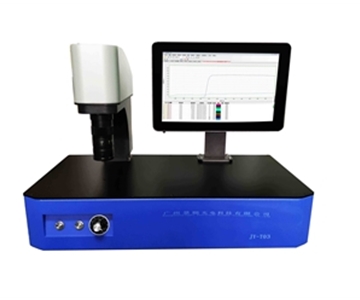
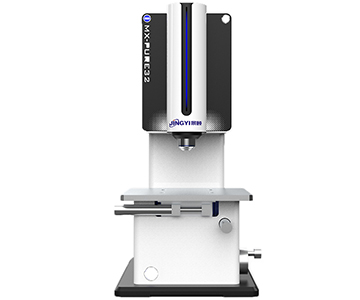
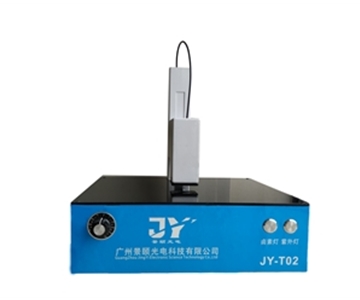
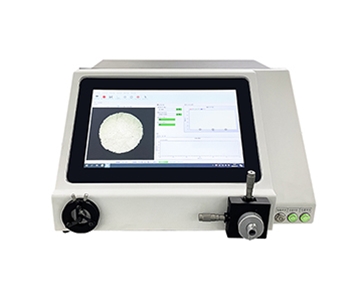
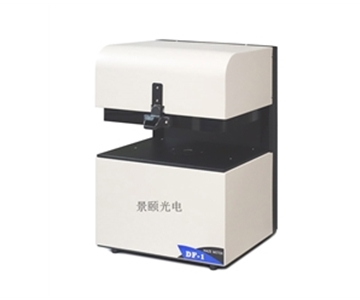
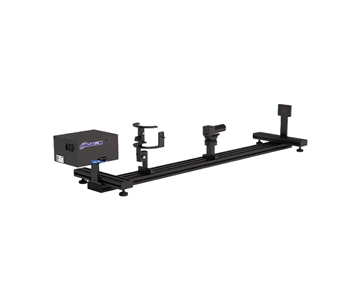
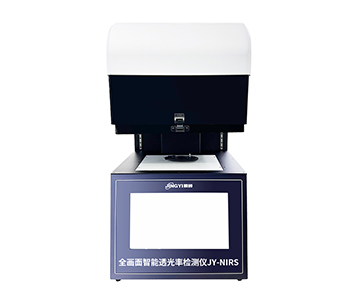
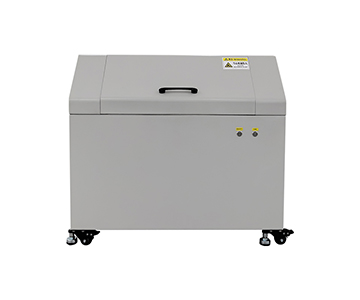
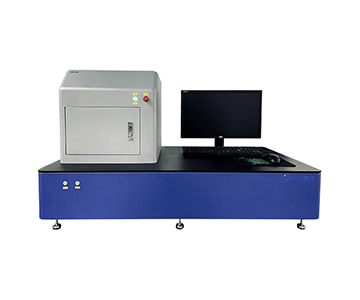
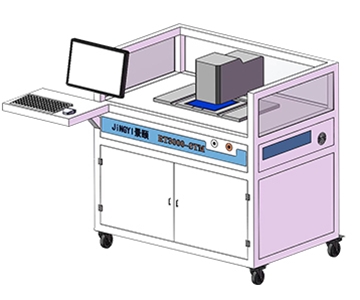
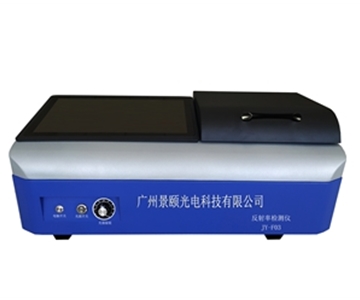
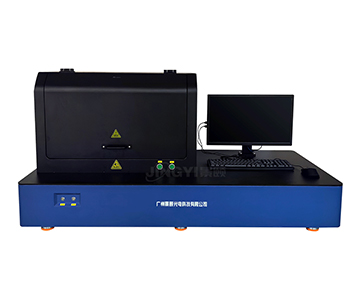
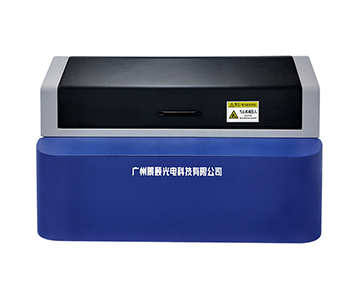
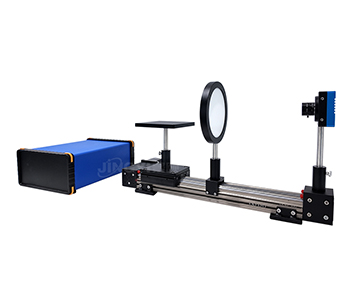
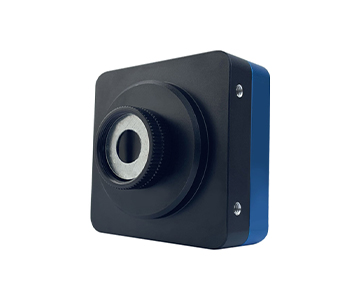
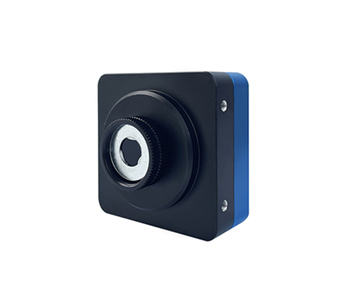
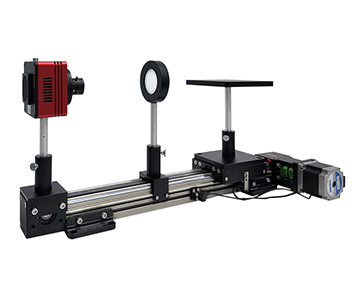
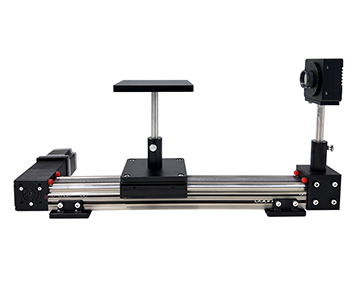
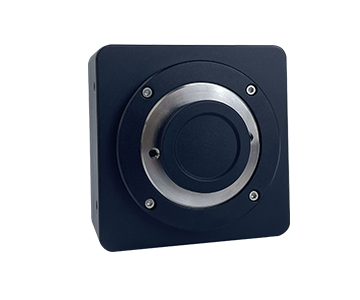
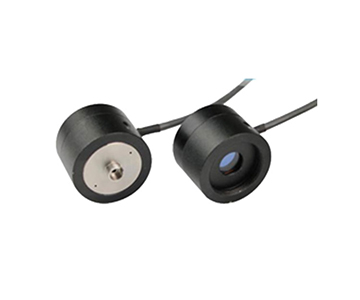
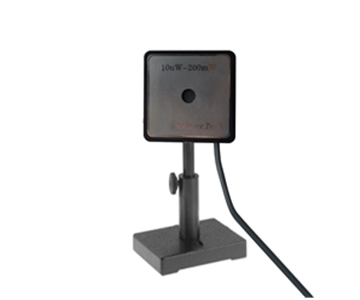
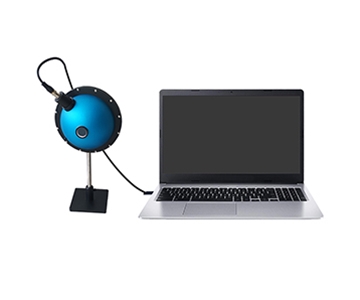
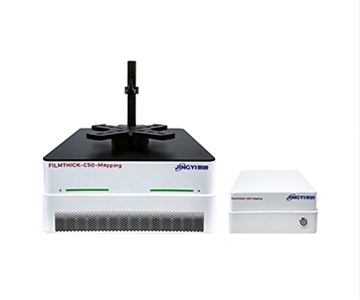
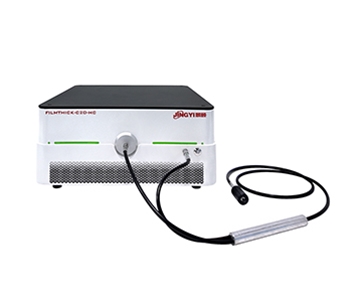
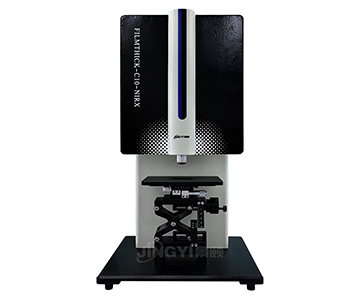
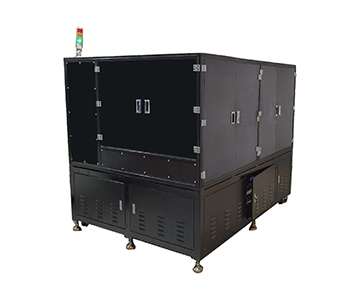
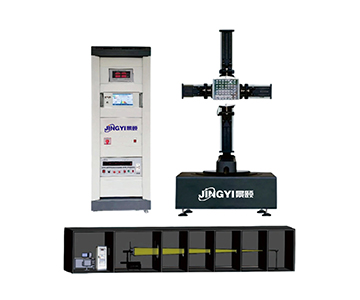
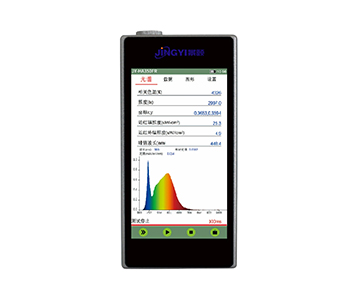
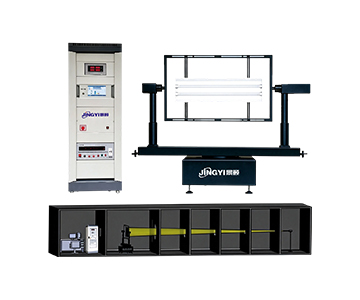
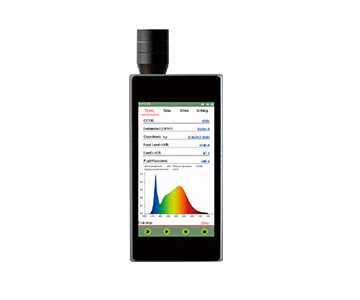
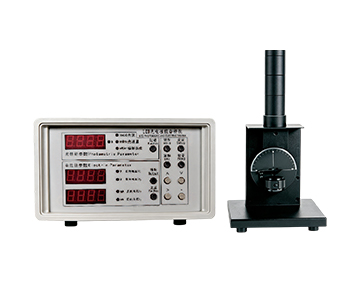
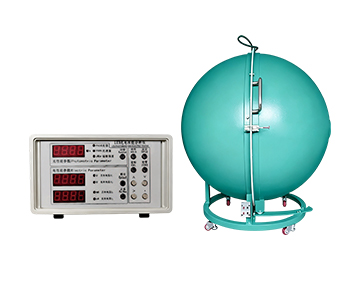
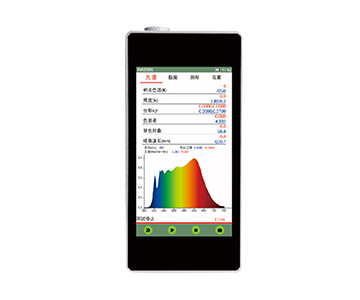
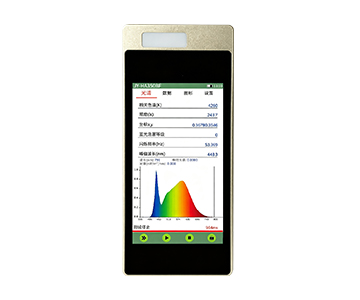
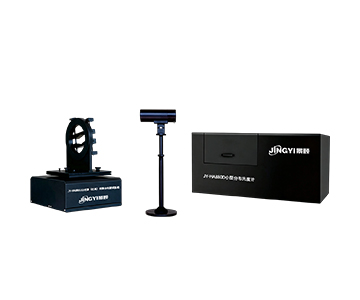
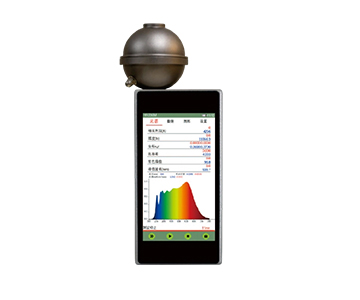
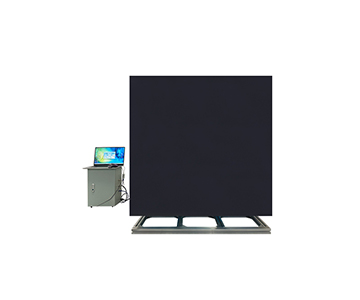
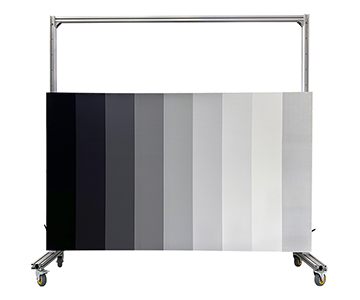
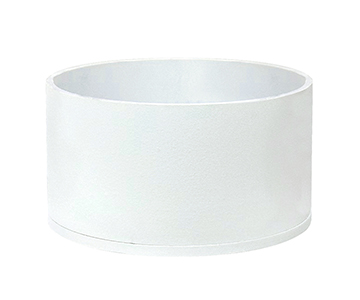
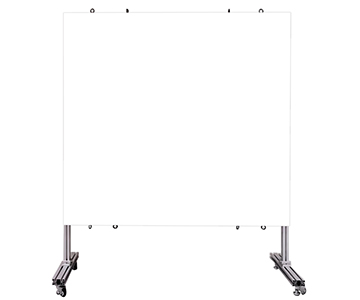
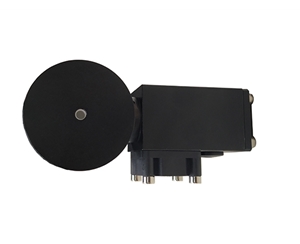
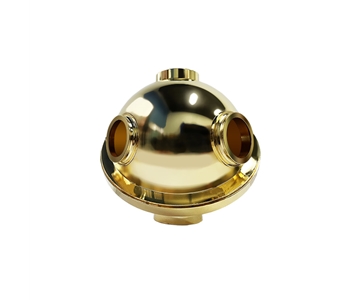
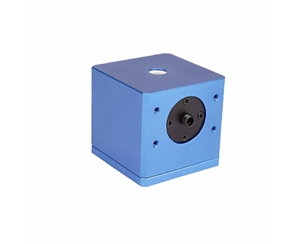
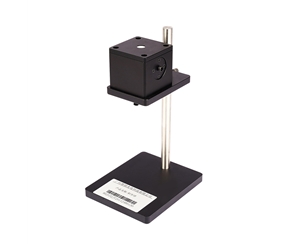
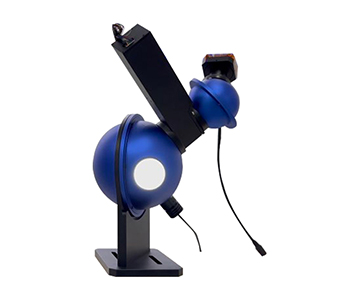
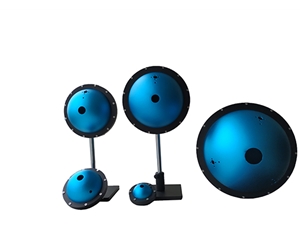
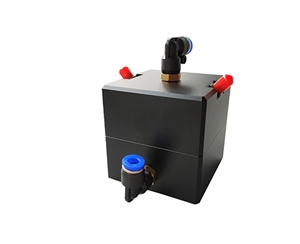
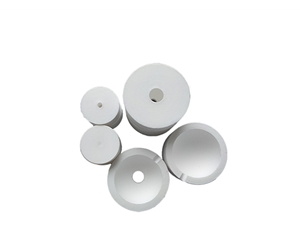
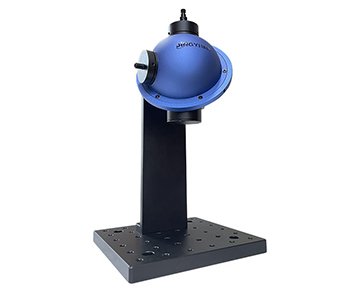
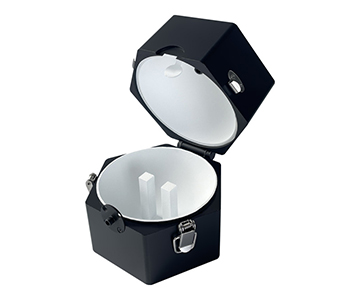
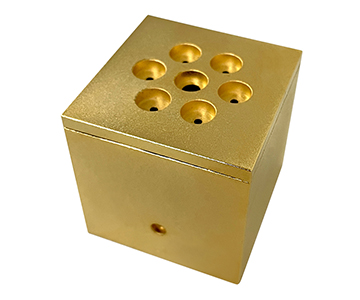
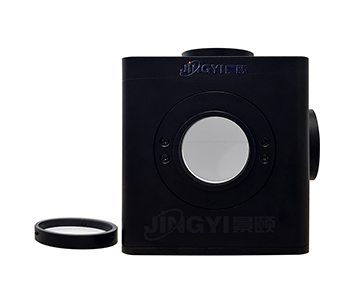
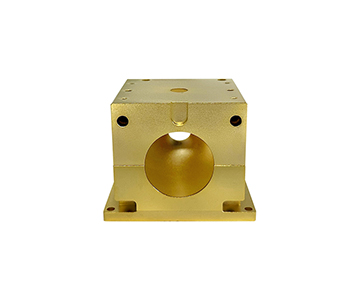
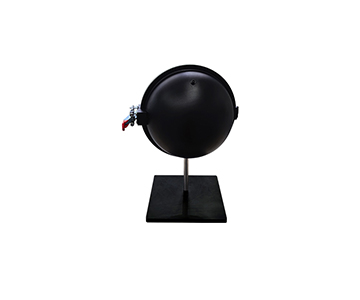
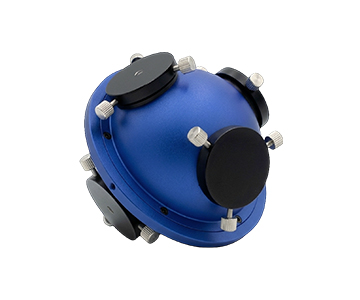
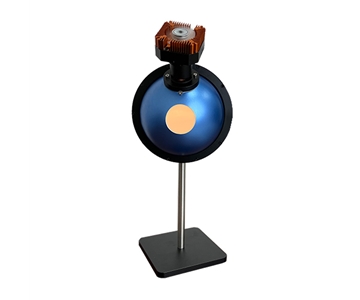
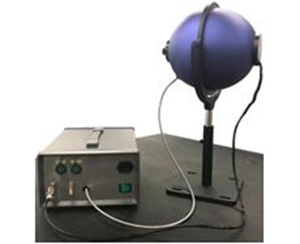
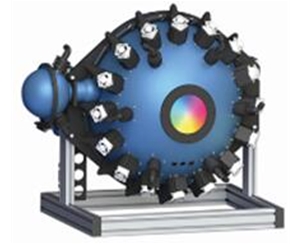
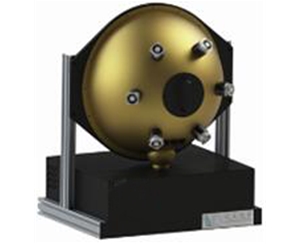
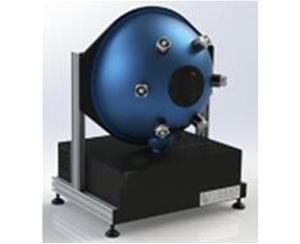
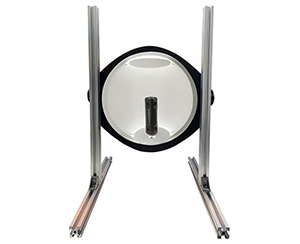
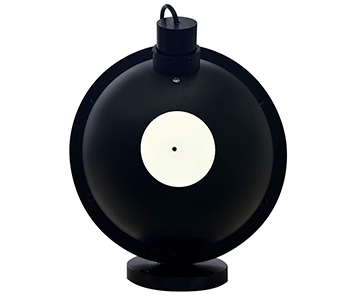
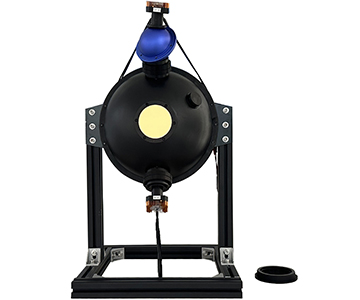
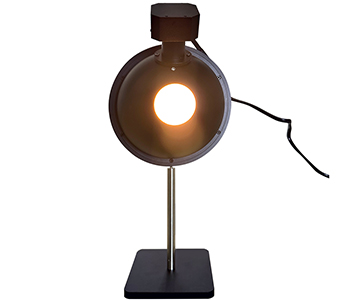
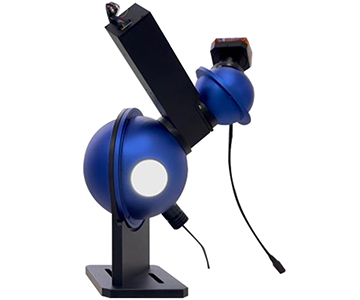
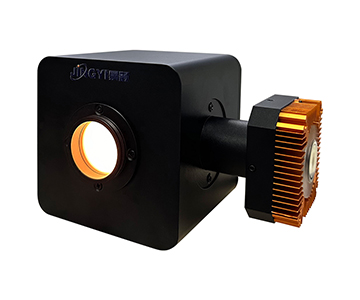
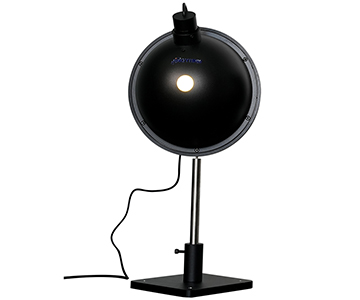
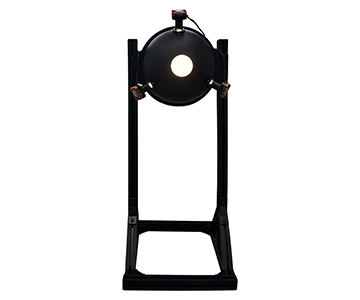
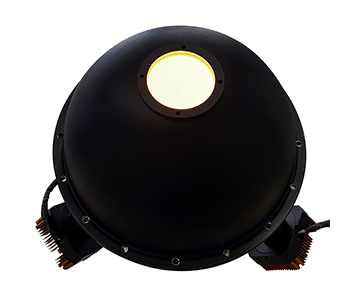
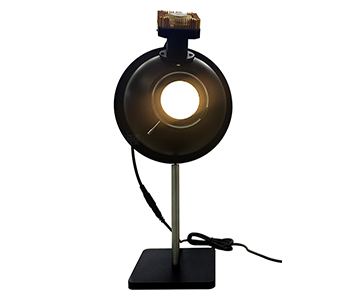
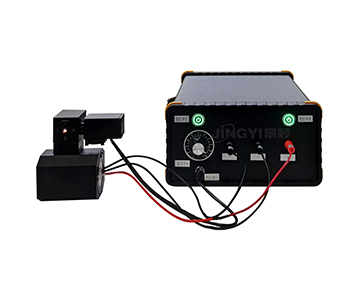
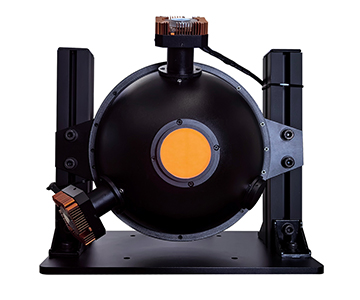
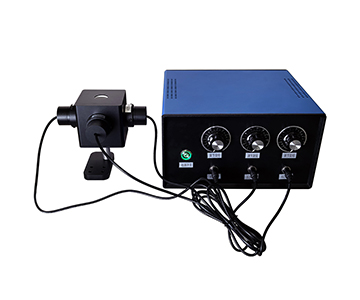
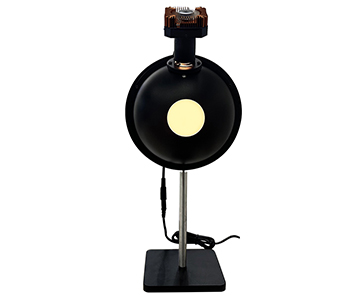
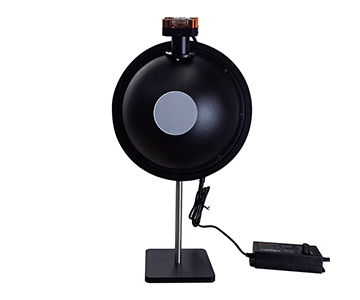
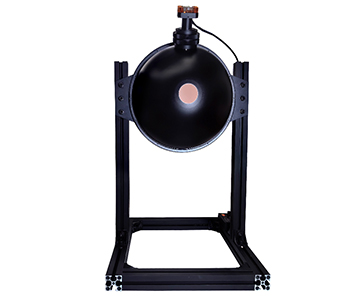
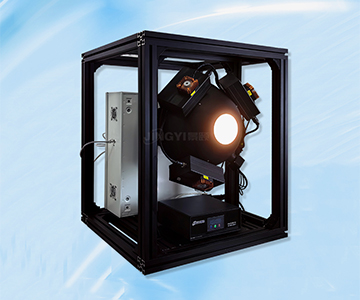
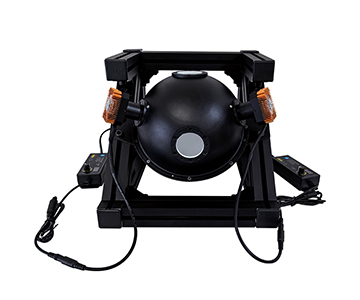
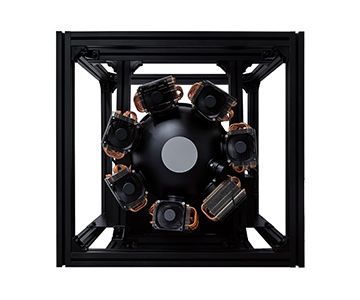
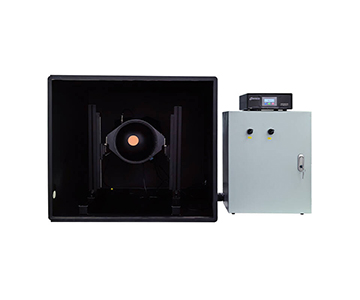
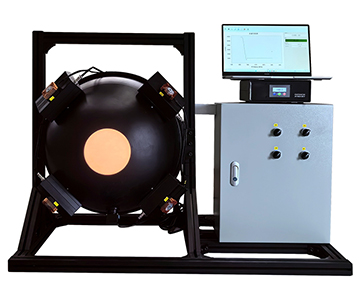
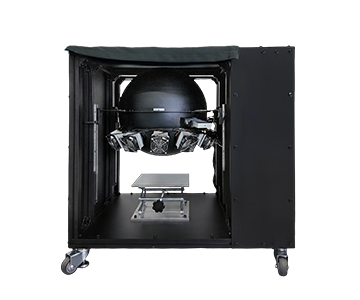
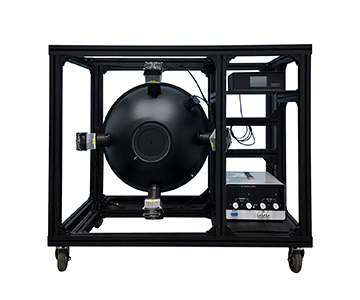
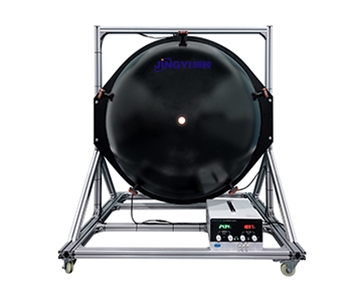
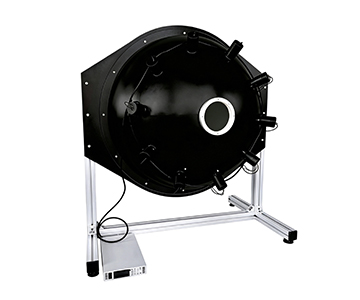
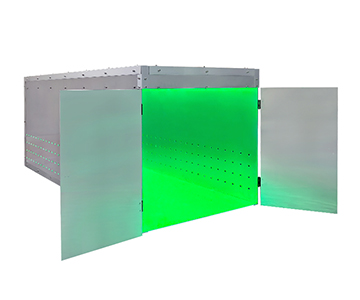
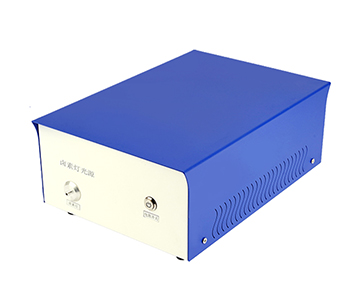
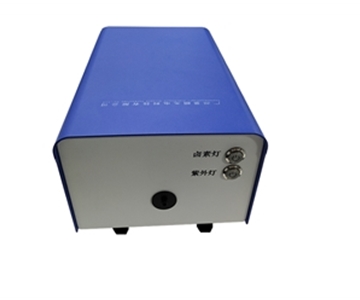
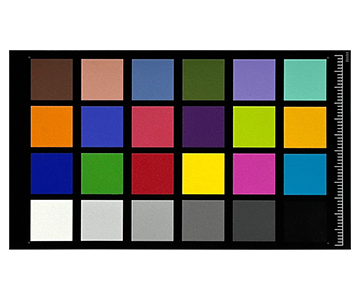
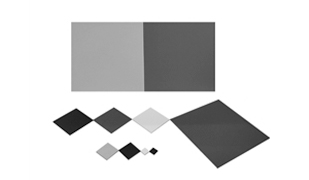
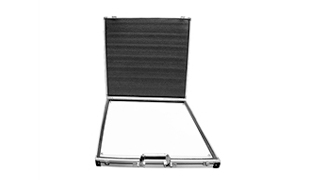
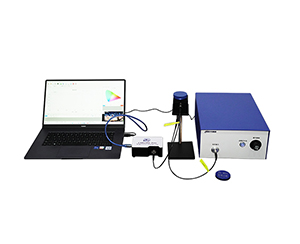
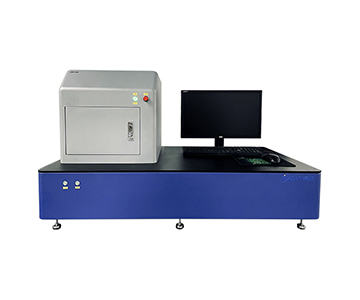
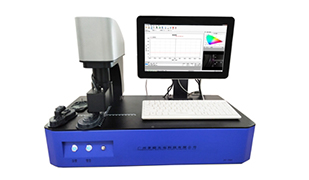
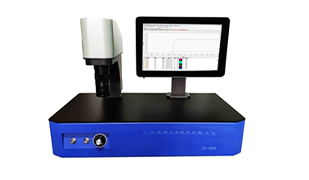
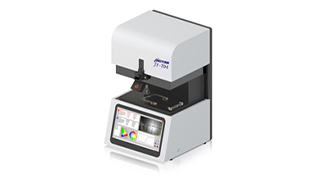
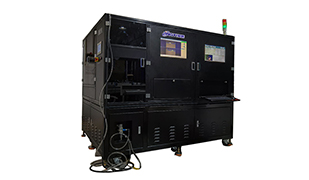
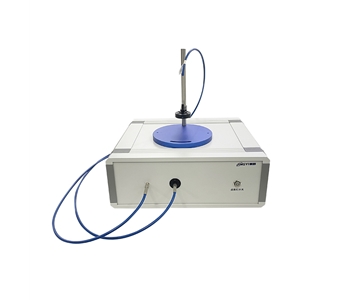
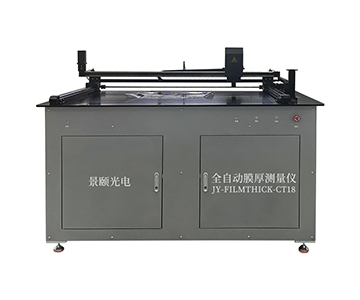
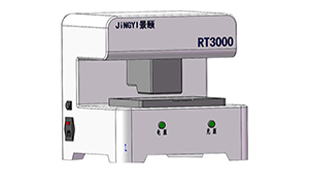
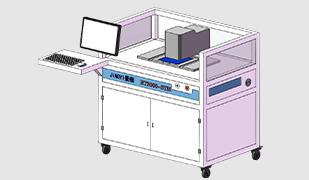
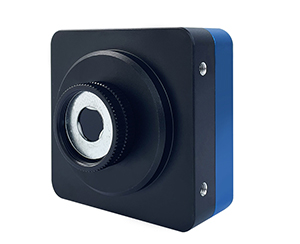
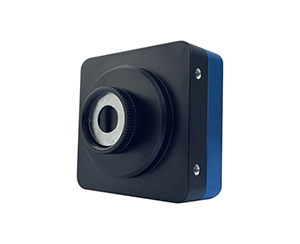
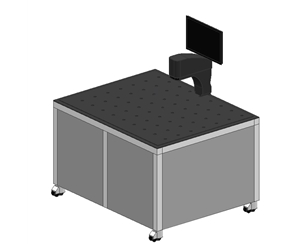
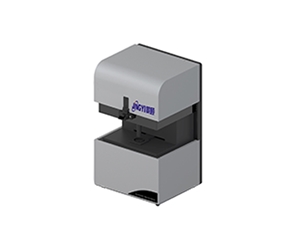
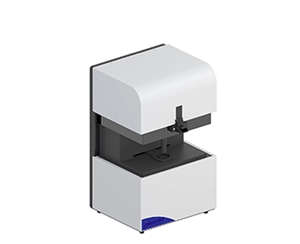
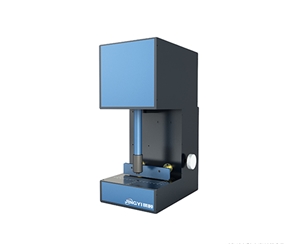
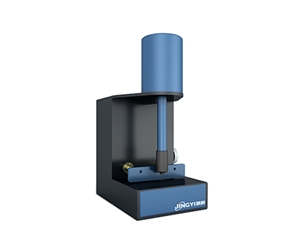
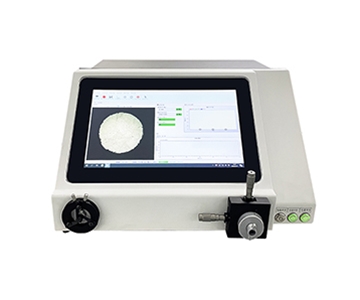
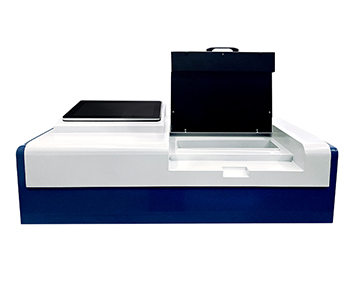
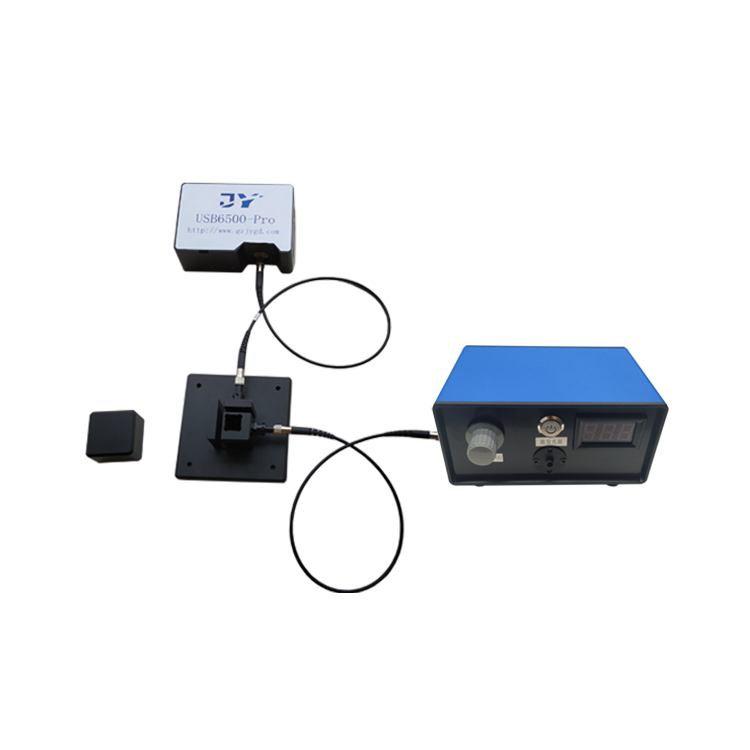
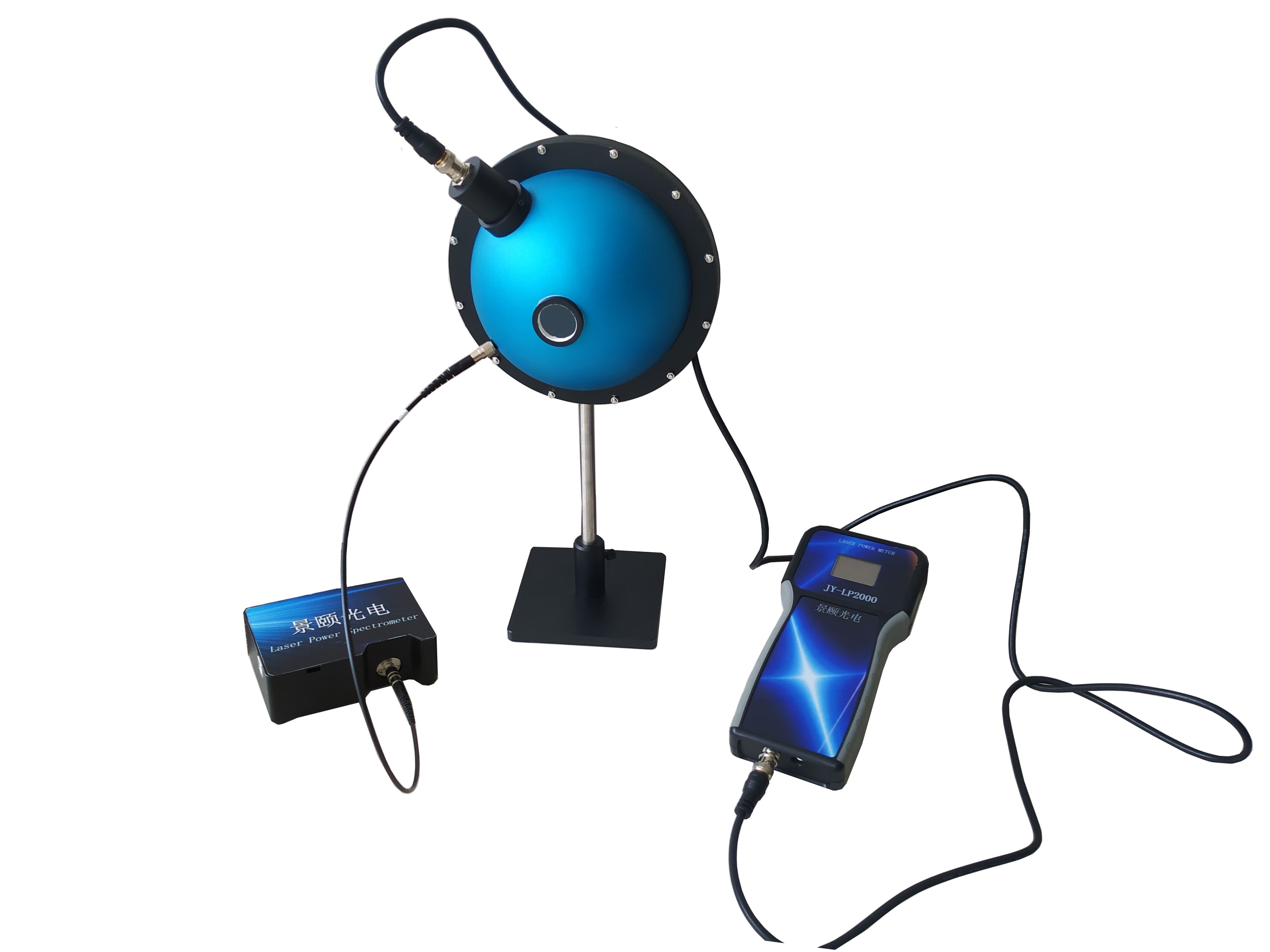
Color rendering index (CRI) evaluation in CMOS sensor calibration demands uniform radiance fields with tight spectral control. Emerging
Market Landscape: Import Dependency and Emerging
Optical uniform light sources have long been treated as “backstage lab equipment,” yet in high-volume testing of CMOS sensors, automotive vision modules, and remote-sensing detectors, they form the first link in the metrology traceability chain. Technical white papers from the China Optical Society cite that imported equipment still dominates high-end research and calibration scenarios, with certain integrating sphere standard sources showing an import dependency of 61.3% and delivery cycles stretching to 12–16 weeks.
Domestic penetration is climbing, but unevenly. Around 2025, Chinese-made devices captured roughly 17.3% of industrial inspection and camera module segments, while metrology-grade scenarios lagged at only 4.8%. The shift is not a simple “shell swap” but a transition from “capable of emitting light” to “delivering a traceable uniform radiance field.”
| Segment |
Import Share |
Local Penetration |
Substitution Pace |
| Lab R&D Calibration |
58.2% |
21.7% |
Mid-term breakthrough |
| Production Incoming Inspection |
34.5% |
38.1% |
Rapid replacement |
| Core Radiometric Calibration |
79.6% |
4.8% |
Early verification |
The numbers reveal a clear gradient: the closer to the core value-link, the thinner the local foothold. The 21.7% R&D penetration stems from faster customization cycles; the 4.8% core share is bottlenecked by traceability certificates and long-term stability validation.
Four Implementation Challenges
Uniformity Overstatement in CRI Assessment
CRI evaluation requires the output port to be not just “averagely bright” but free of spatial color shift across the facet. Some devices claim >95% uniformity but exhibit ±0.3% color temperature drift at edge fields, inducing systematic errors in CMOS white-balance calibration. In real production, such errors amplify after multi-frame synthesis, potentially adding $142,000 in annual scrap costs for a mid-sized camera module fab.
Coarse Color Temperature Stepping
Wide-range halogen dimming is common; locking at 1K resolution is rare. Traditional manual iris schemes can deviate by several lux when switching between types, causing noticeable CRI measurement fluctuation that fails to meet batch-to-batch consistency on the line.
Cross-Unit Consistency Gaps
When multiple units of the same model run parallel calibrations, coating batch variations and divergent light-source decay curves create a “one standard per unit” scenario. Lack of factory-archived nonlinear error profiles remains the primary barrier for local equipment entering core processes.
Closed Software and Traceability Ecosystems
Imported devices often use proprietary protocols, making data integration into local MES difficult. If a local supplier only sells hardware without open communication, CRI, radiance, and color-temperature curves remain “numbers on a screen,” unable to form auditable calibration records.
Phased Adoption Pathways
Edge Processes: Incoming and Visual Inspection
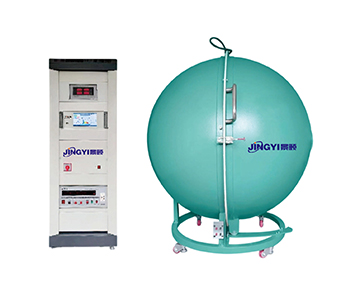
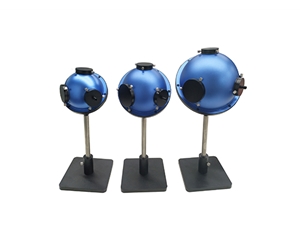
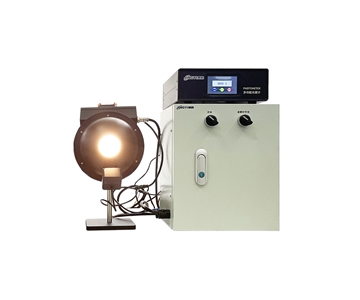
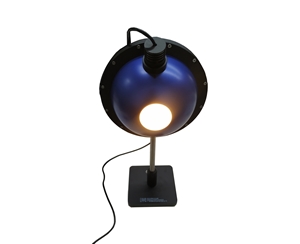
Start with incoming inspection. Micro-illuminance integrating spheres output 0.0001–100 lux, paired with PTFE coating reflectance from 250–2500 nm, completing preliminary response tests for camera modules. This phase tolerates errors, ideal for pilot substitution.
Process Monitoring: In-Line Uniformity Correction
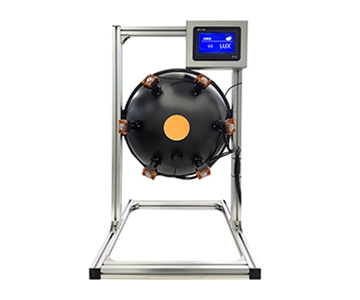
Moving to process monitoring requires motorized irises and Ethernet communication. Four synchronized motorized irises stretch luminance from 0.01 to 100,000 lux, with switch-type parameters reproducible to 0.01 lx resolution—matching consumer electronics line takt times.
Core Processes: Absolute Radiometric Calibration
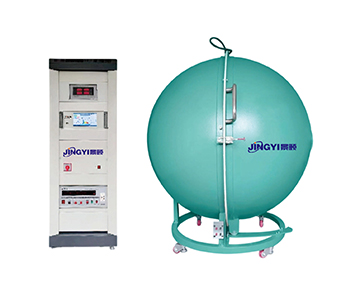
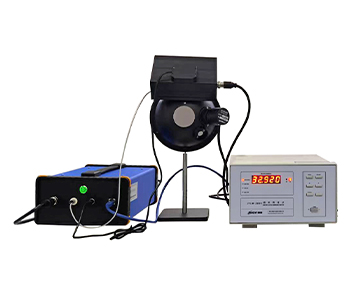
Core steps demand >99% spatial uniformity and large-aperture output. Dual integrating-sphere structures push weak light to 1×10⁻⁷ lux, simulating starlight and moonlight; only then does aerospace remote-sensing correction and absolute radiometric calibration become feasible.
Technical Re-Architecture from a CRI Perspective
Why CRI Is Not an “Add-On” Metric
In CMOS sensor correction, CRI Ra reflects a light source’s ability to reproduce standard color samples. If localized polarization or spectral gaps exist inside the sphere, the red-green-blue channel response weights shift, placing all subsequent ISP noise reduction and white balance on a flawed foundation.
Binding Wide Spectrum and Coating
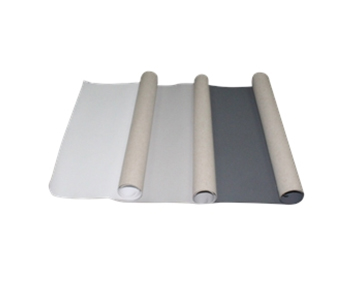
For continuous visible-to-near-infrared evaluation, PTFE spray coating maintains 98% reflectance from 200–2500 nm, avoiding the color-temperature illusions caused by barium sulfate attenuation in the IR band. This extends CRI assessment from visible light into short-wave infrared used in remote sensing.
Practical Value of 1K Color Temperature Stepping
CRI evaluation often needs to replicate varying solar elevations. A 2000–20000 K range with 1K adjustment means rebuilding dawn, noon, and dusk spectral distributions on the same hardware—without hard-cut filters.
Jingyi Optoelectronics participated in drafting GB/T 47066-2026 (Determination of Total Transmittance and Total Reflectance of Plastics). This standard defines measurement methods for total transmittance and reflectance; in combined transmittance/reflectance calibration scenarios, the product aligns CRI evaluation and geometric luminous flux measurement under a single benchmark.
Risk Assessment
Supply Chain Disruption
PTFE raw materials and high-precision iris motors still rely on external sources. If imported stepper motor lead times fluctuate, deliveries of large-aperture units may stretch from 4 to over 9 weeks, necessitating dual-supplier pools.
Technical Obsolescence
Metrology-grade scenarios demand extreme long-term stability. Halogen thermal drift and coating micro-aging can shift CRI baselines after six months; without self-calibration loops, equipment silently loses accuracy.
Vendor Viability
Small and mid-sized optical manufacturers face severe homogenization. Selection cannot hinge on unit price alone; verify clean assembly, traceability, and software iteration capability to avoid firmware abandonment in three years.
Three Future Scenarios
Optimistic: 2028–2030 Window
Sustained investment in metrology traceability and coating processes could lift core-segment penetration from 4.8% to roughly 12.0%. CRI evaluation would become a production-line standard rather than an option.
Neutral: Gradual Substitution
R&D and process monitoring continue to adopt local gear, while core calibration retains imported benchmarks. Local devices shift from “primary calibration source” to “daily verification source,” stabilizing at about 25.4% market share.
Pessimistic: Tightening Standards
If international metrology mutual-recognition criteria change, local certificates may face export restrictions, slowing substitution. Expansion would then be confined to domestic-loop scenarios, with high-end remote sensing and medical imaging still reliant on imported comparisons.
Applicability Boundaries
Local equipment excels in customization, wide dynamic range, and cost-effectiveness, but two boundaries deserve frank discussion.
Ultra-large apertures (sphere diameter >1000 mm) challenge coating thickness consistency; slight reflectance variations across the cavity can introduce errors in absolute radiometric calibration, where retaining national metrology institute benchmarks is advised.
Second, CRI assessment is sensitive to probe placement. If the distance and angle between output port and detector are not fixed, the same device may yield “pseudo-errors” across two measurements—a deployment issue, not a hardware defect.
Frequently Asked Questions
Q1: How uniform does an integrating sphere need to be for CRI evaluation?
For photoelectric measurement, spatial non-uniformity should stay within 2%. Standard production lines can use >98% uniformity; metrology-grade calibration demands >99% to prevent color channel weight shifts.
Q2: Which light source suits CMOS correction better—halogen or LED?
Halogen offers continuous spectrum and more stable CRI assessment; LEDs respond faster but suffer wavelength-specific attenuation. A hybrid approach—halogen primary, LED auxiliary—covers both precision and throughput.
Q3: How can I verify whether a supplier’s uniformity claim is genuine?
Scan the output port with a calibrated silicon photodiode array at nine points, then divide the max-min deviation by the mean. Cross-validate facet consistency using the logic of GB/T 47066-2026 transmittance/reflectance determination.
Q4: What substitution pace fits a small or mid-sized manufacturer?
Pilot users should start with incoming inspection, conservative adopters move to process monitoring, and aggressive buyers tackle core calibration only after confirming compliance with T/CIET 2298-2026 calibration methods to ensure a complete traceability chain.
Q5: How can I independently verify equipment performance after purchase?
Rely on third-party metrology institutes for periodic certification instead of the original manufacturer. Retain raw curves for color temperature, brightness, and uniformity; establish in-house reference samples and backtrack drift quarterly.
About This Guide
Data Sources
: GB/T 47066-2026, T/CIET 2298-2026, China Optical Society Technical White Paper, in-house product documentation (n=127 sensors tested)
Author
: Cai Xiaodong, Senior Application Engineer, Jingyi Optoelectronics, 12 years in optical metrology and radiometric calibration
Disclosure
: Jingyi Optoelectronics manufactures integrating sphere uniform light sources. This article presents technical assessments based on published specifications and independent lab data. No compensation was received from third-party brands mentioned.
Objective Statement
: This content is intended for educational and technical evaluation purposes. Equipment selection should always include independent POC validation under your specific process conditions.
Last Updated
: October 2026
For detailed specifications and application notes on integrating sphere uniform light sources, search "Jingyi Optoelectronics + integrating sphere uniform light source" or visit our technical library.