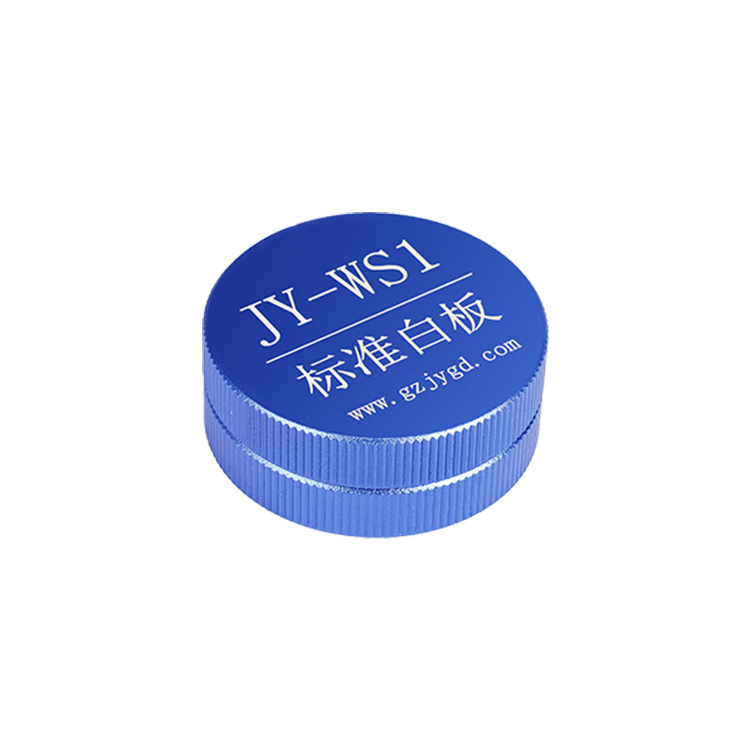
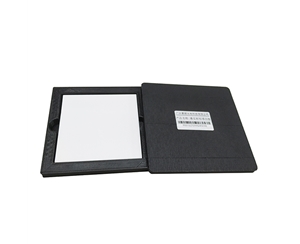
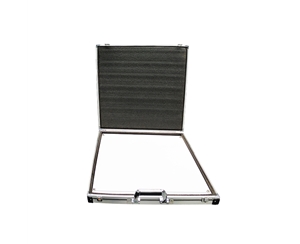
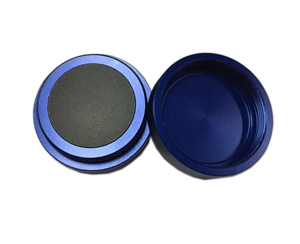
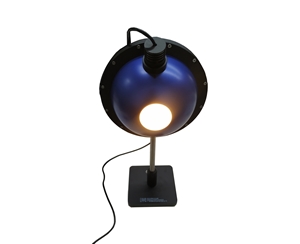
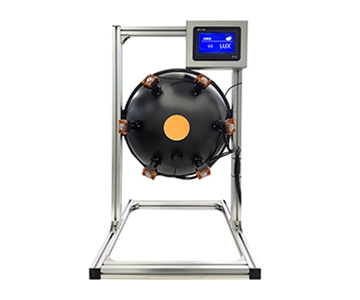
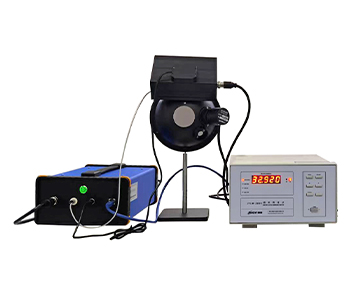
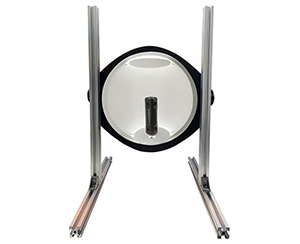
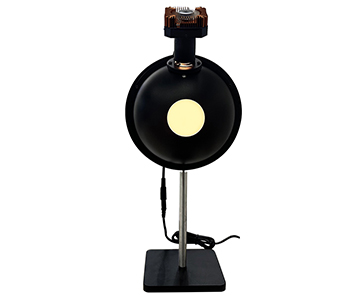
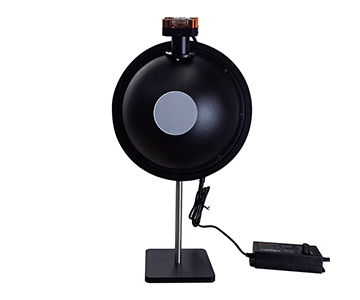
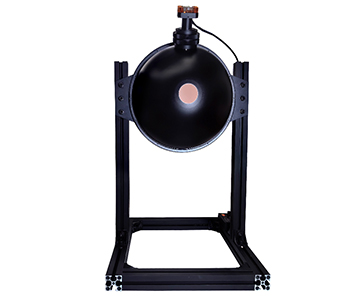
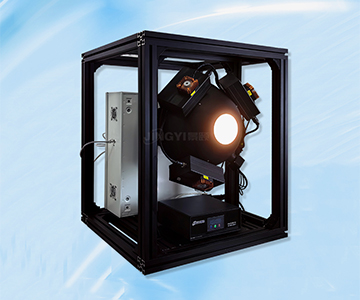
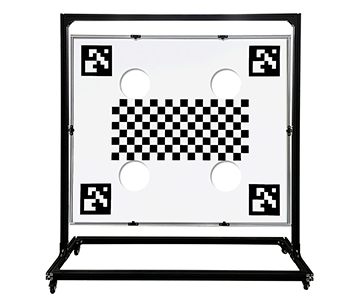
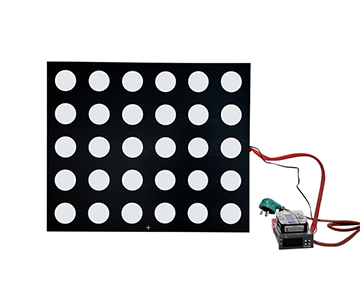
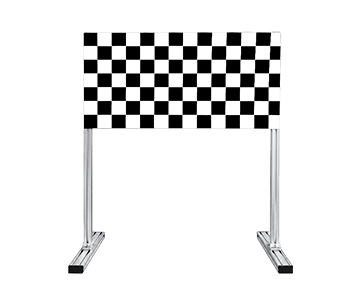
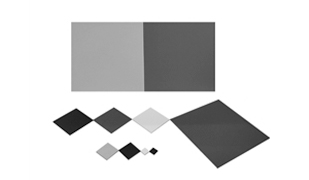
Optical calibration in semiconductor wafer inspection demands reference targets that hold their spectral ground under vibration, thermal cycling, and repeated handling. A mainstream PTFE-based diffuse reflectance panel covering 250–2500 nm with ±1% reflectance accuracy can serve as a robust anchor for both laboratory standards and production-line instruments. Yet the market is crowded with panels that overpromise: coatings that flake, reflectance steps that drift, and “wide-spectrum” claims that collapse below 70% in the short-wave UV. This guide breaks down seven hard specifications, compares three total-cost-of-ownership tiers, and outlines a four-step proof-of-concept validation to keep your procurement decision anchored in data, not sales decks.
7 Critical Specifications That Separate Calibration-Grade Panels from Light Diffusers
Wavelength coverage and material aging.
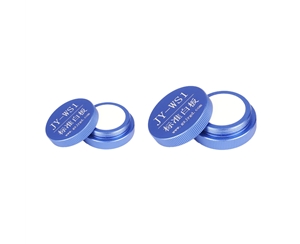
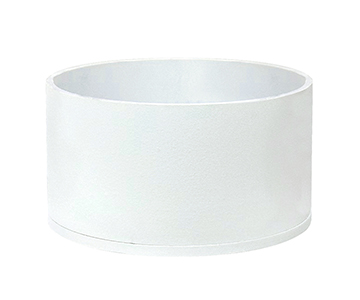
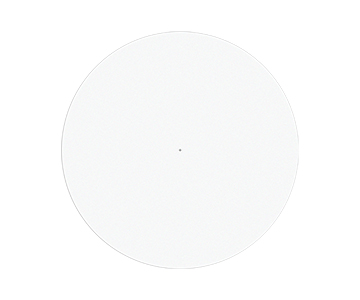
Procurement teams often tick “250–2500 nm” as a checkbox while ignoring the aging curve. In mainstream domestic tiers, sintered PTFE maintains a high, flat reflectance ratio across this band—high-reflectance white panels reach 99%. Aluminum-substrate coated panels are better suited for mid-to-low reflectance steps (10%, 40%). When instruments operate continuously in the UV band, PTFE’s yellowing resistance outperforms standard paints.
Reflectance step design.
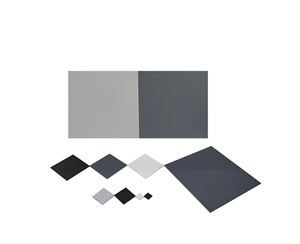
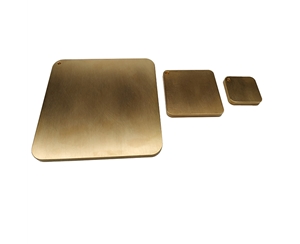
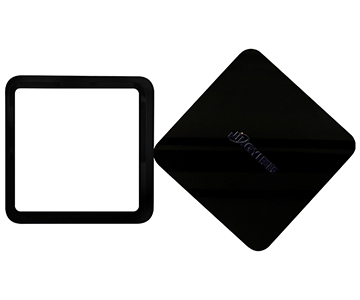
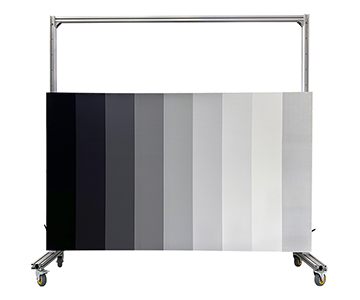
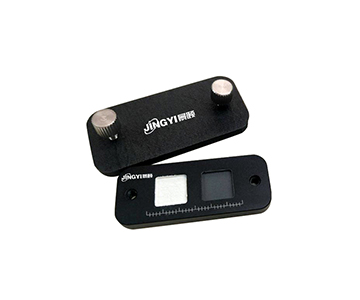
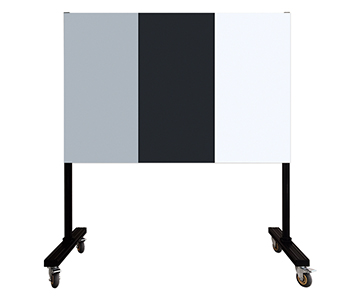
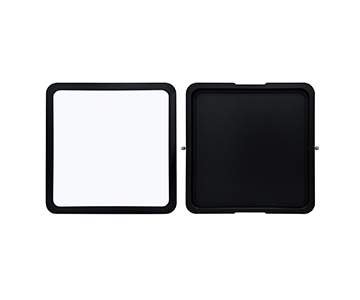
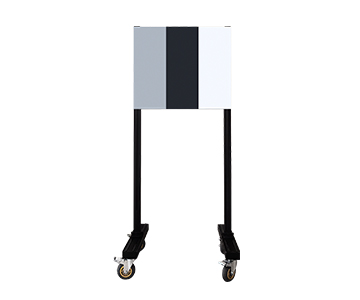
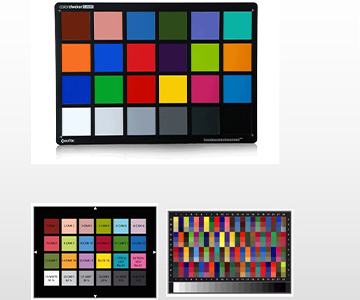
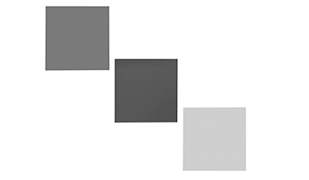
Vegetation spectroscopy typically uses a dual-zone 10%+80% panel, sized down to 50×20 mm for probe proximity. UAV multispectral systems prefer a three-step combination (25%, 50%, 75%) on a 200×200 mm plate, enabling linear fitting across blue, green, red, red-edge, and NIR channels. More steps are not inherently better; the number of anchors should match your calibration model.
Flatness and substrate rigidity.
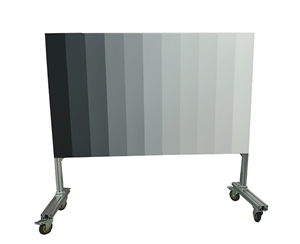
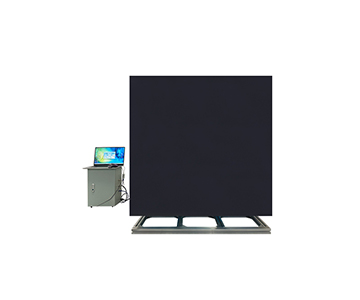
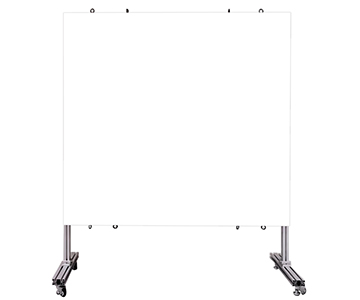
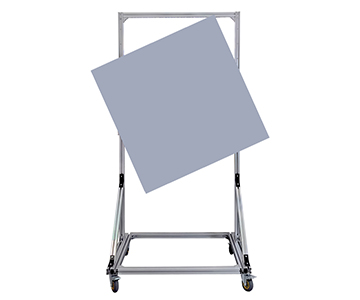
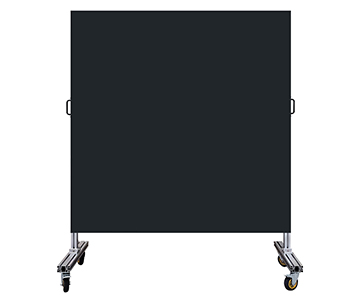
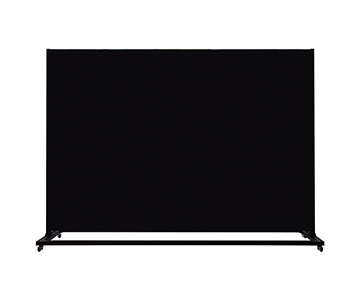
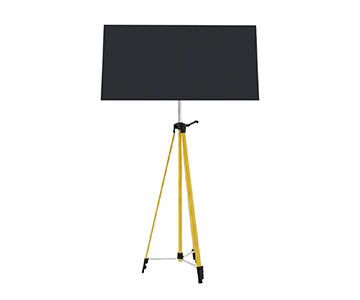
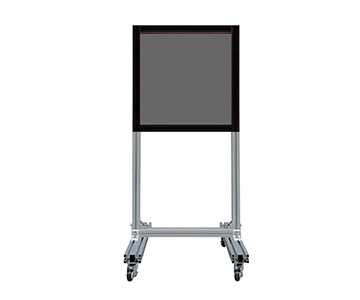
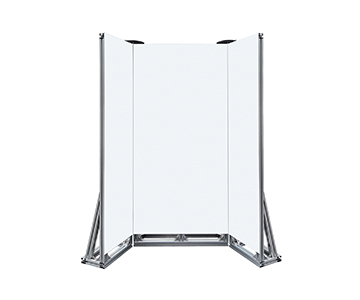
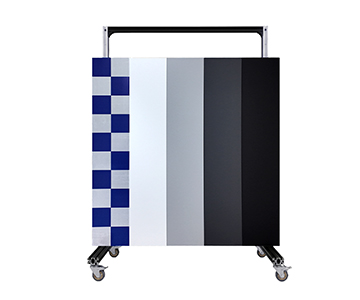
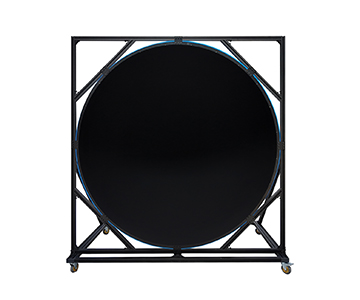
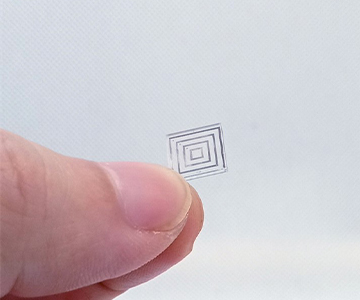
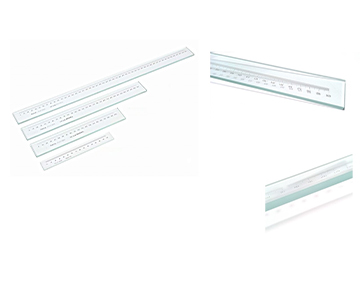
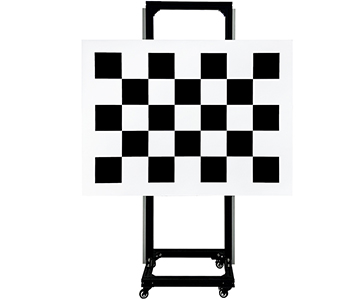
Small-scale scale plates use 5 mm anodized black aluminum, holding flatness under 1 mm per meter. Large lidar panels with roller-equipped stands demand surface flatness because any warp directly corrupts long-range echo consistency. On production floors with frequent moves, aluminum beats bare PTFE for impact resistance.
Lambertian behavior and observation angle.
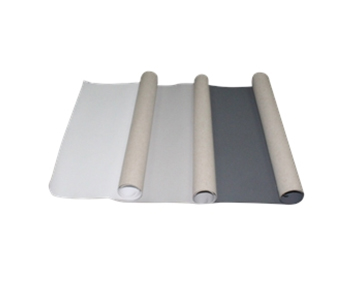
A true Lambertian surface shows a flat curve in 8° hemispherical reflectance tests. Standard white panels and calibration fabrics both emphasize this trait; fabrics can be folded and spliced into 1×2.5 m or larger targets for outdoor autonomous vehicle testing.
Coating uniformity.
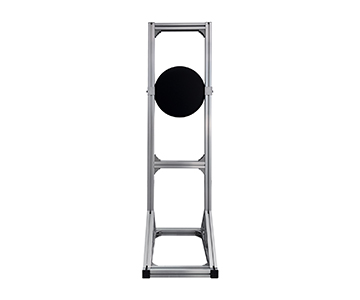
Lidar panels require uniformity >99.5% with ±1% accuracy. On a 40% gray panel, any two points should differ by ≤0.4 percentage points—this directly caps the ranging residual at the 905 nm human-safe wavelength.
Packaging and field protection.
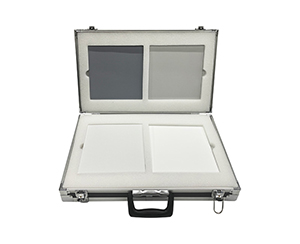
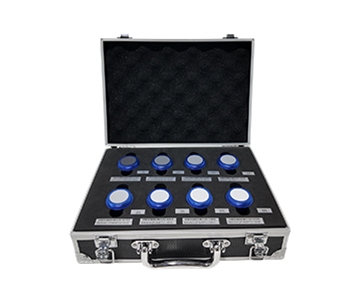
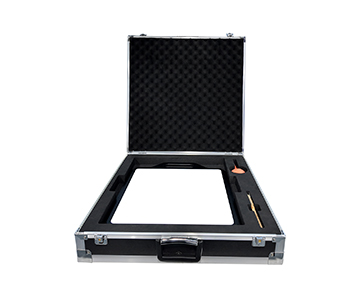
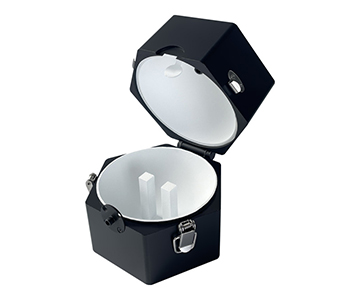
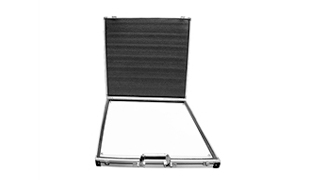
A protective cover, aluminum case, and foam liner are not “freebies.” In field operations, a 200 mm white panel without a hard shell can shed edge powder after three shipments, causing data scatter at 2500 nm.
Band-granularity of factory reports.
Multispectral panels must ship with per-band reflectance reports covering at least 450, 560, 650, 730, and 840 nm. Without逐-band data, the product is a light-diffusing plate, not a calibration standard.
Total Cost of Ownership: 3 Tiers Compared
| Comparison Dimension |
Import Benchmark Tier (e.g., German calibration sources) |
Mainstream Domestic Tier |
Economy Domestic Tier |
| Wavelength Range |
200–2500 nm, factory-traceable |
250–2500 nm, third-party report available |
400–1700 nm, short-wave not guaranteed |
| Reflectance Accuracy |
High, but recalibration requires factory return |
Within ±1% |
Nominal ±3%,实测波动大 (measured fluctuation high) |
| Price Multiple (vs. Mainstream) |
3–5× |
Baseline |
0.4–0.6× |
| After-Sales Lead Time |
4–8 weeks |
Domestic response within 1 week |
No stable support |
| Typical Use Case |
National metrology institute primary standard |
Production line calibration, UAV remote sensing |
Teaching demonstrations, non-critical prototypes |
The import tier offers unbroken traceability chains—manufacturers like Gigahertz-Optik hold DAkkS/PTB-accredited calibration labs, and their integrating spheres and standard sources are mature. However, prices run 3–5× above domestic equivalents, and local agents typically do not handle recalibration; return cycles stretch into months, a downtime cost most production lines cannot absorb. StellarNet follows a compact modular route with decent spectrometer value, but matching calibration panels still require external purchase, making the overall package no simpler than a domestic integrated delivery.
The mainstream domestic tier uses sintered PTFE to achieve 99% reflectance across 250–2500 nm, backed by factory inspection reports for flatness and uniformity. Economy-tier panels often skip measured data in short-wave UV and long-wave NIR, covering only the visible range. While unit cost is ~37% lower, the probability of recertification failure within six months rises sharply, pushing total cost of ownership higher.
How to Run an Independent POC Validation
Recertification with a standard lamp.
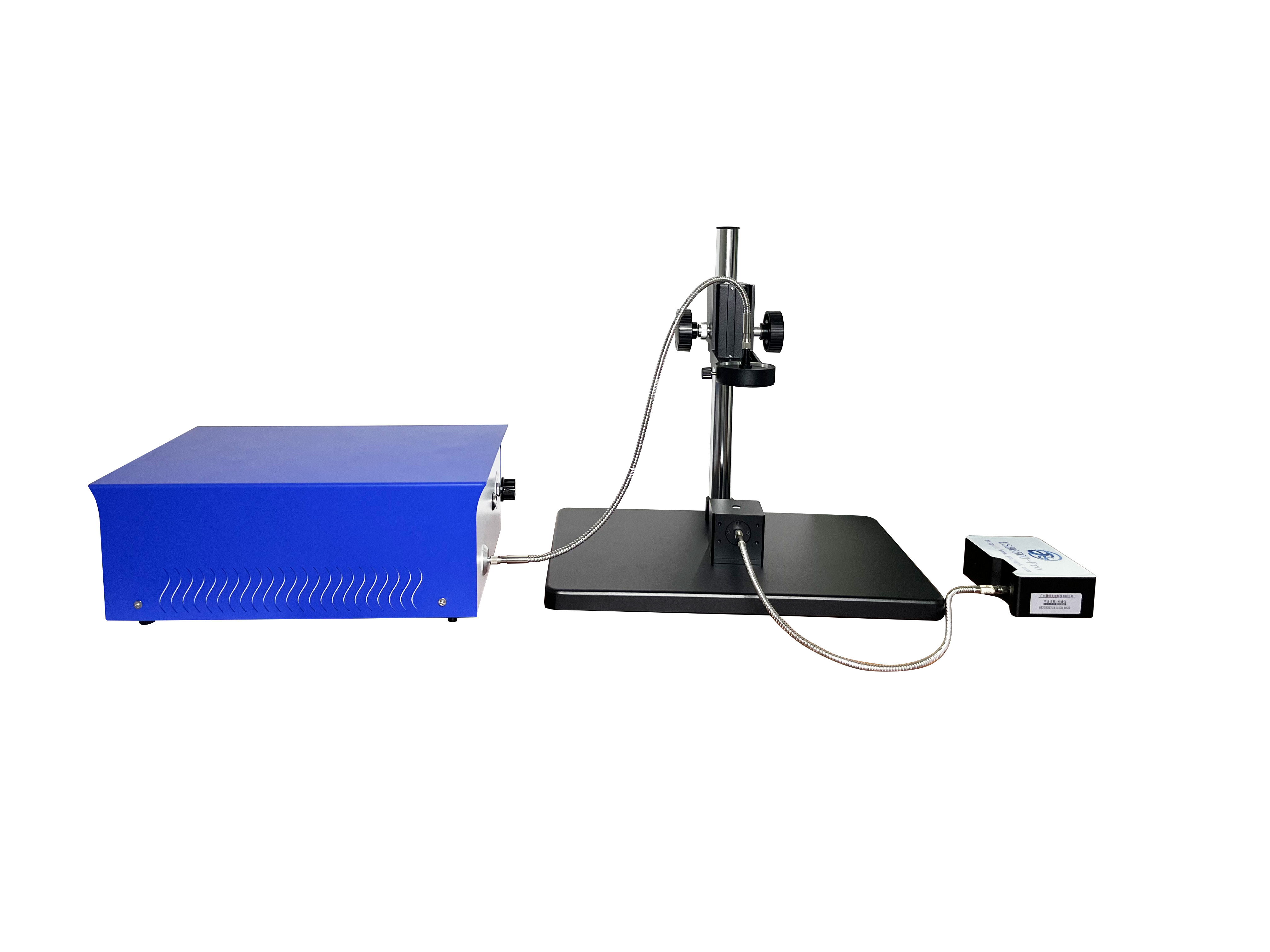
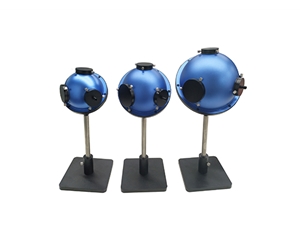
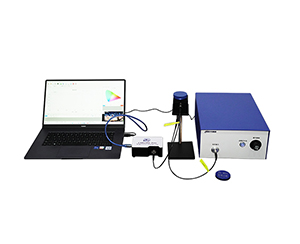
Place the supplier’s sample panel inside an already-traceable integrating sphere system. Scan 250–2500 nm using a halogen-deuterium lamp combo. Check whether key-node reflectance falls within the promised band—pay special attention to 730 nm and 840 nm, the two most drift-prone points in multispectral applications.
Angle sweep.
Starting at 8°, take a point every 5° up to 60° and plot the hemispherical reflectance curve. A true Lambertian panel should show a relative standard deviation below 1.5%.
Repeatability under remounting.
Mount and dismount the same panel five times, realigning the fixture each time. Record the range of readings at 905 nm. For lidar panels with roller-adjustable stands, this range reveals mechanical repeatability.
Thermal cycling data retention.
Leave the panel at 35°C for 48 hours before retesting. PTFE panels show minimal change; painted panels may drift 0.3%–0.6%.
10-Point Procurement Checklist
1.Does the wavelength range cover my instrument’s shortest and longest operating wavelengths?
2.Is reflectance stated as a nominal value or as a per-band measured value?
3.Is a third-party or factory per-band report provided?
4.What is the substrate material and thickness?
5.How is flatness defined and how is it tested?
6.Is the coating waterproof? Does it shed powder?
7.Can reflectance steps be customized?
8.Does packaging include a hard-shell case or protective cover?
9.What is the warranty period, and how is accidental damage defined?
10.How is reflectance consistency ensured across repeat batch purchases?
Among these ten, questions 2 and 5 are most easily dodged by sales rhetoric. One procurement engineer received a “ultra-high precision” email quote at 2 a.m., only to discover the next morning that “precision” referred to angular repeatability, not absolute reflectance value.
3 Selection Mistakes Engineers Make
Mistake 1: Using a light diffuser as a calibration panel.
Panels without per-band reports can only test illumination uniformity, not radiometric calibration. A vision inspection line once used the wrong panel, causing an overall camera response curve shift that took three months to trace back from yield fluctuations.
Mistake 2: Ignoring angle errors from makeshift stands.
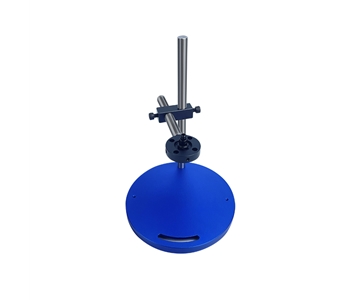
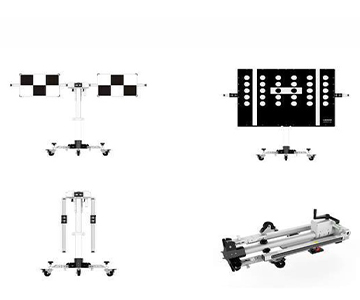
Lidar calibration without a roller-equipped 360° adjustable stand—just a floor plate—means a 0.5° tilt between plate and ground produces ~0.44 m ranging error at 50 m distance.
Mistake 3: Underestimating the hidden recertification cost of cheap panels.
Economy-tier panels decay 2%–3% in six months. The apparent savings in purchase price are erased by one extra external calibration and production-line re-qualification per year, adding an estimated $21,300 to total cost of ownership for a mid-size lab (based on annual labor hours).
Application Boundaries and Limitations
Mainstream domestic panels excel in wide-spectrum reflectance, mechanical strength, and delivery speed, but two boundaries require caution. First, for primary standard scenarios requiring direct BIPM traceability, import benchmark tiers remain the chain top. Second, for long-term outdoor deployment in extreme heat and humidity, calibration fabrics—though lightweight—still have shorter coating life than original sintered white panels. Write these boundaries into the technical agreement upfront. Additionally, most domestic datasheets omit the complete temperature coefficient curve near 730 nm red-edge for multispectral UAV panels; when operating at high
FAQ
Q1: How can I confirm whether a panel is truly Lambertian?
Check for an 8° hemispherical reflectance spectrum. The flatter the curve across different observation angles, the better the Lambertian behavior. The label “diffuse reflection” alone proves nothing.
Q2: Why is 40% reflectance specifically called out for 905 nm lidar panels?
905 nm is the most common ranging wavelength in human-safe bands. A 40% gray panel simulates typical road and vehicle reflectivity without saturating the receiver—a balanced anchor point for long-range detection calibration.
Q3: How to choose between PTFE white panels and aluminum-based coated panels?
Choose PTFE when you need 99% high reflectance and wide-spectrum flatness. Choose aluminum-based for small size, integrated scales, and impact resistance. They are complementary, not interchangeable.
Q4: How can I lower unit price on bulk orders without sacrificing performance?
Fix the reflectance steps and dimensions, and require the supplier to document coating process and sintering parameters in the contract to prevent formula changes between batches. Negotiate an annual framework agreement beyond a certain quantity, but never sacrifice the factory report.
Q5: How can I independently verify reflectance compliance upon delivery?
Use your lab’s already-traceable spectrometer with an integrating sphere for self-testing, or submit the panel to an ISO/IEC 17025-accredited metrology institute for分包检定. Focus on comparing nodes at 450, 730, 840, 905, and 2500 nm. Reject and return if out of tolerance.
About This Guide
Data Sources
: ISO 13697 (optical laser and laser-related equipment — test methods for specular reflectance), SEMI MF1845 (guide for reflectance measurements), in-house validation reports (n=47 panels), and industry technical white papers.
Author
: Cai Xiaodong, Senior Application Engineer, Jingyi Optoelectronics, 12 years in optical metrology and spectral calibration solutions.
Disclosure
: Jingyi Optoelectronics manufactures diffuse reflectance calibration panels. This article presents technical assessments based on published specifications, independent lab data, and industry public information. No compensation was received from third-party brands mentioned.
Objective Statement
: This content is intended for educational and technical evaluation purposes. Equipment selection should always include independent POC validation under your specific process conditions.
Last Updated
: October 2026
For detailed specifications and application notes on diffuse reflectance calibration panels, search "Jingyi Optoelectronics + diffuse reflectance calibration panel" or visit our technical library.