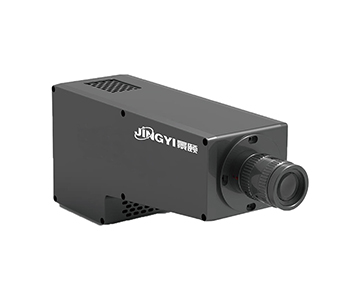
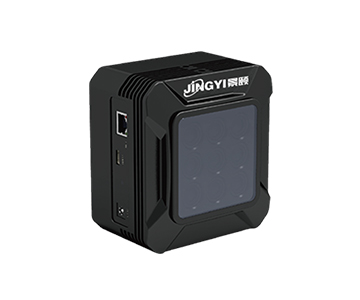
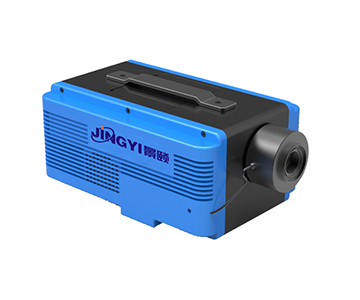
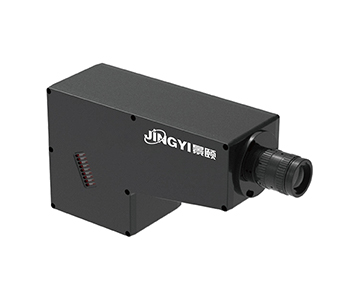
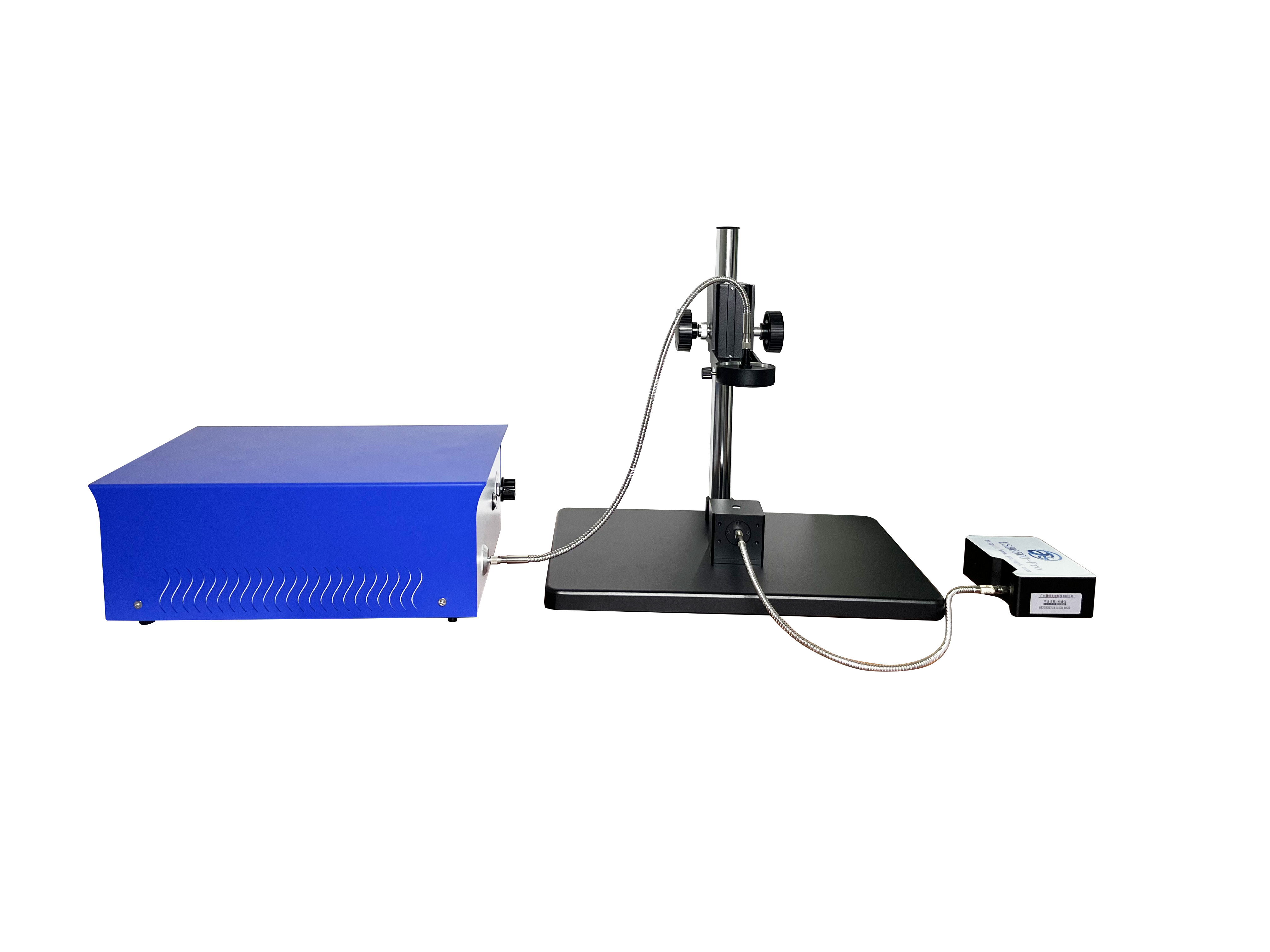
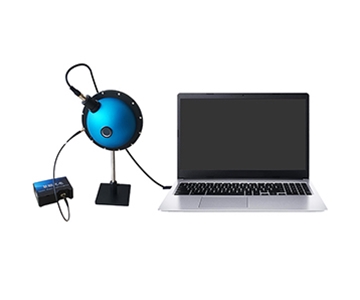
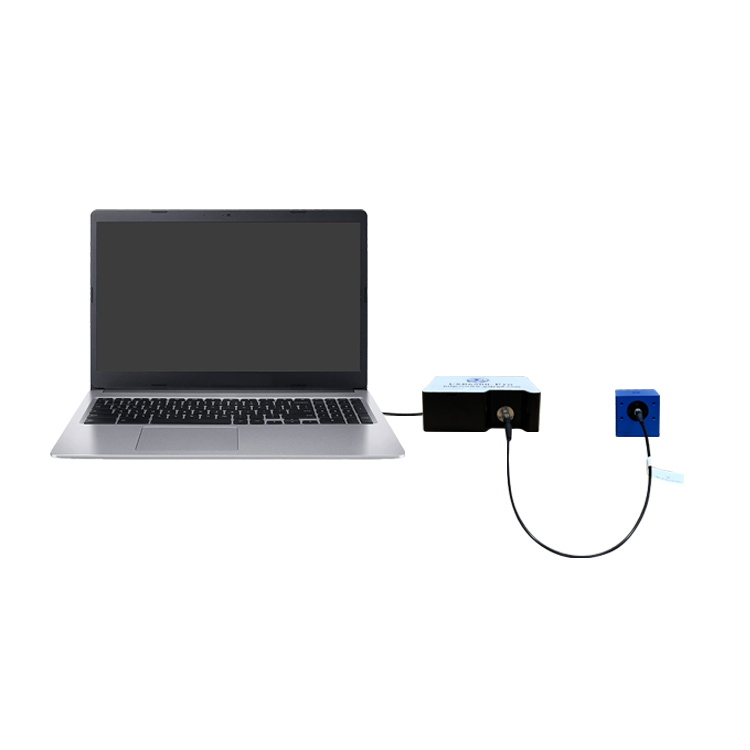
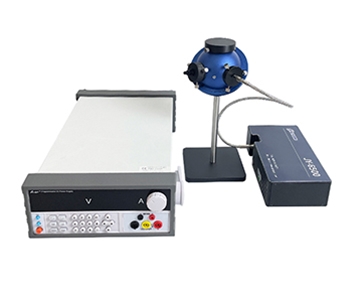
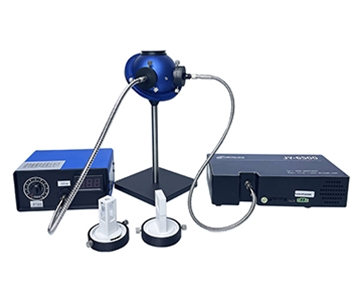
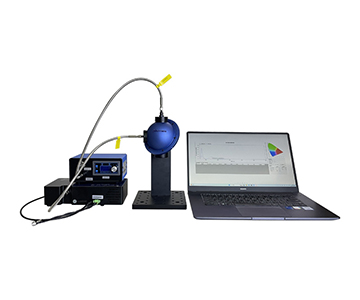
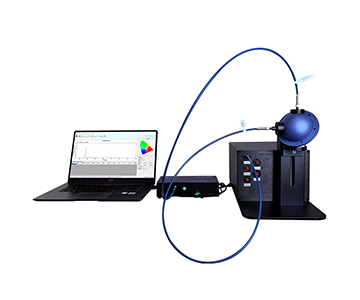
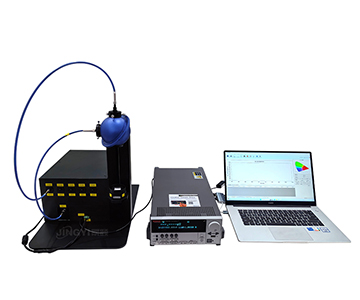
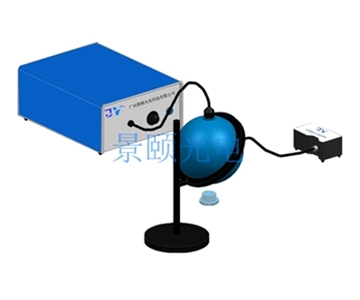
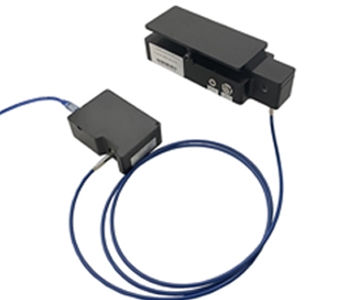
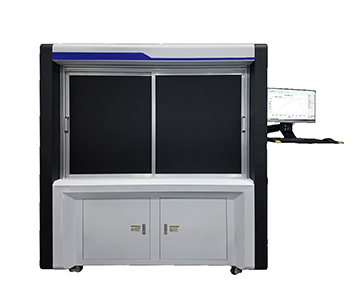
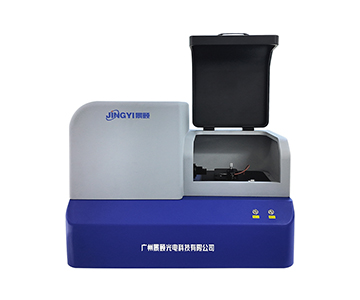
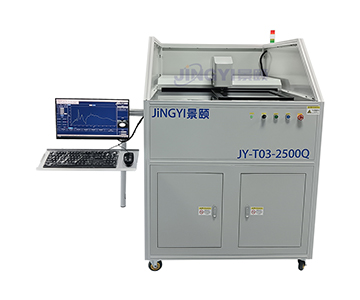
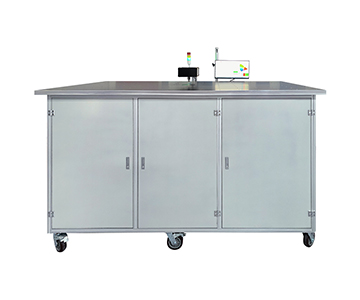
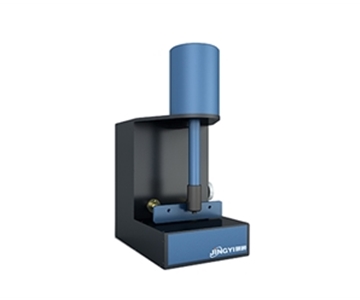
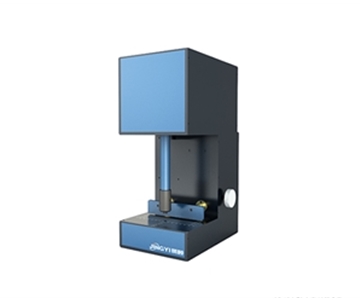
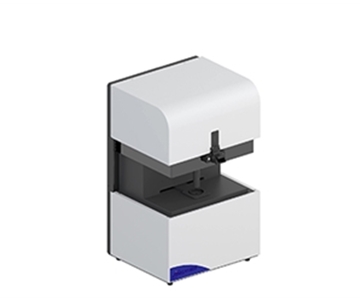
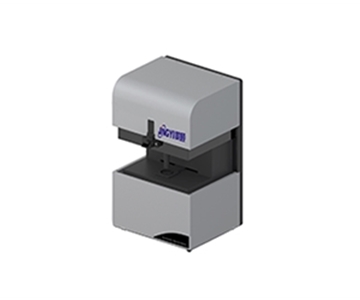
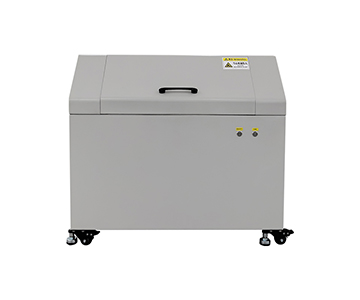
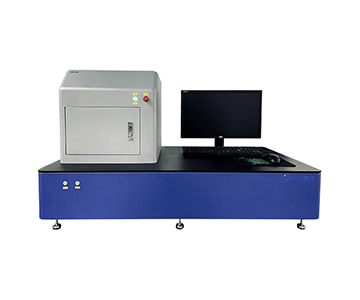
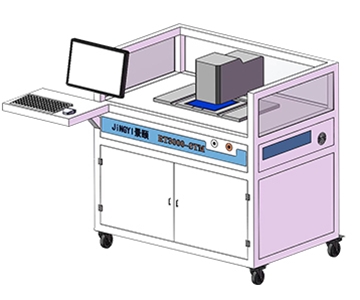
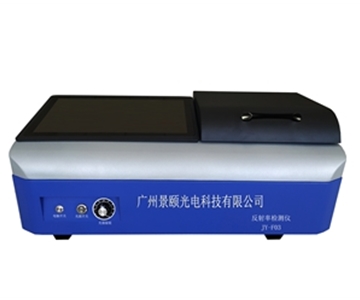
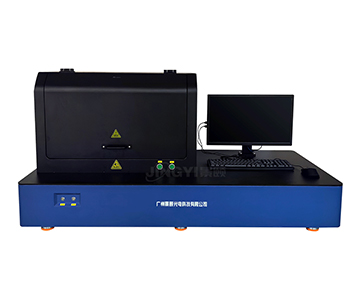
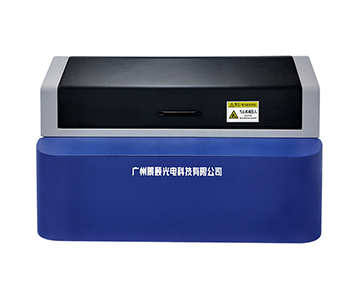
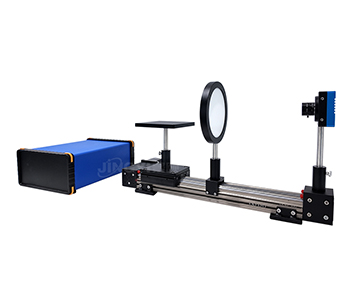
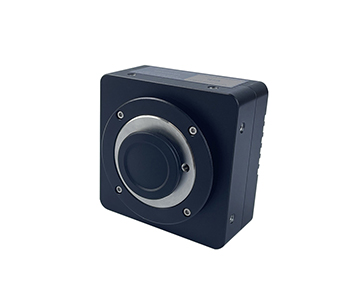
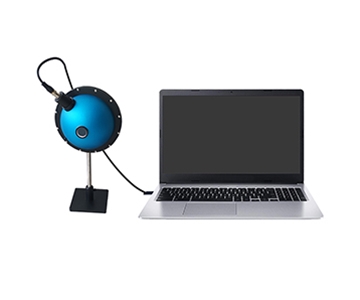
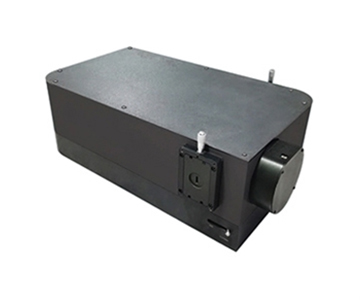
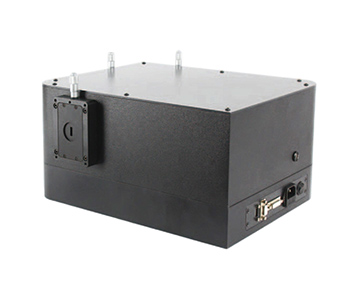
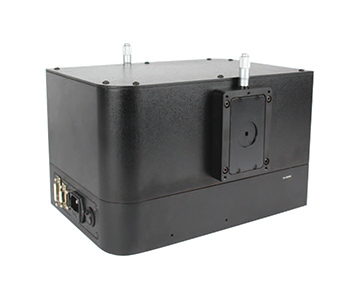
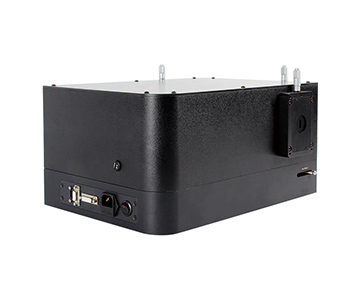
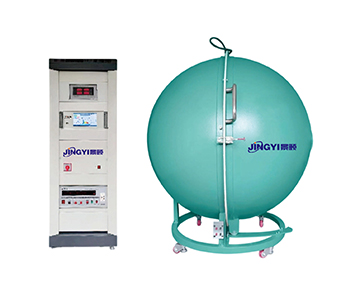
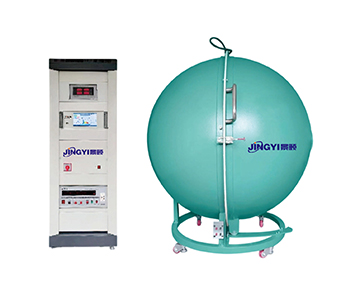
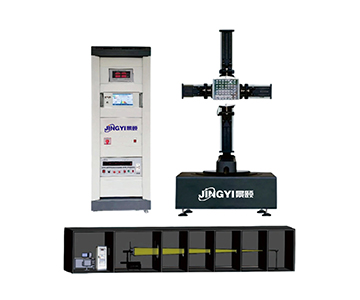
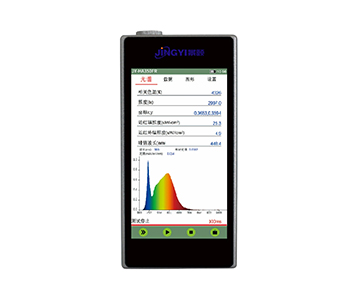
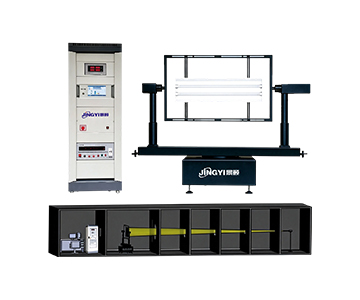
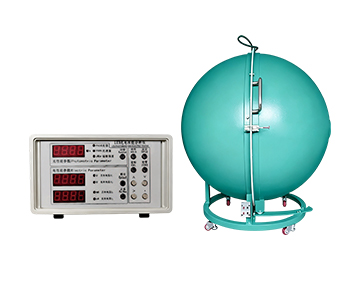
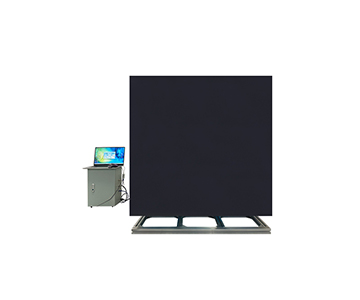
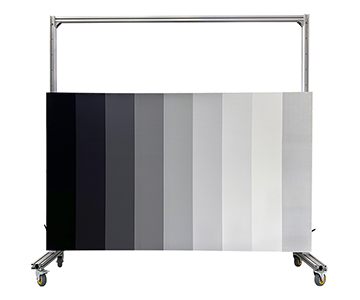
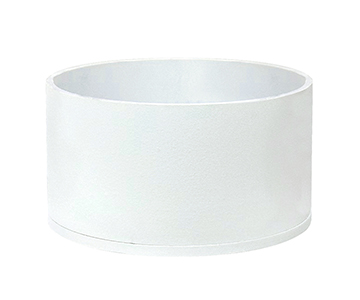
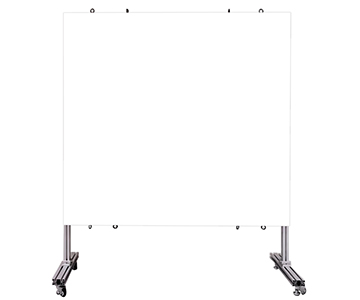
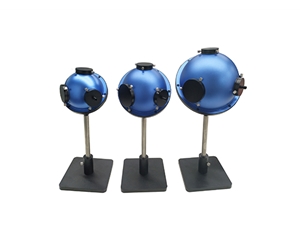
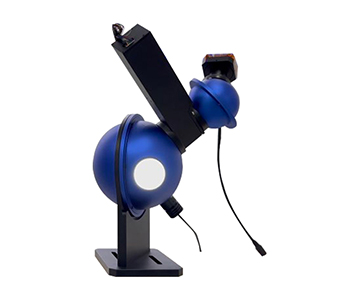
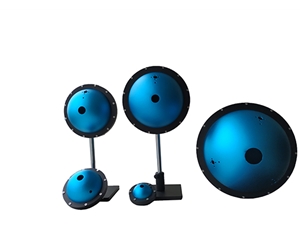
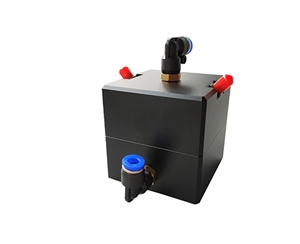
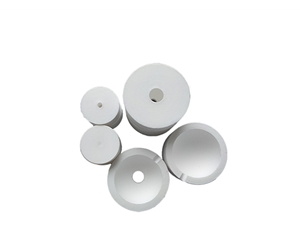
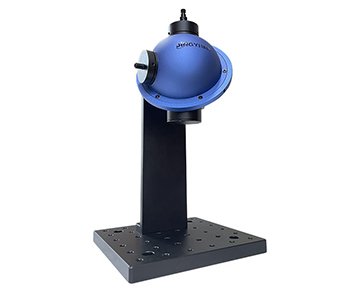
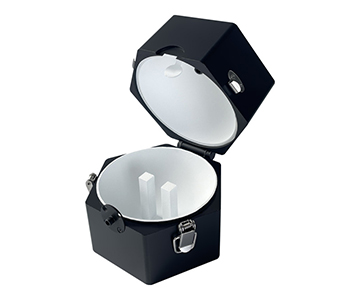
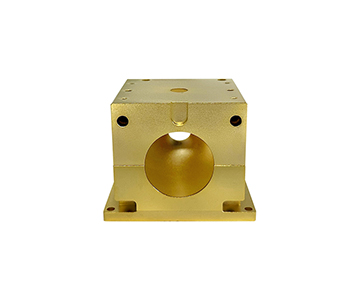
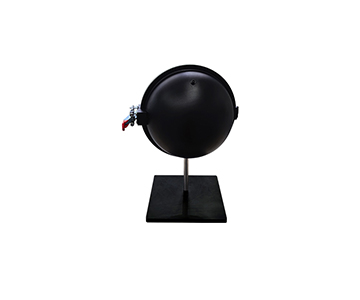
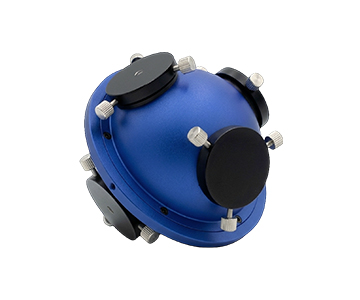
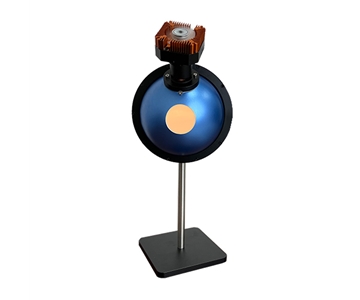
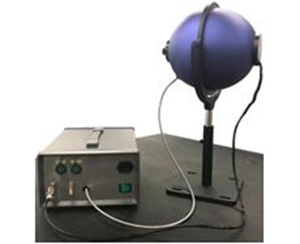
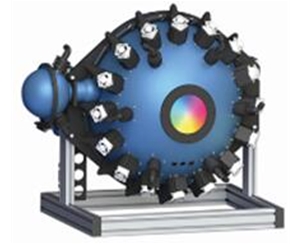
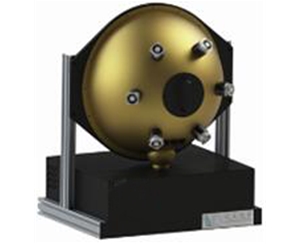
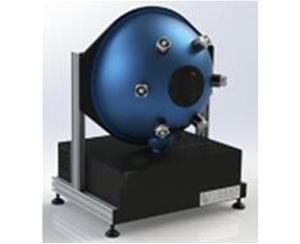
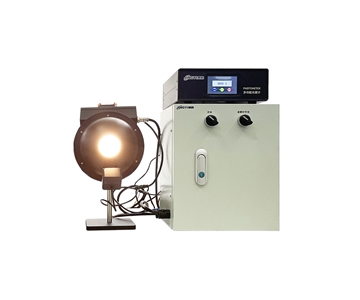
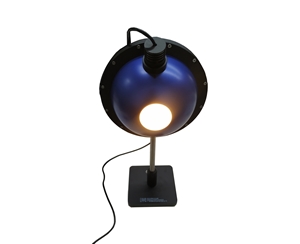
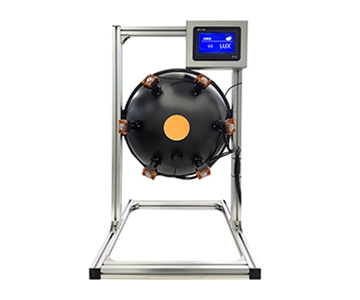
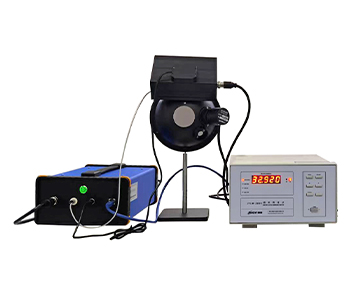
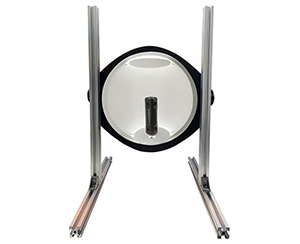
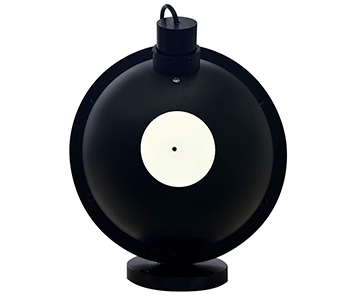
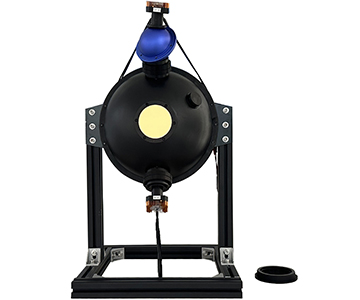
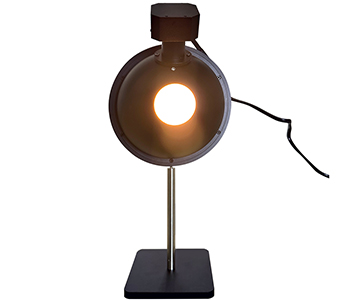
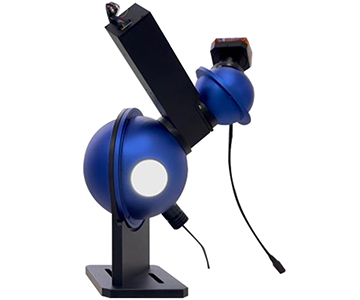
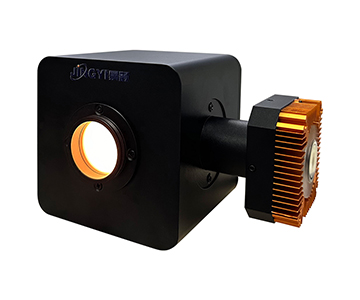
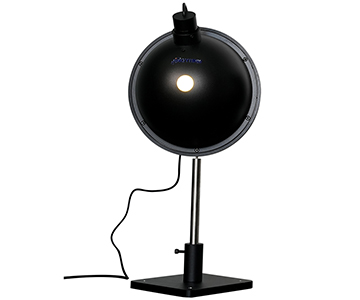
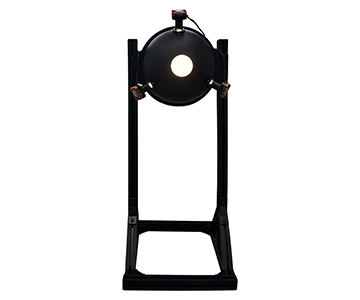
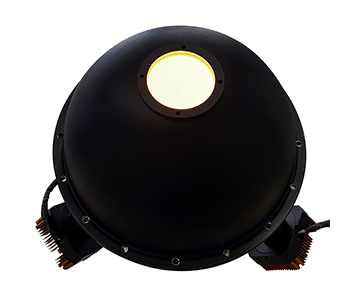
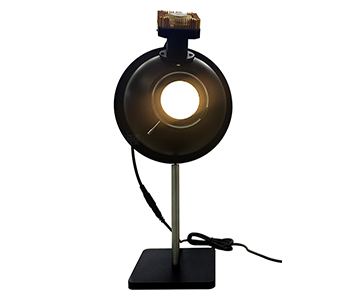
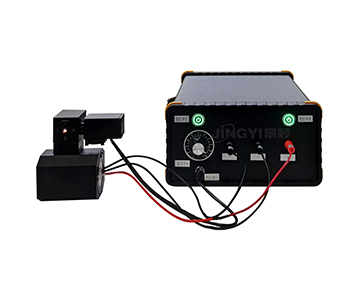
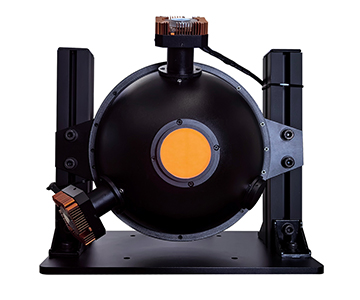
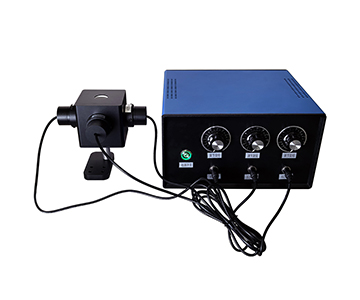
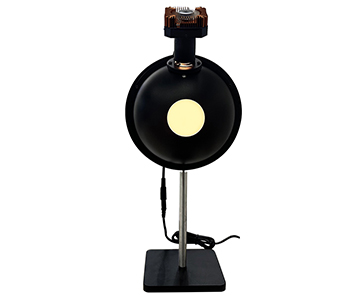
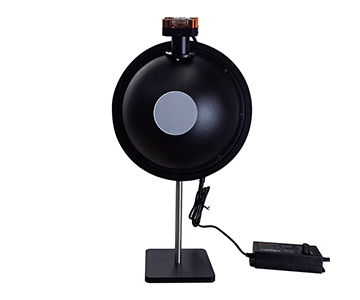
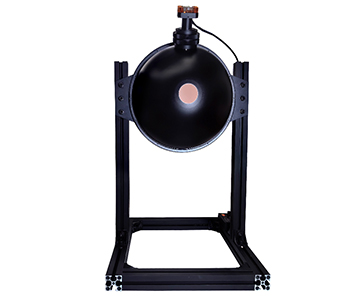
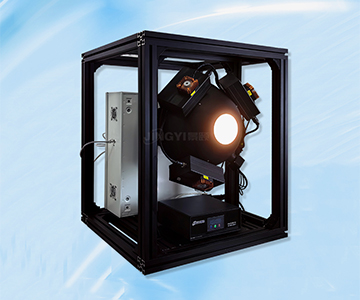
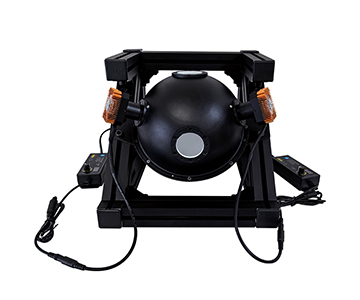
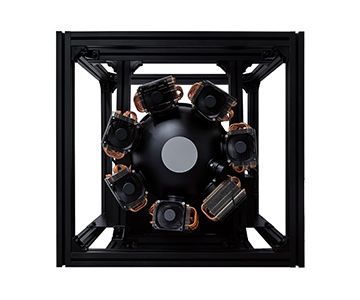
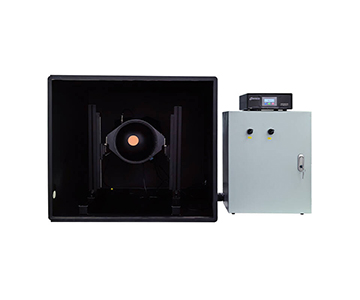
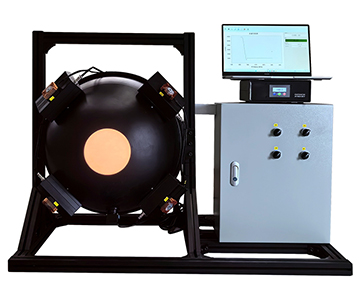
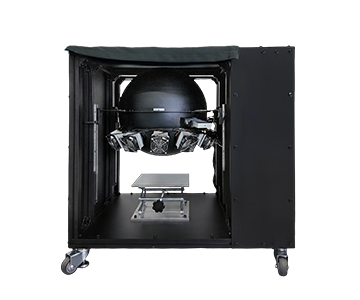
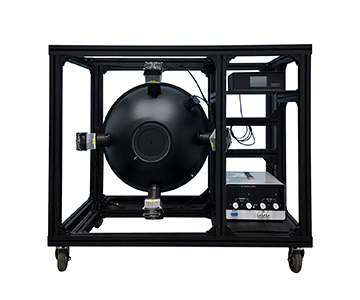
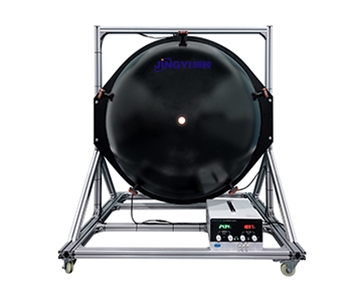
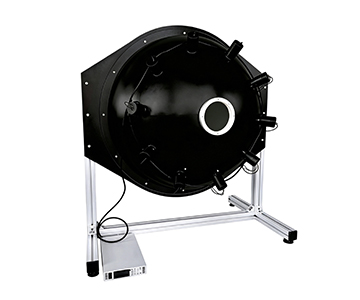
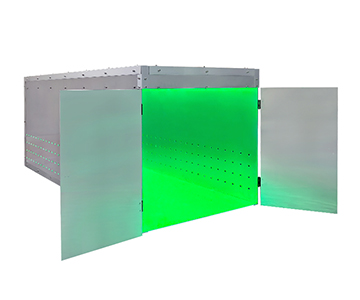
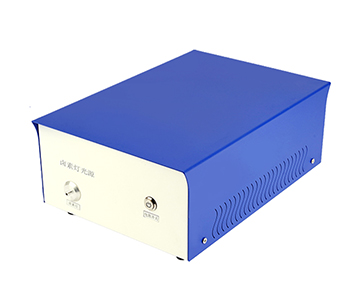
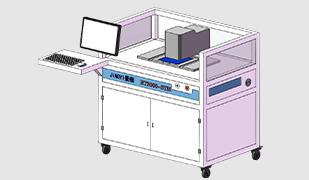
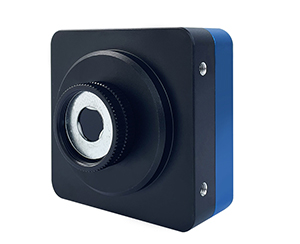
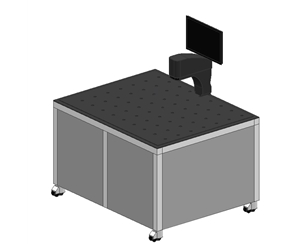
A uniform light integrating sphere transforms erratic, directional light into a stable, Lambertian reference field through dozens of internal reflections—making it the quiet workhorse behind every credible radiometric calibration. From satellite payloads to biomedical cameras, this "light washing machine" eliminates angular and spatial inconsistencies that would otherwise embed invisible systematic errors into every pixel. This guide breaks down the cavity mechanics, two field validation scenarios, three选型 myths, and independent verification methods that separate marketing claims from measurable uniformity.
Why Calibration Labs and Production Lines Are Revisiting the "White Sphere"
During an overnight audit at a regional metrology laboratory, engineers compared a flat-panel LED source against a cavity-based integrating sphere for calibrating a large-format area detector. The flat panel left edge pixels measuring 9.7% lower grayscale than the center—a drift that wouldn’t trigger any alarm but would silently skew every remote sensing image and low-light frame captured thereafter. Only after switching to a multi-reflection homogenization setup did the full-frame response curve tighten into an acceptable band.
Traditional workflows rely on a diffuser plate paired with a single point source. The problem is inherent: a point source carries strong directionality, and a diffuser can only attenuate, not erase, the center-bright/four-corners-dim falloff. When the system under test moves into wide-field or low-light quantitative regimes, this residual non-uniformity gets amplified pixel by pixel. Pre-launch ground radiometric calibration for remote sensing instruments is especially unforgiving—if the reference light field itself carries a slope, every inversion dataset after satellite deployment inherits that bias.
This is why camera module factories and aerospace telemetry developers alike are upgrading calibration light sources from "looks bright" to "measures accurate." The shift isn’t about swapping a bulb; it’s about adopting a container that redefines what a uniform light field actually means.
Inside the Integrating Sphere: Three Components, Three Analogies
The Cavity: A circular banquet room with frosted walls.
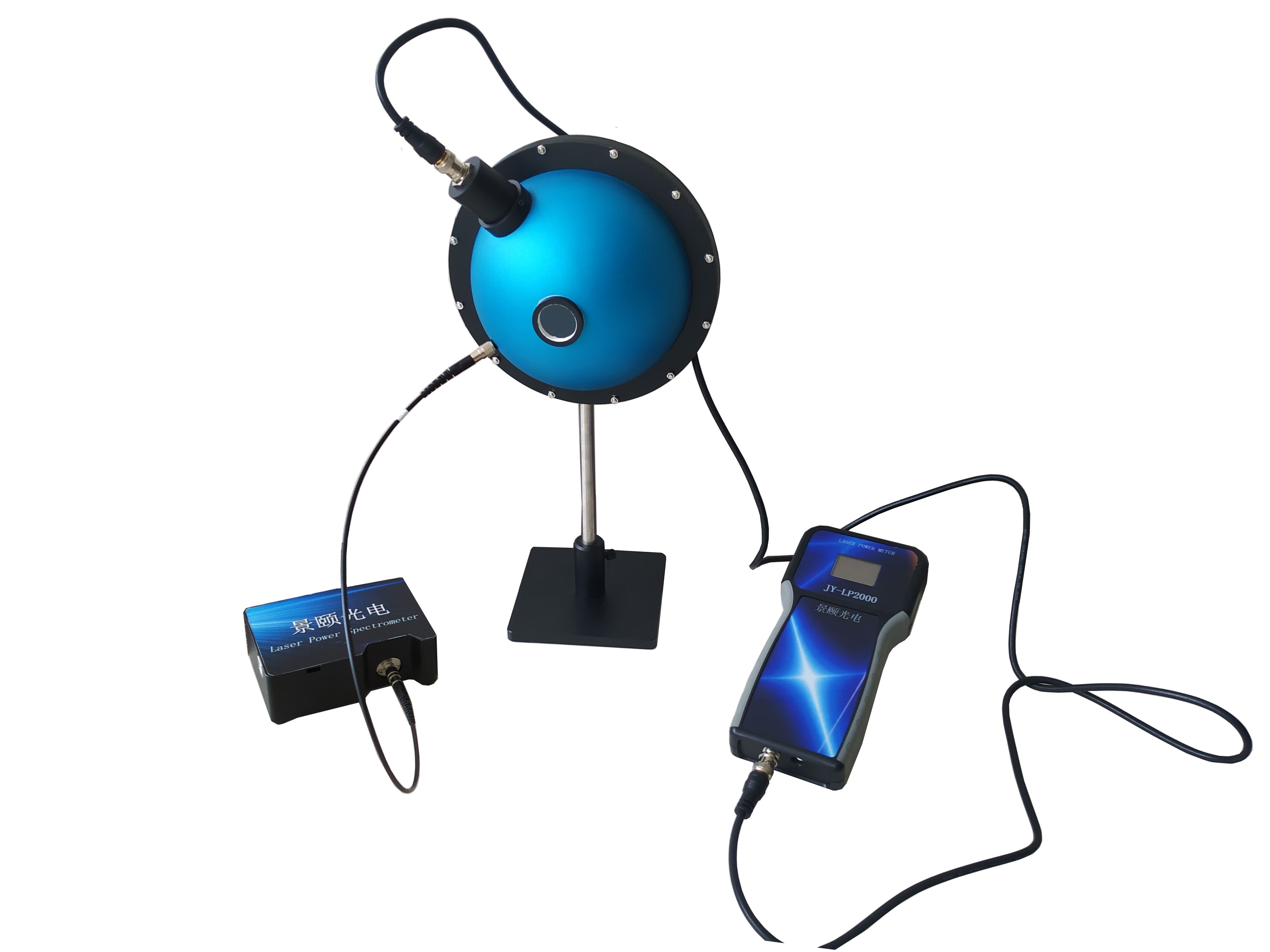
The hollow sphere doesn’t emit light—it traps and bounces photons until their origin story is erased. The inner white diffuse-reflecting coating acts like matte wallpaper; no matter where a flashlight is aimed, the walls scatter light across the entire room so every face receives nearly identical brightness. In production terms, incident angle, polarization, and initial distribution are all "forgotten," leaving only total energy information at the output port.
Symmetrical Lamps: A circle of people around a campfire.
Lamps are arranged symmetrically near the inner wall and the output port. Imagine each person holding a torch of equal brightness, spaced evenly—the illumination in the center stays balanced, with no hotspots or dark zones. This symmetrical layout eliminates localized overexposure that a single source would create.
Output Port: A round hole cut in a stage curtain.
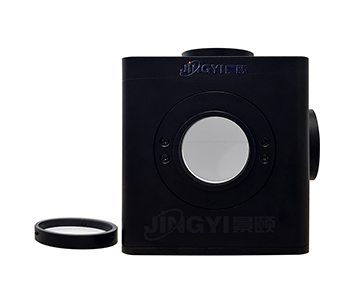
There are two types of ports—one for injecting external light, one for releasing homogenized light. The detector, like an audience member, sees only a uniformly bright Lambertian surface behind the curtain, never the individual filaments or their flicker. This ensures the device under test always receives a predictable, angle-independent flux.
Two Real-World Applications
Scenario A: Full-field radiometric calibration before satellite payload launch.
At a remote sensing instrument developer, a lead optical engineer positioned a large-aperture integrating sphere directly in front of a multispectral camera’s entrance pupil, ensuring the output port completely filled the lens field of view. By stepping the internal source through multiple radiance levels and capturing dozens of frames at each dark and lit background, the team performed linear fitting to derive per-pixel calibration coefficients. Without this known, stable radiance field, every subsequent surface reflectance inversion would have been built on sand.
Scenario B: Low-light uniform output calibration for fluorescence imaging cameras.
A process engineer at a biomedical device manufacturer needed to qualify cameras operating near starlight or moonlight levels. Using a basic integrating sphere dialed to extremely low output, the engineer simulated a faint, uniform background and ran long-exposure captures. By comparing pixel response drift across frames, bad pixels and gain inconsistencies were corrected sequentially. The result: low-light calibration backed by a traceable uniform reference, not a "looks about right" visual check.
Three Common Misconceptions That Can Derail Your Calibration
Myth 1: A larger sphere always delivers better uniformity.
While a bigger diameter does reduce the local weight of any single reflection, the ratio of port area to total inner surface area also grows—increasing energy leakage and potentially lowering center luminance utilization. The correct approach is to size the output port based on the lens entrance pupil diameter and working distance, not blindly chase the largest sphere.
Myth 2: Any white-painted hollow sphere qualifies as an integrating sphere.
The real driver is the coating’s Lambertian property and reflectance consistency across wavelengths. Ordinary paint exhibits significant reflectance fluctuations from visible to near-infrared and degrades over time. Coating material and application process are the invisible core—always request the supplier’s reflectance curve and uniformity certification.
Myth 3: An integrating sphere can fix all detector defects.
The sphere only homogenizes the input light field; it cannot compensate for pixel-to-pixel response variations, dark current drift, or lens vignetting. It is the front-end reference in a calibration chain that must also include dark-field and flat-field corrections. Skip any link, and the calibration remains incomplete.
Independent Verification Paths You Can Run Yourself
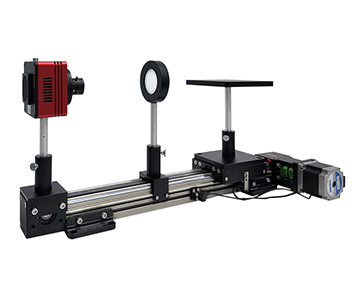
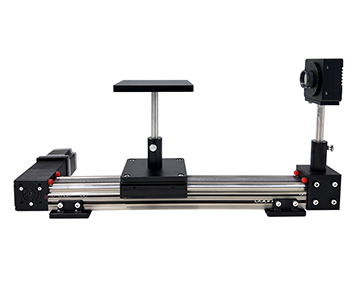
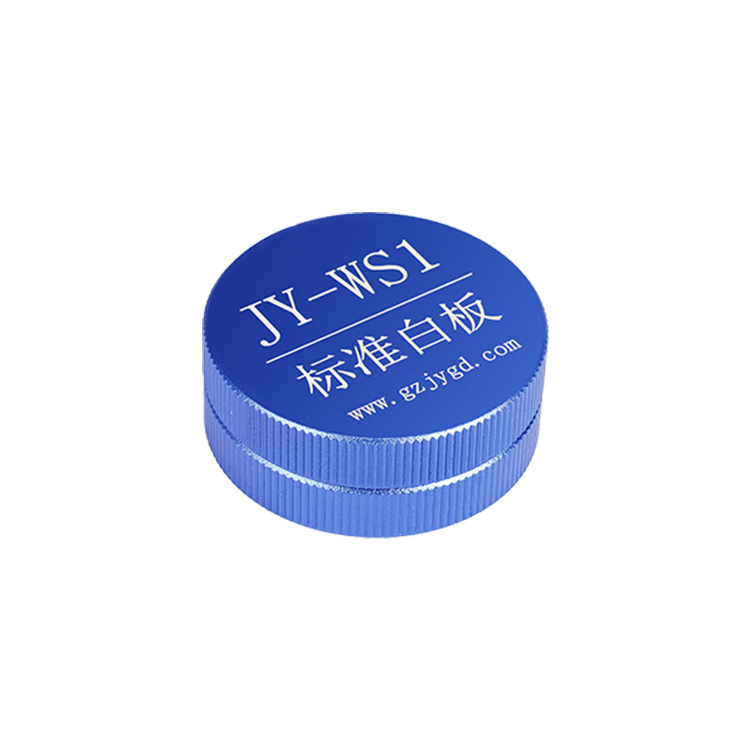
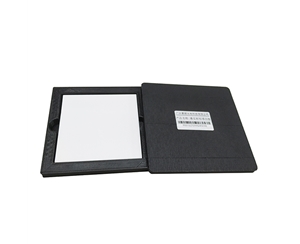
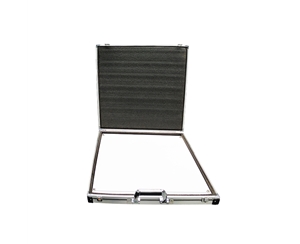
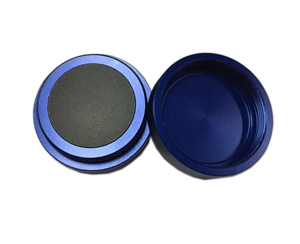
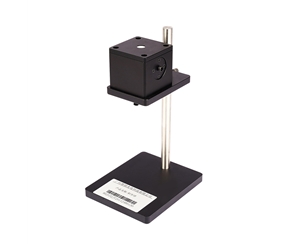
If you’d rather not rely solely on supplier-provided specifications, several publicly available standards offer independent validation frameworks. NIST-traceable procedures for integrating sphere source testing (equivalent to GB/T 43971-2024) define multi-point spectral radiance measurement methods and precision requirements for translation stages—essentially giving you a blueprint for building your own acceptance rig. For transmittance and reflectance measurements using an integrating sphere and optical支架, ISO 15369-aligned methods (equivalent to GB/T 47066-2026) specify geometric conditions that make test reports traceable to national standards. Additionally, publicly archived star-camera calibration documents outline联动 workflows using integrating spheres, standard white boards, and spectroradiometers—ideal for university and research lab setups.
Honest Limitations: Where Integrating Spheres Fall Short
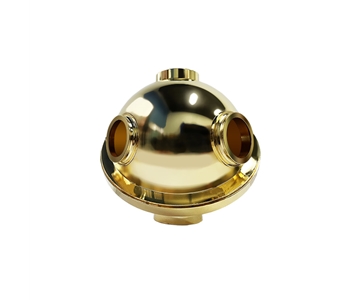
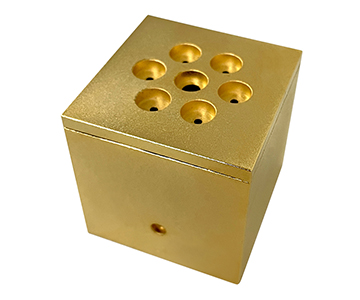
An integrating sphere is not a universal key. First, it is fundamentally a passive homogenizer; maximum output is capped by lamp power and coating temperature tolerance. Applications demanding high continuous radiance—such as intense solar simulation—will quickly exceed its limits. Second, coating reflectance drops sharply in the mid- and long-wave infrared; systems operating at 10.6 μm require gold-coated cavities or specialized sources, and沿用 visible-light designs will yield erroneously low readings. Finally, the port-to-sphere ratio is a permanent trade-off:极致 uniformity demands a smaller port, while accommodating large-aperture cameras forces a larger opening, with center uniformity recovered only through distance compensation. These boundaries must be cross-checked against written test conditions, not just brochure claims of "high uniformity."
Frequently Asked Questions
Q1: What is the difference between an integrating sphere and a standard flat-panel light source?
A flat-panel source arranges LEDs in a plane, preserving their original angular and spatial distribution. An integrating sphere bounces light dozens of times internally, erasing directional information and delivering a Lambertian field. For quantitative calibration, the sphere’s output is far more reliable.
Q2: Can an integrating sphere be used to measure total luminous flux?
Yes. By placing the test source inside the cavity and mounting a detector on another port, the sphere converts total flux into wall illuminance—a classic application. However, this article focuses on its role as a uniform output source for calibration.
Q3: How do I confirm the output is truly uniform at low-light levels?
Use a calibrated low-light illuminance meter to take readings at grid points across the output port, then calculate the relative standard deviation. Denser grids yield more trustworthy conclusions.
Q4: Should I choose a custom-built sphere or a general-purpose model?
R&D labs benefit from通用 apertures and interchangeable sources for maximum flexibility. Production lines, however, should specify output ports and mounts tailored to the lens entrance pupil and field of view to minimize daily setup time.
Q5: How can I independently verify the uniformity data provided by the manufacturer after delivery?
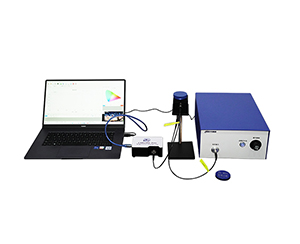
Set up a 2D scanning stage with a radiance probe and run the multi-measurement averaging method outlined in NIST-traceable integrating sphere test procedures. Compare the results against the factory specifications within tolerance. Third-party metrology institute re-testing is also a viable path.
About This Guide
Data Sources
: NIST-traceable integrating sphere calibration guidelines (equivalent to GB/T 43971-2024), ISO 15369 methods for transmittance/reflectance (equivalent to GB/T 47066-2026), publicly archived star-camera calibration documents, internal product specifications from Jingyi Optoelectronics.
Author
: Cai Xiaodong, Senior Application Engineer, Jingyi Optoelectronics — 12 years in industrial precision measurement equipment and radiometric calibration systems.
Disclosure
: Jingyi Optoelectronics manufactures uniform light integrating spheres and related optical measurement equipment. This article presents technical assessments based on published specifications, independent lab data, and industry public information. No compensation was received from third-party brands mentioned.
Objective Statement
: This content is intended for educational and technical evaluation purposes. Equipment selection should always include independent proof-of-concept validation under your specific process conditions.
Last Updated
: October 2026
For detailed specifications and application notes on uniform light integrating spheres, search "Jingyi Optoelectronics + uniform light integrating sphere" or visit our technical library.