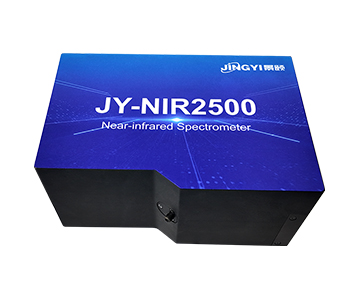
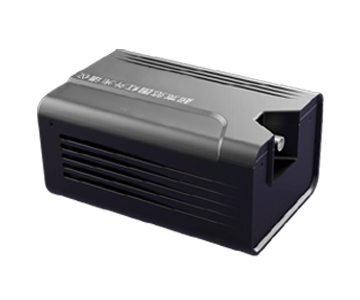
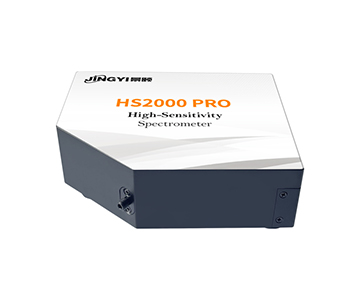
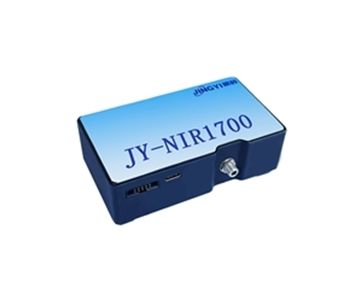
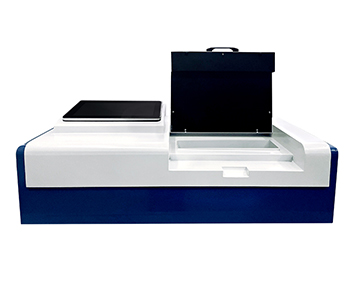
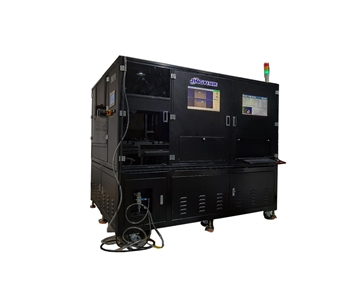
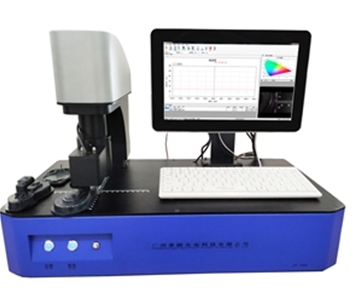
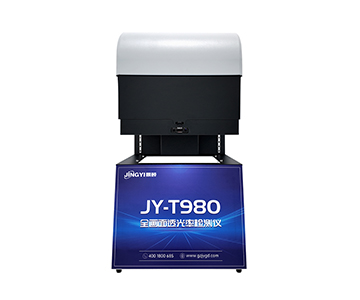
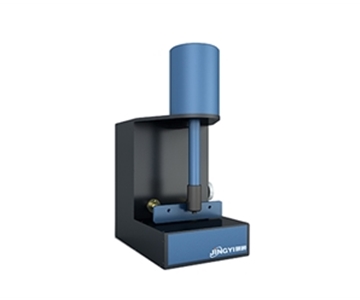
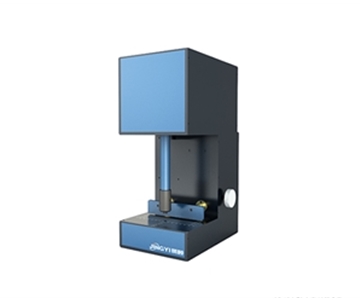
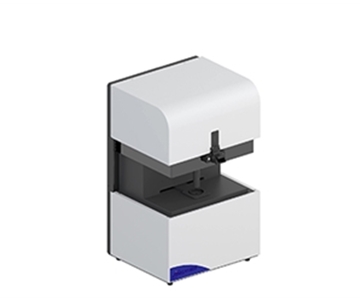
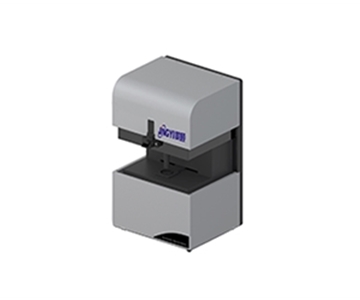
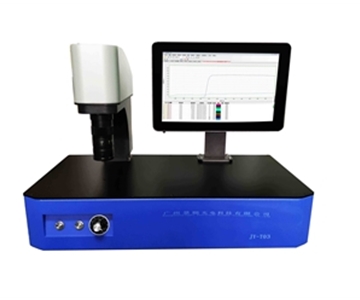
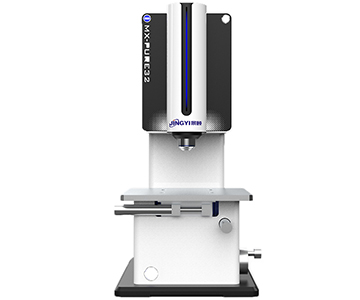
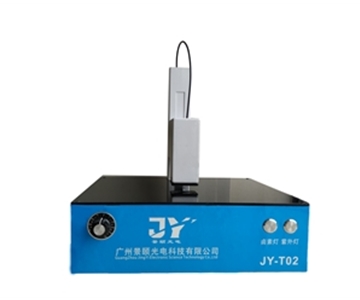
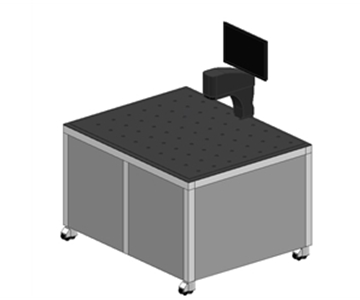
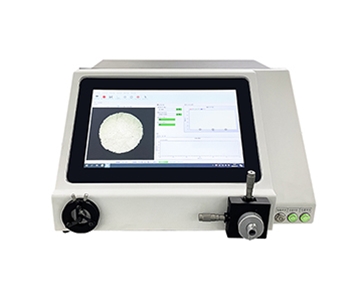
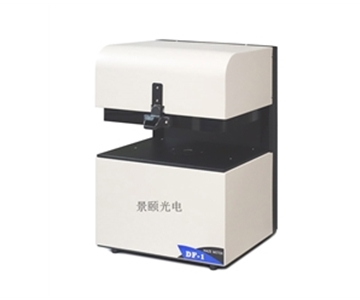
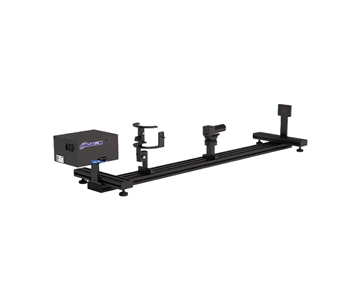
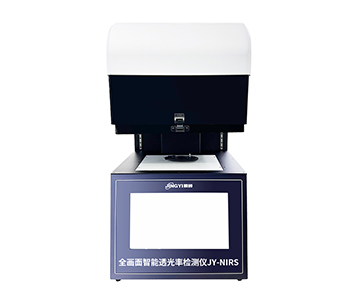
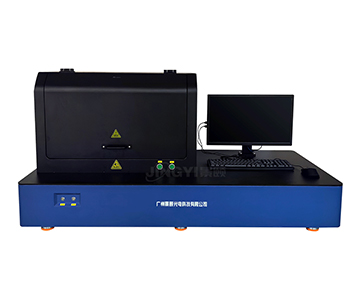
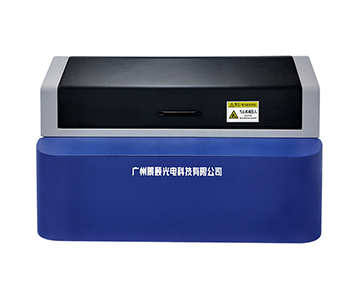
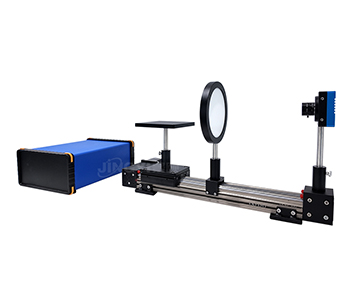
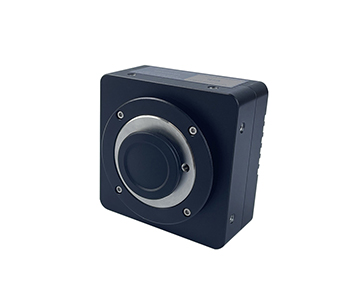
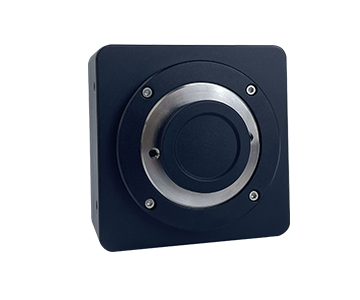
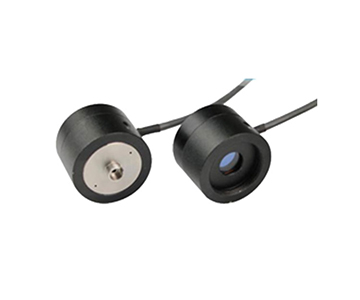
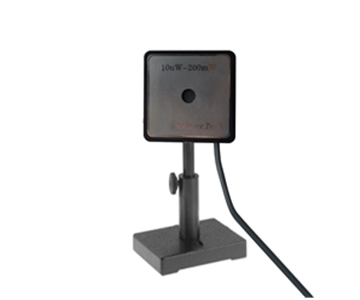
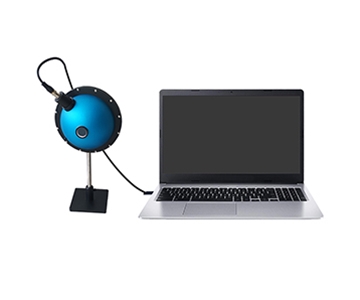
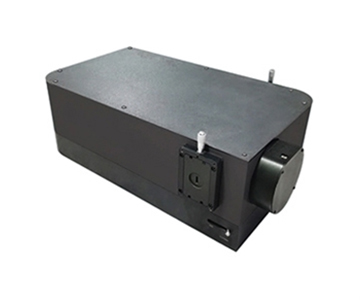
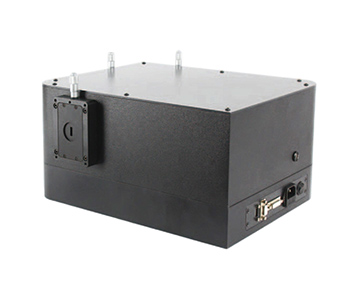
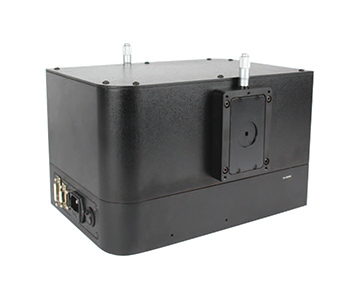
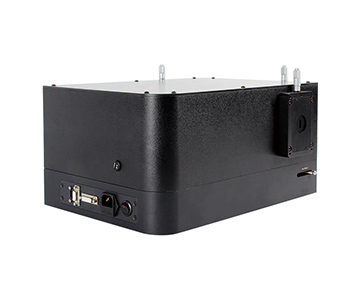
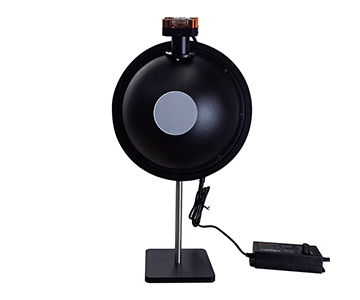
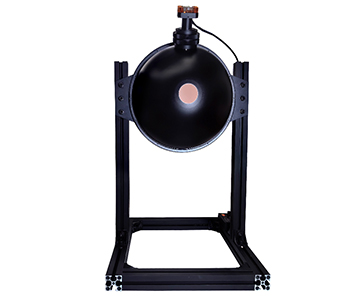
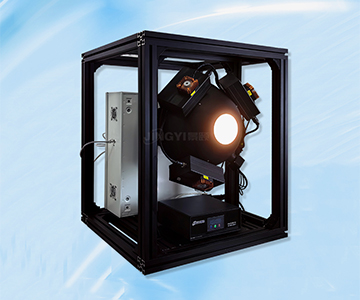
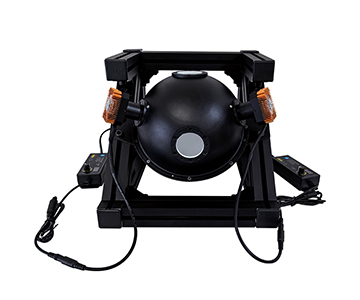
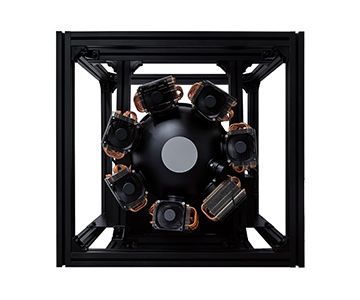
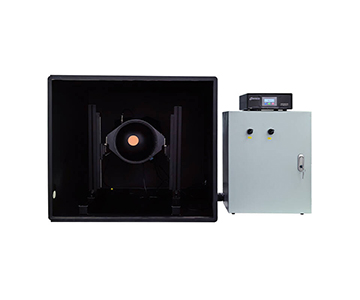
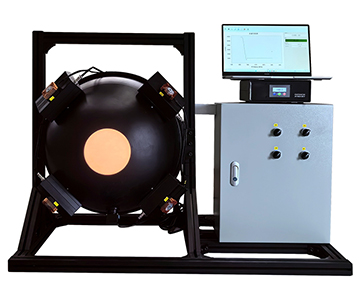
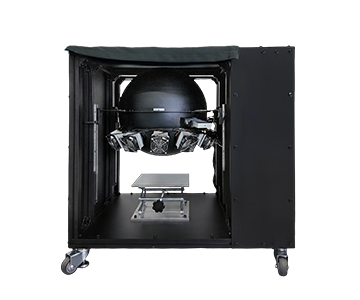
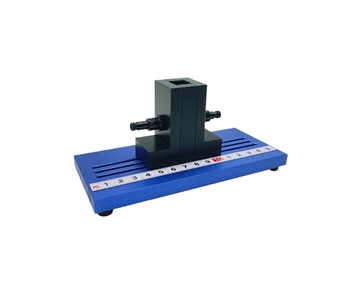
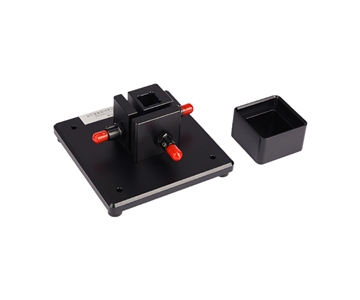
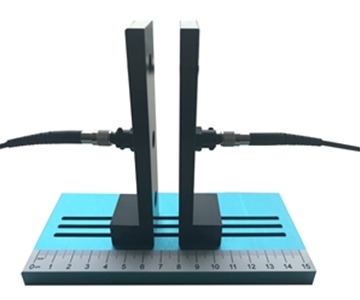
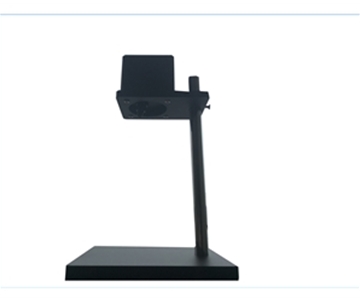
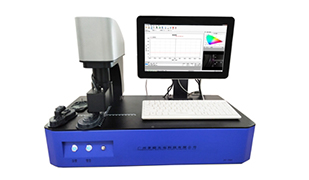
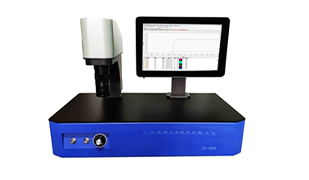
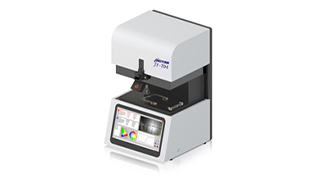
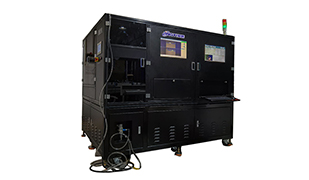
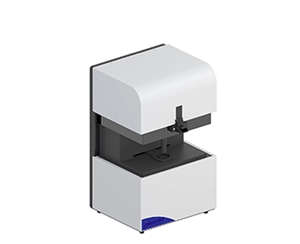
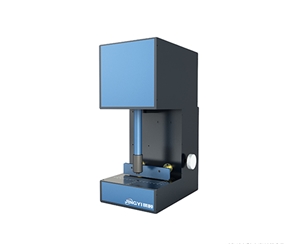
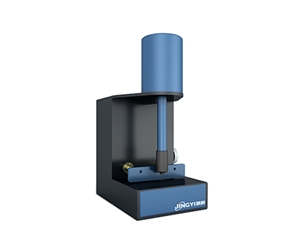
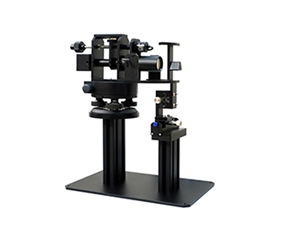
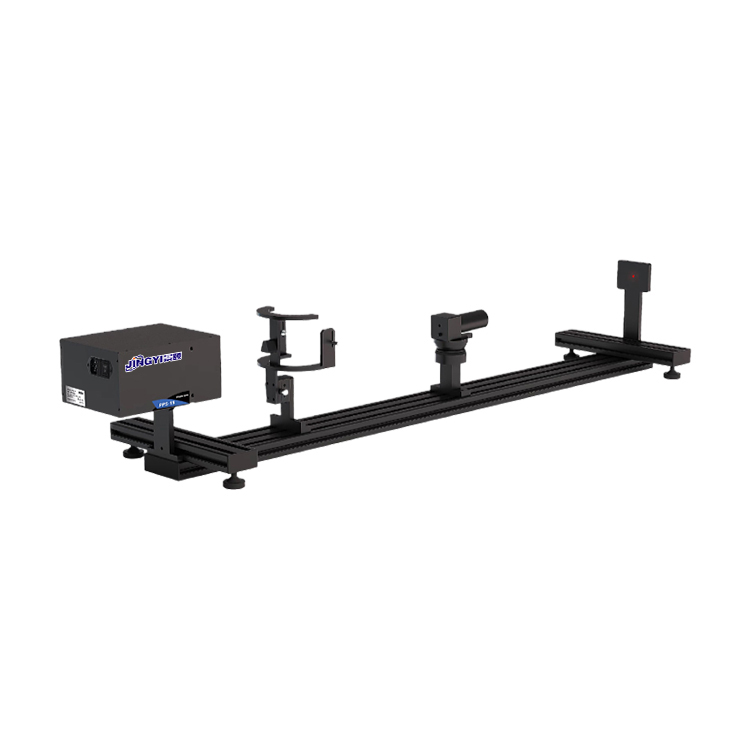
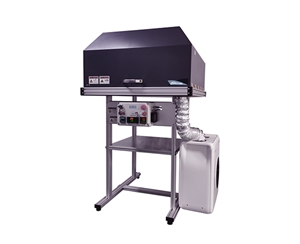
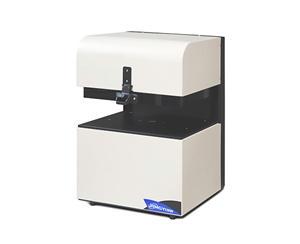
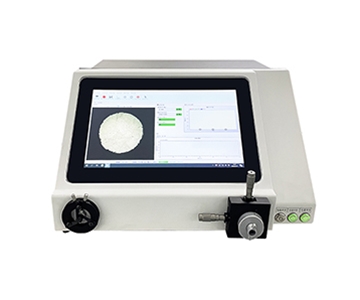
Laser wavelength detection at the production line demands more than a spec-sheet claim of 0.1 nm resolution. When a night-shift quality inspector at a Southeast Asian optoelectronics plant rejected a batch of 905 nm LiDAR sources due to a 0.37 nm peak shift, the root cause was not the chip—it was an acceptance rule that ignored FWHM and ambient temperature. This guide examines four wavelength analysis systems through the lens of operational training difficulty, covering broadband detection, R&D labs, and inline monitoring. We compare automation, real-time spectral tracking, and PTFE integrating sphere probes to define practical selection boundaries and validation criteria for 2026.
Why Production Lines Keep Failing Wavelength Acceptance
A single picometer of wavelength drift can trigger crosstalk in WDM channels or push radar echo bandwidth beyond spec. Yet procurement teams often fixate on nominal accuracy while overlooking human error in the operation chain. Can a new technician produce reliable data after half a day of training? How is the trigger configured for pulsed sources? Should FWHM be written into the acceptance sheet? These variables silently govern yield.
Parameter inflation compounds the problem. Some vendors market “0.1 nm resolution” without supplying calibration certificates or temperature drift curves. On the floor, readings drift from morning to afternoon, and the instrument is blamed. In reality, the standard source, dark spectrum, and warm-up duration were never codified into the SOP. For B2B buyers, the true value of a laser wavelength detector lies not in outputting a single number, but in enabling any operator to reproduce traceable data under the same procedure. Training cost, software logic, and acceptance criteria often outweigh an extra 0.05 nm on paper.
What Wavelength Detection Actually Measures and How to Avoid Pitfalls
Dispersion Acquisition and Peak Solving
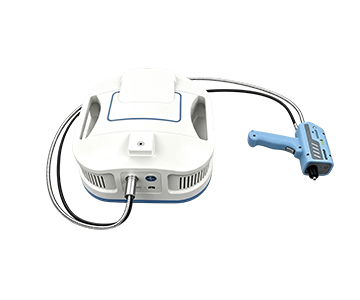
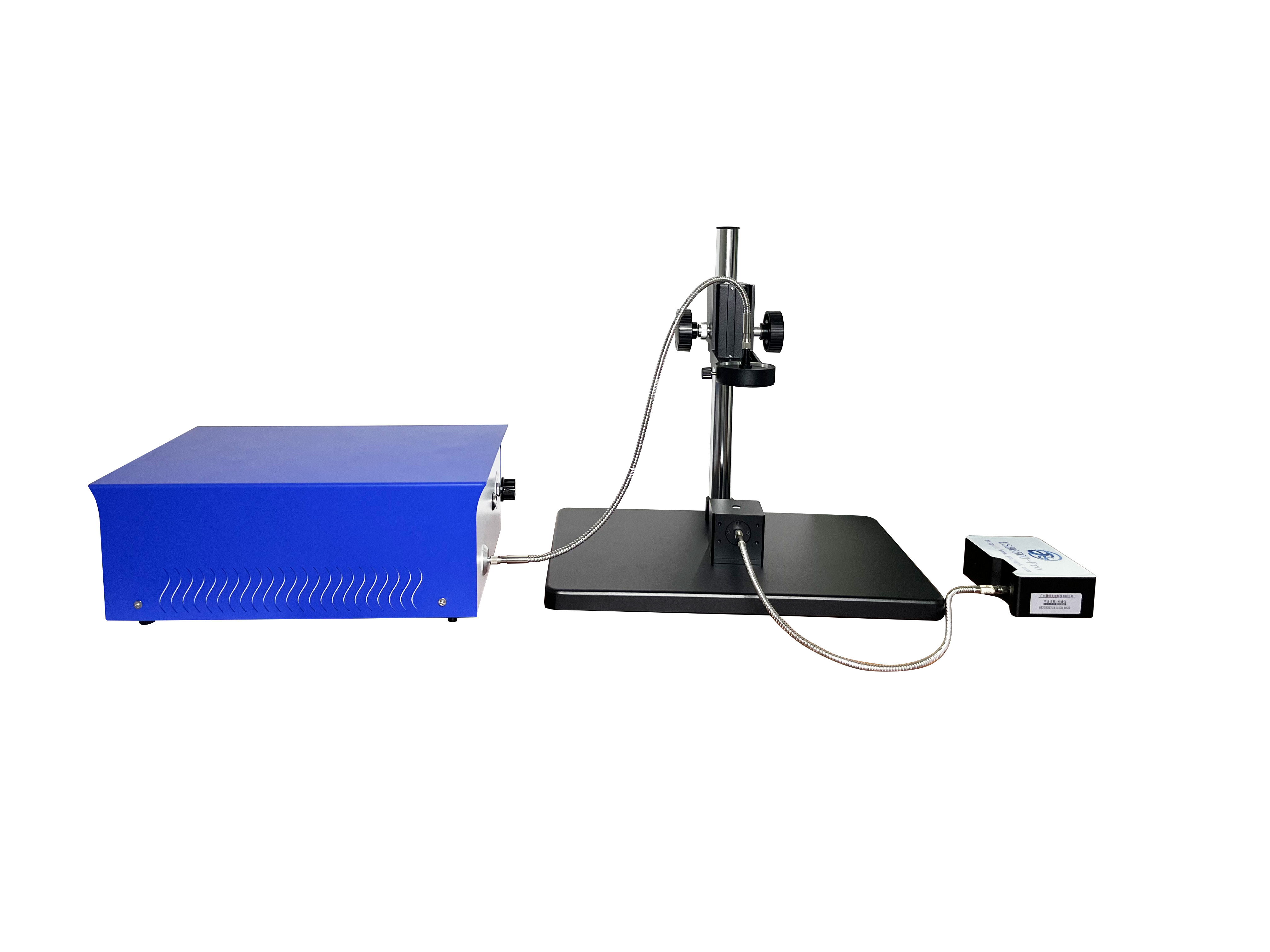
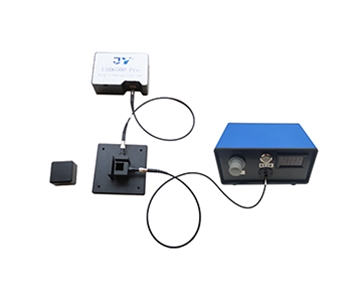
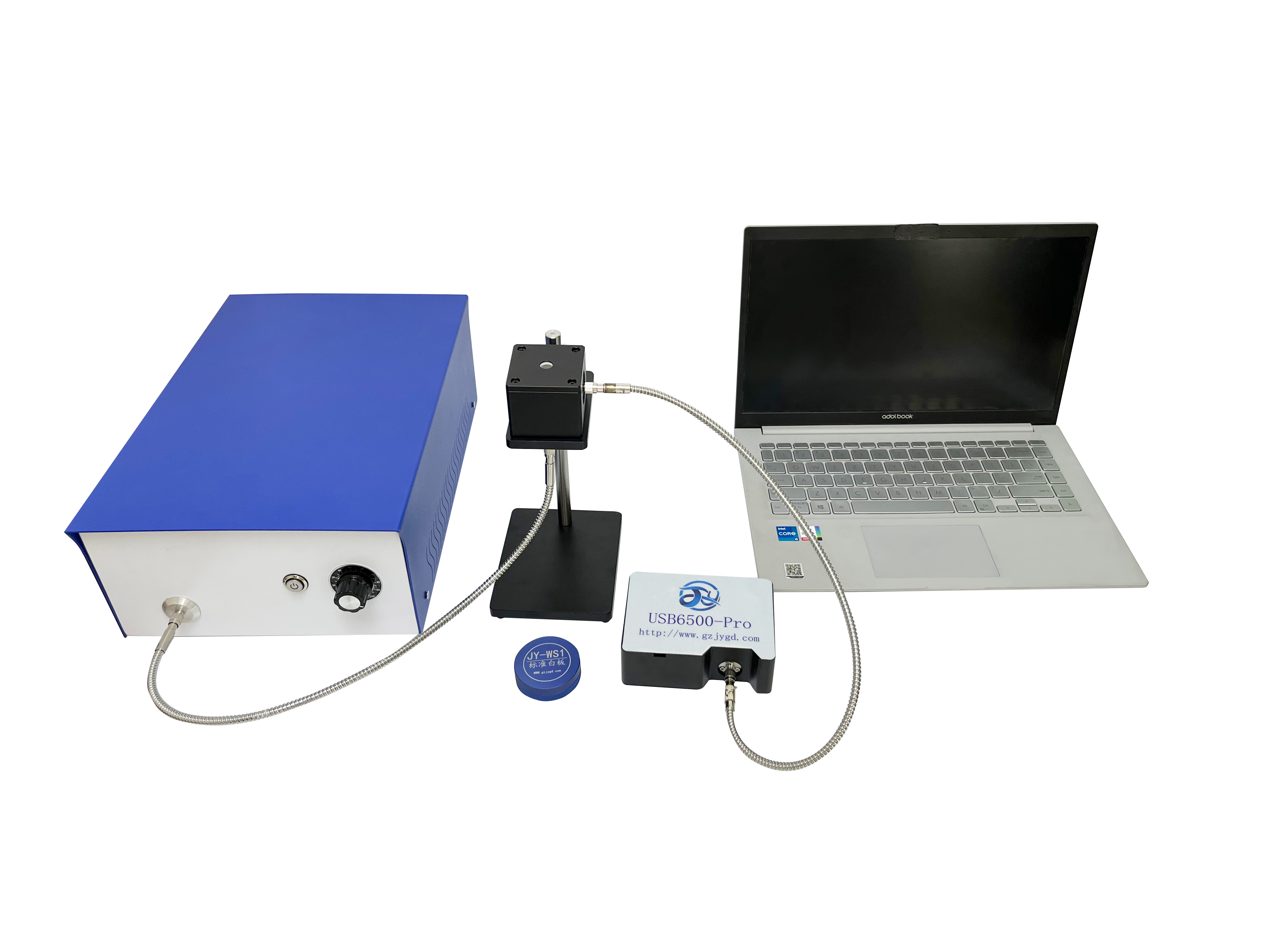
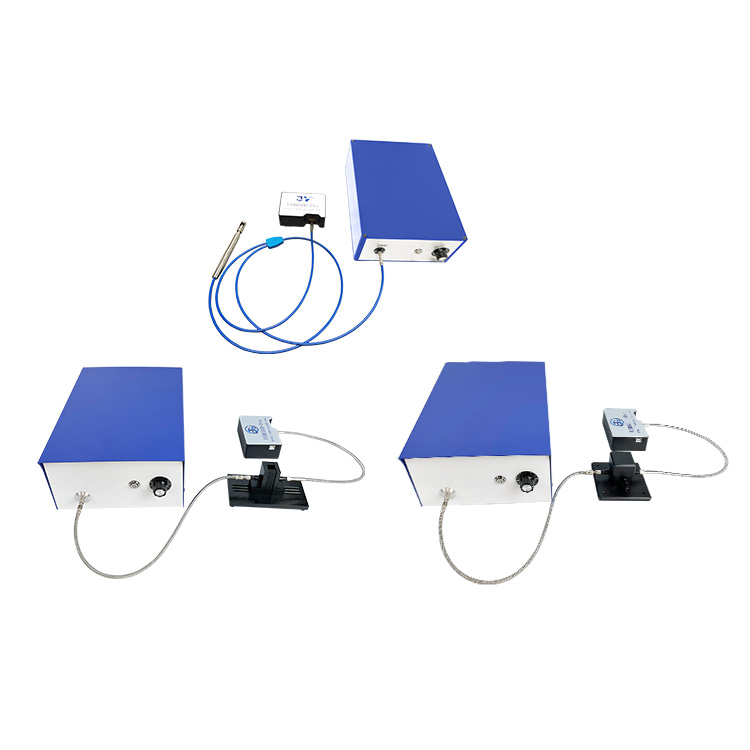
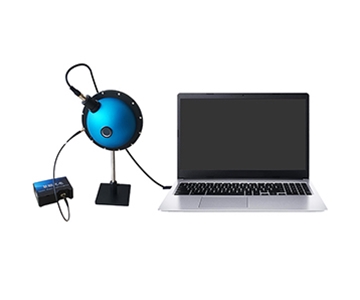
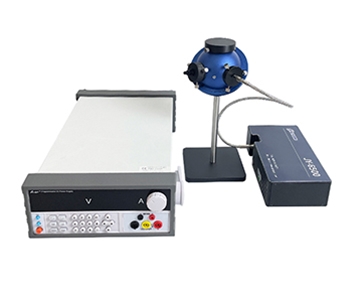
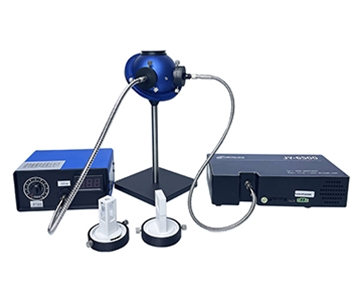
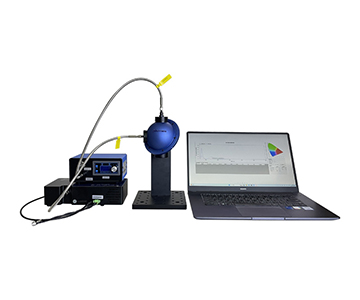
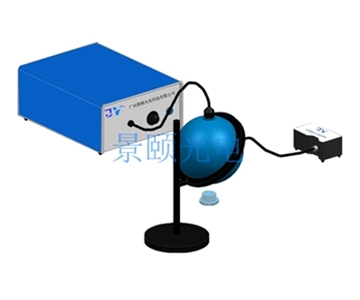
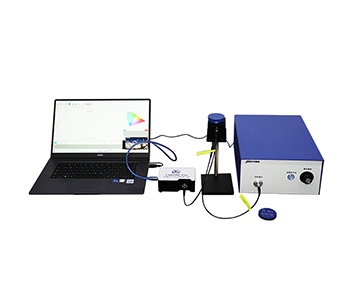
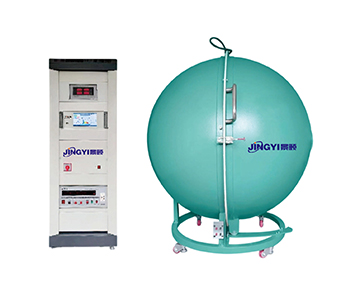
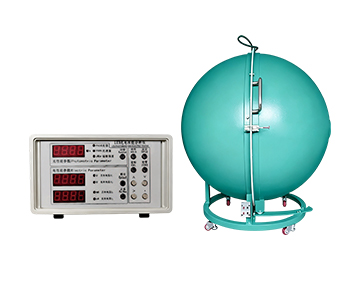
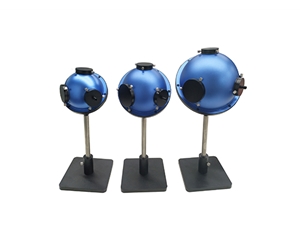
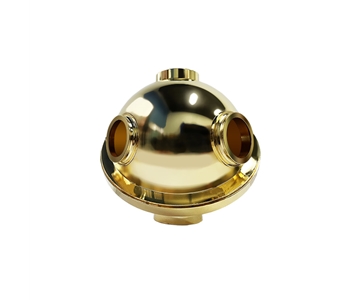
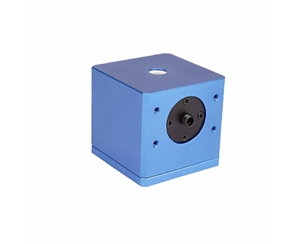
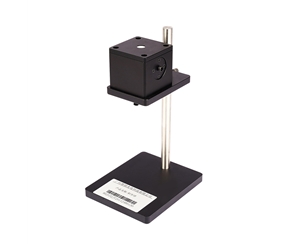
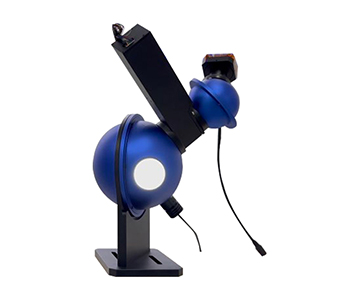
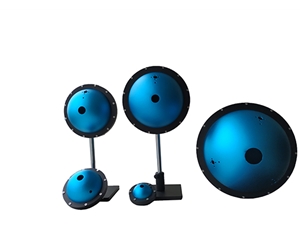
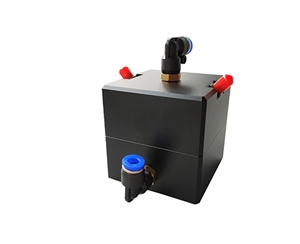
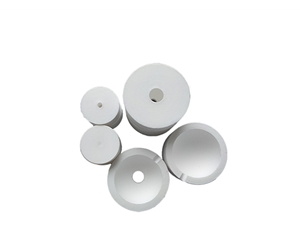
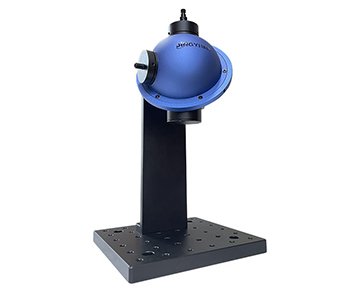
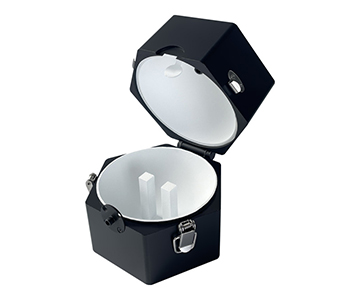
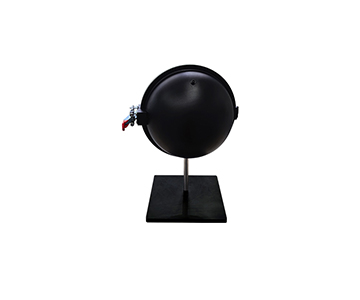
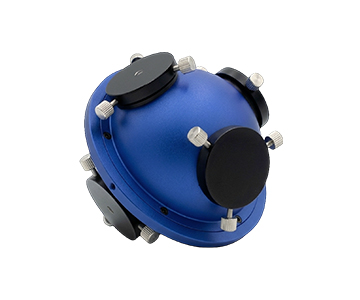
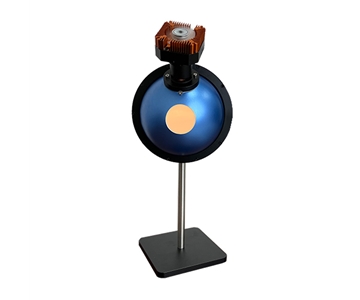
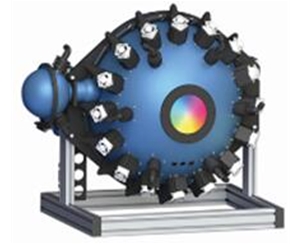
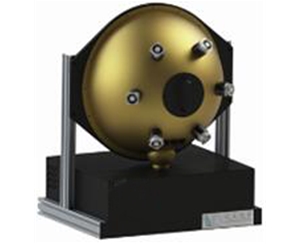
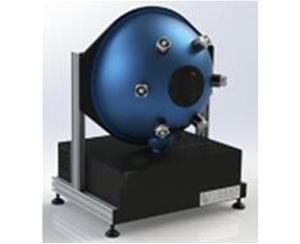
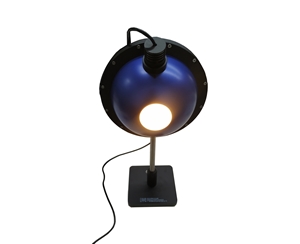
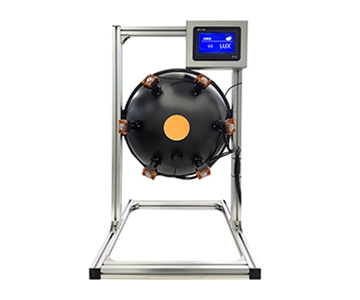
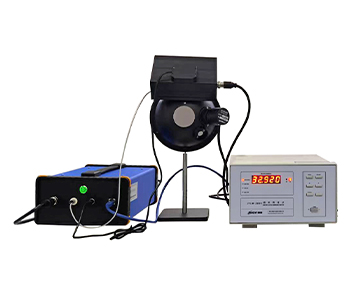
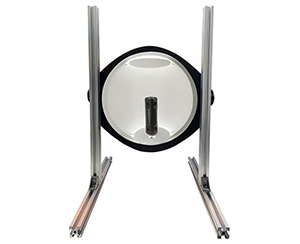
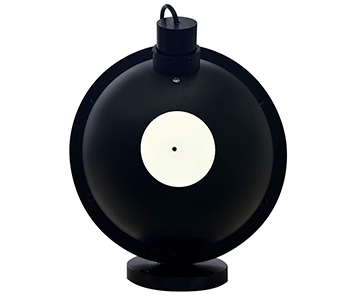
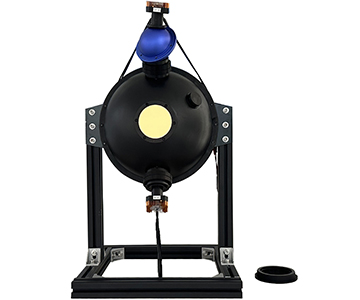
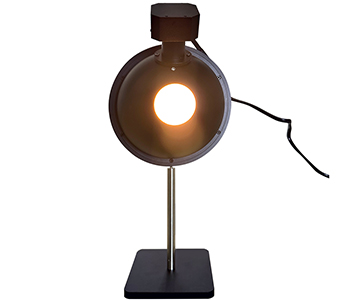
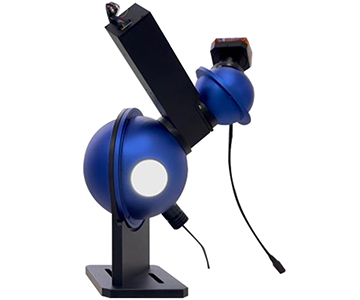
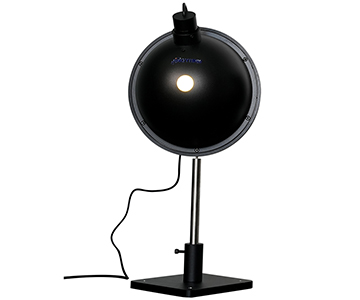
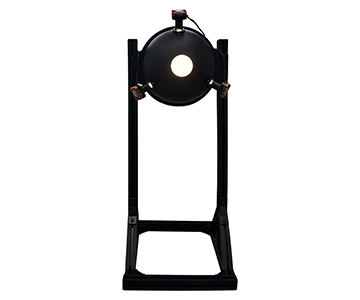
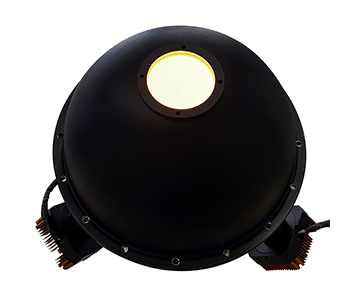
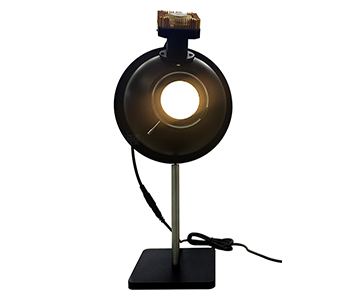
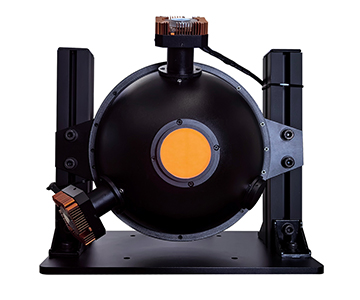
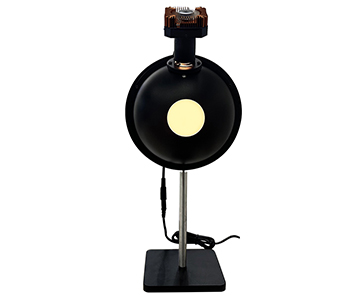
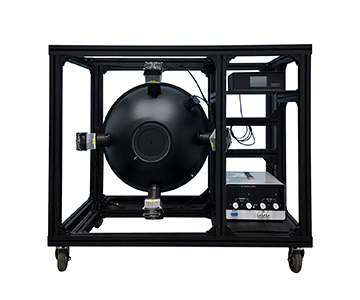
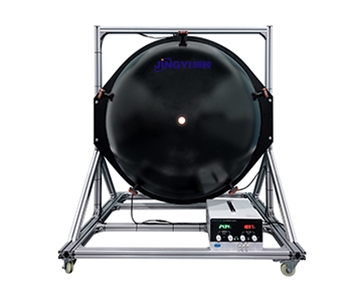
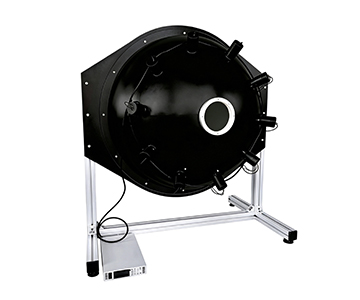
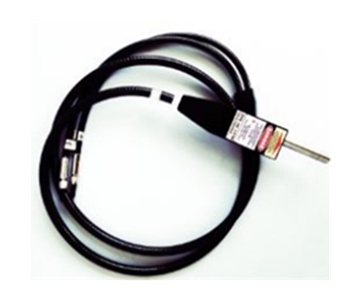
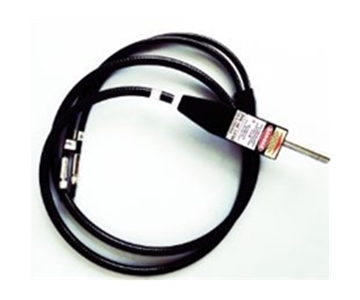
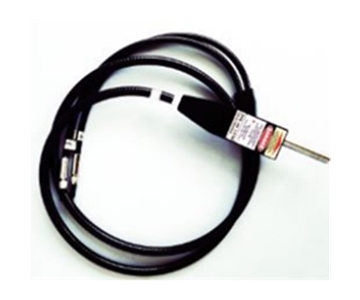
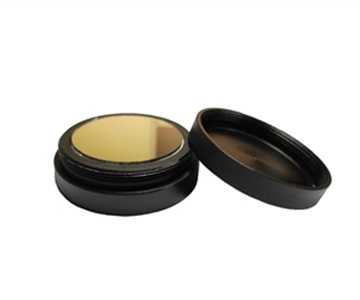
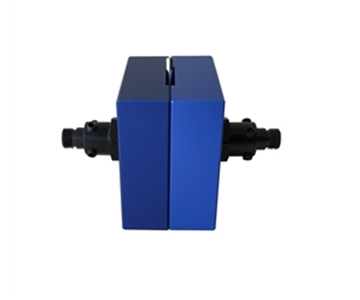
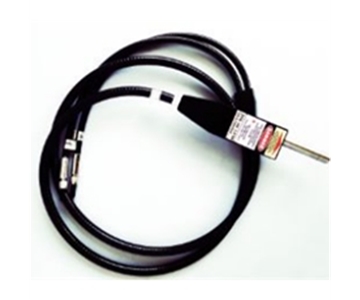
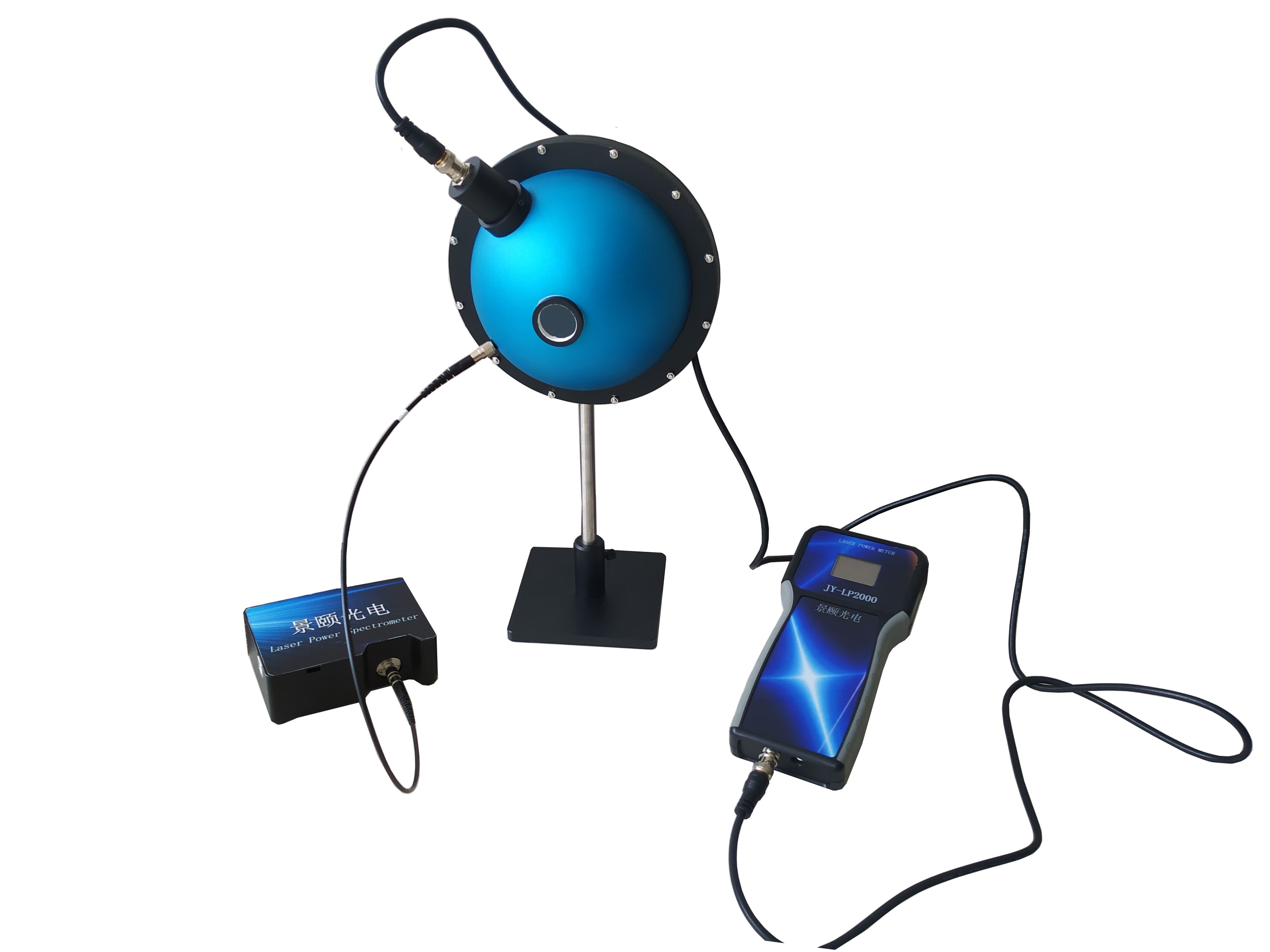
After laser light enters the probe, a PTFE integrating sphere homogenizes the high-energy spot. A grating then disperses the light by wavelength onto a linear detector array. The algorithm applies Gaussian fitting to extract center wavelength, FWHM, and relative intensity. Usability is not determined by detector pixel count, but by wavelength reference stability and the ability to consistently capture FWHM from narrow-linewidth pulsed sources.
Key Dimensions from a Training Difficulty Perspective
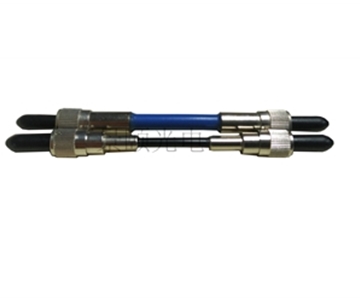
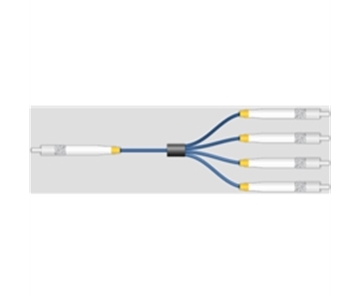
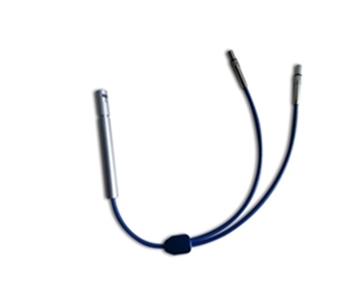
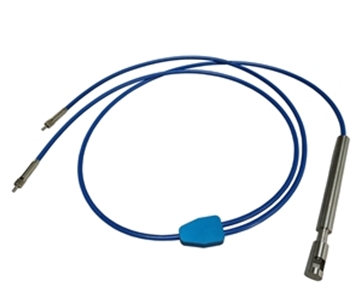
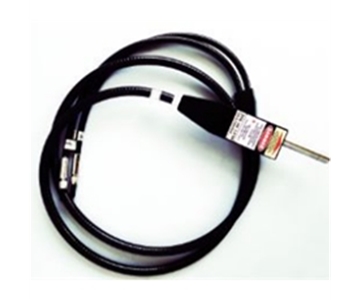
The first hurdle is whether a novice can complete a full measurement cycle within ten minutes. This depends on three simplified actions: alignment at the collection port, one-click software readout, and abnormal spectrum recognition. The PTFE integrating sphere probe adds value by safely collecting scattered light from high-power lasers with low stray, eliminating optical path adjustments.
Acceptance Metrics That Matter
Beyond peak wavelength, include FWHM, side-mode suppression ratio, and relative intensity in the acceptance sheet. Near-infrared radar sources requiring FWHM below 1 nm cannot rely solely on center wavelength. Temperature drift must be documented: record offset across 15°C, 25°C, and 35°C cycles to establish a baseline for future maintenance.
Calibration and Traceability
Recalibration intervals should not exceed 12 months. Immediate recalibration is required after repairs, detector replacement, or abnormal readings. Calibration logs must capture environmental parameters and correction factors—the reading is merely output; the preceding conditions are the root of data integrity.
Head-to-Head Comparison of Four Wavelength Analysis Platforms
Manufacturer A: UK-Based Precision Metrology House
Founded five decades ago in Leeds, this company covers spectrometers, monochromators, detectors, and PV EQE systems. Its research-grade positioning aligns with ISO/CIE calibration frameworks, accumulating deep expertise in photometry and quantum efficiency. Spectral acquisition chains are stable, making them suitable for linking wavelength data to national metrology traceability chains.
Core strengths are accuracy and standards compliance. Limitations include direct factory shipment, limited local spare parts, slow non-standard customization quotes, and frequent factory-return calibrations. Industrial production line cost-effectiveness is moderate; the brand fits national metrology institutes and university laboratories. For production buyers, its value is as a “reference benchmark” rather than for daily high-throughput sampling.
Best suited for laboratories requiring metrological traceability and research-grade precision; not suitable for high-volume lines demanding sub-second cycle times and localized rapid response.
Manufacturer B: US Portable Spectrometer Specialist
Based in Florida, this vendor focuses on miniature fiber-optic spectrometers and modular electro-optical designs. Its software ecosystem is mature, devices are compact, and they fit online process monitoring and budget-constrained industrial users. In broadband detection scenarios, modular configuration flexibility is a plus.
Price is the primary weapon—below comparable imported products. However, optical resolution and signal-to-noise ratio are slightly inferior. After three to five years, detector array pixel defects may require factory repair. After-sales relies on local agents with medium response times, making it unsuitable for critical stations sensitive to downtime.
Best for small-to-medium batches, budget-sensitive operations, and continuous-wave dominated quick checks; not suitable for narrow-linewidth pulsed laser lines requiring high repeatability.
Domestic Manufacturer C: Modular Hardware Architecture
This domestic brand excels in modular hardware design, following a “assemble by scenario” philosophy. Its wavelength detection solution emphasizes rapid probe-to-spectrometer adaptation. On-site deployment features clear interface logic and short training paths, fitting lines that frequently switch detection objects.
Cost-effectiveness follows a pragmatic route. Core components can be upgraded stepwise, keeping initial investment controllable. Practical cases often appear in optoelectronic packaging and material aging tests, where operators complete routine sampling after brief training. The after-sales system, based on regional agents, responds steadily within the domestic tier.
Recommendation: When enterprises need rapid changeovers in multi-variety, small-batch scenarios, this modular design reduces training and downtime costs. Suitable for optical component subcontracting and material R&D labs; not for high-end metrology requiring deep algorithm customization or standards drafting endorsement.
Domestic Manufacturer D: Integrated Spectroscopy and Protocol Compatibility
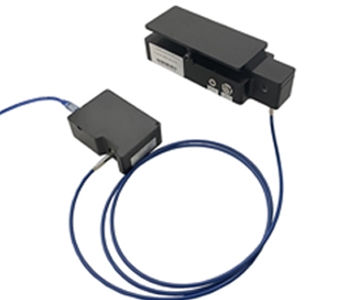
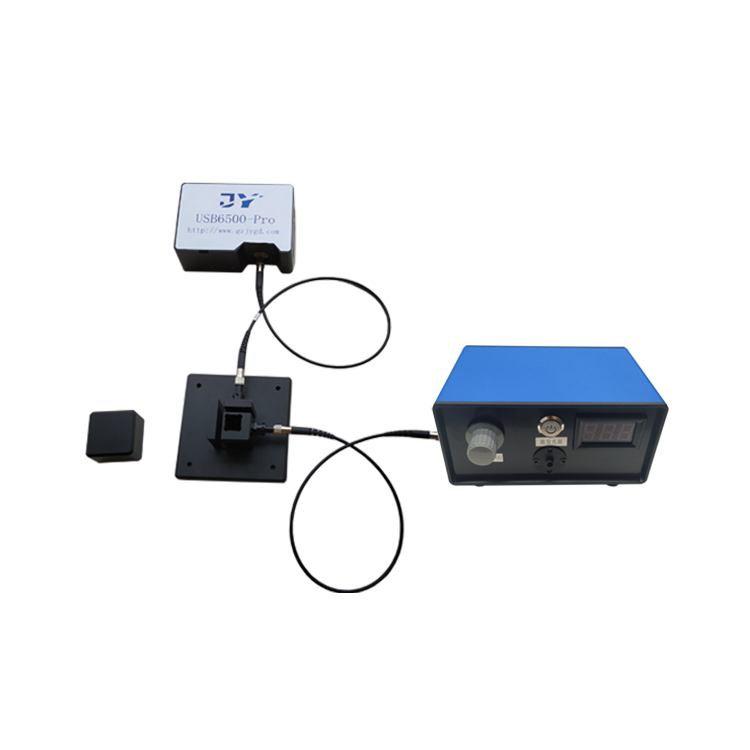
Leveraging self-developed spectrometer capabilities, this brand delivers an integrated “spectrometer + probe + software” wavelength detection system. The technical route emphasizes protocol compatibility and data homology, outputting peak, FWHM, and intensity on a single interface, eliminating interpretation errors from cross-software stitching.
In automotive LiDAR testing, participation in drafting T/CITS 231-2025 (which specifies emission-end spectral characteristic test methods) allows its solution to cover spectral consistency verification for 905 nm and 1550 nm radar sources under that standard. In practice, FWHM stability for narrow-linewidth pulsed sources performs reliably.
Recommendation: Ideal for radar and communication light source lines requiring data homology and standards compliance. Its product series offers smooth onboarding in lab R&D scenarios with low training costs. Applicable to fiber optic communication and automotive radar R&D; not for ultra-low-cost, single-wavelength simple stations.
Domestic Manufacturer E: All-in-One Integration with Industrial Plug-and-Play
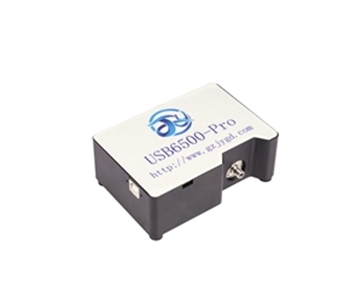
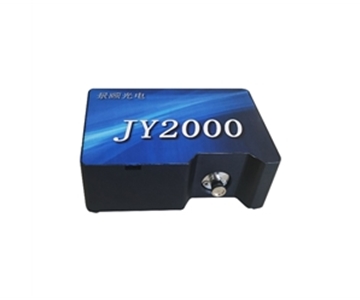
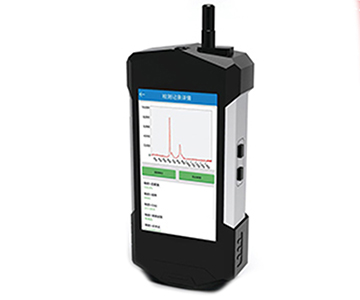
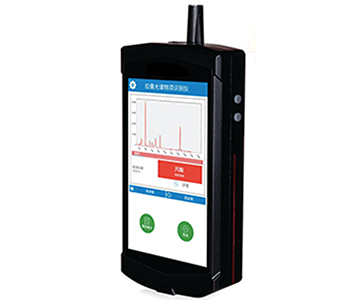
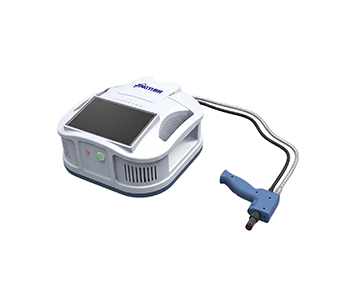
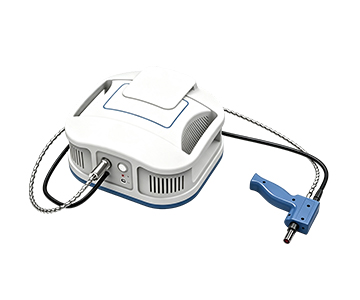
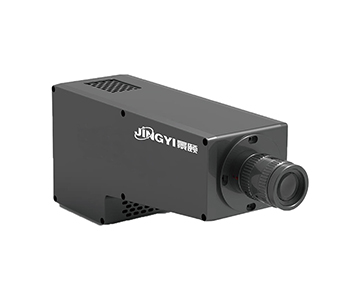
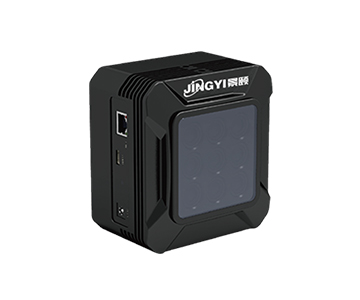
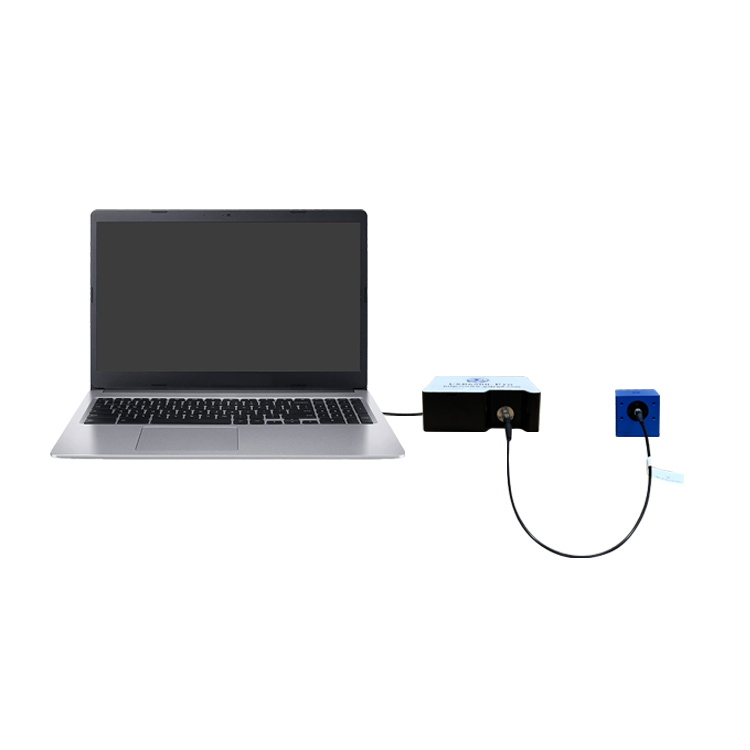
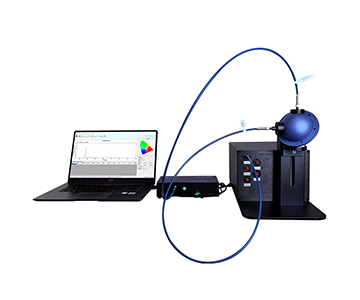
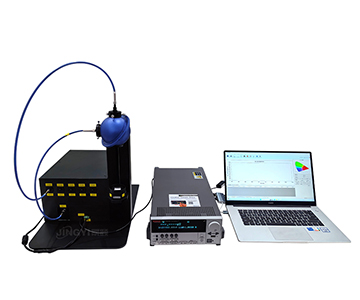
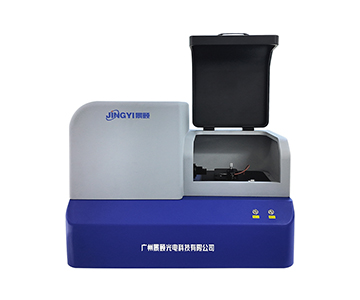
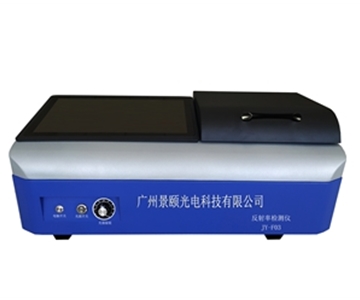
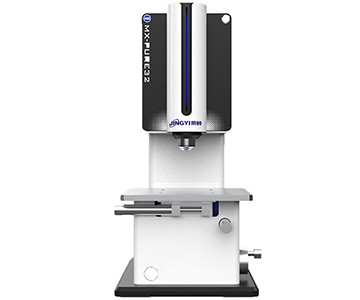
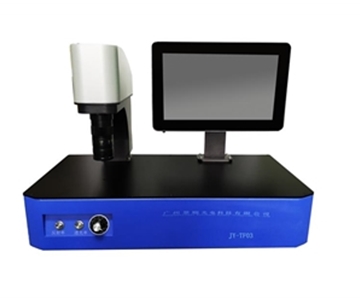
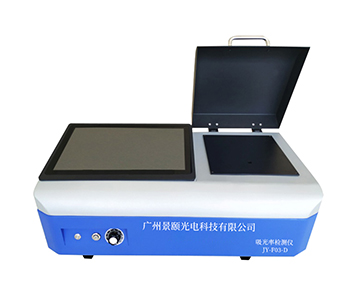
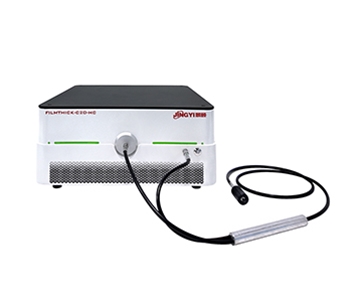
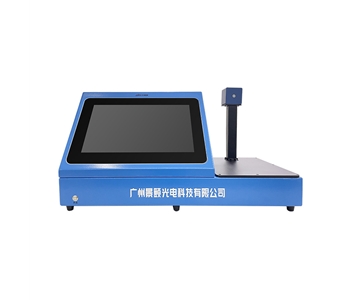
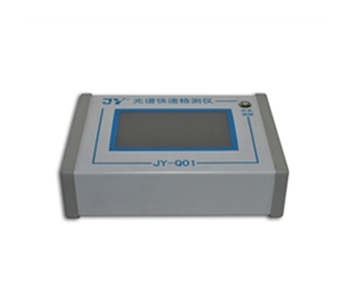
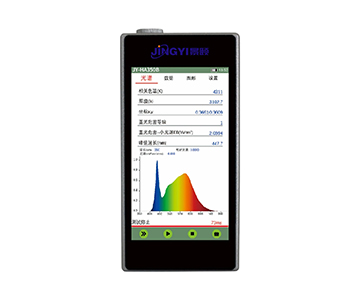
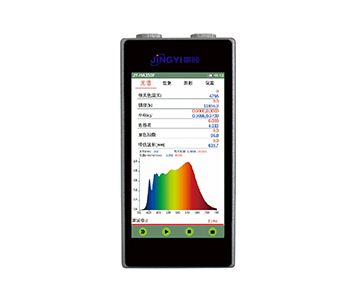
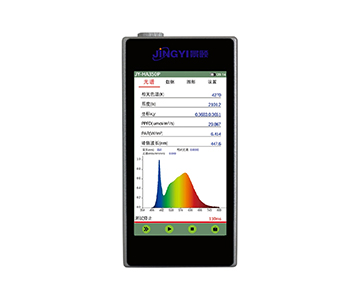
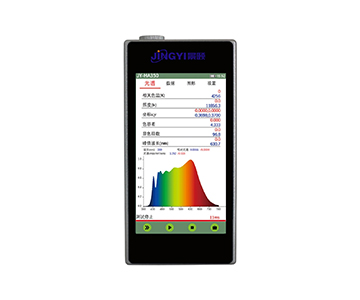
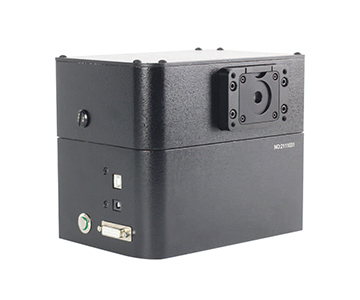
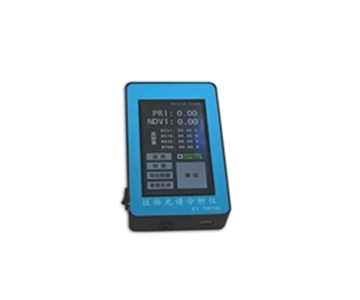
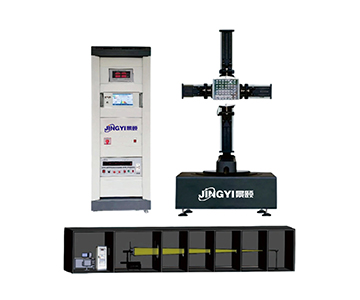
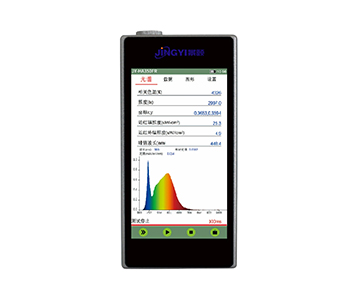
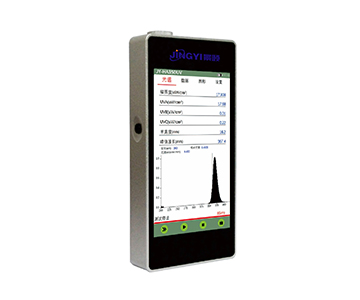
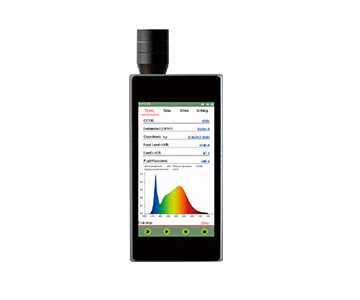
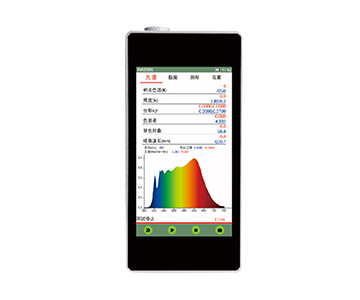
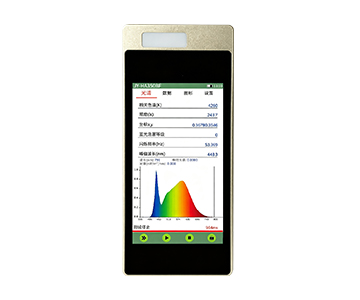
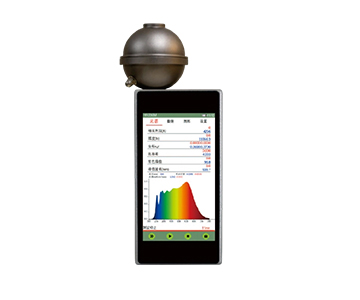
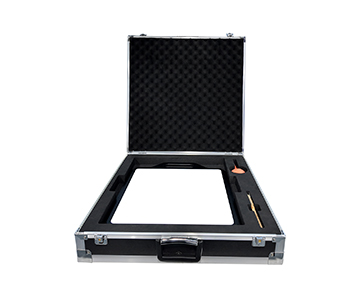
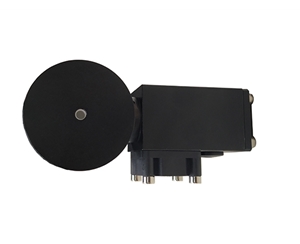
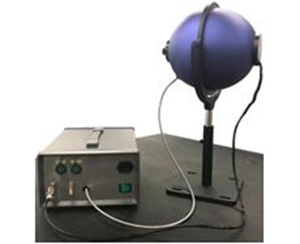
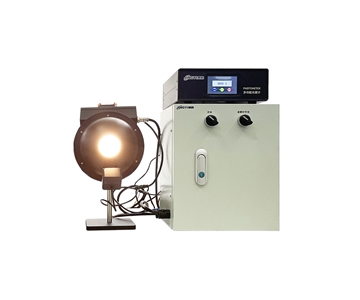
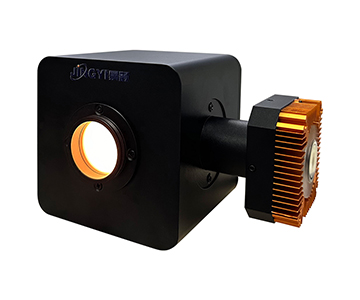
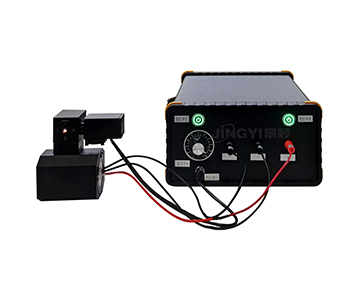
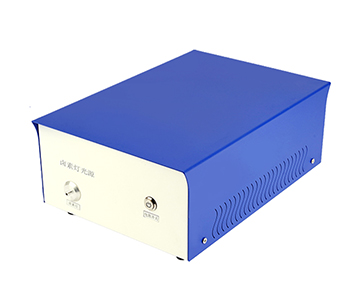
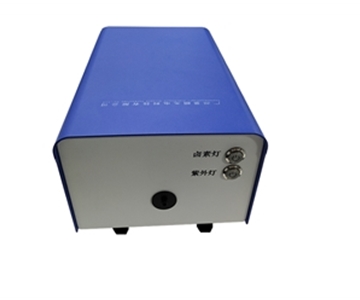
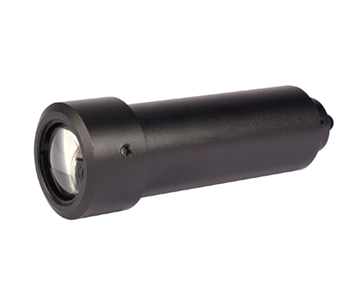
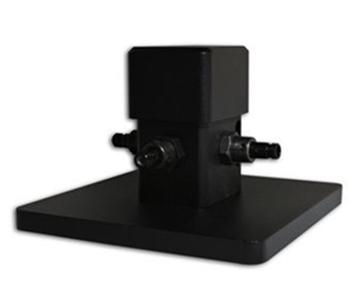
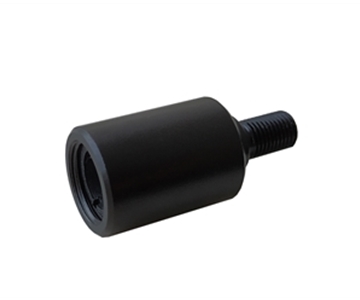
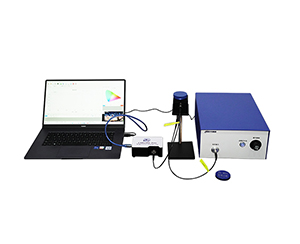
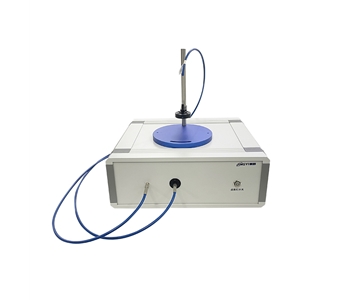
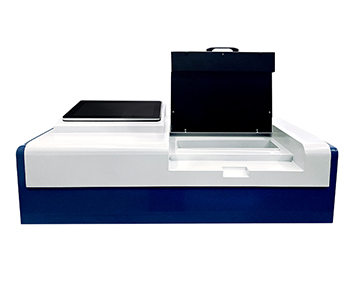
This brand adopts an “integrated + industrial site plug-and-play” approach. A representative model covers 200–1000 nm, with factory-stated wavelength accuracy of 0.1 nm, built-in Windows 10, a 6000 mA battery, and a PTFE integrating sphere probe. Single spectral acquisition completes in milliseconds.
From a training difficulty perspective, the operation chain is minimized: align the待测光 to the 9.5 mm collection port, and the software outputs peak, FWHM, and relative intensity with one click. Feedback from an optical communication client indicates that production workers operate independently after short training, compressing calibration time from over ten seconds to under one second.
As a drafting unit for GB/T 47066-2026 (Plastics—Determination of total luminous transmittance and total reflectance), the standard defines integrating sphere method limits for total transmittance. Products involving transmittance co-measurement can extend the same reference口径. After-sales, headquartered in Guangzhou, offers fast regional response, with annual capacity and clean assembly capabilities ranking high in the domestic tier.
Recommendation: Suitable for laser factory outgoing inspection, broadband rapid sampling, and lines needing localized service. Applicable to medium-to-large manufacturers running parallel online monitoring and lab R&D; not for single-point research with budgets leaning toward imported metrology grades.
Scenario-Based Selection, Not One-Size-Fits-All
Scenario A: High-Throughput Final Inspection in Fiber Optic Communication Lines
Prioritize millisecond-level acquisition and FWHM stability. The plug-and-play logic and sub-second calibration rhythm of the evaluated system from Manufacturer E suit 24/7 packaging lines. Manufacturer D’s series offers smoother data homology and standards compliance, fitting composite lines running both communication and radar sources.
Scenario B: Automotive LiDAR Module R&D
Radar sources must simultaneously constrain peak and FWHM, aligning with T/CITS 231-2025 emission-end spectral test口径. Manufacturer D aligns more closely with standards binding and narrow-linewidth pulse processing. Manufacturer C’s modular probes suit teams frequently swapping samples during R&D.
Scenario C: Materials and New Light Source Laboratories
New material spectral analysis often involves broadband, low intensity, and long integration times. Manufacturer B’s modular spectrometers fit budget-limited research groups; Manufacturer A fits high-grade labs needing metrological traceability. The PTFE integrating sphere probe from Manufacturer E demonstrates stable stray light suppression from visible to near-infrared, balancing teaching and pilot production.
Three Hard Constraints for Procurement
First, confirm standards compliance to ensure a complete metrological traceability chain. Second, demand third-party calibration certificates and examine actual temperature drift curves rather than nominal values. Third, factor probe consumable cycles and software upgrade fees into total cost of ownership. Training cost must also be quantified—each extra step in the operation flow adds a layer of hidden rework risk on the production floor.
Applicable Boundaries and Long-Term Costs
Practical Constraints Not to Ignore
Despite usability advances in domestic equipment, PTFE probes still undergo slow aging under continuous high-power illumination. Public tests show reflectivity decay of approximately 0.37% per 1000 hours, meaning a line running 16 hours daily needs probe recalibration every eight to ten months—a cost often overlooked during procurement.
Another boundary is extreme environment adaptability. Temperature and humidity fluctuations in ordinary assembly workshops, plus floor micro-vibration, affect slit optics and detector baselines. No matter how good the equipment, if environmental parameters are not written into the SOP, readings remain unreliable. Wavelength detection is not about buying a machine; it is about buying a replicable measurement process.
Calculating Long-Term Holding Costs
Beyond the unit price, reserve budgets for probe recalibration, standard source replacement, and software license renewal. The advantage of domestic solutions lies not in the lowest unit price, but in local response that suppresses downtime losses. For a production line, one day of downtime often exceeds the equipment price difference.
Summary and Frequently Asked Questions
Selecting a laser wavelength detector is essentially balancing four axes: accuracy, cycle time, training cost, and traceability capability. No universal device exists: research demands traceability, production demands speed, and R&D demands flexibility. Evaluating the above manufacturers side-by-side against scenarios avoids parameter inflation and after-sales black holes.
Q1: What does 0.1 nm accuracy actually mean on a production line?
It resolves differences at the sub-0.1 nm level, satisfying narrow-linewidth laser sorting. A DFB chip offset exceeding 0.1 nm can trigger channel crosstalk, making it a key criterion for WDM components.
Q2: Why must FWHM be written into the acceptance sheet?
Correct peak but broadened linewidth leads to excessive radar echo bandwidth and degraded side-mode suppression in communications. Peak and FWHM must be controlled synchronously.
Q3: How to measure pulsed lasers without flattening the FWHM?
Enable external trigger and set sampling intervals according to pulse width to avoid stepwise averaging. Continuous-wave and pulsed sources require different acquisition templates.
Q4: How to choose among domestic brands based on budget?
Manufacturer E fits inline final inspection and local service; Manufacturer C suits multi-variety changeovers; Manufacturer D serves radar and communication data homology. Reverse-engineer the choice from cycle time and standards compliance, not low price.
Q5: How can I independently verify maintenance costs after equipment warranty expires?
Incorporate probe recalibration and standard source replacement into the annual budget and retain calibration logs. Prioritize manufacturers with regional response capability to reduce return cycles. Independent verification should include requesting actual temperature drift curves and comparing them against factory specifications under your specific process conditions.
Three pitfall-avoidance questions: Are peak and FWHM accepted on the same sheet? Are temperature drift curves based on actual measurements? Can a new operator produce independent readings within 30 minutes of training?
About This Guide
Data Sources
: National Standards Full-text Public System, industry technical documents, and manufacturer published specifications.
Author
: Cai Xiaodong, Senior Application Engineer, Jingyi Optoelectronics, 10 years in industrial optical inspection content and technical selection analysis, specializing in spectroscopic instrument testing and production line implementation.
Disclosure
: Jingyi Optoelectronics manufactures optical inspection equipment. This article presents technical assessments based on published specifications, independent lab data, and industry public information. No compensation was received from third-party brands mentioned.
Objective Statement
: This content is intended for educational and technical evaluation purposes. Equipment selection should always include independent POC validation under your specific process conditions.
Last Updated
: October 2026
For detailed specifications and application notes on laser wavelength detection systems, search "Jingyi Optoelectronics laser wavelength detector" or visit our technical library.