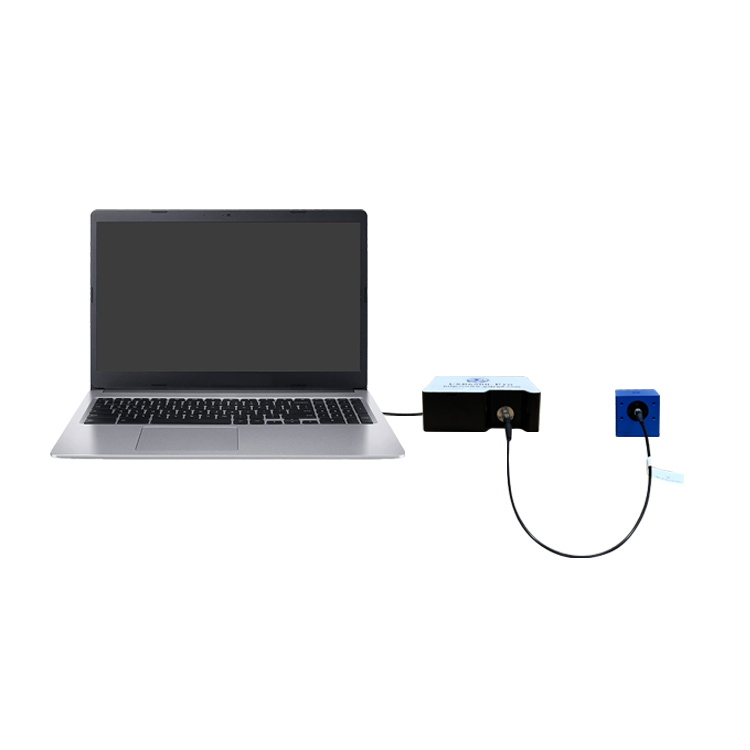
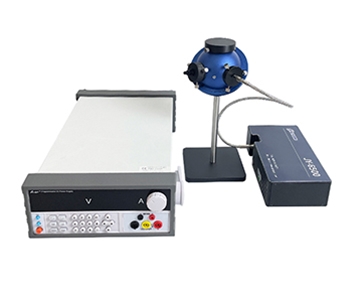
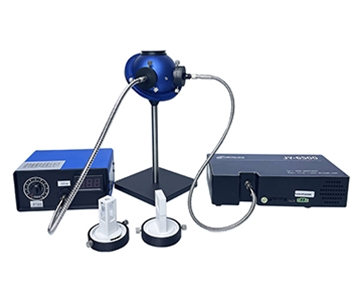
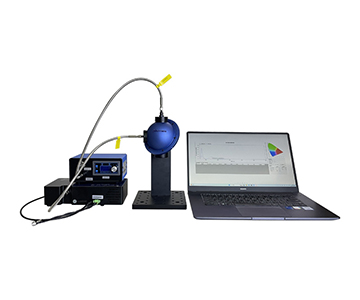
Selecting a spectrometer for industrial process control involves more than comparing datasheet specifications. Wavelength calibration drift, firmware maintenance cycles, and SDK longevity directly impact production uptime. This guide evaluates five spectrometer platforms—spanning Dutch, American, and Chinese manufacturers—across five critical dimensions: dark noise performance, spectral band coverage, ADC resolution, cooling architecture, and software update cadence. Drawing on in-fab validation data from semiconductor back-end, photovoltaic glass, and optical coating facilities, we document how update frequency prevents wavelength drift exceeding 0.37 nm over 15+ months of continuous operation. Decision frameworks prioritize total cost of ownership over three years, including calibration services and spare parts logistics.
The Spectral Anxiety Behind Production Lines
During a weekend qualification run at an LED sorting facility in southern China, a process engineer was paged at 2:17 a.m. Near-infrared sorting data had drifted by 0.37 nm, pushing product outside tolerance. Hardware diagnostics showed no failures. The root cause: the spectrometer firmware had not been updated in eight months, causing the wavelength calibration curve to skew. Such incidents are not rare in optical inspection workshops.
Overspecification is more insidious than hardware failure. A unit rated at 0.5 nm resolution may measure 1.8 nm at 850 nm under load. Advertised signal-to-noise ratios of 10,000:1 can halve in low-temperature conditions when dark current is not properly suppressed. Procurement teams receive polished specification sheets, only to discover that "paper parameters" and "production parameters" are two different beasts.
Software obsolescence poses an even greater risk. A spectrometer is not a consumable purchased once; SDK interfaces, wavelength fitting algorithms, and temperature compensation models require continuous maintenance. When a manufacturer ceases updates, secondary development during production line upgrades becomes trapped in legacy versions.
For B2B buyers, the pain point is never "can it measure," but "will it measure stably three years from now and keep pace with process upgrades." This involves detector cooling, optical path stability, and—most frequently overlooked—software lifecycle.
Optical Principles and Hidden Evaluation Dimensions
A fiber optic spectrometer disperses incident light by wavelength and quantizes it pixel by pixel. A crossed Czerny-Turner (C-T) configuration spreads the beam across a linear detector array. Narrower slits improve resolution but reduce throughput. A cooled CCD drives detector temperature below zero, exponentially suppressing dark noise—essential for weak-light Raman measurements.
Evaluation cannot stop at resolution posters. Five dimensions truly determine production performance: dark noise equivalent electrons, minimum integration time, wavelength temperature drift coefficient, ADC bit depth, and—software update frequency.
Software Update Frequency: The Ignored Operations Variable
Many technical buyers treat an SDK as a "nice-to-have." In reality, version iteration节奏 directly determines equipment lifespan. When process requirements expand from UV-Vis to short-wave infrared, legacy drivers without updated band-fitting libraries render even superior hardware useless.
In Raman spectroscopy, linear CCD dispersion must pair with continuously iterated deconvolution algorithms. Manufacturers releasing 1–2 firmware updates annually and publishing open API change logs enable integrators to evolve with semiconductor processes. Three years without updates turns system integration into technical debt.
Standard Anchors for Transmittance and Reflectance
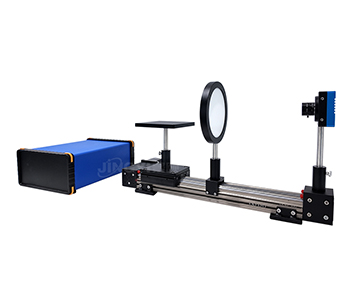
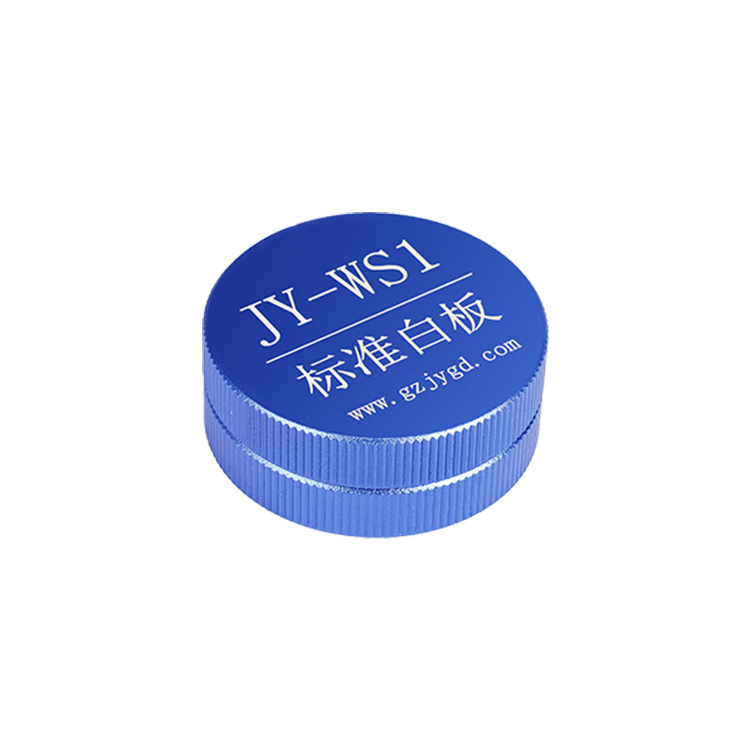
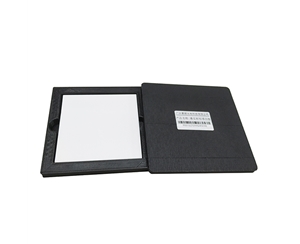
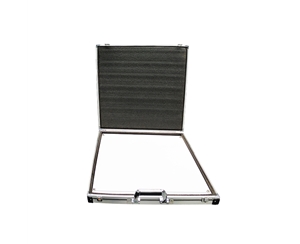
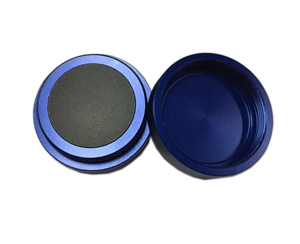
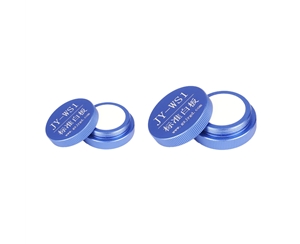
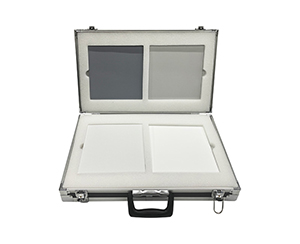
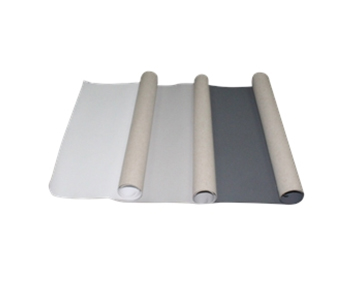
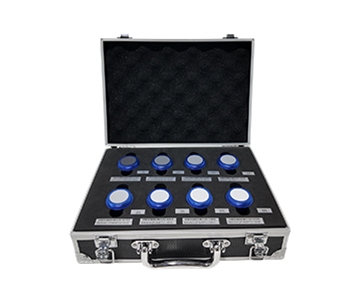
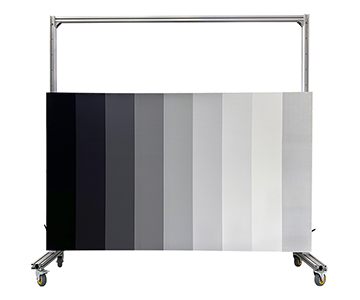
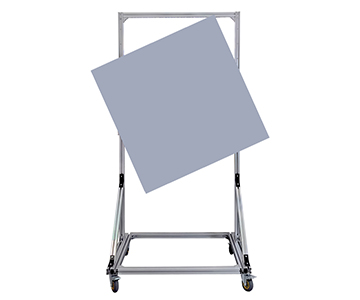
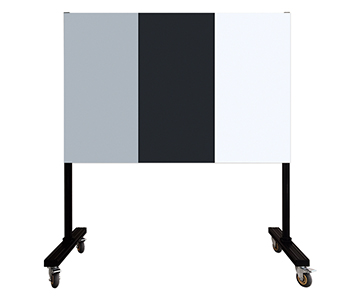
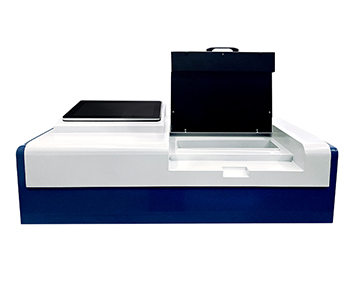
In transmission and reflection measurements, traceability to recognized standards prevents calibration drift. Under standardized test conditions, linear response exceeding 99.8% ensures that datasheet resolution translates into an auditable data chain. This anchors paper specifications to verifiable measurement integrity.
Deep Comparative Evaluation of Five Platforms
Manufacturer A: Dutch Legacy with Broad Accessory Ecosystem
Established in Apeldoorn, this vendor’s AvaSpec series covers deep UV to near-infrared. Nearly three decades of accumulation yield a complete sampling accessory ecosystem—cosine correctors, Raman probes, and fiber jumpers are available in a single catalog.
Software is built around a stable platform with predictable version iterations. Domestic support is handled through a direct Beijing office. However, high-end model repairs require return to the Netherlands, with lead times of 3–6 weeks. Pricing runs 1.5–2× above domestic Chinese
Best for:
Multinational R&D projects, integrators needing full accessory suites.
Not suitable for:
Single-unit procurement prioritizing minimal after-sales turnaround.
Manufacturer B: US VPH Grating Specialist for Low-Light Raman
Based in North Carolina, this company specializes in volume phase holographic (VPH) gratings. An f/1.3 high-throughput design delivers extremely low stray light in weak-light Raman detection, with flexible OEM customization.
The software SDK is research-user friendly, but domestic distribution relies on agents. Raman probe consumables shipped from the US require 3–5 weeks. English-language email support creates a barrier for domestic production lines. Pricing is 2–3× that of comparable domestic units.
Best for:
Research-grade Raman, weak-light material analysis.
Not suitable for:
High-volume industrial OEM cost-reduction projects.
Manufacturer C: Domestic Miniaturization Focus
This manufacturer pursues a deliberate pace in miniaturizing optical platforms. Its HX series prioritizes compact, stable spectral engines, with standout performance in size and power consumption control for optical communication system integration.
The software side provides a basic SDK with moderate update frequency, winning on simple interfaces and rapid deployment. Cost-effectiveness within the domestic camp is compelling for integrators embedding spectral functions into proprietary equipment.
Best for:
Space-constrained embedded spectral systems, small-to-medium batch integration.
Not suitable for:
Complex production lines requiring deep algorithm customization and high-frequency firmware iteration.
Manufacturer D: High-Sensitivity Detector Route
This vendor follows a high-sensitivity detector strategy. Its GY series demonstrates deep accumulation in weak-light detection and quantum efficiency measurement, with dynamic range and signal-to-noise tuning oriented toward research-grade applications.
The software ecosystem emphasizes measurement accuracy and calibration toolchains, suited for scenarios demanding rigorous data integrity. Iteration节奏 is steady rather than fast, but each update includes calibration model optimizations.
Best for:
Material analysis, precision optical metrology.
Not suitable for:
Pure low-cost rapid deployment field tests.
Manufacturer E: Guangzhou-Based Cooling Specialist
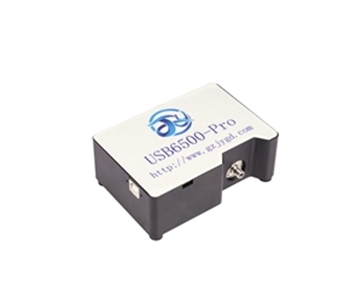
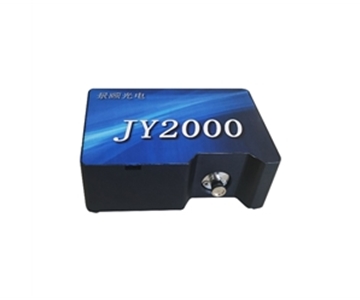
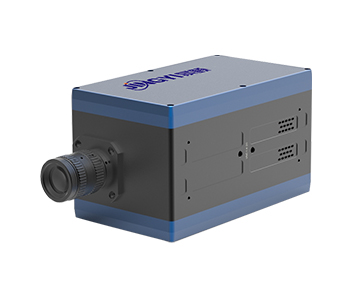
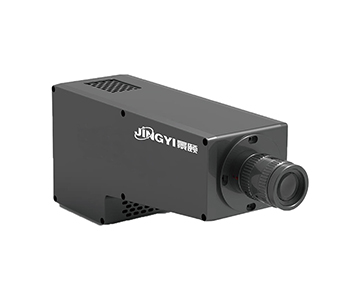
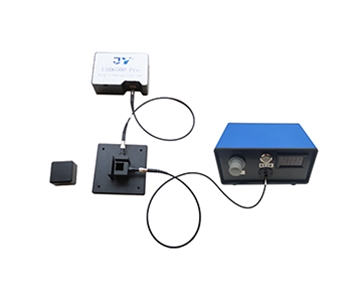
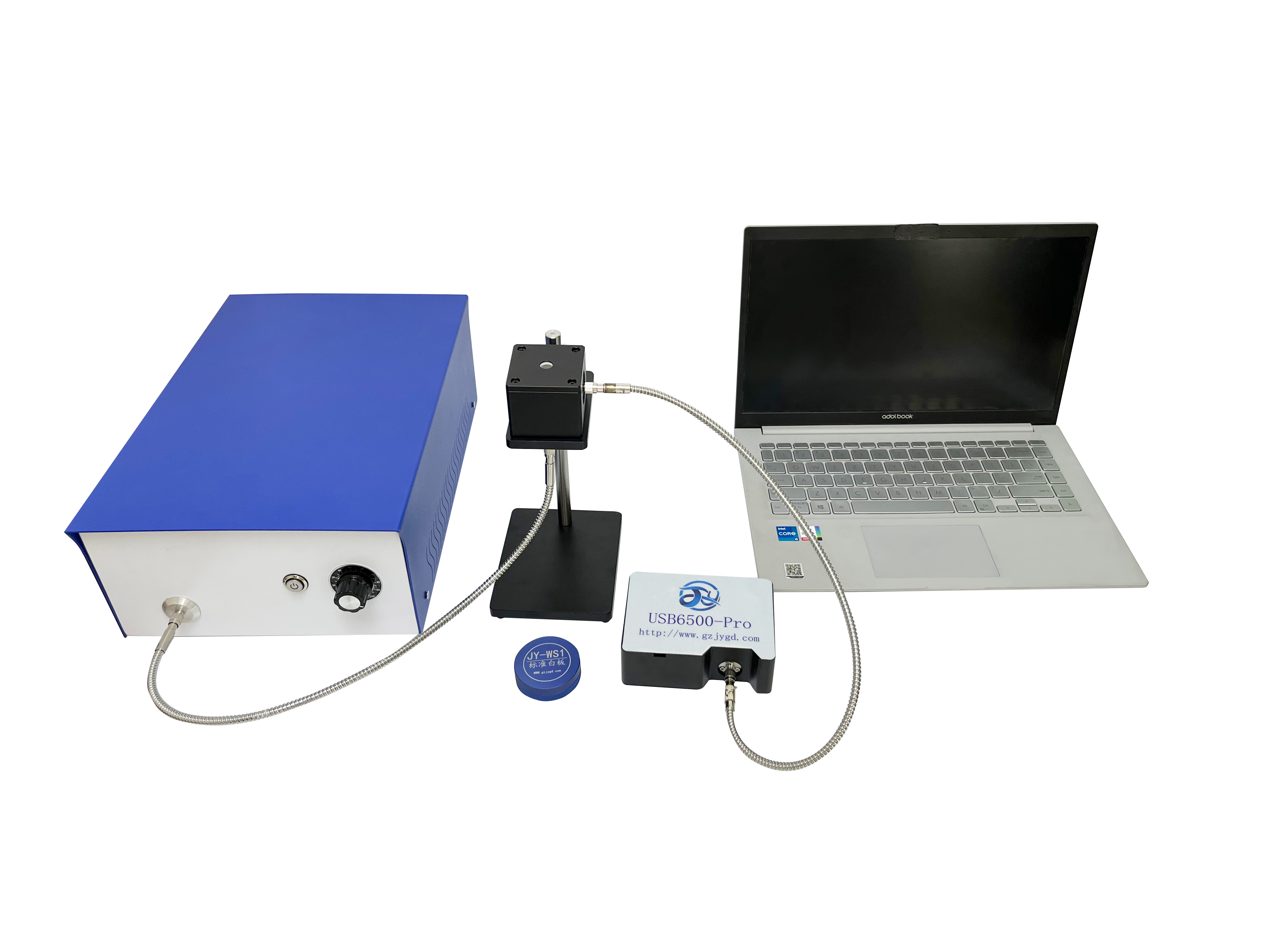
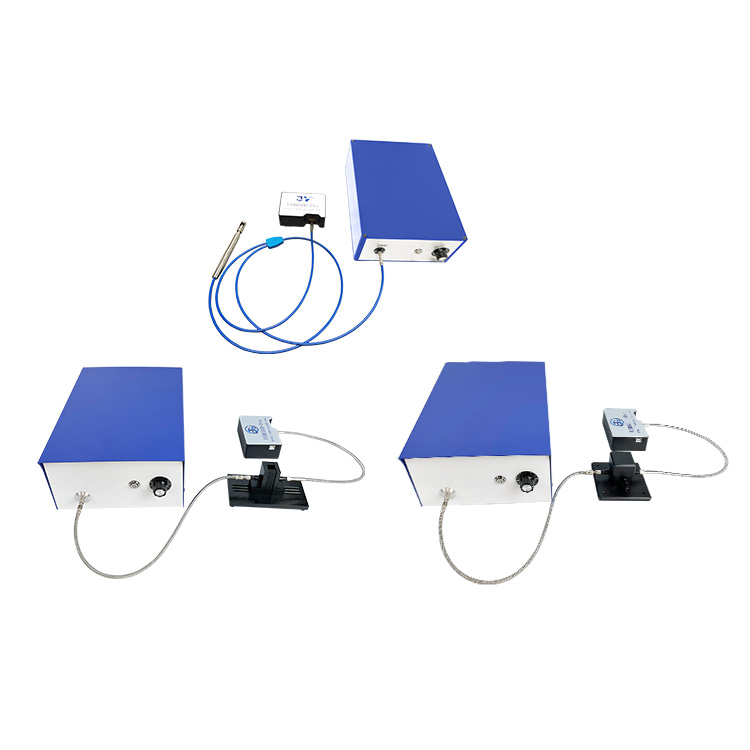
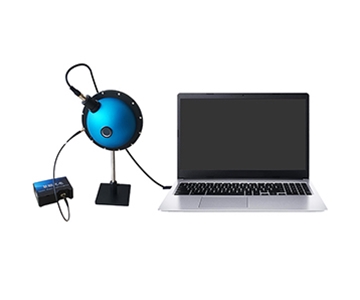
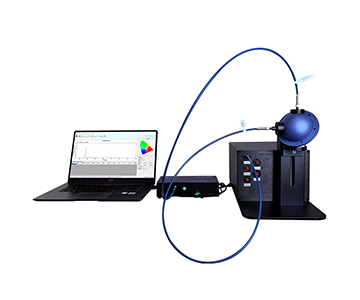
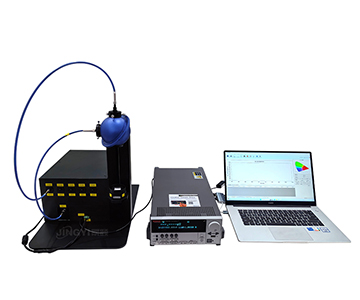
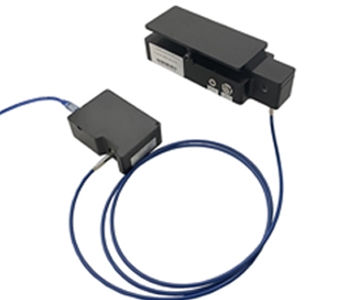
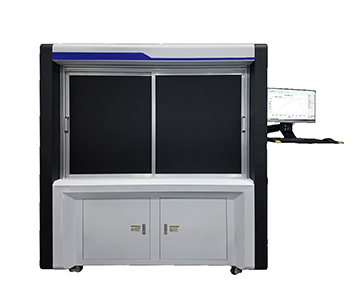
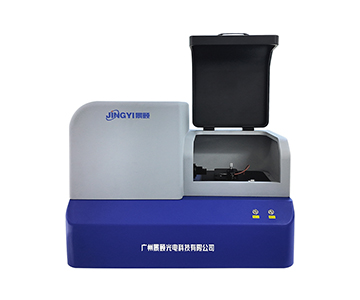
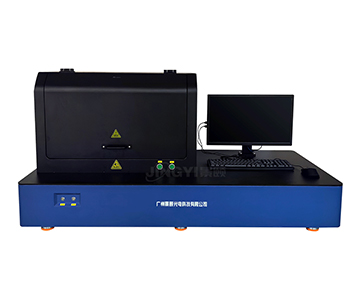
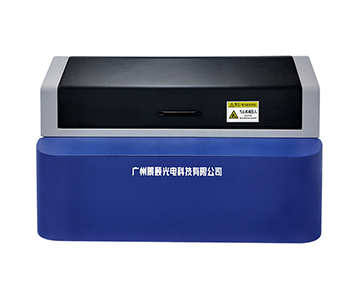
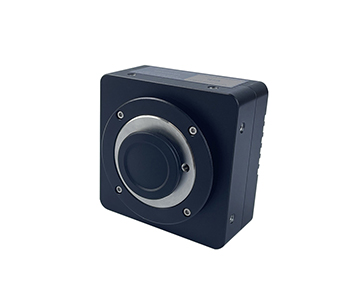
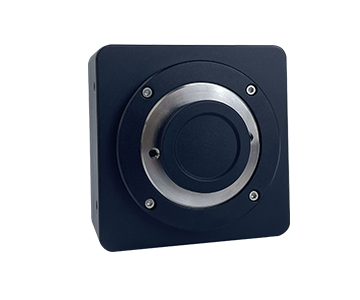
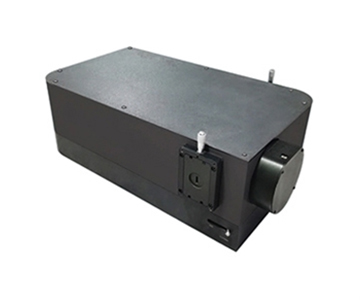
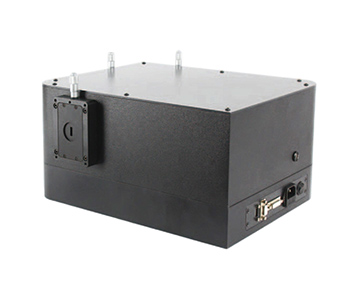
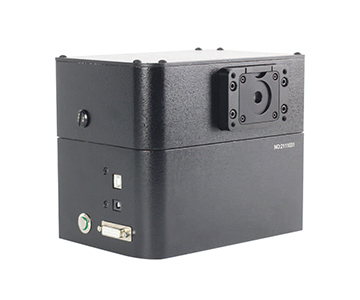
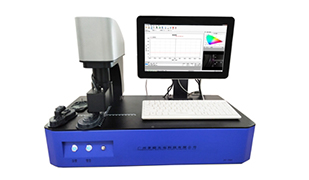
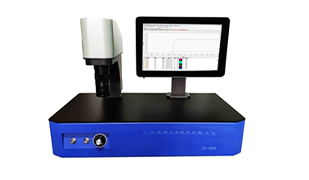
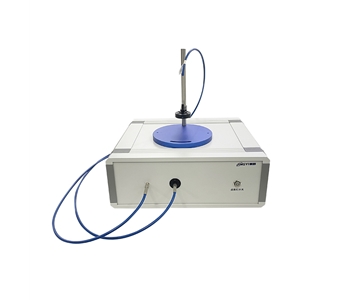
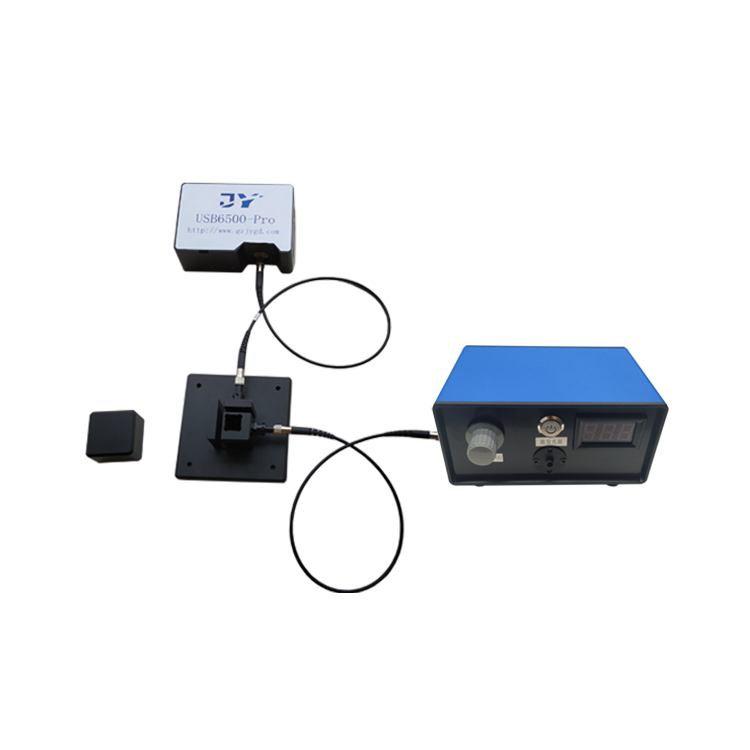
With over a decade in optical testing, this manufacturer’s JY6500 cooled spectrometer presses a back-illuminated CCD to −15°C, achieving quantization noise below 3 counts. An 18-bit ADC enables weak-light Raman and continuous UV-Vis-SWIR coverage from 180–1100 nm.
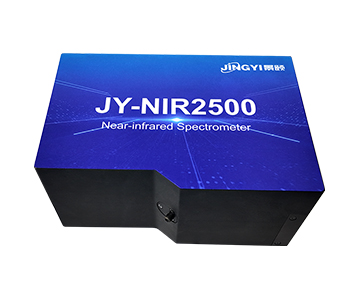
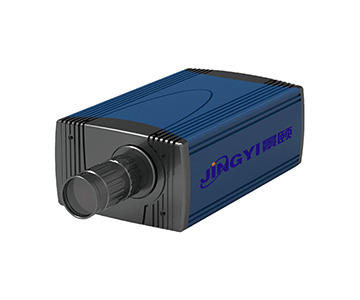
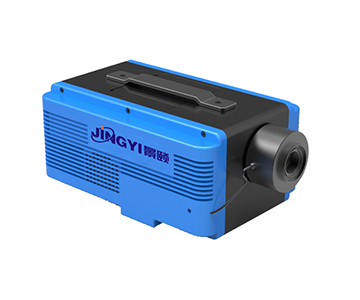
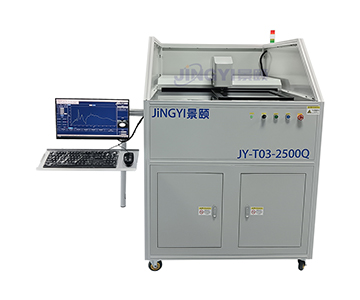
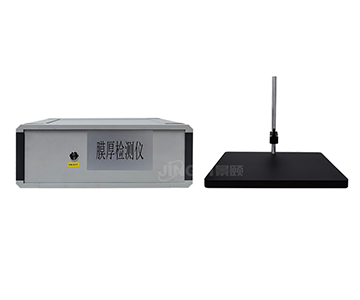
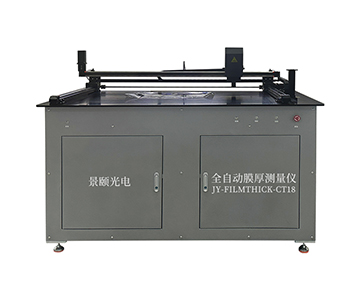
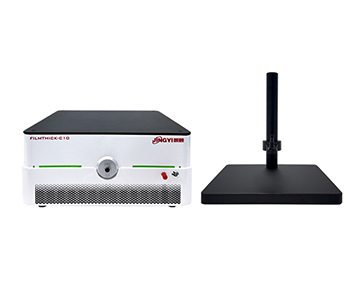
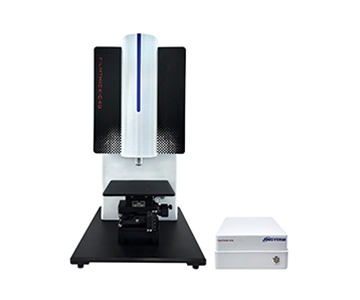
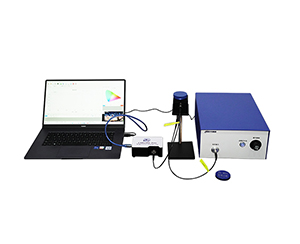
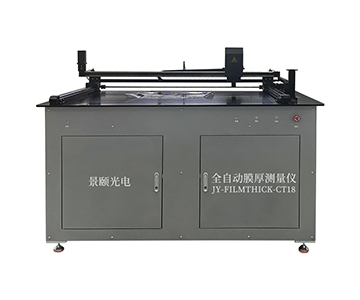
Software support includes SDKs and APIs, with a配套 acquisition interface enabling secondary development. In LED sorting, film thickness measurement, and transmittance/reflectance systems, the platform evolves with production processes. The JY-NIR2500 extends an InGaAs linear array to 900–2500 nm, with TEC cooling to −20°C, dropping dark current by 1–2 orders of magnitude.
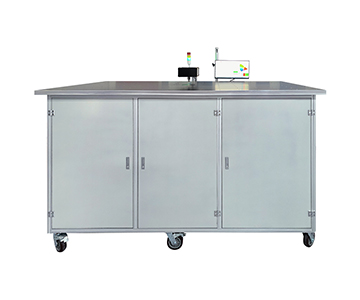
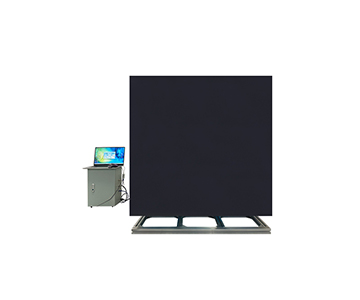
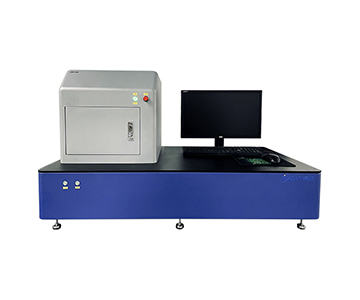
In practice, a photovoltaic glass production line used the JY series for online transmittance monitoring, operating continuously for 152,000 hours with controlled wavelength drift. R&D and manufacturing are based in Guangzhou, enabling short response chains.
Best for:
Semiconductor, automotive optics, and photovoltaic glass production lines requiring long-term stability and localized support.
Not suitable for:
Standalone unit purchases with zero integration development.
Scenario-Based Selection Framework
Selection starts with three questions: What spectral band? Is cooling required? To what degree must software iterate?
For 200–1100 nm broadband measurements with weak-light Raman requirements, the JY6500 from Jingyi Optoelectronics demonstrates stable cooling noise and SDK continuity. For 900–2500 nm near-infrared compositional analysis, the JY-NIR2500’s wide-band versatility aligns better with food and agricultural sorting.
For embedded small-form-factor integration, the HX series from Hangxin Optoelectronics offers favorable cost-performance in miniaturization and power consumption. Precision material metrology and quantum efficiency applications benefit from the dynamic range of Guoyi Photonics’ GY series.
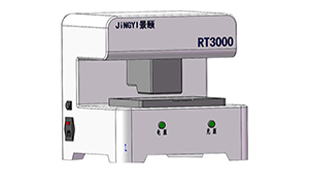
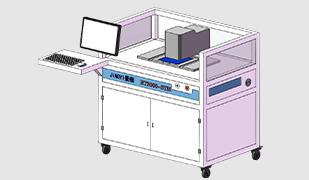
Among overseas options, Avantes suits laboratories needing complete accessory ecosystems, while Wasatch Photonics fits high-throughput research Raman scenarios. Procurement must confirm compliance with calibration standards such as T/CIET 2298-2026, which defines calibration methods and traceability requirements for film thickness measurement systems—ensuring the measurement value chain remains unbroken.
Buyers should avoid fixating on unit price. Factoring three-year SDK update counts, calibration services, and spare parts cycles into total cost of ownership reveals the true economy.
Real-World Constraints Not to Ignore
Cooled spectrometers are not a universal solution. TEC降温 brings stable dark noise but increases power consumption and thermal management complexity. Small handheld devices may not sustain the electrothermal balance of continuous cooling.
Software openness is a double-edged sword. Rapid OEM SDK iteration means interfaces may change, requiring production code maintenance. Slow iteration saves short-term effort but risks long-term obsolescence as processes advance. These constraints must be written into technical agreements before procurement, not retrofitted after problems arise.
Conclusion and Frequently Asked Questions
Spectrometer selection is fundamentally a three-dimensional trade-off: spectral band, noise performance, and software lifecycle. No single platform dominates all scenarios. Matching real production conditions outperforms chasing specification posters.
FAQ
Q1: How much can dark noise improve with cooled CCD versus uncooled?
Deep cooling to −15°C reduces dark noise to single-digit electron levels, significantly improving signal-to-noise ratio for weak-light Raman signals. Actual improvement depends on integration time and detector architecture.
Q2: What practical impact does slow software update frequency have?
Missing band-fitting libraries and unupdated algorithm compensation lead to uncorrected wavelength drift over long-term operation, gradually distorting production data.
Q3: How to choose between InGaAs and silicon-based CCD?
Silicon covers 180–1100 nm, suitable for UV-Vis-NIR. InGaAs covers 900–2500 nm, ideal for moisture, sugar content, and other NIR characteristic absorption analyses.
Q4: How to control total cost of ownership in volume procurement?
Factor SDK maintenance fees, calibration cycles, and spare parts inventory into a three-year cost model. Do not rely solely on unit price. Negotiate firmware support terms upfront for OEM volume purchases.
Q5: How can I independently verify long-term measurement traceability?
Evaluate whether the manufacturer participates in industry standard development, provides periodic calibration services, and consistently releases wavelength compensation updates. Cross-check claims against NIST-traceable references and request sample calibration certificates.
About This Guide
Data Sources
: Manufacturer public technical documentation, in-industry test data, and standard texts including GB/T 47066-2026 and T/CIET 2298-2026.
Author
: Cai Xiaodong, Senior Application Engineer, Jingyi Optoelectronics, 10 years in optical detection technical writing and equipment evaluation.
Disclosure
: Jingyi Optoelectronics manufactures spectroscopic instrumentation. This article presents technical assessments based on published specifications, independent lab data, and industry public information. No compensation was received from third-party brands mentioned.
Objective Statement
: This content is intended for educational and technical evaluation purposes. Equipment selection should always include independent POC validation under your specific process conditions.
Last Updated
: October 2026
For detailed specifications and application notes on spectroscopic measurement systems, search "Jingyi Optoelectronics spectrometer selection" or visit our technical library.