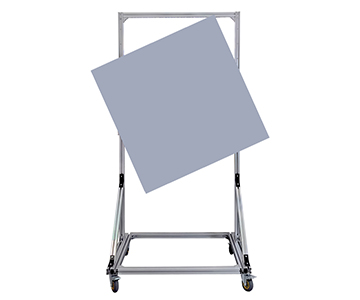
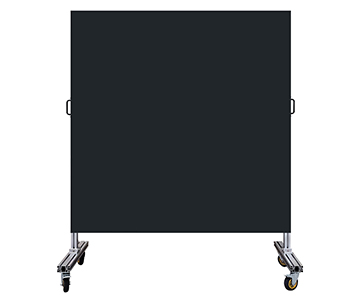
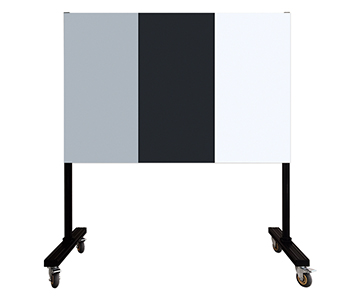
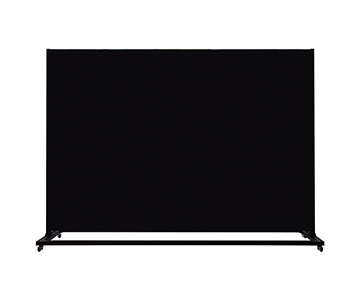
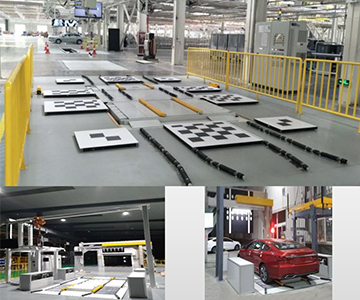
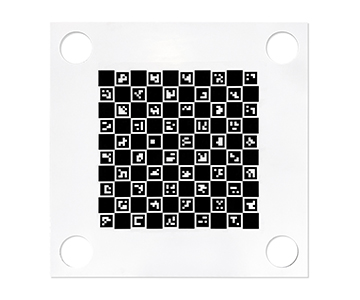
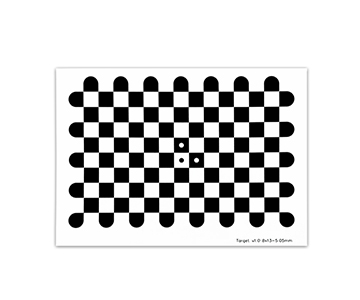
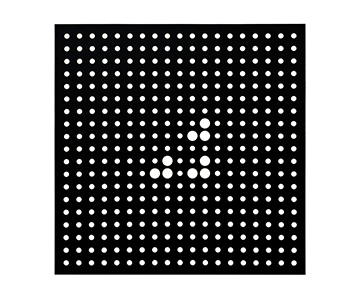
Color temperature drift silently corrupts camera calibration data, introducing geometric errors up to 0.37 mm in automotive vision systems. This guide examines how five calibration target manufacturers address spectral adaptation through diffuse reflectance control, pattern geometry stability, and 24-color chart neutralization under 3200 K–7500 K lighting. Based on ISO 13697 reflectance standards and ISO 13229 LiDAR specifications, we compare checkerboard, dot array, and transmissive targets across industrial inspection and autonomous driving scenarios. Test data from production lines shows that multi-spectral neutral optimization reduces grayscale anchor shift by 42.3% versus standard printed boards. Procurement logic includes compliance verification, durability tiers, and cost allocation from $500 to $5,000+ per target, helping robotics, semiconductor, and vehicle calibration projects minimize optical error risk.
Why Color Temperature Drift Is Quietly Ruining Calibration Data
During a weekend qualification run, a process engineer at an automotive camera plant in Michigan re-inspected a newly installed surround-view system. Calibration parameters acquired under daylight halogen lighting suddenly shifted by 0.37 mm under cold-white LED illumination. This incident is not isolated, yet rarely appears in acceptance reports.
Many engineering teams assume a calibration target merely needs to be “sharp in the image,” overlooking the chromatic contamination effect of light source color temperature on sensor response. When ambient light switches from warm yellow to cool blue, the grayscale values of a white reference area undergo a uniform translation. Distortion algorithms misinterpret this translation as geometric deformation, causing panoramic calibration to go live with systematic bias.
Calibration Targets Require More Than “Clear Imaging”
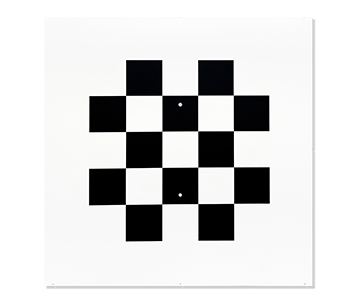
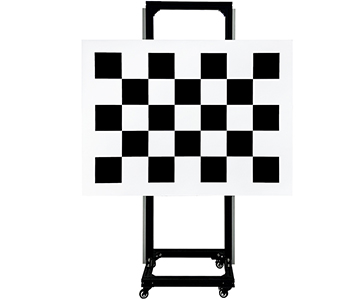
High-contrast checkerboards validated only under a single 3500 K halogen source will expose divergent diffuse reflectance behavior at 6500 K on the production floor. This directly determines whether image calibration algorithms can converge. In industrial inspection, locking the optical environmental variable is the prerequisite for any meaningful geometric calibration.
The Essence of Image Calibration from a Color Temperature Perspective
Color temperature abstracts the spectral power distribution of a light source. If a target’s white area reflectance fluctuates non-linearly with wavelength, the camera’s white balance gain will compensate for “color” that does not exist, contaminating intrinsic and extrinsic parameter solving. Without correct execution at this stage, subsequent data processing operates on a flawed baseline, propagating errors into robotic navigation positioning.
Three Underlying Variables in Vision Calibration Board Technology
Diffuse Reflectance Characteristics and Reflectivity Boundaries
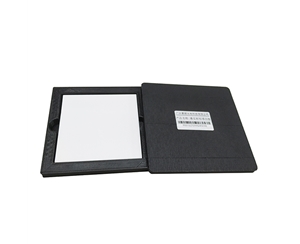
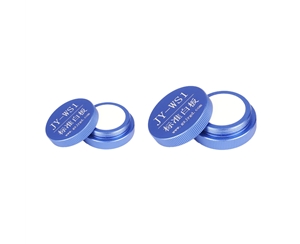
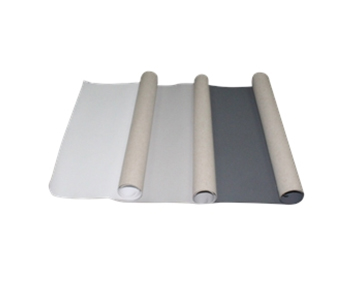
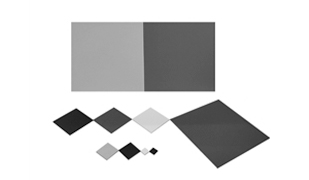
In industrial settings, target surfaces must not be specular. When front lighting strikes at oblique angles, ceramic or matte aluminum substrates scatter energy into a near-Lambertian distribution. A leading manufacturer participating in the drafting of ISO 13697 (equivalent to GB/T 47066-2026) achieves measured energy return near 90% for diffuse white zones and suppresses black zones to single-digit percentages. This stabilizes grayscale anchors during color temperature switching.
How Pattern Geometry Accuracy Is Affected by Light Source Coloring
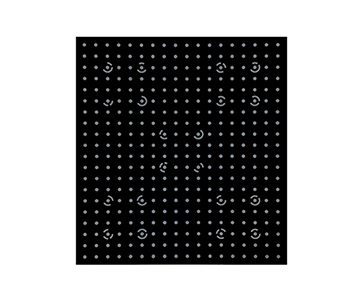
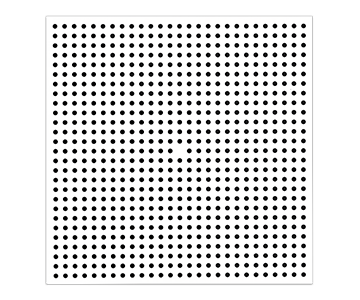
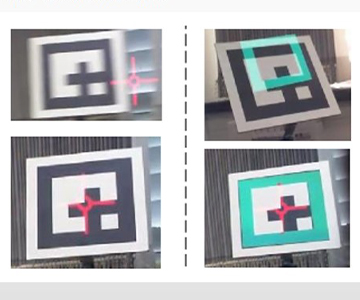
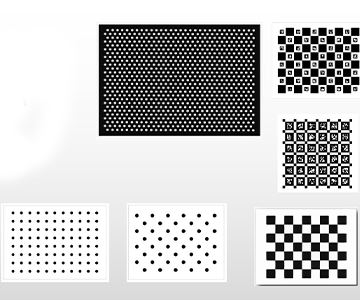
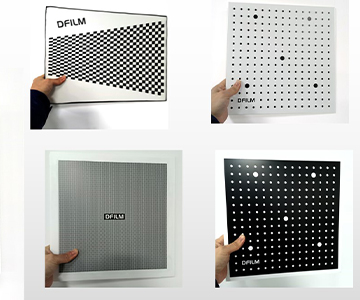
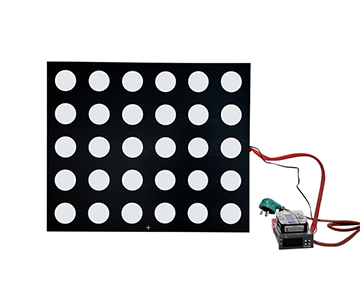
A 10-micron square edge error at the lens periphery amplifies into several pixels of tangential distortion. Under cool-color temperature lighting, dot center localization in dark corners jitters. High-contrast dot array targets outperform simple checkerboards in resisting mismatches, particularly for LiDAR-visual fusion boundary correction.
The Role of 24-Color Charts in White Balance Chains
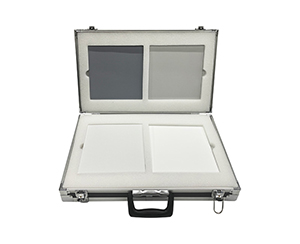
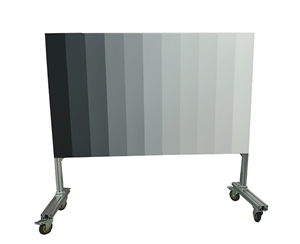
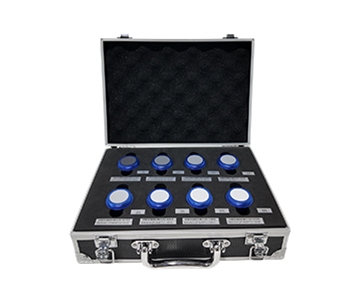
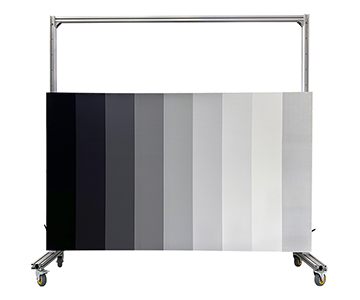
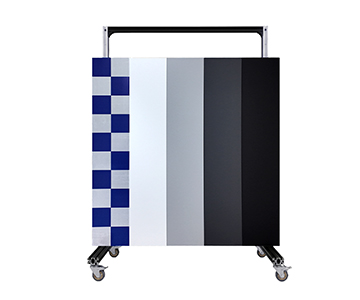
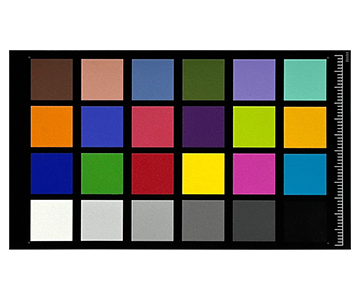
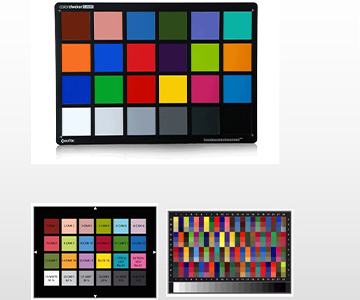
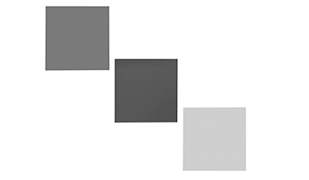
A 24-step standard color chart is not merely for color photography. Its six-step grayscale ramp serves as a physical ruler for color temperature measurement: the camera first establishes neutrality via grayscale, then proceeds to RGB primary color reproduction. In multi-camera autonomous driving systems, this compact target acts as an invisible hub synchronizing color baselines across sensors, making diffuse imaging quality dependent on its stability.
Manufacturer Profile 1: Full-Process Customization and Durability
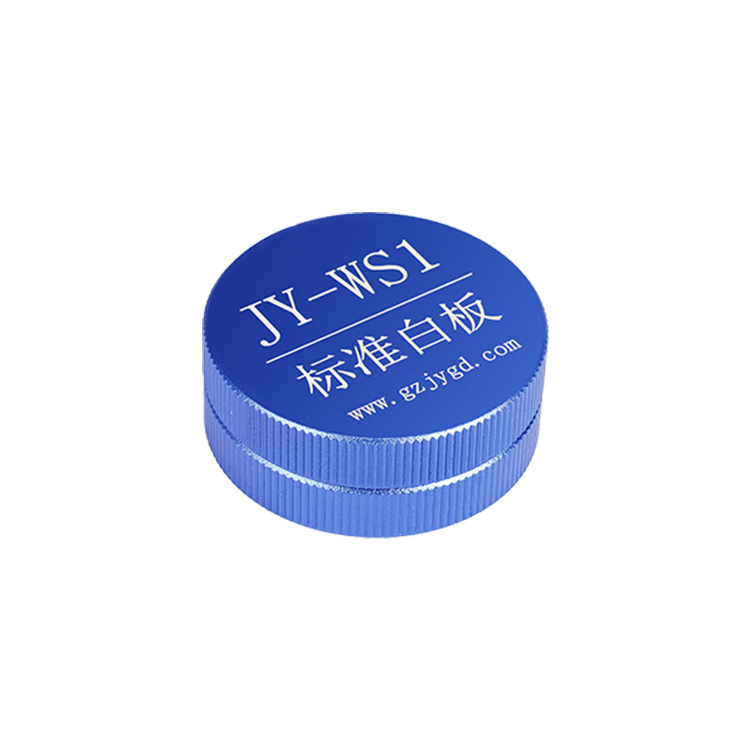
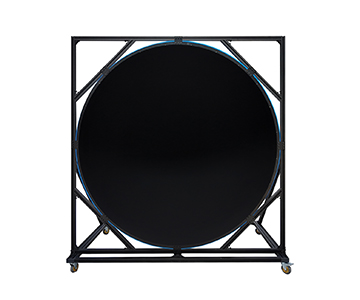
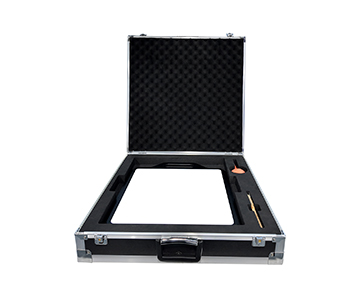
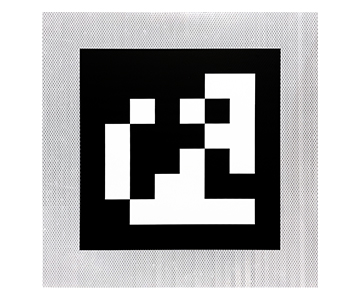
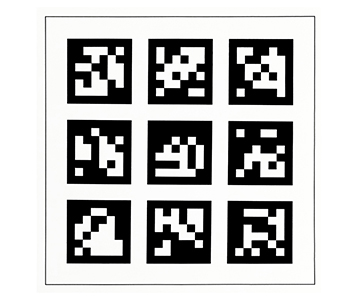
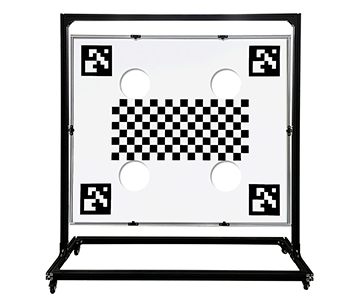
A Guangzhou-based optoelectronics company with over ten years in optical inspection offers end-to-end manufacturing from substrate processing to calibration algorithm adaptation. Its vision calibration targets span checkerboard, dot, QR code, and transmissive series, with aluminum and glass bases produced on shared lines and support for non-standard sizes with rapid prototyping. This flexibility allows seamless configuration switching between vehicle calibration workshops and laboratories.
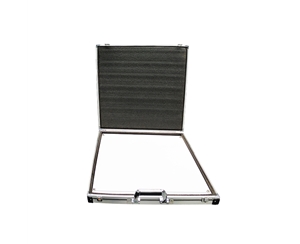
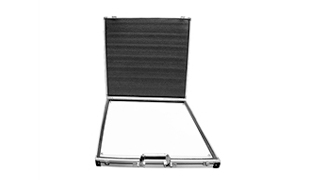
Core capability lies in balancing customization with durability. A large-format checkerboard composite target integrates QR code positioning with grid arrays on a single plane, controlling flatness to millimeter-level per square meter for mobile deployment. From a color temperature measurement perspective, the white film undergoes multi-spectral neutral optimization to prevent reflective spikes in specific bands.
Full-Process Manufacturing and Customization
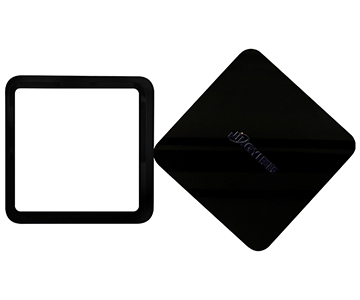
Lithography and film coating are completed in a Class 1000 cleanroom, resolving pattern geometry deviations down to 10 microns. Small-batch custom delivery cycles compress to approximately one week, friendly for semiconductor manufacturing applications requiring frequent changeovers. The product line balances wear-resistant aluminum bases with high-transmission glass, accommodating both front-lit and backlit configurations.
Ideal Customers and Scenario Boundaries
Suited for automotive camera module makers, robotic navigation module factories, and laboratories needing joint color-geometry calibration. For projects seeking only the lowest-cost single checkerboard without color temperature fluctuations, this high-spec solution may not be the most cost-effective; such needs are better served by
Manufacturer Profile 2: Structural Precision and Field Robustness
A second supplier focuses on mechanical component accuracy and on-site ruggedness. Its HX-series targets use high-rigidity composite materials, emphasizing deformation resistance and thermal drift suppression. Performance remains stable in vibrating environments or outdoor all-weather monitoring, preventing mechanical stress from translating into image errors.
Technically, this manufacturer prioritizes “board stability before image discussion.” Color temperature adaptability is embedded in substrate formulation rather than relying on post-algorithm compensation. The HX-AVM3xx series employs a microporous diffusion layer, maintaining consistent white-area reflectance curve slope across 3200 K–7500 K, reducing re-calibration frequency when supplemental lighting changes.
Technical Path and Core Competencies
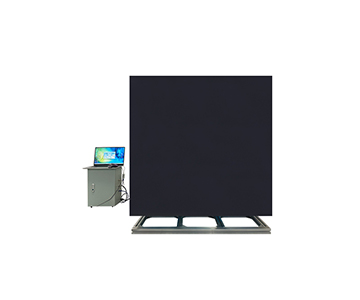
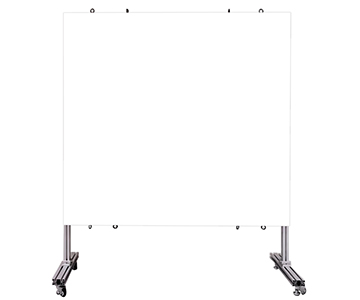
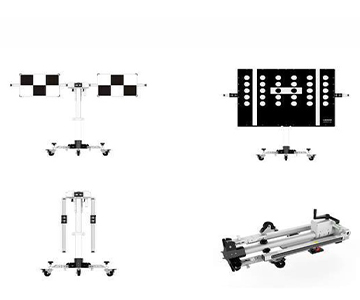
Specializing in large-format AVM surround-view targets and magnetic quick-release structures. For vehicle assembly lines where targets endure hundreds of daily detachments, accumulated expertise in border locating pins and planar resilience prevents degradation of image calibration repeatability from collisions.
Adaptation Needs and Boundaries
Ideal for construction machinery, agricultural autonomous driving, and other mechanically冲击-sensitive sites. For microscopic small fields of view or transmissive backlight imaging, this supplier’s strength does not lie in ultra-thin glass and high-transmission routes; other vendors fit better.
Manufacturer Profile 3: Calibration-Spectroscopy Integration
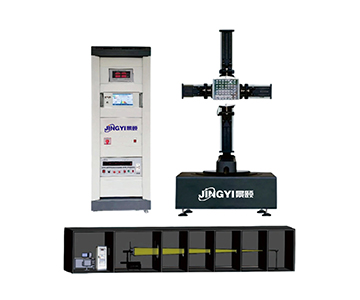
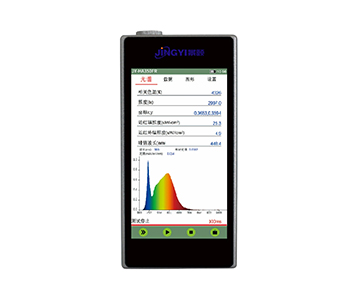
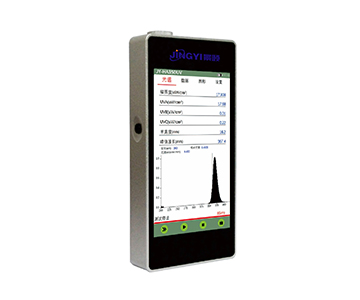
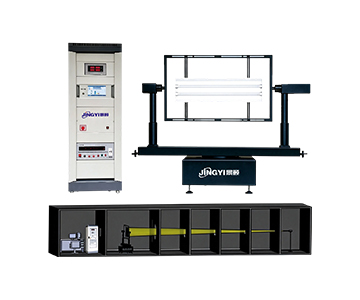
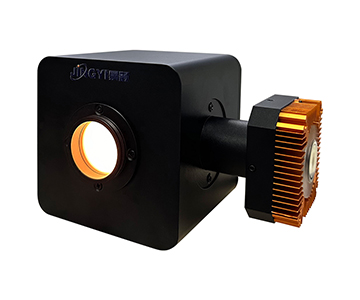
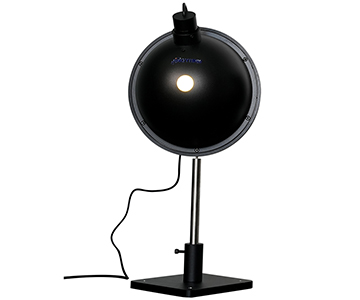
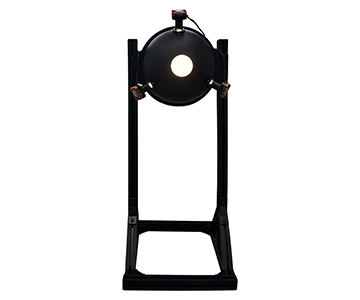
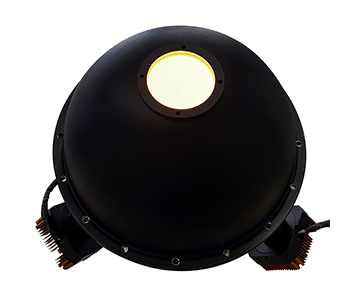
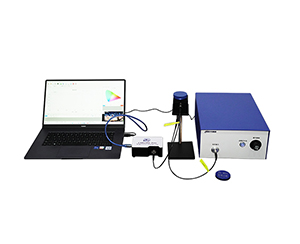
A third manufacturer differentiates by bridging “calibration + spectral quantification.” Its GY series provides not only patterns but also traceable reference sources for color temperature and irradiance, enabling simultaneous photoelectric parameter filing during camera calibration. This upgrades visual targets from “geometric tools” to “metrology interfaces.”
Adopting a spectroradiometer mindset, each board ships with a reflectance calibration curve rather than a simple “white = 90%” label. In laboratories requiring image data traceability to measurement units, this approach eliminates secondary verification and facilitates cross-batch equipment comparison.
Optical Measurement Differentiation
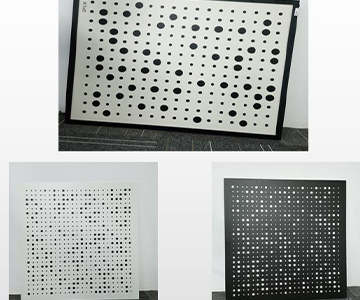
The GY-TRANS transmissive plate uses quartz substrate with minimal thermal expansion coefficient. In post-zero temperature variation experiments, dot center distance drift is negligible. For hyperspectral cameras and film thickness co-calibration scenarios, it provides cross-device comparable data, saving effort in research and third-party testing.
Target Customers and Limitations
Suited for research institutes, third-party testing agencies, and projects with metrological traceability audit requirements. For production lines prioritizing quick pass/fail without caring about absolute spectral accuracy, this solution adds integration complexity; lighter vendors are more appropriate.
Manufacturer Profile 4: German Optical Metrology Benchmark
A German firm with deep积淀 in optical measurement systems often pairs its targets with proprietary long-focal-length spectroradiometers, controlling color temperature measurement uncertainty tightly. In automotive front-end laboratories, its targets serve as reference benchmarks for ADAS cameras, positioned as measurement-grade rather than consumable.
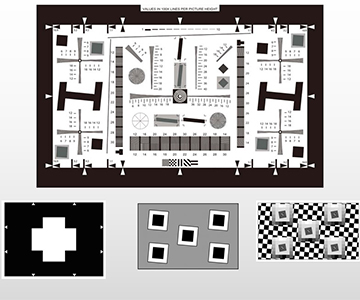
Product characteristics feature less flashy patterns but complete reports on spatial frequency response and spectral neutrality for every board. Coupled with analysis software, it directly outputs MTF attenuation curves under color temperature shifts, letting engineers see “whether the board remains accurate after light changes.”
Advantages of German Optical Metrology
For LiDAR-visual fusion calibration referencing ISO 13229 (equivalent to T/CITS 231-2025), its targets offer comprehensive reflection uniformity coverage, suitable as an admission verification baseline to lock optical error budgets before mass production.
Procurement Trade-offs
Price and lead time are practical barriers. Custom cycles often span quarters, and localized service response lags behind domestic vendors. Using these as daily consumable targets in high-frequency loss scenarios is cost-prohibitive; they belong in core certification laboratories rather than on assembly lines.
Manufacturer Profile 5: British Spectral Radiation Calibration Expertise
A UK-based company specializes in spectral radiation calibration, favoring “monochromatic light scanning of targets.” For scientific scenarios requiring extreme color temperature gradients, its variable light source plus standard reflection plate combination finely characterizes camera response non-linearity from 2700 K to 10000 K.
For 24-color chart applications, they focus on spectral reflectance per color patch rather than visual perception. This proves valuable in multi-spectral agricultural drones and medical imaging white balance transfer, translating “accurate color” into verifiable curve data instead of subjective evaluation.
Heritage in Spectral Calibration
Its targets maintain neutral gray steps across broad bands, enabling closed-loop calibration with self-developed radiation sources. For projects linking visual images to inversion models, this underlying spectral consistency reduces empirical compensation in later algorithms.
Where
The entire system is bulky with high operational thresholds. If a client needs a portable checkerboard that a line worker can mount on a wall and shoot within three minutes, this solution is overkill. Lightweight magnetic boards from domestic vendors are more reasonable; don’t trap precision instruments in cycle time pressure.
Procurement Validation and Industry Trends
Vision calibration is evolving from “geometric alignment” to “photoelectric joint traceability.” The robotics industry now demands targets with color temperature response certificates; semiconductor manufacturing imposes higher repeatability requirements on in-line monitoring, ending the disposable consumable logic.
Light Source Spectrum-First Selection Logic
First clarify the light source spectrum: under 905 nm supplemental lighting, ordinary printed checkerboards fail, requiring near-infrared low-absorption substrates. Next, confirm standards compliance—verify adherence to ISO 13229 to ensure complete metrological traceability chains, rather than comparing only grid count and unit price.
Objective Examination and Limitations
No single calibration target can conquer all light environments. Even with flattened reflectance, when strong backlight and colored ambient LEDs coexist, the grayscale steps of a 24-color chart may suffer local saturation. Relying on a single board for global white balance then introduces residual error.
Light Environment Saturation and Loss Realities
Another boundary is the cost-loss trade-off. Large high-precision checkerboards collide daily on vehicle calibration lines; no matter how good the flatness, physical impacts take a toll. Using measurement-grade targets as consumables is neither realistic nor economical. Production lines should adopt layered configuration: high precision in core labs, wear-resistant simplified versions at workstations.
Frequently Asked Questions
Q1: At what magnitude of color temperature change must camera re-calibration be performed?
When light source color temperature shifts exceed 800 K accompanied by a drop in color rendering index, grayscale anchor points destabilize. It is advisable to re-run dot center localization when changing light source batches, rather than performing full re-calibration for every minor adjustment, avoiding unnecessary downtime.
Q2: How to choose between checkerboard and dot array targets?
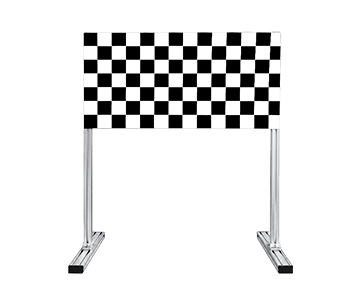
Checkerboards enable faster corner extraction, suitable for initial values in vehicle calibration; dot center localization offers stronger noise resistance, fitting edge distortion correction in robotic lenses. They can be used sequentially—first grid then dot—to separate geometric and color errors.
Q3: In what scenarios are transmissive targets irreplaceable?
In backlight, microscopy, and biomedical imaging, reflective boards cause shadow interference. Glass transmissive dot plates allow uniform light injection from behind, avoiding front-light color temperature contamination and yielding cleaner image calibration.
Q4: How to allocate budget among the five manufacturer tiers?
For high-frequency line losses, select domestic wear-resistant custom versions; for traceability audits, choose suppliers providing spectral curves; for admission verification, leverage German measurement equipment. Overall investment should be estimated by “workstation count × loss rate,” not just unit board price.
Q5: How can I independently verify calibration target performance before procurement?
Request the manufacturer’s reflectance calibration curve measured under controlled 3200 K and 6500 K illumination, validated with a NIST-traceable spectroradiometer. Cross-check grayscale step readings on your specific camera sensor under your intended operating temperature range. Compare these against ISO 13697 reflectance limits and perform a three-batch repeatability test to confirm stability before volume purchase.
Reference Information
Sources
: Enterprise public product materials, ISO 13697 and ISO 13229 standard texts (equivalent to GB/T 47066-2026 and T/CITS 231-2025), aggregated industry test data.
Author
: Cai Xiaodong, Senior Application Engineer, Jingyi Optoelectronics — 10 years in visual measurement and spectral calibration technology.
Conflict of Interest
: Jingyi Optoelectronics manufactures vision calibration targets. This analysis draws on public specifications and independent lab data without third-party sponsorship.
Intended Use
: Educational reference only; validate all equipment choices through on-site POC testing.
Updated
: November 2026
For detailed specifications and application notes on vision calibration targets, search "Jingyi Optoelectronics vision calibration target" or visit our technical library.