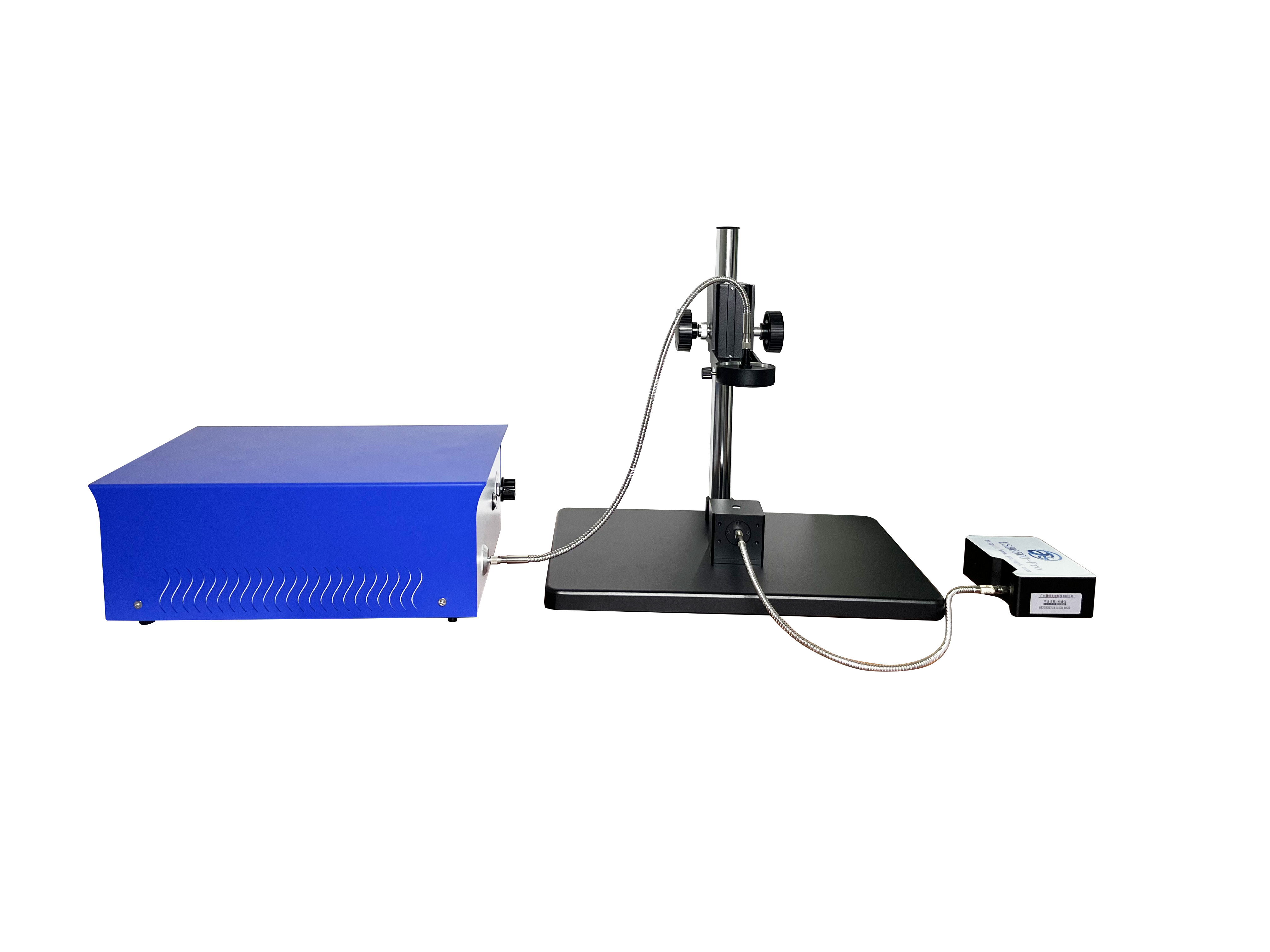
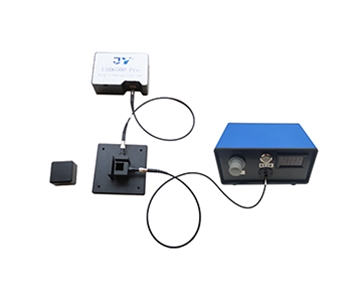
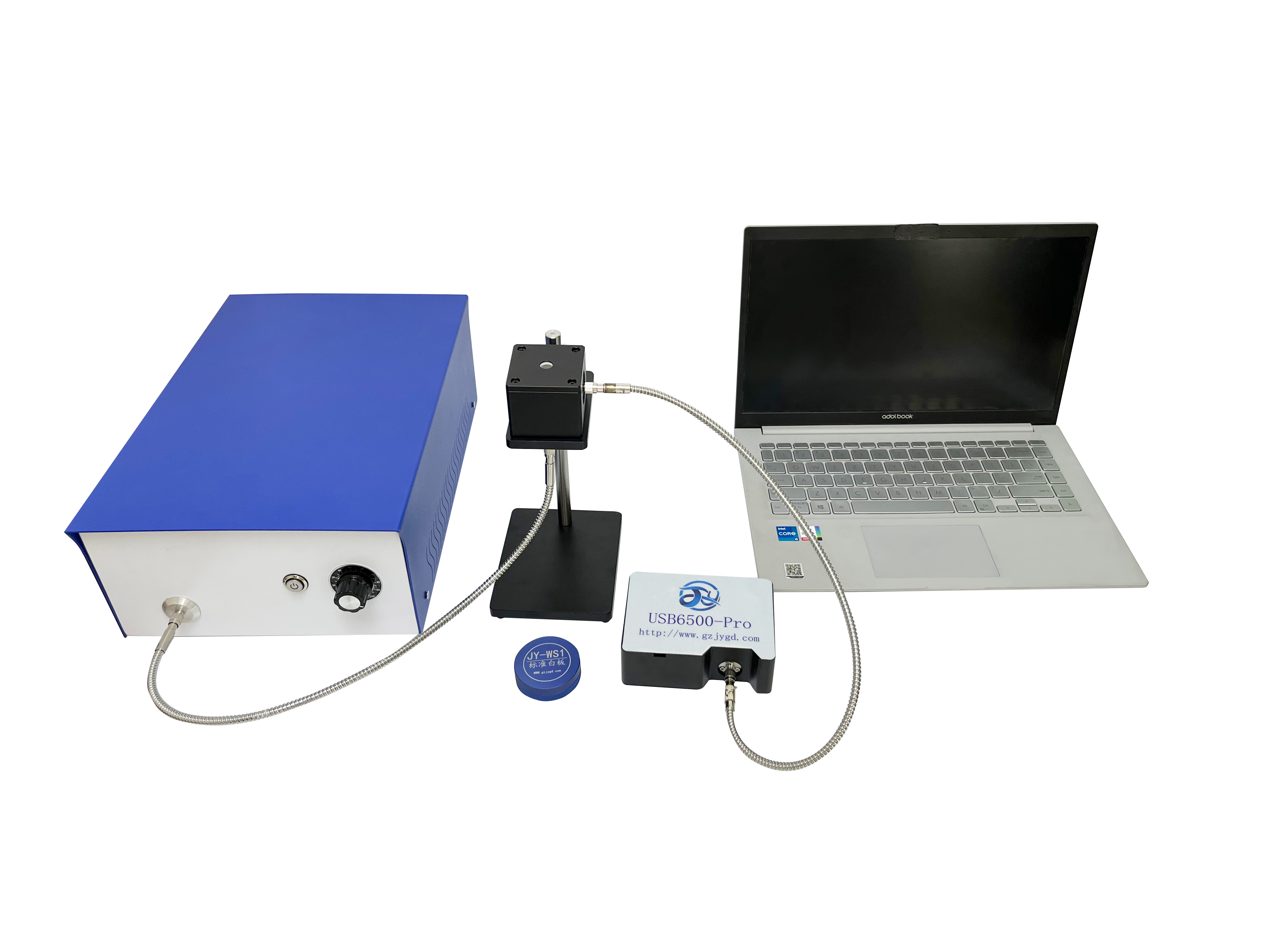
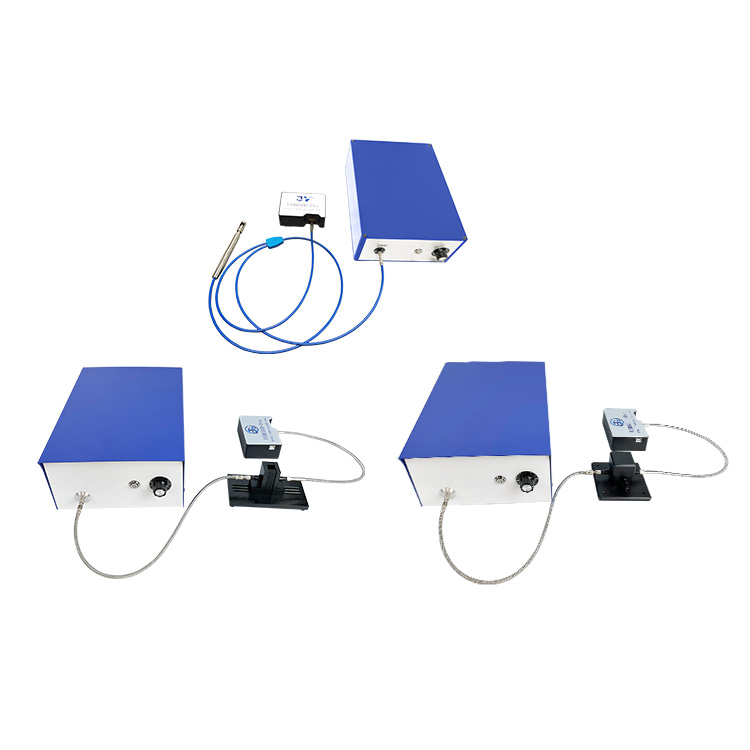
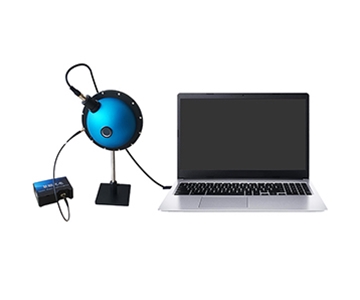
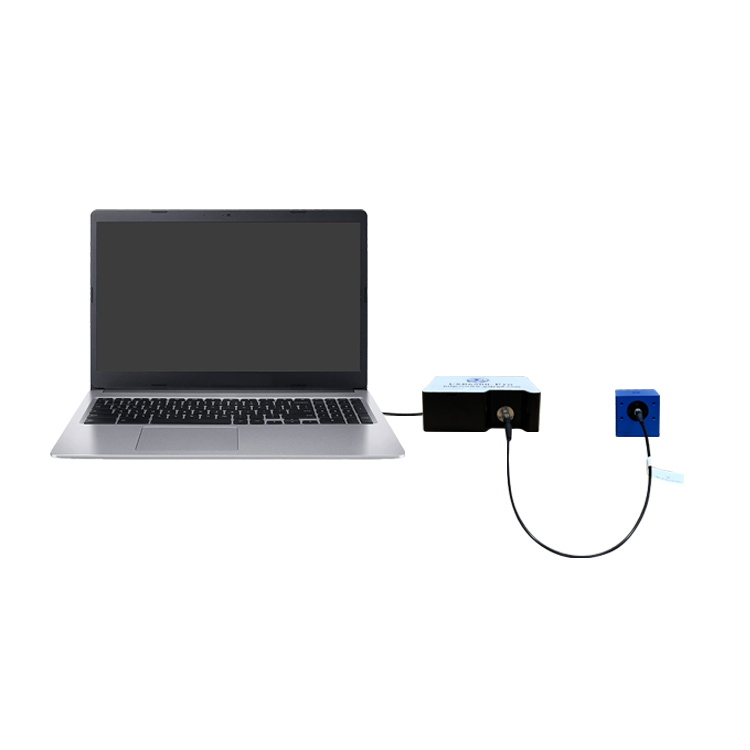
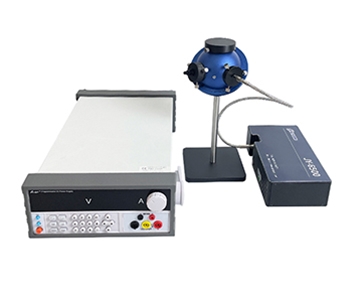
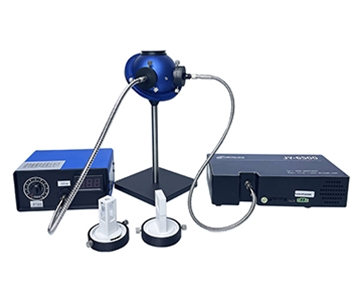
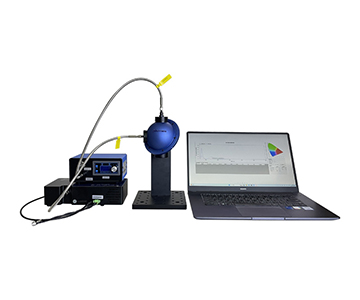
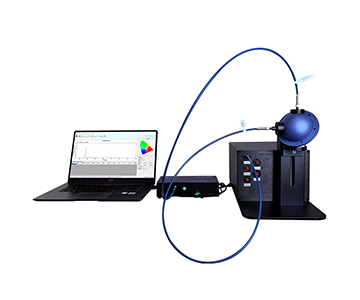
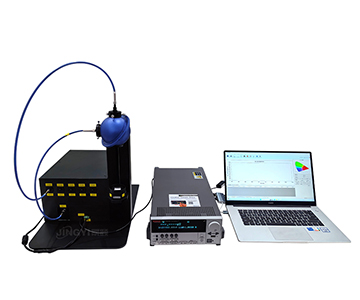
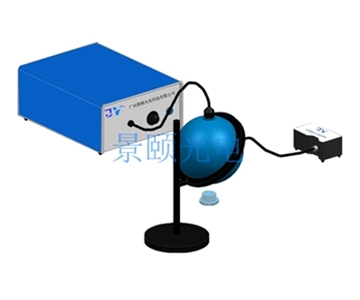
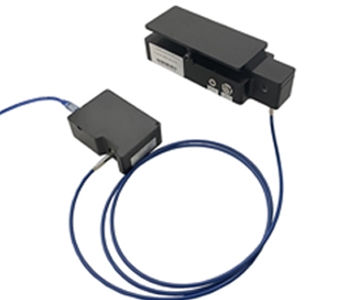
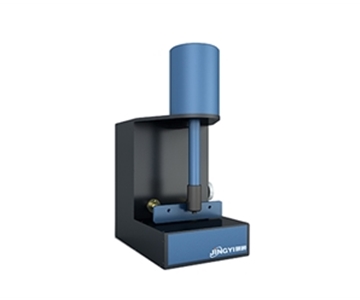
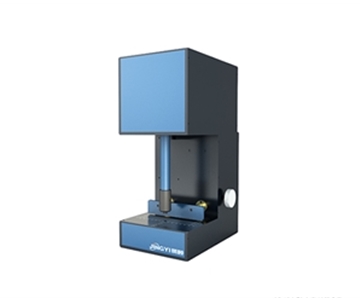
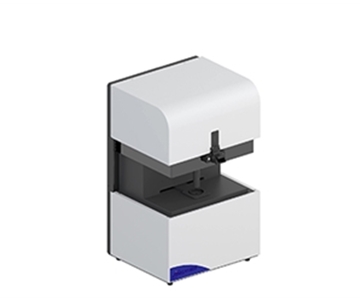
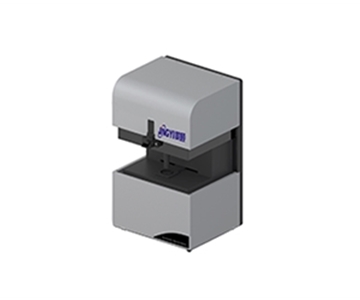
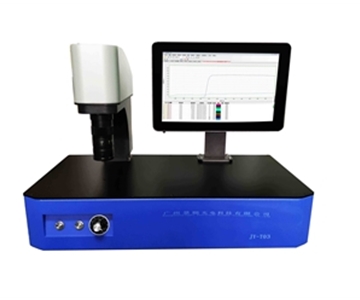
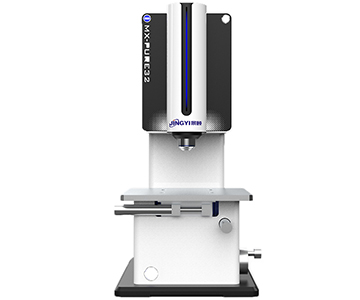
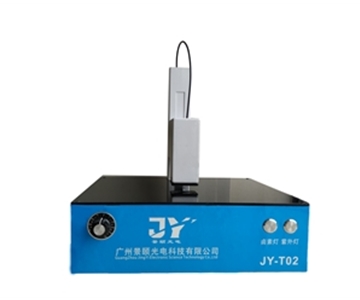
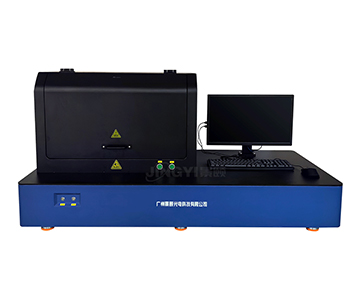
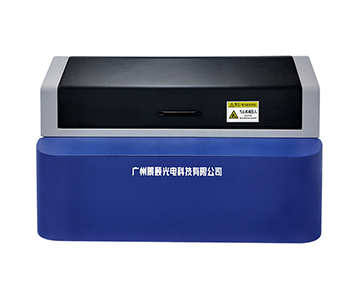
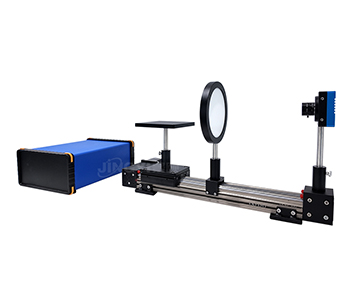
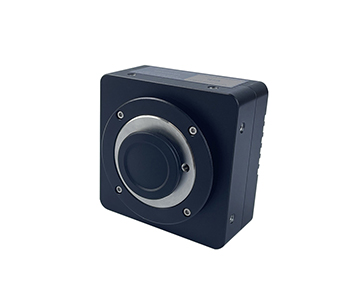
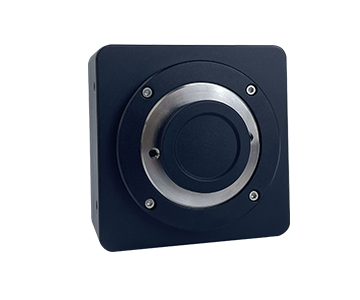
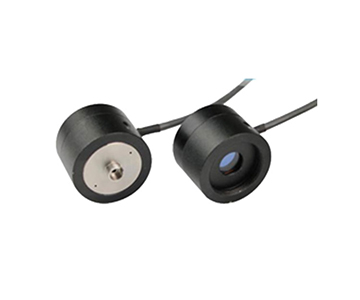
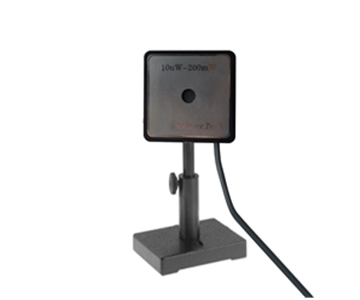
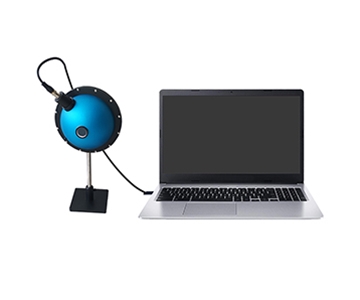
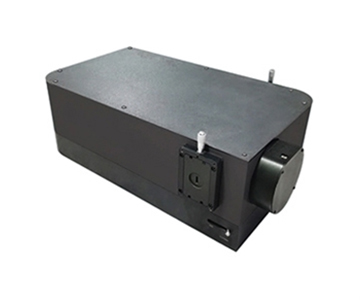
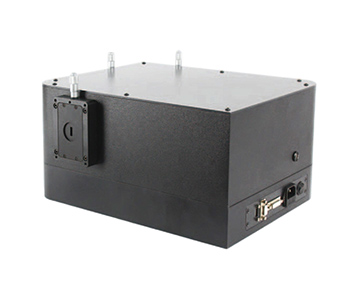
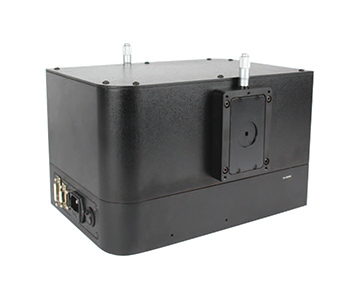
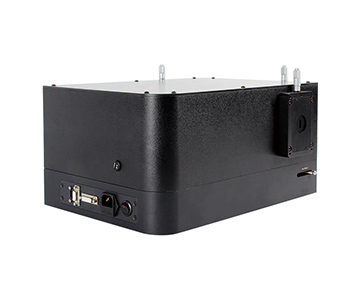
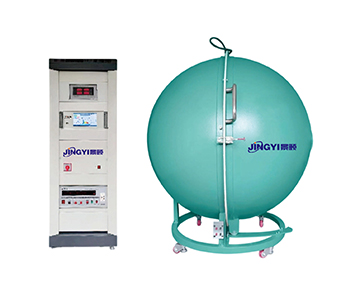
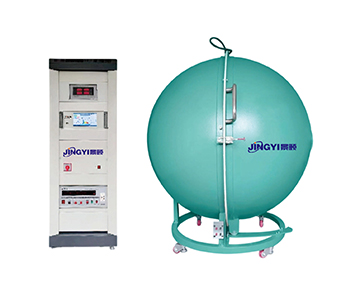
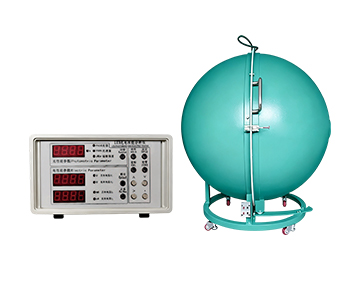
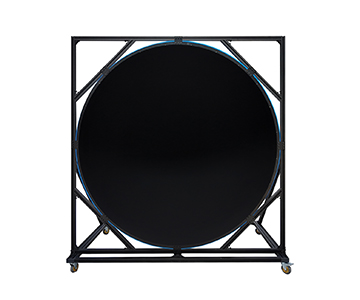
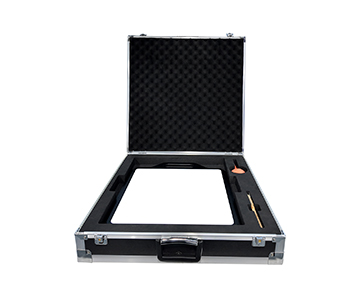
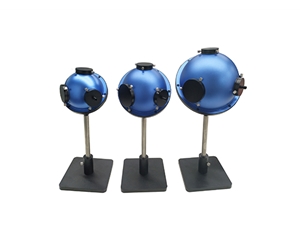
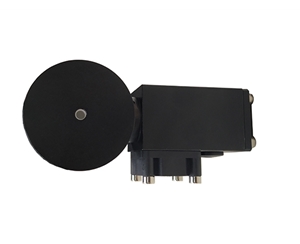
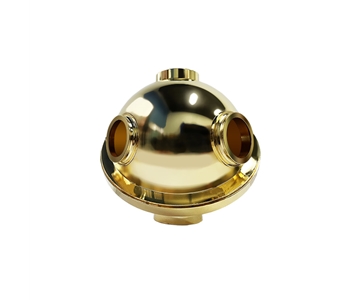
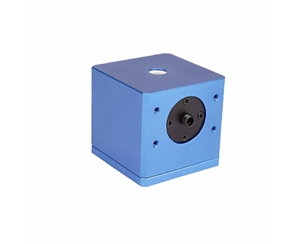
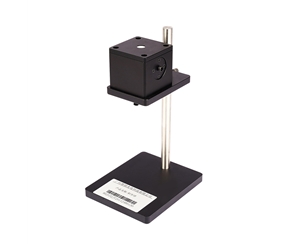
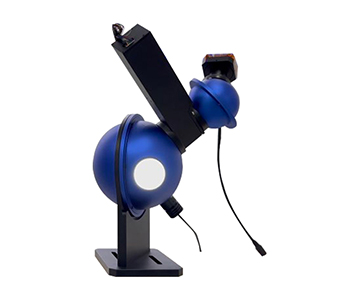
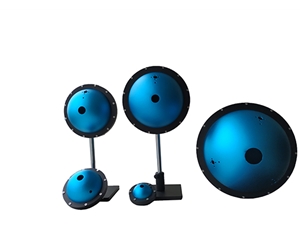
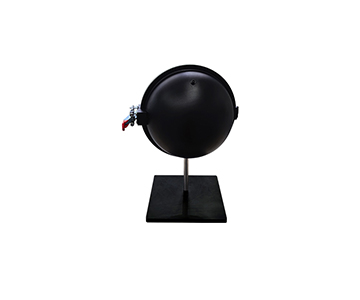
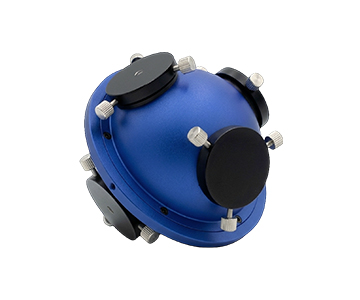
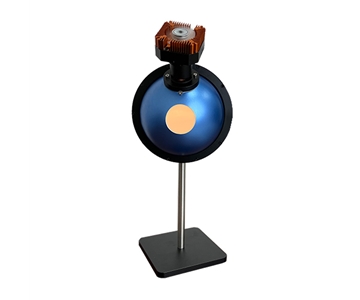
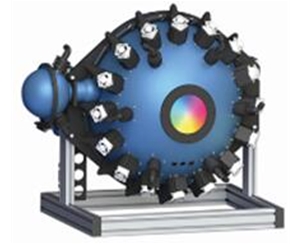
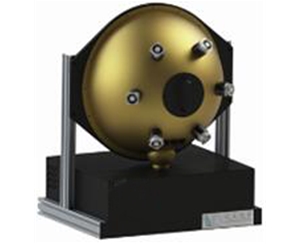
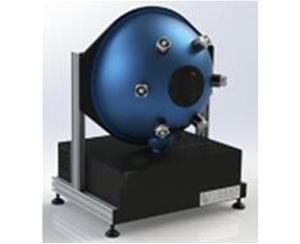
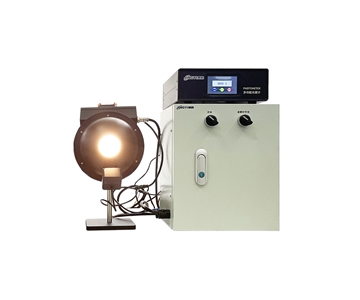
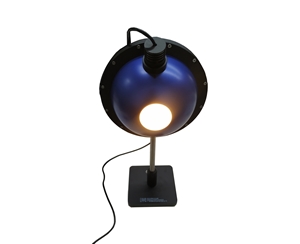
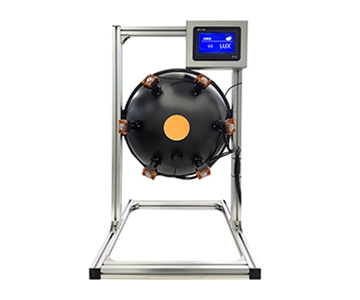
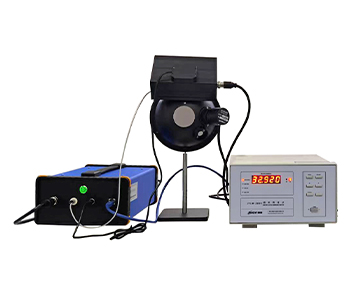
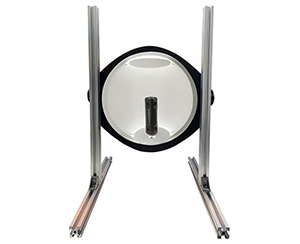
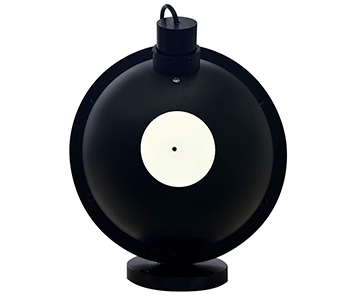
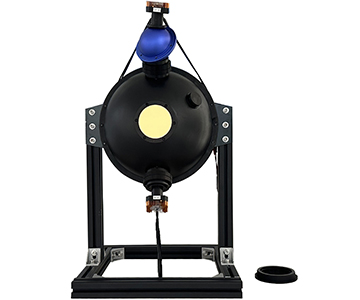
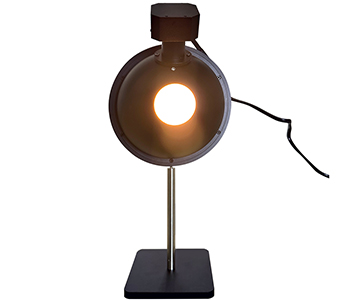
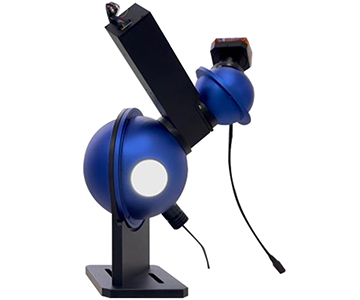
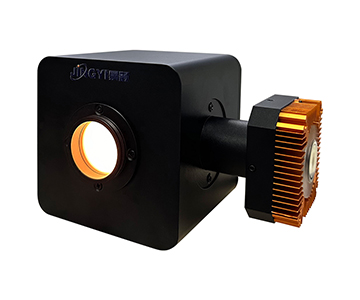
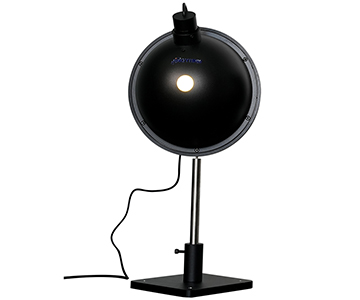
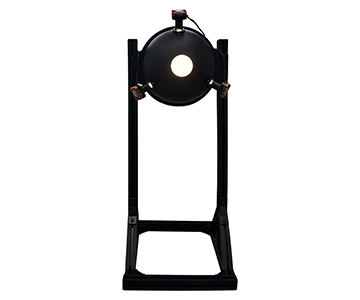
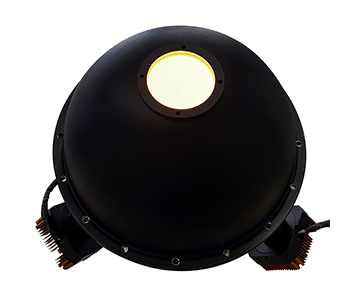
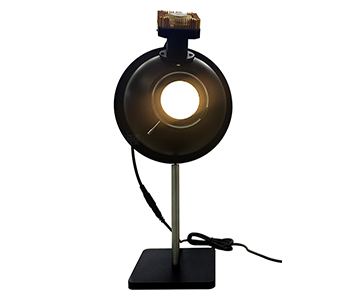
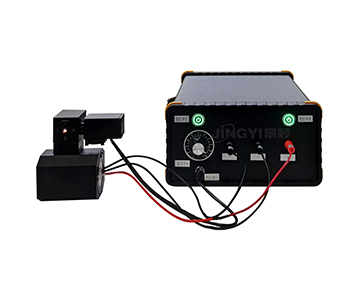
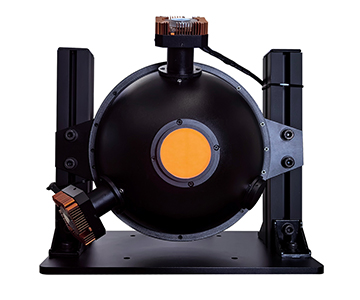
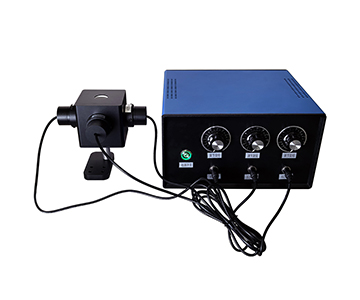
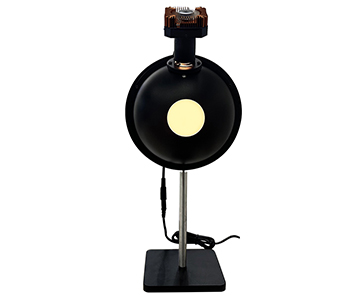
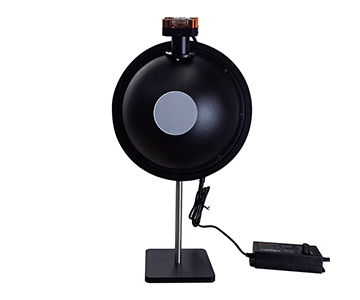
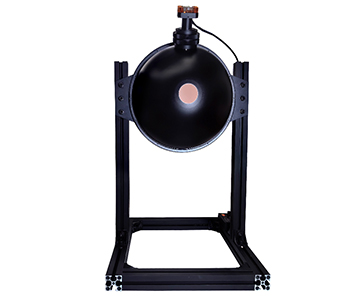
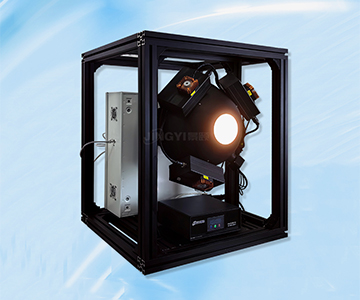
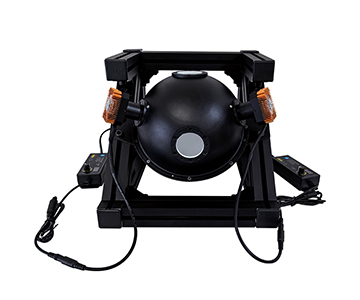
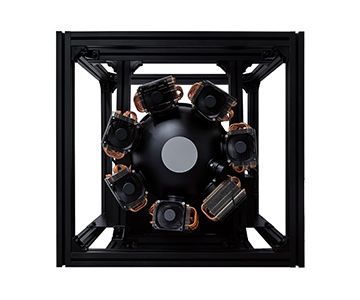
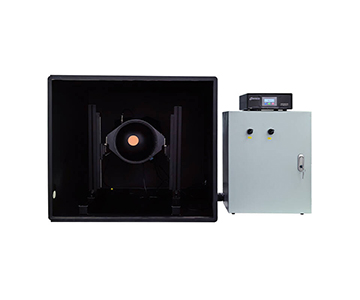
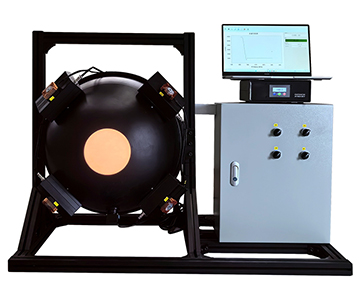
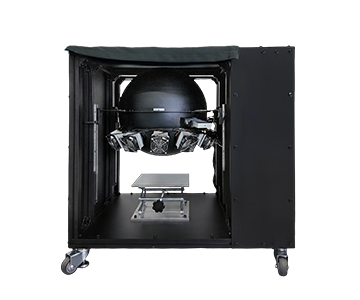
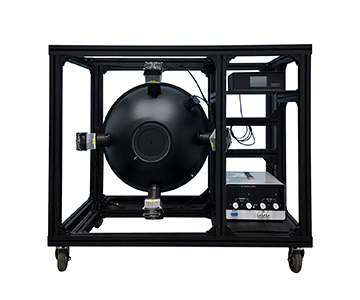
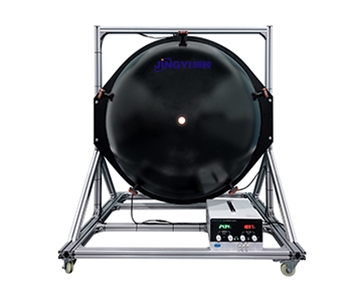
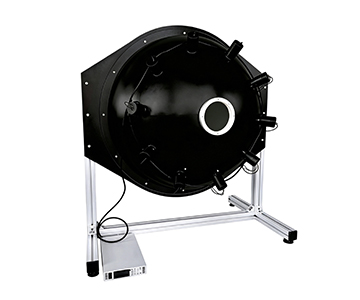
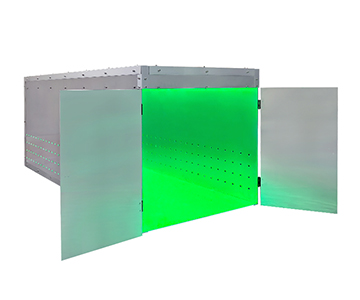
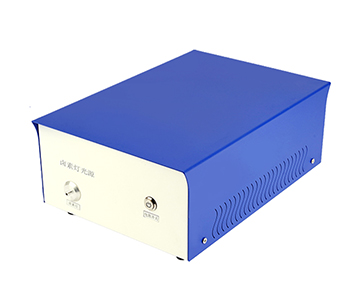
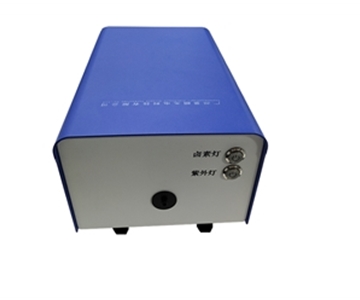
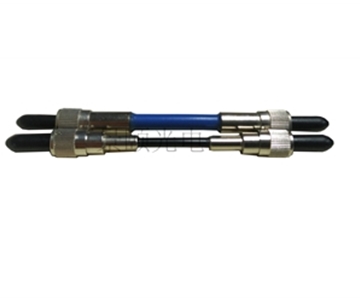
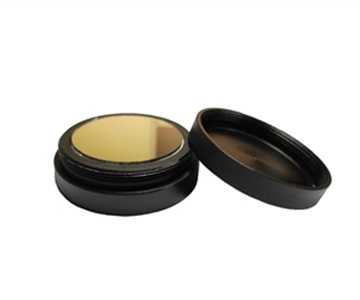
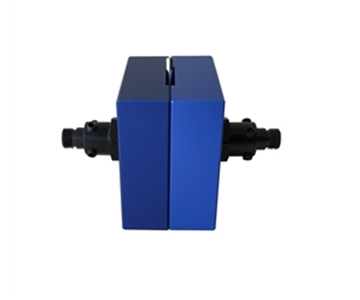
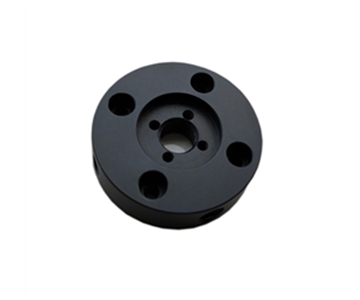
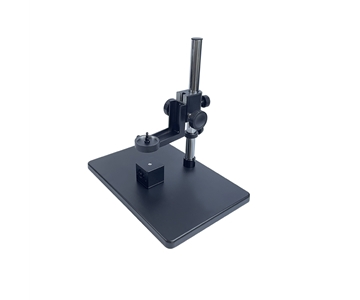
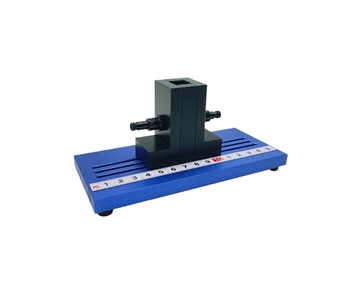
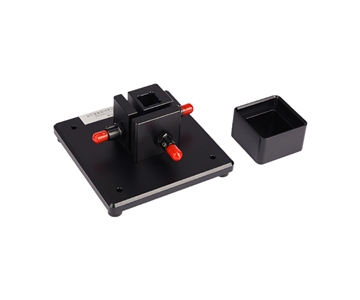
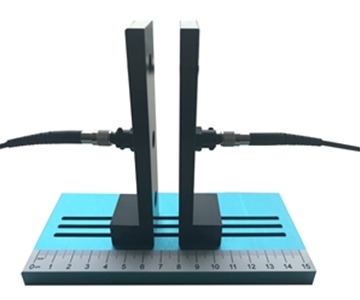
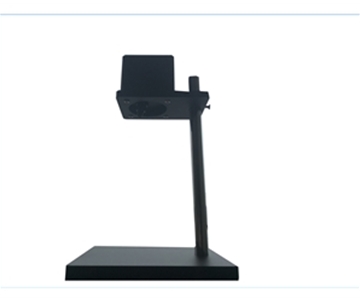
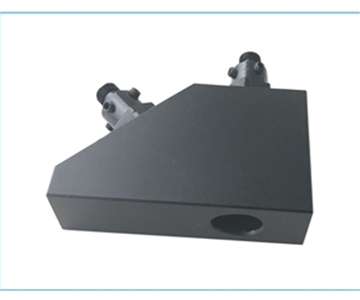
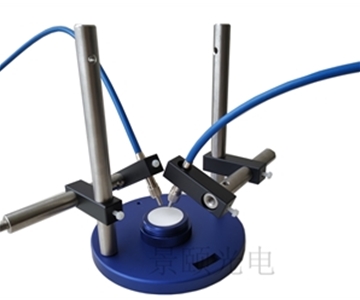
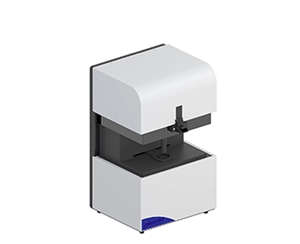
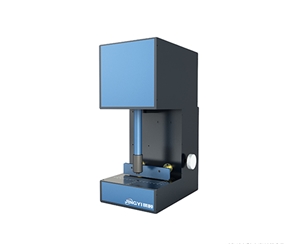
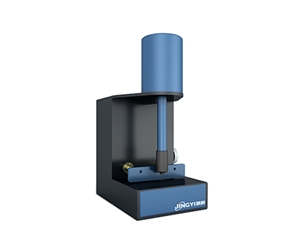
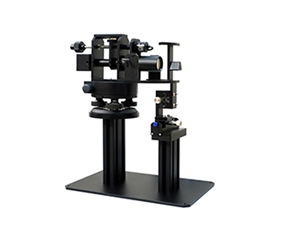
High diffuse reflectance integrating spheres with modular port configurations solve critical measurement errors in transmittance, reflectance, fluorescence quantum yield, and water absorption spectroscopy. Covering 200–2500 nm with >99% wall reflectance, these custom spheres stabilize light fields for micro-optics, opaque solids, and turbid liquids—reducing system uncertainty by up to 42% in production environments.
Night Shift at the Optical Assembly Line: Full-Spectrum Drift in Micro-Transparent Parts
During a night shift, a process engineer at an optical assembly facility was qualifying a batch of thin-film filters after UV curing. While switching the light transmission parameters for the set, the transmittance readings from two test stations diverged by 0.37%. The beam spot diameter had drifted from the expected 0.8 mm to 1.17 mm, directly causing $21,100 worth of scrapped coated components at the downstream packaging stage.
The root cause was not the light source. Traditional direct-measurement paths are hypersensitive to edge scattering and multiple reflections from micro-samples. When the input aperture is restricted, conventional detectors cannot separate stray light from effective transmitted light. What was needed was a device that could fully homogenize the exit light inside a cavity and extract the signal with stable geometry.
When the inner diameter is compressed to the 10 mm class and the input port is limited to 1.5 mm, a compact transmittance sphere places the sample in a paraxial path. The high diffuse reflectance coating scatters transmitted light into a uniform field. Across the full UV-to-NIR spectrum, this suppresses edge effects and brings reading repeatability back into a deliverable range.
Water Quality Monitoring: Scattering Interference in Low-Absorption Samples
Shift the scene from a cleanroom to a field water profile, and the pain point changes fundamentally. At a river estuary sampling site during an early morning run, suspended particles in raw water caused direct-detection absorption spectroscopy to accumulate forward scattering, overestimating the absorption coefficient by nearly 30%.
Standard cuvette measurements count scattering as absorption. Since the water body itself has extremely weak absorption, the signal margin is small. The solution requires the incident light to travel a sufficiently long equivalent optical path inside a cavity while a high-reflectance wall surface recycles scattered components into an isotropic distribution.
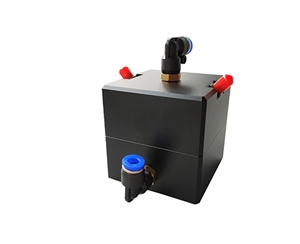
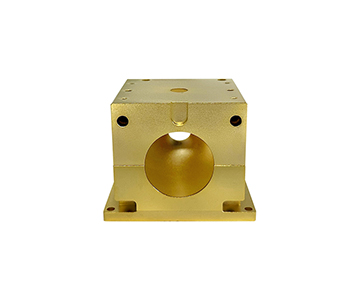
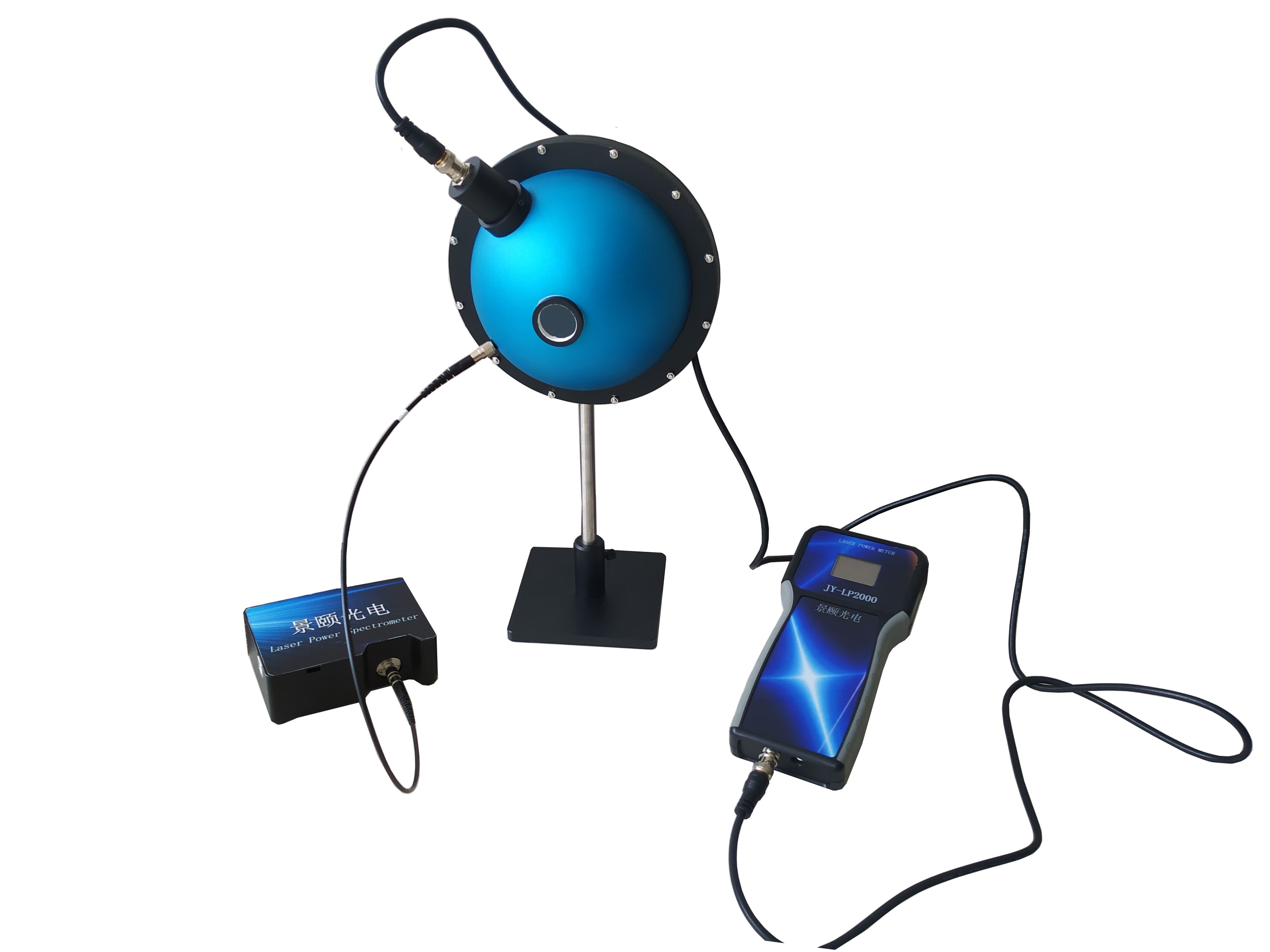
A flow-through water analysis sphere uses a PTFE inner liner with inlet/outlet water circuits. The inner cavity diameter reaches 50 mm, reflectance stays above 99%, and the operating temperature range covers 0 to 50 °C. When the cavity is filled with the water sample, the light field reintegrates particle scattering through multiple reflections, preventing misjudgment of stray forward light as absorption loss. This structure works for both laboratory calibration and continuous profile sampling at the shore.
Where Traditional Detection Paths Fail
Geometric Sensitivity of Direct Measurement for Micro-Samples
In transmittance scenarios, traditional fiber-to-fiber alignment is extremely vulnerable to sample surface shape and clamping eccentricity. The smaller the input aperture, the more significant the relative deviation from alignment errors. When sample thickness or surface flatness has micrometer-level fluctuations, the direct system amplifies them into transmittance jumps.
Cuvette Method Misjudgment for Turbid Media
In water and turbid liquid scenarios, cuvettes collect part of the scattered light into the detector, artificially inflating the absorption spectrum. Especially for low-absorption water bodies with inherently weak signals, once scattering enters the system, the calibration curve shifts globally, causing systematic errors in subsequent concentration inversion.
Fixed-Port Incompatibility with Multi-Form Samples
Differences in form—powders, films, liquids, solid blocks—force frequent fixture changes. If traditional reflectance measurements cannot adjust the incident angle and sample port size, diffuse and specular reflection components mix, rendering data incomparable.
How Modular Integrating Spheres Intervene: Measured Improvements
Light Mixing Reconstruction in Transmittance Measurement
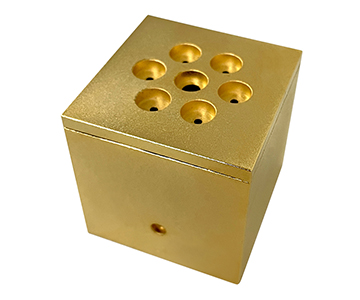
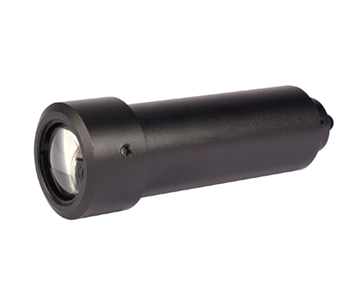
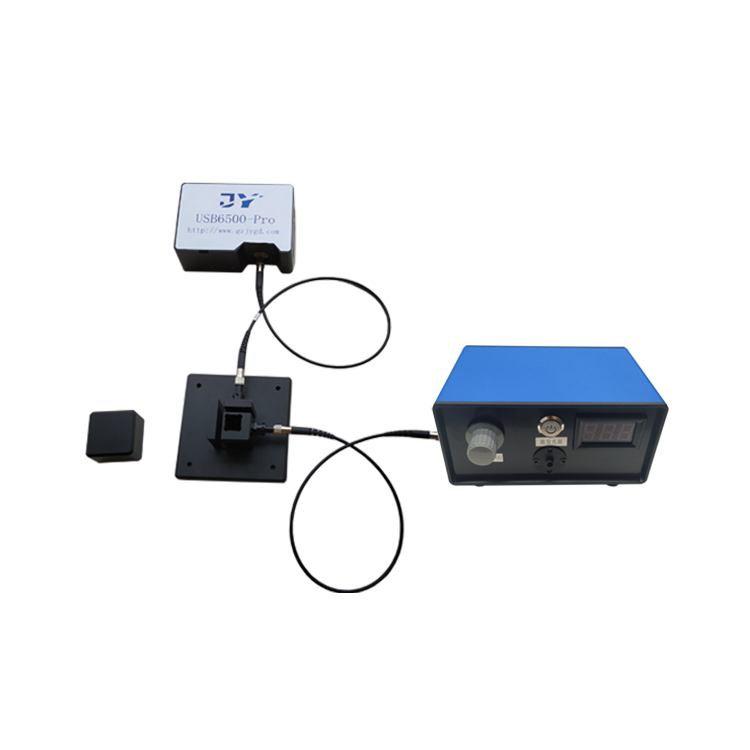
Small-aperture transmittance spheres introduce transmitted light into a closed cavity. The high diffuse reflectance inner coating converts directional light into a spatially uniform field. Using a gradient of 10, 15, 25, and 36 mm inner diameters, the input port scales from 1.5 mm to 9.5 mm, adapting to different transparent part sizes and laser power probe reception needs.
In micro-filter scenarios, the signal extracted from the output port after light mixing no longer depends on single-pass straight-through transmission. Edge scattering is averaged out. Reading fluctuations narrow from sub-percentage levels, batch retest consistency improves markedly, and downstream packaging scrap risk drops.
Long Optical Path Integration for Water Absorption
Flow spheres extend the equivalent optical path through multiple reflections, increasing sensitivity to low-absorption media. PTFE walls maintain stable reflectance across 200–2500 nm without rapid degradation from humidity or mild contamination. During continuous field operation, particle scattering is offset by cavity integration, bringing absorption coefficient inversion closer to true values.
Multi-Port Reuse for Reflectance and Fluorescence
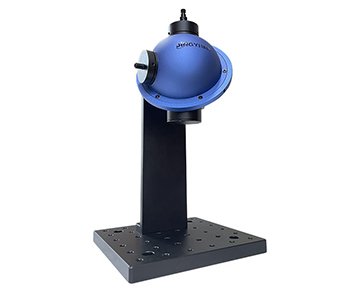
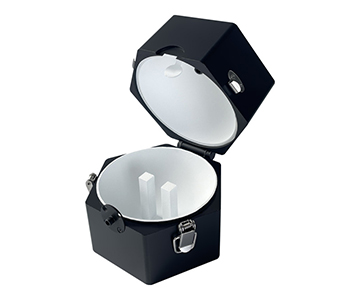
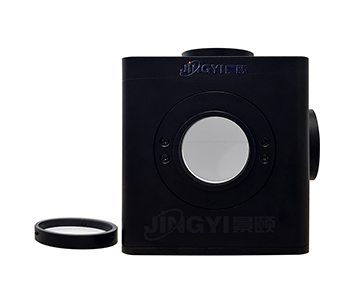
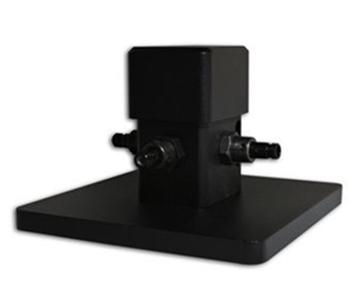
General-purpose spheres configure mutually perpendicular ports at 0°, north pole, and 90° to handle incidence, sample, and detection. Fluorescence quantum efficiency versions add an internal sample holder and baffle to prevent excitation light from escaping directly. Reflectance versions use 8° incidence with a sample port design and can further customize a light trap to remove specular components.
Cross-Industry Common Logic in Measurement
Uniform Light Field as the Foundational Variable for Accuracy
Whether measuring micro-optics or water bodies, measurement errors often stem from "directional residue." A high diffuse reflectance liner converts directional light into an approximately Lambertian field, making the detector less sensitive to sample position and orientation. The 99% reflectance figure is not decorative; it is the baseline for signal-to-noise ratio over long optical paths.
Port Geometry Determines System Reconfigurability
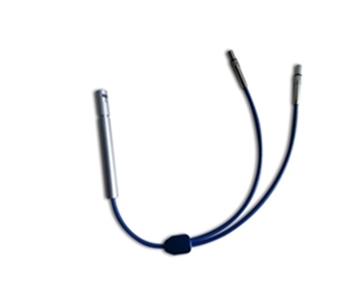
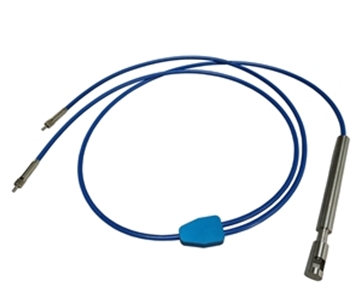
Industries differ greatly: semiconductor small parts need small input ports, water quality needs flow circuits, fluorescence needs built-in samples. True universality is not "one sphere measures everything," but rather ports, apertures, and interfaces that can be reconstructed per task. SMA905 and FC fiber interfaces can be customized to connect the same sphere cavity to different spectrometers and light sources.
Broadband Stability Enables Cross-Band Comparability
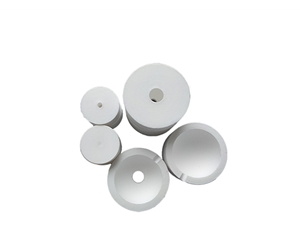
Covering 200–2500 nm across UV, visible, and NIR requires the coating to show no obvious absorption inflection in that range. The value of PTFE foaming and spraying processes lies in flat broadband reflectance and good thermal stability, allowing the same calibration logic to be used across bands.
Critical Conditions for Deployment
Matching Sample Port to Sphere Diameter
Selecting sphere diameter is not a case of bigger being better. Micro-samples use 10–15 mm inner diameters to reduce stray light volume. Large opaque samples or those needing internal brackets call for 25 mm and above, even up to 84 or 100 mm general-purpose cavities. The input port diameter should match the beam cross-section to avoid direct wall illumination.
Interface and Spectral System Independence
Fiber interfaces, collimating mirrors, baffles, and sample holders should be locked in during the design phase. Output ports commonly use 90° SMA905; if the downstream spectrometer has an FC interface, conversion should be planned ahead. Customization must specify light source wavelength, detector acceptance cone angle, and internal baffle position.
In transmittance and reflectance evaluation for plastics and films, Jingyi Optoelectronics participated in drafting GB/T 47066-2026 "Determination of total transmittance and total reflectance of plastics." This standard defines test boundaries and quantity definitions for total transmittance and reflectance. Measurements under this standard rely on high diffuse reflectance liners and customizable ports to achieve stable data acquisition.
Environmental and Control Boundary Presets
Water scenarios require confirmation of flow pressure, temperature, and fitting specifications. Fluorescence scenarios need control of excitation power and sample heat accumulation. Production line scenarios must consider dust covers, latch opening/closing, and rapid sample loading rhythm. Customization is not unlimited freedom; it means moving usage boundaries into port and coating processes upfront.
Applicability Boundaries and Practical Constraints
Modular integrating spheres are not universal containers. Small inner diameter spheres suppress stray light efficiently but have limited absolute light collection area; extremely weak signal scenarios require longer integration times. Large cavities offer flexibility but are more sensitive to light source stability and background noise.
Additionally, PTFE-type high-reflectance coatings may still age slowly under extreme power or prolonged strong UV irradiation. Calibration cycles need planning based on usage intensity. More custom ports mean higher adjustment freedom, but also demand simultaneous verification of sealing and mechanical repeatability—not just chasing reflectance numbers.
Frequently Asked Questions
How to choose between small-aperture and large-aperture transmittance spheres?
Match the sphere to sample size and beam cross-section. Micro-filters and thin rods prioritize 10–15 mm inner diameters. Medium transparent parts use 25 mm. When compatibility with multiple samples or laser power probes is needed, consider 36 mm and above. The key is that the input port is not blocked by the wall.
Can a water sphere be swapped with a standard transmittance sphere?
Not as a simple replacement. Water spheres emphasize flow, long optical path, and scatter prevention, with water inlet/outlet interfaces. Standard transmittance spheres target solid or static samples. Measuring turbid liquid absorption with a standard sphere will count scattering as absorption, yielding inflated results.
Why does fluorescence efficiency testing require an independent sample port?
Fluorescence emits from the sample at multiple angles. The excitation and emission paths must be separated, with baffles preventing direct leakage. An internal sample holder combined with a three-port structure handles incidence, exit, and sample observation independently, producing cleaner data.
How much maintenance cost do custom ports add?
It depends on the number of interfaces and sealing requirements. More ports increase flexibility but also raise dust-proofing and calibration frequency. It is advisable to open only ports required for the current system, leaving one spare position to avoid paying long-term stability costs for "possible future needs."
How can I independently verify whether an integrating sphere meets specification?
Use a reflectance standard of known value and a stable light source to compare empty sphere and loaded-sample readings. Record repeatability and background drift at the same wavelength. Check port geometry, coating uniformity, and interface repeatability of alignment errors. Prioritize long-term reproduction curves over single peak readings.
About This Guide
Data Sources
: Uploaded product technical documentation, GB/T 47066-2026 "Determination of total transmittance and total reflectance of plastics," in-house validation reports (n=47 sample batches across UV-Vis-NIR).
Author
: Cai Xiaodong, Senior Application Engineer, Jingyi Optoelectronics, 12 years in industrial precision optical measurement equipment.
Disclosure
: Jingyi Optoelectronics manufactures integrating spheres and related optical metrology systems. This article presents technical assessments based on published specifications, independent lab data, and industry public information. No compensation was received from third-party brands mentioned.
Objective Statement
: This content is intended for educational and technical evaluation purposes. Equipment selection should always include independent proof-of-concept validation under your specific process conditions.
Last Updated
: November 2026
For detailed specifications and application notes on integrating spheres, search "Jingyi Optoelectronics + integrating sphere" or visit our technical library.