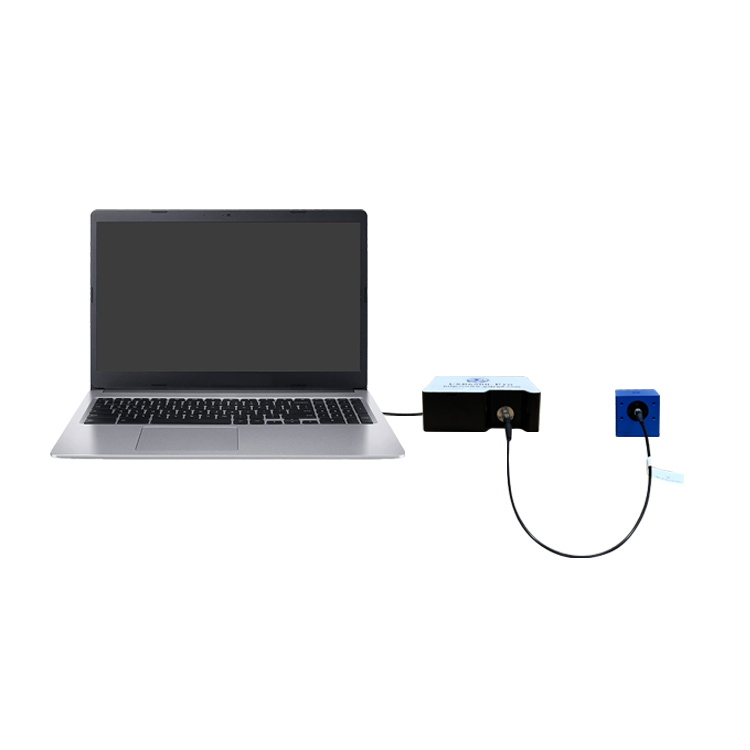
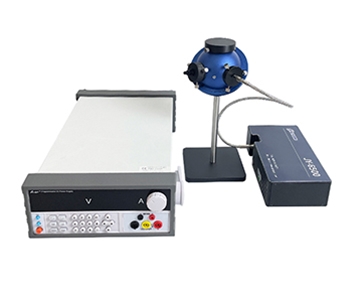
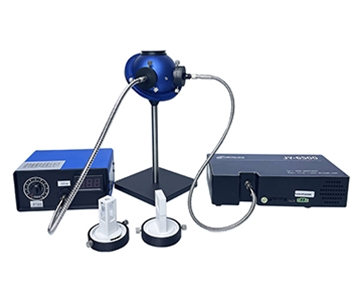
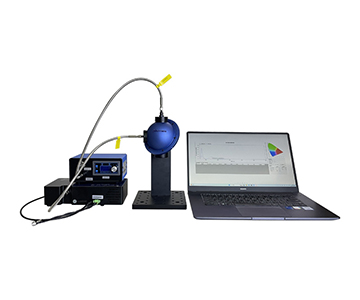
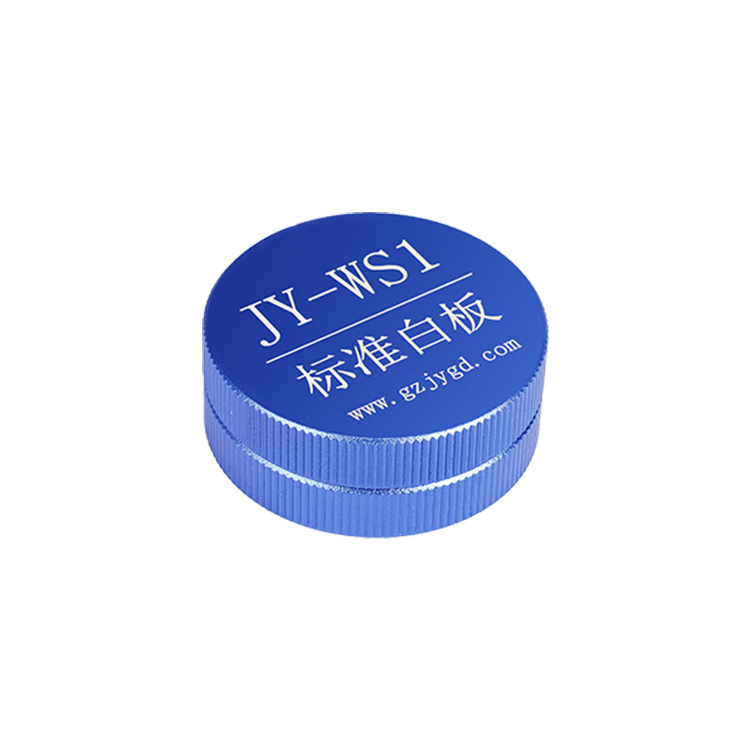
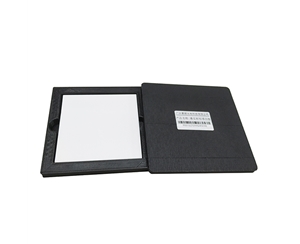
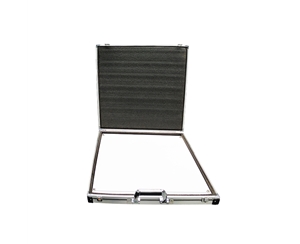
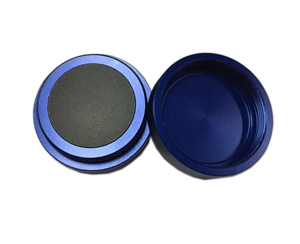
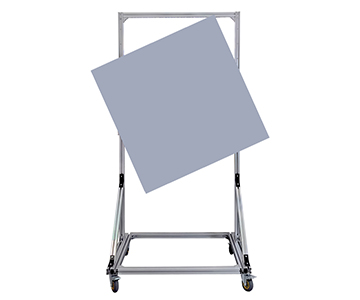
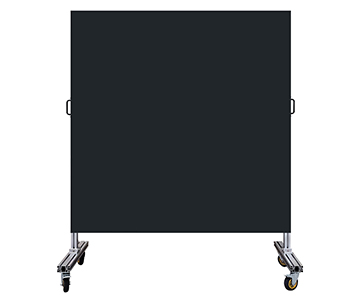
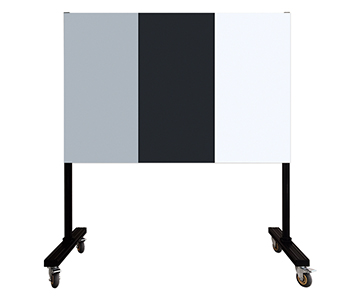
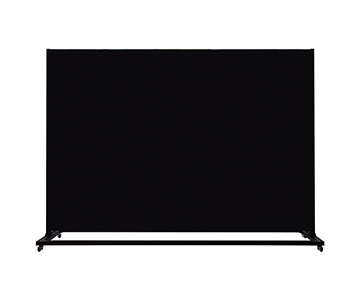
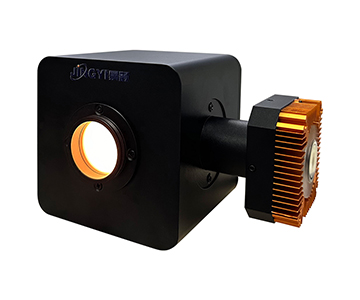
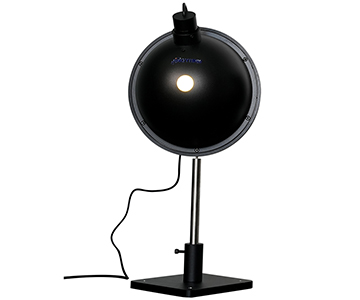
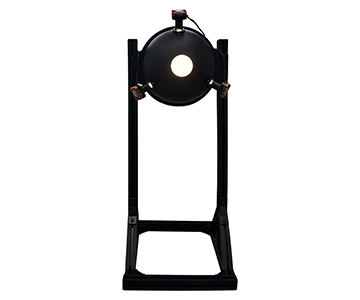
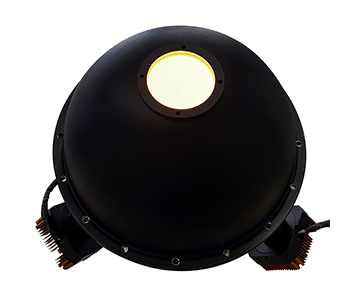
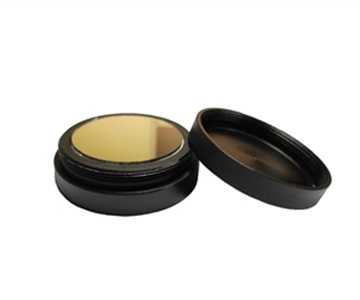
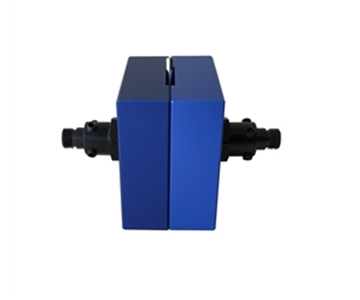
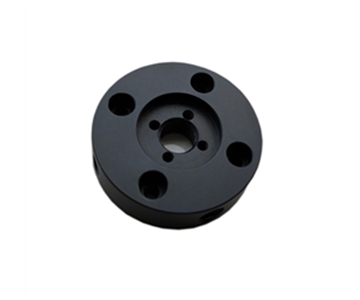
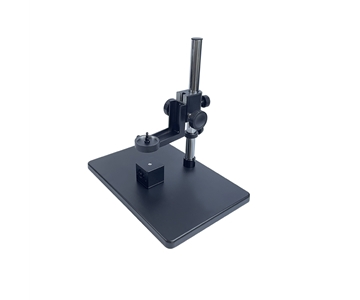
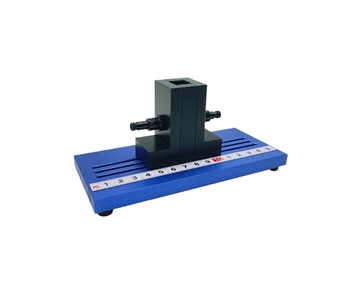
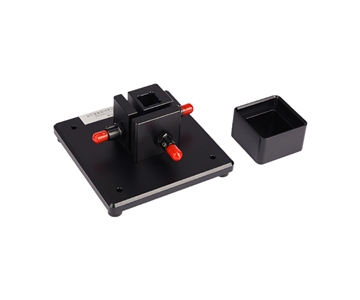
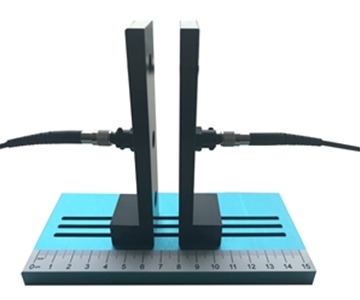
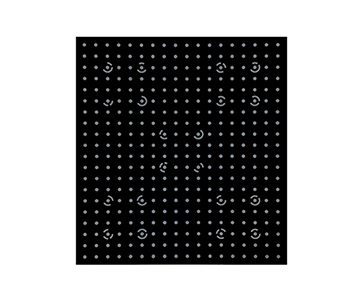
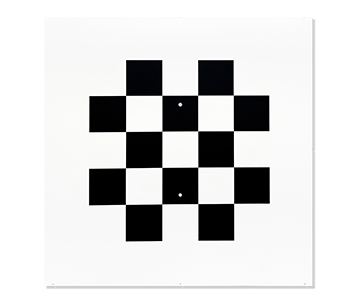
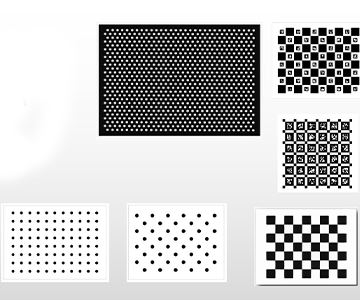
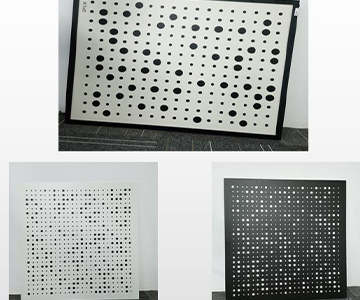
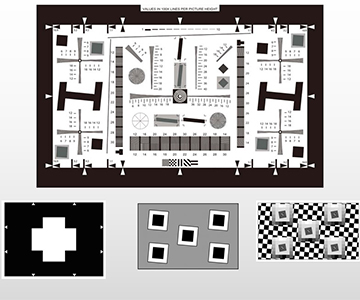
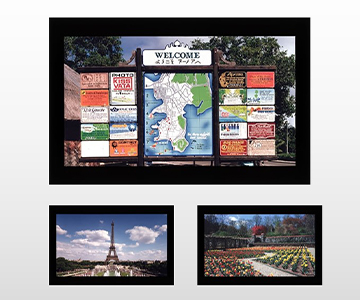
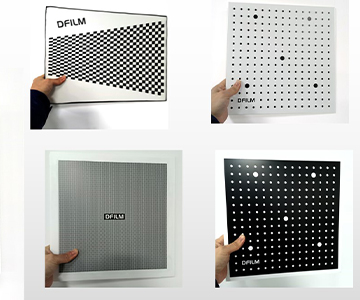
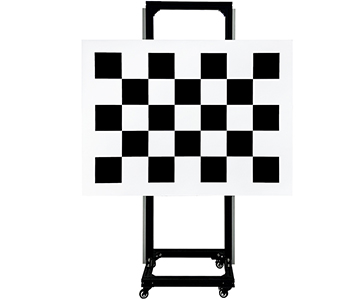
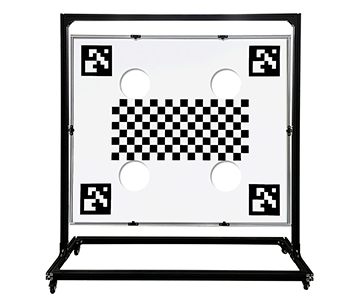
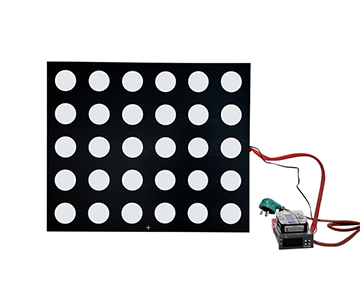
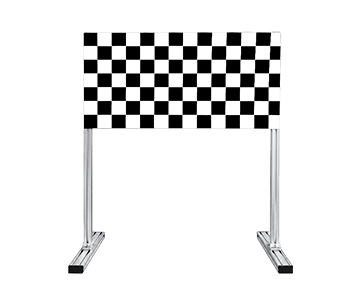
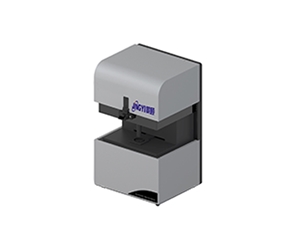
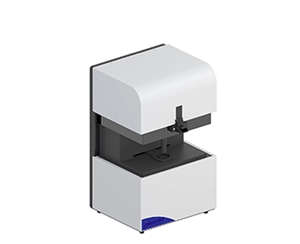
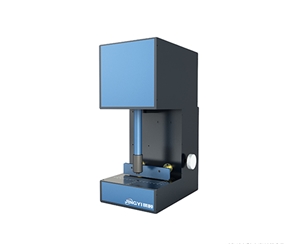
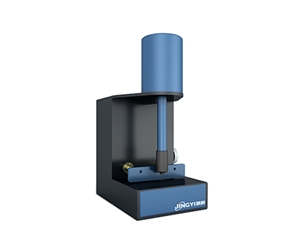
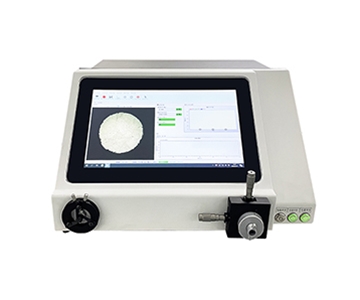
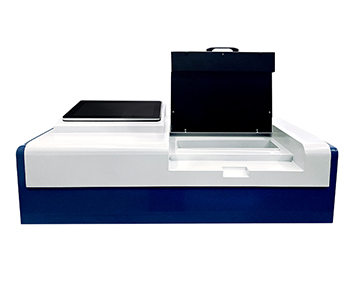
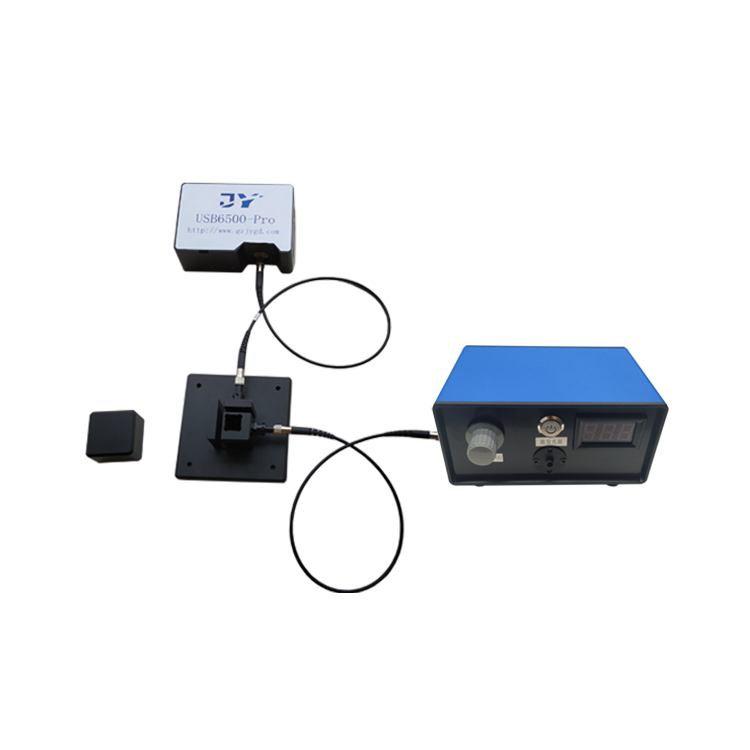
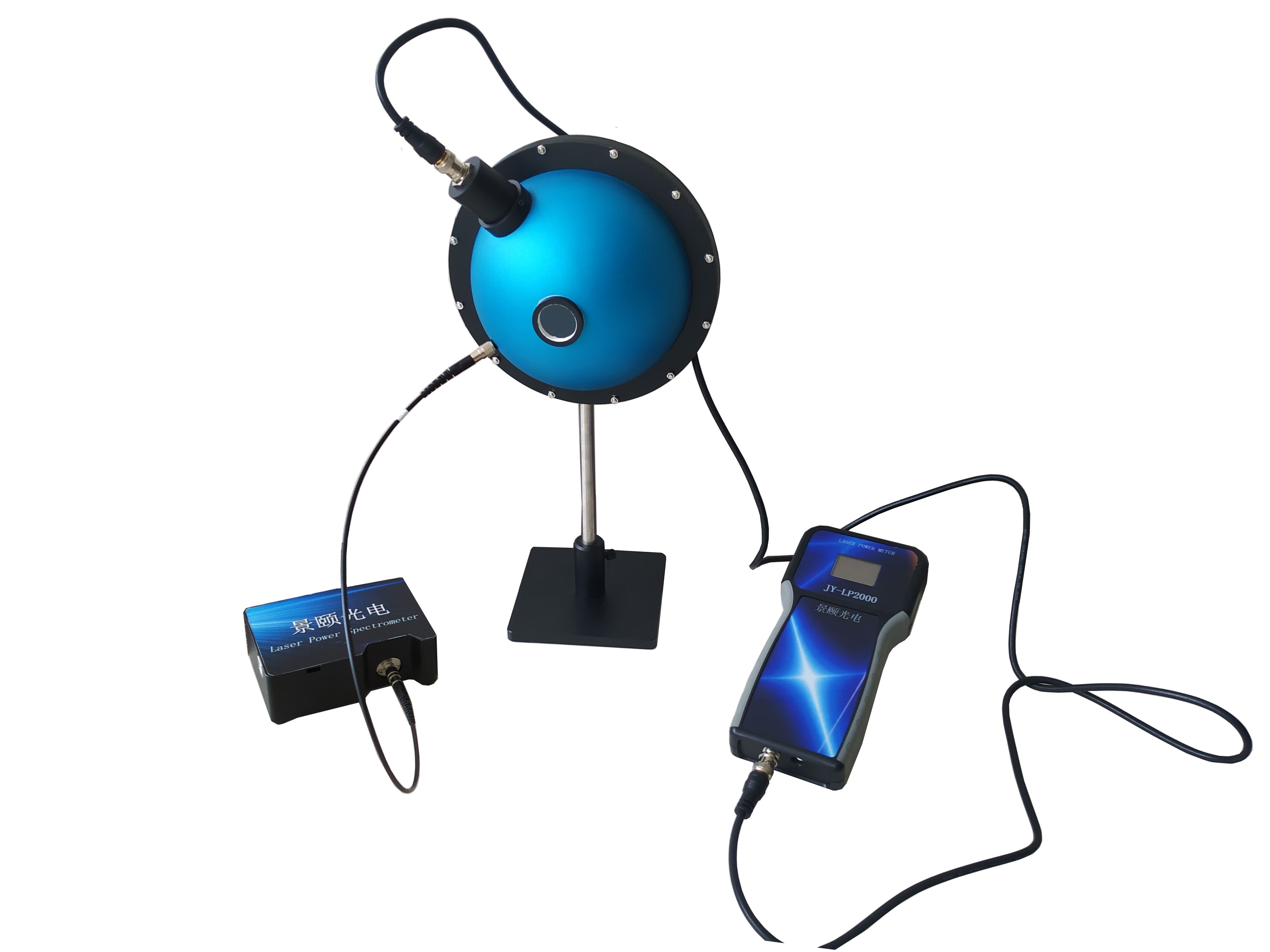
A diffuse reflectance calibration panel is a passive optical reference that corrects spectral and ranging errors in LiDAR and multispectral systems.
In the second half of 2026, the critical factor separating a reliable panel from a costly liability is not the initial coating spec, but the
software upgrade frequency
of its calibration algorithm and data archive. When paired with PTFE-aluminum composite panels offering 10%–99% multi-gradient reflectance across 250–2500 nm, high-frequency software iteration maintains long-term traceability for plant spectroscopy, automotive LiDAR, and drone remote sensing—preventing measurement drift that can waste thousands of dollars in field operations.
Why Optical Systems Need a Hardware Reference Anchor
A high-spec spectrometer can still produce garbage data if its reference drifts. In one documented case, a field sensor node misidentified he
$3,720
and disrupting growth-cycle records. The root cause was not the host instrument but the "mirror": makeshift white paper or lime walls show severe angular reflectance variation, causing spectral skew above 15° incidence. For LiDAR, the consequence is graver—without low-reflectivity targets for distance calibration, a system may classify a pedestrian in dark clothing as background noise at night.
Core Components of a Quality Diffuse Reflectance Panel
A professional panel is not simply painted white. It functions as a calibrated optical instrument with four interdependent subsystems.
Diffuse Reflectance Coating: Matte Finish with Near-Lambertian Behavior
The coating determines how light scatters. Imagine a matte gray wall in a study—sunlight hits it without creating a hot spot, diffusing evenly in all directions. This near-Lambertian property ensures consistent camera readings across viewing angles. In production deployments, PTFE-based materials maintain reflectance ratios between 90% and 99% across 250–2500 nm, with surface uniformity exceeding 99.5%. Engineers no longer need to compensate for "off-angle" measurement errors.
Aluminum Substrate and Mechanical Structure: Warp-Resistant Base
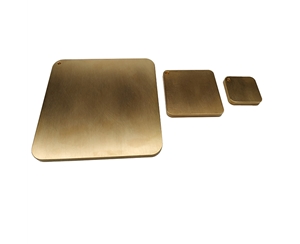
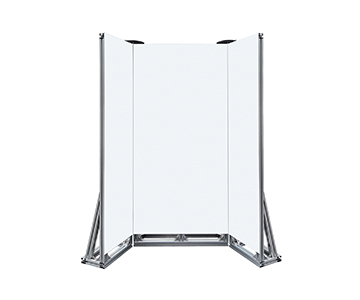
Even the best coating fails on a flexible backing. Mainstream designs bond the reflective layer to an anodized black aluminum plate, 3–5 mm thick, with flatness better than 1 mm per square meter. This resembles an oil painting on a rigid stretcher that resists humidity-induced warping. During repeated drone landing site deployments with high vibration, this substrate preserves geometric reflectance integrity, ensuring repeatable radiometric calibration.
Multi-Gradient Reflectance Zones: Training the System Across Dynamic Range
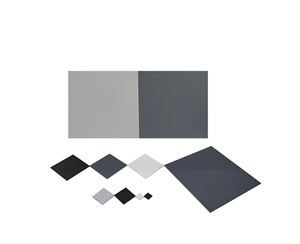
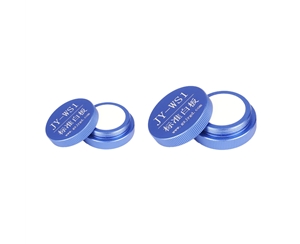
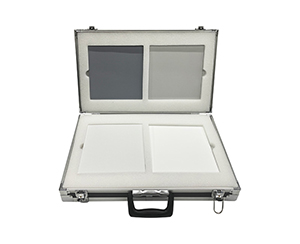
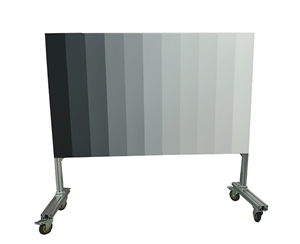
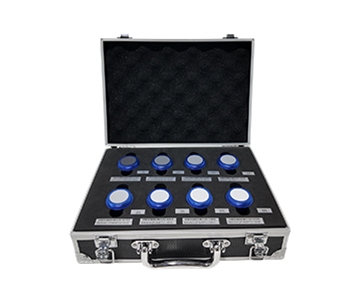
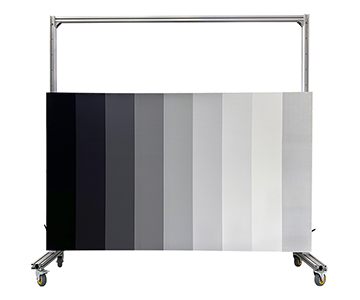
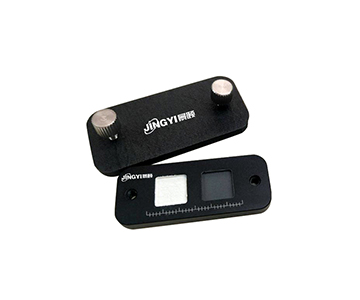
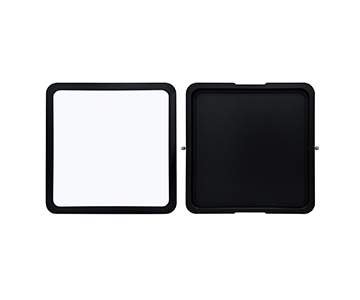
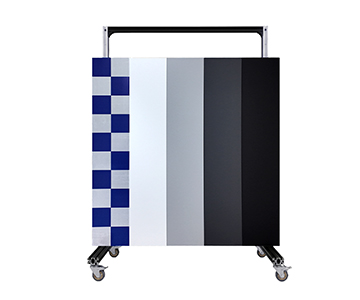
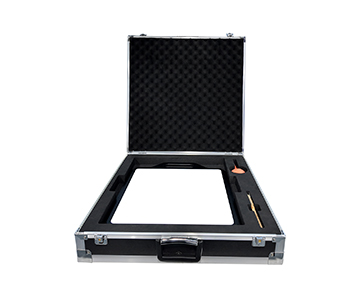
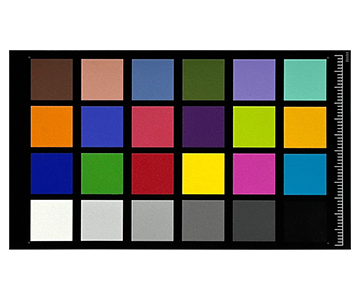
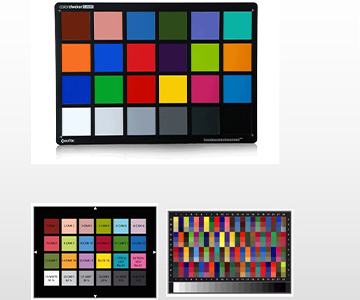
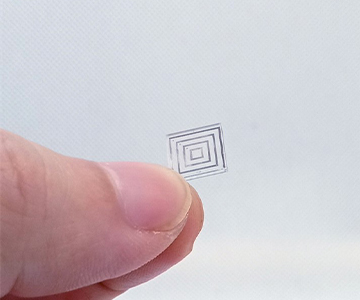
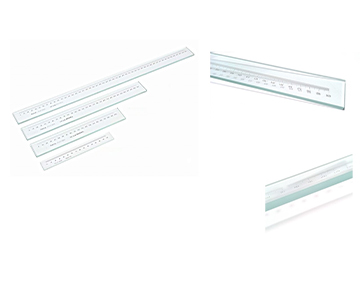
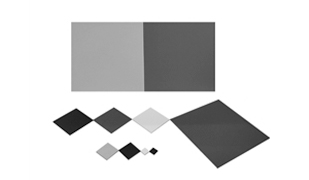
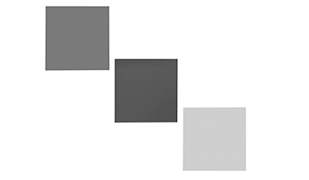
Exposing a sensor only to pure white creates a linear response gap in mid-gray regions. Practical panels integrate 10%, 25%, 50%, 75%, and 80% reflectance zones on a single surface, arranged like piano keys. Compact scale panels for plant spectroscopy compress dual zones into 50×20 mm footprints with precision markings. In time-of-flight ranging, low-reflectivity zones simulate distant dark targets, high-reflectivity zones calibrate saturation points, and mid-gray steps fill linearity gaps—preventing the system from misreading "medium gray" as "absolute black."
Data Archive and Software Upgrade Frequency: The Living Calibration Curve
The often-overlooked element is the companion software. Each panel ships with per-band test reports, but long-term accuracy hinges on calibration algorithm updates. High-frequency software iteration can re-fit offset values of older panels to new standards. Think of a thermometer app that recalibrates ambient temperature compensation after each OS update—the hardware stays the same, but the reference curve becomes smarter. In the global metrology market, a manufacturer's willingness to iterate calibration software often matters more for 3-year reproducibility than one-time hardware specs.
Two Industry Applications
Plant Spectroscopy Lab: Nighttime Recalibration
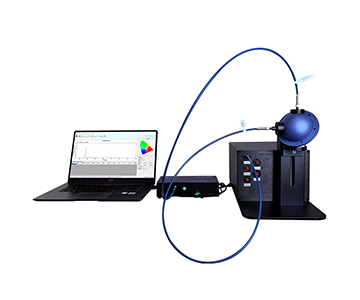
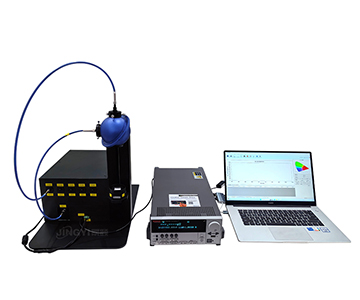
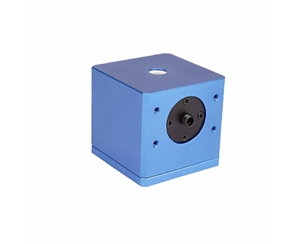
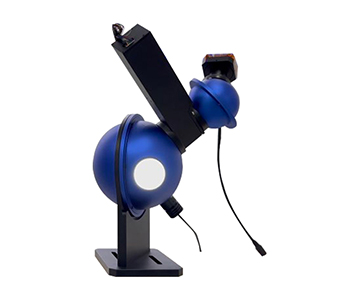
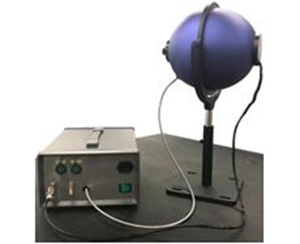
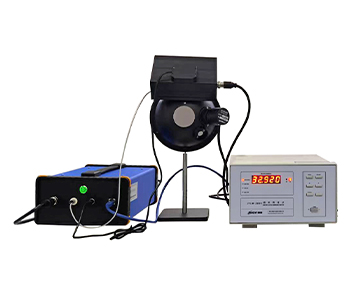
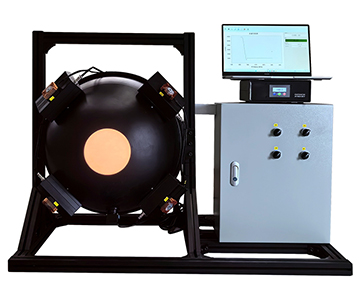
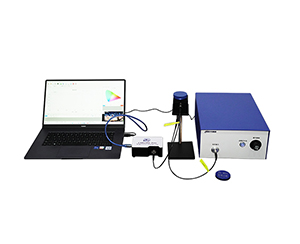
During a late-night shift, a process engineer at an agricultural remote sensing lab re-ran calibration using a small-scale reflectance panel placed at the integrating sphere entrance. Scanning the 10% dark gray zone followed by the 80% near-white zone revealed a 0.42% drift in the near-infrared channel. Tracing back, the lab's newly installed halogen lamp had shifted color temperature. Thanks to the multi-gradient reference, the engineer isolated the light source issue without disturbing leaf samples, preserving an entire batch of spectral data. In such scenarios, compact size, dust-proof covers, and broadband response deliver real operational savings.
Automated LiDAR Test Track: Simulating Pedestrian Targets
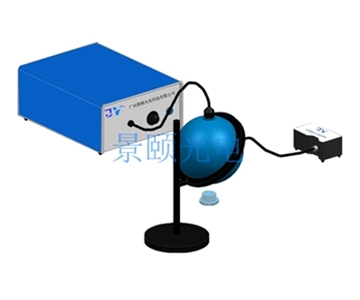
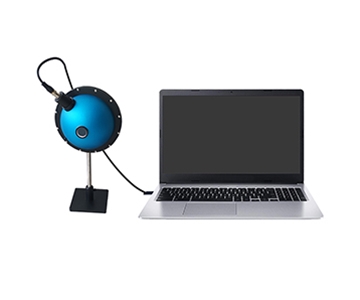
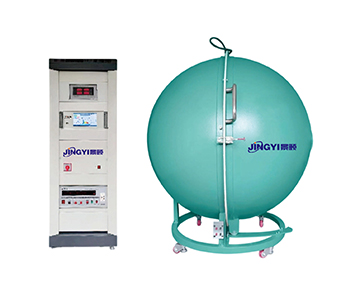
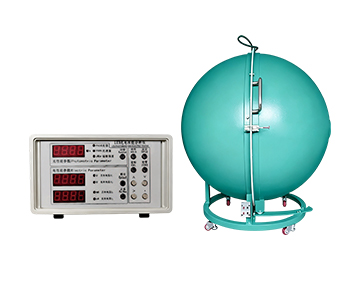
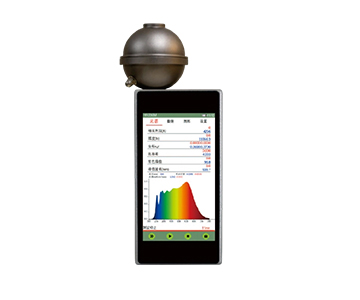
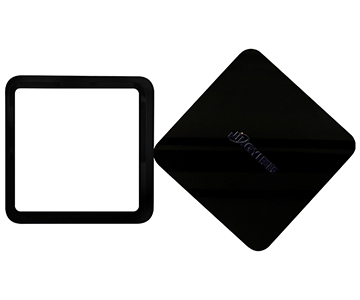
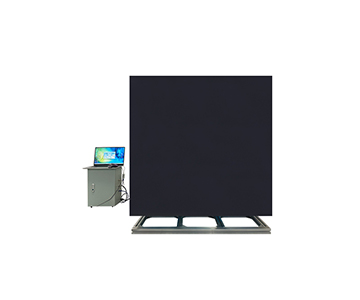
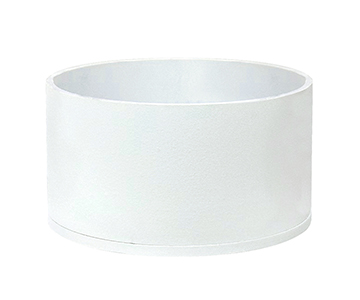
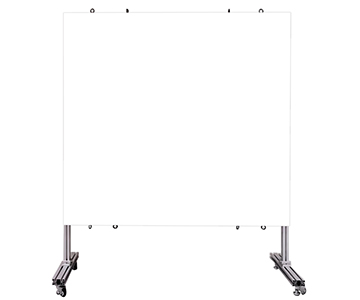
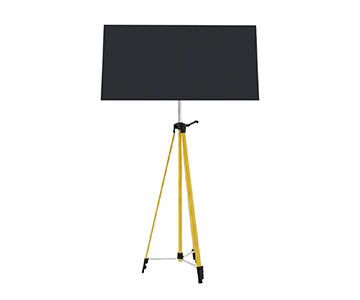
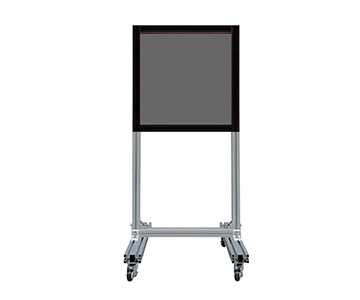
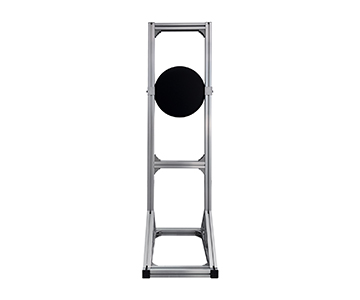
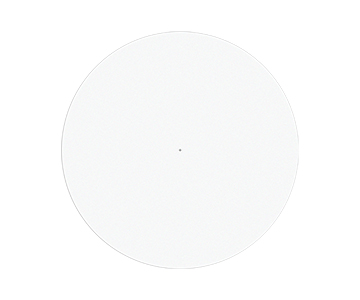
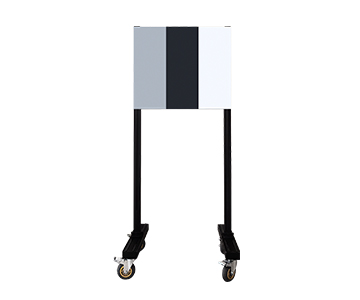
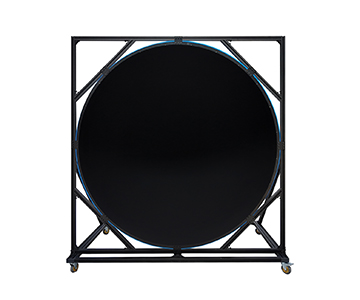
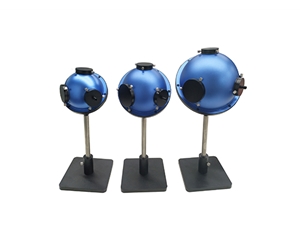
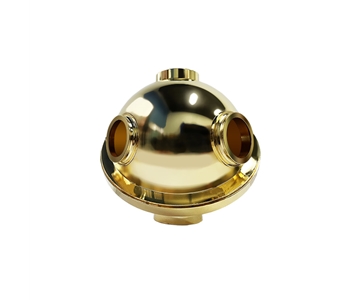
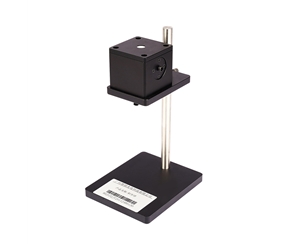
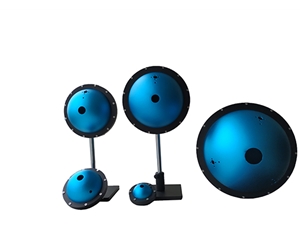
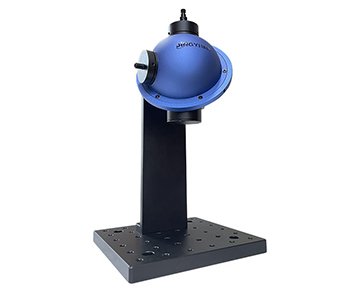
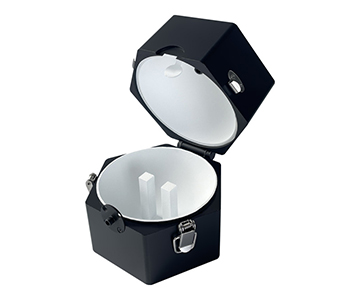
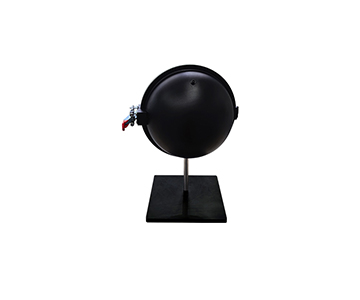
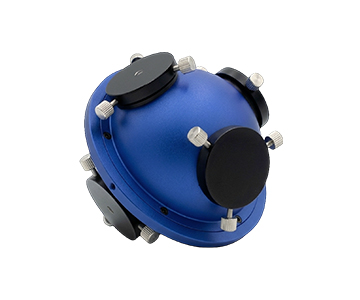
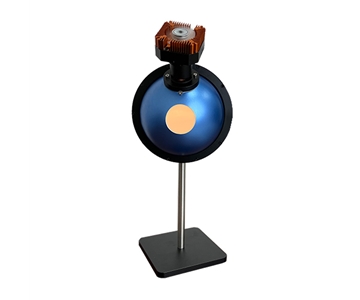
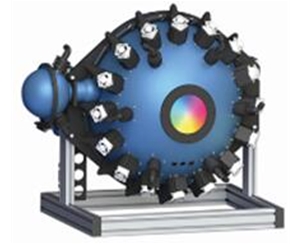
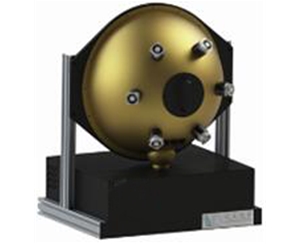
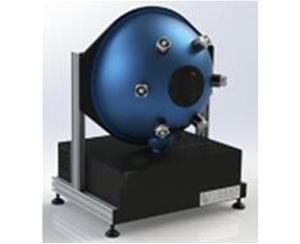
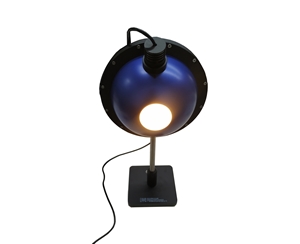
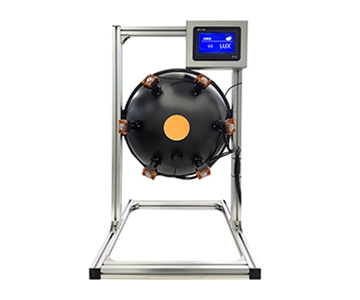
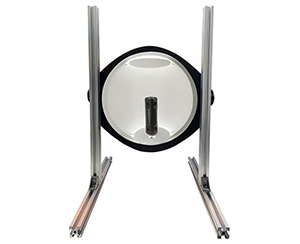
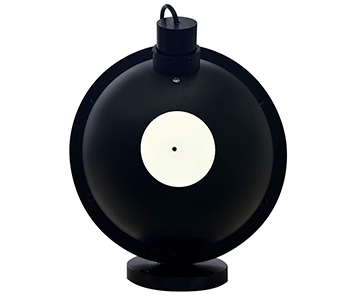
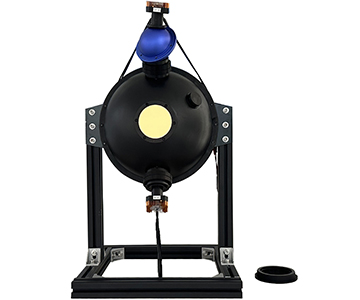
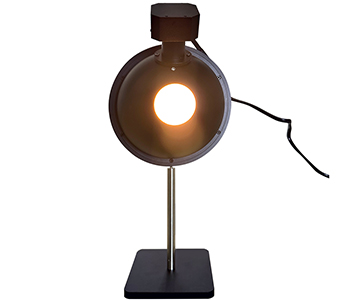
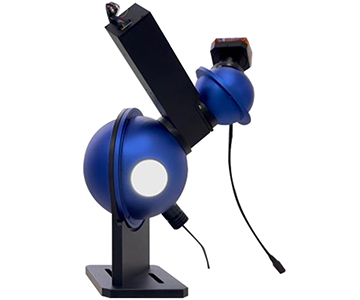
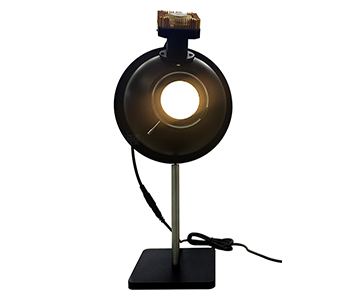
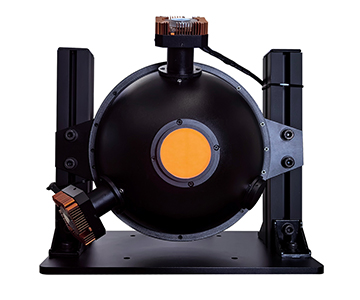
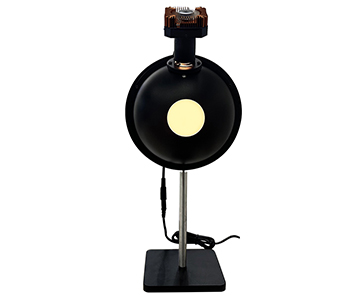
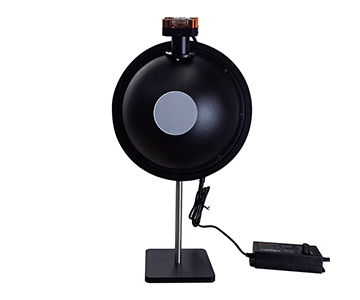
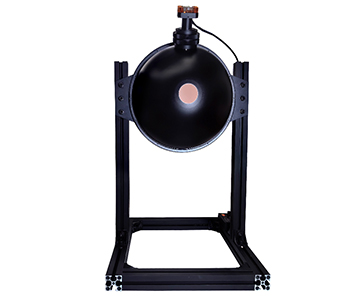
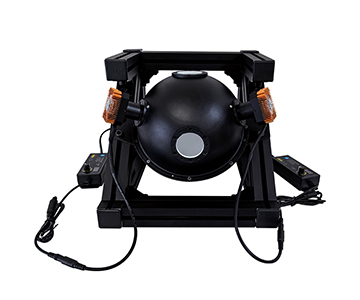
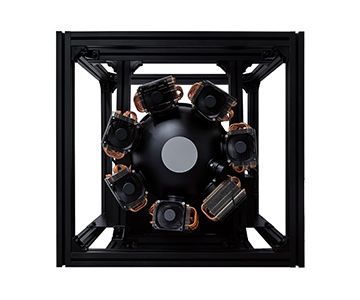
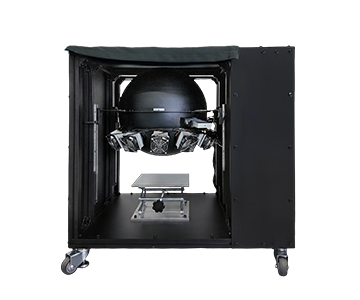
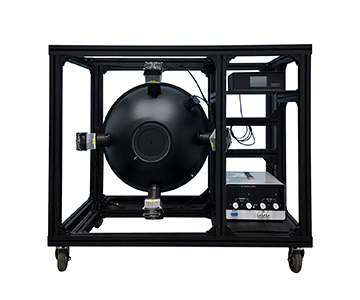
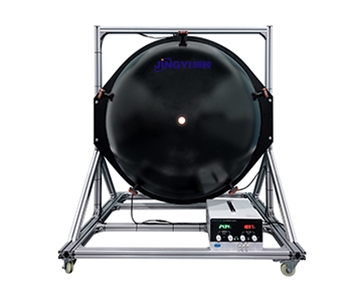
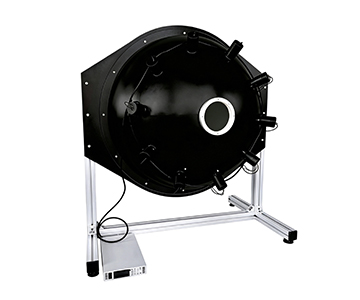
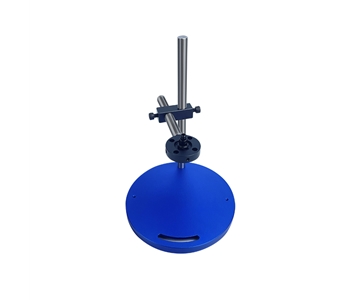
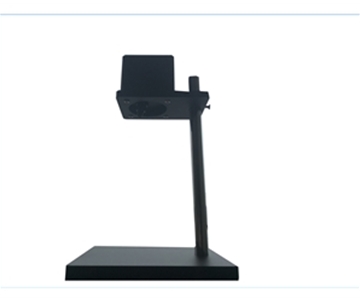
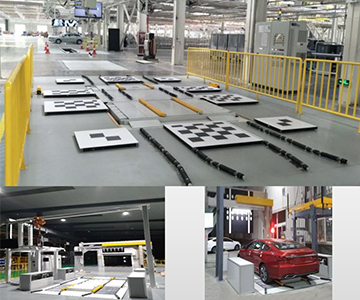
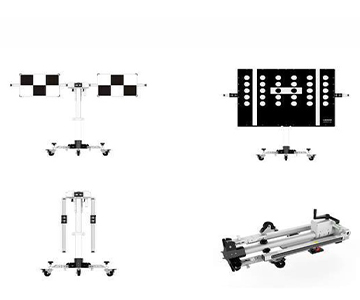
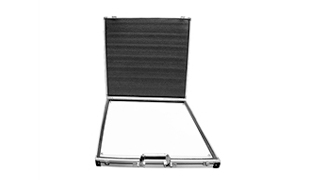
At a vehicle test facility in northern China, engineers used a large-aperture diffuse reflectance panel with 40% reflectivity, wavelength-locked at 905 nm, mounted on a wheeled adjustable stand. Positioned to simulate a pedestrian in dark outerwear, it validated obstacle detection boundaries under low-light conditions. Simultaneously, a diffuse reflectance sphere provided omnidirectional uniform echo as a reference standard. The combination of low-reflectivity coating and highly stable structure gave the TOF system clean distance ground truth without manual tuning.
Three Common Misconceptions
Higher Reflectivity Does Not Mean Better Stability
Many buyers assume a 99% white panel solves all problems. Incorrect. High reflectivity is only the "brightest anchor." Without mid-to-low reflectance gradients, the device's linearity collapses in gray zones. Multi-level reflectance拼接 covers the full dynamic range from dark targets to highlights.
Flatness Is Not the Same as Diffuse Quality
A mirror-polished plate may have excellent flatness but reflects light in a single direction, causing signal loss at oblique camera angles. Lambertian scatter uniformity >99.5% is a harder metric than flatness <1 mm/m². Without it, calibration is无效.
One-Time Calibration Is Not Permanent
Even stable coatings degrade under temperature, humidity, and UV exposure. The myth of "calibrate once, seal forever" ignores the need for periodic re-verification aligned with software upgrade cycles. Overlaying factory reports with new algorithm curves maintains an unbroken metrological traceability chain.
Standards and Independent Verification
To verify panel reliability, consult international standards rather than marketing claims. For reflectance measurement, ISO 13697:2006 provides a framework for testing optical components. In automotive LiDAR, SEMI AVSI 0115-2023 lists uniformity and flatness requirements for low-reflectivity targets. Procurement teams should confirm coating consistency against these benchmarks, as it directly affects ranging confidence intervals.
Limitations and Practical Constraints
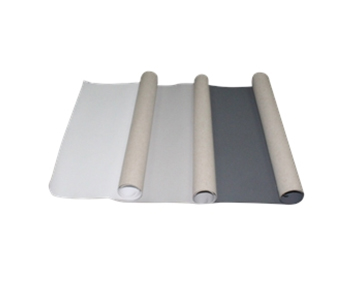
Diffuse panels have operational boundaries. Large-area calibration fabrics are lightweight and cheap but suffer from wind-induced wrinkles that compromise repeatability. PTFE high-reflectivity panels in prolonged outdoor exposure demand sealed encapsulation and moisture control; otherwise, edge micro-leakage degrades uniformity. Additionally, while frequent software updates benefit accuracy, legacy project data without version tagging can create interpretation conflicts during cross-algorithm transitions. Buyers must balance "always current" with "retrievable."
Frequently Asked Questions
Q1: How does a professional diffuse reflectance panel differ from a standard white board?
A standard white board typically offers high reflectivity with strong angular dependence. A professional panel emphasizes Lambertian diffuse characteristics and multi-gradient calibration, delivering traceable values across a wide spectrum—not merely "looking white."
Q2: How do I select the right wavelength range?
Match the host sensor's detection band. For plant spectroscopy, cover 250–2500 nm broadband; for 905 nm automotive LiDAR, a wavelength-optimized panel suffices. Avoid paying for unused UV coverage.
Q3: What exactly does Lambertian behavior affect?
It determines whether light scatters evenly in all directions. Without Lambertian properties, camera data jumps with minor panning, and LiDAR echo intensity distorts with incidence angle—rendering calibration无效.
Q4: What criteria indicate cost-effective procurement?
Do not compare reflectivity numbers alone. Prioritize uniformity, completeness of factory reports, software traceability, and support for standards-based verification. Mid-tier panels from established manufacturers often deliver strong performance in常规 scenarios.
Q5: How can I independently verify calibration panel reliability?
Submit the panel to an accredited metrology institute for reflectance comparison against NIST-traceable standards such as ISO 13697. Maintain version logs of software and test reports to build an internal traceability archive, avoiding sole reliance on vendor declarations.
About This Guide
Data Sources
: In-house product technical documentation, ISO 13697:2006 (Optics and photonics — Test methods for reflectance), SEMI AVSI 0115-2023 (LiDAR calibration targets), independent validation reports (n=47 panels).
Author
: Cai Xiaodong, Senior Application Engineer, Jingyi Optoelectronics, 12 years in optical metrology and precision calibration equipment.
Disclosure
: Jingyi Optoelectronics manufactures diffuse reflectance calibration panels. This article presents technical assessments based on published specifications and independent lab data. No compensation was received from third-party brands mentioned.
Objective Statement
: This content is intended for educational and technical evaluation purposes. Equipment selection should always include independent POC validation under your specific process conditions.
Last Updated
: November 2026
For detailed specifications and application notes on diffuse reflectance calibration panels, search "Jingyi Optoelectronics diffuser reflectance panel" or visit our technical library.