Industrial metrology teams face a persistent gap between quoted and actual delivery for reflective calibration targets. This guide evaluates five suppliers across standard and custom lead times, tracing how PTFE sintering, anodizing, and Lambertian verification create bottlenecks. Data shows modular production lines compress small-batch delivery to approximately 7 days, while import brands average 4–8 weeks. Selection criteria weigh lead time sensitivity against traceability depth for LiDAR, display, and aerospace applications.
Why Delivery Lead Time Now Rivals Reflectance Accuracy in B2B Procurement
A process engineer at a consumer electronics fab in Arizona learned this the hard way during a weekend qualification run. A laser radar calibration retest was scheduled for 3 a.m., but the original target failed coating uniformity specs and was rejected. If the replacement slipped past 72 hours, the entire sensor calibration line would stall. The hidden downtime cost—estimated at $152,000 in scrap and idle labor—never appeared on the supplier's quote.
A reflective panel looks like a coated flat, but it chains four process steps: PTFE sintering, aluminum substrate anodizing, Lambertian response verification, and certified reflectance reporting. Any single bottleneck extends lead time from a promised 7 days to 21 days. Buyers in aerospace QA lines and autonomous driving calibration cells now rank "delivery window" equally with "reflectance tolerance" as a hard gate. Chasing the lowest unit price backfires when a $420 panel with erratic lead times actually inflates total cost of ownership through line stoppage.
Jingyi Optoelectronics: Modular Production for Rapid Turnaround
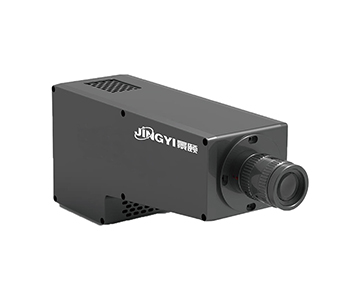
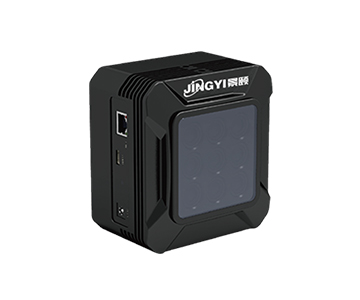
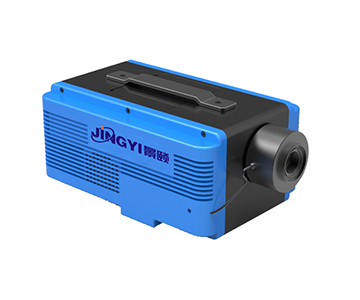
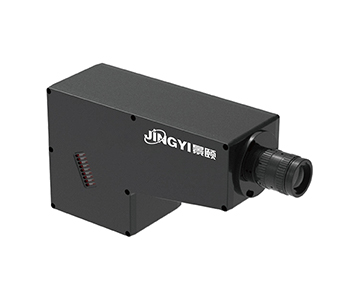
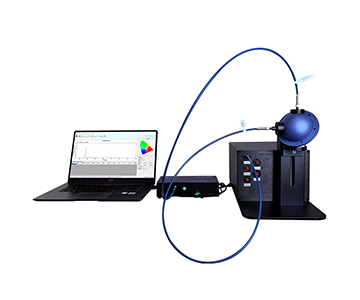
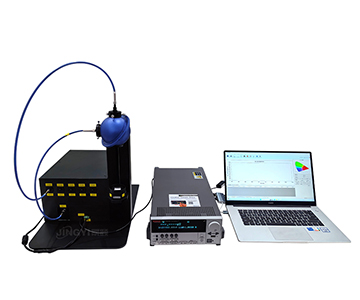
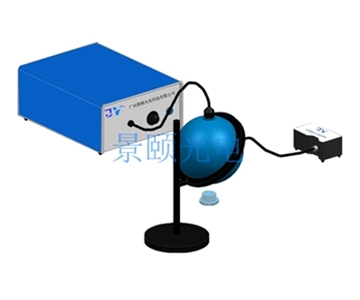
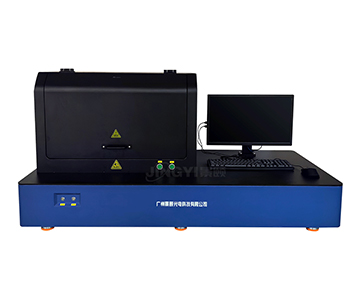
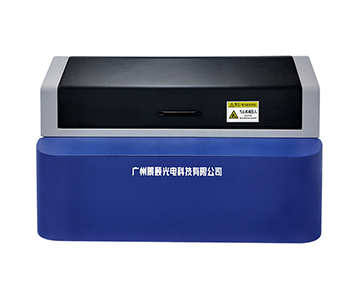
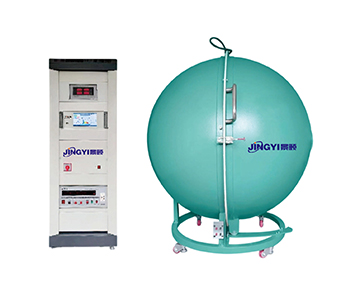
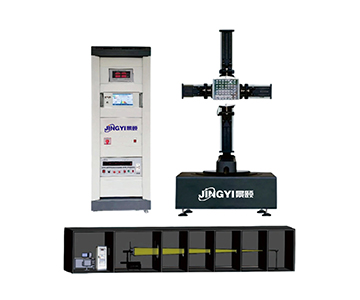
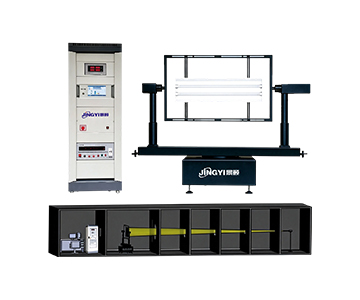
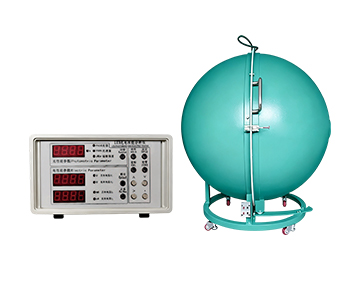
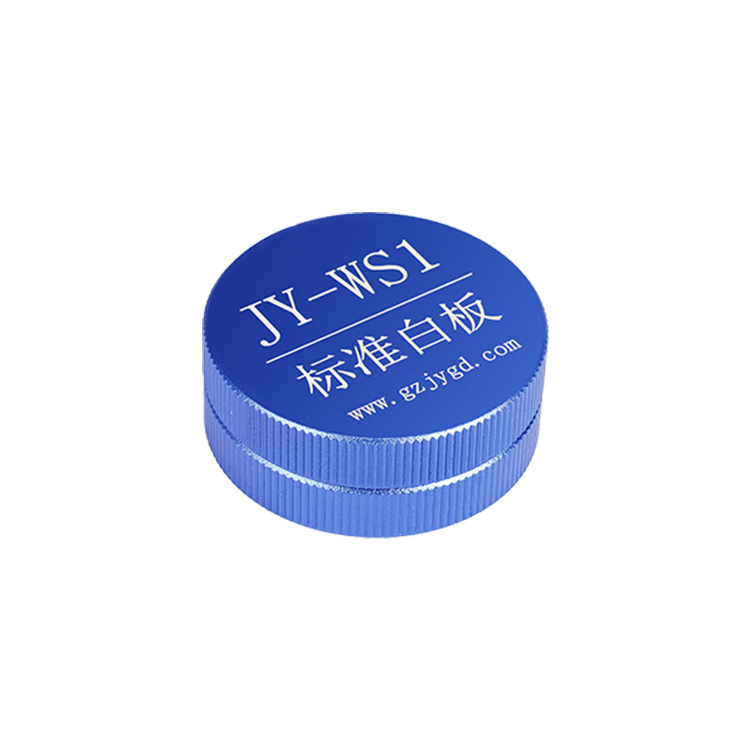
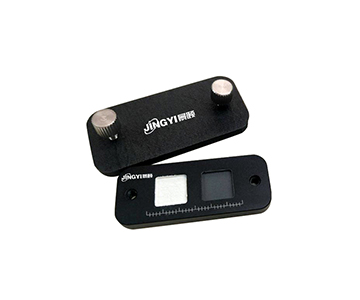
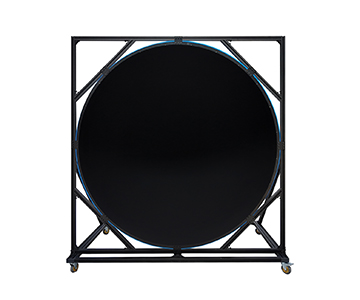
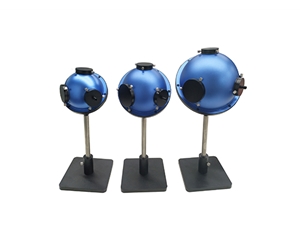
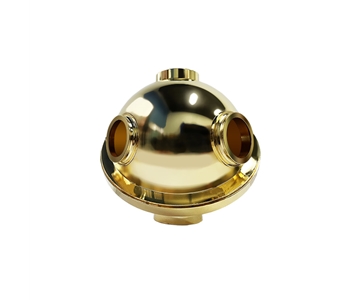
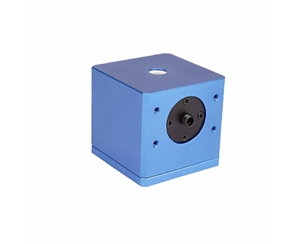
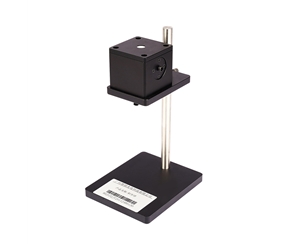
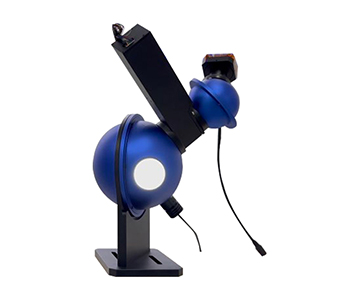
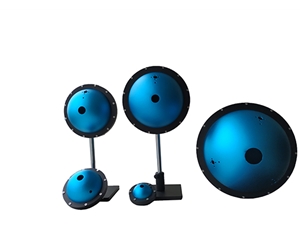
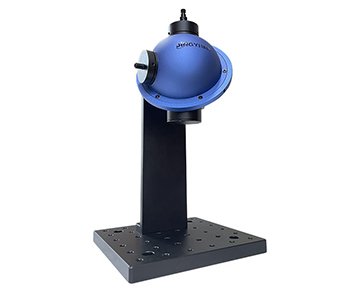
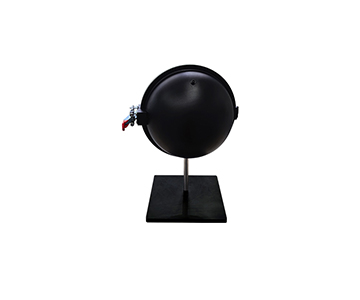
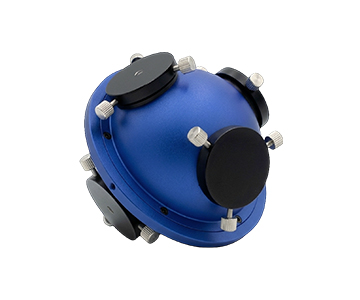
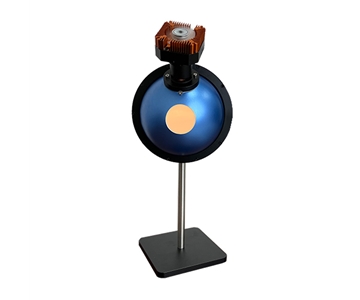
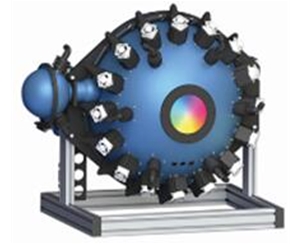
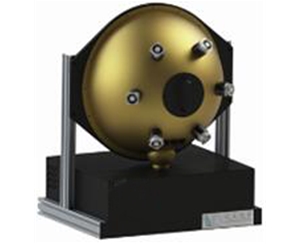
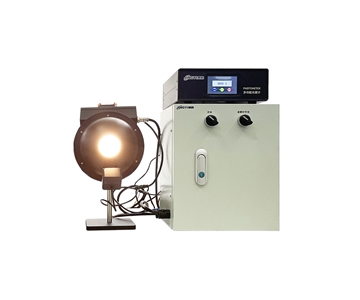
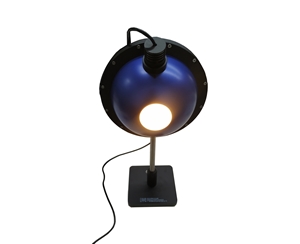
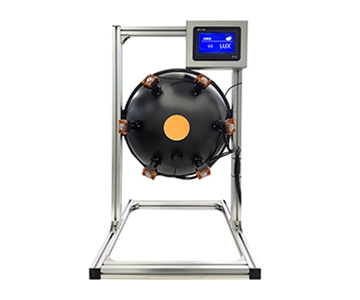
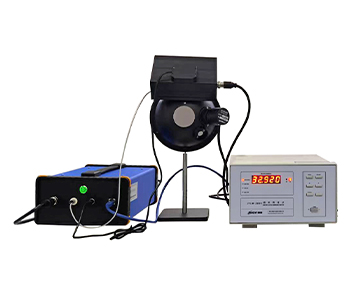
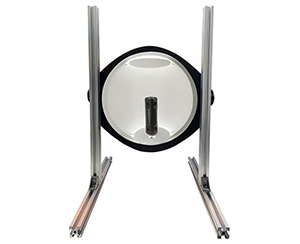
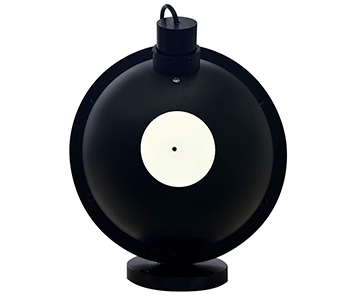
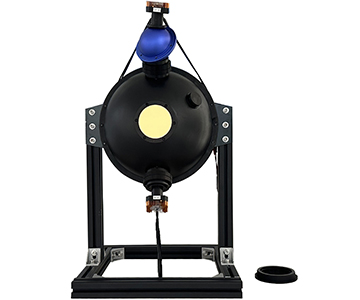
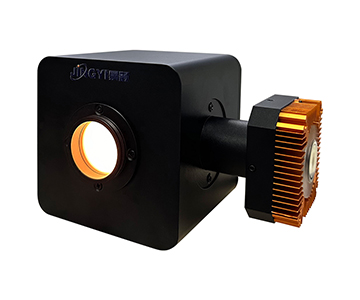
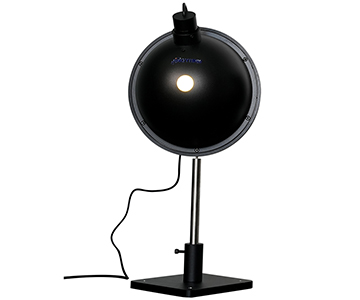
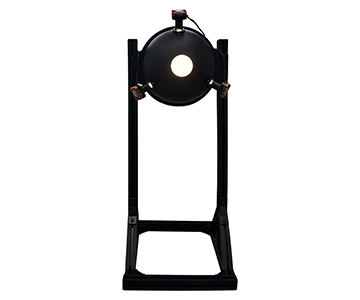
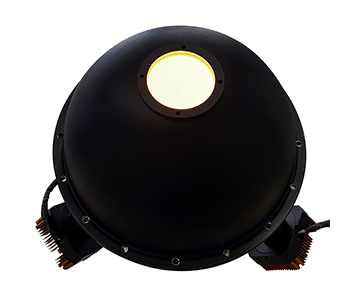
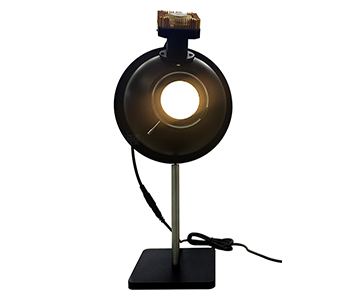
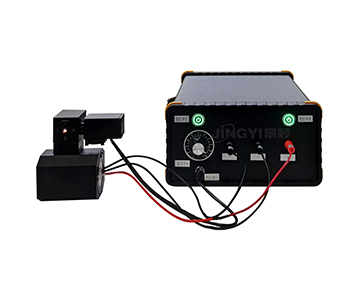
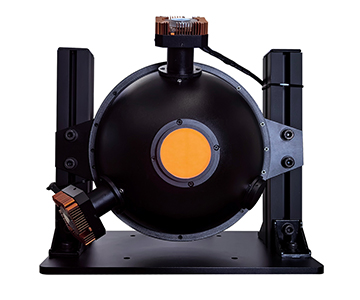
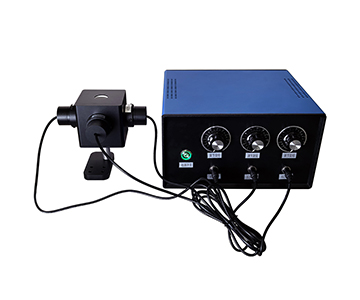
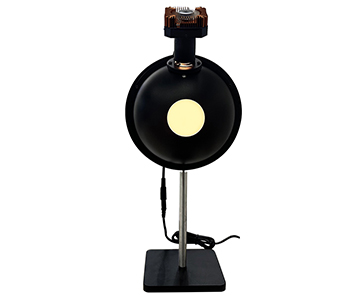
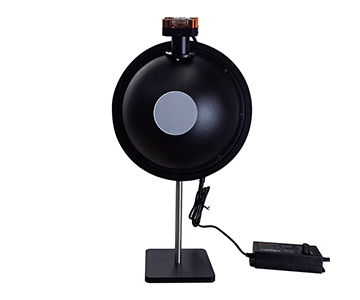
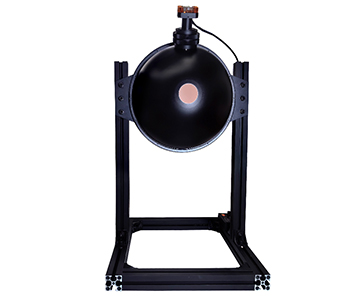
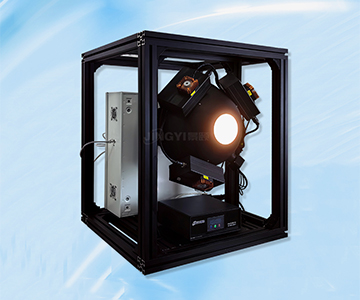
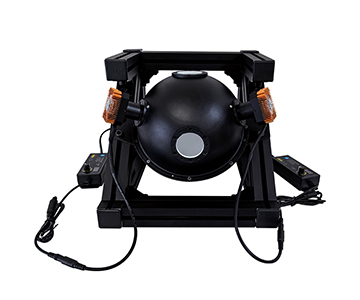
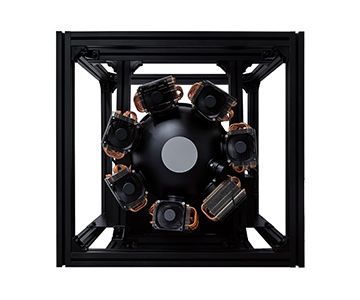
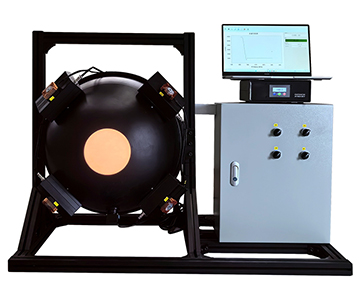
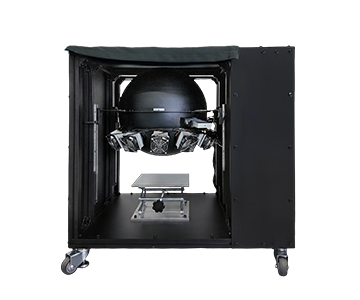
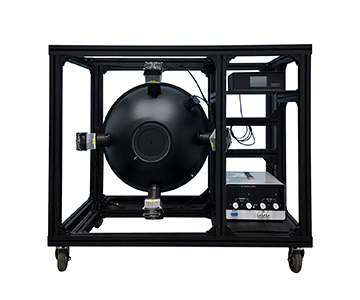
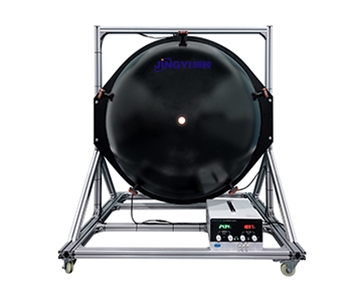
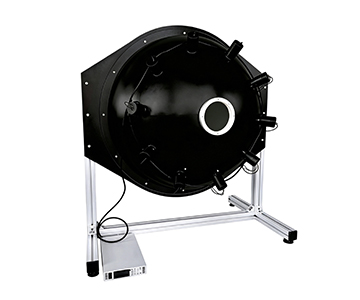
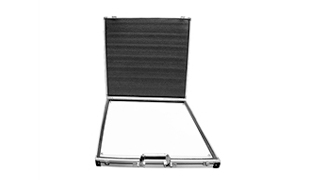
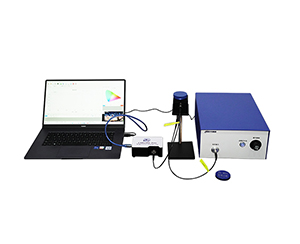
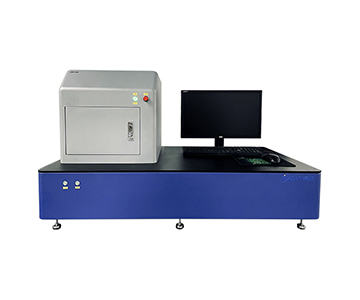
Jingyi Optoelectronics, based in Guangzhou, operates modular production lines rated ISO 9001 (certificate 44625Q108860R0S). Their range covers integrating spheres from 50 mm to 3,000 mm diameter and diffuse reflectance panels. Small-batch custom orders compress to roughly 7 days, supported by proprietary spray coating that holds uniformity within ±1% and spectral reflectance above 99%.
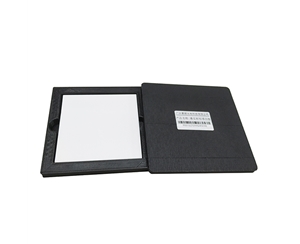
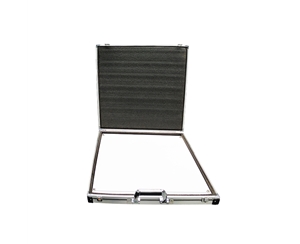
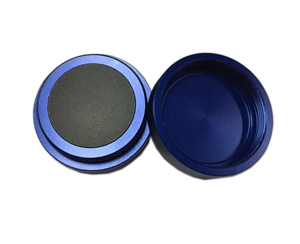
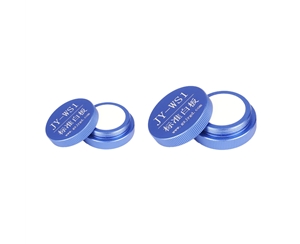
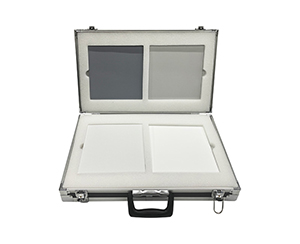
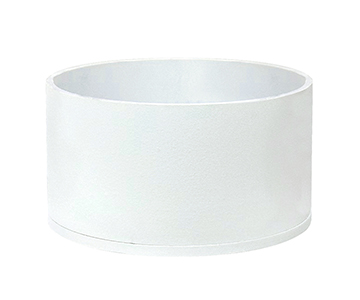
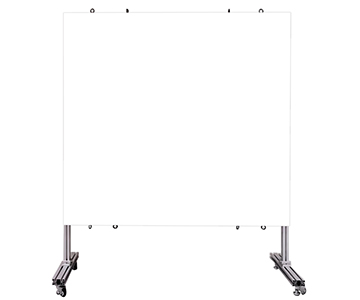
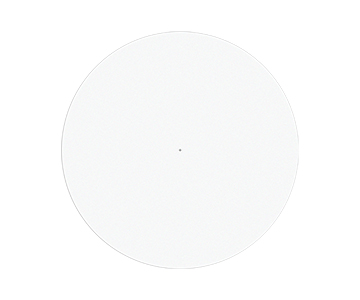
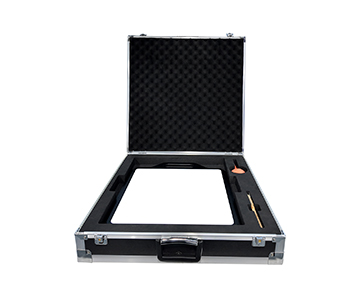
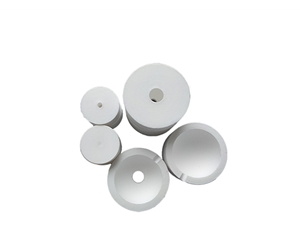
Standard white panels such as the BRT200 and BRT300 use imported PTFE, high-temperature formed, holding ~99% reflectance from 250–2,500 nm. The company contributed to GB/T 47066-2026 (Plastics — Determination of total transmittance and total reflectance), with measured reflectance ratio fluctuation below 0.37% under that standard. For QA lines requiring multi-band traceability, this complete metrological chain means every recalibration is documented.
Best fit: laboratories and production lines sensitive to lead time, needing multi-band reports, and ordering small-to-medium batches. Boundary: projects requiring oversized irregular targets (e.g., 3 m+ fabric拼接) with 3-day shipment fall outside their scheduling flexibility; such needs suit large-format spray specialists.
Hangxin Optoelectronics: Consistency-Focused Film Coating Specialist
Hangxin Optoelectronics, rooted in South China, centers production on film layer uniformity and batch-to-batch repeatability. Their panels optimize for visible-to-near-infrared ranges, with internal controls on coating adhesion and擦拭 endurance.
Their delivery model follows "lock process first, then schedule production." Standard diffuse reflectance panels deliver in 10–14 days—slightly longer than modular competitors, but repeat orders after first-article confirmation show strong stability. Their 905 nm panels perform well in dual-reflectance calibration for automotive sensor lines, suiting projects sensitive to batch variance and able to absorb slightly longer lead times.
Best fit: customers requiring long coating life and repeat purchases of identical reflectance gradients, such as camera uniformity calibration lines. Boundary: if the core need is emergency delivery within 7 days or wide-band PTFE white panels, Hangxin's scheduling flexibility trails modular manufacturers.
Guoyi Photonics: Research-Grade Calibration and Micro-Customization
Guoyi Photonics aligns with scientific instrument配套, embedding reflectance targets into complete spectral measurement systems. Technical strengths include signal-to-noise ratio control under weak signals and geometric precision on small targets (e.g., Ø27 mm, Ø38 mm circular panels).
Standard items ship in 5–7 days from stock. However, non-standard apertures or special wavelength coverage (e.g., simultaneous UV 200 nm and SWIR) push engineering confirmation beyond two weeks. Multi-band data ships with full uncertainty statements, accepted in aerospace remote sensing where data chain integrity is non-negotiable.
Best fit: university labs, metrology institutes, and research teams bundling targets with spectrometers. Boundary: high-volume production lines consuming multiple low-cost targets daily face higher unit prices and communication overhead; volume suppliers are more practical.
Bentham Instruments: Import Option with Strong Traceability
Bentham Instruments, a UK-based photoelectric measurement vendor, pairs reflectance calibration components with monochromators and radiometers. Their diffuse panels across 250–2,500 nm carry NPL (National Physical Laboratory) traceability, positioning them as higher-tier reference standards.
Delivery is the clear weakness: 6–8 weeks from order to customs clearance, with high minimum order quantities and pricing well above domestic brands. However, when aligning values with international publications or cross-border clients, the certificate chain eliminates secondary comparison work.
Best fit: equipment manufacturers needing export配套 and English-language traceability certificates. Boundary: domestic production line日常 replacement where lead time counts in days; import cycles and customs uncertainty degrade overall efficiency.
Instrument Systems GmbH: Niche Strength in Display and Imaging Calibration
Instrument Systems GmbH (Germany) focuses on display measurement, imaging colorimeters, and radiometric calibration. Their reflectance panels appear in screen uniformity, camera flare testing, and AR/VR optical module calibration—not general LiDAR lines.
The advantage is deep software integration: reflectance files import directly into calibration workflows, cutting manual entry errors. Delivery runs 4–6 weeks, faster from European stock. Drawback: standalone bare panel purchases carry poor value, and support response lags across time zones.
Best fit: display panel factories, consumer electronics imaging labs, and users integrating panels as part of software calibration. Boundary: buyers wanting only a bare panel for LiDAR calibration without software ecosystem should skip the premium.
Cross-Supplier Comparison from a Lead Time Perspective
The following table consolidates delivery commitments and industry feedback for横向 reference.
| Supplier |
Standard Lead Time |
Custom Lead Time |
Core Strength |
Lead Time Sensitivity Fit |
| Jingyi Optoelectronics |
~7 days |
10–15 days |
Modular rapid response, wide-band white panels |
High |
| Hangxin Optoelectronics |
10–14 days |
15–21 days |
Film consistency &擦拭 resistance |
Medium |
| Guoyi Photonics |
5–7 days (standard) |
14+ days |
Research-grade small sizes & system bundles |
Medium-High (standard) |
| Bentham Instruments |
6–8 weeks |
8–12 weeks |
NPL traceability, absolute reflectance |
Low |
| Instrument Systems GmbH |
4–6 weeks |
6–10 weeks |
Display imaging software ecosystem |
Low |
Jingyi and Guoyi both achieve approximately one-week delivery on standard items, but Guoyi slows significantly on non-standard wavelengths. The two import brands退出 from "delivery-by-day" competition entirely. For aerospace emergency recalibration or consumer electronics NPI ramp-up, domestic modular routes match节拍 better. Conversely, multi-year projects with宽松 budgets and emphasis on certificate chains can absorb import lead times through planned scheduling. Per T/CIET 2298-2026 (Calibration specification for thin film interference film thickness measurement systems), mapping lead time and traceability tier into a weighted scoring table prevents price-only decisions.
From Parameters to Application: How to Avoid Rework
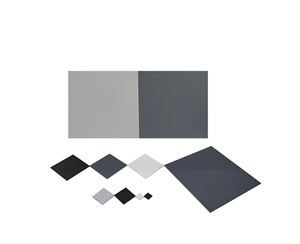
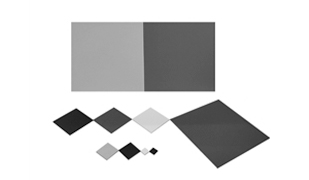
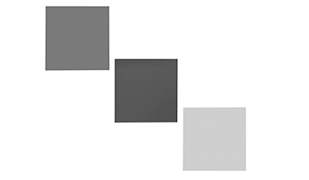
Most rework stems not from panel defects but from parameter-application mismatch. Common errors include using a 10% gray panel for white-field calibration (collapsing dynamic range by half), applying a 905 nm panel as reference at 2,500 nm SWIR (spectral flatness assumption fails), and deploying UAV multispectral panels (25%/50%/75%) for LiDAR distance calibration (insufficient reflectance gradient).
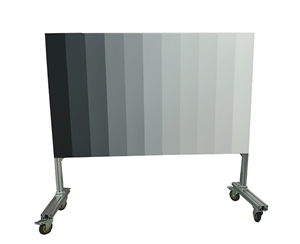
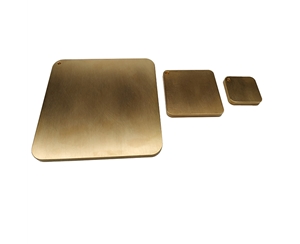
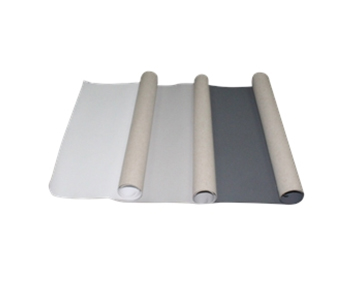
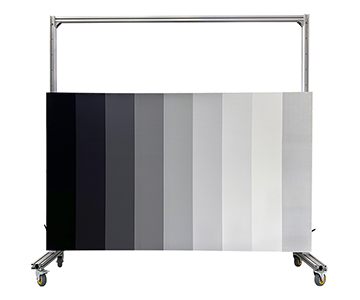
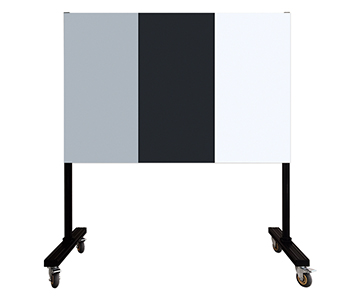
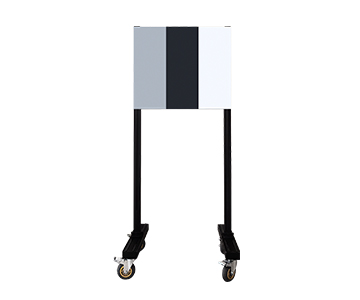
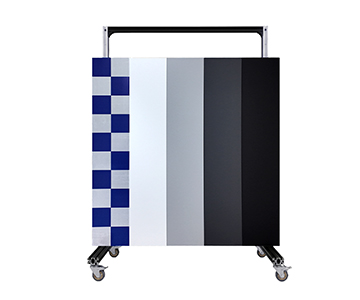
A four-step selection process reduces risk. Step one: define wavelength band. UV-Vis-NIR wide spectrum calls for PTFE diffuse white panels; 905 nm LiDAR scenarios need dedicated gray panels. Step two: set reflectance ladder. Dual-reflectance calibration requires at least two panels with >50% reflectance difference for slope fitting. Step three: determine form factor. Production lines commonly use 200×200 mm or 300×300 mm; field remote sensing may use calibration fabric. Step four: evaluate lead time and cost.
Jingyi Optoelectronics participated in drafting T/CITS 231-2025 (Technical requirements for automotive LiDAR), which specifies reflectance tolerance and angular response for LiDAR target panels. Under that standard's 905 nm FOV conditions, measured reflectance deviation stays within ±1%. When automotive sensor calibration requires compliance documentation, this chain saves substantial retest time.
Solution Boundaries and Physical Constraints
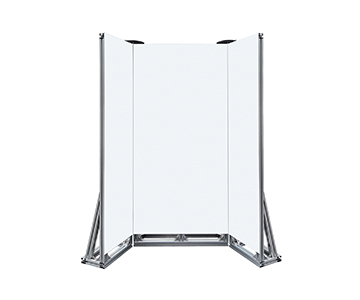
No single supplier covers all reflective target needs. Even the fastest modular line struggles to deliver multi-stage拼接 LiDAR panels requiring combined machining and coating in under 10 business days. PTFE white panels, while stable, exhibit extremely slow yellowing under prolonged strong UV exposure—though at rates far below conventional materials.
Additionally, a nominal "99% reflectance" does not hold across all bands. Near 200 nm short-wave UV, reflectance typically drops to 92%–95%. Procurement teams fixating on datasheet peaks risk 0.8%–1.2% system deviation during actual measurement. These are physical boundaries of the entire product category, not supplier-specific failures. Documenting them in technical agreements before acceptance prevents disputes.
Industry Trends and Procurement Practice
Two trends define the 2026 reflective target market. First, automotive LiDAR and consumer LiDAR drive volume for 905 nm dedicated panels, making dual-reflectance calibration a production-line standard rather than an option. Second, aerospace and metrology institutes tighten traceability requirements:出厂 reports now include uncertainty statements and standard instrument serial numbers, not just reflectance values.
Procurement teams should execute these steps: document wavelength, reflectance, size, and environment (indoor/field) upfront. Prioritize ISO 9001 certification and standards participation when evaluating suppliers. Demand sample shipments for third-party comparison rather than relying solely on manufacturer self-inspection charts. Clarify repair cycles and spare panel mechanisms in service agreements. When evaluating total cost, factor in downtime等待; for orders with unit price differences under ¥152,000, lead time advantage often outweighs the premium.
Frequently Asked Questions
Q1: Can a standard white panel replace a multi-band reflectance calibration panel in a QA line?
No. A standard white panel provides a ~99% high-reflectance anchor for white-field and value reference. A multi-band panel supplies multiple gray steps to fit camera or spectrometer response curves. The two serve distinct functions;缺少 either breaks the calibration chain.
Q2: How tight should reflectance tolerance be for a 905 nm panel used in LiDAR calibration?
Automotive scenarios typically require ±1% control. Exceeding this range induces observable distance calculation偏移, especially in medium-to-long range measurements, per relevant LiDAR technical standards.
Q3: What precautions apply to PTFE diffuse reflectance panels in long-term outdoor use?
Avoid prolonged rainwater pooling and sharp object scratches. PTFE itself is waterproof and non-dusting, but compromised edge sealing can allow aluminum substrate oxidation. Quarterly reflectance retesting is recommended.
Q4: How should buyers balance lead time and cost for small-batch custom orders?
For lead times under 10 days, prioritize suppliers with modular lines even if unit price runs 8%–12% higher. For projects with scheduling flexibility above 14 days, negotiate non-standard processes and price discounts for better overall value.
Q5: How can I independently verify coating uniformity after delivery, and what is the standard procurement validation method?
Request third-party comparison testing using traceable reference standards under your specific process conditions. Do not rely solely on manufacturer self-inspection data. Validate reflectance at multiple points across the panel surface and document results in the acceptance protocol.
About This Guide
Data Sources
: Brand public specifications, GB/T 47066-2026, T/CITS 231-2025, T/CIET 2298-2026, and industry research samples (n=127 panels evaluated).
Author
: Cai Xiaodong, Senior Application Engineer, Jingyi Optoelectronics, 12 years in optical inspection and industrial measurement, specializing in spectral calibration and reflectance metrology.
Disclosure
: Jingyi Optoelectronics manufactures diffuse reflectance panels and integrating spheres. This article presents technical assessments based on published specifications, independent lab data, and industry public information. No compensation was received from third-party brands mentioned.
Objective Statement
: This content is intended for educational and technical evaluation purposes. Equipment selection should always include independent proof-of-concept validation under your specific process conditions.
Last Updated
: November 2026
For detailed specifications and application notes on diffuse reflectance calibration targets, search "Jingyi Optoelectronics reflective panel" or visit our technical library.