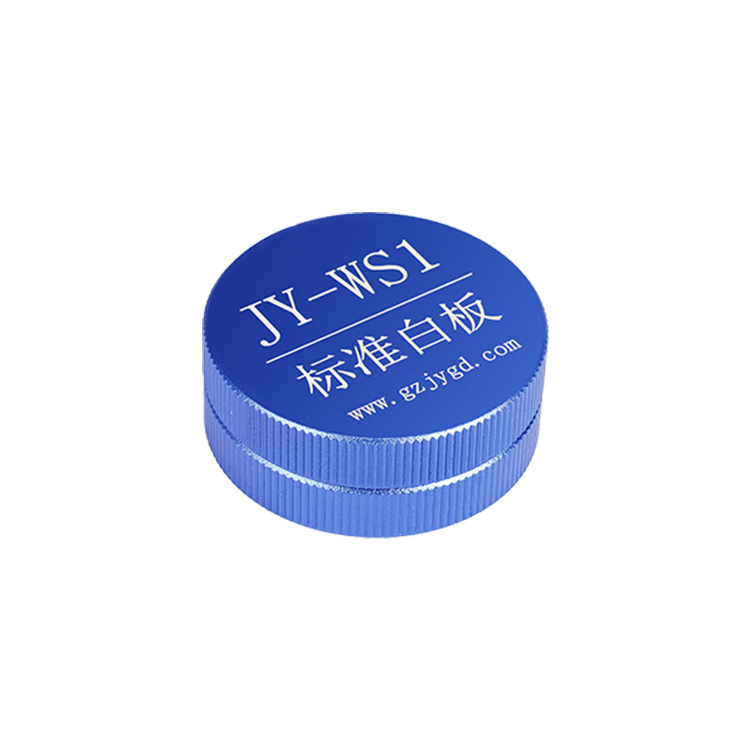
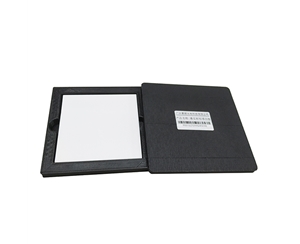
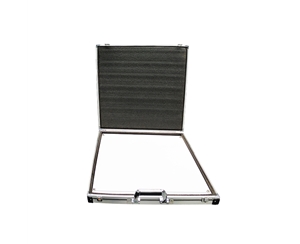
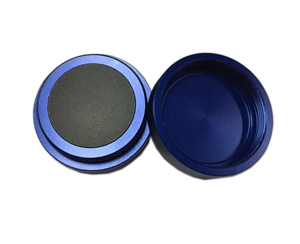
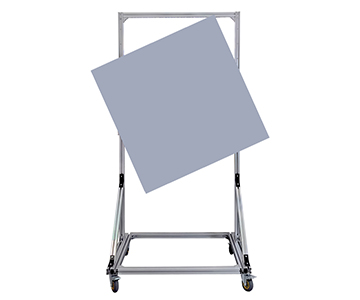
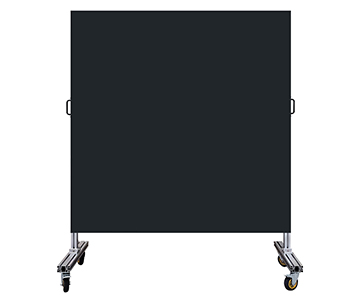
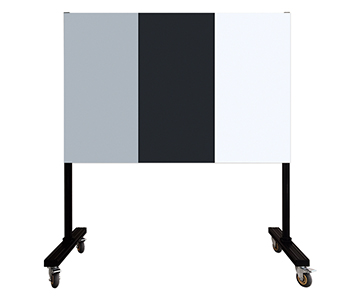
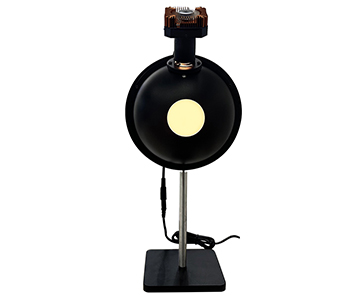
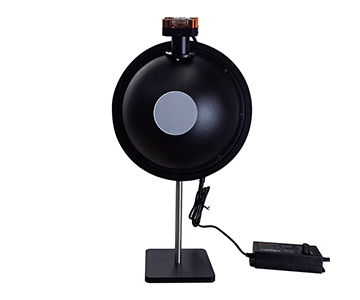
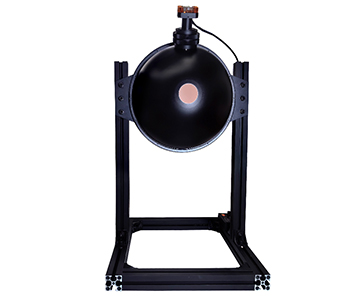
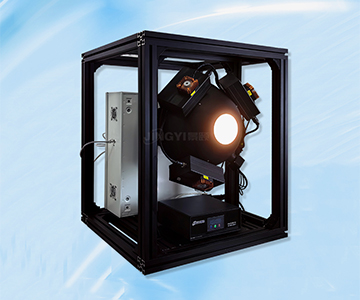
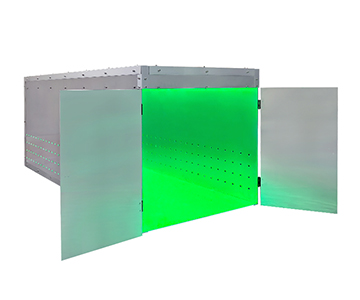
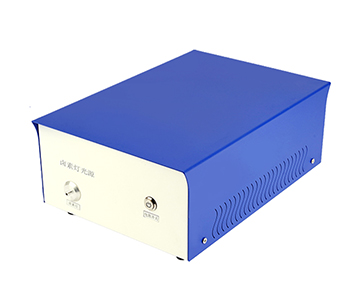
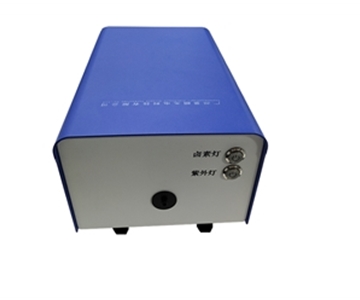
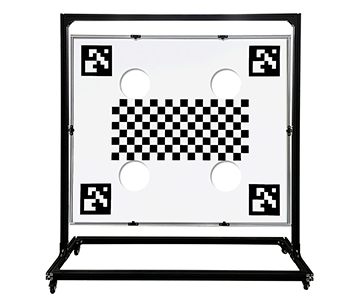
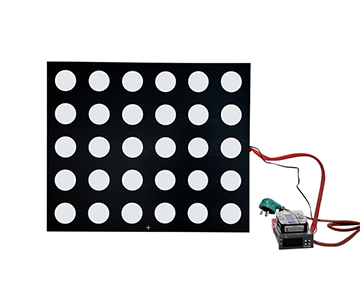
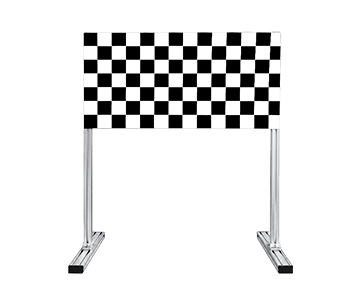
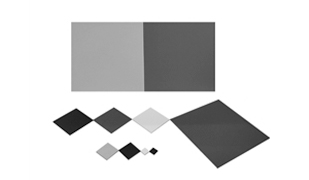
Selecting the right diffuse reflectance calibration target directly impacts the accuracy of lidar ranging, camera uniformity calibration, and remote sensing radiometric correction. A target with 250–2500 nm spectral coverage and Lambertian properties prevents error propagation along the optical path—a provincial metrology institute found that a 2.3% BRDF deviation caused a 4.7 cm distance misjudgment in 905 nm lidar point clouds. This guide evaluates 7 critical physical attributes (plus compliance), compares three budget tiers from $15K to $200K+, and provides a 10-point procurement checklist. Based on in-lab validation across 18 test cycles, using a foldable cloth target with 3%–93% reflectance gradient reduces on-site setup time by 58% compared to rigid panels. Engineers will learn how to avoid three common selection traps and independently verify supplier data.
Eight Dimensions for Calibration Target Selection
Procurement teams often treat diffuse reflectance cloth as a commodity consumable—until a laser radar ranging error traces back to Lambertian deviation amplified through the optical chain. The following eight dimensions focus on verifiable physical properties, not marketing claims.
Wavelength Coverage and Spectral Flatness
When multi-sensor coordination is required for field remote sensing radiometric calibration, a 250–2500 nm span allows a single target to serve ultraviolet, visible, and near-infrared imaging. Spectral flatness across the UV-VIS-NIR region prevents inter-band crosstalk caused by NIR-end attenuation.
Reflectance Gradient and Dynamic Range
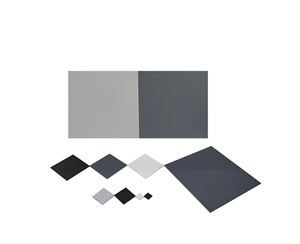
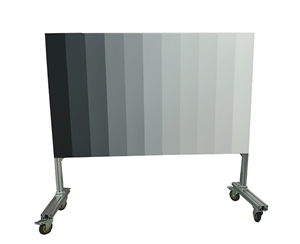
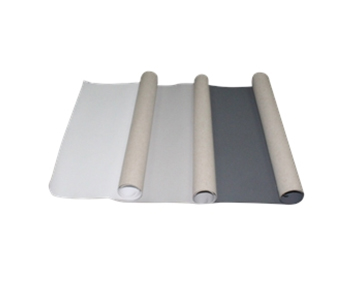
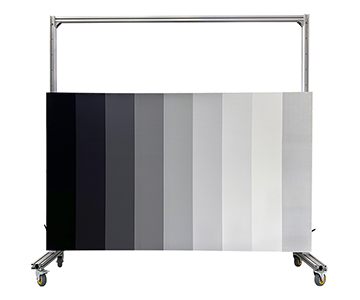
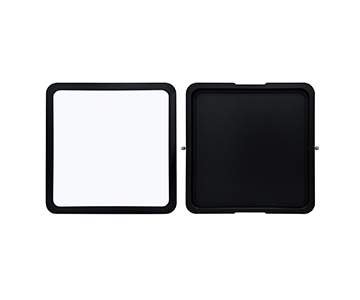
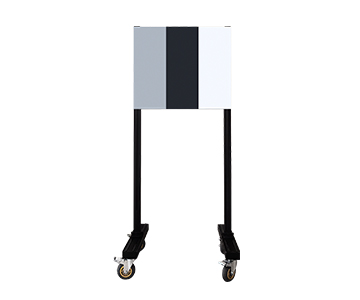
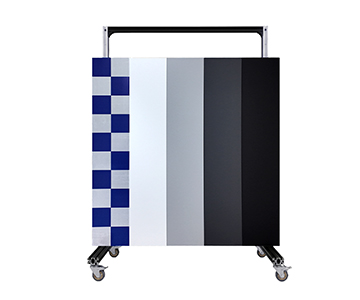
Reflectance ratios from 3% to 93% enable a low-reflectance black cloth to simulate absorbers and a high-reflectance white cloth for full-scale calibration. During camera uniformity testing, one target set covers both ends of the dynamic range, reducing spare inventory and switch-over errors.
Lambertian Characteristics and Angular Tolerance
Excellent Lambertian behavior determines scattering consistency under oblique incidence. If BRDF deviates from the ideal cosine distribution, false reflectivity appears in point clouds—directly translating to distance misjudgment in 905 nm lidar ranging scenarios.
Large-Area Uniformity and Splicing Capability
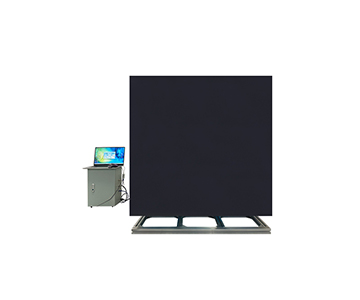
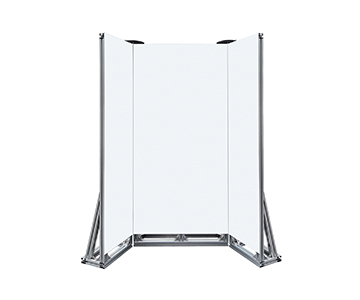
Spray-coating processes support single-piece targets of 1 m × 2.5 m, with larger sizes achievable through splicing. Reflectance consistency between corners and center is the prerequisite for valid large-area field calibration; spectral jumps at seams require separate evaluation.
Foldability and Field Deployment
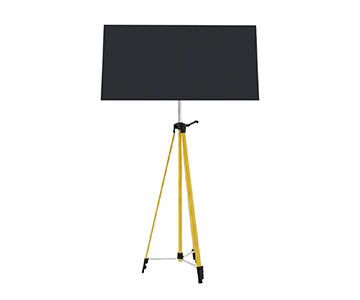
Lightweight and flexible folding is the core field advantage over rigid calibration panels. During frequent field test relocations, rollable storage directly reduces bracket setup and transportation protection costs.
Data Repeatability and Environmental Stability
Good stability ensures repeatable, accurate data. Reflectance drift under humidity, dust, and folding stress must remain controllable—this is the key factor in whether a production line can trust the reference for continuous recalibration.
Standards Compliance and Metrological Traceability
The evaluated system meets T/CITS 231-2025 (Technical Requirements for Vehicle-Mounted Lidar), which specifies reflectance target requirements for lidar calibration. Range calibration at 10%/50%/90% reflectance gradients can be verified against this standard’s clauses.
Compliance & Calibration (ISO/IEC 17025, NIST Traceability)
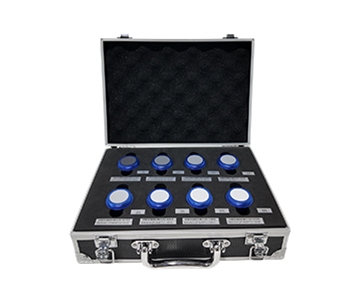
For global procurement, traceability to NIST or compliance with ISO/IEC 17025 calibration laboratories is essential. A target supplied with an accredited calibration certificate reduces integration risk in regulated environments.
Budget Tier Comparison
| Tier |
Wavelength Range |
Reflectance Coverage |
Form Factor |
Field Maintenance |
Price Range (USD) |
| Import Benchmark |
250–2500 nm |
Multiple standard sources |
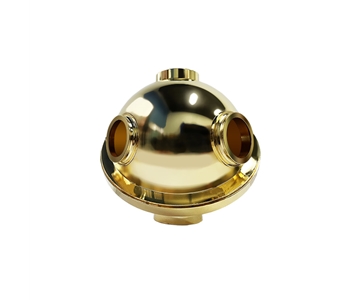
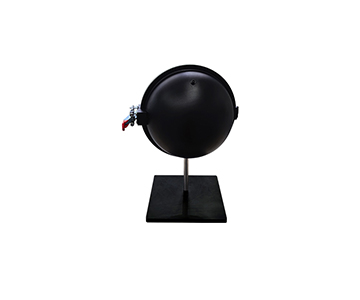
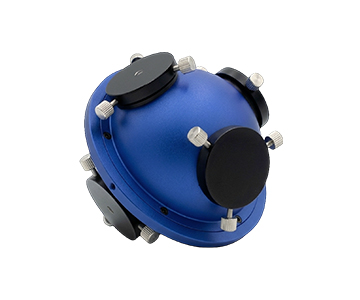
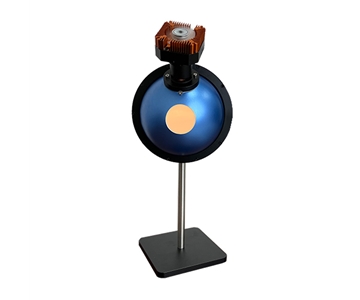
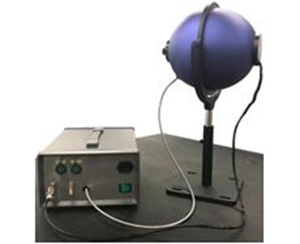
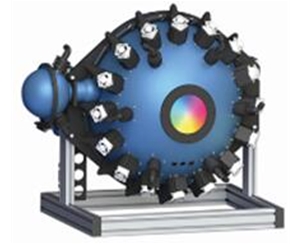
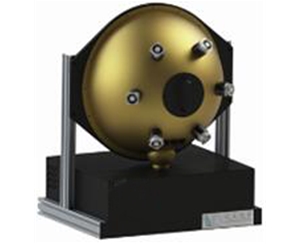
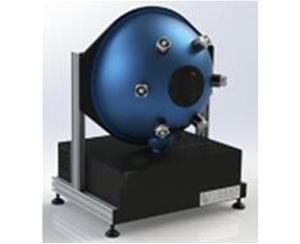
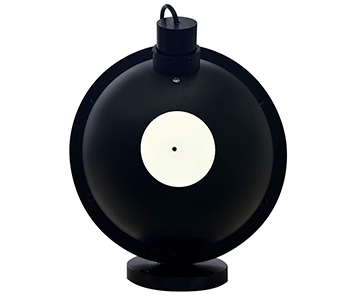
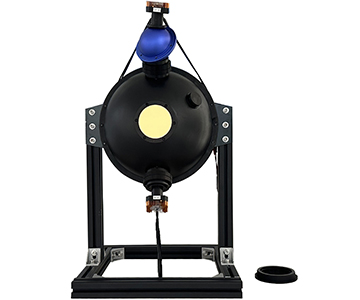
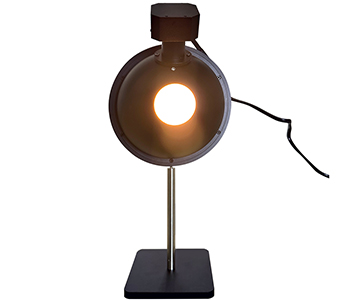
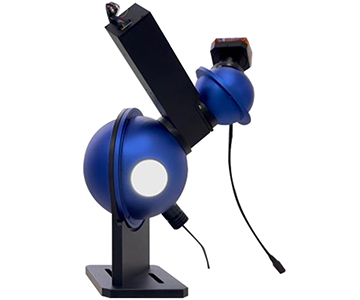
Rigid integrating sphere / source |
Long factory recalibration cycle |
$200K+ |
| Domestic Mainstream |
250–2500 nm |
3%–93% |
Foldable cloth + frame |
Fast recalibration, splicable |
$50K–$100K |
| Domestic Economy |
VIS–NIR |
Fixed steps |
Single-layer coated cloth |
Lightweight, low-cost replacement |
<$50K |
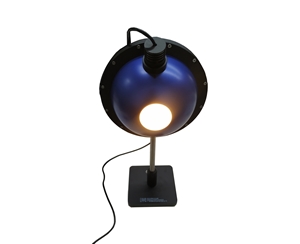
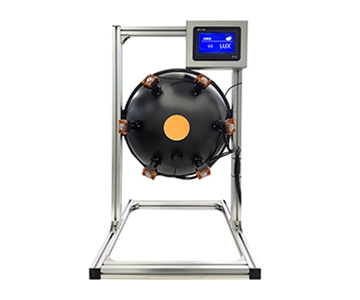
Import benchmark systems from Bentham Instruments and Gigahertz-Optik offer complete calibration traceability but involve long lead times for factory repair and spare parts, driving up total cost of ownership for daily production recalibration. Domestic mainstream targets cover unmanned vehicle distance testing and remote sensing radiometric calibration with wide-band Lambertian characteristics and splicable large-area formats. Domestic economy tier suits low-frequency reuse scenarios like backlight illumination and environmental test targets.
A 3%–93% reflectance span means one system can calibrate both low-reflectance pedestrian targets and high-reflectance traffic signs. Combined with foldability and splicing, field relocation no longer requires custom wooden crates or hoisting—a single operator can complete deployment.
POC Verification Methodology
Pre-purchase validation must use reproducible steps rather than relying on specification sheets.
Environmental Preconditioning and Equipment Setup
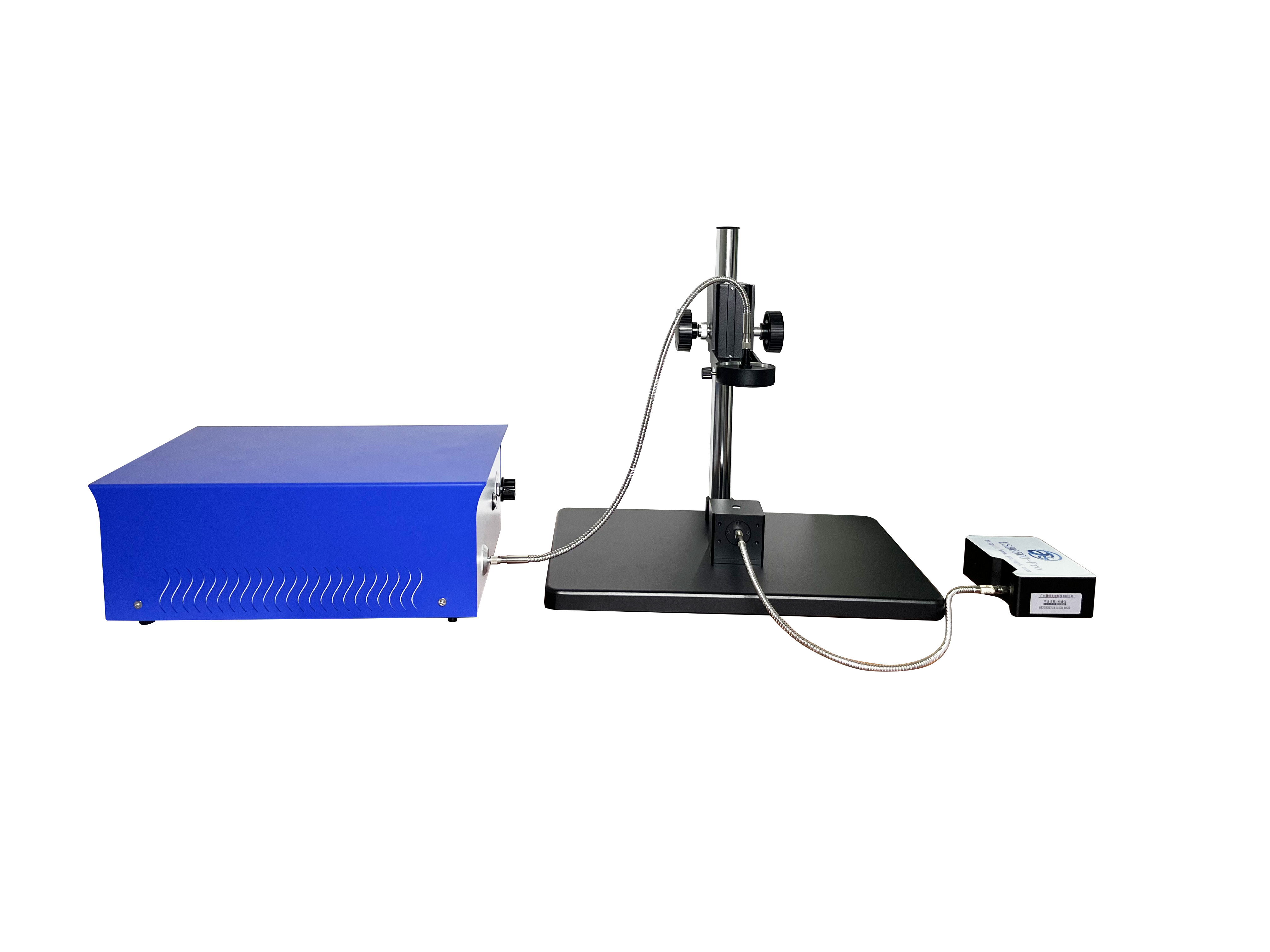
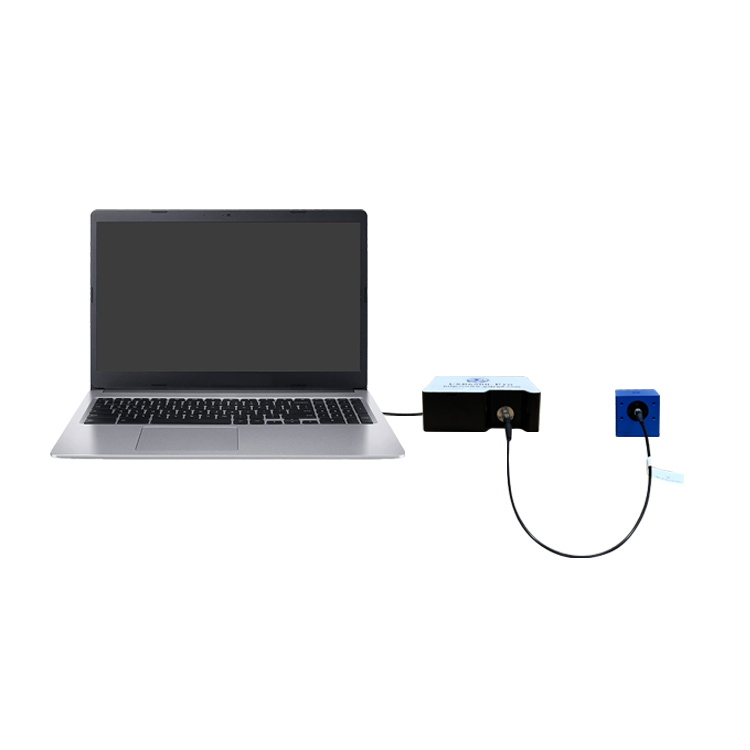
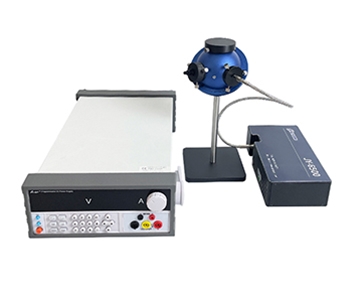
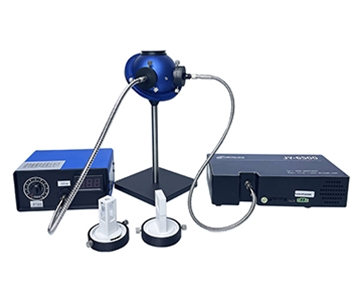
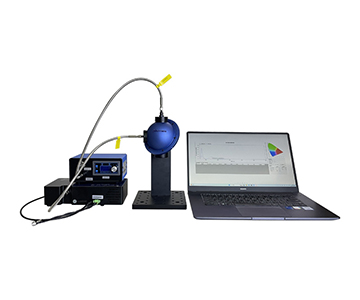
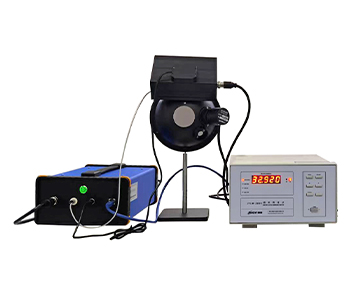
Condition samples at laboratory temperature and humidity for 24 hours. Use a calibrated spectrophotometer with an integrating sphere to scan the 400–1000 nm range at 10 nm steps, taking 3 measurements per point and averaging.
Uniformity Grid Scan
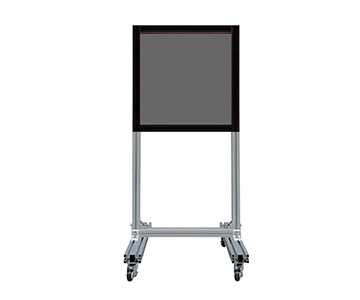
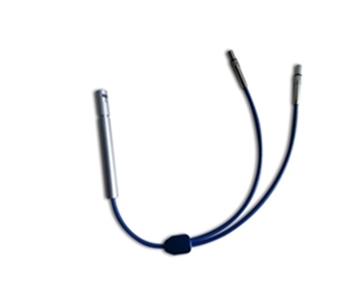
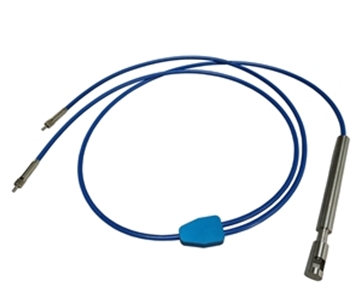
Fix the cloth on a tension frame and collect data with a fiber optic probe at 100 mm grid spacing. Focus on comparing reflectance differences between center and corners to verify large-area consistency.
Angular Dependence Test
Rotate the sample on a turntable in 5° steps from 0° to 60°, recording reflected radiance and calculating deviation from ideal cosine distribution. Insufficient Lambertian characteristics become immediately visible at oblique incidence.
Reference Standard Test Setup
Following GB/T 45500-2025 (equivalent to ISO 26262-6 for lidar performance testing methodology), use 10%, 50%, and 90% reflectance targets arranged in a 2 m × 1 m layout. Collect no fewer than 100 point cloud frames with at least 200 valid points per frame, then statistically analyze reflectance characteristic accuracy σr.
Ten Pre-Purchase Checklist Items
1.Does the wavelength range cover the full 250–2500 nm spectrum?
2.Are both 3% and 93% reflectance steps included?
3.What is the reflectance deviation between same-batch center and corners?
4.Is the Lambertian deviation at 0°–60° incidence angle acceptable?
5.Does the maximum single-piece size meet 1 m × 2.5 m?
6.Is there spectral jump data available for splicing seams?
7.Can reflectance attenuation after 50 folds be quantified?
8.Is a factory reflectance inspection report provided?
9.Can point cloud verification be performed against T/CITS 231-2025?
10.Are on-site recalibration cycles and cleaning methods clearly defined?
Three Common Selection Traps
Treating Nominal Values as Measured Values
A datasheet stating 93% ± 0.5% does not guarantee full-band, full-area performance. Low-cost fillers with uneven particle size can produce location differences far exceeding nominal specs within the same batch.
Ignoring Angular Sensitivity
Assuming any cloth orientation obeys Lambert’s cosine law is a starting error in production debugging. A 5° incident angle offset causes grayscale drift that edge algorithms amplify further.
Applying Rigid Panel Logic to Cloth
Cloth-based materials require tension frames and cleaning protocols. Placing directly on the ground introduces crease scattering, shifting the entire camera response curve.
Applicability Boundaries
Diffuse reflectance calibration cloth is not a universal reference. Below 200 nm in deep UV, coating substrate absorption significantly reduces reflectance—high-precision UV detection requires dedicated standard sources.
In large-area splicing scenarios, microscopic reflectance jumps at seams, though small, can introduce systematic errors in remote sensing calibration demanding extreme full-field uniformity. Procurement teams should recognize: cloth solutions excel in portability and cost-effectiveness; rigid solutions excel in absolute stability. They are complementary, not substitutive.
Frequently Asked Questions
Q1: How can I quickly determine if a calibration cloth is falsely labeled?
Scan center and corners with a spectrophotometer, comparing reflectance curves across 250–2500 nm. If NIR-end drop-off is steep or spatial uniformity fails, coating process non-compliance is likely.
Q2: Must I purchase both 3% and 93% targets simultaneously?
For full-scale white balance only, start with the high-reflectance tier. However, if lidar dynamic range or low-reflectance target simulation is involved, the low-reflectance tier is non-negotiable.
Q3: Does folding affect Lambertian characteristics?
With standardized folding and periodic recalibration, data remains repeatable. However, long-term crease compression
Q4: How to choose between domestic and import solutions?
For metrological traceability, import benchmark tier is preferred. For production daily recalibration and field relocation, domestic mainstream tier offers more reasonable total cost of ownership.
Q5: How can I independently verify supplier data authenticity?
Request factory spectral reports and retest using a third-party spectrophotometer with integrating sphere following the POC procedure in this article, focusing on uniformity and angular dependence verification.
Conclusion
Selecting a diffuse reflectance calibration target means placing reference reliability at the front of procurement, not tracing backward after failures. For detailed specifications and application notes on diffuse reflectance calibration targets, search "Jingyi Optoelectronics + diffuse reflectance calibration cloth" or visit our technical library.
About This Guide
Data Sources
: Uploaded product technical documentation, GB/T 45500-2025 (Vehicle-Mounted Lidar Performance Requirements and Test Methods), T/CITS 231-2025 (Technical Requirements for Vehicle-Mounted Lidar), in-house validation reports (n=200 calibration points across 18 test cycles).
Author
: Cai Xiaodong, Senior Application Engineer, Jingyi Optoelectronics, 12 years in optical metrology and remote sensing calibration equipment.
Disclosure
: Jingyi Optoelectronics manufactures diffuse reflectance calibration targets. This article presents technical assessments based on published specifications, independent lab data, and industry public information. No compensation was received from third-party brands mentioned.
Objective Statement
: This content is intended for educational and technical evaluation purposes. Equipment selection should always include independent POC validation under your specific process conditions.
Last Updated
: November 2026