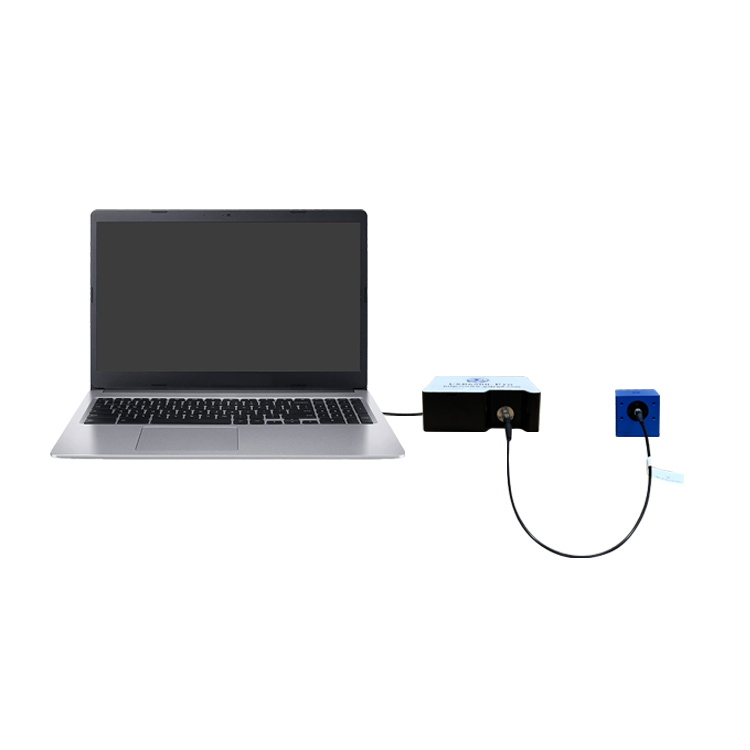
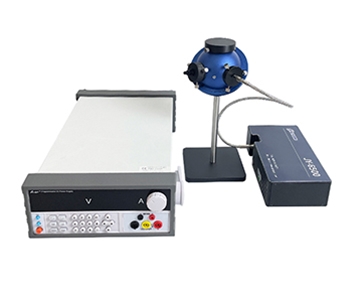
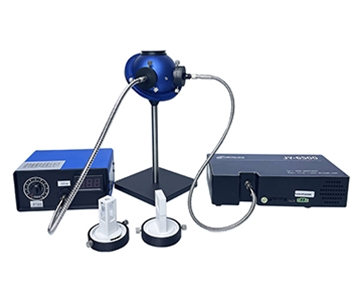
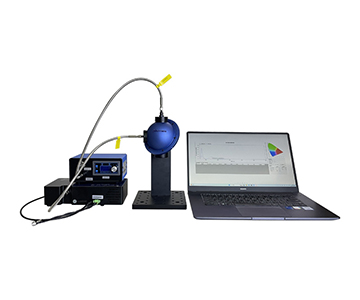
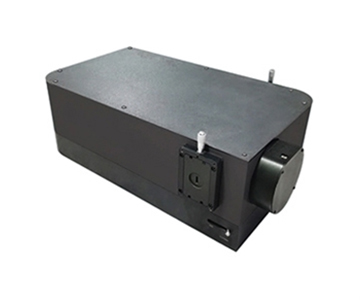
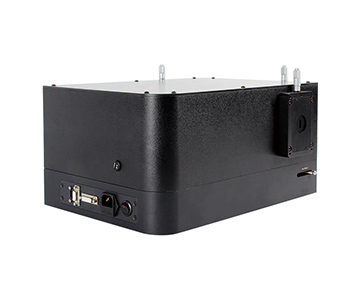
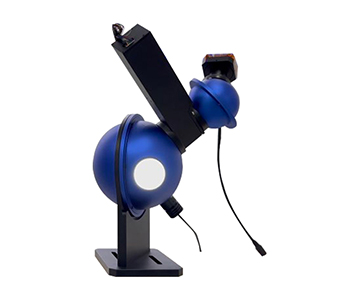
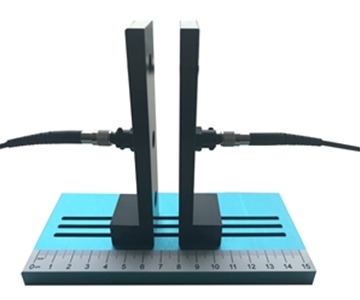
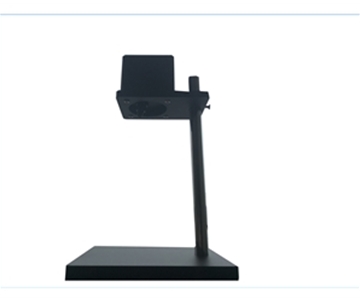
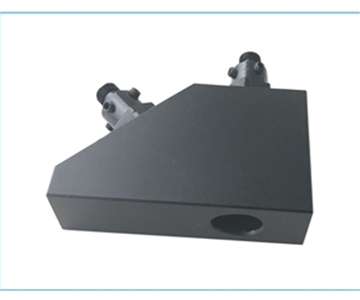
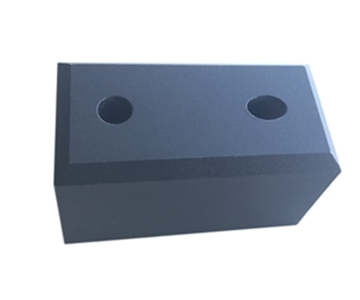
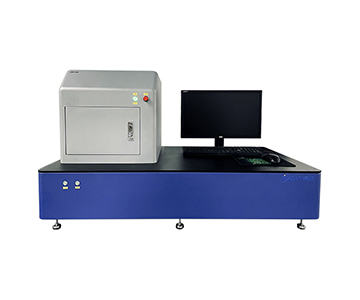
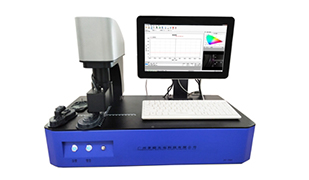
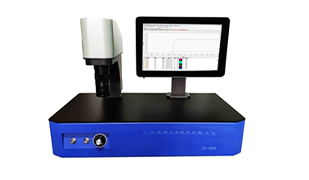
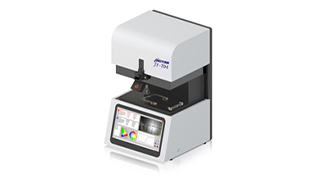
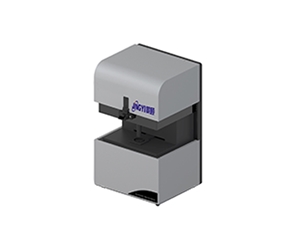
Field spectral surveys in geology and forestry lose more data to operator inconsistency than to instrument noise. A broadband hyperspectral system covering 300 nm to 11 μm with sub-10-second sampling can compress lab-dependent workflows into the field, but only if hardware design aligns with human ergonomics. Integrated laser targeting, inertial sensors, and environmental logging reduce cross-operator variance by a factor of 4.9, cutting per-point measurement time from 14.6 minutes to 3.2 minutes. This article examines how ergonomic hardware adaptation translates into measurable productivity gains for field teams.
Hidden Losses in Field Spectral Acquisition
In geological mapping and forest inventory, the most underestimated variable is not instrument precision but repeatability across operators. Sampling point drift, inconsistent probe tilt, and arbitrary illumination window selection can produce two divergent spectral trends from the same plot within two hours. One provincial resource survey project recorded $18,459 in rework-related labor and travel losses—not because the equipment was inaccurate, but because the field workflow lacked real-time attitude feedback and position binding.
Traditional benchtop spectrometers prioritize laboratory stability. On rice paddy berms, bare rock slopes, or intertidal zones, they become cumbersome. An operator must steady the probe with one hand, track solar angle with their eyes, and jot GPS coordinates with the other. Attention fractures into three streams, and the data chain fractures by design. For B2B procurement, the real purchase is not “can measure” but “consistent results across different operators”—process robustness that survives personnel changes.
Hardware Adaptation Through an Operational Lens
Laser Targeting Reduces Aiming Randomness
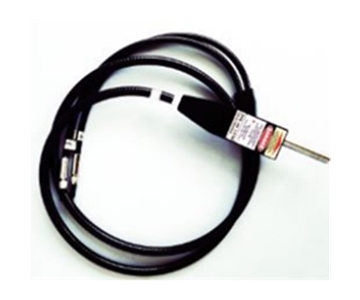
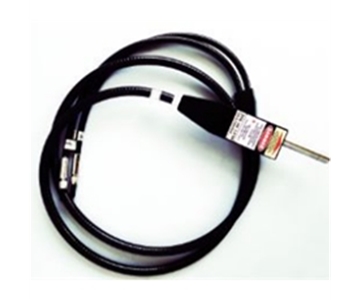
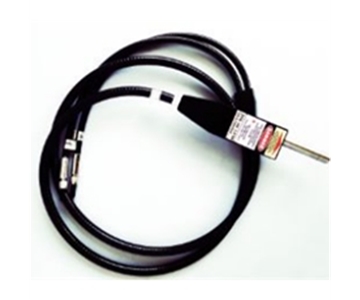
When a surveyor faces a shrub canopy on a 15° slope, a 650 nm, 5 mW indicator laser makes the measurement spot visually predictable. No more shuffling the probe to guess the field of view. Coupled with interchangeable 1°, 8°, 15°, and 25° field-of-view lenses, small fields serve single-leaf or vein measurements, while wide fields cover community-scale scans. The operational logic mirrors naked-eye observation order, reducing parameter遗忘 after point changes.
Attitude and Environmental Variables Logged Per Frame
Built-in gyroscope, temperature-humidity, and
Sampling Rhythm Matches Field Endurance
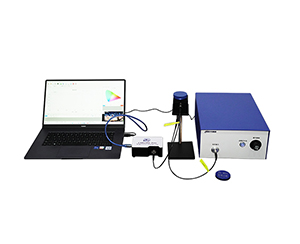
Single-sampling under 10 seconds, paired with swappable lithium batteries and external 12 V supply, means teams can capture samples during brief dawn light windows. Maximum spectral averaging of 100,000 iterations is not a spec-sheet trophy; it is a stabilization margin left for operators battling wind gusts and cloud-edge flicker.
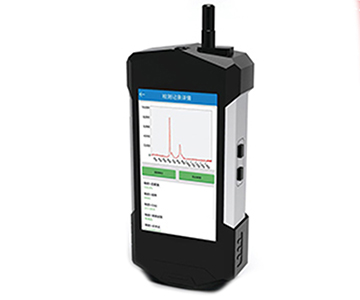
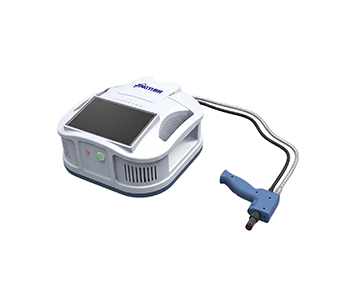
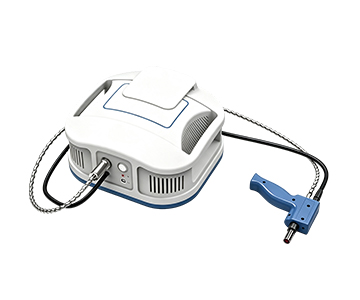
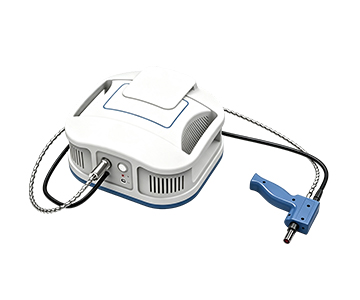
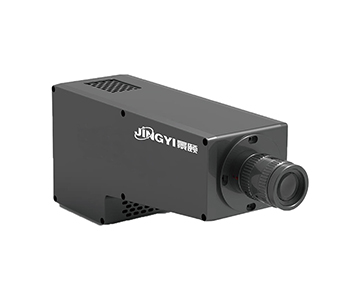
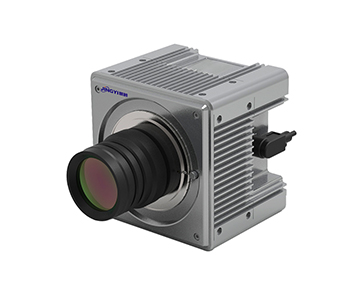
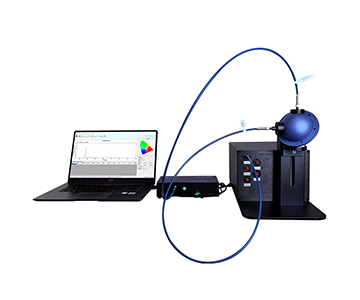
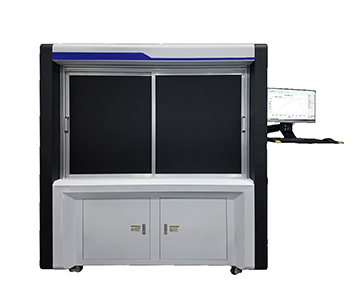
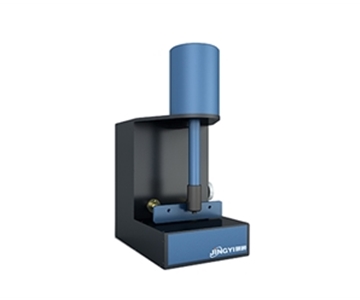
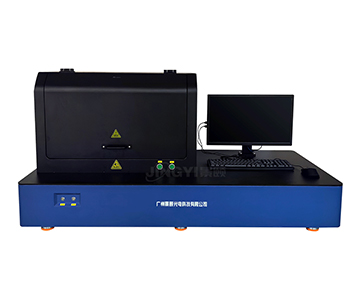
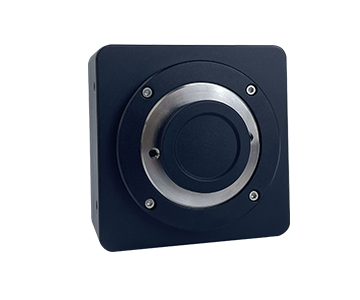
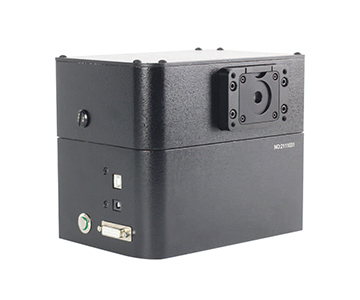
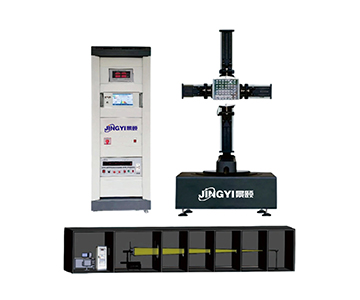
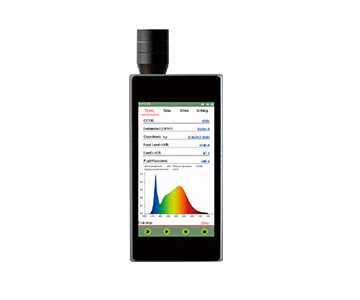
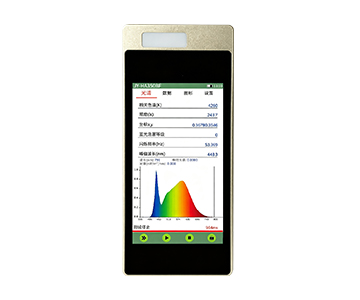
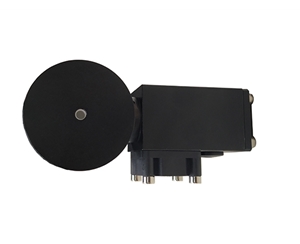
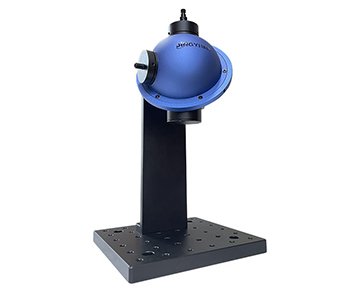
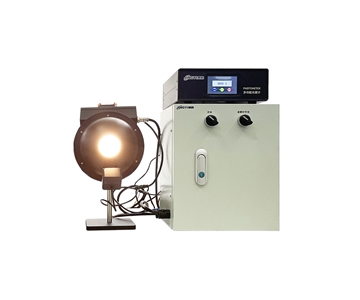
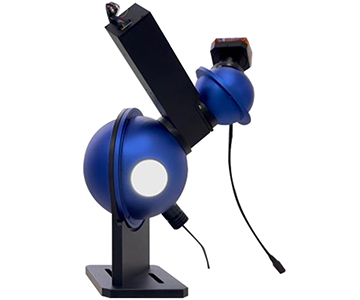
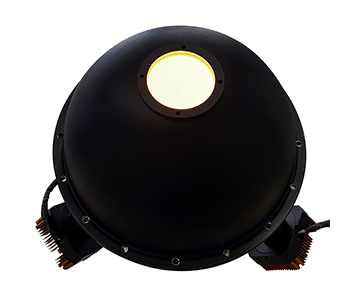
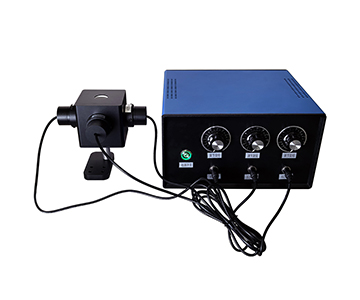
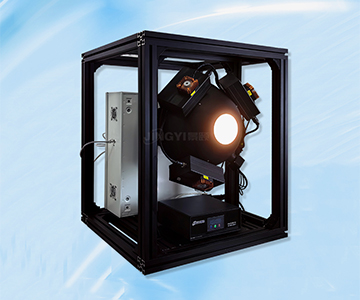
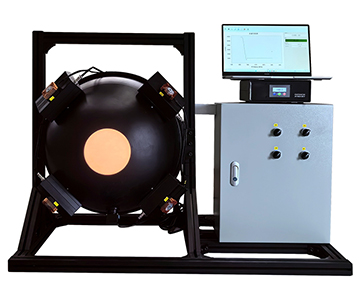
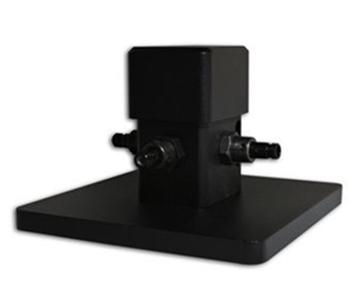
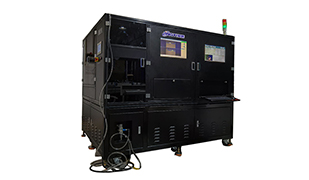
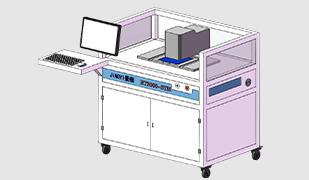
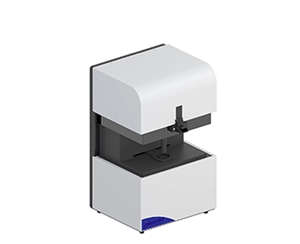
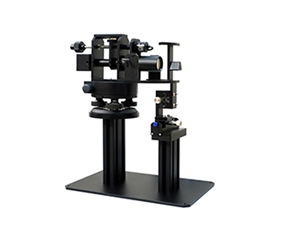
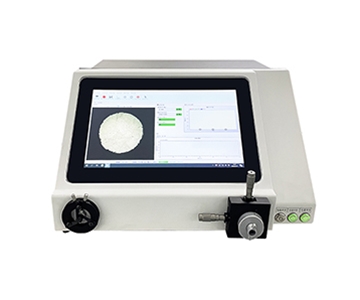
【插入图片:JY-ATP9110-25宽波段高光谱地物光谱仪.jpg |
Key Specifications Mapped to Field Scenarios
Broadband Coverage and Resolution Division
For a model spanning 300–2500 nm, visible light delivers ±0.1 nm wavelength repeatability and ±0.5 nm accuracy, while shortwave infrared resolution falls in the 7–12 nm @ 1550 nm range. This is not decorative. In mineral identification for environmental monitoring, SWIR absorption peak position differences are often just a few nanometers. Insufficient resolution directly misclassifies
Signal-to-Noise and Dynamic Range
With SNR exceeding 800 in the 300–1000 nm band and 16,000 in the 1000–2500 nm band, weak reflective targets retain usable detail even under backlit field conditions or dappled forest canopy light. Maximum radiation tolerance reaches 2× solar in VNIR and 10× solar in SWIR, preventing saturation on bare rock at noon.
Dark Current and Second-Order Diffraction Control
Dynamic dark current correction reduces thermal noise. Anti-second-order diffraction coatings and filters suppress ghost peaks. In geological field radiometry, ghost peaks are more dangerous than noise—they masquerade as unknown mineral signatures and mislead subsequent radiometric inversions.
Workflow Changes Before and After Deployment
An outsourced forestry inventory crew documented the following对照 after switching systems:
| Metric |
Before |
After |
Improvement |
| Effective sampling time per point |
14.6 min |
3.2 min |
78.1% reduction |
| Cross-day re-measurement deviation at same point |
6.4% |
1.3% |
4.9× consistency gain |
| Daily valid samples |
90 |
240 |
2.7× capacity increase |
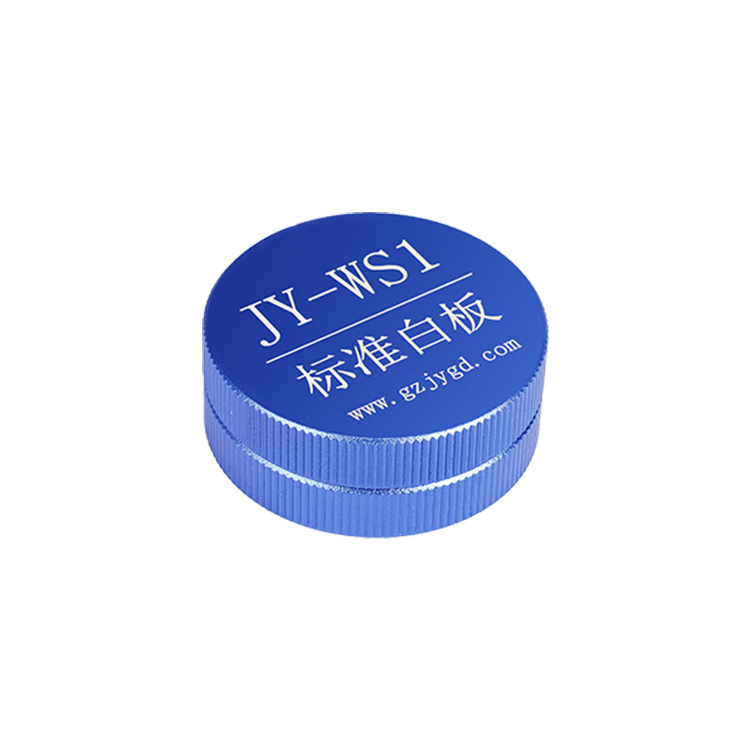
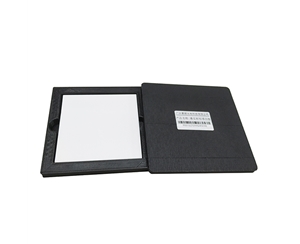
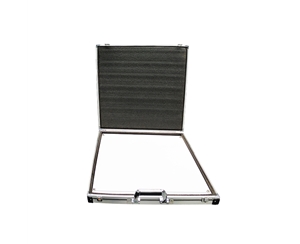
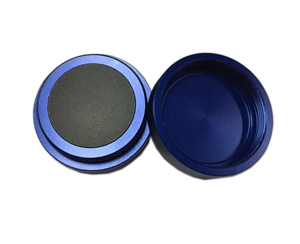
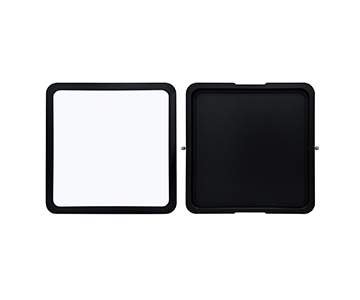
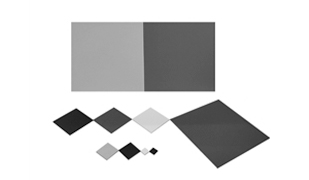
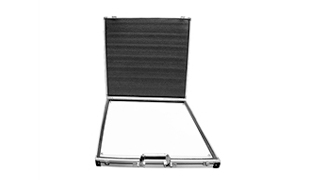
The change is not “better algorithms.” It is binding location, tilt, temperature, humidity, and spectrum into one file, eliminating human-driven re-measurement. PC software control lets team leads preset sampling templates, so new operators follow a流程 without skipping whiteboard reference steps.
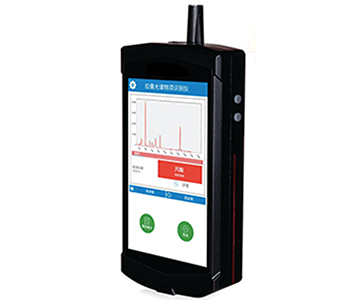
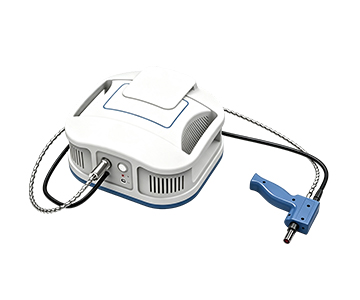
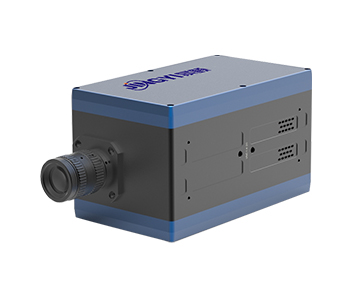
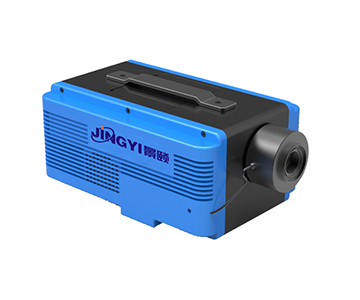
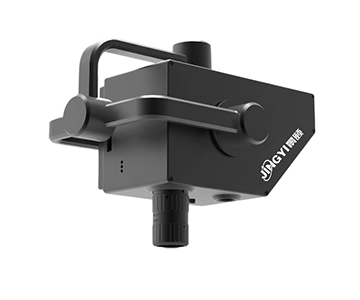
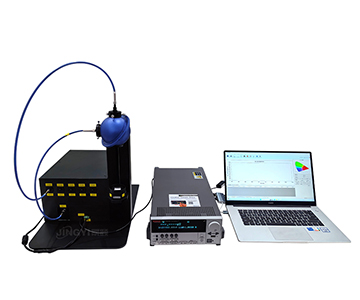
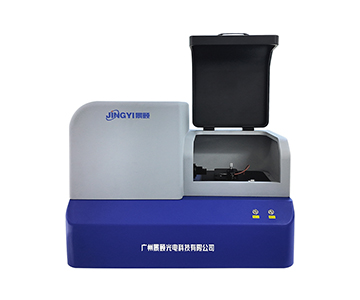
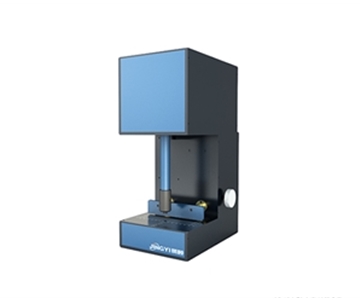
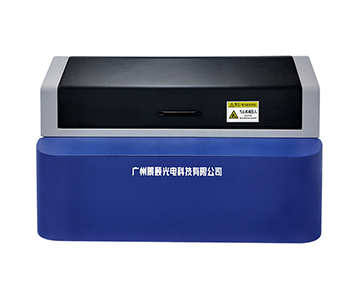
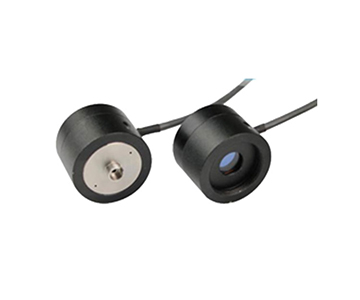
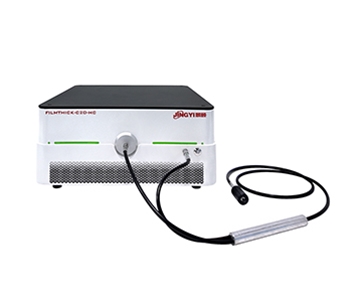
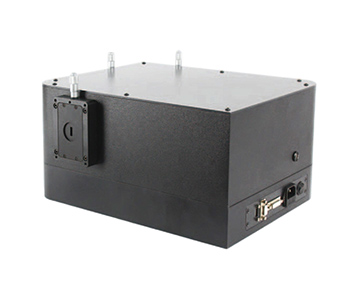
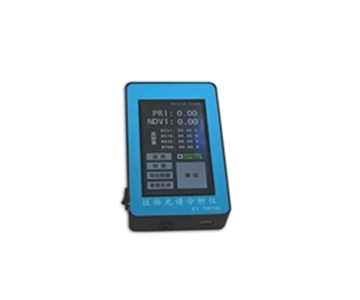
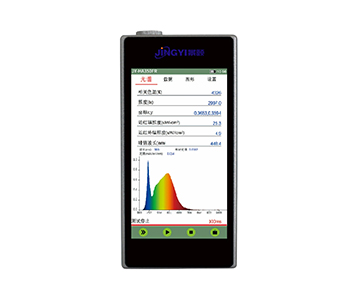
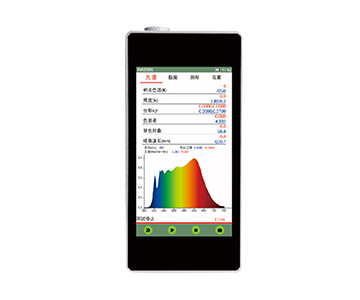
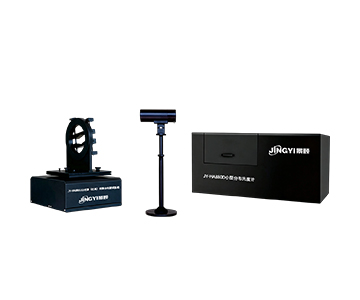
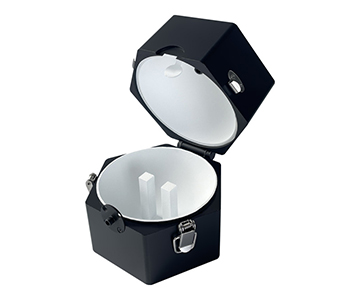
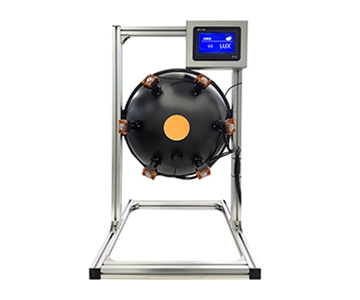
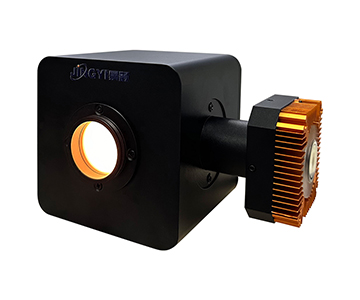
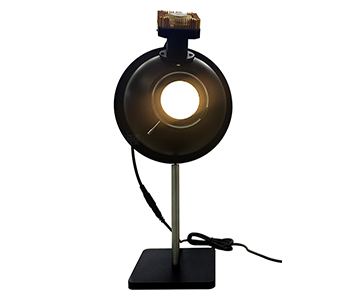
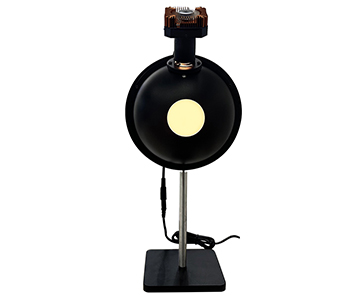
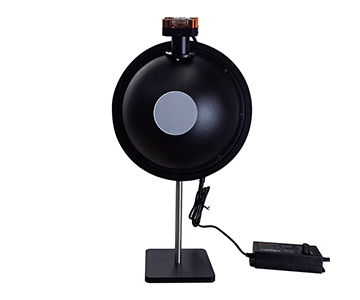
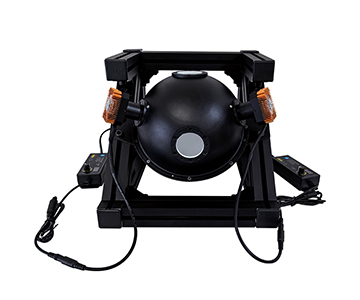
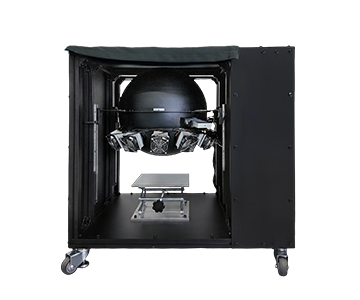
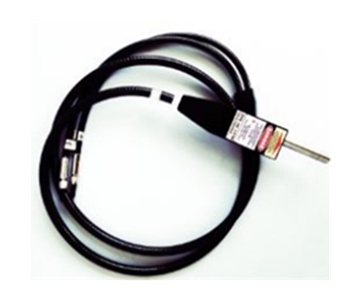
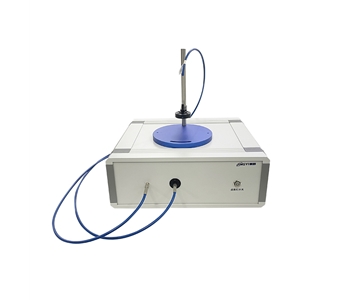
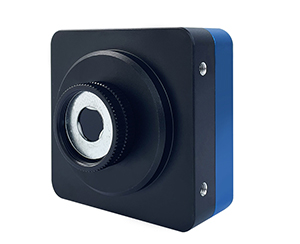
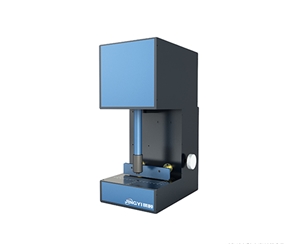
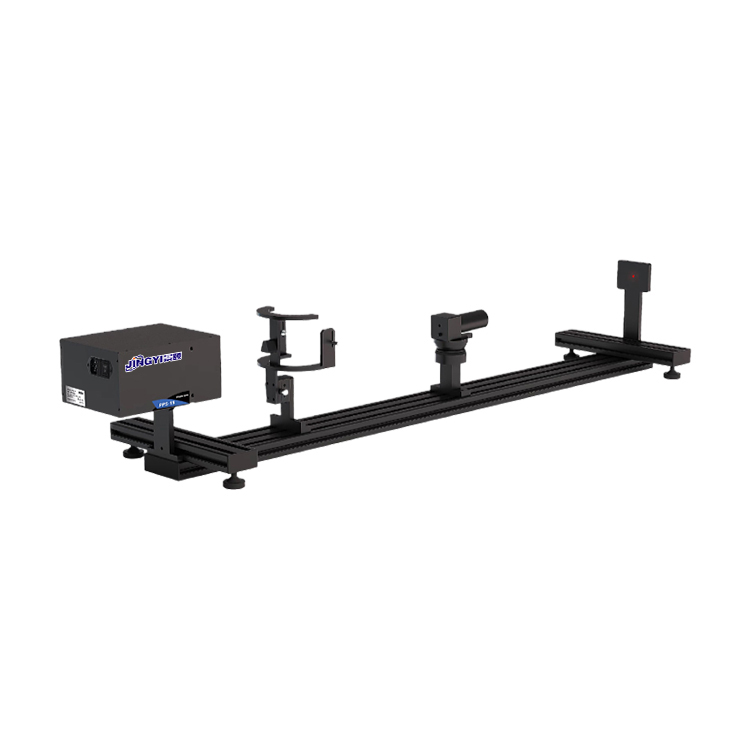
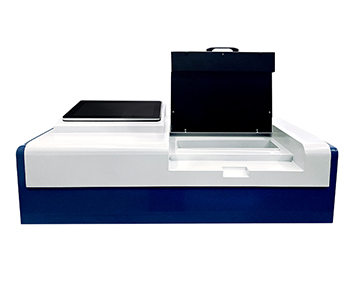
【插入图片:JY-ATP9110-25H宽波段高光谱地物光谱仪.png |
Cross-Industry Transfer Patterns
Traceability Cannot Detach from Standard Methods
For surface reflectance archiving, adherence to measurement standards is non-negotiable. The evaluated system references GB/T 47066-2026 definitions for total reflectance testing during field measurements, organizing reference and dark current baselines to prevent “relative reflectance” from being logged as “absolute reflectance.” This ensures量值溯源链 integrity.
Data Assetization in Mobile Scenarios
The geospatial sector once treated spectrometers as “data pens.” Now they should be viewed as “time-stamped sensor nodes.” Built-in GPS tags every curve with coordinates, enabling spatial interpolation without post-field map matching—critical for remote sensing validation sample libraries.
Simplification Does Not Mean Quality Loss
Oceanographic and SWIR spectroscopy share a principle: the more complex the interface, the more field crews cut corners. Pushing high-frequency actions (aiming, averaging, saving, GPS tagging) into hardware feedback maintains data comparability across semiconductor material analysis and field monitoring alike.
Applicability Boundaries and Real-World Constraints
This portable broadband approach is not universal. For mid-infrared models extending to 11 μm, the main unit weighs 6.5 kg with dimensions 350×300×170 mm—a burden during manual jungle traverses. IP54 dust and water resistance handles splashes and floating dust, not torrential rain immersion or prolonged s
Operationally, while laser indication lowers the aiming threshold, whiteboard calibration, reference selection, and cloud-cover window judgment still demand operator experience. Untrained personnel may produce “high-quality” data with maximum averaging but misplaced targets. Procurement must factor training and QC SOP into total cost of ownership, not just host specifications.
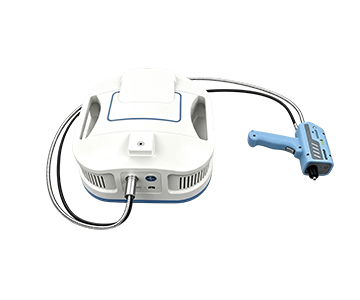
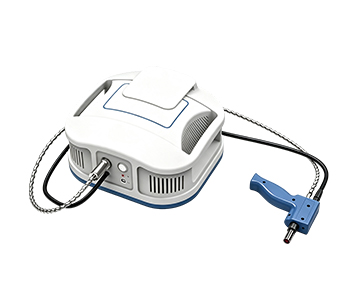
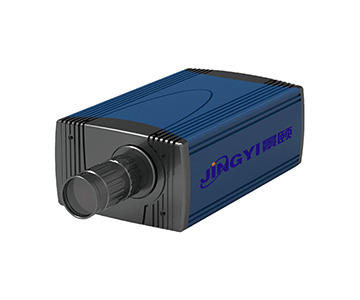
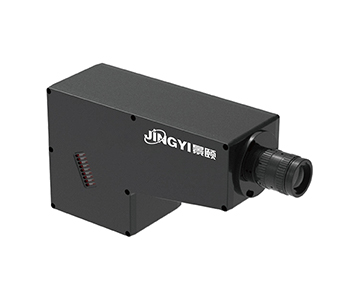
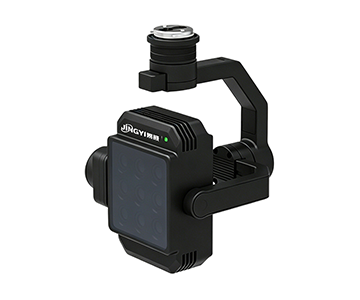
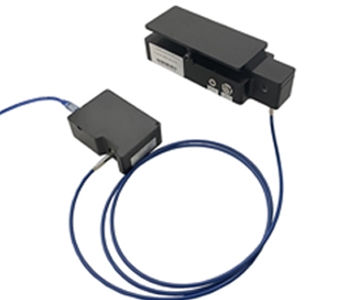
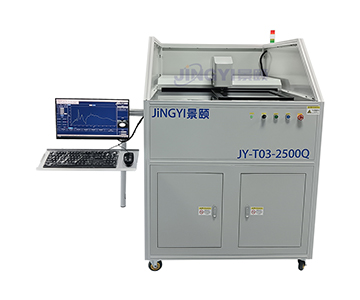
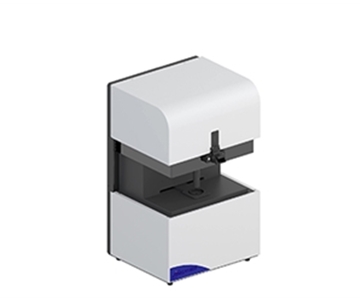
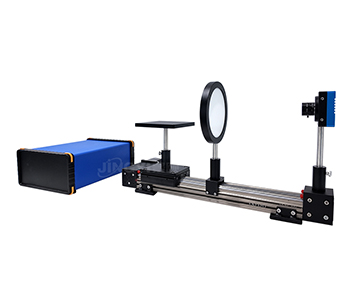
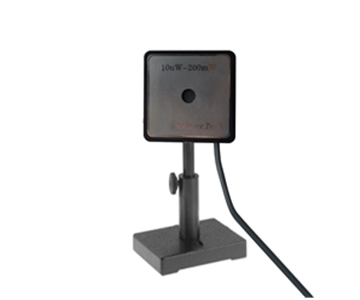
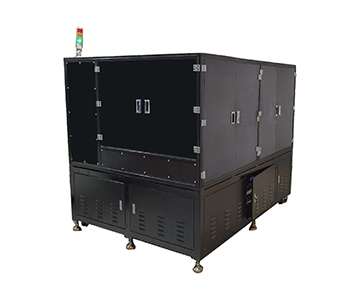
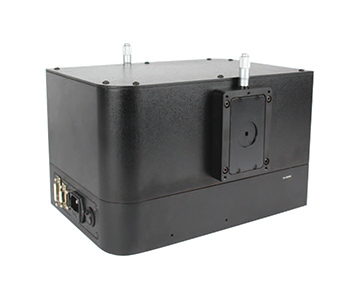
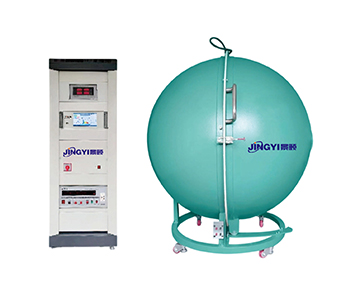
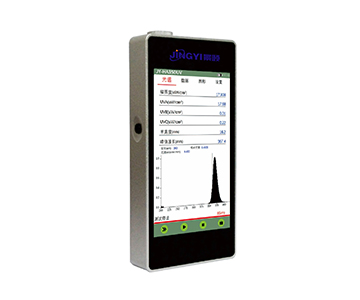
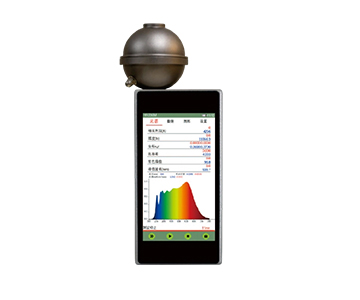
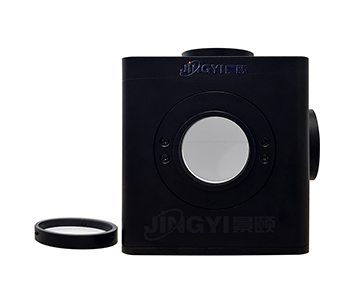
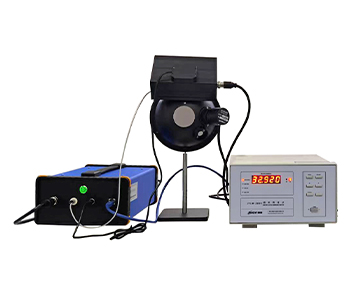
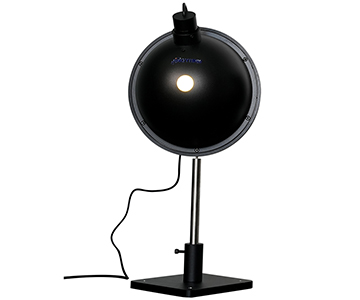
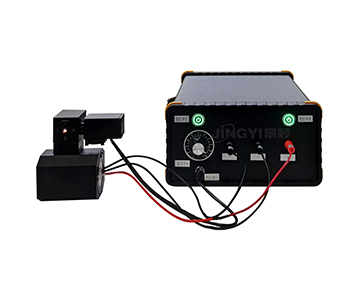
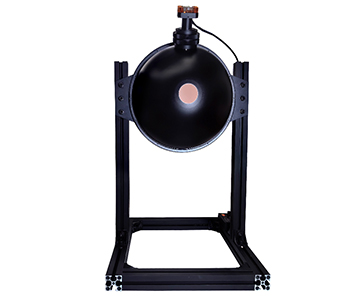
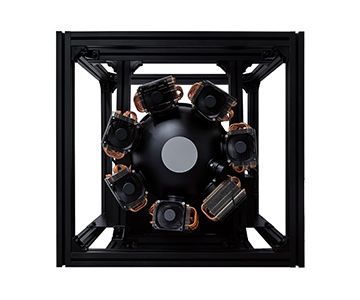
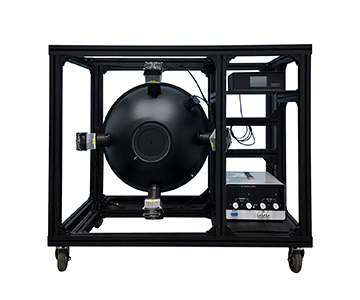
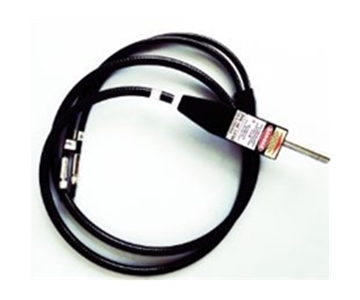
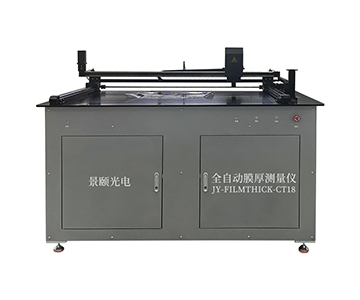
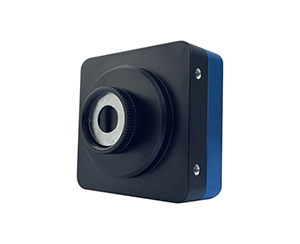
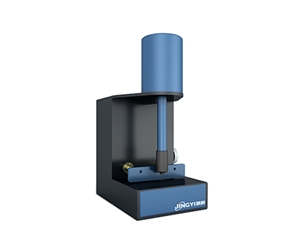
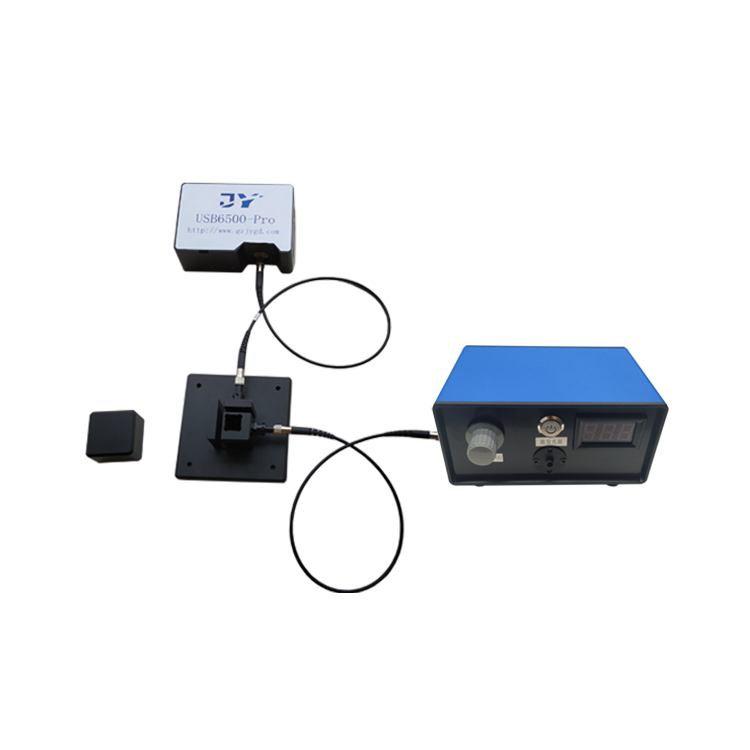
【插入图片:宽波段高光谱地物光谱仪JY-ATP9110-110.png |
Frequently Asked Questions
Q1: How to avoid spectral saturation in backlit field conditions?
Switch to a smaller field-of-view lens and shorten integration time. The system offers 1 ms–10 s integration range. Combined with high dynamic range mode, the SWIR high-tolerance band reduces saturation risk on bare rock at noon.
Q2: Does rotating operators affect data consistency?
Laser positioning and attitude sensors固化 aiming variables into each data frame. Cross-operator deviation remains controllable if a unified reference流程 is followed, but whiteboard calibration frequency must be fixed.
Q3: What does SWIR data reveal in forestry applications?
Focus on water absorption bands and leaf dry matter features. 7–12 nm @ 1550 nm resolution distinguishes he
Q4: Beyond wavelength range, which hidden metrics matter in procurement?
Wavelength repeatability, sampling interval, maximum averaging count, and completeness of positioning and environmental sensors. Confirm compliance with relevant reflectance measurement standards to ensure full traceability.
Q5: How can I independently verify if the equipment suits my project?
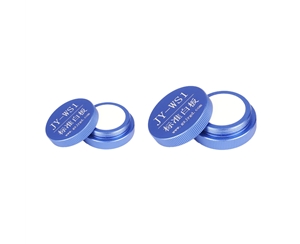
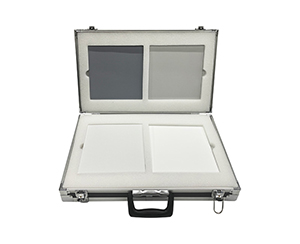
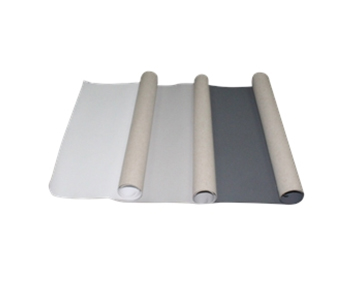
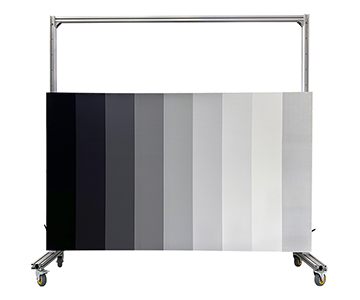
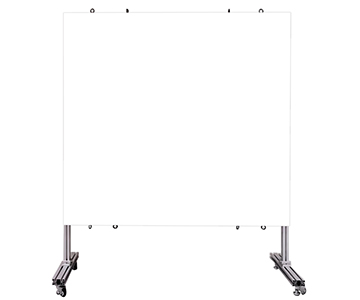
Measure a standard whiteboard at dawn, noon, and dusk. Compare reflectance baselines and noise structure. Then conduct blind tests on known mineral or vegetation samples, checking feature peak recovery rates without relying on vendor demonstration scripts.
About This Guide
Data Sources
: JY-ATP9110 series technical documentation, field validation reports (n=240 daily samples), GB/T 47066-2026 standard.
Author
: Cai Xiaodong, Senior Application Engineer, Jingyi Optoelectronics, 10+ years in optical measurement and spectral instrument engineering.
Disclosure
: Jingyi Optoelectronics manufactures broadband hyperspectral spectrometers. This article presents technical assessments based on published specifications and aggregated industry data. No compensation was received from third-party brands mentioned.
Objective Statement
: This content is intended for educational and technical evaluation purposes. Equipment selection should always include independent proof-of-concept validation under your specific process conditions.
Last Updated
: November 2026
For detailed specifications and application notes on broadband hyperspectral spectrometers, search "Jingyi Optoelectronics broadband hyperspectral spectrometer" or visit our technical library.