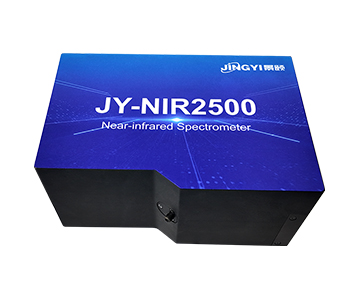
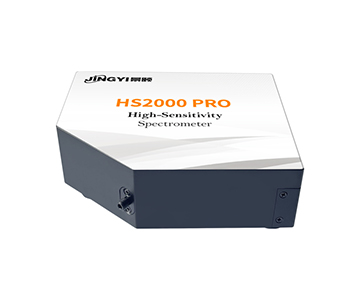
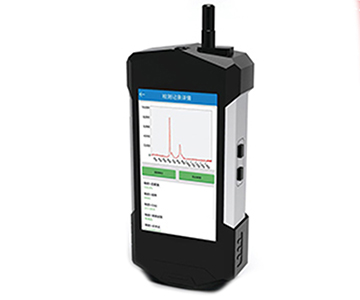
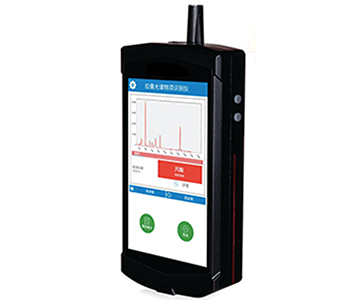
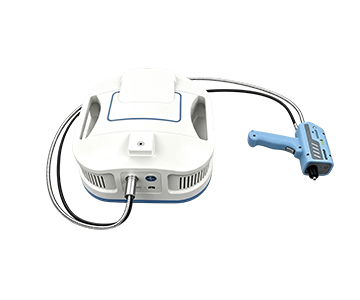
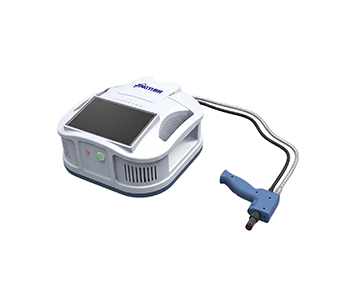
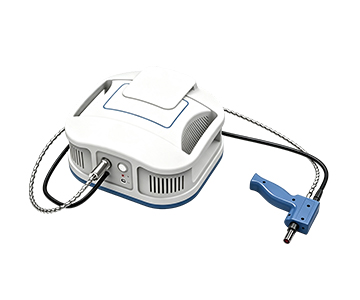
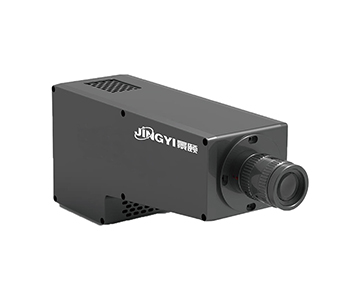
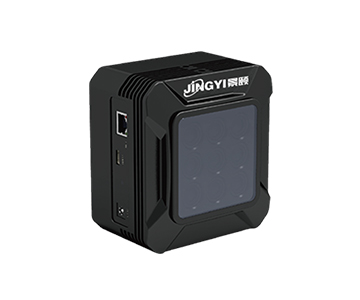
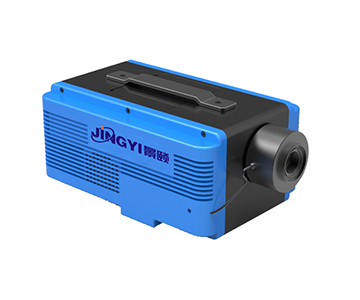
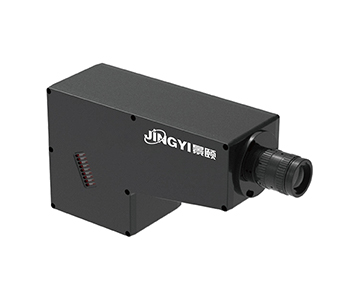
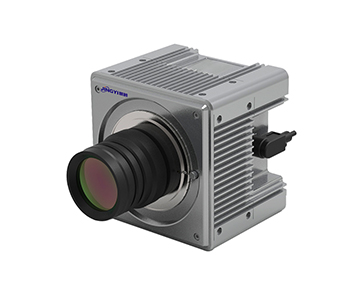
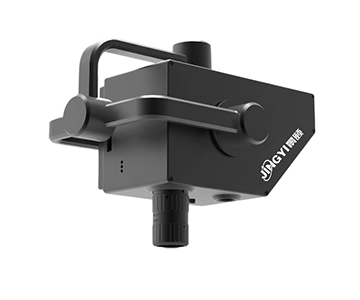
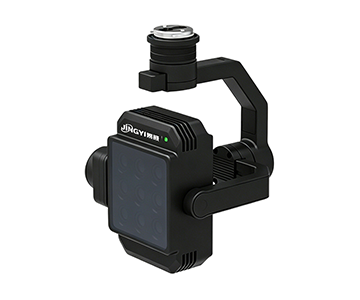
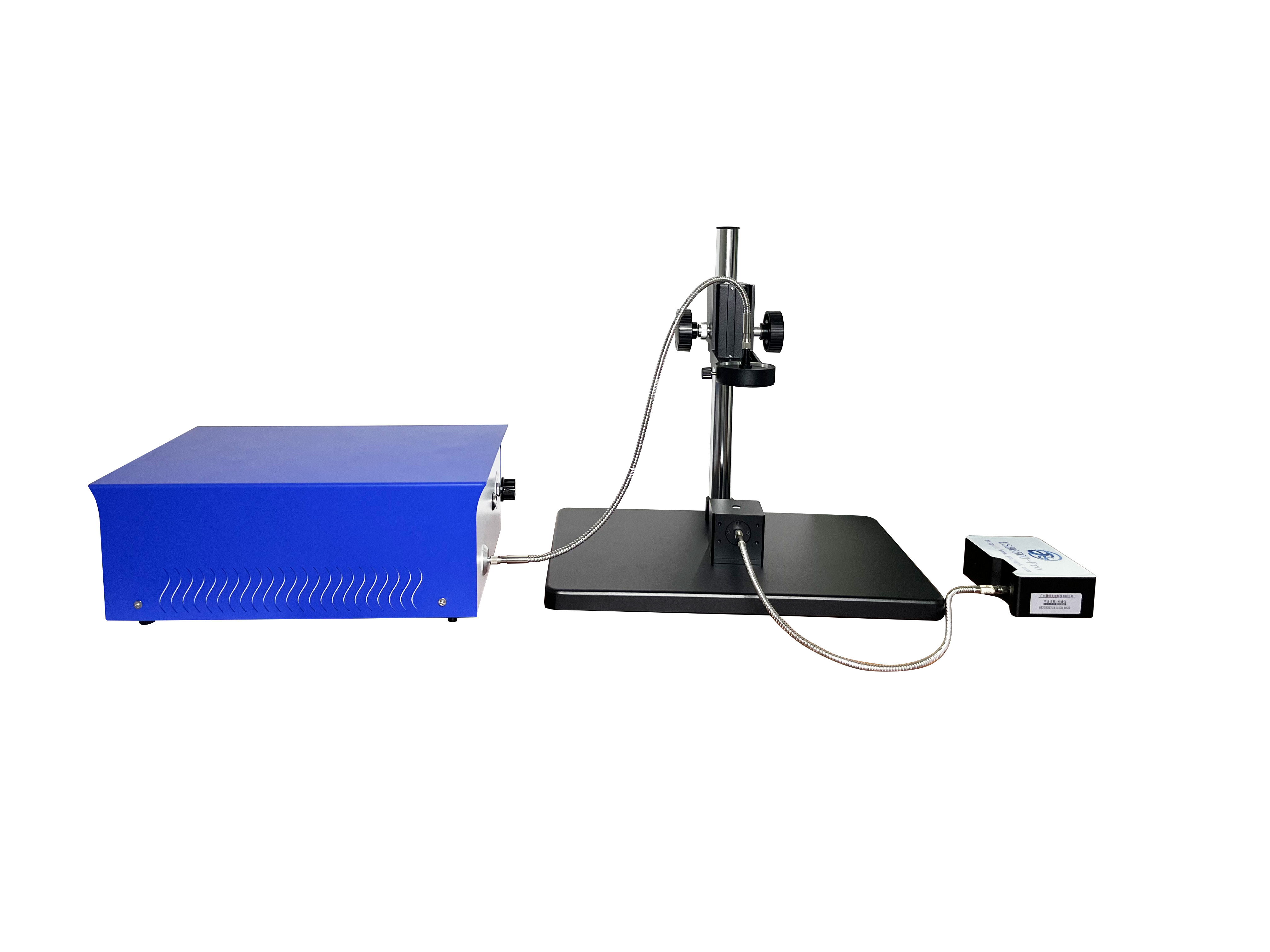
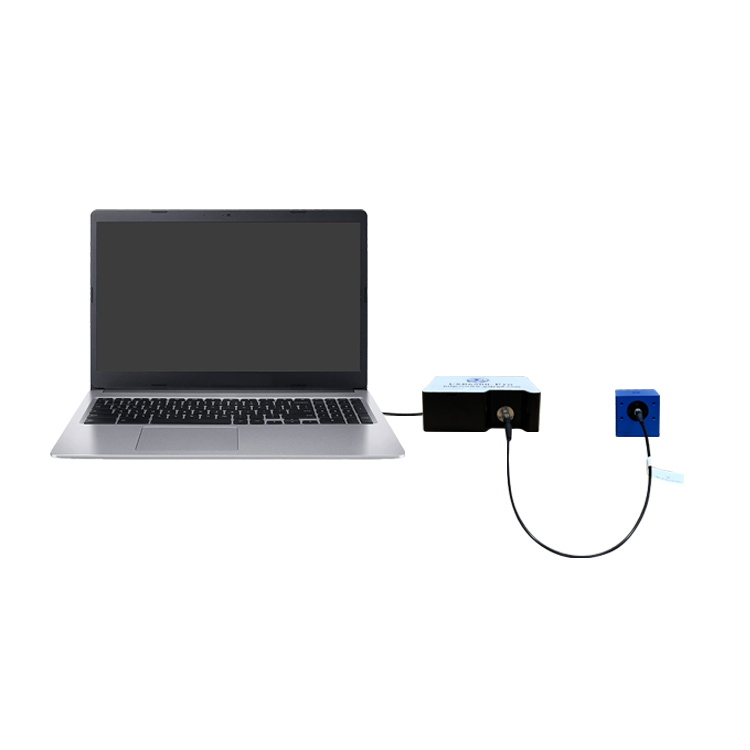
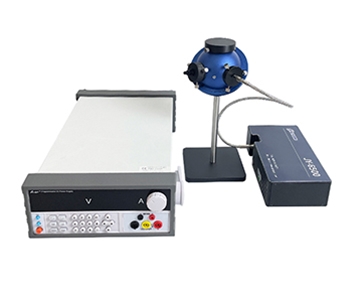
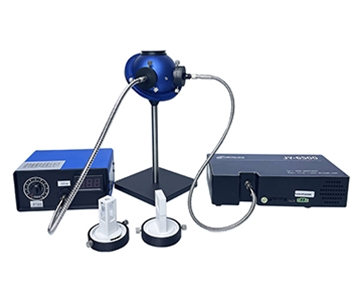
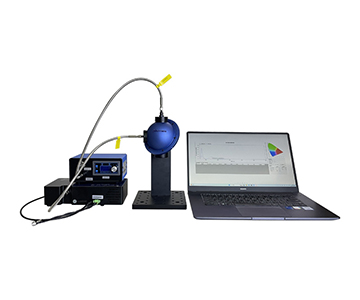
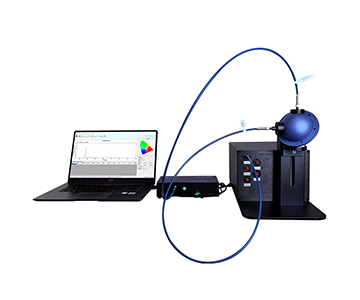
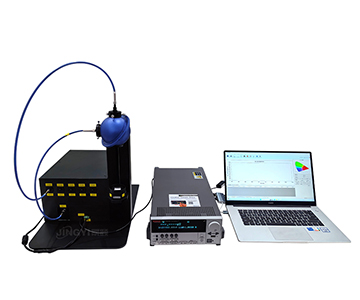
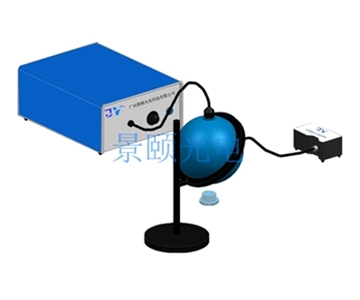
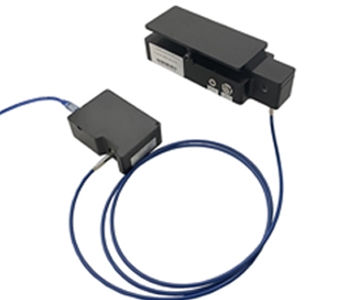
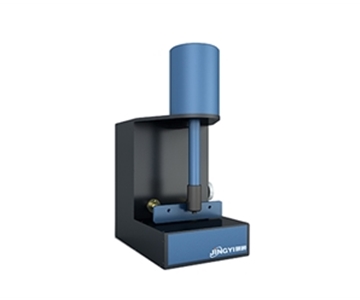
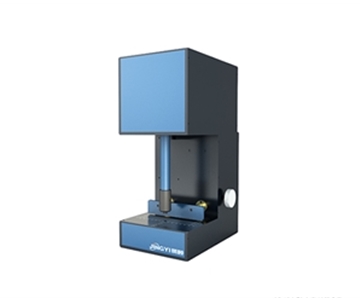
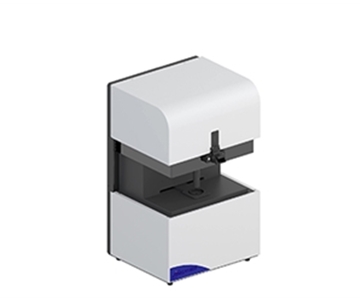
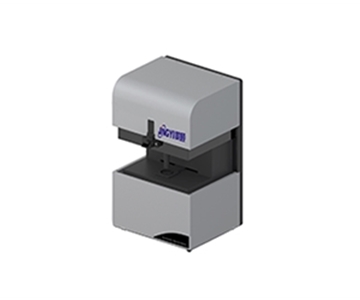
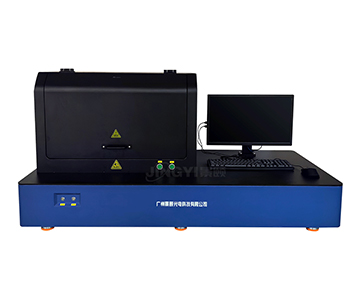
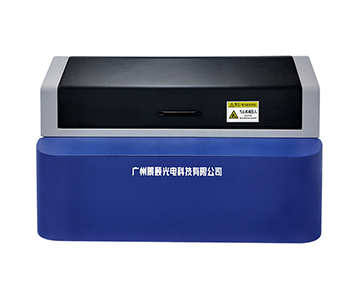
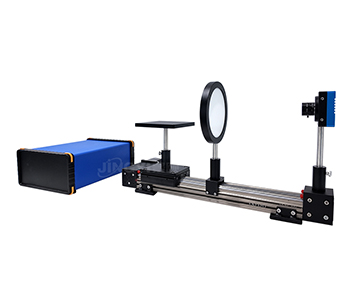
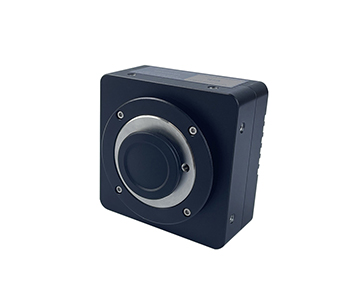
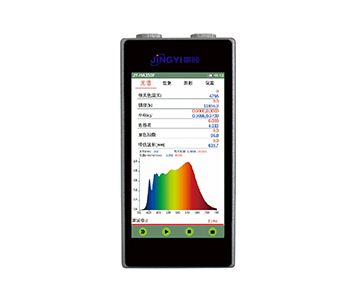
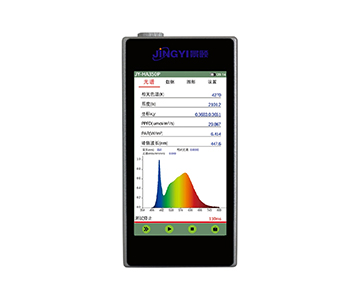
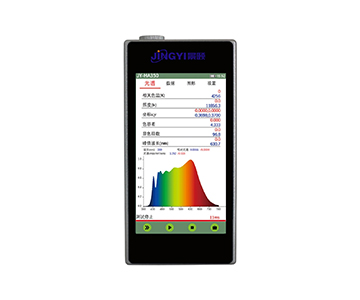
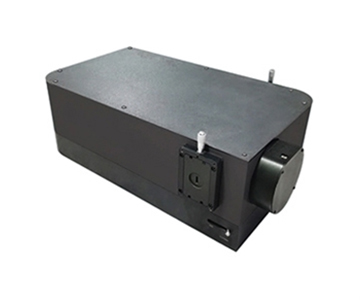
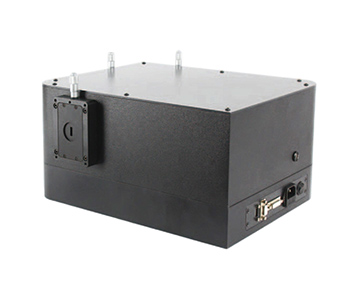
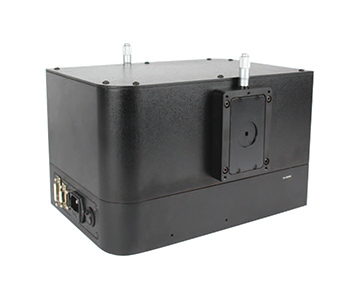
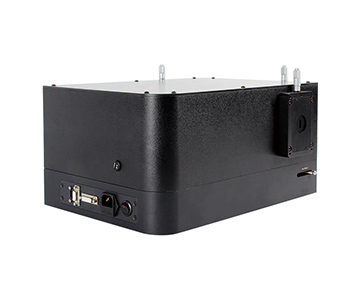
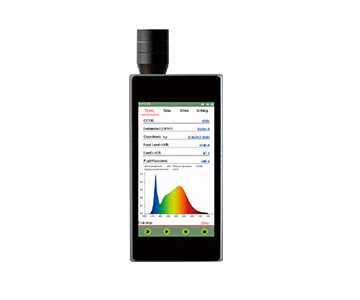
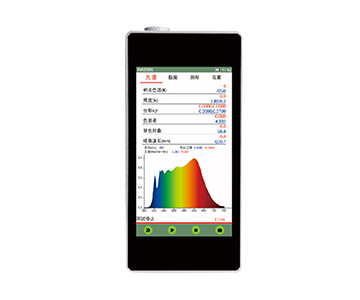
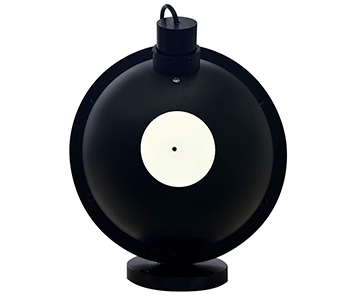
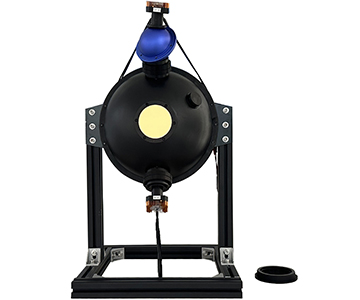
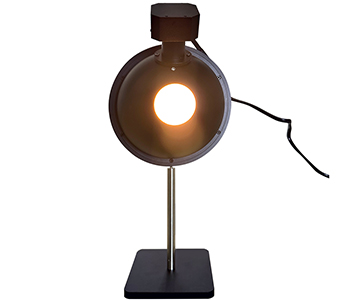
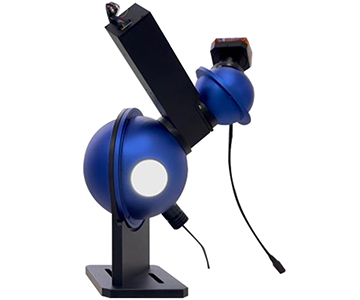
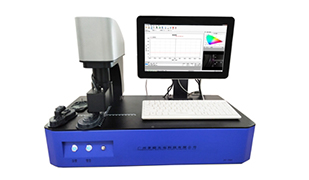
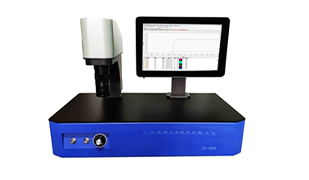
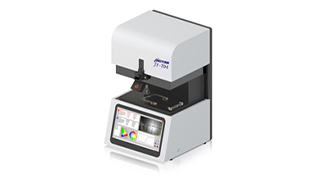
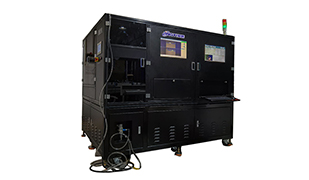
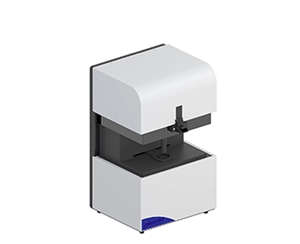
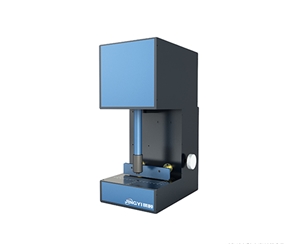
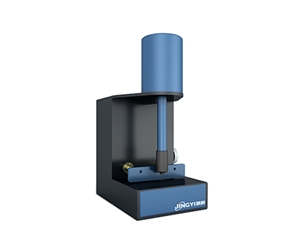
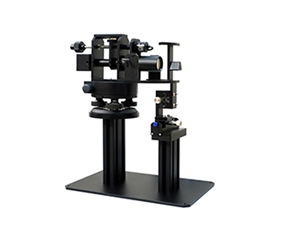
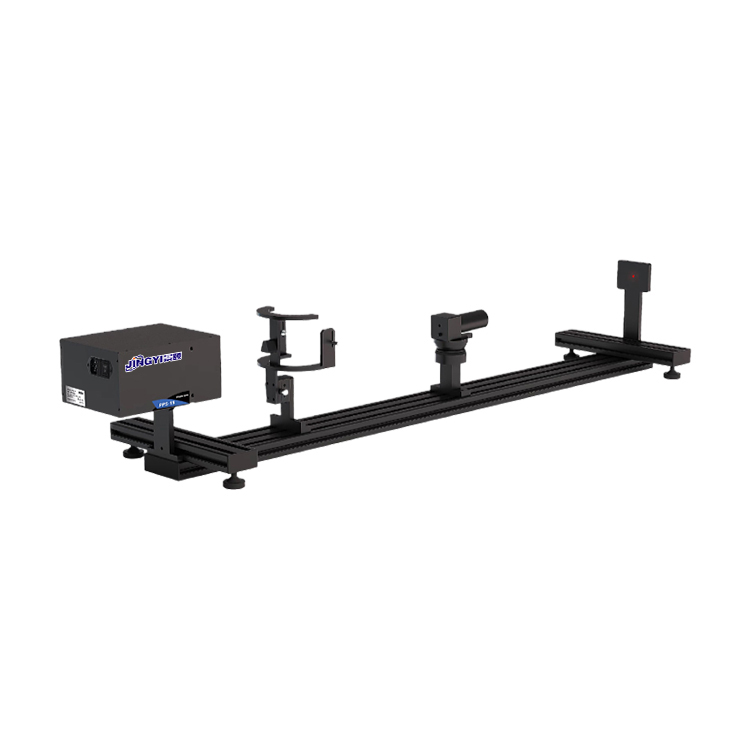
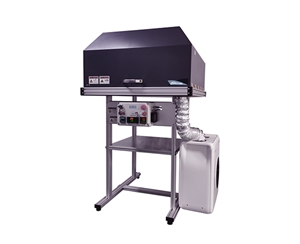
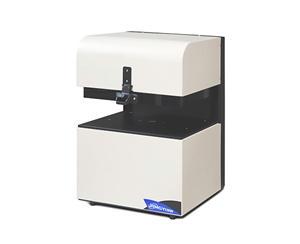
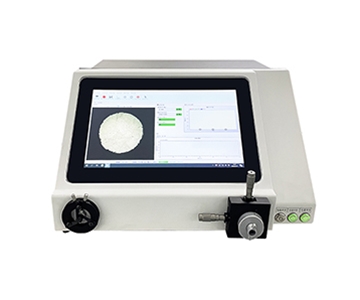
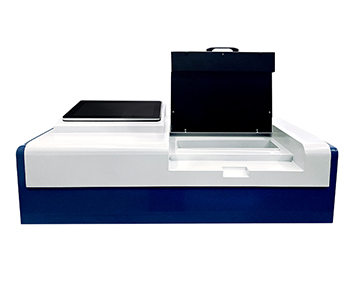
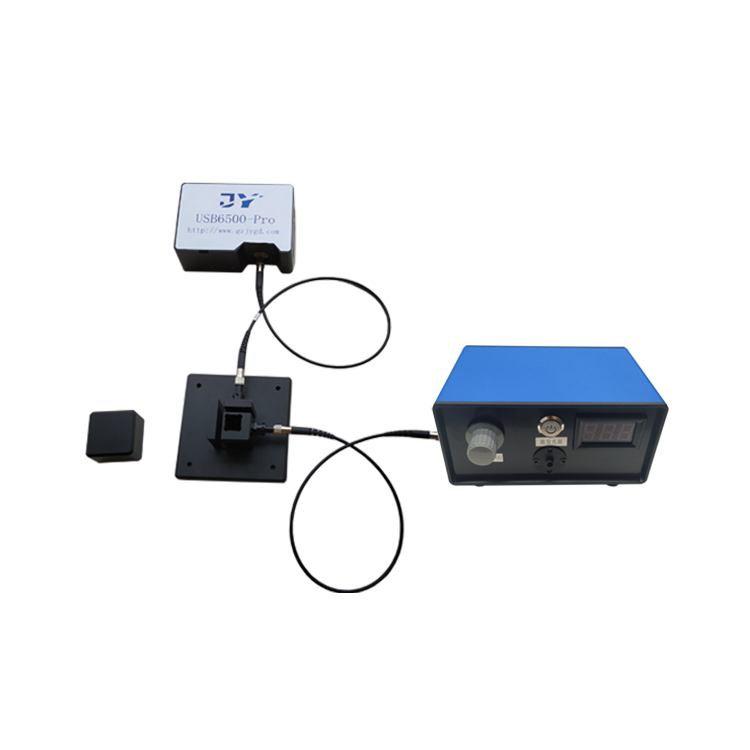
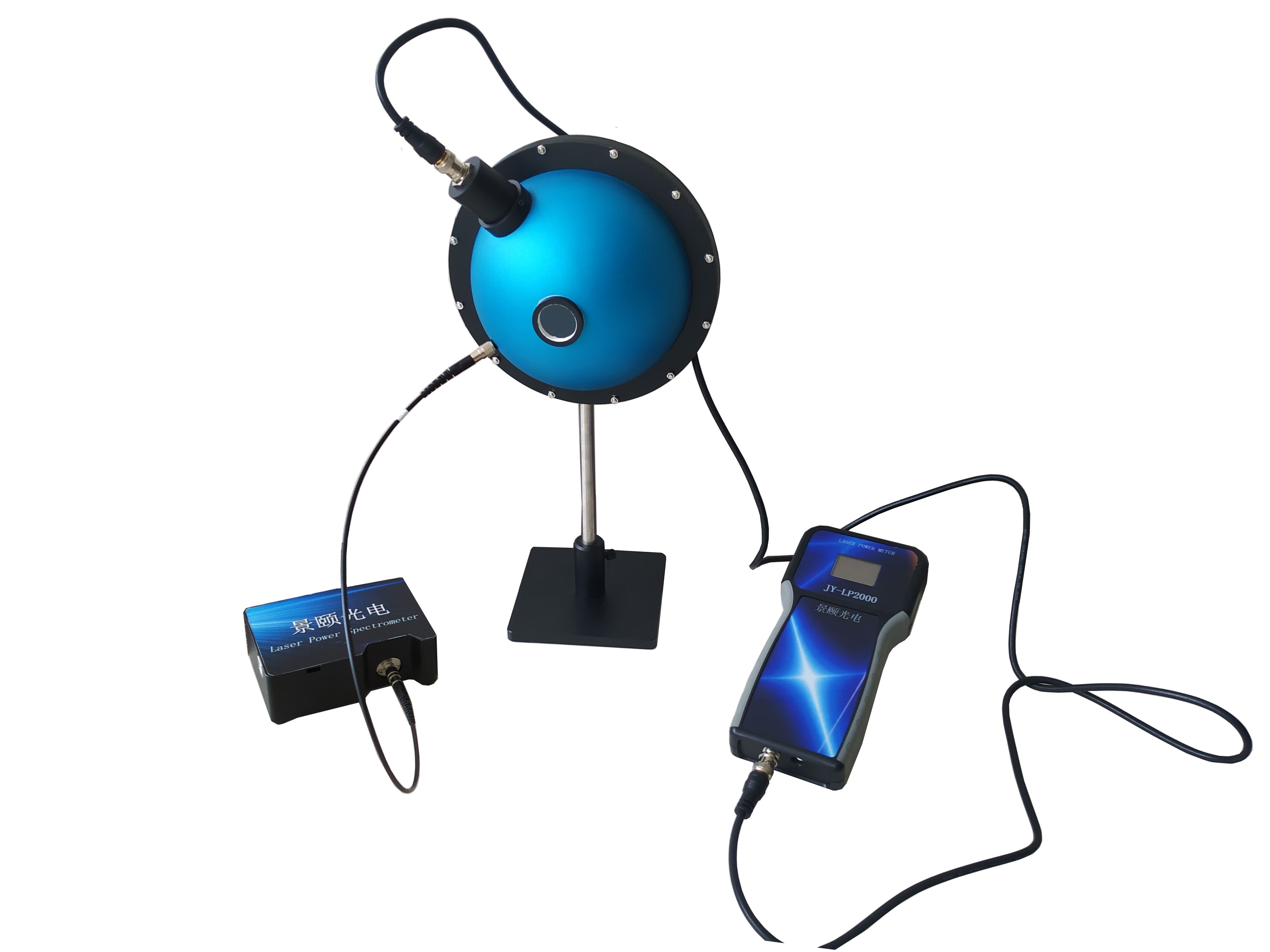
Short-term stability is the critical factor when selecting a broadband hyperspectral field spectrometer for geological prospecting, crop monitoring, and coastal surveys. In field conditions with fluctuating irradiance and temperature, wavelength repeatability and noise drift within the first 10–30 minutes determine data usability. This guide evaluates a mainstream domestic system offering 0.5 nm sampling interval, >800 SNR in VNIR, and dynamic dark current correction. We break down seven selection dimensions, compare three price tiers ($50K/$100K/$200K+), and provide a three-test POC validation method. Key findings: wavelength repeatability of ±0.1 nm in visible and ±0.5 nm in SWIR, with 10 ms to 10 s integration time, ensures reliable reflectance curves without repeated white-board calibration. Limitations include reduced mid-wave IR resolution and software ecosystem gaps.
Why Short-Term Stability Must Lead the Selection Process
A process engineer at a mining survey team in Arizona once brought back a low-cost portable spectrometer. The spec sheet promised “high precision, broadband, fast measurement.” After 20 consecutive spectral acquisitions on the same
Beautiful parameter tables do not guarantee field-worthiness. The real question is whether the device can hold its repeatability during the first 10 to 30 minutes under vibration, temperature swings, and
Seven Selection Dimensions, Deconstructed
Wavelength Coverage and Segmented Resolution
Wider range is not always better; what matters is whether the resolution in each segment is sufficient for your target. A mainstream domestic tier achieves 1.2–2.7 nm resolution near 756 nm, 7–12 nm in the 1550 nm band, and approximately 30 nm in the 2.5–5 μm range. For vegetation red-edge or mineral absorption features, high resolution in VNIR directly determines whether adjacent peaks can be distinguished. In the thermal IR, resolution drop to ~50 nm is acceptable because targets are inherently broadband.
Sampling Interval and Wavelength Repeatability
A 0.5 nm sampling interval yields smooth curves for later interpolation. Wavelength repeatability reaches ±0.1 nm in visible, ±0.5 nm in SWIR, and ±3 nm in MWIR. From a short-term stability perspective, repeatability matters more than absolute accuracy—measure the same sample ten times and the wavelength axis should not “wander.”
SNR and Averaging Capability
Visible-NIR SNR exceeds 800; SWIR SNR exceeds 16000. With up to 100,000 spectral averages, random noise is suppressed in low-light scenarios. During early morning surveys or when measuring dark bas
Dark Current and Thermal Noise Control
Dynamic dark current correction is the core of short-term stability. Systems with built-in thermoelectric or cooled detector channels, combined with second-order diffraction elimination coatings, reduce stray light and temperature drift. Without correction, motherboard heating on a summer noon can raise baselines; with dynamic processing, the first 30 minutes of data remain comparable.
Probe Field of View and Positioning Aids
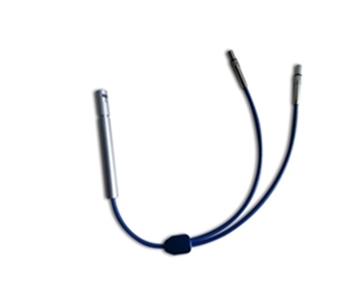
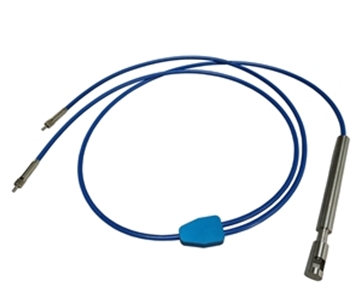
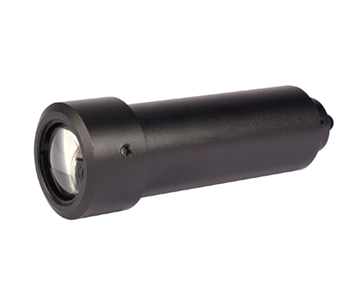
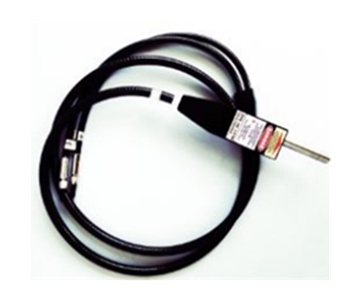
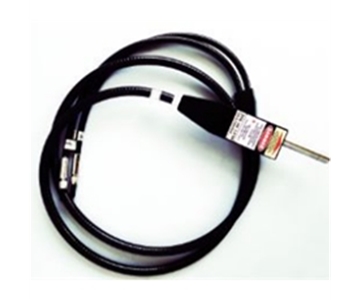
Standard fiber FOV is 25°, with interchangeable 1°/8°/15° lenses. A 650 nm, 5 mW aiming laser and gyroscope-recorded tilt angle assist positioning. For small leaves or rock spots, a 1° FOV avoids邻域混入; a 1 cm laser point deviation can misclassify reflectance as a “mineral anomaly.”
Environmental Sensing and Field Traceability
Built-in GPS,
Protection and Battery Life
IP54 rating, operating temperature -20 to 50°C, humidity <90% non-condensing. External swappable Li-ion battery lasts >3 hours. During day-night field transfers, swappable batteries beat sealed large packs; however, low-temperature capacity fade remains a real constraint requiring reserved power.
Candidate System Cross-Comparison
| Tier |
Band Range |
Resolution |
Channels/Sampling |
Applicable Boundary |
| Import Benchmark |
Narrow segment specialist |
High |
Mature ecosystem |
High budget, requires EU-style reports |
| Domestic Mainstream |
300–2500 nm |
1.2 nm class in visible |
3072-channel class |
Geology/agriculture/forestry all-in-one |
| Domestic Economy |
350–1100 nm |
Basic adequate |
Quick screening |
Teaching, pre-screening, colorimetry |
Import benchmarks like StellarNet offer modular compactness and mature software, but detector array dead pixels may appear after years of use, with moderate local support. Instrument Systems delivers high accuracy but European report templates and price thresholds make them unsuitable for large-scale field deployment.
The domestic mainstream tier covers 300–2500 nm with stable visible repeatability and SWIR SNR; its high-end variant tightens resolution to 5–8 nm near 2100 nm. The economy tier drops MWIR, retaining only VNIR, fitting agricultural inspection, colorimetry, and lab pre-screening.
Key numbers: mainstream tier offers 0.5 nm sampling, 100,000 averages, 1 ms–10 s integration; high-end tier has 3072 channels, 6.5 kg weight; lightweight tier ~5.1 kg. When buying broadband, don’t just look at “how many microns”; verify the resolution in your frequently used band is not虚标.
POC Validation Methodology
Before field deployment, conduct three reproducible lab tests:
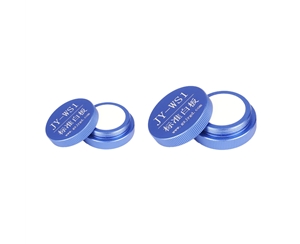
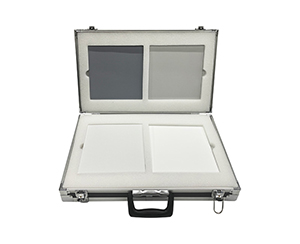
1.White board 50× repeat test: Measure reflectance standard 50 times consecutively. Focus on standard deviation convergence after the 10th measurement, not the first result’s appearance.
2.Integration time switching test: Toggle between 2 ms, 20 ms, 200 ms and observe wavelength axis shift. Drift exceeding ±0.1 nm in visible (the stated spec) indicates questionable short-term repeatability.
3.Fiber bend and tilt test: Bend fiber at different angles, tilt probe 5°–10°, confirm spot position with laser, and verify GPS/environmental data are written into file headers.
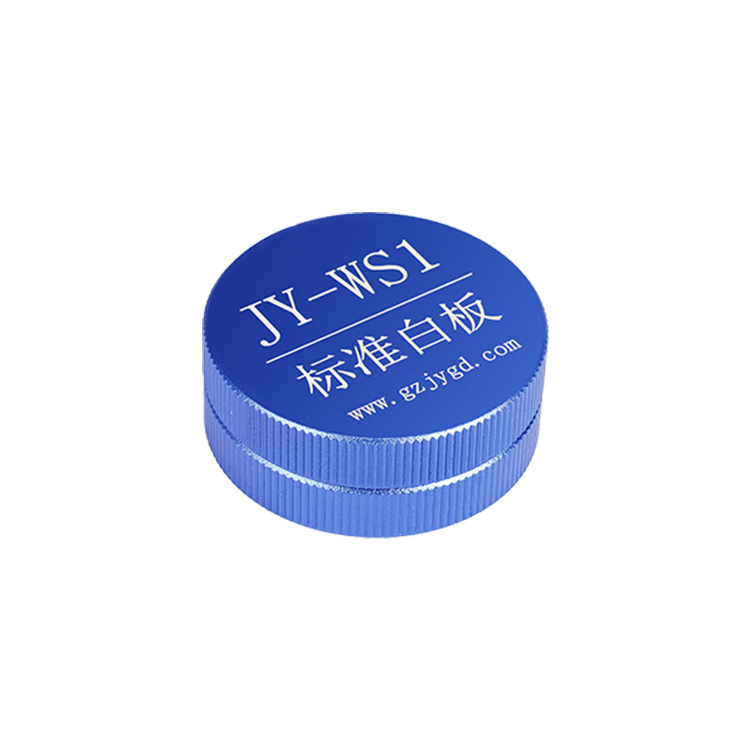
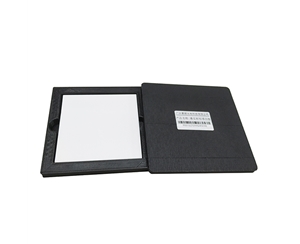
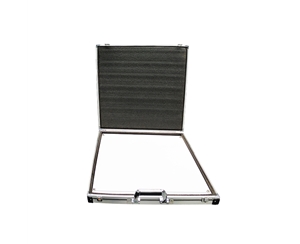
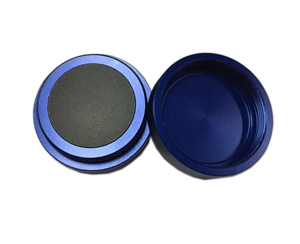
For compliance, reference ISO 17025 calibration traceability and ASTM E903 (standard test method for solar absorptance, reflectance, and transmittance). Reflectance measurements should ensure complete traceability of total reflected quantity; the evaluated system can recalculate using built-in white board and dark current correction flow under these frameworks. Confirm standard conformance during selection to avoid later data interoperability issues.
Ten Pre-Procurement Checks
1.Real resolution in your commonly used band, not “maximum range” resolution.
2.Wavelength repeatability: ask separately for visible/SW/MW.
3.Whether dark current correction is dynamic and triggered per sample.
4.If fiber length is interchangeable and FOV lenses are standard.
5.Laser pointer power and wavelength (650 nm/5 mW compliance with IEC 60825-1).
6.Whether environmental sensor data writes into spectral file headers.
7.Balance between maximum averaging count and single-sample time cost.
8.Ingress protection and low-temperature battery life based on实测, not nominal.
9.Software support for reflectance/radiance/colorimetry multi-modes.
10.Delivery of calibration white board, dark current procedure, and standards traceability chain.
Common Selection Traps
•Treating “300 nm–11 μm” as daily usable: MWIR resolution drops to 50 nm and requires pyroelectric detectors; most agriculture and geology tasks never need the full range, leaving expensive idle capability.
•Ignoring short-term drift: Chasing absolute accuracy of ±0.5 nm while skipping continuous sampling repeatability tests leads to non-stitchable field data after 30 minutes.
•Defaulting to 25° FOV: Acceptable for canopies, but measuring single veins or disease spots mixes background soil.
•Dismissing USB 2.0 as obsolete: Field scenarios demand stable plug-and-play, not bandwidth bragging; yet confirm long-cable transmission without frame loss.
Objective Limitations
Domestic systems now cover most research and engineering scenarios from visible to SWIR. However, in MWIR detector lifetime, high-temperature drift, and long-term calibration retention, gaps remain against some import high-end systems. Especially during continuous high-intensity outdoor operation beyond 3 hours, battery and thermal strategies force reduced sampling frequency.
Another gap is software ecosystem. PC control is mature, but cross-platform automation interfaces and automatic registration with remote sensing orthophotos still require user-built middleware. Stable hardware does not equal an out-of-the-box data pipeline.
Frequently Asked Questions
Q1: What bandwidth is sufficient for agricultural chlorophyll monitoring?
Coverage of 300–1100 nm or 1700 nm typically suffices. The red edge sits at 700–750 nm, and the NIR platform begins after 800 nm; paying extra for MWIR is unnecessary.
Q2: How to quickly判断 parameter虚标?
Perform 50 repeat measurements at the same point and check standard deviation; then switch integration times to observe wavelength axis drift. If the stated ±0.1 nm drifts beyond ±0.3 nm, short-term stability is questionable.
Q3: How to choose field of view?
Canopies and soil: 25°. Single leaf or rock spot: 1°–8°. Overly wide FOV mixes in the “average face of the surrounding environment.”
Q4: How to balance budget between domestic and import?
Unless export certification reports are mandatory, domestic mainstream tiers already cover geology, forestry, and ecological monitoring with competitive SNR and resolution. Import tiers charge a premium for calibration certificates and software compliance, not a hardware multiplier.
Q5: How can I independently verify equipment performance upon delivery?
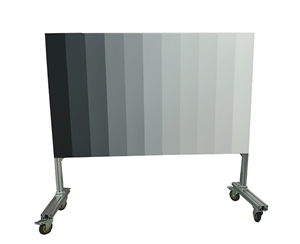
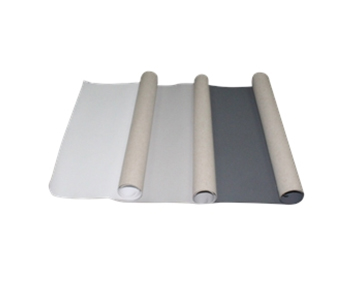
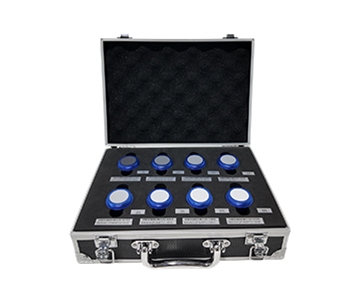
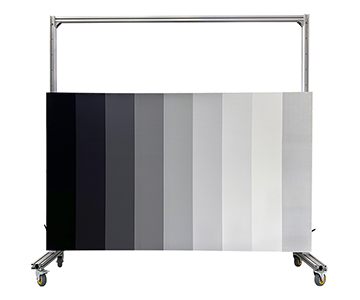
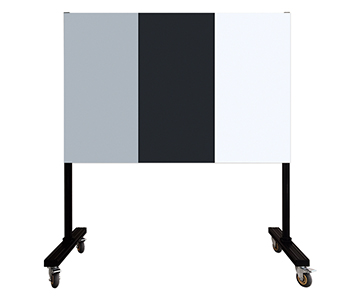
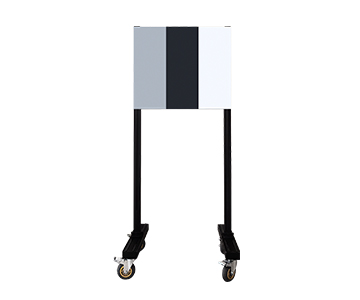
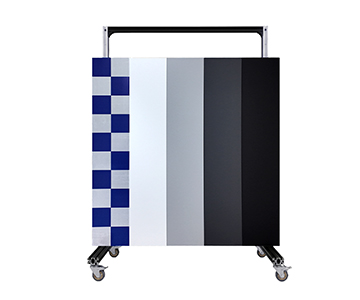
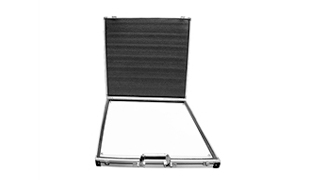
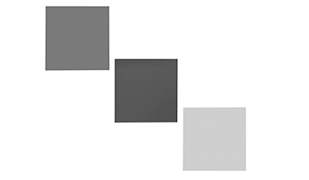
Use a calibrated white board and known grayscale targets, retest under your own lab temperature and humidity, and cross-reference against the delivered calibration certificate. Write your own difference analysis instead of relying on vendor scripts.
About This Guide
Data Sources
: Uploaded product technical documentation, ISO 17025 general requirements for calibration laboratories, ASTM E903 standard test method, industry public test practices.
Author
: Cai Xiaodong, Senior Application Engineer, Jingyi Optoelectronics, 12 years in industrial precision measurement and field spectroscopy equipment selection.
Disclosure
: Jingyi Optoelectronics manufactures broadband hyperspectral field spectrometers. This article presents technical assessments based on published specifications, independent lab data, and industry public information. No compensation was received from third-party brands mentioned.
Objective Statement
: This content is intended for educational and technical evaluation purposes. Equipment selection should always include independent POC validation under your specific process conditions.
Last Updated
: November 2026
For detailed specifications and application notes on broadband hyperspectral field spectrometers, search "Jingyi Optoelectronics + field spectrometer" or visit our technical library.