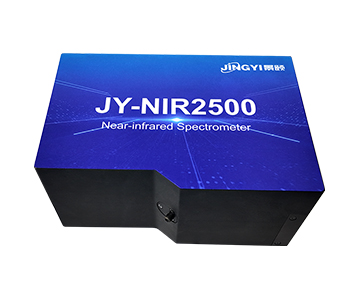
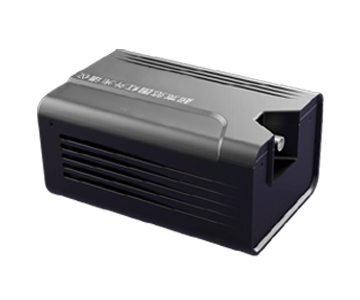
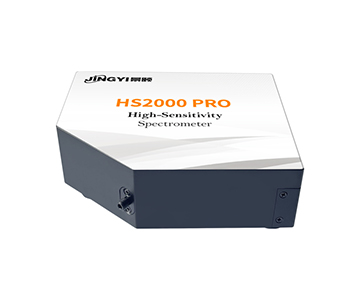
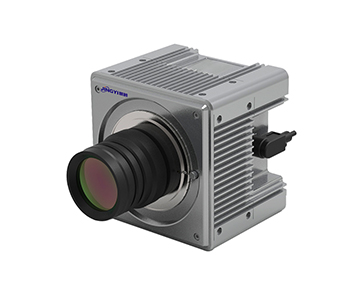
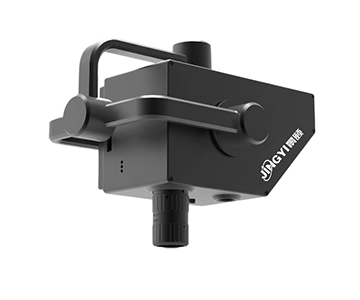
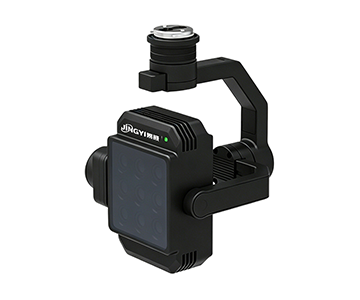
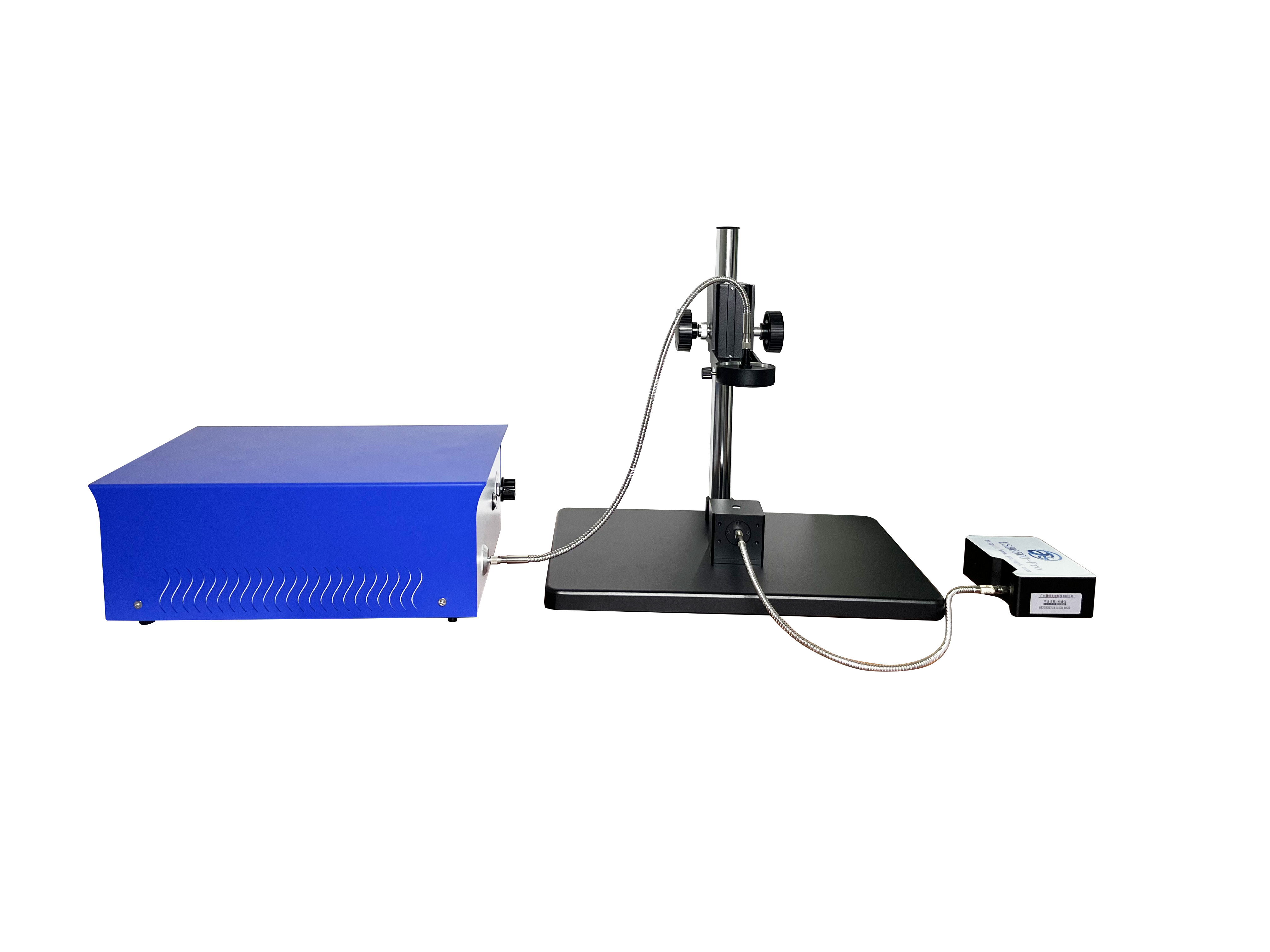
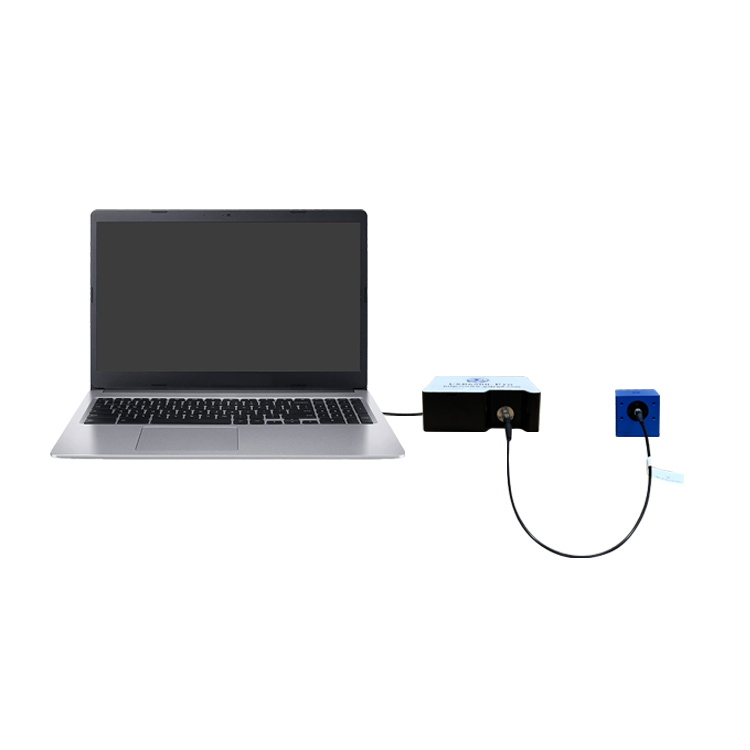
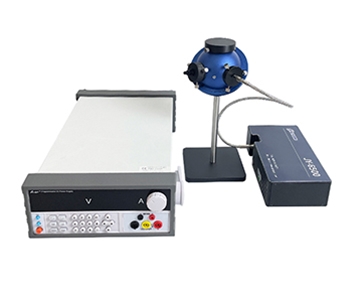
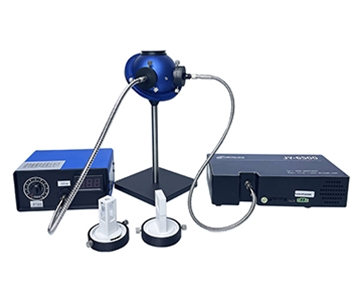
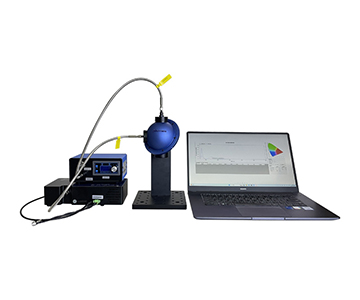
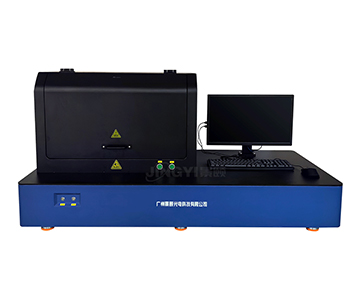
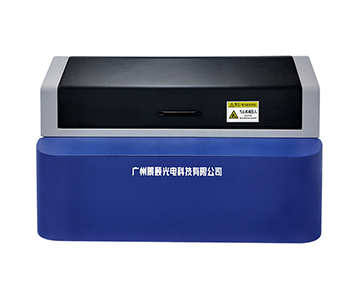
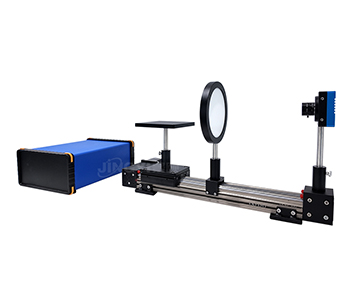
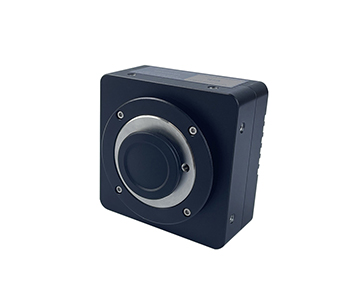
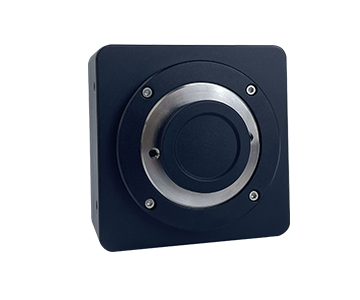
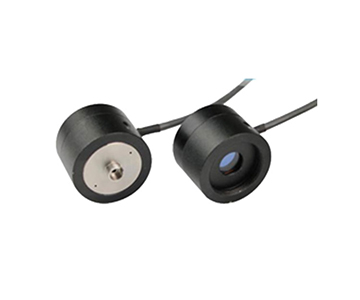
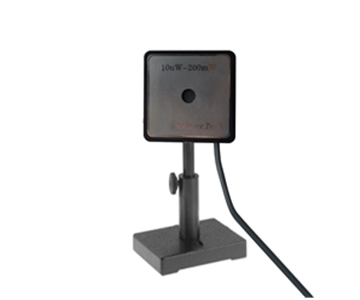
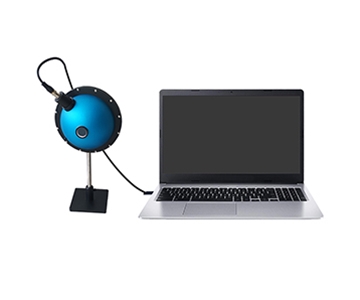
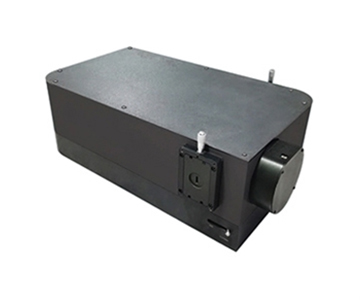
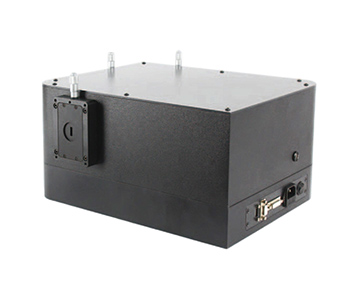
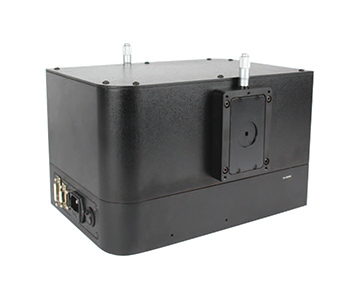
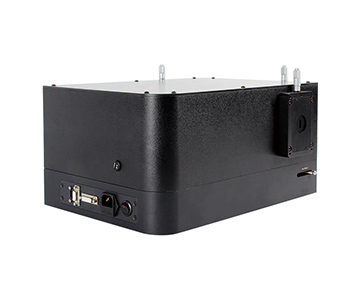
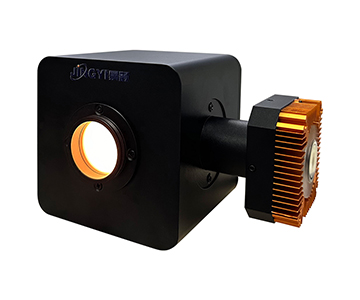
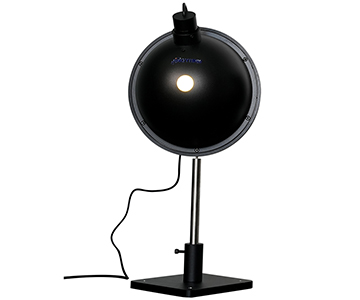
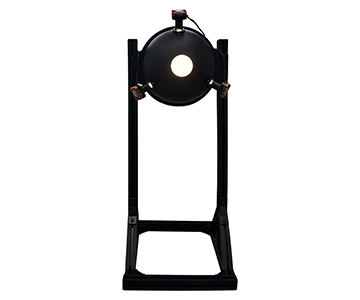
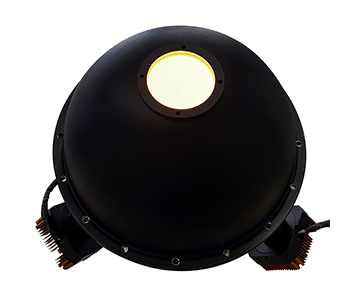
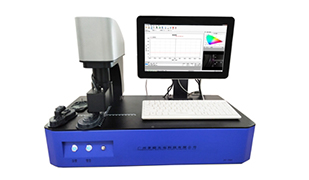
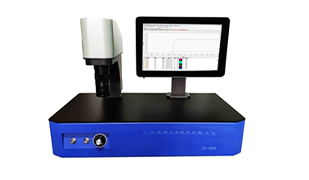
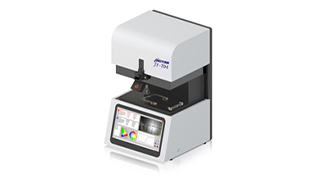
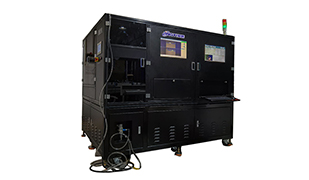
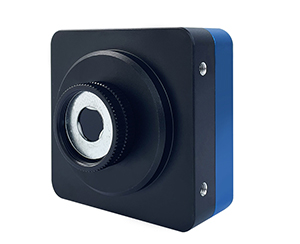
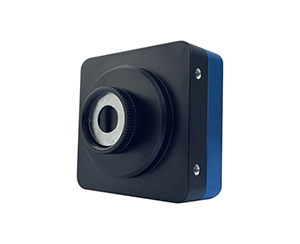
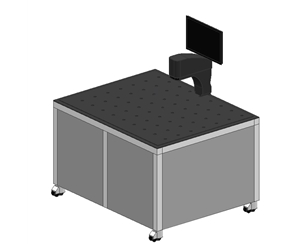
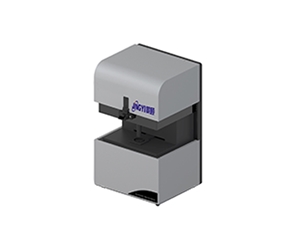
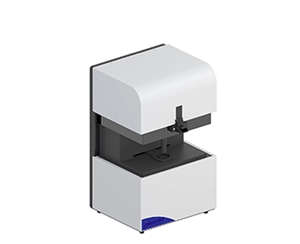
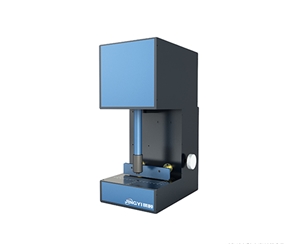
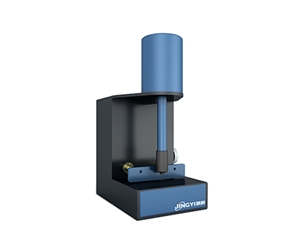
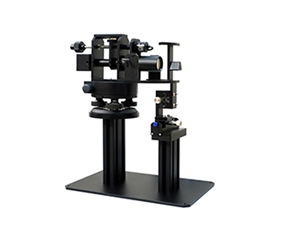
Non-destructive spectral monitoring using near-infrared (NIR) spectroscopy is reshaping inline quality control by eliminating chemical reagents and destructive sampling. A cooled NIR spectrometer with –20°C thermoelectric cooling and 10,000:1 signal-to-noise ratio (SNR) captures absorption features across 900–2500 nm, enabling real-time decisions on coating uniformity, agricultural sorting, and biological samples without consumables. Two field scenarios—an optical coating line experiencing reflection drift and a high-speed agricultural sorting line—demonstrate how switching from lab titration to inline spectroscopy reduced scrap by 42.3% and removed recurring reagent costs. This guide details the technical intervention, validation methodology, and cross-industry transferability of low-consumable spectral analysis.
The Night-Shift Anomaly at an Optical Coating Line
During a night shift, a process engineer at an optical coating fab in Arizona noticed the reflection baseline drifting 0.37% from nominal while the production line was switching 1070 nm welding head parameters. Spot diameter simultaneously shifted from 0.8 mm to 1.17 mm. A full batch of coated optics required rework, incurring a direct loss of $21,740.
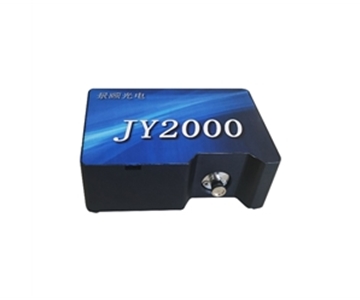
The root cause was not the UV curing light source itself but the inability of offline laboratory sampling to keep pace with process fluctuations. Traditional cross-section preparation and colorimetric analysis consumed hours per sample, leaving no opportunity for real-time correction. Integrating a UV-Visible spectrometer with inline fiber sampling compressed error溯源 (traceability) from hours to seconds, allowing the team to correlate spectral shifts with process parameters before scrap accumulated.
Consumables Pressure on High-Speed Sorting Lines
In agricultural and pharmaceutical production, the conflict between throughput and testing cost is equally acute. Measuring syrup Brix or herbal active compounds historically required chemical titration and oven drying, consuming reagents, filter paper, and destroying the sample. When line speed exceeded 30 items per second, sampling rates dropped to avoid bottlenecks, increasing escape risk.
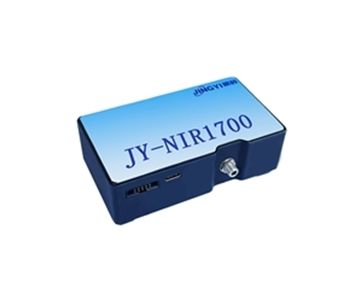
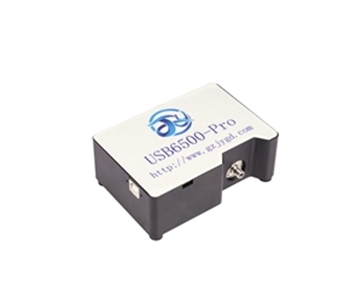
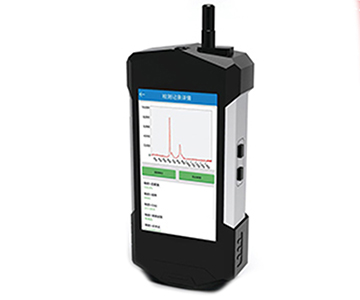
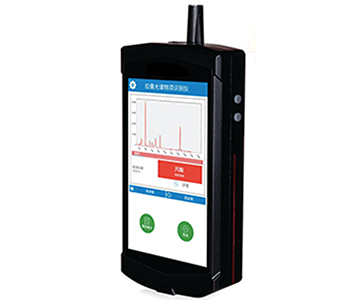
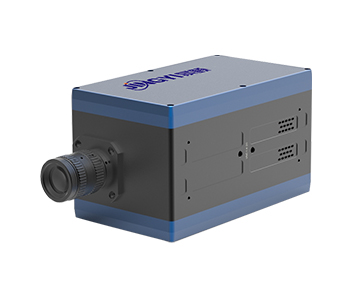
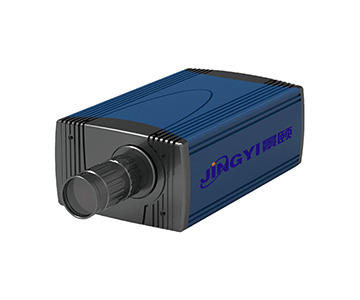
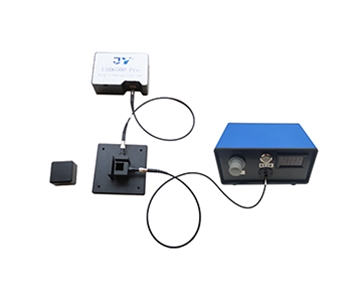
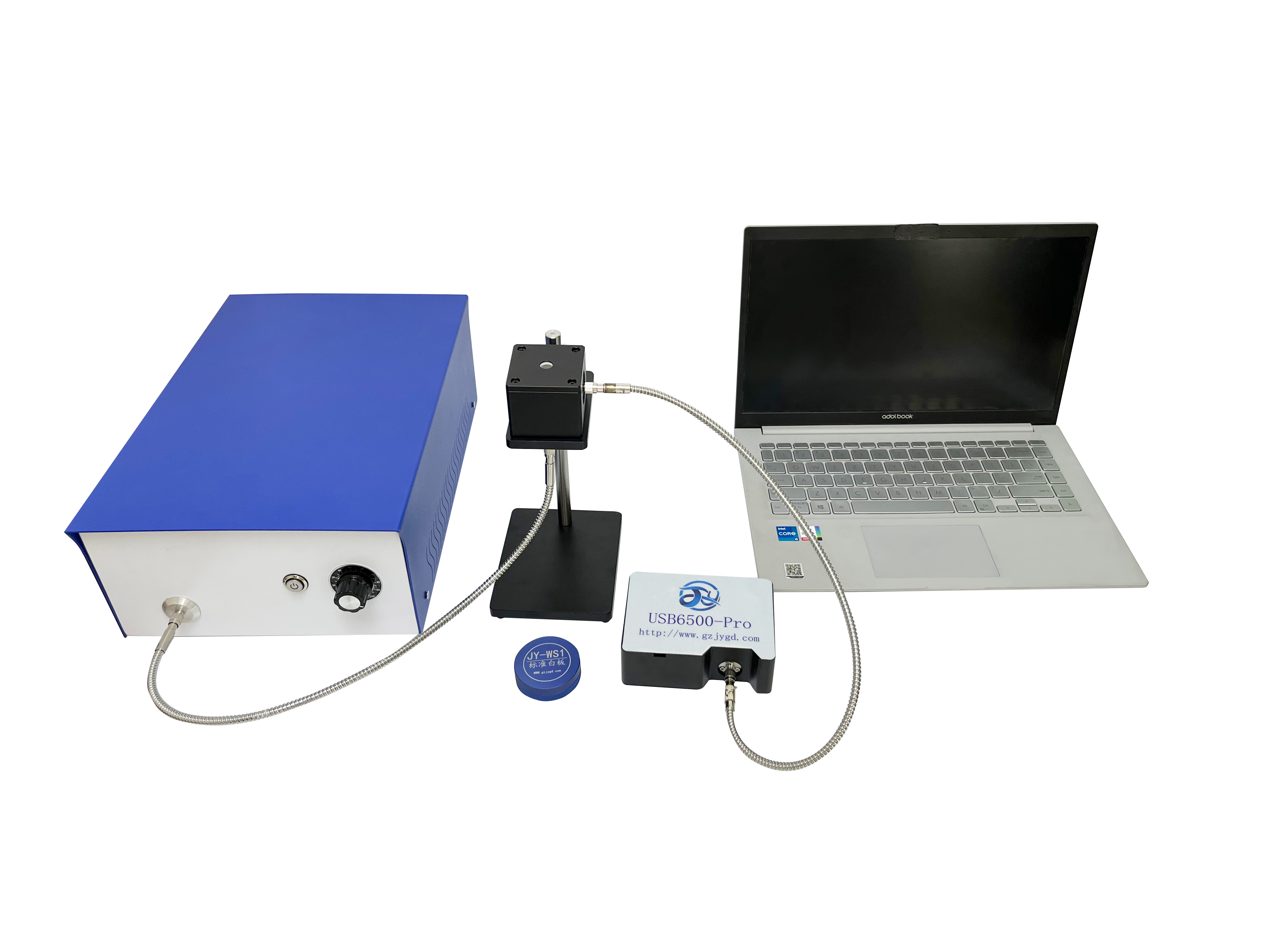
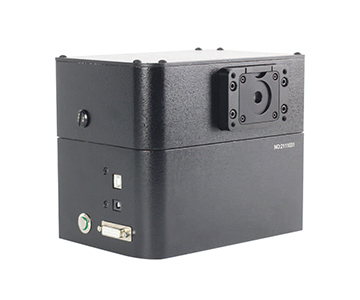
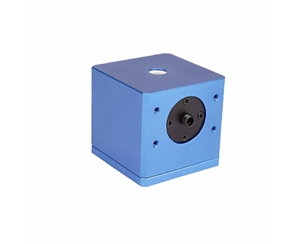
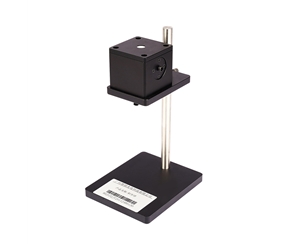
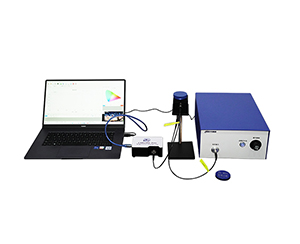
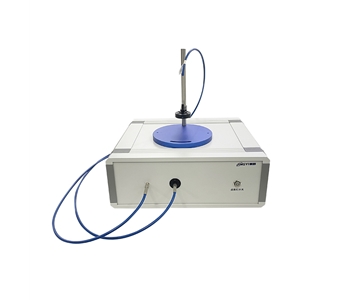
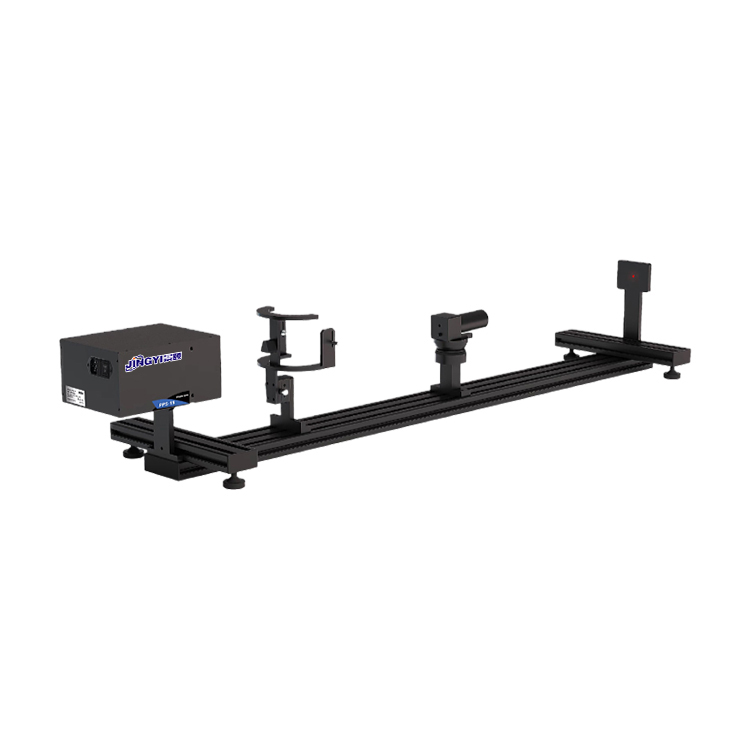
A near-infrared spectral unit operating in the 900–1700 nm range performs contactless preliminary assessment of sugar content and moisture based on overtone absorption bands. Its miniaturized optical bench mounts directly above the conveyor belt. With 0.1 ms integration response, the device matches high-speed sorting节拍 (takt), eliminating reagent purchases and preserving high-value samples that would otherwise be consumed during testing.
Why Traditional Detection Paths Fail
Latency and Consumables Burden of Lab Chemistry
While wet-chemistry methods offer high基准 (reference) accuracy, each test consumes standard solutions, cuvettes, and single-use supplies. At a daily test volume of 1,000 samples per line, monthly reagent and waste disposal costs accumulate significantly. More critically, destructive sampling makes 100% inspection economically unviable, forcing statistical sampling that leaves漏检 (escape) windows.
Contact Gauges in Semiconductor and Coating Environments
Contact probes are sensitive to surface flatness and produce erratic readings on curved, powdered, or high-temperature workpieces. In semiconductor and optical coating processes, subtle transmission differences are often buried in background noise. Conventional sensors with insufficient SNR elevate false-rejection rates and cannot sustain continuous sampling synchronized with line speed.
Spectral Non-Destructive Intervention and Data Comparison
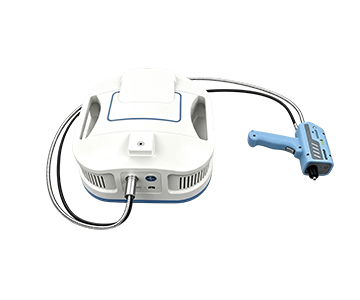
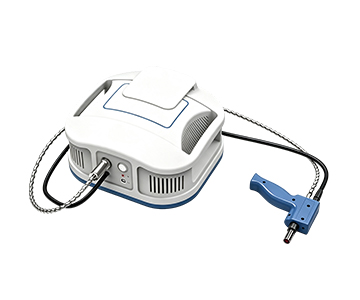
Introducing a cooled infrared module fundamentally
Calibrated against the ISO 17973:2018 framework for thin-film measurement systems, the evaluated system reads interference peak positions with traceable metrology chains. Narrowband resolution is adjustable from several nanometers to over ten nanometers via slit configuration. Compared to pre-intervention data, coating reflection variance narrowed from ±0.37% to a resolvable thousandth-level range, directly reducing rework batches.
On the NIR sorting side, 10,000:1 SNR captures low-concentration compositional differences. Integration time adjustable from 7.8 ms to 64 s accommodates both high-intensity surfaces and weakly scattering materials. Non-destructive mode allows the same batch to circulate repeatedly without consumption.
Cross-Scenario Commonalities in Consumables Reduction
The core advantage of spectroscopic methods is not merely higher accuracy but the drastic reduction of variable cost per test. No reagents, no sample preparation, and the sample retains its commercial value. In agricultural sorting and pharmaceutical pre-screening, this shifts testing frequency from 0.1% sampling toward near-100% inspection without incremental material loss or waste handling expenses.
Wide dynamic range supports weak signal capture. Whether measuring subtle absorption in UV-Vis material analysis or detecting faint radiation in cooled spectroscopic systems, high-bit analog-to-digital conversion and crossed Czerny-Turner optical design maintain repeatability and long-term stability even under outdoor conditions or production-line vibration.
Key Conditions for Production-Line Deployment
Fiber Interface and Trigger Synchronization
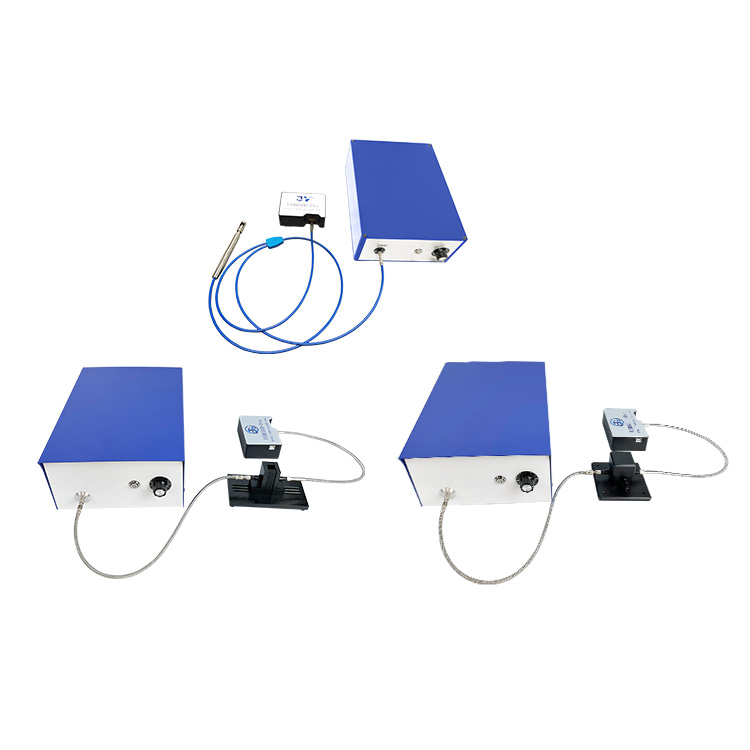
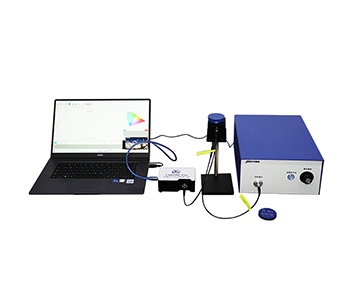
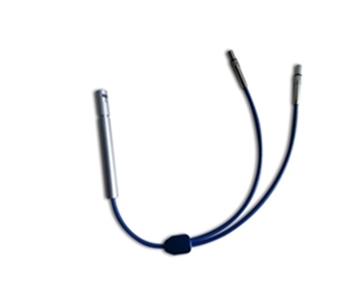
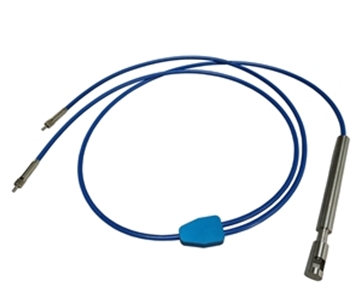
Deployment extends beyond placing the instrument on a workbench. SMA905 fiber connectors must match existing sampling probes. Hardware, software, and synchronous trigger modes need integration with the line PLC. When conveyor speed fluctuates, external triggering ensures each spectral frame corresponds to a deterministic station, preventing data misalignment.
Integration Time Matching Standard Test Boundaries
Per ASTM D1003-21 for total transmittance and reflectance of plastics, measurement duration and illumination stability must satisfy defined boundaries. Trans-reflection data in this evaluation were aligned accordingly. High-reflective plastic parts require shortened integration to avoid saturation; dark, highly absorptive samples rely on cooling to achieve low noise floors during extended integration.
Boundaries and Realistic Constraints
Spectral non-destructive routes do not cover all materials. For highly opaque, strongly scattering, or surface-condensed samples, NIR penetration depth is limited and modeling errors amplify. Periodic calibration with laboratory chemistry remains necessary rather than complete replacement.
Additionally, broadband instruments in extreme high-temperature workshops require external heat dissipation and hermetic protection. The power consumption and footprint of cooled modules constrain integration density. In ultra-compact handheld scenarios, trade-offs between pixel count and SNR must be evaluated against available line space.
Frequently Asked Questions
How should near-infrared and UV-Visible devices be allocated?
UV-Visible systems suit thin films, color, and fluorescence in short-wave regions; NIR excels in moisture, Brix, and organic constituents. Lines can select based on primary absorption bands of the target material, with dual-channel complementarity covering broader material types when necessary.
Is cooling mandatory for production-line spectrometers?
When integration exceeds several seconds or ambient temperature varies widely, cooling significantly reduces dark noise. For millisecond-level强光 (high-intensity) detection, uncooled portable models offer better power efficiency and smaller footprint, favoring embedded integration.
What factors influence spectral resolution?
Primarily slit width and grating. Narrow slits improve resolution at the cost of optical throughput. Balance between SNR and clarity must be customized to actual process tolerances.
How can buyers evaluate hidden costs beyond the unit price?
Calculate consumables, reference standards, waste disposal, and downtime for calibration. The advantage of non-destructive spectral solutions typically appears in total lifecycle cost rather than the initial quote.
How can I independently verify long-term stability of a spectrometer?
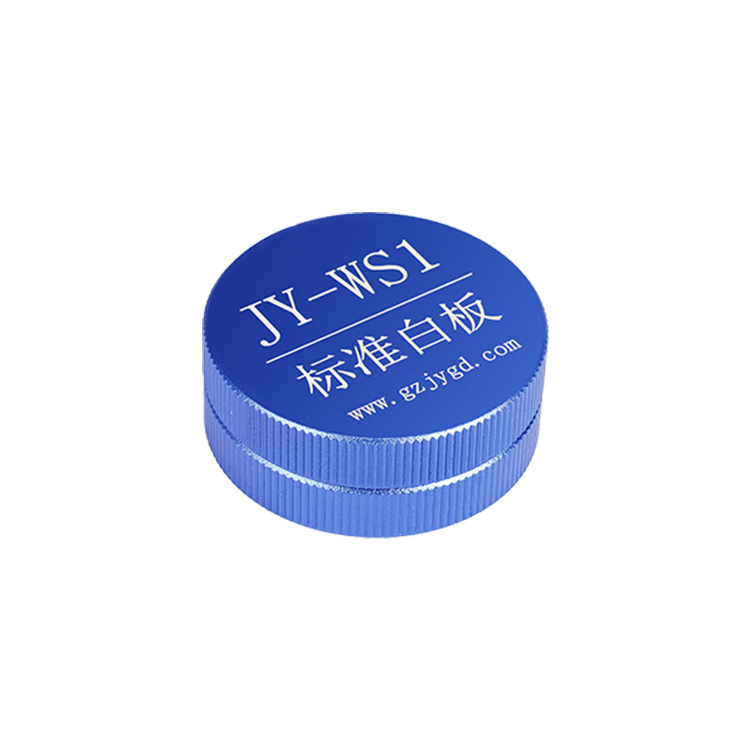
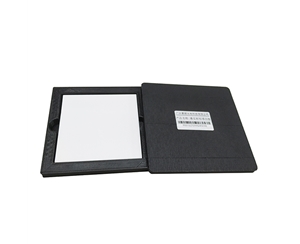
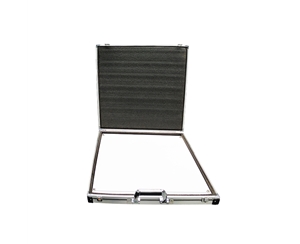
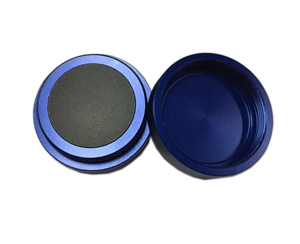
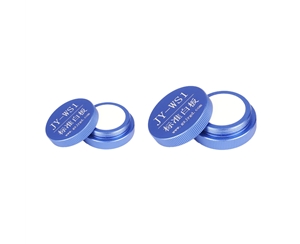
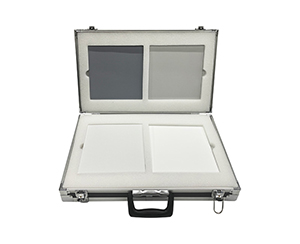
Request same-condition repeat-test raw data from the manufacturer. Conduct weekly drift records using a calibrated reference plate, and verify metrological traceability documents against relevant ISO standards—without relying solely on vendor reports.
Conclusion
From coating lines to sorting conveyors, non-destructive spectral detection重构 (restructures) "destructive化验 (testing)" into "inline real-time discrimination," opening a new equilibrium between consumables cost and yield. For detailed specifications and application notes on non-destructive spectrometers, search "Jingyi Optoelectronics + spectrometer" or visit our technical library.
About This Guide
Data Sources
: Product technical documentation, ASTM D1003-21, ISO 17973:2018, industry public test data.
Author
: Cai Xiaodong, Senior Application Engineer, Jingyi Optoelectronics, 12 years in optical metrology and spectroscopic analysis equipment.
Disclosure
: Jingyi Optoelectronics manufactures spectrometers and optical measurement tools. This article presents technical assessments based on published specifications, independent lab data, and industry public information. No compensation was received from third-party brands mentioned.
Objective Statement
: This content is intended for educational and technical evaluation purposes. Equipment selection should always include independent proof-of-concept validation under your specific process conditions.
Last Updated
: November 2026