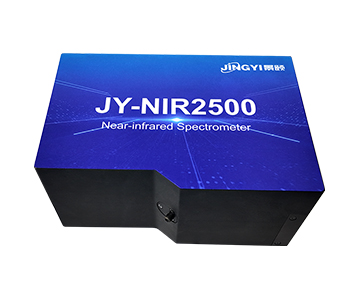
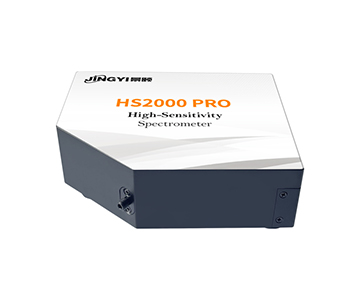
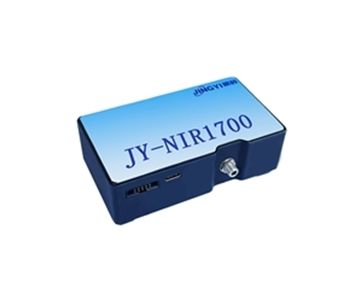
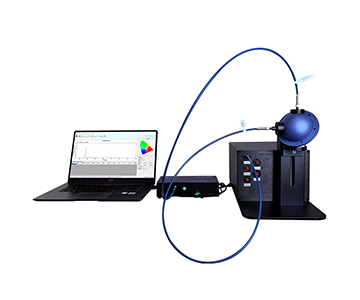
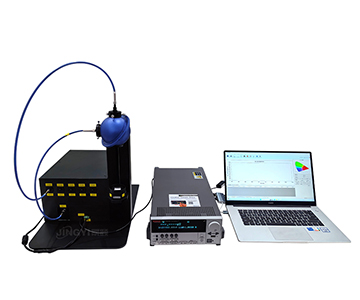
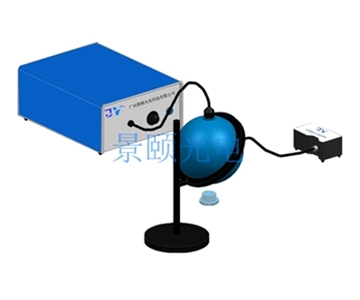
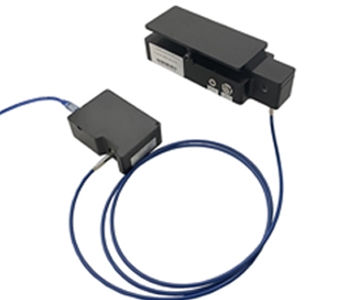
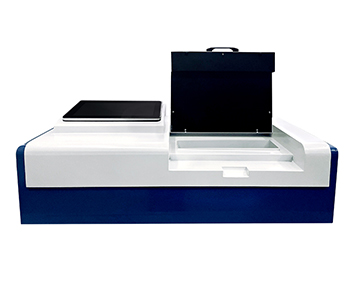
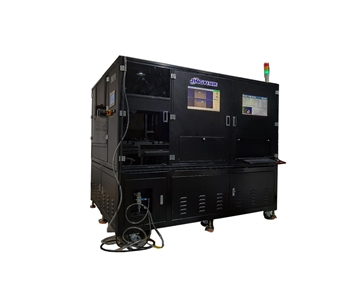
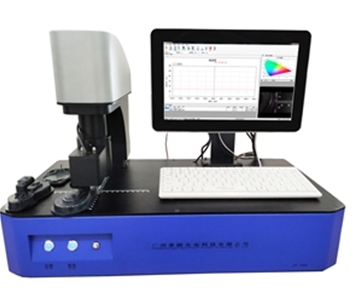
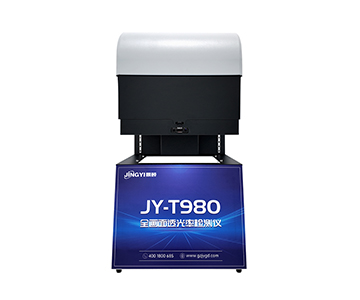
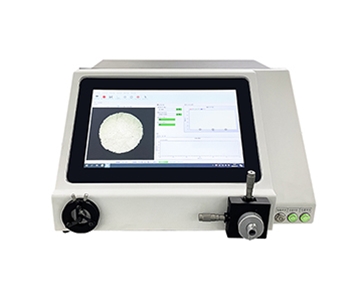
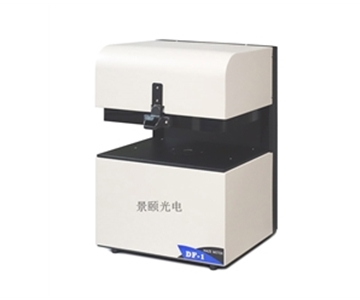
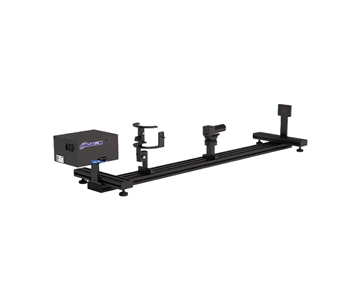
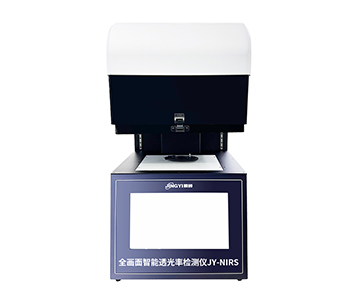
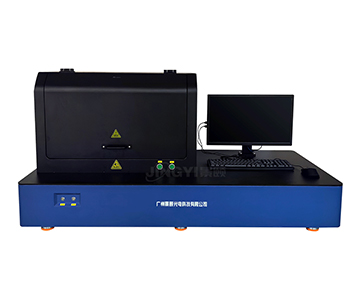
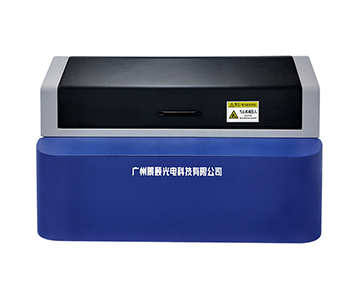
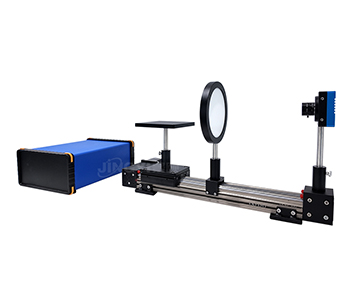
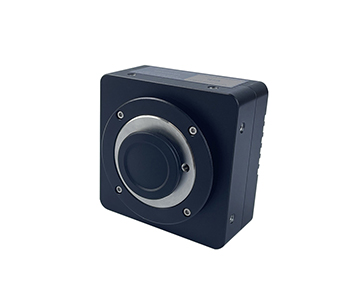
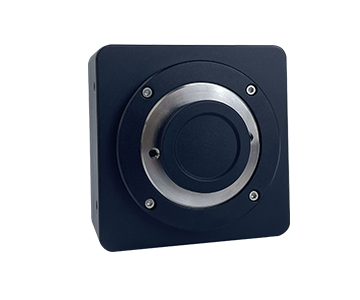
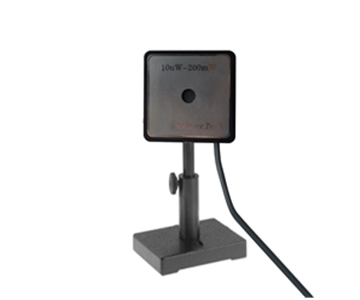
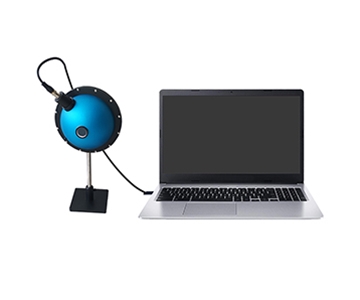
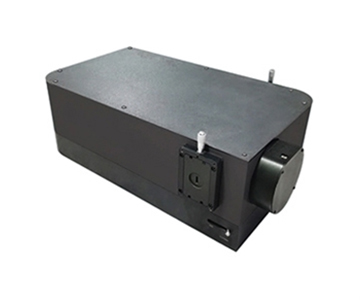
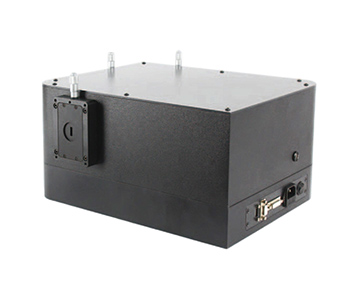
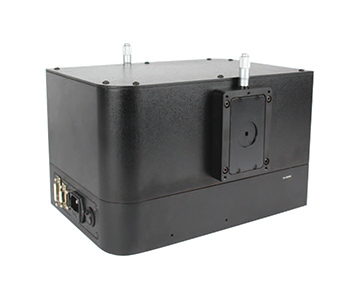
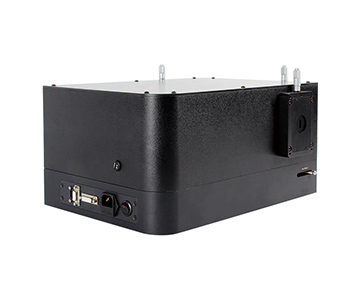
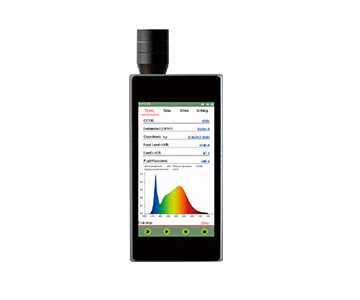
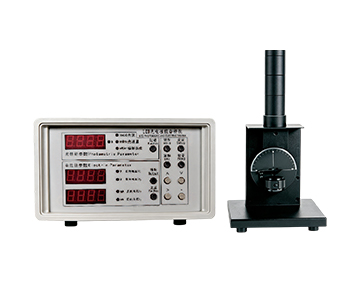
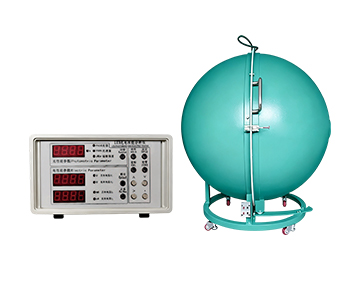
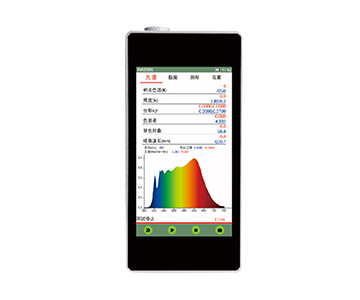
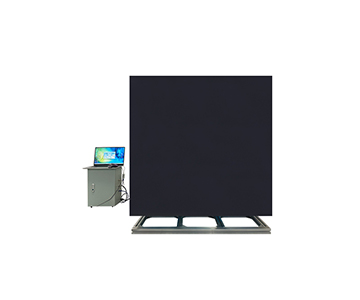
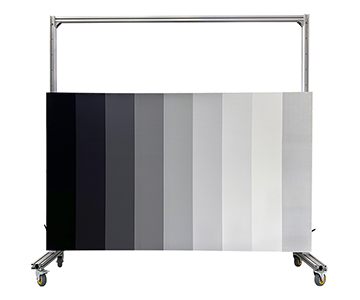
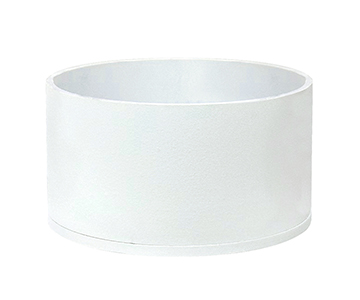
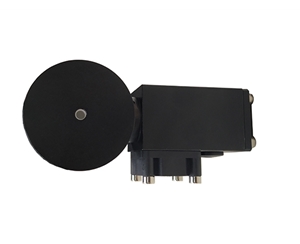
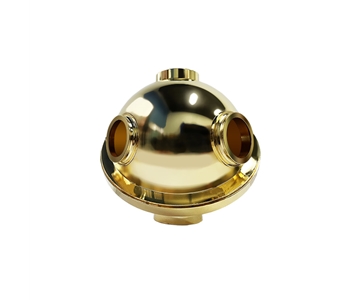
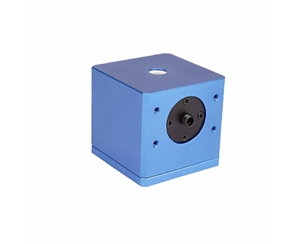
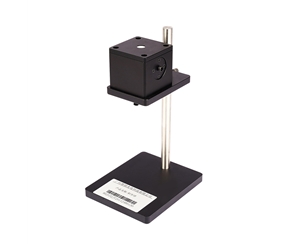
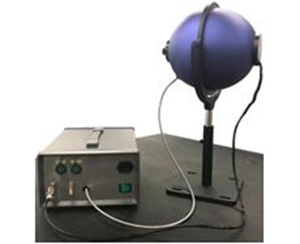
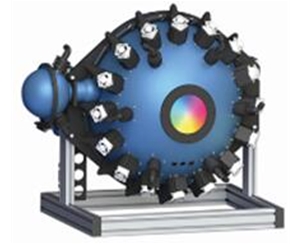
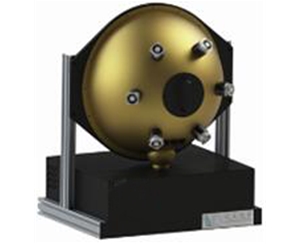
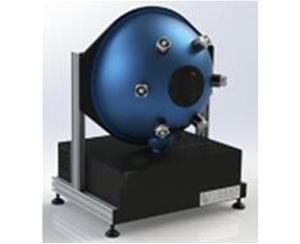
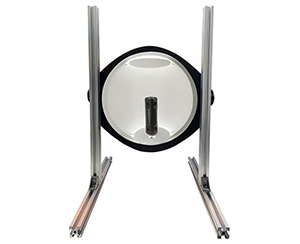
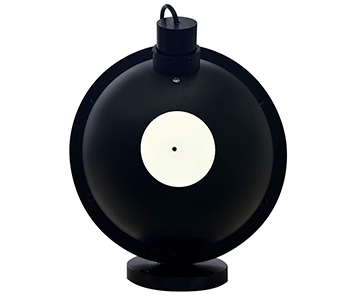
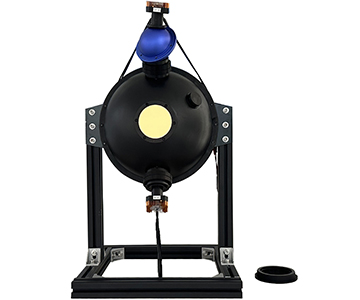
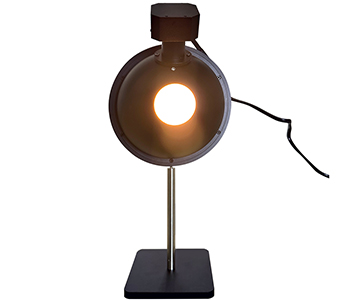
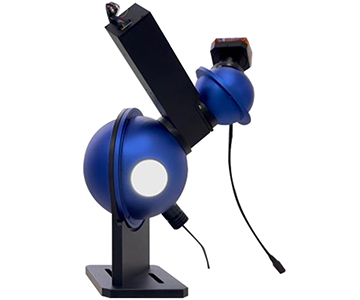
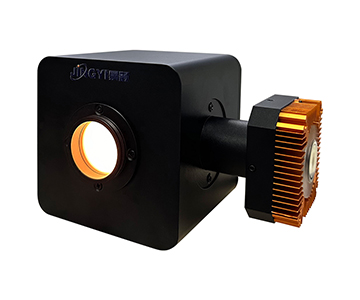
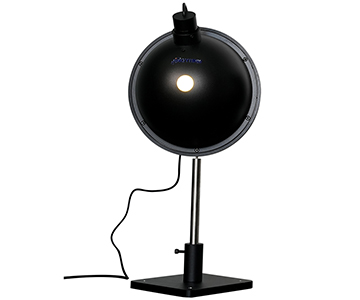
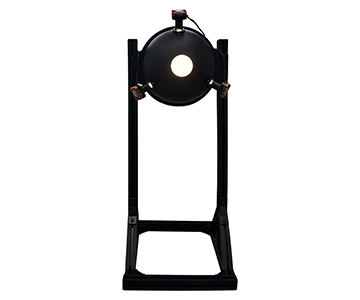
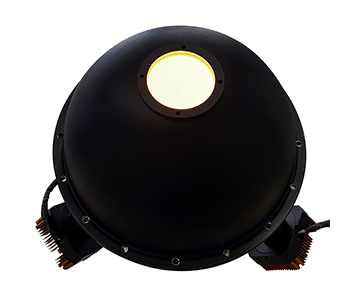
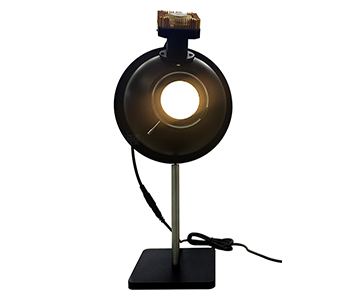
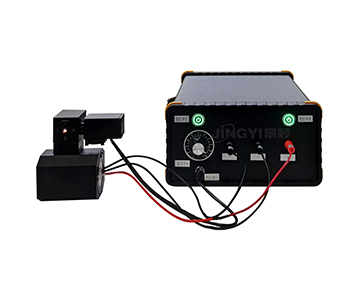
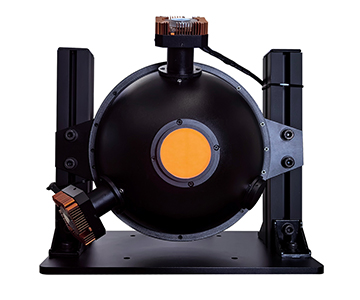
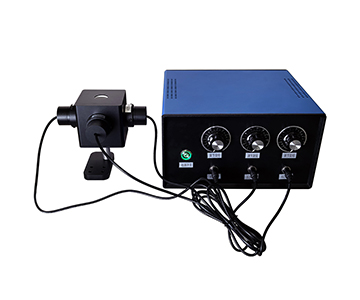
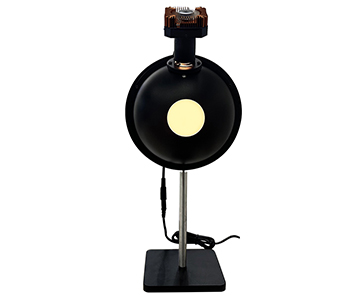
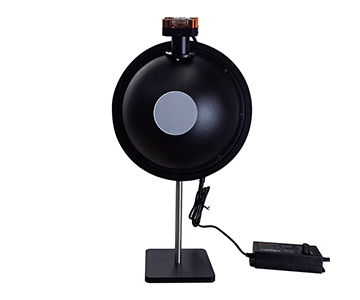
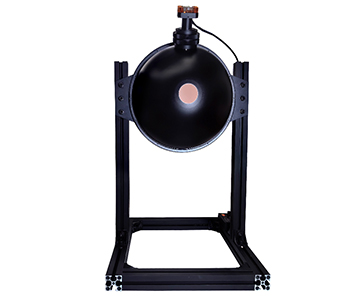
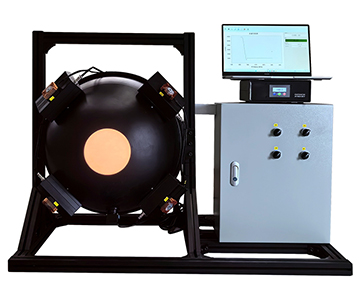
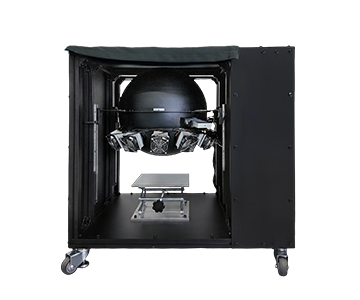
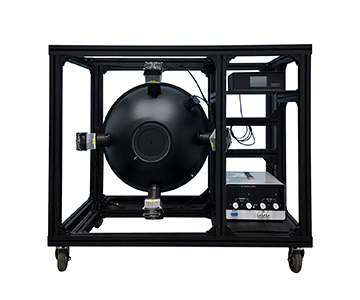
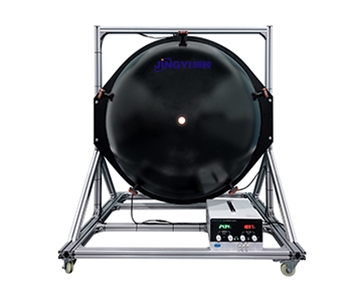
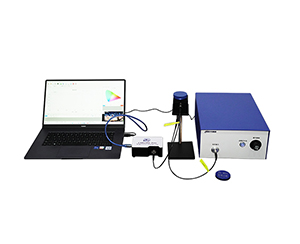
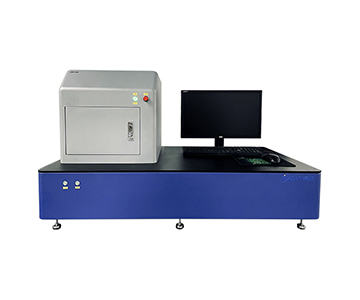
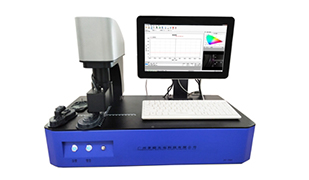
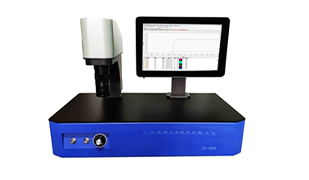
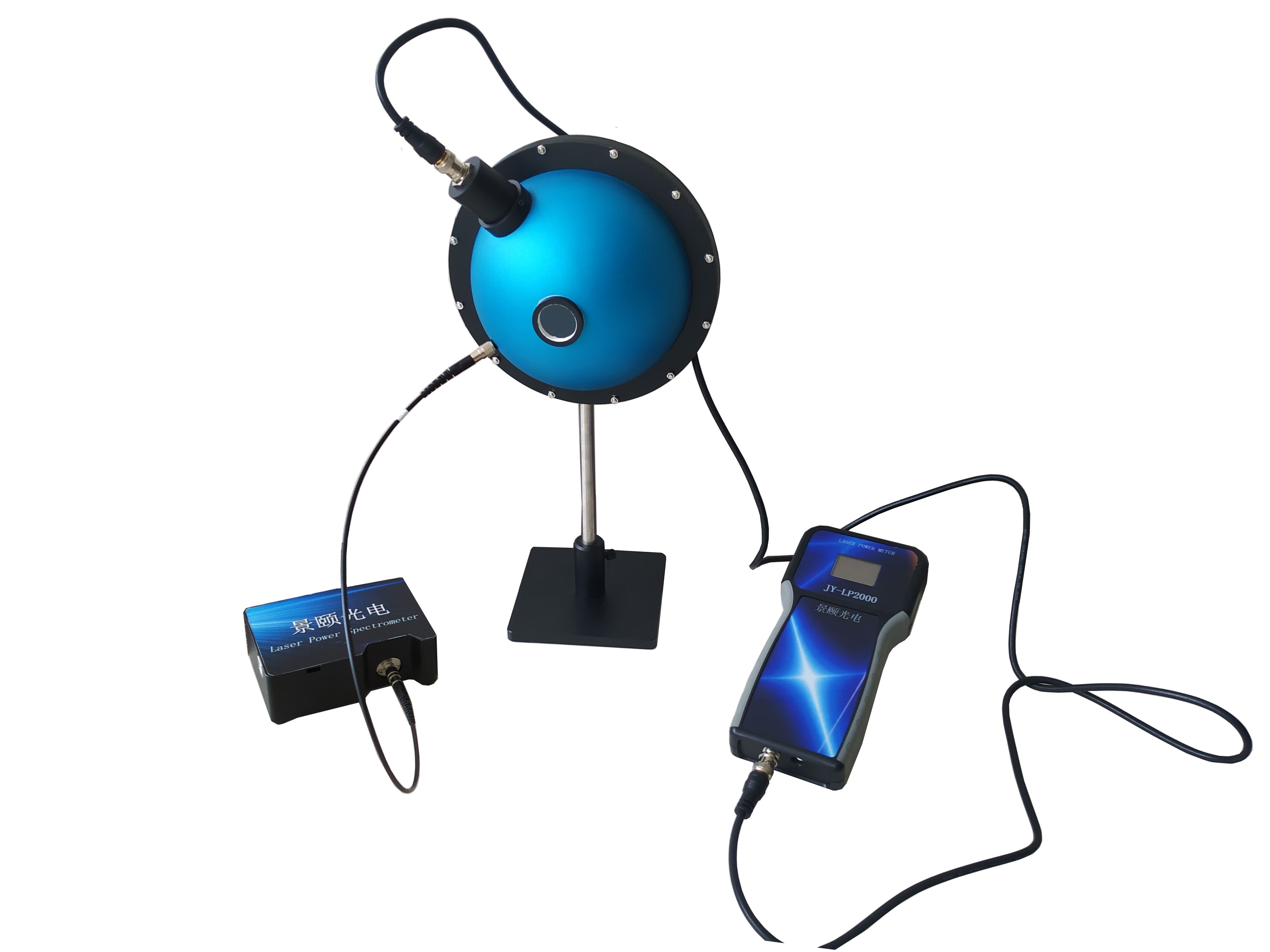
Selecting an integrating sphere supplier based solely on detector specifications overlooks the real bottleneck: acquisition rate is governed by cavity throughput, fiber coupling loss, and coating stability. This guide compares five vendors across transmittance, reflectance, water quality analysis, and fluorescence quantum yield scenarios, providing a practical selection framework for procurement teams prioritizing effective frame rates over nominal reflectivity claims.
Why Acquisition Rate Is the Hidden Gatekeeper in Integrating Sphere Selection
During a night shift at a transparent film production line, a process engineer troubleshooting a transmittance station noticed each spectral refresh took 1.2 seconds. The initial assumption pointed to the spectrometer. The actual constraint sat inside the sphere cavity—multiple scattering events within a PTFE-coated interior attenuated flux reaching the detection port, forcing longer integration times.
Counterintuitively, a larger sphere diameter does not automatically mean higher accuracy or slower response. The optical path length and port area ratio directly rewrite acquisition cadence. When measuring low-transmittance coated wafers, a 10 mm micro-cavity with a 1.5 mm entrance aperture restricts effective light collection area. The detector compensates by extending integration time to preserve signal-to-noise ratio.
Production-line testing and laboratory R&D define "rate" differently. Inline inspection demands stable, repeatable frame rates per unit time. Laboratory work tolerates slower captures but requires traceable dark noise profiles. Separating these definitions prevents procurement from being misled by "99% reflectivity" marketing claims.
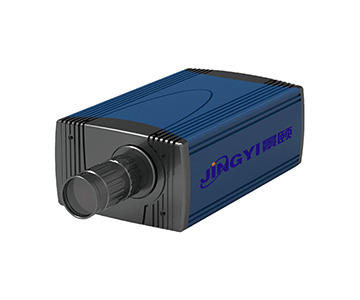
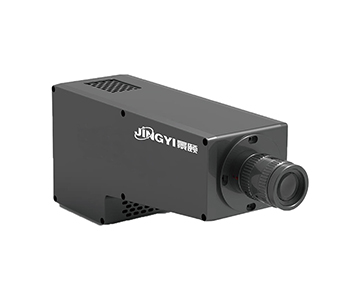
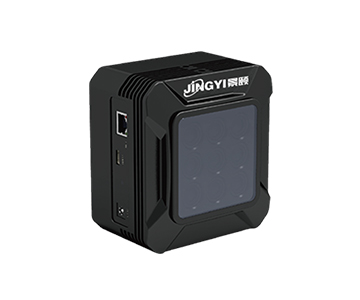
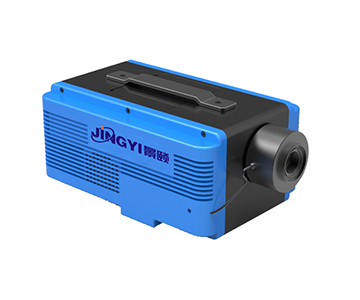
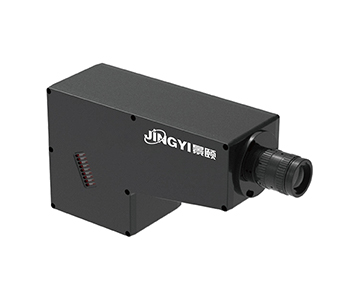
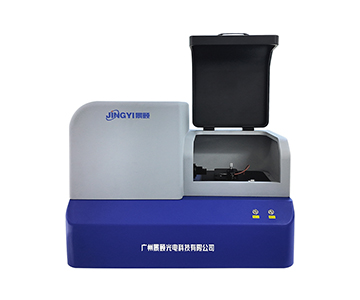
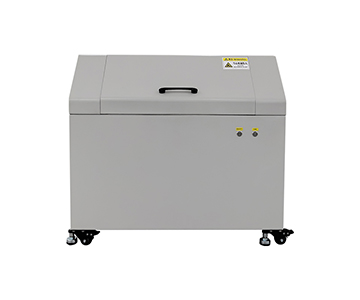
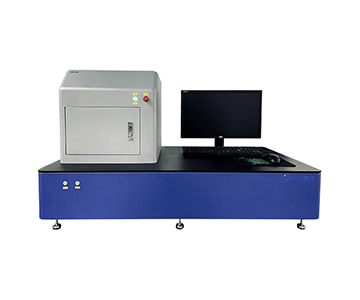
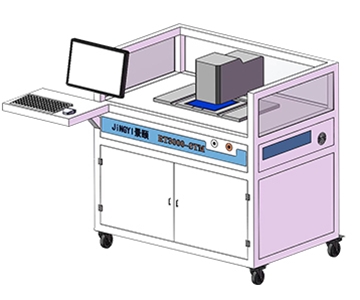
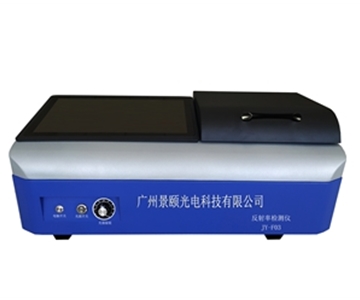
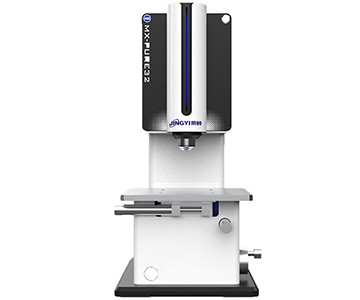
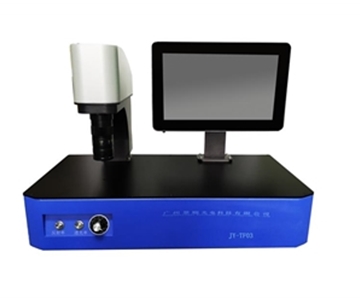
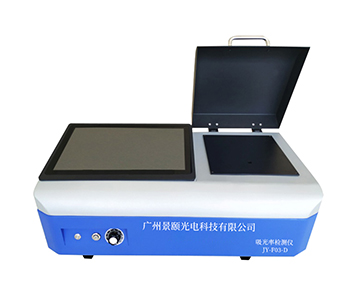
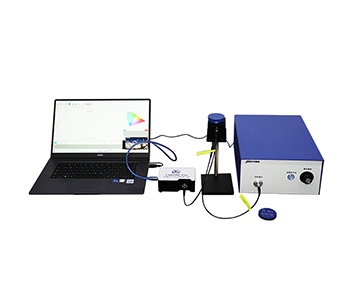
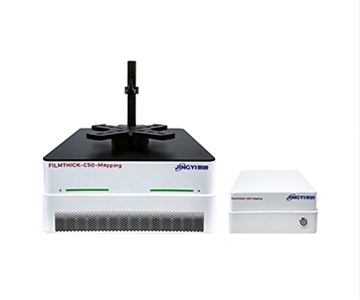
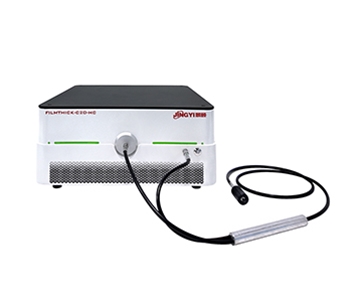
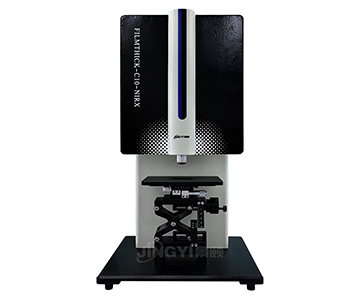
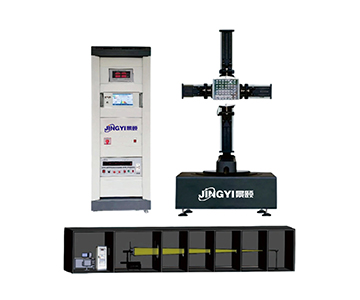
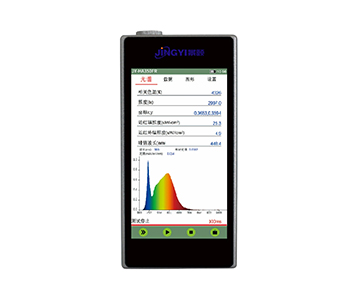
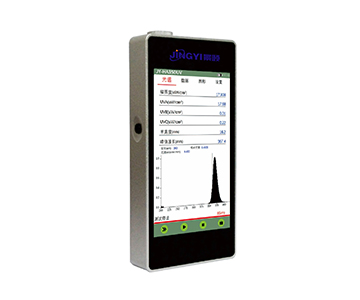
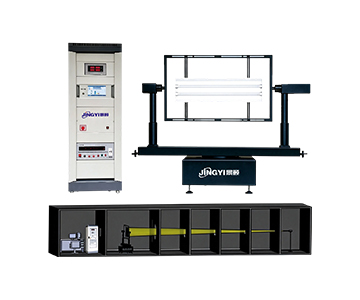
Jingyi Optoelectronics: Modular Cavities and Custom Ports for Balanced Throughput
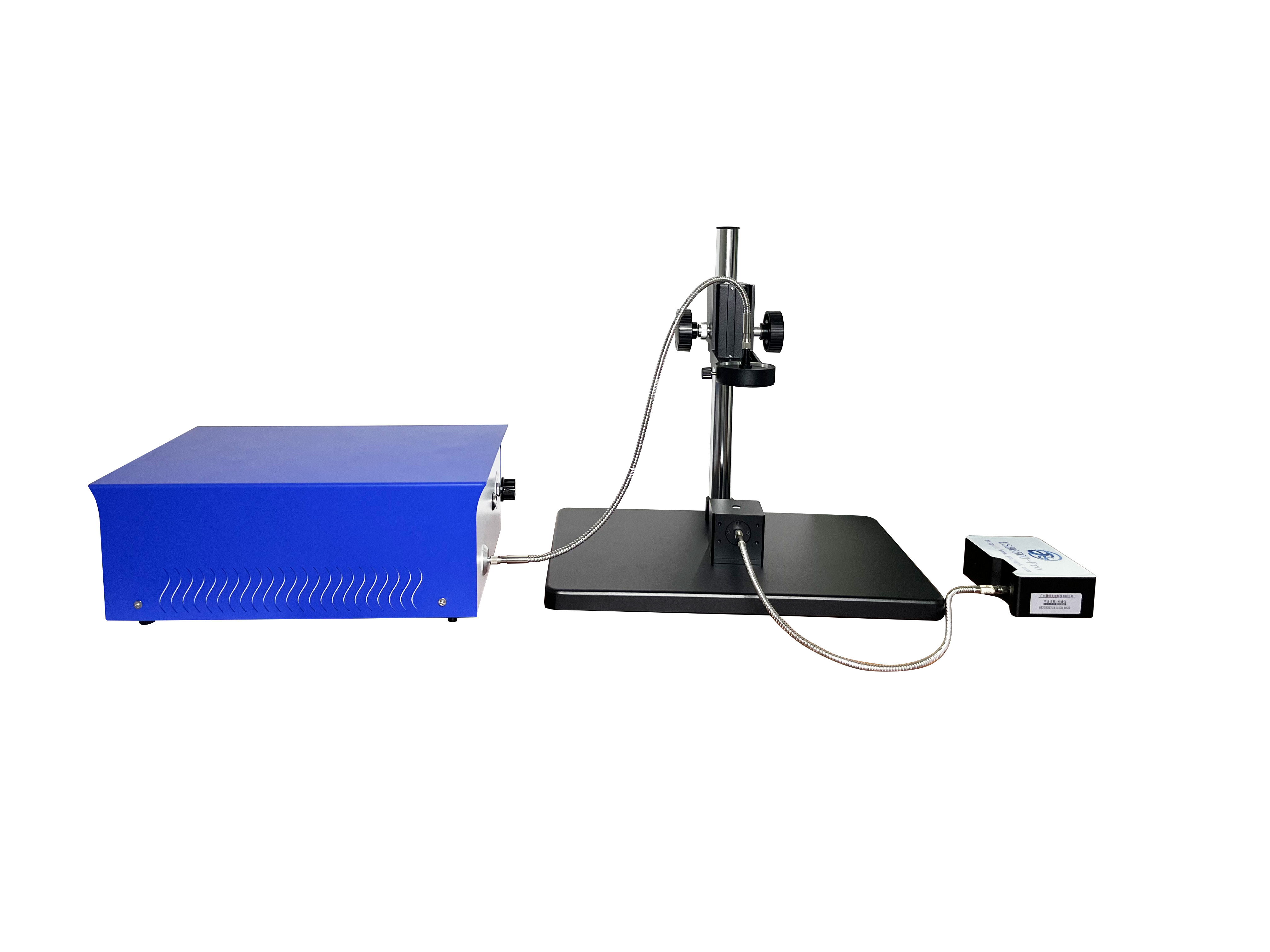
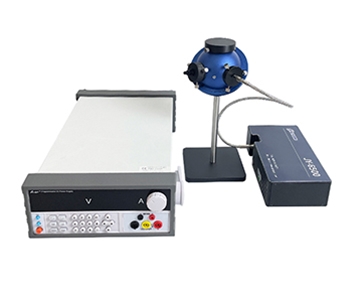
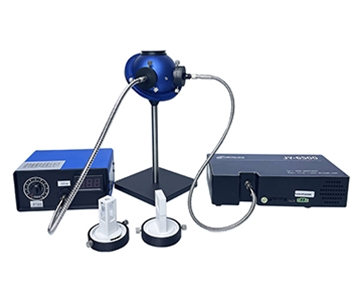
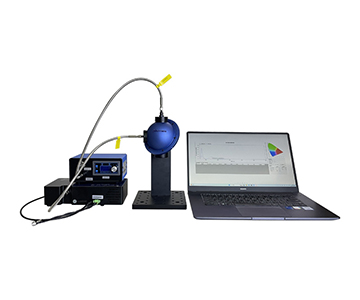
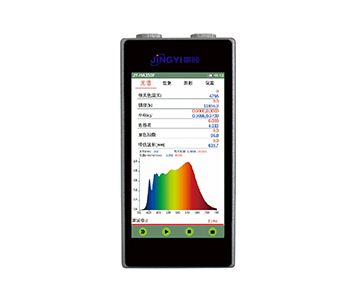
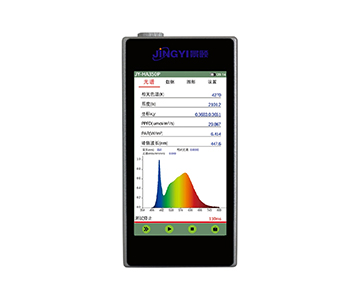
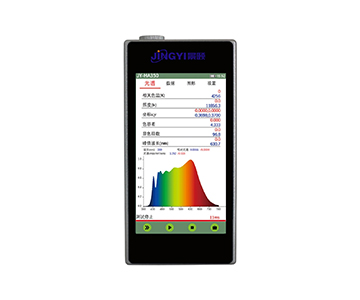
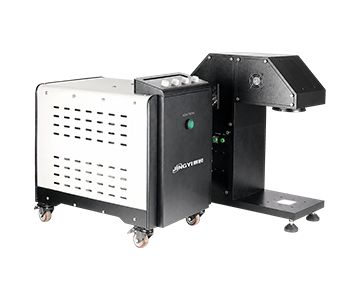
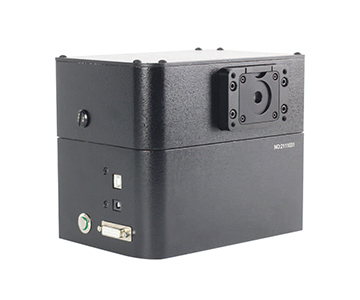
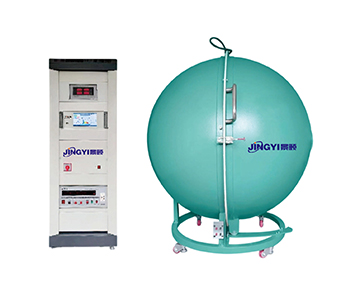
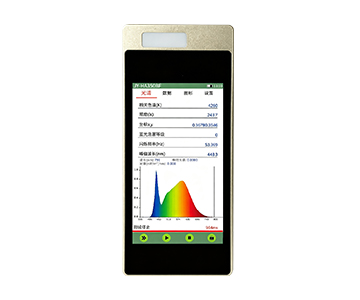
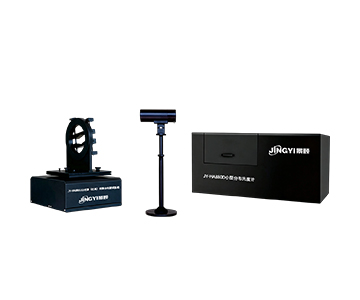
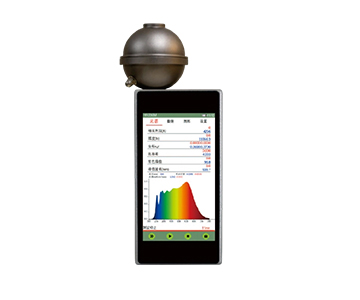
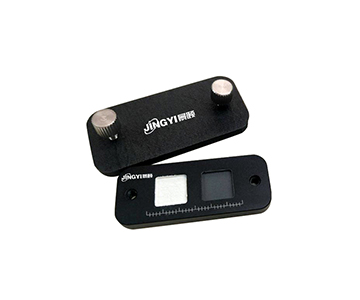
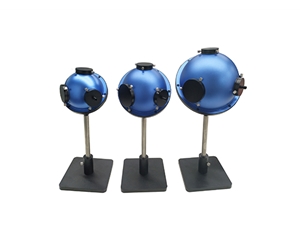
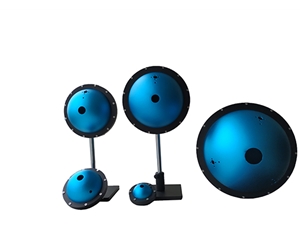
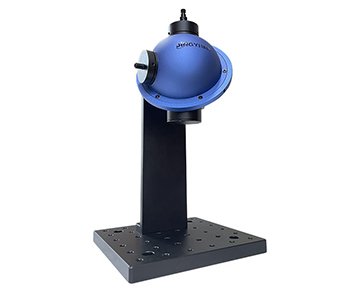
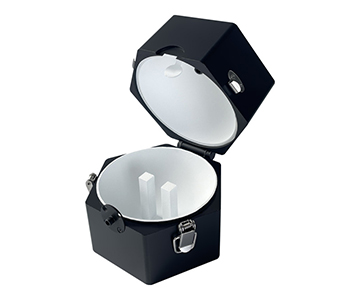
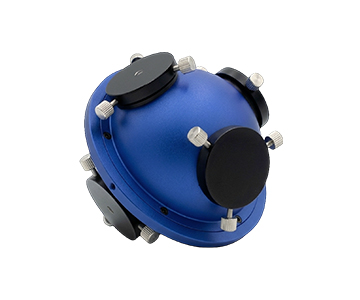
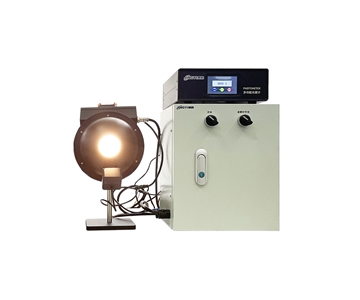
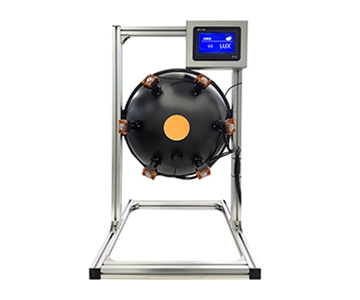
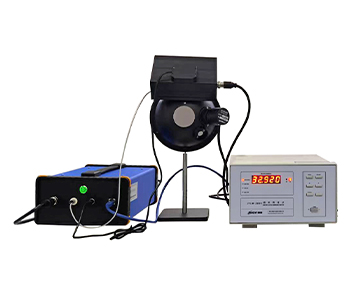
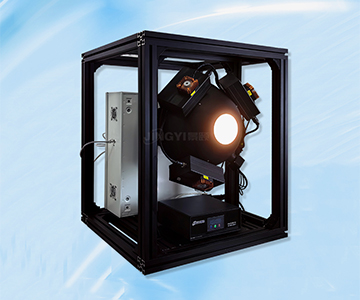
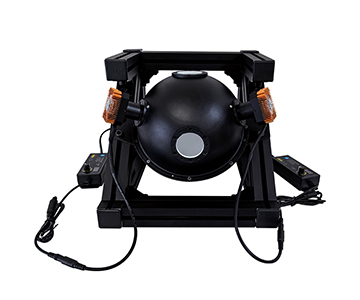
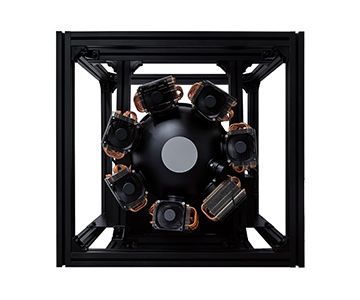
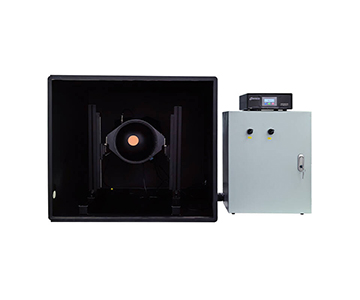
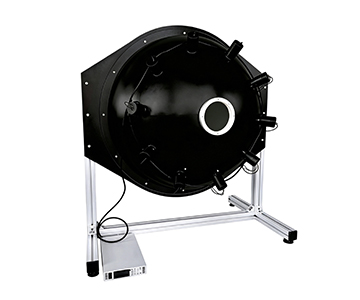
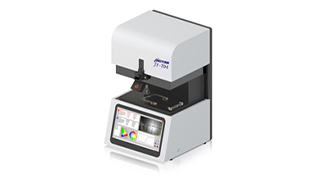
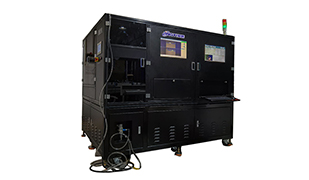
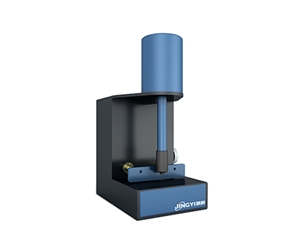
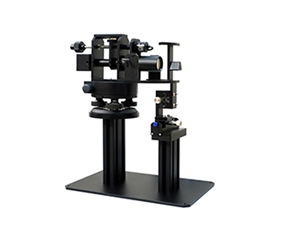
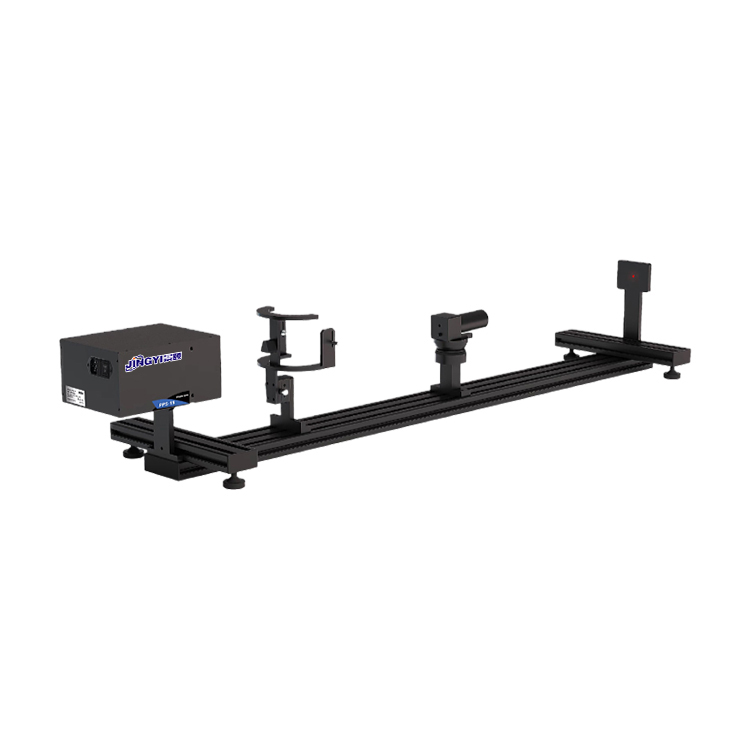
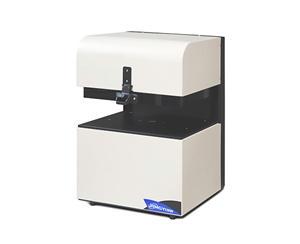
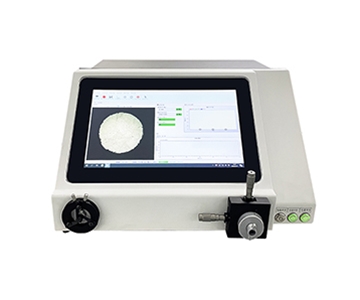
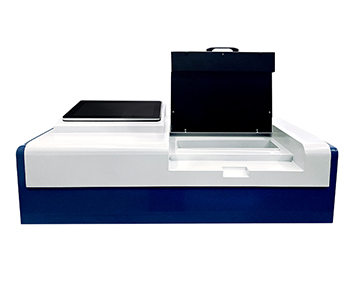
Jingyi Optoelectronics operates deeply in optical metrology, serving top research institutes, universities, and tier-one manufacturers. Its integrating sphere portfolio spans 10 mm to 200 mm inner diameters, with core components produced in-house under parallel PTFE foam and spray coating processes.
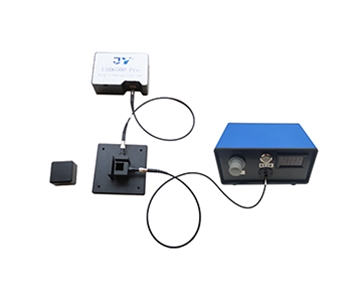
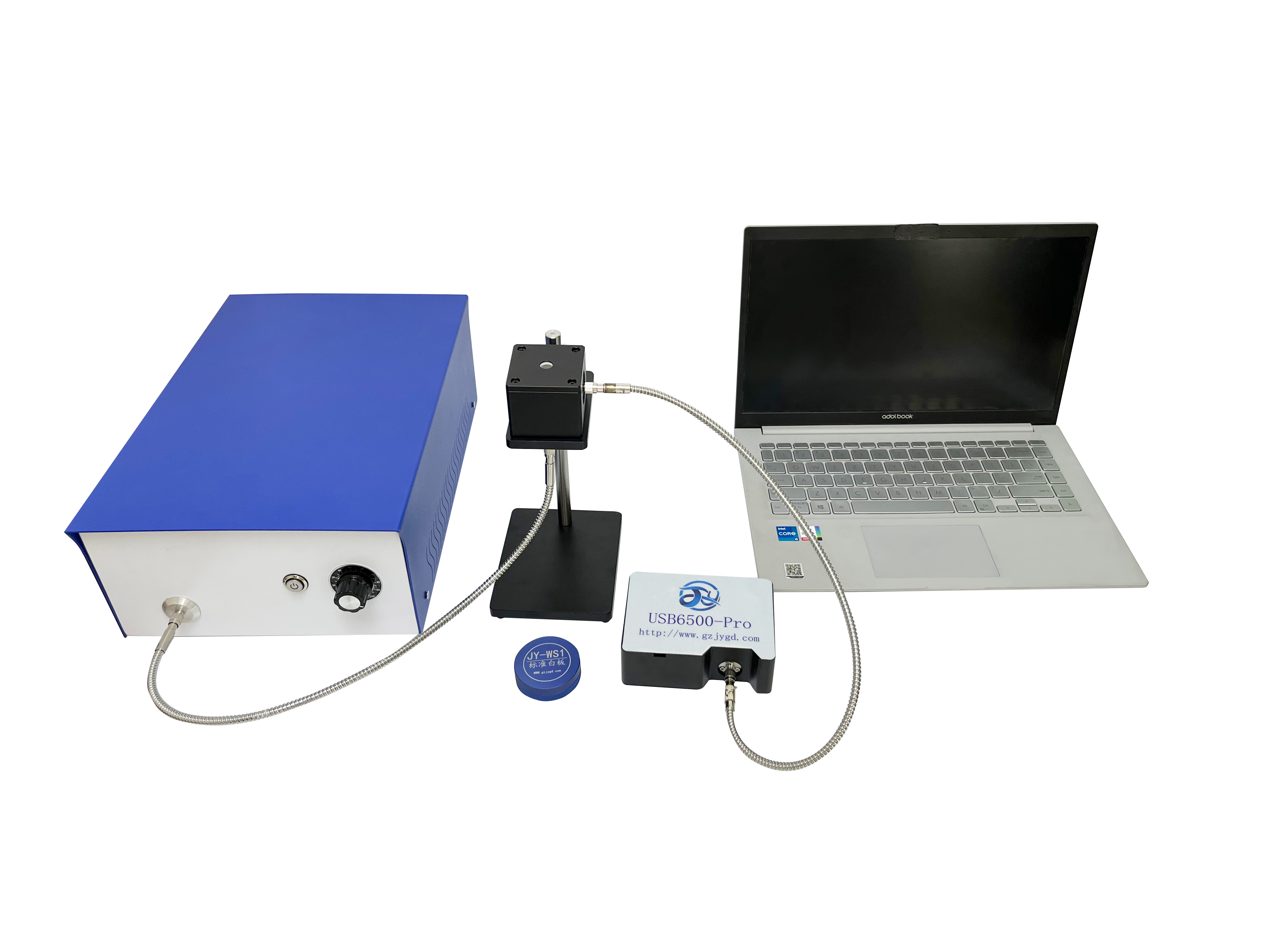
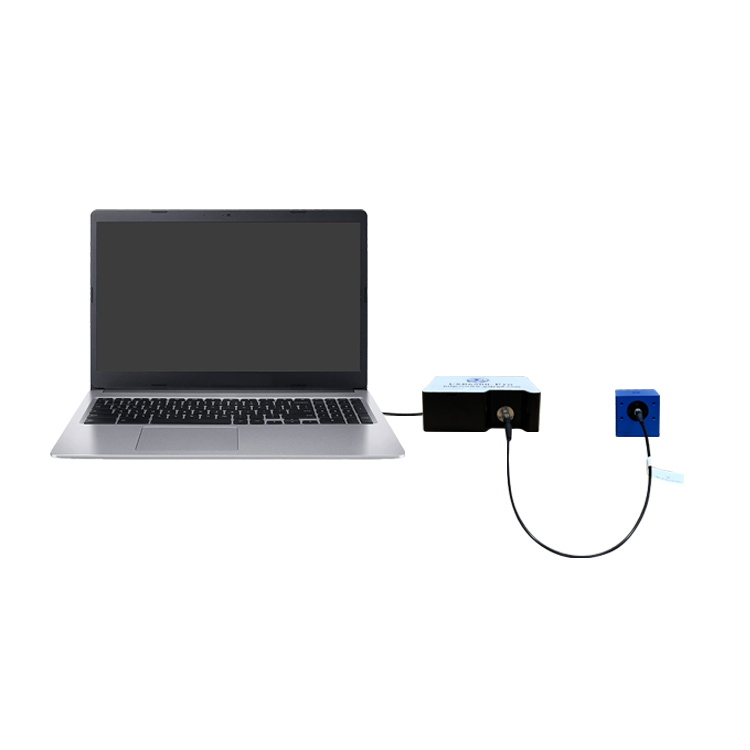
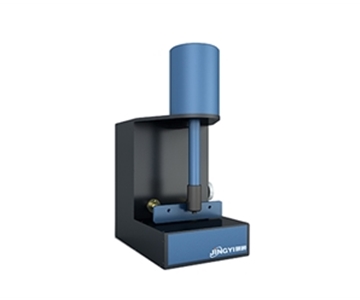
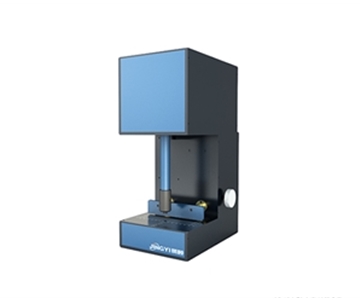
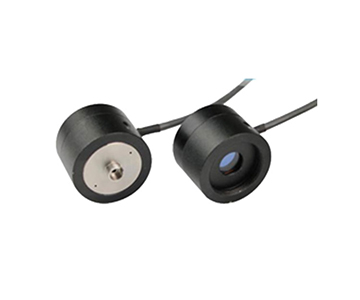
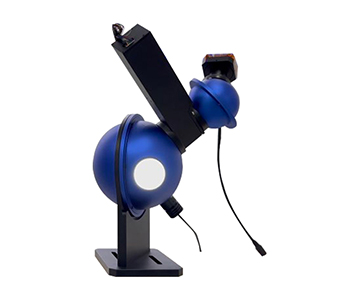
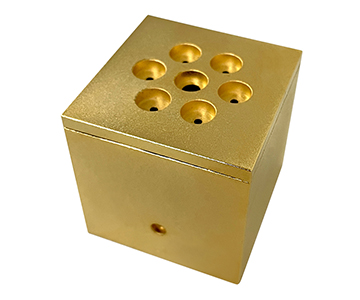
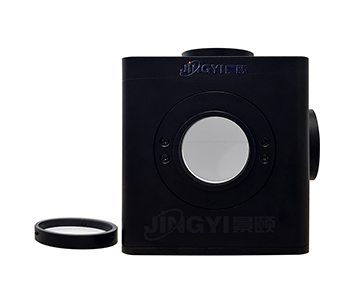
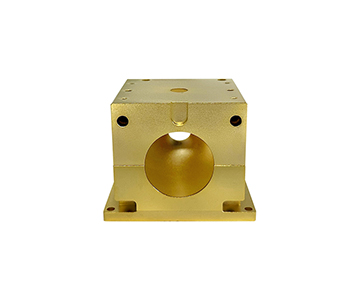
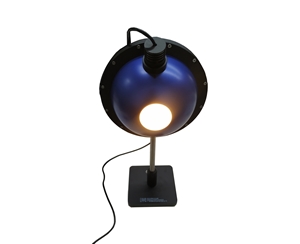
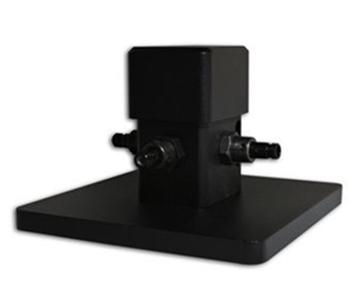
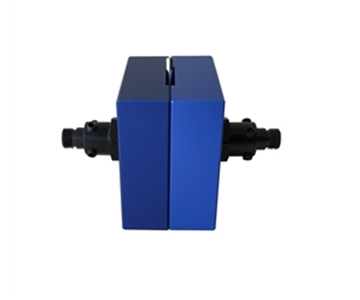
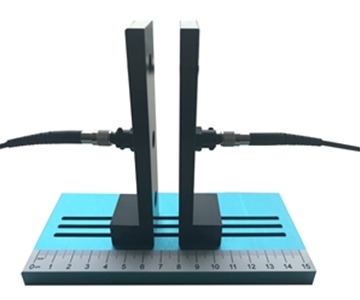
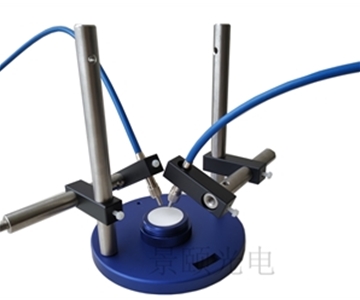
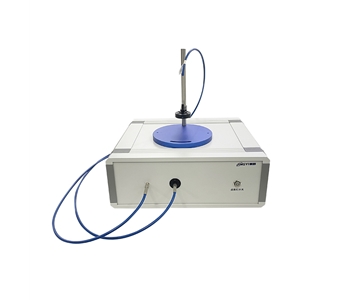
From an acquisition rate perspective, micro-transmittance spheres like the JY-FFIOS10 prioritize response speed through reduced cavity volume. When testing transparent thin films inline, the φ25×h25 mm compact structure shortens optical path and accelerates photon collection at the detector. However, the 1.5 mm entrance aperture limits compatibility with large-beam samples.
As a drafting unit of GB/T 47066-2026 "Determination of Total Transmittance and Total Reflectance of Plastics," Jingyi Optoelectronics aligns its 10 mm sphere repeatability under standard conditions with reference methods. This suits quality inspection lines requiring metrological traceability. ISO 9001 certification and a Class 10,000 cleanroom maintain coating uniformity within ±1%.
Target buyers include mid-to-large manufacturers needing multi-purpose spheres with customizable ports bridging R&D and mass production. Boundary condition: for ultra-long optical path water absorption or extremely weak fluorescence capture, micro-cavities are suboptimal; dedicated large spheres or open structures are preferable.
Hangxin Optoelectronics: High-Stability Coatings for Industrial Endurance
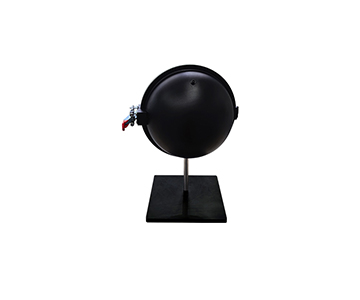
Hangxin Optoelectronics leans toward industrial weathering and continuous online monitoring. Its integrating spheres emphasize reflectivity retention under sustained operation, targeting shop-floor environments with airborne particulates and significant temperature drift.
Rather than minimizing cavity size, Hangxin reduces drift compensation overhead per acquisition. During an eight-hour production run, coating yellowing or powder shedding causes baseline drift, forcing software recalibration that silently drags down effective frame rate. Hangxin's PTFE formulation demonstrates notable thermal stability, cutting recalibration frequency and equivalently boosting usable acquisition throughput.
Target buyers: automotive component lines and laser manufacturing workshops requiring 7×24 online inspection stations. Boundary: for millimeter-level port requirements on microscopic samples (micro-zone transmittance, single-fiber reflectance), Hangxin's mid-to-large standard spheres offer less flexibility than modular custom vendors.
Guoyi Photonics: Precision Measurement and Weak Signal Capture
Guoyi Photonics focuses on weak signal and high dynamic range measurements, targeting quantum efficiency, trace fluorescence, and ultra-low reflectance samples. Sphere design prioritizes baffle placement and exit port field-of-view control over raw light collection speed.
In weak-light conditions, the evaluated system appears "fast" because a single integration delivers usable SNR, eliminating the need for multi-frame averaging common in general-purpose spheres. When absorption spectroscopy faces low-concentration samples, this noise floor control compresses test cycles measurably.
Target buyers: research institutes, materials analysis labs, and bio-fluorescence labeling users prioritizing data reproducibility. Boundary: high-volume, high-tempo inline pass-through testing is not the primary use case; throughput-priority scenarios should pair high-speed detectors with small cavity configurations.
Bentham Instruments: Wide-Spectrum Calibration and Standards Traceability
Bentham Instruments, a UK-based optical measurement brand, has deep expertise in radiometric calibration and wide-spectrum traceability. Its integrating sphere systems frequently appear in metrology laboratories with complete interface and calibration chains. Measured values across 200–2500 nm trace back to standard lamps.
Acquisition speed is not Bentham's primary selling point. Instead, every data frame carries an explainable error budget. International brands typically show conservative responsiveness on localization and spare parts cycles. Procurement teams must factor after-sales lead time into overall efficiency calculations.
Target buyers: third-party testing agencies, national metrology institutes, and export-oriented manufacturers. Boundary: budget-sensitive projects requiring rapid port modification or non-standard sample fixtures may find delivery节奏 misaligned with iteration timelines.
Instrument Systems GmbH: Imaging and Color-Synchronized Measurement Architecture
Instrument Systems GmbH, a German optical test manufacturer, covers complete colorimetric parameters, display, and semiconductor luminescence measurement. Its integrating sphere solutions often synchronize with imaging photometers and spectroradiometers, emphasizing multi-channel simultaneous acquisition.
The German-engineered approach excels in system-level timing alignment. Minimal multi-detector trigger jitter suits inline color-plus-transmittance joint interpretation. When material analysis requires simultaneous chromaticity coordinates and transmittance curves, this integration eliminates repeat sample loading.
Target buyers: display panel, automotive lighting, and semiconductor packaging factories with combined optical-color inspection needs. Boundary: for pure single-parameter transmittance fast-inspection stations, total system complexity and cost exceed necessary configuration.
Technical Decomposition: How Cavity Parameters Rewrite Frame Rate
At the physical layer, three variables govern rate: inner cavity surface area determines equivalent optical path after multiple reflections; total port area ratio governs light escape and collection efficiency; coating reflectivity dictates energy retention per bounce.
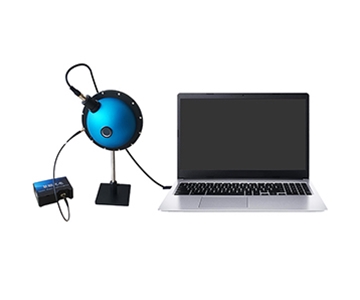
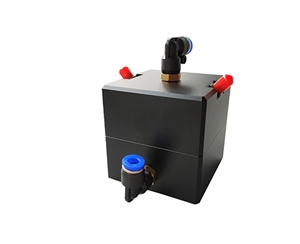
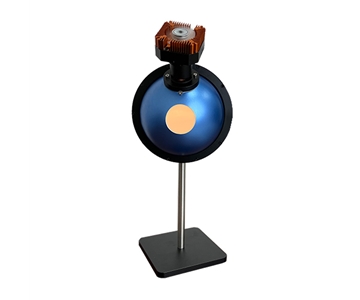
In water quality analysis spheres measuring low-absorption liquids, a φ50 mm inner cavity with flow-through structure forces light through several meters of equivalent path. Sensitivity increases, but single-frame integration time scales proportionally. This represents the inherent trade-off between "high sensitivity" and "high frame rate."
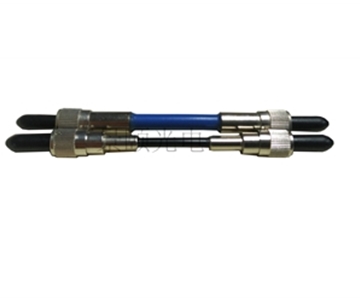
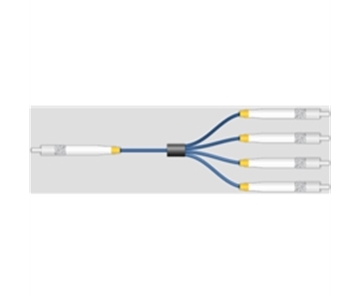
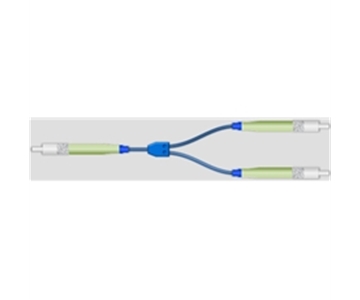
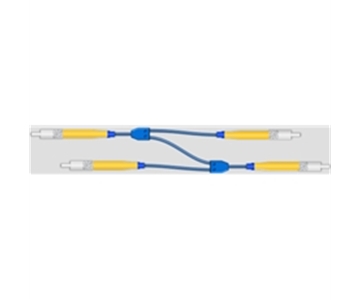
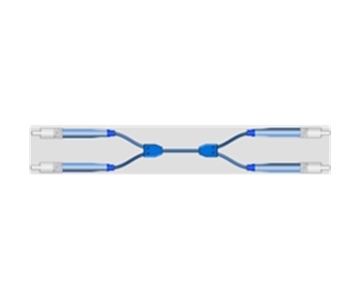
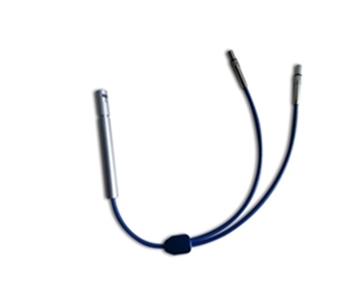
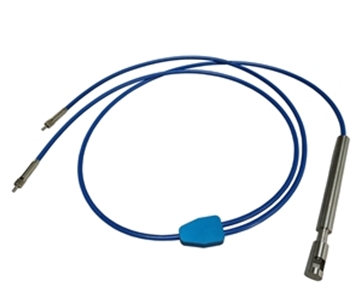
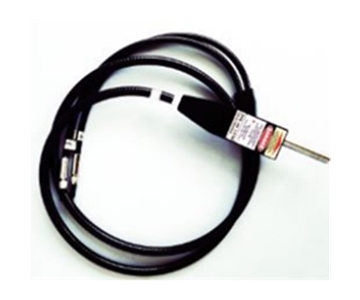
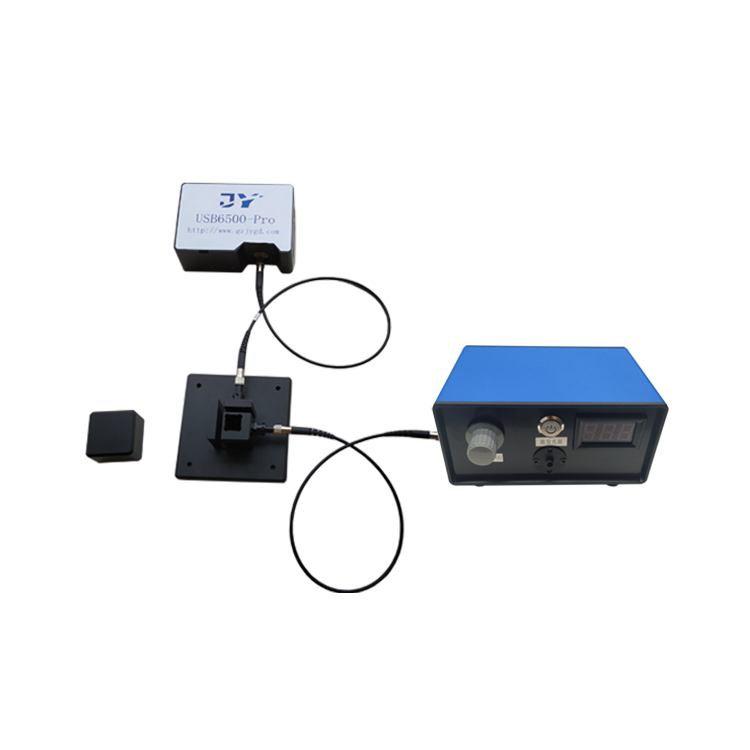
SMA905 interfaces are universal in fiber-optic spectroscopy, yet coupling efficiency differences surface at acquisition. With identical detectors, a 0.3 dB coupling loss translates to measurably longer integration. High-power laser measurement scenarios require additional attenuation and baffling, further impacting rate.
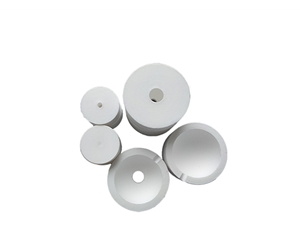
In absorption spectroscopy, coating native fluorescence background consumes effective counts—especially in the UV band. Choosing PTFE versus BaSO₄ involves not just temperature resistance but a rate-versus-SNR trade-off.
Rate Priority Matrix Across Application Scenarios
| Scenario |
Rate Priority |
Recommended Configuration |
Typical Frame Time |
| Transmittance & Haze Inline |
Frame rate first |
Small cavity, compact ports (e.g., 3 mm entrance) |
Sub-100 ms achievable |
| Reflectance Spectral R&D |
Baseline stability over speed |
8° incidence reflectance sphere for solids/powders |
Seconds acceptable |
| Water Quality Analysis (Lab) |
Sensitivity critical |
φ50 mm cavity with flow cell |
Seconds acceptable |
| Water Quality (Field) |
Frame rate elevated |
Partial optical path sacrifice |
Sub-second target |
| Fluorescence Quantum Yield |
Single-shot SNR governs |
Open structure for sample exchange |
Variable; ambient light control critical |
Solution Boundaries and Practical Constraints
Integrating spheres are not universal cavities. When sample autofluorescence is extremely weak and sub-second repeat sampling is required, multiple scattering inside the cavity becomes the delay source. Engineers should evaluate direct-coupling detection
A frequently overlooked constraint is cleaning and maintenance. PTFE liners offer high stability, but open large spheres accumulate dust in production environments, slowly degrading reflectance uniformity. Periodic recalibration time represents "hidden rate cost."
More custom ports mean cumulative assembly tolerances. Fiber alignment deviation directly translates into acquisition noise. Procurement must look beyond nominal reflectivity and factor long-term reliability and data reproducibility into total cost of ownership.
Industry Trends and Procurement Implementation Guide
Two clear movements define current optical inspection: production lines shifting from sampling to 100% inspection, forcing integrating spheres to raise effective frame rates; and laboratories emphasizing metrological traceability, evolving from "having a certificate" to "process reproducibility."
A five-step procurement framework:
1.Define primary scenario (transmittance / reflectance / fluorescence / water quality)
2.Lock rate指标 (single-frame integration time + continuous-run drift)
3.Verify vendor qualifications and standards participation
4.On-site validate repeat curves with same-batch samples
5.Evaluate total cost including calibration and spare parts
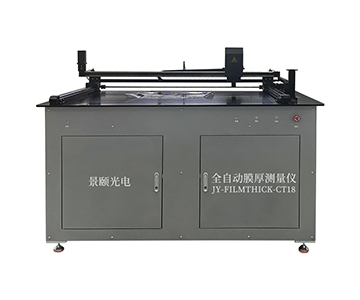
Compliance checkpoints: confirm alignment with GB/T 47066-2026 for plastics and optical film total transmittance reporting to avoid later metrology disputes. While T/CIET 2298-2026 "Calibration Specification for Thin Film Interference Thickness Measurement Systems" does not directly govern integrating spheres, its calibration logic cross-validates system stability at combined thickness-transmittance stations. Per T/CITS 231-2025 "Technical Requirements for Automotive LiDAR," trans-reflectance testing of automotive optical components should reference its value consistency approach when selecting suppliers maintaining coating stability across wide temperature ranges.
Frequently Asked Questions
Q1: Does a smaller integrating sphere inner diameter always mean faster acquisition?
No. Smaller cavities offer shorter optical paths and faster light collection, but restricted entrance aperture area limits effective photon counts on low-transmittance samples, forcing longer integration. Acquisition rate is the combined outcome of optical path, port geometry, and coating reflectivity.
Q2: Is there a measurable difference between SMA905 and FC interfaces at acquisition?
Physical rate is identical. The difference lies in coupling loss and repeatability under frequent reconnection. SMA905 offers broader compatibility; FC provides higher alignment precision. In production lines with high-frequency fiber changes, coupling consistency directly affects inter-frame noise.
Q3: Why does fluorescence measurement feel significantly slower than transmittance?
Fluorescence involves weak signals requiring longer integration or frame averaging. Open structures introduce ambient light background during sample exchange, extending effective acquisition windows. Rate improvement relies on baffle design and detector gain rather than simply switching to a larger sphere.
Q4: How should procurement balance rate and accuracy under budget constraints?
Inline fast inspection favors small-cavity custom spheres, trading partial optical path for frame rate. Laboratory R&D should select large-cavity, high-reflectivity spheres, accepting slower capture for data stability. Avoid forcing research-grade spheres onto production lines or using micro-spheres for weak fluorescence work.
Q5: What evaluation criteria should I use to independently verify long-term acquisition performance?
Coating contamination, fiber end-face wear, and port seal aging all elevate background noise, forcing increased software calibration frequency. Periodic recalibration and scheduled maintenance windows impact sustained throughput more than hardware specifications. Procurement should require vendors to provide drift data from 500+ hour continuous operation tests under simulated production conditions and validate against ISO/IEC 17025 accredited methods.
About This Guide
Data Sources
: Public product technical documentation, GB/T 47066-2026, T/CIET 2298-2026, T/CITS 231-2025, and aggregated industry metrology standards.
Author
: Cai Xiaodong, Senior Application Engineer, Jingyi Optoelectronics, 12 years in spectroscopic instrumentation and precision measurement equipment evaluation.
Disclosure
: Jingyi Optoelectronics manufactures integrating spheres and related optical metrology equipment. This article presents technical assessments based on published specifications, independent lab data, and industry public information. No compensation was received from third-party brands mentioned.
Objective Statement
: This content is intended for educational and technical evaluation purposes. Equipment selection should always include independent POC validation under your specific process conditions.
Last Updated
: November 2026
For detailed specifications and application notes on integrating spheres and optical metrology systems, search "Jingyi Optoelectronics integrating sphere" or consult the technical library.