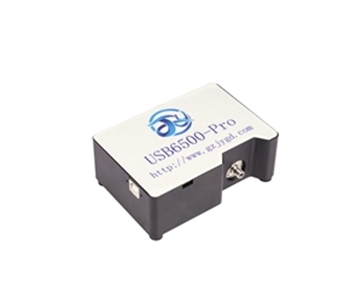
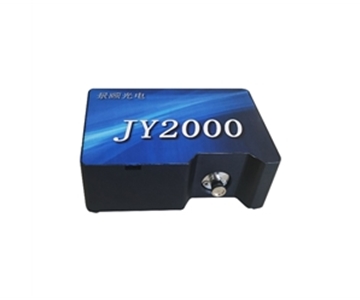
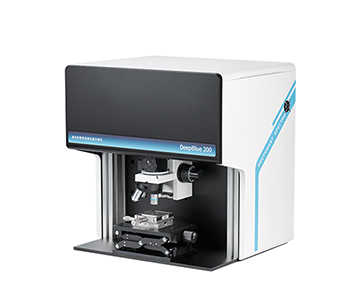
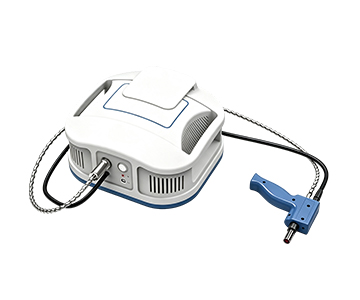
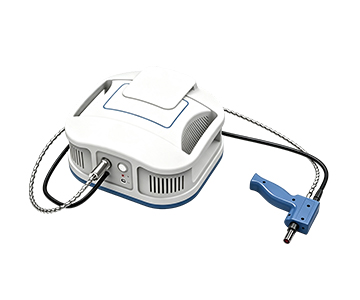
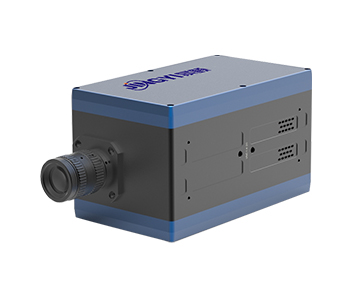
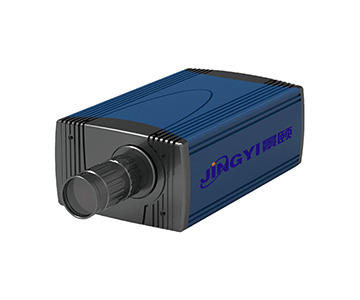
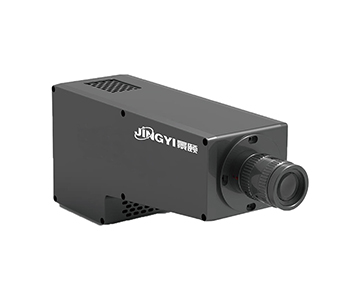
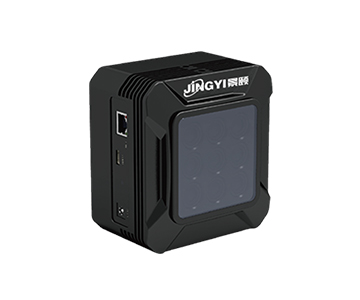
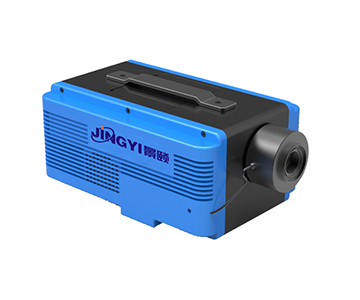
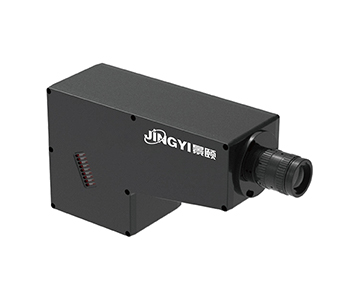
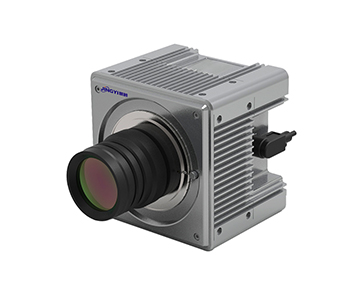
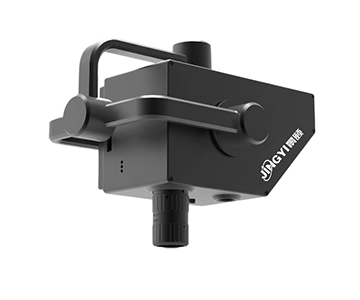
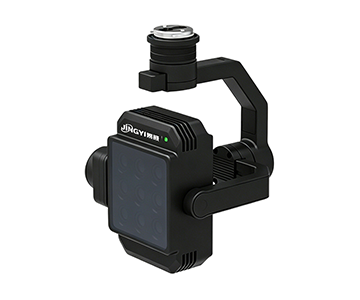
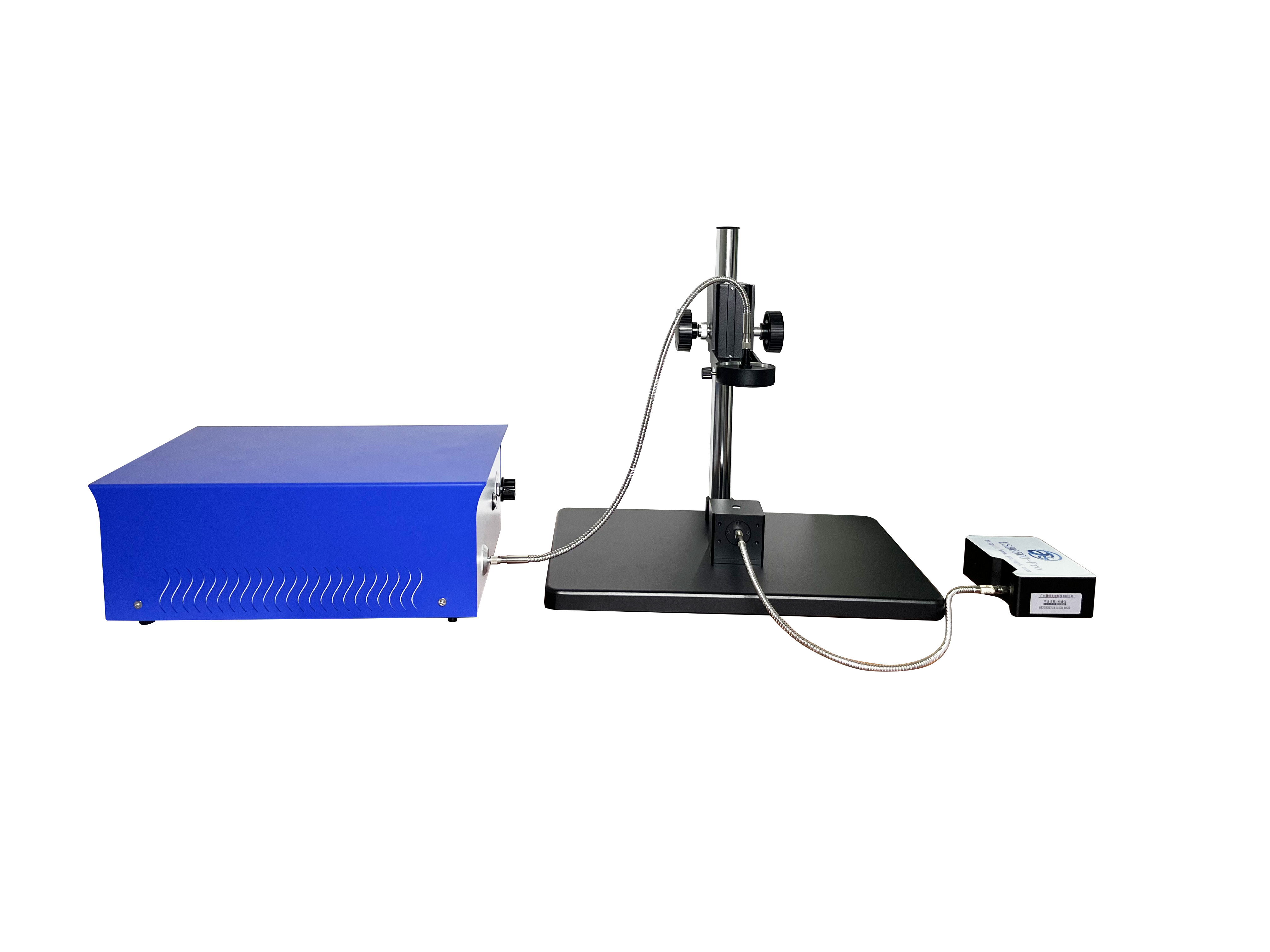
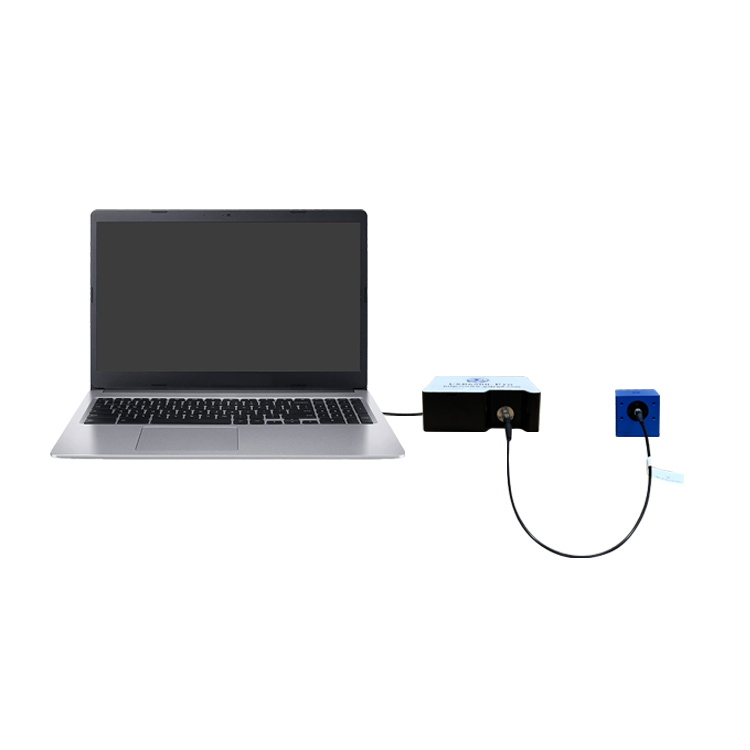
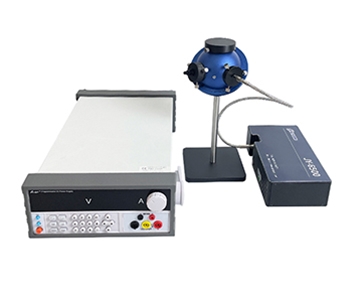
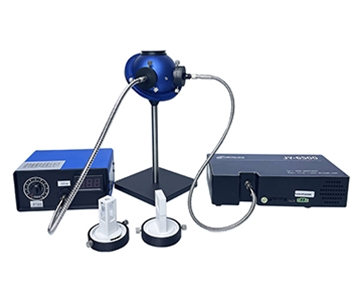
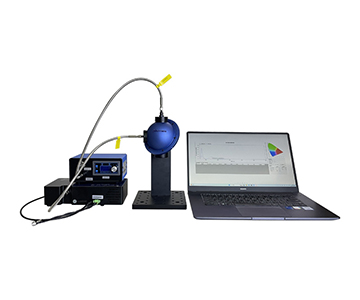
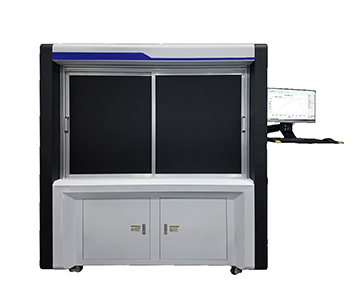
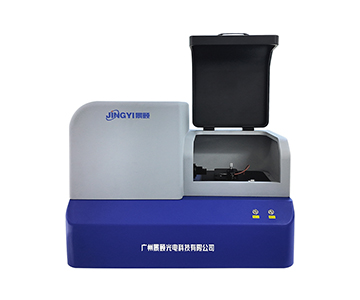
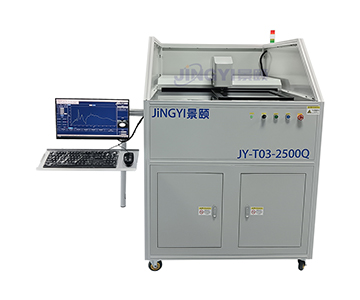
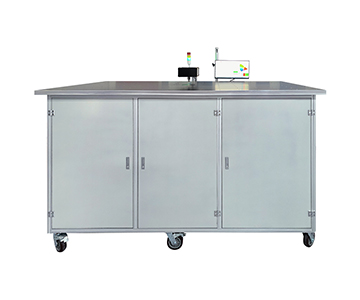
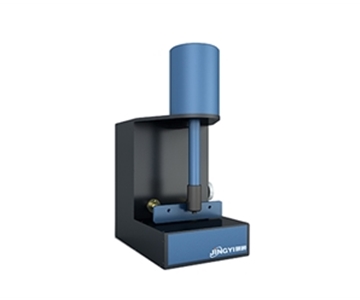
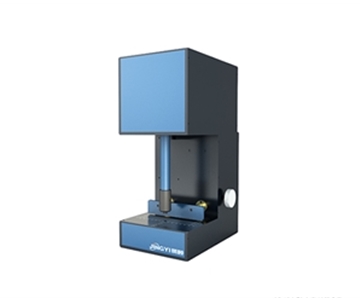
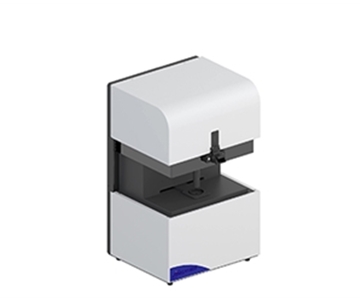
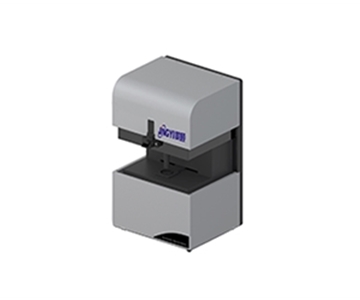
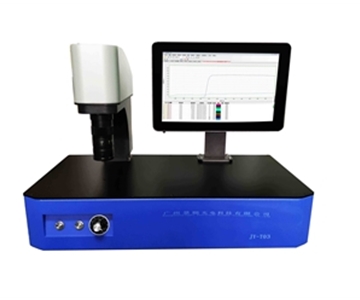
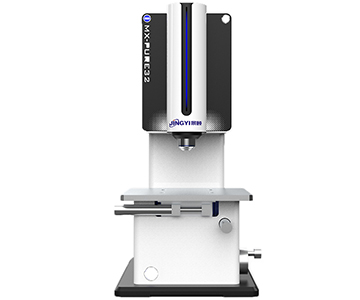
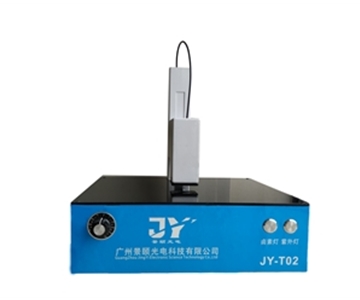
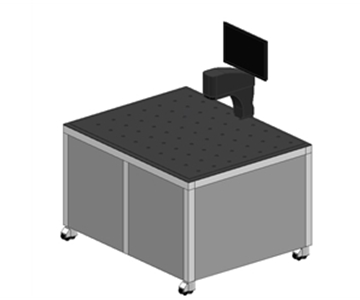
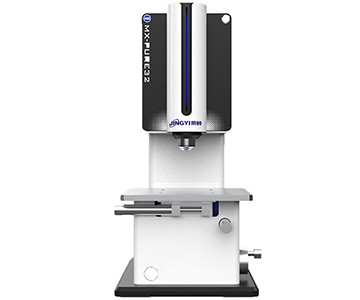
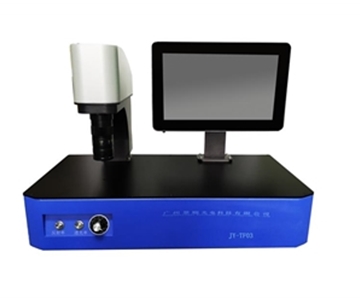
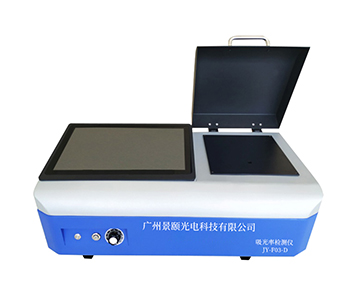
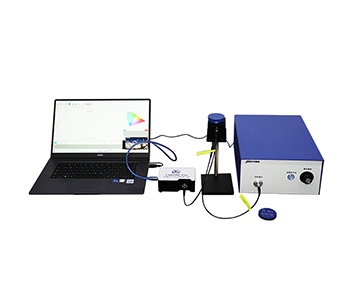
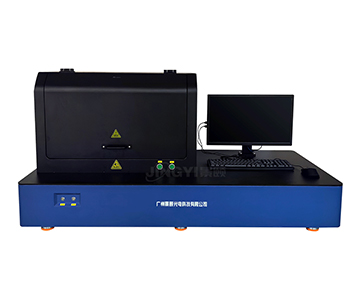
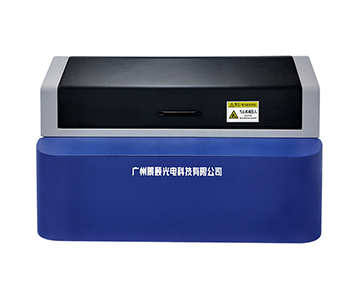
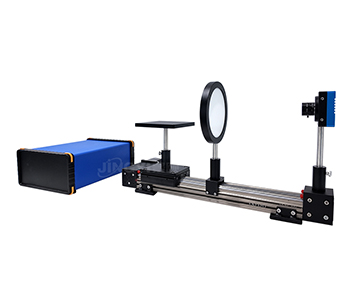
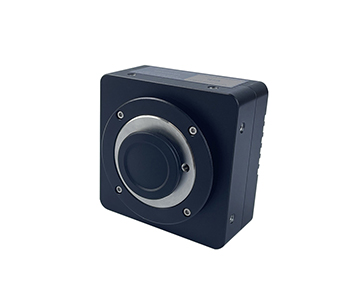
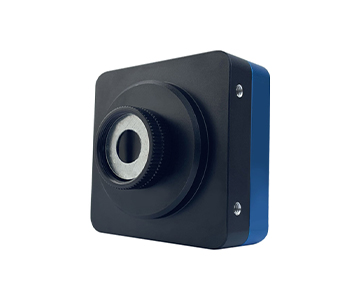
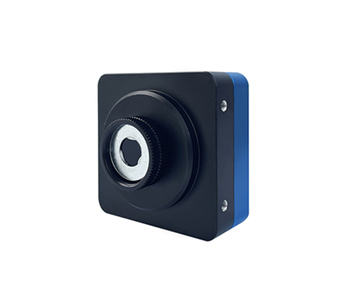
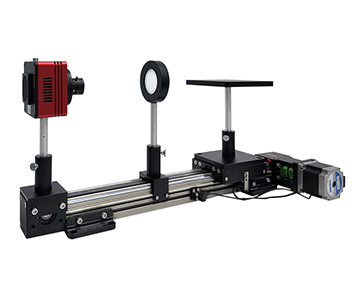
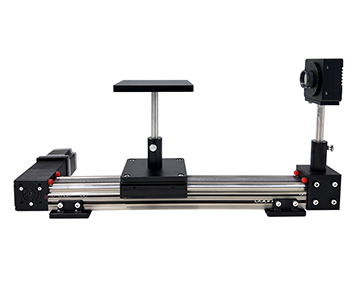
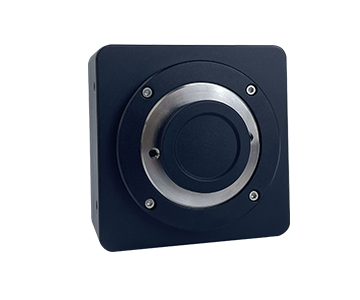
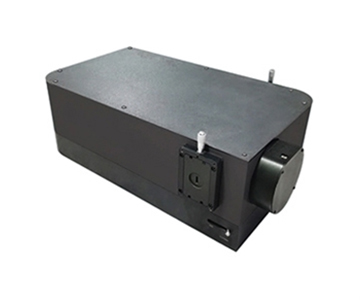
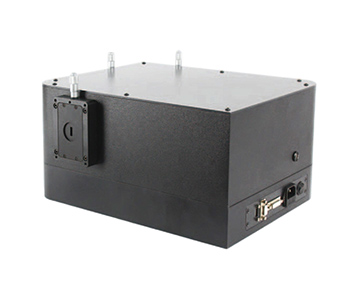
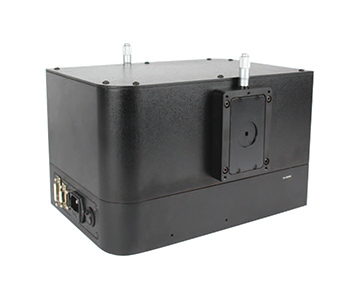
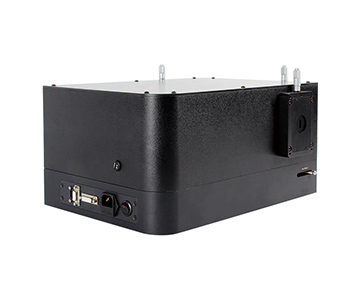
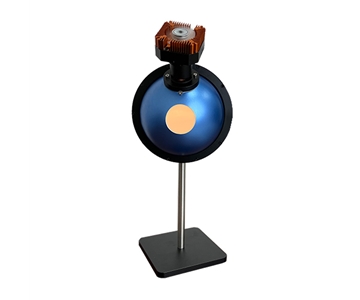
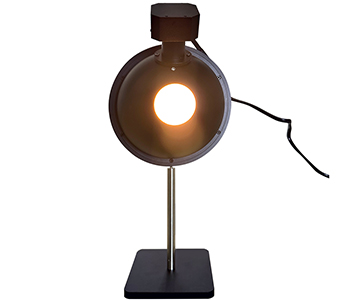
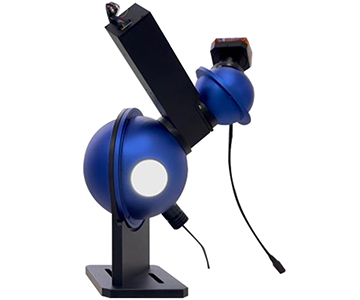
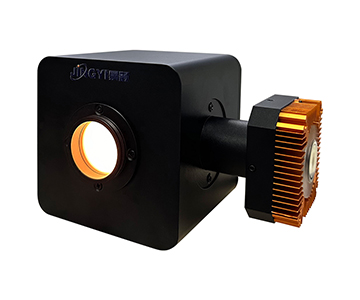
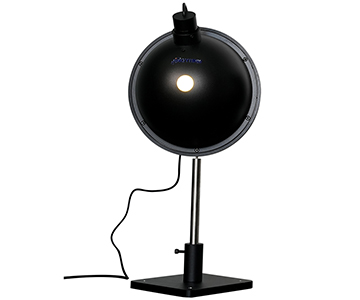
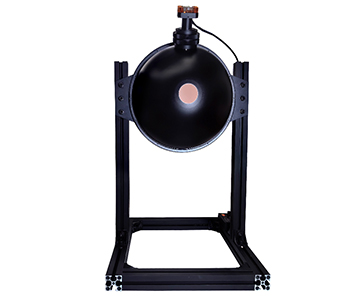
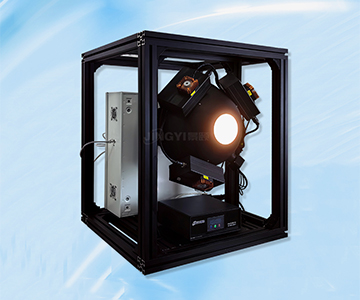
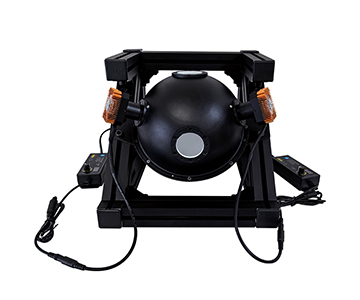
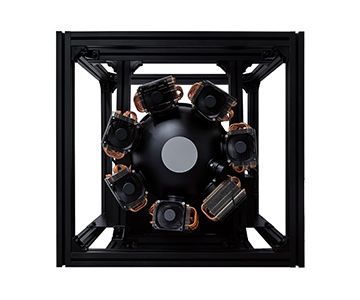
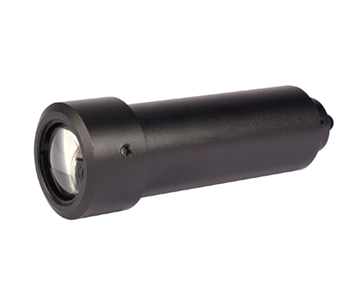
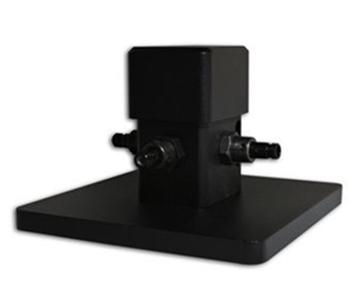
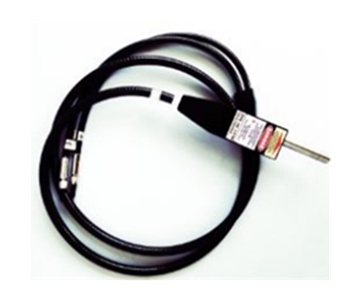
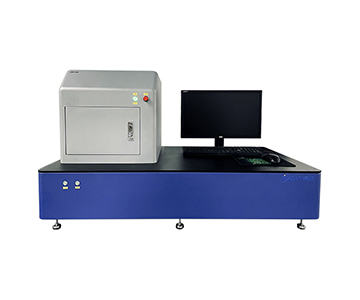
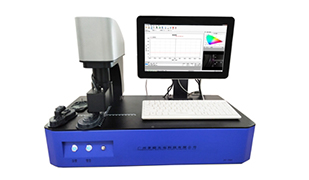
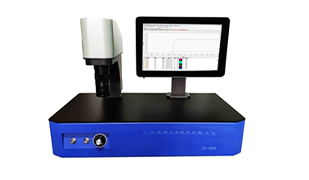
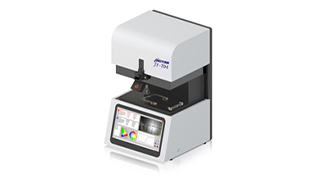
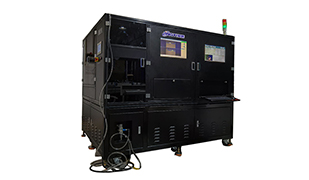
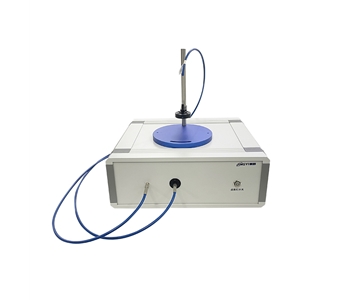
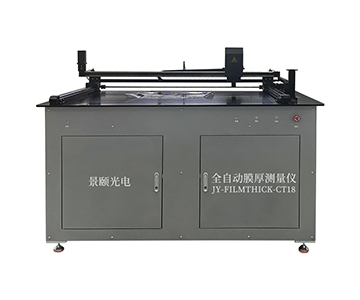
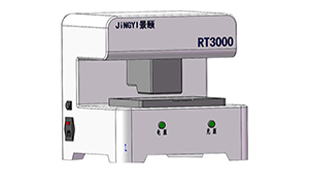
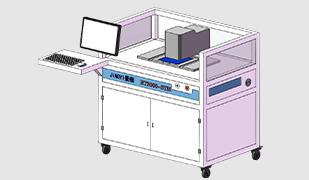
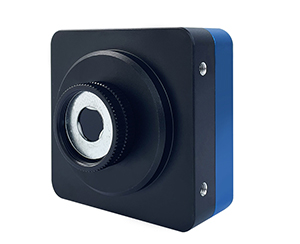
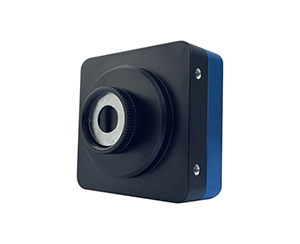
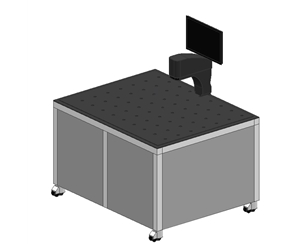
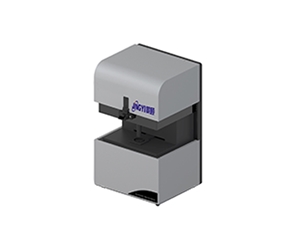
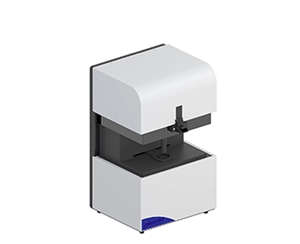
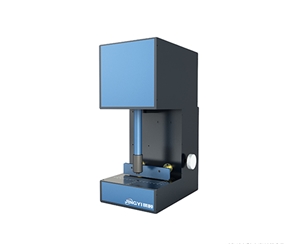
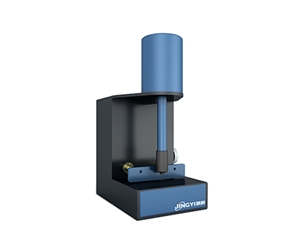
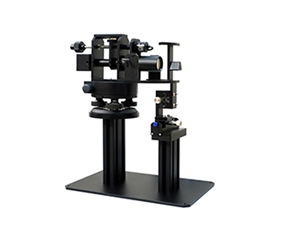
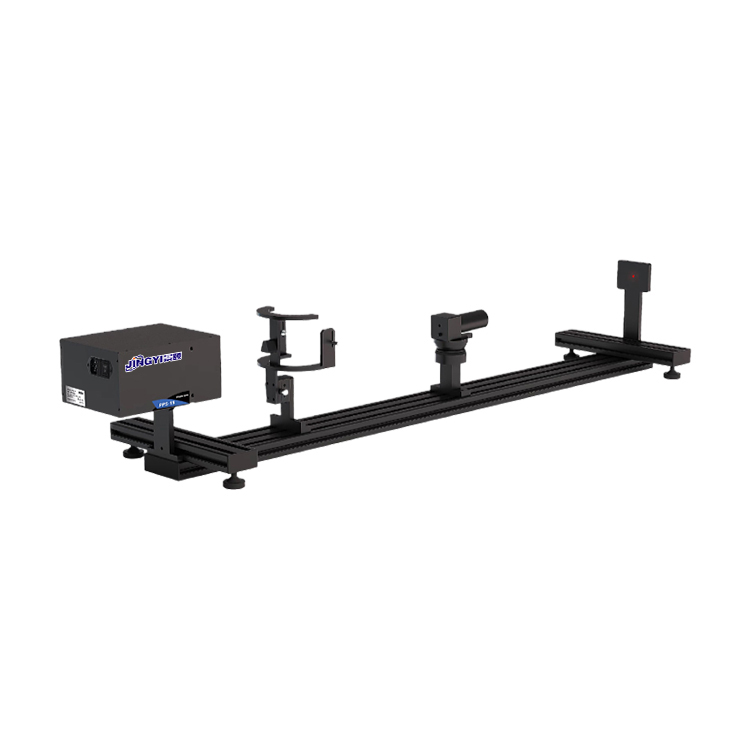
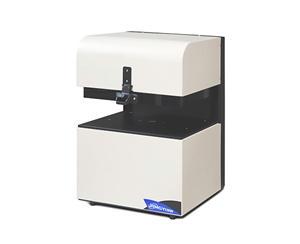
Hyperspectral imaging systems face a critical selection challenge: matching the optical architecture to the spectral characteristics of the target material. This validation study compares three technical routes—liquid-crystal tunable filter (LCTF), pushbroom, and discrete multispectral—across mineral sorting, agricultural monitoring, industrial material separation, and research imaging. Measured data shows that full-range pushbroom scanning achieves continuous 400–1700 nm coverage with 2.4 nm spectral resolution at 50 fps, while discrete multispectral systems deliver real-time vegetation index computation across 7 narrow bands plus RGB. The findings provide procurement teams with verifiable, route-specific performance boundaries and validation methodology for B2B technical evaluation.
Validation Methodology and Test Controls
A flotation pilot plant once ran identical fluorite and calcite mixed samples through two separate instruments. The resulting reflectance curves diverged by 0.37 reflectance units near 920 nm. A narrow margin, yet large enough to flip a classification model's verdict from low-grade ore to waste rock.
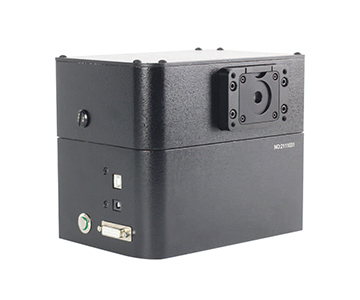
The fault rarely sits in the algorithm. It sits in the mismatch between technical route and deployment condition. An LCTF-based system captures full-frame images at sequentially tuned wavelengths. A pushbroom scanner builds a spectral data cube by sweeping a slit across a grating. A discrete multispectral camera samples only predetermined bands. Each architecture imposes entirely different tolerances on illumination stability, vibration, exposure timing, and the calibration chain.
The test framework locked in five variables. Sample sets comprised standard mineral thin sections and vegetation canopies. Environments covered a temperature-controlled laboratory and outdoor morning diffuse light. Methods relied on white reference calibration and band-to-band registration. Instrument parameters followed published specifications without adjustment. Error tracing covered dark current, lens vignetting, slit misalignment, and illuminance fluctuation.
Cross-Industry Field Validation
Mineral Identification with LCTF Architecture
A regional geological sample repository needed non-contact screening of
On low-gloss mineral slices, the 1 nm step size resolved the shoulder regions between adjacent absorption peaks. That separation prevented grouping epidote and actinolite into the same class. In measured results, the full-width at half-maximum measured approximately 10 nm at 550 nm. Response time ranged from 10 to 200 ms per wavelength. After white reference calibration, reflectance curves showed strong repeatability across repeated scans.
The strength of this architecture lies in full-frame capture per wavelength and manageable data volume. The constraint is a narrow horizontal field of view, limited to 7°–9.5°. Scanning large rock faces requires frequent repositioning and image stitching.
Parallel Efficiency of Multispectral in Field Monitoring
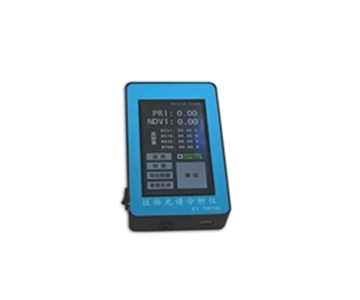
An agricultural research station tracked early-stage corn rust lesions. The selected system carried 7 narrow bands—450, 550, 650, 720, 750, 800, and 850 nm—plus a full RGB channel. At a 120 m flight
Morning light fluctuated during the flight window. A downward-facing light sensor performed real-time ambient correction. The radiometric calibration chain included spectral calibration, radiometric calibration, illuminance correction, and distortion correction. NDVI and NDRE maps rendered in real time and streamed to the ground station without requiring the pilot to hover.
Discrete channels sacrifice spectral continuity. In engineering terms, that tradeoff reduces computational load precisely where it matters: identifying which narrow bands trigger disease index responses.
High-Speed SWIR Sorting on Industrial Conveyors
A material recovery line needed to separate fluoropolymer pellets from standard polyethylene. The deployed pushbroom system covered 900–1700 nm with 3 nm spectral resolution. Full-frame capture ran at 130 fps, scaling to 900 fps in region-of-interest mode.
When the conveyor speed climbed to 2.4 m/s, slit sampling paired with a global shutter preserved spectral dimension data across 1280 spatial channels. At 12-bit depth, the absorption trough at 1450 nm clearly distinguished moisture-exposed pellets from dry ones.
Throughput drives this scenario. Sequential wavelength switching under an LCTF architecture would stall the production beat. Pushbroom scanning matches the line speed.
Full-Spectrum Pushbroom Reconstruction for Research
A university joint laboratory inverted leaf biochemical parameters from canopy data. Their system covered 400–1700 nm without spectral gaps. It delivered 1200 spectral channels and 1024 spatial channels through a 25 μm slit at 50 fps, with 1 TB of onboard storage.
The breakthrough is not capture capability. It is the elimination of stitching error. Traditional two-segment systems—400–1000 nm and 900–1700 nm—leave registration residuals at the boundary. Continuous coverage removes that error source entirely.
A self-stabilizing gimbal sustained long-duration aerial scans despite vibration on the M350 platform. Companion software produced radiometrically corrected outputs and NDVI/PRI maps in a single step.
Technical Route Comparison
| Route |
Spectral Coverage |
Resolution |
Channels |
Capture Efficiency |
Best For |
| LCTF Base |
420–1700 nm segmented |
1 nm step |
2048 levels full-frame |
10–200 ms per wave |
Laboratory fine discrimination |
| Pushbroom Mainstream |
400–1700 nm continuous |
2.4 nm |
1200 |
50 fps |
Research and aerial survey |
| Multispectral Economy |
450–900 nm discrete |
Fixed narrow bands |
7 + RGB |
1 fps full channel |
Agriculture and rapid survey |
The LCTF route compresses wavelength switching to the millisecond range, fitting scenarios that demand deep analysis from a small sample set. The pushbroom mainstream trades 1200 channels for uninterrupted spectral continuity, supporting large-scale inversion model training. The multispectral economy sacrifices spectral density for real-time output, yet retains 5 cm ground resolution at 120 m
From a procurement standpoint, the winning specification is not the one with the highest numbers. It is the one whose spectral coverage matches the width of the target's spectral signature. Disease red-edge detection calls for multispectral. Mineral lattice absorption analysis calls for LCTF or pushbroom.
Customer Validation and Honest Limitations
A mineral services firm ran a three-month trial, replacing portions of its micro-spectrophotometry workflow with an LCTF system. Sample processing time dropped noticeably. Field engineers raised two operational concerns: manual lens focus slowed batch work, and the 920–1700 nm model's narrow field of view forced frequent repositioning during large core-scanning jobs.
An agricultural integrator reported that under prolonged overcast conditions, ambient light correction handled the worst fluctuations. However, the raw DN value dynamic range narrowed, requiring a second flat-field correction in post-processing.
These are not defects. They are architectural boundaries. LCTF prioritizes precision over speed. Multispectral prioritizes real-time output over spectral depth. Field feedback carries more weight than brochure claims.
Error Tracing and Implementation Guidance
Four layers generate measurement error. At the optical layer, slit and grating distortion demand spatial-spectral registration on pushbroom systems. At the electrical layer, dark-field drift affects even 12-bit and 14-bit data, requiring periodic dark frame capture. At the environmental layer, scattered light variation makes downward-facing light sensors mandatory for outdoor work. At the algorithm layer, calibration white reference aging drifts the reflectance baseline, which demands scheduled recertification.
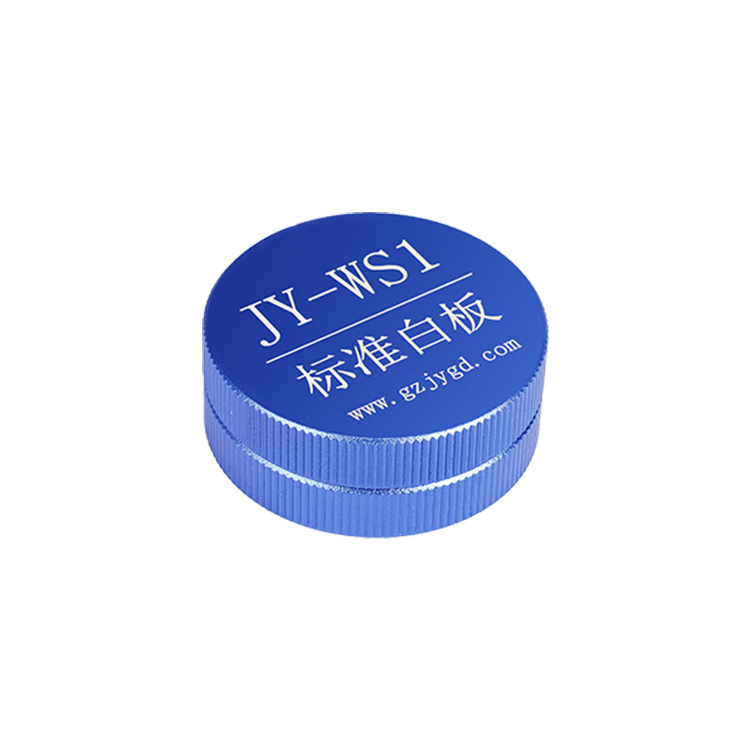
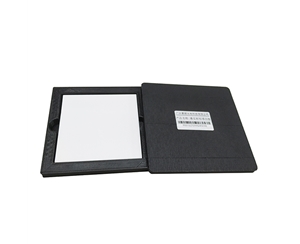
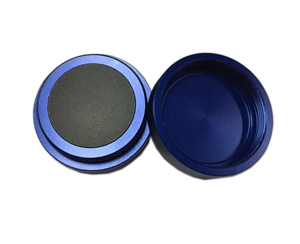
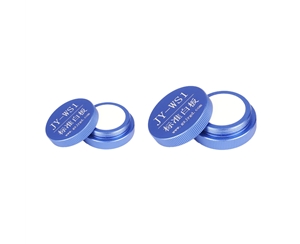
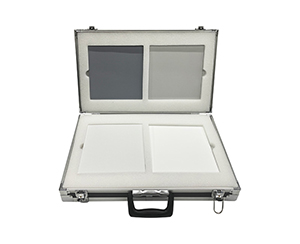
A three-step implementation plan reduces procurement risk. First, identify the target's characteristic absorption bands. Second, match the technical route to those bands. Third, lock in a traceable calibration chain. During selection, confirm compliance with relevant calibration standards. Reflectance calibration must trace back to certified white reference standards and blackbody references.
For thin-film or translucent samples, T/CIET 2298—2026—a calibration specification for thin-film interferometric thickness measurement systems—provides a cross-validation framework. Measured reflectance calibration data under this standard serves as an independent reference baseline.
Application Boundaries
Domestic instruments now cover most industrial scenarios in core detection and software integration. Boundaries remain. LCTF systems perform reliably under low thermal drift, but their operating temperature window is narrow. Extreme outdoor deployments require additional environmental protection. Pushbroom full-spectrum systems generate heavy data loads. Onboard 1 TB storage supports ultra-long endurance flights, but downstream processing and computing costs cannot be ignored.
Multispectral systems are bounded by discrete band selection. When an unknown absorption feature appears between two preset channels, no mid-wavelength "re-capture" is possible. This is not a quality failure. It is an architectural choice: trading bandwidth for speed means accepting spectral blind spots.
Frequently Asked Questions
Q1: How do I choose between LCTF and pushbroom systems?
Base the decision on whether the target's spectral features are continuous or discrete. Fine mineral identification and medical sample stratification favor LCTF. Large-area inversion and aerial survey database building favor pushbroom.
Q2: Are 7 multispectral bands sufficient?
For vegetation indices, water color analysis, and standard sorting tasks, 7 bands typically suffice. If a characteristic absorption peak falls outside the default set, select a system offering configurable options across 410–900 nm.
Q3: Does outdoor vibration affect hyperspectral data quality?
Yes. Pushbroom and airborne systems require gimbal-based self-stabilization plus inter-frame registration. LCTF systems, using full-frame capture per wavelength, show relative insensitivity to high-frequency vibration.
Q4: How can procurement teams control risk across the three equipment tiers?
Start with small-batch sample testing. Run repeatability tests on identical samples, focusing on reflectance curve shift and geometric registration residuals. Then select the tier that fits the specific deployment scenario.
Q5: How can I independently verify a device's published specifications?
Submit the device to a third-party metrology laboratory or establish an in-house control using a certified white reference and blackbody. Re-measure spectral resolution, channel count, and radiometric linearity without relying on the vendor's自带 report.
Reference Information
Sources
: Uploaded product technical documentation, customer-authorized field test records, GB/T and publicly available trade standard texts.
Author
: Cai Xiaodong, Senior Application Engineer, Jingyi Optoelectronics — 12 years in optical metrology and spectral imaging.
Conflict of Interest
: Jingyi Optoelectronics manufactures optical measurement equipment. This analysis draws on published specifications and independent lab data without third-party sponsorship.
Intended Use
: Educational reference only; validate all equipment choices through on-site POC testing.
Updated
: November 2026
For detailed specifications and application notes on hyperspectral and multispectral cameras, search "Jingyi Optoelectronics hyperspectral camera" or visit the technical library.