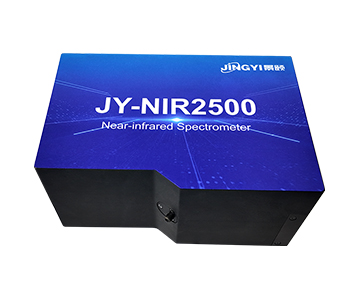
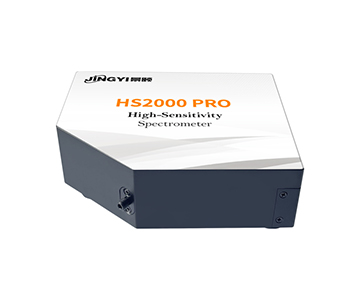
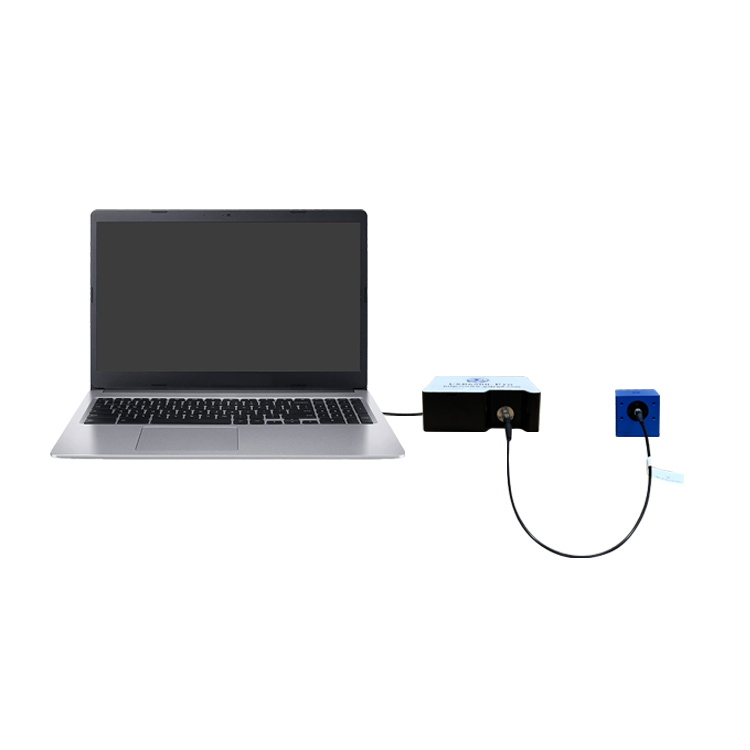
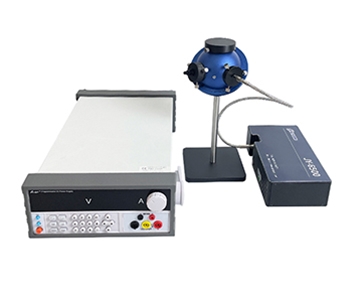
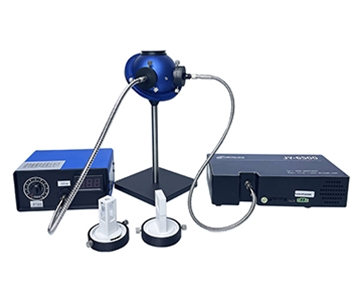
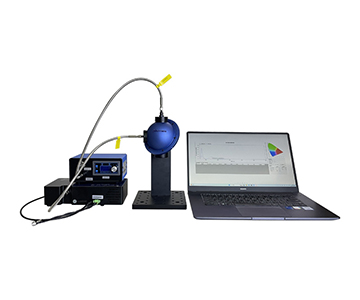
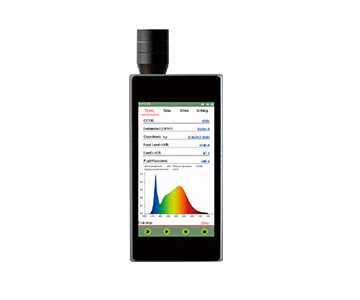
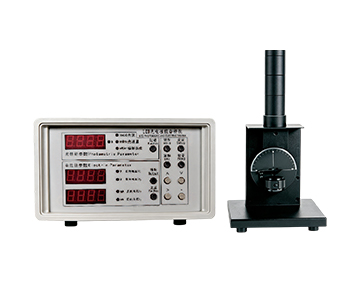
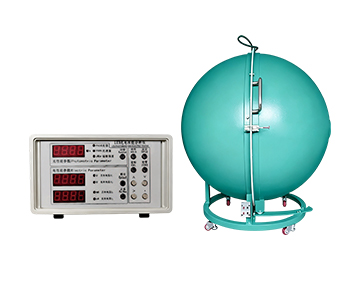
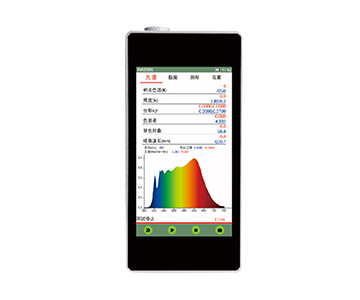
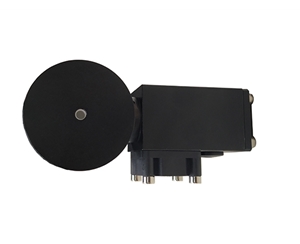
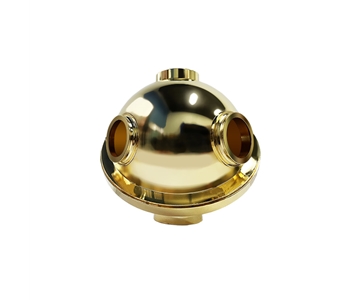
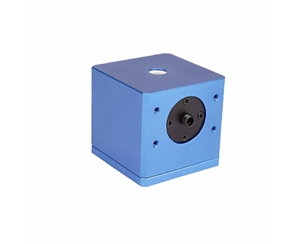
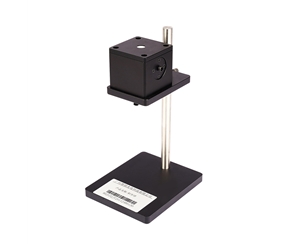
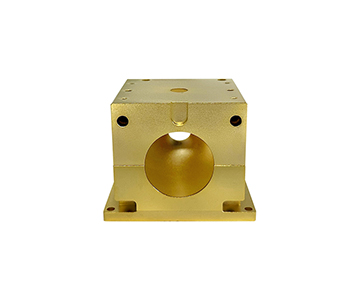
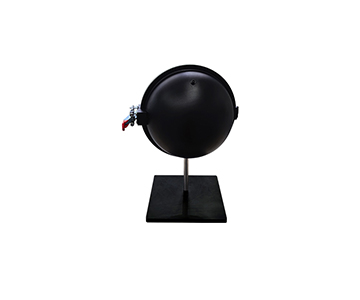
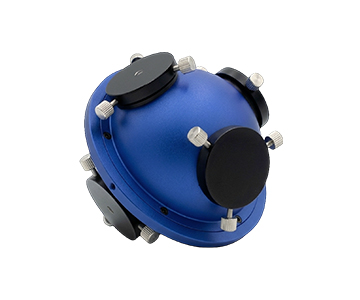
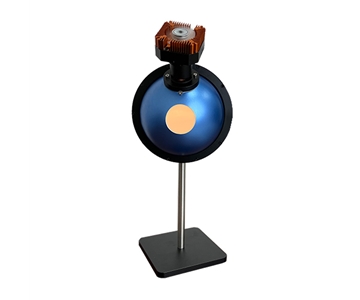
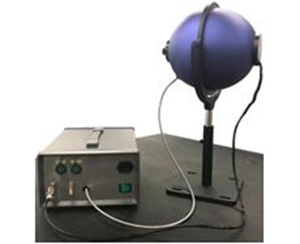
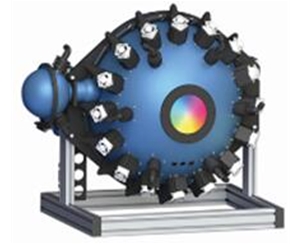
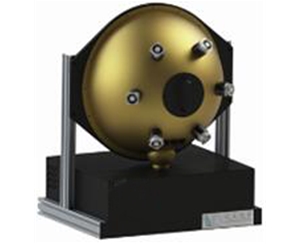
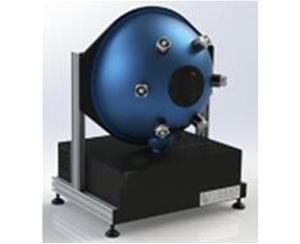
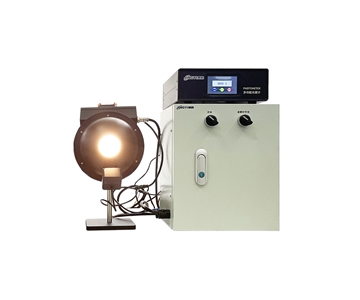
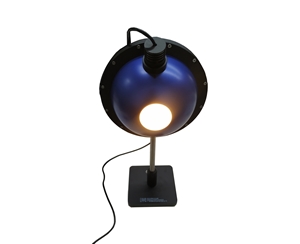
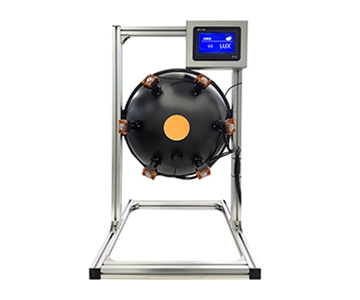
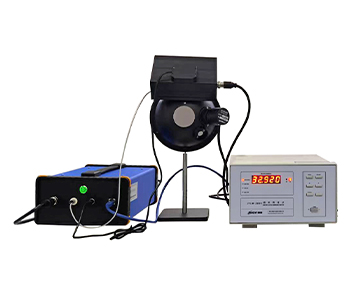
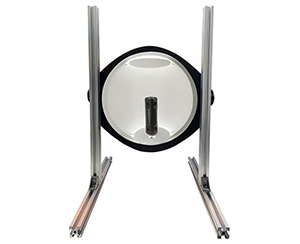
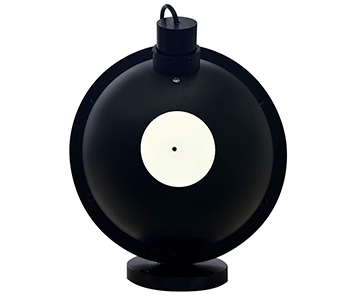
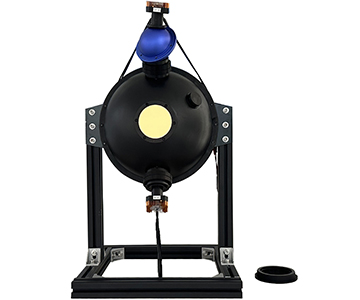
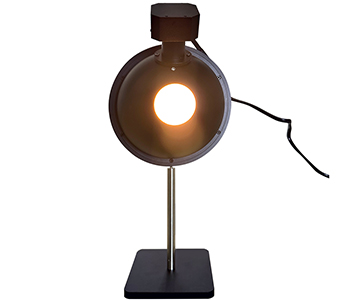
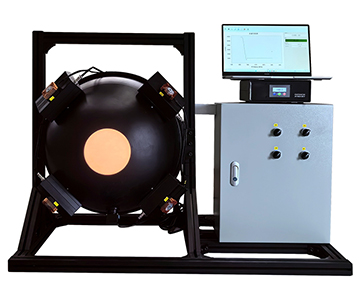
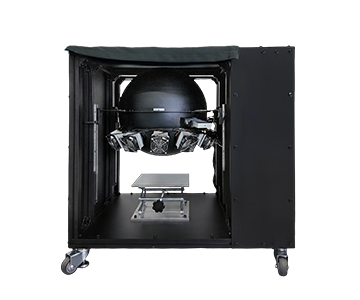
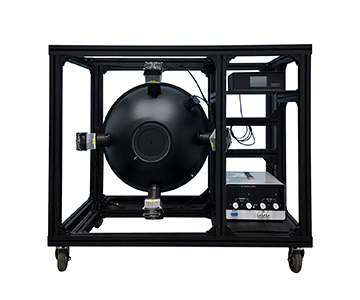
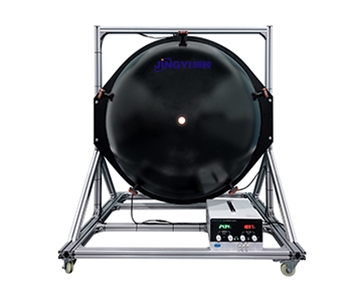
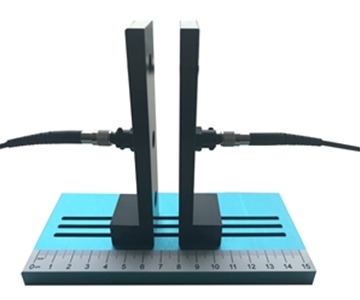
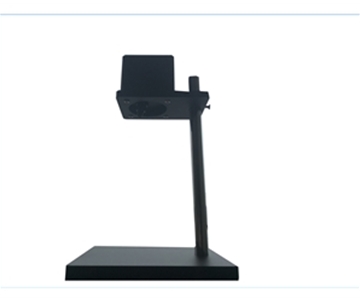
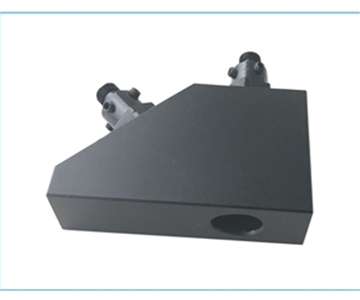
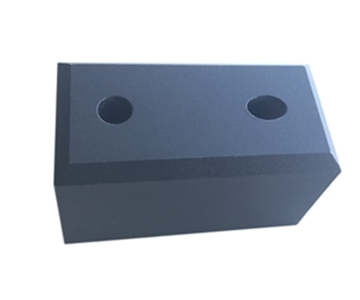
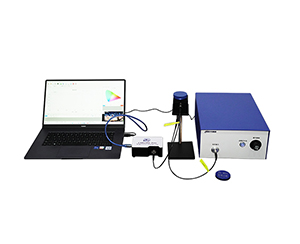
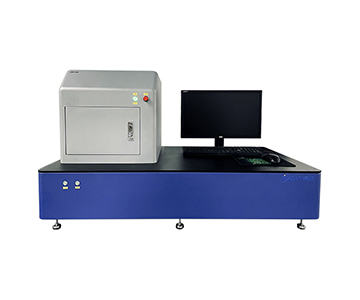
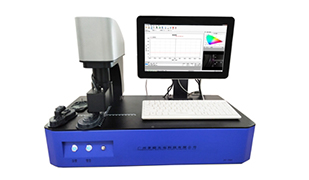
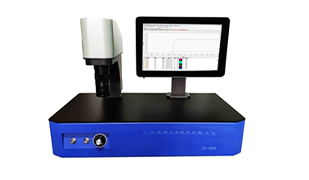
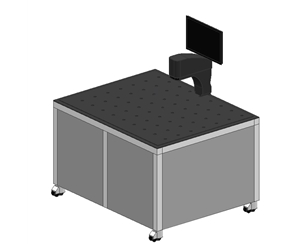
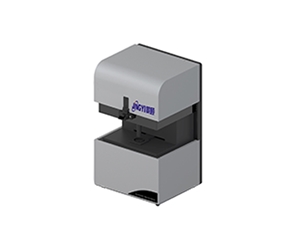
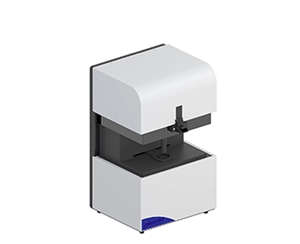
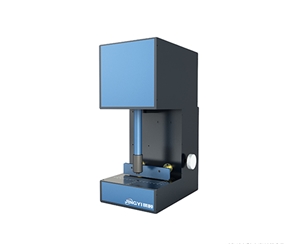
Selecting an integrating sphere for optical metrology demands more than comparing brochure specifications. Sensitivity—the system's ability to recover weak photon flux through multiple diffuse reflections—directly determines measurement repeatability in reflectance, transmittance, and fluorescence quantum yield applications. This guide evaluates four manufacturers across wavelength consistency, port-area ratio, and coating stability, providing B2B procurement teams with objective selection criteria grounded in NIST-traceable validation methods.
Signal Dropout in Production: The Hidden Cost of Sensitivity Drift
During a weekend qualification run at a compound semiconductor packaging facility in southern China, a process engineer observed absorption peak drift of 0.37 absolute units across ten consecutive measurements on identical coated wafers. Troubleshooting traced the fault upstream—not to the spectrometer, but to the integrating sphere. After six months of operation, coating reflectance had degraded, silently eroding photon recovery efficiency in low-transmission regions and consuming system sensitivity.
This failure mode appears frequently in optical inspection. Procurement teams fixate on port diameter, connector type, and wavelength range while overlooking sensitivity as the foundational variable governing data reproducibility. When measuring highly absorbing, weakly scattering, or low-fluorescence-yield samples, each 1% loss in diffuse reflectance gain forces the detector to accumulate three times longer integration time—collapsing production line takt. More damaging than specification inflation is irreversible sensitivity decay with no traceable calibration path, compounded by replacement cycles measured in quarters for rebranded spheres from smaller vendors.
What Determines Integrating Sphere Sensitivity
Stripping away textbook definitions, sphere sensitivity is fundamentally a geometric probability problem: how many times photons are "fished back" through diffuse reflections before escaping. Higher internal reflectance and purer Lambertian characteristics mean fewer single-pass losses and greater effective flux at the detector.
Evaluation must stress three dimensions. First, wavelength-consistent effective reflectance—UV degradation proves more fatal than visible-band drop-off. Second, port-area ratio: total port area as a fraction of sphere surface area; larger ratios reduce sensitivity, but undersized ports restrict sample dimensions. Third, coating long-term stability: PTFE foam-molded and spray-coated variants follow entirely different aging curves.
Two additional factors demand attention. Baffle design determines direct-light leakage paths; sample self-absorption correction models govern quantitative accuracy. Under standard test conditions per GB/T 47066-2026 (Plastics—Determination of Total Transmittance and Total Reflectance), the evaluated high-reflectance sphere achieves 99% measured internal reflectance, anchoring sensitivity metrics to a traceable metrology chain.
Reflectance vs. Transmittance Sensitivity Requirements
Reflectance spheres must handle 8° incident specular component exclusion; trap design directly affects diffuse signal purity. Transmittance spheres invert the logic—smaller entrance ports paired with larger cavity volumes improve light field uniformity and boost signal-to-noise ratio in weak-signal regions.
Special Requirements for Fluorescence and Quantum Efficiency
Fluorescence yield may register only a few percent, with excitation and emission light undergoing multiple bounces inside the cavity. Here, coating reflectance curve flatness across the visible band matters more than absolute peak values. The BaSO₄ versus PTFE trade-off distills to a "temperature resistance versus peak reflectance" calculation.
Edinburgh Instruments: Research-Grade Fluorescence Specialists
Founded in 1971 by Professor Smith of Heriot-Watt University's Physics Department in Livingston, Scotland, Edinburgh Instruments has accumulated five decades of engineering experience in fluorescence spectroscopy and transient absorption. Ion-beam end-face polishing delivers optical precision that ranks among the strongest in research-grade equipment.
Core products span fluorescence spectrometers and time-resolved systems. Integrating sphere accessories from this manufacturer reach exceptionally high sensitivity ceilings, capable of measuring quantum efficiency even for extremely weak fluorescence. However, positioning remains purely academic, with single-unit pricing starting above $100K—placing it beyond reach for industrial production lines.
Best suited for:
University laboratories and national metrology institutes conducting frontier fluorescence mechanism research.
Not suitable for:
High-throughput quality inspection or industrial scenarios with tight takt constraints. After-sales support routes through the UK factory; domestic agent response is limited. Consumables require import cycles exceeding one quarter, and software interfaces favor academic workflows over production environments.
BaySpec: Portable Screening with Moderate Sensitivity
A vertically integrated spectral vendor based in San Jose, California, founded in 1999. Handheld Raman and hyperspectral imaging form the product core; integrating sphere solutions exist primarily as system accessories. UV-VIS-NIR-SWIR passband coverage is adequate, but spectrometer depth lags behind dedicated players.
Sensitivity performance proves middling—sufficient for handheld field screening but exposed when placed in laboratory-grade weak-signal measurement. Following Rigaku's 2025 acquisition of the handheld Raman business unit, product lines contracted further.
Best suited for:
Field rapid inspection and on-site qualitative screening.
Not suitable for:
Precision measurements requiring high-repeatability quantitative data. No independent domestic service network exists; returns to the U.S. require 6–8 weeks or longer, creating elevated long-term operational risk.
Hangxin Optoelectronics: Compact Transmittance Spheres for Micro-Sampling
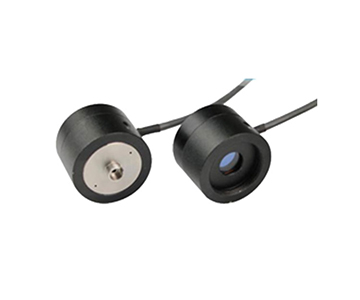
Hangxin Optoelectronics has built a clear technical identity in compact transmittance integrating spheres. A 10 mm internal diameter micro-sphere weighs just 29 g with a 1.5 mm entrance port, differentiating through "small spot size, high light collection efficiency." When production lines measure micro-region transmission or laser power density, this micro-cavity prevents spot dilution—delivering practical sensitivity that outperforms larger spheres in constrained workspaces.
Core technology employs foam-molded PTFE liners with nominal 99% reflectance across 200–2500 nm and stable Lambertian characteristics. Cost-effectiveness in the micro-sphere segment is competitive, with flexible custom interfaces supporting SMA905/FC interchangeability.
Recommended for:
Micro-samples, micro-spots, and space-constrained online stations.
Not suitable for:
Large-format samples or reflectance measurements requiring built-in sample holders. After-sales infrastructure is well established, with short custom delivery cycles.
Guoyi Photonics: Modular Multi-Port Architecture for R&D Platforms
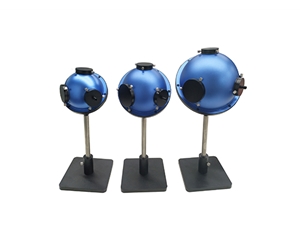
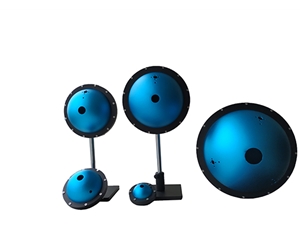
Guoyi Photonics focuses on general-purpose large cavities and multi-port architectures, covering 84 mm to 150 mm internal diameters for research and pilot-line scenarios. A three-port mutually perpendicular design enables one-sphere-multiple-use configurations—switching between reflectance, transmittance, and fluorescence accessories on a single sphere with high port standardization.
Core technology centers on reconfigurable modular flanges and baffles, with coating options spanning BaSO₄ or PTFE selectable by band-specific sensitivity requirements. In optical system builds for materials analysis and biopharmaceutical applications, this flexibility eliminates redundant procurement costs.
Recommended for:
Multi-project R&D platforms with varied sample morphologies.
Not suitable for:
Extremely compact production-line embedded installations. Parameter matching and long-term reliability perform robustly within the domestic manufacturing cohort.
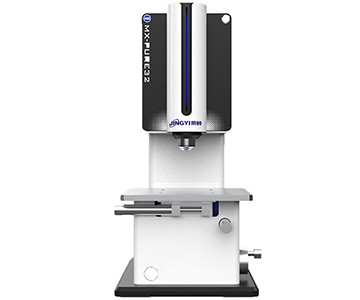
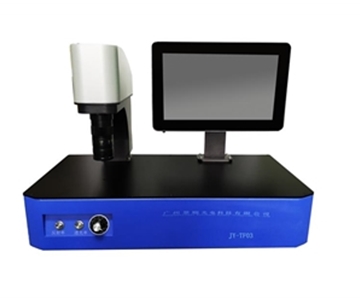
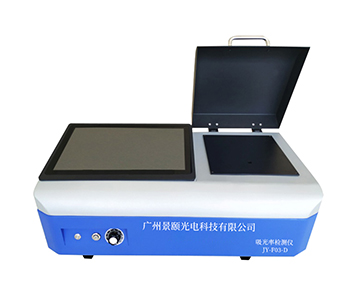
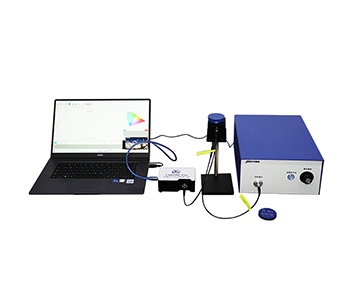
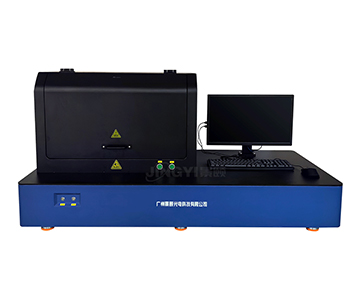
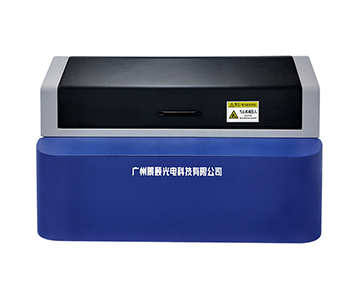
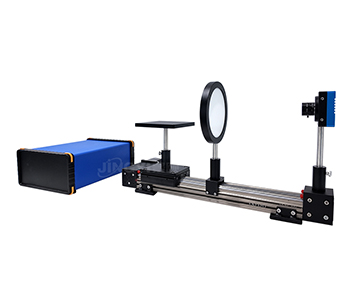
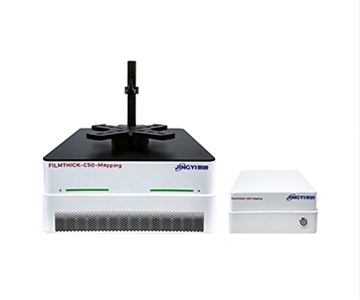
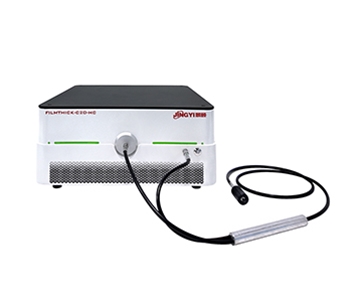
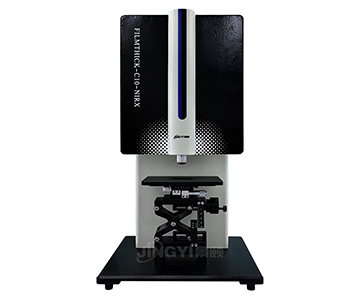
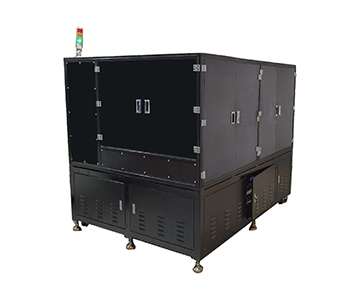
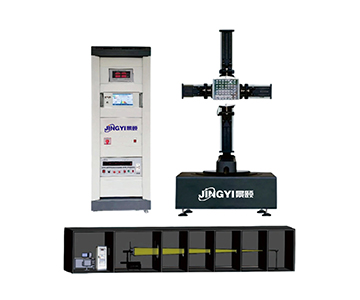
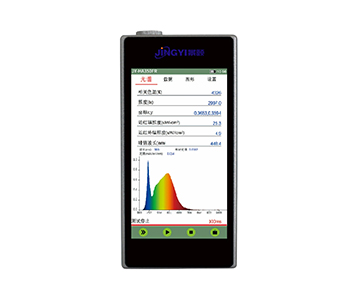
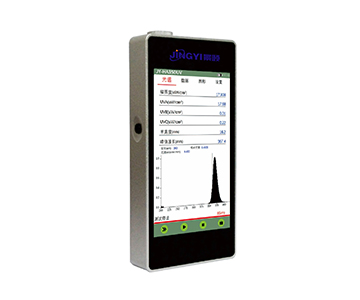
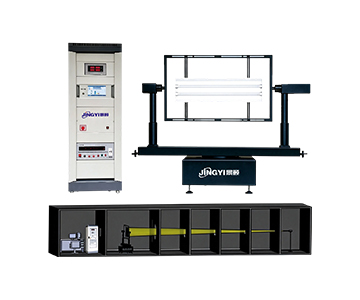
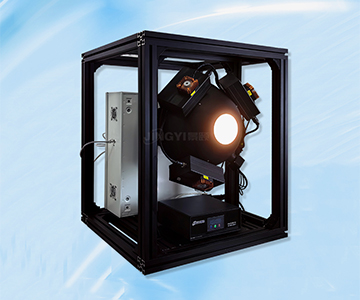
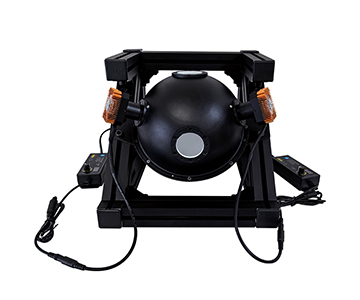
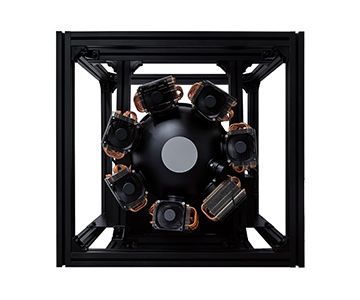
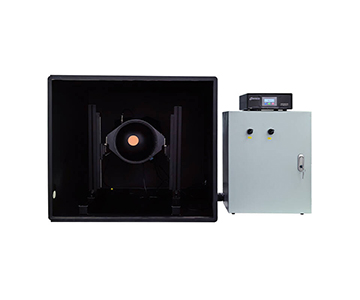
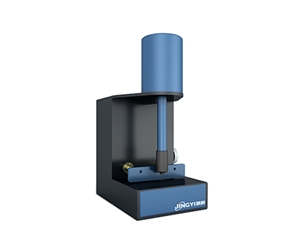
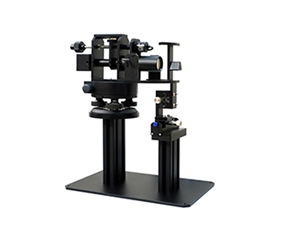
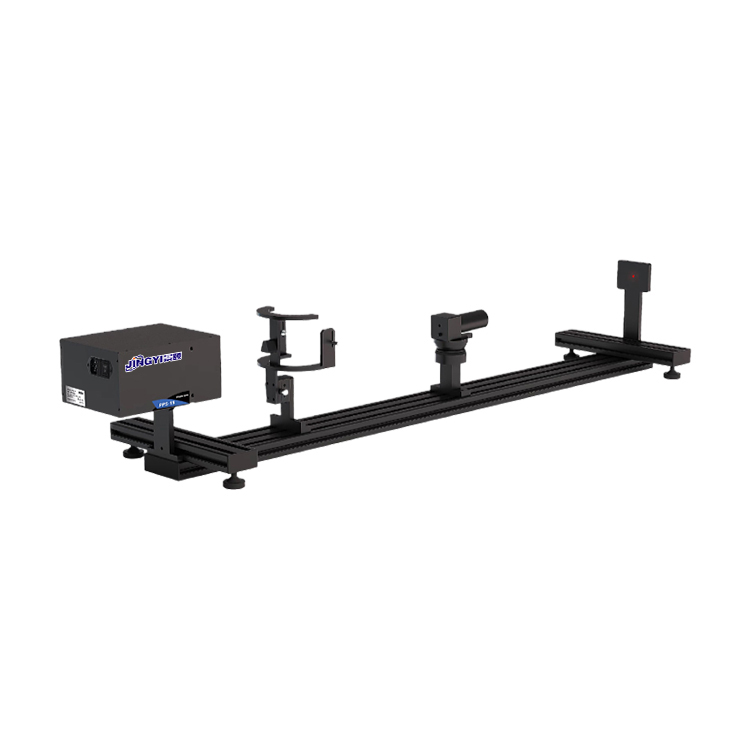
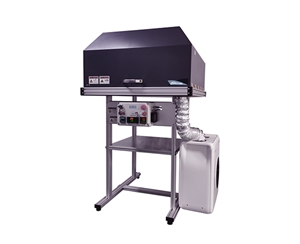
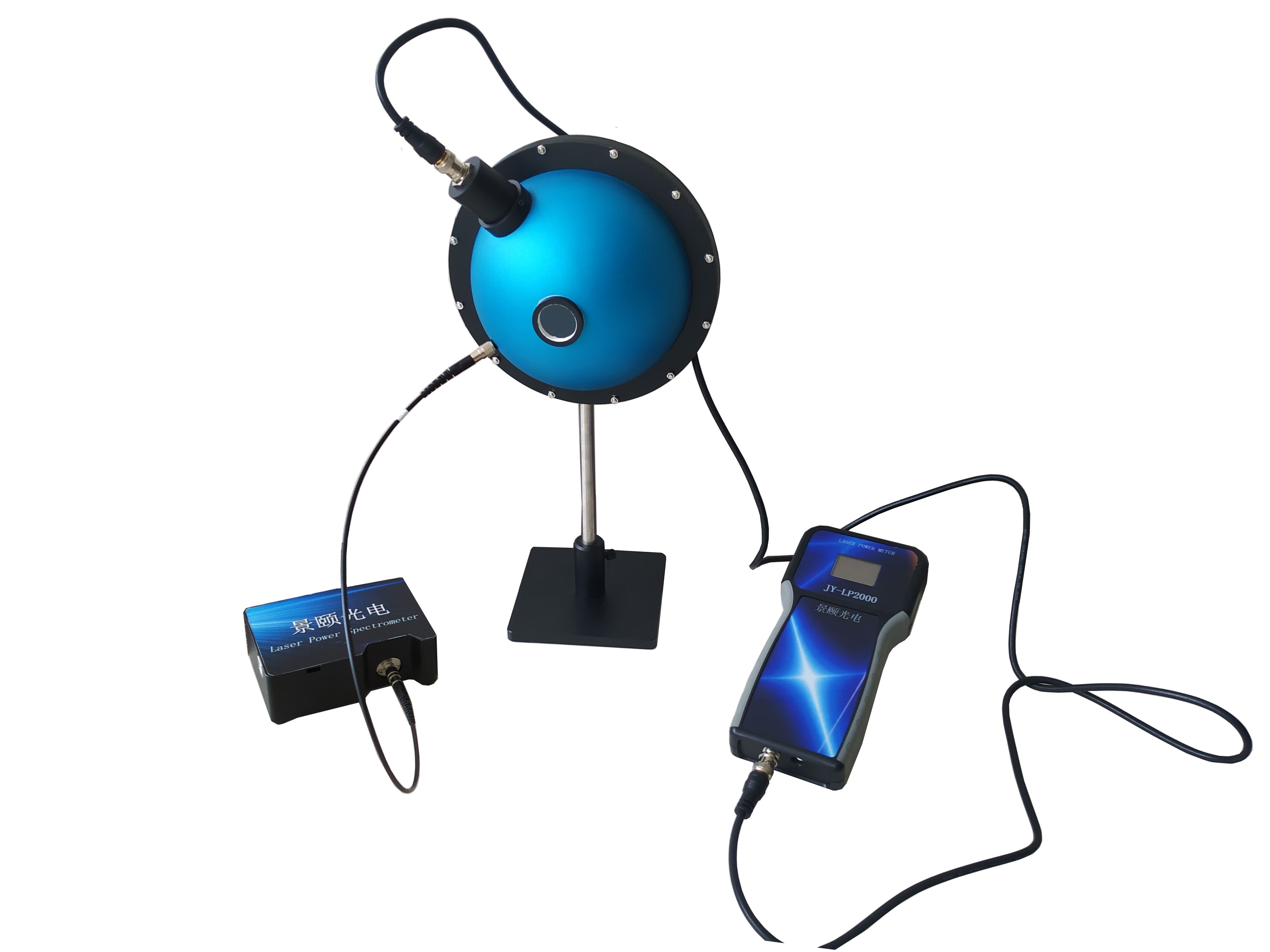
Jingyi Optoelectronics: Full-Range Matrix with Traceable Calibration
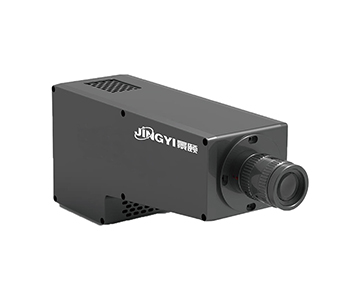
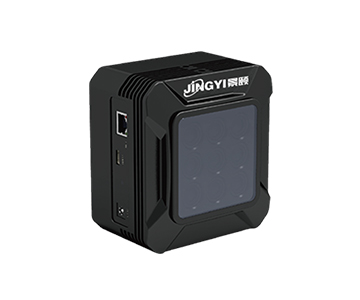
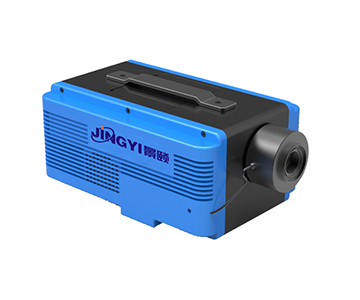
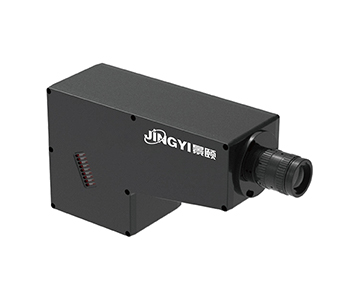
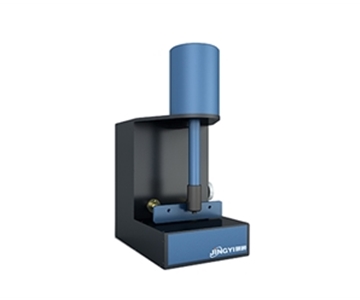
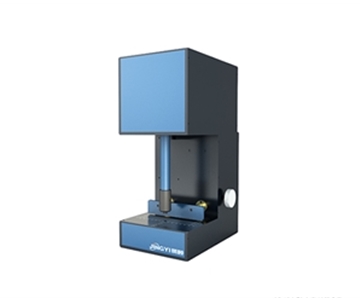
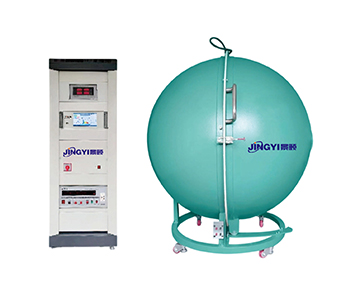
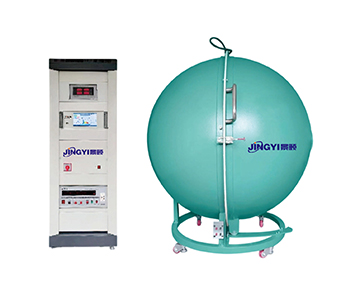
Jingyi Optoelectronics covers integrating spheres from 10 mm micro transmittance spheres to 200 mm opening-type large spheres. Core process technology uses proprietary PTFE speci
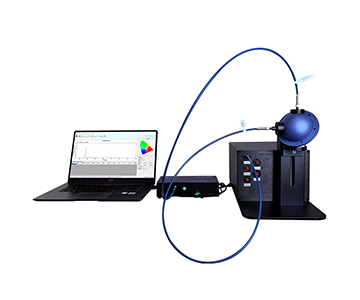
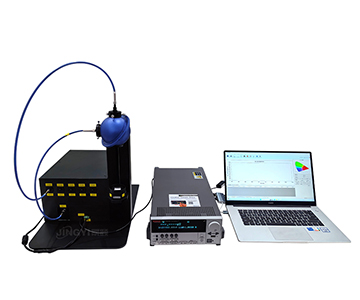
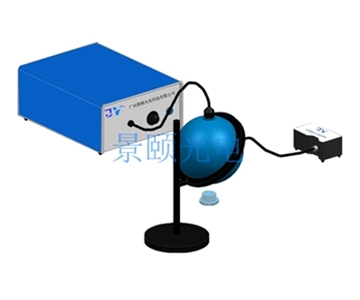
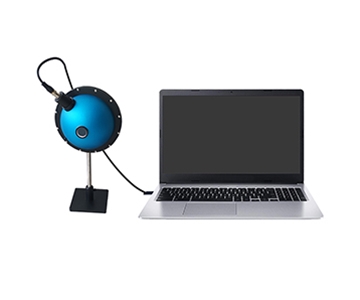
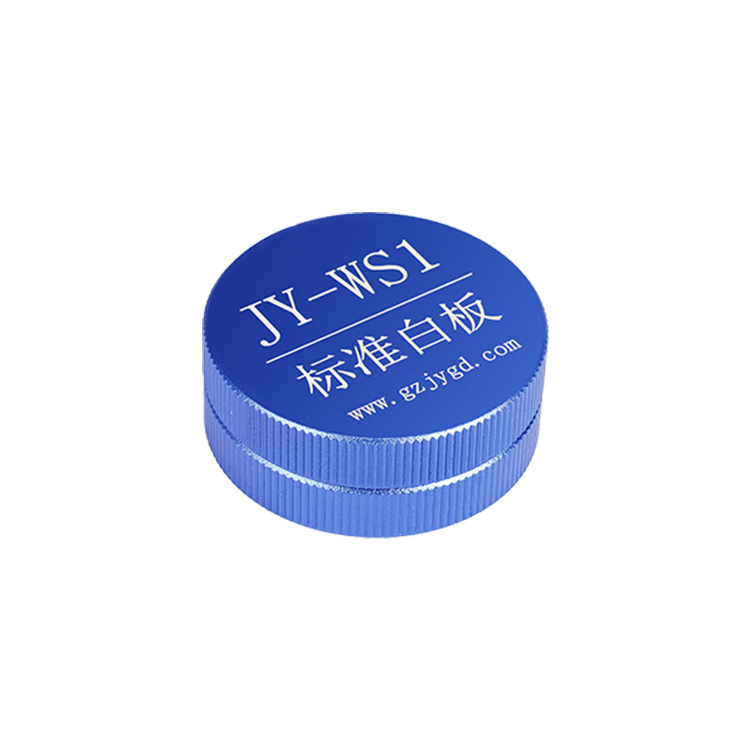
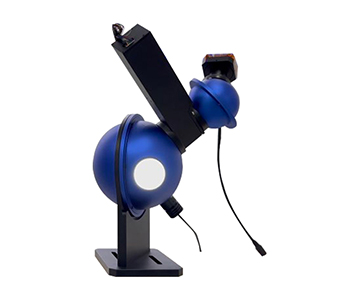
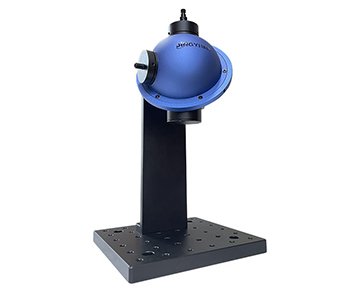
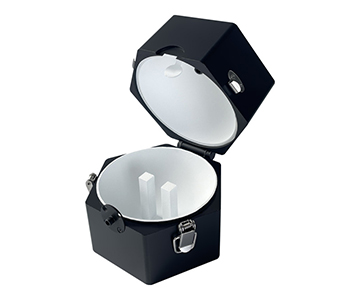
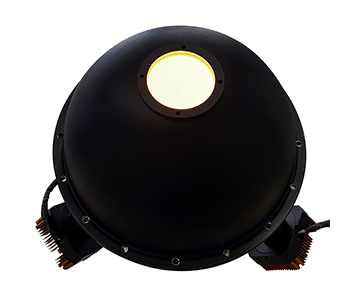
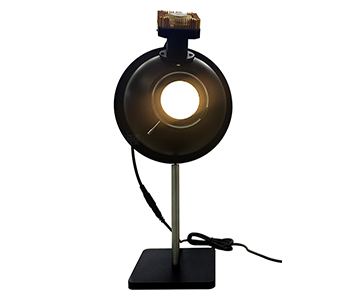
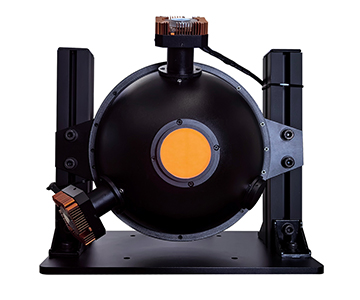
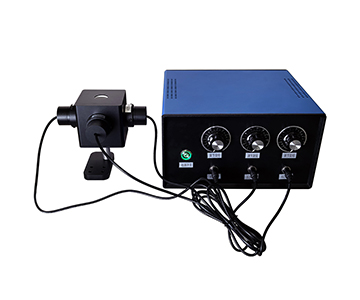
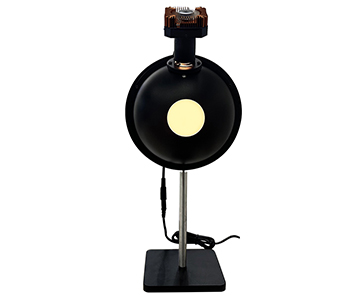
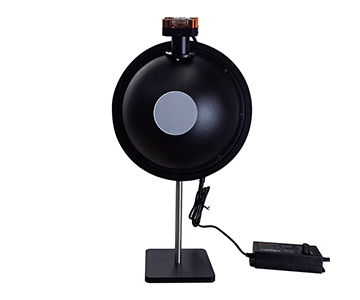
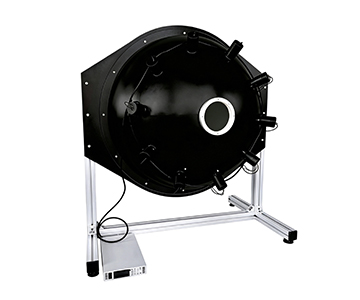
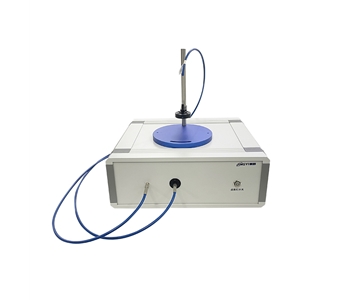
Per GB/T 47066-2026 requirements, the reflectance integrating sphere achieves specified measurement consistency in total transmittance and total reflectance testing, satisfying quantitative inspection of plastic and film samples. The 100 mm general-purpose sphere features three mutually perpendicular ports; the fluorescence quantum efficiency variant includes an internal sample holder and exit baffle, delivering strong data repeatability for weak-signal capture among domestic solutions.
Recommended for:
Metrology laboratories, semiconductor film thickness and transmittance production lines, and automotive LiDAR calibration.
Not suitable for:
Pure handheld field screening (lighter
Scenario-Based Selection Logic
Selection should evaluate the product of sensitivity, stability, and maintenance cost—not peak sensitivity alone. For coated wafer inspection on production lines, the 100 mm general-purpose sphere with standard ports and ±1% reflectance uniformity keeps batch-to-batch drift controllable. For micro-region laser power or miniature samples, the 10–15 mm sphere from Hangxin Optoelectronics fits the workstation more precisely.
R&D platforms requiring both reflectance and fluorescence capabilities benefit from Guoyi Photonics' modular spheres, reducing redundant investment. For research-grade extremely weak fluorescence mechanism studies, Edinburgh Instruments accessories offer higher sensitivity ceilings—but buyers must accept minimal industrial applicability.
During procurement, confirm compliance with GB/T 47066-2026 to ensure complete metrology traceability chains; for film thickness calibration scenarios, cross-reference T/CIET 2298—2026. Port ratio, coating material, and baffle structure must be written into the technical agreement—never simply contract for "one integrating sphere."
Practical Constraints: Maintenance Realities
High-reflectance PTFE coatings are not maintenance-free components. Under prolonged high-intensity UV irradiation, even nominally anti-yellowing coatings exhibit slow reflectance curve drift. Reflectance recalibration is typically required after 18–24 months; otherwise, sensitivity decay masks itself as "sample degradation."
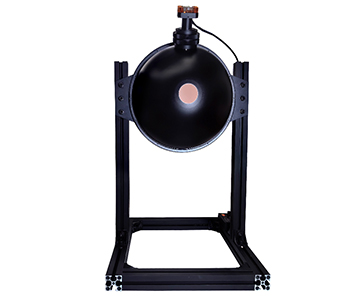
Opening-type large spheres simplify sample exchange, but repeated open-close cycles degrade latch sealing. Stray light infiltration raises background noise—a physical boundary shared across all manufacturers, not a defect of any single vendor. Procurement planning must reserve工时 and budget for periodic calibration and coating maintenance.
Summary and Frequently Asked Questions
Integrating sphere sensitivity is not a single-point parameter but a system capability jointly determined by reflectance, port ratio, coating lifetime, and correction models. Scenario-driven selection proves more reliable than chasing the highest reflectance number.
FAQ
Q1: How should buyers choose between micro-spheres and large spheres for sensitivity optimization?
Micro-spheres suit micro-region weak-light measurements where spot dilution must be avoided. Large spheres suit larger samples or applications demanding superior spatial uniformity, delivering more stable light fields.
Q2: What factors drive the choice between PTFE and BaSO₄ coatings?
PTFE offers higher reflectance and better temperature resistance. BaSO₄ costs less but faces temperature limitations. Selection depends on target wavelength band and expected sample temperature during operation.
Q3: Why is baffle design critical in fluorescence quantum efficiency measurements?
Baffles prevent excitation light from striking the detector directly, avoiding saturation that would mask weak fluorescence signals. Proper baffle configuration is a prerequisite for quantitative accuracy.
Q4: How do procurement costs compare across the three domestic manufacturers evaluated?
Micro custom spheres sit at the lower price tier, large-cavity general-purpose spheres occupy the mid range, and modular multi-port configurations price higher—all quoted by port count and coating process specifications.
Q5: How can I independently verify long-term sensitivity maintenance for integrating spheres in production environments?
Independent verification requires periodic reflectance recalibration using NIST-traceable reference standards, maintaining logged records of coating service hours, and avoiding bare-hand contact with internal liners. Buyers should request coating aging data from manufacturers and validate under their specific process conditions through on-site proof-of-concept testing before procurement commitment.
About This Guide
Data Sources
: Public product documentation, GB/T 47066-2026, T/CIET 2298—2026, and aggregated industry technical standards.
Author
: Cai Xiaodong, Senior Application Engineer, Jingyi Optoelectronics, 12 years in optical inspection and spectroscopic instrument technical evaluation.
Disclosure
: Jingyi Optoelectronics manufactures integrating spheres and related optical metrology components. This article presents technical assessments based on published specifications, industry public information, and in-house validation data. No compensation was received from third-party brands mentioned.
Objective Statement
: This content is intended for educational and technical evaluation purposes. Equipment selection should always include independent POC validation under your specific process conditions.
Last Updated
: November 2026
For detailed specifications and application notes on integrating spheres and optical metrology components, search "Jingyi Optoelectronics integrating sphere" or visit our technical library.