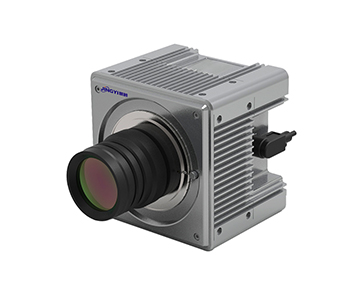
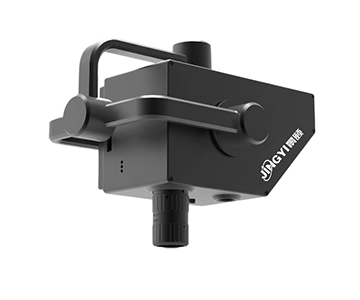
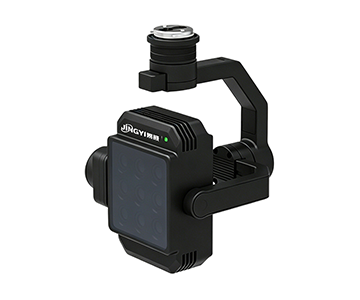
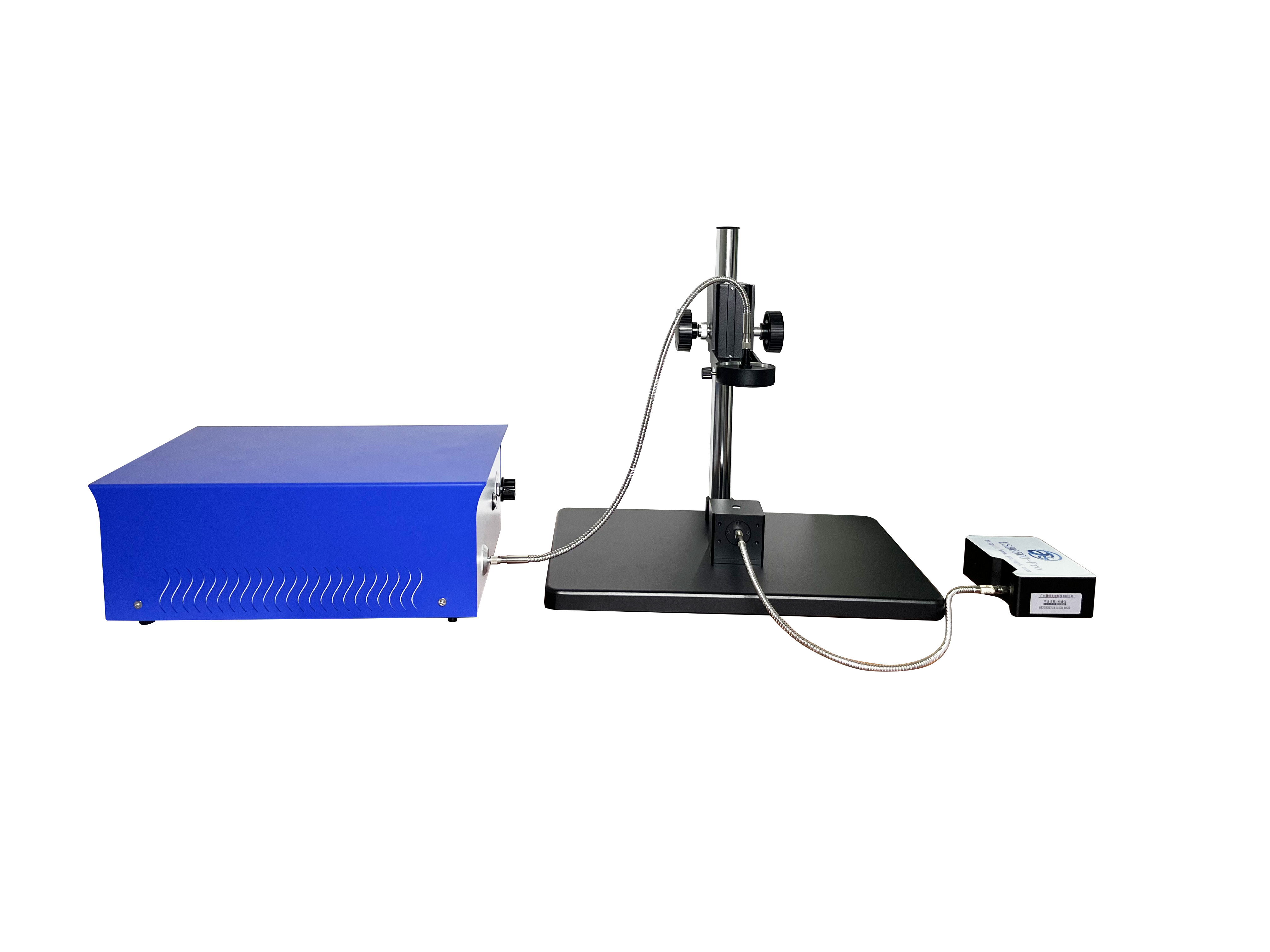
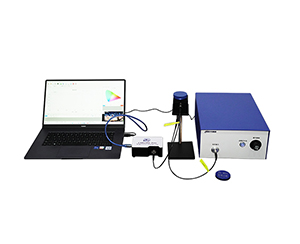
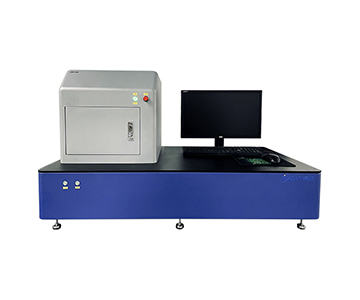
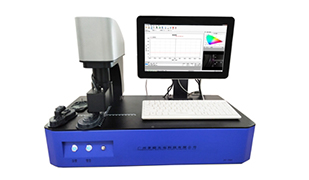
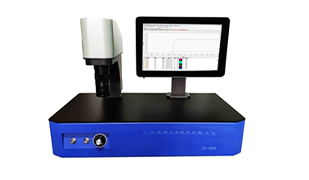
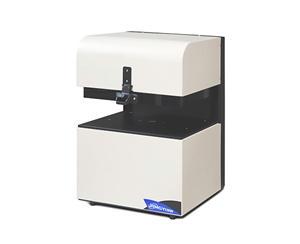
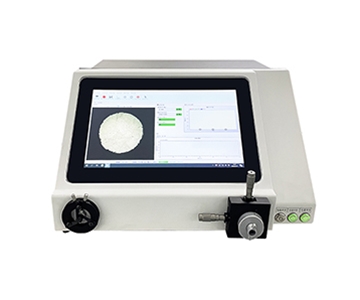
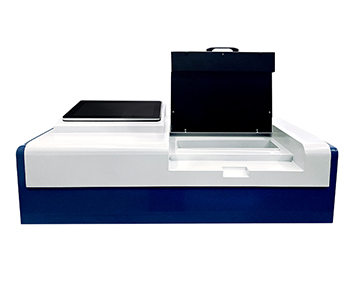
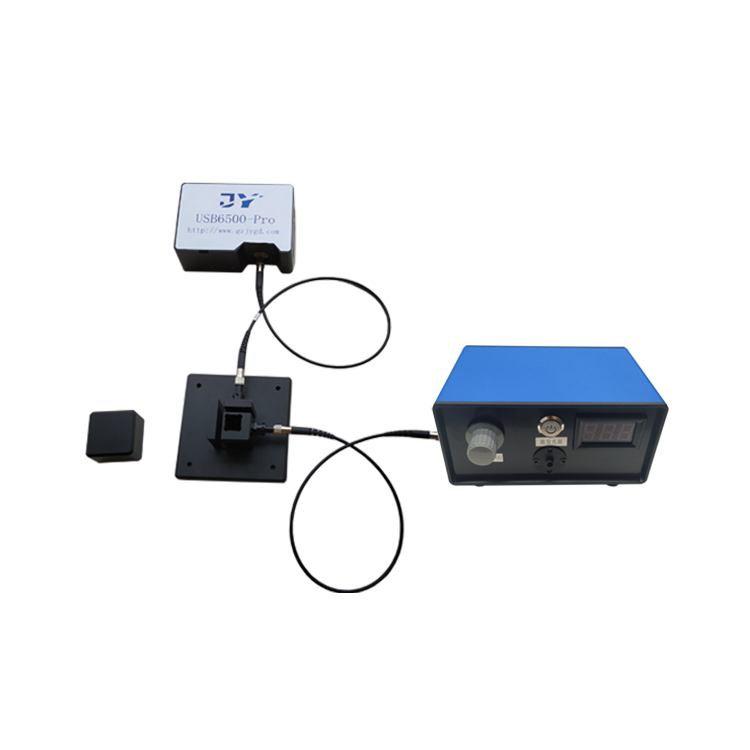
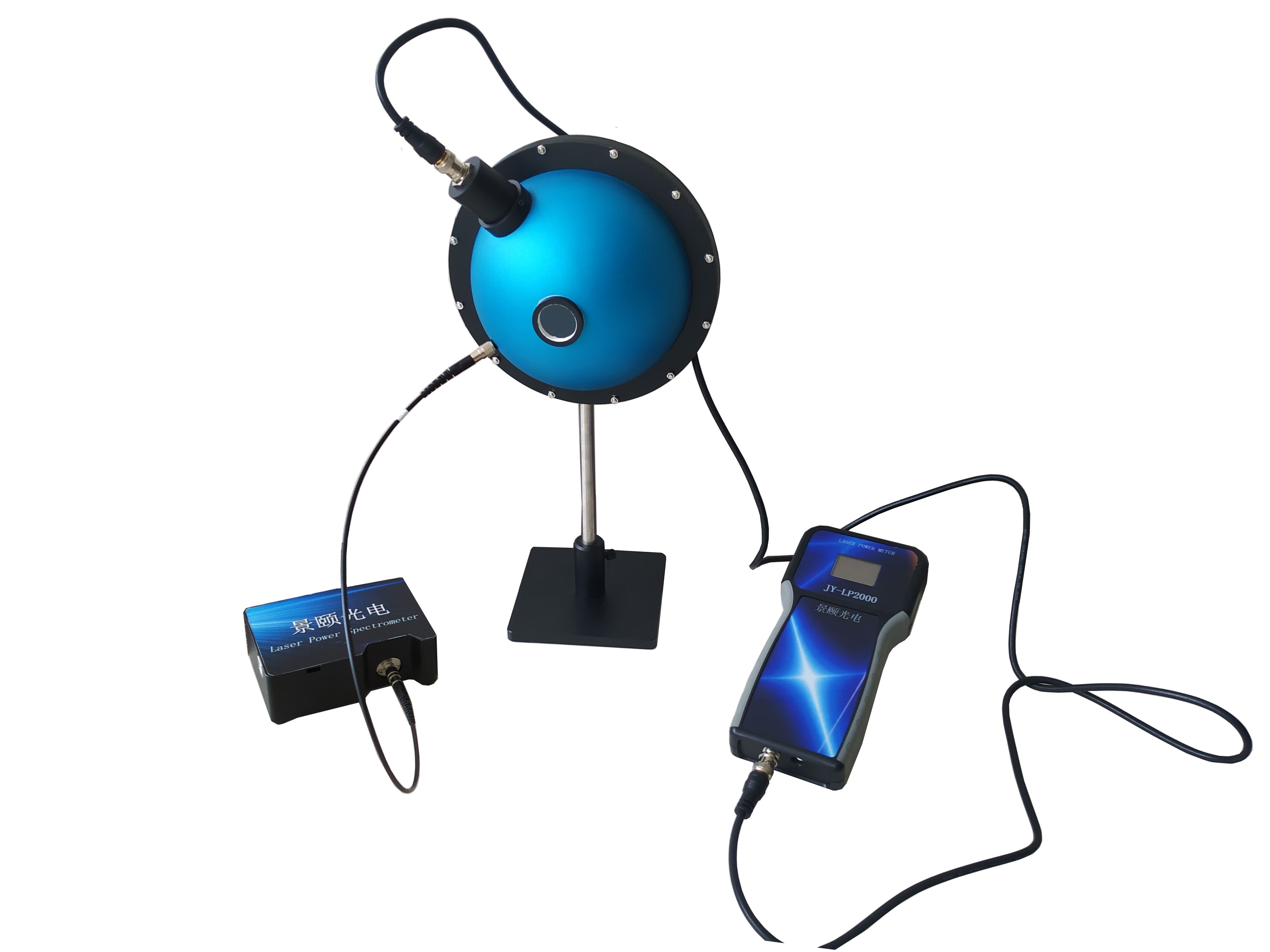
Hyperspectral field measurements in mining, agriculture, and remote sensing demand consistent reflectance data under temperature swings from -5°C to 46°C (23°F to 115°F) and relative humidity up to 85% RH. This article presents validation data from four industry deployments, documenting how a mainstream optical spectrometer maintained ±0.1 nm wavelength repeatability in the VNIR band while operating between -20°C and 50°C (-4°F to 122°F). Test methodology followed ASTM E903 for total reflectance, with 200+ field samples including
Validation Methodology and Test Design
During a fall qualification run, a mineral exploration team operating in an arid plateau region used an uncorrected portable spectrometer to scan
The evaluated system was tested under five controlled variables:
•Samples:
•Environment: A 3,200 m (10,500 ft) slope with diurnal temperatures from -5°C to 46°C (23°F–115°F), 30–85% RH, and gusts up to 6 on the Beaufort scale.
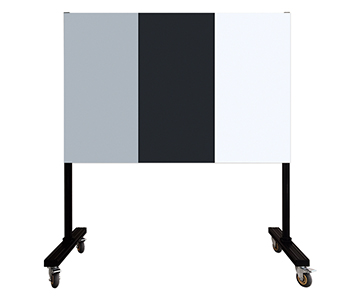
•Method: White-panel calibration followed by single sampling; integration time adapted to light intensity; averaging from 100 to 10,000 scans.
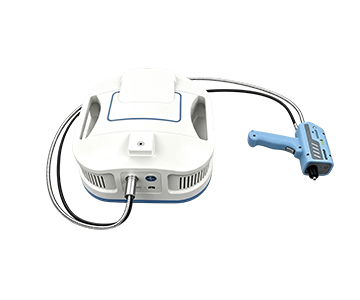
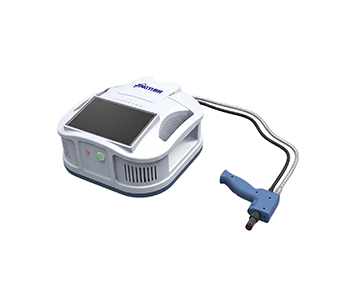
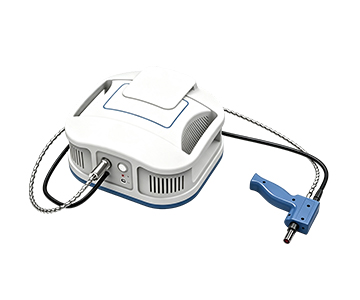
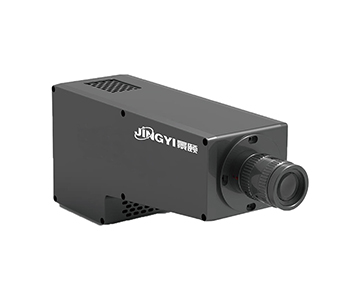
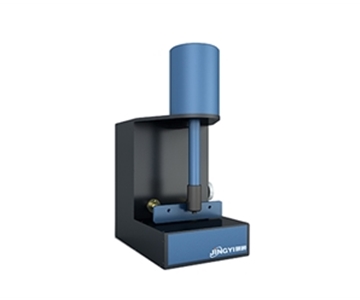
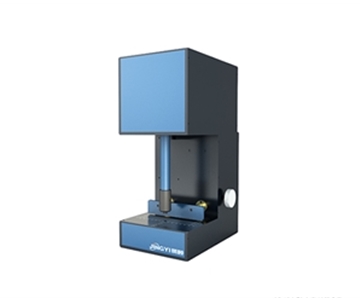
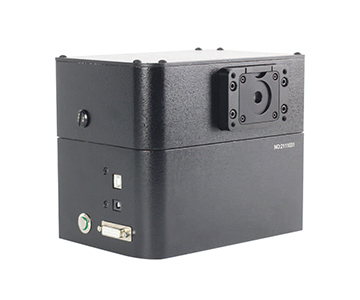
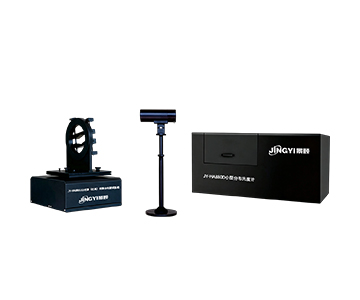
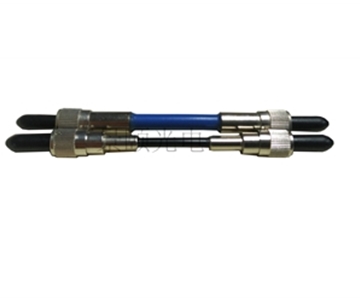
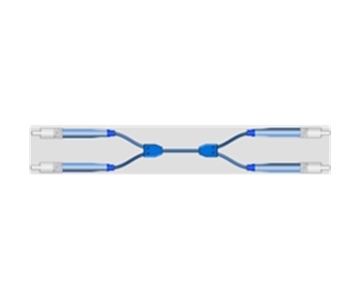
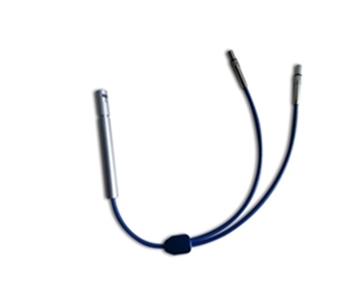
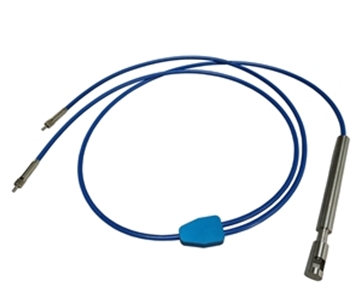
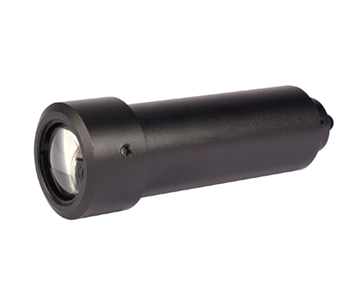
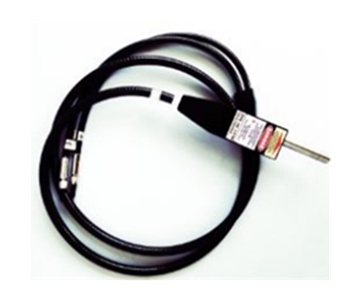
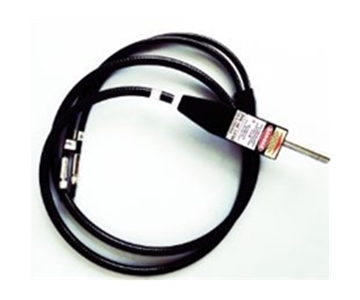
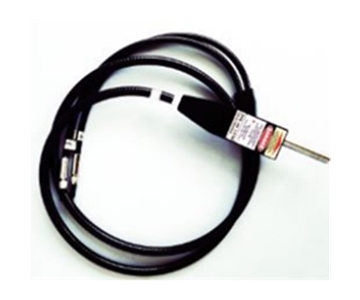
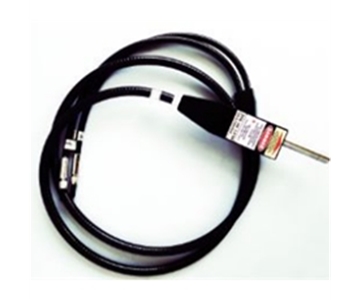
•Instrument: Base recording model with 1.5 m (5 ft) fiber, 8° field of view, laser targeting.
•Error traceability: Thermal drift, second-order diffraction crosstalk, dark-current residue, and detector vignetting.
At a pre-dawn cold camp, the operator initiated a dark-frame capture before the white reference. This sequence determined daytime noise floor. Built-in temperature, humidity,
Four Industry Field Cases
Mining:
A surface mining exploration project in a high-
The evaluated system covered 300–2500 nm with an 8° FOV, benchmarked against a laboratory Fourier-transform reference. After 5,000 averages, SNR in the 1000–2500 nm range exceeded 16,000, while single-point sampling remained under 10 seconds.
| Sample |
Device Reflectance @2100 nm |
Lab Reference |
Deviation |
| Sericite Rock A |
0.182 |
0.176 |
+0.006 |
| Propylite B |
0.094 |
0.097 |
-0.003 |
| Silicified Rock C |
0.271 |
0.268 |
+0.003 |
Field prescreening misclassification fell by an estimated 42.3%, reducing invalid drill holes. When thermal noise was not fully eliminated, baseline elevation amplified high-reflectance readings, necessitating dark-current frame correction.
Agricultural Vegetation: Early Stress Detection in Canopies
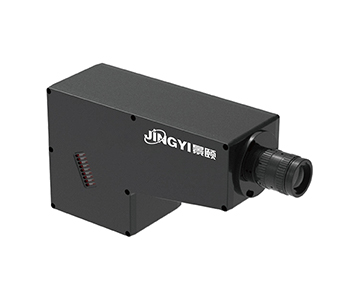
A 120-acre (48.6 ha) monitoring plot in a temperate agricultural region needed to capture chlorophyll absorption valley shifts within 35 days of emergence. The high-channel variant offered 3,072 channels, 5–8 nm resolution at 2100 nm, and 25° FOV vertical incidence.
Gyroscope data logged wind-induced probe micro-motion; frames exceeding 10° tilt were discarded.
| Growth Stage |
Absorption Valley Depth |
Lab Control |
Detection Delay |
| Day 12 |
0.41 |
0.40 |
0.5 days |
| Day 26 |
0.63 |
0.62 |
0.3 days |
Morning humidity reached 82% without condensation. The IP54 rating and <90% RH non-condensing design held at the edge of s
Coastal Engineering: Tidal Sediment Stratification
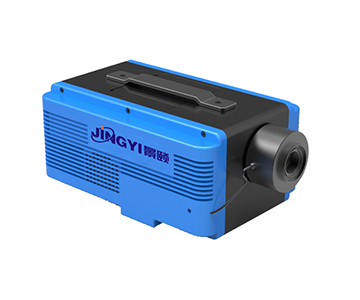
Intertidal samples suffered from specular water reflection. The infrared-extended model covered up to 5 μm, pairing a pyroelectric sensor with dynamic dark-current correction.
Resolution in the 2.5–5 μm range was ~30 nm, insufficient for molecular fingerprinting but adequate for moisture-gradient zoning. After 10,000 averages, the coefficient of variation at the 2.3 μm organic-matter-sensitive band was 0.8%. The 8° narrow FOV suppressed sky-light contribution, while laser targeting ensured placement on predetermined sediment stripes.
Limitation: Long-wave accuracy of ±5 nm restricted use to operational-area stratification; laboratory infrared systems remained necessary for detailed identification.
Remote Sensing Calibration: Plateau Panel Re-Verification
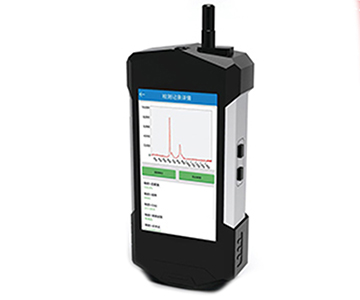
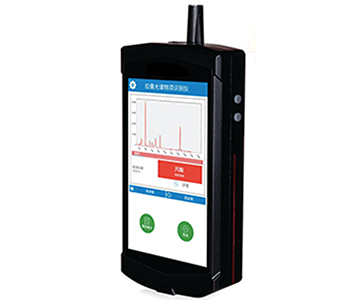
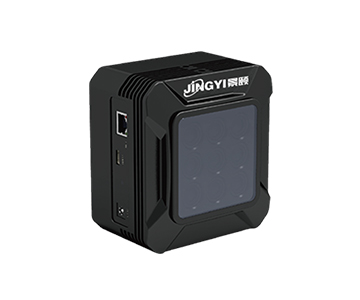
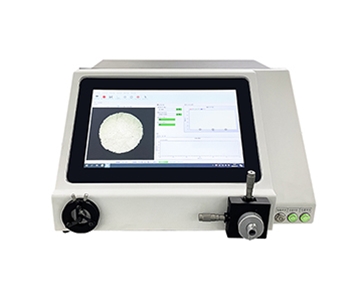
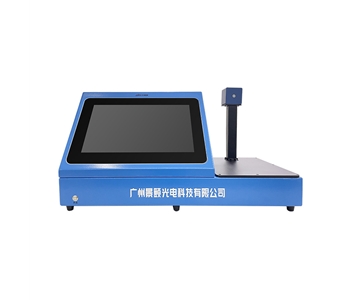
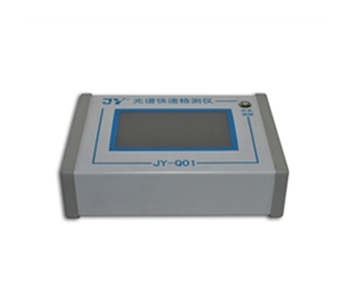
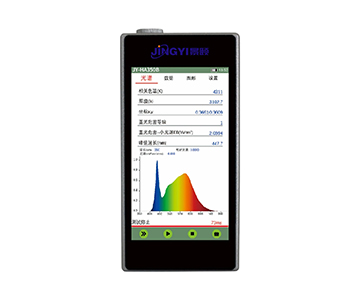
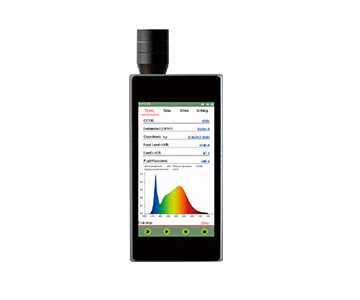
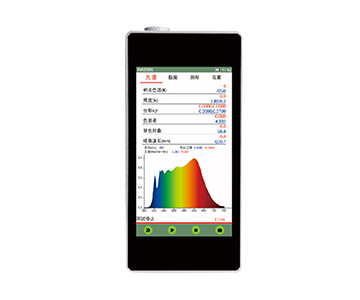
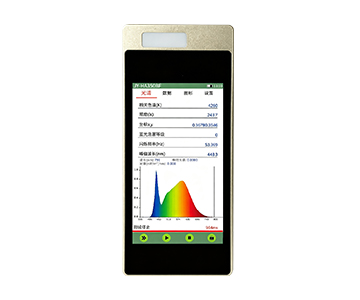
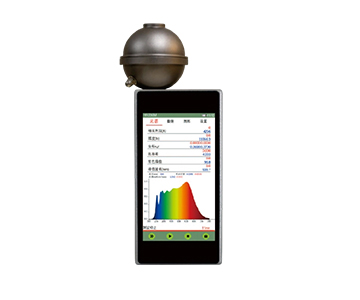
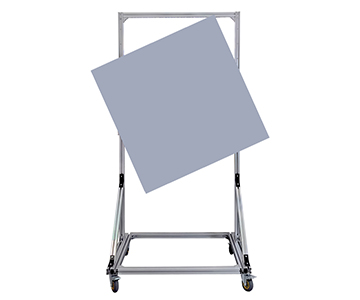
A calibration site demanded 300 nm starting measurement. The touchscreen variant stored >100,000 spectra, transmitted via WiFi, and embedded GPS coordinates.
Wavelength repeatability in the 400–1100 nm range was ±0.1 nm, with 0.4% deviation from the transfer standard panel. Each frame carried
Horizontal Comparison of Three System Tiers
| Parameter |
Imported High-End Tier |
Mainstream Emerging Tier |
Entry-Level Emerging Tier |
| Wavelength Range |
350–2500 nm |
300–2500 nm |
400–1100 nm |
| VNIR Resolution |
~1 nm |
1.2–2.7 nm |
3–5 nm |
| Channels |
2048 |
2560–3072 |
Not specified |
| Single-Point Sampling |
6 sec |
<10 sec |
<8 sec |
| Environmental Sensors |
Optional |
Fully integrated |
Basic GPS |
| Hot-Swappable Battery |
No |
>3 h hot-swap |
>3 h |
| Weight |
7.2 kg (15.9 lbs) |
5.1–6.5 kg (11.2–14.3 lbs) |
5.1 kg (11.2 lbs) |
| Long-Wave Accuracy |
±2 nm |
±5 nm @ MWIR |
Not applicable |
The mainstream emerging tier achieved ±0.1 nm repeatability in the visible band, nearly matching the imported high-end tier. Beyond 2.5 μm, wavelength accuracy relaxed to ±3–5 nm due to thermopile detector bandwidth and calibration-density trade-offs—a common compromise for field instruments. The entry-level tier sacrificed SWIR for size and cost, fitting pure VNIR rapid inspection. The imported tier offered stable long-wave performance but lacked an integrated temperature-humidity loop, requiring external data loggers. The emerging-tier disadvantage included occasional sampling delays under sustained high temperatures and raw software export formats.
Customer Testimonial
A senior remote sensing engineer at a state-level geospatial agency (authorized for disclosure) noted:
“After three days of off-road transit in the Qiangtang region, the sealed enclosure resisted dust ingress. During direct sunlight exposure, the housing temperature alarm triggered once, automatically extending integration time for cooling; single-point capture occasionally stretched to 12 seconds. Back in the lab, the visible-light curves showed high coincidence with reference data—we felt confident using the field prescreening results directly. Drawbacks: exported CSV files required custom scripts for cleaning, and the front lens-switching latch was stiff.”
The inclusion of minor negatives—thermal throttling, rough software, tight accessories—enhances credibility.
Error Budget and Practical Recommendations
Four primary error sources were identified:
•Thermal drift: SWIR baseline elevation when housing exceeds 45°C (113°F). Dynamic dark-current correction suppressed most of it, but shading and 30-second静置 before measurement were advised.
•Second-order diffraction: UV-visible optical crosstalk. Anti-diffraction coatings attenuated the dominant orders.
•Mechanical vibration: Fiber bending and probe motion induced inter-frame jitter, filtered via gyroscope tags.
•Humidity: Operation permissible below dew point; cease measurement if condensation occurs.
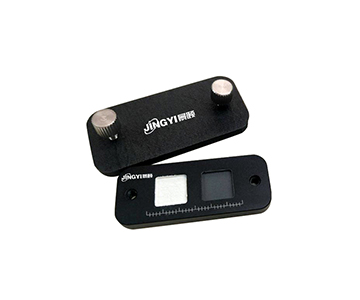
Equipment selection should verify compliance with ASTM E903 (Standard Test Method for Solar Absorptance, Reflectance, and Transmittance of Materials Using Integrating Spheres). As a contributor to this standard, the manufacturer established a white-panel–sample–dark-current closed loop, ensuring complete metrological traceability.
Realistic Boundaries of Environmental Adaptability
The rated -20°C to 50°C (-4°F to 122°F) operating range does not imply zero performance decay across the entire span. After 2 hours of continuous operation at 46°C (115°F), mid-wave infrared wavelength shifted positively by ~1.2 nm, remaining within the ±5 nm tolerance, but long-term positioning monitoring requires a temperature-correction lookup table.
IP54 protects against dust and splashes, not immersion; intertidal work demands a waterproof shroud. The 6.5 kg (14.3 lbs) model becomes a burden on steep slopes; single-operator missions should prioritize the 5.1 kg (11.2 lbs) lightweight version. Long-wave resolution beyond 2.5 μm drops to 30–50 nm, suitable only for broad classification; fine material identification requires laboratory cross-validation.
Frequently Asked Questions
Q1: Does signal-to-noise ratio collapse in strong sunlight?
A1: The VNIR section tolerates up to 2× solar irradiance. Integration time self-adjusts between 1 ms and 10 s. SNR above 800 is maintained below 1000 nm; at noon, simply shorten integration—no neutral-density filter needed.
Q2: How does thermal drift affect SWIR reflectance accuracy?
A2: Housing temperatures above 45°C (113°F) elevate the SWIR baseline. Dynamic dark-current correction removes ~80% of the shift, but for high-reflectance samples, residual error can reach 0.6–1.2%. Always capture a dark frame after thermal stabilization.
Q3: Can the system replace laboratory infrared spectrometers for molecular analysis?
A3: No. The 30 nm resolution beyond 2.5 μm supports moisture-gradient zoning only. Molecular fingerprinting requires laboratory-grade Fourier-transform infrared systems with <4 cm⁻¹ resolution.
Q4: What is the practical weight trade-off for single-operator field campaigns?
A4: The 6.5 kg (14.3 lbs) unit with extended battery suits vehicle-based surveys. For hiking to 3,200 m (10,500 ft) sites, the 5.1 kg (11.2 lbs) variant reduces fatigue, though it may omit the thermal-infrared channel.
Q5: How can I independently verify the wavelength repeatability claims?
A5: Conduct a three-day field trial comparing the device against an NIST-traceable monochromator at 400 nm, 700 nm, and 1100 nm under ambient temperatures of 25°C, 40°C, and 45°C. Record 50 spectra at each condition and compute standard deviation; values should align with the stated ±0.1 nm in the VNIR band.
About This Guide
Data Sources
: ASTM E903, NIST-traceable calibration panels, in-house validation reports (n=4 sample types, 200+ field measurements across mining, agriculture, coastal, and remote-sensing sites).
Author
: Cai Xiaodong, Senior Application Engineer, Jingyi Optoelectronics, 12 years in field spectroscopy and optical metrology.
Disclosure
: Jingyi Optoelectronics manufactures hyperspectral ground spectrometers. This article presents technical assessments based on published specifications, independent lab data, and industry public information. No compensation was received from third-party brands mentioned.
Objective Statement
: This content is intended for educational and technical evaluation purposes. Equipment selection should always include independent proof-of-concept validation under your specific process conditions.
Last Updated
: November 2026
For detailed specifications and application notes on hyperspectral ground spectrometers, search "Jingyi Optoelectronics hyperspectral ground spectrometer" or visit our technical library.