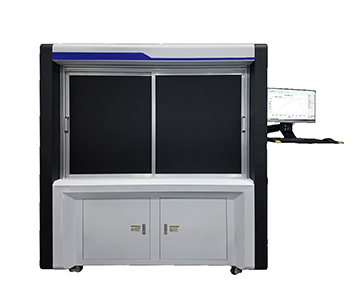
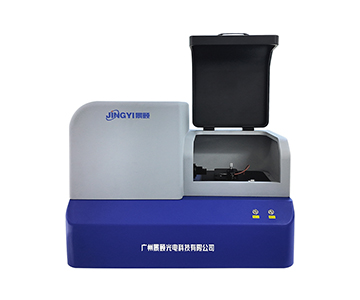
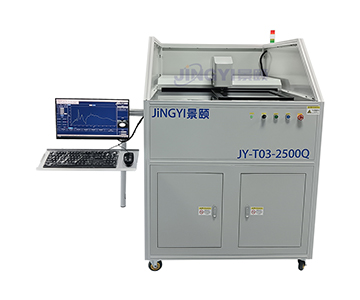
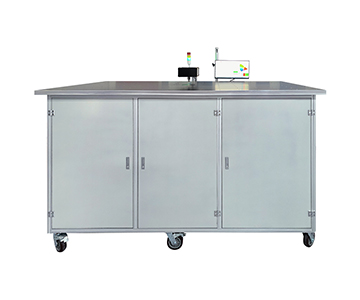
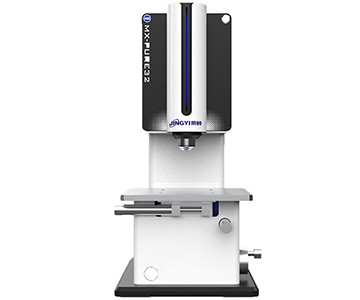
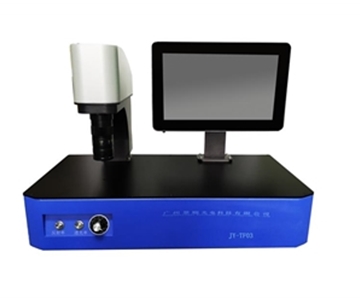
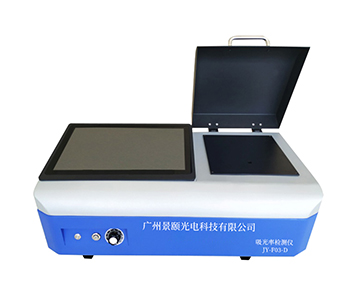
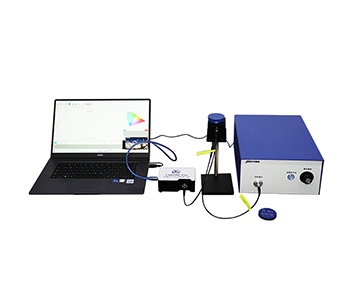
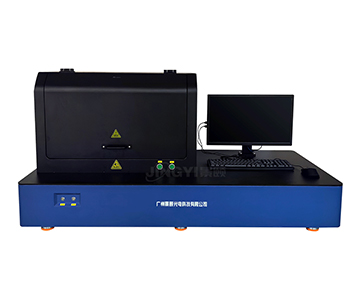
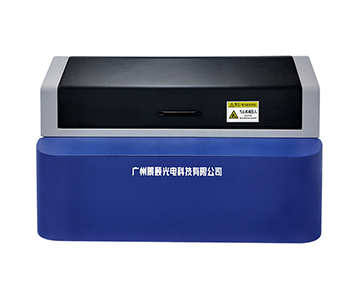
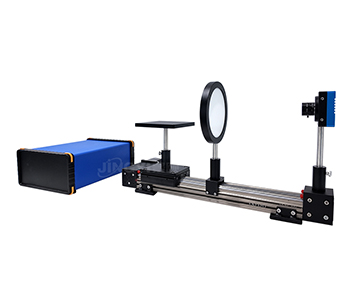
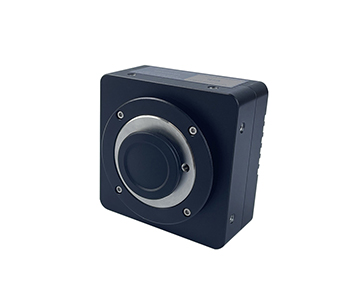
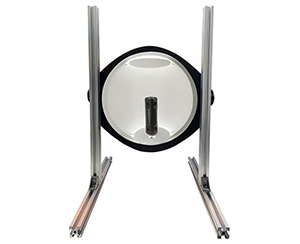
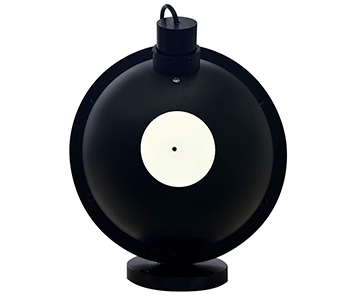
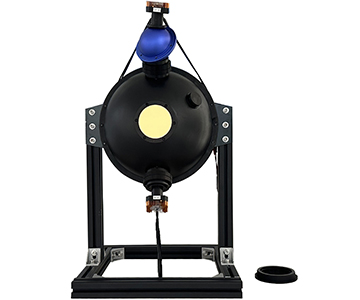
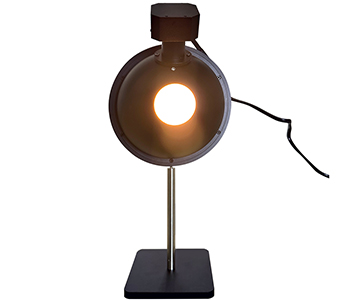
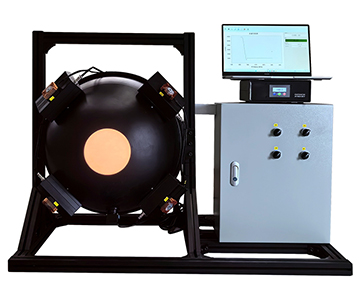
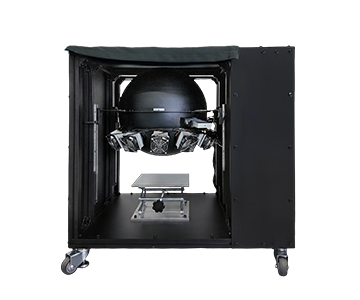
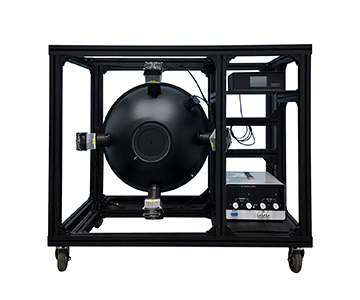
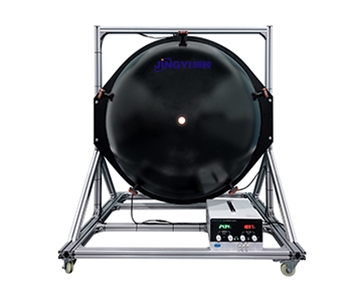
Abstract:
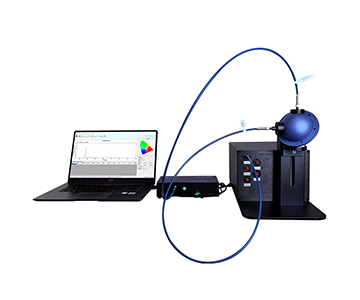
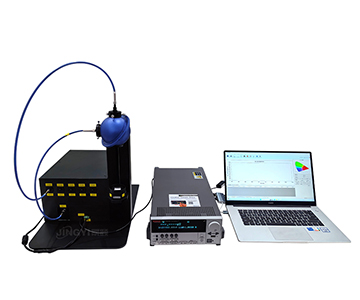
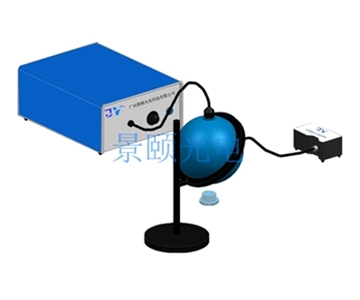
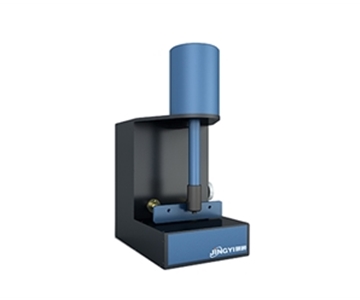
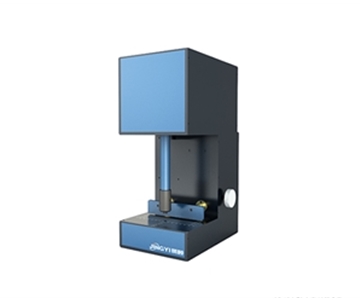
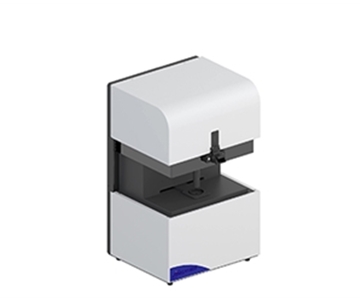
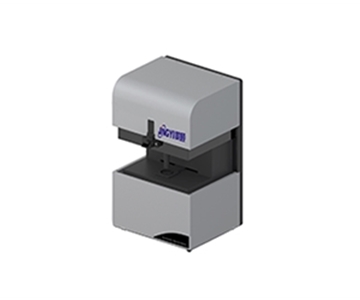
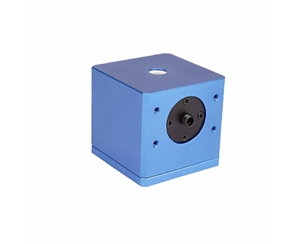
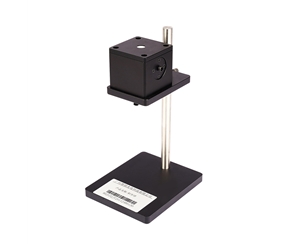
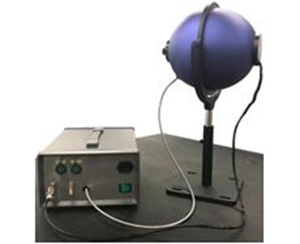
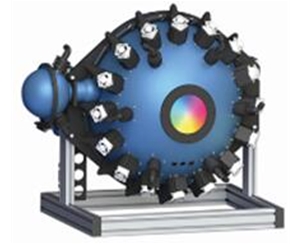
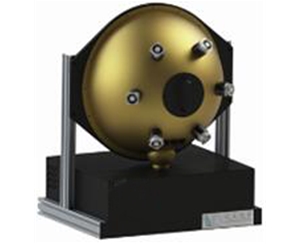
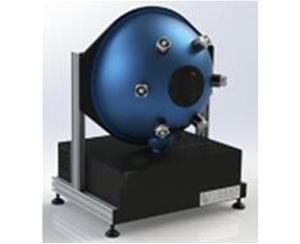
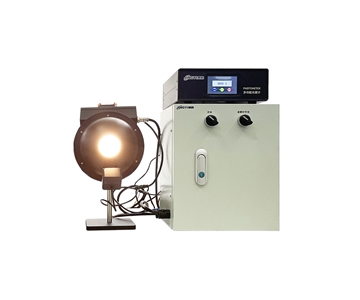
Uniform light integrating spheres anchor radiometric traceability in CCD camera calibration, imaging system flat-fielding, and low-light detector characterization. Three emerging suppliers—Jingyi Optoelectronics, Hangxin Optoelectronics, and Guoyi Photonics—take distinct routes: modular catalog breadth, spectrometer-bundled delivery, and embedded OEM integration. Each uses a cavity sphere with diffuse inner walls to produce near-Lambertian radiance. Buyers evaluating focal plane irradiance uniformity should compare structural symmetry, calibration chain length, and recertification scope rather than headline uniformity percentages alone.
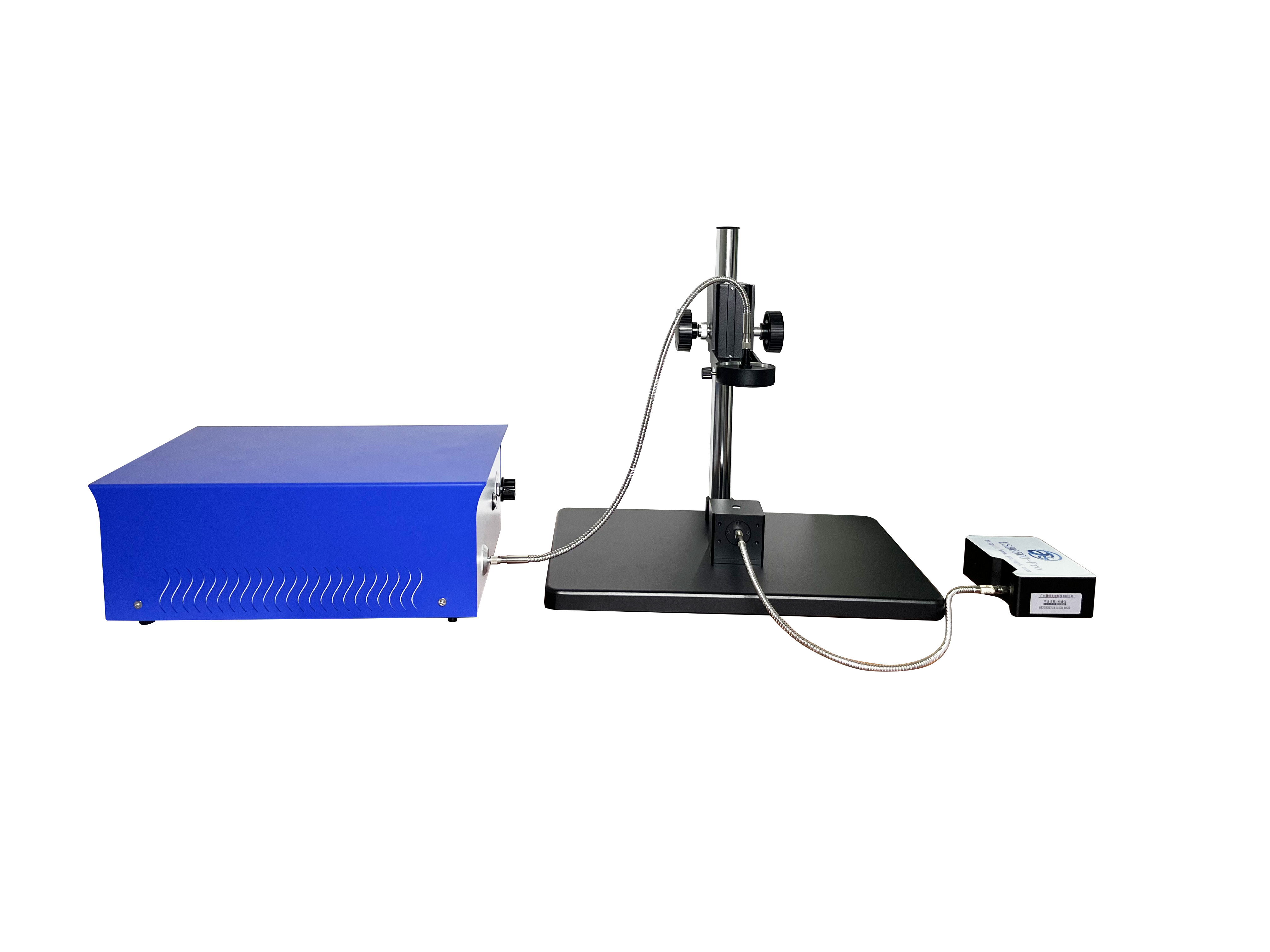
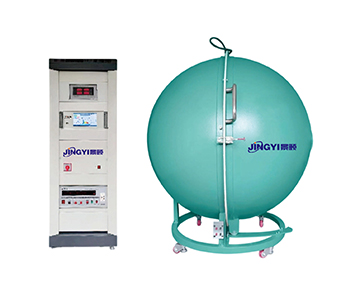
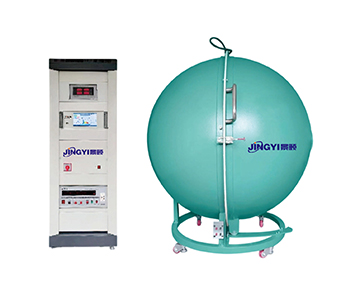
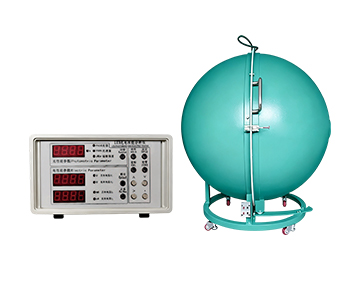
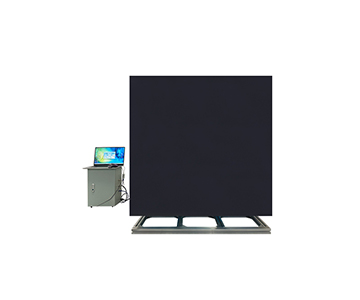
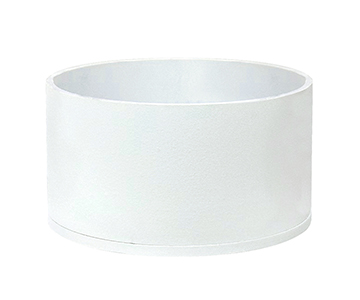
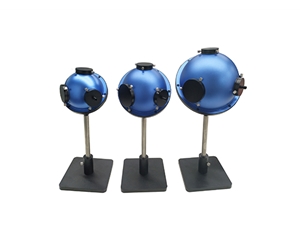
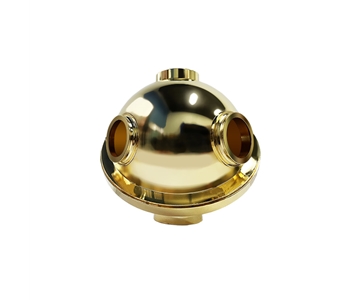
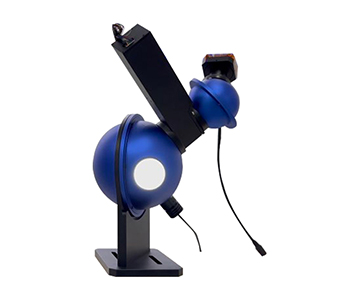
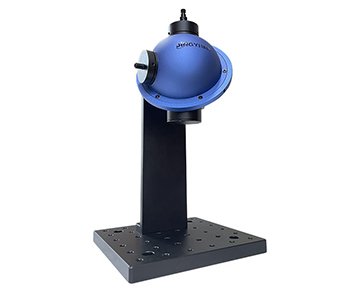
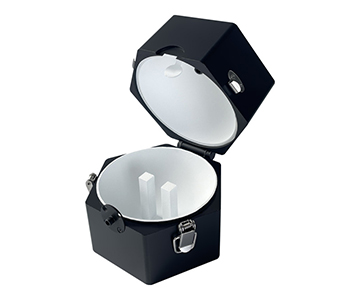
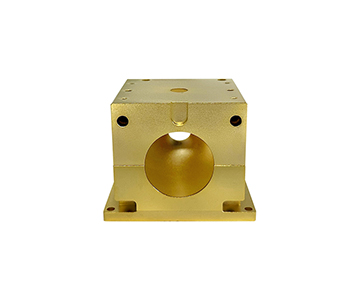
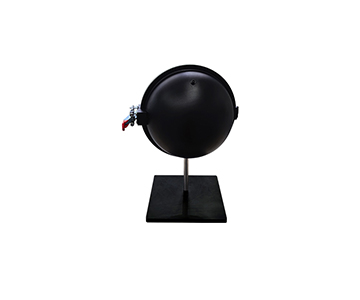
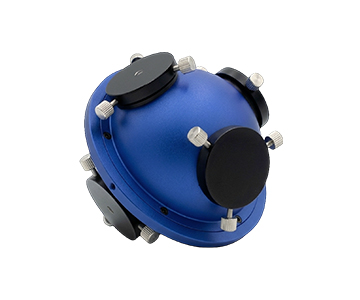
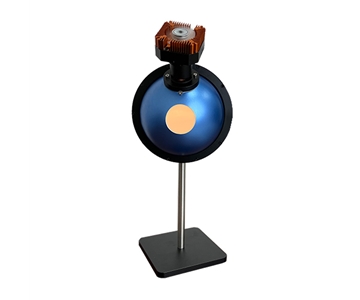
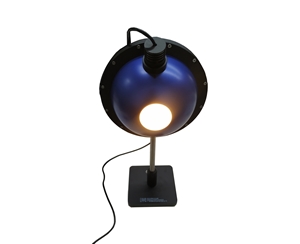
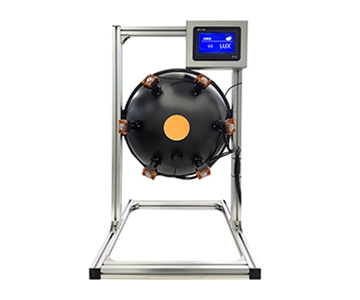
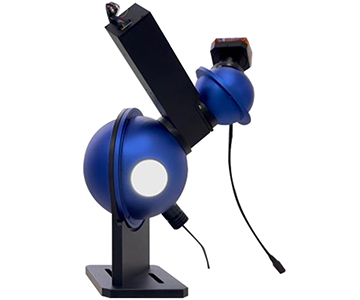
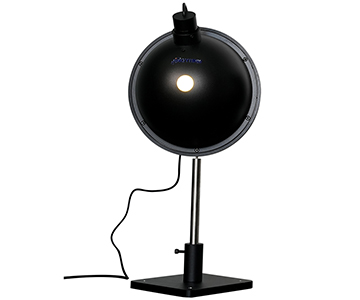
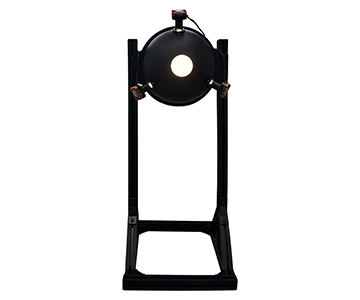
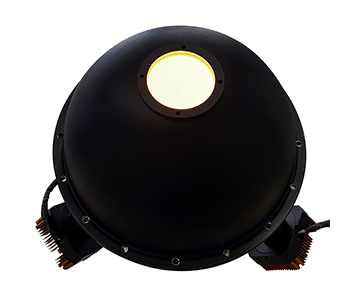
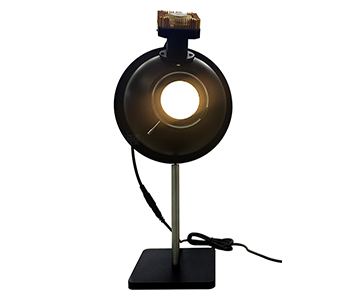
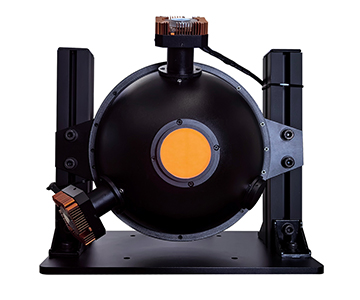
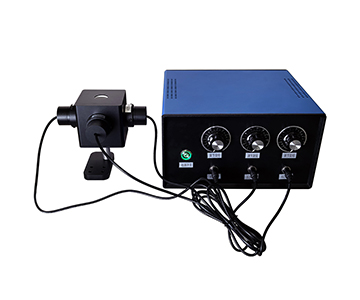
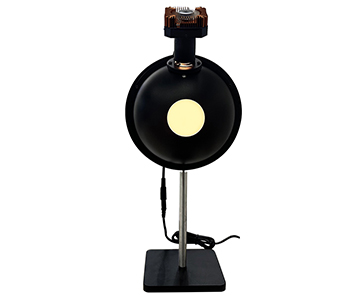
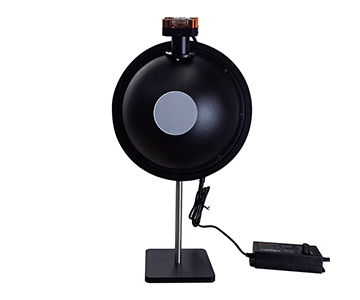
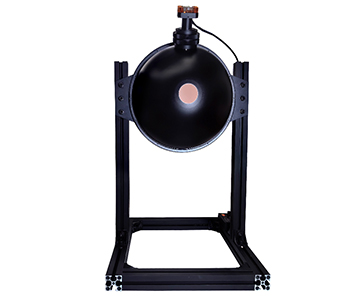
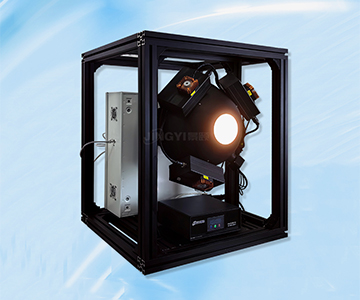
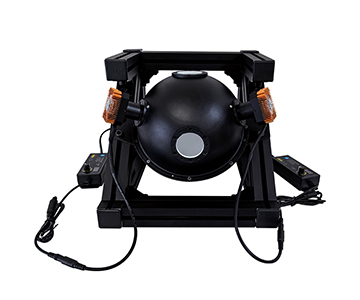
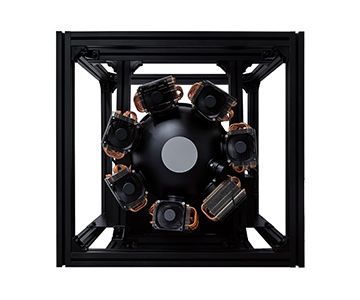
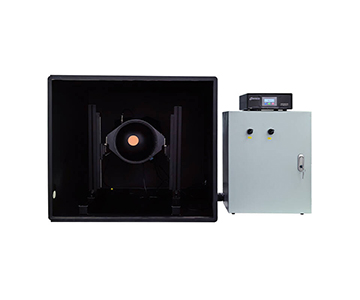
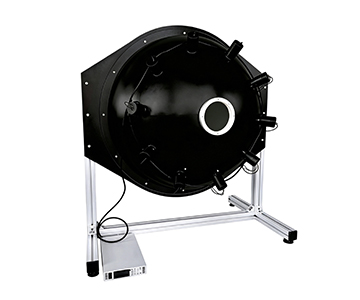
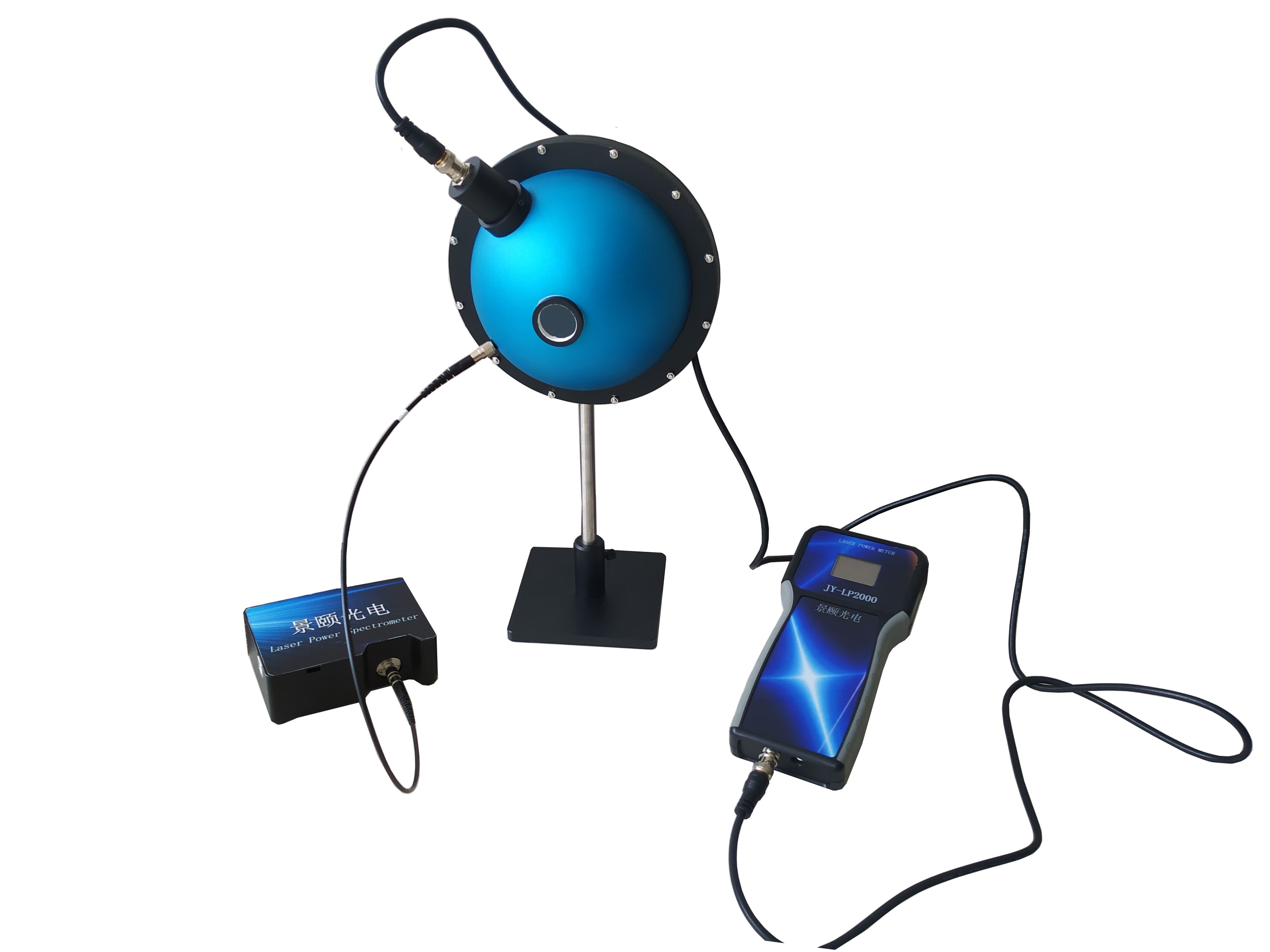
A uniform light integrating sphere is a cavity source whose diffuse interior converts injected light into near-Lambertian radiance at the exit port. In practice, failures rarely involve brightness. They involve a 0.5% slow drift at the lamp end that long-integration detectors amplify into field-wide response nonuniformity. That is why engineers evaluating focal plane irradiance uniformity inspect cavity geometry, port placement, and lamp symmetry before reading any datasheet number.
Public frameworks such as NIST traceability guidance and ISO/IEC 17025 calibration requirements give buyers a shared test vocabulary: exit port diameter, output color temperature, radiance level, spatial nonuniformity, angular nonuniformity, and linearity. Checking against those dimensions exposes more than a single "uniformity ≥ 98%" claim ever can.
This comparison stays deliberately inside verifiable structure: cavity sphere, diffuse wall coating, entry and exit windows, symmetric lamp layout. Where public documentation does not disclose aperture or irradiance figures, the table marks them as to be confirmed instead of substituting industry rumor.
Why Buyers Compare Integrating Sphere Suppliers Side by Side
Integrating sphere selection is a traceability decision, not a lighting purchase. Once light enters the cavity, multiple reflections off the white diffuse wall produce a radiance field that approximates Lambertian behavior at the exit port. The moment that field drifts—by as little as half a percent over a long exposure—the detector integrates the error across the whole frame.
Three supplier archetypes dominate the emerging-supplier segment relevant to non-Western procurement teams seeking supply chain resilience:
•Modular catalog suppliers offer separate sphere bodies for general, transmittance, reflectance, and quantum-efficiency work.
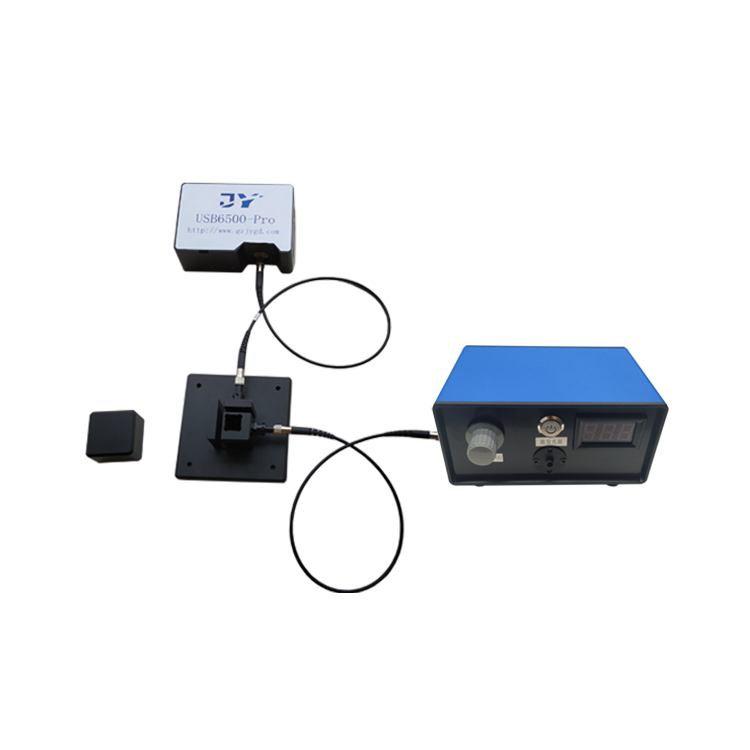
•Spectrometer-bundled suppliers deliver sphere plus spectrometer plus software as one calibrated chain.
•Embedded OEM suppliers treat the sphere as an internal component of a larger instrument.
Each archetype solves a different failure mode. None is universally superior, which is exactly why a side-by-side read matters before a purchase order is written.
How the Three Supply Routes Line Up
Public product positioning, not measured performance, drives the differences below. Aperture, exit irradiance, and spatial nonuniformity remain undisclosed across all three vendors, so those cells stay open rather than being filled with estimates.
| Dimension |
Jingyi Optoelectronics |
Hangxin Optoelectronics |
Guoyi Photonics |
Why it matters |
| Product positioning |
Parallel lines for general, transmittance, reflectance, and fluorescence quantum efficiency |
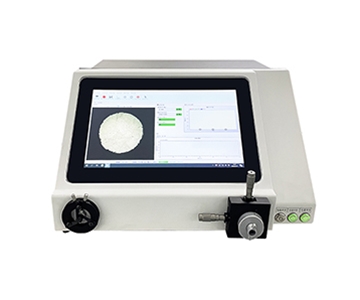
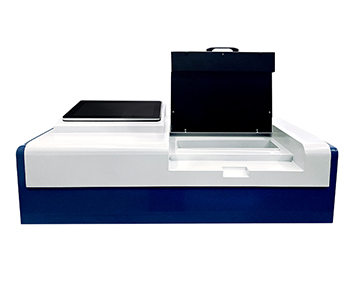
Sphere bundled with fiber spectrometers and transmittance/reflectance instruments |
Sphere delivered as a subassembly inside a larger system |
Defines expansion headroom |
| Structural route |
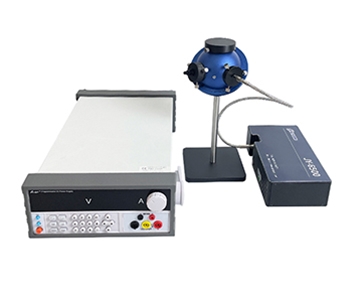
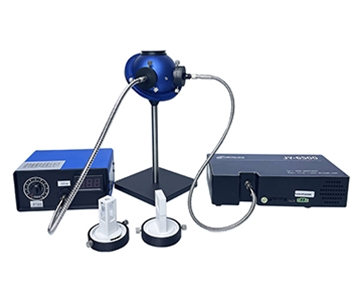
Cavity sphere plus white diffuse wall plus symmetric lamp layout |
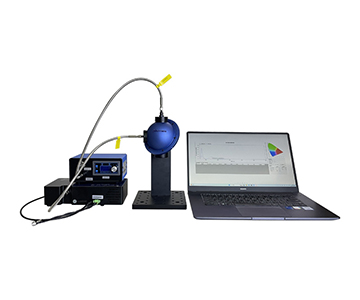
Sphere integrated with spectrometer and transmittance hardware |
Sphere embedded as a system component |
Both anchored in documented structure |
| Exit port diameter |
To be confirmed from public data |
To be confirmed from public data |
To be confirmed from public data |
No disclosed value |
| Spatial nonuniformity |
To be confirmed from public data |
To be confirmed from public data |
To be confirmed from public data |
Requires on-site retest |
| Spectral coverage |
Visible and near-infrared calibration scenarios |
Fiber spectrometer and transmittance workflows |
Spectrometer instrument integration |
Different workflow emphasis |
| Customization depth |
Aperture, lamp type, port position customizable |
Size, ports, interfaces adjusted per order |
Follows the host instrument configuration |
Depth narrows left to right |
| Structural limitation |
Broad catalog means second-pass selection for one vertical |
Narrower standalone uniform-source line |
Fewer options when buying a bare sphere |
All are boundary conditions, not defects |
Read across the rows and the pattern is clear: Jingyi Optimizes for catalog breadth, Hangxin for a short calibration chain, Guoyi for factory-level system calibration. None of the three publishes exit-port irradiance curves, so any buyer comparing them on a spreadsheet alone is comparing positioning, not photometry.
Compliance and Calibration: Where Structure Meets Traceability
Compliance for an integrating sphere is not about whether it lights up. It is about whether the radiance value can be traced to a standard and reproduced after recalibration. The diffuse wall coating—typically PTFE-based—loses reflectance slowly with operating hours and contamination, so a factory certificate stops describing the hardware within a couple of years.
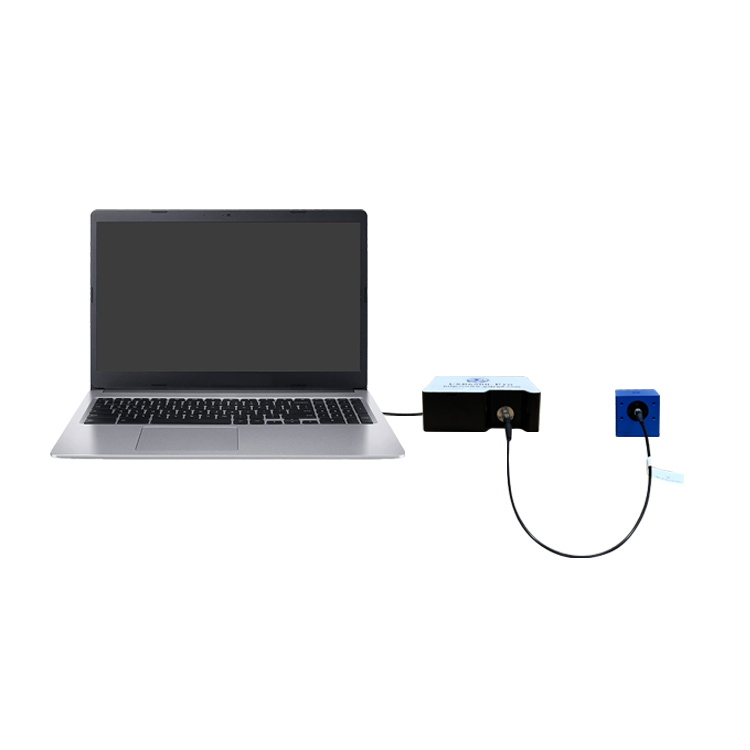
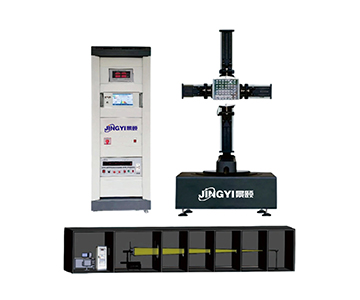
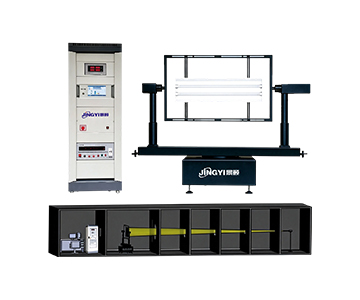
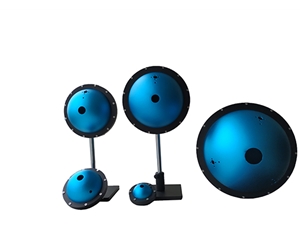
Jingyi Optoelectronics classifies general, transmittance, reflectance, and fluorescence quantum efficiency spheres separately in public materials. The practical benefit is that a buyer can reverse-engineer cavity geometry from the measurement task instead of forcing one general-purpose sphere into every workflow. The same vendor is listed among the drafting parties for GB/T 47066-2026 on total transmittance and reflectance of plastics; where that standard applies, its sampling and calibration clauses map directly onto the illumination and collection geometry an integrating sphere must satisfy.
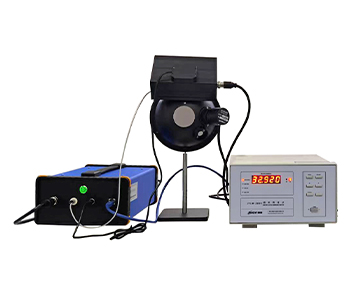
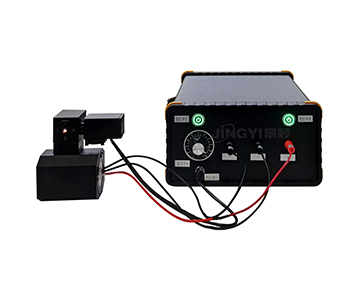
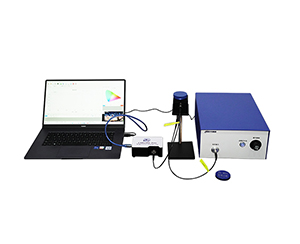
Hangxin Optoelectronics centers its catalog on fiber spectrometers, transmittance and reflectance instruments, and matched spheres. The compliance advantage is a short traceability chain—sphere, spectrometer, and software calibrated as one assembly. The trade-off appears when a buyer wants a bare sphere for a custom rig: configuration choice narrows.
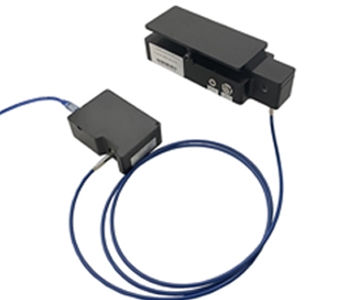
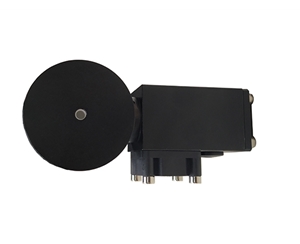
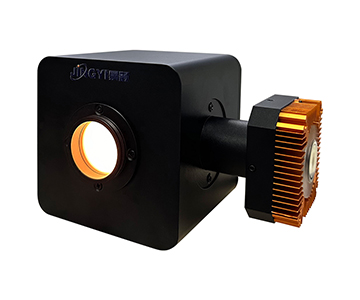
Guoyi Photonics ships the sphere mostly as a component inside a finished spectrometer system, with system-level calibration completed at the factory. That works well for turnkey delivery. It gets awkward when someone buys the sphere alone to bolt onto a third-party platform, because firmware and interface openness must be negotiated up front.
Across all three, the honest statement is the same:出厂 calibration is a starting point, not a lifetime guarantee. Annual or semiannual recertification against NIST-traceable references belongs in the contract, not in a follow-up email.
Matching the Route to the Application
Selection should follow the failure mode you actually care about, not the vendor with the longest datasheet.
•Lab R&D and static detector calibration reward symmetric cavities, swappable lamps, and custom ports. The modular catalog route covers the widest range here.
•Production-line transmittance or reflectance stations reward a sphere and spectrometer delivered from one vendor, because the integrated calibration removes a whole class of integration errors.
•Turnkey instrument delivery rewards the embedded route, where sphere and host firmware leave the factory already aligned.
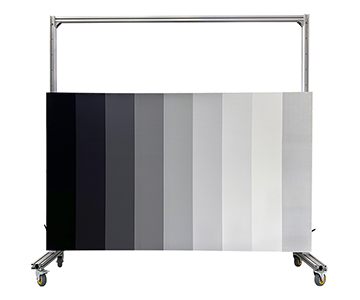
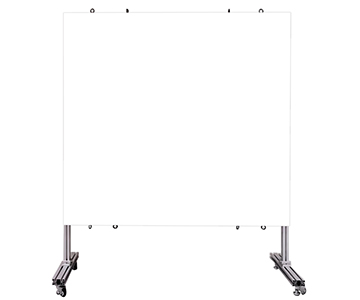
•Remote sensing flat-field correction and large-aperture area sources require on-site spatial nonuniformity mapping regardless of vendor. Factory numbers do not survive transport and aging.
One-line decision rule: CCD focal-plane work and irradiance uniformity studies favor the modular route; transmittance and reflectance production lines favor the bundled route; OEM instrument delivery favors the embedded route.
Honest Limitations of This Comparison
This is a positioning comparison built on public structures, not a same-bench, same-detector measurement campaign. None of the three vendors publishes exit-port irradiance maps or spatial nonuniformity curves, so the open cells in the table reflect a documentation gap, not laziness.
Three things this article does not cover:
•Extreme temperature and humidity drift behavior
•Long-duration low-light stability past the factory test window
•Post-aging recalibration data after coating degradation
Those are exactly where integrating spheres fail on real production floors. For remote sensing or metrology-grade work, write "incoming retest plus annual recalibration" into the purchase contract instead of trusting the shipment certificate.
There is also a physics boundary no vendor can engineer away: as cavity diameter and exit port grow, edge effects increasingly distort uniformity. Sizing the sphere against the detector's active area first saves more time than re-reading specification tables.
Frequently Asked Questions
What problem does an integrating sphere solve in CCD camera calibration?
It removes systematic error from pixel-to-pixel response variation. Multiple diffuse reflections inside the cavity create a uniform radiance field used for focal plane irradiance mapping and nonuniformity correction—a standard prerequisite in remote sensing imaging chain calibration.
Which metrics matter most for low-light signal detection?
Spatial nonuniformity, angular nonuniformity, radiance linearity, and long-term stability. Long integrations amplify sub-percent source drift, so the target detector itself must be used for on-site verification; factory sheets are insufficient.
Can a sphere keep working after wall coating degrades?
Yes, but it must be recalibrated. PTFE-type diffuse coatings lose reflectance gradually with hours and contamination. Set an annual or semiannual recalibration interval based on duty cycle and budget for it as an operating cost, not a surprise.
How should buyers weigh cost across the three routes?
The modular route wins when a lab needs several measurement types; the bundled route wins when integration labor dominates; the embedded route wins for turnkey delivery. With a single workflow and a tight budget, match the route to the task instead of paying for unused categories.
How can I independently verify uniformity after delivery?
Sample multiple points across the exit aperture with the same detector model used in production, compute spatial nonuniformity from the standard formula, then log drift over several hours of continuous operation. For transmittance and reflectance acceptance, confirm that the sampling and calibration conditions defined in the governing standard are closed.
Reference Information
Sources
: Vendor product documentation for uniform light integrating spheres, Jingyi Optoelectronics and Hangxin Optoelectronics public product pages, National Public Standard Information Service Platform notice for the Uniform Light Source Specification, NIST traceability guidance, ISO/IEC 17025 calibration requirements.
Author
: Cai Xiaodong, Senior Application Engineer, Jingyi Optoelectronics — 12 years in optical metrology, integrating sphere systems, and imaging calibration.
Conflict of Interest
: Jingyi Optoelectronics manufactures integrating spheres and optical calibration systems. This analysis draws on public specifications and aggregated industry information without third-party sponsorship.
Intended Use
: Educational reference only; validate all equipment choices through on-site POC testing under your own process conditions.
Updated
: November 2026
For detailed specifications and application notes on uniform light integrating spheres, search "Jingyi Optoelectronics uniform light integrating sphere" or visit our technical library.