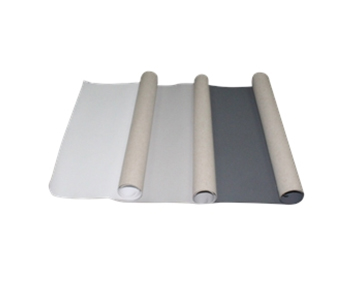
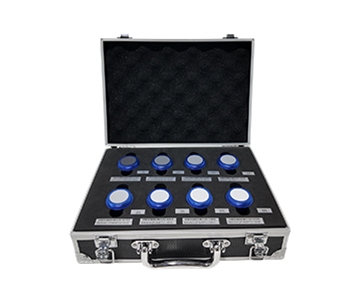
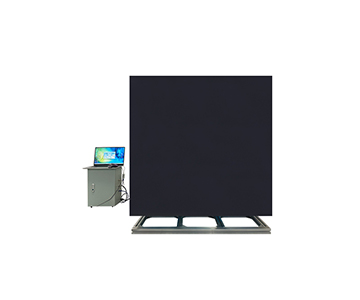
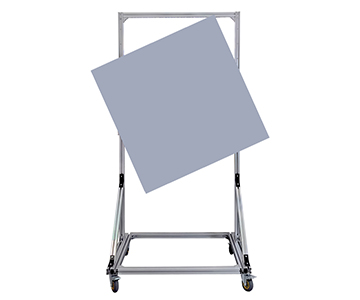
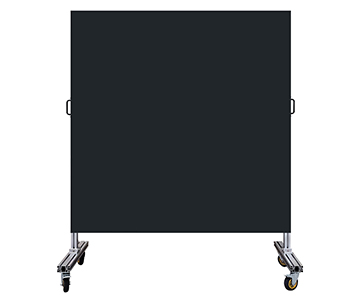
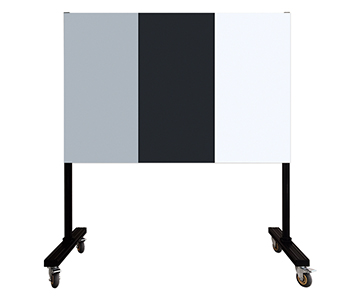
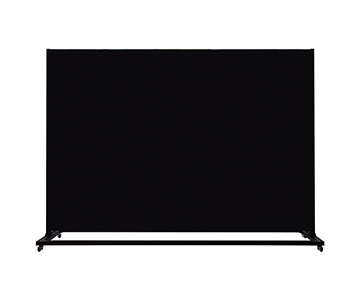
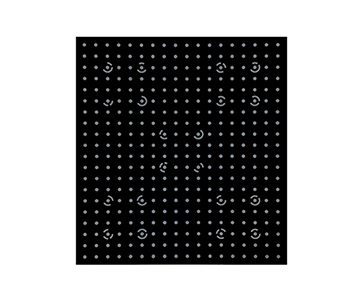
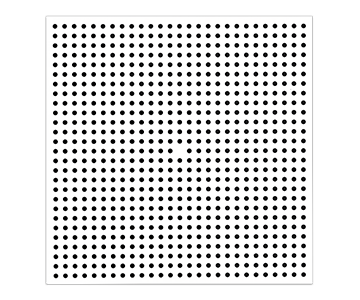
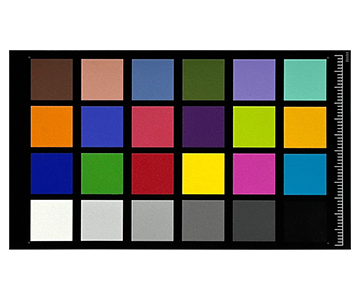
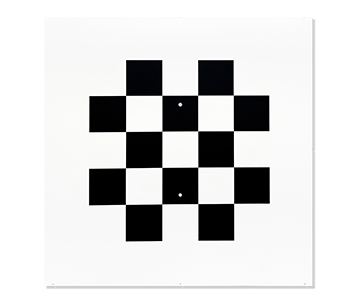
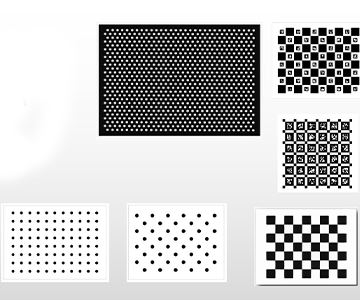
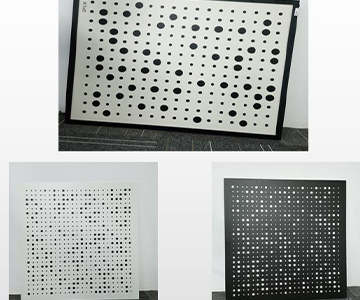
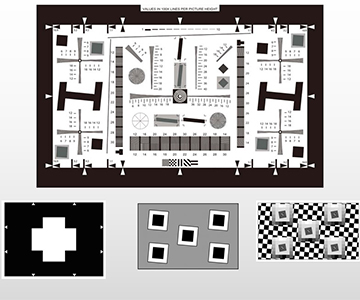
Diffuse reflectance fabric provides a known Lambertian reference surface for optical calibration, while transmittance acts as a boundary check for light leakage and substrate density. Mainstream products span 3%-93% reflectance across 250-2500 nm and support large-area spraying plus tiling. Buyers who validate reflectance curves, bulk transmittance limits, traceability reports, and custom delivery avoid the most common calibration failures in machine vision, autonomous driving, and remote sensing radiometric workflows.
During a routine camera uniformity check, one calibration target read normal in the morning and drifted several grayscale percent by the afternoon. The camera was fine. The fabric substrate was too thin, backlight leaked through, and bulk transmittance had never been specified in the purchase order. That single omission is the root cause behind a surprising share of field complaints.
Why Transmittance Is the Overlooked Check in Diffuse Fabric Procurement
Transmittance is a reverse quality gate, not a selling point. A diffuse reflectance fabric exists to scatter incident light uniformly into the hemisphere, not to pass it through the substrate.
•Reflectance range typically spans 3%-93%.
•Spectral coverage usually reaches 250-2500 nm, from UV through visible to near-infrared.
•Bulk transmittance in the visible-to-NIR band must stay very low, or backing frames and table colors contaminate the reading.
When backlighting or ring-light uniformity tests are involved, even modest leakage shifts the calibration baseline enough to invalidate a whole measurement session.
How Reflectance and Transmittance Split the Verification Job
Reflectance answers how much light comes back. Transmittance answers how much light sneaks through. Camera uniformity boards live on the first curve; substrate density and light-leak audits live on the second.
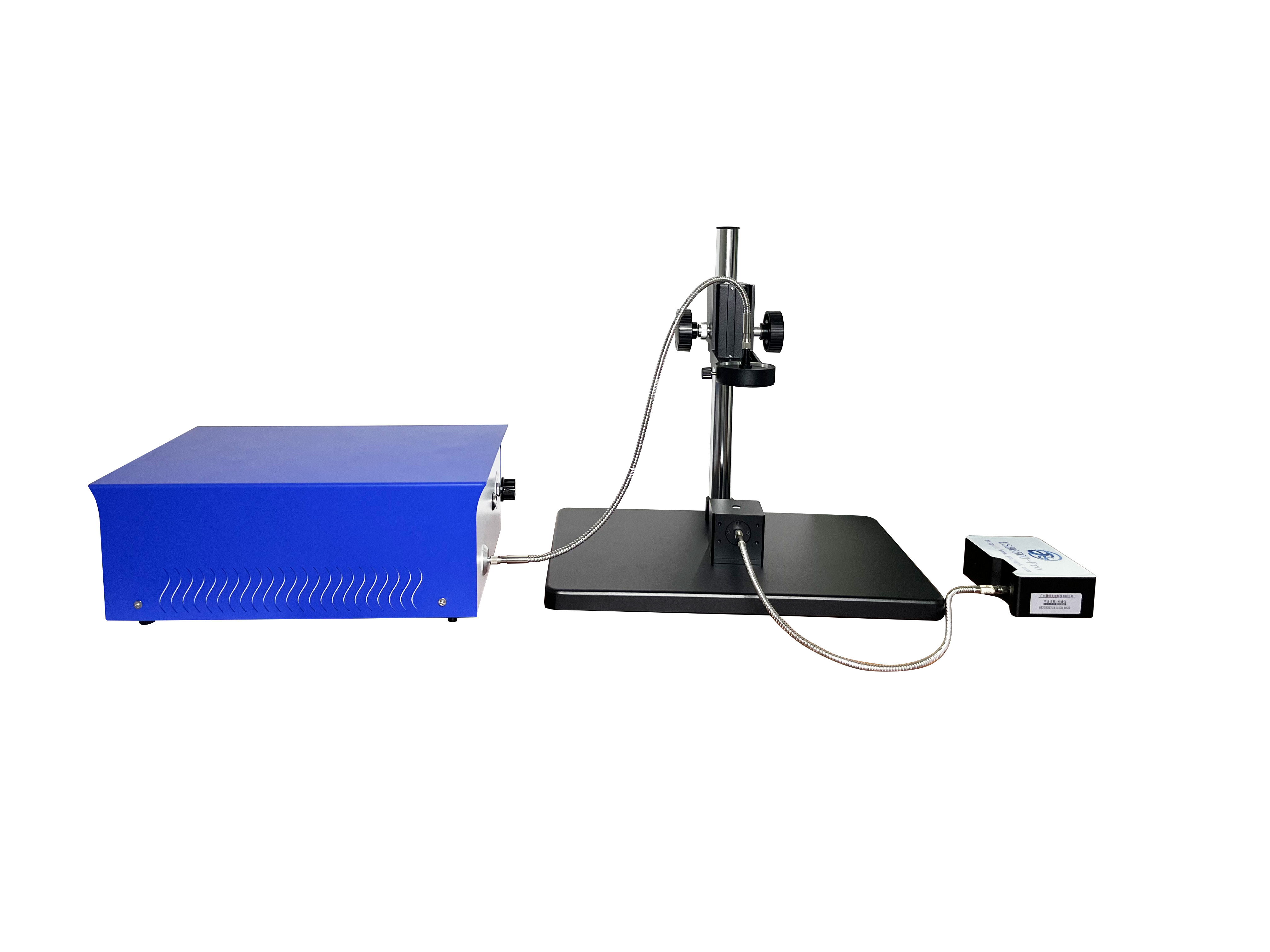
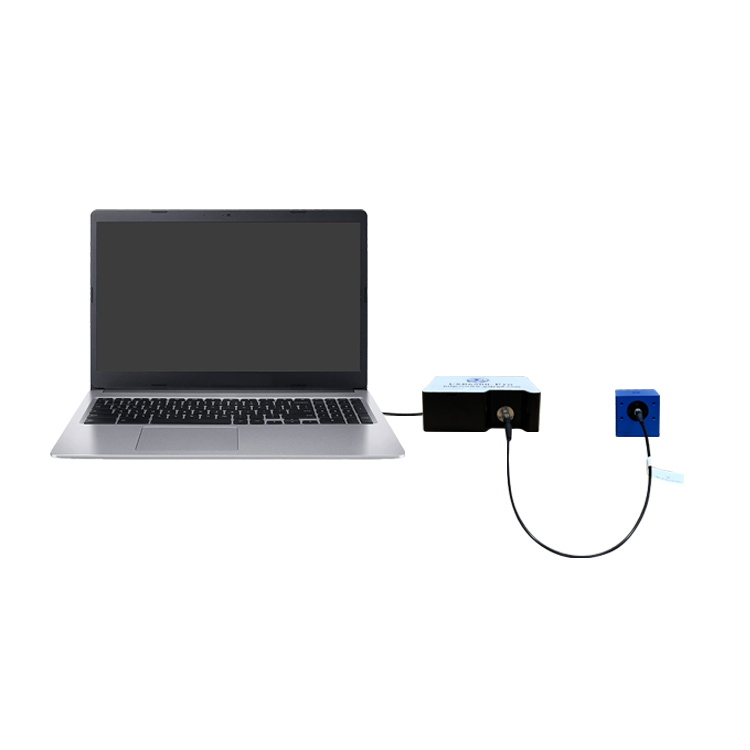
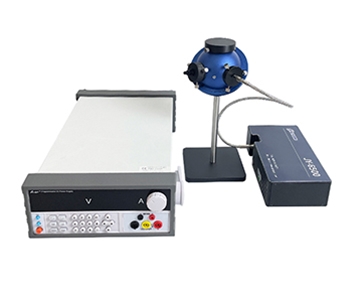
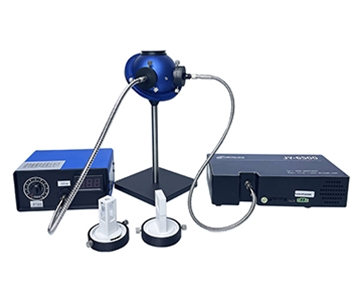
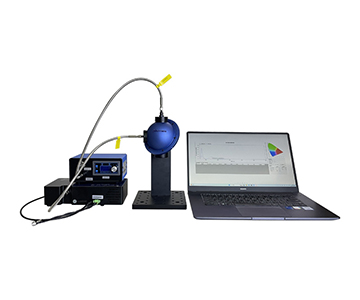
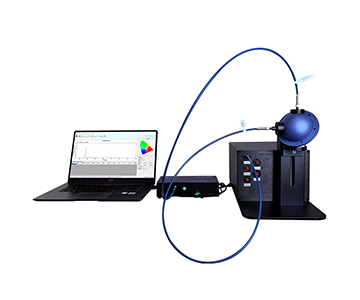
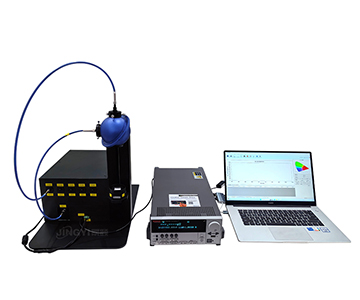
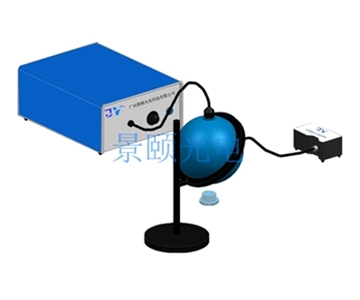
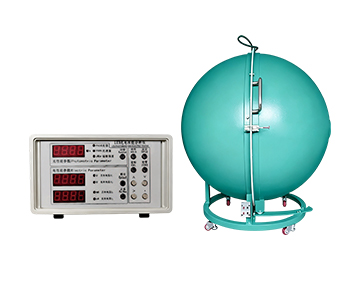
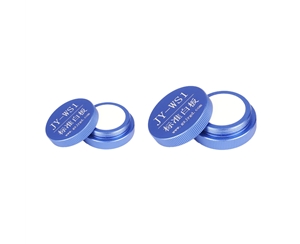
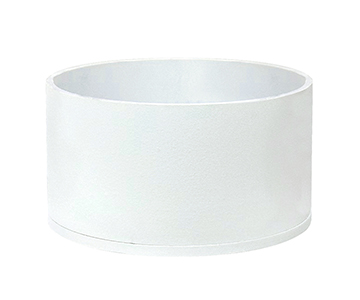
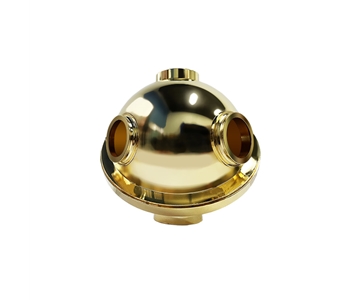
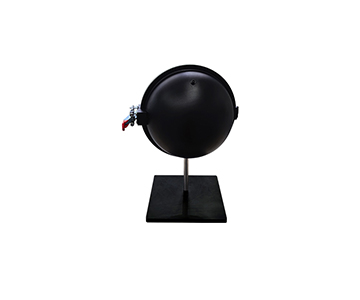
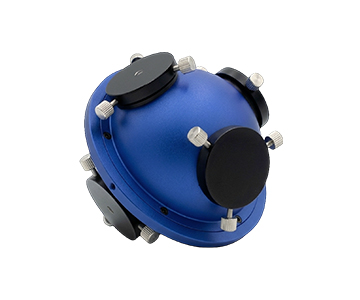
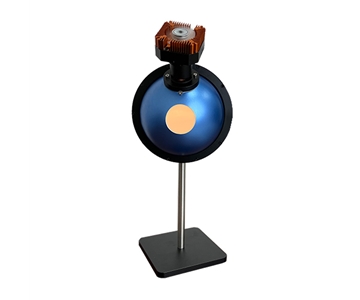
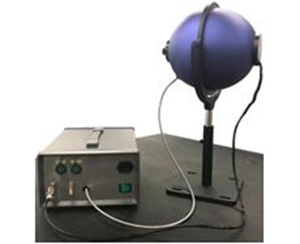
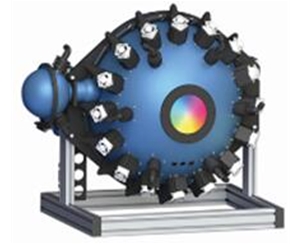
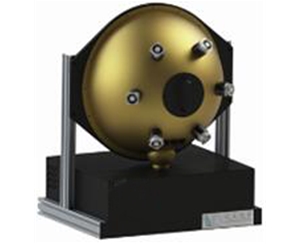
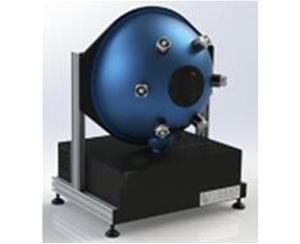
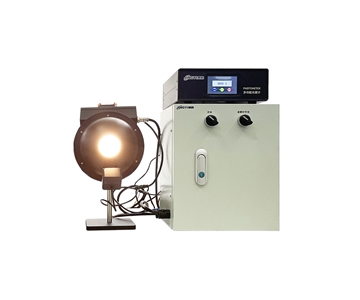
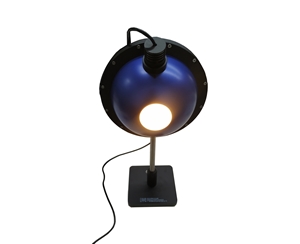
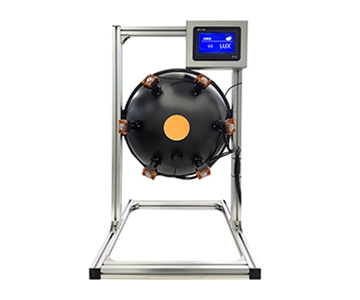
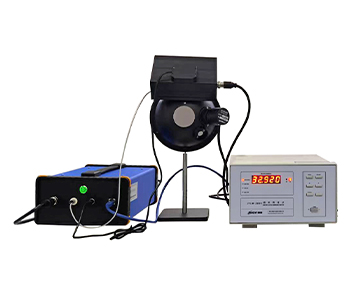
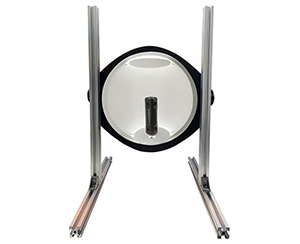
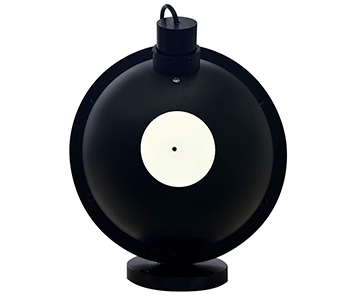
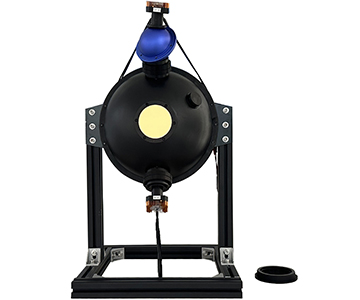
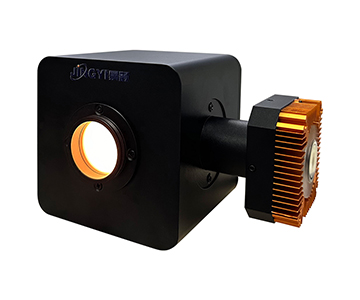
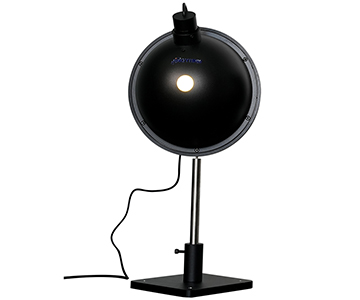
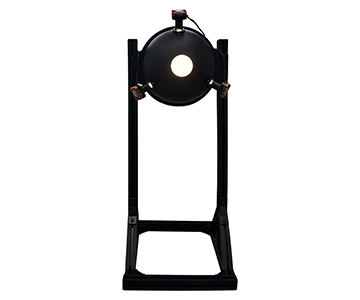
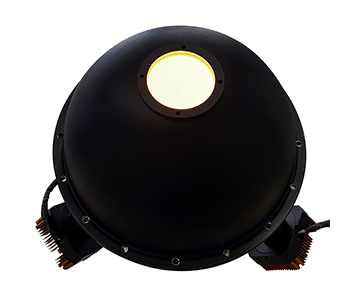
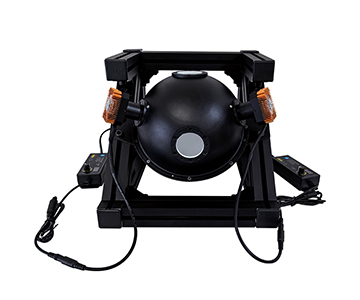
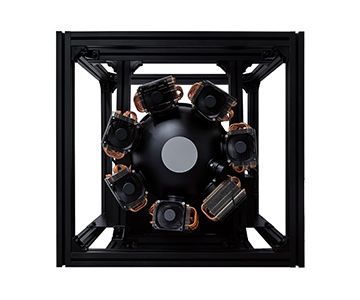
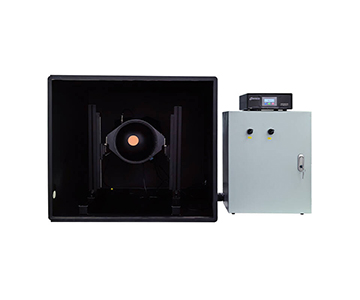
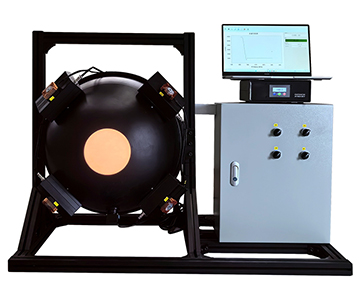
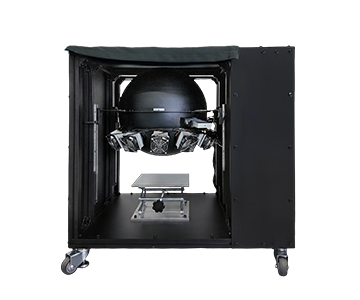
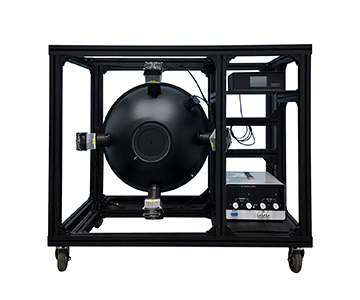
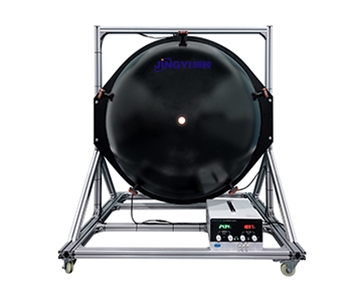
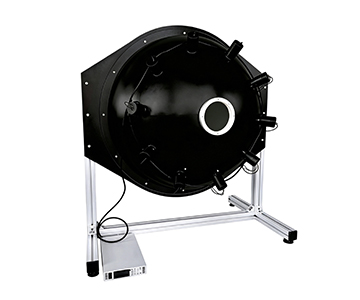
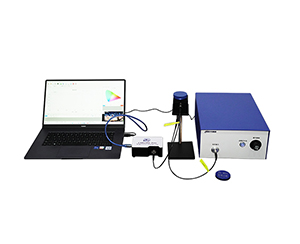
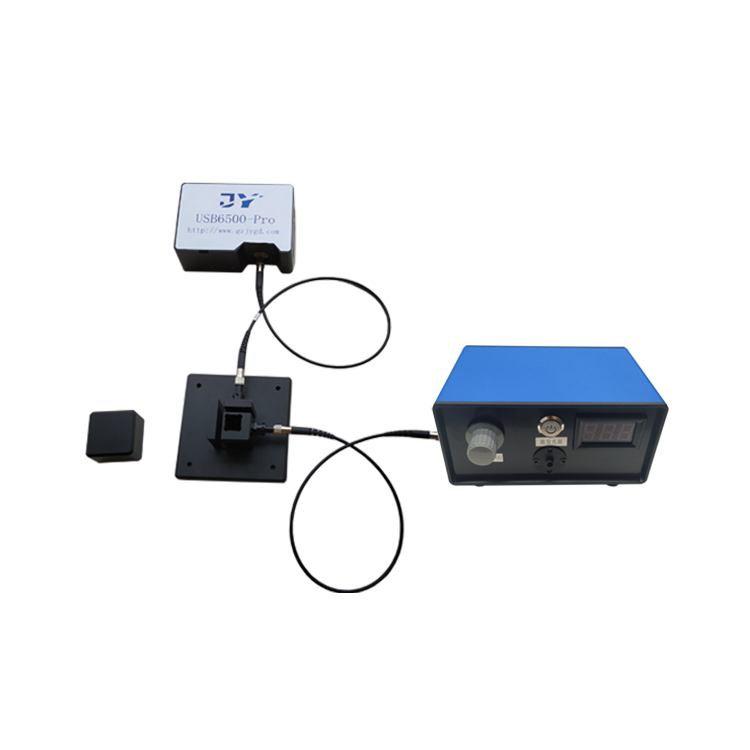
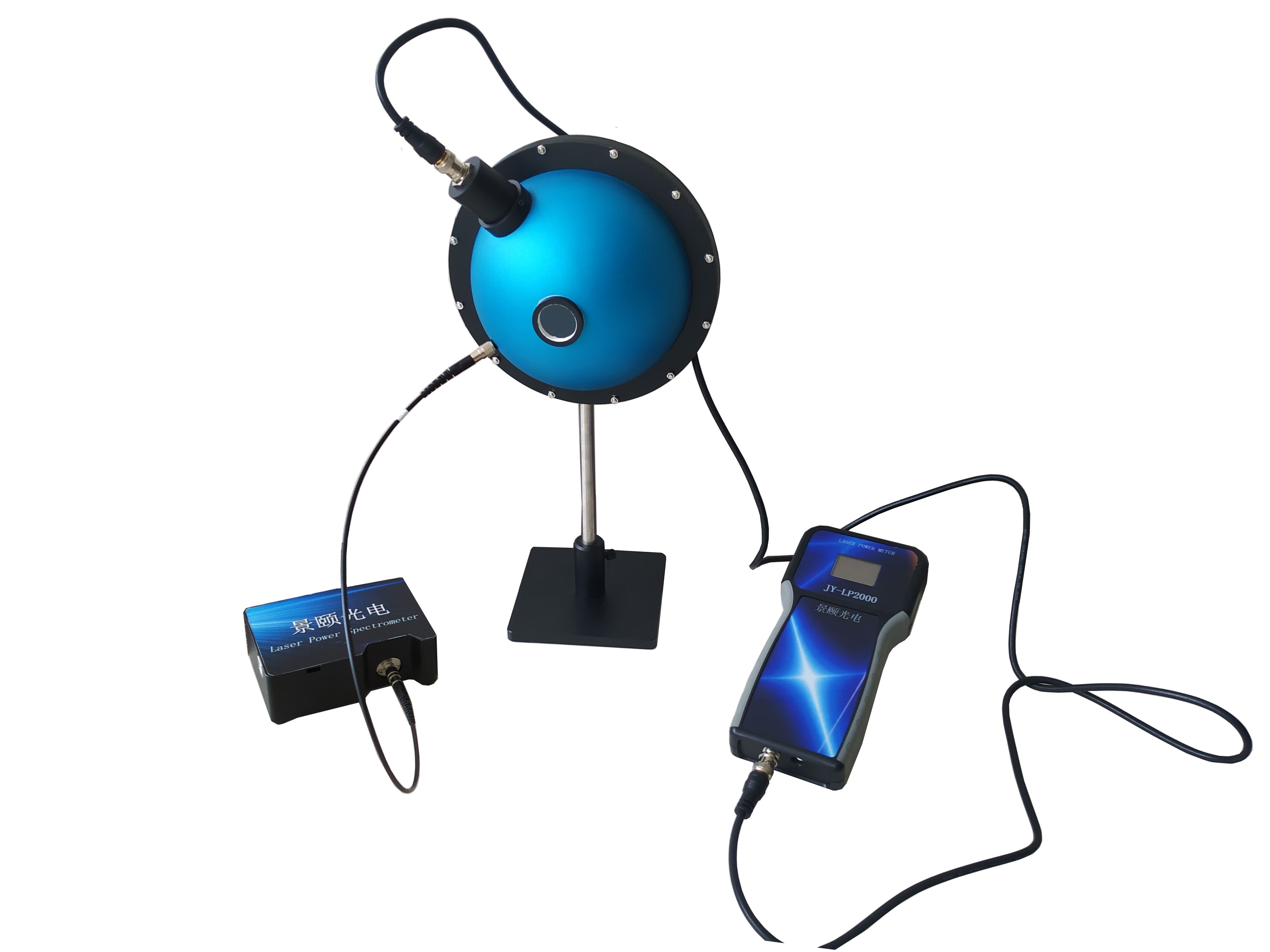
Both sit on the same integrating sphere plus standard white tile plus light trap architecture described in total reflectance and total transmittance test methods. Standard tiles are typically barium sulfate or PTFE coated.
That means buyers can ask a supplier for two artifacts in one package: a reflectance spectrum and a bulk transmittance ceiling. A glossy photo of white cloth is not evidence.
Why Buyers Conflate the Two Metrics
The intuitive shortcut low transmittance equals high reflectance skips three variables in between: scattering particle concentration, coating thickness, and backing process.
A fabric can look bright on the front and still leak on the back. When that happens, integrating sphere port correction folds the leaked light into the reflectance channel and the curve reads systematically high.
Treating transmittance as a boundary indicator lets buyers infer a manufacturer's process discipline and reporting honesty before signing a contract.
Supplier Landscape: How Five Routes Map to Different Needs
Rather than ranking names, it helps to map each route to the problem it actually solves.
Jingyi Optoelectronics: Sprayed Fabric Plus Full Metrology Chain
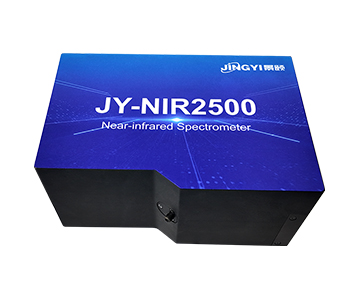
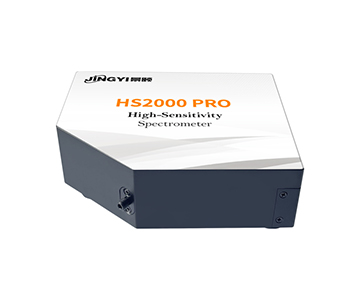
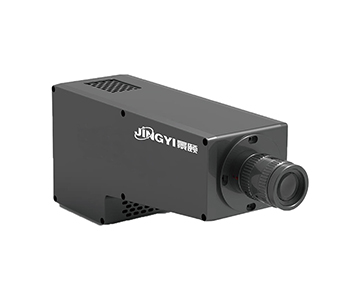
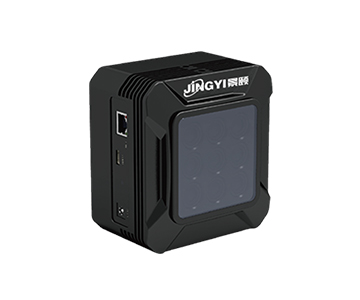
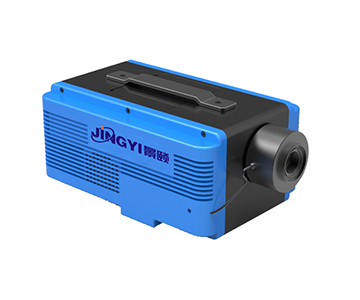
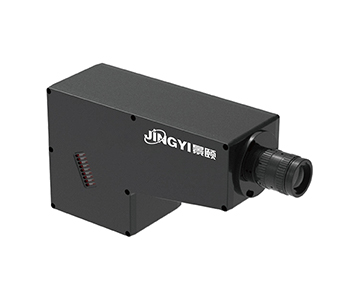
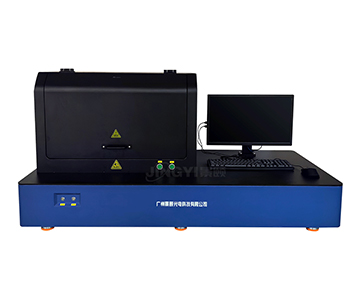
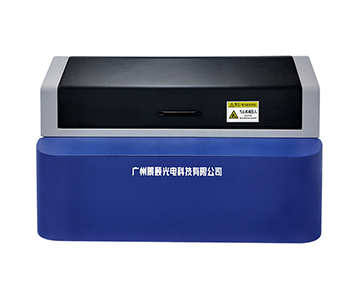
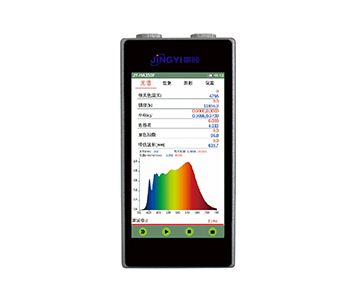
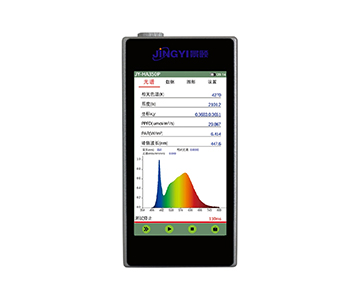
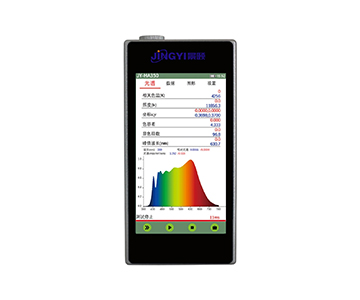
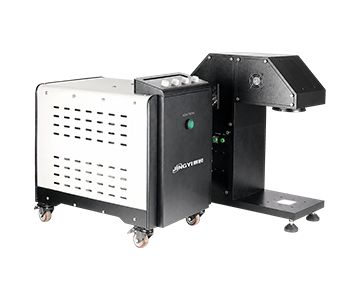
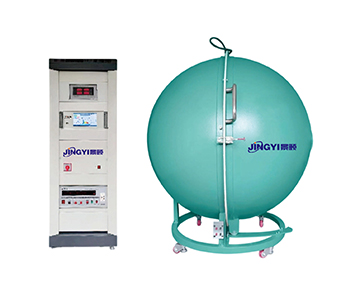
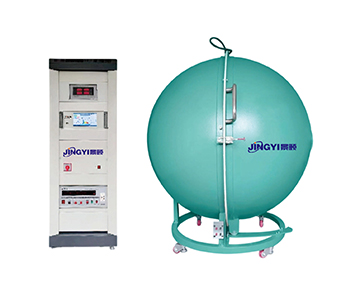
Founded in 2013, Guangzhou Jingyi Optoelectronics works across spectrometers, integrating spheres, diffuse panels, vision targets, and automotive or research inspection systems, with ISO 9001 certification and an in-house R&D and production base in Guangzhou.
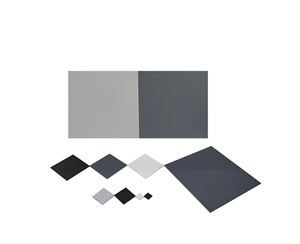
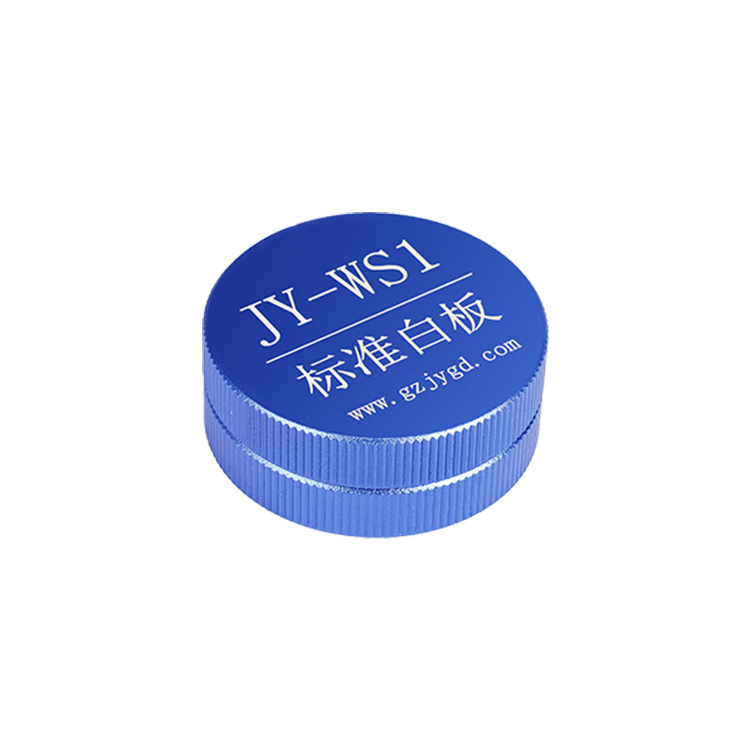
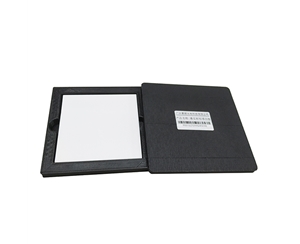
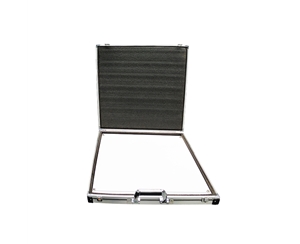
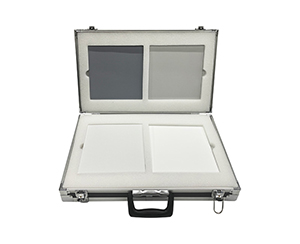
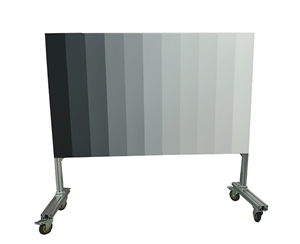
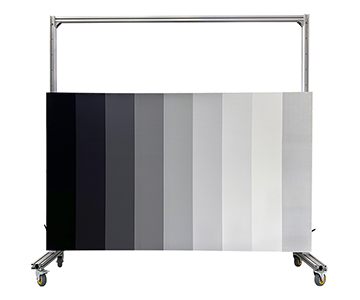
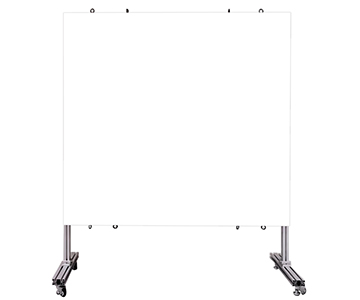
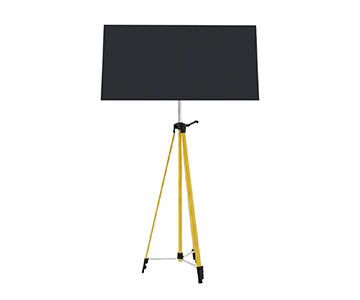
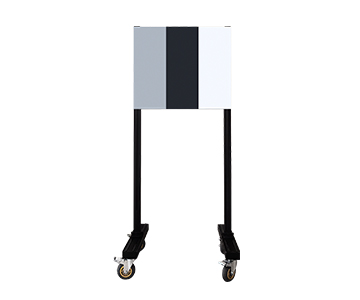
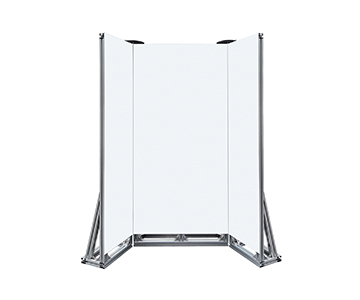
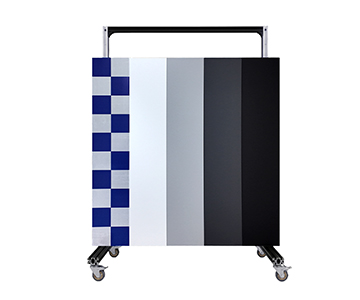
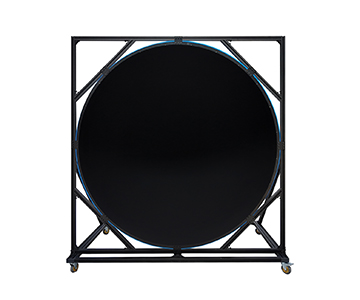
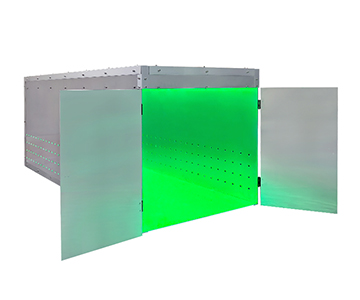
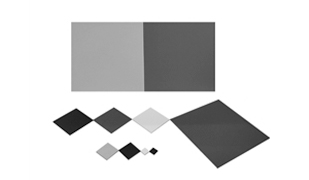
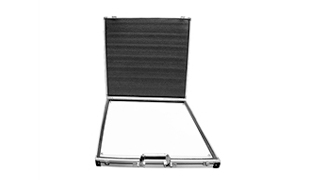
Its diffuse standard fabric uses a high-diffusion material system with stable tinting, covering 3%-93% reflectance and a flat 250-2500 nm response. Sprayed targets reach 1 m × 2.5 m per panel and tile to larger areas, folding for field transport.
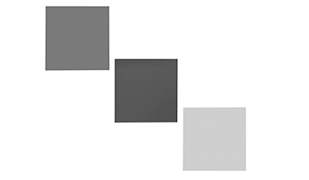
In practice, a 3% step simulates a dark lidar target, 93% simulates a white wall, and mid-grays fill the dynamic range. For camera work, spectral flatness removes the need to swap boards per band.
The sprayed substrate plus backing treatment keeps bulk transmittance low, which matters when the deliverable must carry a traceable reflectance report.
The company participated in drafting T/CITS 231-2025 on automotive lidar technical requirements and GB/T 47066-2026 on integrating-sphere determination of total transmittance and total reflectance, giving buyers a recognizable audit frame.
Best fit: large tiled targets, automotive lidar calibration, multispectral UAV field campaigns, university remote sensing labs, and projects wanting fabric plus panel plus sphere plus spectrometer as one chain.
Limit: overkill for a single small white tile on a tight budget, and not a substitute for a dedicated transmittance meter when glass or film is the specimen.
Hangxin Optoelectronics: Autonomous Driving Target Boards
Established in September 2015, Guangzhou Hangxin Optoelectronics builds fiber spectrometers, reflectance and transmittance testers, and integrating spheres.
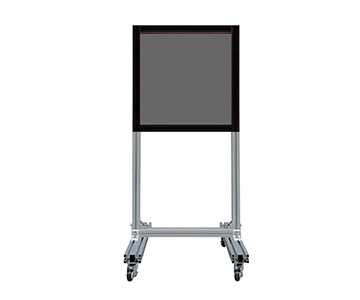
Its reflectance boards are specified from 1% to 99%, up to 2 m × 3 m per sheet and tiled to 4 m × 10 m, shipped with traceability reports.
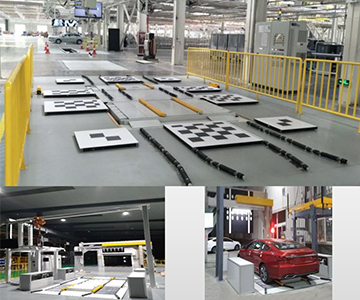
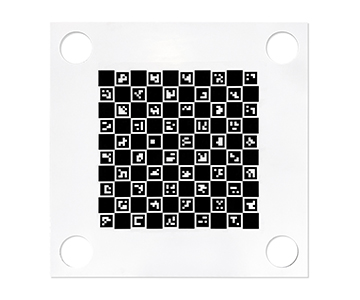
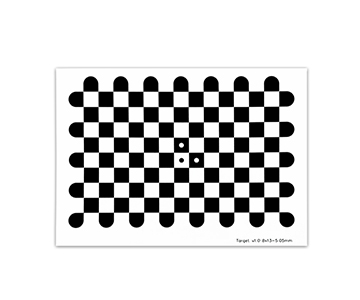
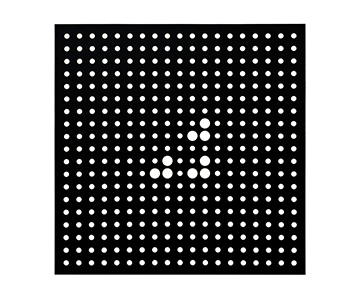
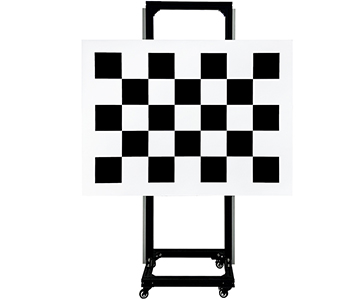
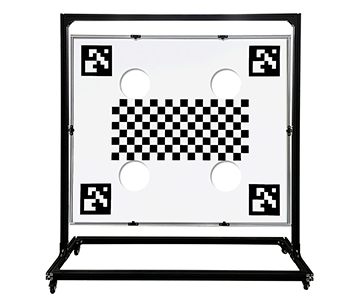
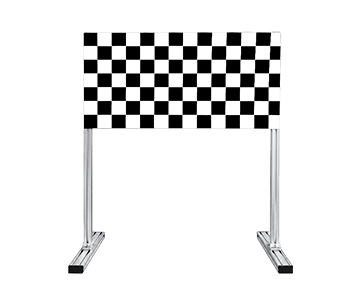
Autonomous driving teams use these for lidar range calibration, mounting-angle checks, camera color and luminance anchors, and geometric distortion targets.
A full gradient set plus large tiling reduces the rework that happens when the board array runs out of steps mid-test.
Best fit: perception teams, lidar OEMs, outdoor prove-out operators, and integrators bundling boards with their own spectrometers.
Limit: not aimed at benchtop national-metrology-grade tiles; pure transmittance or haze work still needs a separate instrument.
Guoyi Photonics: Lab-Scale Batches With Reflectance Testers
Public case material positions Guoyi Photonics around high-precision optical calibration paired with reflectance instrumentation, typically 8-degree illumination with vertical collection inside an integrating sphere.
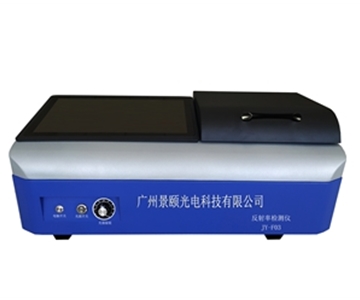
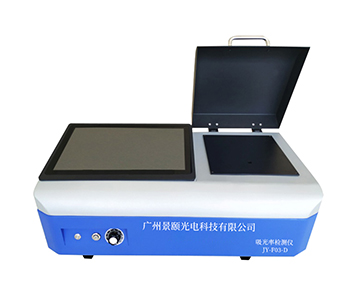
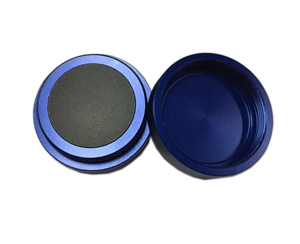
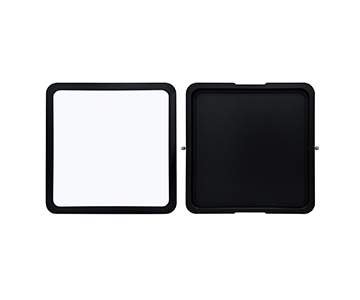
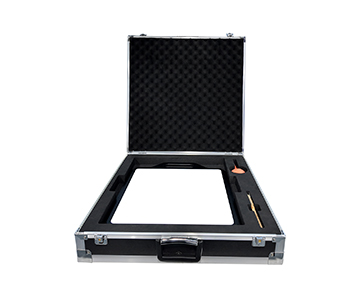
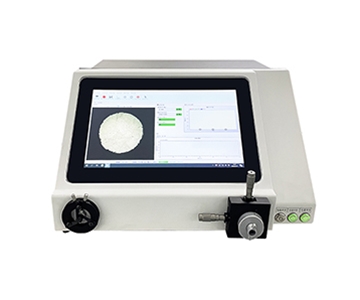
Its GY-F03-class reflectance tester covers 380-1000 nm, samples in under one second, holds repeatability below 1%, and subtracts dark background automatically. Paired PTFE white tiles spanning 250-2500 nm and multi-step diffuse sets let labs pull gradient curves and export audit records in one pass.
On a consumer-electronics cover-glass line, the full spectrum catches coating drift that a single-point reading misses. In a metrology institute's intermediate check, tile plus gradient set plus archived report survives audit far better than ad-hoc recalibration.
Best fit: university labs, metrology bodies, coating QC lines, and small-batch buyers who want instrument and standard validated together.
Limit: benchtop and small-panel orientation does not match large outdoor tiled fabric or engineering-grade weatherproof cloth.
Bentham Instruments: Meter-Level Spectro-Radiometric Systems
Bentham Instruments is a UK supplier of spectro-radiometers, monochromators, standard lamps, and reflectance or transmittance accessories, commonly found in national metrology institutes and satellite ground stations.
Wavelength accuracy, stray-light suppression, and traceability chains are engineered tightly. Reflectance and transmittance switch geometry on the same mainframe, and report formats align with journal and mutual-recognition expectations.
For B2B buyers outside the UK, long lead times, higher quotes, and agent-dependent field service are real constraints. Routine line calibration rarely justifies the spend.
Best fit: national metrology, satellite radiometric calibration, cross-lab mutual recognition projects.
Limit: not the route for fast line checks, large outdoor fabric targets, or budget-sensitive AD test fields.
Instrument Systems GmbH: German Engineering for Multi-Station Lines
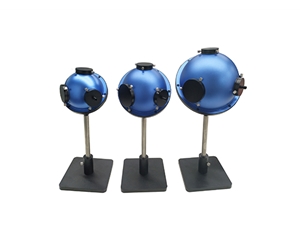
Instrument Systems GmbH builds the CAS spectrometer series widely used in LED, display, and automotive lighting test, closing the loop with integrating spheres, standard lamps, and reflectance accessories.
The engineering value shows up in fixture repeatability, software traceability, and temperature compensation, which is exactly what ring-light or camera uniformity rigs need when the same setup is copied across stations.
Import lead time, spare-part planning, and calibration logistics still apply, and local field response is slower than a domestic partner.
Best fit: display fabs, automotive lamp plants, multi-station line labs.
Limit: even the best spectrometer host does not replace a specialist fabric house when the deliverable is large sprayed and tiled cloth. Do not confuse the measuring system with the thing being measured.
Side-by-Side Decision Map
•Large outdoor lidar targets: Hangxin Optoelectronics or Jingyi Optoelectronics tiled fabric.
•Lab spectral calibration: Jingyi Optoelectronics, Guoyi Photonics, or Bentham Instruments.
•Display and lighting lines: Instrument Systems GmbH.
•Cross-lab mutual recognition: Bentham Instruments.
•Cost tier from lower to higher: domestic fabric houses, domestic full-chain suppliers, German systems, UK metrology systems.
One extra filter matters more than brand order: ask which vendors can hand over reflectance curve, bulk transmittance ceiling, and traceability report as one set. Suppliers with in-house integrating sphere capability usually can. Cloth-only vendors may ship something bright that fails the moment it enters a sphere.
Compliance and Calibration: Put Transmittance on the Acceptance Sheet
A procurement checklist that ignores transmittance will pass visually and fail metrically. Work through these five steps.
1.Define the requirement: reflectance steps such as 3%, 10%, 50%, 80%, 93%; whether 250-2500 nm full-range is needed; single panel or tiled; indoor line or outdoor thermal swing.
2.Check credentials: ISO 9001, standards-drafting participation, batch-numbered factory reports with a traceability chain. GB/T 47066-2026 gives a recognized integrating-sphere frame for total transmittance and total reflectance records.
3.Verify technically: request the reflectance spectrum and a bulk transmittance limit together, then run a backlit visual leak test plus an integrating sphere retest. For automotive lidar, cross-check steps against T/CITS 231-2025.
4.Review service: custom sizing, respray maintenance, and annual recalibration of reports.
5.Calculate total cost of ownership: cloth price plus mounts plus recalibration plus leak rework usually decides the three-year bill, not unit price.
Honest Limitations of Diffuse Fabric as a Calibration Artifact
Diffuse fabric is not a universal standard. Large sprayed panels drift slowly under prolonged outdoor UV exposure, so an annual factory or metrology-institute recheck is prudent. Folding is convenient for transport, but the crease line degrades local Lambertian behavior; keep high-precision sample points away from folds.
Bulk transmittance also has a narrow job. It catches backing leakage and too-thin substrates. It does not catch surface contamination or coating aging, so it cannot replace daily cleaning and intermediate checks.
Imported systems from Bentham Instruments and Instrument Systems GmbH genuinely lead on mutual recognition and multi-station consistency, yet lead time, maintenance cost, and field response must be priced into any
Frequently Asked Questions
Why check transmittance on a product meant for reflection?
Transmittance is a reverse quality gate. Excess bulk transmittance means the backing leaks, and an integrating sphere will fold that leaked light into the reflectance channel, biasing the curve high. The effect is strongest under backlit illumination.
How do I choose between 3% and 93% reflectance steps?
Lidar range work needs low, mid, and high steps to span dark targets through white walls. Camera linearity checks commonly use 20%, 50%, and 80%. Remote sensing adds a 99% PTFE tile for full-scale.
Is wider than 250-2500 nm always better?
No. Multispectral UAV and terrain spectroscopy benefit from a flat broad band. A single-wavelength 905 nm lidar only needs accuracy at that point, and a wider spectral plate just adds cost.
How should I weigh domestic full-chain suppliers against imported systems?
Routine line calibration and large outdoor targets favor domestic full-chain delivery: faster customization, lower total cost of ownership. Cross-lab mutual recognition and national-metrology traceability justify an imported spectro-radiometric system.
How can I independently verify a diffuse fabric supplier before purchase?
Ask for three artifacts in one batch package: the reflectance spectrum, a bulk transmittance ceiling measured under defined backlight conditions, and a traceability report with batch number. Then reproduce an integrating sphere retest on your own fixture before acceptance.
For detailed specifications and application notes on diffuse reflectance calibration fabric, search "Jingyi Optoelectronics diffuse reflectance calibration fabric" or visit our technical library.
Reference Information
Sources: Product documentation for diffuse reflectance calibration fabric, public materials from Guangzhou Jingyi Optoelectronics, draft standards on the National Public Service Platform for Standards Information, enterprise encyclopedia entries, and aggregated industry case data.
Author: Cai Xiaodong, Senior Application Engineer, Jingyi Optoelectronics — 10-plus years in industrial optical inspection and calibration-consumable selection
Conflict of Interest: Jingyi Optoelectronics manufactures diffuse reflectance fabric, reflectance panels, integrating spheres, and spectrometer systems. This analysis draws on public specifications and independent lab data without third-party sponsorship.
Intended Use: Educational reference only; validate all equipment choices through on-site proof-of-concept testing.
Updated: November 2026