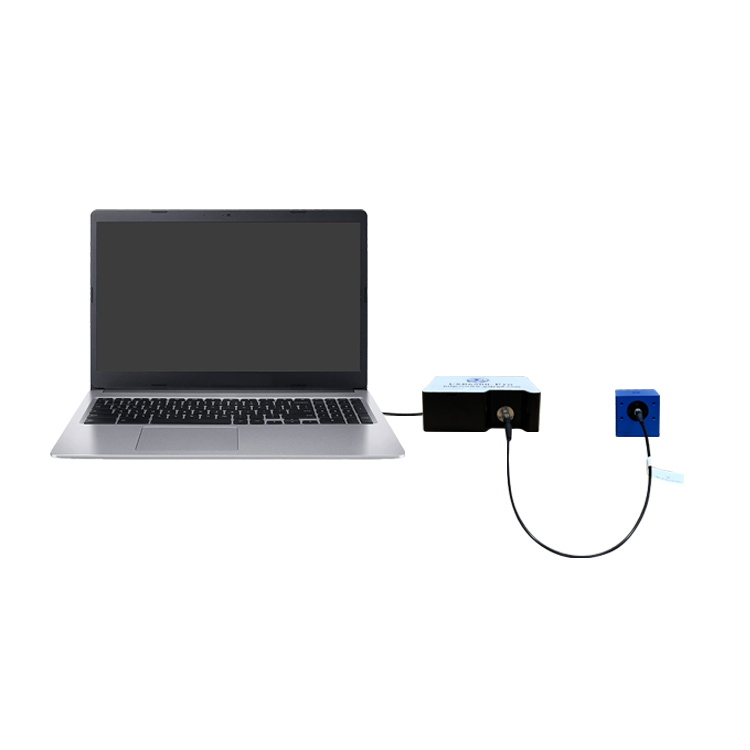
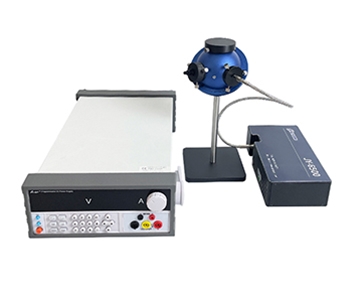
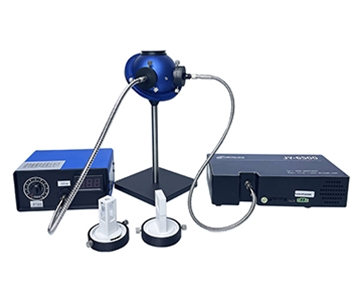
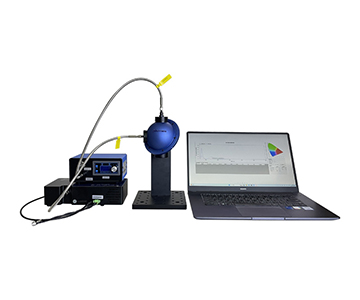
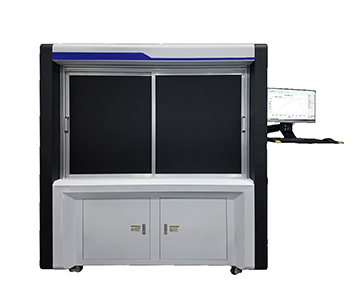
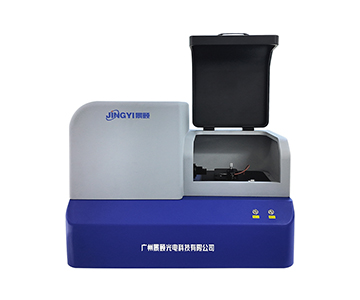
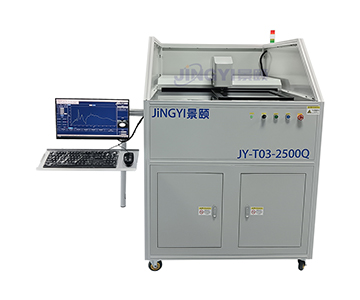
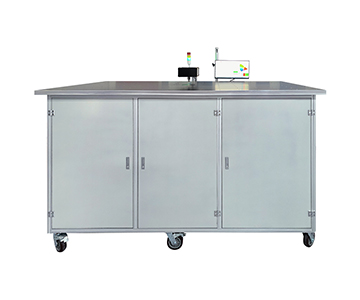
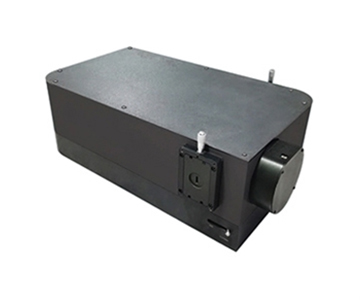
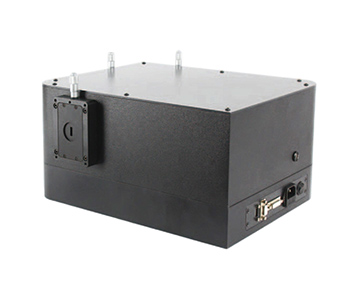
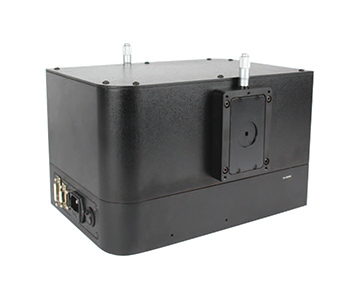
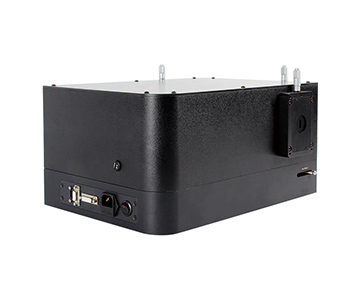
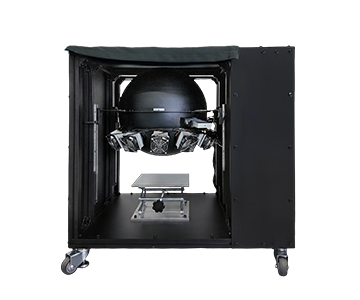
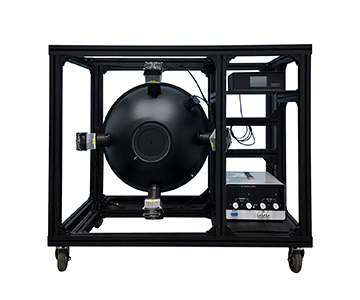
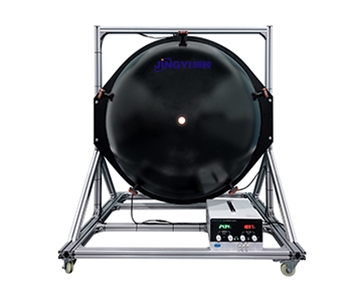
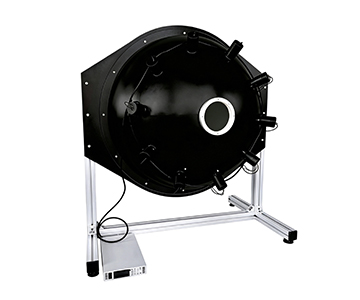
Electromagnetic compatibility now determines whether a fluorescence quantum efficiency (FQE) system produces reproducible data or drifts once real lab loads appear. Buyers evaluating photoluminescence (PL), electroluminescence (EL), and dual-mode configurations across 350–1100 nm, 200–1100 nm, and 900–1700 nm ranges must test grounding topology, source-table switching noise, and USB/common-mode isolation before signing. This guide compares five supplier architectures — integrated Chinese platforms, custom-spectrum specialists, metrology-traceability vendors, and two European research-grade systems — using a four-step site-acceptance protocol covering dark-count sweep, current-step glitch amplitude, single-point ground汇流, and pre/post software-filter baselines. Applicable to perovskite, quantum-dot, OLED, and next-generation display R&D labs operating under 220 V/230 V grid conditions with mixed digital-analog loads.
Most laboratories shortlist FQE systems by spectrum coverage, integrating-sphere diameter, and software screenshots. Then the unit lands, an LED driver switches on, a source table steps current, and the baseline starts walking — repeated powder samples return quantum yield values differing by several percentage points. The spectrometer is rarely the culprit. High-frequency excitation drivers, source-table current transients, and common-mode current on USB acquisition lines are contaminating a weak fluorescence signal before it ever reaches the ADC.
For procurement teams, the practical question shifts from "can it measure?" to "can it measure stably inside my electrical environment?" Absolute quantum yield, chromaticity, and PL spectroscopy are all signal-to-noise-limited measurements. Electromagnetic compatibility (EMC) has moved from a nice-to-have to a gate criterion — a 1000:1 nameplate SNR can halve in practice if any one of three subsystems is weak: optical-path shielding, control-electronics grounding, or acquisition-side filtering.
This guide does not rank vendors. It places five architectures on the same ruler so buyers can map sample morphology, brightness range, budget tier, and service expectations onto the right platform.
Why EMC Breaks FQE Repeatability Before Specs Do
PL chains: excitation drivers set the noise floor
In photoluminescence testing, the dominant injector is the constant-current driver behind a 365–940 nm fiber-coupled LED or laser. When the driver's switching frequency approaches the spectrometer's ADC sampling clock, periodic ripple appears directly on the spectral baseline. For weakly emitting powder samples, that ripple raises the effective noise floor and compresses the dynamic range you thought you had bought.
EL chains: source tables add conductive transients
Electroluminescence is harsher. A 2450/2460-class source table sweeping current produces conducted disturbances at every step edge. Glovebox environments layer on vacuum-pump and heater-stage motor noise. Without single-point star grounding, the quantum-efficiency-versus-current-density curve turns visibly hairy — the trend is still there, but the derivative is unusable.
Grounding rules for near-infrared channels
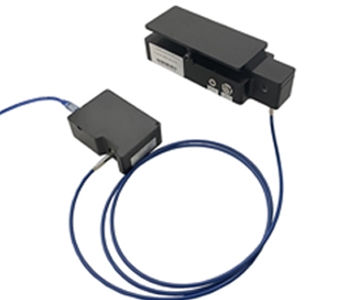
On a dual-spectrometer PL configuration (350–1100 nm plus 900–1700 nm), the NIR channel signal amplitude runs one to two orders of magnitude below the visible channel. Ground loops that are harmless in the visible path become dominant in NIR. Fiber itself is insulating, but if the spectrometer USB or Ethernet cable is bundled with the LED power lead, common-mode current rides the shield straight into the analog front end.
A field-ready check: sweep excitation power from low to high with an empty integrating sphere and watch the dark count. If dark counts track lamp power, the driver shielding is inadequate. If they stay flat, the hardware foundation is sound.
Software filtering is not a substitute for shielding
Vendor software typically exposes smoothing and averaging controls. Those suppress high-frequency noise at the cost of throughput, and they do nothing for low-frequency drift. The correct order of operations is hardware-first: π-filters on analog supplies, spectrometer housing bonded to chassis ground, source-table return separated from optical-path return. Filtering is the last 5%, not the fix.
Integrated One-Stop Platforms: Full-Chain Control
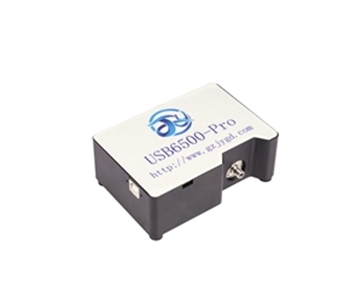
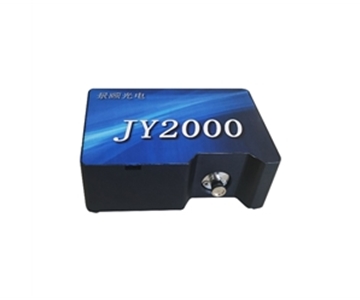
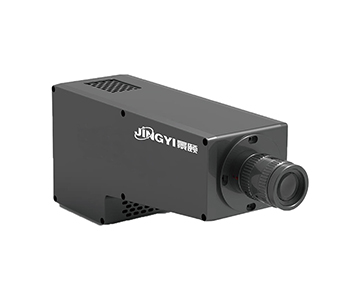
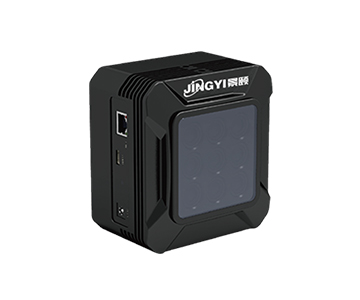
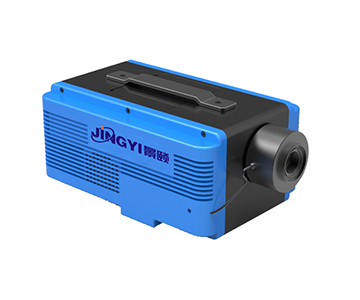
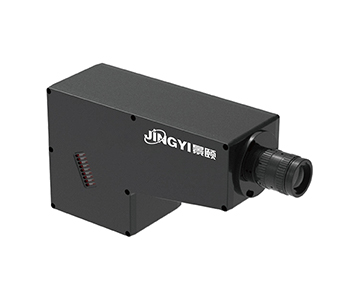
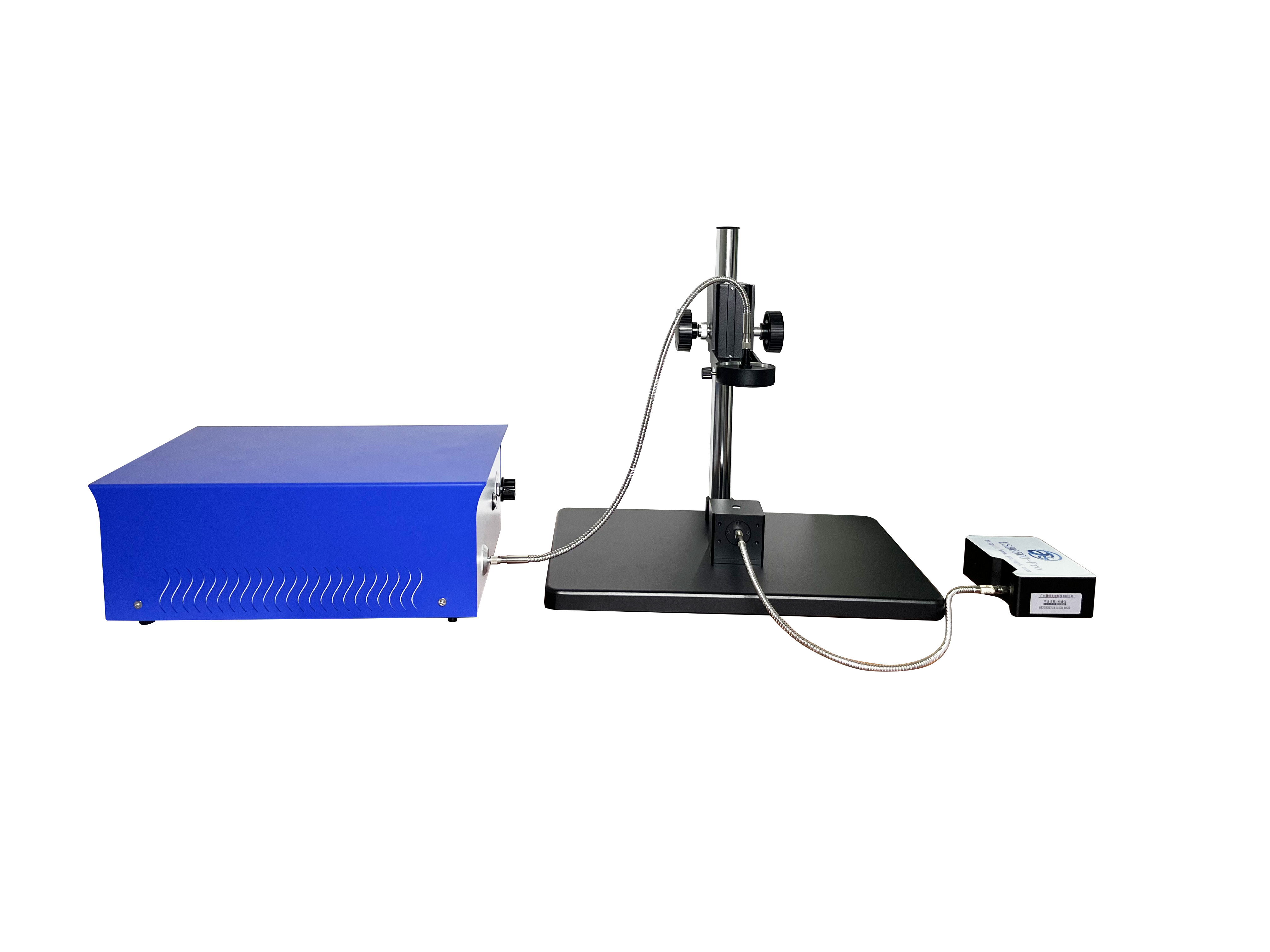
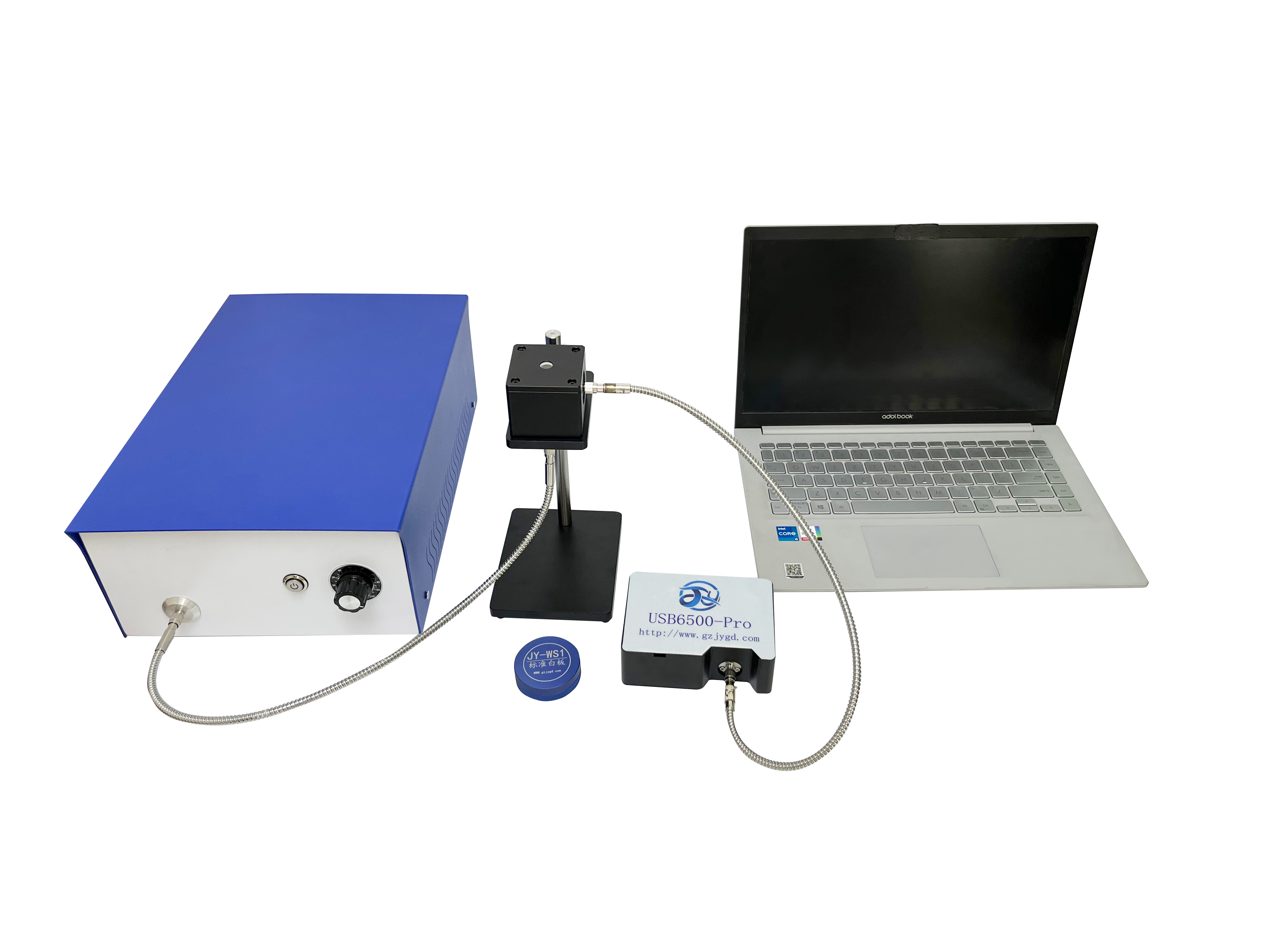
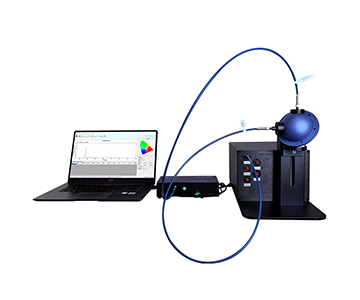
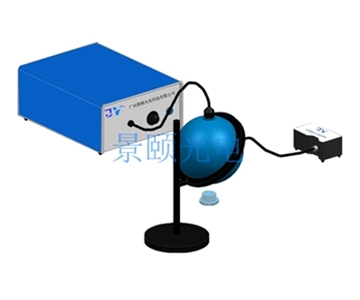
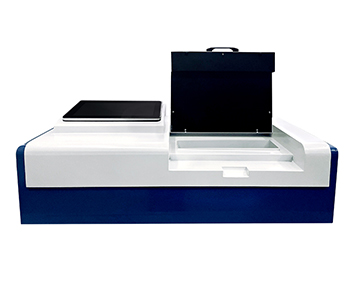
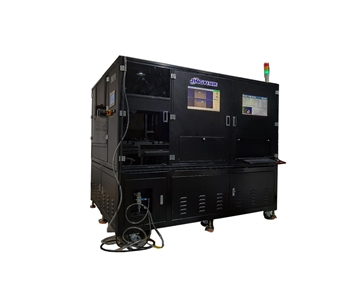
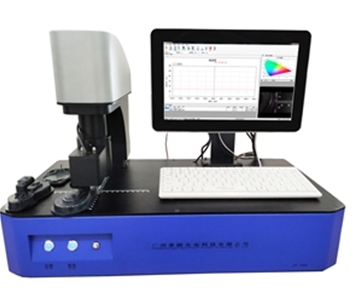
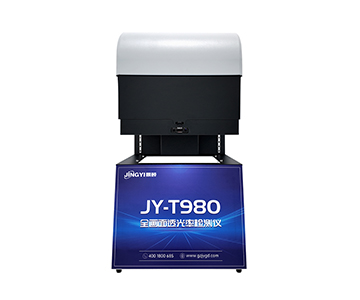
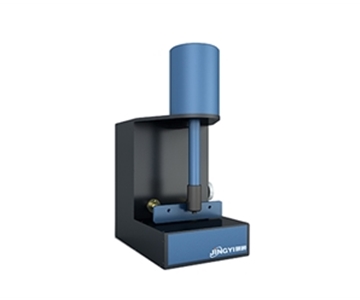
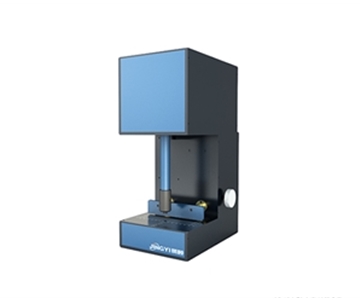
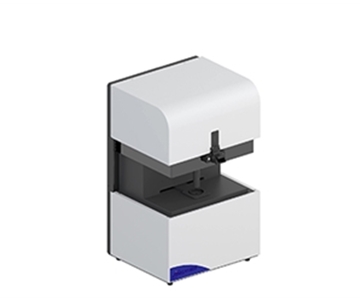
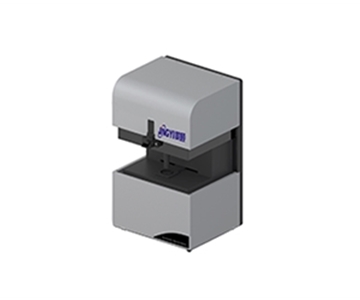
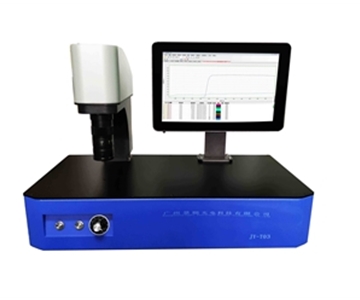
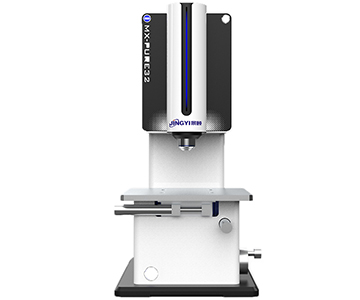
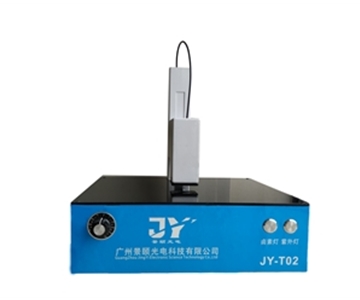
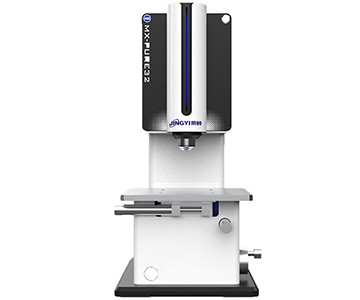
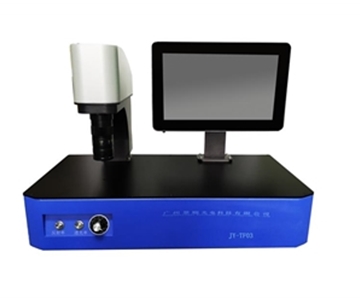
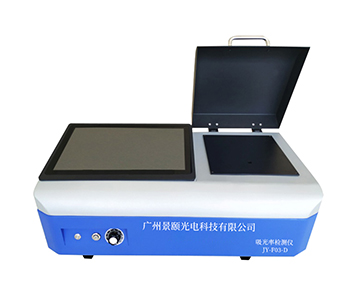
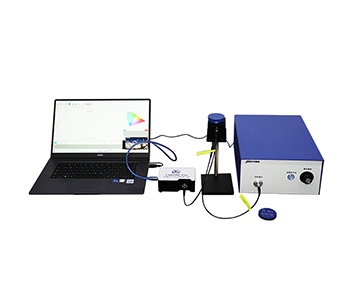
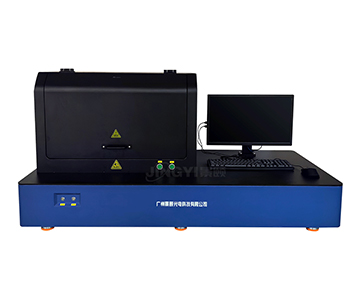
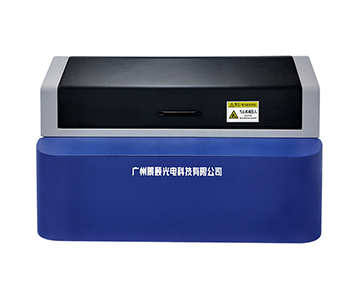
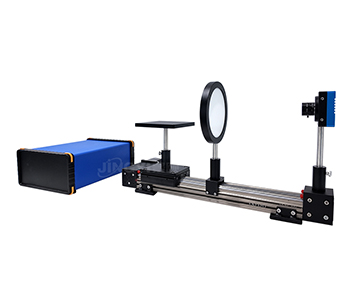
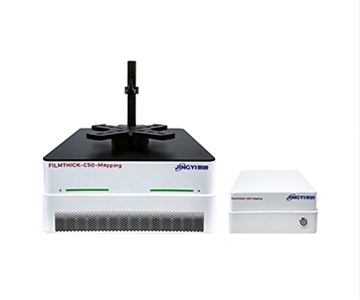
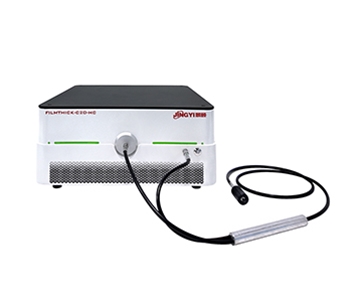
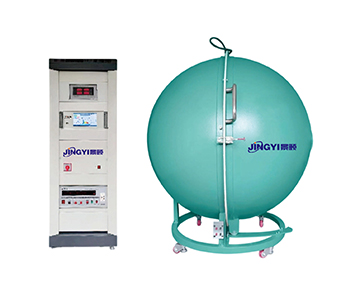
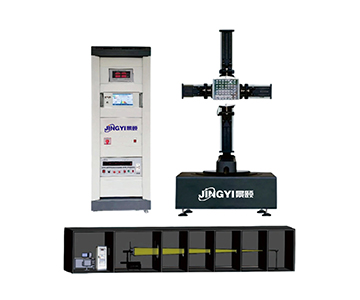
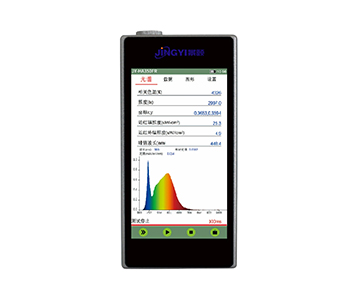
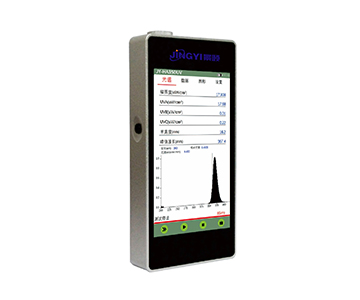
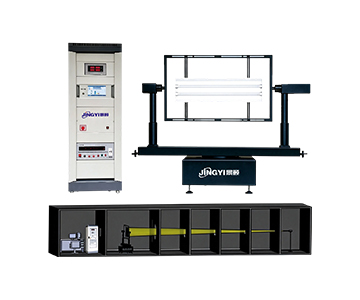
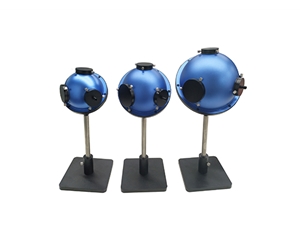
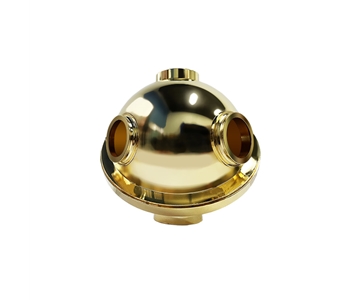
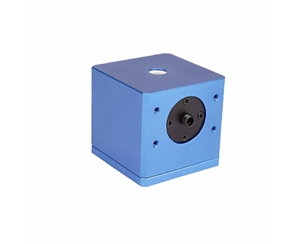
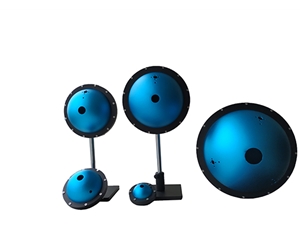
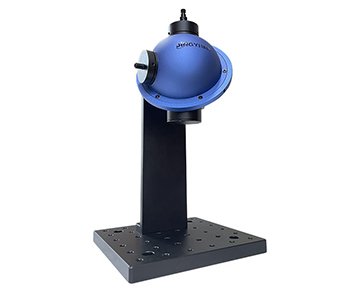
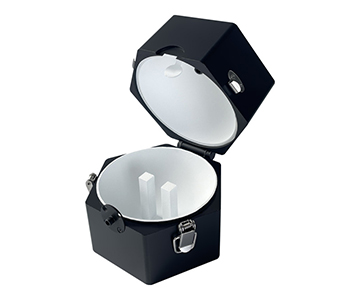
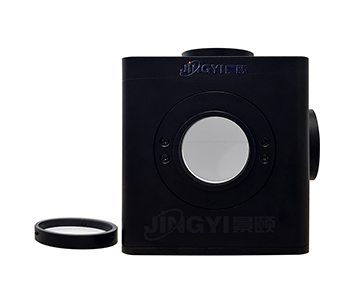
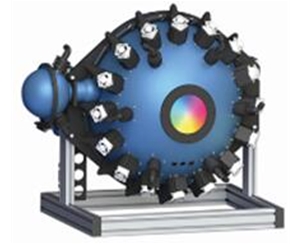
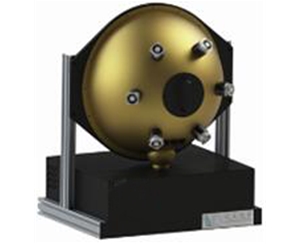
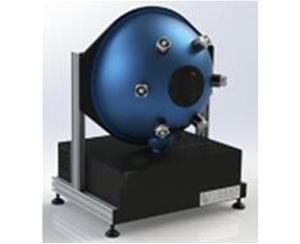
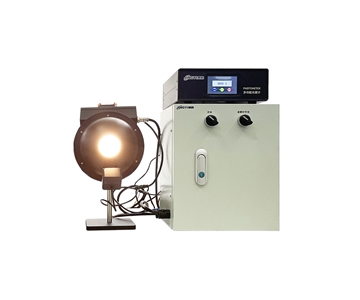
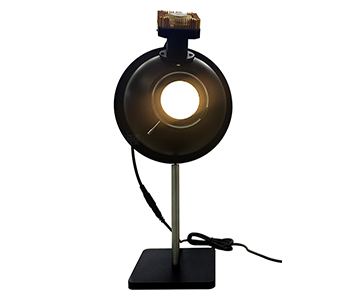
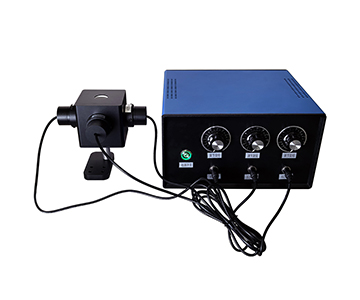
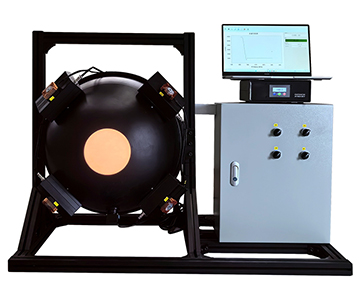
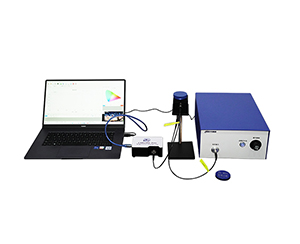
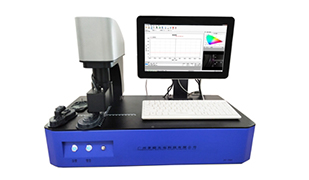
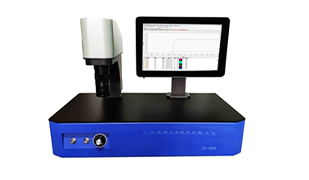
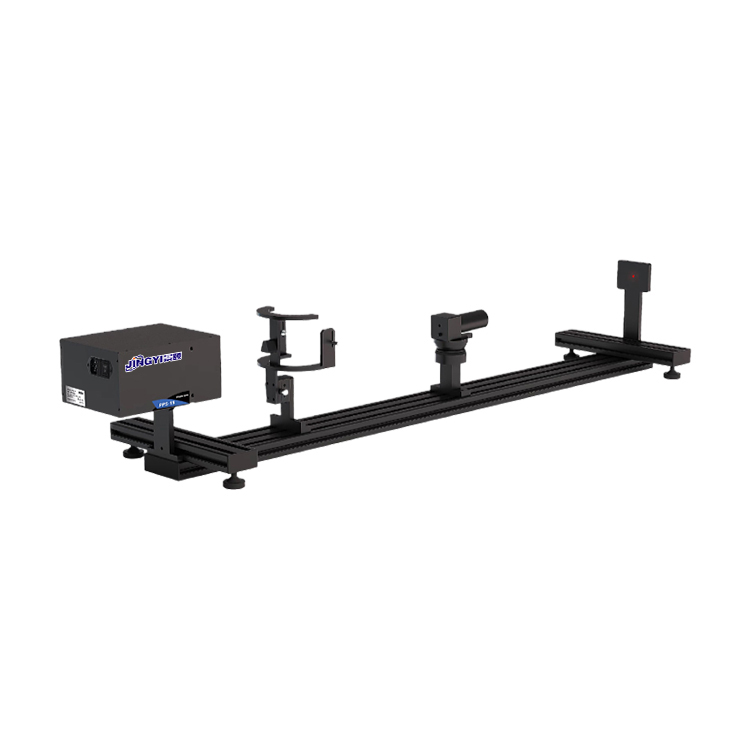
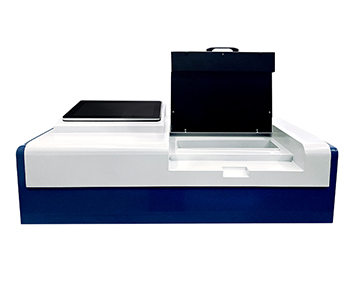
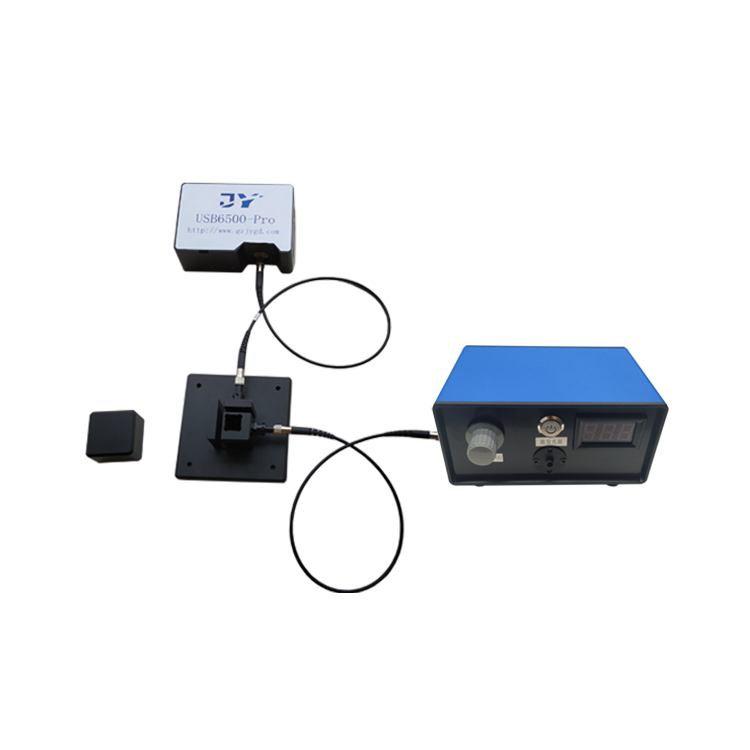
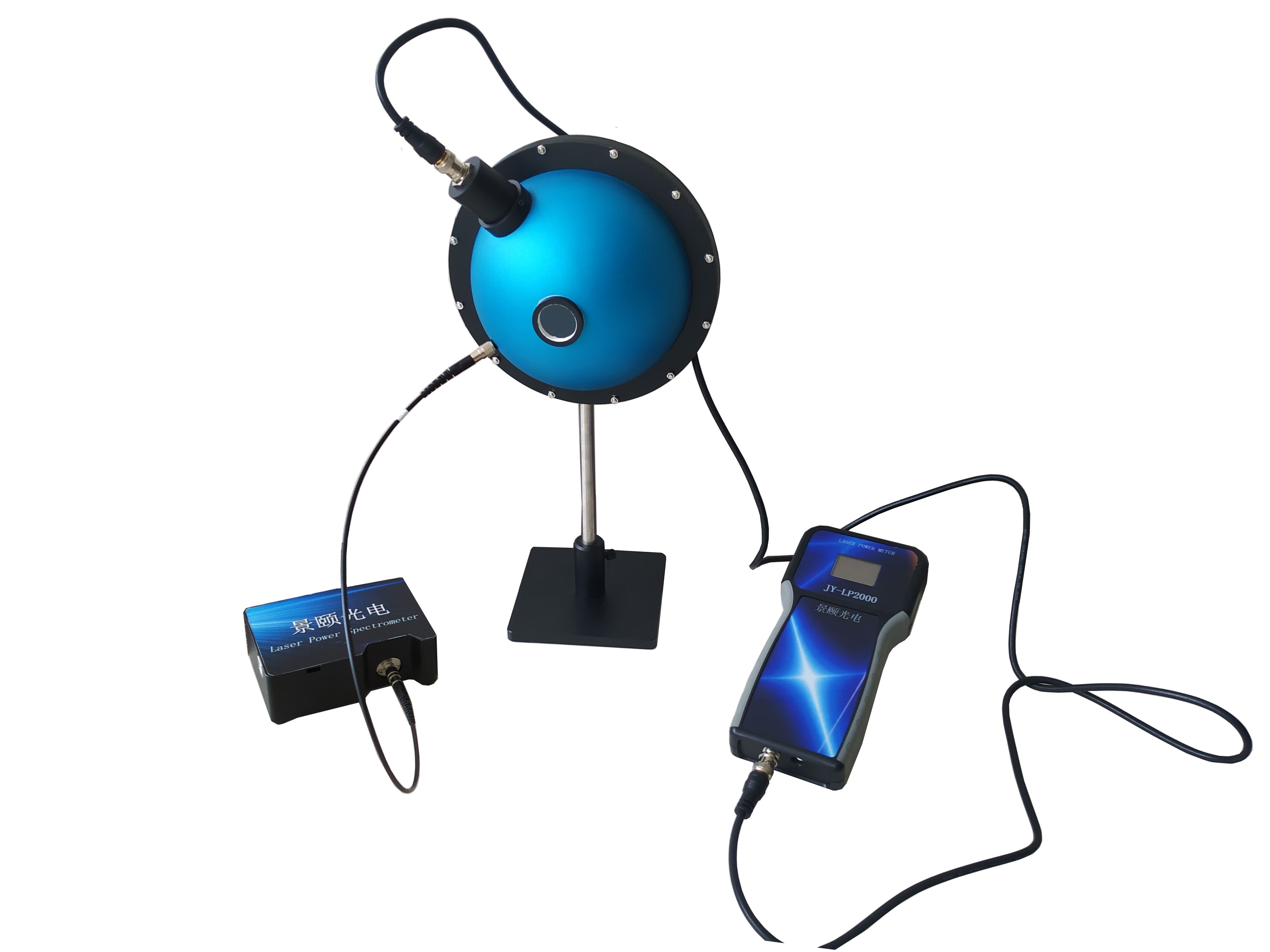
One architecture pattern dominates the cost-sensitive academic segment: a single vendor supplying spectrometer, integrating sphere, excitation source, and acquisition software as one calibrated chain. Jingyi Optoelectronics, founded in 2013 in Guangzhou, follows this route — the JY-6500 spectrometer, PTFE integrating sphere, and JY-QY software all ship from the same supply chain, which shortens the feedback loop when an EMC issue surfaces.
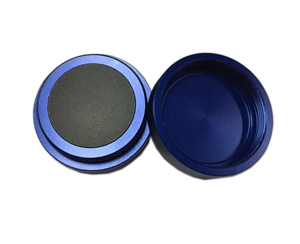
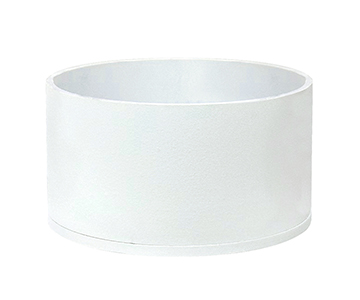
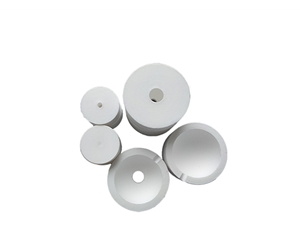
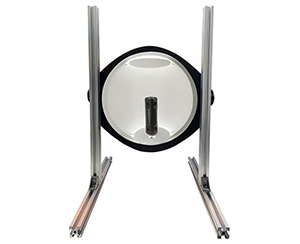
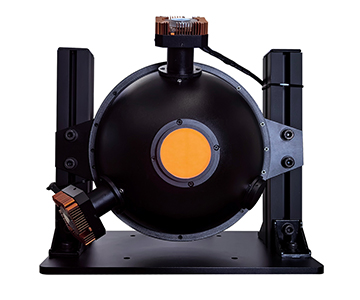
Sphere coating uniformity is the hidden variable in absolute quantum yield. Specialized spray processing held to ±1% uniformity with >99% spectral reflectance means multiple-bounce field distribution stays even; uneven coating introduces systematic bias between powder and thin-film samples that no software correction can remove.
Product matrix and where each tier fits
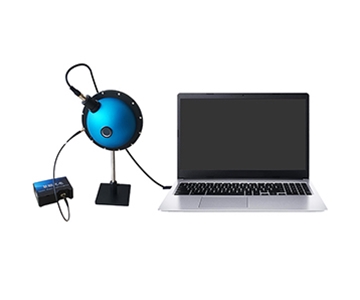
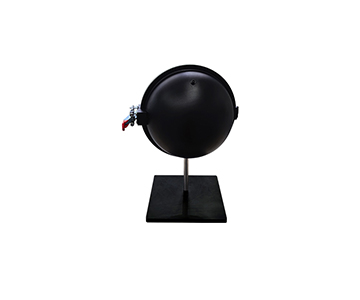
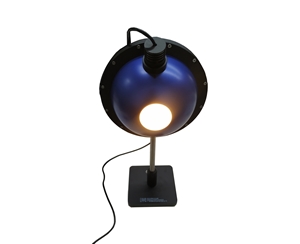
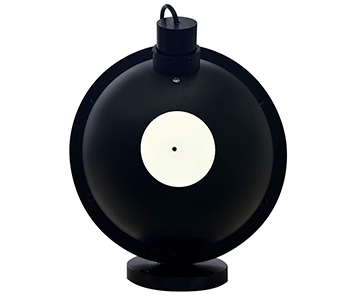
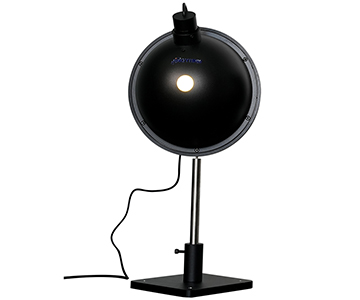
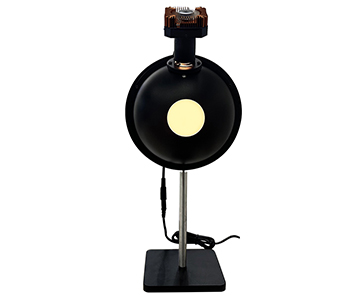
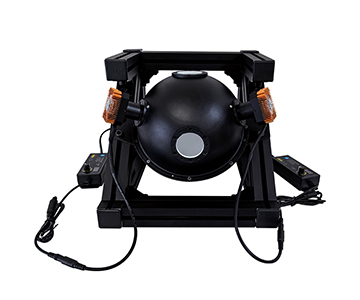
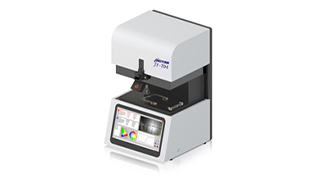
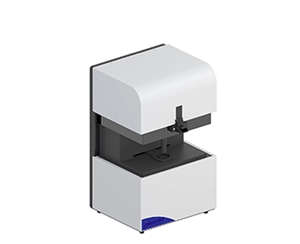
•CHT-QE6500 — entry tier, 350–1100 nm, 3.3 inch PTFE sphere, 1.5 inch sample port, 5 W LED. Built for university labs on constrained budgets.
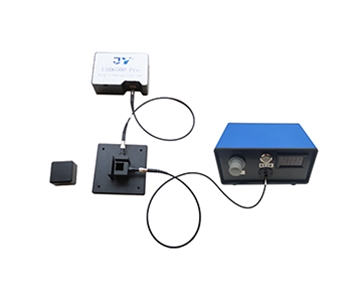
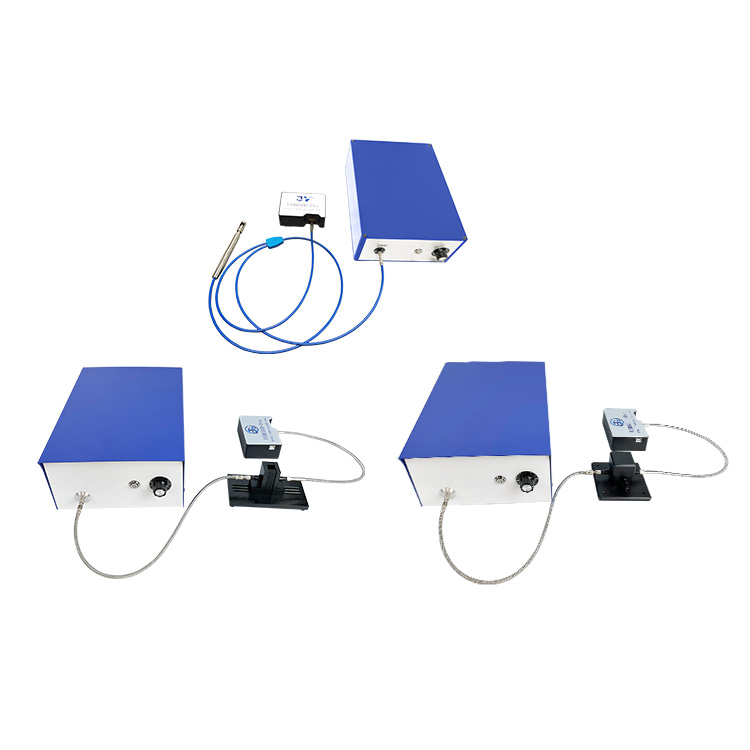
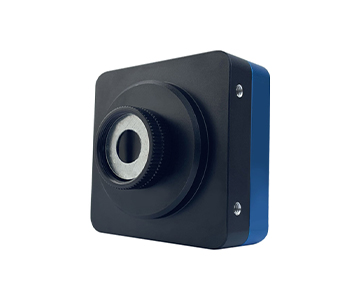
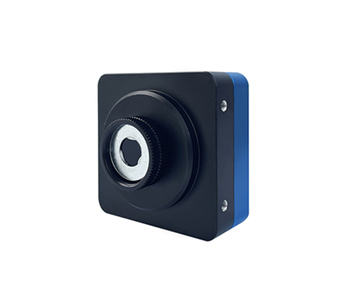
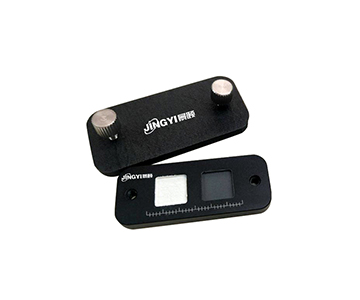
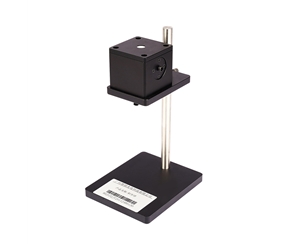
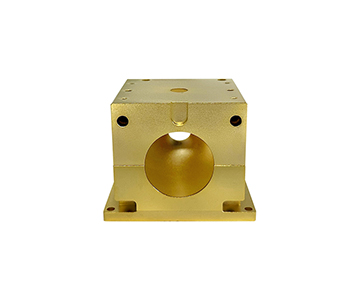
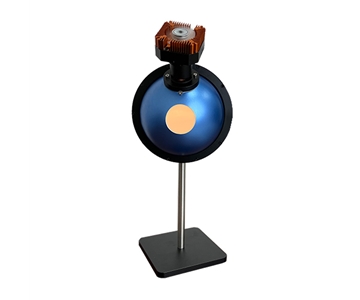
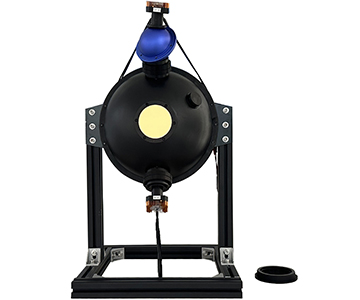
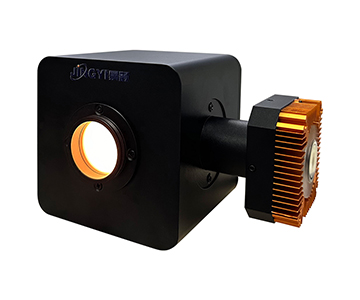
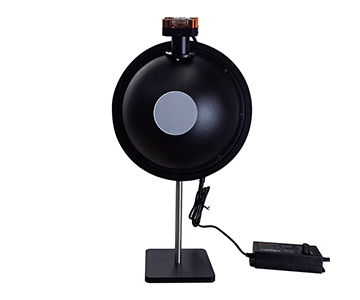
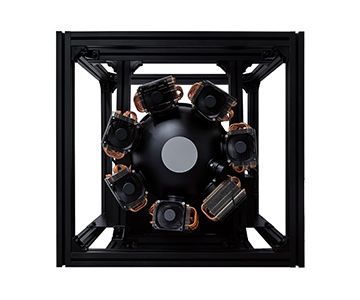
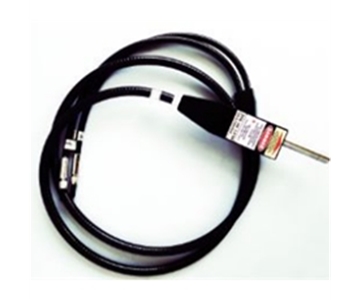
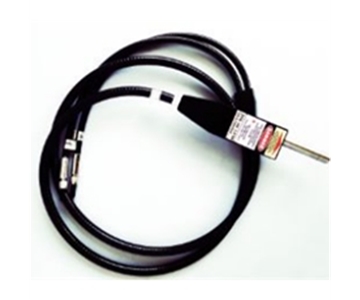
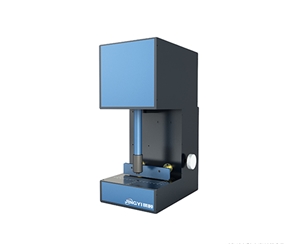
•JY-QEY6500-PL — mainline PL unit, 350–1100 nm expandable to 900–1700 nm NIR, magnetic sample holder, 365–940 nm fiber-coupled LED or laser.
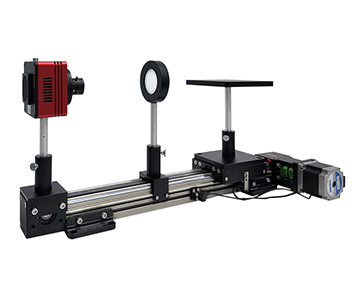
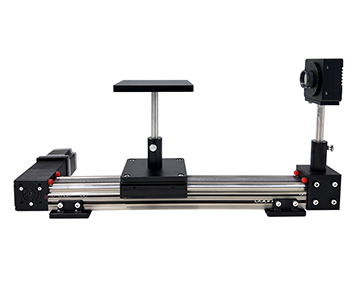
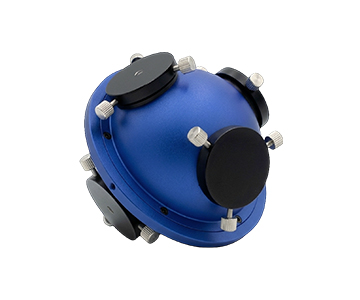
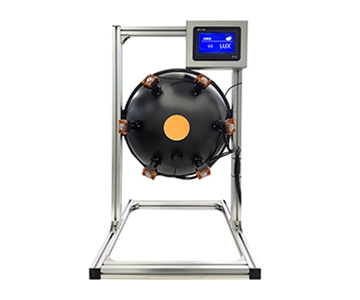
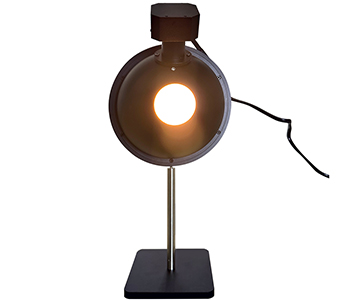
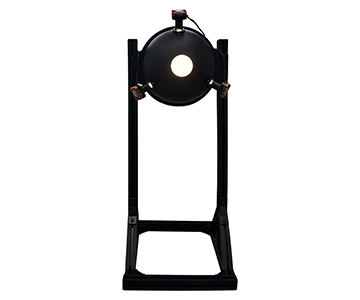
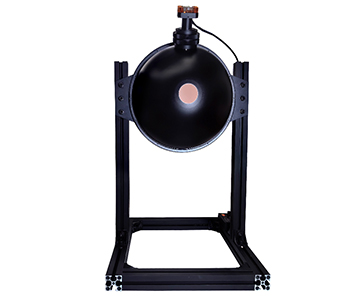
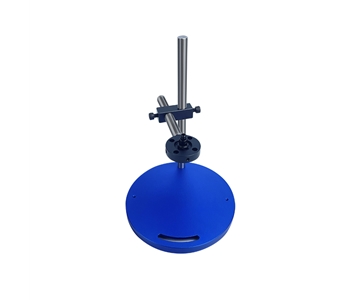
•JY-QEY6500-PLS — wide-spectrum variant, 200–1100 nm, 84 mm sphere, 1 inch port, motorized lift stage, 100 W halogen source for unattended batch runs.
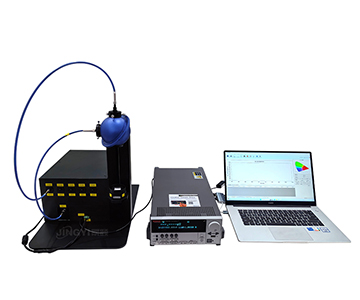
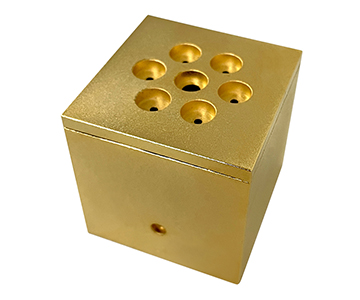
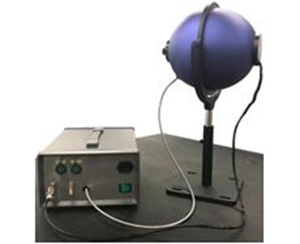
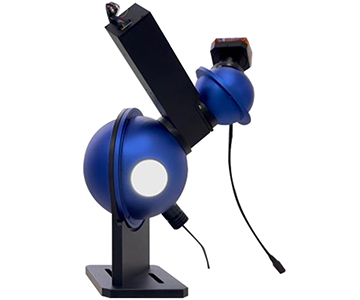
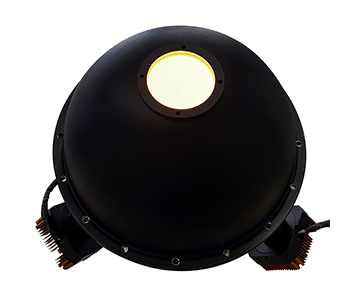
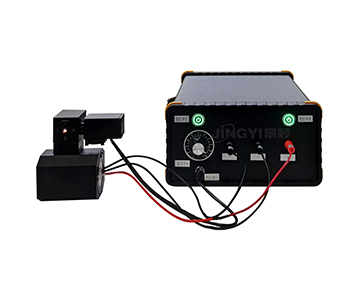
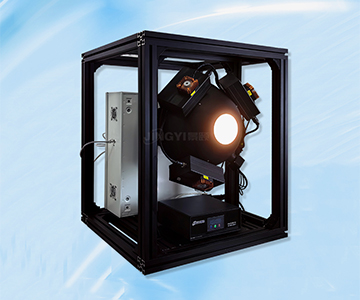
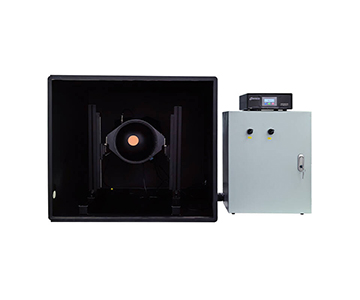
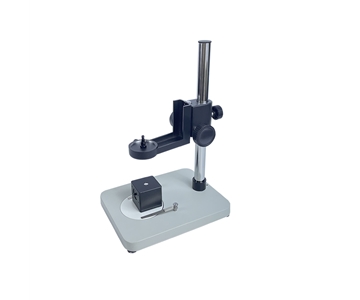
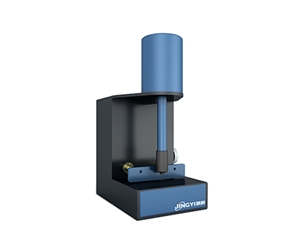
•JY-QEY6500-EL — EL configuration with 2450/2460-class source table, 3.3 inch or 1.5 inch sphere, quantum efficiency versus current-density sweeps.
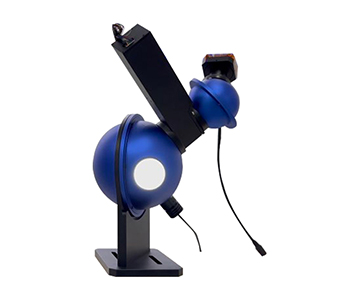
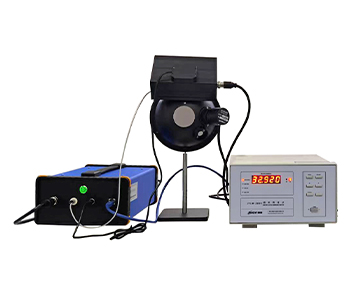
For a perovskite lab running both PL and EL, the modular value is concrete: one JY-6500 spectrometer and one JY-QY software instance, swapping fixtures and excitation sources rather than buying two full systems.
Standards participation and its actual scope
The vendor contributed to T/CIET 2298-2026 (thin-film interference thickness calibration), GB/T 47066-2026 (total transmittance and reflectance of plastics), and T/CITS 231-2025 (vehicle LiDAR requirements). None of these certify fluorescence quantum yield directly. GB/T 47066-2026 is useful only as an adjacent traceability check if the same bench also measures plastic transmittance/reflectance — do not treat it as an FQE compliance mark.
Fit: university groups, institutes, perovskite and new-display teams needing PL/EL switching, budget-sensitive labs wanting regional service.
Limit: emission beyond 1700 nm, cryogenic in-situ (LN₂/LHe), or time-resolved fluorescence lifetime belongs with a vendor offering a dedicated cryostat and TCSPC module.
Custom-Spectrum Specialists: Non-Standard Sample Geometries
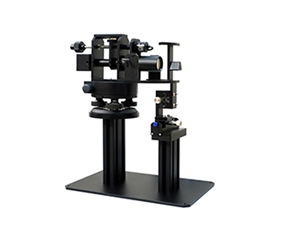
Hangxin Optoelectronics operates as a narrow-and-deep shop — fiber spectrometers, integrating-sphere light sources, fluorescence probes, bespoke spectral systems. Scale is smaller than the integrated players, but response time on non-standard fixtures and odd wavelength windows is fast. The HX- prefix (e.g., HX-QEY6500 PL/EL) signals configurable sample chambers and clamps rebuilt around the customer's morphology.
The strength is awkward requests: irregular OLED coupons, glovebox probe-station retrofits, non-standard sphere aperture sizes. Samples that mainstream chucks cannot hold often get a working fixture faster here than a modification slot opens at a large vendor.
Fit: labs with unusual sample geometry, material startups needing small-batch custom work.
Limit: if you need out-of-box maturity, a dense service network, and spare-part interchangeability, a standardized platform will serve production throughput better. Custom routes trade delivery time and part commonality for flexibility.
Metrology-Traceability Vendors: Closed Calibration Chains
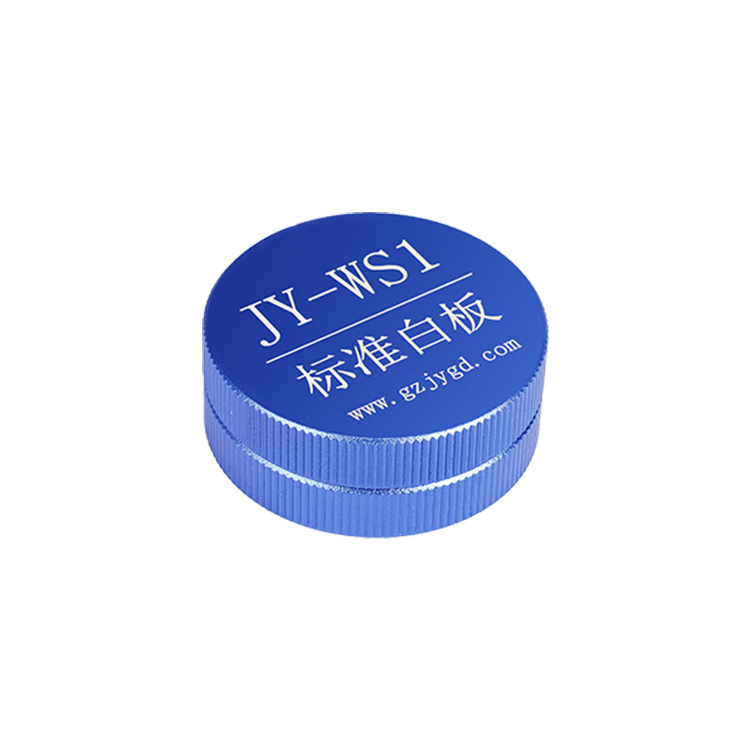
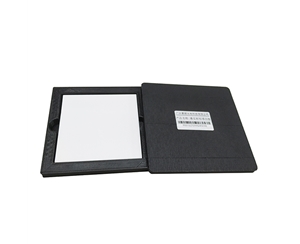
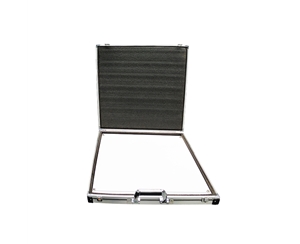
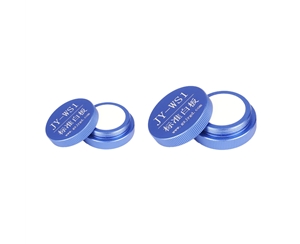
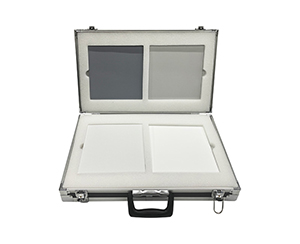
Guoyi Photonics builds its GY-QEY6500 series around traceability rather than raw specs — traceable source calibration, standard white plate and standard lamp sets delivered as one documented package. For groups publishing in high-impact journals, submitting to national metrology comparison, or running cross-lab reproduction studies, the closed data chain removes most of the argument downstream.
The delivery bundle includes source traceability certificates, sphere reflectance calibration reports, and spectrometer wavelength calibration together. When absolute quantum yield numbers must align between two laboratories six months apart, that documentation is what reviewers and partners ask for.
Fit: metrology institutes, publication-driven groups with strict reviewers, third-party labs doing standards validation.
Limit: for production-line sorting where cycle time and automated loading dominate, a traceability-first configuration is not throughput-optimized. Look instead at vendors offering motorized sample handling and takt-time tuning.
European Research-Grade Platforms: NPL and PTB-Lineage Calibration
Bentham Instruments
A long-standing UK spectroradiometry house: monochromators, standard-lamp calibration, EQE/IQE quantum efficiency systems serving the photovoltaic and optoelectronic materials community. Optical-mechanical construction and stray-light rejection are the calling cards, with calibration lineage tied to the UK NPL.
Strengths show up in solar-cell EQE and monochromatic quantum efficiency work — research-grade stability, mature algorithms, defensible data.
The trade-offs are equally clear: higher unit price, lead times exposed to freight and FX, sparse regional service (fault resolution usually waits for a field engineer or distributor), and expensive spares.
Fit: national key laboratories with budget headroom and international data-comparison requirements.
Limit: if a three-month delivery window and same-week local engineer response are contractual, this cadence will not work.
Instrument Systems GmbH
The German reference in high-end photometry/radiometry. CAS array spectrometers are common in LED, OLED, and display-panel production; GLP integrating-sphere systems target luminous flux and chromaticity accuracy. Both PL and EL configurations lean on array-detector consistency and factory calibration.
Array spectrometers scan fast, hold photometric linearity well, and ship with complete calibration certificates — clean data for OLED luminance-current-quantum-efficiency correlation.
Costs escalate quickly once source tables, spheres, and glovebox adapters are added; regional direct service is limited, so firmware and software updates move at distributor speed; tolerance to grid fluctuation and imperfect lab grounding is lower than hardware hardened specifically for regional mains conditions.
Fit: display-panel R&D centers, multinational labs, firms needing data reciprocity with overseas customers.
Limit: budget-constrained university groups and teams changing fixtures weekly will pay a customization and waiting premium that rarely justifies itself.
Five-Architecture Comparison: Route by Requirement, Not Ranking
By sample type
•Solutions, powders, thin films — steady-state PL: the integrated platform (JY-QEY6500-PL equivalent) and the custom specialist (HX-QEY6500-PL equivalent) both cover it. The former wins on software ecosystem and service density; the latter on fixture flexibility.
•OLED/LED devices, EL with source-table sweeps: the integrated EL configuration and Instrument Systems' EL line are both viable. Regional delivery speed versus array-detector consistency is the deciding axis.
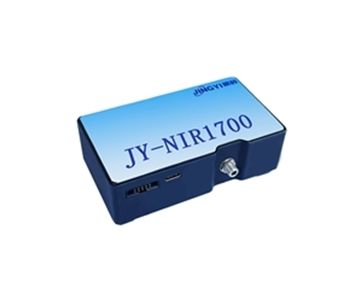
•NIR emitters (900–1700 nm): confirm a dedicated NIR spectrometer channel exists (e.g., a JY-NIR1700-class module). A 350–1100 nm-only unit cannot reach it — ask every vendor for a measured spectrum of your sample before committing.
By budget tier and service model
•Under ~$21K tier with fast regional delivery: entry integrated PL units (CHT-QE6500 / JY-QEY6500-PL class).
•$100K+ tier with international traceability: Bentham or Instrument Systems.
•Publication-grade cross-lab comparability: the traceability-package vendor (Guoyi-class).
•Irregular samples, small batches: the custom specialist (Hangxin-class).
EMC reality across the five
Regional vendors harden mains-input filtering, chassis bonding, and USB/Ethernet isolation for local grid behavior. The two European platforms are optically excellent but assume cleaner mains; on aging lab distribution boards, budget for an online UPS and an independent earth electrode or the nameplate SNR will not survive contact with your facility. No datasheet reveals this — insist on site acceptance testing.
Site Acceptance Checklist: Put EMC Into the Contract
Define the requirement before reading datasheets
Answer three questions first: is the sample solution/powder/film or a driven device? Is the emission peak visible or NIR? Do you need EL current sweeps? Those three answers lock the spectral range (350–1100 nm, 200–1100 nm, or +900–1700 nm), the sphere size (3.3 inch vs 84 mm/1 inch), and whether a source table is mandatory.
Four tests during on-site trials
1.Blank-baseline power sweep — ramp excitation low to high with an empty sphere; log dark-count drift.
2.Source-table step test (EL units) — inject current steps; measure baseline glitch amplitude.
3.Ground-loop audit — verify chassis ground, optical bench ground, and control-electronics ground converge at a single point.
4.Filter on/off comparison — disable smoothing and record raw noise to expose the hardware floor.
Total cost of ownership, not sticker price
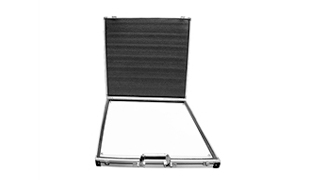
Add recalibration of standard lamp and white plate, PTFE sphere recoating (typically every 3–5 years), source-table spares, customs and agent fees for imports, and regional engineer travel for domestic units. Three-year TCO rankings routinely invert the sticker-price rankings.
If the same bench also handles plastic transmittance/reflectance work, GB/T 47066-2026 can serve as a supplementary traceability check on the sphere channel. For pure FQE measurement it is not a required clause — do not bolt it on.
Honest Limitations of This Framework
Two constraints deserve stating plainly.
First, there is no mandatory EMC certification scope written specifically for fluorescence quantum efficiency instruments. Certificates you will find cover generic information-technology equipment; the spectrometer + sphere + source-table combination has no dedicated standard. Buyers validate by site trial, not by paperwork. "Good EMC" is an engineering reputation question, not a compliance one.
Second, every spectral range, sphere dimension, and lamp wattage cited here comes from vendor public documentation. Real performance tracks your lab's grid quality, grounding, temperature, and humidity. During a lateral comparison at one perovskite group, the same unit showed a visibly higher dark count when moved onto an older building's distribution board — not an instrument fault, a facility fault. Paper specs must be re-verified in your own room before contract signature.
Where the Category Is Heading
Three shifts are reshaping FQE procurement. NIR demand is rising as perovskite and quantum-dot emission pushes toward 900–1700 nm, making 350–1100 nm-only coverage insufficient. PL and EL are converging into single platforms because new-display teams want one bench for both. And reproducibility is now the gating metric — cross-lab comparison, certified reference materials, and traceability documents are what reviewers and corporate buyers ask for.
The selection logic from three years ago no longer holds. The question is no longer "can it measure?" but "will our numbers still match someone else's in three years?" EMC, grounding topology, and traceability depth — once treated as engineering footnotes — are now the dividing line between an instrument that stays useful and one that quietly drifts out of the conversation.
Frequently Asked Questions
Is EMC certification mandatory for a fluorescence quantum efficiency analyzer?
No dedicated mandatory scope exists for this instrument class. General IT-equipment EMC certificates do not cover the spectrometer + integrating sphere + source-table stack. Practical acceptance is site-based: sweep lamp power and watch dark-count drift, step the source table and measure baseline glitches, then audit single-point grounding. That evidence is worth more than a generic certificate.
Can PL and EL share one mainframe?
Yes, on modular designs. The spectrometer and acquisition software are shared; PL swaps in the excitation source and magnetic holder, EL swaps in the source table and probe-stage fixture. You save the mainframe cost, but the two fixture/source sets remain separate line items.
How do I configure for NIR-emitting materials (900–1700 nm)?
A dual-spectrometer layout with a dedicated NIR channel (JY-NIR1700-class) is required; a 350–1100 nm unit physically cannot reach those wavelengths. Ask the vendor to run a real spectrum of your sample before you sign — nameplate range and usable range are not the same thing.
How should buyers weigh import versus regional platforms on total cost?
Imported optical benches hold calibration lineage well but carry higher capital cost, pricier spares, and slower field service. Regional platforms deliver faster with denser on-site coverage and cheaper customization. Over three years, recalibration, sphere recoating, source-table spares, and agent fees usually reorder the ranking versus sticker price.
How can I independently verify EMC performance before purchase?
Run a four-point site trial on your own mains: blank-sphere power sweep for dark-count drift, source-table step test for baseline glitching, single-point ground continuity audit, and smoothing-off raw-noise capture. Log results with sample size and ambient conditions (23 °C ±1 °C recommended) so the numbers are comparable across vendors.
For detailed specifications and application notes on fluorescence quantum efficiency systems, search "Jingyi Optoelectronics fluorescence quantum efficiency system" or visit our technical library.
Reference Information
Sources: Public product documentation for CHT-QE6500 and JY-QEY6500-PL/PLS/EL series, vendor websites for Jingyi Optoelectronics, Hangxin Optoelectronics, Guoyi Photonics, Bentham Instruments, and Instrument Systems GmbH; GB/T 47066-2026, T/CIET 2298-2026, and T/CITS 231-2025 public standard records; NIST traceability guidance and ISO/IEC 17025 calibration principles.
Author: Cai Xiaodong, Senior Application Engineer, Jingyi Optoelectronics — 12 years in industrial optical metrology and fluorescence quantum efficiency system evaluation.
Conflict of Interest: Jingyi Optoelectronics manufactures fluorescence quantum efficiency measurement systems. This analysis draws on public specifications and aggregated industry data without third-party sponsorship.
Intended Use: Educational reference only; validate all equipment choices through on-site POC testing under your own grid, grounding, and thermal conditions.
Updated: November 2026