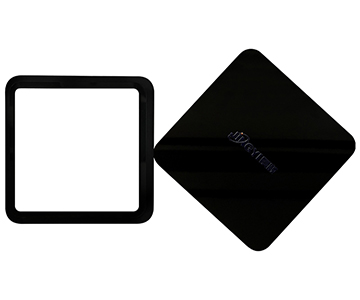
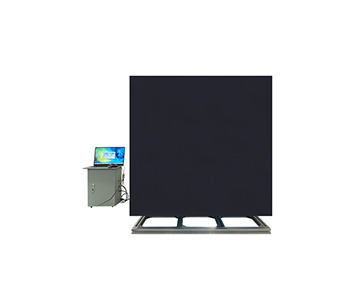
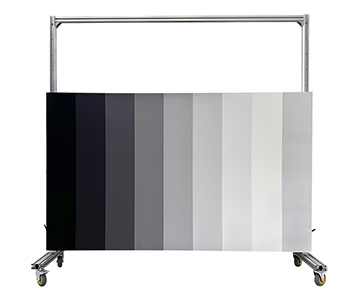
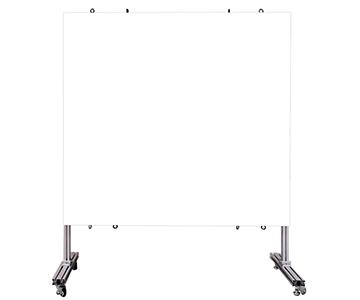
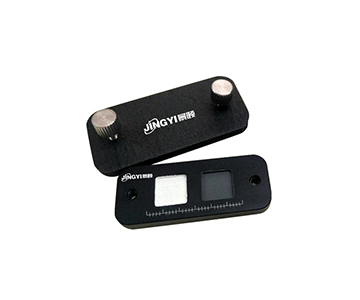
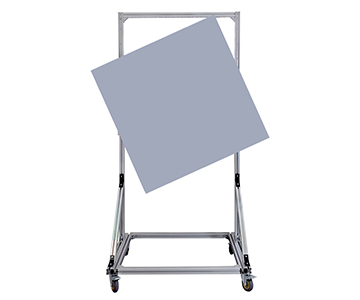
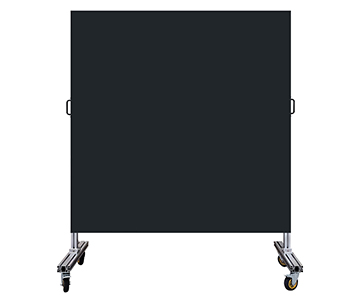
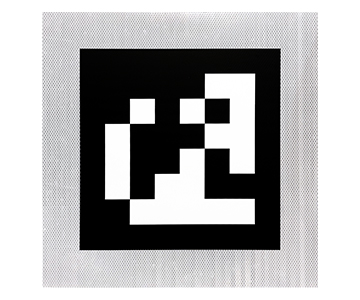
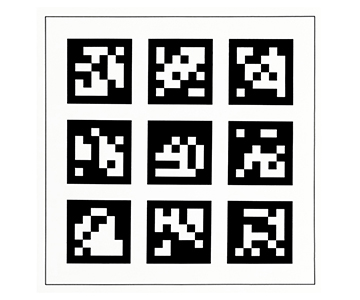
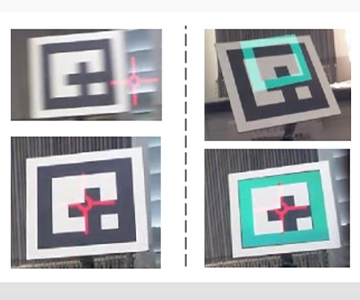
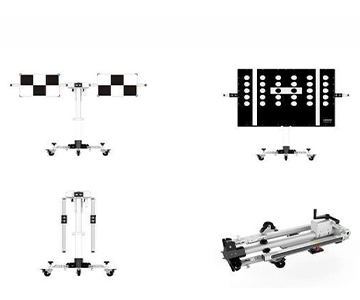
In modern visual measurement technology, accuracy serves as the key metric for evaluating system performance. As a core component enabling high-precision measurements, QR code calibration boards hold undeniable significance. Functioning like a precision "yardstick," they provide essential benchmarks for various visual systems, ensuring more reliable and accurate measurement outcomes. Let's delve deeper into the mysteries of QR code calibration boards.
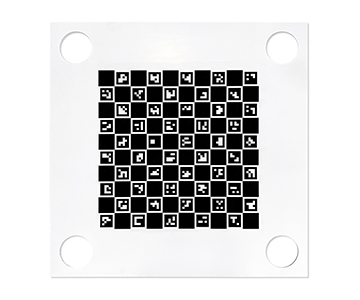
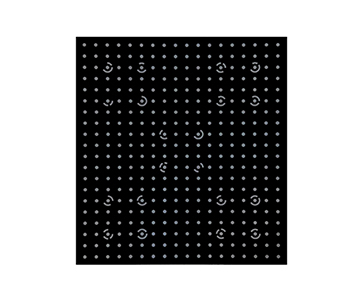
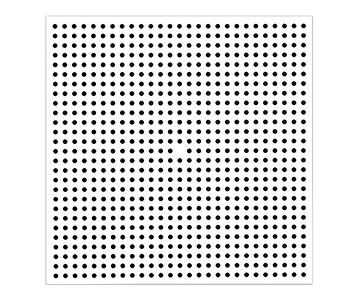
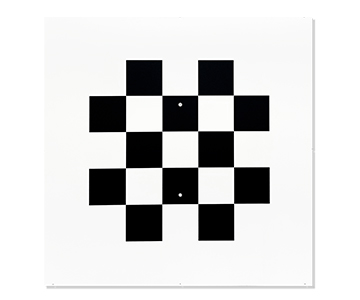
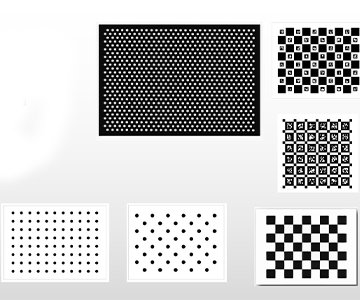
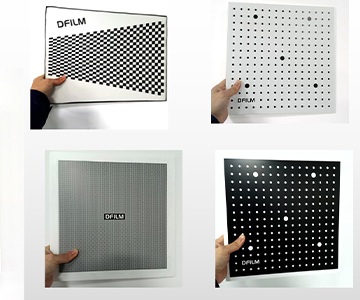
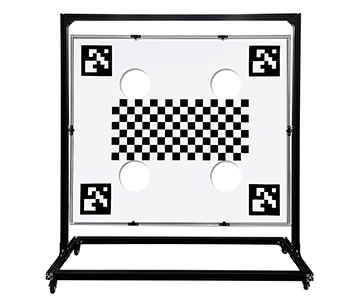
The technical essence of QR code calibration boards: Establishing a reference coordinate system for visual systems. These calibration boards typically consist of meticulously designed geometric patterns and precisely labeled dimensional information. The geometric patterns may take various forms such as checkerboard grids or dot arrays. Their core function is to provide known spatial coordinate reference points for cameras or other visual systems. When the visual system captures images of the calibration board, algorithms analyze feature points in the patterns to accurately calculate deviations between the actual positions of these points and their theoretical positions. Based on these deviation data, the system can further derive key parameters such as lens distortion, focal length, and coordinate system transformations. This process establishes a precise coordinate system corresponding to the real world for visual systems, ensuring subsequent measurement and recognition tasks can be performed with accurate foundations.
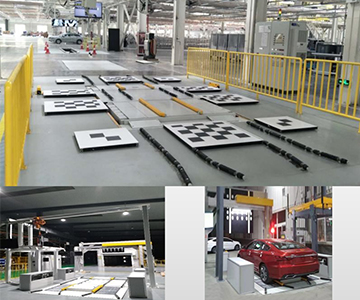
Industry Applications of QR Code Calibration Plates: Meeting Precision Requirements Across Multiple Sectors. In automotive manufacturing, dimensional accuracy of components directly impacts vehicle performance and safety. Jingyi Optoelectronics' QR code calibration plates enable precision measurement of parts by inspection equipment, allowing real-time detection and adjustment of deviations to enhance product pass rates.
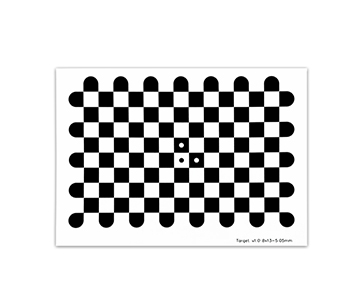
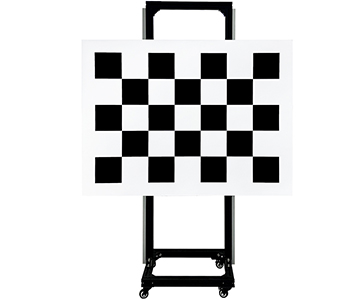
As a classic and universal choice, the checkerboard calibration board is widely used in robot vision systems. By recognizing and analyzing the checkerboard pattern, robots can accurately estimate their position and posture, thereby completing precise tasks such as grasping and assembly.
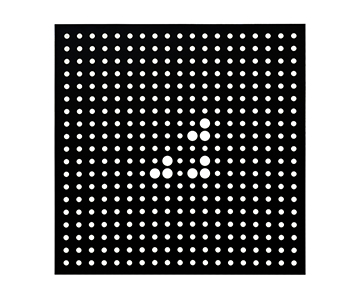
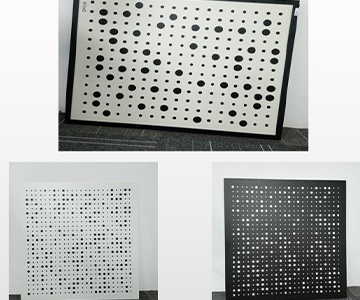
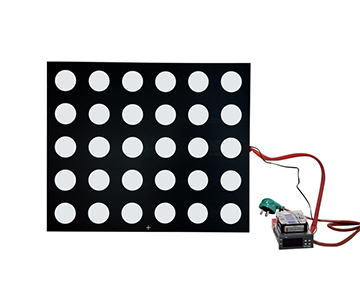
In the field of microscopic imaging systems, dot array calibration plates are widely used for calibration due to their uniform dot distribution, which facilitates sub-pixel-level precision extraction. Jingyi Optoelectronics' high-precision dot array calibration plates effectively enhance the accuracy of microscopic imaging, providing researchers and physicians with clearer and more accurate images.
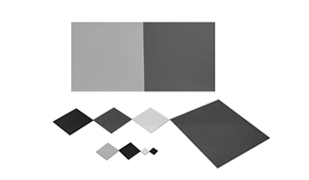
The 3D calibration board in autonomous driving integrates stereoscopic structures to provide spatial depth information calibration for binocular vision or LiDAR systems, serving as a key technology for achieving high-precision environmental perception. Jingyi Optoelectronics' application of 3D calibration boards in autonomous driving has significantly enhanced vehicle safety during operation.
Technical advantages of QR code calibration boards: Key factors ensuring calibration accuracy. Jingyi Optoelectronics employs advanced processing technologies and equipment to guarantee dimensional precision and pattern quality of QR code calibration boards that meet industry-leading standards. For instance, the calibration boards produced by the company achieve processing accuracy of ±0.001mm or higher, capable of meeting high-precision measurement requirements across various fields.
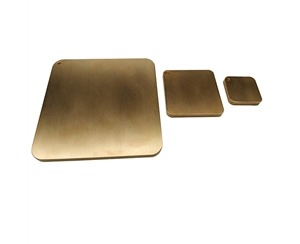
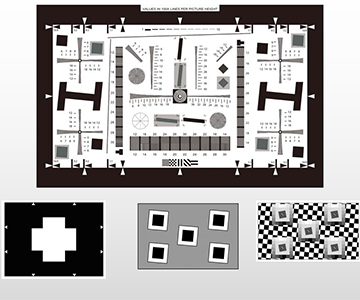
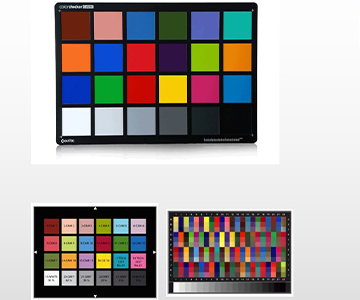
To accommodate diverse application scenarios and requirements, Jingyi Optoelectronics offers multiple types of QR code calibration boards, including checkerboard calibration boards, dot array calibration boards, and three-dimensional calibration boards. Users can select the most suitable calibration board type based on their specific needs.
The calibration board from Jingyi Optoelectronics features high-quality materials and specialized surface treatment processes, ensuring excellent stability and durability. It can operate reliably in harsh environments for extended periods.
The QR code calibration board from Jingyi Optoelectronics is equipped with professional software and tools, enabling users to complete the calibration process quickly and accurately. Additionally, the calibration board features easy installation and removal, facilitating its use across various devices and scenarios.
Key considerations for selecting and using QR code calibration boards: Details determine success. Selection criteria: Precision matching – Choose calibration boards with appropriate precision based on actual measurement requirements. For higher precision requirements, select boards with superior machining accuracy.
Size selection: The calibration board should be sized to match the camera's field of view. It is recommended to cover 50%-80% of the field of view to ensure sufficient feature point data is captured.
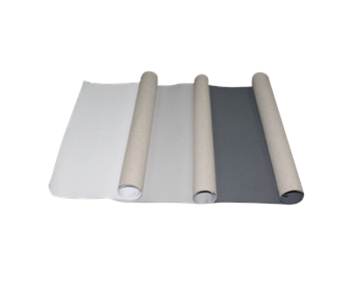
Material selection considerations: Choose appropriate calibration plate materials based on the operating environment. For instance, high-temperature resistant glass or ceramic materials should be selected for calibration plates in high-temperature environments; paper calibration plates may be used for temporary testing or applications with lower precision requirements.
Technical tips for multi-angle shooting: To obtain more comprehensive feature point information, it is recommended to photograph the calibration board under different orientations (e.g., rotation, tilt). This approach covers more distortion scenarios and enhances calibration accuracy.
Lighting control: Lighting conditions significantly impact the extraction and recognition of feature points. Strong light reflections or shadows should be avoided, and the use of uniform diffused light sources can enhance the stability and accuracy of feature point extraction.
Recalibration: Due to factors such as lens distortion and environmental changes, the parameters of the vision system may vary. Therefore, it is recommended to perform periodic recalibration of the vision system to ensure measurement accuracy and stability.
Future Trends in QR Code Calibration Plates: Intelligence and Convenience With the continuous advancement of artificial intelligence technology, QR code calibration plates are evolving toward smarter and more user-friendly solutions. In the coming years, software capable of automatically identifying calibration plates and performing real-time calibration will become increasingly prevalent. Users simply need to position the plates correctly, and the software will automatically complete the calibration process, significantly reducing manual labor costs and time requirements. Meanwhile, innovative technologies such as flexible calibration plates and foldable designs will further expand the application scenarios of QR code calibration plates, making them more adaptable to diverse measurement needs and environmental conditions.
In summary, as a vital component in the field of visual measurement, the continuous advancement and innovation of QR code calibration boards will provide robust support for the development of various industries. Jingyi Optoelectronics, a company specializing in visual measurement technology, remains committed to delivering high-quality, high-precision QR code calibration board products and solutions to customers, helping them achieve more efficient and accurate measurement and inspection.
# Computer Vision Calibration Board # Robot Positioning Calibration Board # Visual Recognition Calibration Board # Robot Recognition Calibration Board # QR Code Calibration Board # Visual Calibration Board Product Image: Scene Image: {{output}}